
Original title: 《人体特异功能的实验研究与诱发训练》
Compiled by: Human Information Science Research Group, Department of Electronic Engineering, Fudan University
Publisher: Fudan University Press, 1995
Language: English translation from Chinese
This volume collects papers and training reports produced over more than a decade by researchers associated with Fudan University. It documents their experimental methods, observations, and hypotheses concerning thought transmission, extrasensory perception, psychokinesis, anomalous writing, optical effects, and induction training.
The translation preserves the claims and terminology of the original as historical source material. Photographs, diagrams, handwriting samples, and experimental records are cropped directly from the original scan and placed inline beside the relevant discussion.
Contents
- Front Matter
- Chapter 1: Speech at the Founding Ceremony
- Chapter 2: Extraordinary Functions and Human Body Science
- Chapter 3: Experimental Research on Thought Perception
- Chapter 4: Analysis of the Screen Effect
- Chapter 5: Non-Visual Information Transmission
- Chapter 6: Mechanism of Thought Perception
- Chapter 7: Special and Normal Telekinesis
- Chapter 8: Force Effects in Special Writing
- Chapter 9: Optical Phenomena
- Chapter 10: Participation of Light
- Chapter 11: Light Indirectly Participating
- Chapter 12: The Screen Effect
- Chapter 13: 1983 Summer Training Class
- Chapter 14: Four Years of Induction Training
- Chapter 15: Electronic Calculators
- Chapter 16: Review and Exploration
Front Matter
Compiled by: Human Information Science Research Group, Department of Electronic Engineering, Fudan University
Publisher: Fudan University Press
Content Summary
This book is a collection of representative published papers compiled by the Human Information Science Research Group of the Department of Electronic Engineering at Fudan University over more than ten years. The book discusses the relationship between extraordinary functions and human body science; experimental research on thought perception, non-visual information perception, the “screen effect,” and the mechanism of thought perception; the role of forces in extraordinary psychokinesis (including extraordinary writing) and its mechanisms; and experiments on “light” participating in human extraordinary function effects. The book also summarizes experience in inducing and training extraordinary functions in young people, and reports on induction training for extraordinary use of electronic calculators with discussion. The book is characterized by rigorous experimental design, scientific testing methods, enlightening discussion, and cautious conclusions.
This book is intended for human body science researchers, life science researchers, qigong enthusiasts, and readers interested in extraordinary function phenomena.
Dedication
Dedication inscription reproduced from the original edition — cropped from PDF page 4 of the original edition.
Calligraphic inscription reproduced from the original edition — cropped from PDF page 5 of the original edition.
This book is dedicated with reverence to the pioneers of human body science research.
Chapter 1: Speech at the Founding Ceremony of the Shanghai Human Body Science Society (Preface)
Authors: Hua Zhongyi
Speech at the Inaugural Meeting of the Shanghai Human Body Science Society (Foreword) Hua Zhongyi1
Leaders, guests, and comrades:
Today is the day of the establishment of the Shanghai Human Body Science Society. First of all, on behalf of Fudan University and myself, I would like to express warm congratulations on the founding of the Society!
In the field of human body science, Fudan University has done a little bit of work in the past period, but compared with other institutions across the country, I think we have not done well enough. Why should we continue to carry out this work when we are not yet accustomed to doing such things? I feel that a very important point is that we must elevate our research on human paranormal abilities to genuine scientific research. This means that we are a society for human body science, not a club; we are not here to tell strange anecdotes for entertainment, but to conduct academic exploration and exchange.
Since it is a science, we must have a scientific research attitude, the first of which is to enthusiastically explore the unknown. Professor Chen Hankui just mentioned that human beings know very little about themselves. In fact, perhaps we also know very little about other things in nature. The achievements we have made in natural science in the past one or two hundred years are brilliant, but we cannot say that we now know all the prospects of science for certain; I even feel that this is far from the case. Therefore, the exploration of the unknown constitutes today’s science and tomorrow’s science. In this process, whether we acknowledge that “practice is the sole criterion for testing truth” and whether we acknowledge that science must be established and tested in practice is of crucial importance. Professor Qian Xuesen has always said: “Can one conclude that a fact does not exist without looking at the experiment?” Some comrades say: “I don’t want to see your experiments; once I do, I’ll be taken in by you.” I don’t think we can say that. Can we rashly deny things that cannot be understood by traditional knowledge? I don’t think we can. Some people, after watching paranormal experiments, feel that they cannot be explained by current knowledge and are “inconceivable.” But this does not mean that inconceivable things do not need to be studied. In science, we must never acknowledge that anyone has the right to interfere with or obstruct scientific research.
Both paranormal abilities and magic give people a sense of being “inconceivable.” However, the most important difference between paranormal abilities and magic, in my personal understanding, is whether the props for the performance are prepared by oneself or by others. I exchanged views on this point with Professor Qian Xuesen in the lounge during a meeting of the China Association for Science and Technology. He also agreed that this is a crucial criterion. A magician’s props are all prepared by himself; he can easily produce a pigeon from his hat, but if you let him use my hat to perform the trick, he certainly won’t be able to produce it, so this is an important key. Some veteran scientists are interested, and this is also related to this. For example, Professor Tan Jiazhen’s initial perceptual knowledge of paranormal abilities occurred at the same time as mine. Once I went to his house, and Comrade Shao Laisheng brought two children over. He asked Tan to arbitrarily take a book from the cabinet, put it on the table without opening it, and state the page number, line number, and character position, letting the children say what the character was. The results were correct both times. Tan had no idea beforehand that he was going to take a book, nor did he know which one to take. To be honest, even if it were a book he wrote himself, he wouldn’t know what character was on which page and line. Therefore, this was completely random and impossible to cheat. Conversely, today we already have computers, so we can ask: can the most sophisticated computer do this? How much storage capacity would it need to state a randomly selected character from any book in the cabinet? We scientists hope to have such a computer, but unfortunately, we do not yet. Therefore, we cannot simply take a negative attitude towards paranormal abilities; of course, we cannot simply take a positive attitude either. It is just that the unknown must be allowed to be explored, things must be broadly understood, and different opinions or conclusions must be allowed. I feel that science can only develop according to the pattern of practice, analysis, induction, synthesis, and then elevation to theory. Especially in a field like human body science, there is no authority to speak of at present. There are comrades here who have done a lot of work, and I acknowledge that you are experts, but not all of you are already authorities. Because we know too little about this scientific field, we cannot say that today there is a person who knows everything in the field of human body science and is a national or world authority. This is the first point.
The second point is that in the research process, we must adhere to the principle of “eliminating the false and retaining the true.” It is undeniable that there are fake things, counterfeit things, and fish eyes mixed with pearls. In a complex environment, it is inevitable that mud and sand are carried along, and fish and dragons are intermingled. We cannot say that there is not a single “fish eye” among the things presented; we must strictly inspect and distinguish them, but the “criterion” for distinction is not personal common sense. In recent years, many things have happened in the world that previous knowledge could not accept. High-temperature superconductivity is an example. Originally, everyone thought that the superconducting properties of solids could only be achieved at very low temperatures, but now the critical temperature has gradually increased, thus sparking a worldwide “high-temperature superconductivity” craze. Recently, another thing happened: it was originally thought that nuclear fusion occurred at high temperatures, but now it has been lowered to “room-temperature fusion.” This was also considered inconceivable in the past. Of course, these things are still debated now: are they fake or real? But in any case, the very proposal of such things shows that when original traditional concepts cannot explain them, research should be conducted. However, superconductivity and nuclear fusion can both be measured with scientific instruments and can be verified as true or false using existing conventional instruments. In addition, they study objects, not humans, so they are relatively simple. Therefore, although there are still debates in some aspects, I think high-temperature superconductivity has basically been confirmed; whether room-temperature fusion is real remains to be further explored. In short, the resolution of these problems is just around the corner. Many scientists have now lamented this: do not think that things that were previously unimaginable are impossible!
What I mainly want to explain is that although researching human body science is very difficult, it must be done no matter what. In this line of work, we indeed encounter many difficulties, and there are also some people in our university who oppose it. I used to be the vice president in charge of scientific research, and now I am the president. Some people then accused me, “Are the things you allow to be done pseudoscience?” I will not answer that for now. Comrade He Chongyin is here today. To be frank, when the first article on paranormal abilities was published in Nature Magazine, we felt that Old He had staked his reputation and Nature Magazine entirely on this one throw, because if this matter were false, the consequences would be unimaginable. It takes a lot of courage to hold on. Therefore, the establishment of the Society must still be based on this kind of spirit, that is, to bravely elevate the current practice and research in human body science into a globally recognized science, one that can truly play an important driving role for our country in national defense, industrial production, philosophy, and the development of natural science itself. Fudan University is willing to be together with everyone and contribute a meager amount of strength. Perhaps this strength is relatively small, but we are willing to do so. Thank you all! May 17, 1989
Chapter 2: Extraordinary Functions and Human Body Science
Authors: Sheng Zujia
Sheng Zujia
(Institute of Genetics, Fudan University)
Following the formal establishment of the Human Body Science Society, the long-anticipated journal Chinese Human Body Science has also been publicly published, signifying the birth of a new discipline. This discipline has two unusual aspects: first, its content does not fully correspond to its name. As the name implies, it should include human anatomy, human physiology, and so forth, but it does not. In a broad sense, human body science includes human extraordinary functions, traditional Chinese medicine, qigong, and other content; in a narrow sense, human body science refers to the study of extraordinary functions. The content discussed in this article is limited to the latter, that is, the human body functions discussed herein are not common physiological functions, but rather some uncommon, special physiological functions—namely, what are commonly called extraordinary functions. Second, precisely because of the special nature of its research content, it has not yet gained universal recognition. Some people consider extraordinary functions to be magic tricks, and magic tricks are of course not natural science. Here I will use my personal experience to demonstrate that extraordinary functions are not magic tricks. (1) The “extraordinary functions” of magicians are acquired through skill training, whereas some individuals with extraordinary functions possess certain innate extraordinary functions without any training, and these extraordinary functions may even be unknown to themselves. (2) The extraordinary functions of many individuals with extraordinary functions are obtained through training, but this training is completely different from the skill training of magicians, so it is often called “induction.” For example, in experiments conducted at Fudan University’s Department of Electronic Engineering, the individuals with extraordinary functions were all ordinary young women who, after short-term training, could break matchsticks placed inside a film cassette without touching the cassette. Could they have been trained to secretly open the cassette under the watchful eyes of everyone, break the matches, and then close the cassette again? But it should be noted that during the training process they did not necessarily come into contact with the film cassette, let alone the matchsticks; the training was primarily limited to mental intention. (3) A magician’s props are all prepared by himself, whereas in the above experiments the props were provided by me, and the matchsticks were marked by me before being placed in the cassette. Moreover, during the experiments, the individuals with extraordinary functions and I remained seated throughout, and no one left the scene. (4) A magician’s performance never fails, whereas the experiments of individuals with extraordinary functions are not necessarily successful. The matchstick-breaking experiments sometimes succeeded and sometimes did not; sometimes some individuals succeeded while others did not. For another example, the several telepathy experiments conducted in my home proceeded as follows: I would write 3 different three-digit numbers on the spot and hand them respectively to 3 individuals with extraordinary functions (there was no fifth person present, and we never left the scene). They would then transmit the information through thought to 3 individuals with extraordinary functions in the laboratory of Fudan University’s Department of Electronic Engineering, one or two kilometers away. They would report the received information to a teacher who was always present beside them, who would then immediately telephone me to tell me what the 3 numbers were. In one experiment all 3 numbers were correct, in one experiment some were correct, and in two experiments all were wrong. In such experiments, fraud was completely impossible. Even taking a step back and calling this magic, then why was it not successful every time? Could this be due to poor magic technique, or was it deliberately made to not succeed every time in order to distinguish it from magic and gain my trust? Furthermore, in the matchstick-breaking experiments, when it was announced that there would be a reward for successful experiments, the experiments did not necessarily succeed; conversely, sometimes when no reward was announced, the experiments succeeded. Could this too be an intentional arrangement? Or should we say that none of these qualify as experimental verification? However, the role of common sense should not be underestimated. Consider this: many ordinary young women, after short-term training, could accomplish what even skilled magicians would find difficult to do, and their trainer was an ordinary physics teacher who had never studied magic himself, and whose training of them was limited to mental intention rather than technique. Would those trained in this way become magicians or individuals with extraordinary functions? Through common sense judgment, it is not difficult to arrive at a reasonable answer.
One might ask: scientific experiments are valued for their reproducibility. As described above, extraordinary function experiments lack such reproducibility—can they be considered scientific experiments? Sometimes the failure of experiments is explained as being due to the poor emotional state of the individuals with extraordinary functions—is this not a cover-up with lies? At other times, the failure of experiments is attributed to the skeptical attitude of visitors—is this not a case of “it works if you believe”? But it should be understood that in extraordinary function experiments, the individual is both the experimenter and the experimental subject. In conditioned reflex experiments, the sudden appearance of a person can cause a dog’s conditioned reflex to fail. If this is true for dogs, how much more so for humans. If this is the case for conditioned reflexes, how much more so for the subtle extraordinary functions. However, what is more important is that, overall, known extraordinary functions are all reproducible, and they have been reproduced in different regions, different laboratories, and with different individuals possessing extraordinary functions. Taking telepathy as an example, in one experiment during the summer of 1991, between Shanghai and Changzhou or Taixing, 4 out of 5 transmissions were completely successful. Regarding the matchstick-breaking type of experiments, I also witnessed a successful experiment conducted by approximately 10 trained elementary school students at an elementary school in Kunming; the difference was that what was broken was chalk rather than matchsticks.
Some might say that they have personally discovered certain people claiming to have extraordinary functions engaging in fraud. Fraud generally falls into the following situations. The first situation is when a person claiming to have extraordinary functions actually knows that they do not possess such functions; they are merely resorting to mystification to swindle money. The second situation is when a person believes they truly have extraordinary functions but in fact does not; they are not engaging in fraud subjectively, but are doing so objectively. For example, there was a person who claimed to be able to change the weather—the meteorological station forecasted rain for the next day or two, and he claimed he could change it to sunny weather. After rigorous statistical analysis, it was found that this extraordinary function of his was false. The third situation is when a person who genuinely possesses extraordinary functions engages in fraud on certain occasions. As pointed out above, extraordinary function experiments are not necessarily successful every time; it is possible that due to psychological pressure, one might resort to fraud when an experiment has not succeeded. Some children engaging in fraud during ear-recognition-of-characters experiments may fall into this category. But in the telepathy experiments conducted in my home as described above, if there were any fraud, it could only be that I myself had told the information recipients the 3 three-digit numbers in advance. If fraud is ruled out and one does not attribute this to extraordinary functions, then it could only be a lucky guess. But the probability of a correct guess is , that is, one in a billion. The occurrence of such an event even once is noteworthy, not to mention that telepathy experiments can now yield meaningful results every time, just like ordinary physiological experiments.
Finally, some might ask: even if these phenomena are not “miracles” created by magicians, they are so incomprehensible, so incompatible with modern science’s understanding of the objective world—can they be called science? In fact, certain important breakthroughs in natural science often go through a process of being difficult to accept. The proposal of Darwin’s theory of evolution was once subjected to criticism, and Morgan school genetics was once denounced as reactionary and idealistic. Moreover, “many major breakthroughs in the history of science have been precisely led by the discovery of ‘anomalous’ empirical facts. The difficulties in theoretically explaining the energy distribution of black-body radiation and the negative results of the Michelson-Morley ‘ether drift experiment’ were both such ‘anomalous’ events for classical physics prior to the late 19th century” (excerpted from the inaugural issue of Chinese Human Body Science, page 9). Debates about new things are not surprising. History will draw its own conclusions about right and wrong. Some historians of science, both domestic and international, are already studying the debates surrounding genetics. Today’s debates about extraordinary functions will likewise provide valuable material for historians of science in years to come.
Some might further argue: even if extraordinary functions are not magic, even if one acknowledges that the current inability to explain these phenomena does not negate these facts, can a collection of many phenomena piled together be called a discipline? Indeed, many phenomena must be connected by theory to be considered a discipline. In this sense, one might consider that although human body science has been born, it has not yet matured. However, it should be recognized that after no less than 10 years of persistent work, some patterns have already been discovered amid the dazzling array of phenomena. For example, in extraordinary function character-recognition experiments, it was discovered that during the recognition process, a “screen” appears in the forehead region, and the characters to be recognized appear on this “screen.” It is noteworthy that this “screen” effect is not limited to character recognition; it is present in the processes of telepathy, psychokinesis, paranormal writing, and other extraordinary functions. Now there is further understanding of the “screen” effect in telepathy; for example, the information transmitted through the “screen” includes not only text but also the shape and color of objects; the images on the “screen” are static, but because the orientation of the same object appearing on the “screen” differs at different times, the information recipient can thereby perceive that the object is slowly rotating (Wang Boyang et al.). Currently, for relatively short phrases, the distance of information transmission reaches over 1,000 kilometers (e.g., from Shanghai to Beijing), and in short-distance experiments, information of up to 41 characters can be transmitted. At present, it is not yet possible to say what the limits are for the distance and amount of information transmission. Experimental results also indicate that telepathy operates through the “screen” effect, so visual information can be transmitted while auditory information, gustatory information, and others cannot be transmitted (Wang Boyang et al.). The above research results indicate that currently, regarding certain
The understanding of extraordinary functions has made some progress on the basis of affirming the phenomenon. This progress is slow, for the following reasons: (1) What is being studied are extraordinary physiological functions rather than ordinary physiological functions, and thus there is a lack of standardized research methods; (2) This is a discipline that has not been generally recognized; in research and teaching institutions, it generally cannot get on the agenda or be officially registered, and it has neither been officially listed as a discipline nor officially listed as a funding target of the National Natural Science Foundation; (3) Research results are difficult to be recognized. Although there is now a journal, China Human Body Science, where research results can be published, before this discipline has gained general recognition, whether these research results can be fairly and reasonably acknowledged remains a problem; (4) Related to all the above is the lack of successors in the research ranks; the research teams are often amateur or primarily composed of retired personnel.
The difficulties are great. However, on the one hand, the understanding of the laws of extraordinary functions is gradually deepening, and on the other hand, some people are engaged in theoretical exploration and have proposed hypotheses. There is no reason to doubt that one day the principles of extraordinary functions will be elucidated, and even its own theoretical system will be established. On that day, human body science will have grown to adulthood. At present, it is still an infant. What can we demand of an infant? If we hope it will grow up soon, we can only nurture it well today.
So, what kind of discipline is human body science? Currently, the majority of those engaged in extraordinary function research in China originally studied physics. This is perhaps because many extraordinary function phenomena cannot be incorporated into the current framework of physics, leaving them puzzled; spatial obstacles seem to no longer exist; the object is gone, but its information seems to remain, and so on. Almost every discovery impacts traditional concepts in physics, so some physicists believe that new breakthroughs in physics may emerge in extraordinary function research. However, these phenomena all occur with the participation of humans, and it can be said with considerable certainty that they occur with the participation of human brain activity. Many scientists have long pointed out that the last fortress to be conquered in life sciences will be the mystery of the human brain. Since extraordinary
Chapter 3: Experimental Research on Thought Perception
Authors: Shao Laisheng, Yu Huihua, Shen Yunhu
Experimental Research
Experimental Research on Thought Sensing Shao Laisheng, Yu Huihua, Shen Yunhu Fang Linhu (Department of Electronic Engineering, Fudan University)
Thought sensing refers to the transmission of information over a distance between individuals without the use of any known communication means or human sensory organs, relying instead on the latent functions of the human brain. Its mechanism remains currently unclear.
There has been limited domestic research on this topic. Abroad, institutions such as the Stanford Research Institute in the United States have conducted systematic research on this.
However, due to its potential application value in national defense and military affairs, most projects involve military or national security departments, and thus there are few public reports.
We began by inducing the latent thought-sensing abilities of the experimental subjects and conducted experimental research for over 3 years. We fully confirmed the objective existence of human thought sensing.
Currently, information sensing over distances of more than 1,000 kilometers has been achieved. The transmitted information can be numbers, characters, or graphics and colors.
The experimental success rate is also relatively high. This paper provides a preliminary discussion on the experimental design and results.
Experimental Design During the experiment, personnel are divided into a sending group and a receiving group, each composed of one to several researchers and experimental subjects, located at two separate locations, A and B.
The experimental subjects are all young men and women around 20 years of age, with an educational level of junior high school, working as workers or farmers. They originally did not possess extraordinary functions; after induction, they have acquired extraordinary functions such as extrasensory perception and psychokinesis.
On this basis, through a short period of thought-sensing training, they acquired the extraordinary function of thought sensing. As the experiments continued to deepen, their sensing abilities, including sensing distance, information volume, and experimental success rate, also continuously improved.
The researchers participating in the experiments are all teachers, and none of them possess extraordinary functions. Selection of venue: Ordinary laboratories and outdoor venues are both acceptable.
The distance between the two locations ranges from tens of meters to hundreds of kilometers, or even further. It is required to eliminate all possible information transmission between the two locations via known communication means, including direct or indirect contact through sound, graphics, odor, etc., and personnel exchanges.
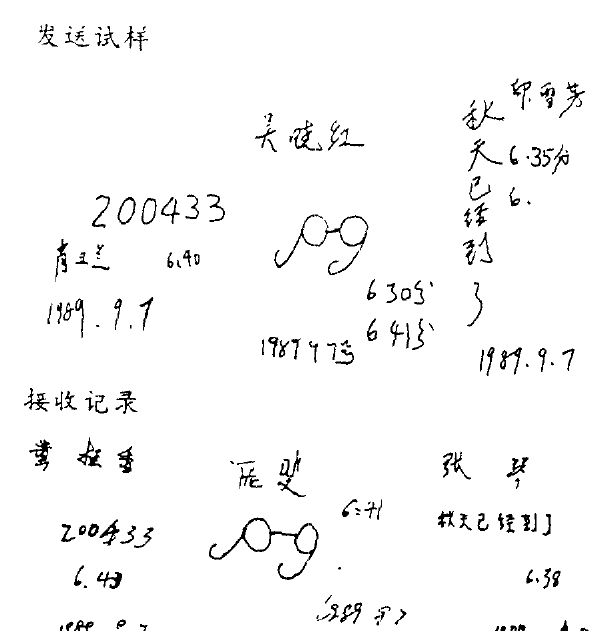
Figure 1. Thought-transmission sample — cropped from PDF page 22 of the original edition.
The transmitted information is generally written on paper, referred to as the sample, and is usually prepared and provided by personnel other than the researchers and experimental subjects present. This is to avoid mutual influence among researchers, between researchers and experimental subjects, and among experimental subjects themselves, as well as any potential cheating.
During the experiment, a researcher from the sending group randomly selects a sample and asks the experimental subject in that group to unfold and view it. The subject then sends out the information on the paper (characters, graphics, etc.).
After a period of entering a special tranquil state lasting several minutes or more, the experimental subject will inform you that the information has been sent, and the time of sending is recorded. Meanwhile, the experimental subject in the receiving group at the other location “waits” for the arrival of the signal at the agreed time.
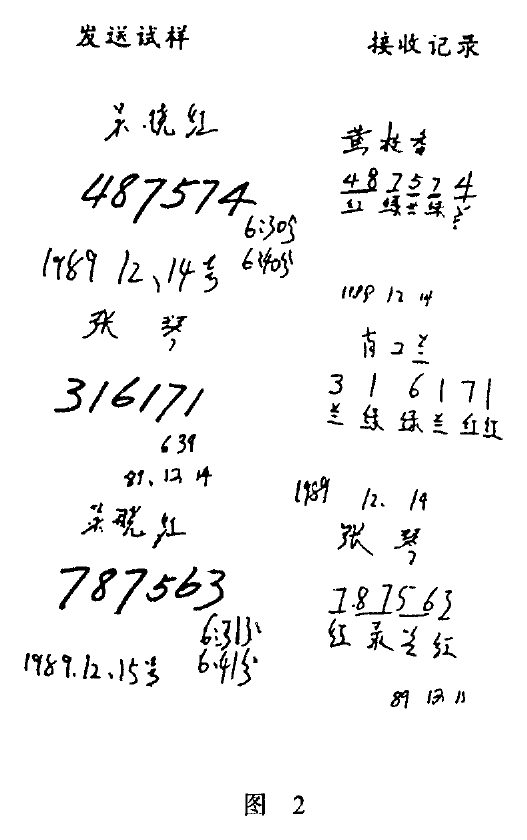
Figure 2. Sent and received thought-transmission samples — cropped from PDF page 23 of the original edition.
Upon receiving the information, they immediately write down the received information and the reception time on paper and hand it to the researcher. Finally, the researchers from the sending and receiving groups verify the sample against the received information, and the experiment is concluded.
The “Screen Phenomenon” of Thought Sensing In numerous experimental studies, individuals with extraordinary functions have reported that during the process of extrasensory perception or
Table 4-1 Second Stage: November 20–21, 1990, total of 8 sensing attempts, 4 successful, Beijing to Shanghai. Beijing Sending Shanghai Receiving
| Date | Sending Time | Sender | Content | Date | Receiving Time | Receiver | Content | Time Difference |
|---|---|---|---|---|---|---|---|---|
| 11/20 | 14:30, 14:42 | Ji Meiyun | First others, then self* | 11/20 | 15:29 | Wu Xiaohong | First others, then self | Approx. 5 hours |
| 11/20 | 14:19, 14:32 | Daping Zhengfang* | Daping Zhengfang | 11/20 | 15:19 | Yin Xuefang | Daping Zhengfang | Approx. 5 hours |
| 11/21 | 14:23, 14:30 | Ji Meiyun | 1964* | 11/21 | 14:30 | Wu Xiaohong | 1964 | Approx. 1 hour |
| 11/21 | 14:21, 14:27 | Daping Zhengfang* | 1964 | 11/21 | 14:14 | Yin Xuefang | 1964 | Approx. 1 hour |
Table 4-2 Success Rate of Experiments in Each Stage
| Stage | Sending-Receiving Location | Number of Experiments | Number of Successes | Success Rate |
|---|---|---|---|---|
| First Stage (11/17–18) | Shanghai Beijing | 8 | 4 | 50% |
| Second Stage (11/20–21) | Beijing Shanghai | 8 | 4 | 50% |
| Third Stage (11/26–27) | Beijing Shanghai | 6 | 4 | 66.6% |
| Total | 22 | 15 | 68% |
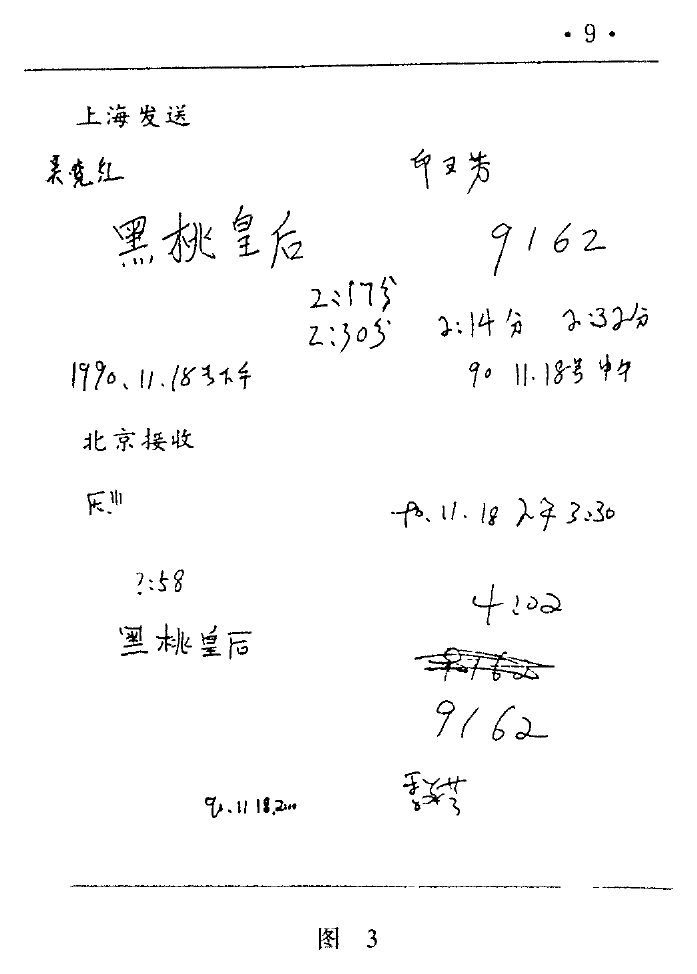
Figure 3. Thought-transmission sample — cropped from PDF page 25 of the original edition.
Table 5 Third Stage: November 26–27, 1990, total of 6 sensing attempts, 4 successful, Beijing to Shanghai. Beijing Sending Shanghai Receiving
| Date | Sending Time | Content | Sender | Date | Receiving Time | Content | Receiver | Time Difference |
|---|---|---|---|---|---|---|---|---|
| 11/26 | 14:21, 14:25 | Hello, Principal Hua! | Pang | 11/26 | 22:30 | Hello, Principal Hua! | Wu Xiaohong | Approx. 8 hours |
| 11/26 | 14:22, 14:30 | Five-spice Bean King | Ji Meiyun | 11/26 | 22:00 | Five-spice Bean King | Yin Xuefang | Approx. 8 hours |
| 11/27 | 14:19, 14:29 | 98647* | Pang | 11/27 | 14:26, 14:50 | 98647 | Wu Xiaohong | Approx. 7 minutes |
| 11/27 | 14:12, 14:21 | Spring scenery of the human world | Ji Meiyun | 11/27 | 14:30, 14:42 | Spring scenery of the human world | Yin Xuefang | Approx. 18 minutes |
Notes: (1) Sending and receiving times refer to the time the screen flashed in the subjects’ foreheads. (2) Content marked with * are samples provided by the Institute of Aerospace Medicine and Engineering. (3) The third stage sensing experiments were jointly tested by the Institute of Aerospace Medicine and Engineering and Fudan University.
IV. Selective Reception Experiments.
To understand whether mutual interference occurs during the thought sensing process, the experimental personnel were divided into two groups of equal size to perform sending and receiving respectively. Before the experiment, the two groups were paired one-to-one; specifically, the sending and receiving were conducted according to the pairings in Table 6-1 and Table 6-2.
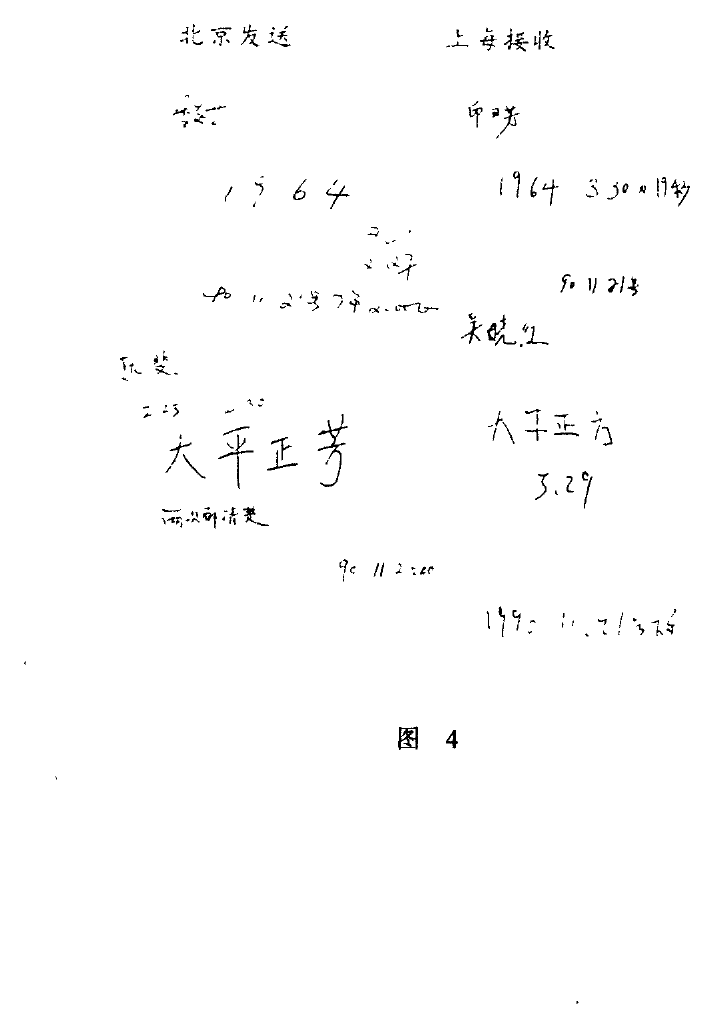
Figure 4. Thought-transmission sample — cropped from PDF page 27 of the original edition.
The experimental results were completely successful. When the sending and receiving tasks were swapped under the same experimental conditions—where the original sender became the receiver—the results were also completely successful.
Further experiments indicated that sending is omnidirectional and can be received by anyone, while receiving is targeted; one can receive the information of whoever they intend to receive it from. Simultaneously, no mutual interference occurred when several groups of personnel experimented together.
Table 6-1 Results of Paired Sender-Receiver Thought Sensing Experiments
| Sending Group Name | Sent Number | Receiving Group Name | Received Number |
|---|---|---|---|
| Ji Meiyun | 342 | Tu Jinyu | 342 |
| Wang Yulan | 569 | Wu Xiaohong | 569 |
| Huang Guixiang | 781 | Yuan Fanglan | 781 |
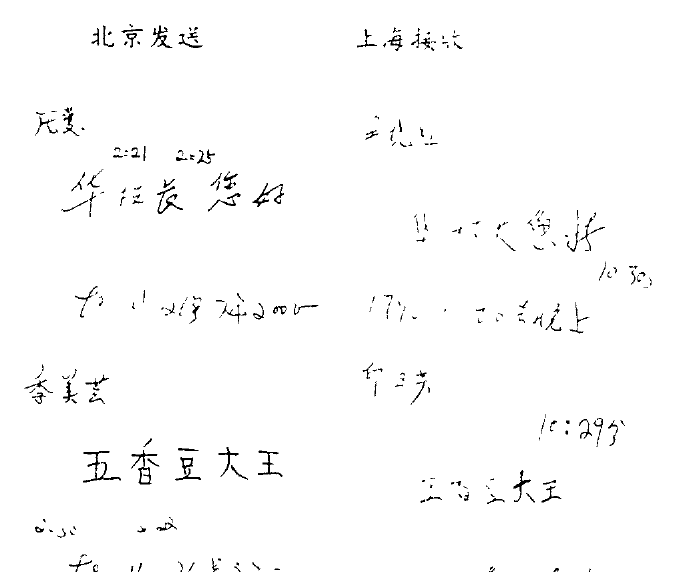
Figure 5. Thought-transmission sample — cropped from PDF page 28 of the original edition.
Table 6-2 Results of Thought Sensing Experiments with Swapped Paired Senders and Receivers
| Sending Group Name | Sent Number | Receiving Group Name | Received Number |
|---|---|---|---|
| Tu Jinyu | 999 | Ji Meiyun | 999 |
| Wu Xiaohong | 798 | Wang Yulan | 798 |
| Yuan Fanglan | 714 | Huang Guixiang | 714 |
-
Effect of Electromagnetic Shielding on Thought Sensing. We conducted experiments in an electromagnetic shielding room with double-layer copper mesh or inside a building elevator; sensing was still successful. No obvious effect of general electromagnetic shielding on thought sensing was found.
-
Experiments with Increased Information Volume.
There were no errors even when transmitting dozens of characters, as seen in Figure 6. For an ordinary person, immediately memorizing a sending sample after seeing it without a single mistake is not an easy task.
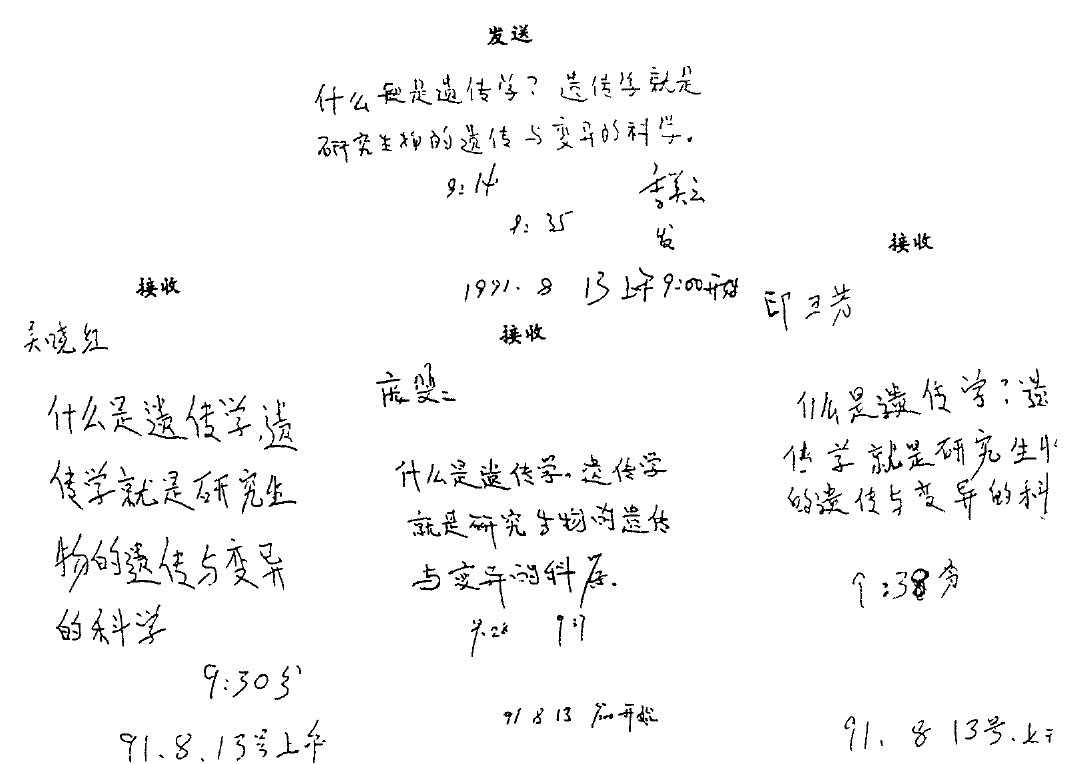
Figure 6. Sent and received samples — cropped from PDF page 31 of the original edition.
Recent experimental results indicate that the information in the samples can be unknown or incomprehensible to both the sender and the receiver—such as sending Russian or Korean text—and sensing can still be achieved, with the results being very realistic, as seen in Figure 7. Detailed content will be published in a separate paper.
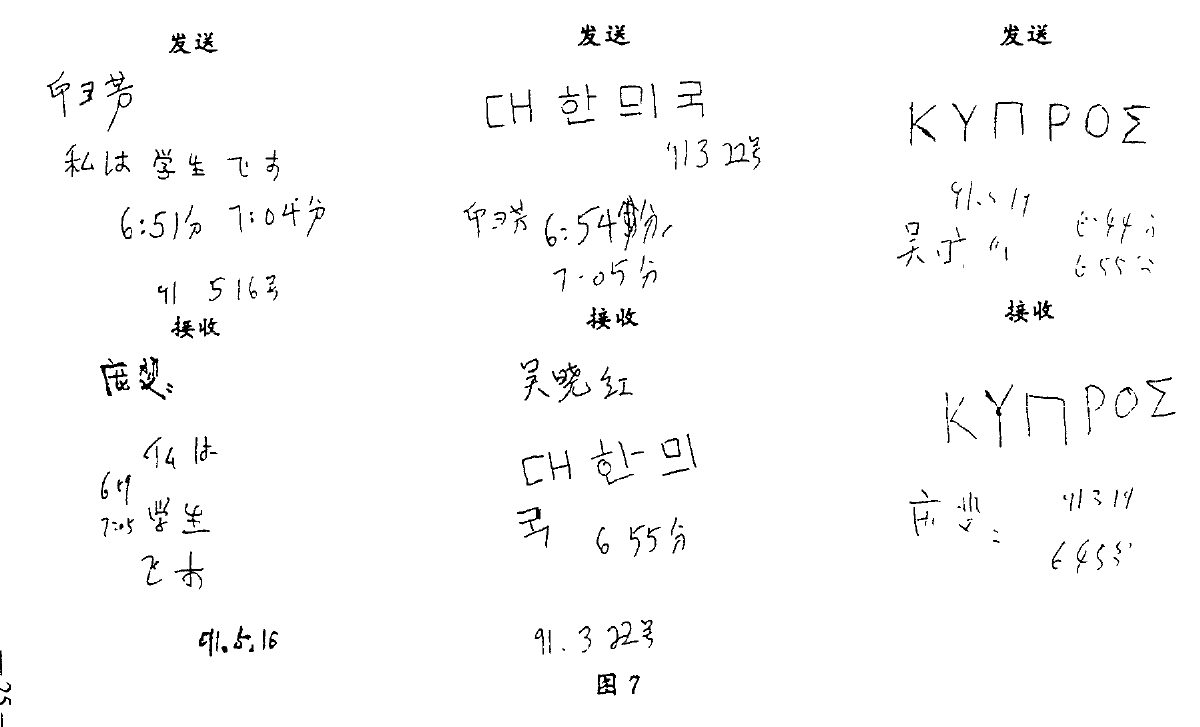
Figure 7. Sent and received multilingual samples — cropped from PDF page 32 of the original edition.
Discussion
I. Thought sensing is essentially the transmission of images flashing in the foreheads between the sender and the receiver. Further experiments indicate 2 that voice, smell, and other information can also be sensed through thought, but this can only be achieved after the sender “textualizes” or “imagizes” this information.
II. Thought sensing possesses the following characteristics: a considerably large amount of information, very high resolution (as long as the sender can “see” it), selectivity during reception, and no significant effect on the realization of sensing regardless of the transmission distance.
It is almost unaffected by general electromagnetic shielding, does not require the “energy” or complex instrumentation required for ordinary communications, and interference methods used against telecommunications equipment will not work against it, and so on. This indicates that thought sensing has potential application value.
III. Screen Phenomenon and Special Radiation.
The screen phenomenon has universal significance among many paranormal phenomena. For now, we will not discuss the process of forming screen information in the human brain (which is too difficult) and instead look at how the image in the sender’s mind is transmitted to the receiver and becomes an image in the receiver’s mind.
As a natural extension, it is hypothesized that a “special radiation” is produced simultaneously with the flashing of the screen in the human brain 3. Searching for this special radiation and studying its physical properties has attracted great interest.
Basic physical fields, such as magnetic fields, electric fields, and radio radiation fields, indeed exist in biological organisms and have been accurately recorded. However, it is inconceivable to achieve information transmission over 1,000 kilometers relying on such extremely weak biological fields.
Some believe that special radiation consists of electromagnetic waves emitted during the operation of paranormal functions. This clearly contradicts the results of our experiment where electromagnetic shielding had no effect on sensing.
Others suggest they are extremely low-frequency electromagnetic waves with wavelengths of several hundred kilometers; while electromagnetic shielding indeed has little effect on them, achieving a resolution of less than several millimeters would be impossible. We believe that electromagnetic waves may be a clue, but they are not the essence of special radiation.
Research into this mysterious substance and its properties may lead to new discoveries in physics and radio electronics.
IV. The obvious “time difference phenomenon” appearing in long-distance transmission—ranging from a few seconds to several hours or dozens of hours—shows no regular correlation with the transmission distance.
Attempting to explain the aforementioned time difference phenomenon through the time characteristics of special radiation or information carriers transmitting through the air medium is clearly unrealistic. We believe the possible explanation is that the time difference phenomenon is related to the memory storage function of the human brain 4.
A significant time difference is permitted from the storage of information to its display; Figure 8 is a schematic diagram illustrating this hypothesis. It is assumed that the only difference between the sending and receiving processes of thought sensing is that during sending, external information enters the brain’s storage system through the conventional information reception system (although information can also be obtained through special perception), whereas during receiving, the special information carrier enters the storage memory system through a special information system (special information receptor).
Figure 8. Hypothesized mechanism of thought transmission — cropped from PDF page 34 of the original edition.
Subsequently, the information processing until the screen flashes and the process of special radiation occurrence are similar. The screen effect occurrence system, special receptor, and special radiation in the figure are all hypothetical.
The telepathy experiments between Shanghai and Beijing received strong support from the 7th Laboratory of the Institute of Space Medico-Engineering, for which we express our heartfelt gratitude:
- 27 -
(This article was originally published in China Human Body Science, 1 (1992) 7)
- 28 -
Chapter 4: Analysis of the “Screen Effect” Phenomenon in Thought Perception
Authors: Wang Boyang et al.
Analysis of the “Screen Effect” Phenomenon in Thought Transference Wang Boyang, Sheng Zujia (School of Life Sciences, Fudan University) Shao Laisheng, Shen Yunhu, Yu Huihua, Fang Linhu (Department of Electronic Engineering, Fudan University)
In our article “Signs of the Human Paranormal State—The Screen Effect,” we pointed out that when paranormal functions take effect, a “screen effect” always occurs. However, to date, there has been no relatively systematic literature describing the nature of the “screen effect.” For this reason, we have analyzed the “screen effect” with the theme of thought transference.
Experimental Subjects and Methods The experimental subjects were individuals with paranormal functions trained by ourselves, who already had 2-3 years of experimental experience. They were all female, aged between 22 and 27. The experiments were conducted in the Physics Building of Fudan University. The transmission location for thought transference was Room 313, and the reception location was Room 139. The two rooms were about 100 meters apart. In a few experiments, the receiver was at the entrance of the Science Building of Fudan University, about 200 meters away from the transmission location. The experiments generally started at 6:30 PM. The subjects were required to immediately record the time and content of the phenomenon when a screen appeared in front of their foreheads. At the start of the experiment, the experimenter would temporarily write down or dictate the content to be transmitted and instruct the sender to send it. Generally, the experiment could be concluded within 45 minutes. — 29 —
Experimental Results I. Color Images Displayed by the “Screen Effect” To demonstrate that both the information sender and the receiver conduct transference through images displayed on the “screen,” we conducted the following experiments.
(1) The sender Yin Xuefang (primary school education level) was instructed to view a colored picture of a butterfly (Figure 1) and send the information in Room 313 of the Physics Building. After completing the transmission, she was asked to describe in writing the pattern that appeared on the “screen.” Her written description was: “I sent a butterfly, with its head pointing down. Its body was yellow and also had black.”
The receiver Ji Meiyun (middle school education level) received the information in the Science Building. Her written description of the received image was: “A butterfly, with very bright eyes. At about 1/5 of its entire body, that is, on the upper left of its tail, there was a spot about the size of a little thumb. On the front 2/3 of the body, there were quite a few black spots like ants.”
(2) The sender Xiao Xuelan (junior high school education level) was instructed to view a colored picture of a tiger (Figure 2) and send the information in Room 313 of the Physics Building. After completing the transmission, her written description of the image appearing on the “screen” was: “A tiger, yellow mixed with black, mouth open, looking very fierce, standing in the grass. Its two front feet were standing on a rock, and its two hind feet were standing in the grass. It looked as if it had just come out of a cave.”
The receiver Wu Xiaohong (primary school education level) received the information in Room 139 of the Physics Building. Her written description of the “screen” image was: “A tiger, its whole body was yellow, inlaid with many black spots. Its two ears were standing straight up, its mouth was wide open, and it was standing in the grass.”
(3) The sender Ji Meiyun was instructed to view a colored picture of an eagle (Figure 3) and send the information in Room 313 of the Physics Building. After completing the transmission, her written description was: “What appeared in my mind (Note: this is the original text of the sender’s written description; it should actually be called ‘what appeared on the screen’) was a small gray bird, with its two feet resting on either side of a branch intersection. Its eyes were looking forward, and behind it was a blue sky. The branch in front of where the bird was resting had one sticking upward. Its beak was black, and the color of its feet was a bit redder than the color of chicken feet, and its claws were relatively long.”
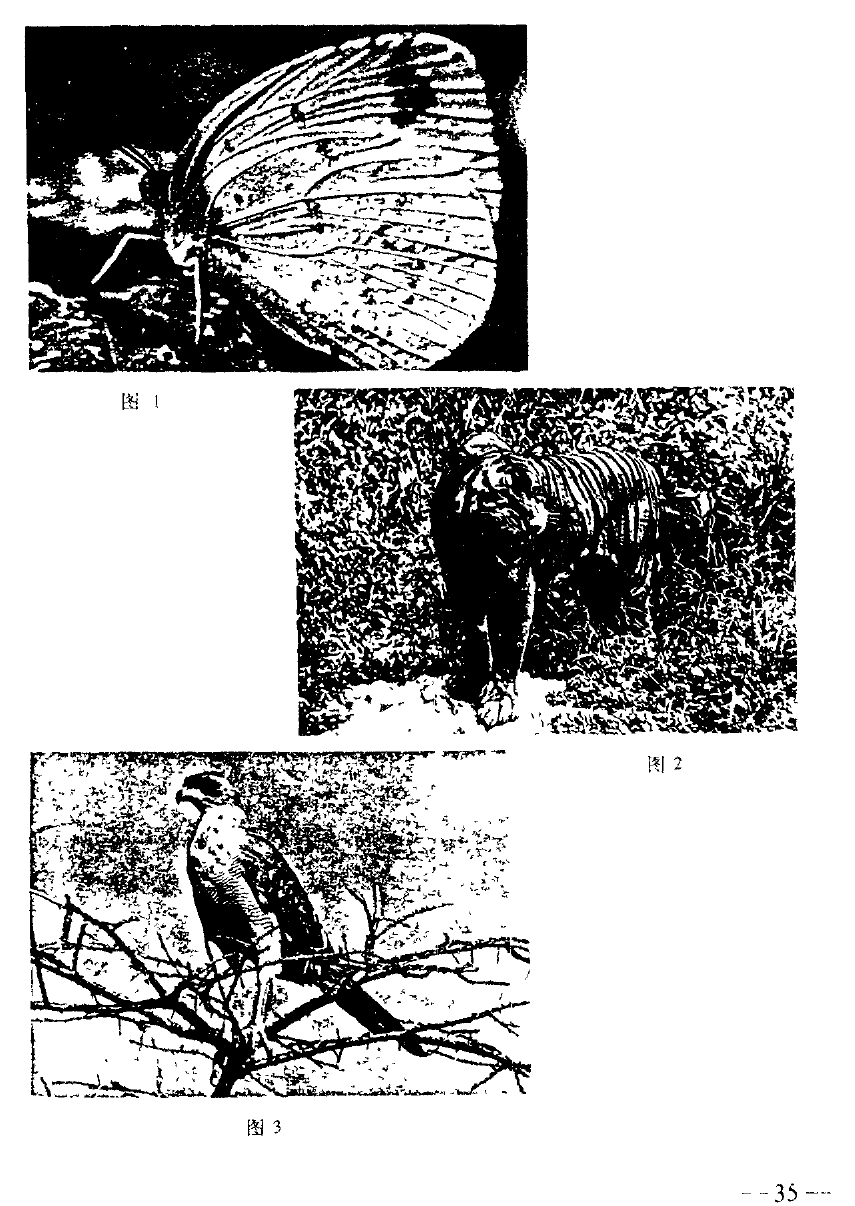
Figures 1–3. Butterfly and bird source images — cropped from PDF page 42 of the original edition.
— 30 —
The receiver Pang Fei (senior high school education level) received the information in Room 139 of the Physics Building. Her written description of the received image was: “A very fierce little bird, resting on a branch. The bird looked very alert. One foot was on one side of the branch intersection, and the other was on the other side.”
From the situations described by the senders and receivers in the above experiments, what appeared on the “screen” was not text describing the image, but indeed the color image itself, because the sentences used in the written descriptions were not identical.
II. The Relationship Between “Image” and “Word Meaning” Since the information being transferred is in the form of a “color image,” then when the required transference is colored text (which is also a type of image), and the color of the text does not match its word meaning, what will the transferred information be? Regarding this, we conducted the following experiments:
The subjects were required to transfer the four characters for “red,” “green,” “blue,” and “brown,” but the colors of the four characters did not match their meanings (for example, writing the character “red” with a green pen, etc., Figure 4). The experimental results showed that what appeared on the “screens” of both the sender and the receiver were images similar to those on a color television screen, and were unrelated to the word meanings of “red,” etc., in their minds.
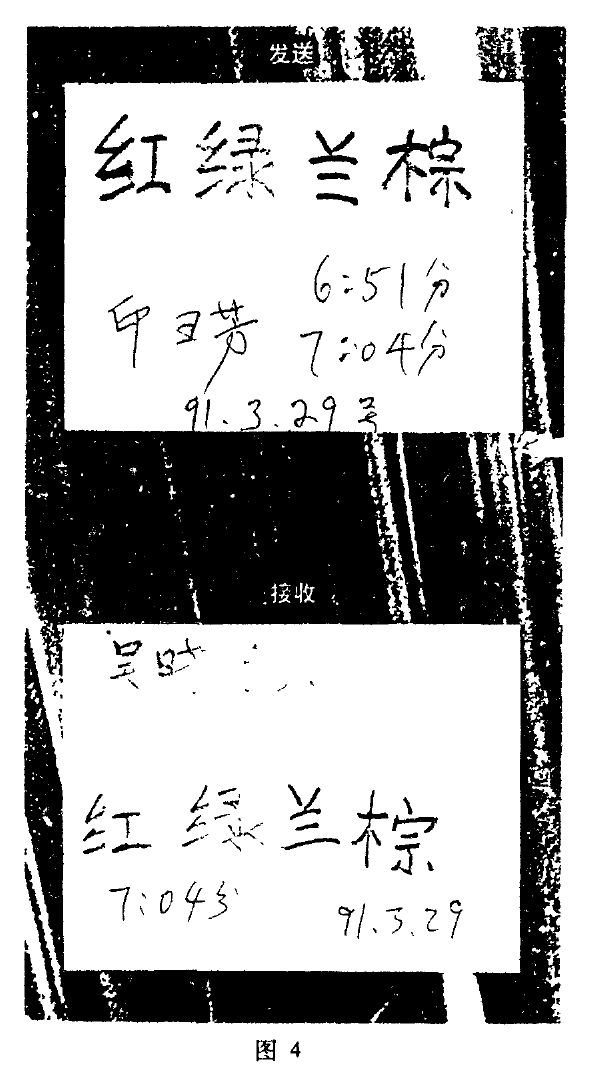
Figure 4. Color-word transmission samples — cropped from PDF page 43 of the original edition.
III. The Relationship Between the Understanding of Word Meaning and Thought Transference In the process of thought transference, must the sender and receiver of the information understand the content of the information? The experimental results showed that this was not the case. Most of our subjects had a primary or junior high school education level, with a few being high school students. Not only could they transmit Chinese words and sentences that were difficult to understand (as in Figure 5), but they could even accurately transmit various written languages they had never learned (as in Figure 6). This further proves that what was transferred were only image-like signals, and the meaning of the signals did not need to be understood by the sender or the receiver.

Figures 5–6. Sent and received writing samples — cropped from PDF page 44 of the original edition.
IV. The Problem of Dynamic Information Transference Since the “screen effect” displays images similar to those on a movie or television screen, can it reflect dynamic information, that is, can it reflect a state of motion? Regarding this, we conducted the following two experiments. Both experiments were sent by Yin Xuefang in Room 313 of the Physics Building and received by Ji Meiyun in Room 139.
Using the second-hand rotation mechanism of an alarm clock, a small object was driven to rotate. In the first experiment, a small porcelain doll wearing a yellow shirt, green pants, and a white hat was placed on the clock. The receiver’s written description of the “screen” display was: “The overall shape was like a little wooden puppet, with a white hat, light yellow clothes, and green pants, standing on white paper. But it was impossible to see clearly the direction it was facing.” — 31 —
In the second experiment, a matchbox was placed on the clock. The receiver’s oral description was: “It was a clock, and on top of the clock there was something like a matchbox. It appeared twice in front of my forehead (on the ‘screen’). The time was not long each time, but the direction of the matchbox in the two appearances was inconsistent, so I guessed it was rotating.”
The above experiments show that the duration of the “screen” display is short, and it is not easy to express dynamics. However, based on the differences in the position (direction) of the object over several appearances, the dynamic or static state of the object can be inferred.
V. The Display Process of “Screen” Information When the information required to be transferred was a sentence, and the sentence was relatively long, did it appear simultaneously on the “screen” or appear one by one? Regarding this, we conducted several experiments. In the two experimental contents shown, both had about 40 characters as shown in Figure 7 (other examples will be reported in another article). In subsequent individual conversations (to avoid the mutual influence during group questioning), they were asked to describe the display process of the text on the “screen.”
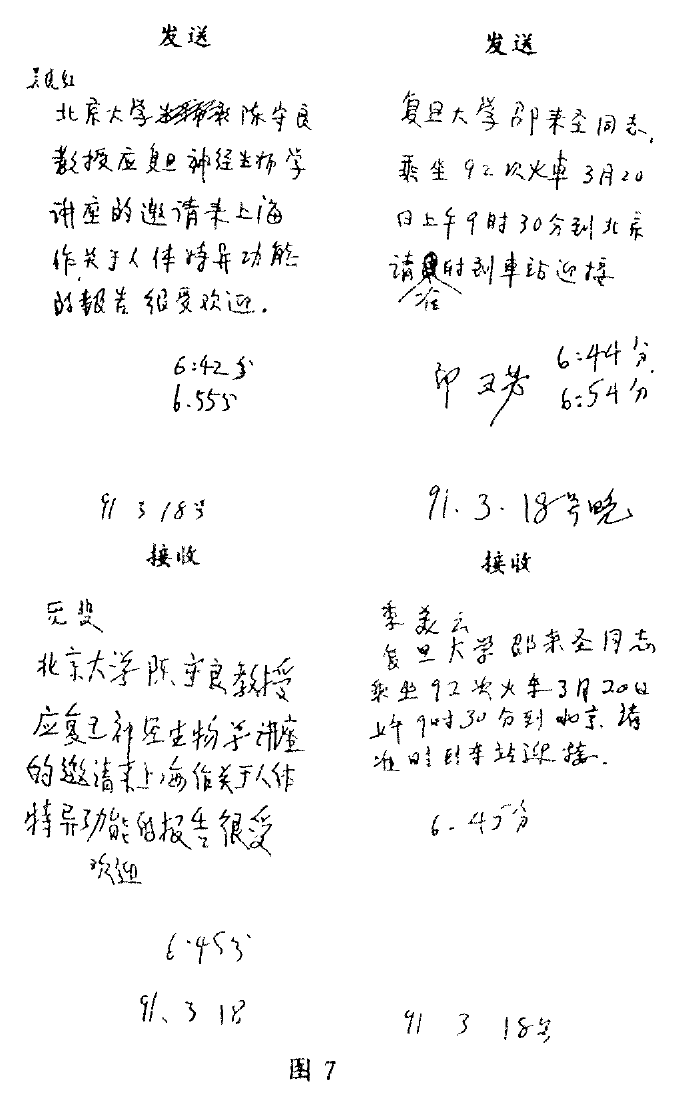
Figure 7. Sent and received writing samples — cropped from PDF page 45 of the original edition.
The sender Wu Xiaohong said: “As a phrase, such as ‘Beijing University’, might appear simultaneously, while the subsequent characters appeared one after another.”
The sender Ji Meiyun transmitted information from Nantong to Shanghai. She described the appearance of the long sentence on the screen as appearing one character after another, moving successively from one side to the other.
After receiving the long sentence transmitted from Nantong to Shanghai, the receiver Xu Yaqin described the display process as: characters appeared one by one on the “screen” successively. The “screen” was quite large. It was not that one character appeared, disappeared, and then the second appeared… but rather they moved successively from one side to the other.”
The locations of the three conversations with the above three people were different, and the time was separated by more than a month. It was impossible for them to make a unified answer. However, this gives people a concept: the “screen display” is somewhat like the “explanation” or “notice” subtitles appearing on a television screen, appearing successively from one side to the other. — 32 —
Discussion The thought transference reported in this article was an experiment conducted on three individuals who exhibited paranormal functions after induction. From these experimental results, it can be considered that the basic nature of the screen effect has been initially reflected. The conclusions drawn are: (1) information about the shape of an object can be transmitted through the “screen”; (2) information about color can also be transmitted; (3) the transmitted information expressed in text does not need to be understood by the experimental subjects, so “thought transference” is essentially “image transference”; (4) the duration of the “screen” display is relatively short, so it may not directly reflect the dynamics of the object; (5) when there is too much information content (such as sentences with many characters), the entire information transference can be accomplished through some form of “screen splitting.” These appear to be the common attributes of the screen effect. We will also clarify in another article that visual information is transferred through the screen, but auditory information cannot be transferred.
In addition, regarding the “screen splitting” effect, the method of splitting seems to have individual differences, which remains to be further studied before it can be confirmed.
The process by which individuals with paranormal functions transfer information using a medium whose essence is not yet understood has been called thought transference [13-11]. From the experimental results reported in this article, this term is worth scrutinizing. Because since text that is not understood by the information transmitter and receiver can also be transmitted, the text is merely transmitted as an image, so thought transference is essentially image transference. This is not only a matter of terminology, but involves a further understanding of the essence of this paranormal function. In the English abstract, we use parapsychological transference instead of the term thought transference to express the above viewpoint. As for its relationship with telepathy
…what differences exist between them is another question worth discussing.
- 33 -
(This article was originally published in China Human Body Science, (1992) 12)
- 34 -
Fig. 1
Fig. 2
Fig. 3
35
Fig. 4
Send
Send
Receive
Receive
Fig. 5
Fig. 6
Send
Send
Receive
Receive
Fig. 7
- 38 -
Chapter 5: Non-Visual Information Transmission in Thought Perception
Authors: Wang Boyang et al.
The Problem of Sensing Non-Visual Information in Thought Sensing Wang Boyang, Sheng Zujia (School of Life Sciences, Fudan University) Shao Laisheng, Yu Huihua, Shen Yunhu, Fang Linhu (Department of Electronic Engineering, Fudan University)
In thought sensing experiments, we often give the content to be sensed to the information sender in the form of text or pictures for sensing. That is to say, what is sensed is visual information. In this case, a “screen” appears in front of the foreheads of both the information sender and the receiver 5, on which the corresponding text or pictures are displayed.
According to literature reports 6, thought sensing can also transmit auditory or gustatory information. This inevitably raises the question: do “screens” also appear during the sensing of this information? What is displayed on them? To this end, some experiments were conducted. We let the information sender listen to the content to be transmitted (which is sound rather than text or pictures) and then perform sensing. The experimental results show that the majority of sensing attempts failed because the content heard by the information sender in these cases was difficult to express in text; whereas a few sensing attempts were successful. It was learned afterwards that in these cases, what the information sender transmitted was the textual expression of the sound heard. During the sensing process, text expressing the heard sound appeared in front of the foreheads of both the information sender and the receiver.
The experimental method was the same as in the previous paper 78, and the experimental results are as follows.
- 39 -
I. Experiments with Failed Sensing (1) Spoken Language Difficult to Express [Experiment 1] The spoken phrase “We Shanghainese” (pronunciation: a la shang hai ning) spoken in Shanghainese was dictated, and the sender Yin Xuefang (a native of Subei who can understand but not speak Shanghainese) was required to transmit the above information through thought sensing. The sensing failed. [Experiment 2] The spoken phrase “I don’t understand Shanghainese” (pronunciation: shang hai nuan O N ting fo dong) spoken in Shanghainese was dictated, and the sender Xiao Xuelan (a native of Subei who can understand but not speak Shanghainese) was required to transmit the above information through thought sensing. The sensing failed.
(2) Mechanical Sounds Difficult to Express [Experiment 3] The sender Yin Xuefang was required to send the sound made by a rotating children’s toy that she heard. This was a complex sound difficult to express in language or text, sounding for 60 seconds and pausing for 40 seconds, recorded for half an hour with a tape recorder. During the experiment, the recording was played continuously for half an hour for the sender to listen to, and the sender did not know what object originally produced the sound. Four people, including Xiao Xuelan, Pang Fei, Ji Meiyun, and Wu Xiaohong, simultaneously received the information. The sensing failed, and no one received the sound information.
[Experiment 4] The experimental method was the same as above, but the required transmission was the striking sound of a copper bell, struck once with a 5-second interval, lasting for half an hour. The sensing failed. [Experiment 5] The experimental method was the same as above. The required transmission was the sound of a plastic clip striking a desk, striking frequently for 15 seconds, with a 15-second interval, lasting for half an hour. The sensing failed.
In the following few experiments, the senders and receivers were told in advance: there are only 3 sounds: do, re, and me, but the order of arrangement is different. The sounds were produced by a piano. After producing the 3 sounds, there was a 15-second pause, and it was recorded. During the experiment, the sender listened to the recording for half an hour.
[Experiment 6] The senders Yin Xuefang and Xiao Xuelan were instructed to listen to the recording of the 3 sounds “do, re, me” and send them; Wu Xiaohong and Pang Fei received. The sensing failed.
[Experiment 7] The senders Yin Xuefang and Pang Fei were given the recording of the 3 sounds “me, do, re” to listen to and send; Ji Meiyun and Wu Xiaohong received. The sensing failed.
- 40 -
[Experiment 8] The senders Wu Xiaohong and Pang Fei were given the recording of the 3 sounds “do, me, re” to listen to and send; Yin Xuefang and Xiao Xuelan received. The sensing failed. The above experimental results show that sounds difficult to express in text cannot be transmitted through thought sensing.
II. Experiments with Successful Sensing During the above experiments 3 to 6 (that is, the experiments with continuous sound production by a tape recorder), although most of the experiments failed, occasionally two experiments yielded “successful sensing” results, which are described below.
[Experiment 9] The senders Ji Meiyun and Yin Xuefang were given the (recorded) ticking sound of an alarm clock walking for half an hour and instructed to send it. Wu Xiaohong and Pang Fei received. After the experiment ended, the receivers were required to write down the sound they received. They all wrote down “the sound of a clock walking”, which were exactly the words that appeared on the “screen” of one of the senders (Ji Meiyun) when she stated afterwards.
[Experiment 10] The sender Yin Xuefang was given the recording of a train entering a station to listen to and instructed to send it. Xu Yaqin and Wu Xiaohong received. After the experiment ended, the sender was instructed to write down the sound she emitted, and the receivers were also instructed to write down the sound they received. As a result, the sender and the receivers all wrote down “a woo-woo sound, followed by a dong-dong sound, getting louder and louder.” The content written by the three people was identical without a single word different. The above experiments show that although the information sender received auditory information (sound), what was actually transmitted was text, which is visual information.
Discussion
The experimental results reported in this paper show that sounds difficult to express in text cannot be sensed. In the experiments where “successful sensing” occasionally occurred, what was sensed was the sound expressed in text, rather than the sound itself. However, even experiments requiring the sensing of text or pictures are not successful every time. Therefore, before giving an explanation for the experimental results reported in this paper, it must be clarified that the success and failure of these sensing attempts are not accidental. First, under our experimental conditions, the sensing of visual information also occasionally fails, but there must be objective reasons, such as physical fatigue, occasional physiological discomfort, stuffy weather or sudden cooling, warming, “external inhibition” caused by the appearance of strangers, and so on. In the absence of special reasons, the success rate is almost 100%. The experiments reported in this paper, whether successful or failed, were conducted under normal conditions without the various reasons mentioned above. Second, the order of the experiments described above is not the experimental procedure, but an order summarized based on the nature of the experiments. In fact, the various experiments were interspersed, and even interspersed with the content of the previous paper. In addition, the information senders and receivers did not know in advance the nature and content of the information to be sensed in that day’s experiment. The sender only knew the nature and content of the information when receiving the content to be sent, and the receiver could only know the nature and content of the information (whether it was text, picture, or sound) from the received information. If she could not receive it, then she would not know the nature and content of the information. Therefore, in our experimental results, success or failure is not accidental.
On the basis of confirming that the experimental failures reported in this paper are not accidental, how should these results be understood?
In past experiments, we found that there is a “screen effect” in the thought sensing process. The shape and color of the image presented on the “screen” of the information sender can appear on the “screen” of the receiver to achieve sensing. We also found that in thought sensing, the information sender and receiver do not need to understand the meaning of the sensed text, which shows that text is merely sensed as an image. In some other paranormal function processes, a “screen” also appears. For example, in the process of breaking a match inside a glass bottle with thought and operating a calculator with thought to perform relatively complex calculations, a match or a calculator appears on the “screen”. These all demonstrate the universality and importance of the “screen effect” in paranormal functions.
Based on our current understanding of the “screen effect”, if auditory information can be sensed, then either (1) the sound can be converted into an image by the paranormal subject; or (2) the sensing of sound does not go through the “screen”.
- 41 -
If sound can be converted into an image, then why can’t sounds that are difficult to express in text be converted? Moreover, in the few experiments where sensing was successful, what appeared on the screen was neither the sound itself (such as a “ticking” sound) nor some special symbol or waveform, but rather a text expressing the heard sound (such as “the sound of a clock walking”). Therefore, our experimental results can only show that the sound itself cannot be converted into an image, and thus cannot be sensed.
As to whether sound sensing can be achieved without going through the “screen”, the experimental results in this paper cannot provide a definite answer. This is because the paranormal subjects engaged in the experiments reported in this paper were trained by us ourselves, so it cannot be ruled out that paranormal subjects trained in other ways or some with paranormal abilities without training can achieve sound sensing without going through the “screen”. However, considering that “screens” also appear in the experimental process of paranormal functions that do not belong to the category of thought sensing (such as breaking matches through thought or calculating with a calculator through thought), it is possible that the “screen effect” is a common attribute of various paranormal functions. If this is indeed the case, sound sensing without going through the “screen” seems difficult to imagine.
- 42 -
In addition to auditory information, we also conducted a few sensing experiments on gustatory information, and the results obtained were exactly the same as those of auditory information sensing. Therefore, the above discussion is equally applicable to the sensing of gustatory information.
Summary
This paper reports some experimental results of thought sensing. Through analysis, it is concluded that sensing information through the screen effect is limited to the sensing of visual information (text, images). If auditory information (or gustatory information) can also be sensed, then they must either not go through the “screen” or be converted into images before sending, but our experimental results cannot support these possibilities.
- 43 -
(This article was originally published in “Chinese Somatic Science”, 4 (1992) 151)
- 44 -
Chapter 6: Preliminary Exploration of the Mechanism of Thought Perception
Authors: Shao Laisheng et al.
Preliminary Exploration of the Mechanism of “Thought Sensing” Shao Laisheng, Yu Huihua, Shen Yunhu, Fang Linhu (Fudan University)
In the process of “thought sensing” experiments, both the information sender and receiver must have the “screen phenomenon” unique to extraordinary functions flash before their forehead for transmission to be realized. We define the time when the screen flashes as the time of sending and receiving. We found that within the short-range sensing distance (100-1000 meters), the times of sending and receiving information are very close, with the time difference between the two parties ranging from a few seconds to several minutes. Later, during long-distance (over 100 kilometers) sensing experiments, we found that the time difference between sending and receiving information could be as long as several hours. This prominent new phenomenon of “time difference” prompted us to explore further. This paper introduces in relatively detailed manner the experimental conditions and results; discusses our understanding process and assumptions regarding the causes of the “time difference”; and on this basis, we propose a hypothesis of the “thought sensing” mechanism related to the brain’s storage and memory system.
Experiment
In the process of short-range thought sensing experiments, considering that the time of the “screen” appearance reported by both subjects is greatly influenced by their respective subjective factors from looking at the watch to recording it manually, we therefore needed to switch to using a stopwatch to record the time of sending and receiving information: that is, the sending and receiving subjects were required to immediately press the stopwatch button when the information screen flashed before their forehead, in order to reduce human influence. Table 1 shows some of the experimental results.
- 45 -
Table 1 Time difference of screen appearance between sender and receiver in short-range thought sensing
No. | Time of sender’s screen appearance | Time of receiver’s screen appearance | Time difference 1 | 8’42” | 8’52” | 10 seconds 2 | 13’16” | 13’33” | 17 seconds 3 | 7’15” | 7’56” | 41 seconds 4 | 17’26” | 18’42” | 1 min 16 seconds 5 | 31’11” | 33’21” | 2 min 10 seconds 6 | 9’49” | 11’16” | 1 min 27 seconds 7 | 27’16” | 29’37” | 2 min 21 seconds 8 | 12’21” | 13’25” | 1 min 4 seconds 9 | 17’01” | 17’32” | 31 seconds 10 | 17’15” | 19’10” | 1 min 55 seconds
Experimental conditions for Table 1: The information consisted of two Arabic numerals; the transmission distance was about 100 meters; 7 individuals with extraordinary functions participated in the experiment. Although we synchronized the stopwatches as much as possible, the final time difference still ranged from 10 seconds to over 2 minutes. We also compared over 100 experimental records with transmission distances ranging from 100 meters to 10 kilometers, and the time difference still showed such irregular variations, with no regular pattern related to distance found. Therefore, in this short-range experimental stage, our explanation for the “time difference” was merely that it was largely produced by the subjective influence of the subjects, and the experimental error mainly came from uncontrollable human factors.
On January 18, 1990, we successfully conducted our first long-distance “thought sensing” experiment (between Shanghai and Changzhou, a distance of about 200 kilometers). The experimental results were completely beyond our expectations. After ruling out the possibility of information transmission through other means, the time difference between the sender and receiver in the two locations reached over 6 hours. The details of this experiment are introduced as follows.
As agreed by the experiment directors of both parties: On January 18, a thought sensing experiment was to be conducted at 12:30 noon and 19:00 in the evening respectively; at exactly 20:00, the experiment directors of both parties would check the experimental results via long-distance telephone. In Changzhou, at 12:30, the experiment director Yu Huihua arbitrarily wrote two test samples of transmitted information and handed them to the two senders, Ji Meiyun and Yin Xuefang. Ji’s was “Return to Shanghai on Saturday afternoon”, and Yin’s was “2’74"". Ji’s screen flash times were 12:41 and 12:50, and Yin’s were 12:42 and 12:53. In Shanghai, the experiment director was Shao Laisheng. Starting at 12:30, Pang Fei and three others received the information, but within the stipulated experimental time limit (45 minutes), none reported the appearance of a screen; this experiment was declared a failure. At exactly 19:00 in the evening, the experiments for both parties started again. The information sent by Ji was “914”, and by Yin was “Is it raining in Shanghai today?”, but this time, what was received in Shanghai was exactly the information sent from Changzhou at noon, rather than the information sent in the evening. The transmission time between the two locations reached over 6 hours.
- 46 -
Table 2 Time difference of screen appearance between sender and receiver in “thought sensing” from Shanghai to Taixing
Experimental Date | Information Content | Sender | Time of Sender’s Screen Flash | Receiver | Time of Receiver’s Screen Flash | Time Difference 1/23 | I am Pang Fei, wishing you a happy Spring Festival | Pang | 18’43 | Huang | 21’35 | 2 hours 52 minutes 1/24 | I am Ji Meiyun, wishing you good luck | Ji | 18’46 | Zhang | 21’13 | 2 hours 27 minutes 1/25 | I am Pang Fei, wishing you good luck | Pang | 18’45 | Yin | 21’15 | 2 hours 30 minutes 1/26 | I am Ji Meiyun, wishing you a happy Spring Festival | Ji | 18’44 | Xiao | 22:00 | 3 hours 16 minutes 1/26 | 900125 | Pang | 18’39 | Huang | 21’10 | 2 hours 31 minutes 1/26 | (Teacup) | Ji | 18’40 | Zhang | 21’22 | 2 hours 42 minutes 1/26 | It is currently drizzling in Shanghai | Pang | 18’45 | Yin | 21’15 | 2 hours 30 minutes
- 47 -
The next day, according to the experimental conditions of the previous day (only the information content was different), two more experiments were conducted, and the results were completely repeated.
From January 23 to 30, we conducted 4 completely successful sensing experiments between Shanghai and Taixing, and there was still a significant time difference phenomenon. The experimental results are shown in Table 2.
Discussion
- If we look only at the surface of the above long-distance thought sensing experimental results: the reason there is a time difference of over 6 hours between Changzhou and Shanghai is because the time interval between the two experiments was predetermined to be 6 hours. The time difference between Shanghai and Taixing is also because the receivers, based on the experience of the previous two experiments, failed to receive the information within the stipulated receiving time limit, and each took the initiative to receive again after an interval of over 2 hours. Therefore, the above-mentioned “time difference” is related to the interval time between the receiver’s two entries into the extraordinary functional state, and this interval time was artificially determined. But in reality, there is indeed a delay of several hours between the sending and receiving of “thought sensing”, and this is the essence of the “time difference” phenomenon. Therefore, we must propose a new explanation, and the new explanation is obviously linked to the mechanism of thought sensing.
We believe a possible explanation is: the “time difference” phenomenon is related to the brain’s storage and memory function. This hypothesis can be linked to the theoretical models of learning and memory in modern psychology. In the process of human understanding of the world, the brain’s storage and memory function is a very important part. Briefly speaking, the constantly changing information in our surrounding environment mainly acts on our sensory organs through light waves and sound waves, converting physical stimulus energy into nerve impulses, which are transmitted to the brain to produce sensations and perceptions; at the same time, the brain automatically stores the filtered information into the memory system. Later, through recall, the stored information can be extracted, and through analysis and synthesis, people’s understanding is further deepened. We can use the method of analogy to explain that the “time difference” phenomenon in thought sensing experiments is also produced by the brain’s storage and memory function.
- 48 -
Assuming that the receiver of thought sensing, within the artificially stipulated time limit, although making efforts to enter the extraordinary static state, does not have a “screen” flash before the forehead, it is generally considered that the experiment was not successful (during the experiment, subjects are often subjected to physical and mental interference, both internal and external, and this situation frequently occurs). However, we cannot rule out that in the human body, in addition to conventional receptors such as vision, hearing, and touch, there may also exist some kind of extraordinary receptor, which also unconsciously stores the transmitted extraordinary radiation information into the brain’s storage and memory system. Later, out of need, the receiver can extract the stored extraordinary information by entering the extraordinary static state and redisplay it on the “screen”. Therefore, in long-distance thought sensing experiments, due to the aforementioned brain storage and memory function, a longer time difference phenomenon is allowed to exist from the storage to the display of information.
- In order to better explain the above assumption, we use the following schematic diagram to represent it.
Figure 1 assumes that the difference between the sending and receiving processes of thought sensing lies only in the fact that during sending, external information enters the brain’s storage and memory system through the conventional information receiving system (vision, hearing, touch, etc.); while during receiving, the extraordinary information carrier enters the storage and memory system through the extraordinary information receiving system (extraordinary receptors); and the subsequent information processing, up to the flashing of the screen, and the generation of extraordinary radiation, its process is similar. The “screen effect generation system”, “extraordinary sensory organ”, and “extraordinary radiation” in Figure 1 are also hypothetical. Although there are no physiological, psychological, or physical experiments that can definitively prove their existence, we can cite some relevant experiments to show that this schematic diagram has a certain objective basis.
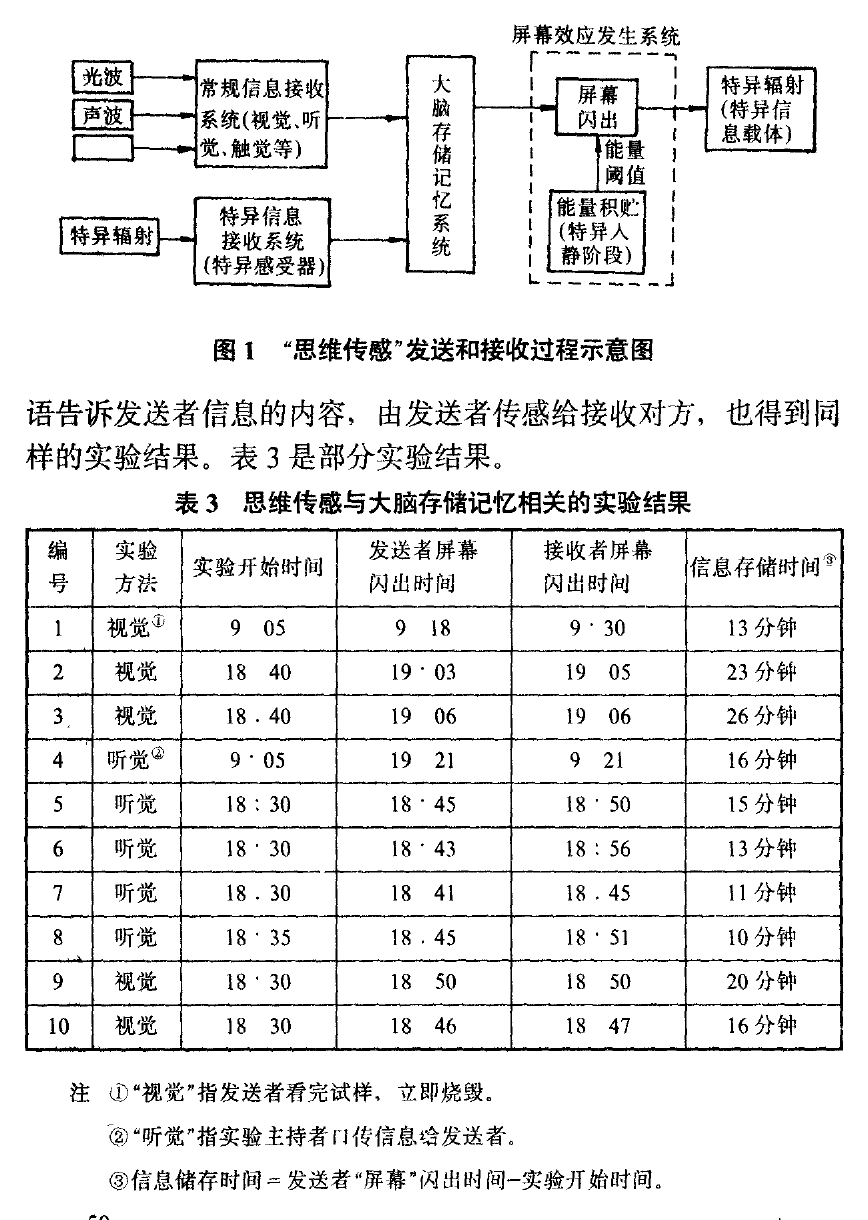
Figure 1 and Table 3. Thought-transmission mechanism and experimental results — cropped from PDF page 57 of the original edition.
(1) In order to prove that thought sensing is related to the brain’s storage and memory system, we conducted the following experiment: at the beginning of the thought sensing experiment, the sender arbitrarily took a sample from the sample bag, stared at it for half a minute, and then the experiment director burned the sample on the spot. The sender, just like in normal experimental conditions, after about 20 minutes, reported that a “screen” flashed before the forehead and immediately recorded the time. The receiver, 100 meters away, also as in a normal experiment, recorded the information content and the time of screen appearance, and the experiment was completed. We also conducted an experiment on the auditory storage effect, that is, at the beginning of the experiment, the experiment director used their mouth
- 49 -
Screen Effect Generation System
Figure 1. Schematic diagram of the sending and receiving process of “thought sensing”
told the sender the content of the information verbally, which was then sensed by the sender to the receiving party, yielding the same experimental results. Table 3 shows some of the experimental results.
Table 3 Experimental results related to thought sensing and brain storage memory
| No. | Experimental Method | Experiment Start Time | Sender’s Screen Flash Time | Receiver’s Screen Flash Time | Information Storage Time |
|---|---|---|---|---|---|
| 1 | Visual 9 | 9:05 | 9:30 | 9:40 | 13 minutes |
| 2 | Visual | 18:19 | 19:03 | 19:05 | 23 minutes |
| 3 | Visual | 18:40 | 19:06 | 19:06 | 26 minutes |
| 4 | Auditory 10 | 9:05 | 9:21 | 9:21 | 16 minutes |
| 5 | Auditory | 18:30 | 18:45 | 18:50 | 15 minutes |
| 6 | Auditory | 18:30 | 18:43 | 18:56 | 13 minutes |
| 7 | Auditory | 18:30 | 18:41 | 18:45 | 11 minutes |
| 8 | Auditory | 19:35 | 18:45 | 18:51 | 10 minutes |
| 9 | Visual | 18:30 | 18:50 | 18:50 | 20 minutes |
| 10 | Visual | 18:30 | 18:46 | 18:47 | 16 minutes |
Notes:
- 50 -
We also extended the brain information storage time of the sender, that is, one or two days before the experiment, the subject was asked to memorize the information content silently until the time of sending. The results showed no difference from the above experiments.
The above experiments show that the thought sensing mechanism has an internal connection with the brain storage memory system, which is an important experimental basis for explaining the “time difference” phenomenon.
(2) What kind of field is “specific radiation”? It is not yet clear, but many researchers believe it may be an electromagnetic field 111213. In many experiments using modern instruments to test human extraordinary function phenomena 141516, it is necessary to assume the existence of “specific radiation”. The article “Unconventional Effects in the Measurement of Extraordinary Functions” published by Zhu Nianlin and other comrades from Yunnan University 17 provides a comprehensive discussion of this issue, which can be used as a reference.
(3) Is “screen flashing” a necessary condition for the occurrence of “specific radiation”? For this purpose, we designed the following experiment: based on the subjective reports of the subjects and experimental proofs, the sending and receiving of thought sensing must both involve a “screen” with information flashing in front of the forehead, and the receiver must know who the sender is before the experiment (but the opposite condition is not necessary) for sensing to be achieved. Now suppose there are 3 subjects, A, B, and C, participating in the experiment simultaneously in different locations. A is designated to send information, B to receive A’s information, and C can only receive B’s information, that is, C cannot know who A is before the experiment. If C correctly receives A’s information, and the experiment is flawless, then it can be shown that C received the information through B. In other words, whether it is the information sender or the receiver, as long as a “screen” flashes in front of the forehead, specific radiation must occur. We have repeatedly conducted multiple experiments according to the above conditions, and the results were positive.
Based on the subjective reports of extraordinary function individuals and experimental phenomena, we believe that: whether in extrasensory perception (ESP) or psychokinesis (PK) experiments, a “screen” must also flash in front of the subject’s forehead, emitting “specific radiation”; this may be a universal phenomenon in extraordinary functions.
(4) The concept of the “screen effect generation system” is mainly based on the data introduced in the article “Signs of Human Extraordinary Functions - Screen Effect” 18. Because after each extraordinary function experiment, subjects often report feeling physically tired, and sometimes they feel headaches and brain swelling. It can also be seen from the data introduced in reference 19 that when recognizing characters extraordinarily, the pulse condition changes, spontaneously becoming smooth and rapid, similar to the pulse changes of athletes entering heavy training loads, and the experimental results of increased cerebral blood flow when recognizing characters extraordinarily introduced in reference 20. All these are sufficient to show that the occurrence of the “screen” must have an energy supply and release energy in a pulse manner. When subjects are physically unwell or feel tired, especially female subjects during their menstrual period, the success rate of the experiment is very low. At this time, they often complain: “The screen did not appear,” “The screen is dim,” “The screen image is blurred,” etc. If they are in a happy mood and energetic during the experiment, the experiment is often done faster and the success rate is higher; at this time, they often answer: “The screen is very bright and clear.” This may be related to energy storage conditions. Therefore, we assume that when an extraordinary function individual enters the static stage of extraordinary function, they begin to store energy; once the energy threshold is reached, it will trigger the “screen flash” and release “specific radiation”.
Conclusion
- 51 -
This paper discusses the “time difference” phenomenon that appeared during the thought sensing experiment process. And on this basis, a hypothesis of the thought sensing mechanism is proposed. We know that the human body is an open complex giant system 21, and thought sensing is only one function of human extraordinary functions. Therefore, the hypothesis we proposed inevitably has limitations. However, our hope is to throw a brick to attract jade, waiting for more and further experiments to verify it in the future.
We would like to express our special thanks to comrades Sheng Zujia, Gu Yuanzhuang, Zhou Yingqi, Huang Jinggen, Zhu Angru, etc. for participating in the discussions and providing beneficial opinions on this work, and our deep gratitude to the 7 subjects including Pang Fei who participated in this experiment for their close cooperation.
- 52 -
(This article was originally published in “China Human Science”, 2 (1991) 63)
- 53 -
Chapter 7: Similarities and Differences Between Special and Normal Telekinesis and Their Mechanisms
Authors: Weng Taimeng et al.
Similarities and Differences Between Extraordinary and Normal Motor Acts and an Exploration of Their Mechanisms Weng Taimeng Wu Maojun Zhu Liang, Shao Laisheng (Fudan University)
A large number of experiments have confirmed the existence of human extraordinary functions. Current science and technology cannot yet explain this phenomenon. Conducting research on the mechanisms of extraordinary functions is the only way to elevate extraordinary functions to a phenomenological science.
In the past, we studied the participation of light in extraordinary perception [1]. Analyzing the experimental results, we found that extraordinary perception is no different from normal perception; it has a direct relationship with environmental light sources. Recently, we conducted a relatively systematic study on extraordinary motor acts. The research focused on two parts: (1) measurement and analysis of the final results of extraordinary motor acts; (2) monitoring of the intermediate connection process of extraordinary motor acts.
Our specific research objects were mainly extraordinary writing, extraordinary modeling, and extraordinary bending of lead wire. Before the experiments, the subjects were emphasized to use extraordinary functions to complete the experimental requirements just like normal hand movements. The details are described below.
Extraordinary Writing There have been multiple reports regarding extraordinary writing [2]. The “writing” process contains a large amount of information, involving the hand, pen, paper, the front and back of the paper, etc. We made some analyses through various aspects of the final results displayed by extraordinary writing.
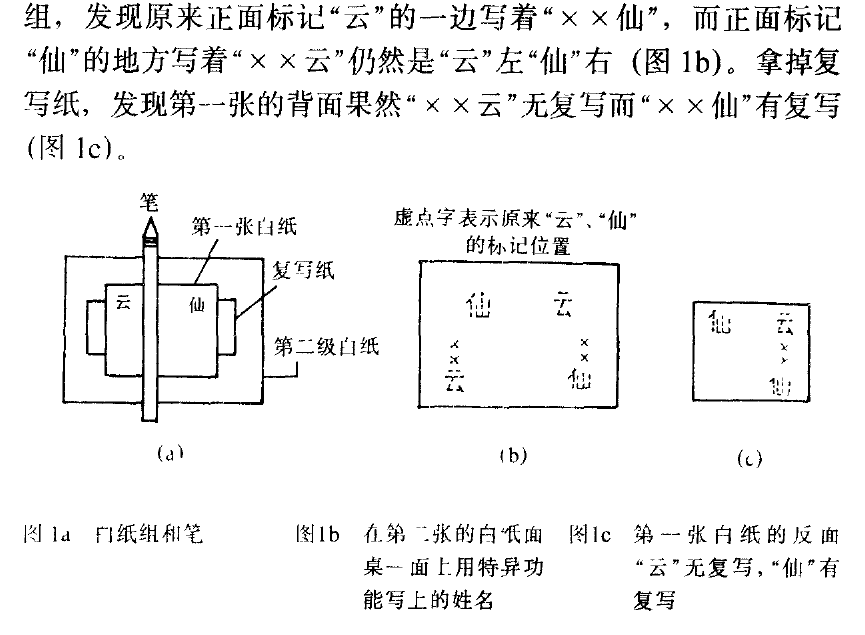
Figure 1. Anomalous-writing apparatus — cropped from PDF page 62 of the original edition.
The experimental design progressed step by step. It was mainly conducted by 6 individuals with extraordinary functions around 20 years old after a period of familiarization training. Below are the 3 main experiments.
[Experiment 1] The purpose is to understand whether the paper is flipped during the extraordinary writing process and whether the carbon paper is moved.
Content: Two individuals with extraordinary functions (Xiaoyun, Xiaoxian) sat on opposite sides of the table, “Yun” on the left, “Xian” on the right. A blue carbon paper was sandwiched between two 10 cm square white papers and placed flat on the table. The upper left and right corners of the first paper were marked with “Yun” and “Xian” positions respectively. A green colored pen was placed on the paper (Fig. 1a). The two did not touch the paper or pen. They were required to use extraordinary functions to write their respective names on the left and right sides of the back of the second paper (the side facing the table), and it was required that “Yun” must not have a carbon copy, while “Xian” must have a carbon copy.
Experimental process: The two leaned over the desk in quiet thought. The paper and pen remained motionless throughout. After about 20 minutes, both reported success simultaneously.
Experimental results: The paper and pen remained in their original state, flat on the table. Flipping the entire white paper set over, it was found that on the side originally marked “Yun” on the front, “XX Xian” was written, and where “Xian” was marked on the front, “XX Yun” was written. It was still “Yun” on the left and “Xian” on the right (Fig. 1b). Removing the carbon paper, it was found that on the back of the first sheet, as expected, “XX Yun” had no carbon copy while “XX Xian” had a carbon copy (Fig. 1c).
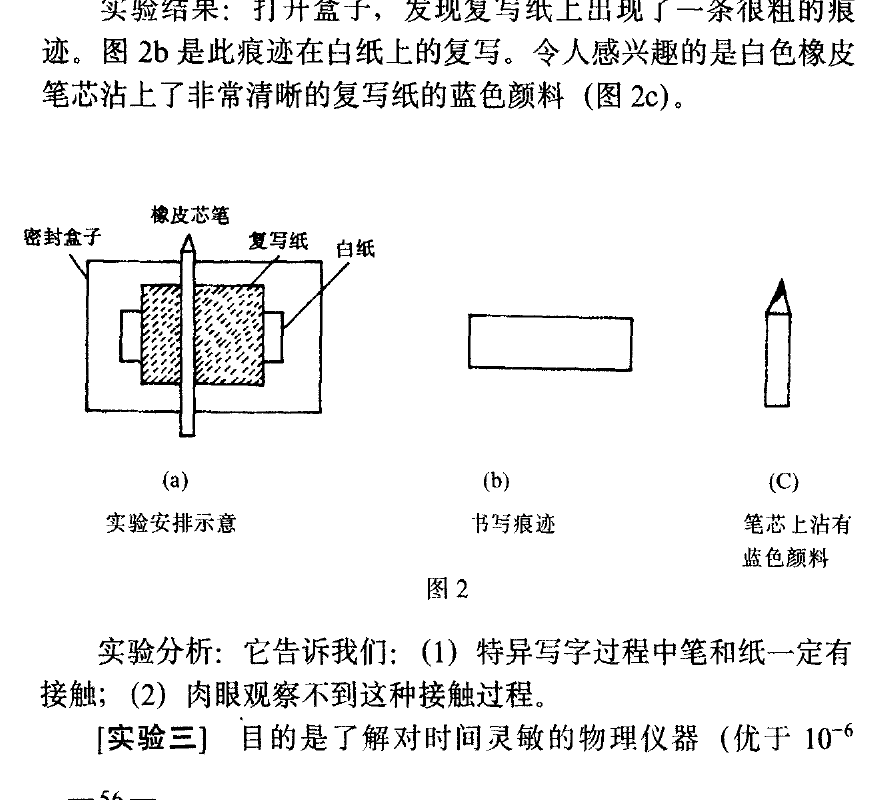
Figure 2. Anomalous-writing apparatus — cropped from PDF page 63 of the original edition.
Dotted characters indicate the original marked positions of “Yun” and “Xian” Second white paper Fig. 1b Names written with extraordinary function on the table-facing side of the second white paper Fig. 1a Paper set and pen Carbon paper Fig. 1c On the back of the first white paper, “Yun” has no carbon copy, “Xian” has carbon copy
Experimental analysis: From the above results, it can be known that: (1) During the extraordinary writing process, the paper set must undergo a “flipping process”; (2) When “Yun” was writing, there was a process of removing the carbon paper (Yun’s subjective account was also like this), but “Xian” did not; (3) In real space-time, the naked eye cannot see the above extraordinary writing process.
[Experiment 2] The purpose is to understand whether there is contact between the pen and the paper.
Content: A 40x80 mm white paper was wrapped in carbon paper and sealed in a flat box. A white rubber-core pen was placed on top of the box (Fig. 2a). The subject Xiaolan sat beside the table and was required to use this pen to write on the carbon paper using extraordinary functions.
Experimental process: Xiaolan leaned over the desk in quiet thought. The pen did not appear to move, and the box did not appear to open. After about 30 minutes, she reported success.
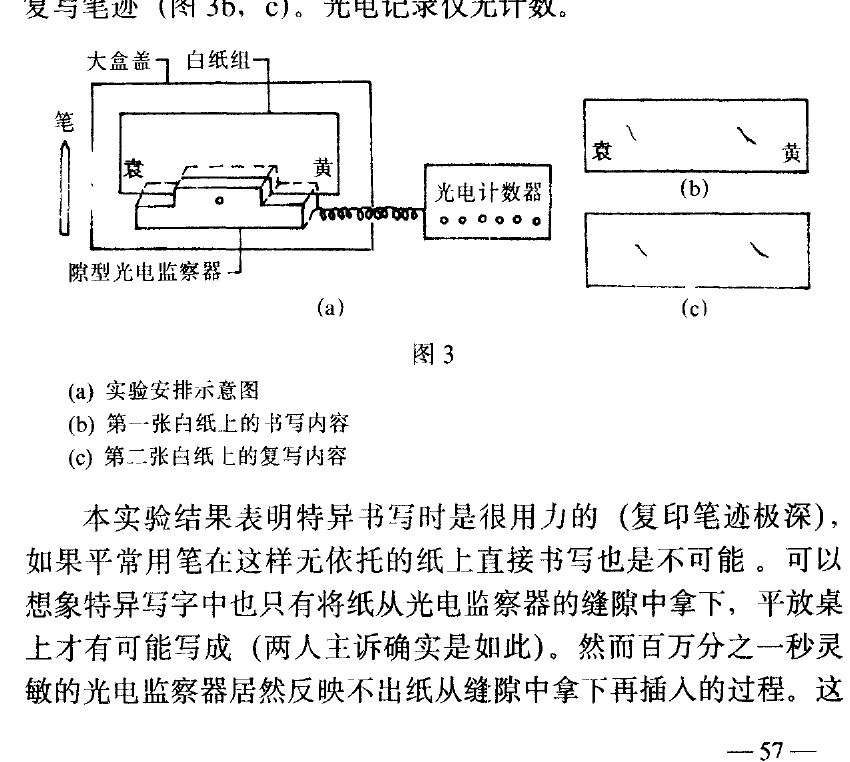
Figure 3. Anomalous-writing apparatus — cropped from PDF page 64 of the original edition.
Experimental results: Opening the box, a very thick trace was found on the carbon paper. Fig. 2b is the copy of this trace on the white paper. Interestingly, the white rubber pen core was stained with very clear blue pigment from the carbon paper (Fig. 2c).
Rubber-core pen Sealed box (a) Schematic of experimental arrangement Writing trace (c) Pen core stained with blue pigment Fig. 2
Experimental analysis: It tells us: (1) During the extraordinary writing process, the pen and paper must have contact; (2) This contact process cannot be observed by the naked eye.
[Experiment 3] The purpose is to understand whether physical instruments sensitive to time (better than 10^-6 seconds) can record the intermediate process of extraordinary writing.
Content: Two white papers sandwiching a layer of carbon paper were inserted vertically into a gap-type photoelectric monitor. There was no backing behind the paper set. As long as the paper set left the gap for 10^-6 seconds, the photoelectric recorder would immediately register a count. The paper set and the gap-type photoelectric monitor were covered and sealed in a large box. A pen was placed beside the box (Fig. 3a). Two subjects (Xiao Yuan, Xiao Huang) sat on either side of the box. They were required to each use this pen to write forcefully on the unsupported white paper inside the box using extraordinary functions.
Experimental process: Xiao Huang leaned over the desk in quiet thought, while Xiao Yuan sat quietly reading. After about 16 minutes, both reported success.
Experimental results: Opening the large box cover, it was found that the white paper set was still within the gap of the photoelectric monitor. Xiao Yuan wrote ”/” in the upper left corner, and Xiao Huang wrote ”/” in the upper right corner, and both had extremely deep carbon copies (Fig. 3b, c). The photoelectric recorder registered no counts.
Large box cover White paper set \ Huang Gap-type photoelectric monitor Fig. 3 (a) Schematic of experimental arrangement (b) Writing content on the first white paper (c) Carbon copy content on the second white paper
The results of this experiment show that extraordinary writing involves a lot of force (the carbon copy is extremely deep). If one were to write directly on such unsupported paper with a pen normally, it would be impossible. It can be imagined that in extraordinary writing, it is only possible to succeed by taking the paper out of the gap of the photoelectric monitor and laying it flat on the table (the subjective accounts of both individuals were indeed exactly like this). However, the photoelectric monitor, sensitive to one millionth of a second, unexpectedly failed to reflect the process of the paper being taken out of the gap and reinserted.
This indicates that physical instruments may not be able to observe the intermediate process of extraordinary functions; or else the reaction speed of the instruments cannot keep up with the action speed of extraordinary writing.
The above 3 experiments at least tell us the following results: Extraordinary writing is no different from normal writing. The hand contacts the pen, the pen contacts the paper, the paper can be flipped, and it can be moved, with the action of “force” present. In real space-time, human eyes and physical instruments may not be able to see and record the intermediate connection processes in extraordinary writing, such as how the hand contacts the pen, how the pen contacts the paper, how the paper is flipped, and how it is moved.
Extraordinary Modeling On the basis of studying the essence of extraordinary writing, we designed an experimental method for extraordinary modeling, the purpose of which is also to further confirm the similarities and differences between the “extraordinary” and the “normal”.
[Experiment 1] The experimental method was as follows: square or spherical plasticine was sealed in a film cassette and placed on the table in front of the subject, about half a meter away from the subject. After a period of training, the subjects were all able to use extraordinary functions to mold the square or spherical plasticine into various shapes, as shown in Photo 1. Obvious fingerprints could be found on each sample (Photo 2). After controlled experiments, these fingerprints were indeed the subjects’ own fingerprints. For example, the part indicated by the arrow in Photo 3, the right thumbprint, was pressed onto the paper by Xiaolan using extraordinary functions, and it completely matched the fingerprint pressed normally.
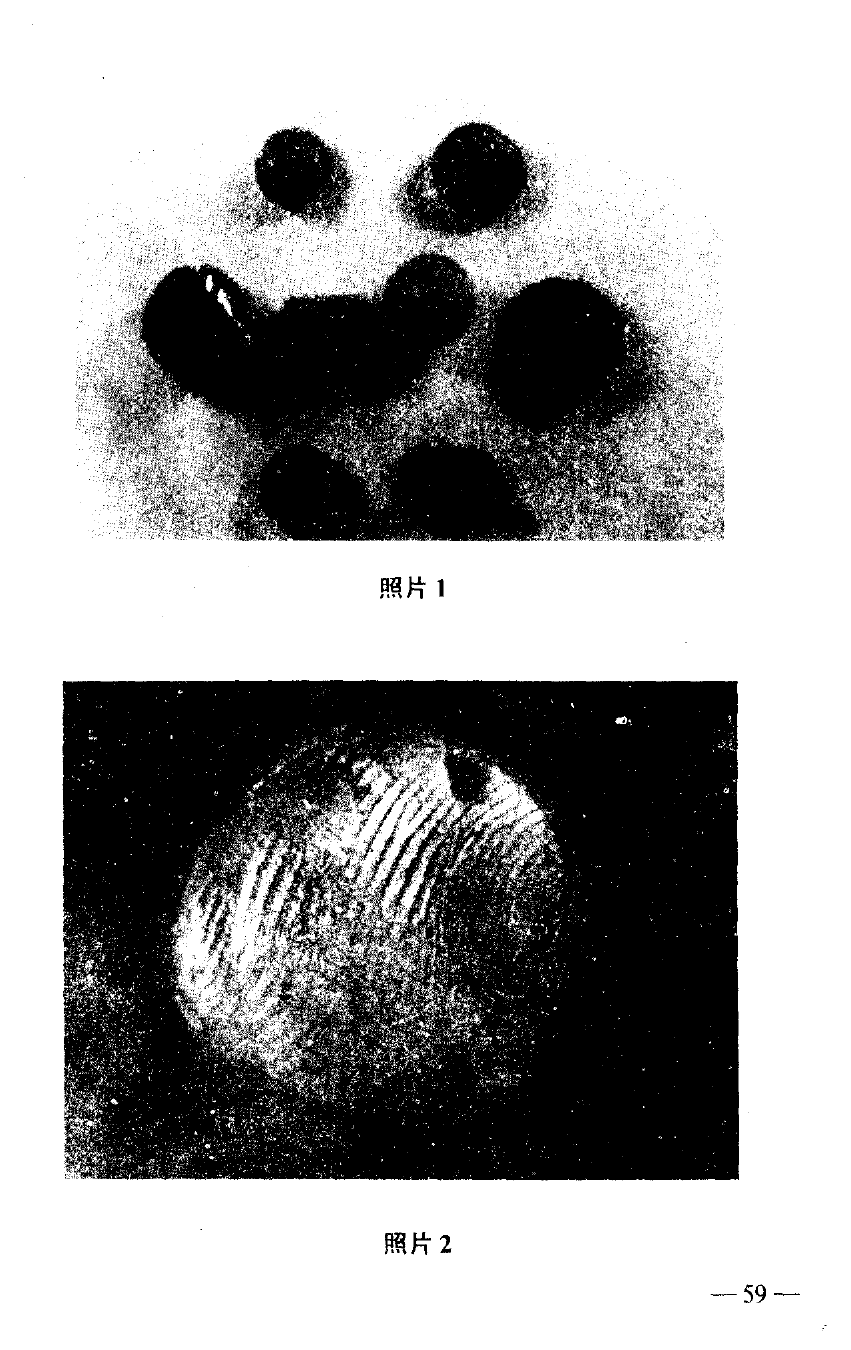
Photos 1–2. Plasticine impressions and fingerprint — cropped from PDF page 66 of the original edition.
[Experiment 2] The experimental method was as above, except that the subjects were asked to wear gauze gloves and pinch the plasticine using extraordinary functions. As a result, both subjects Xiaolan and Xiao Ji flattened the plasticine and left clear gauze glove stripes on the surface of the plasticine (Photo 4).
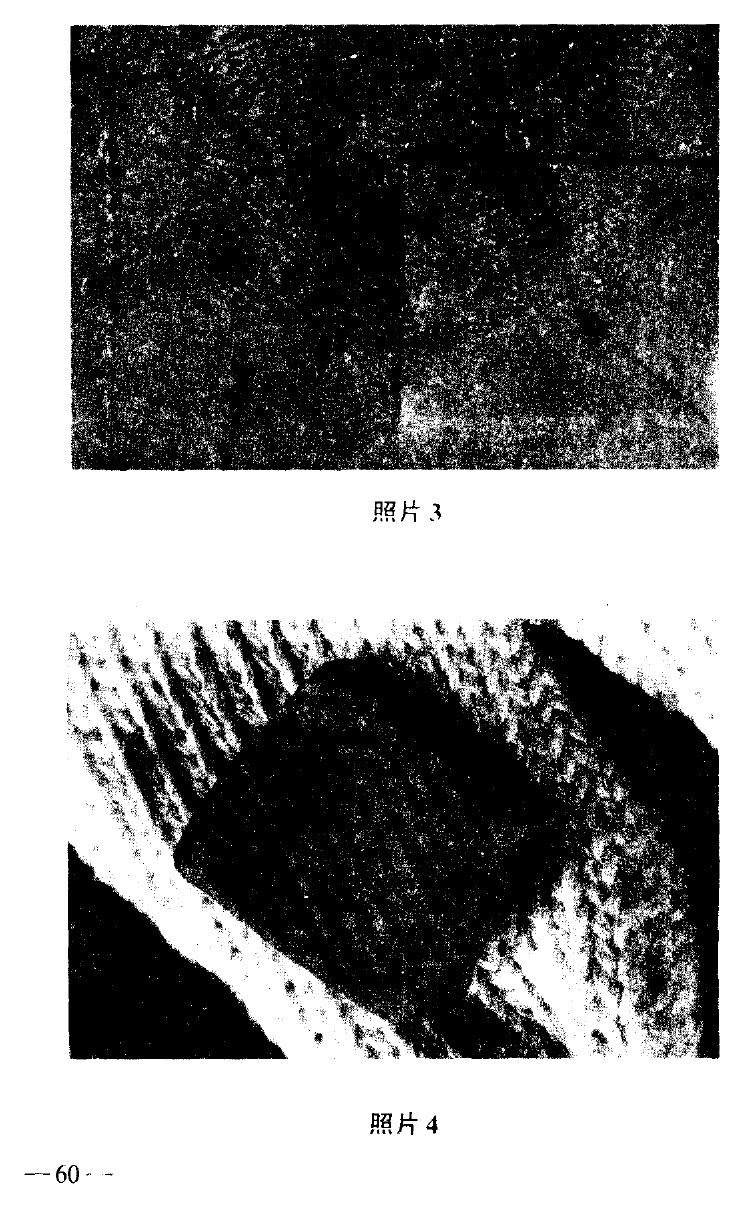
Photos 3–4. Plasticine and glove-mark records — cropped from PDF page 67 of the original edition.
[Experiment 3] The experimental method was the same as above, except that UV fluorescent powder was applied to the plasticine sample in advance. The subjects wore gauze gloves and flattened the plasticine using extraordinary functions. As a result, under 253.7 nm ultraviolet irradiation, the gauze gloves showed corresponding fluorescent colors at the locations described by the subjects. We also used black powder instead of fluorescent powder, and as a result, black powder was found adhering to the fingers described by the subjects (without wearing gloves).
The above 3 experiments, repeated multiple times, strongly demonstrate that during extraordinary modeling, the subjects indeed used their fingers to flatten the plasticine, just as stated in their subjective accounts. It is just that we cannot see these extraordinary action processes.
Extraordinary Bending of Lead Wire Extraordinary bending of lead wire is very easy for an individual with extraordinary functions to achieve. We took a lead wire about 40 mm long and 1.0 mm in diameter and placed it in a plastic cassette. The surface of the lead wire was coated with red ink paste. The subject Xiao Ji was emphasized to use extraordinary functions to hold both ends of the lead wire with the thumbs and index fingers of both hands, just like normal, and force the lead wire to bend into a “V” shape. Xiao Ji succeeded in one attempt. We specifically noted that the thumbs and index fingers of Xiao Ji’s both hands were stained with red ink paste traces from the lead wire. Like the experiments above, Xiao Ji indeed used his fingers to bend the lead wire; it is just that we could not see the action process. Now the question is whether the subject, like a normal action, first opened the plastic box cover, then took out the lead wire, and after bending it, put it back into the box? To this end, we conducted the following experiment: we coated the plastic box cover of the above sample with black powder, and covered the cassette with a 50 ml beaker. The subject Xiao Ji wore white gauze gloves and then used extraordinary functions to bend the lead wire inside the cassette. As a result, it was found that Xiao Ji’s right-hand white gauze glove was stained with large patches of black powder (Photo 5).
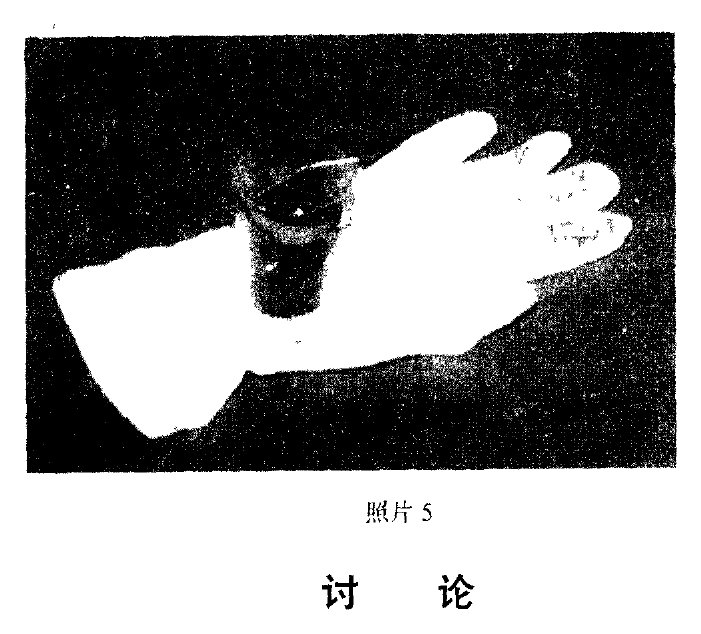
Photo 5. Glove and experimental sample — cropped from PDF page 69 of the original edition.
). This indicates that during the process of extraordinarily bending the lead wire, Xiao Ji had opened the lid of the plastic box.
- 61 -
Photographs Discussion
From the above experimental results of extraordinary writing, extraordinary shaping, etc., it can be imagined that in the conventional spacetime in which we live, one can only see the results of extraordinary functions that are no different from normal functions, but cannot observe the intermediate connection process of the extraordinary functions that causes these results. This naturally raises three questions.
First, where does the intermediate connection process of extraordinary functions occur? From the perspective of experimental observation, it may not be in the real spacetime in which we live, otherwise human senses would always be able to perceive something. In other words, it may occur in a place that normal senses cannot perceive, and it is very likely that a higher-dimensional spacetime exists in the real world.
Second, what is the form of the extraordinary intermediate connection process? From a dynamics perspective, the intermediate process of extraordinary movement must involve the transfer of energy. Many researchers have conceived of various “electromagnetic fields” and “extraordinary radiation” to explain this. This experiment further points out that, in addition to energy, there is also contact between the interacting parties (such as fingerprints), and the result of their interaction is completely consistent with the result of normal functions. That is to say, we are faced with the difficult problem of how to explain “the interacting parties having contact, but this contact process not being observable.” This phenomenon naturally forces us to make a reasonable expansion of the concept of the form of “objective existence.” Therefore, a more reasonable assumption is that the real world is a multi-dimensional spacetime, and the entities in conventional spacetime (referring to the world detectable by conventional senses and instruments) also have their corresponding higher-dimensional components in higher-dimensional spacetime that cannot be perceived conventionally. The intermediate connection process of extraordinary functions is a direct interaction process occurring between the respective higher-dimensional components of the interacting parties.
Third, what is the channel connecting higher-dimensional spacetime and real spacetime? It goes without saying that this channel may be the thought movement of the person with extraordinary functions. People are accustomed to using conventional sensory means (eyes, ears, nose, hands… as well as extensions of various senses—various instruments) to obtain information about the external world, forming conceptual knowledge through the synthesis and speculation of the brain, and in turn actively transforming the world through brain thinking. However, this in no way asserts that the brain can only use conventional means to perceive and transform the world, nor can it assert that the world is exactly what people perceive it to be through such conventional cognitive means.
We believe that both normal functions and extraordinary functions are functions of the interaction between humans and the real world; the former is confined to conventional spacetime, while the latter involves higher-dimensional spacetime. Human beings can only understand and transform the world through the brain, so both functions are actually inherent functions of the human brain. However, people are often only accustomed to using normal functions, while extraordinary functions are usually suppressed.
This experiment and other related experiments pose a very meaningful topic for theoretical workers: how to establish a higher-dimensional spacetime framework so that it can explain the kinematic and dynamic problems reflected by extraordinary functions, while also conforming to the correspondence principle, that is, returning to the theoretical framework describable by conventional spacetime when extraordinary functions are completely suppressed.
Therefore, in-depth research on extraordinary human functions is very likely to trigger a rapid leap forward in the entire scientific field, as Comrade Qian Xuesen pointed out: “I think what truly attracts us to explore
Chapter 8: Investigation of Force Effects in “Special Writing”
Authors: Huang Jinggen et al.
Exploration of Force Effects in “Anomalous Writing” Huang Jinggen Yu Xinghai Shao Laisheng (Fudan University)
“Anomalous writing” is a type of human anomalous function that has been confirmed by a large number of experiments 22-23. “Anomalous writing” involves many complex anomalous phenomena such as transport, breaking through spatial barriers, and mental instruction writing. These anomalous phenomena cannot yet be explained by modern scientific knowledge, but the documentation of anomalous phenomena, especially the experimental data accumulated through rigorous scientific experimental methods, will surely gradually approach and reveal the true nature of this unknown field. In “anomalous writing,” whether there exists a “force” effect corresponding to the “writing” action is an important aspect of in-depth research on “anomalous writing.” The authors utilized various experimental means, including mechanical balances, thermal balances, and piezoelectric crystals, to investigate the “force” effect in “anomalous writing.” It was found that accompanying the “anomalous writing” action is a “virtual force,” which, within the range of experimental measurements, does not possess the measurable properties of conventional physical quantities.
Experiments
I. Mechanical Balance The balance is a semi-automatic TG328B balance with a glass outer cover, and the lower limit of measurement is 0.1 mg. A film cassette was placed on the left pan of the balance, containing a square piece of white paper, with the cassette lid slightly opened. Weights equal to the weight of the object on the left pan were applied to the right pan of the balance, keeping the balance in equilibrium with the scale pointer at a fixed point (Fig. 1). After 5 minutes of observation, the pointer did not swing, but if 1 mg of weight was added or removed, the pointer would move, returning to normal after about 5 seconds. A black ink pen was placed on the cement platform outside the balance cover. The subject was Xiao Ji. The experiment required her to use her mind to “write” or “draw” with the ink pen on the white paper inside the cassette, without performing any other mental functions. A total of 9 trials were conducted, with 3 successes. Each took 15-25 minutes, and the color of the drawn characters was the black of the ink pen used in the experiment. In the 3 successful trials (two with clear characters, see Fig. 2, and one with a relatively blurry dot), neither observer observed any movement of the balance pointer, indicating that the cassette pan was not subjected to any observable “external force.”
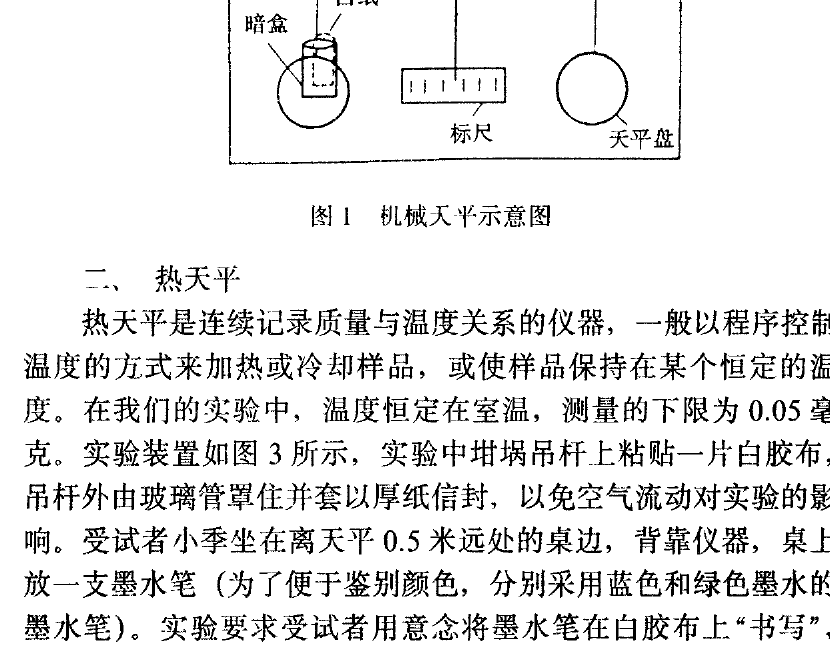
Figure 1. Mechanical-balance apparatus — cropped from PDF page 73 of the original edition.
Glass cover Balance pan Fig. 1 Schematic diagram of the mechanical balance
II. Thermal Balance A thermal balance is an instrument that continuously records the relationship between mass and temperature, generally heating or cooling the sample by means of programmed temperature control, or keeping the sample at a certain constant temperature. In our experiment, the temperature was kept constant at room temperature, and the lower limit of measurement was 0.05 mg. The experimental setup is shown in Fig. 3. In the experiment, a piece of white adhesive tape was attached to the hang rod of the balance. The hang rod was covered by a glass tube and sheathed in a thick paper envelope to prevent the influence of air currents on the experiment. The subject, Xiao Ji, sat at a table 0.5 meters away from the balance, with her back to the instrument. An ink pen was placed on the table (blue and green ink pens were used respectively to facilitate color identification). The experiment required the subject to use her mind to “write” with the ink pen on the white adhesive tape. During the experiment, the experimenter was always present to monitor the process, and the automatic recorder plotted the weight-time curve. A total of 10 trials were conducted, with 3 successes. Each took about 20 minutes. The “written” characters were all dots, and the color was the same as the ink color of the test pen: once green and twice blue.
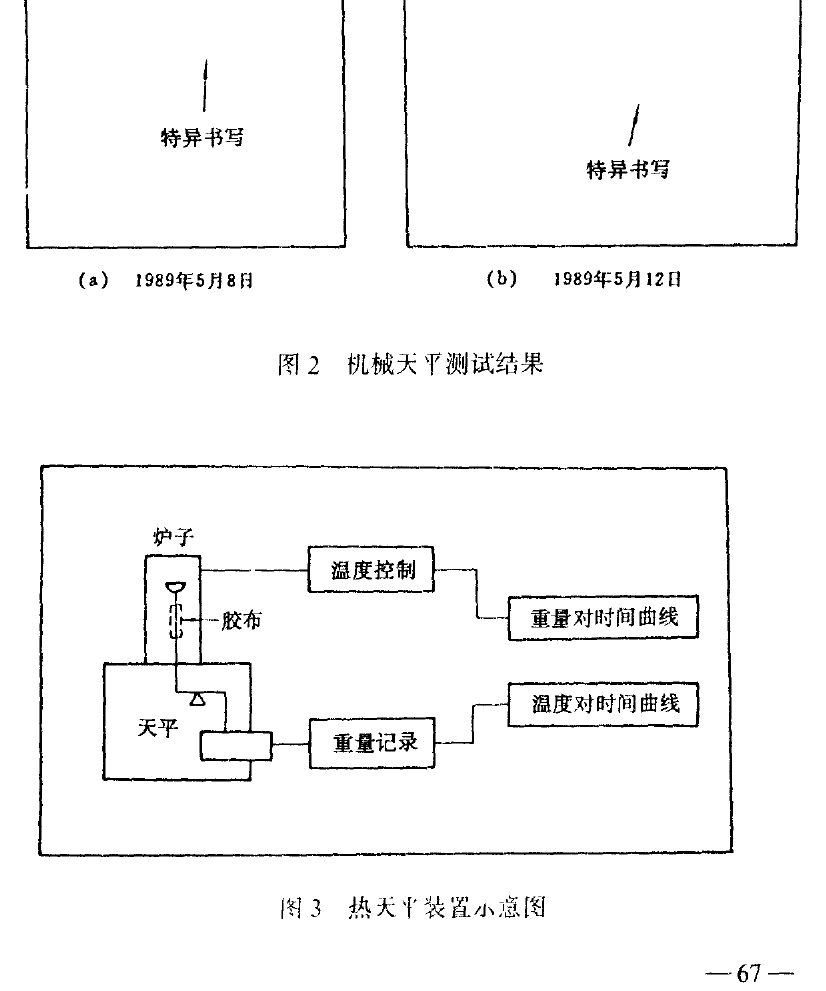
Figures 2–3. Mechanical-balance tests and apparatus — cropped from PDF page 74 of the original edition.
Anomalous writing (a) May 8, 1989 (b) May 12, 1989 Fig. 2 Test results of the mechanical balance
Furnace Weight versus time curve Temperature versus time curve Fig. 3 Schematic diagram of the thermal balance setup
Figures 4 and 5 show the dots “written” by Xiao Ji with her mind on the white adhesive tape. The weight-time curve drawn by the automatic recorder was a straight line with no weight change, indicating that there was no “force” effect in the general sense during “anomalous writing.”
Fig. 4 Thermal balance test results. March 20, 1989. The “anomalous writing” dots on the original image are blue.
III. Piezoelectric Crystal The experimental setup is shown in Fig. 6. The experiment was conducted in turns by four individuals with anomalous functions. A square piece of white paper was attached to the piezoelectric ceramic sheet inside a paper box (in some experiments, double-sided carbon paper was placed between the piezoelectric ceramic sheet and the white paper). The experiment required the subjects to use their minds to draw a horizontal line or write a character on the paper. In the 10 successful experiments, the detected piezoelectric ceramic sheets all had no electrical signal output (see Fig. 7), indicating that the piezoelectric sensor could not detect the “force” effect in “anomalous writing,” nor could it detect the weight change of the ink pen “on” and “off” the piezoelectric ceramic sheet.
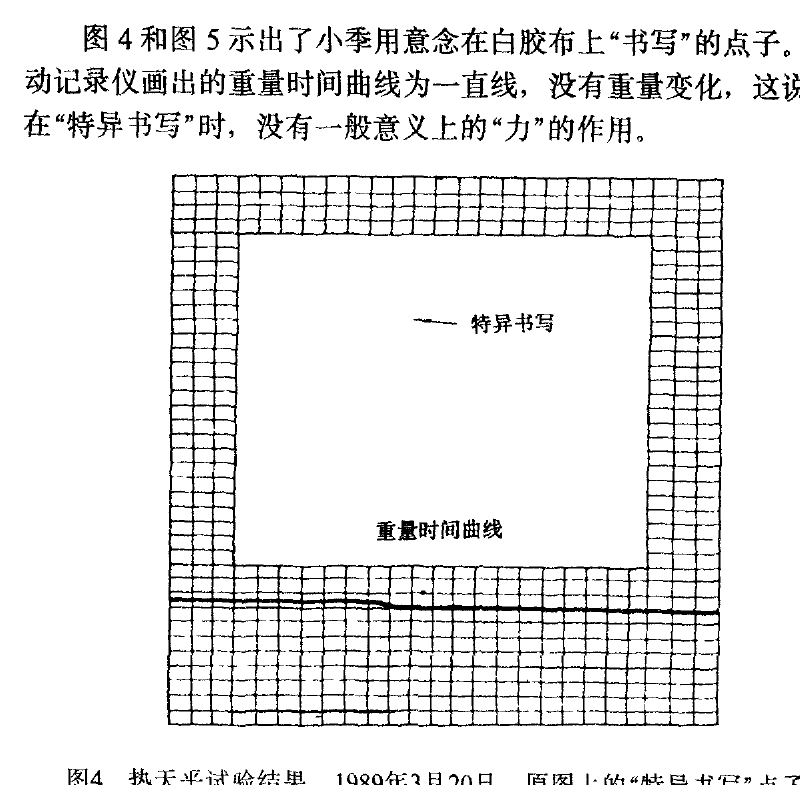
Figure 4. Mechanical-balance recording — cropped from PDF page 75 of the original edition.
Fig. 5 Thermal balance test results. April 18, 1989. The “anomalous writing” dots on the original image are green.
Piezoelectric ceramic sheet Isolation board Dual-pen automatic balance recorder Sample box Fig. 6 Schematic diagram of the piezoelectric ceramic sheet experimental setup
We once suspected that during the anomalous writing process, the individual with anomalous functions might emit some kind of informational energy, causing the signal transmitted on the circuit to be interrupted. Therefore, we glued two piezoelectric sheets together. A low-frequency AC signal was input to one sheet, and the other was used for anomalous writing. Its output signal should be the superposition of the two signals. If the electrical signal was interrupted, a break in the low-frequency signal would appear on the recording paper. However, this situation was never found in fact; therefore, the above suspicion was ruled out.
Fig. 7 Piezoelectric ceramic experiment. The “anomalous writing” is a horizontal line, but the piezoelectric sheet has no electrical signal output.
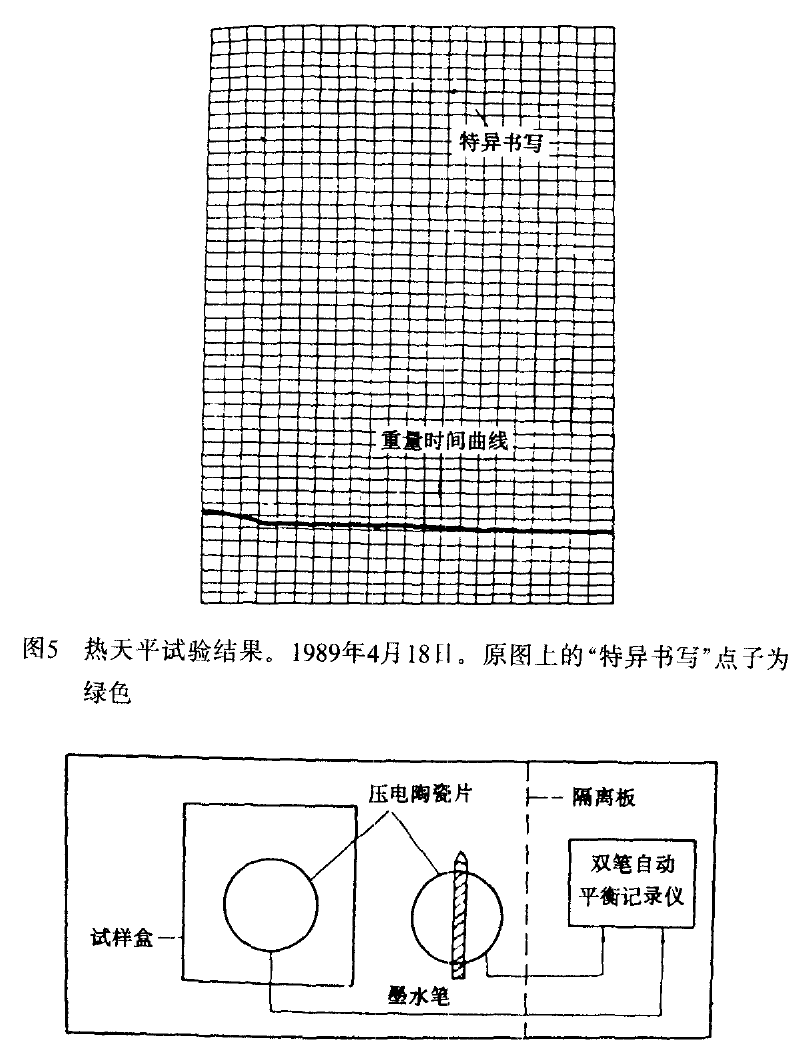
Figures 5–6. Mechanical-balance record and thermal-balance apparatus — cropped from PDF page 76 of the original edition.
Discussion
The experimental results of the mechanical balance, thermal balance, and piezoelectric ceramic are summarized in Table 1. From these experiments, we can draw the following conclusions: (1) There is no observable “external force” effect in “anomalous writing”; or, (2) if an “external force” effect exists, its action time must be exceptionally fast, so that the recorder or the balance beam cannot react in time. We have made the fastest possible actions (about 5 mg, for 0.1 seconds or shorter) on the test instruments by hand or with paper, and the instruments all recorded or responded. Therefore, if an “external force” indeed exists in “anomalous writing,” the action time should be far less than 0.1 seconds. However, considering that before completing the “anomalous writing” action, the individual with anomalous functions must also go through processes such as “moving the pen” and “breaking through spatial barriers,” the possibility that all actions are invisible or “unrecordable” due to being “fast” does not seem high. Therefore, we lean toward the conclusion that there is no “external force” effect in “anomalous writing.”
Table 1 Experimental results of the mechanical balance, thermal balance, and piezoelectric ceramic Number of experiments Mechanical balance Thermal balance Piezoelectric ceramic 9 10 Over 20 times Number of successes 3 3 10 Anomalous writing content Characters, horizontal lines Dots Characters, horizontal lines Force effect None None None
Actions such as “moving the pen,” “breaking through spatial barriers,” and “forceless writing” during the “anomalous writing” process cannot be explained according to existing knowledge. We hypothesize that “wave-particle duality” might be a possible explanatory approach. First, we assume: just as various microscopic particles such as photons, electrons, and neutrons possess wave-particle duality, any macroscopic object (or matter) also possesses wave-particle duality. This matter wave can be regarded as a de Broglie wave at the macroscopic level. According to the principles of quantum physics, only moving particles possess the characteristics of “waves.” Here, however, we assume that stationary macroscopic matter also possesses wave properties. This, first of all, constitutes a modification to the concepts of quantum physics. As of now, this modification has no experimental basis; it is merely a conjecture, a hypothesis proposed to explain anomalous functional phenomena. It is now generally believed that “individuals with anomalous functions” can only exhibit “anomalous phenomena” when they enter a “functional state.” If the state of people under normal circumstances is called the “ground state,” then the “functional state” can also be called the “excited state.” We hypothesize that the “excited state” is not singular,
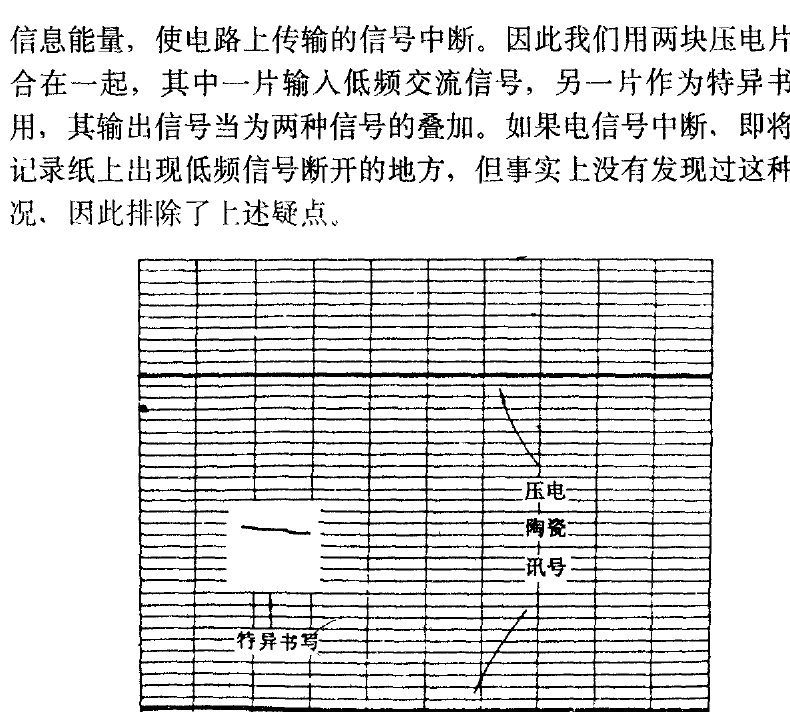
Figure 7. Piezoelectric recording — cropped from PDF page 77 of the original edition.
Instead, it is polymorphic. When a person with paranormal abilities performs different “paranormal actions,” they enter different levels of “excited states.” In different “excited states,” the person with paranormal abilities can emit “intention waves” of different frequencies. When these “intention waves” resonate with the “matter waves” of the object being acted upon, the “matter waves” of the acted-upon condensed matter, which originally had a very small degree of dispersion, will be greatly
- 71 - strengthened. When performing “paranormal writing,” according to her own account, she first uses her intention to imagine a “pen.” When the “pen” appears on her “mental screen,” she further imagines the object to be written upon (paper, tape, etc.). Finally, a sudden flash of the action of the “pen” “making marks” or “writing” on the “object” appears in her mind, and the “process” is complete. At other times, she first uses her intention to imagine the object to be acted upon, and then imagines the “pen,” followed by the aforementioned flash. Generally speaking, as long as the imagined object appears on the “mental screen” and a final “flash” occurs, the experiments are mostly successful. We believe that the intentional imagination of the person with paranormal abilities may be the process of entering the “excited state.” When the “imagined” object appears on their “mental screen,” the waveband of the “excited state” they enter may exactly resonate with the “matter wave” of the imagined object. Different “imagined” objects correspond to different “excited states” they enter. Only when the imagined “object” appears on their mental screen is there a possibility of the experiment succeeding. It seems that the resonant correspondence between the “intention wave” of the “excited state” and the “matter wave” may be an important condition for realizing “paranormal abilities.” Due to resonance, the “matter wave” will be greatly strengthened. Taking the “pen” as an example, after the wave of the “pen” is greatly strengthened, it traverses the “spatial barrier” and “acts upon” the white paper or tape. Only when this “action” reaches a certain intensity will the “pen” leave a mark on the white paper; this is the final “flash” on the mental screen of the person with paranormal abilities. However, this final “flash” could also be conceived as the person with paranormal abilities entering a new “excited state” at this moment. The “intention wave” of this “excited state” causes the “matter wave” of the “pen” and the “matter wave” of the “paper” to interact, producing the result of “writing” on the paper (this situation is similar to the action of a chemical catalyst). Because the interaction occurs in the form of “waves,” it does not possess observable gravity; that is, the “writing” leaves a trace, but does not exhibit a measurable value of “force.”
The above discussion is, in fact, merely a hypothesis. Our purpose is to offer a few humble remarks to spark further ideas and broaden the scope of thinking.
We would like to express our gratitude to comrades Gu Yuanzhuang, Fang Linhu, Zhou Yingqi, Zheng Siding, and Ni Dexiang for participating in the discussions and providing valuable opinions on this work.
- 72 -
(This article was originally published in Chinese Journal of Somatic Science, second inaugural issue (1990) 32)
- 73 -
Chapter 9: Optical Phenomena of Human Extraordinary Functions and Discussion
Authors: Shao Laisheng et al.
Optical Phenomena and Discussion of Human Special Functions Shao Laisheng
Zhang Linchen
Zhang Ming
Zhou Yingqi
(Shanghai Joint Research Group of Human Science in Universities)
To date, the phenomena of human special functions cannot yet be explained by modern scientific knowledge. However, by accumulating a large amount of experimental data through modern scientific experimental methods, we will certainly be able to gradually approach and reveal the true nature of this unknown field. For example, during the process of recognizing characters by “mental intent” by individuals with human special functions, the accompanying phenomenon of exposing photographic film has attracted the attention and research of scientific workers 2425. In our experiments, we used photographic enlarging paper and film to study the optical phenomena of human special functions. This experimental method is simple, and the experimental results are reliable and objective, which can serve as an effective detection method for human special functions. In addition, we also recorded some thought-provoking phenomena. They are described separately below.
Experimental Methods Most of the experiments used a book-style sample packaging. One to three sheets of ordinary Era No. 2 enlarging paper (305 x 254 square millimeters) were folded in half with the emulsion side facing inward. Tests showed that this enlarging paper is sensitive to visible light but insensitive to X-rays, including soft X-rays. Then, a piece of translucent paper with colored characters written on it was attached to the emulsion side of the innermost enlarging paper (ESP experiment), or one end of a thin aluminum wire (1 mm in diameter) was fixed to the emulsion side of the enlarging paper with adhesive tape (PK experiment). Between the layers of the book-style enlarging paper, polarizers, color filters, color enlarging paper, black-and-white or color photographic negatives, aluminum foil, and other monitoring objects were placed. The purpose was to determine the physical properties of this optical phenomenon. The entire stack of enlarging paper samples was sealed in an ordinary black plastic bag used for packaging enlarging paper, and then placed inside another identical black plastic bag, with the edges rolled and sealed to ensure no light leakage. Silk thread was used to sew a few places at the bag opening and tied with knots. Both ends of the silk thread were taped with cotton paper and signed to meet the requirements of irreversible packaging. The entire sample is shown in Photos 1a and 1b.
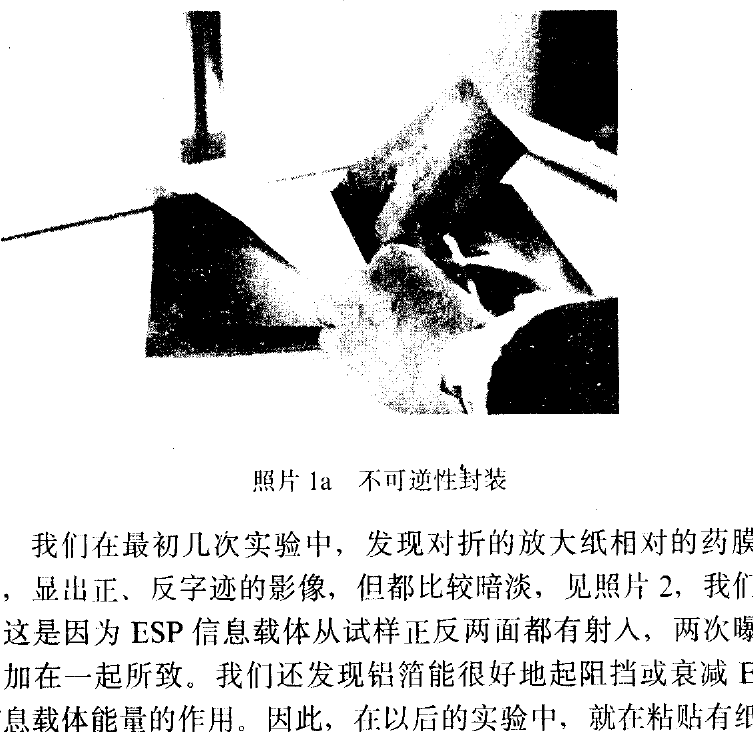
Photo 1. Irreversibly sealed experimental sample — cropped from PDF page 82 of the original edition.
Photo 1a Irreversible packaging In our initial experiments, we found that images of positive and reversed characters appeared on the opposing emulsion surfaces of the folded enlarging paper, but both were relatively dim, as shown in Photo 2. We believe this was because the ESP information carrier entered from both the front and back of the sample, resulting in the superposition of two exposures. We also found that aluminum foil could effectively block or attenuate the energy of the ESP information carrier. Therefore, in subsequent experiments, a piece of aluminum foil was attached to the back of the enlarging paper with the paper sample attached, so that most of the energy entering from the back was blocked by the aluminum foil, thereby obtaining a clear, well-graded image. Photo 3 shows that on the same sheet of enlarging paper, there is a marked contrast in image clarity between the part shielded by aluminum foil and the unshielded part.
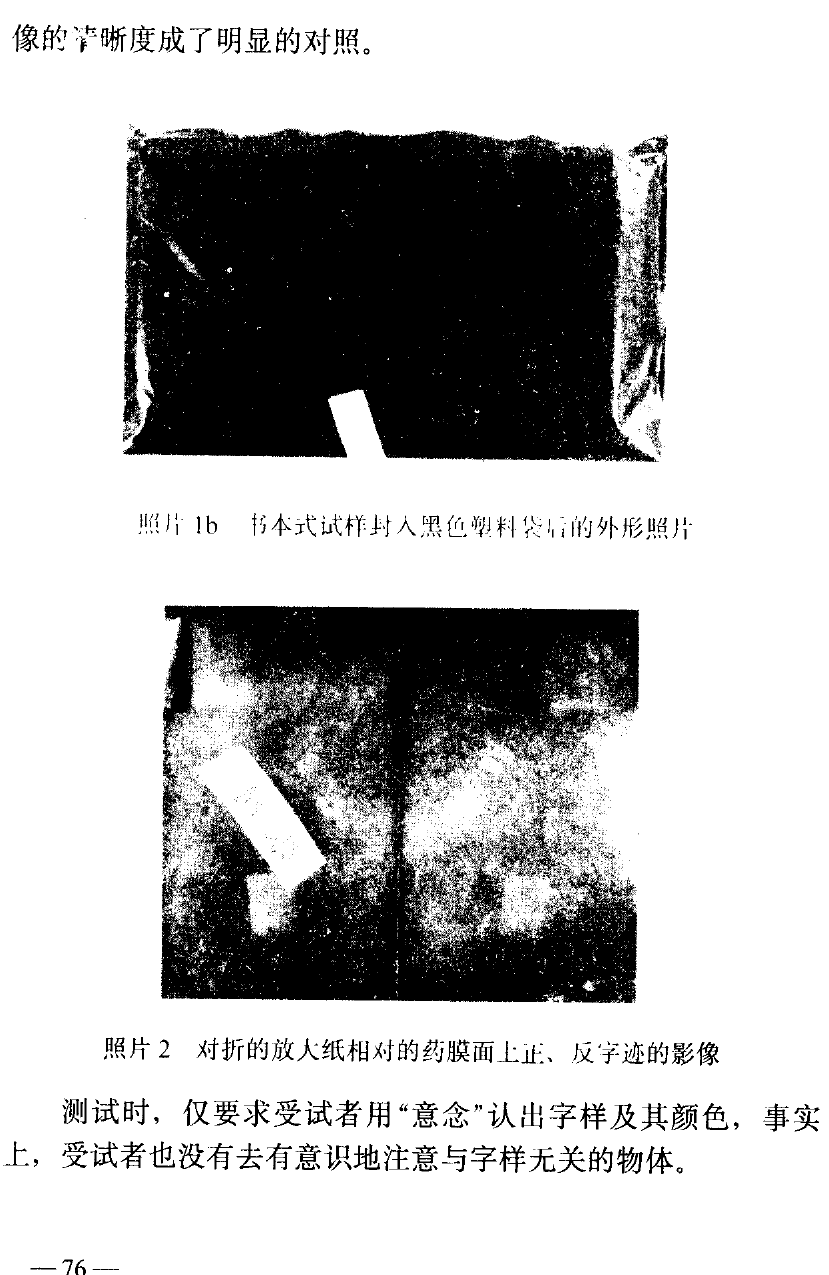
Photos 1b–2. Photographic exposure records — cropped from PDF page 83 of the original edition.
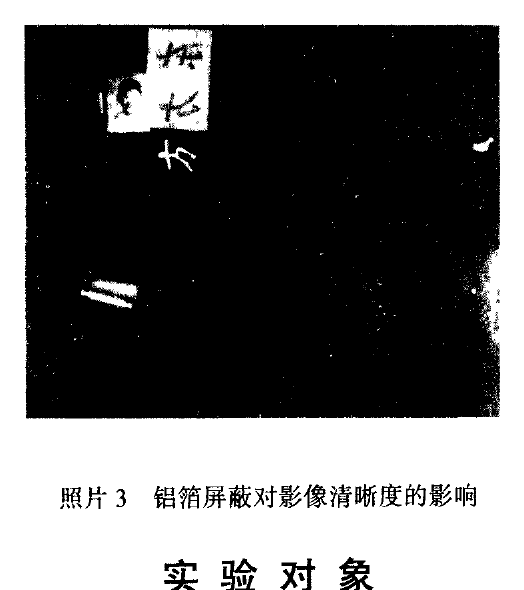
Photo 3. Effect of aluminum shielding on image clarity — cropped from PDF page 84 of the original edition.
Photo 1b Appearance of the book-style sample sealed in a black plastic bag
Photo 2 Images of positive and reversed characters on the opposing emulsion surfaces of the folded enlarging paper
During testing, the subjects were only required to use “mental intent” to recognize the characters and their colors; in fact, the subjects did not consciously pay attention to objects unrelated to the characters.
Photo 3 The effect of aluminum foil shielding on image clarity
Experimental Subject Zhang X, female, 15 years old, a third-year junior high school student. Since her parents discovered her special functions in February 1980, through continuous induction training, her functions have become relatively stable and comprehensive. She is capable of “mental writing,” “mental object movement,” and so on. Her physical health is normal, her academic performance is good, her attitude towards experiments is earnest and grounded, and she can cooperate well with researchers.
Experimental Results Dozens of experiments have been conducted since the autumn of 1983, and typical experiments have been repeated multiple times. The results are summarized below.
- Experimental records show that the human ESP information carrier can form a clear, well-graded positive image on enlarging paper through a photographic negative, as shown in Photo 3; it can also obtain positive and reversed images of characters written on translucent paper on the enlarging paper, as shown in Photo 2.
- Experimental records show that after passing through red, green, blue, and yellow filters, the human ESP information carrier produces corresponding complementary colors on color enlarging paper, and produces a normal positive color image through a color portrait negative, as shown in Photos 4a and 4b.
Photo 4a Color filters and corresponding complementary colors
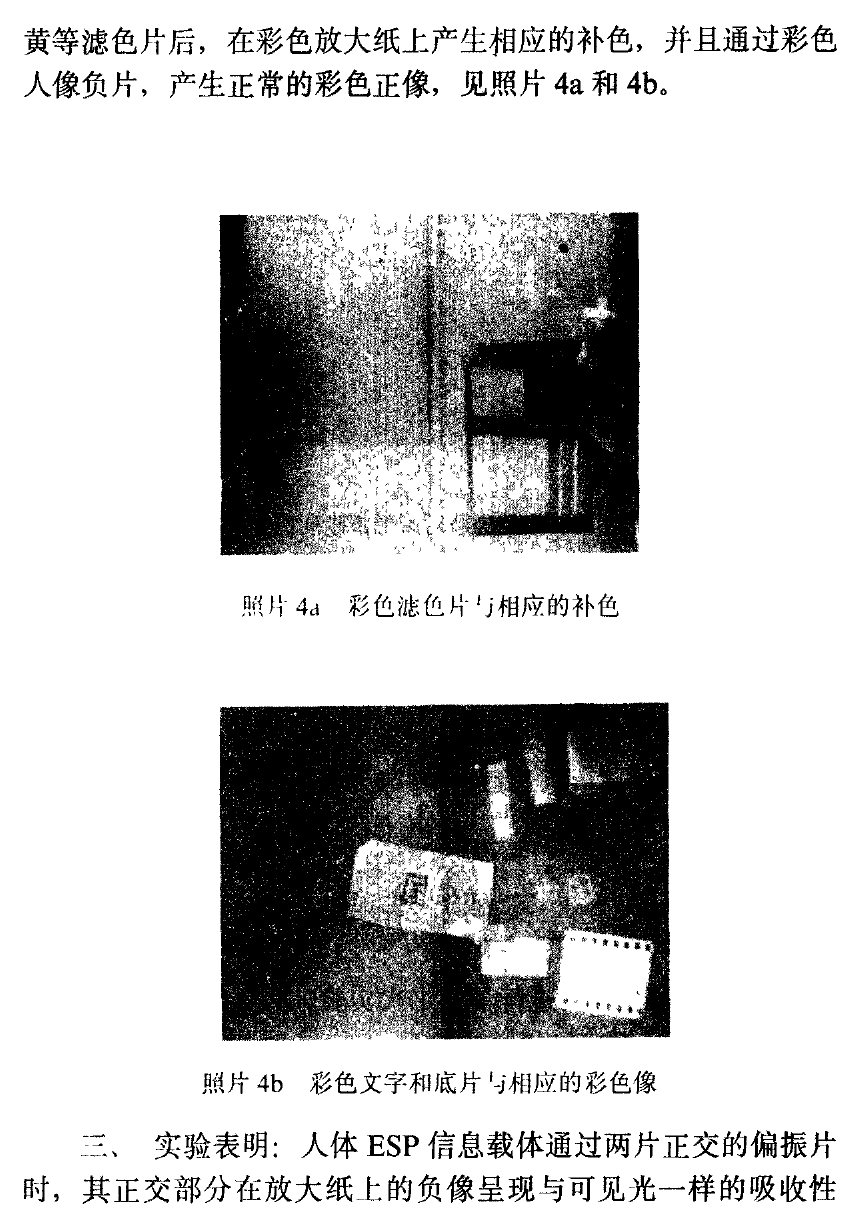
Photo 4. Color photographic records — cropped from PDF page 85 of the original edition.
Photo 4b Colored characters and negatives with corresponding color images
- Experiments show that when the human ESP information carrier passes through two orthogonally oriented polarizers, the negative image of the orthogonal part on the enlarging paper exhibits absorption properties similar to visible light, as shown in Photo 5.
Photo 5 Image formed on enlarging paper by the ESP information carrier passing through orthogonal polarizers
- In one experiment, the reflection image of the folded corner of the aluminum foil sample was printed on the enlarging paper, as shown in Photo 6.
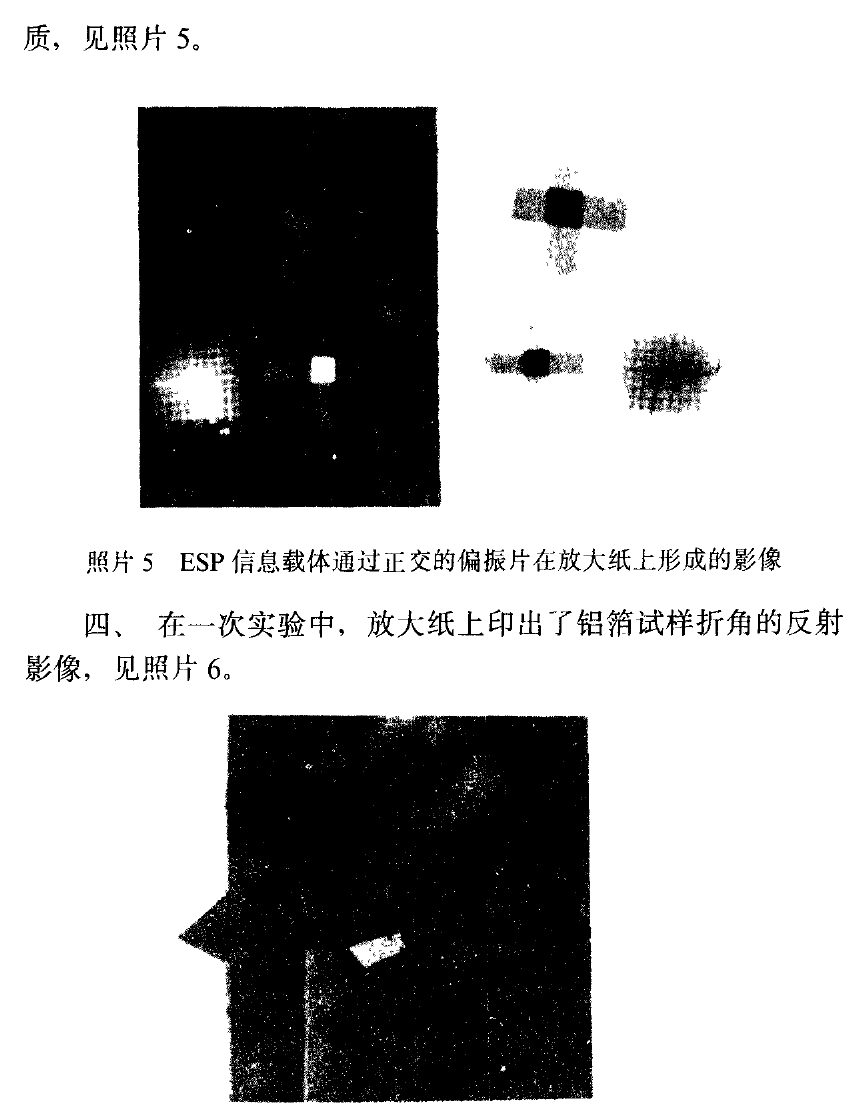
Photos 5–6. ESP exposure images — cropped from PDF page 86 of the original edition.
Photo 6 The arrow points to the reflection image of the folded corner of the aluminum foil sample
- When passing through a red plastic film, the human ESP information carrier, like the red light in a photographic darkroom, cannot expose black-and-white enlarging paper, as shown in Photo 7.
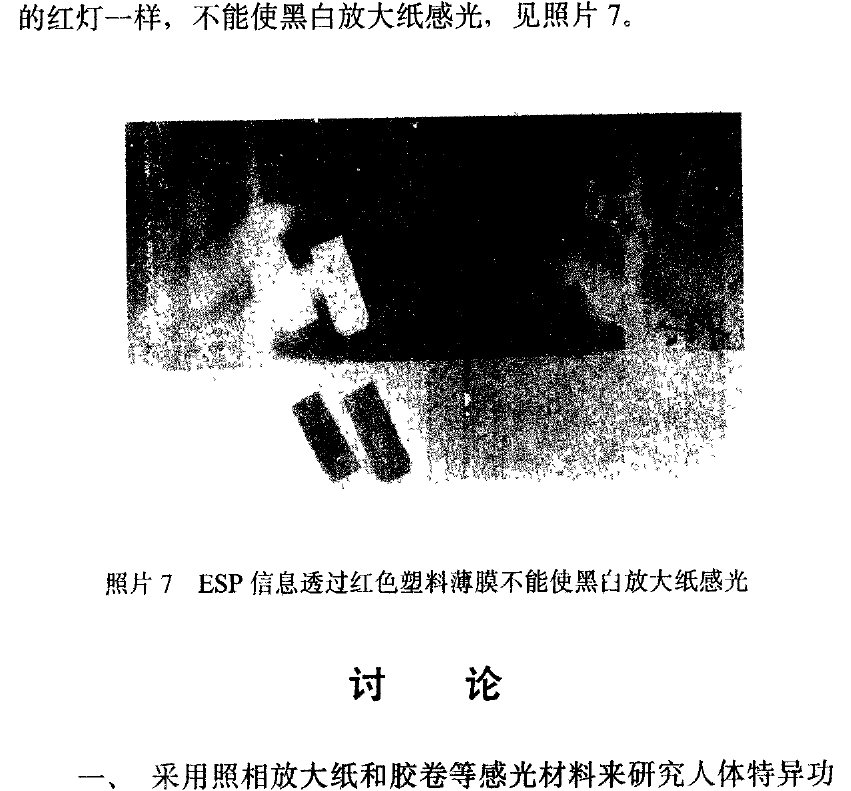
Photo 7. ESP exposure image — cropped from PDF page 87 of the original edition.
Photo 7 ESP information passing through a red plastic film cannot expose black-and-white enlarging paper
Discussion
- Although the experimental method of using photosensitive materials such as photographic enlarging paper and film to study the optical phenomena in human special functions is qualitative, the results are based on the records on the photosensitive materials and are independent of the subjects’ subjective reports, making them more objective and reliable.
- The enlarging paper exposure records indicate that when individuals with special functions perform image recognition, visible light from electromagnetic waves accompanies the sample, with a frequency range covering the entire visible light spectrum, and exhibiting phenomena such as refraction, reflection, and polarization. This result is the same as the experimental conclusion of Xu Lanxu et al. 26.
- From Photo 8, it can be seen that the individual with special functions left an image of their own right hand on the enlarging paper. This image indicates that the ESP information carrier came from outside the sample, rather than being emitted from the palm.
Photo 8. PK exposure image — cropped from PDF page 88 of the original edition.
- During PK experiments, the placed film, enlarging paper, etc., were also exposed and blackened, and their optical phenomena were the same as visible light, as shown in Photo 9. The reason for this may be: according to the subjective reports of individuals with special functions, before bending the aluminum wire with “mental intent,” the image shape of the “aluminum wire” always first appears in front of the right forehead, and then the “aluminum wire” is seen to bend. We have inquired of several individuals with special functions, and all had similar experiences. This seems to indicate that ESP must be accompanied by PK phenomena. That is, when performing work through mental psychokinesis, the photosensitive materials will also undergo exposure.
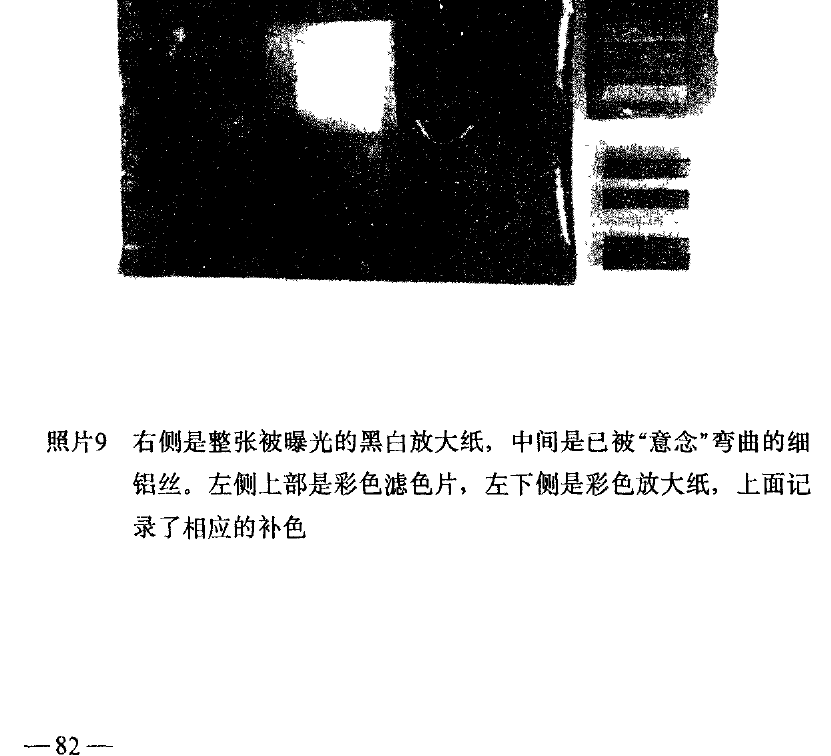
Photo 9. Exposure image with color-filter arrangement — cropped from PDF page 89 of the original edition.
Photo 8 The individual with special functions left an image of their own right hand on the enlarging paper
- The photosensitive action range of PK and ESP information carriers can be quite large. We used a full sheet of enlarging paper with an area of 305 x 254 square millimeters to make a book-style sample. When the aluminum wire fixed on the enlarging paper was bent into a hook shape by an individual with special functions using “mental intent,” the entire sheet of enlarging paper was exposed, as shown in Photo 9. This indicates that the energy divergence surface of this unknown information carrier is very wide. However, from the records of previous experiments, this energy is distributed very unevenly on the enlarging paper, somewhat like clouds in the sky, as shown in Photo 10. We believe that: (1) According to the subjective reports of most individuals with special functions, when recognizing a character sample using “mental intent,” the character shape does not flash completely in front of the forehead all at once, but rather flashes repeatedly stroke by stroke or locally. Ultimately, the display of a complete image is perceived 27. (2) According to the literature 28, what is tested on a photosensitive probe by human special functions are individual electrical pulses of varying lengths. Connecting the above two phenomena, we hypothesize that the reason why the energy divergence surface of this unknown information carrier is so wide and unevenly distributed may be the result of the superposition and dispersion of a series of pulsed energy beams with arbitrarily variable intensities. It is just like when a person observes an image, their eyes constantly shift from one point of attention to another, eventually forming a complete image in the visual cortex of the brain.
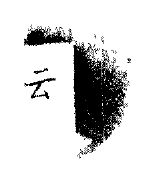
Photo 10. Color-paper exposure image — cropped from PDF page 90 of the original edition.
Photo 9 On the right is the entire exposed black-and-white enlarging paper, in the middle is the thin aluminum wire that has been bent by “mental intent.” The upper left is a color filter, and the lower left is color enlarging paper, which recorded the corresponding complementary colors
Photo 10 Uneven distribution of the energy of the unknown information carrier on the enlarging paper
- Are the action and effect of human special functions governed by the “conscious experience” of the human brain? Is the participation of visible light required? These are two questions of concern and interest to those engaged in researching human special functions. In this regard, we have devised two experimental plans. The first experimental hypothesis is: if there is an individual with special functions who suffers from color blindness, due to their lack of sensory experience for a certain color (such as red-green color blindness), they will certainly not be able to correctly recognize that color when recognizing images 27. Now, applying the method introduced in experimental result (2) above to test this color-blind individual with special functions, red, green, blue, and yellow filters are placed on the color enlarging paper together with the sample. When he uses “mental intent” to act on the sample, if (1) corresponding complementary colors are produced on the color enlarging paper, it indicates that the action of human special functions seems to have no connection with the “conscious experience” of the human brain. It can be considered that the optical phenomenon of human special functions is a secondary effect, and when this unknown energy contacts the target, it can excite visible light. (2) If only the complementary colors of blue and yellow are distinct, and the complementary colors of red and green are difficult to differentiate
If they can distinguish, then it can be shown that the “conscious experience” of the human brain participates in the functioning of human exceptional functions.
- 83 -
II. The second hypothesis is based on the instances where individuals with exceptional functions often fail when trying to recognize characters using “mental intention” in a dark environment 26. Is this a psychological effect, or does visible light directly participate in the functioning of exceptional functions? Therefore, we propose testing non-colorblind individuals with exceptional functions in an environment illuminated by monochromatic light (such as a sodium lamp), still using the method introduced in experimental result (2). If the experimental results show complementary colors corresponding to the red, green, blue, and yellow filters on the color photographic enlarging paper, then it indicates two situations: (1) The visible light in the testing environment did not directly participate in the functioning of exceptional functions, and the optical phenomenon of human exceptional functions may be a secondary effect; (2) The “conscious experience” of the human brain regarding the full-spectrum visible light may participate in this functioning, and the aforementioned optical information may be modulated onto the ESP information carrier wave. Conversely, if abnormal complementary colors appear on the color photographic enlarging paper, it indicates that the visible light in the testing environment directly participated in the functioning of exceptional functions.
The above are merely some superficial opinions and several hypotheses awaiting future experimental verification that we propose based on the experimental results obtained. We firmly believe that “there are only things in the world that have not yet been recognized, but nothing that is unrecognizable.” Under the guidance of dialectical materialism, through a large number of experiments, we can certainly gradually uncover the mysteries of human exceptional function phenomena and promote the development of science.
This work received assistance from the Audio-Visual Education Laboratory of the Shanghai Fisheries College, and we hereby express our gratitude.
- 84 -
- 85 -
Chapter 10: Experimental Study of the Participation of “Light” in the Effects of Extraordinary Human Abilities
Shao Laisheng (Fudan University)
Zhang Linchen (Shanghai Chuneng Middle School)
Zhang Ming (Shanghai Maritime Institute)
Zhou Yingqi (Shanghai Fisheries College)
Introduction
In the report Optical Phenomena and Discussion of Extraordinary Human Abilities29, we used photographic enlarging paper to study the optical phenomena of extraordinary human abilities. Exposure records on the enlarging paper showed that when subjects with extraordinary abilities identify images, visible light from the electromagnetic spectrum accompanies the process around the test sample, with its frequency range covering the entire visible light spectrum, and exhibiting phenomena such as refraction, reflection, and polarization of light. The report also proposed two experimental ideas, one of which was based on cases where subjects with extraordinary abilities often failed when using “mental intention” to read characters in dark environments30. Is this a psychological effect, or does visible light directly or indirectly participate in the action of ESP?
Therefore, we proposed testing non-colorblind subjects with extraordinary abilities in an environment illuminated by monochromatic light (such as a sodium lamp), still using the experimental method introduced in report 29. If the experimental results showed complementary colors corresponding to the four color filters—red, green, yellow, and blue—on the color enlarging paper, this would indicate two possible situations: (1) The visible light in the test environment did not directly or indirectly participate in the action of extrasensory perception, and the optical phenomenon of extraordinary human abilities may be a secondary effect; (2) The human brain’s “conscious experience” of the full-spectrum visible light may have participated in this action. The aforementioned stored optical information may be modulated into anomalous radiation. Conversely, if four complementary colors that are difficult to distinguish appeared on the color enlarging paper, this would indicate that the visible light in the test environment directly or indirectly participated in the action of extrasensory perception.
Regarding this experimental idea, we recently demonstrated experimentally that when subjects with extraordinary abilities in a dark room, under sodium lamp and mercury lamp illumination respectively, used mental intention to read the characters in test samples, the color enlarging paper yielded complementary colors dominated by the spectral lines of sodium or mercury. This experiment was repeatedly verified through multiple repetitions, and comparative experiments were conducted under the same conditions, yielding consistent results, demonstrating that the visible light in the test environment directly or indirectly participated in the action of extrasensory perception. The experimental details are presented below.
Experimental Method
This experiment still used book-style sample packaging. On the emulsion surface of a folded sheet of Gongyuan No. 2 enlarging paper, two pieces (90 × 130 mm) of Japanese Sakura-brand color enlarging paper were placed side by side. One piece was covered with a combination strip of red, green, yellow, and blue color filters, and the other was covered with a semi-transparent paper sheet bearing colored characters. The sample was then sealed in a black plastic bag, which was in turn placed inside another identical black plastic bag; the edges were sealed to ensure light-tightness. In addition, a comparison sample was prepared simultaneously. The comparison sample was made by covering the emulsion surface of color enlarging paper with the four aforementioned color filters and placing it in a light-proof paper box.
The experiment was conducted in a dark room. When the subject with extraordinary abilities, under sodium lamp or mercury lamp illumination, read the characters in the formal sample inside the plastic bag, the paper box of the comparison sample was immediately opened and exposed under the same light color. In this way, each experiment yielded three color enlarging paper samples. Two of these were results of exposure by anomalous radiation, and one was a comparison sample exposed under the same light color. These three color enlarging paper samples were simultaneously immersed in the developing solution to ensure consistency of color development.
Experimental Results
Photos 1 and 2 are color negative images obtained after development, in which a subject with extraordinary abilities, under sodium-lamp illumination (model PNaD-20) in a dark room, used “mental intent” to recognize four characters in the sample. Photos 3 and 4 are the corresponding color negative images of the control samples. Photo 5 is a color negative image obtained by exposure under ordinary tungsten-lamp illumination. Among the colors of these five negative images, only Photo 5 displays the normal, corresponding four complementary colors; the remaining images display only monotonous complementary colors associated with the monochromatic light of the sodium lamp (blue tending toward cyan). Although this experimental result is qualitative, it powerfully demonstrates that visible light in the environment participates directly or indirectly in the functioning of extrasensory perception (ESP).
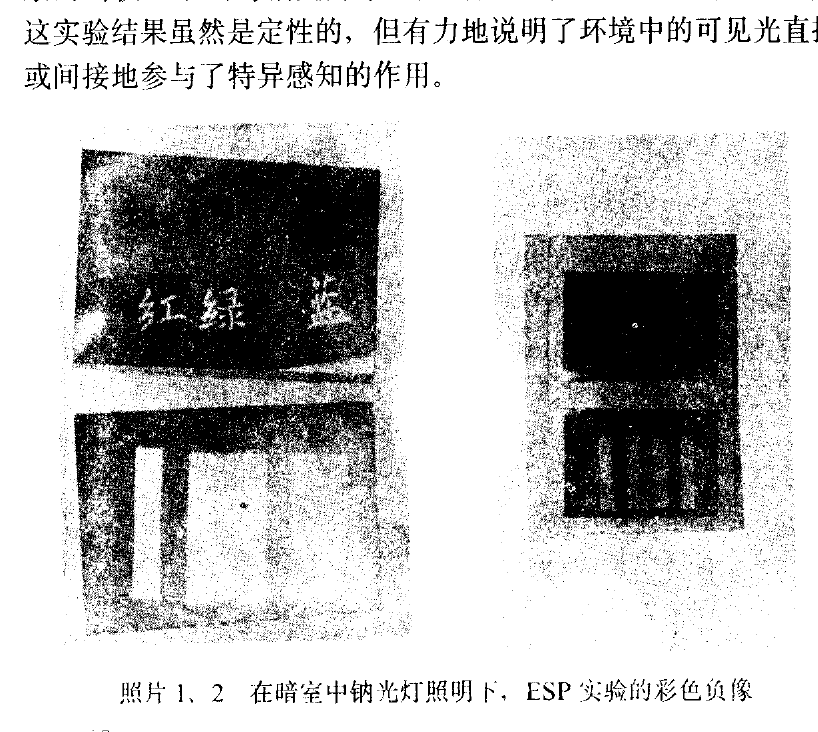
Photos 1–2. Sodium-lamp experiment — cropped from PDF page 95 of the original edition.
Photos 1, 2. Color negative images of the ESP experiment under sodium-lamp illumination in a dark room
Photo 5. Color negative image of a sample through direct exposure under ordinary tungsten-lamp illumination
Photo 6. Color negative image of the ESP experiment under mercury-lamp illumination
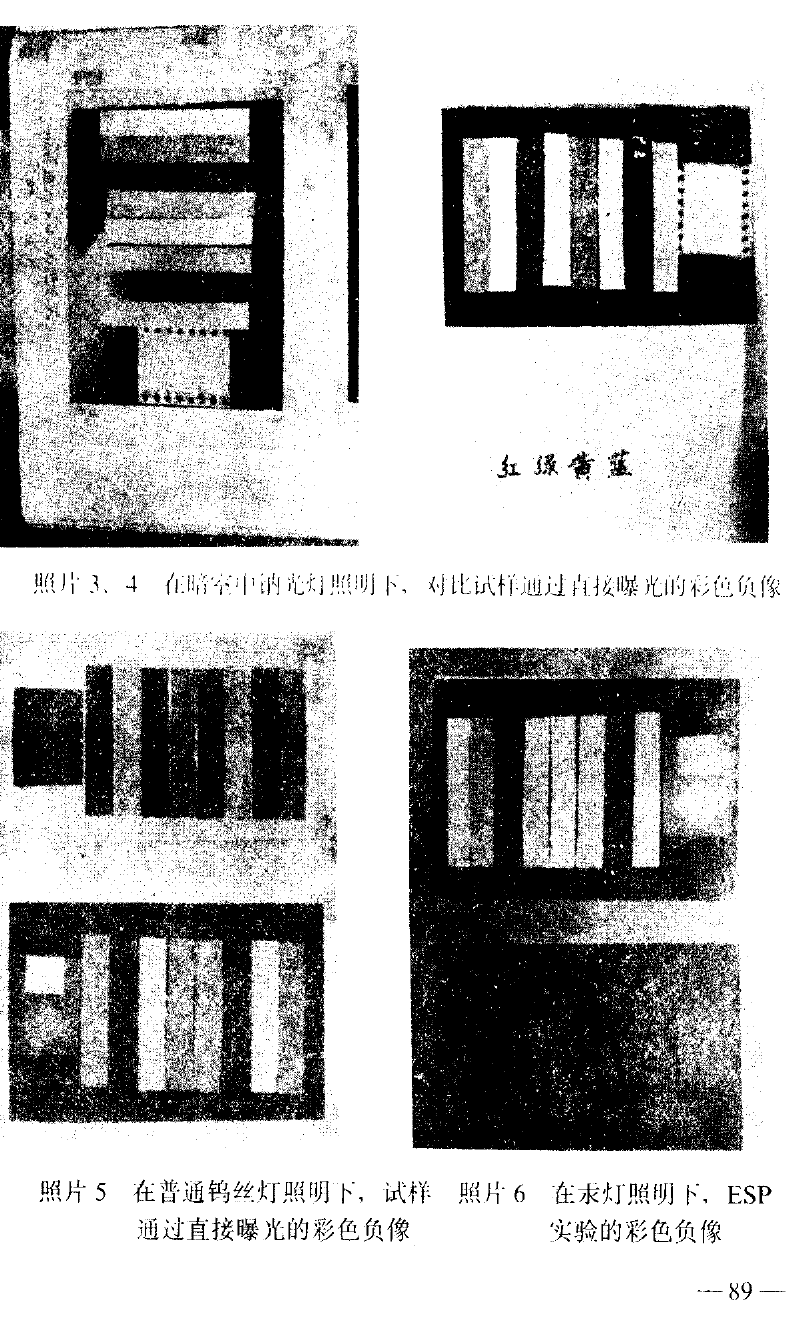
Photos 3–6. Filters and exposure records — cropped from PDF page 96 of the original edition.
- Photo 6 is a color negative image obtained after development, in which a subject with extraordinary abilities, under mercury-lamp illumination (model PHgD1) in a dark room, used “mental intent” to recognize the characters in the sample. This photograph displays only monotonous complementary colors associated with the mercury lamp, consistent with the results of the sodium-lamp experiment.
Figures 1 and 2 show the visible-light spectral lines of the sodium lamp and mercury lamp used in this experiment, provided for reference.
| Wavelength | Color |
|---|---|
| 404.66 nm | Violet |
| 435.84 nm | Blue |
| 546.07 nm | Green |
| 576.96 nm | — |
| 579.07 nm | — |
Figure 1. Spectral lines of the mercury lamp (visible-light portion)
589.0 nm (orange-yellow) 589.6 nm (orange-yellow)
Figure 2. Spectral lines of the sodium lamp (visible light region)
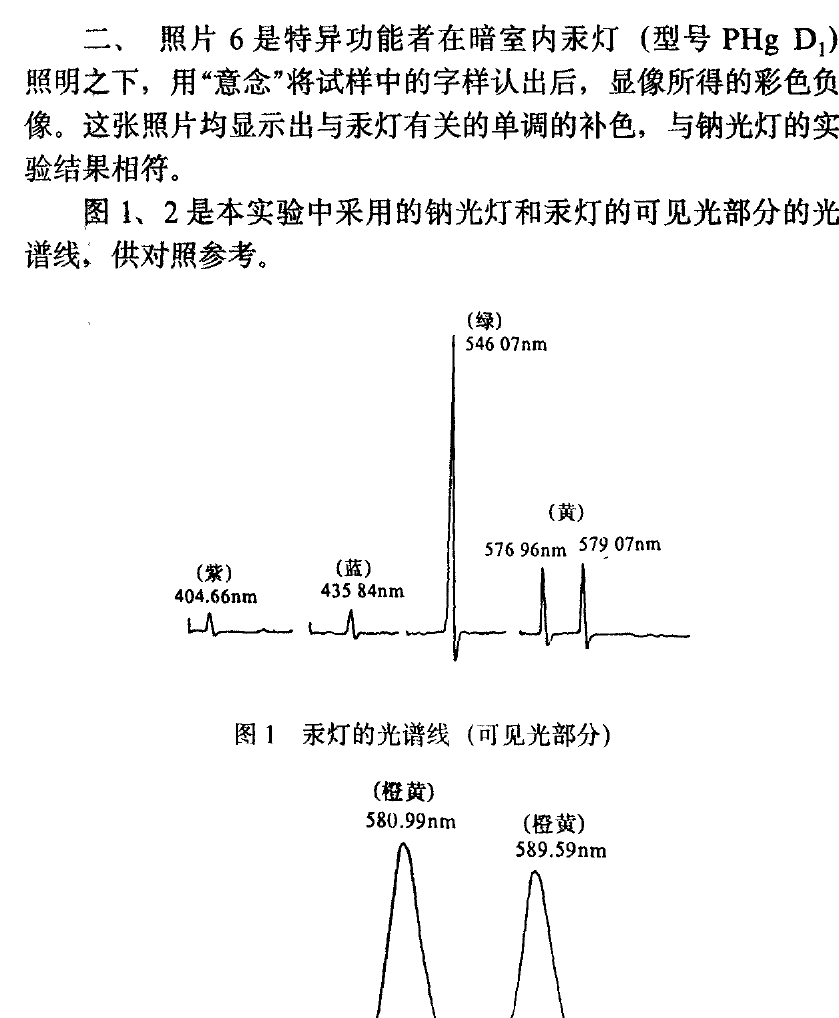
Figures 1–2. Visible-light spectra of mercury and sodium lamps — cropped from PDF page 97 of the original edition.
III
Photo 7 shows the color negative image left on color photographic paper when, in a darkroom under mercury lamp illumination, a subject with extraordinary abilities used “intention” to bend the lead wire in the test sample. Photo 8 shows the color negative image of the corresponding control sample. The colors of these two photographs are consistent with the above ESP results, indicating that ESP and PK, even under monochromatic light conditions, produce the same photosensitizing effect on photographic enlarging paper.
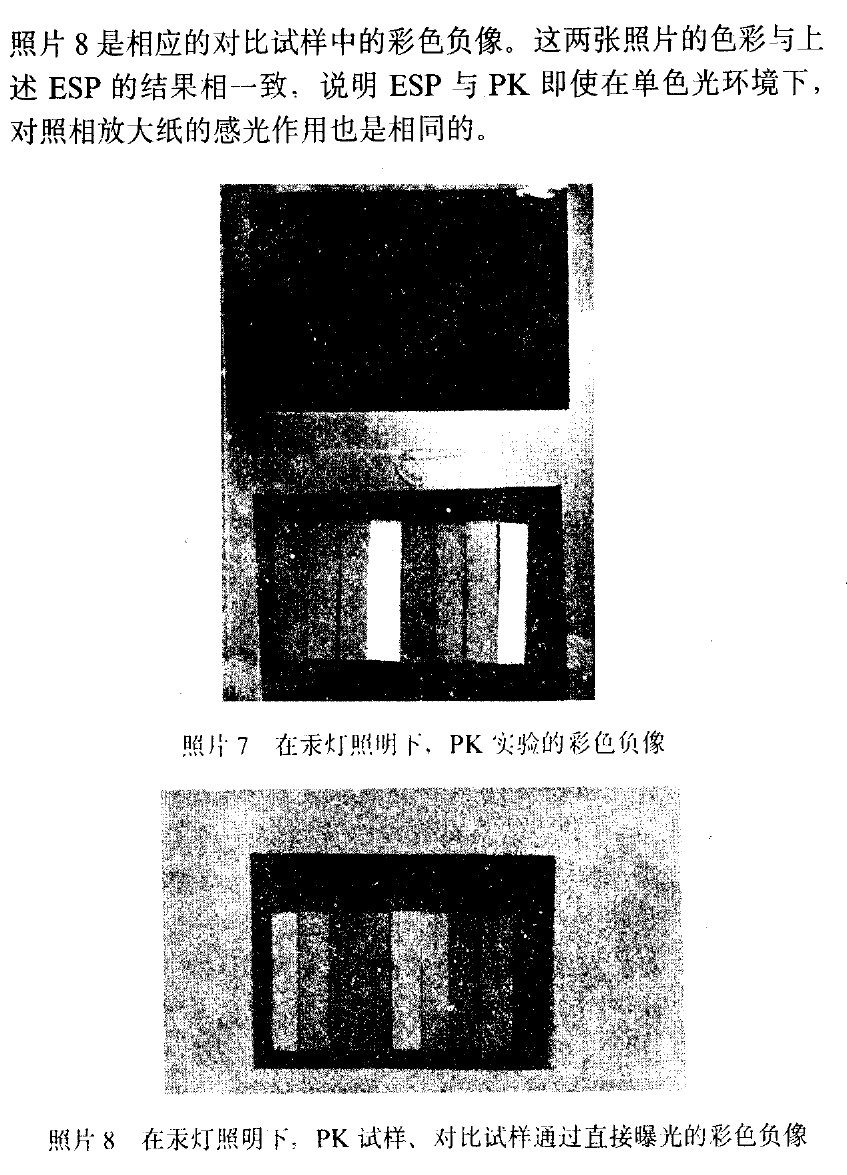
Photos 7–8. PK experiment and control records — cropped from PDF page 98 of the original edition.
Photo 7. Color negative image from the PK experiment under mercury lamp illumination
Photo 8. Color negative images of the PK sample and control sample by direct exposure under mercury lamp illumination
Discussion
Based on the experimental results introduced above, it can be said that visible light in the environment directly or indirectly participated in the ESP and PK processes. But the following question inevitably arises: in what manner does visible light in the environment enter the black plastic bag to expose the photographic enlarging paper?
We believe there are two possible answers: (1) Anomalous human radiation can open an invisible window in the black plastic bag, allowing visible light to enter directly (this is an indirect mode of participation), or alternatively, matter possesses a state that we do not yet understand; (2) Visible light, after being modulated by the brain, enters the black plastic bag in the form of anomalous radiation (this is a direct mode of participation). Another experimental scheme proposed in our report 29 can serve as a basis for distinguishing between these two hypotheses. That is, suppose there is a subject with extraordinary abilities who is congenitally color-blind; since they lack sensory experience of certain colors (e.g., hereditary red-green color blindness), then when identifying images, based on the experimental results in references 30 and 31, they would also necessarily be unable to correctly identify these two colors. Now, still applying the experimental method introduced above, in a natural light environment, test this color-blind subject with extraordinary abilities; on color enlarging paper, place red, green, yellow, and blue color filters together with the test sample. After they use “intention” to act on the sample, if on the color enlarging paper: (1) corresponding complementary colors are produced one-to-one, this would indicate that the effect of human ESP seems unrelated to the brain’s “conscious experience.” This hypothetical experimental result would tend to support the first answer’s explanation. (2) If only the complementary colors of blue and yellow are distinct, while the complementary colors of red and green are difficult to distinguish, this would indicate that the brain’s “conscious experience” participates in the effect of human ESP. This hypothetical experimental result would tend to support the second answer’s explanation.
II
The report 29 mentioned that when subjects with extraordinary abilities conducted experiments on bending aluminum wire using “intention,” the film and enlarging paper that were set up were also exposed, and the optical phenomena were identical to those of visible light. We also conducted the same experiment with subjects under mercury lamp illumination, and the results obtained likewise conform to the above conclusion. Therefore, if other extraordinary functional phenomena, such as “anomalous writing,” “intentional movement of objects,” and so forth, also produce the same experimental results, we may consider that “light” is a universally present phenomenon in the effects of extraordinary human abilities, which may serve as an important clue for further exploration of the mechanism of anomalous radiation.
This paper verified the first experimental hypothesis proposed in report 29, proving that “light” participates in the effect of human extrasensory perception; and put forward preliminary views on the question of whether visible light in the environment enters the black plastic bag in a direct or indirect manner to expose the photographic enlarging paper. Of course, this point remains to be verified by future experiments.
The test subject, student Zhang Lei, maintained a serious and conscientious attitude toward the experiments and cooperated well with the researchers, enabling this experiment to be completed smoothly. We express our deep gratitude to her.
This work also received enthusiastic assistance from Comrade Xu Zhicheng of the Yuejin Industrial Photography Society, and Beijing Middle School provided the testing venue. We hereby express our gratitude as well.
References
Chapter 11: Experimental Report on “Light” Indirectly Participating in Human Extraordinary Function Effects
Authors: Shao Laisheng et al.
Experimental Report on “Light” Indirectly Participating in Human Exceptional Functions Shao Laisheng, Xia Sankun, Fang Linhu (Fudan University) Zhang Linchen (Donghui Middle School)
In our paper “Experimental Study on ‘Light’ Participating in Human Exceptional Perception” 32, we verified the second experimental hypothesis proposed in report 33, proving that “light” participates in human exceptional perception. We also put forward preliminary views on whether visible light in the environment enters the black plastic bag directly or indirectly to expose photographic enlarging paper. Since in subsequent tests, it was found that subject Zhang X could also exert various exceptional functions in a dark environment, this provided a way to verify the above-mentioned problem.
We designed two experimental verification schemes: The first verification scheme still used a book-type test sample equipped with monitoring objects such as color enlarging paper and color filters. Subject Zhang X was tested for exceptional functions in a darkroom with good isolation from external light. If the test results could not find any exposure traces on the color photographic enlarging paper in the sample bag, it could be considered that “light” has no internal connection with human exceptional functions, but indirectly participates in the action of human exceptional functions. The second verification scheme used a photosensitive detector to test exceptional functions in a natural light environment. If corresponding signal pulses were generated on the recorder, but no corresponding signal pulses appeared in the dark environment, it could also indicate that the participation of “light” in human exceptional functions is an indirect effect. The methods of these two experiments served to mutually verify each other.
- 94 -
For the above two experimental verification schemes, we conducted multiple repeated tests, and the experimental results were completely consistent, indicating that the visible light in the test environment indirectly participated in the action of human exceptional functions.
Experimental Setup and Results
The sample setup for the first verification scheme still used the book-type sample packaging introduced in references 32 and 33, which will not be repeated here. The second verification scheme was inspired by the phenomenon that when using photographic enlarging paper to test exceptional functions, the entire sheet of enlarging paper could be exposed 32, and we thought of using a large-area silicon photocell to replace the point-like photodiode 34. Therefore, we used a polycrystalline silicon photocell (area of 20x20 square millimeters, conversion efficiency of 12%) developed by the Institute of Semiconductor Materials of Fudan University, installed at the bottom of a 135 film plastic cassette. Its lead-out wire was directly connected to the input terminal of a domestic LZ3-100 type XY recorder (Y-axis sensitivity 0.5 mV/cm, recording paper speed 1.0 mm/s). The probe structure is shown in Figure 1. When Zhang X held the probe in the palm of his hand in a natural light environment and used exceptional functions to bend a straight lead wire (diameter 0.9 mm, length 40 mm) placed inside the probe into a circle, the corresponding signal pulse on the recorder reached a maximum value of about 11 mV.
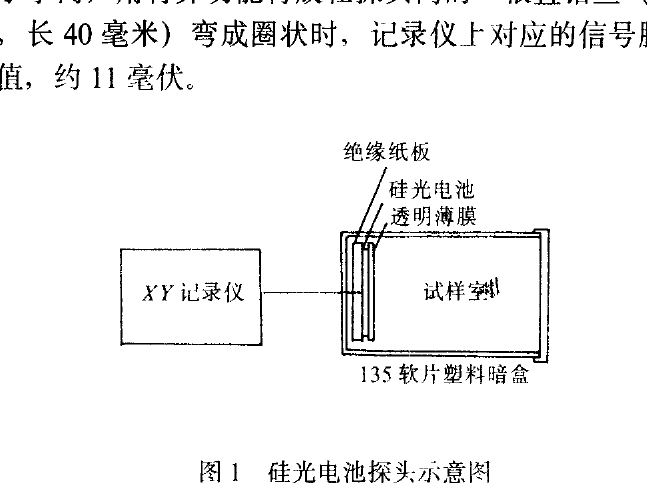
Figure 1. X-ray fluorescence experimental apparatus — cropped from PDF page 102 of the original edition.
Insulating cardboard
Figure 1 Schematic diagram of the silicon photocell probe
- 95 -
Photo 1 shows that Zhang X used exceptional functions in a darkroom to bend the lead wire in the book-type sample, but there were no signs of exposure on the color enlarging paper covered by the four colors of red, green, yellow, and blue filter strips, nor on the entire sheet of black-and-white enlarging paper.
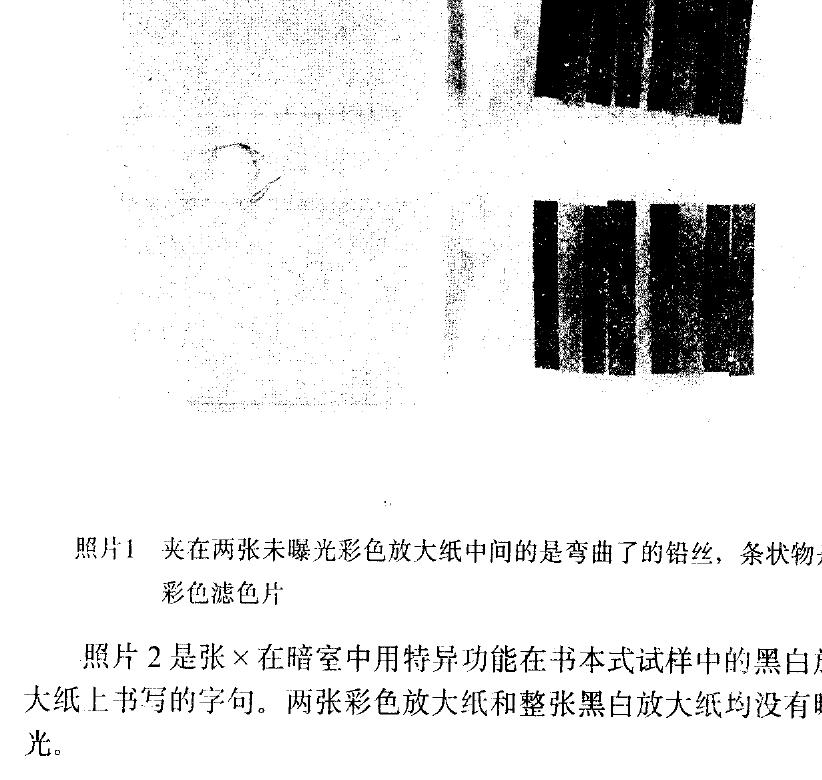
Photo 1. X-ray fluorescence records — cropped from PDF page 103 of the original edition.
Photo 1 Clamped between two unexposed color enlarging papers is the bent lead wire; the strip-shaped objects are color filters
Photo 2 shows the sentences written by Zhang X on the black-and-white enlarging paper in the book-type sample using exceptional functions in a darkroom. Both color enlarging papers and the entire black-and-white enlarging paper were not exposed.
- 96 -
Photo 2 The words “Long live human exceptional functions!! Zhang Lei 85.2.24” written using exceptional functions are ballpoint pen ink marks
Photo 3 The paper strip transferred out from the book-type sample bag using exceptional functions and the sentences on it
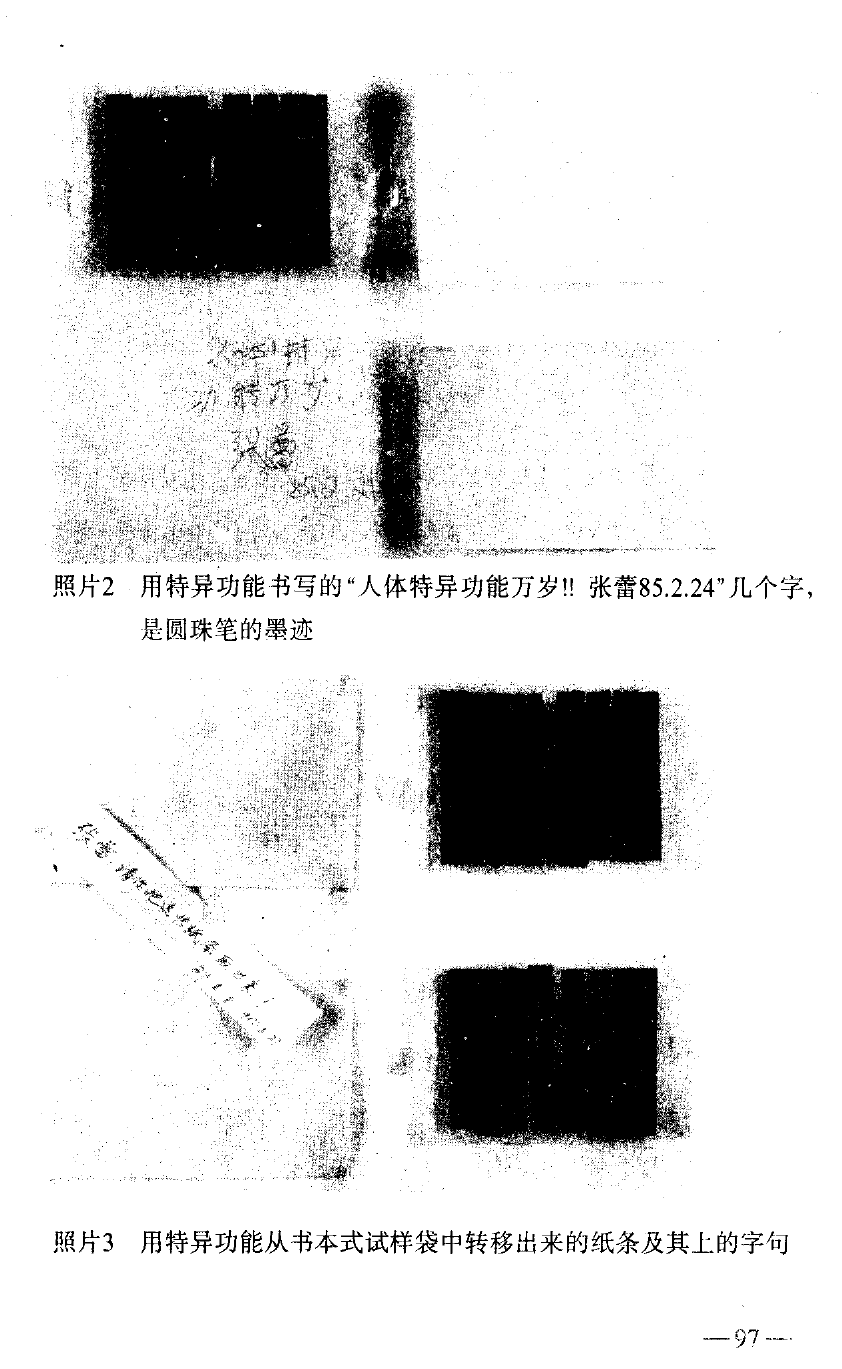
Photos 2–3. X-ray fluorescence records — cropped from PDF page 104 of the original edition.
- 97 -
Figure 2 The recorded graph of the light signal during exceptional psychokinesis and the waveform corresponding to the subject’s subjective report (1) A beam of light penetrated into the darkroom; (2) A flash appeared on the forehead; (3) Light shot into the darkroom from the forehead, the lead wire was not bent; (4) The light was very strong, the lead wire was still not bent; (5) The lead wire appeared on the forehead again; (6) The lead wire was bent.
Figure 3 The recorded graph of the light signal during exceptional character recognition and the waveform corresponding to the subject’s subjective report
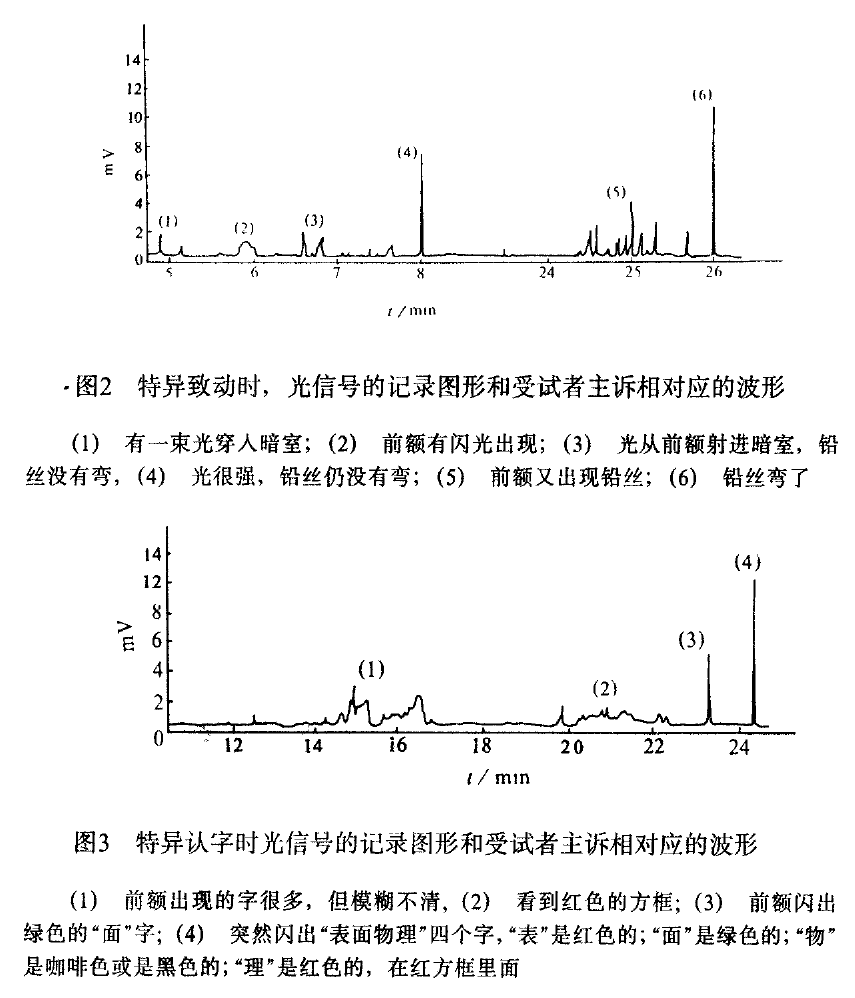
Figures 2–3. Energy-dispersive spectra — cropped from PDF page 105 of the original edition.
(1) Many characters appeared on the forehead, but they were blurred; (2) Saw a red square frame; (3) The green character “面” flashed on the forehead; (4) Suddenly the four characters “表面物理” flashed: “表” was red; “面” was green; “物” was coffee-colored or black; “理” was red, inside the red square frame.
Photo 3 shows that Zhang X used exceptional functions in a darkroom to take out the paper strip clamped between the black-and-white enlarging papers in the book-type sample from the plastic bag, and correctly read the sentences on the paper strip. However, the two color enlarging papers and the black-and-white enlarging paper used for monitoring the sample were not exposed.
Figure 2 is the recorded graph of the light signal picked up by the silicon photocell when Zhang X used exceptional functions in a natural light environment in the laboratory to bend the lead wire in the plastic cassette into a circle.
- 98 -
The vertical axis represents the output pulse.
Figure 3 is the recorded graph of the light signal picked up by the silicon photocell when Zhang X used exceptional functions to read 4 Chinese characters and their colors from the sample inside the plastic cassette in a natural light environment in the laboratory. The vertical axis represents the output pulse.
Figure 4 is the recorded graph of the control experiment where Zhang X performed the above exceptional psychokinesis and exceptional character recognition in a darkroom with good light-shielding conditions. No obvious light signal waveform appeared. The vertical axis represents the output pulse.
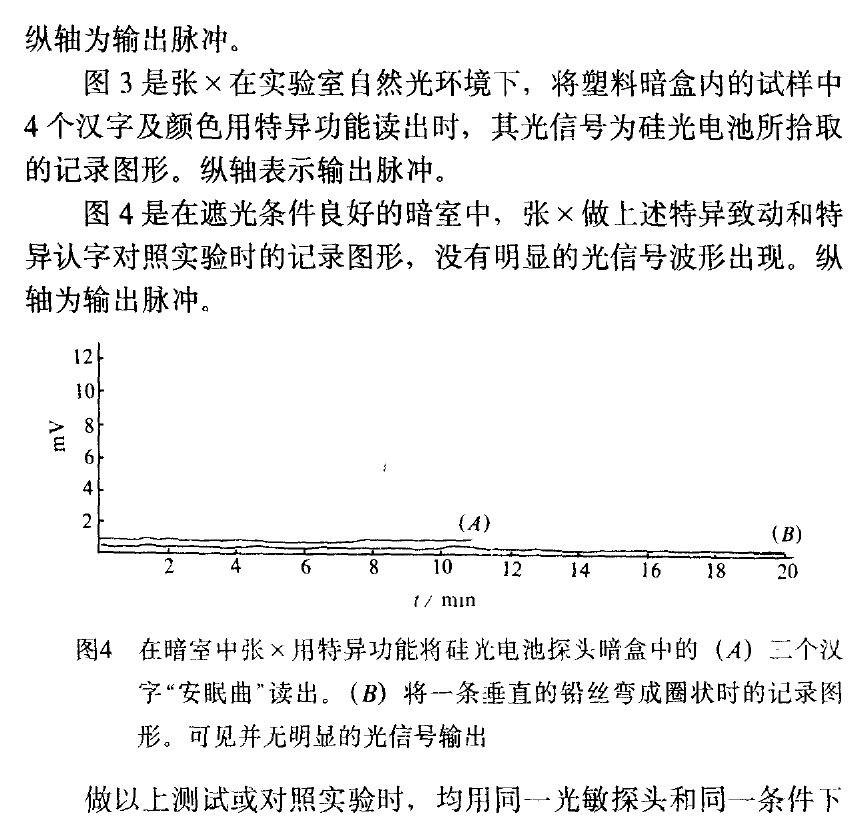
Figure 4. Energy-dispersive spectrum — cropped from PDF page 106 of the original edition.
Figure 4 The recorded graph when Zhang X used exceptional functions in a darkroom to read (A) three Chinese characters “安眠曲” from the silicon photocell probe cassette. (B) bend a vertical lead wire into a circle. It can be seen that there is no obvious light signal output.
When conducting the above tests or control experiments, the same photosensitive probe and recorder under the same conditions were used, and before and after each test, the silicon photocell was calibrated with a JT-1 type graphic instrument, and no changes in its electrical performance were found.
In all the above experiments, a tape recorder was used to record the on-site conversations between the tester and the subject for analysis and reference.
- 99 -
Discussion
Based on the experimental results introduced above, it is natural to think that the exceptional radiation signals detected by photosensitive devices in the past 3435 might be mainly caused by the visible light in the test environment. Then, a detection device that is not affected by visible light but sensitive to exceptional radiation, such as a biological detector 36, thermoluminescent dosimeter 37, and piezoelectric crystal sensor 38, etc., is likely to be acted upon by the exceptional radiation itself or other accompanying effects, which remains to be verified by further experiments in the future. However, if the quantitative relationship between the light pulse signals recorded by the photosensitive detector and the exceptional radiation can be found, then the silicon photocell probe introduced in this paper is undoubtedly a convenient and effective detection element for studying exceptional radiation.
This report used two different experimental methods to prove that visible light in the environment indirectly participates in the action of human exceptional functions, providing some useful experimental evidence for future exploration of the mystery of human exceptional radiation.
- 100 -
Chapter 12: Signs of Extraordinary Human Functional States — The Screen Effect
Authors: Shao Laisheng et al.
Signs of the Human Paranormal Functional State — The Screen Effect Shao Laisheng (Fudan University) Zhu Yiyi (Shanghai Jiao Tong University)
Since 1980, we have successively conducted work on the induction and training of paranormal functions among people of different ages, occupations, and educational levels, including children, adolescents, college students, workers, and peasants. In long-term practice, it was found that most subjects reported: they saw the content and action process of the test sample on a “screen” appearing in their forehead. Similar reports also appeared in the research reports of other scientific workers. However, further specialized reports on this aspect have not yet been seen.
To experience the sensation of this special state (human paranormal functional state) when human paranormal functions appear, the authors conducted self-induction training and actually experienced the process of the “screen” appearing. At the same time, it was found that before the “screen” appeared in the forehead, there must be a brief state of deep quiescence. To verify the universality of this process, eight adult individuals with paranormal functions were investigated separately, and the results matched the authors’ sensory experience. This paper first introduces first-hand data of Chinese and foreign paranormal subjects describing the “screen” phenomenon, then introduces the results of the investigation on eight paranormal subjects, and finally discusses the similarities and differences between the quiescent state of paranormal functions and the quiescent state of qigong.
- 101 -
I. First-Hand Data on the “Screen” Phenomenon Described by Chinese and Foreign Paranormal Subjects
-
“When the playing card is placed on the palm, at this moment one must concentrate attention on the hand, trying with all one’s might to think what the playing card is… Subsequently, a white screen appears in the mind, and on the white screen the outline of a playing card, reduced to about 3/4 of the actual object, will appear. Following this, the pattern on the playing card, as well as the Arabic numerals and colors, will appear.” — Xu Mei 39
-
“I feel: what I see is only the reflection in front of my eyes of the pattern recognized in my brain. Recently I tried twice to see with my ‘brain’, that is, letting the forebrain first concentrate on the test sample, and then thinking of nothing. As a result, the pattern of the sample jumped out in my brain, and both times it was successful.” — Teacher Wang XX, Shanghai Fisheries College 40
“At first, I just felt something flashing in front of my forehead, like looking at a kaleidoscope turning very fast, and then it was gone after a while. Very quickly, a bright patch (with words on it, but the strokes and color depth of the words varied) flashed. When I wanted to look carefully, it had already passed by the side. Later it appeared repeatedly a few times, but because it appeared suddenly and left quickly, it was very difficult to see clearly.” — Chen XX, Shanghai Second Medical College 40*
- “There is something like a TV screen in my mind, on which Geller’s answer is reflected, just as it often reflects my mother’s thoughts after she returns home from playing cards. I can never feel these things, but I can see them. These things are reflected in the front part of my brain, where there is a grayish screen, on which I can see these things. If someone thinks of a picture, a number, or some words, I can see them reflected on that screen in my brain.”
- Now Shanghai Fisheries University. ** Now Shanghai Second Medical University.
- 102 - — Uri Geller 41
The first example above is a young girl with strong clairvoyance; the second example is two young teachers and a medical student who are beginners in paranormal functions; the third example is a world-renowned paranormal subject. Although their abilities vary in strength, their descriptions of the screen appearing in front of the forehead are roughly the same.
II. Results of the Investigation on Eight Paranormal Subjects
Our subjects were eight young men and women aged 20-27. They all possessed relatively strong paranormal functions, among whom 6 had a history of more than two years as experimental subjects. Because their educational level was relatively low (junior high school level), we, based on our own experience, posed 23 related questions in writing, including both positive and negative ones. Before answering, each subject had to use paranormal functions to recognize a set of three-digit numbers hidden inside a plastic film canister, and then was required to answer the questions based on the paranormal sensations they had just experienced. The relatively concentrated answers are listed below.
-
Precursors before the screen phenomenon occurs — sensations when entering a highly paranormal quiescent state. (1) External sounds seem to be isolated. (2) The eyes can still see surrounding things. (3) The mind feels fuzzy, thinking only about the goal to be accomplished. (4) The body seems to be floating in the air. (5) There is an indescribable feeling of discomfort, which disappears after the screen flashes out.
-
When the screen flashes in front of the forehead, it seems to be seen in the mind: (1) The screen is rectangular, white or bright, and its size is about the same as a miniature comic book (1/64 format); (2) The screen mostly flashes from left to right, occasionally from right to left; (3) The numbers seen in the screen flash out one by one, but there are also times when they flash out together.
- 103 -
- Other Sensations (1) Before the screen flashes out every time, there is always the aforementioned sensation of the quiescent state. (2) After each experiment, the body feels fatigued, and sometimes one feels a headache and a heavy head.
Although the materials provided above are relatively superficial, they are sufficient to show that the aforementioned “paranormal quiescent state, screen appearance” are the main signs of the human paranormal functional state. The relationship between the two is like a form and its shadow, inseparable. We collectively call this the “screen effect”.
III. Similarities and Differences Between the Quiescent State of the Paranormal Functional State and the Quiescent State of Qigong
If we compare the sensations of the aforementioned paranormal quiescent state with the sensations of the qigong quiescent state, we may gain a further understanding of the relationship between the two. The following quotes a description of the sensations when qigong reaches a highly quiescent state: 42 External interferences no longer cause reactions; breathing is continuous, deep, and long, as if present, as if absent; the use of intention is free, as if remaining, as if perishing; sensations deepen, the entire organism is like an empty frame, relaxed and floating, and the mind is clear and joyful. After the practice, it feels as if one has just taken a bath, the mood is comfortable, and the spirit is full.
Comparing this with the sensations of entering the paranormal quiescent state mentioned above, two significant differences will be found. (1) In the qigong quiescent state, the mind is clear and joyful, whereas in the paranormal quiescent state, the mind feels fuzzy, and there is an indescribable feeling of discomfort, which is not eliminated until the screen flashes out. (2) Through the qigong quiescent state, after the practice it feels as if one has just taken a bath, the mood is comfortable, and the spirit is full. However, after the paranormal functional state ends, the body feels fatigued, and sometimes one feels a headache and a heavy head.
This shows that qigong exercise is beneficial to physical health, and therefore is deeply welcomed by the masses. The exercise of paranormal functions, however, consumes the body’s energy; the effects it displays are beyond our current scope of understanding, and since ancient times, it has been treated as sorcery. This may perhaps explain why qigong has been passed down among the Chinese folk for thousands of years without dying out, and is now increasingly welcomed and valued by people of all classes around the world!
This paper merely attempts to explain the objective existence of the “screen effect” phenomenon from direct sensory experience, and still lacks strict experimental proof. We hope that scientific workers interested in this aspect, especially experts in physiological psychology and electroencephalography, will further explore the secrets of the “screen effect”.
This work was supported by Professor Fang Linhu and Professor Zhou Yingqi, who participated in the discussions and provided valuable opinions. We hereby express our gratitude.
- 105 -
Chapter 13: Summary of the 1983 “Summer Human Functional State Induction Training Class”
Authors: Shanghai Human Body Science Research Association
Induction Training A Summary of the 1983 “Summer Induction Training Class on Human Functional States” Shanghai Human Body Science Research Society
[Editor’s Note]
With the continuous deepening of scientific research on exceptional functions, the induction, training, and cultivation of individuals with exceptional functions have made scientific researchers feel an increasing sense of urgency and importance. Therefore, we are publishing two articles on the induction and training of individuals with exceptional functions. From different perspectives, these two articles introduce methods for inducing, training, and consolidating exceptional functions in adolescents of different ages. They are accounts of the experiences of the relevant comrades and are quite inspiring to read.
In the research work on exceptional functions, many comrades, like the authors of these two articles, have spent a great deal of time and energy on the induction, cultivation, and training of individuals with exceptional functions, and have also accumulated a lot of valuable data for exceptional function research. These parents, teachers, and other scientific researchers possess broad minds and a very high level of socialist consciousness. For the sake of the scientific research of the Chinese nation, they spare no cost in conducting exploratory experiments. It is precisely due to the unremitting efforts of these comrades that our work has been able to make progress one after another. Hereby, we express our high respect to these comrades. We welcome more comrades to introduce these valuable experiences to everyone. In addition, mutual exchange and learning from each other’s strengths to offset weaknesses can not only enrich and improve the induction and training of individuals with exceptional functions, as well as consolidate their exceptional functions, but also accumulate more data.
- 106 -
Some comrades from the Shanghai Human Body Science Research Society and the Joint Research Group on Human Functional States of Shanghai Universities and Colleges held a “Summer Induction Training Class on Human Functional States” in July and August 1983, targeting students and young teachers from Shanghai higher education institutions.
The purpose of this training class was to explore the patterns of inducing exceptional functions in adults. It was hoped that through this approach, some experience could be gained, and a group of young people who themselves possess exceptional functions, have certain professional knowledge, and are dedicated to engaging in exceptional function research could be cultivated.
These students came from various institutions and different majors. They had a strong interest in this research work. A total of 28 people volunteered to sign up. 16 students persisted in more than 10 training sessions (one hour each). The vast majority reported subjective sensations of exceptional perception, such as “numbers jumping” in the frontal area and “numbers flashing across the forehead” from time to time. Among them, Comrade Wang XX (male, 24 years old, teacher at Shanghai Fisheries College) had the best training results. During the last few training sessions, he could accurately recognize the samples even when they were not in contact with his body (subjective accounts are in the appendix).
The training was conducted as follows: Before training each day, a qigong teacher first led the students in practicing qigong. The students generally reported that through qigong practice, they felt cheerful, emotionally stable, and their thoughts were easy to concentrate. Before distributing the samples for the first time, the students were clearly instructed: the samples consist of two-digit numbers from 10 to 99. They were emphasized not to guess, but to concentrate their attention on “thinking.” After about a quarter of an hour, various numbers would generally flash across the forehead. If a certain number flashed frequently or the flashed number was very clear, it was often the number on the sample. This gave the students something to follow and made it easier for them to grasp the pattern of entering the exceptional functional state.
During the training period, performances by adolescents with exceptional functions were arranged, domestic and international related video broadcasts were shown, and reports introducing the development of exceptional functions at home and abroad were presented. This gave the students a further understanding of exceptional functions and generated a stronger interest.
After each training session, the subjects took notes themselves, recording their subjective feelings and the influence of some external conditions on the results, and they exchanged experiences with each other for mutual inspiration.
- 107 -
This was our first time holding an exceptional function induction training class with so many college students and young teachers participating. The organization, logistics, and other aspects of the work were quite insufficient. In addition, during the induction period, it coincided with the high-temperature season in the Shanghai area. The students generally reported poor sleep at night, which caused this training class to not achieve ideal results. However, it can be believed that human exceptional functions are universal. Children can be induced, and adults can also be induced. Although the magnitude of the latent functions varies from person to person, through training, this latent function can be induced to varying degrees.
Appendix
The following materials are selected from the summaries and induction notes of some students, describing the process of their first experience of an exceptional functional state during training. They are recorded here for reference.
“I am a 1981 graduate of Shanghai Fisheries College, currently working at the college, and I am 24 years old this year. Since the end of 1981, I have begun to understand China’s research on human exceptional functions. I have read relevant materials in this field and watched related videos, thereby feeling that this is an objectively existing scientific phenomenon. Although it is indeed difficult for people to imagine at present, it is necessary to study it, and it heralds a major revolution in science.
“This summer vacation, I participated in the induction training for human exceptional functions. Through a month of induction training, I now initially possess the function of recognizing with non-visual organs. From this, I can affirm two points: First, our recognition with non-visual organs is definitely not faking, because during induction training, there is absolutely no gain or loss regarding success or failure. Second, it is not blind guessing either. Judging from our success rate, it is far higher than the statistical probability. Therefore, it is not guessing, but indeed ‘seeing,’ it is recognition.
“The process by which I recognize with non-visual organs is generally as follows: When I get the sample, I try to calm down, cast aside all distracting thoughts, and focus my attention on the sample. Then my eyes look at a monochromatic object, such as the floor, the wall, etc., but the focal length of my eyes is not on these objects. Therefore, a blurry, monochromatic background appears before my eyes. After a while, on this background, a flickering graphic lighter than the background color will appear.
- 108 - When the graphic stabilizes, it is successful. If I want to know its color, I focus my attention on its color, and after a while, this graphic will display its color.
“When I was doing induction training, I generally used this method. In multiple exercises, I gained some experiences and feelings, mainly in the following three aspects. (1) Quietness. When recognizing, the environment must first be quiet, which has a relatively large relationship with success or failure. A noisy environment makes people annoyed and makes it difficult to concentrate. Secondly, the mind must be quiet. When recognizing, one cannot think about this and that. This is similar to practicing qigong, but it does not mean that one cannot speak or do other things. Once, I succeeded in recognizing while talking to Teacher Shao. This is mainly because through training, one can immediately enter the recognition state during the gaps in conversation. If it succeeds, fine; if not, we talk again. After multiple repetitions, it sometimes succeeds. (2) Concentration. It means attention must be concentrated. First, the part of the brain that concentrates attention is in the forebrain, and the hindbrain cannot be used. Generally, it is the right-leaning forebrain, probably between the right frontal pole and the frontal lobe. This is the case for me, and from my observation, it is the same for others. Secondly, attention must be focused on the sample. From my experience in multiple exercises, I feel that we do not have visual organs in certain parts of the body; rather, as long as our attention is focused on the sample, it is unrelated to which part of the body the sample is placed on. I have succeeded with the sample placed on my hand, in my ear, or on the table next to me. It’s just that when placed in certain parts (such as in the ear), attention is easier to concentrate, and the speed of recognition is faster. (3) Recognition. It means to recognize correctly. One cannot have the feeling of guessing, nor can one add judgment. What you see is what you see. However, the methods of recognition vary from person to person. I feel: my ‘seeing’ is just the reflection in front of my eyes of the graphic recognized in my mind. Recently, I tried twice to ‘see’ with my ‘brain,’ that is, letting the forebrain first focus on the sample, and then thinking of nothing. As a result, the graphic of the sample jumped out in my mind. Both times were successful, except that I didn’t pay attention to the color. Therefore, our recognition is not an intuitive ‘seeing,’ because we can still recognize even if we crumple the sample into a ball.
- 109 -
“The one-month induction training is over. At present, although the mechanism of recognition with non-visual organs is still unclear, it indeed exists and needs further study. During the training period, I also felt some strange phenomena. For example, I never succeeded in recognizing at night. Therefore, I plan to continue practicing in this area to further improve my function and do some beneficial things for the development of research in this field in our country.”
— Wang XX, male, 24 years old, Shanghai Fisheries College.
“The 1983 Summer Exceptional Function Induction Training Class has now ended. Through this induction training, I believe that the ability to recognize characters with non-visual parts of the human body does universally exist. We students who participated in the training class had not previously discovered that we had this kind of function, but through induction, everyone has this function to some extent. It’s just that some are induced faster, some slower, and there are some differences in the strength of the function.
“In the first two days of induction, although I felt characters jumping in the frontal lobe, because there were many things jumping and they were very blurry, I could not yet be sure which one was correct. The spoken results were very different from the actual characters, without any similarity at all.
“In the next few days, I gradually could see more clearly. At first, I only felt something flashing in front of my forehead, like looking at a rapidly spinning kaleidoscope, and then it was gone. Quickly, a bright patch flashed (there were characters on it, but the shades of the strokes’ colors were different). When I wanted to look closely, it had already passed by the side. Afterwards, it appeared repeatedly a few more times, but because it appeared suddenly and disappeared quickly, it was difficult to see clearly. However, to say…”
The results gradually became consistent with reality. As training continued, the accuracy rate also became increasingly high.
“This character recognition function is very unstable and is influenced by many factors. Although I clearly recognized characters on several occasions, almost all of these instances occurred when I was in a relatively pleasant mood and had strong confidence. When I was physically unwell or in a bad mood, there was not the slightest sensation of ‘characters’ in my mind. Excessive nervous tension, oppressive weather, and other factors also affected character recognition. When several of us recognized characters together, we would influence each other. Sometimes everyone thought it was a certain ‘character,’ but in reality no one had that ‘character’ in their hand, yet everyone thought of it simultaneously. Sometimes everyone thought of the ‘character’ in one person’s hand. When several of us recognized the same sample simultaneously, even without touching the sample, the recognition speed was much faster than when working alone. Sudden changes in the environment also affected character recognition, such as changes in venue or excessive noise, making it difficult to concentrate and thereby affecting recognition. Additionally, in this induction training, practicing qigong for half an hour before each session also played a certain role. Through qigong exercise, one could more easily enter that ‘state.’ Practicing qigong involves a series of so-called quiescent stages—relaxing muscles, regulating breathing, controlling mental intent—and then entering the qigong state. Right after practicing qigong, one feels a sense of comfort; at this time, one’s mood is relatively pleasant, emotions are stable, and there is less tension, so during character recognition, the speed is faster and the accuracy rate is higher. Through qigong practice, one can quickly concentrate the mind, stabilize emotions, minimize排除 those unfavorable factors for character recognition, and improve recognition speed and accuracy. Therefore, practicing ‘qigong’ before induction training is beneficial.
“In summary, exceptional functions are credible, induction is feasible, and only through persistent training can the function be maintained and strengthened.” — Chen X, male, 19 years old, Shanghai Second Medical College, Medicine major.
“July 14, the first induction session began. I held a folded paper with a two-digit number written on it, feeling at a loss, wanting to laugh. Slowly, I calmed my emotions. At first I had no unusual sensations at all. After switching to another one, after a while—I don’t know whether it was from sitting too long or some other reason—I felt my chest was a bit tight and warm, my breathing became more rapid than before, and sometimes golden-yellow lines appeared before my eyes. Suddenly a ‘7’ flashed by and vanished in an instant. I was delighted, wondering whether it was seventy-something or something-seven. After that, no more numbers appeared before the session ended. Afterward, I opened the folded paper and saw the number ‘27’ written on it.” — Fang X, female, 20 years old, East China Normal University, Department of Mathematics.
“July 20, I placed the paper slip beside my ear, covered my ears with both hands, and kept my eyes slightly open. After about 20 minutes, a relatively large inverted ‘2’ flashed before my eyebrows, then it changed to a normally written ‘2,’ in black. After a while, the second digit would not appear. I opened the paper slip, and indeed it had ‘24’ written in black ballpoint pen.”
“July 21, the first attempt at recognizing numbers was unsuccessful. The second attempt was recognizing characters. With eyes slightly open, I concentrated my thoughts on the paper. After about half an hour, the stroke ’}’ first jumped out before my eyes, then soon the stroke ‘一’ appeared, followed by another ‘一.’ After a while, the character ‘土’ appeared. I opened the paper slip, and the character written was ‘王.‘”
“July 26, during the first experiment, the stroke ‘少’ first flashed before my eyebrows. After it disappeared, ” and ‘一’ flashed, forming the character ‘大.’ The character was blurry, and it was unclear whether the top stroke extended beyond. The time was about half an hour. When I opened it and looked, it was the character ‘六.‘” — Su XX, male, 21 years old, East China Normal University, Department of Mathematics.
“Training had been underway for the third day. During the first sample, between 20 and 30 minutes, a piece of paper suddenly appeared in my mind. This paper seemed transparent, with black characters inside that were ‘25.’ The actual sample was ‘22.’ At the beginning of this experiment, as in the first time, the numbers kept flipping but could not stop. My mind was just a field of gray, with occasional flickers of white dots.” — Lin X, male, 23 years old, Shanghai Jiao Tong University, Mechanics major.
“I placed the folded paper with a two-digit number in my hand. At first, there was no flashing of characters before my forehead as others had described. My concentration was not very focused at the time, but gradually I concentrated and found that there seemed to be two pale yellow numbers on the ground. The tens digit looked like ‘2’ or maybe ‘3,’ while the units digit ‘8’ was very clear. When it was time to finish, I opened it and saw ‘58.‘”
“It was evening, and the surroundings were relatively quiet (at home). At first nothing happened, then the characters ‘22’ flashed before my forehead. I immediately opened it and looked—the number on the paper was ‘20.‘” — Sheng X, female, 20 years old, Tongji University, Electronic Instruments major.
“After returning home, I practiced on my own. The numbers were written by others. I recognized ‘63,’ but when I opened it, it was ‘68.’ It took 30 minutes in total, but for the first 10 minutes I could not concentrate. The digits flashed at the lower right of my forehead. The ‘6’ appeared first and was relatively clear, while the ‘3’ appeared blurry.” — Ye XX, female, 20 years old, Shanghai Second Medical College, Medicine major.
“July 20, testing character recognition. The character was written by Teacher Zhang, who was sitting across from me. After a while, the character ‘长’ appeared, then after a while the reverse of ‘长’ appeared, and subsequently the character kept jumping between ‘才’ and ‘封,’ ultimately settling on ‘才.’ The actual result was ‘木.‘” — Fang X, male, 23 years old, *Shanghai University of Science and Technology, Department of Chemistry. *Now Shanghai University.
“July 21, today when recognizing the character ‘11,’ I recognized it as ‘17.’ The process was as follows: with eyes slightly squinted, objects before me appeared blurry. When my mind was thinking, the blurry objects seemed to no longer exist. After a while, many ‘1’ characters were arranged before my eyes, swaying back and forth. Since one of them already had a ‘1’ or was unclear, I recognized it as ‘7.‘” — Cao XX, male, 20 years old, Shanghai Jiao Tong University, Precision Instruments major.
“July 16, after receiving the paper slip (sample), I carefully examined it with no results whatsoever. I first calmed myself, concentrated my mental intent on the paper, and stared intently at it. I saw a colorless ‘26’ flash, followed by a series of changing, beautifully patterned images. Then ‘26’ and ‘36’ appeared, but vanished in an instant. Just when I was about to give up, I brought the paper slip close to its back side and saw very clearly a ‘36’ written in blue ballpoint pen. I told the teacher and explained that I was uncertain whether it was ‘26’ or ‘36.’ When I unfolded it, it was ‘36,’ exactly as I had seen it, but the character was folded deep inside and could not have been imprinted through.” — Chen XX, male, 20 years old, East China Normal University, Department of Mathematics.
(Originally published in Research on Human Exceptional Functions, 1 (1984) 15)
Chapter 14: Four Years of Exploring Extraordinary Function Induction Training for Youth
Authors: Shao Laisheng et al.
Exploration of Induction Training of Special Functions in Youth over Four Years Shao Laisheng, Zhu Yiyi*, Zhu Runlong, Hu Guoqing, Chen Jie, Zhang Ming, Ding Yizhong, Jiang Keyu (Induction Training Research Group of the Joint Human Science Research Group of Shanghai Universities)
Research Objectives Since 1979, when Comrade Chen Shouliang and others from Peking University discovered that human special functions could be induced in primary school students, large-scale induction experiments for primary school students have been carried out across the country. We also conducted inductions on some primary school students in several schools in Shanghai and achieved very good results, with a success rate of 50%–70%, which provided a strong guarantee for our early research on special functions. However, due to factors such as the children’s promotion to higher grades and lack of cooperation from families, we found it quite difficult to establish a guaranteed experimental subject pool among children and adolescents. Furthermore, due to certain social reasons, some very promising subjects abandoned their efforts halfway, which had a significant impact on our research work.
Therefore, we considered that to effectively explore subjects involving the mysteries of the human body itself, it is necessary to establish a relatively stable group of subjects, which is undoubtedly a very important link. Over time, the first group of children discovered to have special functions grew into adolescents or young adults; while the functions of some had faded, others had improved. This indicates that special functions are not limited by age. We hypothesized: if induction and training could be carried out among youth, could the aforementioned objectives be achieved? We believe that the physical and psychological development of youth has tended toward maturity; once special functions are established, they should be relatively stable. Secondly, if youth master special functions, communication in terms of thought and language between them and the researchers becomes easier, and they can cooperate more proactively with the researchers. If special functions could be induced among university students or scientific and technical personnel, it would be even more beneficial for uncovering this mystery.
Basic Situation
- In August 1982, we conducted inductions on four young men and women (voluntary subjects) at a residential area in the Putuo District of Shanghai. Unexpectedly, it was discovered during the induction training that special functions could also be induced in youth. In just over 10 days, they acquired special functions to varying degrees. Specific details are shown in Table 1.
Table 1: Brief Overview of Short-term Induction Training for Four Youth
| Name | Gender | Age | Occupation | Types of Functions Possessed |
|---|---|---|---|---|
| Jiang XX | Male | 21 | Worker | Character recognition, breaking matches, causing movement, moving objects |
| Shen XX | Male | 18 | Unemployed Youth | Character recognition, breaking matches |
| Luo XX | Female | 20 | Worker | Character recognition, breaking matches |
| Luo XX | Female | 18 | Student | Character recognition, breaking matches, moving objects, special writing |
- Based on the preliminary experience gained from the induction training of youth mentioned above, we, together with comrades from the Shanghai Human Science Research Society and the Joint Human Science Research Group of Shanghai Universities, organized a “Summer Induction Training Class on Human Functional States” during the summer vacation of 1983, targeting students and young teachers from various universities in Shanghai.
The trainees came from different majors across various higher education institutions in Shanghai. They themselves held a strong interest in this research; a total of 28 people volunteered, and 16 persisted through more than 10 training sessions (1 hour per session). The vast majority reported special sensations such as “numbers jumping in the frontal area” and “numbers occasionally flashing across the frontal lobe.” Among them, Wang XX achieved the best training effect; during the final few sessions, he could accurately identify samples even when they were remote (separated from the body). Ten cases are listed below for reference, as seen in Table 2.
Table 2: Brief Overview of Induction Training for 10 University Students
| Name | Gender | Age | Affiliation | Functional Status |
|---|---|---|---|---|
| Wang XX | Male | 24 | Shanghai Fisheries College | Correct character recognition, moving objects |
| Chen X | Male | 19 | Shanghai Second Medical College, Medical Major | Correct character recognition |
| Fang X | Female | 20 | East China Normal University, Dept. of Mathematics | Character recognition |
| Su XX | Male | 21 | East China Normal University, Dept. of Mathematics | Character recognition |
| Lin X | Male | 23 | Shanghai Jiao Tong University, Mechanics Major | Character recognition (unstable) |
| Sheng X | Female | 20 | Tongji University, Electronic Instrumentation Major | Character recognition (unstable) |
| Ye XX | Female | 20 | Shanghai Second Medical College, Medical Major | Character recognition (unstable) |
| Fang X | Male | 23 | Shanghai University of Science and Technology, Dept. of Chemistry | Character recognition (unstable) |
| Cao XX | Male | 20 | Shanghai Jiao Tong University, Precision Instrument Major | Character recognition (unstable) |
| Chen XX | Male | 20 | East China Normal University, Dept. of Mathematics | Character recognition (unstable) |
- In August 1984, comrades from the 507 Institute, Room 7, joined us in organizing another 10-day youth training class. The 14 participating young men were all around 20 years old, in good health, and had not undergone any other screening. Prior to this, none had ever been found to possess “special functions.” On the first day of training, the vast majority of comrades had no obvious sensations. However, after 10 days of induction training, all 14 comrades could see “flashing light points” in the forehead. Among them, 11 could “flash characters” (78%), and 9 could accurately or relatively accurately identify samples (63%). On the final day of training, despite changes in the testing conditions and environment, all except 3 people had characters flashing, and 5 of them basically identified the samples correctly, as seen in Table 3.
Table 3: Brief Overview of Induction Training for 14 Young Men
| Session | Number of Participants | Number of People with Special Sensations | Number of People who Correctly or Relatively Accurately Identified Characters | Number of Times Characters were Basically Identified within 45 Minutes |
|---|---|---|---|---|
| 1st | 14 | 5 people (36%) | 0 | 0 |
| 4th | 14 | 14 | 9 people (63%) | 4 people (24%) |
| 8th | 14 | 9 people (63%) | 5 people (36%) | 7 |
| 10th | 14 | 11 people (78%) | 5 people (36%) | 13 |
-
In July 1985, we re-tested three youth who had been induced with special functions in 1981 (they were 14 and 12 years old at the time and persisted in training until 1983). When tested again two years later, their functional state was extremely low, and even character recognition was very difficult. After only one week of training, the functions were restored. Among them, two young men persisted in training, and their functions improved rapidly; they could cause movement and move objects, and participated in many of our experiments.
-
In January 1986, we organized another 18-day special function induction training class. The subjects were 11 young male and female workers, all aged 18–20, with an average age of 19. Regarding education level, 2 had primary school education and 9 had junior high school education. Training was conducted for 1 hour daily. On the final day of training, every person had mastered the function of remotely bending a lead wire inside a plastic film box. Some could even break the lead wire, reconnect it, and move it to a distance. See Table 4 for details.
Table 4: Brief Overview of Induction Training for 11 Young Workers
| Session | Number of Subjects | Number of Successes | Success Rate (%) | Remarks |
|---|---|---|---|---|
| 1 | 11 | 7 | 63 | Test content: Character recognition (unsealed packaging), sealed packaging character recognition, stapled packaging character recognition, remote or non-remote character recognition in plastic film boxes, bending lead wires, etc. |
| 2 | 11 | 11 | 100 | |
| 3 | 11 | 3 | 27 | |
| 4 | 10 | 9 | 90 | |
| 5 | 10 | 9 | 90 | |
| 6 | 11 | 10 | 90 | |
| 7 | 10 | 1 | 10 | Success rates for the 7th and 8th sessions were lower because the subjects were physically fatigued and frequently yawned due to heavy labor in the morning. |
| 8 | 9 | 3 | 33 | |
| 9 | 9 | 7 | 77 | |
| 10 | 10 | 8 | 80 | |
| 11 | 11 | 11 | 100 | |
| 12 | 8 | 6 | 75 | |
| 13 | 9 | 6 | 66 | |
| 14 | 8 | 7 | 87 | |
| 15 | 8 | 7 | 87 | |
| 16 | 10 | 10 | 100 | |
| 17 | 10 | 9 | 90 | |
| 18 | 10 | 3 | 30 |
Discussion I. From our work, it is an objective fact that induction is more easily successful and functions improve more rapidly among youth with lower education levels. The proportion of successful inductions among university students is lower than among young workers; we wonder if this is related to the daily thinking patterns and greater mental interference of university students.
II. From our work, the process of training and induction is not particularly difficult. Once mastered by the general public, a large number of people with special functions may emerge. What impact will this have on society? We must plan ahead and be fully prepared; this is the scientific attitude.
III. Looking at the national situation, researchers in various regions face the problem of how to cultivate and train subjects with special functions. Only when this problem is solved and high-level subjects are available can our experimental research be guaranteed. However, in real life, people with special functions often cannot continue after reaching a certain stage of training due to various social reasons, which is extremely detrimental to experiments. Therefore, it is suggested to consider establishing specialized schools in possible provinces and cities across the country, similar to youth sports schools, in order to truly establish a stable, high-level, and high-quality subject pool.
IV. Due to the increasing number of people with special functions, we suggest evaluating the level of these functions based on success rate, identification time, and continuity, as described below: (1) Success rate: The number of successful experiments divided by the total number of experiments. (2) Identification time: The time it takes for the subject to successfully identify the sample for the first time upon receiving the test (an average over a period of time can be calculated). (3) Continuity: The number of successful tests that can be performed consecutively within a unit of time, with the unit of time set at 1 hour to prevent excessive fatigue.
V. The following statistics can also be applied to induction experiments: (1) Time of ESP appearance: After which induction session the sample was first correctly identified.
- Time of PK occurrence: after how many inductions the PK phenomenon appears.
VI. Views on Fatigue. We have carried out discussions on this issue, first and foremost, under the premise of caring for individuals with exceptional functions. Because there is currently a prejudice in society regarding exceptional functions, it seems that simply performing exceptional functions will hinder health and affect development… and so on. However, from our current understanding, we have not yet seen anyone become disabled, crippled, or seriously ill due to performing exceptional functions. On the contrary, some of the earliest children with exceptional functions have all gone through their developmental stages and grown up healthily into young men and women (such as Huang Hongwu, Yu Ruihua, Wang Bin, Wang Qiang, Xiong Jie, He Xiaoqin, Hu Lian, etc.). Some individuals with exceptional functions experience certain reactions after conducting experiments for a period of time, such as dizziness, head swelling, accelerated heart rate, fatigue… and so on. We believe this is also a very normal phenomenon, just as we have similar feelings after intense thinking or work. Furthermore, comparing the training of all elite athletes worldwide, which one has not undergone extreme high-volume training? Compared to their level of fatigue, our training truly pales in comparison. Therefore, we should view this issue correctly and rectify the public opinion that has already formed, otherwise it will tie our hands and hinder the normal development of this discipline. Judging from the training of 11 young workers, these youths still persisted in 8 hours of physical labor before and after training, without any special treatment, and did not feel very tired.
Comrades Zhang Shenglai, Huang Renshou, Zhou Yingqi, and others also participated in this work successively.
This work received strong support from the 507 Institute, and we hereby express our gratitude.
(This article was originally published in Research on Human Exceptional Functions, 1-2 (1987) 103-120)
Chapter 15: Induction Training and Exploration of Extraordinary Use of Electronic Calculators
Authors: Shao Laisheng et al.
Induction Training and Discussion on the Extraordinary Application of Electronic Calculators Shao Laisheng, Yu Huihua, Shen Yunhu (Fudan University)
Fang Linhu, Zhou Yingqi (Shanghai Fisheries University)
The extraordinary application of electronic calculators (PSI ability for operating electronic calculator) refers to the ability of a person with extraordinary functions to directly write down the answers to arithmetic problems solvable by an electronic calculator, without using pen-and-paper calculation or other auxiliary devices, and in the absence of an electronic calculator on site, after a brief period of training. The significant digits of the answers are the same as those displayed by an electronic calculator.
The use of extraordinary functions to operate electronic calculators has not yet been reported domestically or internationally; we have only heard that a child in Kunming possesses this ability. The potential special application value of this ability cannot be ignored. In order to deepen the research on its mechanism and its application, this article will introduce the process by which we induced and trained several young men and women to possess this ability between the end of 1987 and the spring of 1988, providing a reference for researchers working in this field.
Training Subjects and Methods
The training subjects were 6 young men and women induced by ourselves, all possessing extraordinary functions of ESP and PK, aged around 20, with half having a primary school education and half a junior high school education.
Our induction training for the extraordinary application of electronic calculators was conducted alternately with thought-sensing training. Over a period of 6 months (training was suspended during the winter vacation), 20 training sessions were conducted intermittently, and all 6 subjects acquired this ability. Before training, since they had never used electronic calculators in the past, they were first taught how to use them under normal conditions (including the use of the ”+, -, x, ÷, =” keys) and practiced several times. The training was divided into four stages.
Stage 1. A simple electronic calculator (SHARP EL-838, 8-digit display) was placed in front of each subject. For the first training session, they were only required to mentally press the keys so that “0” appeared on the display. Generally, after two or three training sessions, they were able to master it.
Stage 2. The distance between the subject and the electronic calculator was increased to about 1 meter, and then they were sequentially trained to mentally press one-digit to three-digit numbers; after they mastered this, training on simple arithmetic problems began. In the above training, each session did not exceed 45 minutes. For successful attempts, the experimenter could see the answer’s digits displayed on the electronic calculator’s screen.
Stage 3. The electronic calculators on site were gathered and placed into the experimenter’s backpack, and the training proceeded according to the steps of Stage 2.
Stage 4. Under the condition of no electronic calculators on site (the subjects did not know where the calculators were hidden), following the induction training method of progressing from simple to complex and from easy to difficult (which we call “directional induction training”), they were gradually enabled to master various extraordinary application methods of the electronic calculator. Table 1 lists the process of our induction training for the 6 subjects’ extraordinary application of electronic calculators.
Induction Training Examples
Example 1 Time: May 5, 1985, 18:35-18:50 Location: Fudan University Staff Club Subjects: Wang Yulan and 5 others (6 people total) Overview: Under the condition of no electronic calculators on site, each subject was required to directly write down the answers using their mind based on the arithmetic problems provided by the experimenter. In less than 15 minutes, they successively wrote down their answers.
Table 1 Overview of the Induction Training Process for the Extraordinary Application of Electronic Calculators
| Stage | Time | Conditions | Cumulative Training Sessions | Cumulative Participants | Results |
|---|---|---|---|---|---|
| Stage 1 | 1987.12.15 - 1987.12.24 | Electronic calculator placed on the table about 0.5m away from the subject; required to mentally press keys | 2 | 12 | |
| Stage 2 | 1988.3.22 | Distance between subject and calculator increased to about 1m; required to mentally press 1 to 3 digits, simple arithmetic, and square roots | 7 | 12 | |
| Stage 3 | 1988.4.28 - 1988.5.17 | Calculators collected and placed in the experimenter’s backpack, following the steps of the previous stage | 9 | 15 | |
| Stage 4 | 1988.5.3 - 1988.5.17 | No electronic calculator on site, following the training steps of the previous stage | 2 | 28 |
Results: Success: Partial Success: Failure: Note: Success refers to those who met the experimental requirements; Partial success refers to those who did not fully meet the experimental requirements; Failure refers to those who handed in a blank paper.
Results: Huang Guixiang: √141 = 11.87434209 Sun Hai: √918 = 30.29851484 Ji Meiyun: √433 = 20.808652 Wu Xiaohong: √544 = 23.302360496 Wang Yulan: √964 = 31.048349 Xu Jinyu: √367 = 19.157244
After verification with an electronic calculator, all answers were correct. Figure 1 is the original test paper, showing the results done by each person.
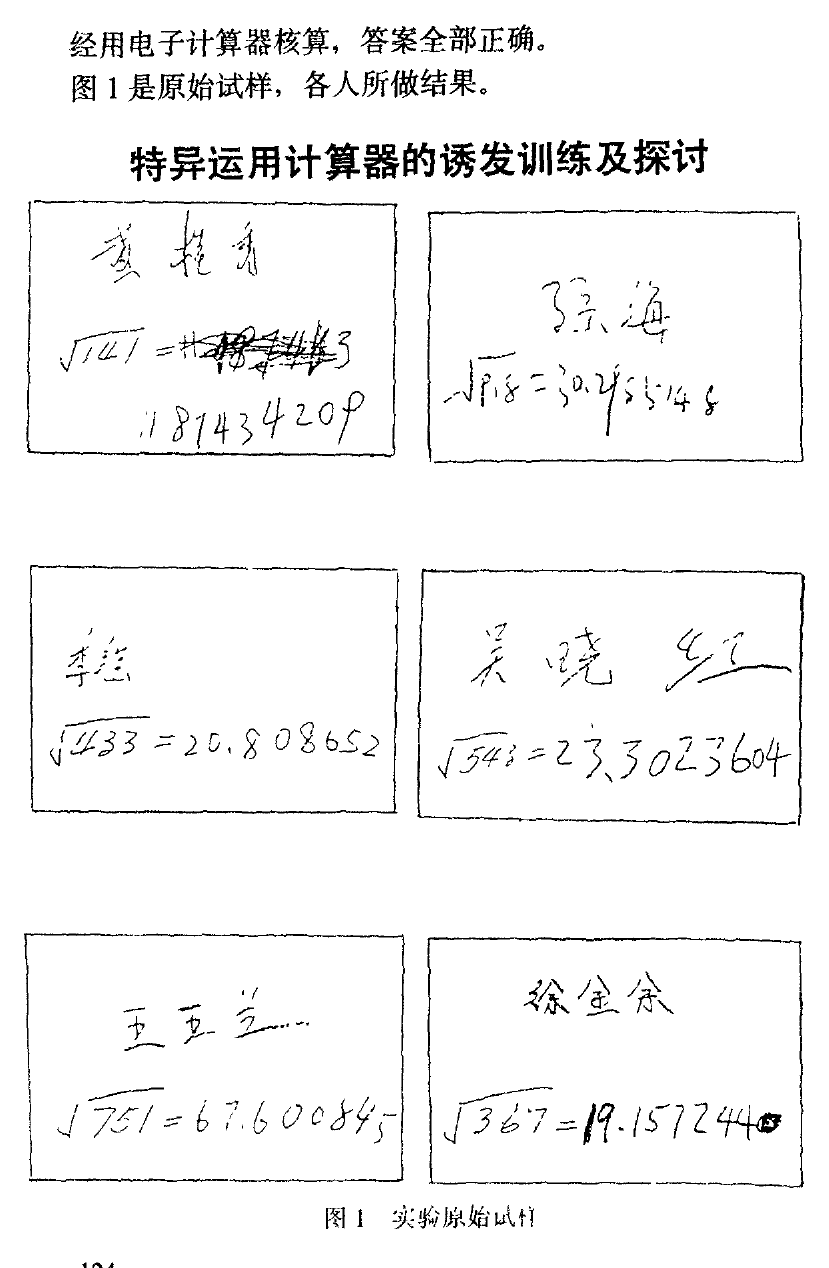
Figure 1. Calculator-training worksheets — cropped from PDF page 131 of the original edition.
Figure 1 Original test paper
Example 2 Time: May 19, 1988, 18:40-19:00 Location: The location, subjects, and experimenter are the same as in Example 1. Overview: Except for a few individuals, the subjects had no experience using electronic calculators for multi-digit multiplication. Therefore, before training, they were introduced to the operation procedures for multiplication keys and practiced a few times. Then, under the condition of no electronic calculators on site, each subject was required to directly write down the answers using their mind based on the test questions provided by the experimenter. Within 20 minutes, they all wrote down their answers.
Results: Wu Xiaohong: 673 x 452 = 304196 Ji Meiyun: 492 x 356 = 175152 Huang Guixiang: 762 x 943 = 718566 Wang Yulan: 532 x 763 = 405916 Sun Hai: 452 x 631 = 285212 Xu Jinyu: 172 x 323 = 55556
After verification with an electronic calculator, all answers were correct. Figure 2 is a copy of the original test paper.
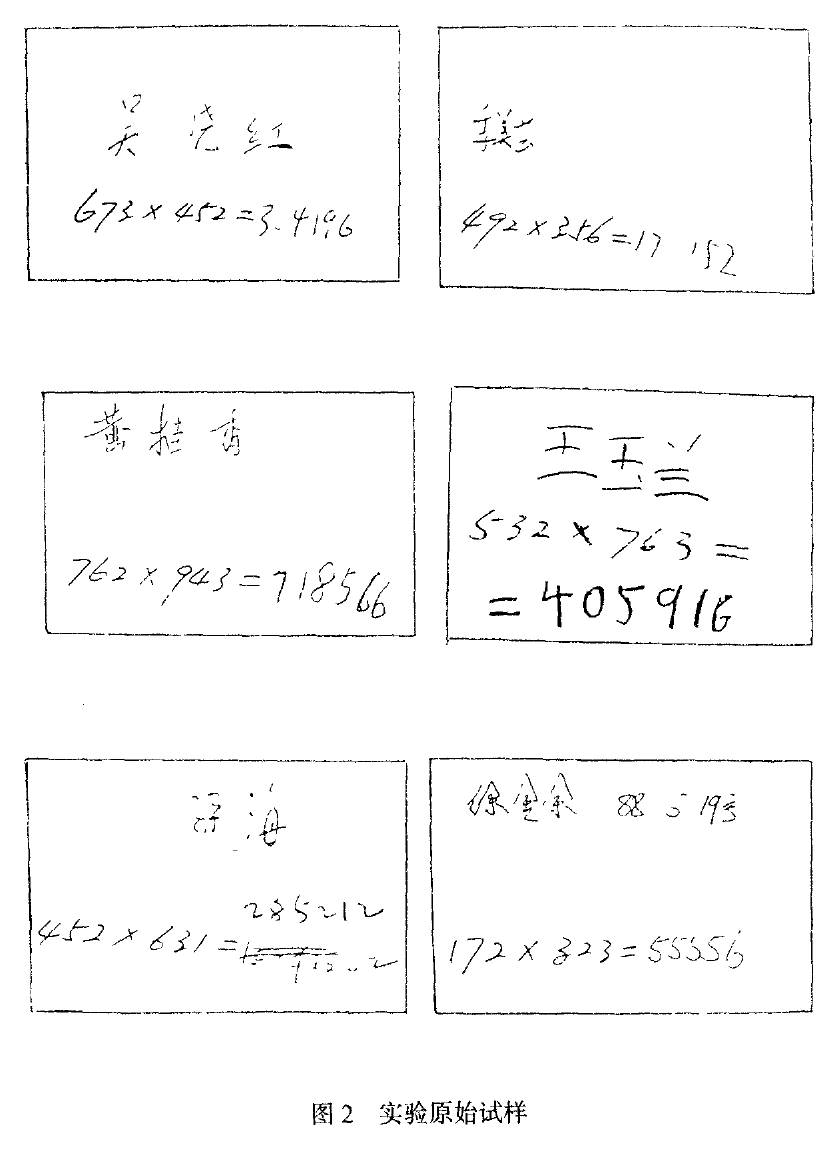
Figure 2. Calculator-training worksheets — cropped from PDF page 133 of the original edition.
Figure 2 Original test paper
Example 3 Time: June 2, 1988, 18:15-18:30 Location: Fudan University Staff Club Subjects: Sun Hai, Ji Meiyun Experimenter: Professor Tao Ruibao from the Department of Physics Overview: Under the condition of no electronic calculators on site, Professor Tao gave three arithmetic problems on the spot: (1) √717 = (2) … = (3) … = The first two problems were assigned to the two subjects, and the last problem was calculated by Tao himself using pen-and-paper calculation. When Tao had calculated to the third digit after the decimal point of the answer, the subject Sun Hai had already directly written down the answer to the first problem, 26.776855. The original test paper and Professor Tao’s handwritten calculation draft are shown in Figure 3.
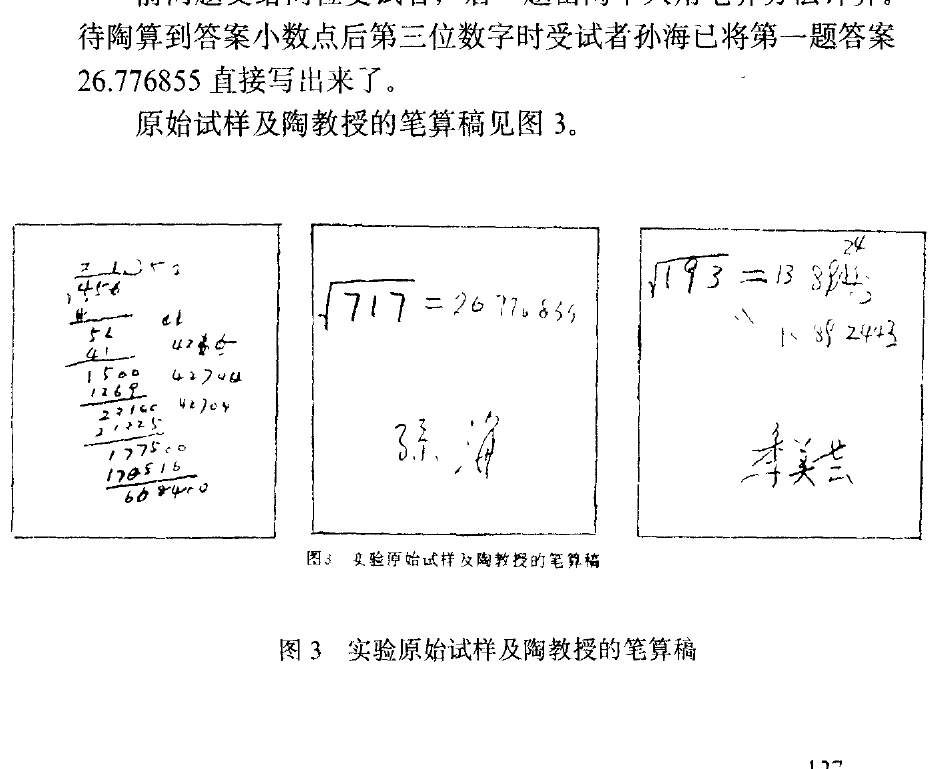
Figure 3. Calculator-training worksheets — cropped from PDF page 134 of the original edition.
Figure 3 Original test paper and Professor Tao’s handwritten calculation draft
Discussion
-
In the answers of Example 1, Huang Guixiang’s answer was 10 digits, and Sun Hai and Wu Xiaohong’s answers were both 9 digits, but the electronic calculators used for their training could only display 8 digits. This phenomenon aroused our great interest. Based on the educational level and working environment of the subjects, they had no opportunity to come into contact with high-end electronic calculators with 10 digits, and their subjective reports indeed confirmed this. Speculating from the extraordinary functional phenomena we already know, they might rely on “remote sensing ability” 43 or “extraordinary perspective ability” 44 to detect whether there are electronic calculators around; if detected, they can use the “breaking through space barriers” 45 ability to move the electronic calculator over for use, and then return the object to its original place. We have frequently seen this phenomenon in other experimental settings. If the speculation is correct, then the abilities to use extraordinary functions to detect underground ore deposits 46, find missing objects, and so on, can also be trained through similar induction methods.
-
Does the extraordinary application of calculators help with mathematical education and training? This is a question of concern to many people. Based on our current understanding, the fact that a person with extraordinary functions can directly write down the answers to arithmetic problems in the absence of an electronic calculator on site is just like a person who has not studied mathematics being able to solve complex arithmetic problems using an electronic calculator. I am afraid it does not provide much help for mathematical education and training, which is highly dependent on logical thinking.
-
The above discussion is only a speculation based on our current superficial understanding of human extraordinary functions and the surface phenomena of the experiments. However, considering that the human brain is a complex giant system: from the time a person is in kindergarten, they are continuously trained in logical thinking patterns. And it is precisely by using this thinking pattern that humanity has created today’s splendid culture.
And the most complex electronic computers today are all designed by simulating the thinking mode of the human brain. Electronic calculators are, of course, no exception. Therefore, we might as well hypothesize: the calculation mode of electronic calculators is one of the most important thinking modes of the human brain. When a person in a state of extraordinary human functions uses an electronic calculator, they subconsciously perform calculations along this thinking channel, thus obtaining the aforementioned answers with nine or ten digits. If future experiments can yield answers with fewer than ten digits, it will demonstrate that the above hypothesis is well-founded.
We would like to express our deep gratitude to Professors Wang Boyang, Gu Yuanzhuang, and Lu Zongzi for participating in the discussions of this work.
- 128 —
- 129 —
Chapter 16: Experimental Research on Human Extraordinary Functions — Review and Exploration
Authors: Fudan University Electronic Engineering Department Human Information Science Research Group
Experimental Research on Human Exceptional Functions · A Review and Exploration Human Information Science Research Group, Department of Electronic Engineering, Fudan University
Over the past 10 years, we have done some work on various aspects such as the optical phenomena of human exceptional functions 474849, the similarities and differences between exceptional psychokinesis and conventional psychokinesis and their force effects 5051, and the experiments and mechanism exploration of thought transmission 525354. These works have all been published in the journals Research on Human Exceptional Functions and China Journal of Human Body Science, and will not be reiterated here. This report only reports to peers on the following three aspects, and we invite your comments and guidance.
I. Exploration of Experimental Methods for Exceptional Functions
Using modern scientific instruments to detect various phenomena generated by human exceptional functions is the main experimental method currently used in the study of this new discipline. However, when analyzing experimental results, it is often found that what is recorded by the instruments is not necessarily what is desired, but rather erroneous results caused intentionally or unintentionally by the functioner. Therefore, in the various exceptional function experiments we have conducted, multiple experimental methods are often employed to study a specific exceptional phenomenon. For example: to study the phenomenon of photographic film being exposed during the process of exceptional character recognition 55, is it ordinary light waves or some unknown exceptional radiation that exposes the photographic film? Centering on this question, Shao Laisheng et al. designed a series of experiments to verify this. For instance, in the photographic paper of various layers of book-style test samples, monitoring objects such as polarizers, color filters, color photographic paper, black-and-white and color photographic negatives, and aluminum foil were placed. The purpose was to determine the physical properties of this optical phenomenon, and the results showed that there was no difference from ordinary light waves. To clarify the source of this light wave, we used color photographic paper and red, green, yellow, and blue filters as test samples, and conducted experiments under various light sources, such as daylight, incandescent lamps, sodium lamps, mercury lamps, and in a darkroom, thereby determining that it was the visible light in the environment that exposed the photographic film or photographic paper.
Based on the above optical experiments, it is natural to think about the question of whether there are similarities and differences between exceptional psychokinesis and conventional psychokinesis. For this reason, Weng Taimeng et al. designed a variety of experimental methods, namely exceptional writing, exceptional shaping, and exceptional bending of lead wire, etc. The results showed that there must be contact and a force effect between the two parties involved in the exceptional psychokinetic action. To clarify whether this force can be measured, Huang Jinggen et al. designed multiple experimental methods using a thermobalance, a mechanical balance, and piezoelectric crystals, proving that this force is a virtual force. Within the range of experimental measurements, it does not possess the measurable properties of conventional physical quantities, which is how exceptional psychokinesis differs from conventional psychokinesis. Regarding the issue of non-visual information transmission in “thought transmission,” Wang Boyang et al. proposed various experimental concepts and conducted repeated experiments, proving that the transmission of information via the “screen effect” is limited to visual information (text, images), and other information such as sound and taste must also be converted into text or image information before it can be transmitted.
Therefore, in the study of exceptional functions, we believe it is very important to use multiple experimental methods to prove the existence of a certain exceptional phenomenon. This not only makes the experimental conclusions more credible, but can also induce new exceptional phenomena and discover new problems. For example, in optical experiments, through what pathway can visible light in the environment expose the photographic paper in a dark bag? From this new question, the following several hypotheses can be derived:
(1) Exceptional functions can make optically opaque substances transparent;
(2) The functioner uses exceptional functions to take the photographic paper out of the dark bag for exposure;
(3) There may exist a kind of exceptional radiation that can be modulated by light information and can pass through various opaque objects, etc.
These hypotheses then became the basis for further experimental designs. What is introduced above is only one of our explorations into the experimental methods for exceptional functions. The purpose is to cast a brick to attract jade, to arouse everyone’s interest.
II. Video Recording of the Intermediate Process of Exceptional Psychokinesis
Scientific workers and observers who have participated in exceptional function experiments have had this experience: at the very moment when exceptional psychokinesis is about to be completed, for example, the instant the functioner emits their power to break a match in a glass test tube, on-site observers often feel a moment of trance. When they collect themselves and look again, the match is already broken. This phenomenon has cast a mysterious veil over exceptional functions and has long puzzled many people interested in exceptional functions. Many scientific workers in China have designed various experiments for this purpose and proposed numerous hypotheses, among which the most encouraging is the video recording experiment of the intermediate process of exceptional psychokinesis.
(1) As early as 1983, Lin Shuhuang et al. from Beijing Teachers College [11] used a low-light camera in a dark box to film the intermediate processes of exceptionally bending matches and exceptionally moving objects. In June 1987, inspired by their work, we also used an ordinary industrial camera (Kaige OST-A type) to film the intermediate processes of exceptionally bending lead wires, exceptional shaping, and exceptional writing on multiple occasions. In 1990, in the inaugural issue of China Journal of Human Body Science, we saw an article published by Song Kongzhi et al. from the Beijing Institute of Space Medical Engineering [12], which successfully took experimental photographs of pills, enameled wires, and unexposed photographic paper passing through the walls of glass bottles using a high-speed camera. These intermediate processes of exceptional psychokinesis were filmed independently by different research units, different researchers, and different functioners, using different experimental setups at different times. This demonstrates that it is not a coincidental illusion, but an exceptional phenomenon that truly occurs in real space-time.
Based on the experimental methods and results used by the three units mentioned above, finding their similarities, differences, and regularities may help broaden our thinking and provide new concepts for further experimental research work in the future.
(2) The video recording experimental setups of Lin Shuhuang et al. and ours share a common feature: during the recording, neither the functioner nor the on-site observers (including experimenters) could see the location of the sample; only the camera lens was aimed at it. In the former, the sample and the low-light camera were placed in a closed dark box, while in the latter, they were placed in a foam box that was open on one side and illuminated by fluorescent lamps (photograph). Judging from the experimental results of these two setups, visible light seems to have no obvious effect on the filming of the exceptional intermediate process. Looking at the experimental photographs published by Song Kongzhi et al. in their article, they show the functioner intently watching the sample pass through the bottle wall, indicating that the functioner watching the sample does not interfere with the filming of the exceptional process. Thus, it is only when the gaze of the on-site observers is fixed on the sample that an interference effect is caused. This is exactly the same as the phenomenon where observers cannot see the intermediate process of exceptional psychokinesis.
It can be hypothesized that there is some internal restrictive connection between the functioner and the observers. Since thoughts can be mutually transmitted, mutual interference cannot be ruled out. Because human beings have the habit of keeping secrets private, out of a desire to prevent others from seeing through the secrets of their exceptional functions, functioners subconsciously emit this interfering information when entering the exceptional state. This temporarily causes the visual nerve channels of on-site observers to lose their normal function, thereby giving the observers a feeling of trance and making them unable to see or clearly see the exceptional intermediate process occurring right in front of them.
To verify this hypothesis, referring to the method introduced in reference [13], we proposed the following experimental concept: because the α-type brainwaves of a normal person show obvious differences when the eyes are closed versus open, this difference may be caused by light stimulating the retina. If we use an electroencephalograph to measure the α-waves of on-site observers, when they are subjected to the functioner’s interference, according to the above hypothesis, if the light information from the outside cannot be transmitted to the visual cortex of the brain, the α-waves may undergo similar changes.
(3) Now let us compare and analyze the video recordings of the exceptional intermediate processes filmed by the three units mentioned above: on the video screen filmed by Lin Shuhuang et al., it can be seen that a match can bend automatically, and a piece of paper can stand up and move automatically, as if manipulated by an invisible hand; on the screen filmed by Song Kongzhi et al., one can see the scene of pills, enameled wires, and unexposed photographic paper in a glass bottle passing through the bottle wall; whereas on the screen we filmed, the shadow of the functioner’s own hand appears, taking objects and performing actions as usual.
The experiment designed by Lin et al. had a very clear purpose: to require the functioner to use exceptional functions to break a match in a closed dark box; the experiment designed by Song et al. required the functioner to use exceptional functions to move pills out of a glass bottle; whereas we required the functioner to use their mind to complete actions on the samples in an open plastic box using their own hands as they normally would. Thus, it can be seen that different experimental conditions and requirements result in different exceptional methods used by the functioner to complete them. In the past, many research units in China conducted various experiments on exceptional psychokinesis, but they could only see the results without knowing what methods and pathways the functioner used to accomplish them. Now that we have a video recording method for filming the exceptional intermediate process, it is just like when people invented the electron microscope and used it to see the fine structures of living and non-living things, gaining a further understanding of nature and promoting the advancement of science.
We believe that by using the video recording method introduced above to film the intermediate processes of various representative exceptional psychokinetic phenomena one by one, many new exceptional phenomena will inevitably be discovered. Through comprehensive analysis, it will not be difficult to find the regularities of this intermediate level, laying the foundation for exploring the mysteries of higher-level exceptional functions.
III. Experiences and Observations on Inducing Exceptional Functions in Youth
In August 1982, we conducted induction training on four male and female youths in a residential area in Putuo District, Shanghai. We found that inducing exceptional functions in youths is just as easy as inducing them in primary school students. In just over 10 days, we then made him (
They possessed different degrees of extraordinary functions 47484950.
On January 9, 1986, we organized an induction training class for human extraordinary functions on the Fudan campus. The participants were 11 young temporary workers from our university: 6 males and 5 females, aged 18–20 (average age 19), with educational backgrounds consisting of 2 primary school graduates and 9 junior high school graduates. The location was the basement of the Science Building at Fudan University. The training time for each session was 12:00–13:00. After 18 days of induction training, relatively good results were achieved, as shown in the table below.
— 134 —
Process of Human Extraordinary Function Induction Training
| Date | Tester | Subject Count | Success Count | Success Rate | Sample Content | Notes |
|---|---|---|---|---|---|---|
| 1 | Shao Laisheng | 11 | 7 | 63% | Brown paper folding, two-digit numbers; points of attention explained before testing. | Not sealed |
| 2 | Shao Laisheng | 11 | 11 | 100% | Same as above | |
| 3 | Shao Laisheng | 11 | 11 | 100% | Same as above | |
| 4 | Cai Shuzhen | 13 | 10 | 90% | Different ink colors, sealed with paste | |
| 5 | Shao Laisheng | 11 | 11 | 100% | Same as above, but sealed with paste | All identified correctly |
| 6 | Shao Laisheng | 11 | 3 | 27% | Same as above, three-digit numbers and Chinese characters, sealed with paste | First time using a guest tester; sample difficulty increased; only three were entirely correct |
| 7 | Shao Laisheng | 11 | 10 | 90% | Same as above, three-digit numbers, sealed with paste | |
| 8 | Zhao Ziguang | 11 | 10 | 90% | Same as above, sealed with a stapler | |
| 9 | Zhao Ziguang | 14 | 10 | 71% | Same as above | |
| 10 | Zheng Jiabiao | 15 | 11 | 73% | Same as above | |
| 11 | Zheng Jiabiao | 16 | 10 | 63% | Same as above | |
| 12 | Xu Chongming | 17 | 9 | 53% | Same as above | |
| 13 | Xu Chongming | 18 | 9 | 50% | Same as above | |
| 14 | Lu Fuquan | 19 | 10 | 53% | Same as above | |
| 15 | Lu Fuquan | 20 | 10 | 50% | Same as above | |
| 16 | Shao Laisheng | 21 | 11 | 100% | Same as above | |
| 17 | Shao Laisheng | 22 | 8 | 36% | Same as above | |
| 18 | Zhu Yiyi | 23 | 9 | 39% | Same as above | |
| 19 | Qiu Jingwu | 24 | 8 | 33% | Same as above, sample changed to lead wire | |
| 20 | Zheng Jiake | 25 | 8 | 33% | Sample: three-digit numbers placed in a plastic box in front of the subject; no hand contact allowed | After 40 minutes, 7 subjects left the body; all identified correctly |
| 21 | Shao Laisheng | 11 | 10 | 90% | Same as above | Atmosphere during testing was very active; the tester was quite motivating |
| 22 | Lin Rongjian | 11 | 10 | 90% | Same as above | Subjects performed heavy physical labor in the afternoon; yawning during testing may be the main reason for failure |
| 23 | Lin Rongjian | 11 | 11 | 100% | Same as above | Atmosphere was active; one subject correctly identified three consecutive samples |
| 24 | Shao Laisheng | 11 | 11 | 100% | Same as above, placed in a black plastic dark box held in the hand | Second stage of induction begins |
| 25 | Shao Laisheng | 11 | 11 | 100% | Same as above, sample changed to toothpicks | All used intention to bend the toothpicks |
| 26 | Shao Laisheng | 11 | 10 | 90% | Same as above, lead wire with markings | Six broke or bent the toothpicks; one broke the lead wire, others bent it |
| 27 | Shao Laisheng | 11 | 11 | 100% | Same as above, sample changed to lead wire, remote from body | One subject broke the lead wire and then rejoined it |
| 28 | Zhou Shu | 10 | 9 | 90% | Same as above | |
| 29 | Zheng Jiabiao | 10 | 3 | 30% | Same as above | |
| 30 | Tao Ruibao | 10 | 10 | 100% | Same as above | One subject, while remote from the body, bent the lead wire in the dark box and moved it to another location |
— 135 —
Notes: (1) The young male and female workers who participated in the induction training were all volunteers; no screening or selection was conducted. They only became aware of extraordinary functions after watching relevant video recordings on the afternoon of the 18th. (2) Except for Shao Laisheng, Zhao Ziguang, and Zhu Yiyi, the other testers had no prior intuitive understanding of extraordinary functions. (3) Samples were prepared, distributed, and verified by the testers.
*Points of attention to be explained: For example, before testing, they were clearly told that the sample consisted of two-digit numbers, and they should concentrate their attention on the sample in their hand without guessing; the numbers in the sample would then naturally appear in front of the forehead, and so on.
The induction method is roughly similar to the laws of learning cultural techniques and can be summarized in eight characters: “Earnest induction, from easy to difficult.”
Through this research work, we have the following observations:
(1) From 1986 to 1993, a total of 46 young workers (18 males, 28 females) underwent our induction training sequentially, and basically all mastered PES and PK functions. They had not been screened beforehand and did not know what extraordinary functions were; they were introduced by colleagues. Generally, functions were induced after 4–5 sessions, though some required 10 sessions. Based on the subjects’ reports, when a screen appeared in front of the forehead displaying the two-digit numbers of the sample in the palm, it was considered that the extraordinary function had been induced. However, not a single person was eliminated for failing to induce extraordinary functions. This suggests that extraordinary functions may be a latent ability possessed by everyone. Due to the progress of human society, this function has gradually degenerated, but it can be recovered and strengthened through appropriate induction training.
— 136 —
After completing experiments, “functionals” often experience sensations such as dizziness and physical fatigue. Therefore, we only conduct experiments four times a week, with each session not exceeding one hour. Some argue: “In the training of all elite athletes worldwide, which one does not undergo extreme high-volume training? Compared to their level of fatigue, our training is negligible.” However, we believe that physical labor and mental labor cannot be conflated; extraordinary functions may be a higher level of mental labor. We know too little about human extraordinary functions, so we must conduct experiments with extreme caution. This is also an important reason why we do not advocate for the induction of extraordinary functions in primary school students who are in the midst of physical and mental development.
(2) Over the past seven or eight years, we have consistently maintained a group of 6–10 functionals for experiments. Because they were temporary workers, they were free to come and go, often moving to wherever the wages were higher, resulting in high mobility. Females were relatively more stable, with most returning to the countryside only when their wedding dates approached. Therefore, we frequently recruited new people. Having mastered a relatively mature set of induction methods, new recruits could generally participate in experiments after two or three months of training.
Our subjects did not participate to dedicate themselves to the cause of extraordinary functions; their goals were simple—to earn some income using their spare time. Consequently, once they left our experimental team, they did not proactively engage in self-training. Our goal was also clear: for specific experimental needs, we only trained them to master one or two functions over a certain period. We also hoped to induce extraordinary functions among young scientific and technical personnel and university students in relevant majors, as they would constitute a vital vanguard for unlocking this scientific labyrinth. However, results were contrary to our wishes; repeated induction attempts were generally unsatisfactory. Even when a few individuals induced extraordinary functions, they were very unstable. Based on the experiences of some of our colleagues: once a person enters the “extraordinary function state,” regardless of whether they are highly educated or illiterate, the sensations experienced are similar; ordinary cognitive thinking functions seem to cease operating at this time.
(3) Based on our preliminary experience in inducing extraordinary functions in youth, there are truly no secret “tricks.” As long as the individual desires it and there is an atmosphere of mutual trust, the functions can be mastered through simple induction. However, historical experience tells us that every new discovery has both a positive and a negative side. When a youth with weak concepts of morality and law masters extraordinary functions—especially the function of remote object movement—it cannot be guaranteed that they will not commit transgressions. Raising this issue now is by no means alarmist; once human extraordinary functions are mastered by a wide range of youth, it is inevitable that they will be exploited by bad actors, thereby disrupting social security and order.
Of course, we cannot “stop eating for fear of choking.” Once the mysteries of human extraordinary functions are unlocked, they will have an incalculable impact on human civilization. In the early stages of genetic engineering research, did it not also cause anxiety and widespread debate among people from all walks of life? Should we stop further research into atomic energy simply because the atomic bomb can destroy humanity? If a new phenomenon has the potential for negative effects, we must prepare for the rain before it falls; this is the scientific attitude.
While writing this report, we received a letter from Director Fei Xiaojia, hoping that we would summarize our past experience in cultivating functionals and provide our views on the matter. A few days later, we received the tragic news of his passing. We mourn the loss of an outstanding leader. Researchers of Chinese human sciences will surely follow Director Zhang’s last wishes, allowing this emerging discipline to blossom and bear fruit on the motherland’s soil.
— 138 —
Lin Shuhuang et al., Internal video materials from Beijing Normal College
Song Kongzhi et al., Chinese Human Body Science, Inaugural Issue (1990) 22 Po Shouzhang et al., Research on Human Paranormal Abilities, 4 (1992) 161 Shao Laisheng et al., Research on Human Paranormal Abilities, 1, 2 (1987) 103 Shao Laisheng et al., Research on Human Paranormal Abilities, 2 (1989) 77
-139-
Managing Editor Chen Guobin
Experimental Research and Induction Training of Human Paranormal Abilities Department of Electronic Engineering, Fudan University
Compiled by the Human Body Information Science Research Group Published by Fudan University Press (579 Guoquan Road, Shanghai)
Distributed by Shanghai Distribution Office, Xinhua Bookstore; Printed by Fudan University Printing Factory Format: 850x1168 1/32 Printing sheets: 4.75 Inserted pages: 0 Word count: 119,000 First Edition, September 1995
First Printing, September 1995
Print run: 1-2,500 ISBN 7-309-01556-8/G
Price: 10.00 Yuan
267
Footnotes
-
Professor in the Department of Physics at Fudan University. Served as President of Fudan University from November 1988 to February 1993. ↩
-
Shao Laisheng et al., Research on Human Body Special Functions, 2 (1989) 77 ↩
-
Shao Laisheng et al., China Human Body Science, 1 (1991) 63 ↩
-
Zhu Nianlin et al., Research on Human Body Special Functions, 1 (1989) 19 ↩
-
Shao Laisheng, Zhu Yiyi, “Research on Paranormal Functions”, 2 (1989) 77 ↩
-
Sun Youyu, “Research on Human Exceptional Functions”, 1 (1983) 23 ↩
-
Wang Boyang et al., “Chinese Somatic Science”, 2 (1992) ↩
-
Shao Laisheng et al., “Chinese Somatic Science”, 1 (1991) 63 ↩
-
“Visual” means the sender reads the sample and immediately burns it. ↩
-
“Auditory” means the experiment host verbally transmits information to the sender. ↩
-
Qian Xuesen, Chen Xin, “Human Extraordinary Function Research”, 1 (1989) 7 ↩
-
Pan Xianjue, “Human Extraordinary Function Research”, 3 (1983) 103 ↩
-
Xu Lanxu et al., “Human Extraordinary Function Research”, 4 (1983) 151 ↩
-
Luo Xin et al., “Human Extraordinary Function Research”, 2 (1985) 13 ↩
-
Zhao Yongjie et al., “Human Extraordinary Function Research”, 4 (1983) 154 ↩
-
Zhang Anqi et al., “Human Extraordinary Function Research”, 2 (1983) 65 ↩
-
Zhu Nianlin et al., “Human Extraordinary Function Research”, 1 (1989) 19 ↩
-
Shao Laisheng, Zhu Yiyi, “Human Extraordinary Function Research”, 2 (1989) 77 ↩
-
Chai Jianyu, “Human Extraordinary Function Research”, 4 (1983) 164 ↩
-
Li Yongguang et al., “Human Extraordinary Function Research”, 1 (1984) 13 ↩
-
Chen Xin, “China Human Science”, 1 (1990) 11 ↩
-
Joint Testing Group for Paranormal Human Functions, Research on Paranormal Human Functions, 1 (1983) 19 ↩
-
Weng Taimeng et al., Research on Paranormal Human Functions, 1 (1989) 14 ↩
-
Chai Jianyu, Zhao Yong, Nature Journal, 12 (1981) 892 ↩
-
Guan Shixu, Peng Wenjin, Harbin Institute of Technology Scientific Research Report, No. 70 (1981) 4 ↩
-
Xu Lanxu et al., Human Exceptional Functions Research, 4 (1983) 151 ↩ ↩2
-
Zheng Tianmin et al., Nature Journal, 8 (1981) 563 ↩
-
Shao Laisheng et al., Research on Extraordinary Human Abilities, 3 (1984): 107. ↩ ↩2 ↩3 ↩4 ↩5
-
Xu Lanxu et al., Research on Extraordinary Human Abilities, 4 (1983): 151. ↩ ↩2
-
He Muyan et al., Nature Journal, 4 (1981): 294. ↩
-
Shao Laisheng et al., “Human Exceptional Function Research”, 3 (1984) 107 ↩ ↩2 ↩3
-
Shao Laisheng et al., “Human Exceptional Function Research”, 1-2 (1985) 6 ↩ ↩2
-
Zhao Yongjie et al., “Human Exceptional Function Research”, 4 (1983) 154 ↩
-
Zhao Yongjie et al., “Nature Magazine”, 8 (1981) 602 ↩
-
Ye Ziquan et al., “Human Exceptional Function Research”, 2 (1983) 61 ↩
-
Zhang Anqi et al., “Human Exceptional Function Research”, 2 (1983) 65 (This article was originally published in “Human Exceptional Function Research”, 3 (1986) 87) ↩
-
Xu Mei, Research on Human Paranormal Functions, 12 (1985) 51 ↩
-
Shanghai Human Body Science Research Association, Research on Human Paranormal Functions, 2 (1984) 15 ↩ ↩2
-
[US] U. Geller, translated by Lu Jinlin and Tan Shujie, My Paranormal Functions: The Autobiography of Uri Geller, Scientific and Technical Literature Publishing House (1987) 128 ↩
-
Ma Jiren, ed., Chinese Qigong, Shaanxi Science and Technology Press (1983) 241 (This article was originally published in Research on Human Paranormal Functions, 2 (1989) 77) ↩
-
Sun Youyu, Research on Extraordinary Human Functions, 1 (1983) 23 ↩
-
Gong Wenyao et al., Chinese Journal of Somatic Science, 3 (1992) 99 ↩
-
Joint Testing Group for Extraordinary Human Functions, Research on Extraordinary Human Functions, 1 (1983) 9 ↩
-
Pan Shizhong, Chinese Journal of Somatic Science, 3 (1992) 108 (This article was originally published in Chinese Journal of Somatic Science, 2 (1993) 55) ↩
-
Shao Laisheng et al., Research on Human Extraordinary Functions, 3 (1984) 107 ↩ ↩2
-
Shao Laisheng et al., Research on Human Extraordinary Functions, 1, 2 (1985) 9 ↩ ↩2
-
Shao Laisheng et al., Research on Human Extraordinary Functions, 3 (1986) 87 ↩ ↩2
-
Weng Taimeng et al., Research on Human Extraordinary Functions, 4 (1989) 14 ↩ ↩2
-
Huang Jinggen et al., Chinese Human Sciences, Inaugural Issue (1990) 32 ↩
-
Shao Laisheng et al., Chinese Human Sciences, 1 (1992) 4 ↩
-
Shao Laisheng et al., Chinese Human Sciences, 2 (1991) 63 ↩
-
Wang Boyang et al., Chinese Human Sciences, 1 (1992) 12 ↩
-
Gong Chu, Chen Shouliang et al., Internal materials from the First Shanghai Scientific Discussion Meeting on Human Extraordinary Functions, February 1980 ↩