Original publication
Original title: 神形之际 百年气功研究文献全录(1912~2011)
Author: Lin Zhongpeng (林中鹏) and Lin Hai (林海)
Publication year: 2019
Original language: Chinese (Simplified; zh-CN)
Source file MD5:72290d77d350836b1267cc3c25ba2de1
Content Summary
Between Spirit and Form: Complete Bibliography of a Century of Qigong Research (1912–2011) is a collection of documents reflecting the development of Chinese qigong research over the course of a century. The entire work compiles 9,042 bibliographic entries of academic monographs and research papers on qigong. As a companion volume to Between Spirit and Form: An Overview of a Century of Qigong Research, it reflects the enduring transmission of qigong as an outstanding element of traditional Chinese culture, as well as a vast wealth of spiritual knowledge. The qigong literature entries in this book cover the achievements of the past century by well-trained qigong practitioners and scientists in qigong cultivation and research. It offers excellent reference value for current areas of qigong research, such as the popularization and application of qigong, clinical qigong therapy, scientific verification of qigong, the practical value of qigong, and innovation in qigong methods, and constitutes one of the core contents of a century of qigong literature research.
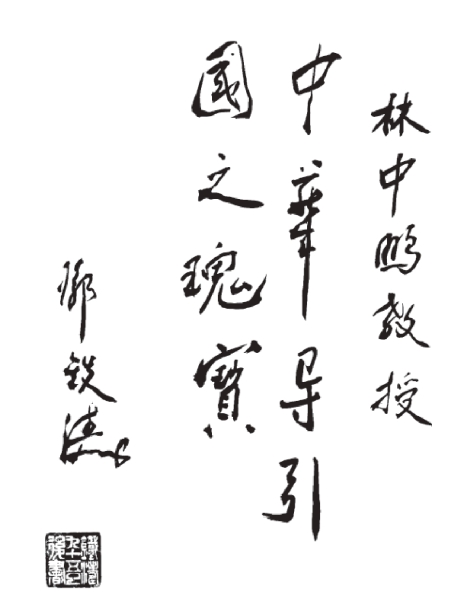
Inscription by National Medical Master Deng Tietao
Preface
This book contains the complete bibliography of qigong research literature from the one-hundred-year period of 1912 to 2011, totaling over 9,000 entries. Chinese and foreign literature are essentially all included here. Of course, there will inevitably be oversights; should new discoveries be made, they will be continuously supplemented through online services.
Why is this century so important? China adapted to the “transformation unseen in three thousand years,” established a republican form of government, and once again stood tall in the East. This great trend inevitably exerted influence on research related to qigong, the crown jewel of Eastern science.
The presentation of the literature has its peaks and valleys; in certain years there is not even a single entry (such as 1941, 1967, and others). Yet “at such times silence speaks louder than words.” The absence of literature in certain years does not mean that this segment of history did not exist; a “zero-literature” period does not equal “nothing.” These special historical periods represent particular stages of development in Chinese civilization. Some can be discussed now, while others are not yet ripe for summary—“hearing thunder in the silence.”
The “completeness” of the literature is a requirement of big data processing. Temporary interruptions in the development of Chinese civilization should be reflected in the results of data processing. From the “zero-literature” periods and the subsequent peak periods of literature volume, one can perceive the vitality of Chinese civilization as “the spring breeze blows and life returns.” The “completeness” of the literature is even more a requirement of scientific research work, especially for future scientific research; the results presented by big data analysis are more meaningful than any single paper. Some papers may have insufficient case data or exhibit a low level of writing quality, but this is precisely the result of special historical circumstances. Uncut jade may lie within them. Therefore, we do not perform “screening” in the manner of SCI; rather, we present the material in its original form to readers, allowing everyone to analyze and draw their own conclusions, so as to minimize detours and obstacles on the path forward.
When the Ming dynasty compiled the Yongle Dadian, all the world’s writings were gathered within it, contributing to cultural splendor. When the Qianlong Emperor compiled the Siku Quanshu, the number of books banned and destroyed nearly equaled the number included, plunging the academic world into a situation of “ten thousand horses all muted,” so that when the “transformation unseen in three thousand years” arrived, there was helplessness and unpreparedness. Although the publication of this book would not presume to rank alongside the sages of the past, neither does it wish to repeat their mistakes. It is our hope to make some contribution toward changing the current state of Chinese scientific research, which has been hijacked by SCI and is lacking in innovation.
The Authors
July 2018
Table of Contents
-
Content Summary
-
Preface
-
Catalogue of Qigong Research Literature, 1912–2011
-
English Abstract
-
A review of the 9044 literature for Qigong study in the last 100 years (1912—2011)
-
Congratulatory Messages from Experts
-
One
-
Two
-
Three
-
Four
-
Five
-
Six
Catalogue of Qigong Research Literature, 1912–2011
[1] Rui Bao. A Brief Overview of Health Cultivation. Manuscript copy, Library of the China Academy of Chinese Medical Sciences, 1912.
[2] Fujita Reisai. Methods for Harmonizing Body and Mind [M]. Shanghai: The Commercial Press, 1914: 1–69.
[3] Jiang Weiqiao. The Yinshizi Method of Quiet Sitting [M]. Shanghai: The Commercial Press, 1914: 1–48.
[4] Jiang Weiqiao. Sequel to the Yinshizi Method of Quiet Sitting [M]. Shanghai: The Commercial Press, 1915.
[5] Master Zunwo Zhai. Authentic Edition of the Yijin Jing [M]. Shanghai: Zhonghua Book Company, 1915.
[6] Kishiki Nōbuta. Three Years of Quiet Sitting [M]. Translated by Hua Wenqi. Shanghai: Commercial Press, 1916: 1–262.
[7] Fujita Reisai. Secrets of Physical and Mental Robustness [M]. Translated by Liu Renhang. Shanghai: Commercial Press, 1917: 1–170.
[8] Xi Xipan. Essential Collection of Illustrated Explanations of Internal and External Exercises [M]. 1918.
[9] Chan Kong. Shaolin Breathing Method [M]. 1918.
[10] Zhang Tingdong. Silent Enlightenment and Seeking the Source: An Explication of the Method of Nourishing the Sick in the Cantong Qi [M]. 1919.
[11] Ding Fubao. Essential Principles of the Quiet Sitting Method [M]. Shanghai: Shanghai Medical Book Bureau, 1920.
[12] Ding Fubao. Record of the Essence of the Daoist Canon [M]. Shanghai: Shanghai Medical Book Bureau, 1920.
[13] Yun Tieqiao. Record of Insights Gleaned from the Various Classics [M]. Wujin Yun family lead-type edition, 1922.
[14] Wang Huaiqi. Practical Method of Deep Breathing Exercises [M]. 1923.
[15] Zhang Songgu. Guide to the Alchemical Classics [M]. 1925.
[16] Wang Huaiqi. Hua Tuo’s Five Animal Frolics [M]. 1926.
[17] Lü Zibin. Illustrated Explanations for Dispelling Illness and Extending Life [M]. Shanghai: Dadong Book Company, 1926.
[18] Ye Dehui. Shuangmei Jing’an [M]. Shanghai: Shuangmei Pavilion, 1927: 1–124.
[19] Old Man of Kongtong. Annotations to the Mysterious Ancestor’s Inner Directing Classic Song [M]. 1928.
[20] Zhou Shuguan. Expanded and Elaborated Illustrated Explanations of the Yijing Marrow-Washing Internal Exercises [M]. 1930.
[21] Wu Luqiang, Davis. Chinese Alchemy [J]. Science Monthly, 1930.
[22] Wang Xianbin. Detailed Explanation of Intent Qigong [M]. Tianjin: Tianjin Tianlan Society, 1931.
[23] Jin Mingzheng. Secrets of Practice [M]. 1932.
[24] Wei Boyang. Zhouyi Cantong Qi [English] [J]. Translated by Wu Luqiang and Davis. ISIS, 1932 (18): 210–289.
[25] Chen Yingning. Lectures on the Huangting Jing (serialized) [J]. Yangshan Semimonthly, 1933.
[26] Chen Yingning. Annotations to Sun Bu’er’s Female Alchemy Poems (serialized) [J]. Yangshan Semimonthly, 1933.
[27] Liu Yanong. Treatise on Cold Damage in the Twentieth Century [M]. Beiping: Juzhen Pavilion Printing Bureau, 1934.
[28] Dong Hao. Special Treatment for Pulmonary Tuberculosis — Qigong Therapy [M]. Hangzhou Xianglin Hospital, 1934.
[29] Chen Qianming. Methods of Quiet Cultivation [M]. 1934.
[30] Liu Yanong. The Method of Healing Illness through Quiet Sitting [M]. In: Treatise on Cold Damage in the Twentieth Century. Beiping: Juzhen Pavilion Printing Bureau, 1934 (6): 1–24.
[31] Jiang Weiqiao. Yinshizi’s Method of Quiet Sitting, Main and Sequel Volumes [M]. Shanghai: Commercial Press, 1934.
[32] Yuan Liaofan. Mr. Yuan Liaofan’s Essential Secrets of Quiet Sitting [M]. Shanghai: Buddhist Studies Bookstore, 1934: 1–36.
[33] Jiang Weiqiao. The Methods of Nourishing Life of Laozi and Zhuangzi [J]. Qinghe Magazine, 1934, 2 (16): 1–3.
[34] Chen Yingning. An Outline of the Origins and Development of Chinese Daoism [J]. Yangshan Semimonthly, 1934 (14): 31.
[35] Chen Yingning. Reply to a Letter Inquiring about the Dao [J]. Yangshan Semimonthly, 1934 (19): 117.
[36] Chen Yingning, Yang Fengzi. Reply to Mr. Yang Fengzi of Nantong: Appendix of Mr. Yang Fengzi’s Original Letter [J]. Yangshan Semimonthly, 1934 (21): 149.
[37] Chen Yingning. Reply to Mr. Yang Fengzi [J]. Yangshan Semimonthly, 1934 (27): 43.
[38] Wang Boying. How to Cultivate the Dao [J]. Yangshan Semimonthly, 1934 (28): 51.
[39] Chang Zunxian. Two Poems Respectfully Following the Original Rhyme of Perfected Li Xu’an [J]. Yangshan Semimonthly, 1934 (28): 53.
[40] Chang Zunxian. Two Poems Respectfully Following the Original Rhyme of Perfected Cao Huanyang [J]. Yangshan Semimonthly, 1934 (29): 68.
[41] Zhan Fangpu. Reading and Quiet Sitting [J]. Yangshan Semimonthly, 1934 (31): 100.
[42] Chang Zunxian. Explication of the Patriarch Lü’s Poems (serialized) [J]. Yangshan Semimonthly, 1934 (31): 105.
[43] Chang Zunxian, Chen Yingning. Reply Letter to Mr. Zhang Huasheng of Wuchang: Appendix of Mr. Zhang’s Original Letter [J]. Yangshan Semimonthly, 1934 (32): 121.
[44] Chen Yingning. Record of Gleaning the Profound from Oral Formulas (First Collection) (serialized) [J]. Yangshan Semimonthly, 1934.
[45] Dai Fangting. Perfected Sun’s Record on the Pillow [J]. Yangshan Semimonthly, 1934 (32): 124.
[46] Yun Ren. Perfected Sun’s Inscription on Nourishing Life [J]. Yangshan Semimonthly, 1934 (32): 124.
[47] Yang Fengzi. Let Me Also Discuss How to Cultivate the Dao [J]. Yangshan Semimonthly, 1934 (33): 137.
[48] Xu Dishan. History of Daoism [M]. Shanghai: Commercial Press, 1935.
[49] Chen Yingning. Debate on the Similarities and Differences between Male and Female Alchemical Practice [J]. Yangshan Semimonthly, 1935.
[50] Chen Yingning. Collection of Female Alchemy Poems [J]. Yangshan Semimonthly, 1935.
[51] Chen Yingning. Ten Rules of Female Alchemy [J]. Yangshan Semimonthly, 1935.
[52] Chen Yingning. Orthodox Methods of Female Practice [J]. Yangshan Semimonthly, 1935.
[53] Wu Luqiang, Davis. Gold Cinnabar and Yellow-and-White in the Baopuzi: Inner Chapters [J]. Proceedings of the American Academy of Arts and Sciences, 1935.
[54] Cao Yuanyu. A Brief History of Alchemy before Ge Hong [J]. Xueyi, 1935 (14).
[55] Chang Zunxian. Explication of the Patriarch Lü’s Poems [M]. Yihuatang Book Company, 1935.
[56] Chen Yingning. A Brief Biography of the Immortal Master Liu Haichan [J]. Yangshan Semi-Monthly, 1935 (37): 3.
[57] Chang Zunxian. Supplementary Annotations to the Huangdi Neijing (serialized) [J]. Yangshan Semi-Monthly, 1935.
[58] Chen Yingning. Reflections on Reading the Preface to Huasheng (serialized) [J]. Yangshan Semi-Monthly, 1935 (37): 11.
[59] Chen Yingning. Reply to Mr. Zhang Daochu of Suzhou Regarding His Letter Inquiring about the Dao [J]. Yangshan Semi-Monthly, 1935 (37): 13.
[60] Chen Yingning. A Brief Biography of the Immortal Master Shi Xinglin: A Disciple of the Perfected One Zhang Ziyang and the Second Patriarch of the Southern Lineage of Immortalists [J]. Yangshan Semi-Monthly, 1935 (39): 39.
[61] Chen Yingning. A Brief Biography of the Immortal Master Xue Daoguang [J]. Yangshan Semi-Monthly, 1935 (40): 57.
[62] Chen Yingning. A Brief Biography of the Immortal Master Chen Niwan [J]. Yangshan Semi-Monthly, 1935 (41): 75.
[63] Chen Yingning. On Reading a Letter from Lay Buddhist Huang Chanhu to the Venerable Taixu [J]. Yangshan Semi-Monthly, 1935 (42): 94.
[64] Chen Yingning. Reply to Mr. Wang Boying of Wuxi on Thirteen Questions Concerning Confucianism, Daoism, and Buddhism [J]. Yangshan Semi-Monthly, 1935 (42): 97.
[65] Chen Yingning. Reply to Mr. Cai of the Haimen County Buddhist Pure Karma Society on Four Questions [J]. Yangshan Semi-Monthly, 1935 (42): 102.
[66] Chen Yingning. Reply to Mr. Wang of Zhangjia Lane, South Station, Shanghai, on Four Questions about Studying the Dao [J]. Yangshan Semi-Monthly, 1935 (42): 104.
[67] Chen Yingning. Reply to a Gentleman at the Changde Telegraph Office on Eight Questions concerning Northern Lineage Alchemical Formulas [J]. Yangshan Semi-Monthly, 1935 (42): 106.
[68] Chen Yingning. Reply to Mr. Xu Rusheng of the Shanghai Gongji Hall on Five Questions about Studying Buddhism [J]. Yangshan Semi-Monthly, 1935 (42): 108.
[69] Zhang Huasheng. Letter from Lay Buddhist Zhang Huasheng of the Wuchang Buddhist Academy Refuting a Certain Lay Buddhist on Important Questions of Daoism and Buddhism (serialized) [J]. Yangshan Semi-Monthly, 1935 (43): 112.
[70] Narrated by the Jishan Hall of Qianzhong; reviewed by Chen Yingning. Record of Minor Arts of the Side Gates [J]. Yangshan Semi-Monthly, 1935 (43): 121.
[71] Chang Zunxian. Annotated Commentary on the Secretly Preserved Collection on the Transmission of the Dao by Zhong and Lü (serialized) [J]. Yangshan Semi-Monthly, 1935 (45): 153.
[72] Recorded by Zhou Xiangguang. Poems on the Golden Elixir Oral Formulas by the Daoist Wu Chi [J]. Yangshan Semi-Monthly, 1935 (46): 170.
[73] Chen Yingning. Reply to Mr. Zhang Huiyan of Jinan on Questions about Dual Cultivation [J]. Yangshan Semi-Monthly, 1935 (47): 189.
[74] Chen Yingning. Reply to Mr. Li Daoshan of Pudong on Questions about Cultivating Immortality [J]. Yangshan Semi-Monthly, 1935 (47): 190.
[75] Chen Yingning. Reply to Mr. Shi Zhihe on Eight Questions [J]. Yangshan Semi-Monthly, 1935 (48): 207.
[76] Chen Yingning. Reply to Mr. Qian Daoji of Xueyuan Hutong, Beiping [J]. Yangshan Semi-Monthly, 1935 (49): 9.
[77] Zhang Jianhua. A Brief Discussion on Nourishing Life [J]. Yangshan Semi-Monthly, 1935 (51): 43.
[78] Liu Chunting. A Study of the Return of the Elixir and Geomancy [J]. Yangshan Semi-Monthly, 1935 (51): 43.
[79] Chen Yingning. Reply to the Nantong Buddhist Studies Society on the Bodhisattva Nagarjuna’s Study of the Art of Longevity [J]. Yangshan Semi-Monthly, 1935 (52): 58.
[80] Chunyizi. A Study of Buddhist Scriptures, the Immortal Dao, and Science (serialized) [J]. Yangshan Semi-Monthly, 1935 (55): 115.
[81] Zhang Huasheng. Reply to Mr. Zhang Daochu of Suzhou on His Letter Inquiring about the Dao [J]. Yangshan Semi-Monthly, 1935 (58): 167.
[82] Yang Fengzi. A Brief Account of How Everyone Can Practice Cultivation [J]. Yangshan Semi-Monthly, 1935 (59): 185.
[83] Chang Zunxian. Preface to “Chen Xiyi’s Sleep Cultivation Formulas” [J]. Yangshan Semi-Monthly, 1935 (59): 187.
[84] Zhu Qian. The Expedient Means of Propagating the Dao by the Two Gentlemen Chen and Zhang [J]. Yangshan Semi-Monthly, 1935 (60): 202.
[85] Cao Bingzhang. A Textual Study of Illustrations for Abdominal Rubbing and Qi Circulation [M]. 1936.
[86] Chen Yingning. Supplementary Compilation of Female Elixir Poetry [J]. Yangshan Semi-Monthly, 1936.
[87] Chen Yingning. Continuation Compilation of Female Elixir Poetry [J]. Yangshan Semi-Monthly, 1936.
[88] Shi Yixuan. Going to the Four-Meta Universe [J]. Yangshan Semi-Monthly, 1936 (61): 7.
[89] Liu Renhang, Chen Yingning. Poetry Collection from the Tianyang Pavilion [J]. Yangshan Semi-Monthly, 1936 (61): 10.
[90] Qian Xin. A Verdict on Immortals and Buddhas [J]. Yangshan Semi-Monthly, 1936 (63): 39.
[91] Zhu Qian. On the Diagram of the Pre-Heaven Bagua Sequence [J]. Yangshan Semi-Monthly, 1936 (63): 41.
[92] Daoist Zhizhen. Reflections on Reading “A Verdict on Immortals and Buddhas” [J]. Yangshan Semi-Monthly, 1936 (64): 60.
[93] Zhu Qian. On the Transformation from Pre-Heaven Bagua to Post-Heaven [J]. Yangshan Semi-Monthly, 1936 (64): 62.
[94] Zhu Qian. On How the Transformation from Pre-Heaven Bagua to Post-Heaven Constitutes the Cycle of Birth, Death, and Reincarnation [J]. Yangshan Semi-Monthly, 1936 (64): 63.
[95] Zhu Qian. Resolving Doubts about the Matter of Patriarch Lü Visiting Huanglong [J]. Yangshan Semi-Monthly, 1936 (65): 75.
[96] Chen Yingning. A Textual Research on the Matter of Patriarch Lü Visiting Huanglong [J]. Yangshan Semi-Monthly, 1936 (65): 75.
[97] Chen Yingning. Questions regarding the Matter of Patriarch Lü Visiting Huanglong [J]. Yangshan Semi-Monthly, 1936 (65): 78.
[98] Chen Yingning. A Fair Assessment of the Matter of Patriarch Lü Visiting Huanglong [J]. Yangshan Banyuekan (Yangshan Semi-Monthly), 1936(65): 80.
[99] Chen Yingning. Reply to Mr. Cui Yujie of Xiangyuan, Shanxi [J]. Yangshan Banyuekan (Yangshan Semi-Monthly), 1936(66): 93.
[100] Sanren Fangnei. Ten Long Songs on Daoist Learning [J]. Yangshan Banyuekan (Yangshan Semi-Monthly), 1936(66): 95.
[101] Wang Yin. An Impartial Discussion of the Immortals and Buddhas Judgment [J]. Yangshan Banyuekan (Yangshan Semi-Monthly), 1936(66): 97.
[102] Chen Yingning. Thirteen Letters from Li Chaorui, a Former Student at Anhui Normal School, to His Instructor Mr. Hu Yuanru, on the Study of Internal Alchemy [J]. Yangshan Banyuekan (Yangshan Semi-Monthly), 1936(67): 114.
[103] Chen Yingning. On How the Siku Quanshu Zongmu Tiyao Fails to Recognize the Totality of Daoist Learning [J]. Yangshan Banyuekan (Yangshan Semi-Monthly), 1936(68): 129.
[104] Chen Yingning. Selected Essentials from the Complete Works of the Perfected Bai Yuchan [J]. Yangshan Banyuekan (Yangshan Semi-Monthly), 1936(68): 135.
[105] Zhu Qian. Answering a Guest’s Questions on Taiji (Serialized) [J]. Yangshan Banyuekan (Yangshan Semi-Monthly), 1936(69): 147.
[106] Wang Boying. My Tedious Experience of Reading Alchemical Texts [J]. Yangshan Banyuekan (Yangshan Semi-Monthly), 1936(69): 155.
[107] Chen Yingning. Recording the Reasons for the Effectiveness of Mr. Li Chaorui’s Practice [J]. Yangshan Banyuekan (Yangshan Semi-Monthly), 1936(70): 167.
[108] Chen Yingning. Eight Questions Answered for Mr. Qian Xin of Shanghai [J]. Yangshan Banyuekan (Yangshan Semi-Monthly), 1936(71): 185.
[109] Zhu Qian. Further Discussion with Someone on the Hexagram Images and the Cross-Sectional Diagram of the Earth [J]. Yangshan Banyuekan (Yangshan Semi-Monthly), 1936(72): 193.
[110] Chen Yingning. Collected Prefaces and Postfaces from Various Authors on the External Alchemy Arts of the Yellow and White [J]. Yangshan Banyuekan (Yangshan Semi-Monthly), 1936(72): 198.
[111] Qian Xin. Afterword on Reading the ‘Casual Remarks’ by Layman Yuancheng in the Fohaideng Monthly [J]. Yangshan Banyuekan (Yangshan Semi-Monthly), 1936(72): 198.
[112] Chen Yingning. Reply to Zhisheng Lu of Rugao, Jiangsu [J]. Yangshan Banyuekan (Yangshan Semi-Monthly), 1936(73): 5.
[113] Chen Yingning. Reply to Mr. Yang Shaochen of the Jinan Bureau of Finance [J]. Yangshan Banyuekan (Yangshan Semi-Monthly), 1936(73): 6.
[114] Liu Yuliang. Eight Questions Answered for Mr. Liu Yuliang of Yishou Tang, Xijiao Township, Zhongshan County, Guangdong [J]. Yangshan Banyuekan (Yangshan Semi-Monthly), 1936(73): 8.
[115] Chen Yingning. Reply to a Certain Lady of Baoying, Jiangsu [J]. Yangshan Banyuekan (Yangshan Semi-Monthly), 1936(73): 10.
[116] Chen Yingning. Second Letter from a Certain Lady of Baoying, with Reply [J]. Yangshan Banyuekan (Yangshan Semi-Monthly), 1936(73): 10.
[117] Chen Yingning. Reply to Mr. Zhang Huiyan of Jinan [J]. Yangshan Banyuekan (Yangshan Semi-Monthly), 1936(73): 13.
[118] Chen Yingning. Second Reply to Mr. Yang Shaochen of Beiping [J]. Yangshan Banyuekan (Yangshan Semi-Monthly), 1936(73): 14.
[119] Chen Yingning. Reply to Mountain Man Sun Baoci of Jinhua, Zhejiang (Original Letter and Reply) [J]. Yangshan Banyuekan (Yangshan Semi-Monthly), 1936(73): 16.
[120] Chang Zunxian. On Holding Fast to the Mean [J]. Yangshan Banyuekan (Yangshan Semi-Monthly), 1936(74): 20.
[121] Chen Yingning. Fifteen Questions Answered for Mr. Zhang Daochu of Suzhou [J]. Yangshan Banyuekan (Yangshan Semi-Monthly), 1936(74): 25.
[122] Layman Mao. Reply to the Immortals and Buddhas Judgment [J]. Yangshan Banyuekan (Yangshan Semi-Monthly), 1936(75): 46.
[123] Zhonghe Zi. The Immortal Way Has Genuine Rationale [J]. Yangshan Banyuekan (Yangshan Semi-Monthly), 1936(76): 52.
[124] Qian Xin. Reply to ‘The Immortals and Buddhas Judgment’ [J]. Yangshan Banyuekan (Yangshan Semi-Monthly), 1936(76): 53.
[125] Old Man of Tiantai. Self-Preface to the Ten Sections of Brocade [J]. Yangshan Banyuekan (Yangshan Semi-Monthly), 1936(76): 58.
[126] Chen Yingning. Letter Discussing the Dao of Alchemy with a Certain National Medicine Practitioner [J]. Yangshan Banyuekan (Yangshan Semi-Monthly), 1936(76): 59.
[127] Cao Wenyi. The Great Dao Song of the Lingyuan [J]. Yangshan Banyuekan (Yangshan Semi-Monthly), 1936(77): 69.
[128] Zhonghe Zi. On the Dual Cultivation of Nature and Life in the Immortal Way [J]. Yangshan Banyuekan (Yangshan Semi-Monthly), 1936(78): 86.
[129] Chen Yingning. A Brief Biography of the Immortal Master Bai Yuchan [J]. Yangshan Banyuekan (Yangshan Semi-Monthly), 1936(78): 89.
[130] Ma Yifu, Chen Yingning. Poems on Dongxiao Palace [J]. Yangshan Banyuekan (Yangshan Semi-Monthly), 1936(78): 93.
[131] Chen Yingning. Letter to Mr. Zhang Huasheng of Baoqing, Hunan [J]. Yangshan Banyuekan (Yangshan Semi-Monthly), 1936(79): 100.
[132] Chen Yingning. Letter to Mr. Ouyang Desan of Nanjing [J]. Yangshan Banyuekan (Yangshan Semi-Monthly), 1936(79): 101.
[133] Chen Yingning. Postface to the Dongtian Midian (Secret Classics of the Grotto-Heavens) [J]. Yangshan Banyuekan (Yangshan Semi-Monthly), 1936(79): 104.
[134] Chen Yingning. Thirty Discourses on the Golden Elixir (Serialized) [J]. Yangshan Banyuekan (Yangshan Semi-Monthly), 1936(80): 120.
[135] Zhang Huasheng. Hu Shi’s Recent Writings [J]. Yangshan Banyuekan (Yangshan Semi-Monthly), 1936(81): 132.
[136] Chen Yingning. Thirteen Questions Answered for a Certain Lady of Shanghai [J]. Yangshan Banyuekan (Yangshan Semi-Monthly), 1936(82): 148.
[137] Chen Yingning. Ten Questions Answered for Lady Chen Wuxuan of Baoying [J]. Yangshan Banyuekan (Yangshan Semi-Monthly), 1936(82): 150.
[138] Chen Yingning. Second Reply to Lady Chen Wuxuan’s Question on How to Preserve and Protect Oneself After Severing the Red Dragon [J]. Yangshan Banyuekan (Yangshan Semi-Monthly), 1936(82): 151.
[139] Zhonghezi. “The Study of the Way Should Begin with Purity and Stillness” [J]. Yangshan Semi-monthly, 1936 (82): 152.
[140] Chen Yingning. “Summary of the Essentials of the Dao-Sheng Principles” [J]. Yangshan Semi-monthly, 1936 (83): 164.
[141] Chen Yingning. “Stringed Exposition of the Alchemical Formulas of Twenty-Four Schools” [J]. Yangshan Semi-monthly, 1936 (83): 166.
[142] Daoist Han Sanwu. “Complete Oral Formulas of the Alchemical Way” [J]. Yangshan Semi-monthly, 1936 (83): 174.
[143] Li Hanxu. “Secret Principles of the Three Vehicles” [J]. Yangshan Semi-monthly, 1936 (84): 181.
[144] Zhonghezi. “The Immortal Way Must Begin with Extensive Cultivation of Merit and Conduct” [J]. Yangshan Semi-monthly, 1936 (84): 189.
[145] Li Hanxu, authored; Chen Yingning, collated. “Discourse on the Dao Apertures” [J]. Yangshan Semi-monthly, 1937.
[146] Johnson. A Study of Chinese Alchemy [M]. Translated by Huang Sufeng. Commercial Press, 1937.
[147] Huang Yuanji, authored; Chen Yingning, recorded. “On the Dual Cultivation of Nature and Life” [J]. Yangshan Semi-monthly, 1937 (85): 3.
[148] Chen Yingning. “Postscript to Reading the Ancient-Style Dragon and Tiger Superior Classic” [J]. Yangshan Semi-monthly, 1937 (85): 8.
[149] Chen Yingning. “Postscript to Reading the Golden Medicine Secret Formula of Patriarch Fuli” [J]. Yangshan Semi-monthly, 1937 (85): 9.
[150] Chen Yingning. “Replies to Thirty-Six Questions from Ms. Lü Bicheng” [J]. Yangshan Semi-monthly, 1937 (86): 19.
[151] Chen Yingning. “Letter Discussing the Study of Immortality with the Female Physician Zhu Changya” [J]. Yangshan Semi-monthly, 1937 (86): 25.
[152] Chen Yingning. “Reply to Mr. Shi Zhihe of Chahe Town, Baoying” [J]. Yangshan Semi-monthly, 1937 (87): 40.
[153] Chen Yingning. “Reply to Ms. Chen Wuxuan of Chahe Town, Baoying” [J]. Yangshan Semi-monthly, 1937 (87): 40.
[154] Chen Yingning. “Reply to Mr. Jiang Yongliang of Shanghai” [J]. Yangshan Semi-monthly, 1937 (87): 40.
[155] Chen Yingning. “Reply to Mr. Wang Hansong of Qiongzhou, Guangdong” [J]. Yangshan Semi-monthly, 1937 (87): 40.
[156] Chen Yingning. “Reply to Mr. Cai Jimin of Rui’an, Wenzhou” [J]. Yangshan Semi-monthly, 1937 (87): 42.
[157] Chen Yingning. “Reply to Mr. □□□ of Haimen, Jiangsu” [J]. Yangshan Semi-monthly, 1937 (87): 42.
[158] Chen Yingning. “Reply to Mr. Li Renlan of the Kunming Industrial School” [J]. Yangshan Semi-monthly, 1937 (87): 43.
[159] Chen Yingning. “Reply to a Certain Gentleman of the Shanghai Minfu Industrial Society” [J]. Yangshan Semi-monthly, 1937 (87): 44.
[160] Chen Yingning. “Reply to Mr. Zhao Bogao of Laishui, Zhili” [J]. Yangshan Semi-monthly, 1937 (87): 45.
[161] Chen Yingning. “Reply to Mr. Yang Mingsheng of Huade Road, Shanghai” [J]. Yangshan Semi-monthly, 1937 (87): 45.
[162] Chen Yingning. “Reply to Mr. Ren Xingsun of Xijin Bridge, Suzhou” [J]. Yangshan Semi-monthly, 1937 (87): 45.
[163] Zhang Huasheng. “Reply to Ms. Dong of Anyang County, Henan Province” [J]. Yangshan Semi-monthly, 1937 (87): 46.
[164] Zhang Huasheng. “Reply to Mr. Chen Yingning’s Gracious Letter” [J]. Yangshan Semi-monthly, 1937 (88): 51.
[165] Li Hanxu. “On the Joint Cultivation of Immortality and Buddhism” [J]. Translated by Chen Yingning. Yangshan Semi-monthly, 1937 (88): 57.
[166] Chen Yingning. “Reply to Mr. Yin Yu of Shanghai Regarding the Method of ‘Direct Penetration through the Central Yellow’” [J]. Yangshan Semi-monthly, 1937 (89): 73.
[167] Chen Yingning. “Inner Cultivation Diary of Pu Yizi” [J]. Yangshan Semi-monthly, 1937 (89): 77.
[168] Chen Yingning. “Reply to Mr. Hong Taian of Fuzhou: Appendix of Four Original Letters from Mr. Hong Taian” [J]. Yangshan Semi-monthly, 1937 (90): 86.
[169] Chen Yingning. “Reply to Mr. Zhou Zixiu of Xiamen: Appendix of Letter from Mr. Zhou Zixiu” [J]. Yangshan Semi-monthly, 1937 (90): 89.
[170] Chen Yingning. “Reply to the Carefree Mountain Man of Baiyun Temple” [J]. Yangshan Semi-monthly, 1937 (90): 90.
[171] Chen Yingning. “Reply to Mr. Feng Lianjiu of Rui’an, with Appendix of Letter from Mr. Feng Lianjiu” [J]. Yangshan Semi-monthly, 1937 (90): 90.
[172] Chen Yingning. “Letters on the Study of Immortality between the Mountain Man Sun Baoci of Jinhua Dongtian and Mr. Zhuang Xinrong of the Shanghai China Inner Cultivation Research Society, with Appendix of Letter from Mr. Zhuang Xinrong” [J]. Yangshan Semi-monthly, 1937 (91): 103.
[173] Chen Yingning. “Letter from Mr. Yang Saochen of Beiping with Reply, with Appendix of a Passage of Commentary from the Ten Principles of Female Alchemy as Supplementary Reply to Mr. Yang’s Questions (the original text is as follows)” [J]. Yangshan Semi-monthly, 1937 (91): 103.
[174] Chen Yingning. “Letter from Mr. Zhang Huiyan of Jinan with Reply” [J]. Yangshan Semi-monthly, 1937 (91): 105.
[175] Wang Boying. “Letter to Mr. Zhang Huasheng” [J]. Yangshan Semi-monthly, 1937 (92): 115.
[176] Sun Baoci. “Three Essays on Mind-Methods” [J]. Yangshan Semi-monthly, 1937 (92): 117.
[177] Zhou Yongxiu. “Method for Permanently Avoiding Illness” [J]. Yangshan Semi-monthly, 1937 (92): 119.
[178] Zhang Wanzhong. “Spiritual Formula for Avoiding Grains, Transmitted by Immortals” [J]. Yangshan Semi-monthly, 1937 (92): 120.
[179] Chen Yingning. “Reply to the Carefree Scattered One” [J]. Yangshan Semi-monthly, 1937 (92): 123.
[180] Chen Yingning. Reading Mr. Hong Tai’an’s Five Great Health Cultivation Methods [J]. Yangshan Semi-Monthly, 1937(93): 133.
[181] Zhou Zixiu. Preface by Zhou to Five Great Health Cultivation Methods [J]. Yangshan Semi-Monthly, 1937(93): 135.
[182] Wu Zhongshan. Preface by Wu to Five Great Health Cultivation Methods [J]. Yangshan Semi-Monthly, 1937(93): 135.
[183] Hong Tai’an. Author’s Preface to Five Great Health Methods [J]. Yangshan Semi-Monthly, 1937(93): 136.
[184] Chen Yingning. What Readers Should Know about Discourse on the Dao Apertures [J]. Yangshan Semi-Monthly, 1937(93): 138.
[185] Zhongzhou Dong. Reflections upon Completing the Dragon-Slaying Practice [J]. Yangshan Semi-Monthly, 1937(93): 142.
[186] Xu Daoren. On the Inseparability of Immortality and the Dao [J]. Yangshan Semi-Monthly, 1937(95): 164.
[187] Wang Boying. On the Yinfu Jing [J]. Yangshan Semi-Monthly, 1937(95): 165.
[188] Chen Yingning. What Readers Should Know about Secret Purport of the Three Chariots [J]. Yangshan Semi-Monthly, 1937(95): 168.
[189] Chen Yingning, Gao Yaofu. Questions and Answers from the Abode of Myriad Wonders [J]. Yangshan Semi-Monthly, 1937(96): 186.
[190] Chen Yingning. Reply to the Two Gentlemen, Daoist Zhuo and Daoist Li [J]. Yangshan Semi-Monthly, 1937(96): 187.
[191] Editor. Reply to Daoist Xu of the Linwu Cave Heaven [J]. Yangshan Semi-Monthly, 1937(96): 188.
[192] Chen Yingning. Commentary on Various Schools’ Solo Cultivation Methods of Pure Stillness [J]. Yangshan Semi-Monthly, 1937(97): 199.
[193] Hong Tai’an. Mr. Hong Tai’an’s Letter Discussing the Tendon-Lengthening Technique [J]. Yangshan Semi-Monthly, 1937(97): 203.
[194] Chen Yingning. A Gentleman’s Letter Describing the Strange Phenomena of His Practice [J]. Yangshan Semi-Monthly, 1937(97): 203.
[195] Chen Yingning. Distinguishing the Ten Types of Immortals in the Śūraṅgama Sūtra [J]. Yangshan Semi-Monthly, 1937(98): 211.
[196] Ran Daoren. On Direct Penetration of the Central Yellow [J]. Yangshan Semi-Monthly, 1937(98): 218.
[197] Jiang Weiqiao. Revised and Corrected Yinshizi’s Method of Sitting Meditation [M]. Changsha: Commercial Press, 1938.
[198] Fang Gongpu. Records of Qigong Treatment Experiences [M]. Shanghai Gongpu Hospital, 1938.
[199] Chen Yingning. Vernacular Annotations to the Great Dao Song of the Lingyuan [J]. Xiandao Monthly, 1939.
[200] Chen Yingning, annotated. Renewed Light on the Lute Fire [J]. Xiandao Monthly, 1939.
[201] Zhang Zhuming. Preface to the Outer Alchemy Special Volume Renewed Light on the Lute Fire [J]. Xiandao Monthly, 1939(1): 4.
[202] Zhang Huasheng. Letter in Reply to Mr. Wang Boying [J]. Xiandao Monthly, 1939(1): 4.
[203] Chengxu. On the Equality of Men and Women in the Immortal Dao [J]. Xiandao Monthly, 1939(1): 2.
[204] Chen Yingning. Mr. Chen Yingning and Mr. Yinshizi Jiang Zhuzhuang Discuss Pre-Heaven and Post-Heaven Divine Water [J]. Xiandao Monthly, 1939(2): 6.
[205] Hong Tai’an. Preface to the Vernacular Annotations to the Great Dao Song of the Lingyuan [J]. Xiandao Monthly, 1939(2): 6.
[206] Cao Changqi. The Theory of Five Ranks of Immortals (Part One) [J]. Xiandao Monthly, 1939(2): 7.
[207] Yan Ciguang. Questions and Answers on Dual Cultivation of Nature and Life (Part Two) [J]. Xiandao Monthly, 1939(2): 8.
[208] Zhao Huizhao. Preface by Zhao to the Vernacular Annotations to the Great Dao Song of the Lingyuan [J]. Xiandao Monthly, 1939(3): 10.
[209] Gao Kegong. Preface by Gao to the Vernacular Annotations to the Great Dao Song of the Lingyuan [J]. Xiandao Monthly, 1939(3): 10.
[210] Wu Zhuyuan. Inscription for the Vernacular Annotations to the Great Dao Song of the Lingyuan [J]. Xiandao Monthly, 1939(3): 10.
[211] Chang Zunxian. Three Poems on “The Other School” [J]. Xiandao Monthly, 1939(3): 10.
[212] Mujia. A Few Words to the Living Immortal Who “Moves Freely Among the Three Teachings” [J]. Xiandao Monthly, 1939(3): 11.
[213] Zhang Huasheng. A Few Turning Words for a Certain Monk Who Blindly Adheres to One Teaching [J]. Xiandao Monthly, 1939(3): 11.
[214] Zhu Changya. Preface by Zhu to the Vernacular Annotations to the Great Dao Song of the Lingyuan [J]. Xiandao Monthly, 1939(4): 14.
[215] Zhizhenzi. My Views on Spermatorrhea [J]. Xiandao Monthly, 1939(4): 15.
[216] Sansan Daoren. Essential Formulas of the Southern and Northern Schools of the Immortal Dao [J]. Xiandao Monthly, 1939(4): 15.
[217] Chen Yingning. Reply to Mr. Tang Yanchao of Rugao [J]. Xiandao Monthly, 1939(5): 18.
[218] Chen Yingning. Reply to Mr. Lin Daomin of Fuqing County, Fujian [J]. Xiandao Monthly, 1939(5): 18.
[219] Chen Yingning. Reply to Mr. Wang Tongchun of Ningjin County, Hebei [J]. Xiandao Monthly, 1939(5): 18.
[220] Qin Weixi. An Analysis of Being and Non-Being [J]. Xiandao Monthly, 1939(5): 18.
[221] Zhonghezi. Selected Essentials of the Golden Elixir Songs and Formulas [J]. Xiandao Monthly, 1939(5): 19.
[222] Chen Yingning. Reply to Ms. Zhang Huikun of Mount Chicheng, Tiantai [J]. Xiandao Monthly, 1939(6): 22.
[223] Boying. Treasury of Secrets of the Immortal Arts [J]. Xiandao Monthly, 1939(6): 23.
[224] Annotated by Ling Xuanzi, recorded by Dai Jixian. Song-Formula on the Heavenly Circuit Fire Phasing of Patriarch Qiu’s Inner Cultivation (Serialized) [J]. Immortal Way Monthly, 1939(6): 23.
[225] Chen Yingning. Verbatim Translation of the English Lecture Record on the Three-Yuan Unified Alchemical Method [J]. Immortal Way Monthly, 1939(7): 26.
[226] Hai Yinzi. On the Twelve Major Errors in the Secret of Life and Nature [J]. Immortal Way Monthly, 1939(7): 27.
[227] Editor. Ten Questions Answered for Mr. Wu Wuling of Yushan [J]. Immortal Way Monthly, 1939(8): 30.
[228] Editor. Four Questions Answered for Mr. Zhisheng Lu of Rugao [J]. Immortal Way Monthly, 1939(8): 31.
[229] Editor. Table of Contents of the Collection of Profound Discourses [J]. Immortal Way Monthly, 1939(8): 32.
[230] Chen Yingning. Letter in Reply to Mr. Deng Yucang of Xinquan, Fujian Province [J]. Immortal Way Monthly, 1939(9): 34.
[231] Chen Yingning. Letter to Daoist Yi of Mount Qingcheng, Guan County, Sichuan [J]. Immortal Way Monthly, 1939(9): 34.
[232] Chen Yingning. Reply to Daoist Lüjing of Yuanming Palace, Mount Tiantai, Zhejiang Province [J]. Immortal Way Monthly, 1939(9): 34.
[233] Chen Yingning. Seven Questions Answered for a Certain Gentleman [J]. Immortal Way Monthly, 1939(10): 38.
[234] Hai Yinzi. Transcending the Body and Transforming the Form [J]. Immortal Way Monthly, 1939(11): 43.
[235] Wang Boying. Cultivating the Way and Studying Immortality [J]. Immortal Way Monthly, 1939(11): 43.
[236] Wang Boying. Supplementary Explanation on Cultivating the Way and Studying Immortality [J]. Immortal Way Monthly, 1939(12): 46.
[237] Hai Yin Shanren. The Lesser and Greater Heavenly Circuits (Selected from the Collection of Profound Discourses) [J]. Immortal Way Monthly, 1939(12): 47.
[238] Fangnei Sanren. On the Various Books Annotated by Mr. Fu Jinquan, Master Jiyizi [J]. Immortal Way Monthly, 1940(13): 50.
[239] Hai Yin Shanren. Benefits of Studying the Way [J]. Immortal Way Monthly, 1940(13): 50.
[240] Wu Zhuyuan. Preface to the Annotated Commentary on the Dialectical Elixir Formulas [J]. Immortal Way Monthly, 1940(13): 50.
[241] Zhang Songyan. A Humble Opinion on Essence, Qi, and Spirit [J]. Immortal Way Monthly, 1940(13): 50.
[242] Hai Yin Shanren. True Emptiness and Stubborn Emptiness [J]. Immortal Way Monthly, 1940(13): 51.
[243] Wuyangzi. A Brief Account of Mount Wuyi [J]. Immortal Way Monthly, 1940(13): 52.
[244] Zhizhen. Ode to the Innate Great Way [J]. Immortal Way Monthly, 1940(13): 52.
[245] Chen Yingning. On the White Tiger’s First Canon [J]. Immortal Way Monthly, 1940(14): 54.
[246] Zhang Songyan. Wu Earth and Ji Earth [J]. Immortal Way Monthly, 1940(14): 55.
[247] Hai Yinzi. Lesser Return and Greater Return [J]. Immortal Way Monthly, 1940(14): 56.
[248] Hai Yinzi. Knowing Harmony and Knowing Constancy [J]. Immortal Way Monthly, 1940(14): 56.
[249] Wang Boying. A Brief Commentary on the Book of Transformation by Perfected Tan Zixiao (Serialized) [J]. Immortal Way Monthly, 1940(14): 56.
[250] Zhizhen. On All Transformations Arising from the Mind (Note: This “mind” refers to thoughts, deliberations, and ideas, not the physical heart) [J]. Immortal Way Monthly, 1940(15): 57.
[251] Chen Yingning. Casual Notes on Reading Zhijizi’s Collected Commentaries on the Awakening to Reality (Serialized) [J]. Immortal Way Monthly, 1940(15): 58.
[252] Perfected Shi Xinglin. The Chapter on Returning to the Source, with Preface [J]. Immortal Way Monthly, 1940(15): 60.
[253] Hai Yinzi. Sleep Is Most Agreeable, with Appendix: Patriarch Lü’s Song of Great Awakening [J]. Immortal Way Monthly, 1940(16): 62.
[254] Hai Yinzi. Innate Health Cultivation and Acquired Health Cultivation [J]. Immortal Way Monthly, 1940(18): 69.
[255] Hai Yinzi. Uncovering the Hidden Meanings in the Study of the Yijing [J]. Immortal Way Monthly, 1940(18): 69.
[256] Kong Zaisi. The Secret Meaning of the Doctrine of the Mean (Serialized) [J]. Immortal Way Monthly, 1940(18): 70.
[257] Editor. True Words of the Immortal Elders [J]. Immortal Way Monthly, 1940(18): 71.
[258] Zhizhen. Commentary on the Four Hundred Words on the Golden Elixir (Serialized) [J]. Immortal Way Monthly, 1940(19): 72.
[259] Hai Yinzi. The Way of the Yijing and the Way of the Elixir (Serialized) [J]. Immortal Way Monthly, 1940(19): 72.
[260] Wuyuzi. A Song Expressing My Thoughts upon Completing the Lectures on the Cantongqi at the Immortal Studies Academy in the First Month of Spring of the Gengchen Year [J]. Immortal Way Monthly, 1940(19): 73.
[261] Kong Zaisi. The Outer Transmission of the Secret Meaning of the Doctrine of the Mean [J]. Immortal Way Monthly, 1940(19): 74.
[262] Hai Yin Shanren. Initiating Fire and Stopping Fire [J]. Immortal Way Monthly, 1940(20): 78.
[263] Hai Yin Shanren. The Geng Moon and the Full Moon [J]. Immortal Way Monthly, 1940(20): 78.
[264] Hai Yin Shanren. Before Gui and After Gui [J]. Immortal Way Monthly, 1940(20): 78.
[265] Editor. A Brief Biography of the Immortal Maiden Sun Buer [J]. Immortal Way Monthly, 1940(20): 79.
[266] Chen Yingning. A Study of the Joyous Buddha [J]. Immortal Way Monthly, 1940(21): 80.
[267] Chen Yingning. Biography of Perfected Min Xiaoliang [J]. Immortal Way Monthly, 1940(21): 81.
[268] Editor. A Brief Account of the True Man Wang Chongyang [J]. Xiandao Yuebao (Immortal Way Monthly), 1940 (21): 82.
[269] Zhenyizi. Random Talks on Daoist Studies [J]. Xiandao Yuebao (Immortal Way Monthly), 1940 (22): 86.
[270] Editor. A Brief Account of the True Man Ma Danyang [J]. Xiandao Yuebao (Immortal Way Monthly), 1940 (22): 87.
[271] Anonymous. My Experiences in Seeking the Way (serialized) [J]. Xiandao Yuebao (Immortal Way Monthly), 1940 (23): 88.
[272] Chen Yingning. Preface to the Revised “Genealogy of the Dayou Palace of Mount Weiyu” [J]. Xiandao Yuebao (Immortal Way Monthly), 1941.
[273] Wang Youxian. A Comparison of Science and Immortal Studies [J]. Xiandao Yuebao (Immortal Way Monthly), 1941 (25): 97.
[274] Chen Yingning. A Brief Account of the True Man Shen Yongliang [J]. Xiandao Yuebao (Immortal Way Monthly), 1941 (25): 98.
[275] Drafted by Chen Yingning. Appeal for the Restoration of the Historic Sites of the Tongbai Palace on Mount Tiantai [J]. Xiandao Yuebao (Immortal Way Monthly), 1941 (25): 98.
[276] Editor. A Brief Account of Patriarch Lü Chunyang [J]. Xiandao Yuebao (Immortal Way Monthly), 1941 (29): 120.
[277] Wang Quande. Notes on Reading “Studies on Chinese Alchemy” [J]. Xiandao Yuebao (Immortal Way Monthly), 1941 (29): 122.
[278] Narrated by Chen Yingning; recorded by Cheng Xue. Recorded Sayings on the Way from Lectures at Ziyang Palace [J]. Xiandao Yuebao (Immortal Way Monthly), 1941 (29): 123.
[279] Annotated by Chang Zunxian. Annotated Formula of the Sleep Practice [J]. Xiandao Yuebao (Immortal Way Monthly), 1941 (30): 130.
[280] Editor. A Brief Account of the True Man Qiu Changchun [J]. Xiandao Yuebao (Immortal Way Monthly), 1941 (30): 131.
[281] Anonymous. On the Transformation of Desire [J]. Xiandao Yuebao (Immortal Way Monthly), 1941 (30): 133.
[282] Zhang Zhuming. A Brief Biography of Fellow practitioner Wang Junsheng [J]. Xiandao Yuebao (Immortal Way Monthly), 1941 (30): 135.
[283] Chen Yingning. Names of Various Daoist Schools and Lineages in the Modern Era [J]. Xiandao Yuebao (Immortal Way Monthly), 1941 (31): 136.
[284] Zhongyin . Explication of the Posthumous Poems of the True Man Qiu Changchun, Patriarch Founder of the Longmen Teaching [J]. Xiandao Yuebao (Immortal Way Monthly), 1941 (31): 141.
[285] Yi Xinying. Reflections on Reading Scriptures While Ill [J]. Xiandao Yuebao (Immortal Way Monthly), 1941 (32): 149.
[286] Chen Guofu, Davis. Introducing Chen Zhixu’s “Essentials of the Golden Elixir” [J]. Journal of Asian Studies, 1942.
[287] Yang Jing’an. Daoist Longevity and Immortality [J]. Gujin (Past and Present), 1943, 3 (18).
[288] Huang Sufeng. A Critical Study of Chinese Alchemy [J]. Zhonghua Yixue Zazhi (Chinese Medical Journal), 1945 (31).
[289] Chen Yingning. The True Man Qiu Changchun’s Secretly Transmitted “Direct Pointers to the Great Elixir” [M]. Zhonghua Xianxue Yangsheng Quanshu (Complete Collection of Chinese Immortal Studies and Health Cultivation), 1948: 389.
[290] Wang Ming. A Critical Study of the “Zhouyi Cantongqi” (Token for the Agreement of the Three in Accordance with the Book of Changes) [J]. Bulletin of the Institute of History and Philology, No. 19, 1948.
[291] Wang Ming. A Study of the “Huangting Jing” (Yellow Court Scripture) [J]. Bulletin of the Institute of History and Philology, No. 20, 1948.
[292] Anonymous. Preliminary Experience in the Comprehensive Treatment of Pulmonary Tuberculosis with Qigong as the Primary Therapy [J]. Zhejiang Yixue (Zhejiang Medicine), 1951 (4): 157.
[293] Jiang Weiqiao. Health Experiment Talks on the “Yinshizi Jingzuo Fa” (Yinshi Master’s Method of Quiet Sitting) [M]. Hong Kong, 1954.
[294] Huang Sha. Qigong Therapy Without Medication (reprinted) [J]. Zhongguo Xin Yiyao (China’s New Medicine), 1955 (24): 21.
[295] Cui Jianjiang. The Traditional Eight-Section Brocade Cured My Pulmonary Tuberculosis [J]. Zhongyi Zazhi (Journal of Traditional Chinese Medicine), 1955 (10): 28.
[296] Chen Yingning. San Yi Yin Fu (Three-in-One Tone Symbol) [M]. Zhonghua Xianxue Yangsheng Quanshu (Complete Collection of Chinese Immortal Studies and Health Cultivation), 1955: 469.
[297] Zeng Yiyu. The Role of Deep Breathing Methods in Medical Prevention [J]. Jiangxi Zhongyiyao (Jiangxi Traditional Chinese Medicine), 1955 (4): 41.
[298] Liu Guizhen. Traditional Chinese Medical Qigong Therapy in Experimental Research [J]. Zhongyi Zazhi (Journal of Traditional Chinese Medicine), 1955 (10): 22.
[299] Jiang Weiqiao. China’s Method of Health Cultivation through Breathing and Quiet Sitting [M]. Shanghai: Shanghai Health Publishing House, 1955: 1–26.
[300] Chen Yingning. The Supreme Method of Celestial Immortal Cultivation [M]. Zhonghua Xianxue Yangsheng Quanshu (Complete Collection of Chinese Immortal Studies and Health Cultivation), 1955: 343.
[301] Zhan Shanyao. “Qigong Therapy” Cured My Neurasthenia [J]. Xin Zhongyiyao (New Traditional Chinese Medicine), 1956 (6): 45.
[302] Chen Tao. Several Opinions on Undertaking Qigong Exercise [J]. Shanghai Zhongyiyao Zazhi (Shanghai Journal of Traditional Chinese Medicine), 1956 (9): 34–35.
[303] Liu Guizhen. Qigong Therapy [J]. Zhonghua Yixue Zazhi (Chinese Medical Journal), 1956 (2): 114.
[304] Liu Guizhen. Specific Methods of Qigong Therapy (reprinted) [J]. Zhongguo Xin Yiyao (China’s New Medicine), 1956 (28): 21.
[305] Weng Zequan. Comprehensive Treatment with Qigong Therapy (Discussion of Qigong Issues, Part Four) [J]. Zhejiang Zhongyi Zazhi (Zhejiang Journal of Traditional Chinese Medicine), 1956 (12): 20.
[306] Zhang Guozhen. A Brief Introduction to Qigong Therapy [J]. Zhongguo Yikan (China Medical Journal), 1956 (4): 43–48.
[307] Shanghai Institute of Hypertension Research. Research on the Treatment of Hypertension with Qigong Therapy [J]. Shangyi Xuebao (Shanghai Medical Journal), 1956 (5): 341.
[308] Ma Shixiang. Observation Report on One Case of Gastroptosis Treated with Qigong Therapy [J]. Zhongyi Zazhi (Journal of Traditional Chinese Medicine), 1956 (3): 141.
[309] Jiang Weiqiao. On “Qigong Therapy” [J]. Zhongyi Zazhi (Journal of Traditional Chinese Medicine), 1956 (10): 558.
[310] Zhang Qike. Small Heavenly Circuit Qigong Therapy Method [J]. Shanghai Journal of Traditional Chinese Medicine, 1956(8): 36–38.
[311] Liu Guizhen. Traditional Chinese Medicine Qigong Therapy in Experimental Research [J]. New Traditional Chinese Medicine, 1956(1): 42.
[312] Liu Guizhen. Traditional Chinese Medicine Qigong Therapy [J]. Popular Science, 1956(general): 104.
[313] Liu Guizhen. Operating Methods of Traditional Chinese Medicine Qigong Therapy [J]. Journal of Traditional Chinese Medicine, 1956(2): 89–91.
[314] Ye Juquan. Our Motherland’s Medical Physical Culture — Qigong Therapy [J]. Jiangsu Traditional Chinese Medicine, 1956(1): 7–9.
[315] Jiang Jingbo. Introduction to “Illustrated Exposition of Internal Cultivation” [J]. Jiangsi Traditional Chinese Medicine, 1957(4): 36.
[316] Chen Yingning, authored; Hu Haiya, proofread. An Introduction to Lecturing on the Essentials of the Inner Canon [M]. Complete Collection of Chinese Immortal Studies and Health Cultivation, 1957: 1536.
[317] He Huankui. Functional Biochemistry of the Brain and Qigong Therapy [J]. Jiangxi Traditional Chinese Medicine, 1957(7): 10–16.
[318] Chen Tao. Several Questions Frequently Encountered in Qigong Training [J]. Shanghai Journal of Traditional Chinese Medicine, 1957(1): 37–40.
[319] Liu Guizhen. Specific Methods of Qigong Therapy (Reprinted) [J]. Zhejiang Journal of Traditional Chinese Medicine, 1957(9): 5.
[320] Xi Anren. A Note on Qigong Therapy [J]. Jiangsu Traditional Chinese Medicine, 1957(4): 33.
[321] Chen Tao. Qigong Therapy in the Treatment of 10 Cases of Ulcer Disease [J]. New Traditional Chinese Medicine, 1957(12): 18.
[322] Medical Department, South China Cadres’ Sanatorium. Summary of Qigong Therapy [J]. Guangdong Traditional Chinese Medicine, 1957(3): 26.
[323] He Sihai. Report on the Therapeutic Effects of Qigong Treatment of 40 Cases [J]. Zhejiang Journal of Traditional Chinese Medicine, 1957(9): 9.
[324] Jiang Weiqiao. Worldly Zen [M]. 1957.
[325] Chen Tao. On the Phenomenon of “External Movement” in Qigong Practice [J]. Shanghai Journal of Traditional Chinese Medicine, 1957(12): 6–8.
[326] Geng Jianting. Materials on “Prevention,” “Health Cultivation,” and Related “Convalescence” in Classical Chinese Medicine (Part Two) [J]. Intermediate Medical Journal, 1957(11): 61–63.
[327] Liu Guizhen. Health-Preserving Exercises of Traditional Chinese Medicine Qigong Therapy [J]. Intermediate Medical Journal, 1957(7): 47–51.
[328] Liu Guizhen. Practice of Qigong Therapy [M]. Baoding: Hebei People’s Publishing House, 1957: 1–97.
[329] You Xuezhou. A Brief Explanation of the Dantian [J]. Shanghai Journal of Traditional Chinese Medicine, 1958(4): 14.
[330] Shanghai Qigong Sanatorium. Promote Our Motherland’s Medicine and Develop Qigong Therapy Research [J]. Journal of Traditional Chinese Medicine, 1958(10): 711–712.
[331] Hu Tongzeng. A Discussion on Practice of Qigong Therapy [J]. Shanghai Journal of Traditional Chinese Medicine, 1958(5): 46.
[332] Zhang Jingru. The Relationship Between Respiratory Function and Autonomic Nervous Function [J]. Shanghai Medical Journal, 1958(4): 257–263.
[333] Wu Gang. A Brief Introduction to the Practice of Qigong Therapy and Personal Reflections [J]. Jiangxi Traditional Chinese Medicine, 1958(2): 33.
[334] Xu Lisun. An Inquiry into the Channels and Collaterals [J]. Journal of Traditional Chinese Medicine, 1958(8): 551–555.
[335] He Baochang, Li Meiqi, Zhou Xiuqin. A Brief Summary of Nursing Care in Qigong Therapy [J]. Jiangsu Traditional Chinese Medicine, 1958(3): 42–45.
[336] Cheng Zhonglu. Preliminary Report on the Treatment of 9 Cases of Gastroptosis with Qigong Therapy [J]. New Traditional Chinese Medicine, 1958(8): 25.
[337] Lan Kelin. Preliminary Observations on the Treatment of 20 Cases of Ulcer Disease with Qigong Therapy [J]. Shanxi Medical Journal, 1958(2): 230.
[338] Chen Tao. Treatment of Neurasthenia with Qigong Therapy [J]. New Traditional Chinese Medicine, 1958(2): 6.
[339] Chen Ganming. Preliminary Practice Observations on Qigong Treatment of 10 Cases of Ulcer Disease [J]. New Traditional Chinese Medicine, 1958(1): 33.
[340] Liu Guizhen. Answers Regarding Qigong Therapy [J]. New Traditional Chinese Medicine, 1958(5): 50.
[341] Qu Yanggang. From the Phenomenon of Qigong “Internal Qi” to Its Influence on Body Fluid Circulation [J]. Shanghai Journal of Traditional Chinese Medicine, 1959(8): 2–7.
[342] Li Lizhi. Some Reflections on Qigong Therapy [J]. Shanghai Journal of Traditional Chinese Medicine, 1959(5): 15.
[343] Peng Jiazhen, Li Meidi. Reflections on a Case of Severe Gastrointestinal Disease Treated with Qigong [J]. Shanghai Journal of Traditional Chinese Medicine, 1959(7): 39–41.
[344] Wu Xiaogao. Preliminary Application of Auricular Acupuncture Therapy [J]. Shanghai Journal of Traditional Chinese Medicine, 1959(8): 16–17.
[345] Chen Haozhu. Preliminary Report on the Treatment of Hypertension with Traditional Chinese Medicine [J]. Chinese Journal of Internal Medicine, 1959(12): 71.
[346] Li Hong. Preliminary Reflections on Developing Qigong Therapy for the Treatment of 128 Cases of Chronic Diseases [J]. Zhejiang Journal of Traditional Chinese Medicine, 1959(2): 20.
[347] Zhejiang Provincial Workers’ Sanatorium. Observations on the Therapeutic Effects of Internal Nourishment Qigong (Neiyanggong) in Treating 113 Cases of Ulcer Disease [J]. Zhejiang Journal of Traditional Chinese Medicine, 1959(9): 226.
[348] Weng Zequan. Preliminary Experience in Treating Gastric and Duodenal Ulcers and Gastroptosis with Neiyang Qigong [J]. Zhejiang Journal of Traditional Chinese Medicine, 1959(2): 27.
[349] Wang Guangjie, Zhang Yan. Preliminary Observations on the Condition of Gastric Juice Secretion during the Process of Qigong Practice [J]. Jiangsu Traditional Chinese Medicine, 1959(6): 19.
[350] Xingcheng Sanatorium of Jinzhou City. Observations on the Clinical Efficacy of Qigong Therapy in 301 Cases of Gastric and Duodenal Ulcers and 16 Cases of Gastroptosis [J]. Liaoning Journal of Traditional Chinese Medicine, 1959(1): 30–33.
[351] Scientific Research Group of the Jiangxi Provincial Workers’ Sanatorium. Preliminary Clinical Observations on Qigong Therapy [J]. Acta Academiae Medicinae Jiangxi, 1959(1): 42–45.
[352] Huang Changlin. Preliminary Report on 6 Cases of Pulmonary Tuberculosis Treated with Qigong Therapy [J]. China Disease Prevention, 1959(2): 36–37.
[353] Shanghai Institute of Hypertension. Research on the Treatment of Hypertension with Qigong Therapy [J]. Journal of Traditional Chinese Medicine, 1959(10): 685.
[354] Qigong Nursing Research Group of the PLA No. 31 Sanatorium. Clinical Analysis of 100 Cases of Ulcer Disease Treated with Qigong Therapy [J]. Jiangsu Journal of Traditional Chinese Medicine, 1959(6): 14.
[355] Lan Kelin. Observation Report on 5 Cases of Chronic Hepatitis Treated with Qigong Therapy [J]. Shanxi Medical Journal, 1959(2): 54.
[356] Zhang Jiahe. Treatment of Traumatic Paraplegia with Qigong Therapy [J]. Heilongjiang Medical Journal, 1959(1): 106–108.
[357] Zeng Qingyuan. Treatment of Gastroptosis with Qigong Therapy (Preliminary Observations of 14 Cases) [J]. Heilongjiang Medical Journal, 1959(1): 12–15.
[358] Zeng Qingyuan. Treatment of Gastroptosis with Qigong Therapy (Preliminary Observations of 14 Cases) [J]. Heilongjiang Medicine, 1959(2): 13–14.
[359] Dong Zhongwu. Several Problems in Qigong Therapy [J]. Jiangsu Journal of Traditional Chinese Medicine, 1959(8): 37.
[360] Li Meiqi, Mao Guidi. Clinical Observations and Nursing Experience of One Case of Intestinal Adhesions Treated with Qigong [J]. Jiangsu Journal of Traditional Chinese Medicine, 1959(3): 36.
[361] Ye Xiying. Nursing Work in the Treatment of Pulmonary Tuberculosis with Qigong [J]. Shanghai Journal of Traditional Chinese Medicine, 1959(9): 43.
[362] Wang Guangjie. Discussion on Postures and Breathing Methods in the Treatment of Pulmonary Tuberculosis with Qigong [J]. Zhejiang Journal of Traditional Chinese Medicine, 1959(9): 25.
[363] Chen Tao. Preliminary Theoretical Discussion on the Treatment of Chronic Gastrointestinal Diseases with Qigong [J]. Zhejiang Journal of Traditional Chinese Medicine, 1959(5): 33.
[364] Anonymous. Report on Two Cases of Intestinal Adhesions Cured by Qigong [J]. Journal of Nanjing College of Traditional Chinese Medicine, 1959(2): 56.
[365] Mo Huan’ying. Observations on Human Skin Electrical Phenomena [J]. Shanghai Journal of Traditional Chinese Medicine, 1959(7): 21–29.
[366] Soviet Medical Workers’ Newspaper. The Soviet Union Adopts Chinese Qigong Therapy in the Treatment of Tuberculosis [J]. Journal of Traditional Chinese Medicine, 1959(3): 2.
[367] Chen Chang. Practice Methods of Taiji Qigong and Its Therapeutic Effect on Hypertension [J]. Zhejiang Journal of Traditional Chinese Medicine, 1959(5): 30.
[368] Jiang Luqin. On the Traditional Chinese Medicine Treatment of Silicosis (with a Clinical Analysis Report of 16 Attached Cases) [J]. Shanghai Journal of Traditional Chinese Medicine, 1959(12): 13–17.
[369] Shanghai Institute of Hypertension. Analysis of 100 Cases of Hypertension Treated with Comprehensive Therapy [J]. Shanghai Journal of Traditional Chinese Medicine, 1959(10): 30–36.
[370] Zhou Qianchuan. Qigong Medicated Diet Therapy and Surgery for Correcting Deviations [M]. Taiyuan: Shanxi People’s Publishing House, 1959: 1–295.
[371] Zhou Qianchuan. Emei Tiangang Finger Point Method [M]. Taiyuan: Shanxi People’s Publishing House, 1959: 1–165.
[372] Xu Binquan, Wu Yiwen. Analysis of Blood Pressure and Pulse Sphygmograms before and after Comprehensive Therapy Including Qigong in 20 Cases of Hypertensive Patients [J]. Acta Academiae Medicinae Anhui, 1960, 3(4): 311–315.
[373] Yang Huilan. Organization of a Qigong Therapy Collaborative Research Group in the Fuzhou Area [J]. Fujian Journal of Traditional Chinese Medicine, 1960(8): 45.
[374] Department of Medical Physical Education, Anhui Medical College; Department of Pulmonary Medicine, Anhui Medical College. Observations on Changes in Blood Picture of Hypertensive Patients after Qigong [J]. Acta Academiae Medicinae Anhui, 1960(4): 316.
[375] Li Chuncà. On the Problem of Entering Tranquility in Qigong [J]. Liaoning Medical Journal, 1960(10): 35–39.
[376] Hu Yaozhen. Hua Tuo’s Five Animal Techniques (Part One) [J]. Journal of Traditional Chinese Medicine, 1960(6): 62–65.
[377] Hu Yaozhen. Hua Tuo’s Five Animal Techniques (Part Two) [J]. Journal of Traditional Chinese Medicine, 1960(7): 61–63.
[378] Xingcheng Sanatorium of Jinzhou City. Clinical Observations on 110 Cases of Chronic Hepatitis and Hepatic Cirrhosis Treated with Stillness-Rest Therapy [J]. Liaoning Medical Journal, 1960(3): 7–12.
[379] Li Chuncài. A Brief Discussion on Several Problems in Qigong Postures [J]. Jiangsu Journal of Traditional Chinese Medicine, 1960(11): 6–9.
[380] Cao Wanzhen. Clinical Examination and Guidance in Qigong Therapy [J]. Liaoning Medical Journal, 1960(4): 28–29.
[381] Department of Medical Physical Education, Anhui Medical College; Department of Pulmonary Medicine, Anhui Medical College. The Influence of Qigong Therapy on Salivary Secretion in Hypertensive Patients [J]. Acta Academiae Medicinae Anhui, 1960(4): 317.
[382] Harbin Sun Island Workers’ Sanatorium. Observations on the Therapeutic Efficacy of Qigong Therapy in Treating 75 Cases of Ulcer Disease [J]. Harbin Chinese Medicine, 1960 (7): 27.
[383] Li Dehong, Wang Zhongxian, Chen Huilan, et al. Qigong Therapy in the Treatment of Pulmonary Tuberculosis [J]. Shanghai Journal of Chinese Medicine, 1960 (3): 111.
[384] Hunan Provincial Workers’ Joint Sanatorium. Clinical Observations on One Case of Silicosis Complicated by Tuberculosis Treated with Qigong Therapy [J]. Liaoning Medical Journal, 1960 (2): 14–15.
[385] Hua Hanqing, Liu Guirong. Preliminary Observations on Qigong Therapy for Silicosis with Tuberculosis [J]. Chinese Journal of Antituberculosis, 1960 (3): 148.
[386] Qigong Nursing Research Group, PLA No. 31 Sanatorium. Nursing of Patients with Gastric Ulcer Treated with Qigong Therapy [J]. Nursing Journal, 1960 (4): 136–138.
[387] Feng Yingzhen, Deng Liqiang. Observations on the Therapeutic Efficacy of Qigong Therapy in Treating 41 Cases of Anicteric Infectious Hepatitis [J]. Tianjin Medical Journal, 1960 (2): 157–159.
[388] Qigong Nursing Research Group, PLA No. 31 Sanatorium. Clinical Analysis of 100 Cases of Peptic Ulcer Treated with Qigong Therapy [J]. People’s Military Medicine, 1960 (1): 12–15.
[389] Department of Medical Exercise. Observations on Thoracoabdominal Breathing and Diaphragmatic Movement during Qigong Therapy [J]. Anhui Medical Bulletin, 1960 (4): 318.
[390] Nanjing Maternity and Child Health Hospital. Report on 40 Cases of Painless Childbirth through Qigong [J]. Jiangsu Chinese Medicine, 1960 (11): 32–33.
[391] Li Chuncai. Essentials of Qigong [J]. Tianjin Medical Journal, 1960 (7): 769–773.
[392] Zhao Liming. Clinical Analysis of 35 Cases of Ulcer Disease Treated with Qigong and Comprehensive Therapy [J]. Harbin Chinese Medicine, 1960 (11): 225.
[393] Shanghai Second Tuberculosis Hospital. Comprehensive Report on 346 Cases of Pulmonary Tuberculosis Treated with Qigong, “With Mechanism Study” [J]. Disease Prevention in China, 1960 (4): 226–229.
[394] No. 81 Sanatorium. Observations on the Therapeutic Efficacy of Qigong in Treating Ulcer Disease and Gastroptosis [J]. Liaoning Journal of Chinese Medicine, 1960 (2): 10–13.
[395] Cao Wanzhen. Report on Ten Cases of Neurasthenia Treated with Qigong [J]. Journal of Chinese Medicine, 1960 (7): 24–25.
[396] Zhang Yan, Wang Guangjie, Zhang Yishan. Clinical Analysis of 22 Cases of Gastroduodenal Ulcer Treated with Qigong [J]. Journal of Chinese Medicine, 1960 (3): 40.
[397] Chen Yipu. Qigong Cures Diabetes [J]. Zhejiang Medicine, 1960 (5, 6): 250.
[398] Rapid Comprehensive Treatment Group, Andong City Workers’ First Sanatorium. Preliminary Report on 39 Cases of Neurasthenia Treated with Rapid Comprehensive Therapy [J]. Liaoning Medical Journal, 1960 (10): 26–27.
[399] Hua Zihou. Preliminary Report on Rapid Treatment of Chronic Neurasthenia [J]. Liaoning Medical Journal, 1960 (10): 28–29.
[400] Huang Kedong. The Province’s First Qigong Training Class Held in Xiamen [J]. Fujian Chinese Medicine and Pharmacology, 1960 (9): 46.
[401] Hu Chaoying. On the Integration of Movement and Stillness [J]. Liaoning Medical Journal, 1960 (10): 30.
[402] Pan Linshi. Academic Trends [J]. Fujian Chinese Medicine and Pharmacology, 1960, 5 (3): 46.
[403] Chen Yingning. Two Sets of Health-Preserving Exercises [M]. Complete Collection of Chinese Immortal Studies and Health Preservation, 1960: 1544.
[404] Qiao Jiantian. An Attempt to Understand the Mechanism of Qigong Therapy from the Perspective of Pavlovian Theory [J]. Shanxi Medical Journal, 1960 (1): 12–14.
[405] Anonymous. Introduction to the Experience of Applying Qigong Therapy in the Treatment of Tuberculosis [J]. Jilin Health, 1960 (cumulative): 647.
[406] Shenyang Shenhe District Obstetrics and Gynecology Hospital. Preliminary Discussion on 30 Cases of Uterine Prolapse Cured with Comprehensive Therapy [J]. Liaoning Medical Journal, 1960 (11): 6–8.
[407] Department of Medical Exercise, Affiliated Hospital. Preliminary Observations on the Therapeutic Efficacy of Chinese Medicine Comprehensive Therapy in Treating Refractory Hypertension [J]. Anhui Medical Bulletin, 1960 (4): 26–28.
[408] Orthopedic Comprehensive Rapid Therapy Group, Tianjin People’s Hospital. Preliminary Experience with Comprehensive Rapid Therapy for Chronic Common Orthopedic Diseases [J]. Tianjin Medicine, 1960 (10): 723–727.
[409] Zhou Qianchuan. Esoteric Explanations of the Emei Twelve Postures in Qigong Therapy [M]. Taiyuan: Shanxi People’s Publishing House, 1960.
[410] Xu Shenghan, Peng Songsheng, Zhong Nianwen. Analysis of Clinical Phenomena during Qigong Practice in 100 Patients Treated with Qigong [J]. Journal of Chinese Medicine, 1961 (5): 24.
[411] Jigongshan Sanatorium. Follow-up Observations on the Long-Term Outcomes of 68 Cases of Neurasthenia Treated with Rapid Therapy [J]. People’s Military Medicine, 1961 (1): 25–27.
[412] Gai Yetian. Three Feet of Ice Does Not Form in a Single Day—On the Practice of Fundamental Skills [J]. Chinese Theatre, 1961 (3): 20–27.
[413] Liu Lei. Exploring the Mechanism of Qigong Therapy through Experimental Research on the Respiratory Center [J]. Shandong Medical Journal, 1961 (10): 13–14.
[414] Weng Changyan. Analysis of Therapeutic Efficacy in 80 Cases of Pulmonary Tuberculosis Treated with Comprehensive Rapid Therapy [J]. Yunnan Medical Journal, 1961 (3): 33–37.
[415] Qian Lisheng. A Discussion on the Mechanisms of Qigong [J]. Fujian Journal of Traditional Chinese Medicine, 1961 (5): 30.
[416] Pan Mingji. The Meridian Theory and the Principles of Automatic Regulation Systems [J]. Fujian Journal of Traditional Chinese Medicine, 1961 (3): 37–39.
[417] Jiang Jingbo. An Informal Discussion on “Tuina” and “Anmo” [J]. Jiangsu Journal of Traditional Chinese Medicine, 1961 (12): 29–31.
[418] Zhao Liming. Clinical Efficacy Observation of Neigong in Treating 76 Cases of Gastroptosis [J]. Harbin Journal of Traditional Chinese Medicine, 1961 (1): 231.
[419] Xu Chongyuan. The Effect of Neiyang Gong on Gastric Juice Secretion [J]. Shandong Medicine, 1961 (3): 10.
[420] Shi Jixian. Qigong Treatment of Primary Glaucoma [J]. Jiangxi Medicine, 1961 (8): 16–18.
[421] Liu Luojiu. An Improved Qigong Method—Xianhou Hetian Zhongyun Jingzuo Gong [J]. Jiangsu Journal of Traditional Chinese Medicine, 1961 (12): 15–19.
[422] Tang Jigen. Steps and Methods of Qigong Examination [J]. Jiangsu Journal of Traditional Chinese Medicine, 1961 (4): 33–34.
[423] Hong Zhongli. Qigong Therapy and Antiallergic Drug Retention Enema in the Treatment of Allergic Colitis [J]. Zhejiang Medicine, 1961 (5, 6): 222.
[424] Huang Jinqing. Clinical Observation of Qigong Therapy in the Treatment of Pulmonary Tuberculosis [J]. Fujian Journal of Traditional Chinese Medicine, 1961 (4): 26.
[425] Zhao Liming. Clinical Efficacy Analysis of Qigong Therapy in Treating 47 Cases of Chronic Hepatitis (Including 7 Cases of Early-Stage Cirrhosis) [J]. Harbin Journal of Traditional Chinese Medicine, 1961 (4): 2.
[426] Zeng Qingyuan. Clinical Efficacy Observation of Qigong Treatment of 80 Cases of Gastroptosis [J]. Journal of Traditional Chinese Medicine, 1961 (5): 11–13.
[427] Chen Tianci. Observation on the Efficacy of Qigong in Treating Pulmonary Tuberculosis and a Discussion of Its Mechanisms [J]. Tianjin Journal of Medicine, 1961 (1): 14.
[428] Anonymous. Qigong Yields Good Results in Treating Chronic Hepatitis [J]. Jiangxi, 1961 (Z1): 39.
[429] Dong Zhongwu. On “Yishou Dantian” (Focusing the Mind on the Dantian) in Qigong Therapy [J]. Jiangsu Journal of Traditional Chinese Medicine, 1961 (6): 5–7.
[430] Second Affiliated Hospital of the Second Military Medical University. Comprehensive Treatment of Patients with Traumatic Paraplegia [J]. People’s Military Medicine, 1961 (6): 38–41.
[431] Wang Jinghe. The Role of Psychological Factors in the Onset, Development, and Comprehensive Rapid Treatment of Hypertension [J]. Acta Psychologica Sinica, 1961 (2): 107–116.
[432] Harbin First Medical Center. Research Laboratory: Comprehensive Research on Qigong Therapy [J]. Harbin Journal of Traditional Chinese Medicine, 1961 (2): 35.
[433] Tianjin Second Workers’ Sanatorium. Comprehensive Treatment of Pulmonary Tuberculosis with Chinese and Western Medicine [J]. Tianjin Journal of Traditional Chinese Medicine, 1961 (1): 43–45.
[434] Fuzhou Neuropsychiatric Prevention and Treatment Hospital. Comprehensive Treatment of 37 Cases of Neurasthenia with Chinese and Western Medicine [J]. Fujian Journal of Traditional Chinese Medicine, 1961 (1): 24–26.
[435] Chen Yingning. Address by President Chen Yingning at the Opening Ceremony of the Daoist Advanced Training Class [M]. Complete Collection of Chinese Immortal Studies and Health Cultivation, 1962: 1523.
[436] Ye Yanqing. Reflections on the Manipulative Techniques of Traditional Chinese traumatology [J]. Tianjin Journal of Medicine, 1962 (5): 255–262.
[437] Wang Zhigang. Hypertension and Fangsong Gong (Relaxation Exercise) [J]. Jiangsu Journal of Traditional Chinese Medicine, 1962 (5): 25.
[438] Qin Zhen. Changes in the Electroencephalogram during Qigong Practice [J]. Shanghai Journal of Traditional Chinese Medicine, 1962 (5): 10–14.
[439] Zhou Renfeng. A Brief Discussion on the Method of Practicing the Chong, Ren, and Du Vessels in Qigong [J]. Jiangsu Journal of Traditional Chinese Medicine, 1962 (5): 39.
[440] Ren Shuqiao. X-ray Observation of the Effects of Qigong on Diaphragmatic Movement and Gastric Peristalsis [J]. Shanghai Journal of Traditional Chinese Medicine, 1962 (5): 18–19.
[441] Yang Qinzhao. Changes in Skin Potential during the Qigong Process [J]. Shanghai Journal of Traditional Chinese Medicine, 1962 (5): 14–17.
[442] Zhong Shouzhen. A Preliminary Clinical Study on the Mechanisms of Qigong [J]. Journal of Jilin University (Medical Edition), 1962 (1): 72–74.
[443] Wang Juhua, Tang Jifu, Zhang Zhenjun. Efficacy Analysis of Qigong Combined with Chinese and Western Medicine in Treating 120 Cases of Late-Pregnancy Toxemia [J]. Shanghai Journal of Traditional Chinese Medicine, 1962 (5): 28.
[444] Qigong Therapy Group, Nanjing Sanatorium. Observation on the Mechanisms of Qigong Therapy [J]. People’s Military Medicine, 1962 (2): 9–10.
[445] Department of Physiology, Shanghai First Medical College. A Review of Research on the Physiological Mechanisms of Qigong [J]. Shanghai Journal of Traditional Chinese Medicine, 1962 (5): 6–9.
[446] Xu Ji’ou. Tracing the Origins of Qigong Theory [J]. Jiangsu Journal of Traditional Chinese Medicine, 1962 (5): 10–12.
[447] Shi Xiunong. A Preliminary Report on Qigong Treatment of 12 Cases of Organic Heart Disease [J]. Journal of Traditional Chinese Medicine, 1962 (4): 23–25.
[448] Dong Tianzhang. Qigong Treatment of Pulmonary Tuberculosis [J]. Journal of Traditional Chinese Medicine, 1962 (2): 9.
[449] Kuang Ankun, Wang Zhenyi, Zhang Dexin, et al. Long-Term Efficacy of Qigong in Treating Hypertension and Research on Qigong’s Regulation of the Body’s Abnormal Responsiveness [J]. Shanghai Journal of Traditional Chinese Medicine, 1962 (5): 19.
[450] Xia Qichang, Sheng Xingbiao, Wang Huiping, et al. Preliminary discussion on the clinical efficacy and mechanism of qigong in treating 190 cases of acute appendicitis[J]. Shanghai Journal of Traditional Chinese Medicine, 1962(5): 32–33.
[451] Zhao Liming. Comprehensive report on 1,278 cases of ulcer disease treated with qigong[J]. Harbin Chinese Medicine, 1962(8): 23.
[452] Tong Bainian, Ma Jiren. Qigong treatment of gastroptosis[J]. Shanghai Journal of Traditional Chinese Medicine, 1962(6): 27.
[453] Feng Shu, Bi Motang. Report on two cases of angina pectoris treated with qigong[J]. Journal of Traditional Chinese Medicine, 1962(5): 31.
[454] Hu Yaozhen, Dong Shuhua. Preliminary introduction of experience in treating impotence with qigong[J]. Journal of Traditional Chinese Medicine, 1962(10): 22–23.
[455] Li Chuncai. Discussion on methods of entering quiescence in qigong[J]. Journal of Traditional Chinese Medicine, 1962(3): 23–25.
[456] Wang Zhongxian. Report on 100 cases of pulmonary tuberculosis treated with comprehensive therapy primarily using qigong[J]. Shanghai Journal of Traditional Chinese Medicine, 1962(5): 24.
[457] Huang Hua, Guo Shaobai, Wang Jiemei, et al. Follow-up observation of therapeutic efficacy in 107 cases of severe bronchial asthma treated with comprehensive therapy primarily using qigong[J]. Shanghai Journal of Traditional Chinese Medicine, 1962(2): 34.
[458] Qian Xuexian. Preliminary investigation on the physiological mechanisms of qigong therapy[J]. People’s Military Medical Journal, 1962(2): 6–8.
[459] Wu Zhengeng. Treatment of ulcer disease with comprehensive therapy[J]. Journal of Jilin University (Medical Edition), 1962(1): 63–66.
[460] Zhao Fen. The health preservation studies of our motherland’s medicine[J]. Fujian Journal of Traditional Chinese Medicine, 1962(6): 27–29.
[461] Zhou Qianchuan. Complete Book of Qigong and Medicinal Dietary Therapy[M]. Hong Kong Taiping Bookstore, 1962.
[462] Li Baoxing, Yu Weizhong, Han Yun. Preliminary study on “qigong” treatment of late pregnancy toxemia (with report of 246 cases)[J]. Shanghai Journal of Traditional Chinese Medicine, 1963(10): 16–19.
[463] Dong Quansheng. The influence of qigong on digestive function[J]. Journal of Traditional Chinese Medicine, 1963(6): 5–8.
[464] Wang Shubin. Informal discussion on the issue of entering quiescence in qigong[J]. Jiangsu Journal of Traditional Chinese Medicine, 1963(6): 3–6.
[465] Department of Physiology, Chongqing Medical College. The influence of qigong on the functions of the central nervous system[J]. Journal of Traditional Chinese Medicine, 1963(6): 8–10.
[466] Liang Muzhen. Observation on the influence of qigong on gastric motor function[J]. Journal of Traditional Chinese Medicine, 1963(6): 11–13.
[467] Wu Yiwen. Preliminary experimental observation on the influence of qigong on the cardiovascular system[J]. Anhui Medical Report 6, 1963(3): 140–143.
[468] Zhu Yunqing, Cai Nanshan. Preliminary report on the influence of qigong on urinary 17-ketosteroid excretion in bronchial asthma patients[J]. Shanghai Journal of Traditional Chinese Medicine, 1963(4): 29–31.
[469] Dong Quansheng. Research on the physiological mechanisms of qigong therapy (serialized)[J]. Journal of Traditional Chinese Medicine, 1963(5): 3–5.
[470] Dong Quansheng. Research on the physiological mechanisms of qigong therapy, Part II: The influence of qigong on heart rate[J]. Journal of Traditional Chinese Medicine, 1963(5): 3–6.
[471] Dong Quansheng. Research on the physiological mechanisms of qigong therapy, Part III: The influence of qigong on vasomotor activity[J]. Journal of Traditional Chinese Medicine, 1963(5): 6–10.
[472] Du Hu. Research on the physiological mechanisms of qigong therapy, Part IV: The influence of practicing qigong on blood pressure[J]. Journal of Traditional Chinese Medicine, 1963(5): 10–12.
[473] Zhang Rongtang. Research on the physiological mechanisms of qigong therapy, Part I: Changes in respiratory physiology during qigong[J]. Journal of Traditional Chinese Medicine, 1963(5): 1–3.
[474] He Xiaofei. Qigong therapy cured my “labyrinthine hydrops”[J]. Fujian Journal of Traditional Chinese Medicine, 1963(1): 38.
[475] Li Zongran, Lu Yaobin. Clinical analysis of 120 cases of neurasthenia treated with qigong[J]. Tianjin Journal of Medicine, 1963(3): 191.
[476] Dong Zhongwu. Introduction to methods of curing spermatorrhea with qigong[J]. Journal of Traditional Chinese Medicine, 1963(12): 16.
[477] Xiao Jun. Metabolic rate of the human body during qigong exercise[J]. Acta Physiologica Sinica, 1963(1): 1–11.
[478] Xu Jugeng. Daoyin therapy for sequelae of injury — ankylosis of the limb joints[J]. Shanghai Journal of Traditional Chinese Medicine, 1963(5): 18–20.
[479] Zhao Lianyun. Pulmonary function observation of pulmonary tuberculosis treated with comprehensive therapy primarily using qigong[J]. Tianjin Medical Journal, 1963(2): 106–109.
[480] Jiang Jingbo. Yunqi gong therapy[J]. Guangdong Chinese Medicine, 1963(1): 22.
[481] Zou Liangcai. Experience in treating chronic hepatitis and early cirrhosis of the liver[J]. Jiangsu Journal of Chinese Medicine, 1963(3): 9–12.
[482] Wu Kanmin. Introduction to experience in treating gastroptosis with Chinese medical daoyin combined with acupuncture and tuina[J]. Journal of Traditional Chinese Medicine, 1963(9): 13–15.
[483] Liang Guocai, Rong Xinbai. Observation of effects after qigong exercise in 58 cardiac patients[J]. Shanghai Journal of Traditional Chinese Medicine, 1964(11): 30.
[484] Dong Zhongwu. Supplement to the article “Introduction to Methods of Curing Spermatorrhea with Qigong”[J]. Journal of Traditional Chinese Medicine, 1964(6): 30.
[485] He Meisheng. Understanding and Treatment of Anicteric Infectious Hepatitis (Chinese Literature Review — September 1958 to March 1963)[J]. Shanghai Journal of Chinese Medicine, 1964(12): 14–17.
[486] Wang Juming. Further Observations on Changes in Respiration and Metabolic Rate during Qigong Exercise[J]. Acta Physiologica Sinica, 1964(3): 258–265.
[487] Liu Mengjiu. The Steps of the Qigong Still-Sitting Method[J]. Jiangsu Journal of Chinese Medicine, 1964(10): 24–26.
[488] Wang Shubin. Analysis of the Therapeutic Efficacy of Qigong in Treating Constipation in 126 Cases[J]. Zhejiang Journal of Chinese Medicine, 1964(4): 96.
[489] Liang Guocai, Rong Xinbai, Xu Jimin. Report on 9 Cases of Tachycardia Treated with Qigong[J]. Journal of Chinese Medicine, 1964(6): 10.
[490] Liang Guocai. One Case of Cardiac Neurosis Complicated by Tachycardia Treated with Qigong[J]. Shanghai Journal of Chinese Medicine, 1964(3): 33.
[491] Wu Kanmin. Introduction to a Method Primarily Using Daoyin in the Comprehensive Treatment of Essential Hypertension[J]. Journal of Chinese Medicine, 1964(7): 27.
[492] Zhuo Dahong. Several Questions on Ancient Chinese Health-Preserving Massage[J]. Guangdong Medical Journal, 1964(5): 34–36.
[493] Liu Xingyuan. A Corner of Chinese Medical Theory — The Theory of Qi Transformation[J]. Journal of Lanzhou University (Medical Edition), 1964(1): 56–62.
[494] Li Chaoyi. The Influence of Attention on Cutaneous Vascular Activity[J]. Acta Psychologica Sinica, 1964(3): 298–302.
[495] Dong Zhongwu. Discussion on Several Questions Concerning Qigong Therapy[J]. Jiangsu Journal of Chinese Medicine, 1965(9): 5.
[496] Huang Chunyuan. Questions on Posture and Breathing Methods for Tuberculosis Patients during Qigong Practice[J]. Fujian Journal of Chinese Medicine, 1965(5): 36–37.
[497] Qu Zhiping. Electroencephalographic Study of Elderly Persons Practicing Taijiquan (Taijiquan Research No. 3)[J]. Journal of Fudan University (Medical Edition), 1965(1): 95–97.
[498] Zhang Tanhao, Guo Guosheng, Liu Keqian. Long-Term Curative Effect of Neiyang Gong on Gastric Mucosal Prolapse[J]. Jiangsu Journal of Chinese Medicine, 1965(5): 12.
[499] Wang Zhongxian, Jiang Feng, Wang Juntao. Preliminary Report on the Treatment of Obstructive Pulmonary Emphysema with Qigong[J]. Shanghai Journal of Chinese Medicine, 1965(3): 26–28.
[500] Zhuo Dahong. On the Tradition and Reform of Daoyin Therapy in China[J]. Guangdong Medical Journal (Chinese Medicine Edition), 1965(4): 33–35.
[501] Jiang Jingbo. The Method of “Self-Massage” in Chinese Medicine[J]. Guangdong Medical Journal (Chinese Medicine Edition), 1965(6): 38–40.
[502] Liu Haojiang. Clinical Analysis of 46 Cases of Chronic Hepatitis Treated with Integrated Chinese and Western Medicine[J]. Jiangsu Journal of Chinese Medicine, 1966(4): 16–18.
[503] Hayashima Masao. 人間は病気では死なない (Humans Do Not Die from Illness)[M]. Tokyo Sports Shinbun, 1973.
[504] Hayashima Masao. 導引術 (Daoyin Technique)[M]. Tokuma Shoten, 1974.
[505] Hayashima Masao. 続—人間は病気では死なない (Humans Do Not Die from Illness — Continued)[M]. Tokyo Sports Shinbun, 1974.
[506] Hayashima Masao. よみがえる気の健康法 (Revived Health Method of Qi)[M]. Chobunsha, 1975.
[507] Hayashima Masao. 道家の合気術 (Daoist Aiki Technique)[M]. Shizensha, 1975.
[508] Hayashima Masao. People Do Not Die from Illness — Introduction to Daoyin Technique[M]. Dazhong Bookstore, 1975.
[509] Li Peixian. On Qigong Therapy[J]. New Chinese Medicine, 1976(6): 47.
[510] Shi Fangqi. The Five-Phases Breathing Exercise[J]. Chongqing Medicine, 1976(3): 12–14.
[511] Hayashima Masao. ドッキリ美人になる仙術 (The Immortal Art of Becoming a Surprising Beauty)[M]. Hato no Mori Shobo, 1976.
[512] Hayashima Masao. ドッキリ若返る仙術 (The Immortal Art of Surprising Rejuvenation)[M]. Hato no Mori Shobo, 1976.
[513] Zhang Yuan. Daoyin and Immortals — A Preliminary Discussion of Zhuangzi’s Physical Education Thought[J]. Journal of Inner Mongolia Normal University (Philosophy and Social Sciences Edition), 1977(2): 70–76.
[514] Anonymous. Medical Physical Education Is an Important Component of New Medicine[J]. Nursing Journal, 1977(2): 80–85.
[515] Zeng Erkang. Survey Report on 125 Long-Lived Persons Aged 90 and Above in the Hubei Region[J]. New Medicine, 1978(5): 212–214.
[516] Wu Wandeng. Reduction and Repositioning through Qigong Practice in the Treatment of Spinal Compression Fractures[J]. Shanxi Medical Journal, 1978(5): 23.
[517] Zhao Youqin. Research on the Principles of Qigong[J]. New Medicine, 1978(12): 608–612.
[518] Liang Shifeng. A Brief Discussion of the Health-Preserving Principles and Training Methods of Qigong[J]. Sports Companion, 1978(3): 25–31.
[519] Zhao Degui. Brief Introduction to Medical Physical Education — The Physiological and Health-Preserving Effects of Taijiquan[J]. Journal of Chinese Medicine and Pharmacology, 1978(3): 33.
[520] Zheng Zhenkun. Medical and Health Gymnastics in Ancient China [J]. Journal of Liaoning Normal University (Social Science Edition), 1978(1): 92–94.
[521] Chen Yingning, author; Xu Boying and Yuan Jiegui, eds. Chinese Immortality Studies [M]. Taipei: Zhen Shan Mei Press, 1978.
[522] Hayashima Masao. An Invitation to Daoism [M]. Taimatsu Publishing, 1978.
[523] Gu Hansen and Lin Housheng. Preliminary Experimental Results on Exploring the Material Basis of Qigong “Qi-Circulation Therapy” [J]. Nature Journal, 1978(1): 12–13.
[524] Zeng Yusheng. An Investigative Study of the Effects of Long-Term Qigong Exercise on Thirty-One Elderly Persons (Abstract) [J]. Journal of Huazhong University of Science and Technology (Medical Edition), 1979(3): 76–77.
[525] Fang Naili. Therapeutic Exercise and Human Health [J]. Newsletter of New Medicine and Pharmaceuticals, 1979(5): 55–60.
[526] Cheng Gan. Relaxation Training — An Introduction to the Status of Stillness Practice and Qigong Training Abroad [J]. Sports Science and Technology, 1979(1): 25–34.
[527] Zhang Jiasheng. Fine Scenery — Watching a Qigong Special Skills Performance [J]. Sports Expo, 1979(3): 39.
[528] Zhuo Dahong. Therapeutic Exercise for Hypertension [J]. New Medicine, 1979(6): 295–298.
[529] Wu Zhichao. A Preliminary Exploration of Ancient Daoyin [J]. Sports Science and Technology, 1979(1): 75–85.
[530] Zhang Lanting. Fractures and Exercise Practice [J]. Heilongjiang Medicine and Pharmaceuticals, 1979(5): 33.
[531] Lin Zhongpeng. A Glimpse of Qigong Research Abroad [J]. Nature Journal, 1979(8): 522–524.
[532] Qin Yue. An Old Tree Puts Forth New Buds [J]. Nature Journal, 1979(5): 281.
[533] Zhang Huimin. Experimental Research on the “Qi” of Qigong [J]. Sports Science and Technology, 1979(2): 84–88.
[534] Collective. A Written Discussion on Qigong [J]. Nature Journal, 1979(11): 676–682.
[535] Jiang Minda. Preliminary Observations on the Manifestation of Channel Propagated Sensation in Qigong [J]. Journal of Shanghai University of Chinese Medicine, 1979(4): 40.
[536] Zhao Guangsheng. A Comparative Analysis of EEG Integral Values Before and After Qigong and Rest [J]. Journal of Chinese Medicine, 1979(12): 20–23.
[537] Tao Zulai. The Current Status and Future of Qigong Research [J]. Nature Journal, 1979(10): 26–31.
[538] Jiao Guorui. Qigong and Health Care for the Elderly [J]. Journal of Chinese Medicine, 1979(7): 48.
[539] Jin Guan. Qigong and Acupuncture Anesthesia [J]. Journal of Zhejiang Chinese Medical University, 1979(6): 39–40.
[540] Beijing Qigong Research Third Cooperative Group. The “Qi” in Qigong Qi-Circulation Therapy Receives Further Verification — It Contains Certain Information [J]. Nature Journal, 1979(4): 198–199.
[541] Kuang Ankun, Jiang Minda, Wang Chongxing, et al. Research on the Treatment of Hypertension with Qigong [J]. Shanghai Journal of Chinese Medicine, 1979(5): 14.
[542] Wang Keji. The Wonders of Qigong [J]. Beijing Sports, 1979(3): 39–40.
[543] Shen Shou. On the “Cat Jump” in the Western Han Silk Painting “Daoyin Chart” [J]. Cultural Relics, 1979(1): 81.
[544] Zhang Huimin. Successful Trial Production of a Far-Infrared Information Therapy Device [J]. Nature Journal, 1979, 2(7): 457.
[545] Qu Zuyi. Active Massage and Health Care for the Elderly — Starting from the Health Illustrations of Mawangdui [J]. Shanghai Journal of Chinese Medicine, 1979(4): 32–33.
[546] Xia Hongsheng. An Overview of Research and Treatment of Peptic Ulcer in Chinese Medicine [J]. Jilin Chinese Medicine, 1979(4): 57–63.
[547] Xiao Tianshi. Essentials of the Daoist Canon [M]. Taipei: Freedom Press, 1979.
[548] Hayashima Masao. A Comprehensive History of Eastern Medicine [M]. Nature Publishing, 1979.
[549] Hayashima Masao. Introduction to the Art of Mind-Purification: Not Even Fleeing from Death [Chinese gloss: Can Escape Death] [M]. Tairyū Publishing, 1979.
[550] Gu Hansen and Zhao Wei. Research on the Material Basis of Qigong “External Qi” — Preliminary Experimental Results on Particle Flow [J]. Nature Journal, 1979(5): 17–19.
[551] Gu Hansen and Qigong Cooperative Group of the Shanghai Institute of Chinese Medicine. Research on the Material Basis of Qigong “External Qi” — Experimental Results of Electrostatic Increments Controlled by Consciousness [J]. Nature Journal, 1979(10): 29–30.
[552] Wang Minghui. The History and Current Status of Theoretical Research on “Qi” (Part One) [J]. New Chinese Medicine, 1980(2): 1–5.
[553] Hou Qilai. “New Qigong Therapy” Achieves Gratifying Results in Cancer Treatment [J]. Sports Science and Technology, 1980(1): 89–90.
[554] Zhang Guangtao. Observation of Therapeutic Effects of Medical Gymnastics on Forty Cases of Paraplegia [J]. Journal of China Medical University, 1980(2): 6–12.
[555] Jiang Minda, Wang Chongxing, and Zhao Guangsheng. Observation of Qigong Respiration Patterns in Fifty Patients with Hypertension [J]. Journal of Chinese Medicine, 1980(8): 42.
[556] Li Dexiang. Viewing Ancient Chinese Gymnastics from the Silk Painting Daoyin Diagram in Han Tomb No. 3 at Mawangdui [J]. Journal of Central China Normal College (Natural Science Edition), 1980 (1): 128–134.
[557] Xu Tinghan, Liang Xiaoxian, Wu Zhiyi, et al. A Brief Introduction to the Treatment of Coronary Heart Disease with Daoyin Qigong [J]. Shaanxi Journal of Traditional Chinese Medicine, 1980 (5): 28.
[558] Pang Heming. Electronic Qigong Simulation Therapy Apparatus [J]. Medical Equipment, 1980 (5): 63.
[559] Ma Youzhong. The Gaowei Panwo Posture Qigong Restores Health to a Patient with 12 Centimeters of Gastroptosis [J]. Qigong Journal, 1980 (Inaugural Issue): 36.
[560] Wu Zhichao. A Preliminary Investigation of Ancient Daoyin (Part 2) [J]. Sports Science and Technology, 1980 (1): 78–88.
[561] Bei Jiade. On Certain Aspects of Qigong Research [J]. Journal of Wuhan Institute of Physical Education, 1980 (1): 75–79.
[562] Li Zequan. Guangzhou College of Traditional Chinese Medicine Holds Qigong Training Class [J]. New Chinese Medicine, 1980 (6): 2.
[563] Wang Chongxing. Overview of Overseas Qigong Research [J]. Sports Science and Technology, 1980 (1): 72–77.
[564] Huang Zongnan. Persisting in Qigong and Taijiquan to Self-Cure Pulmonary Tuberculosis [J]. Qigong Journal, 1980 (Inaugural Issue): 38.
[565] Yan Jun. Introducing Several Simple and Practical Stillness Qigong Therapies [J]. Journal of Chengdu Institute of Physical Education, 1980 (2): 96–100.
[566] Liu Baichun, Liu Weiwen. Introducing the Tuna Daoyin Qigong Therapy [J]. Jiangsu Journal of Traditional Chinese Medicine, 1980 (5): 42–43.
[567] Lu Eshan. Essential Knowledge on Health Preservation for the Elderly [J]. Jiangsu Traditional Chinese Medicine, 1980 (5): 45.
[568] He Qingnian. An Informal Discussion of Information Therapy [J]. Nature Journal, 1980 (8): 566–567.
[569] Lin Yagu. Thermal Images of Qigong “Internal Power” Practitioners During Emission and Reception of Gong [J]. Shanghai Journal of Traditional Chinese Medicine, 1980 (2): 36–37.
[570] Hu Bin. The Spiritual Essence of Qigong [J]. Sports Science and Technology, 1980 (2): 85.
[571] Wang Chongxing. Preliminary Observations of Infrared Thermal Images During the Qigong Process [J]. Shanghai Journal of Traditional Chinese Medicine, 1980 (6): 34–35.
[572] Wang Jialin. Experimental Observations of Blood Pressure Changes During the Qigong Process [J]. Nature Journal, 1980 (10): 743–747.
[573] Ma Shitian. Qigong — The Mechanism of Breathing [J]. Hebei Traditional Chinese Medicine, 1980 (2): 44–46.
[574] Zhang Huimin. Exploring the Secrets of Qigong Therapy [J]. Scientific Experiment, 1980 (2): 29.
[575] Pan Anyi. Qigong Therapy Has the Effect of Delaying Aging [J]. Journal of Shaanxi College of Traditional Chinese Medicine, 1980 (1): 45.
[576] Dong Shaoming. Qigong Can Promote the Absorption of Pulmonary Tuberculosis Lesions [J]. Qigong Journal, 1980 (Inaugural Issue): 38.
[577] Lin Hai. Qigong Is a Science That Unlocks Human Potential [J]. New Chinese Medicine, 1980 (6): 1–6.
[578] Lin Hai. Qigong Is a Science Worth Studying [J]. Shanghai Journal of Traditional Chinese Medicine, 1980 (2): 34–35.
[579] Wang Jialin. Qigong and Bile Secretion — My Experimental Research [J]. Nature Journal, 1980 (3): 164–168.
[580] Liu Chengxun. Qigong and Health Strengthening [J]. New Chinese Medicine, 1980 (4): 54.
[581] Sun Zengqi. Exploring the Principles of Qigong and Modern Research on Traditional Chinese Medicine Theory [J]. Journal of Shandong College of Traditional Chinese Medicine, 1980 (2): 23–32.
[582] Wei Yueping. The Material Basis of Qigong in Treating Illness [J]. Shanxi Medical Journal, 1980 (3): 30.
[583] He Shihai. Treating Gastroptosis with Qigong [J]. Qigong Journal, 1980 (Inaugural Issue): 35.
[584] Anonymous. Comrade Qian Xuesen Visits the Editorial Office of This Journal [J]. Nature Journal, 1980 (8): 587–588.
[585] Du Cong. A Brief Discussion on Qi and Qihua [J]. Heilongjiang Medicine, 1980 (6): 25–29.
[586] Shen Shou. A Brief Discussion on Zhanzhuang in Traditional Chinese Medicine Qigong Therapy [J]. Journal of Traditional Chinese Medicine, 1980 (4): 15–19.
[587] Feng Dabiao. The Mystery of Marvelous Gong — A Profile of the Famous Hard Qigong Performer Hou Shuying [J]. Sports Review, 1980 (2): 17–19.
[588] Song Chuanyu. On Excavating the Treasury of Traditional Chinese Medicine Through Multiple Disciplines [J]. Medicine and Philosophy, 1980 (3): 26–28.
[589] Shen Shou. A Brief Discussion on Ge Hong’s Baopuzi of the Jin Dynasty Concerning Daoyin and Xingqi [J]. Journal of Chengdu Institute of Physical Education, 1980 (1): 24–35.
[590] Luo Qirong. On Qigong [J]. China Historical Materials of Science and Technology, 1980 (3): 104–107.
[591] Sun Yilin. On Qigong Therapy [J]. Liaoning Journal of Traditional Chinese Medicine, 1980 (12): 30.
[592] Chen Mingchang. Discussing Several Types of Hallucinations That Arise During Qigong Practice and the Experience of Qigong Therapy [J]. New Chinese Medicine, 1980 (6): 30–32.
[593] Chen Mingguang. The Role of Regulating Breathing in Qigong Therapy [J]. Heilongjiang Medicine, 1980 (4): 49–53.
[594] Shen Shou. An Analysis of the Western Han Silk Painting Daoyin Diagram [J]. Cultural Relics, 1980 (9): 70–76.
[595] Huang Hua. Preliminary observation of infrared thermography in asthma patients before and after qigong practice [J]. Nature Journal, 1980(4): 43/83.
[596] Ren Gongyue. Information therapy — a preliminary investigation of acupuncture principles [J]. Philosophical Research, 1980(12): 43–49.
[597] Shuang Yin. Seeing is believing [J]. Shanghai Theatre, 1980(4): 11–12.
[598] Wang Yuanzhao. Short-term efficacy observation of treating chronic obstructive pulmonary emphysema primarily with qigong [J]. New Medicine and Drug Communications, 1980(6): 8–12.
[599] Mu Yi. Preliminary investigation of certain physiological changes in hard qigong [J]. Journal of Wuhan Institute of Physical Education, 1980(1): 70–74.
[600] Kuang Ankun. Research on the principles of qigong in hypertension [J]. Journal of Traditional Chinese Medicine, 1980, 21(10): 7.
[601] Liang Naijin. The origin and formation of the theory of zang-fu organs and meridians (Part Two) [J]. New Chinese Medicine, 1980(2): 5–9.
[602] Wu Chengde. Manipulation and exercise experience of the renowned traumatology physician Wang Ziping [J]. Shanghai Journal of Traditional Chinese Medicine, 1980(6): 6–8.
[603] Qian Xuesen. Dialectics of nature, thought science, and human potential [J]. Philosophical Research, 1980(4): 7–13.
[604] Wang Yongfu. The concept of balance regulation in Chinese medicine [J]. Journal of Bengbu Medical College, 1980(2): 61–66.
[605] Hayashima Masao. Photo Edition — Introduction to Daoyin (写真版—导引术入门) [M]. Sankei Shuppan, 1980.
[606] Gu Hansen. Research on the material basis of qigong “external qi” — low-frequency magnetic information experiments [J]. Nature Journal, 1980(10): 747–755+800.
[607] Gu Hansen. Preliminary exploration of life information science — exploration of the human body receiving and emitting detached information [J]. Nature Journal, 1980(8): 5–8.
[608] Liu Chengxun. Qigong and health strengthening [J]. Chinese Medicine Abstracts, 1981(3): 45 (original book P100).
[609] Shanghai Chinese Medicine Outpatient Department. The “Tu Na Dao Yin” group’s use of Liu Baichun’s “Tu Na Dao Yin” method in treating 27 cases of coronary heart disease [J]. Shanghai Journal of Traditional Chinese Medicine, 1981(10): 20.
[610] Guo Lin. Understanding and experience of the “New Qigong Therapy” [J]. Qigong Journal, 1981(1): 13.
[611] Fei Bingxun. New interpretation of “Donghai Huanggong” [J]. Shaanxi Theatre, 1981(1): 62–63.
[612] Wu Zhichao. Preliminary investigation of the “Que Gu Shi Qi Pian” (Treatise on Abstaining from Grains and Eating Qi) [J]. Journal of Beijing University of Physical Education, 1981(3): 11–16.
[613] Wang Mu. The origins and development of the alchemical methods of the “Wu Zhen Pian” (Awakening to Reality) [J]. Daoist Association Journal, 1981(1): 30–76.
[614] Tang Weixiong. Questioning the “theory of illusion” in the Zhuangzi’s theory of nourishing life [J]. Journal of Wenzhou Teachers College, 1981(1): 83–87.
[615] Jiang Minda. Observation of qigong breathing patterns in 51 cases of hypertensive patients [J]. Chinese Medicine Abstracts, 1981(3): 45.
[616] Kuang AK, Jiang MD, Wang CX, et al. Research on the mechanism of “Qigong (breathing exercise)“. A preliminary study on its effect in balancing “Yin” and “Yang”, regulating circulation and promoting flow in the meridian system [J]. J Tradit Chin Med, 1981, 1(1): 7–10.
[617] Jun Yu. Starting from Miaoyu’s possession and deviation from practice [J]. Dream of the Red Chamber Studies, 1981(4): 327–328.
[618] Wang Yongqing. Examining the establishment and development of Chinese medical theory from the perspective of human special functions [J]. Journal of Chinese Medicine and Pharmacology, 1981(3): 6–14.
[619] Pan Mengqiu. Survey of myopia status among college students and qigong therapy [J]. Physical Education and Science, 1981(6): 9–11.
[620] Xu Tinghan. Brief introduction to treating coronary heart disease with daoyin qigong [J]. Chinese Medicine Abstracts, 1981(4): 44.
[621] Song Zhixing. New investigation of daoyin [J]. Journal of Chinese Medicine and Pharmacology, 1981(1): 22–24.
[622] Ye Xiaomai. Application of donggong therapy in traumatology [J]. Qigong Journal, 1981(1): 22.
[623] Wang Yunhui. Ear qigong for treating chronic otitis media [J]. Qigong Journal, 1981, 2(1): 27.
[624] Wang Yunhui. Ear qigong for treating chronic otitis media [J]. Chinese Medicine Abstracts, 1981(Suppl): 117.
[625] Zhang Lihong. Research on non-ocular vision — an experiment on a type of extrasensory perception [J]. Journal of Anhui Normal University (Natural Science Edition), 1981(1): 14–19.
[626] Jiang Minda. Qigong therapy for hypertension [J]. Intermediate Medical Journal, 1981(2): 18–21.
[627] Jiang Minda et al. Comprehensive Observation of Blood Pressure Changes during Qigong in Hypertension Patients [J]. Qigong Journal, 1981, 2(3): 132.
[628] Wang Minghui. On the Integration of the Concepts of “Qi” and Neurological Function [J]. Liaoning Journal of Traditional Chinese Medicine, 1981(8): 4–8.
[629] Wang Minghui. An Exploration of Research Methods for Qi [J]. Liaoning Journal of Traditional Chinese Medicine, 1981(4): 6–9.
[630] Ye Tan. On the Question of Qigong in Pre-Qin Scholarship—With a Discussion of the Origins of Qigong in China [J]. Hebei Traditional Chinese Medicine, 1981(4): 60–63.
[631] Chen Bingcan. Analysis of Changes in Cardiovascular Parameters before and after Qigong Treatment for Coronary Heart Disease [C]. Proceedings of the Biomechanics Academic Conference, 1981: 6.
[632] Xiao Xinhe. Guangdong Province Holds Guo Lin New Qigong Training Class [J]. New Traditional Chinese Medicine, 1981(5): 16.
[633] Tao Zulai. Scientific Research on Qigong at Home and Abroad [J]. Jiangsu Medical Journal, 1981(1): 47.
[634] Li Chunyang. The Evolution and Development of Hua Tuo’s Five-Animal Frolics [J]. Liaoning Journal of Traditional Chinese Medicine, 1981(1): 45–47.
[635] Shen Shou. Introduction to a Secretly Transmitted Version of Hua Tuo’s Five-Animal Frolics [J]. Journal of Chengdu Institute of Physical Education, 1981(3): 69–74, 58.
[636] Ni Ren. An Extraordinary Skill—A Record of Sun Luhan, Creator of Water-Surface Qigong [J]. Beijing Sports, 1981(4): 10–11.
[637] He Qingnian. An Informal Discussion of Information Therapy [J]. Jiangsu Medical Journal, 1981(1): 56–57.
[638] Ren Zhengxin. Qigong, Meridians, Human Extrasensory Functions, and Other Topics [J]. Jiangxi Journal of Traditional Chinese Medicine, 1981(4): 58–60.
[639] Hu Lijia. A Brief Discussion of Qigong “External Qi” [J]. Journal of Zhejiang Chinese Medical University, 1981(3): 49.
[640] Tao Zulai. Qigong and Biofeedback—An Exploration of Research Methods for the Future of Human Life [J]. Future and Development, 1981(2): 45–51.
[641] Dong Shuxin. Exploring the Mysteries of Qigong [J]. Medicine and Philosophy, 1981(3): 18–22.
[642] Wang Keming. Research on the Principles of Qigong for Health Preservation and Anti-Aging [J]. Journal of Jilin University (Medical Edition), 1981(1): 125–129.
[643] Zheng Rongrong. The History of Qigong and Recent Research Progress at Home and Abroad—Qigong Special Topic Lecture (Part One) [J]. New Medicine, 1981(12): 37–41.
[644] Lan Xingsheng. The Origins and Development of Qigong [J]. Journal of Inner Mongolia Medical College, 1981(1): 212–215.
[645] Chang Weizhen. Treatment of Heart Disease with Qigong Acupoint-Pressing Therapy [J]. Shanghai Journal of Traditional Chinese Medicine, 1981(6): 13.
[646] Wu Zhixin. Prevention and Treatment of Motion Sickness through Qigong [J]. Qigong Journal, 1981, 2(4): 190.
[647] Mei Lei. Study of Brain Waves in the Qigong Functional State [J]. Nature Journal, 1981, 4(9): 662–668.
[648] Yan Yuehui. Basic Knowledge of Qigong [J]. Hebei Traditional Chinese Medicine, 1981(3): 55–59.
[649] Zhang Yan. The Origins and Progress of Qigong Therapy [J]. Jiangsu Journal of Traditional Chinese Medicine, 1981(1): 45–48.
[650] Chu Weizhong. Preliminary Summary of Qigong Anesthesia for Thyroid Surgery [J]. Zhejiang Journal of Traditional Chinese Medicine, 1981, 16(3): 116.
[651] Chu Weizhong. Preliminary Summary of Qigong Anesthesia for Thyroid Surgery [J]. Abstracts of Traditional Chinese Medicine, 1981(Supplement): 117.
[652] Li Huanbin. Changes in Propagated Sensation along Meridians Manifested during Qigong Meditation [J]. Shaanxi Traditional Chinese Medicine, 1981(S1)40: 38.
[653] Lin Housheng. Why Qigong Makes People Healthy—Qigong Special Topic Lecture (Part Three) [J]. New Medicine, 1981, 12(6): 329–331.
[654] Xie Shude. Preliminary Observation on the Application of Qigong to Middle- and Long-Distance Runners [J]. Chinese Qigong, 1981(S1): 56–62.
[655] Jin Guan. Application of Qigong in Gastric X-ray Contrast Examination [J]. Qigong Journal, 1981, 2(3): 128.
[656] He Shihai. Qigong and Memory [J]. Qigong Journal, 1981(2): 75.
[657] Jiao Guorui. Qigong and Old Age [J]. Qigong Journal, 1981, 2(1): 7.
[658] Jiao Guorui. Qigong and Old Age [J]. Abstracts of Traditional Chinese Medicine, 1981(Supplement): 117.
[659] Liu Chengxun. Qigong and Physical Fitness and Health Care—“Methods and Precautions for Qigong Exercise” [J]. New Traditional Chinese Medicine, 1981(6): 48–53.
[660] Zhang Huimin. Qigong and Biofeedback Therapy [J]. Qigong Journal, 1981, 2(1): 1.
[661] Zhang Huimin. Qigong and Biofeedback Therapy [J]. Abstracts of Traditional Chinese Medicine, 1981(Supplement): 118.
[662] Lin Housheng. Qigong Qi-Circulation Therapy—Qigong Special Topic Lecture (Part Two) [J]. New Medicine, 1981(4): 204–205.
[663] Li Zhiru, Shi Yiming, Shi Yuanxiang, et al. Treatment of 115 Cases of Alopecia Areata with Qigong [J]. Journal of Zhejiang College of Traditional Chinese Medicine, 1981(6): 46.
[664] Jing Yulan. Treatment of Chronic Tracheitis with Qigong [J]. Henan Traditional Chinese Medicine, 1981(5): 40.
[665] He Shihai. Qigong treatment of gastroptosis[J]. Chinese Medicine Abstracts, 1981(6): 48.
[666] He Shihai. Qigong treatment of insomnia[J]. Qigong Journal, 1981, 2(1): 20.
[667] Zhou Xufu. Qigong cures severe cirrhotic ascites[J]. Qigong Journal, 1981(4): 156.
[668] Editorial Department of This Journal. Comrade Qian Xuesen on somatic science[J]. Jiangsu Sports Science and Technology, 1981(2): 1–4.
[669] Shen Shou. A brief discussion of sitting practice in qigong therapy of traditional Chinese medicine[J]. Liaoning Journal of Traditional Chinese Medicine, 1981(7): 34–36.
[670] Song Zhixing. A brief discussion of Laozi’s thought and the concept of health cultivation in traditional Chinese medicine[J]. Journal of Yunnan College of Traditional Chinese Medicine, 1981(3): 1–3.
[671] Wang Zhuochu. A brief discussion of health cultivation in traditional Chinese medicine[J]. Fujian Journal of Traditional Chinese Medicine, 1981(5): 33–34.
[672] Zhang Shuyuan. Qingdao Municipal Hospital of Traditional Chinese Medicine achieves initial results using qigong infrared information therapeutic instrument to treat coronary heart disease[J]. Shandong Journal of Traditional Chinese Medicine, 1981(1): 6.
[673] Wang Dekun. Observation of the human infrasound wave system and the fundamental state of meridians[J]. Medical Research, 1981(9): 26–27.
[674] Jiangsu Sports Science and Technology. Bits of somatic science and technology[J]. Jiangsu Sports Science and Technology, 1981(2): 39–40.
[675] Hou Yihong. Extra-sensory perception and the “seventh sense”[J]. ideological Front, 1981(3): 12–16.
[676] Wang Buxiong, Lu Yan Yao, Xu Chunsheng, et al. Clinical observation of inducing meridian sensation propagation through entering quiescence to treat childhood asthma[J]. Shanghai Journal of Traditional Chinese Medicine, 1981(9): 29.
[677] Ke Yan. Lecturer Huang Zhonglin of Shandong Agricultural College achieves initial therapeutic results using qigong to treat cancer, heart disease, and other conditions[J]. Journal of Shanghai Institute of Physical Education, 1981(1): 96.
[678] Lu Mingkang. Twenty-year follow-up of collective comprehensive treatment of neurasthenia—with a report of 53 cases[J]. Selected Abstracts of the Chinese Psychological Society (Part II), 1981: 141–142.
[679] Zhang Shunjiang. Biofeedback energy and information weapons[J]. Future and Development, 1981(1): 36–37.
[680] Shen Shou. On Hua Tuo of the Eastern Han Dynasty and the historical origins of the Five-Animal Frolic he created[J]. Journal of Traditional Chinese Medicine, 1981(4): 26–30.
[681] Hu Bin. Relaxation-quiescence qigong suitable for various chronic diseases[J]. Shanghai Journal of Traditional Chinese Medicine, 1981(7): 26.
[682] Fan Yishan. A specialist work on geriatric disease prevention and treatment in traditional Chinese medicine from the Song-Yuan period—New Book on Longevity for the Elderly[J]. Journal of Yunnan College of Traditional Chinese Medicine, 1981(4): 31–33.
[683] Zhang Wenjiang. On practicing qigong according to the yin-yang theory and the principle of pattern differentiation and treatment[J]. Shanghai Journal of Traditional Chinese Medicine, 1981(11): 42–43.
[684] You Sheng. On the tremendous role of mental self-regulation[J]. Lanzhou Academic Journal, 1981(3): 60–64.
[685] Lin Hai. On the basic methods of qigong exercise (conclusion)[J]. Fujian Journal of Traditional Chinese Medicine, 1981(6): 42–44.
[686] Lin Hai. On the basic methods of qigong exercise[J]. Fujian Journal of Traditional Chinese Medicine, 1981(5): 25–28.
[687] Lin Hai. On the basic principles and essential points of qigong exercise[J]. New Chinese Medicine, 1981(7): 41–46.
[688] Lyu Bingkui. On the policy of vigorously developing and long-term coexistence of the three forces of traditional Chinese medicine, Western medicine, and the integration of Chinese and Western medicine[J]. New Chinese Medicine, 1981(4): 1–8.
[689] Chen Yaoqing. Exploring the mysteries of body and mind[J]. Fujian Journal of Traditional Chinese Medicine, 1981(2): 55.
[690] He Dezhen. Clinical report of 819 cases of lumbar disc herniation treated with tuina and massage[J]. Jiangsu Chinese Medicine, 1981(2): 46–49.
[691] Li Daoxian. Hair regrowth and rejuvenation[J]. Chinese Qigong, 1981(2): 14.
[692] Chen Zufan. Experimental study on microwave propagation along meridians[J]. Acta Academiae Medicinae Qingdao, 1981(1): 24–32.
[693] Nong Zuolai. My felicitous bond with qigong (a documentary account of qigong therapy)[J]. New Chinese Medicine, 1981(11): 38–40.
[694] Yin Zuosheng. Fifty years of experience in boxing practice[J]. Shanghai Journal of Traditional Chinese Medicine, 1981(9): 35–37.
[695] Zhou Mingdao. Using breath-holding during urination to strengthen the teeth[J]. Qigong Journal, 1981(工): 45.
[696] Su Wenhai. Experiences in practicing health cultivation qigong[J]. Shaanxi Journal of Traditional Chinese Medicine, 1981(S1): 36–37.
[697] Yang Yuanjing. Using qi-projection acupoint pressing to treat polycystic liver and polycystic kidney[J]. Qigong Journal, 1981, 2(4): 1892.
[698] Kuang An Kun. Research on the principles of qigong in hypertension[J]. Chinese Medicine Abstracts, 1981(4): 43.
[699] Zhang Min. Research on the principles of qigong in hypertension—a preliminary discussion of the roles of qigong in balancing yin and yang, harmonizing qi and blood, and unblocking the meridians[J]. New Medicine, 1981(3): 167.
[700] Song Lin. China’s first qigong training class opens at Sun Yat-sen Medical College in Guangzhou[J]. New Medicine, 1981(10): 562.
[701] Zhuo Dahong. The Contribution of Traditional Chinese Medicine to Rehabilitation Medicine[J]. Journal of Traditional Chinese Medicine, 1981(5): 67–69.
[702] Liu Ruchen. The View of Life in Our Motherland’s Medicine (Part Two)[J]. New Journal of Traditional Chinese Medicine, 1981(6): 1–8.
[703] Liu Ruchen. The View of Life in Our Motherland’s Medicine (Part One)[J]. New Journal of Traditional Chinese Medicine, 1981(5): 1–10.
[704] Hayashima Masao. Health, Beauty, and Longevity Technique, Volume Two[M]. Dazhong Publishing House, 1981.
[705] Hayashima Masao. Health, Beauty, and Longevity Technique, Volume One[M]. Dazhong Publishing House, 1981.
[706] Hayashima Masao. 慢性病が治る導引術 (The Daoyin Technique for Treating Chronic Diseases)[M]. Goma Shobo, 1981.
[707] Luan Xue. Observation on 126 Cases of Chronic Diseases Treated by Combining Simulated Information with Self-Practice of Qigong[J]. Qigong Science Conference, 1981: 1.
[708] Liu Yongyan. Preliminary Investigation on the Treatment of Cervical Spondylosis Using One-Finger Zen Acupoint-Pressing Therapy[J]. Qigong Science Conference, 1981: 2.
[709] Zhu Yumei. Observation of Curative Effect in 71 Cases of Hypertension Treated with Qigong Self-Control Therapy[J]. Qigong Science Conference, 1981: 3.
[710] Cong Yongchun. Preliminary Observation on the Effects of Qigong on Certain Functions and Metabolism in Hypertension Patients[J]. Qigong Science Conference, 1981: 4.
[711] Luo Sen. Observation of Short-Term Curative Effect in Treating Cervical Spondylosis with Qigong “External Qi” Combined with Instruction in Practice[J]. Qigong Science Conference, 1981: 5.
[712] Gu Hansen. Exploration, Simulation, and Application of Life-Characteristic Information[J]. Qigong Science Conference, 1981: 6.
[713] Lin Housheng. Introduction to the Zhongyan 100-Type Qigong Information Therapy Instrument[J]. Qigong Science Conference, 1981: 7.
[714] Anonymous. Bronze Bell Qigong and an Overview of Its Development[J]. Qigong Science Conference, 1981: 8.
[715] Sun Zhigao. Brief Summary of Clinical Observation on 10 Cases of Hypertension Treated with Relaxation-and-Tranquility Qigong[C]. Qigong Science Conference, 1981: 9.
[716] Yang Baotang. Preliminary Experiments on Qigong Effects in 31 Children[J]. Qigong Science Conference, 1981: 10.
[717] Bei Jiade. Preliminary Exploration on the Application of Thirteen Taibao Qigong in Sports, Combined with Six-Movement Qigong for Athletics[J]. Qigong Science Conference, 1981: 11.
[718] Anonymous. “Observations” of External Qi by Children with Extraordinary Functions[J]. Qigong Science Conference, 1981: 12.
[719] Anonymous. Extraordinary Radiation of the Human Body (Part One)[J]. Qigong Science Conference, 1981: 13.
[720] Yuan Hongshou. Preliminary Investigation of Ancient Chinese Qigong[J]. Qigong Science Conference, 1981: 14.
[721] Wu Shuqing. Qigong and Taijiquan[J]. Qigong Science Conference, 1981: 15.
[722] Liu Yuanyao, Li Huanbin. Effects on Human Physiological Indicators Before and After a Single Session of Daoyin Qigong (Seated Form) Practice[J]. Qigong Science Conference, 1981: 16.
[723] Liu Yuanyao, Li Huanbin. Changes in Meridian Sensory Transmission Phenomena During Qigong Entry into Tranquility[J]. Qigong Science Conference, 1981: 17.
[724] Liu Guanjun, Zhao Guoxin, Li Ying, et al. Extraordinary Functions, Meridian Sensory Transmission, and Qigong[J]. Qigong Science Conference, 1981: 18.
[725] Kuang Ankun, Jiang Minda, Wang Chongxing, et al. Preliminary Investigation Using Modern Scientific Methods on the Clinical Curative Effect and Mechanism of Qigong in Hypertension (Abstract)[J]. Qigong Science Conference, 1981: 19.
[726] Zhang An. Some Experiences in Practicing Inner Nourishment Qigong[J]. Qigong Science Conference, 1981: 20.
[727] Xu Hefen, Lu Zhengxing, Wang Junmei, et al. Clinical Summary of 48 Cases of Cancer Treated Comprehensively with New Qigong Therapy[J]. Qigong Science Conference, 1981: 21.
[728] Liu Guizhen. The Traditional Chinese Medicine Theory Underlying the Disease-Treating and Health-Preserving Effects of Qigong[J]. Qigong Science Conference, 1981: 22.
[729] Liu Ronghua. I Am a Beneficiary of Learning Qigong[J]. Qigong Science Conference, 1981: 23.
[730] Song Tianbin. Traditional Chinese Medicine’s Unique Preventive Medicine — Qigong[J]. Qigong Science Conference, 1981: 24.
[731] Zhang Tiange. The Relationship Between Qigong and Acupuncture-Moxibustion and Their Clinical Application[J]. Qigong Science Conference, 1981: 25.
[732] Anonymous. Exploration of the Curative Mechanism of Qigong in Treating Asthma and Experimental Observation of Biophysical Phenomena[J]. Qigong Science Conference, 1981: 26.
[733] Chai Hongshou. Experiences with Relaxation Qigong[J]. Qigong Science Conference, 1981: 27.
[734] Lin Yagu, Zheng Rongrong, Chai Jianyu. Using an AGA Thermographic Camera to Observe Infrared Radiation Phenomena on the Qigong Practitioner’s Own Body Surface and on the Receiver’s Bodily Decline During the Process of Emitting “Internal Qi” Externally[J]. Qigong Science Conference, 1981: 28.
[735] Lin Yagu, Zheng Rongrong. Preliminary Experimental Research on the Mechanism of Qigong[J]. Qigong Science Conference, 1981: 30.
[736] Lin Hai. Qigong Is a Science for Unleashing Human Potential[J]. Qigong Science Conference, 1981: 31.
[737] Lin Hai. On the Basic Principles and Essentials of Qigong Training[J]. Qigong Science Conference, 1981: 32.
[738] Luo Sen. “Teacher Yu Peilin of Hangzhou’s Internal Cultivation—Mingmen Gong (Draft)” [J]. Qigong Science Report Conference, 1981: 33.
[739] Wang Xude. Practice of the Beginner-Level Methods of Jingang Chan Natural Gate [J]. Qigong Science Report Conference, 1981: 34.
[740] Anonymous. Under the Leadership of the Party, Unite to Develop the Qigong Enterprise and Contribute to the Four Modernizations [J]. Qigong Science Report Conference, 1981: 35.
[741] Zhang Mingwu. A Compendium of Practice in the Self-Controlled Qigong Therapy Hypertension Blood-Pressure-Lowering Exercise [J]. Qigong Science Report Conference, 1981: 36.
[742] Yang Dianxue. Treating Diseases by Emitting “External Qi” through Qigong [J]. Qigong Science Report Conference, 1981: 37.
[743] Anonymous. The Implications of Acupuncture Anesthesia and Qigong for Human Body Science [J]. Qigong Science Report Conference, 1981: 38.
[744] Hu Meicheng. The Popularization and Enhancement of Qigong [J]. Qigong Science Report Conference, 1981: 39.
[745] Cao Zhonggang, Lu Shicai, Zhao Jixian. A Preliminary Investigation of the Effect of Qigong Acupoint Pressure Technique on Improving Athletes’ Competitive Performance [J]. Qigong Science Report Conference, 1981: 40.
[746] Yan Yuehui. Experimental Observation of Remote-Sensing Intentional Qi Emission Stimulating Propagated Sensation along Meridians in Meridian-Sensitive Subjects [J]. Qigong Science Report Conference, 1981: 41.
[747] Chen Dazhong, Liu Defu, Xu Yuzhen, et al. Treatment of 56 Cases of Chronic Diarrhea with “Qi-Guiding Therapy” [J]. Shanghai Journal of Chinese Medicine, 1982 (2): 45.
[748] Chen Dazhong, Liu Defu, Xu Yuzhen, et al. Treatment of 56 Cases of Chronic Diarrhea with “Qi-Guiding Therapy” [J]. Chinese Medicine Abstracts, 1982 (4): 48.
[749] Liu Yuanliang. The Effects of “Daoyin Qigong” Practice on Human EEG and Skin Temperature before and after Practice [J]. Shaanxi Chinese Medicine, 1982 (4): 46–47.
[750] Sun Zhigao. A Brief Summary of Clinical Observations on the Treatment of 10 Cases of Hypertension with “Songjing Qigong” [J]. Journal of Hunan College of Chinese Medicine, 1982 (2): 40–42.
[751] Shanghai Chinese Medicine Outpatient Department. The “Tuna Daoyin” Group’s Treatment of 27 Cases of Coronary Heart Disease Using Liu Baichun’s “Tuna Daoyin” Method [J]. Chinese Medicine Abstracts, 1982 (2): 15.
[752] Yang Xixian. A Brief Introduction to the Huangdi Neijing’s Discourse on Health Preservation [J]. Fujian Chinese Medicine, 1982 (2): 21–23.
[753] Liu Jianxin. A Preliminary Investigation of Essence-Qi in the Huangdi Neijing [J]. Journal of Hunan College of Chinese Medicine, 1982 (3): 38–47.
[754] Liao Enguang. Electromyographic Observations of 12 Hard Qigong Practitioners [J]. Journal of Hubei Medical College, 1982, 3 (2): 54–56.
[755] Koh TC. Qigong—Chinese breathing exercise [J]. Am J Chin Med, 1982, 10(1–4): 86–91.
[756] Wang CX, You CY. The efficacy of Qigong (breathing exercise) and antihypertensive drug therapy in 426 hypertensive patients and changes in plasma dopamine-beta-hydroxylase activity [J]. Chinese Journal of Integrated Chinese and Western Medicine, 1982 (4): 195, 218–219.
[757] Anonymous. Recovery from Hemiplegia through Meridian-Based Acupoint Stimulation According to Time [J]. Qigong Journal, 1982 (2): 74.
[758] Liu Fenghe. Intestinal Adhesions: Qigong Restores Health [J]. Qigong Journal, 1982 (2): 78.
[759] Shen Shou. A Preliminary Exploration of the Daoyin Theory of the Traditional Hua Tuo Five-Animal Frolic [J]. Journal of Chengdu Institute of Physical Education, 1982 (1): 18–23.
[760] Ji Liangchen. Discussing Qigong from the Perspective of Chinese Medicine [J]. Beijing Chinese Medicine Journal, 1982 (1): 67–68.
[761] Mo Xi. Dantian Qi and Vocal Breathing [J]. Shaanxi Drama, 1982 (9): 60–63.
[762] Yang Guang. Treatment of 205 Cases of Gastroptosis with Daoyin Standing-Stake Exercise [J]. Qigong Journal, 1982, 3 (2): 108.
[763] Wang Chongxing, You Chuanyi, Xu Dinghai, et al. Changes in Plasma Dopamine-β-Hydroxylase Activity during Qigong Exercise in Hypertensive Patients [J]. Shanghai Journal of Chinese Medicine, 1982 (6): 48.
[764] Wang Chongxing, Xu Dinghai, Qian Yuesheng, et al. Observation of Infrared Radiation Phenomena during Qigong Practice in Hypertensive Patients [J]. Chinese Medicine Journal, 1982, 23 (12): 37.
[765] Jiang Minda. A Comprehensive Observation of Blood Pressure Changes during Qigong Practice in Hypertensive Patients [J]. Chinese Medicine Abstracts, 1982 (1): 50.
[766] Kuang Wennan. The Role of Mental Intention in Ancient Daoyin and Xingqi—with a Discussion of an Ideological Characteristic of Traditional Chinese Physical Culture [J]. Journal of Chengdu Institute of Physical Education, 1982 (3): 1–6.
[767] Wen Zhongshen. An Experimental Study on Newly Compiled Self-Psychological-Regulation Exercises [J]. Journal of Shanghai Institute of Physical Education, 1982 (4): 96–105.
[768] Anonymous. Establishment of the Henan Provincial Collaboration Group for Qigong Research among Higher Medical Colleges [J]. Henan Chinese Medicine Journal, 1982 (1): 33.
[769] Zhou Chuanxing. Persisting in Exercise to Cure Illness and Protect Health [J]. Qigong Journal, 1982(4): 166.
[770] Song Zhixing. A Brief Discussion on Intent in Qigong [J]. Fujian Traditional Chinese Medicine, 1982(3): 32–33.
[771] Xia Shuangquan, Song Xinhong. Six-Movement Qigong Combined with Sports [J]. Hubei Higher Education, 1982(1): 36.
[772] Zeng Ping. An Old Tree After Frost Meets Spring Again [J]. Women’s Life, 1982(1): 26–29.
[773] Su Erning. Jingyuan Qigong in the Treatment of Cervical Spondylosis [J]. Qigong Journal, 1982(1): 15.
[774] Lin Guoming. Tendon-Regulating Acupoint Pressing in the Treatment of Sequelae of Stroke [J]. Journal of Zhejiang College of Traditional Chinese Medicine, 1982(4): 27.
[775] Zhuang Yuanming, Zhou Shouxiang. Clinical Efficacy and Experimental Observation of the Eighteen-Method Practice Combined with Tuina for the Prevention and Treatment of Neck, Lower Back, and Leg Pain [J]. Shanghai Journal of Traditional Chinese Medicine, 1982(4): 44.
[776] Zhuang Yuanming, Zhou Shouxiang. Clinical Efficacy and Experimental Observation of the Eighteen-Method Practice Combined with Tuina for the Prevention and Treatment of Neck, Lower Back, and Leg Pain [J]. Chinese Medicine Abstracts, 1982(5): 245.
[777] Li Duoduo. The Female Qigong Master — Guo Lin [J]. Beijing Sports, 1982(4): 16–17.
[778] Luo Sen. Experimental Observation of the Effect of Qigong “External Qi” on DNA Synthesis in Human Lymphocytes [J]. Nature Journal, 1982(3): 166–167.
[779] Chen Haijun. Clinical Observation of Long-Distance Qigong Emission [J]. Qigong Journal, 1982, 3(1): 25.
[780] Zhu Heting. The Role of Qigong Acupoint Pressing in the Treatment of Sports Injuries [J]. Sports Science and Technology, 1982(4): 11–12.
[781] He Qingnian. Measurement of Electrical Properties of Skin at Acupoints During Qigong Exercise — A Comparison of Skin Resistance Changes at Jing-Well Points Between Taiji Zhou Tian Gong and Zhan Zhuang Gong [J]. Yunnan Medicine, 1982(5): 295–298.
[782] Wu Zhixin. Qigong for the Prevention and Treatment of Motion Sickness [J]. Chinese Medicine Abstracts, 1982(3): 47.
[783] Wang Kesuo. Qigong Fundamentally Cured My Toothache [J]. Qigong Journal, 1982(3): 117.
[784] Wang Jinpu. Progress and Trends of Qigong at Home and Abroad [J]. Hebei Traditional Chinese Medicine, 1982(6): 37–39.
[785] Feng Jiliang. Qigong Infrared Information Combined with Helium-Neon Laser in the Treatment of 24 Cases of Sciatica [J]. Shandong Medicine, 1982(5): 21.
[786] Wang Chongxing, You Chuanyi, Zhao Guangsheng, et al. Efficacy of Qigong Combined with Antihypertensive Drugs in the Treatment of 426 Cases of Hypertension and Changes in Plasma Dopamine-β-Hydroxylase Activity [J]. Journal of Integrated Traditional Chinese and Western Medicine, 1982, 2(4): 218.
[787] Li Baoqi. The Qigong Child Prodigy Hou Wei [J]. Sports Review, 1982(1): 18–19.
[788] Chai Jianyu. Cun Kou Pulse Conditions During a Qigong Master’s Qi-Circulation Process [J]. Nature Journal, 1982, 5(6): 415–416.
[789] Wang Jialin. Changes in Cholesterol in Hepatic Bile During the Qigong State [J]. Shanghai Journal of Traditional Chinese Medicine, 1982(12): 42–45.
[790] Chu Weizhong. Effective Results of the Qigong Information Therapy Device in Treating Asthma [J]. Qigong Journal, 1982, 3(2): 70.
[791] Lu Xiaofu. Qigong Therapeutic Exercises for the Treatment of Cardiopulmonary Diseases [J]. Fujian Traditional Chinese Medicine, 1982(4): 34–37.
[792] Li Zequan. Observation of Meridian Transmission Using the Qigong Device — With an Analysis Report of 95 Cases [J]. New Traditional Chinese Medicine, 1982(2): 29–32.
[793] Bei Jiade. Qigong for Improving Athletic Performance [J]. Qigong Journal, 1982(1): 32.
[794] Jin Guan. Qigong for Gastric X-ray Imaging [J]. Chinese Medicine Abstracts, 1982(1): 50.
[795] Gui Ganyuan. Qigong and Sports [J]. Qigong Journal, 1982(1): 46.
[796] Zhao Wuchang. A Brief Discussion on Integrating Qigong with Throwing Events [J]. Journal of Xinjiang Normal University (Natural Science Edition), 1982(Z1): 110–115.
[797] Ding Jun. Qigong Eye Exercises to Correct Myopia [J]. Qigong Journal, 1982(4): 161.
[798] Xue Zhenling. Research on Qigong [J]. Hebei Traditional Chinese Medicine, 1982(2): 54–55.
[799] Xu Hefen. A Summary of 48 Cases of Qigong in the Treatment of Cancer [J]. Qigong Journal, 1982, 3(1): 27.
[800] Yi You. The Mechanism of Qigong in Treating Cancer [J]. Beijing Sports, 1982(5): 45.
[801] Qiao Yanzhang. Qigong Cured Rhinitis [J]. Qigong Journal, 1982(3): 116.
[802] Ningbo Medical Physical Education Guidance Station. A Preliminary Investigation of Qigong Therapy [J]. Fujian Sports Science and Technology, 1982(3): 44–47.
[803] Li Zhiru, Tao Baojun. One Case of Qigong Treatment of Lung Cancer [J]. Jiangsu Journal of Traditional Chinese Medicine, 1982(2): 53.
[804] Zhang Naiqi. Autobiographical Account at Seventy [J]. Selected Materials on Literature and History, 1982(82): 31.
[805] Chai Hongshou. Qigong Treatment of 20 Cases of Parkinson’s Disease [J]. Qigong Journal, 1982, 3(3): 126.
[806] Xu Dechun. Introduction to Qigong Treatment of Hemorrhoids [J]. Qigong Journal, 1982, 3(3): 102.
[807] Zhang Shijun. Qigong treatment of impotence [J]. Qigong Journal, 1982(3): 129.
[808] Zhao Lisheng. Qigong cures epididymitis [J]. Qigong Journal, 1982(1): 43.
[809] Zhou Mingdao. A brief discussion on the health-preservation significance of qigong [J]. Journal of Yunnan College of Traditional Chinese Medicine, 1982(4): 63.
[810] Xia Shuangquan, Song Xinhong. A brief discussion on the influence of qigong on explosive power [J]. Qigong Journal, 1982(2): 77.
[811] Gu Qi’ou. Qigong therapy for ankylosing spondylitis [J]. Liaoning Journal of Traditional Chinese Medicine, 1982(8): 24–25.
[812] Wang Buxiong, Lu Yanyao, Xu Chunsheng, et al. Clinical observation on the treatment of childhood asthma by inducing meridian sensation propagation through entering quiescence [J]. Chinese Medical Abstracts, 1982(2): 43.
[813] Xia Shuangquan, Song Xinhong. Thirteen Taibao qigong and sports training [J]. Qigong and Science, 1982(inaugural issue): 19.
[814] Xia Shuangquan, Song Xinhong. A preliminary study on the application of Thirteen Taibao qigong in sports [J]. Qigong Journal, 1982(1): 32.
[815] Song Zhixing. An attempt to examine the mechanism of qigong from the perspective of bioenergetics [J]. Liaoning Journal of Traditional Chinese Medicine, 1982(12): 1–3.
[816] Jin Gucheng. A preliminary discussion on the meridian field [J]. Medicine and Philosophy, 1982(11): 5–8.
[817] Liu Jiqing. A summary of 25 cases of chronic bronchitis and emphysema treated with Taiji dynamic qigong [J]. Qigong Journal, 1982, 3(1): 20.
[818] Ji Weiping. Lifting and bouncing the anus to treat hemorrhoids and anal fistula [J]. Qigong Journal, 1982, 3(4): 168.
[819] Liu Wanfu. Boy’s Qigong [J]. Physical Education Teaching and Research, 1982(10): 69–73.
[820] Li Xianming. Stubborn illness of rheumatic heart disease, recovered through qigong practice [J]. Qigong Journal, 1982(2): 77.
[821] Ding Ming. Wang Wenpeng’s qigong [J]. Contemporary Drama, 1982(1): 21–23.
[822] Li Junqun. Experience in treating coronary heart disease with the Lesser Heavenly Circuit exercise [J]. Qigong Journal, 1982(1): 29.
[823] Cheng Lianhu. Experimental observation on stimulating meridian sensation propagation through the mind-intent remote sensing method [J]. Hebei Traditional Chinese Medicine, 1982(1): 52–55.
[824] Yang Yuanjing. Directing qi to acupoint manipulation for peaceful sleep [J]. Qigong Journal, 1982(2): 73.
[825] Yang Yuanjing. Directing qi to acupoint manipulation for treating polycystic liver and polycystic kidney [J]. Chinese Medical Abstracts, 1982(3): 47.
[826] Cao Zhonggang. Applying qigong acupoint technique to improve athletic competitive performance [J]. Qigong Journal, 1982(2): 75.
[827] Zhang Henian. Further discussion on qigong infrared information therapy for bronchial asthma [J]. Popular Medicine, 1982(9): 27.
[828] Song Tianbin. Preventive medicine in Chinese medicine and qigong [J]. Shandong Journal of Traditional Chinese Medicine, 1982(6): 330–333.
[829] Gan Zuwang. One of the treatment methods of Chinese medical laryngology — Qingna [J]. Liaoning Journal of Traditional Chinese Medicine, 1982(3): 8–9.
[830] Song Zhixing. A brief outline of the history of anti-aging and life-extension thought in Chinese medicine [J]. Shanghai Journal of Traditional Chinese Medicine, 1982(2): 88–90.
[831] Zhang Shufang. Spontaneous Five-Animal Play dynamic qigong improved the quality of weightlifting training [J]. Qigong Journal, 1982(4): 165.
[832] Chen He’an. Self-studying qigong, hepatitis cured [J]. Qigong Journal, 1982(4): 167.
[833] Yu Changwen. Self-studying qigong, headache relieved [J]. Qigong Journal, 1982(2): 79.
[834] Hayashima Masao. Wakasa ga yomigaeru dōinjutsu nyūmon (Youth Restored — An Introduction to Daoyin) [M]. Goma Shobō, 1982.
[835] Hayashima Masao. Kokoro no nayami o kaisshō suru dōinjutsu (Daoyin for Dispelling Mental Worries) [M]. Goma Shobō, 1982.
[836] Hayashima Masao. An Introduction to Daoyin for Treating Chronic Diseases ① [M]. Tokyo: Seishun Shuppan, 1982.
[837] Chao Yuanfang. Zhubing Yuanhou Lun (Treatise on the Origins and Symptoms of Diseases) [M]. Translated by Hayashima Masao. Nihon Dōkan Shuppankyoku, 1982.
[838] Sun Guangyi. “Not refining the golden elixir” cured acute hepatitis [J]. Qigong and Science, 1983(5): 28.
[839] Zhou Cang. “Red Sand Palm” for treating chilblains [J]. Qigong Journal, 1983(6): 251.
[840] Gong Houquan. Neijing qigong cured nephrotic syndrome [J]. Qigong Journal, 1983, 4(3): 99.
[841] Li Pinzhi. SZY-1 type qigong information therapeutic instrument for treating juvenile myopia [J]. Qigong and Science, 1983(3): 4.
[842] Nie Xingguo. Methods for inducing sleep [J]. Qigong Journal, 1983(5): 222.
[843] Ma Jiren. Bai Juyi practiced qigong [J]. Sports Culture Guide, 1983(2): 54.
[844] Zhang Ganchang. A preliminary report on health qigong improving the intelligence and physique of adolescents [J]. Qigong Journal, 1983, 4(1): 14.
[845] Lin Yagu. Skin potential activity and respiratory movement effects during qigong practice in different body positions [J]. Chinese Journal of Integrated Traditional and Western Medicine, 1983(5): 304–307.
[846] Luo Guoqing. External Qi Should Not Be Used to Treat Hemophilia [J]. Qigong and Science, 1983 (4): 17.
[847] Zhang Changxing. The Stake-Stance Exercise for Treating Knee Disorders [J]. Qigong Journal, 1983 (2): 56.
[848] Ye Xianzao. Everyone Should Practice Qigong [J]. Xihang Teaching, 1983 (3): 27–29.
[849] Chang Junzhong. Wild Goose Qigong Cures Chronic Hepatitis [J]. Qigong and Science, 1983 (5): 10.
[850] Yang Guang. Guiding and Stake-Stance Exercise in the Treatment of Gastroptosis: 205 Cases [J]. Chinese Medicine Abstracts, 1983 (1): 50.
[851] Liu Houhu. Lecture Series on Daoist Knowledge (Reference Syllabus) [J]. Daoist Association Journal, 1983 (1): 56–89.
[852] Zhu Heting. Acupoint Pressing and Exercise—Examples of Methods for Expelling Kidney Stones [J]. Shandong Sports Science and Technology, 1983 (2): 40.
[853] Gu Yunwu, Dong Fuhui, Shang Tianyu, et al. An Anatomical Experimental Study on the Treatment of Flexion-Compression Fractures of the Thoracolumbar Spine Using Cushion-Supported Exercise Practice [J]. Shanghai Journal of Chinese Medicine, 1983 (9): 43.
[854] Zhang Shufang. Preliminary Experience in Qigong Training for Weightlifters [J]. China Sports Science and Technology, 1983 (25): 9–11.
[855] Wang Minghui. Prospects for Multidisciplinary Research on “Qi” in Chinese Medicine [J]. Journal of Anhui College of Chinese Medicine, 1983 (2): 16–19.
[856] Luo Yaoming. A Qigong Massage Routine for Preventing and Treating Rhinitis [J]. Qigong and Science, 1983 (4): 13.
[857] Li Shangming. Experience of Qigong Practice After Lung Cancer Surgery [J]. Qigong Journal, 1983 (5): 214.
[858] Zhang Yingjun. Deep Abdominal Breathing for the Treatment of Habitual Constipation [J]. Qigong Journal, 1983 (5): 217.
[859] Lin Xiande. Regular Lifting of the Anus Cures Hemorrhoids [J]. Qigong Journal, 1983 (3): 105.
[860] Wang Chongxing, Xu Dinghai, Qian Yuesheng, et al. Observation of Infrared Radiation Phenomena During Qigong Practice in Hypertension Patients [J]. Chinese Medicine Abstracts, 1983 (2): 116.
[861] He Menggao. Recovery from Chronic Illness Through Qigong Practice [J]. Qigong Journal, 1983, 4 (3): 102.
[862] Ma Jiren. On the Relaxation Exercise [J]. Liaoning Journal of Chinese Medicine, 1983 (3): 46–47.
[863] Zong He. Discussion on Some Problems Regarding the Qigong Infrared Information Therapy Device [J]. Qilu Pharmaceutical Affairs, 1983 (1): 21–25.
[864] Huang Zongjin. Reviews of Chinese Rehabilitation Medicine in Foreign Books and Periodicals [J]. Foreign Medicine: Physical Medicine and Rehabilitation, 1983 (4): 160–162.
[865] Wu Guanghua. Henan Province Qigong Training Course Held in Zhengzhou [J]. Clinical Medicine, 1983 (1): 46.
[866] Yang Qi. Why Can Crane-Style Qigong Treat Illness [J]. Fujian Sports Science and Technology, 1983 (3): 28–31.
[867] Zou Weijun. Hua Tuo’s Acupuncture Method—Acupuncture and Guiding [J]. Journal of Nanjing College of Chinese Medicine, 1983 (3): 9–13.
[868] Li Jinchi. Experimental Observation of EMG Biofeedback Combined with Qigong Training [J]. Chinese Journal of Sports Medicine, 1983, 2 (4): 42–50.
[869] Huang Chunming. Persisting in Qigong Practice: Sequelae of Myocarditis Disappear [J]. Qigong Journal, 1983, 4 (3): 105.
[870] Xiong Hanbi. Observation of the Ice-Water Response in Hypertension Using the Simple Blood Pressure–Lowering Exercise [J]. Qigong Journal, 1983 (6): 246.
[871] Ma Youzhong. Differentiated Application of Qigong for Common Chronic Diseases [J]. Chinese Qigong, 1983 (2): 17.
[872] Lin Youren. Correcting Stuttering [J]. Qigong Journal, 1983 (2): 58.
[873] Zhang Yulin. Relieving the Pain of Arthritis [J]. Qigong Journal, 1983 (1): 5.
[874] Wang Kesuo. Relieving Difficulty in Urination [J]. Qigong Journal, 1983 (1): 16.
[875] Luo Sen. The Analgesic Effect of External Qi from the Vajra Chan Natural Gate Qigong [J]. Qigong and Science, 1983 (3): 3.
[876] Wang Mingwei. Experimental Study on the Effect of Near-Infrared Information Radiation on the Liver (Ⅰ)—Morphological Observation of Liver Lesions in Mice with Acute CCl_4 Poisoning [J]. Nature Journal, 1983 (6): 421–425.
[877] Wang Mingwei. Experimental Study on the Effect of Near-Infrared Information Radiation on the Liver (Ⅱ)—Morphological Observation of Liver Lesions in C_57BL Pure-Strain Mice with Acute CCl_4 Poisoning [J]. Nature Journal, 1983 (11): 810–817.
[878] Zhou Wenquan. Overview of Recent Research on the Prevention and Treatment of Geriatric Diseases with Chinese Medicine [J]. Shanghai Journal of Chinese Medicine, 1983 (12): 25–29.
[879] Zhu Heting. The Application of Meridian Qigong and Acupoint-Pressing Qigong in Eliminating Fatigue [J]. Sports Science and Technology, 1983 (3): 2–13.
[880] Zhu Ziqiao. Rehabilitation Medicine and Sanatorium Medicine [J]. Hospital Management, 1983 (10): 34–35.
[881] Wang Funian. Controlling the Stubborn Illness of Asthma [J]. Qigong Journal, 1983 (1): 7.
[882] Li Shang’an. Three Months of Tooth-Clicking Shows Remarkable Effects [J]. Qigong Journal, 1983 (1): 7.
[883] Jiang Qin. Dead Wood Meets Spring: Breast Cancer Patients Gain New Life [J]. Chinese Qigong, 1983(3): 29.
[884] Jin Guan. Qigong Therapy for Peptic Ulcer and Gastroptosis [J]. Qigong and Science, 1983(3): 220.
[885] Zhu Heting. Preliminary Application of Laoshan Qigong Techniques Among Athletes: A Lecture at the Swimming Coaches Training Class of the Sichuan Provincial Amateur Sports School [J]. Shandong Sports Science and Technology Magazine, 1983(4): 99–103.
[886] Lin Guoming. Treatment of Post-Stroke Sequelae with Muscle-Adjusting Acupoint Pressing [J]. Chinese Medicine Abstracts, 1983(1): 51.
[887] Fu Weijia. Three Months of Practice Outperforms One Year of Medication [J]. Qigong and Science, 1983(5): 24.
[888] Sun Jiade. Practicing Qigong Helps Quit Smoking [J]. Qigong and Science, 1983(6): 22.
[889] Li Zhiru. What Should Cancer Patients Who Practice Qigong Eat? (Part 2) [J]. Food Science and Technology, 1983(4): 5.
[890] Li Zhiru. Recommended Foods for Vitiligo Patients Who Practice Qigong (Part 1) [J]. Food Science and Technology, 1983(12): 22–23.
[891] Lin Yagu. Changes in Skin Potential Activity During Qigong Practice [J]. Nature Magazine, 1983(10): 747–751.
[892] Chen Yinglong. A Brief Introduction to Lingzi Techniques [J]. Fujian Journal of Traditional Chinese Medicine, 1983(5): 50–52.
[893] Yuan Hongshou. Miscellaneous Notes on Studying Medicine at Liuyun Studio [J]. Journal of Shandong University of Traditional Chinese Medicine, 1983(3): 64–67.
[894] Wu Dacai. Dragon-Form Spontaneous Qigong [J]. Journal of Chengdu Institute of Physical Education, 1983(3): 77–83.
[895] Huang Aiping. On the Characteristics of the Health Cultivation Theory in the Huangdi Neijing [J]. New Journal of Traditional Chinese Medicine, 1983(8): 11–15.
[896] Li Zhiyong. A Brief Account of the Contributions of the Huangdi Neijing to the History of Qigong Studies [J]. Journal of Tianjin College of Traditional Chinese Medicine, 1983(Z1): 19–24.
[897] Jin Guan. Qigong Therapy for Chronic Hepatitis [J]. Qigong and Science, 1983(2): 25.
[898] Huang Ping. Qigong Is Effective for Chronic Hepatitis [J]. Qigong Journal, 1983, 4(3): 100.
[899] Sheng Wenxiu. Treatment of Excessive Fatigue Syndrome with Internal Chinese Herbal Medicine Combined with Qigong Practice [J]. Journal of Wuhan Institute of Physical Education, 1983(4): 79–80.
[900] Jia Wenqing. Good Results Achieved in Treating Cardiogenic Syncope Primarily with Neiyang Qigong [J]. Qigong Journal, 1983, 4(4): 185.
[901] Wang Minghui. Qi, Qigong, and Neuropsychiatric Activities [J]. Liaoning Journal of Traditional Chinese Medicine, 1983(9): 3–5.
[902] Lan Chi. Qigong (Yet Another Type) Self-Therapy Method (Part 2) [J]. Liaoning Journal of Traditional Chinese Medicine, 1983(5): 47–49.
[903] Lan Chi. Qigong (Yet Another Type) Self-Therapy Method [J]. Liaoning Journal of Traditional Chinese Medicine, 1983(4): 38.
[904] Li Caixi. Study on the Effect of Qigong “External Qi” on the Phagocytic Function of Peritoneal Macrophages in Mice [J]. Nature Magazine, 1983(12): 910–911.
[905] Zhu Heting. The Utility of Qigong Acupoint Pressing in Improving Physiological Functions, Enhancing Athletic Performance, and Ensuring Sports Competition [J]. Sports Science and Technology, 1983(4): 51–53.
[906] He Yongxiang. Controlling Spermatorrhea with Qigong Acupoint Pressing Methods [J]. Qigong and Science, 1983(6): 12.
[907] Liang Haogang. Introduction to Cured Cases Using Qigong Acupoint Pressing and Tuina [J]. Qigong and Science, 1983(4): 16.
[908] Zhu Heting. Qigong Acupoint Pressing and Athletes [J]. Shandong Sports Science and Technology, 1983(2): 37–40.
[909] Xie Songwei, Zhao Guangsheng, Wang Chongxing, et al. Effects of Qigong on Central and Peripheral Norepinephrine Metabolites in Hypertensive Patients [J]. Journal of Traditional Chinese Medicine, 1983(7): 64.
[910] Jiang Jianxin, Huang Daqin, Cong Yongchun, et al. Preliminary Observations on the Effects of Qigong on Certain Functions and Metabolism in Hypertensive Patients [J]. Fujian Journal of Traditional Chinese Medicine, 1983, 14(3): 25.
[911] Jiang Jianxin. Preliminary Observations on the Effects of Qigong on Certain Functions and Metabolism in Hypertensive Patients [J]. Fujian Journal of Traditional Chinese Medicine, 1983(3): 64–65.
[912] Lü Jitang. A Preliminary Investigation of Qigong for the Prevention and Treatment of Myopia [J]. Nature Magazine, 1983(4): 259–263.
[913] Liu Yanjun. Qigong for the Prevention and Treatment of Seasickness — Liu Yanjun [J]. Qigong Journal, 1983(5): 221.
[914] Chang Renxia. Qigong and Yoga: An Aspect of Sino-Indian Cultural Exchange [J]. South Asian Studies, 1983(3): 75–78.
[915] Zhang Shuyuan. Clinical Observation on the Treatment of Coronary Heart Disease in 112 Cases Using Qigong Infrared Information Therapy [J]. Journal of Shandong College of Traditional Chinese Medicine, 1983, 7(4): 23–30.
[916] Feng Jiliang. Treatment of 54 Cases of Sciatica Using the Qigong Infrared Information Device [J]. Shandong Journal of Traditional Chinese Medicine, 1983(2): 27.
[917] Wang Chongxing, You Chuanyi, Zhao Guangsheng, et al. Efficacy of Qigong Combined with Antihypertensive Drugs in Treating 426 Cases of Hypertension and Changes in Plasma Dopamine-β-Hydroxylase Activity [J]. Chinese Medicine Abstracts, 1983(2): 115.
[918] Wang Minghui. Exploration of Qigong and Its Mechanisms [J]. Liaoning Journal of Traditional Chinese Medicine, 1983(3): 39–42.
[919] Wei Renfa. Experimental Study on Qigong for Alleviating Exercise-Induced Fatigue [J]. Qigong Journal, 1983(1): 16.
[920] Li Kuiyan. The Qigong Method of Clicking the Teeth and Swallowing Saliva for Treating Dental Diseases [J]. Qigong and Science, 1983(3): 20.
[921] Liu Guizhen. Indications for Qigong Therapy [J]. Qigong Journal, 1983(4): 147.
[922] Pan Keliang, Liang Xiuxiang. Preliminary Observations on Qigong Therapy in the Treatment of 61 Cases of Chronic Diseases [J]. Journal of Shaanxi College of Traditional Chinese Medicine, 1983, 6(1): 34.
[923] Chen Shuyuan. Preliminary Analysis of Qigong Therapy in the Treatment of 21 Cases of Chronic Hepatitis [J]. Qigong and Science, 1983(5): 30.
[924] Huang Erlian. Qigong Therapy for Sports Injuries [J]. Qigong and Science, 1983(6): 24.
[925] Zhang Chonghua. Excision of a Tongue Cyst under Qigong Anesthesia [J]. Qigong Journal, 1983, 4(1): 12.
[926] Hu Zhimin. Qigong Can Treat Myopia [J]. Qigong Journal, 1983, 4(3): 103.
[927] Hu Zhimin. Qigong Can Treat Myopia [J]. Chinese Medicine Abstracts, 1983(5): 305.
[928] Li Hongbin. Qigong Entering Stillness for the Prevention and Treatment of Dizziness [J]. Qigong and Science, 1983(4): 18.
[929] Wu Jing. Qigong Restored My Health [J]. Qigong and Science, 1983(6): 23.
[930] He Weiguo. Preliminary Report on the Trial Treatment of Two Cases of Childhood Hyperactivity with Qigong [J]. Qigong and Science, 1983(6): 25.
[931] Hu Jianzhou. The Four-Step Method of Entering Stillness in Qigong [J]. Fujian Journal of Traditional Chinese Medicine, 1983(4): 64.
[932] Hong Qiyin. Qigong Information Therapy Cured My Endometriosis [J]. Qigong and Science, 1983(3): 22.
[933] Zhu Quanmei. Qigong Information Therapy Instrument Shows Marked Efficacy in Treating Hypertension [J]. Dazhong Yixue (Popular Medicine), 1983(1): 48.
[934] Li Jinquan. Qigong Information Therapy Instrument for Treating Pseudomyopia [J]. Qigong Journal, 1983, 4(3): 110.
[935] Luo Shixian. Introduction to 12 Cases of Cerebral Arteriosclerosis Treated with the Qigong Information Therapy Instrument [J]. Qigong Journal, 1983(2): 51.
[936] Zeng Erkang. Qigong and Qigong Outpatient Clinics [J]. Chinese Hospital Management, 1983(10): 32–34.
[937] Kuang Ankun. A Long-Term Comparative Observation of Qigong for the Prevention of Hypertensive Cerebral Stroke — A Prognostic Follow-Up of 244 Cases of Primary Hypertension over 18–22 Years [J]. Journal of Traditional Chinese Medicine, 1983(10): 26–29.
[938] Xie Xianyao. Qigong for Wound Healing [J]. Qigong and Journal, 1983(5): 209.
[939] Li Jingwei. The Application of Qigong in Long-Distance Running [J]. Chinese Qigong, 1983(2): 33.
[940] Wang Jisheng. Research on Qigong Analgesia [J]. Qigong Journal, 1983, 4(1): 11.
[941] Wang Jisheng. Research on Qigong Analgesia [J]. Chinese Medicine Abstracts, 1983(3): 177.
[942] Dai Pinzhong. A Preliminary Exploration of Qigong for Cancer Treatment [J]. Chinese Qigong, 1983(2): 25.
[943] Sun Yichou. Qigong in the Treatment of Illness Shows Remarkable Efficacy [J]. Qigong Journal, 1983(5): 220.
[944] Chen Li. Qigong Cured My Dry Cough — With a Discussion of the Practice Method of the Cinnabar Palm Exercise [J]. Qigong Journal, 1983(1): 254.
[945] Zhang Yonggen. Qigong Cured My Stroke [J]. Qigong and Science, 1983(3): 22.
[946] Fan Yuanying. Qigong Cured My Rheumatic Heart Disease [J]. Chinese Qigong, 1983(1): 23.
[947] Wang Xiaoming. Qigong Cured My Chronic Disease [J]. Qigong and Science, 1983(4): 15.
[948] Wang Zhanlin. Qigong Cured My Sciatica [J]. Qigong and Science, 1983(6): 23.
[949] Li Yuyin. Medical Notes on Qigong Treatment of Liver Disease [J]. Qigong and Science, 1983(4): 213.
[950] Ma Youzhong. Qigong Treatment of Hypertension [J]. Qigong and Science, 1983(4): 211.
[951] Cardiovascular Disease Research Laboratory, Beijing Second Hospital. Observations on the Efficacy of Qigong in Treating Hypertension (One Application of Epidemiological Methods) [J]. Chinese Journal of Epidemiology, 1983, 4(1): 48.
[952] Xiong Huafeng, Long Yidao, Xu Simian, et al. Investigation into the Mechanism of Qigong in the Treatment of Coronary Heart Disease [J]. Chinese Journal of Sports Medicine, 1983(3): 29.
[953] Wang Jialin. Preliminary Report on the Qigong Treatment of 18 Cases of Silicosis [J]. Qigong Journal / Chinese Medicine Abstracts, 1983, 4(6): 243.
[954] Yang Zizheng. Qigong Treatment of Erythema Nodosum [J]. Qigong and Science, 1983(3): 21.
[955] Zhao Baofeng, Zhang Tiange, Zhai Wenshi. Clinical Analysis of 121 Cases of Ulcer Disease Treated with Qigong [J]. Shanghai Journal of Traditional Chinese Medicine, 1983(8): 22.
[956] Xie Chengzhuo. Qigong Treatment of Chronic Pharyngitis [J]. Qigong and Science, 1983(4): 15.
[957] Jiao Xiuyan. Qigong Treatment of 2 Cases of Delayed Menstruation Due to Qi Stagnation [J]. Qigong and Science, 1983(1): 19.
[958] Zhang Qirong. Qigong treatment of diabetes mellitus[J]. Qigong Journal, 1983(4): 186.
[959] Liu Changhong. Qigong treatment of lower limb ulcers[J]. Qigong Journal, 1983(6): 251.
[960] Hu Bin. A comparative observation of the long-term therapeutic effects of qigong treatment versus drug treatment for hypertension[J]. Qigong and Science, 1983(1): 26.
[961] Chai Hongshou. Qigong treatment of 20 cases of Parkinson’s disease[J]. Chinese Medicine Abstracts, 1983(1): 50.
[962] Xu Dechun. An introduction to qigong treatment of hemorrhoids[J]. Chinese Medicine Abstracts, 1983(1): 50.
[963] Zhang Gang. Qigong is effective in treating hernia[J]. Qigong Journal, 1983(5): 215.
[964] Liu Wangwu. Qigong treatment of toothache[J]. Qigong and Science, 1983(4): 12.
[965] Wang Yongcheng. Qigong cures cirrhosis of the liver[J]. Qigong and Science, 1983(5): 31.
[966] Fan Jingduo. Qigong cures anal fissure[J]. Qigong Journal, 1983(6): 264.
[967] Chen Yulian. The efficacy of qigong self-controlled therapy[J]. Anhui Sports Science and Technology Materials, 1983(1): 8–11.
[968] Wu Chengde, Song Yuan, Wang Cailing, et al. Clinical application and experimental study of the Twenty Forms for Dispelling Illness and Prolonging Life on middle-aged and elderly patients with chronic diseases[J]. Shanghai Journal of Chinese Medicine, 1983(9): 42.
[969] Qin Yue. A scientific symposium on human functional states held in Kunming[J]. Nature Journal, 1983(5): 386.
[970] He Chongyin, Zhu Runlong, Zhu Yiyi. A preliminary understanding of the theory of human functional states[J]. Nature Journal, 1983(8): 568–572, 640.
[971] Medical Research Office, Shandong Sports Science Research Institute. Injuries and training[J]. Sports Science and Technology, 1983(3): 32–33.
[972] Ji Weiping. Practicing “Rocking the Sea” cured my bronchitis[J]. Chinese Qigong, 1983(3): 23.
[973] Anonymous. Neurasthenia cured without medication[J]. Qigong Journal, 1983(4): 188.
[974] Zhong Shuqin. Insomnia cured[J]. Qigong Journal, 1983(3): 140.
[975] Li Zequan. A trial of offering a qigong elective course[J]. New Chinese Medicine, 1983(7): 46–47.
[976] Yan Hai. A preliminary exploration of Laozi’s health cultivation thought and qigong[J]. Sports History and Literature, 1983(4): 46–48.
[977] Zhang Guangde. Heart-Calming and Blood-Harmonizing Qigong—Observation of therapeutic effects on 60 cases of hypertension and coronary heart disease[J]. Journal of Beijing Institute of Physical Education, 1983(4): 1–22.
[978] Zheng Jun. Arm-swinging exercise cures myopia[J]. Qigong Journal, 1983(2): 55.
[979] Zhou Wen. Forty years of cough and asthma thrown off[J]. Chinese Qigong, 1983(1): 22.
[980] Chu Weizhong. Relaxation therapy and pain relief[J]. Qigong Journal, 1983(5): 231.
[981] Ji Weiping. The relaxation and stillness qigong method for treating insomnia[J]. Qigong and Science, 1983(2): 26.
[982] Shen Shou. Su Dongpo’s health cultivation thought and qigong methods[J]. Sports History and Literature, 1983(4): 37–39.
[983] Zhang Xuebin. She broke free from the shackles of the “Grim Reaper”—An account of Qin opera actress Yang Fenglan[J]. Contemporary Drama, 1983(10): 42–45.
[984] Shen Hongxun. Observation of the therapeutic effects of Taiji Five-Breath Qigong on chronic hepatitis[J]. Qigong and Science, 1983(5): 29.
[985] Anonymous. Discussing issues related to qigong practice for pulmonary tuberculosis[J]. Qigong Journal, 1983, 4(2): 73.
[986] Ji Weiping. Anal lifting and anal bouncing for treating hemorrhoids and anal fistula[J]. Chinese Medicine Abstracts, 1983(2): 117.
[987] Zhang Zhenru. The theory of qi regulation and its application in internal medicine[J]. Hubei Journal of Chinese Medicine, 1983(2): 4–6.
[988] Ke Shiqiang. Tu-na and dao-yin for treating coronary heart disease[J]. Qigong Journal, 1983(5): 227.
[989] Huang Zongnan. Four case reports of external qi for pain relief[J]. Qigong and Science, 1983(4): 18.
[990] Yan Qing. External qi treatment is effective for cervical vertebral hyperostosis[J]. Qigong and Science, 1983(6): 23.
[991] Wan Chaoshun. It is never too late to mend—Professor Zhang Deguang’s recovery through qigong practice[J]. Qigong and Science, 1983(2): 14.
[992] Lai Changbing. Stomach disease cured[J]. Qigong Journal, 1983(3): 140.
[993] Jiao Shizhong. My arteriosclerosis has subsided[J]. Chinese Qigong, 1983(1): 23.
[994] Huang Weiming. China’s therapeutic physical education has a long and deep history[J]. Fujian Sports Science and Technology, 1983(3): 27.
[995] Yang Zhaolie. How I use qigong for walking[J]. Qigong and Science, 1983(6): 21.
[996] Song Mao. I cured my impotence using qigong[J]. Qigong and Science, 1983(2): 27.
[997] Guo Yi. The teachers and students of our institute actively participate in qigong exercise[J]. Journal of Shandong College of Traditional Chinese Medicine, 1983(2): 27.
[998] Yang Jiaping. How I cured my own nasopharyngeal cancer using Guo Lin New Qigong[J]. Qigong and Science, 1983(1): 18.
[999] Li Jincheng. “I, a Half-Disabled Person, Climbed Badaling” [J]. China Qigong, 1983(1): 22.
[1000] Kong Xiangxu. “I Cured My Many Years of Insomnia” [J]. Qigong Journal, 1983(3): 107.
[1001] Wen Liya. “Five-Year Stubborn Illness, Short-Term Improvement” [J]. Qigong and Science, 1983(5): 31.
[1002] Shen Shou. “A Comprehensive Study of the Western Han Silk Painting ‘Daoyin Illustration’ Combined with the ‘Moxibustion Classic of the Yin and Yang Eleven Vessels’” [J]. Journal of Chengdu Physical Education Institute, 1983(4): 11–15.
[1003] Lü Guangrong. “Pre-Qin Philosophers and Qigong Studies” [J]. Journal of Yunnan College of Traditional Chinese Medicine, 1983(4): 51.
[1004] Fang Cuihua. “A Review of Methods for Eliminating Athletic Fatigue” [J]. Sports Science and Technology, 1983(2): 48–51.
[1005] Fu Weizhong. “A Report on Minor Form Practice for a Case of Congenital Heart Disease” [J]. China Qigong, 1983(3): 35.
[1006] Xi Changrong. “The Listening-to-Breath Method for Treating Insomnia” [J]. Qigong Journal, 1983(3): 106.
[1007] Zheng Liya. “New Qigong Cured My Chronic Illness” [J]. Qigong and Science, 1983(3): 2A.
[1008] Lü Jin. “Toothache Cured” [J]. Qigong Journal, 1983(1): 6.
[1009] Zhao Tieliang. “Looking Upward and Circulating the Eyes to Correct Blurred Vision After Practice” [J]. Qigong Journal, 1983(3): 109.
[1010] Shu Dingbo. “Qigong for Nourishing Qi Enabled Me to Rid Myself of Nearsightedness” [J]. China Qigong, 1983(1): 24.
[1011] Wu Jiajun. “A Misunderstood Academic Question” [J]. Journal of Yunnan College of Traditional Chinese Medicine, 1983(3): 10–14.
[1012] Anonymous. “Gleaning from the Sea of Medicine” [J]. Traditional Chinese Medicine Correspondence Communication, 1983(4): 40.
[1013] Wu Genfu. “Observation on the Curative Effects of Medical Qigong in Disease Prevention and Treatment” [J]. Sports Research, 1983(3): 40–41.
[1014] Bi Yongsheng. “Therapeutic Qi-Guiding and Emitting Technique” [J]. Shandong Journal of Traditional Chinese Medicine, 1983(5): 44–47.
[1015] Wei Enda. “Observation on the Curative Effects of Yindong Gong in Treating Hypertension” [J]. Liaoning Sports Science and Technology, 1983(4): 52–58.
[1016] Wang Guilin. “Inducing Kidney Qi to Treat Hypertrophic Spondylitis” [J]. Qigong Journal, 1983(5): 213.
[1017] Tang Muge. “Psychological Training for Singing Vocalization Should Be Emphasized” [J]. Northern Music, 1983(3): 58–67.
[1018] Medical Research Office, Shandong Institute of Sports Science. “Athletes and Qigong” [J]. Sports Science and Technology, 1983(1): 34–36.
[1019] Shi Aiqiao. “Using Qi Circulation to Improve High Jump Performance” [J]. Qigong and Science, 1983(6): 14.
[1020] Lü Jitang. “A Wonderful Method for Casting Off Nearsighted Glasses” [J]. China Qigong, 1983(2): 20.
[1021] Liu Ronghua. “Overcoming Paralysis” [J]. Qigong Journal, 1983(1): 8.
[1022] Xu Ronghai. “Remarkable Analgesic Effect” [J]. Qigong Journal, 1983(3): 106.
[1023] Xu Ronghai. “Bronchitis No Longer Recurs” [J]. Qigong Journal, 1983(1): 4.
[1024] Qiao Yanzhang. “Introduction to a Qigong Method for Treating Rhinitis—Reply to a Patient’s Letter” [J]. Qigong Journal, 1983(2): 86.
[1025] Liu Shuyi. “Cured Rhinitis and Otitis Media” [J]. Qigong Journal, 1983(2): 58.
[1026] Yang Chengxing. “Cured Cirrhotic Ascites” [J]. Qigong Journal, 1983(1): 29.
[1027] Tian Ling. “Cured Hand Tremor” [J]. Qigong Journal, 1983(2): 53.
[1028] Luo Zhemin. “A Qigong Method for Treating Hepatitis” [J]. Qigong and Science, 1983(5): 32.
[1029] Liang Su. “Treating Phlebitis” [J]. Qigong Journal, 1983(2): 56.
[1030] Li Deshu. “Report on Treating Pancytopenia” [J]. Qigong Journal, 1983, 4(3): 108.
[1031] Ying Xuehai. “A Record of Treating Esophageal Diverticulum” [J]. Qigong Journal, 1983, 4(3): 101.
[1032] Lu Peiyan. “Cured Intestinal Adhesions” [J]. Qigong Journal, 1983(2): 57.
[1033] Yang Chengxing. “Introduction to a Qigong Method for Curing Cirrhotic Ascites” [J]. Qigong Journal, 1983(5): 2210.
[1034] Zhuo Dahong. “Rehabilitation Medicine in Ancient China” [J]. Hospital Management, 1983(1): 35–37.
[1035] Hu Fuchen. “The Zhouyi Cantongqi in the History of Chinese Science” [J]. Literature, History and Philosophy, 1983(6): 73–81.
[1036] Mao Yiping. “X-Ray Diagnostic Studies of Traditional Chinese Medicine Theory” [J]. Chinese Journal of Integrated Traditional and Western Medicine, 1983(4): 248–250.
[1037] Song Zhixing. “Exploring the Origins of Life Theory in Traditional Chinese Medicine” [J]. Yunnan Journal of Traditional Chinese Medicine, 1983(6): 12–14.
[1038] Jiang Shu’an. “A Brief Account of Traditional Chinese Medicine Life Information Therapy” [J]. Journal of Hunan College of Traditional Chinese Medicine, 1983(4): 18–21.
[1039] Shi Hongli. “Wishing You a Hundred Years of Dragon-Roaming” [J]. China Qigong, 1983(3): 10.
[1040] Yan Chuntai. Spontaneous Qigong Cures Fracture and Congenital Occult Spina Bifida [J]. Qigong Journal, 1983(5): 212.
[1041] Lei Chengjia. Self-Practice of the Microcosmic Orbit: A Stubborn Oral Ulcer Moves Away [J]. Chinese Qigong, 1983(3): 28.
[1042] Huang Chengde. Self-Treatment of Rhinitis [J]. Qigong Journal, 1983(3): 104.
[1043] Dong Denggong. Sciatica Cured [J]. Qigong Journal, 1983(1): 25.
[1044] Hayashima Masao. People of Daoism [M]. Japan Dokan Publishing Bureau, 1983.
[1045] Hayashima Masao. Talks on the Art of Cleansing the Mind [M]. ABC Publishing, 1983.
[1046] Hayashima Masao. Relieving the Anguish of the Heart — An Introduction to Daoyin, Volume 3 [M]. Wangjia Publishing Co., Ltd., 1983.
[1047] Hayashima Masao. Regaining Youthful Vitality — An Introduction to Daoyin, Volume 2 [M]. Wangjia Publishing Co., Ltd., 1983.
[1048] Hayashima Masao. Treatment of Chronic Illnesses — An Introduction to Daoyin, Volume 1 [M]. Wangjia Publishing Co., Ltd., 1983.
[1049] Liu Minquan. “Figure-8” Qi Circulation Restores Sight to the Left Eye [J]. Qigong and Science, 1984(7): 20.
[1050] Duan Jinsheng. “Kidney-Strengthening and Lower-Back-Strengthening Qigong” Treats Lower Back Pain [J]. Qigong and Science, 1984(1): 29.
[1051] Anonymous. “Empty-Force Qigong” Treats Cancer, Acclaimed as “Magic Hands Divine Touch” [J]. Qigong and Science, 1984(2): 31.
[1052] Yao Guangxuan, Du Weiguo. “Beating the Heavenly Drum” in the Treatment of Tinnitus [J]. Shanghai Journal of Traditional Chinese Medicine, 1984(8): 10.
[1053] Xiao Chuanliu. “Heavenly Physician Star” Qigong Treats Eye Diseases [J]. Qigong and Science, 1984(10): 21.
[1054] Industrial Health Section, Staff Hospital of Shenyang Heavy Machinery Plant. Preliminary Observation on the Efficacy of “Tu Na Qi Method” in the Treatment of Silicosis [J]. Chinese Qigong, 1984(3): 33.
[1055] Ding Peiren. A Comprehensive Interpretation of “Wuji Engenders Taiji” — On the Daoist Ontology of Emptiness and the Mathematical Principles of the Laozi [J]. Religious Studies Research, 1984: 51–59.
[1056] Lu Shicai. Observation of the Effect of “Vision-Enhancing Qigong” in Preventing and Treating Myopia [J]. Henan Traditional Chinese Medicine, 1984(6): 23–26.
[1057] Li Guohua. A Brief Introduction to the Neijing Tu [J]. Sports History and Literature, 1984(6): 26–27.
[1058] Zhang Bingwu. The Meridian Waveguide Theory over the Past 25 Years [J]. Medical Physics, 1984(1): 6–11.
[1059] Werner R. Chinese breathing exercises (Qigong) [J]. Offentl Gesundheitswes, 1984, 46(10): 512–518.
[1060] Zhu Quanmei. Short-Term Efficacy Observation of the HW-1 Information Therapy Device on 50 Cases of Hypertension [J]. Qigong and Science, 1984(4): 14.
[1061] Chen Youzhi. Use of the HW-I Information Therapy Device in Treating Functional Spasmodic Pain [J]. Qigong and Science, 1984(4): 31.
[1062] Jin Guan. Gamma Rays and Qigong for Cancer Treatment [J]. Qigong and Science, 1984(9): 28.
[1063] Sun Chuanhua. An Eight-Year Chronic Illness Eliminated in One Month [J]. Qigong and Science, 1984(10): 22.
[1064] Zhu Guilin. Eight-Vibration Qigong in the Treatment of Malignant Lymphoma [J]. Qigong and Science, 1984(9): 11.
[1065] Zhu Dehe. Alopecia Areata Expected to Heal Without Medication [J]. Qigong Journal, 1984(5): 224.
[1066] Guo Yi. Establishing Student Sports Associations to Promote the Deepening Development of Mass Sports Activities [J]. School Physical Education in China, 1984(6): 44–45.
[1067] Yao Cuncheng. Initial Practice of Taiji Qigong Eighteen Forms Cures Chronic Colitis [J]. Qigong and Science, 1984(6): 28.
[1068] Ma Xiangbao. From Multiple Illnesses to Health [J]. Qigong and Science, 1984(3): 16.
[1069] Sun Qiyuan. Answering Questions and Inquiries from Chronic Leukemia Patients and Their Families — A General Reply in Writing [J]. Nature Journal, 1984(12): 933–935.
[1070] Hu Liang. Great Power Qigong in the Treatment of Spermatorrhea [J]. Qigong and Science, 1984(6): 6.
[1071] Liu Shaoxiong. Acupoint Pressing with “Circulating the Bagua” in the Treatment of Coronary Heart Disease [J]. Chinese Qigong, 1984(4): 10.
[1072] Yang Yuanjing, Zhu Zhiwei, Xu Binchao. Acupoint Pressing with Spontaneous Qigong in the Treatment of Insomnia [J]. Qigong and Science, 1984(4): 17.
[1073] Gu Yunwu, Dong Fuhui, Shang Tianyu, et al. Anatomical Experimental Study on Cushion-Supported Exercise in the Treatment of Flexion-Compression Fractures of the Thoracolumbar Spine [J]. Chinese Medicine Abstracts, 1984(1): 55.
[1074] Luo Chi. A Humble View on Reading the Yijing [J]. Journal of Hubei University (Philosophy and Social Sciences Edition), 1984(3): 127–133.
[1075] Zhang Guangde. Research on Children’s Mind-Intent Fitness Qigong [J]. Journal of Beijing Institute of Physical Education, 1984(2): 1.
[1076] Wang Tingjuan. Research on Children’s Mind-Intent Fitness Qigong [J]. Journal of Beijing University of Physical Education, 1984(2): 39–45.
[1077] Xu Zhongdao. Activating the Qi Mechanism to Cure Colds [J]. Qigong and Science, 1984 (1): 28.
[1078] He Rongyao. Necessary Measures for Developing the Modernization of Chinese Medicine [J]. New Chinese Medicine, 1984 (4): 17–19.
[1079] Gu Jinqi. Fanhuan Gong Improved My Hernia Condition [J]. Qigong and Science, 1984 (6): 31.
[1080] Gu Jinqi. Fanhuan Gong Cured Prostatic Hypertrophy [J]. Qigong Journal, 1984 (1): 22.
[1081] Yang Zizheng. Standing Post Qigong for Preventing and Treating Asthma [J]. Qigong and Science, 1984 (11): 17.
[1082] Yang Liangmei. A Simple Method for Preventing and Treating Hemorrhoids [J]. Qigong Journal, 1984 (3): 106.
[1083] Zhu Zhiwei. Relaxation Qigong in the Treatment of Central Retinochoroiditis [J]. Qigong and Science, 1984 (7): 22.
[1084] Liu Peisheng. Special Q&A on Qigong Therapy for Liver Disease [J]. Chinese Qigong, 1984 (1): 324.
[1085] Anonymous. Higher Chinese Medical Education Must Emphasize Distinctive Chinese Medical Characteristics (Abstract) [J]. Chinese Medicine Information, 1984 (2): 3.
[1086] Shen Huofu. Building a New Type of Chinese Medicine Hospital According to the Characteristics, Patterns, and Development Trends of Chinese Medicine [J]. Hospital Management, 1984 (5): 37–39.
[1087] Shen Shou. Research on “Zhuangzi’s Thought on Nourishing Life” [J]. Journal of Chengdu Physical Education Institute, 1984 (3): 29–35.
[1088] Zhang Peilin. A Discussion on Using Qigong for Shot Put [J]. Journal of Xuzhou Normal College (Natural Science Edition), 1984: 111–113.
[1089] Luo Zhemin. Answering Readers’ Questions on a Qigong Method for Treating Hepatitis [J]. Qigong and Science, 1984 (11): 5.
[1090] Zhou Shifang. Observation on the Therapeutic Effects of Rehabilitation Treatment for Coronary Heart Disease [J]. Chinese Journal of Sports Medicine, 1984 (3): 164–173.
[1091] Zhou Shifang. Recent Developments in Rehabilitation Physical Therapy at Home and Abroad [J]. Shandong Sports Science and Technology, 1984 (4): 17–21.
[1092] Ju Weizhou. Guiding Qi Can Cure Illness [J]. Qigong and Science, 1984 (1): 16.
[1093] Shi Shi’ai. Crane-Style Standing Post Qigong in the Treatment of Breast Cancer [J]. Qigong and Science, 1984 (9): 11.
[1094] Qi Yu. Spontaneous Gong of Crane-Style Standing Post and Self-Hypnosis [J]. Qigong and Science, 1984 (3): 14.
[1095] Chen Wenxiao. Observation on Breathing Exercises in the Treatment of 54 Cases of Chronic Obstructive Pulmonary Emphysema [J]. Chinese Journal of Physical Therapy, 1984 (3): 149.
[1096] Anonymous. Persistent Practice Cured Many Years of Constipation (Two Cases) [J]. Qigong Journal, 1984 (3): 105.
[1097] Zhu Bianzu. Simple to Learn, Definite in Efficacy—Introducing Two Qigong Methods for Treating Hepatitis [J]. Qigong and Science, 1984 (11): 3.
[1098] Li Zhibin. A Proposal for the 1984 Discussion and Research on Gong and Clinical Indications [J]. Qigong and Science, 1984 (8): 25.
[1099] Jia Hailiang. A Qigong Method for Correcting Stuttering [J]. Qigong Journal, 1984 (2): 73.
[1100] Feng Dianzhen. Amputee Patient Gains New Life [J]. Chinese Qigong, 1984 (1): 12.
[1101] Yu Yulong. Resolved My Distress from Motion Sickness [J]. Chinese Qigong, 1984 (1): 27.
[1102] Zhao Hongbin. Introducing a Simple Stillness-Cultivation Gong [J]. Sports Review, 1984 (10): 29.
[1103] Zhang Yuhui. A Holistic Comprehensive Chinese Medicine Therapy for Myopia [J]. Zhejiang Normal College (Natural Science Edition), 1984 (10): 100–109.
[1104] Li Yongguang. Research Progress on the Meridians and Magnetism [J]. Journal of Chinese Medicine, 1984 (4): 56–61.
[1105] Ishii Jōzō. On the Usefulness of Qigong in Correcting Spinal Curvature [J]. Anhui Sports Science and Technology Materials, 1984 (3): 49–51.
[1106] Lü Xuanmin. A Shortcut to Developing Students’ Intelligence [J]. Chinese Qigong, 1984 (1): 33.
[1107] Chen Zhongwu. A Preliminary Discussion on the Establishment of Rehabilitation Medical Institutions [J]. Medicine and Philosophy, 1984 (10): 43–46.
[1108] Wu Hong. Empty-Force Qigong as Complementary Treatment for Rectal Cancer [J]. Qigong and Science, 1984 (9): 10.
[1109] Wu Linsheng. Qigong Therapy for Knee Pain in the Elderly [J]. Chinese Journal of Sports Medicine, 1984, 3 (2): 121.
[1110] Shi Ronghua. Cultivating “Qi” and Cultivating Martial Arts [J]. Qigong and Science, 1984 (8): 30.
[1111] Shen Zaiwen. The Effects of Qigong Practice on Human Lymphocyte Percentage and Transformation Rate [J]. Shanghai Journal of Chinese Medicine, 1984 (1): 48–50.
[1112] Yang Guang. Reflections on Using Qigong Practice to Cure Illness [J]. Qigong Journal, 1984 (2): 66.
[1113] Yu Lianshan. Practicing Crane Qigong to Treat Hepatitis [J]. Qigong and Science, 1984 (11): 7.
[1114] Shen Zaiwen. The Effects of Qigong Practice on the Levels of Three Hormones in Human Blood Plasma [J]. Nature Journal, 1984 (4): 252–255.
[1115] Liu Zhihua, orally narrated. Practicing Qigong to Treat Rheumatic Heart Disease[J]. Qigong and Science, 1984(11): 19.
[1116] Zou Kuanhuai. Practicing Qigong to Treat Rectal Cancer[J]. Qigong and Science, 1984(9): 17.
[1117] Guo Chunding. Practicing Zhan Zhuang Gong to Stabilize Blood Pressure[J]. Qigong and Science, 1984(2): 26.
[1118] Zeng Yingzhen. Practicing Zhan Zhuang Gong to Treat Breast Masses[J]. Qigong and Science, 1984(11): 18.
[1119] Liu Yanling. The Convincing Therapeutic Technique of Qigong External Qi — An Interview with Qigong Master Su Xueliang of the Beijing Workers’ Sanatorium[J]. Sports Review, 1984(8): 44.
[1120] Tan Qinglin. A Discussion of the Silk Painting Daoyin Diagram from Han Tomb No. 3 at Mawangdui[J]. Journal of Anhui College of Traditional Chinese Medicine, 1984(3): 1–3.
[1121] Miao Wenxue. Beating the Heavenly Drum to Treat Headaches[J]. Qigong Journal, 1984(4): 165.
[1122] Yang Zemin. A Philosophical Examination of the “Neijing”[M]. National Association of Chinese Medicine, 1984.
[1123] Jia Wenqing. Treating Cardiogenic Syncope Primarily with Neiyang Gong Achieves Good Results[J]. Chinese Medicine Abstracts, 1984(1): 54.
[1124] He Fangzhou. Treating Dizziness with Neiyang Gong[J]. Qigong Journal, 1984(2): 73.
[1125] Zhang Shenhu. The Pathogenesis and Therapeutic Exercise of Low Back Pain after Female Tubal Ligation[J]. Journal of Jiujiang Teachers College, 1984(4): 45–48.
[1126] Zhong Xin. Pei County Establishes a Qigong Association[J]. Jiangsu Journal of Traditional Chinese Medicine, 1984(4): 9–14.
[1127] Ai Jinghuan. A Case Report of Prayer-Induced Psychosis[J]. Shaanxi New Medicine, 1984(9): 45–48.
[1128] Li Caixi. The Influence of Qigong “External Qi” on the Beating Function of In Vitro Cultured Myocardial Cells[J]. Nature Journal, 1984(11): 816–818.
[1129] Hua Kangtai. Qigong Massage Cures One Case of Urinary Retention[J]. Qigong and Science, 1984(12): 23.
[1130] Chen Jianguo. Qigong Hypnosis Method[J]. Qigong and Science, 1984(6): 31.
[1131] Xu Shijie. The Anti-Aging Effects of Qigong[J]. Qigong and Science, 1984(7): 24.
[1132] Hu Bin. Indications and Contraindications of Qigong[J]. Beijing Sports, 1984(2): 44–45.
[1133] Wang Jisheng. Psychological Research on Qigong (Part 1)[J]. Selected Abstracts of the Fifth National Academic Conference on Psychology, 1984: 322–323.
[1134] Li Chunyang. Qigong Acupoint Pressing and Rapid Pain Relief[J]. Qigong and Science, 1984(4): 28.
[1135] Kuang Ankun, Ding Ting, Chen Jialun, et al. The Influence of Qigong Exercise on Changes in Plasma Estradiol and Testosterone in Hypertensive Patients[J]. Journal of Traditional Chinese Medicine, 1984, 25(1): 32.
[1136] Tan Qinglin. A Brief Introduction to the Role of Qigong in Cancer Prevention and Treatment[J]. Journal of Anhui College of Traditional Chinese Medicine, 1984(4): 58–60.
[1137] Zheng Rongrong. The Regulatory Effect of Qigong on Human Plasma cAMP and cGMP[J]. Nuclear Techniques, 1984(2): 63–64.
[1138] Zhang Mingquan. Qigong Is Effective for Hereditary Cerebellar Ataxia[J]. Qigong Journal, 1984(2): 70.
[1139] Xiong Zhan. The Influence of Qigong on Cardiac Output after Exercise[J]. Journal of Wuhan Institute of Physical Education, 1984(2): 49–51.
[1140] Chen Wenhe. Observation of Nailfold Microcirculation during Qigong Emission[J]. Shandong Sports Science and Technology, 1984(4): 63–64.
[1141] Anonymous. Qigong Prevention and Treatment of Myopia Achieves Remarkable Therapeutic Results[J]. Sports and Science, 1984(6): 33–34.
[1142] Peng Youxun. Qigong Brought Me Good News[J]. Qigong Journal, 1984(5): 226.
[1143] Xi Jianwei. Qigong — The Most Ideal Physical Therapy for Coronary Heart Disease[J]. Qigong and Science, 1984(1): 3.
[1144] Huang Peiguang. Clinical Observation of Qigong Infrared Information Acupoint Irradiation for Postoperative Pain Relief and Promotion of Incision Healing[J]. Shandong Journal of Traditional Chinese Medicine, 1984(1): 20.
[1145] Feng Jiliang. Qigong Infrared Information Device and Helium-Neon Laser Treatment of 78 Cases of Sciatica[J]. Chinese Journal of Physical Therapy, 1984(2): 124.
[1146] Li Shuzheng, Hou Peigong. Treatment of 60 Cases of Postoperative Urinary Difficulty after Hemorrhoid-Fistula Surgery with Qigong Infrared Information Acupoint Irradiation[J]. Shandong Journal of Traditional Chinese Medicine, 1984(2): 25.
[1147] Cao Luyun. Qigong for Resolving Hemorrhoids[J]. Qigong and Science, 1984(11): 19.
[1148] Liu Jianbin. Qigong Can Prevent Hunger[J]. Qigong and Science, 1984(9): 225.
[1149] Zou Kuai. Qigong Can Treat Body Odor[J]. Qigong and Science, 1984(1): 12.
[1150] Liang Shuiyuan. Qigong Therapy — An Effective Means for Treating Chronic Diseases[J]. Gansu Medicine, 1984(4): 31.
[1151] Huang Shiming. Qigong Therapy for Preventing Hypertensive Stroke[J]. Qigong and Science, 1984(7): 21.
[1152] Zhang Chonghua. Excision of thyroglossal cyst under qigong anesthesia[J]. Chinese Medical Abstracts (Otorhinolaryngology), 1984: 237–238.
[1153] Wu Genfu. Summary of 310 cases of chronic diseases treated in the qigong outpatient clinic[J]. Qigong Journal, 1984, 5(1): 15.
[1154] Wu Genfu. Summary of 310 cases of chronic diseases treated in the qigong outpatient clinic[J]. Traditional Chinese Medicine Abstracts, 1984(3): 180.
[1155] Su Xueliang. Methods for practicing internal qi in qigong[J]. Beijing Sports, 1984(8): 45–46.
[1156] Xin Yun. Qigong can increase white blood cells[J]. Qigong and Science, 1984(2): 27.
[1157] Li Hanhua. Qigong can treat chronic enteritis[J]. Qigong and Science, 1984(11): 18.
[1158] Chen Wenlan. Qigong eliminated my gallbladder stones[J]. Chinese Qigong, 1984(2): 16.
[1159] Li Wenyu. Qigong eliminates kidney stones[J]. Qigong Journal, 1984(4): 1163.
[1160] Sun Fuli. Analysis of spontaneous EEG power spectrum and coherence function during the process of entering qigong quiescence[J]. Acta Psychologica Sinica, 1984(4): 422–427.
[1161] Hu Lijia. Experience in treating gastrointestinal diseases with the three adjustments of qigong[J]. Qigong Journal, 1984(6): 254.
[1162] Huang Rongtang. Qigong restored my health[J]. Qigong and Science, 1984(5): 31.
[1163] Zhang Honglin. Effects of qigong taiji fifteen forms on cardiovascular function[J]. Basic Medical Sciences and Clinics, 1984(Z1): 23.
[1164] Zhu Baoshan. Human electrical admittance plethysmogram in the qigong state[J]. Journal of Jiangxi Medical College, 1984(3): 7–14.
[1165] Huang Yupei. Clinical observation of qigong tuina surgery[J]. Qigong and Science, 1984(12): 21.
[1166] Yang Zizheng. Qigong tuina treatment of periarthritis of the shoulder[J]. Qigong and Science, 1984(5): 29.
[1167] Li Zhiru. Qigong tuina treatment of 105 cases of intervertebral disc herniation[J]. Chinese Journal of Physical Therapy, 1984(2): 126.
[1168] Luo Shixian, Zhang Shuping. Treatment of 54 cases of mild cerebral arteriosclerosis with a qigong information therapy device[J]. Jiangxi Journal of Traditional Chinese Medicine, 1984(4): 43.
[1169] Zhou Yinnan. Qigong training and athletic performance[J]. Beijing Sports, 1984(8): 36.
[1170] Xia Shuangquan, Song Xinhong. Preliminary observation of remote-sensing qigong information in diving sports[J]. Human Potential, 1984(4): 28.
[1171] Bei Jiade, Xia Shuangquan, Song Xinhong, et al. Research on qigong applied to martial arts sanshou[J]. Qigong Journal, 1984(1): 38.
[1172] Zhang Pei. Qigong helps improve shot put technique[J]. Qigong Journal, 1984, 5(6): 251.
[1173] Zhong Huichi. Qigong and the recovery of cancer patients[J]. Qigong and Science, 1984(9): 29.
[1174] Guo Benqing. Combined treatment of neurosis with qigong and acupuncture[J]. Information on Traditional Chinese Medicine, 1984(1): 8.
[1175] Kuang Ankun, Wang Chongxing, Zhao Guangsheng, et al. Long-term comparative observation of qigong in preventing hypertensive cerebral stroke — 18–22 year prognostic follow-up of 244 cases of primary hypertension[J]. Traditional Chinese Medicine Abstracts, 1984(1): 54.
[1176] Long Haoran. Application of qigong in long-distance running[J]. Qigong and Science, 1984(11): 24.
[1177] Lu Renjie. Preliminary observation of qigong improving the intelligence of middle school students[J]. Qigong Journal, 1984, 5(1): 36.
[1178] Gao Huihe. Observation of certain physiological parameters during the process of qigong stance training and mental concentration with breath regulation[J]. Basic Medical Sciences and Clinics, 1984(Z1): 23–24.
[1179] Wang Jisheng. Experimental study on qigong analgesia[J]. Nature Journal, 1984(3): 191–195.
[1180] Pan Youxiao. Hypothesis on the mechanism of qigong in treating cancer[J]. Qigong and Science, 1984(9): 3.
[1181] Sun Long. Qigong treatment of metrorrhagia[J]. Qigong Journal, 1984(1): 18.
[1182] Liu Jinxi. Examples of qigong treating diseases[J]. Liaoning Journal of Traditional Chinese Medicine, 1984(6): 40.
[1183] Xu Fei. Qigong cured liver cirrhosis and post-gastrectomy sequelae[J]. Qigong Journal, 1984(2): 72.
[1184] Liu Houchun. Qigong cured my diplopia[J]. Qigong and Science, 1984(8): 29.
[1185] Zhang Qirong. Qigong cured her dysmenorrhea of thirteen years[J]. Qigong and Science, 1984(8): 15.
[1186] Zhou Heng. Qigong cured traumatic paraplegia[J]. Qigong and Science, 1984(8): 28.
[1187] Hu Wenxian. Qigong cured yin-deficiency syndrome[J]. Qigong Journal, 1984(2): 70.
[1188] Liu Chengxun. Observation of therapeutic efficacy of qigong in treating liver diseases in 315 cases[J]. Chinese Qigong, 1984(2): 45.
[1189] Li Yuyin. Preliminary investigation of the mechanism of qigong treatment of liver diseases[J]. Qigong and Science, 1984(11): 4.
[1190] Chen Donghan, Chen Nansheng. Preliminary observations on certain physiological indicators of qigong treatment for hypertension [J]. Fujian Journal of Traditional Chinese Medicine, 1984(6): 27.
[1191] Wang Chongxing, Zhang Daqing, Xu Dinghai, et al. Comparative observation of clinical efficacy and plasma cyclic nucleotide changes in qigong treatment of hypertension [J]. Journal of Traditional Chinese Medicine, 1984(12): 29.
[1192] Wang Jialin. Preliminary report on 18 cases of silicosis treated with qigong [J]. Qigong Journal, 1984(2): 118.
[1193] Anonymous. Initial success in treating silicosis with qigong [J]. Qigong and Science, 1984(3): 232.
[1194] Yuan Dazhong. Qigong treatment of lupus erythematosus [J]. Qigong Journal, 1984(1): 22.
[1195] Tu Jizhu. Qigong treatment of myopia [J]. Qigong and Science, 1984(7): 22.
[1196] Zhang Tiange. Qigong treatment of chronic rheumatic heart disease [J]. Qigong and Science, 1984(7): 19.
[1197] Huang Jianli. 17 cases of chronic nephritis treated with qigong [J]. Qigong Journal, 1984(2): 77.
[1198] Wang Juhui. 14 cases of chronic atrophic gastritis treated with qigong [J]. Qigong Journal, 1984(3): 101.
[1199] Wang Futang. Clinical observation of qigong treatment for voice disorders [J]. Qigong and Science, 1984(9): 30.
[1200] Yu Zheng. Qigong treatment of unexplained finger swelling [J]. Qigong and Science, 1984(6): 25.
[1201] Zhao Baofeng. Qigong treatment of reflux following subtotal gastrectomy [J]. Qigong Journal, 1984, 5(5): 223.
[1202] Xu Youru. An exploration of qigong treatment for gastric and duodenal diseases [J]. Shanghai Journal of Traditional Chinese Medicine, 1984(4): 14–15.
[1203] Zhang Qisheng. Experience in treating hepatitis B with qigong [J]. Qigong and Science, 1984(11): 17.
[1204] Ding Zhigang. Qigong treatment of premature beats and atrial fibrillation [J]. Qigong and Science, 1984(9): 26.
[1205] Liu Jinxi. Qigong treatment of spontaneous pneumothorax [J]. Qigong and Science, 1984(7): 20.
[1206] Zhao Xianglin. Qigong cure of epistaxis [J]. Qigong and Science, 1984(11): 20.
[1207] Li Yuyin. A case of hemorrhagic enteritis cured by qigong [J]. Qigong and Science, 1984(7): 21.
[1208] Zheng Keren. A case of anal fistula cured by qigong [J]. Qigong and Science, 1984(1): 17.
[1209] Wang Yin. A case of acute icteric hepatitis cured by qigong [J]. Qigong and Science, 1984(11): 7.
[1210] Du Zhigui. Qigong cured my neurasthenia [J]. Qigong and Science, 1984(8): 29.
[1211] Long Shunchang. Qigong cure of soft tissue injuries [J]. Qigong Journal, 1984(5): 225.
[1212] Geng Quan’en. Three cases of diabetes cured by qigong [J]. Qigong and Science, 1984(11): 20.
[1213] Lin Puchan. Qigong cured my thirty years of insomnia [J]. Qigong Journal, 1984(2): 71.
[1214] Geng Ruifang. Qigong helped me defeat illness [J]. Chinese Qigong, 1984(4): 16.
[1215] Luo Sen. Experimental observation of changes in SIgA and lysozyme content in saliva under qigong state [J]. Nature Journal, 1984(2): 107–108.
[1216] Wang Shicheng. A brief discussion on the principles of Chinese tuina in treating illness [J]. Bulletin of the First Affiliated Hospital of Tianjin College of Traditional Chinese Medicine, 1984(Z2): 73–75.
[1217] Lü Guangrong. Qigong studies in the Qin and Han periods (Part 2) [J]. Journal of Yunnan College of Traditional Chinese Medicine, 1984(3): 14–17.
[1218] Wu Chengde, Song Yuan, Wang Cailing, et al. Clinical application and experimental study of the Twenty Forms for Dispelling Illness and Prolonging Life in middle-aged and elderly patients with chronic diseases [J]. Abstracts of Traditional Chinese Medicine, 1984(1): 54.
[1219] Kang Peilan. Letting students with disabilities also participate in physical exercise [J]. Physical Education, 1984(1): 29–32.
[1220] Mei Lei. Development of latent abilities of the human brain [J]. Nature Journal, 1984(11): 809–816.
[1221] Yang Yi. The breast cancer lesion has disappeared [J]. Chinese Qigong, 1984(4): 17.
[1222] Gong Bin, Mo Qizhong, Kuang Xingwei, et al. Biochemical and immunological study on meridian sensation transmission induced by entering tranquility in the treatment of childhood asthma [J]. Shanghai Journal of Traditional Chinese Medicine, 1984(12): 2.
[1223] Liu Qingli. Study on psychological training methods for juvenile gymnastics athletes [J]. Journal of Northeast Normal University (Natural Science Edition), 1984(1): 65–69.
[1224] Liang Xiao. The miraculous Kongjin qigong [J]. Beijing Sports, 1984(7): 44–45.
[1225] Ye Jinxian. On the development of tuina therapy in China [J]. Shanghai Journal of Traditional Chinese Medicine, 1984(8): 46–47.
[1226] Zeng Guangmin. On the relationship between biomagnetism and acupuncture and qigong [J]. Jiangsu Journal of Traditional Chinese Medicine, 1984(2): 1–2.
[1227] Yang Zizheng. Hand-swinging exercise for the prevention and treatment of hand chilblains [J]. Qigong and Science, 1984(1): 8.
[1228] Feng Yi. Escaping Death: On Qigong [J]. Qigong and Science, 1984(12): 24.
[1229] Xie Peng. The Four Great Famous Boxing Styles All Practice Qi [J]. Qigong and Science, 1984(12): 23.
[1230] Yan Hua. Four-Level Horse Stance Post Cures Chilblains [J]. Qigong Journal, 1984(6): 256.
[1231] Lu Xiaofu. Four-Line Relaxation Exercise for Pain Relief [J]. Qigong and Science, 1984(11): 13.
[1232] Shen Shou. The Method of Breath Retention, Breath Counting, and Internal Observation in Su Dongpo’s “Formulas for Nourishing Life” [J]. Sports Culture Guide, 1984(6): 28–29.
[1233] Wang Yefu. On the Naive Materialist Concept of Prevention in the Yellow Emperor’s Inner Classic [J]. Railway Medicine, 1984(5): 286–288.
[1234] Sun Xiaoquan. Hope for Diabetes Patients [J]. Chinese Qigong, 1984(1): 27.
[1235] Zhan Kefu. A Documentary Account of Recovery from Diabetes [J]. Qigong Journal, 1984(3): 107.
[1236] Yao Hualing. Iron Crotch Exercise in the Treatment of 11 Cases of Functional Frequent Urination [J]. Qigong Journal, 1984(2): 78.
[1237] Xi Zao. Bronze Bell-Style Exercise Cures Hand Numbness [J]. Qigong Journal, 1984, 5(1): 23.
[1238] Xi Zao. Bronze Bell-Style Exercise Cures Hand Numbness [J]. Chinese Medicine Abstracts, 1984(3): 181.
[1239] Liu Hanwen. Tuna Breathing Method in the Treatment of 20 Cases of Silicosis [J]. Qigong Journal, 1984, 5(6): 255.
[1240] Chen Jinchan. Making Contributions to Treating Illness and Strengthening Health for the People [J]. Qigong and Science, 1984(3): 32.
[1241] Cao Youjie. Reforming Physical Education Teaching Centered on Improving Student Health [J]. School Physical Education, 1984(2): 6–7.
[1242] Zhou Zhongquan. I No Longer Get Motion Sickness [J]. Qigong and Science, 1984(6): 31.
[1243] Kuang Ankun. How I Embarked on the Path of Integrating Chinese and Western Medicine (Part Two) [J]. Chinese Journal of Integrated Traditional and Western Medicine, 1984(7): 439–444.
[1244] Scientific Research Office of Wuhan Physical Education Institute. Research Developments in Our Institute [J]. Journal of Wuhan Physical Education Institute, 1984(3): 94.
[1245] Liu Wanfu. A Rare Authentic Transmission — Child’s Exercise [J]. Contemporary Sports, 1984(10): 37–41.
[1246] He Bin. Preliminary Observations on New Qigong for the Prevention and Treatment of Cancer [J]. Qigong and Science, 1984(9): 5.
[1247] He Bin. New Qigong Therapy in the Treatment of Diabetes [J]. Qigong and Science, 1984(6): 24.
[1248] Gao Wenbin. New Qigong for Treating Cancer [J]. Chinese Qigong, 1984(3): 42.
[1249] Ye Yifang. New Qigong in the Treatment of Rectal Cancer [J]. Qigong and Science, 1984(9): 10.
[1250] Hao Xinlian. A Study of Xingyi Boxing [J]. Journal of Chengdu Physical Education Institute, 1984(1): 6–15.
[1251] Zhang Jianming. Empty-Solid Stillness Exercise in the Treatment of Prostatic Hyperplasia [J]. Qigong and Science, 1984(9): 27.
[1252] Lin Sen. Many Cancer Patients Place Their Hopes in Her — A Profile of the Famous Qigong Master Guo Lin [J]. Contemporary Sports, 1984(11): 36–37.
[1253] Ding Houdi. Saliva Swallowing Method in the Treatment of Chronic Pharyngitis [J]. Qigong Journal, 1984(2): 74.
[1254] Shen Dawen. Severe Concussion — Bitter! Empty-Force Qigong — Effective! [J]. Qigong and Science, 1984(8): 28.
[1255] Yang Zhaojun. Experience with Supine Abdominal Breathing in the Treatment of Gastroptosis [J]. Qigong and Science, 1984(1): 16.
[1256] Lin Zhongying. Train Hard, Don’t Just Maintain — Some Understandings on High-Volume Training [J]. China Sports Science and Technology, 1984(24): 15–19.
[1257] Chen Shu. Also Discussing What Kind of Book the Zhouyi Cantongqi Really Is [J]. Journal of Shaanxi College of Traditional Chinese Medicine, 1984, 7(2): 49–50.
[1258] Liu Dafo. Medical Qigong in the Treatment of Palpitations [J]. Chinese Qigong, 1984(4): 20.
[1259] Wang Jinxue. Focusing Attention on Baihui Combined with Lifting the Ears in the Treatment of Intractable Diaphragmatic Spasm [J]. Qigong Journal, 1984, 4(5): 217.
[1260] Chen Haijun. Application and Exploration [J]. Chinese Qigong, 1984(3): 27.
[1261] Gao Yun. The Man Who Crossed the Line of Death — An Interview with Comrade Gao Wenbin, Who Has Battled Advanced Cancer for Eight Years [J]. Chinese Qigong, 1984(1): 32.
[1262] He Xiaoshan. Moving the Meridians Cures Insomnia [J]. Qigong Journal, 1984(2): 71.
[1263] Xia Shuangquan, Song Xinhong. Preliminary Observations on Changes in Electromyography and Nerve Conduction Velocity in Athletes Before and After Qigong Practice [J]. Qigong Theory and Practice, 1984(2): 11.
[1264] Zhao Tieliang. Eye Movement Exercises in the Treatment of Eye Swelling and Pain and Myopia [J]. Qigong Journal, 1984(4): 165.
[1265] Lin Wenwei. Applying Qigong to Improve Athletic Performance [J]. Qigong and Science, 1984(5): 13.
[1266] Anonymous. How to Correctly Use Qigong Therapy [J]. Contemporary Sports, 1984(1): 41.
[1267] Zhang Shishun. Prospects for the Future of Traditional Chinese Medicine [J]. Yunnan Journal of Traditional Chinese Medicine, 1984(5): 1–4.
[1268] Zhang Rulin. Effects of Standing Stake Exercise on Blood Pressure, Rheoencephalogram, Lower Limb Rheogram, and Electrocardiogram [J]. Journal of Xinxiang Medical College, 1984(1): 63–66.
[1269] Written by Xu Zhaolun. Summary of 42 Cases of Chronic Digestive System Diseases Treated with Standing Stake Exercise [J]. Qigong Journal, 1984(3): 103.
[1270] Xie Jie. Standing Stake Exercise Cures Leukopenia [J]. Qigong Journal, 1984(4): 164.
[1271] Duan Liucheng, Xu Zhaolun. Standing Stake Exercise Cures Chronic Atrophic Gastritis [J]. Qigong Journal, 1984(1): 21.
[1272] Sun Changning. Standing Stake Practice Settles, Atrial Fibrillation Calms [J]. Chinese Qigong, 1984(1): 13.
[1273] Zeng Erkang. Survey and Analysis of Elderly Persons Who Have Practiced Qigong Long-Term [J]. Chinese Qigong, 1984(1): 18.
[1274] Yang Cuifeng. The True Qi Circulation Method Brought My Diabetes Under Control [J]. Qigong and Science, 1984(6): 24.
[1275] Zhao Shuwen. Rectal Cancer Disappears on Reexamination [J]. Qigong Journal, 1984(3): 104.
[1276] Qigong Research Society of the Chinese Medicine Association of Shijiazhuang City. Auxiliary Exercise for Cancer Treatment [J]. Qigong and Science, 1984(3): 16.
[1277] Lu Quanlin. One Method for Treating Nosebleed [J]. Qigong Journal, 1984(2): 74.
[1278] Zhang Liang. The “Swallow-Hold Inner Nourishing Exercise” for Healing Illness and Strengthening the Body [J]. New Chinese Medicine, 1984(1): 55–56.
[1279] Liu Renshi. An Excellent Remedy for Asthma [J]. Qigong Journal, 1984(4): 62.
[1280] He Wenming. Curing Chronic Otitis Media [J]. Qigong Journal, 1984(3): 106.
[1281] Tan Shan. Curing Cardiac Arrhythmia [J]. Qigong Journal, 1984(2): 68.
[1282] Tian Yi. Treatment of One Case of Cardia Cancer [J]. Qigong and Science, 1984(3): 16.
[1283] Yue Baoxiang. Analysis of Short-Term Therapeutic Efficacy in Treating Hypertension [J]. Qigong and Science, 1984(3): 13.
[1284] Wang Chongxing. Comparative Observation of 38 Cases of Hypertension Complicated by Coronary Heart Disease [J]. Qigong Journal, 1984(2): 68.
[1285] Jiang Quanda. Treatment of Thyroid Tumors [J]. Qigong Journal, 1984(2): 76.
[1286] Huang Baoguang. Observation of Therapeutic Efficacy in Treating Cardiovascular Disease [J]. Qigong and Science, 1984(3): 9.
[1287] Zhang Mu. The Best Prescription for Neurasthenia [J]. Chinese Qigong, 1984(1): 241.
[1288] Tang Genyao. Curing Allergic Colitis [J]. Qigong Journal, 1984(3): 104.
[1289] Zhang Guangde. Hemorrhoids Can Also Heal Spontaneously [J]. Chinese Qigong, 1984(1): 34.
[1290] Li Zhenhua. Traditional Chinese Medicine and the Way of Longevity [J]. Henan Traditional Chinese Medicine, 1984(2): 13–15.
[1291] Wu Jiajun. A Preliminary Discussion on the Study of Health Preservation in Chinese Medicine [J]. Journal of Yunnan College of Traditional Chinese Medicine, 1984(1): 3–8.
[1292] Hu Chunshen. Traditional Chinese Medicine and Qigong [J]. Journal of Luzhou Medical College, 1984(3): 31–32.
[1293] Zhang Shoutian. Self-Practice of External Qi Emission Cures Joint Dysfunction [J]. Qigong and Science, 1984(8): 16.
[1294] Bin Yinfen. Preliminary Observation of Self-Guided Therapy for Myopia in 174 Eyes [J]. Qigong Journal, 1984(3): 99.
[1295] Anonymous. Self-Relaxation Therapy for Insomnia [J]. Shaanxi Journal of Traditional Chinese Medicine, 1984, 5(5): 47.
[1296] Ji Weiping. “Grappling Hook” While Walking Can Cure Toe Cracks [J]. Qigong Journal, 1984(4): 2172.
[1297] Bei Runpu. Understanding and Application of Psychology in Traditional Chinese Medicine [J]. Journal of Shandong University of Traditional Chinese Medicine, 1984(1): 16–22.
[1298] Liu Yaowu. Traditional Chinese Medicine and Physical Education [J]. Journal of Shaanxi College of Traditional Chinese Medicine, 1984, 7(2): 30.
[1299] Hayashima Masao. 導引術秘伝 驚異の不老回春法 (Secret Transmission of the Dao-Yin Art: The Miraculous Method of Agelessness and Rejuvenation) [M]. ABC Publishing, 1984.
[1300] Wan Laisheng. Compendium of Martial Arts [M]. Beijing: Beijing Chinese Bookstore Publishing House, 1984: 310.
[1301] Wu Jinghui. “Chong Qi Exercise” Cures Periarthritis of the Shoulder [J]. Qigong and Science, 1985(12): 26.
[1302] Zhang Xiangping, Zhang Zhuhua. A Case Report of Lung Tumor Cured by “Pen Qi Exercise” [J]. Massage and Dao-Yin, 1985(5): 23.
[1303] Zhang Xiufeng. One Prescription for “Bigu” [J]. Qigong Journal, 1985(3): 110.
[1304] Lu Mu. The “Overlord of the Water”—Mu Chengkuan [J]. Contemporary Sports, 1985(9): 34–36.
[1305] Hu Huifang. The “Tu Na Lian Dan Exercise” and the Theory of Qi and Blood, and Its Clinical Application [J]. Liaoning Journal of Traditional Chinese Medicine, 1985(3): 30–31.
[1306] Lu Xiaofu. Treatment of Chronic Bronchitis and Pulmonary Emphysema with the “Tu Na Lian Dan Exercise” [J]. Jiangsu Journal of Chinese Medicine, 1985(7): 1–2.
[1307] Du Fangping. “I Have Come Over and Am with You” [J]. Qigong and Science, 1985(10): 3.
[1308] Zhu Quandong. A Preliminary Investigation of the “Qi-Circulation Anal-Lifting Method” for the Treatment of Rectal Prolapse [J]. Qigong and Science, 1985(7): 21.
[1309] Ren Zhengxin. A Preliminary Report on the Effects of the “True Qi Circulation Method” on Nailfold Microcirculation in 40 Patients with Chronic Diseases [J]. Jiangxi Journal of Traditional Chinese Medicine, 1985(10): 53–54.
[1310] Huang Yupei. Clinical Observations on the “Elbow Pressure Method” [J]. Qigong and Science, 1985(12): 16.
[1311] Xue Anri. The Medical Value of Eight-Style Health-Promoting Exercise — Introducing a Traditional Fixed-Stance Dynamic Qigong Therapy [J]. Massage and Daoyin, 1985(1): 28–33.
[1312] Su Jingcun. The Limb Movements of Daoyin — Ancient Chinese Bare-Hand Gymnastics [J]. Sports History and Literature, 1985(1): 6–12.
[1313] Lü Guangrong. Annotations and Explanations of the Huangting Zhongjing Jing [J]. Journal of Yunnan College of Traditional Chinese Medicine, 1985(6): 52–57.
[1314] Zhuo Dahong. Qigong in the Secrets of Shaolin Boxing [J]. Massage and Daoyin, 1985(2): 27–29.
[1315] Yang Fucheng. Selected Annotations from the Yunji Qiqian [J]. Sports History and Literature, 1985(5): 38–42, 44.
[1316] Ding Yizhuang. Draft Entries for the Daoist Subdiscipline of the Chinese Great Encyclopedia: Religion Volume, for Comments [J]. Religious Studies Research, 1985(00): 111–112.
[1317] San You. A Brief Introduction to Chinese Qigong Studies [J]. Shaanxi Traditional Chinese Medicine, 1985(3): 134.
[1318] Chen Shifu. An Inquiry into the Physical Basis of the Therapeutic Effects of Massage [J]. Massage and Daoyin, 1985(3): 34–39.
[1319] Liu Lubang. One Case of Hemoptysis Cured through Pattern-Differentiation-Based Practice [J]. Massage and Daoyin, 1985(2): 24.
[1320] Zhang Shoulao. One Case of Hair Loss Cured through Pattern-Differentiation-Based Practice [J]. Qigong and Science, 1985(7): 21.
[1321] Wei Zhongcheng. One Case of Pre-Dawn Diarrhea Cured through Pattern-Differentiation-Based Practice [J]. Massage and Daoyin, 1985(2): 25.
[1322] Dong Long. Selecting Exercises Based on Pattern Differentiation to Treat Hypertension [J]. Qigong and Science, 1985(1): 12.
[1323] Qiu Shoushan. Experience and Gains from Participating in the Provincial Medical Qigong Instructor Training Class [J]. Massage and Daoyin, 1985(4): 34–35.
[1324] Anonymous. Tele-Distance Qigong Therapy [J]. Chinese Qigong, 1985(1): Back cover.
[1325] Zhang Wei. One Case of Vocal Cord Cancer Cured with the Breath-Blowing Exercise [J]. Qigong and Science, 1985(8): 23.
[1326] Ye Jun. From the “Small Cosmos” to the “Mystery of Large Numbers” — A Preliminary Discussion of the Modern Human-Cosmos Outlook [J]. Tianfu New Review, 1985(6): 26–31.
[1327] Shen Xiu’e. Treatment of Urinary Retention with External Qi of Wild Goose Qigong [J]. Qigong Journal, 1985(5): 222.
[1328] Liang Hongzheng. Observations on the Short-Term Therapeutic Effects of Wild Goose Qigong in Treating Illness [J]. Massage and Daoyin, 1985(2): 29–30.
[1329] Wang Qing. Wild Goose Qigong Cures a Stubborn Affliction — Goose-Web Fungus [J]. Qigong and Science, 1985(6): 9.
[1330] Tang Rukui. Daoyin-Induced Qigong for the Treatment of Cervical Spondylosis [J]. Qigong and Science, 1985(8): 19.
[1331] Li Zequan. Lecture Three: The Application of Yin-Yang Theory in Qigong [J]. Massage and Daoyin, 1985(4): 40–44.
[1332] Yang Yuanjing, Zhu Zhiwei, Xu Binchao. Acupoint-Pointing Spontaneous Dynamic Exercise for the Treatment of Insomnia [J]. Jiangsu Journal of Traditional Chinese Medicine, 1985, 6(7): 10.
[1333] Li Bimei. Personal Experience and Understanding of the Qi Sensation [J]. Massage and Daoyin, 1985(4): 36–37.
[1334] Meng Wenhuan. Practice and Supplementary Applications of the Twelve Pieces of Brocade [J]. Chinese Medicine Information, 1985(4): 47.
[1335] Li Quancai. Treatment of 120 Cases of Lumbar and Leg Pain Primarily by Emitting External Qi, Supplemented with Acupuncture, Moxibustion, and Massage [J]. Qigong and Science, 1985(2): 12.
[1336] Han Jiachen. One Case of Pediatric Rubella Treated by Emitting External Qi [J]. Qigong and Science, 1985(2): 28.
[1337] Lin Shuiqing. Two Cases of Glaucoma Cured by Emitting External Qi [J]. Qigong and Science, 1985(4): 19.
[1338] Wang Minghui. Excavating the Theory of Chinese Medical Qi-Studies and Innovating Human Life Science (Part Three) [J]. Liaoning Journal of Traditional Chinese Medicine, 1985(11): 9–11.
[1339] Huang Hanling. A Brief Introduction to Several Exercise Methods for the Prevention and Treatment of Myopia [J]. Qigong and Science, 1985(2): 10.
[1340] Liu Dafo. Pattern-Differentiation-Based Treatment of Hypertension Using the Relaxation Exercise [J]. Qigong Journal, 1985(2): 54.
[1341] Ma Jiren. Introduction to the Relaxation Exercise (Part Six) [J]. Shanghai Journal of Traditional Chinese Medicine, 1985(11): 26.
[1342] Ma Jiren. Introduction to the Relaxation Exercise (Part One) [J]. Shanghai Journal of Traditional Chinese Medicine, 1985(1): 18–19.
[1343] Chen Fa. Pulmonary Tuberculosis [J]. Qigong Journal, 1985(6): 243.
[1344] Shi Pinglun. Hypertension [J]. Qigong Journal, 1985(1): 3.
[1345] Qu Zuyi. Ge Hong’s Outstanding Contributions to the Study of Health Cultivation [J]. New Chinese Medicine, 1985 (8): 85–86.
[1346] Zeng Qing. An Ancient and Marvelous Health-Preservation Method—Qigong [J]. China Today (Chinese Edition), 1985 (7): 39–40.
[1347] Liu Dafo. Syndrome Differentiation Treatment of Neurosis with Guandong Gong [J]. Qigong Journal, 1985 (5): 203.
[1348] Huang Guifang. Effects of Guo Lin’s New Qigong Therapy and Medical Exercise on Pulmonary Function [J]. Sichuan Journal of Physiological Sciences, 1985 (1): 29.
[1349] Wu Boping. Developments in Overseas Research on Chinese Medicine [J]. Journal of Gansu College of Traditional Chinese Medicine, 1985 (1): 48–53.
[1350] Huang Hebin. Heparu Palm Cured Stubborn Palm Skin Desquamation [J]. Qigong Journal, 1985 (4): 175.
[1351] Liang Chiqiao. Report on the Therapeutic Efficacy of Hexiangzhuang Qigong [J]. Massage and Daoyin, 1985 (5): 40–41.
[1352] Huang Wenren. Hexiangzhuang Gong Cured Psoriasis [J]. Qigong and Science, 1985 (6): 29.
[1353] Wu Mingfang. Hexiangzhuang Qigong Cured Onychomycosis [J]. Qigong Journal, 1985 (4): 175.
[1354] Zhou Shijin. Hexiangzhuang Cured Periarthritis of the Shoulder [J]. Qigong and Science, 1985 (2): 22.
[1355] Ji Fengzhi. Hexiangzhuang Cured My Metrorrhagia [J]. Qigong and Science, 1985 (9): 27.
[1356] Yuan Wang. Establishment of the Student Qigong Association of Hunan College of Traditional Chinese Medicine [J]. Journal of Hunan University of Chinese Medicine, 1985 (3): 16.
[1357] Lai Zaiwen. Association News [J]. Massage and Daoyin, 1985 (5): 44.
[1358] Liang Hongzheng. The Corrective Effect of the Moving-Step Qi-Infusion Method [J]. Massage and Daoyin, 1985 (1): 19.
[1359] Gu Qi’ou. Qigong Practice for Spinal Stiffness and Deformity [J]. Qigong Journal, 1985 (1): 222.
[1360] Wan Chaoshun. Strengthening Scientific Research on Qigong to Promote the Development of Physical Education [J]. Chinese Qigong, 1985 (4): 46.
[1361] Qigong Research Office of Guangzhou College of Traditional Chinese Medicine. Persisting in a Hundred-Day “Foundation-Building” Training of Qigong Personnel—Report on Guangdong Province’s First Medical Qigong Instructor Training Class [J]. Massage and Daoyin, 1985 (1): 37–39.
[1362] Song Yuntao. Persisting in Qigong Practice Cured Constipation [J]. Qigong and Science, 1985 (3): 31.
[1363] Liang Yonghan. Illustrated Exercises for the Prevention and Treatment of Periarthritis of the Shoulder [J]. Massage and Daoyin, 1985 (4): 29.
[1364] Wang Xuanjie. A Brief Introduction to Qigong and Its Nine Major Methods for Healing and Health Cultivation [J]. Sports History and Literature, 1985 (2): 33–35.
[1365] Wu Tushang. Health, Longevity, and Taijiquan [J]. Beijing Traditional Chinese Medicine, 1985 (4): 51–52.
[1366] Jia Hailiang. Qigong Method for Correcting Stuttering: Answers to Readers’ Questions [J]. Qigong Journal, 1985 (5): 238.
[1367] Xie Renguan. Near-Infrared Qigong Information Therapy Apparatus Passes Appraisal [J]. Medical Equipment, 1985 (6): 35.
[1368] Guan Zunhui. A Preliminary Investigation of Channel Qi [J]. Journal of Yunnan College of Traditional Chinese Medicine, 1985 (4): 32–35.
[1369] Yan Naihua. Astonishing Feats of Skill [J]. China Today (Chinese Edition), 1985 (7): 41–42.
[1370] Liang Yonghan. Illustrated Exercises for the Prevention and Treatment of Cervical Spondylosis [J]. Massage and Daoyin, 1985 (2): 19.
[1371] Liang Yonghan. Discussion on the Therapeutic Effects of Preventive and Therapeutic Exercises for Cervical Spondylosis [J]. Massage and Daoyin, 1985 (2): 17.
[1372] Zhang Guocheng. Stillness Gong Health Cultivation Method Can Treat Hepatitis [J]. Qigong and Science, 1985 (9): 28.
[1373] Feng Zhou. Stillness Qigong for the Prevention and Treatment of Myopia [J]. Technology Research, 1985 (11): 48.
[1374] Luo Runxiang. Correcting Hunchback Through Qigong Practice [J]. Qigong Journal, 1985 (1): 19.
[1375] Qu Zuyi. A Gentle Jade Spring for Longevity [J]. Qigong and Science, 1985 (9): 20.
[1376] Meng Bo. Technological Development and Sports Records [J]. Journal of Harbin Physical Education Institute, 1985 (3): 19–22.
[1377] Qigong Department of Zhejiang Provincial Construction Workers’ Hospital. Experience in Conducting Qigong Therapy in a General Hospital [J]. Qigong Journal, 1985 (3): 124.
[1378] Huang Renzhong. A Preliminary Study on Treating Cancer with Kongjin Qigong [J]. Qigong and Science, 1985 (9): 22.
[1379] Hu Xin. After Bitterness Comes Sweetness: In Praise of Qigong [J]. Qigong and Science, 1985 (5): 31.
[1380] Li Qining. Peptic Ulcer [J]. Qigong Journal, 1985 (2): 51.
[1381] Hui Guangxi, abstr. Medical Exercise for Chronic Tracheitis in the Elderly [J]. Massage and Daoyin, 1985 (2): 22.
[1382] Du Xu. Overview and Prospects of Geriatric Medicine [J]. Journal of Xi’an Jiaotong University (Medical Edition), 1985 (2): 48–54.
[1383] Liu Dianxuan. Practicing Baduanjin to Treat Chronic Bronchitis [J]. Qigong and Science, 1985 (4): 26.
[1384] Lin Shihua. One Must Persist in Correct Methods to Achieve Results in Practice [J]. Massage and Guidance, 1985(3): 39–40.
[1385] Hao Gan. After One Year of Practice, Threw Away the Medicine Jar [J]. Qigong and Science, 1985(7): 26.
[1386] Xie Jie. Practicing Standing Post Well Can Eliminate Corns [J]. Qigong Journal, 1985(5): 224.
[1387] Chen Wencheng. Practicing Inner Nourishing Gong Cured My Stomach Disease [J]. Qigong and Science, 1985(12): 25.
[1388] Meng Wenhuan. Practicing Qigong Has Profound Significance for Health Preservation and Wellness—Heartfelt Reflections Composed into a Seven-Character Regulated Verse [J]. Sichuan Chinese Medicine, 1985(10): 56.
[1389] Hu Jiabin. Practicing Qigong Accelerates Physical Recovery After Cancer Chemotherapy [J]. Qigong and Science, 1985(2): 5.
[1390] Zhao Lingshi. A Case Report of Cardiac Pacemaker Malfunction Induced by Qigong Practice [J]. Journal of Weifang Medical College, 1985(1): 78.
[1391] Wang Shiru. Practicing Qigong to Treat Rheumatic Heart Disease [J]. Qigong and Science, 1985(1): 29.
[1392] Xu Maobin. Practicing Relaxation and Stillness Gong to Treat Pneumonia [J]. Qigong and Science, 1985(1): 28.
[1393] Li Yang. Practicing the Microcosmic Orbit Gong Cured My Hemorrhoids [J]. Qigong and Science, 1985(4): 32.
[1394] Wu Shaojiu. Two Rounds of Practice to Eliminate Bodily Illness [J]. Qigong and Science, 1985(5): 28.
[1395] Yang Yuanjing. Observation on Lung-Healing Dynamic-Static Qigong Combined with Acupoint Pressure in the Treatment of 14 Cases of Severe Pulmonary Emphysema [J]. Qigong Journal, 1985(2): 65.
[1396] Shen Shou. Lu You’s Way of Health Preservation Does Not Belong to the Sleep-Gong School [J]. Journal of Chengdu Physical Education Institute, 1985(2): 15–17.
[1397] Xiao Jinshun. On “Qi” as the Substance of “Meridians” [J]. Hebei Chinese Medicine, 1985(2): 1–3.
[1398] Lü Guangrong. On the Brain and Aging—With a Discussion of Methods for Nourishing the Brain and Calming the Spirit [J]. Journal of Yunnan College of Traditional Chinese Medicine, 1985, 8(2): 1–4.
[1399] Zhang Mingwu. An Informal Discussion on Tonification and Dispersion in Qigong [J]. Jiangsu Chinese Medicine, 1985(7): 4.
[1400] Yang Yong. Jogging and Qigong [J]. Chinese Qigong, 1985(2): 47.
[1401] Qin Delao. Chronic Hepatitis [J]. Qigong Journal, 1985(3): 99.
[1402] Xiong Hanbi. Observation on the Curative Effects of Qigong Treatment for Chronic Gastritis and Ulcer Disease [J]. Qigong and Science, 1985(9): 23.
[1403] Yuan Zonghui. Beating the Heavenly Drum to Treat Ear Disease [J]. Qigong and Science, 1985(1): 28.
[1404] Ge Yaohua. Beating the Heavenly Drum to Treat Forgetfulness [J]. Qigong Journal, 1985(2): 64.
[1405] Lu Zhou. Company Nine of a Certain Unit Promoted Qigong During the Laoshan Defensive Battle and Cured Difficult Illnesses [J]. Qigong Journal, 1985(5): 212.
[1406] Li Zequan. On Qigong in the Huangdi Neijing [J]. Massage and Guidance, 1985(1): 20–23.
[1407] Jia Wan. Observation on Treating Digestive Tract Ulcers with Inner Nourishing Gong—With a Report of 23 Cases [J]. New Chinese Medicine, 1985(12): inside back cover.
[1408] Qi Yongcan. Acupoint-Pressing Qigong Therapy for Hemiplegia [J]. Qigong Journal, 1985(5): 202.
[1409] Chen Weisheng. Clinical Observation on Qigong, Daoyin, and Massage in the Treatment of 35 Cases of Neurasthenia [J]. Qigong and Science, 1985(12): 18.
[1410] Li Caixi. Preliminary Investigation on the Effect of Qigong “External Qi” on the Immune Function of White Mice [J]. Nature Journal, 1985(10): 46–48.
[1411] Li Tonghui. Qigong · Divine Gong · True Gong [J]. Contemporary Sports, 1985(4): 13.
[1412] Liu Dehua, Li Yingbo, Liu Decheng. Experimental Study on Infrasound in Qigong Massage [J]. Nature Journal, 1985(2): 112.
[1413] Huang Meiguang. Clinical Applications of Qigong [J]. Chinese Journal of Physical Therapy, 1985(4): 247.
[1414] Luo Yaoming. Treatment of Acute Gastroenteritis with Qigong Acupoint Pressing [J]. Massage and Guidance, 1985(2): 23.
[1415] Liao Chengji. The Effect of Qigong Exercise on the Intensity of Glycolysis in Red Blood Cells of the Elderly [J]. Fujian Chinese Medicine, 1985(6): 55–56.
[1416] Xu Ronghai. Treatment of 315 Cases of Chronic Hepatitis with Qigong Exercise [J]. Qigong and Science, 1985(12): 21.
[1417] Wang Chongxing. Observation on the Regulatory Effect of Qigong on Hemodynamic Abnormalities in Hypertension Complicated by Coronary Heart Disease [J]. Qigong Journal, 1985(2): 75.
[1418] Zhu Beili. Preliminary Exploration of Qigong for Improving Attention, Memory, and Motor Coordination in Special Education Class Students [J]. Psychological Science, 1985(4): 49–50.
[1419] Luan Xue. Preliminary Exploration of Qigong for Anti-Aging [J]. Qigong Journal, 1985(3): 115.
[1420] Su Baochang. Observation on the Curative Effects of Qigong in Preventing and Treating Hepatitis and Chronic Diseases [J]. Liaoning Sports Science and Technology, 1985(4): 54–57.
[1421] Yuan Shixian. Qigong for Preventing and Treating Myopia Is Indeed Effective [J]. Qigong and Science, 1985(6): 17.
[1422] Zhang Shihao, Gu Xionglin. A Report on the Therapeutic Efficacy of Qigong in Preventing and Treating Juvenile Myopia[J]. Zhejiang Sports Science, 1985(1): 15–18.
[1423] Li Deying. Observation on the Efficacy of Qigong in Preventing and Treating Complications After Hemorrhoid and Fistula Surgery in 120 Cases[J]. Qigong Journal, 1985(5): 198.
[1424] Wen Ya. Qigong Brought Me Health and Youth[J]. Qigong and Science, 1985(9): 25.
[1425] Yuan Huizhu. A Case of Complete Cure of Vitiligo by Qigong[J]. Qigong and Science, 1985(3): 17.
[1426] Zhang Lanfu. The Efficacy of Qigong Surpasses Medicine[J]. Qigong and Science, 1985(2): 24.
[1427] Wu Zhaoji. Qigong and the Guqin[J]. Chinese Music, 1985(4): 7–9.
[1428] Zhang Xiangping, Wu Maoxiong. A Case Report on the Treatment of Advanced Lung Cancer with Qigong and Chinese Herbal Medicine[J]. Massage and Guidance, 1985(3): 37.
[1429] Cai Qingtang. Observation on 50 Cases of Bi Syndrome Treated with a Qigong Infrared Information Therapy Device[J]. Qigong Journal, 1985(6): 250.
[1430] Lu Xiaofu. Differential Treatment of Chronic Bronchitis and Pulmonary Emphysema Using Qigong Breathing Methods[J]. Qigong Journal, 1985, 6(1): 7.
[1431] Han Yujie. One Case of Qigong Alleviating Leukemia[J]. Qigong Journal, 1985(3): 132.
[1432] Liu Jiaxing. Qigong and Its Medical Applications[J]. Journal of Harbin Physical Education Institute, 1985(3): 66–70.
[1433] Fu Zhencai. The Relationship Between Qigong Anti-Cancer Effects and Free Radicals in Cancer[J]. Qigong and Science, 1985(8): 15.
[1434] Chi Huichang. Qigong Can Serve as Adjunctive Treatment for Chronic Hepatitis[J]. Qigong and Science, 1985(5): 18.
[1435] Yao Xianwen. A Twin Harvest in Qigong Theory and Practice[J]. Massage and Rehabilitation Medicine, 1985(4): 37.
[1436] Wang Yunliu. A Preliminary Clinical Exploration of Qigong Therapy[J]. Chinese Qigong, 1985(3): 38.
[1437] Zhang Jiliang. Recollections and Proposals on Treating Acute Diseases with Qigong Therapy[J]. Qigong Journal, 1985(3): 121.
[1438] Zhao Liming. Observation on the Efficacy of Qigong Therapy in Treating 58 Cases of Chronic Hepatitis[J]. Qigong Journal, 1985(3): 102.
[1439] Wang Jianxin. Treating Consumptive Disease with Qigong Therapy[J]. Chinese Medicine Research Journal, 1985(3): 4.
[1440] Cheng Fuming. Qigong Can Relieve Depression[J]. Qigong Journal, 1985(3): 133.
[1441] Kang Ning. Qigong Stone Expulsion Shows a Miracle[J]. Qigong Journal, 1985(2): 71.
[1442] Zhao Xumin. Changes in Saliva Composition Before and After Qigong[J]. Shaanxi Journal of Traditional Chinese Medicine, 1985, 8(7): 321–322.
[1443] Jia Zaijin. A Brief View on Strengthening the Body and Preventing Disease with Qigong[J]. Chinese Qigong, 1985(3): 46.
[1444] Chen Guozhen. Qigong Emanation Therapy[J]. Technical Research, 1985(7): 48.
[1445] Lu Xiaofu. Qigong Vocal Methods and Ancient Music and Their Healing Applications[J]. Chinese Medicine Information, 1985(3): 21.
[1446] Liang Huiling. Qigong Surpasses Ginseng[J]. Qigong and Science, 1985(10): 17.
[1447] Shi Changqing. A Preliminary Study on the EEG Characteristics of Qigong Master Zhao Guang During the Practice of Neiyang Gong[J]. Shanghai Journal of Traditional Chinese Medicine, 1985(3): 47–48.
[1448] Li Bingxue. Qigong Restored My Health[J]. Chinese Qigong, 1985(1): 35.
[1449] Su Ning. Qigong Is Science with a Bright Future; Qigong Must Develop and Is Still in Its Ascendancy — A Sidelight on the “Second National Qigong Academic Annual Conference”[J]. Jiangsu Journal of Traditional Chinese Medicine, 1985(7): 5–6.
[1450] Zhou Baoren. Comprehensive Treatment of Periarthritis of the Shoulder with Qigong Manual Techniques and Body Exercises[J]. Qigong and Science, 1985(8): 22.
[1451] Huang Xiaokuan. Clinical Application of Qigong Manual Techniques in Treating Paralysis Patients[J]. China Qigong, 1985(5): 12–13.
[1452] Du Wenjie. Miscellaneous Notes on Qigong (Part 1)[J]. Journal of Gansu College of Traditional Chinese Medicine, 1985(2): 50–51.
[1453] Wang Yidong. Observation on Fifty Cases of Juvenile Pseudomyopia Treated with Qigong Tuina[J]. Qigong and Science, 1985(7): 19.
[1454] Feng Lida. Study on the Effect of External Qigong on Cervical Cancer Cells[J]. Nature Journal, 1985(7): 511–513.
[1455] Wang Yin. Clinical Analysis of l83 Cases Treated with External Qigong[J]. Technical Research, 1985(10): 37.
[1456] Shen Xiu’e. Treatment of Urinary Retention with External Qigong[J]. Jiangsu Journal of Traditional Chinese Medicine, 1985(7): 4.
[1457] Bi Yongsheng. Treatment of 22 Cases of Mastitis with External Qigong[J]. Qigong Journal, 1985(5): 200.
[1458] Wang Yin. Treatment of 100 Cases of Soft Tissue Injury with External Qigong[J]. Technical Research, 1985(7): 44.
[1459] Gu Naifang. The Qigong Information Therapy Device Can Be Promoted for Use in Rural Areas[J]. Rural Health Services Management Research, 1985(3): 46–48.
[1460] Gu Naifang, Li Meilian, Zhang Shihong. Preliminary Observation on the Analgesic Effect of the Qigong Information Therapy Device [J]. Journal of Anhui College of Traditional Chinese Medicine, 1985 (1): 35.
[1461] Cai Kui. Treatment of Two Cases of Optic Nerve Atrophy with the Qigong Information Therapy Device [J]. Qigong and Science, 1985 (10): 21.
[1462] Zhu Yumei. Observation on the Therapeutic Efficacy of Qigong Acupoint Massage in Treating 20 Cases of Diabetes [J]. Chinese Qigong, 1985 (2): 14.
[1463] Li Zequan. Mutual Transformation of Yin and Yang and the Principle That Things Turn into Their Opposites When Reaching the Extreme in Qigong Studies (Lecture Four) [J]. Massage and Daoyin, 1985 (5): 35–37.
[1464] Xia Shuangquan, Song Xinhong. A Replicated Experimental Study on Qigong Remote-Sensing Information in Diving Sports [J]. Qigong and Sports, 1985 (Inaugural Issue): 6.
[1465] Yang Guilan. The Qigong Device Shows Marked Effect in Treating Insomnia [J]. Qigong and Science, 1985 (7): 16.
[1466] Xu Le. Qigong — An Effective Means of Psychological Training [J]. China Sports Science and Technology, 1985 (Z1): 2–5.
[1467] Zhang Ruijin. Qigong and Traditional Physical Health Preservation [J]. Journal of Guangzhou Physical Education Institute, 1985 (1): 94–96.
[1468] Xu Wenjun. Qigong and Calligraphy [J]. Contemporary Sports, 1985 (2): 48.
[1469] Niu Landong. Qigong and Musical Performance [J]. Chinese Music, 1985 (2): 30.
[1470] Zhang Rongming. Records of Qigong in Antiquity and the Era of the Five Emperors (Exploring the Origins of Chinese Qigong, Part One) [J]. Sports History and Literature, 1985 (4): 27–29.
[1471] He Jubin. A Proposal for Using Qigong to Treat Cancer [J]. Qigong and Science, 1985 (5): 21.
[1472] He Jubin. Using Qigong to Treat Cancer and Immune Surveillance [J]. Qigong and Science, 1985 (12): 32.
[1473] Ji Zhaolong. A Documentary Record of Qigong Treating Illness [J]. Qigong Journal, 1985 (3): 128.
[1474] Chen Rongtai. Qigong Cured My Acute Hepatitis [J]. Qigong and Science, 1985 (6): 25.
[1475] Wang Jianjun. Qigong Cures the Demon of Tuberculosis [J]. Qigong and Science, 1985 (8): 29.
[1476] Liu Sixuan. Analysis of the Therapeutic Efficacy of Qigong in Treating 292 Cases of Chronic Illness [J]. Chinese Qigong, 1985 (2): 11.
[1477] Gao Hua. Qigong Treatment of Cancer [J]. Chinese Qigong, 1985 (2): 17.
[1478] Liu Changxiu. Clinical Observation on Qigong Treatment of Side Effects After Intrauterine Device Insertion and Dysfunctional Uterine Bleeding in 40 Cases [J]. Qigong and Science, 1985 (10): 19.
[1479] Wang Mingwei. Research Progress on Qigong Treatment of Hypertension over 25 Years — I. Clinical Efficacy Section [J]. Journal of Nature, 1985, 8 (5): 354–357.
[1480] Wang Mingwei. Research Progress on Qigong Treatment of Hypertension over 25 Years — II. Experimental Research Section [J]. Journal of Nature, 1985 (6): 436–442.
[1481] Chen Donghan, Chen Nansheng. Preliminary Observation on Some Physiological Indicators in Qigong Treatment of Hypertension [J]. Chinese Medicine Abstracts, 1985 (2): 116.
[1482] Wang Chongxing, Zhang Daqing, Xu Dinghai, et al. Comparative Observation on Clinical Efficacy and Changes in Plasma Cyclic Nucleotides in Qigong Treatment of Hypertension [J]. Chinese Medicine Abstracts, 1985 (2): 115.
[1483] Wang Chongxing. Several Issues in Qigong Treatment of Hypertension [J]. Qigong and Science, 1985 (1): 16.
[1484] Wang Chongxing, Xu Dinghai, Cai Mingde, et al. Qigong Treatment of Hypertension Combined with Coronary Heart Disease — A Preliminary Discussion on the 1-Year Efficacy Comparison and Experimental Study of 60 Cases [J]. Shanghai Journal of Traditional Chinese Medicine, 1985 (7): 46–49.
[1485] Wang Fangyangyang. Qigong Treatment of Silicosis Begins to Show Promise [J]. Qigong and Science, 1985 (11): 30.
[1486] Shen Hongxun. The Therapeutic Efficacy of Qigong in Treating Myopia [J]. Qigong and Science, 1985 (8): 20.
[1487] Lu Shicai. Qigong Treatment of 13 Cases of Chronic Colitis [J]. Qigong Journal, 1985 (2): 73.
[1488] Yang Guang. Analysis of the Short-Term Efficacy of Qigong in Treating 48 Cases of Chronic Eye Disease [J]. Qigong Journal, 1985 (6): 246.
[1489] He Wangyan. Qigong Treatment of Cerebral Arteriosclerosis [J]. Qigong Journal, 1985 (4): 173.
[1490] Huang Shansheng. Introduction to Qigong Treatment of Cranial Tinnitus [J]. Qigong and Science, 1985 (2): 13.
[1491] Long Shuochang. Some Reflections on Qigong Treatment of Soft Tissue Injuries [J]. Guizhou Sports Science and Technology, 1985 (10): 57.
[1492] Wang Futang. A Clinical Discussion on Qigong Treatment of 15 Cases of Voice Disorders [J]. Qigong Journal, 1985 (2): 67.
[1493] He Bin. Preliminary Observation on Qigong Treatment of Neurosis [J]. Chinese Qigong, 1985 (4): 44.
[1494] Chen Taiqing. Report on 51 Cases of Chronic Gastrointestinal Diseases Treated with Qigong [J]. Chinese Qigong, 1985 (4): 42.
[1495] Zhao Baofeng. Qigong Treatment of Reflux Occurring After Subtotal Gastrectomy [J]. Chinese Medicine Abstracts, 1985 (1): 53.
[1496] Hui Guangxi. Qigong Treatment of Asthma[J]. Massage and Daoyin, 1985(1):41.
[1497] Zhuo Dahong. A Preliminary Study on Qigong Treatment of Lower Back Pain[J]. Journal of Zhongshan Medical College, 1985(2):41–45.
[1498] Luo Sen. Ten Cases of Qigong Treatment of Hepatitis B with HBsAg Positivity[J]. Qigong and Science, 1985(5):18.
[1499] Chen Jiangbo. Qigong Has Special Efficacy in Treating Hernia[J]. Qigong and Science, 1985(4):32.
[1500] Lu Min. Qigong Treated My Illness, Mother and Child Both Benefited[J]. Chinese Qigong, 1985(1):37.
[1501] Du Xiaoping. An Attempt at Qigong Treatment of Sequelae of Infantile Paralysis[J]. Qigong and Science, 1985(3):29.
[1502] Wang Bin. Qigong Treatment of Spermatorrhea Shows Significant Results[J]. Qigong Journal, 1985(4):174.
[1503] Shen Zhongsong. One Case of Alopecia Areata Cured by Qigong[J]. Qigong and Science, 1985(3):14.
[1504] Xu Zhonglin. Qigong Cures a Twenty-Year Intractable Illness—Beriberi[J]. Qigong Journal, 1985(3):131.
[1505] Yao Linyun. Qigong Cures Submandibular Cyst[J]. Qigong Journal, 1985(3):132.
[1506] Hu Rongxiu. Qigong Cured My Leukopenia and Rheumatoid Arthritis[J]. Qigong and Science, 1985(1):26.
[1507] Lu Shicai. Observation on the Therapeutic Effect of Self-Controlled Qigong Therapy in Treating 13 Cases of Chronic Colitis[J]. Qigong and Science, 1985(4):20.
[1508] Qigong Research Society of Gutian County, Fujian Province. Self-Control Qigong Therapy Cures Tumor Disease[J]. Qigong and Science, 1985(8):18.
[1509] Li Chengyin. The Application of Qi in Martial Arts Movements[J]. Qigong and Science, 1985(3):26.
[1510] Li Shaobiao. A Brief Discussion of Qigong Tuina[J]. Chinese Qigong, 1985(4):5.
[1511] Xu Zhaolun. A Brief Discussion of the Anti-Aging Effects of Qigong[J]. Qigong Journal, 1985(3):120.
[1512] Zhu Gaozhang. A Brief Discussion of Qigong Deviation Reactions[J]. Massage and Daoyin, 1985(1):40–41.
[1513] Liu Rujie. A Brief Discussion of Chinese Traditional Sports Health Science[J]. Anhui Sports Science and Technology, 1985(2):17–20.
[1514] Liu Shuxi. A Brief Discussion of Chinese Medicine and Immunology[J]. Journal of Yunnan College of Traditional Chinese Medicine, 1985, 8(4):46–51.
[1515] Li Guoheng. Flex-Elbow Rotation-Extension Daoyin Method for Treating “Tennis Elbow”[J]. Orthopedics and Traumatology Communications, 1985(2):25–27.
[1516] Yi Xuezu. How to Choose Qigong Exercises for Treating Hepatitis[J]. Qigong and Science, 1985(5):16.
[1517] Dong Long. How to Choose Qigong Exercises for Treating Lower Back and Leg Pain[J]. Qigong and Science, 1985(2):8.
[1518] Gong Bin, Mo Qizhong, Kuang Xingwei, et al. Biochemical and Immunological Study on Entering-Stilling-Induced Propagated Sensation Along Meridians in Treating Childhood Asthma[J]. Chinese Medicine Abstracts, 1985(2):95.
[1519] You Zhenzhong. Walking and Movement[J]. Qigong and Science, 1985(11):14.
[1520] Liu Yanling. Miraculous Yet Absolutely True—A Visit to Beijing Qigong Master Zhao Xuezhong[J]. Sports Review, 1985(11):15–16.
[1521] Xu Naili. Neurasthenia[J]. Qigong Journal, 1985(4):147.
[1522] Feng Jiafu. The Core of Life Science—A Preliminary Exploration of the Essence, Qi, and Spirit Theory[J]. Massage and Daoyin, 1985(3):1–4.
[1523] Li Yili. A Breakthrough in Life Science Research—Life Information Therapy[J]. Outlook Magazine, 1985(23):42–43.
[1524] Huang Shangwu. Life Lies in…—A Record of a Practitioner Who Overcame Lung Cancer[J]. Qigong and Science, 1985(11):24.
[1525] Hu Zhesheng. A Method for Treating Insomnia[J]. Qigong and Science, 1985(9):25.
[1526] Hu Chunshen. A Preliminary Discussion of Defensive Qi in the Inner Canon and Hard Qigong[J]. Shanghai Journal of Traditional Chinese Medicine, 1985(5):36–38.
[1527] Tian Maijiu. A Preliminary Discussion of Sports for the Disabled[J]. Sports Science, 1985(4):65–68.
[1528] Meng Qingyun. A Preliminary Discussion of the Origin and Development of Meridian Theory[J]. Heilongjiang Journal of Traditional Chinese Medicine, 1985(5):35–37.
[1529] Lin Guoping. An Interpretation of Lin Zhao’en’s “Nine-Stage” Qigong Theory[J]. Religious Studies Research, 1985(00):70–76.
[1530] Yin Shouguo. Hair-Combing Exercise Can Eliminate Patchy Hair Loss[J]. Qigong Journal, 1985(5):224.
[1531] Hu Junhong. Relaxation Therapy and Biofeedback for Treating Hypertension During Pregnancy[J]. Qigong Journal, 1985(1):10.
[1532] Hu Bin. Relaxation and Stillness Qigong Practice Method[J]. Sports Review, 1985(6):44.
[1533] Liu Bingfan. Annotations and Commentary on Sun Simiao’s Ten Methods of Nourishing Nature[J]. New Chinese Medicine, 1985(2):52–54.
[1534] Chen Ruti. He Is Different from Xingzi—A Record of a Leukemia Patient [J]. Qigong and Science, 1985(10): 25.
[1535] Zhou Shirong. On the Daoyin Techniques in the Mawangdui Daoyin Illustrations and the Zhu Bing Yuan Hou Lun [J]. Journal of Hunan College of Traditional Chinese Medicine, 1985(2): 45–47.
[1536] Chen Shifu. On the Relationship Between Massage and Qigong [J]. Massage and Daoyin, 1985(4): 1–3.
[1537] Zhang Qunxiang. On the Therapeutic Principles of Qigong Mind Regulation [J]. Massage and Daoyin, 1985(3): 10–11.
[1538] Wang Shen’an. Iron Crotch Exercise Cures Prostatic Hypertrophy [J]. Qigong Journal, 1985(5): 223.
[1539] Guangdong Provincial Health Department. Notice (1) [J]. Massage and Daoyin, 1985(2): 22.
[1540] Guangdong Provincial Health Department. Notice (2) [J]. Massage and Daoyin, 1985(4): 10.
[1541] Xu Maoxuan. Bronze Bell Style Qigong in the Treatment of Hypertrophic Spondylitis [J]. Qigong Journal, 1985(5): 201.
[1542] Ma Renmei, Chen Bingcan. Analysis of Left Cardiac Function Before and After One Year of Tu Na Daoyin Exercise Treatment in 68 Cases of Coronary Heart Disease [J]. Shanghai Medicine, 1985, 8(7): 401.
[1543] Lu Xiaofu. Tu Na Lian Dan Exercise in the Treatment of Chronic Bronchitis and Pulmonary Emphysema [J]. Jiangsu Journal of Traditional Chinese Medicine, 1985, 6(7): 1.
[1544] Liu Hanwen. Tu Na Breathing Method in the Treatment of 20 Cases of Silicosis [J]. Chinese Medicine Abstracts, 1985(2): 116.
[1545] Liang Haogang. External Qi Acupoint Pressing in the Treatment of Hypotension [J]. Qigong and Science, 1985(6): 18.
[1546] Lan Tianbao. External Qi Acupoint Pressing in the Treatment of Acute Lumbar Sprain [J]. Qigong and Science, 1985(6): 18.
[1547] Dong Zheng. The Therapeutic Effect of External Qi on Hypertension and Its Influence on Body Temperature [J]. Chinese Qigong, 1985(1): 234.
[1548] Lin Guangliang. Experimental Record of External Qi Therapy in the Treatment of Sciatica [J]. Qigong and Science, 1985(2): 14.
[1549] Lin Qichang. External Qi Acupuncture [J]. Massage and Daoyin, 1985(2): 26.
[1550] Chi Shourong. External Qi Treatment of 37 Cases of Lumbago [J]. Qigong and Science, 1985(12): 20.
[1551] Wu Xu . Discussion on the Characteristics of External Treatment Methods in Wei’s Traumatology [J]. Journal of Shandong College of Traditional Chinese Medicine, 1985, 9(2): 35–38.
[1552] Ma Qiuyang. Men of Letters and Qigong Practitioners [J]. Contemporary Sports, 1985(10): 10–11.
[1553] Li Gaoze. My Feet Can Move Again [J]. Qigong and Science, 1985(9): 26.
[1554] Shen Yan. Overview of Progress in the Field of Rehabilitation Medicine in China [J]. Chinese Hospital Management, 1985(4): 32–36.
[1555] Anonymous. China’s First Use of Nuclear Instruments to Test Qigong External Qi [J]. Massage and Daoyin, 1985(1): 23–24.
[1556] Gong Zhixian. My Experience of Practicing Five-Animal Frolics Qigong [J]. Journal of Shandong University of Traditional Chinese Medicine, 1985(1): 57–58.
[1557] Sun Huashan. I Found the Miraculous Elixir [J]. Qigong and Science, 1985(1): 27.
[1558] Zheng Wanlin. I Finally Threw Off the Medicine Pouch [J]. Qigong and Science, 1985(8): 28.
[1559] Liang Fanrong. A New Investigation of the “Fifty Revolutions” [J]. Journal of Acupuncture and Moxibustion, 1985(1): 18–20.
[1560] Zhang Yunyi. The Influence of Pre-Qin Daoist Thought on Traditional Chinese Medicine [J]. Journal of Wannan Medical College, 1985, 4(4): 293–295.
[1561] Yu Qingxin. Ancient Trees Abound on Xiangshan; A New Song in Cancer Treatment [J]. Qigong and Science, 1985(11): 31.
[1562] Deng Tietao. The New Technological Revolution and Traditional Chinese Medicine [J]. New Journal of Traditional Chinese Medicine, 1985(1): 1–4.
[1563] Oncology Department of Jiangsu Provincial Institute of Traditional Chinese Medicine, Immunology Laboratory and Oncology Department of the Affiliated Hospital of Nanjing College of Traditional Chinese Medicine. New Qigong Therapy and Breast Cancer [J]. Jiangsu Journal of Traditional Chinese Medicine, 1985(7): 2.
[1564] Ding Ding. New Qigong Hoisted the Sail of Life for Me [J]. Qigong and Science, 1985(4): 31.
[1565] Li Baoqi. The Legend of Xu Yifan’s Divine Art [J]. Contemporary Sports, 1985(5): 4–8.
[1566] Qiu Xingfan. Discussion on the “Moving-Form School” in the Study of Health Cultivation [J]. Jiangxi Journal of Traditional Chinese Medicine, 1985(6): 1–4.
[1567] Chen Bizhi. Lumbago Afflicted for Over Ten Years; Qigong’s Miraculous Effect Uprooted It Completely [J]. Qigong and Science, 1985(1): 26.
[1568] Li Bingheng, Pan Shuxian. Yao Pan Ti Exercise in the Treatment of Lumbocrural Pain [J]. Massage and Daoyin, 1985(2): 5.
[1569] Zhou Yuhong. A Transparent Metal “Little House” Can Help Stimulated Subjects Achieve “Stillness Gong”—Engineer Liu Beisheng Leads the Development of a “Qigong Artificial Stimulation System” [J]. Massage and Daoyin, 1985(3): 23.
[1570] Sun Yu. One Person Practices Qigong, the Whole Family Benefits [J]. Qigong and Science, 1985(5): 28.
[1571] Richard Conry. An American Biophysicist Discusses Acupuncture Therapy [J]. Journal of Chengdu University of Traditional Chinese Medicine, 1985(2): 56–57.
[1572] Wang Huiming. Two Interpretations of the Character “一” (One) in Medical Classical Chinese [J]. Shaanxi Traditional Chinese Medicine, 1985(10): 465.
[1573] He Eying. Some Reflections on Studying in the Medical Qigong Instructor Training Class [J]. Massage and Daoyin, 1985(4): 35–36.
[1574] Liao Yiyan. Spermatorrhea and Impotence [J]. Qigong Journal, 1985(5): 195.
[1575] Rong Zhifen. Yiquan Fitness Stance Cures Liver Disease [J]. Qigong Journal, 1985(2): 572.
[1576] Feng Xinghua. Experience in Treating Myopia, Presbyopia, and Glaucoma with Yiquan Fitness Stance [J]. Hebei Traditional Chinese Medicine, 1985(3): 43.
[1577] Zhang Wenjiang. The Specific Meanings of Yin-Yang and the Five Elements in Qigong [J]. Shanghai Journal of Traditional Chinese Medicine, 1985(6): 40–41.
[1578] Li Zequan. Origins of the Yin-Yang Theory (Lecture 2) [J]. Massage and Daoyin, 1985(3): 31–32.
[1579] Li Zequan. The Status of Yin-Yang Theory in Qigong Studies (Lecture 1) [J]. Massage and Daoyin, 1985(2): 41–43.
[1580] Li Jianhua. Musical Daoyin [J]. Massage and Daoyin, 1985(4): 12–15.
[1581] Li Guanrong. On the Ye Family Gold Needle Technique of Sichuan [J]. Journal of Sichuan University (Medical Edition), 1985, 16(4): 361–364.
[1582] Zhao Weixin. Inductive Information Therapy for Treatment of 18 Cases of Cataract and Glaucoma [J]. Qigong and Science, 1985(6): 16.
[1583] Department of Internal Medicine II, First Affiliated Hospital, Norman Bethune University of Medical Sciences. Therapeutic Effects of Yoga on Primary Hypertension [J]. Qigong and Science, 1985(5): 32.
[1584] Zhong Runxian. Prevention First, Combining Prevention and Treatment, Deepening “Myopia Prevention” Scientific Research — Comprehensive Report on 21 Papers from Various Regions and a Review of the “Myopia Prevention” Efficacy of Sixteen Methods and Nineteen Drugs [J]. School Health, 1985, 6(3): 11–21.
[1585] Li Yi. Qigong Prevention and Treatment of Motion Sickness and Seasickness [J]. Qigong and Science, 1985(11): 13.
[1586] Chen Xueping. Using Qigong to Consolidate the Therapeutic Effects on Bronchial Asthma [J]. Chinese Qigong, 1985(2): 218.
[1587] He Yinan. Applying Qigong with Equal Emphasis on Cultivation and Practice — Several Characteristics of Hong Bing’s Long Jump Training [J]. Journal of Beijing Sport University, 1985(2): 1–11.
[1588] Li Lihua. Using Medical Classical Chinese to Translate and Explicate the “Xing Qi Jade Pendant Inscription” [J]. Fujian Traditional Chinese Medicine, 1985(2): 53–54.
[1589] Lu Shicai, Liu Zhenwu, Li Zhensheng, et al. Observation of the Effects of Vision-Enhancing Exercise on Preventing and Treating Myopia [J]. Traditional Chinese Medicine Abstracts, 1985(2): 115.
[1590] Meng Naichang. A Study of Zhang Guo [J]. Religious Studies Research, 1985(00): 18–30.
[1591] Yang Meizhen. Gaining Knowledge and Promoting Health — Achieving Two Goals at Once [J]. Journal of Massage and Rehabilitation Medicine, 1985(4): 35.
[1592] Yang Zaiying. True Qi Circulation Method for Treating 23 Cases of Heart Disease [J]. Qigong Journal, 1985(3): 105.
[1593] Xu Hengnai. True Qi Circulation Method Cures Thyroid Tumor [J]. Qigong Journal, 1985(1): 25.
[1594] Chen Jian. True Qi Circulation Method Cures 3 Cases of Gastric Volvulus [J]. Qigong Journal, 1985, 6(1): 24.
[1595] Zhao Suying. True Qi Circulation Cures Coronary Heart Disease Angina Pectoris [J]. Qigong Journal, 1985(6): 254.
[1596] Yu Qiyu. Several Case Records of Finger Needle Qi-Directing Acupoint Technique [J]. Qigong and Science, 1985(9): 20.
[1597] Wang Jixing. Curing Illness and Building Fitness, Retaining Youth [J]. Chinese Qigong, 1985(1): 36.
[1598] Guo Jinggui. A Wonderful Prescription for Treating the Liver and Building Fitness — Self-Controlled Therapy [J]. Qigong and Science, 1985(8): 16.
[1599] Lian Wensheng. Spontaneous Qigong Exercise Can Be Used to Treat Myopia [J]. Qigong and Science, 1985(7): 26.
[1600] Li Zhiru. Treatment of 133 Cases of Neurosis [J]. Qigong and Science, 1985(9): 224.
[1601] Zhao Min. Selection of Qigong Methods for Treating Eye Diseases [J]. Qigong and Science, 1985(8): 24.
[1602] Xing Shufang. A Documentary Account of Curing the Intractable Illness of Intestinal Adhesions [J]. Qigong Journal, 1985(1): 25.
[1603] Hu Fuchen. Immortal Arts and Techniques in Ancient China [J]. Journal of Exploration of Nature, 1985, 13(3): 166–172.
[1604] Theory Group, Chinese Martial Arts Principles Research Association, Department of Physical Education, Guangxi Normal University. Chinese Martial Arts and Human Body Science [J]. Journal of Guangxi Normal University (Natural Science Edition), 1985(2): 88–92.
[1605] Hu Songchang. Study on High-Density Lipoprotein Cholesterol (HDL-C) Levels and Their Influencing Factors in University Teachers Over Middle Age [J]. Coal Higher Education, 1985(1): 56–57.
[1606] Yang Weiyi. Rehabilitation Medicine in Ancient Chinese Medical Literature [J]. Jiangsu Traditional Chinese Medicine, 1985(5): 32–34.
[1607] Meng Zhaowei. Anti-Aging in Chinese Medicine [J]. Chinese Medicine Information, 1985(2): 28–31.
[1608] Zou Weijun. Sanjiao Syndrome Differentiation and Treatment of Kidney Diseases in Chinese Medicine [J]. Journal of Tianjin College of Traditional Chinese Medicine, 1985(3): 7–11.
[1609] Song Tianbin. Development Trends and Prospects of the Chinese Medicine Profession [J]. Journal of Shandong University of Traditional Chinese Medicine, 1985, 9(3): 16–21.
[1610] Su Li. A Preliminary Exploration of the Distinctive Features of Chinese Medicine [J]. Shaanxi Chinese Medicine, 1985, 6(6): 241–244.
[1611] Yan Xiaocheng. A Brief Discussion of Rehabilitation Medicine within Chinese Medicine [J]. Chinese Rural Medicine, 1985(4): 34–35.
[1612] Song Zhixing. An Overview of Theories on Extending Life in Chinese Medicine [J]. Yunnan Journal of Traditional Chinese Medicine, 1985(4): 56–59.
[1613] Anonymous. Developments in Chinese Medicine and Pharmacy [J]. New Chinese Medicine, 1985(3): 35.
[1614] Chen Gang. Treatment of Myopia with Chinese Medicine [J]. Guangxi Journal of Traditional Chinese Medicine, 1985(3): 40–43.
[1615] Zhang Guodi. Tongue Pillar Can Treat Chronic Cough [J]. Qigong and Science, 1985(6): 214.
[1616] Wang Wendi. Self-Compiled Eye-Health Qigong Cured My Myopia [J]. Qigong Journal, 1985(4): 177.
[1617] Pang Yehong. Spontaneous Moving Qigong in the Treatment of Skin Allergies [J]. Qigong Journal, 1985(5): 221.
[1618] Wu Hanying. Spontaneous Five-Animal-Play Moving Qigong Cured My Bronchial Asthma [J]. Qigong and Science, 1985(1): 27.
[1619] Gan Longyao. Spontaneous Five-Animal-Play in the Treatment of Myasthenia Gravis [J]. Qigong Journal, 1985(4): 2176.
[1620] Zhuo Peiyan. Self-Control Therapy Cured Edema Due to Kidney Yang Deficiency [J]. Qigong and Science, 1985(2): 11.
[1621] Jiang Wanwu. Self-Study of Qigong Cured Hepatitis [J]. Qigong Journal, 1985(4): 186.
[1622] Hayashima Masao. Introduction to the Art of Purifying the Heart [M]. Kobunsha, 1985.
[1623] Zhang Wenjiang. Introduction to the “Ten-Brocade-in-Bed” Exercise Method [J]. Shanghai Journal of Traditional Chinese Medicine Journal, 1986(11): 22–23.
[1624] Zhang Xiangping. Preliminary Report on Clinical Experiments of “Internal Qi External Emission” [J]. Massage and Daoyin, 1986(4): 42–44.
[1625] Wang Keqin. “Spirit” and Life Cultivation [J]. Beijing Journal of Traditional Chinese Medicine, 1986(1): 12–14.
[1626] Yao Cuncheng. Introduction to a Case of “External Qi” Correcting Diplopia [J]. Massage and Daoyin, 1986(3): 43.
[1627] Tu Junjie. Effects of the “True Qi Circulation Method” on Patients with Emphysema and Chronic Bronchitis and Its Influence on Hemodynamics [J]. Chinese Journal of Rehabilitation Medicine, 1986(6): 1–3.
[1628] Tu Junjie. Preliminary Observation on the Effect of the “True Qi Circulation Method” on Blood Rheological Properties in Patients with Blood Stasis Syndrome [J]. Jiangxi Journal of Traditional Chinese Medicine, 1986(2): 44.
[1629] Ding Yizhuang. A Brief Explanation of “Guarding the One” in the Taiping Jing [J]. Religious Studies Research, 1986(00): 67–74.
[1630] Yang Fucheng. Selected Annotations on Daoyin Methods from the Yunji Qiqian [J]. Sports Culture Guide, 1986(2): 21–27.
[1631] Yang Weiyi. Zhubing Yuanhou Lun and Rehabilitation Medicine in Ancient China [J]. Chinese Journal of Rehabilitation Medicine, 1986(1): 8–14.
[1632] Cao Chuji. Scientific Thought in the Zhuangzi [J]. Journal of South China Normal University (Social Science Edition), 1986(2): 40–48.
[1633] Wang Chongxing, Yuan Xiaoyuan, Xu Dinghai, et al. Brief introduction to the keep-fit Qigong exercise [J]. Journal of Traditional Chinese Medicine, 1986(4): 239–422.
[1634] Kuang Ankun, Wang Chongxing, Zhao Guangsheng, et al. Longterm observation on Qigong in prevention of stroke—follow-up of 244 hypertensive patients for 18-22 years [J]. Journal of Traditional Chinese Medicine, 1986(4): 235–238.
[1635] Liu Xianzong. Famous Beijing Qigong Physician Zhao Xuezhong Answers This Journal’s Reporter’s Questions [J]. Sports Review, 1986(6): 42–43.
[1636] Song Ziying. Treatment of Vertigo Through Syndrome-Differentiated Qigong Practice [J]. Journal of Guiyang College of Traditional Chinese Medicine, 1986(2): 37–39.
[1637] Chen Weisheng. Clinical Observation on Treatment of 65 Cases of Neurasthenia Through Syndrome-Differentiated Qigong Practice [J]. Massage and Daoyin, 1986(3): 15–17.
[1638] Zhang Shitao. The Theory That “One Cannot Treat Oneself” Should Be Discarded [J]. Massage and Daoyin, 1986(3): 48.
[1639] Li Zhiru. Foods for Infertile Persons Practicing Qigong [J]. Chinese Food Magazine, 1986(6): 22.
[1640] Zhuo Dahong. Traditional Therapies, Rehabilitation Methods—Impressions from Attending the Fifth Academic Exchange Congress of the International Society of Rehabilitation Medicine [J]. Massage and Daoyin, 1986(3): 1–2.
[1641] Lin Fan. Discussing the Understanding of the Formation of the Meridian System from the Relationship between Daoist Thought and the Huangdi Neijing [J]. Fujian Journal of Traditional Chinese Medicine, 1986(4): 46–49.
[1642] An Yongxi. Exploring Meridian Phenomena through Acupuncture and Qigong Practice [J]. Journal of Yanbian University Medical Science Edition, 1986, 9(3): 165–166.
[1643] Qian Xuesen. Reflections on a New Scientific Revolution Inspired by Chinese Qigong [J]. Sports Science, 1986(3): 3–6.
[1644] Zhang Rongming. Daoist Laozi and Ancient Qigong [J]. Sports Culture Guide, 1986(3): 40–48.
[1645] Zhong Changhong. The Lamp Arrives — Divine Skill [J]. China Militia, 1986(6): 37–39.
[1646] Li Zequan. Lecture Six: The Application of the Universality of Yin and Yang in Qigong Studies [J]. Massage and Daoyin, 1986(2): 39–40.
[1647] Heng Jiansheng. The Effect of Electroacupuncture at “Zusanli” on Gastric Acid Secretion in Rats [J]. Shanghai Journal of Traditional Chinese Medicine, 1986(4): 44–45.
[1648] Tang Shilin. The Integration of Movement and Stillness Is the Fundamental Principle of Scientific Physical Education [J]. Journal of Anhui Normal University (Natural Science Edition), 1986(4): 49–54.
[1649] Song Zhixing. On Movement and Stillness without Form, Discussing the Minister and Envoy — A Preliminary Discussion of the Functions and Characteristics of the Pericardium [J]. Shanghai Journal of Traditional Chinese Medicine, 1986(11): 36–38.
[1650] Editorial Department of This Journal. Selected Excerpts from Readers’ Letters [J]. Massage and Daoyin, 1986(1): 42–43.
[1651] Zhang Chengyi. Opinions on Certain Issues in the Study of the History of Ancient Qigong [J]. Sports History Journal, 1986(4): 24–29.
[1652] Chen Xun. Several Views on Physical Exercise for Middle-Aged and Elderly People [J]. Journal of Ningxia University (Natural Science Edition), 1986(4): 67–71.
[1653] Zhang Yingping. The Buddhist Secret Skill of Bodhidharma Through the Millennia Is Revealed — An Interview with 106-Year-Old Li Zangshan, Inheritor of the Secret Skill of Bodhidharma [J]. Sports Review, 1986(6): 7–9.
[1654] Zhang Rongming. The Influence of Ancient Qigong on Chinese Thought and Culture [J]. Journal of Shanghai Normal University (Philosophy and Social Sciences Edition), 1986(3): 85–95.
[1655] Su Baochang. A Discussion on Offering Physical Education Qigong Courses in Colleges and Universities [J]. Liaoning Sports Science and Technology, 1986(3): 37.
[1656] Li Wei. Several Main Experiences in Carrying Out Qigong Work in Guangdong [J]. Massage and Daoyin, 1986(2): 46.
[1657] Sheng Defeng. An Overview of Physical Therapies for Acupoints in China (Review) [J]. Chinese Rehabilitation, 1986(4): 195–198.
[1658] Qiu Yijin. The Preparatory Meeting for the East China Regional Health System Qigong Special Academic Symposium Held in Shanghai [J]. Shanghai Journal of Traditional Chinese Medicine, 1986(3): 38.
[1659] Xiao Xi. Huang Zhonglin Explores Combining Qigong with Two-Handed Needle Manipulation to Treat Illness [J]. Chinese Journal of Sports Medicine, 1986(1): 16.
[1660] Zhuo Dahong. A Preliminary Study on Electromyographic Biofeedback and Qigong in the Treatment of Low Back Pain [J]. Chinese Rehabilitation, 1986(1): 14–18.
[1661] Zhang Chengyun. Strengthening Physical Education to Enhance Students’ Physical Fitness — A Brief Discussion of the Physical Education Literacy Required of Traditional Chinese Medicine Students [J]. Journal of Henan College of Finance and Economics, 1986(4): 100–101.
[1662] Qian Xuesen. Establishing a Phenomenological Qigong Science — A Current Task of Qigong Scientific Research [J]. Journal of Nature, 1986(5): 5–8, 44, 82.
[1663] Wang Daping. A Record of the Symposium on the History of Health and Fitness Cultivation [J]. Sports Culture Guide, 1986(5): 2–5.
[1664] Qu Yao. A Preliminary Report on the Observation of Therapeutic Efficacy of Near-Infrared Information Irradiation in Treating Chronic Active Hepatitis [J]. Chinese Journal of Integrated Traditional and Western Medicine, 1986(2): 90–93.
[1665] Fu Youfeng. The Origins of Meridians and Moxibustion and Acupuncture [J]. Journal of Traditional Chinese Medicine, 1986(11): 45–47.
[1666] Wang Yongzheng. Research on Meridian Theory and the Correlation between Acupoints and Zang-Fu Organs (Review) [J]. Journal of Guangzhou University of Traditional Chinese Medicine, 1986(Z1): 64–67.
[1667] Huang Dexing. Opening Up the Field of Human Research [J]. Digest of Modern Foreign Philosophy and Social Sciences, 1986(3): 1–3.
[1668] Li Xunfeng. Treating Qigong Scientifically — Answering Readers’ Questions [J]. Contemporary Sports, 1986(4): 32.
[1669] Lin Jienian. The First Priority in Qigong Practice Is Accumulating Essence and Perfecting Spirit [J]. Massage and Daoyin, 1986(4): 40–42.
[1670] Wang Yuheng. Experiences of Using Qigong to Treat Illness, Build Health, and Resist Aging [J]. Jiangsu Journal of Traditional Chinese Medicine, 1986(4): 35.
[1671] Zhang Lihong. The Cultivation Methods of the Spirit-Child Art [J]. Massage and Daoyin, 1986(3): 22–25.
[1672] Zhu Wenfeng. On “Treating Body and Mind Together” [J]. Liaoning Journal of Traditional Chinese Medicine, 1986(8): 10–12.
[1673] Xiao Hanming. On the Intuitionist Epistemology of “Mysterious Mirror” and “Quiet Observation” in the Laozi [J]. Philosophical Research Journal, 1986(9): 58–65.
[1674] Yang Fucheng. On the Origins of Qigong [J]. Sports History Journal, 1986(6): 13–23.
[1675] Liang Yonghan. On the rehabilitative effects of China’s traditional national medical physical therapy on chronic diseases and geriatric diseases [J]. Massage and Guidance, 1986(5): 29–31.
[1676] Lü Renhe. Retrospective summary of 128 cases of chronic renal insufficiency [J]. China Journal of Traditional Chinese Medicine and Pharmacy, 1986(3): 14–17.
[1677] Liu Dehua. Peng Zu and the way of “governing qi” [J]. Journal of Shenzhen University (Humanities and Social Sciences), 1986(2): 66–73.
[1678] Li Fuliang. The magical arts of an ordinary person—An interview with qigong master Zhang Diantong [J]. Contemporary Sports, 1986(3): 12–13.
[1679] Jiang Yuhai. Qigong led me into a wonderful world—My experience of practice [J]. Massage and Guidance, 1986(2): 35–36.
[1680] Wang Chongxing, Zhao Guangsheng, Xu Dinghai, et al. A computer analysis study on the influence of qigong exercise on spontaneous brain electrical activity in hypertensive patients [J]. Chinese Journal of Nature, 1986, 9(10): 745–747.
[1681] Chen Wenfa, Lin Shunying, Ruan Tongshun, et al. The influence of qigong exercise on human blood rheology indicators (with clinical analysis of 60 cases) [J]. Fujian Journal of Traditional Chinese Medicine, 1986(3): 35–37.
[1682] Hu Zuwen, Xiong Huafeng, Long Yidao, et al. The influence of qigong on blood rheology and platelet function in patients with coronary heart disease [J]. Chinese Journal of Sports Medicine, 1986(2): 52–53.
[1683] Sun Changhua, Xu Shulian, Wu Zhenyun, et al. Preliminary study on the influence of qigong on memory in chronic disease patients [J]. Psychological Science, 1986(3): 46–48.
[1684] Wu Yiwen, Zhao Ao, Wu Jianxian, et al. The influence of qigong on human hemodynamic and rheological parameters [J]. Journal of Anhui Medical University, 1986, 21(1): 39–41.
[1685] Chen Jiewen, Hu Wei’an, Chen Chaofeng, et al. Study on qigong improving left cardiac function in elderly patients with cardiovascular diseases [J]. Journal of Guangzhou University of Chinese Medicine, 1986(4): 34–37.
[1686] Liu Fangying. Observation on the therapeutic efficacy of comprehensive treatment of chronic respiratory diseases with qigong plus medication [J]. Tianjin Journal of Traditional Chinese Medicine, 1986(2): 3–7.
[1687] Wang Yidong. Observation on the effects of qigong combined with tuina in treating 50 cases of juvenile pseudomyopia [J]. Massage and Guidance, 1986(6): 13–17.
[1688] Wu Yi. Preliminary exploration of qigong developing intelligence and intelligence levels [J]. Exploration of Nature, 1986, 5(3): 103–106.
[1689] Liu Guizhen. Qigong therapy [J]. Medical Literature Selection, 1986(6): 110–119.
[1690] Xu Shanhui. Brief introduction to the method of qigong therapy combined with tuina in treating periarthritis of the shoulder [J]. Massage and Guidance, 1986(1): 12.
[1691] Anonymous. Collection of qigong research papers [J]. Jiangsu Journal of Traditional Chinese Medicine, 1986(4): 1–2.
[1692] Liu Zuyu. Report on treating pediatric asthma with the qigong artificial induction system [J]. Journal of Traditional Chinese Medicine, 1986(5): 33–34.
[1693] Xia Langyan, Shi Yongchang, Huang Kunhou, et al. Changes in practitioners’ sensitivity to external stimuli and their responses during the process of qigong mental tranquility [J]. Basic Medical Sciences and Clinical, 1986(4): 298–299.
[1694] Wang Zhaoyun. Observation on the role of respiratory immune function during qigong practice [J]. China Qigong, 1986(6): 8.
[1695] Xia Shuangquan, Song Xinhong. Preliminary analysis of cardiac function characteristics during qigong practice [M]. Eastern Qigong, 1986.
[1696] Hui Guangxi. Qigong is a good method for relaxing muscles and eliminating fatigue [J]. Massage and Guidance, 1986(2): 48.
[1697] Du Wenjie. Miscellaneous notes on qigong (Part 1) [J]. Journal of Gansu College of Traditional Chinese Medicine, 1985(2): 50–51.
[1698] Zhang Honglin. The influence of qigong taiji fifteen-posture exercise on cardiac function [J]. Physiological Sciences, 1986, 6(5): 347–348.
[1699] Feng Lida. Study on the effect of qigong external qi on cervical cancer cells [J]. Chinese Journal of Rehabilitation Medicine, 1986(2): 9–12.
[1700] Feng Lida, Qian Juqing, Chen Shuqin, et al. Study on the effect of qigong external qi on cervical cancer cells [J]. Chinese Rehabilitation, 1986(1): 24–26.
[1701] Huang Zhonglin. Preliminary exploration of the medical effects of qigong external qi combined with two-handed needling—Revealing new sensory conduction phenomena in the human body [J]. Massage and Guidance, 1986(6): 14–15.
[1702] Qu Zhiming. Report on 3 cases of qigong-induced delusion [J]. Guizhou Medical Journal, 1986(2): 27–28.
[1703] Xia Shuangquan. Experimental study on qigong remote-sensing information in sports [J]. Journal of Wuhan Sports University, 1986(2): 76–79.
[1704] Shan Huaihai. Report of 1 case of qigong-induced hallucinosis [J]. Shanghai Archives of Psychiatry, 1986(1): 32–34.
[1705] Guo Qifang. Qigong and science [J]. Guangdong Provincial Qigong Science Research Association, 1986(1): 30.
[1706] Huang Zhonglin. Qigong and breath regulation—A brief discussion on human energy conversion [J]. Journal of Shanghai Physical Education Institute, 1986(2): 70–73.
[1707] Jia Jiwen. Qigong and Musical Performance [J]. Chinese Music, 1986(1): 35–36.
[1708] Shi Aiqiao. A Replicated Study on the Application of Qigong in Sports [J]. Journal of Wuhan Institute of Physical Education, 1986(1): 83–87.
[1709] Zhou Yuling, Su Xiying. A Brief Summary of 18 Cases of Leukopenia Treated with Qigong [J]. Chinese Journal of Rehabilitation Medicine, 1986(2): 45.
[1710] Kuang Ankun, Wang Chongxing, Xu Dinghai, et al. A Controlled Observation of the 20-Year Efficacy and Prognosis of Qigong in Treating 204 Cases of Hypertension and an Exploration of Related Mechanisms [J]. Chinese Journal of Integrated Traditional and Western Medicine, 1986, 6(1): 9–13.
[1711] Zhao Tong. Qigong Treatment of Myopia [J]. Information on Traditional Chinese Medicine, 1986(3): 42.
[1712] Wu Dacai, Song Mingqing. A Report on 20 Cases of Cervical Spondylosis Treated with Qigong [J]. Journal of Chengdu Institute of Physical Education, 1986(4): 83–86.
[1713] Tan Ying. A Brief Discussion on the Health Cultivation Thought in the “Huangdi Neijing” [J]. Journal of Anhui College of Traditional Chinese Medicine, 1986(4): 23–25.
[1714] Zhang Yunming. A Brief Discussion on Health Care Medicine [J]. Chinese Community Doctors, 1986(6): 40–41.
[1715] Zhao Yue. The “Gong” of Young Qigong Physicians [J]. Outlook Weekly, 1986(5): 44.
[1716] Gao Peilan, Yang Yanru, Liu Manqiu. Observation on the Effects of Qigong Therapy for Juvenile Myopia [J]. Tianjin Journal of Traditional Chinese Medicine, 1986(1): 19–20.
[1717] Zhuo Dahong. Letting Qigong Go Global [J]. Massage and Daoyin, 1986(2): 1–2.
[1718] Wei Shanchu. A Conjecture on Human Life Information Wave Vibrations and the Traditional Chinese Medicine View of Information Wave Vibrations [J]. Journal of Guiyang College of Traditional Chinese Medicine, 1986(4): 1–3.
[1719] Zhao Dingli. What Is the “Dao”? [J]. Massage and Daoyin, 1986(4): 7–8.
[1720] He Jiaming. Aesthetic Appreciation and Psychological Harmony [J]. Journal of Ningbo Normal College (Social Science Edition), 1986(1): 22–27.
[1721] This Publication’s Correspondent. The Core of Life Science—A Preliminary Exploration of the Theory of Essence, Qi, and Spirit [J]. Information on Traditional Chinese Medicine, 1986(1): 37–38.
[1722] Zhang Wenjiang. Qigong Therapy for Loss of Appetite [J]. Shanghai Journal of Traditional Chinese Medicine, 1986(3): 24–25.
[1723] Hou Zhaotang. The Worldwide Upsurge in Chinese Medicine and the Development of Our Motherland’s Medicine [J]. Beijing Journal of Traditional Chinese Medicine, 1986(2): 37–42.
[1724] Yuan Shixian. On the Relationship between Human Extra-Sensory Perception and Matter and Consciousness [J]. Journal of Inner Mongolia Normal University (Philosophy and Social Science Edition), 1986(4): 21–23.
[1725] Shen Shou. On the Five-Animal Boxing and the Five-Animal Play [J]. Journal of Chengdu Institute of Physical Education, 1986(4): 31–35.
[1726] Yi Zhixiong. On the Meridian Theory—The Human Biological Field of Our Motherland’s Medicine [J]. Xinjiang Traditional Chinese Medicine, 1986(3): 31–34.
[1727] Zhang Xizhen. On the Application of Qigong in Vocal Training [J]. Theatre Arts, 1986(4): 100–102.
[1728] Zhao Guorui. Psychological Regulation Training for Pistol Athletes [J]. Sichuan Journal of Sports Science, 1986(1): 33–36.
[1729] Liu Chengxun. The Songs and Practice Methods of Shufeng Chan Qigong [J]. New Journal of Traditional Chinese Medicine, 1986(9): 51–52.
[1730] Zhang Shunhua. Insights on “Entering Tranquility” Gained from Sleeping [J]. Massage and Daoyin, 1986(2): 38.
[1731] Shan Huaihai. A Preliminary Evaluation of Relaxation Therapy for Anxiety Neurosis [J]. Psychological Science, 1986(3): 32–37.
[1732] Jia Heng. Taiji quan and the Fourth Wave [J]. Sports Culture Guide, 1986(1): 22–24.
[1733] Yu Tie. On the Manifestation of the Eight Methods in the Daoyin Techniques of the “Zhu Bing Yuan Hou Lun” [J]. Massage and Daoyin, 1986(4): 13–15.
[1734] Wang Faqi. On Qigong Curing Hemorrhoids [J]. Eastern Qigong, 1986(3): 48.
[1735] Du Fenglin. The Imperative of Adding Qigong Content to Physical Education Curricula [J]. Journal of Shandong Institute of Physical Education, 1986(1): 39–41.
[1736] Ma Youzong. Clinical Summary of 81 Cases of Chronic Hepatitis Treated with Tongzhong Qigong [J]. Massage and Daoyin, 1986(6): 18–19.
[1737] Li Jianhua. Sound-Emitting Daoyin [J]. Massage and Daoyin, 1986(3): 2–6.
[1738] Li Wei. Recommending the “Self-Daoyin Fitness Method” [J]. Massage and Daoyin, 1986(3): 25.
[1739] Liang Xiaoshan. Brief Introduction to Cured Cases through External Qi Massage [J]. Massage and Daoyin, 1986(2): 28–29.
[1740] Li Xia. Some Personal Experiences on “Differentiating Syndromes to Determine Practice” [J]. Massage and Daoyin, 1986(2): 30–31.
[1741] Hu Min. An Observational Report on the Rehabilitation of Geriatric Diseases Using Our Country’s Traditional Health Exercises [J]. Sichuan Journal of Sports Science, 1986(1): 47–51.
[1742] Liang Yonghan. China’s Therapeutic Physical Education Has a Long and Distinguished History [J]. Massage and Daoyin, 1986(6): 20–22.
[1743] Anonymous. The Effects of Practicing “Qigong Taiji Fifteen Forms” on Certain Parameters of Cardiac Pump Function [J]. Physiological Science, 1986, 6(5): 347.
[1744] Richard Friedman. Psychology and Behavioral Medicine [J]. Medicine and Philosophy, 1986(3): 52–54.
[1745] Chen Yanfeng, Ke Heng, Xiao Xinhe. Newly Compiled “Xiantian Yiyuan Qi” Gong Method (Serial) [J]. Massage and Daoyin, 1986(3): 20–21.
[1746] Li Wanqin. Xuming Gong Cures One Case of Intractable Asthma [J]. New Chinese Medicine, 1986(12): 48.
[1747] Xu Guojun. The Gong Method of Xu-Style Taiji Qigong for Preventing and Treating Myopia [J]. Heilongjiang Journal of Traditional Chinese Medicine, 1986(3): 50–51.
[1748] Su Baochang. Observation on the Therapeutic Efficacy of Eye Qigong Therapy in Treating Myopia over Ten Days [J]. Liaoning Sports Science and Technology, 1986(2): 20–21.
[1749] Hu Bin. Qigong Therapy for Impotence [J]. Sports World, 1986(2): 38.
[1750] Hao Qin. Health Cultivation and Peng Zu [J]. Literature and History Magazine, 1986(4): 54–56.
[1751] Zhang Zongdong. Further Discussion on How to Understand the “Seven Losses and Eight Benefits” in the Neijing [J]. Jiangsu Journal of Traditional Chinese Medicine, 1986(8): 45–47.
[1752] Shan Huaihai. Case Report of One Case of a Special Type of Hallucinosis [J]. Chinese Journal of Neuropsychiatry, 1986(2): 71.
[1753] Tan Dajiang. Music-Guided Spontaneous-Movement Gong [J]. Massage and Daoyin, 1986(2): 15–17.
[1754] Yao Cuncheng. Practicing Gong during the Yin Hour and the Circadian Rhythm of True Qi—A Preliminary Exploration of Practicing Gong during the Yin Hour in the Neijing [J]. Massage and Daoyin, 1986(2): 6–9.
[1755] Liu Rujie. How Athletes Can Control Their Emotions [J]. Physical Education Teaching and Training, 1986(2): 27–28.
[1756] Liu Baokun. Qigong Massage in Treating Athletes’ Pre-Competition Insomnia (with Analysis of 13 Cases) [J]. Chinese Journal of Sports Medicine, 1986(1): 50–51.
[1757] Liang Haogang. Introduction to Experience in Using Qigong Acupoint Stimulation to Treat Gynecological Diseases [J]. Massage and Daoyin, 1986(1): 18–21.
[1758] Lin Zhengguo. How to Scientifically Conduct Therapeutic Physical Exercise and Master the Appropriate Amount of Exercise [J]. Bengbu Medicine, 1986(3): 71–73.
[1759] Zhang Wenjiang. How to Practice Gong to Prevent and Treat Colds [J]. Shanghai Journal of Traditional Chinese Medicine, 1986(5): 24–25.
[1760] Zhang Wenjiang. How to Practice Gong to Cure Insomnia [J]. Shanghai Journal of Traditional Chinese Medicine, 1986(1): 10–11.
[1761] Editorial Group for the Lectures on the History of Ancient Chinese Sports. Health Cultivation Techniques during the Warring States Period [J]. Sports Culture Guide, 1986(5): 17–19.
[1762] Hao Qin. Zhang Ling and Health Cultivation [J]. Religious Studies, 1986(00): 58–66.
[1763] Kuang Wennan. A Discussion on the Format of the History of Ancient Chinese Sports [J]. Journal of Chengdu Institute of Physical Education, 1986(4): 21–26.
[1764] Zhang Yaohui. The Development of Ancient Chinese Health Cultivation Methods in Universities (Abstract) [J]. Journal of Shanghai Institute of Physical Education, 1986(2): 62–66.
[1765] Li Wei. Professor Kuang Ankun, an Expert in the Integration of Chinese and Western Medicine, Discusses Qigong [J]. Massage and Daoyin, 1986(3): 1.
[1766] Liu Dali. The Application of Chinese Medical Psychology in Rehabilitation Medicine [J]. Journal of Chinese Medicine and Pharmacology, 1986(6): 8–9.
[1767] Ji Liangchen. Chinese Medicine and Health Cultivation [J]. Beijing Chinese Medicine, 1986(1): 56–58.
[1768] Fu Jinghua. An Overview of Chinese Medical Health Cultivation Literature [J]. Hebei Chinese Medicine, 1986(6): 10–12.
[1769] Wei Juxian. Overview of Traditional Chinese Medicine Treatment of Myopia [J]. Jiangxi Journal of Traditional Chinese Medicine, 1986(1): 52–54.
[1770] Ma Jiren. Essentials of the Heavenly Circuit Gong (Serial) [J]. Shanghai Journal of Traditional Chinese Medicine, 1986(2): 8–9.
[1771] Zhao Bangzhu. New Interpretation of the Daoyin Methods from the Zhu Bing Yuan Hou Lun (Partial Excerpt) [J]. Massage and Daoyin, 1986(3): 7–9.
[1772] Ma Weiping. Self-Guided Daoyin Health Cultivation Method [J]. Massage and Daoyin, 1986(3): 26–31.
[1773] Wang Tiezheng. Self-Directed Qigong for Preventing and Treating Myopia [J]. Physical Education Teaching and Research, 1986(3): 14–15.
[1774] Li Dingyu. Taking the Chinese-Style Path to Developing Rural Sports—On the Strategic Significance and Measures for Developing Sports in Small Towns [J]. Sports Science, 1986(1): 4–8.
[1775] Hayashima Masao. 「気」の大波動 (Great Fluctuations of Qi) [M]. Futami Shobō, 1986.
[1776] Hayashima Masao. マンガ老荘事典 (Illustrated Lao-Zhuang Dictionary) [M]. Japan Taoist Temple Publishing Bureau, 1986.
[1777] Hayashima Masao. 導引術 (Daoyin Techniques) [M]. Kobunsha, 1986.
[1778] Hayashima Masao. 健康導引術 (Health Daoyin Techniques) [M]. South Korea, 1986.
[1779] Hayashima Masao. 洗心導引術 (Heart-Purifying Daoyin Techniques) [M]. South Korea, 1986.
[1780] Zhu Chongye. “Taiji Color Ball Exercise” Restored Vitality to My Residual Limb [J]. Massage and Daoyin, 1987(4):42.
[1781] Puyang Pu. “Xiangwang Obtains the Mysterious Pearl” — Decoding the Zhuangzi [J]. Sports History and Culture, 1987(3):16–29, 44.
[1782] Qi Tianshou. Textual Research and Analysis of “Zhuyou” [J]. Journal of Chinese Medicine and Pharmacology, 1987(5):44–45.
[1783] Yu Tie. Review and Introduction of Qigong Content in the Dongyi Baojian [J]. Massage and Daoyin, 1987(4):20–21.
[1784] Luo Shiming. A Comparative Study of Health Cultivation in the Huangdi Neijing and Hippocrates [J]. Sports Science, 1987(1):10–14, 94.
[1785] Liu Rujie. The Fitness Method of “Health and Beauty Qigong” [J]. Physical Education Teaching, 1987(4):22–25.
[1786] Su Tongsheng. Achievements of Massage in the Neijing [J]. Journal of Shaanxi College of Traditional Chinese Medicine, 1987, 10(2):9–11.
[1787] Anonymous. Answers to Readers’ Questions on the Qigong Method of “Newly Compiled Innate Primordial Unity Qi” [J]. Massage and Daoyin, 1987(6):21, 45.
[1788] Zheng Zhenkun. Health Cultivation Thought in the Zhouyi and Its Influence [J]. Sports History and Culture, 1987(1):6–12.
[1789] Zhang Rongming. Gen Divination in the Zhouyi and Ancient Qigong [J]. Sports Culture Guide, 1987(4):62–63.
[1790] Liao Jiaxian. Observation of the Effect of External Qi on Callus Formation in 47 Cases [J]. Qigong and Science, 1987(4).
[1791] Lu Huo. Changes in ABR and VEP During Dynamic and Static Qigong States and Their Significance for Qigong Classification [J]. Chinese Journal of Nature, 1987(6):443–446, 472.
[1792] Lu ZC. Comparative study on the therapeutic effects of a breathing exercise(Qigong),jogging and drug therapy on essential hypertension[J]. Chinese Journal of Integrated Traditional and Western Medicine, 1987,7(8):452,462–464.
[1793] Tu JJ. Effect of breathing exercises(Qigong) on 22 aged patients based on the pneumatogram and impedance pulmonary rheogram[J]. Chinese Journal of Integrated Traditional and Western Medicine, 1987,7(8):451,459–461.
[1794] Kuang AK,Wang CX,Li G,et al. Effect of Qigong therapy on plasma 18-OH-DOC level in hypertensives[J]. Journal of Traditional Chinese Medicine, 1987,7(3):169–170.
[1795] Chan DW. Introducing the Chinese hexiangzhuang (flying crane) Qigong therapy[J]. Int J Psychosom,1987,34(4):28–34.
[1796] Liu Guolong, Cui Rongqing, Li Guozhang. Neural mechanisms of Qigong state:an experimental study by the method of auditory evoked responses[J]. Journal of Traditional Chinese Medicine, 1987,7(2):123–126.
[1797] Kuang AK,Wang CX. Research on the”anti-aging” effect of breathing exercises(Qigong)[J]. Chinese Journal of Integrated Traditional and Western Medicine, 1987,7(8):451,455–458.
[1798] Liu DF. The breathing exercise(Qigong) in the treatment of postoperative malignant tumors of the gastrointestinal tract[J]. Chinese Journal of Integrated Traditional and Western Medicine, 1987,7(8):452,465–466.
[1799] Luo Zhenhua. Treatment of Cataract with Massage Combined with Qigong [J]. Massage and Daoyin, 1987(6):46.
[1800] Liu Deng’an. One Case of Curing “Qigong Deviation” with Massage [J]. Massage and Daoyin, 1987(2):33–34.
[1801] Yang Fucheng. Preliminary Discussion on Qigong in Folk Religion [J]. Sports History and Culture, 1987(2):32–35.
[1802] Yuan Shujun. A Brief History of the Development of Traditional Health-Preserving Physical Education[J]. Journal of Shaanxi College of Traditional Chinese Medicine, 1987, 12(8): 44–48.
[1803] Wu Minzao. A Brief Discussion on the Teaching of Traditional Health-Preserving Physical Education[J]. Journal of Zhejiang College of Traditional Chinese Medicine, 1987, 11(4): 50–51.
[1804] Wang Bozhang. A Proposal to Explore the Traditional Chinese Medical Theory of the “Correspondence Between Heaven and Humanity” from the Perspective of “Natural Evolution—Biological Genetics—Human Physiology”[J]. Medicine and Philosophy, 1987(9): 25–27.
[1805] Ye Tiaoxin. Cerebral Thinking Functions and Abnormal Functional States of the Human Body[J]. Proceedings of the Second Academic Paper Exchange Annual Conference of the China Qigong Science Research Association, 1987(4): 15–18.
[1806] Chen Yuan. Cello Performance and Qigong[J]. Journal of the Central Conservatory of Music, 1987(3): 41.
[1807] Ma Zhongyu. The Effects of Dayan Qigong on Improving Students’ Physique and Health Levels[J]. Journal of Gansu Agricultural University, 1987(1): 72–81.
[1808] Shen Shou. An Introduction to the Study of Daoyin[J]. Journal of Chengdu Physical Education Institute, 1987(4): 20, 28–29.
[1809] Cai Tan. The Rehabilitative and Medical Role of Daoyin Health-Preserving Exercise in Tumor Prevention and Treatment[J]. Massage and Daoyin, 1987(5): 14–15.
[1810] Hu Fuchen. A Preliminary Discussion on the Characteristics of Daoism—With Additional Discussion on Its Relationship with Chinese Traditional Culture[J]. Philosophical Research, 1987(10): 47–55.
[1811] Hao Qin. A Brief Discussion on the Origins and Development of Daoist Health Preservation (Serialized)[J]. Journal of Chengdu Physical Education Institute, 1987(1): 17–25.
[1812] Anonymous. Eastern Qigong[J]. Massage and Daoyin, 1987(2): 48.
[1813] Zhang Rongming. Dong Zhongshu’s Thought on Health Preservation and Qigong Theory[J]. Sports Culture Guide, 1987(1): 62–64.
[1814] Wang Shi’an. Reading the Mahāprajñāpāramitā Śāstra (Continued, Part Two)—A Review of the Six Pāramitās of the Prajñā Emptiness School and the Relationship Between Emptiness and Esoterica in the Mahāyāna Movement[J]. Wutaishan Research, 1987(6): 3–10.
[1815] Cheng Yan. Changes in Certain Physiological Parameters of the Body During the Emission of “External Qi”[J]. Chinese Journal of Sports Medicine, 1987(4): 235–237.
[1816] Liu Rong. Pansystems Psychology and the Pansystems Principle of Self-Actualization—With Additional Discussion on the Significance of Wu Xuemou’s Pansystems Aphorisms[J]. Journal of Yanbian University, 1987(2): 77–83.
[1817] Jiang Qi. The First Qigong Clinical Application Training Course in Fujian Province Successfully Concludes[J]. Fujian Journal of Traditional Chinese Medicine, 1987(5): 28.
[1818] Pan Libin. Clinical Observation of External Qi Treatment After Abdominal Surgery[J]. Journal of First Military Medical University, 1987, 7(2): 157–159.
[1819] Li Shouchun. General Physical Education Courses in Colleges and Universities Should Reflect Professional Characteristics[J]. Journal of Changwei Medical College, 1987(1): 237–239.
[1820] Lü Zengchun, Yu Huapei, Liu Jingwen, et al. Comparative Analysis of Qigong, Jogging, and Drug Therapies for Hypertension[J]. Chinese Journal of Integrated Traditional and Western Medicine, 1987, 7(8): 462–464.
[1821] Shi Jinfu. A Study on the Rehabilitative Effect of Qigong on Hypertension[J]. Chinese Journal of Rehabilitation Medicine, 1987, 2(5): 206–208.
[1822] Gong Lansheng. A Five-Year Review of Hypertension Research[J]. Journal of Shanghai Second Medical University, 1987(57): 28–31.
[1823] Bao Xuequan. Summary of Discussions on the Question of “Fifty Circulations”[J]. Journal of Traditional Chinese Medicine, 1987(3): 57–59.
[1824] Yang Fucheng. Answering Readers’ Questions About Methods for Brightening the Ears and Eyes[J]. Massage and Daoyin, 1987(4): 8–9.
[1825] Sun Yiping. Foreign Research on Qigong for the Prevention and Treatment of Infectious Diseases[J]. Information on Traditional Chinese Medicine, 1987(3): 39.
[1826] Jia Wan. Observation on the Therapeutic Efficacy of Hexiangzhuang Qigong in Treating Locomotor System Diseases[J]. Massage and Daoyin, 1987(4): 14–16.
[1827] Wei Jia. A Brief Study of Huang Shiping and His Academic Thought[J]. Journal of Traditional Chinese Medicine, 1987(4): 56–58.
[1828] Chen Hezhong. Electromyographic Biofeedback and Qigong Rehabilitation Treatment of 40 Cases of Vascular Headache[J]. Chinese Journal of Rehabilitation Medicine, 1987, 2(1): 25–26.
[1829] Zhang Younong. Simple and Rapidly Effective Eye-Brightening Qigong[J]. Journal of Shanghai Physical Education Institute, 1987(2): 91–94.
[1830] Yan Hai. Modern Sports History Should Also Include the Developmental History of the Nation’s Modern Traditional Sports and Health Preservation[J]. Anhui Sports Science and Technology, 1987(2): 1–2.
[1831] Wang Guojun. An Experimental Study on the Effects of Near-Infrared Qigong Information Irradiation on Certain Biochemical Tests and Heart, Liver, and Kidney Tissues in Mice[J]. Chinese Journal of Nature, 1987, 10(12): 913–915.
[1832] Yang Pinghua. An Overview of Experimental Research on Qigong in Recent Years[J]. China Qigong, 1987(2): 9.
[1833] Meng Qingyun. The System and Methodology of the Meridian Theory[J]. Journal of Acupuncture and Moxibustion, 1987(1): 19–22.
[1834] Tu Danyun, Fan Zhenhua, Wang Xiaofeng, et al. The Effect of Static Qigong on Serum Lipoprotein Cholesterol in Diabetic Patients[J]. Chinese Journal of Rehabilitation Medicine, 1987, 2(5): 203–205.
[1835] Li Wencai. The effects of qigong practice on the respiratory function of children and adolescents [J]. Chinese School Physical Education, 1987(6): 26–27.
[1836] Yi Jiayi. On “essence, qi, and spirit” in wind instrument performance [J]. Musical Exploration: Journal of the Sichuan Conservatory of Music, 1987(3): 19–24.
[1837] Li Shaoquan. On several issues in the curriculum design for the qigong specialization [J]. Journal of Guangzhou University, 1987(2): 31–38.
[1838] Wang Qingyu. A discursive discussion on life cultivation and qigong [J]. Sports History and Literature, 1987(3): 62–63.
[1839] Chen Keji. An American physician discusses the integration of Chinese and Western medicine — a review of David Eisenberg’s book Encounters with Qi [J]. Chinese Journal of Integrated Traditional and Western Medicine, 1987, 7(11): 892–893.
[1840] Yang Fucheng. Practices for clarifying the ears and eyes — selected annotations from the Yunji Qiqian [J]. Massage and Daoyin, 1987(2): 20–21.
[1841] Fang Huiping. Analysis of the clinical therapeutic efficacy of simulated qigong information therapy [J]. Chinese Journal of Rehabilitation Medicine, 1987(5): 208.
[1842] Wang Tianjian. Rubbing the coccyx for the prevention and treatment of hemorrhoids [J]. Massage and Daoyin, 1987(3): 29.
[1843] Zhu Guanbin. King Tiger of the South — introducing Wang Hunan, inheritor of “Neijin Yizhichan” (Internal Power One-Finger Zen) [J]. Contemporary Sports, 1987(11): 32–33.
[1844] Meng Naichang. Internal martial arts and Zhang Sanfeng [J]. Sports History and Literature, 1987(2): 39–48.
[1845] Song Guochen. The marvelous brick exercise has made me live ever more youthfully [J]. Massage and Daoyin, 1987(2): 44, 47.
[1846] Jia Jinding. Report of two cases on the promotion of fracture healing by qigong “external qi” [J]. Chinese Journal of Sports Medicine, 1987, 6(2): 110–112.
[1847] Liu Defu. The effect of qigong “external qi” on cancer cells [J]. Journal of Nature, 1987(6): 438–442.
[1848] Li Caixi, Liu Zhiyun, Jin Long, et al. Preliminary observations on the biological effects of qigong “external qi” on domestic rabbits [J]. Journal of Nature, 1987(11): 20–26.
[1849] Lu Meilan. Qigong massage in the treatment of ulcer disease [J]. Massage and Daoyin, 1987(1): 47.
[1850] Liao Jiaxian. Qigong massage in the treatment of chronic rhinitis [J]. Massage and Daoyin, 1987(3): 3.
[1851] Wang Jisheng. Certain psychological studies on qigong [J]. Selected Abstracts of the Sixth National Academic Conference on Psychology, 1987(9): 398.
[1852] Mo Wendan. Treatment of acute lumbar sprain by qigong acupoint pressure on the waist point of the second metacarpal bone [J]. Massage and Daoyin, 1987(1): 14–16.
[1853] Peng Yousheng. Treatment of 108 cases of periarthritis of the shoulder with qigong acupoint pressing combined with traction manipulation [J]. Massage and Daoyin, 1987(5): 8–9.
[1854] Ke Jianzi. Treatment of diaphragm spasm with qigong acupoint pressing [J]. Massage and Daoyin, 1987(4): 39.
[1855] Liang Jiegang. One case of treating sequelae of nuclear jaundice with qigong acupoint pressing [J]. Massage and Daoyin, 1987(5): 43.
[1856] Li Yudong. Observation on the efficacy of qigong acupoint pressing in treating myopia [J]. Massage and Daoyin, 1987(5): 9–10.
[1857] Chen Qiaonian. Characteristics of qigong exercise [J]. Journal of the Chengdu Institute of Physical Education, 1987(2): 88–90.
[1858] Li Zequan. Observation on changes in left ventricular systolic function in the elderly through qigong exercise [J]. Massage and Daoyin, 1987(1): 9–11.
[1859] Tu Junjie, Ren Zhengxin, Wan Shaoju, et al. The effects of qigong on respirograms and pulmonary blood flow tracings in 22 elderly patients [J]. Chinese Journal of Integrated Traditional and Western Medicine, 1987, 7(8): 459–461.
[1860] Liao Chengji, Lin Shunying, Xu Xiumin. The influence of qigong on erythrocyte glycolysis activity in the elderly [J]. Chinese Journal of Integrated Traditional and Western Medicine, 1987(5): 304.
[1861] Hu Songchang, Duan Cunhou. Observation on the health-promoting effects of qigong on the elderly [J]. Journal of Gerontology, 1987, 7(3): 49–50.
[1862] Wang Guomin, Luo Yan, Xu Hefen, et al. The influence of qigong on lymphocyte esterase activity [J]. Journal of Nanjing College of Traditional Chinese Medicine, 1987(3): 25.
[1863] Tang Cimei. The influence of qigong on urinary catecholamines [J]. Selected Abstracts of the Sixth National Academic Conference on Psychology, 1987: 383–385.
[1864] Shen Zhizhou, Hao Guilin, Fu Luhui, et al. Observation of the blood glucose-lowering effect of qigong on diabetic patients and preliminary exploration of its mechanism [J]. Chinese Journal of Integrated Traditional and Western Medicine, 1987, 7(3): 146–147.
[1865] Yu Yao. The role of qigong in improving athletic performance [J]. Journal of Northwest Teachers College, 1987(3): 67–69.
[1866] Shen Hong, Liu Defu, Wang Jianhe. Antagonism of psychological stress by qigong [J]. Journal of Nantong University, 1987(1): 14–16, 114–115.
[1867] Shen Hong, Liu Defu, Wang Jianhe. Antagonism of psychological stress by qigong [J]. Chinese Mental Health Journal, 1987(2): 65–67.
[1868] Fu Jingzhi, Zuo Zhongkong. The synergistic effect of qigong combined with chemotherapy in treating gastric cancer [J]. Central Plains Medical Journal, 1987(3): 28–29.
[1869] Lü Jingbin. Preliminary observation on the therapeutic effect of qigong and Tai Chi exercise on senile hypertension [J]. Journal of Sichuan University, 1987, 18(1): 37–39.
[1870] Wang Zhenhua. Research on qigong teaching materials and teaching experiments [J]. Journal of Physical Education, 1987(1): 6–9.
[1871] Chang Ran. Qigong teaching materials and teaching methods (serialized) [J]. China School Physical Education, 1987(2): 43–44.
[1872] Kuang Ankun, Wang Chongxing, Xu Dinghai, et al. Study on the anti-aging effect of qigong [J]. Chinese Journal of Integrated Traditional and Western Medicine, 1987, 7(8): 455–458.
[1873] Zhang Bangshen. Observations from the first academic conference on qigong science [J]. Chongqing Medicine, 1987, 16(4): 42.
[1874] Zhang Zhiqiang. Review of qigong scientific research work [J]. China Journal of Traditional Chinese Medicine and Pharmacy, 1987, 2(4): 48–49.
[1875] Shan Huaihai. Qigong therapy and mental health [J]. Psychological Science Newsletter, 1987(4): 58–59.
[1876] Zhuo Dahong. Similarities and differences between qigong therapy and yoga [J]. Massage and Daoyin, 1987(3): 1–3.
[1877] Zhang Chonghua. Excision of thyroglossal duct cyst under qigong anesthesia: report of 6 cases [J]. Journal of Integrated Traditional and Western Medicine, 1987, 7(11): 688.
[1878] Cai Xueyi. Qigong faces the world’s challenges [J]. Journal of Shihezi Medical College, 1987(2): 95.
[1879] Dong Yingshu. Qigong combined with massage in the treatment of damp-heat dysentery [J]. Shanxi Traditional Chinese Medicine, 1987, 3(4): 49.
[1880] Chai Hongshou. Clinical analysis of 153 cases of qigong deviation correction [J]. Shanghai Journal of Traditional Chinese Medicine, 1987(4): 14–17.
[1881] Cheng Baihua, Pan Cuiqin, Zhu Siling, et al. Effects of qigong practice on plasma cAMP and cortisol [J]. Chinese Journal of Rehabilitation Medicine, 1987, 2(1): 8–11.
[1882] Liu Yuanyao, Li Huanbin. Changes in propagated sensation along meridians during qigong meditation [J]. Selected Abstracts from the Inaugural Meeting of the World Federation of Acupuncture-Moxibustion Societies and the First World Acupuncture Academic Conference, 1987: 229.
[1883] Zhang Wenbin. Qigong meditation and cortical somatosensory evoked potentials (preliminary report) [J]. Shanghai Journal of Traditional Chinese Medicine, 1987(1): 5–7.
[1884] Shan Huaihai. Phenomenological study of mental disorders caused by qigong [J]. Chinese Journal of Nervous and Mental Diseases, 1987, 13(5): 266–269.
[1885] Du Wenjie. Miscellaneous notes on qigong (Part III) [J]. Journal of Gansu College of Traditional Chinese Medicine, 1987(3): 33–36.
[1886] Li Caixi. Experimental research on external qi of qigong [J]. China Qigong, 1987(1).
[1887] Dong Zheng. Effects of external qi of qigong on hypertension [J]. Qigong and Science, 1987.
[1888] Zhao Nanming, Zheng Changxue, Lu Zuyin, et al. Observations on the effects of external qi of qigong on the structure and properties of certain substances [J]. Acta Biophysica Sinica, 1987, 3(1): 93–94.
[1889] Feng Lida, Qian Juqing, Chen Shuqin, et al. Study on the effect of external qi of qigong on human tumor cells [J]. China Journal of Traditional Chinese Medicine and Pharmacy, 1987, 2(5): 18–20.
[1890] Feng Lida, Chen Shuying, Wang Yunsheng, et al. Effects of external qi of qigong on immune function in mice [J]. Eastern Qigong, 1987(4).
[1891] Cheng Baihua, Pan Cuiqin, Zhu Siling, et al. Effects of external qi of qigong on plasma eAMP and cortisol [J]. Chinese Journal of Rehabilitation Medicine, 1987(1): 48.
[1892] Rao Guangxin. Clinical observation on the treatment of hiccup with external qi of qigong in 18 cases [J]. Massage and Daoyin, 1987(6): 19–21.
[1893] Wang Yin. Treatment of fractures with external qi of qigong in six cases [J]. Shanxi Traditional Chinese Medicine, 1987, 3(8): 35.
[1894] Yao Junqi. Qigong information therapy for juvenile myopia in 1,212 cases [J]. Shaanxi Traditional Chinese Medicine, 1987, 8(8): 347.
[1895] Hao Cai. Experimental observation on the effect of a qigong information therapeutic device on Mycobacterium tuberculosis [J]. Shaanxi Traditional Chinese Medicine, 1987(1): 36.
[1896] Li Zhaohui. Recent developments and prospects in qigong research (Part I) [J]. Journal of Guiyang College of Traditional Chinese Medicine, 1987(1): 21–24.
[1897] Li Zhaohui. Recent developments and prospects in qigong research (Part II) [J]. Journal of Guiyang College of Traditional Chinese Medicine, 1987(2): 19–21.
[1898] Yan Bozheng. Songs of qigong health cultivation [J]. Sports History and Literature, 1987(1): 12.
[1899] Bei Jiade, Xia Shuangquan, Shi Qiao, et al. Effects of qigong remote-sensing information on nailfold microcirculation [J]. Chinese Journal of Sports Medicine, 1987(3): 180.
[1900] Hu Huifang. Observation on the therapeutic effect of qigong medical exercises on coronary heart disease [J]. Fujian Journal of Traditional Chinese Medicine, 1987(1): 11–13.
[1901] Zhang Yingjun. Qigong and the rehabilitation of chronic diseases [J]. Chinese Journal of Rehabilitation Medicine, 1987, 2(5): 239–240.
[1902] Zhang Zuqi. Research on Qigong and Life Activities [J]. Massage and Daoyin, 1987(6): 1–2.
[1903] Tang Zhilun. A Preliminary Discussion on the Relationship between Qigong and Information Entropy [J]. Journal of Guiyang University of Traditional Chinese Medicine, 1987(4): 1–4.
[1904] Zhao Qiong. Qigong Circulation in the Treatment of Headache [J]. Massage and Daoyin, 1987(2): 31.
[1905] Li Zhaohui. Qigong in the Treatment of Cancer (Review) [J]. Massage and Daoyin, 1987(5): 16–20.
[1906] Zai Guosen. Qigong Cured My Stubborn Corns [J]. Massage and Daoyin, 1987(2): 36.
[1907] Wang Peihuan. An Exploration of Qigong Treatment for Menorrhagia Caused by Intrauterine Devices [J]. Journal of Northwest University for Nationalities (Natural Science Edition), 1987(1): 162–164.
[1908] Liu Shamo. Qigong Has Special Efficacy in Treating Hemorrhoids [J]. Massage and Daoyin, 1987(5): 32.
[1909] Wu Jinfu. A Case Report of Qigong Curing Sequelae of Traumatic Brain Injury [J]. Tianjin Traditional Chinese Medicine, 1987(5): 36.
[1910] Shi Yunxia. Self-Controlled Qigong Therapy in the Treatment of 28 Cases of Tumor [J]. Journal of Hebei Normal University (Natural Science Edition), 1987(2): 154–156.
[1911] Lü Xuanmin, Kou Chongxiu. Observation on the Curative Effect of Qigong Self-Massage in Treating 219 Cases of Myopia [J]. Massage and Daoyin, 1987(1): 20–22.
[1912] Xiao Youping. The Application of Qi Needle Therapy in Emergency Conditions of Traditional Chinese Internal Medicine [J]. Sichuan Traditional Chinese Medicine, 1987(7): 43.
[1913] Lin Maomei. Qi Needle Experiments [J]. Shanxi Traditional Chinese Medicine, 1987, 3(4): 47.
[1914] Li Jiemei. Comrade Qian Xuesen’s Conversation on Establishing a Qigong Studies Program [J]. Journal of Guangzhou University (Comprehensive Edition of Arts, Science, and Engineering), 1987(2): 27–31.
[1915] Ma Jiren. A Brief Discussion on Several Issues in the Study of Qigong History [J]. Shanghai Journal of Traditional Chinese Medicine, 1987(9): 27–28.
[1916] Li Yingjun. A Brief Discussion on “Zhu You” and “Yi Jing Bian Qi” [J]. Traditional Chinese Medicine Information, 1987(1): 1–3.
[1917] Zhang Xiumei. A Brief Discussion on Qigong, Health Care, and Longevity [J]. Journal of Northwest Institute for Nationalities, 1987(1): 180–183.
[1918] Li Guozhang. A Brief Discussion on Qigong Therapy [J]. Shanxi Traditional Chinese Medicine, 1987, 3(3): 49–51.
[1919] Hong Bing. A Brief Discussion on the Application of Qigong in Long Jump Training [J]. Journal of Guangzhou Physical Education Institute, 1987(1): 113–116.
[1920] Zhang Kefu. A Brief Analysis of the Application of Tuina in the “Huangdi Neijing” [J]. Massage and Daoyin, 1987(3): 19–21.
[1921] Lü Xuanmin. Liver-Strengthening and Eye-Brightening Qigong [J]. Massage and Daoyin, 1987(3): 22–25.
[1922] Yang Weiyi. A Qing Dynasty Specialist Work on Rehabilitation Medicine—“Yangbing Yongyan” (Common Words on Recuperation) [J]. Chinese Journal of Rehabilitation Medicine, 1987, 2(3): 135–137.
[1923] Jia Changhua. Fists Never Leave the Hands, Blossoms Spring from the Pen—Profile of the Famous Writer Deng Youmei [J]. Contemporary Sports, 1987(9): 41.
[1924] Wu Huimin. The Application of the Human Body Field Acupoint Radiation Apparatus in the Rehabilitation of Peripheral Facial Neuritis [J]. Chinese Journal of Rehabilitation Medicine, 1987, 2(3): 114–116.
[1925] Wang Yin. The Human Body Field and External Qi of Qigong [J]. Shanxi Traditional Chinese Medicine, 1987, 8(5): 45.
[1926] Yi Yao. Human Body Science, “The Fourth Wave”? [J]. Outlook Weekly, 1987(48): 42–43.
[1927] Yu Yagang. The Theory of Three-Element Generation and Restriction in Human Life [J]. Exploration of Nature, 1987, 6(2): 87–93.
[1928] Jia Changhua. Three Setbacks Make a Good Doctor—Profile of the Famous Writer Liang Bin, a Qigong Enthusiast [J]. Contemporary Sports, 1987(6): 47–48.
[1929] Guo Yi. Shandong College of Traditional Chinese Medicine Carries Out Mass Qigong Activities [J]. China Higher Education, 1987(Z1): 56.
[1930] Pu Zhihong. Divine Gong and Wondrous Qi—Ground-Prone Qigong [J]. Massage and Daoyin, 1987(1): 24–25.
[1931] Chen Yingning. Questions and Answers on the Stillness Qigong Recuperation Method for Neurasthenia [J]. Chinese Taoism, 1987(3): 10–20.
[1932] Jia Changhua. Miraculous Qigong Enabled Him to Hold a Pen Again—Fragments of the Writer Jun Qing’s Physical Exercise [J]. Contemporary Sports, 1987(8): 28–29.
[1933] Hu Longcai. Selected Examples of Shen Jin’ao’s Experience in Anti-Aging [J]. Jiangsu Journal of Traditional Chinese Medicine, 1987(8): 43–44.
[1934] Zhou Hongjin, Xu Jianyang, Peng Weigang. The Relationship between Kidney Qi and Lifespan [J]. New Journal of Traditional Chinese Medicine, 1987(1): 54–55+17.
[1935] Qin Yue. New Advances in Life Information Science Research—A Review of the First National Academic Exchange Conference on Life Information Science [J]. Nature Journal, 1987(10): 786–788.
[1936] Liu Chongyun. The Holistic View of Space-Time Movement as the Guiding Ideology for Human Body Science Research [J]. Journal of Chengdu University of Traditional Chinese Medicine, 1987, 10(2): 37–40.
[1937] Lin Bingliu. The application of experimental nuclear medicine in Chinese medicine research [J]. Journal of Guangzhou College of Chinese Medicine, 1987(2): 50–51.
[1938] Ding Shaohua. A discussion of the inner sensory experiences in Daoism, Buddhism, and Confucianism [J]. Journal of Anqing Normal University (Social Sciences Edition), 1987(4): 38–43.
[1939] Ao Dexiu. A discussion of the current state and development of physical education health preservation courses in colleges and universities [J]. Hubei Sports Science and Technology, 1987(3): 67–71.
[1940] Hai Tao. A discussion of the physiological characteristics of qigong—with an account of the differences between qigong and ordinary sports [J]. Journal of Northwest Minzu University (Natural Science Edition), 1987(1): 114–118.
[1941] Zheng Zhenkun. A discussion of the origins and development of Chinese martial arts (Part 2) [J]. Liaoning Sports Science and Technology, 1987(2): 58–61.
[1942] Ma Renhai. A discussion on the understanding of the “Fifty Ying” [J]. Heilongjiang Journal of Traditional Chinese Medicine, 1987(6): 14–17.
[1943] Luo Yaoming. Treating stubborn diseases by combining two treasures—reflections on combining zi-wu liu-zhu and ling-gui ba-fa with external qi therapy [J]. Massage and Daoyin, 1987(3): 46–47.
[1944] Wang Liping. Sleeping qigong [J]. Massage and Daoyin, 1987(2): 18–20.
[1945] Yu Yongmin. A preliminary exploration of Sun Simiao’s health cultivation [J]. Journal of Chinese Medicine and Pharmacology, 1987(4): 18–20.
[1946] Meng Naichang. The philosophical foundations of taijiquan [J]. Sports Culture Guide, 1987(4): 47–52.
[1947] Luo Laifen. A discussion of the issue of carrying out therapeutic physical education instruction among university students [J]. Physical Education Communications, 1987(1): 35–36.
[1948] Huang Guifang. The effects of physical exercise on maximum expiratory flow–volume curves and routine ventilatory function [J]. Journal of Sichuan University (Medical Sciences Edition), 1987, 18(2): 132–135.
[1949] Hu Xiaofeng. Physical education belongs to the human sciences [J]. Sports Science, 1987(1): 86–87.
[1950] Liu Xingyi. Applying fluid for massage in treating rhinitis [J]. Massage and Daoyin, 1987(4): 21.
[1951] Tan Dajiang. Brief views on four questions regarding external qi therapy [J]. Massage and Daoyin, 1987(1): 22–23.
[1952] Li Caixi. An exploration of the effects of external qi [J]. Chinese Qigong, 1987(1): 2–4.
[1953] Qiu Yukun. In order to give them a pair of bright eyes [J]. Jiangsu Education, 1987(12): 16–17, 24.
[1954] Luo Guangdi. Self-applied daoyin and anqiao for epigastric pain [J]. Massage and Daoyin, 1987(5): 33–34.
[1955] Editorial Group for the Lecture Series on the History of Ancient Chinese Sports. Qigong during the Wei, Jin, and Northern and Southern Dynasties period [J]. Sports Culture Guide, 1987(5): 24–26.
[1956] Feng Xiaoying. Survey analysis and prevention-and-treatment discussion of neurasthenia among students at our school [J]. Journal of Guangxi University (Natural Science Edition), 1987(1): 137–143.
[1957] Kuang Ankun. Progress in integrated Chinese and Western medicine research over the past five years [J]. Journal of Shanghai Second Medical University, 1987(s1): 13–16.
[1958] Xiong Changwu. The iron-sand-bag tapping and qi-guiding method of wuqin-tu qigong [J]. Massage and Daoyin, 1987(6): 29.
[1959] Liu Defu, Zhao Huifang, Shi Huijun, et al. Clinical observation of qigong therapy following surgery for malignant tumors of the digestive tract [J]. Chinese Journal of Integrated Traditional and Western Medicine, 1987, 7(8): 465–466.
[1960] Yuan Cunxin. Study on the formation mechanism of propagated sensation along meridians—observation and analysis of meridian sensation propagation phenomena elicited by qigong [C]. Selected Abstracts of the Inaugural Meeting of the World Federation of Acupuncture-Moxibustion Societies and the First World Conference on Acupuncture-Moxibustion, 1987: 249.
[1961] Li Zirang. Timed qigong acupoint pressing for treating kidney-yin deficiency syndrome [J]. Massage and Daoyin, 1987(6): 17–18.
[1962] Xue Bo, Liu Jing, He Yu. Observation of the therapeutic efficacy of eye qigong exercises for myopia [J]. Journal of Chinese Medicine and Pharmacology, 1987(4): 34–36.
[1963] Li Bin. Historical review and contemporary significance of the study of health cultivation and rehabilitation [J]. Chinese Medicine Information, 1987(2): 1–3.
[1964] Lin Hai. The Study of Health-Cultivation Qigong [M]. Guangzhou: Guangdong Science and Technology Press, 1987: 1–298.
[1965] Huang Jiangshen. The importance of emphasizing teaching research on qigong [J]. School Physical Education, 1987(2): 41–42.
[1966] Wang Zhimin. Clinical efficacy observation of applying a TDP radiation device and qigong external qi in treating third lumbar vertebra transverse process syndrome [J]. Journal of Integrated Traditional and Western Medicine, 1987(10): 590.
[1967] Su Xiangyun. Observation of the therapeutic efficacy of a qigong information therapy device in 100 cases of bi syndrome [J]. Inner Mongolia Journal of Traditional Chinese Medicine, 1987(1): 27–28.
[1968] Xia Shuangquan, Song Xinhong. An experimental study on developing strength qualities through qigong [J]. Journal of Wuhan Institute of Physical Education, 1987(1): 51–55.
[1969] Yao Chuanliang. Monitoring qigong therapy using a microwave radiometer [C]. Proceedings of the 1987 National Microwave Conference (Vol. 2), 1987: 756–757.
[1970] Jia Bingheng. Yoga, Qigong, and Human Extraordinary Functions [J]. Contemporary Sports, 1987 (12): 44–45.
[1971] Cao Jimin. Overview of the Origins and Development of Sports Health Preservation [J]. Shandong Journal of Traditional Chinese Medicine, 1987 (6): 59–60.
[1972] Hu Jingbo. A Discussion on the Reform of Teaching Methods in Exercise Physiology [J]. Journal of Tianjin Institute of Physical Education, 1987 (1): 36–39.
[1973] Hu Xiaofeng. Developing Sports Science Amid Comprehensive Reform [J]. Guizhou Sports Science and Technology, 1987 (1): 1–4.
[1974] Hao Qin. A Brief Discussion on Early Daoist Life Cultivation [J]. Chinese Daoism, 1987 (3): 21–28.
[1975] Liu Jiusheng. A Study of Zhang Jiao’s Healing Through Talismanic Water and Incantations [J]. Journal of Xinjiang University (Philosophy and Social Sciences Edition), 1987 (1): 77–80.
[1976] Zhang Rongming. Ancient Chinese Qigong and Pre-Qin Philosophy [J]. Journal of Shanghai Normal University (Philosophy and Social Sciences Edition), 1987 (3): 160.
[1977] Meng Naichang. Zhang Sanfeng’s Contributions to Taiji Quan [J]. Sports Culture Guide, 1987 (1): 69–75.
[1978] Wang Xiuqin. Observation on the Therapeutic Efficacy of Acupuncture Combined with Musical Accompaniment Qigong in Treating Myopia [J]. School Health, 1987 (4): 19–20.
[1979] Ma Lanqin. A New Method for Treating Myopia—Static Qigong Therapy [J]. Essential Reading for Parents, 1987 (8): 20–21.
[1980] Qin Changfu. Zhijing Gong (Wisdom-Stillness Qigong) [J]. Massage and Daoyin, 1987 (4): 29–30.
[1981] Lu Yuanzhen. Sports in the Conflict Between Chinese Traditional Culture and Modernization [J]. Guizhou Sports Science and Technology, 1987 (2): 1–10.
[1982] Zhu Jianping. A Brief History of the Development of Chinese Daoyin [J]. Massage and Rehabilitation Medicine, 1987 (5): 24–27.
[1983] Wu Qing. A Brief Discussion on Chinese Daoist Qigong [J]. Sports History and Literature, 1987 (4): 57–61.
[1984] Tong Junjie. Opening of the Chinese Mawangdui Qigong Academy [J]. Massage and Daoyin, 1987 (3): 44.
[1985] Wang Minghui. Overview of Research on “Qi” in Traditional Chinese Medicine [J]. China Journal of Traditional Chinese Medicine and Pharmacy, 1987, 2 (5): 43–45.
[1986] Liu Yaowu. Traditional Chinese Medicine Fitness Exercises [J]. Journal of Shaanxi College of Traditional Chinese Medicine, 1987, 10 (3): 59–61.
[1987] Cai Jia. The Theory of Qi Transformation in Traditional Chinese Medicine and Qigong [J]. Journal of Gannan Medical College, 1987 (2): 115–116.
[1988] Wu Yunbo. Prospects for Traditional Chinese Medicine—With a Commentary on Qian Xuesen’s Theoretical Research on Traditional Chinese Medicine [J]. Journal of Nanjing College of Traditional Chinese Medicine, 1987 (1): 55–59.
[1989] Ji Liangchen. Traditional Chinese Medicine and Health Preservation [J]. Beijing Traditional Chinese Medicine, 1987 (1): 53–55.
[1990] Wu Shuquan. Analysis of Errors in Self-Daoyin Practice [J]. Massage and Daoyin, 1987 (4): 40.
[1991] Li Shanping. Observation on the Therapeutic Efficacy of Comprehensive Treatment of 102 Cases of Rheumatoid Arthritis [J]. Yunnan Journal of Traditional Chinese Medicine and Materia Medica, 1987, 8 (4): 26–27.
[1992] Hayashima Masao. 「気」の大活力 [M]. Futami Shobō, 1987.
[1993] Hayashima Masao. 道家入門シリーズ①心の悩みを取る 洗心術 (Daoist Introduction Series 1: Heart-Washing Technique for Relieving Mental Troubles) [M]. Nihon Dōkan Shuppankyoku, 1987.
[1994] Hayashima Masao. 道家入門シリーズ②万病を治し若返る導引術 (Daoist Introduction Series 2: Daoyin Technique for Curing All Illnesses and Rejuvenation) [M]. Nihon Dōkan Shuppankyoku, 1987.
[1995] Hayashima Masao. 道家入門シリーズ③道家の生き方とその世界 (Daoist Introduction Series 3: The Daoist Way of Life and Its World) [M]. Nihon Dōkan Shuppankyoku, 1987.
[1996] Hayashima Masao. 観相導引術 [J]. Gakken, 1987.
[1997] Hayashima Masao. 驚異の不老回春法 [M]. Nihon Dōkan Shuppankyoku, 1987.
[1998] Xiao Xinhe. Precautions During Qigong Practice [J]. Massage and Daoyin, 1988 (3): 26–31.
[1999] Chen Ming. A Study on the Relationship Between Spectral Changes in “Qigong Water” and the Mechanism of Healing [J]. Journal of Guangxi Medical University, 1988 (4): 81.
[2000] Chu Weizhong. Changes in Cerebral Blood Flow and Microcirculation During the “Qigong State” [C]. Proceedings of the World Qigong Conference, 1988: 43.
[2001] Song Fei. Random Notes on “炁” (Qi) Gong [J]. Chinese Daoism, 1988 (2): 34–36.
[2002] Zhang Guangde, Xu Jiahe, Zhou Yifen, et al. Physiological, Biochemical, and Medical Observations on the “Forty-Nine-Form Meridian Dynamic Qigong” for Enhancing Human Functions [J]. Journal of Beijing Institute of Physical Education, 1988 (2): 60–70.
[2003] Gui Yongfan, Chen Qi, Li Yinfa. Physical Properties of “External Qi” [C]. Proceedings of the World Qigong Conference, 1988: 90.
[2004] Wu Banghui. The Influence of “External Qi” on Silicon Crystal State [C]. Proceedings of the World Qigong Conference, 1988: 91.
[2005] Liu Guolong, Wang Pei, Peng Xueyan. The Influence of “External Qi” on Medium-Latency Evoked Responses in the Auditory Brainstem and Auditory Cortex of Cats [C]. Proceedings of the World Qigong Conference, 1988: 14.
[2006] Peng Xueyan, Liu Guolong. Effects of “external qi” and infrasound on cortical somatosensory and auditory evoked potentials in normal subjects [C]. World Qigong Conference Proceedings, 1988: 15.
[2007] Yao Xianwen. Clinical applications of “Xiantian Yiyuan Qigong” [J]. Massage and Daoyin, 1988(3): 43.
[2008] Wang Shuxiu. Experimental study on the influence of the “Zhenqi Yunxing Fa” on the physical and mental development of adolescent students [J]. Journal of Northwest Normal University (Natural Science Edition), 1988(3): 76–81.
[2009] Wang Ximin. Hypothesis on the substantive process of “refining jing into qi” and “internal qi and other energies transforming into external qi” [J]. Journal of Jiamusi Medical College, 1988, 11(4): 343–348.
[2010] Xin Jiang. Review of “A New World of Contemporary Science—Introduction to Yan Xin Qigong” [J]. Outlook Weekly, 1988(24): 46.
[2011] Fujiki Takeo. Reading notes on the “Oriental Medicine” qigong special issue (Japanese)—An EEG study of the “toate” state [J]. Shanxi Traditional Chinese Medicine, 1988(6): 54.
[2012] Qi Hao. Simple self-massage and daoyin methods for disease prevention and treatment in “Liyang Pianwen” [J]. Massage and Daoyin, 1988(2): 39–40.
[2013] Han Bin, Hou Wei. An exploration of the qigong health cultivation achievements in “Yangsheng Fang” [C]. World Qigong Conference Proceedings, 1988: 96.
[2014] Li Shuyi. The Dao of the Yi (Changes) and Chinese culture [J]. Yindu Academic Journal, 1988(4): 24–30.
[2015] Hou Zhe’an. The I Ching (Book of Changes) and its naive materialism and dialectics [J]. Guizhou Social Sciences, 1988(6): 1–6.
[2016] Lu Shicai, Liu Zhenwu, Bi Lianhua. Experimental study on “Zengshi Gong” for the prevention and treatment of myopia [C]. World Qigong Conference Proceedings, 1988: 62.
[2017] Wang Xiaodun. Contributions and inspirations of ancient Chinese qigong and pre-Qin philosophy [J]. Journal of Shanghai Normal University (Philosophy and Social Sciences Edition), 1988(2): 157–158.
[2018] Meng Naichang. Bibliographic records and editions of “Zhouyi Cantongqi” [J]. Chinese Taoism, 1988(2): 37–40.
[2019] Pan Shixian. “Zhouyi Cantongqi” and the scientific theory of qigong [J]. Zhouyi Studies, 1988(1): 58–63.
[2020] Sun Yinxiang. Design of rehabilitation training programs and efficacy evaluation for 20 cases of cardiovascular disease [J]. Chinese Journal of Rehabilitation Medicine, 1988(1): 2–5.
[2021] Guo HZ, Zhang SX, Jing BS, et al. A preliminary report on a new anti-G maneuver [J]. Aviat Space Environ Med, 1988, 59(10): 968–72.
[2022] Xu Hefen, Wang Guomin, Wang Junmei. Preliminary investigation of ANAE detection in qigong [C]. World Qigong Conference Proceedings, 1988: 23.
[2023] Zhuo DH. Traditional Chinese rehabilitative therapy in the process of modernization [J]. Int Disabil Stud, 1988, 10(3): 140–142.
[2024] Xia Kejian. Mental tranquility is essential in health massage [J]. Massage and Daoyin, 1988(4): 44.
[2025] Huang Songbai. Report of 1 cured case of “bun tun qi” (commonly known as catching fire and entering demonic state) [J]. Practical Medicine Journal, 1988(3): 39.
[2026] Luo Guangdi. Advantages and disadvantages of closed circuits [J]. Massage and Daoyin, 1988(6): 25–26.
[2027] Li Zequan, Liu Lubang. Clinical investigation of pattern differentiation in qigong practice: with an analytical report on left ventricular systolic function in 74 cases [C]. World Qigong Conference Proceedings, 1988: 60.
[2028] Jiang Xin. Causes of cartilage damage in the patellar region and qigong prevention and treatment [J]. Journal of Shangrao Teachers College (Natural Science Edition), 1988(2): 76–78.
[2029] He Qingnian. Computer analysis of the influence of varying degrees of qigong exercise on electroencephalograms [C]. World Qigong Conference Proceedings, 1988: 19.
[2030] Xiu Ruijuan, Ying Xiaoyou, Cheng Jun, et al. Study on the effects of qigong on human microcirculation using a computerized synchronous multi-parameter monitoring system for microcirculation and macrocirculation [C]. World Qigong Conference Proceedings, 1988: 11.
[2031] Liu Hanwen. Chan-Mi “foundation-building practice” [J]. China Qigong Science Research Association, 1988(4): 4–9.
[2032] Wang Wei, Zou Bomin, Hu Zhongji. Study on coherence function and topographic mapping of EEG during the super-quiescent state [C]. World Qigong Conference Proceedings, 1988: 19.
[2033] Jin Xin. The role of tactile sensation in initiating the elicitation of qi sensation to activate special biological effects [J]. Journal of Guangzhou University (Comprehensive Edition of Liberal Arts, Science, and Engineering), 1988(1): 64–68.
[2034] Song Tianbin. Exploration of traditional internal alchemy [C]. World Qigong Conference Proceedings, 1988: 95.
[2035] Kuang Wennan. Discussing Daoist internal alchemy health cultivation through “Lüye Xianzong” [J]. Sports Culture Guide, 1988(1): 66–68.
[2036] Du Luoyi. A preliminary look at the role of intention in qigong practice through thermal imaging[C]. Proceedings of the World Qigong Conference, 1988: 87.
[2037] Gao Husong. Observation on the fitness effects of Dayan Qigong (First 64 Forms) on college students[J]. Fujian Medical Journal, 1988(3): 14–15.
[2038] Quan Yaqin. Observation on the effect of Dayan Qigong on skin temperature at acupoints[J]. Journal of Fujian Medical College, 1988(3): 198–200.
[2039] Luo Yidi. Party and government cadres may as well learn some Yijing studies[J]. Party and Government Forum, 1988(9): 57–62.
[2040] Qin Chao, Feng Yangzheng, Xie Shanling. Biphasic regulatory effect of Daoyin Tuna exercise on blood pressure and heart rate[C]. Proceedings of the World Qigong Conference, 1988: 51.
[2041] Feng Yangzheng, Qin Chao, Yu Youmin, et al. Biphasic effect of Daoyin Tuna qigong on the electrogastrogram[C]. Proceedings of the World Qigong Conference, 1988: 50.
[2042] Feng Yangzheng. Observation on the therapeutic efficacy of Daoyin Tuna qigong in treating 103 cases of chronic atrophic gastritis[C]. Proceedings of the World Qigong Conference, 1988: 49.
[2043] Hu Huigang. The relationship between morality, qigong, environment, and “軉 (shendan)“—a preliminary understanding from reading “Taishang Laojun’s Fourteen-Character Formula for Nourishing Life”[J]. Chinese Taoism, 1988(3): 42–47.
[2044] Tang Mingbang. Daoist philosophy, Daoist religion, and Chinese culture[J]. Religious Studies Research, 1988(4): 4–11.
[2045] Han Guangrong. Introduction to the Daoist “Heche Gong” method, Chapter One: Introduction to the “Heche Gong” method[J]. Liaoning Sports, 1988(10): 2–6.
[2046] Han Guangrong. Introduction to the Daoist “Heche Gong” method, Chapter Two: Questions on self-practice of the “Zhenqi Yunxing Fa” (True Qi Circulation Method)[J]. Liaoning Sports Science and Technology, 1988(10): 6–16.
[2047] Han Guangrong. Introduction to the Daoist “Heche Gong” method, Chapter Three: A brief discussion on the relationship between yin-yang, the five phases, and the five viscera[J]. Liaoning Sports, 1988(10): 16–33.
[2048] Han Guangrong. Introduction to the Daoist “Heche Gong” method, Chapter Six: A preliminary exploration of opening wisdom and the mysterious gateway[J]. Liaoning Sports, 1988(10): 42–48.
[2049] Hao Qin. Daoist internal alchemy and Chinese culture[J]. Religious Studies Research, 1988(Z1): 52–59.
[2050] Tian Chengyang. Daoist Tuna qigong[J]. Chinese Taoism, 1988(1): 54–56.
[2051] Sun Baofeng. Literature review of the First International Academic Symposium on Medical Qigong[J]. Medical Research Journal, 1988(12): 18–22.
[2052] Zhao Bangzhu. Effect of electrolytic lesion of the periaqueductal gray matter in rats on the analgesic effect of qigong “external qi”[C]. Proceedings of the World Qigong Conference, 1988: 28.
[2053] Li Shengping. Observation of AgBr-cyanine dye mixed samples after the action of qigong external qi using an electron paramagnetic resonance spectrometer (EPR)[C]. Proceedings of the World Qigong Conference, 1988: 82.
[2054] This journal. News and developments[J]. New Chinese Medicine, 1988(10): 26, 38.
[2055] Hong Shunhua, Han Liantang, Zhang Guangxue, et al. Preliminary observation on the internal effects of short-term qigong practice on microcirculation and immune function[J]. Journal of Weifang Medical College, 1988(1): 14–16.
[2056] Zhao Zhongyi. Observation on rheoencephalography of elderly people over 55 years old who have practiced taijiquan and qigong for more than three years[J]. Journal of Shanxi University (Natural Science Edition), 1988(2): 94–97.
[2057] Ding Jiansan. Some reflections on applying qigong to emotional control[J]. Sports Science, 1988(1): 75–96.
[2058] Duan Guihua. A theoretical exploration of qigong training for competitive athletes[J]. Shandong Sports Science and Technology, 1988(1): 65–68.
[2059] Xia Shuangquan, Song Xinhong. Qigong methods for emitting external qi[J]. Chinese Qigong Course, 1988: 413.
[2060] Xia Shuangquan, Song Xinhong. Correct methods for emitting external qi[M]. Beijing: Beijing Physical Education Institute Press, 1988: 419.
[2061] Xia Shuangquan, Song Xinhong. Self-protection when emitting external qi[M]. Beijing: Beijing Physical Education Institute Press, 1988: 417.
[2062] Liu Huadong. Methods for emitting external qi[J]. Massage and Daoyin, 1988(2): 37–39.
[2063] Kuang Wennan. Ge Hong’s life-nourishment thought and techniques[J]. Sports History and Literature, 1988(6): 49.
[2064] Jing Yuzhong. Effects of ancient life-nourishment and longevity techniques on blood lipid levels in pre-elderly and elderly persons[J]. Journal of Traditional Chinese Medicine, 1988(7): 44–45.
[2065] Yang Youheng. A remarkable figure of Guandong—a profile of paranormal abilities master Wang Youcheng[J]. Contemporary Sports, 1988(9): 2–8.
[2066] Yang Yuqing. An exploration of the correlation between pulse wave velocity and the human body’s yuanqi[J]. Journal of Gansu College of Traditional Chinese Medicine, 1988(2): 44–45.
[2067] Xu Shulian. Some studies on the psychology of aging[J]. Psychological Science Newsletter, 1988(4): 5–10, 64.
[2068] Lu Zuyin. Statistical processing of experimental results on external qi[C]. Proceedings of the World Qigong Conference, 1988: 76.
[2069] Anonymous. On the Role and Significance of the History of Chinese Health Cultivation—A Preliminary Discussion of the Reference Value and Practical Significance of the History of Chinese Health Cultivation for Sports Medicine [J]. Sports Culture Guide, 1988(6): 55–59.
[2070] Mo Feifan. A Probe into the Mechanism of the Effects of Broadcast Calisthenics and Qigong on Microcirculatory Disorders in the Elderly [J]. Chinese Journal of Integrated Traditional and Western Medicine, 1988, 8(8): 487–488.
[2071] Chen Yongcan. Selected Explanations of the Method of Returning Essence to Replenish the Brain [J]. Massage and Daoyin, 1988(6): 36–38.
[2072] Ning Hong. What Is Going On When a Child “Spaces Out”? [J]. Parents Must Read, 1988(6): 7.
[2073] Zheng Zhenkun. A Brief Discussion on Han Fei’s Thought on Health Cultivation [J]. Journal of Beijing Institute of Physical Education, 1988(4): 29–34.
[2074] Lin Lizhi. Hexiangzhuang Qigong Cured My Back Pain [J]. Massage and Daoyin, 1988(5): 45.
[2075] Meng Guirong, Li Shengping, Cui Yuanhao, et al. Monitoring of Temperature Response of Experimental Samples Using an Infrared Thermal Imager [C]. Proceedings of the World Qigong Conference, 1988: 78.
[2076] Bi Shiming. Promoting Qigong—An Issue in the Service of Sports History for Practical Needs [J]. Sports History and Literature, 1988(3): 7–10.
[2077] Qin Baolin. Research on the Huangdi Neijing and the Ancient Three Forms of Divination (Continuation Part Two) [J]. Inner Mongolia Journal of Traditional Chinese Medicine, 1988(1): 39–41.
[2078] Yang Baotang. A Study on Amplifying the Special Biological Effects of Yuan Qi by Stimulating the Deqi Sensation [J]. Journal of Guangzhou University (Comprehensive Edition of Arts, Science, and Engineering), 1988(1): 58–63.
[2079] Li Shengping, Meng Guirong, Cui Yuanhao, et al. Detection of Rhodamine Dyes by Laser Fluorescence and Ultraviolet Methods [C]. Proceedings of the World Qigong Conference, 1988: 78.
[2080] Yang Yongqi. Technique and the “Dao” [J]. Nanjing University, 1988: 4–8.
[2081] Han Jingyang. Strengthening Martial Arts and Qigong Teaching to Enhance Students’ Physical Fitness [J]. Journal of Weifang Medical College, 1988, 10(2): 73–74.
[2082] Meng Weidong. Teaching Qigong and the Distinction Between Qigong and Western Medical Therapies [C]. Proceedings of the World Qigong Conference, 1988: 70.
[2083] Wu Jiajun. Four Hundred Words on the Golden Elixir (with Preface) [J]. Journal of Yunnan College of Traditional Chinese Medicine, 1988, 11(4): 1–5.
[2084] Wang Keqin. Meridian Theory Is the Foundation of Non-Pharmacological Treatment in Traditional Chinese Medicine [J]. Chinese Primary Health Care, 1988(3): 43–44.
[2085] Qi Shouling. Meridians Are Semiconducting Structural Proteins—A Hypothesis on the Essential Nature of Meridians [J]. Journal of Zunyi Medical College, 1988, 11(2): 64–66.
[2086] Chen Chundi. Astonishing Skills and Unrivaled Powers—A Profile of Young Qigong Master Liu Wenjun [J]. Contemporary Sports, 1988(3): 44–45.
[2087] Zhao Dingli. Scientific Yijing [J]. Zhouyi Studies, 1988(2): 73–79.
[2088] Ruan Peizhen. Observation on the Production of Interferon in the Body Through Kongjin Qigong [J]. Shanghai Journal of Immunology, 1988(1): 36.
[2089] Tian Chengyang. The Cultivation Life of the Laoshan Daoist Priests [J]. Chinese Taoism, 1988(3): 40–42.
[2090] Hu Haichang. A New Frontier in Mechanics—The Mechanics of Qigong and Extraordinary Functions [J]. Mechanics in Engineering, 1988(3): 55–58.
[2091] Zhou Chu. Combined Use of Emission-Type Qigong and Acupuncture in the Comprehensive Treatment of Food Allergies [C]. Proceedings of the World Qigong Conference, 1988: 72.
[2092] Xiao Xinhe. The Effects of Practicing “Xiantian Yiyuan Qi” on Visual Acuity and Vital Capacity [J]. Massage and Daoyin, 1988(4): 2–3.
[2093] Xiao Xinhe. Experiences in Practicing the “Xiantian Yiyuan Qi” Method [J]. Massage and Daoyin, 1988(1): 28–29.
[2094] Feng Yongqiang. Some Reflections on Qigong Practice [J]. Massage and Daoyin, 1988(6): 42.
[2095] Wu Chaoying. On Regulating the Body in Qigong Practice [J]. Massage and Daoyin, 1988(2): 31.
[2096] Xiao Xinhe. What One Must Know in Qigong Practice [J]. Massage and Daoyin, 1988(2): 18–47.
[2097] Chen Xiqiu. Qigong Practice Requires Differentiation of Syndromes [J]. Massage and Daoyin, 1988(6): 41–42.
[2098] Pan Anyi. Management of Abnormal Reactions in Qigong Practice and Differentiated Application of Qigong [J]. Massage and Daoyin, 1988(3): 15–17.
[2099] Hu Ke. “Meridian Unblocking” in Qigong Practice and the Complex Function Theory of “Qi” Function [J]. Journal of Jiangxi Normal University (Natural Science Edition), 1988(4): 77–79.
[2100] Tang Cimei, Zheng Lianxing, Wei Jinghan, et al. The Body’s Response to Stress After Practicing Nourishing Qigong [J]. Chinese Journal of Rehabilitation Medicine, 1988(3): 102–105.
[2101] Kun Gang. The Amazing Chanmi Qigong [J]. Sports Review, 1988(3): 5.
[2102] Tsumura Takashi. On Traditional Religious Qigong and Its Medical Applications [C]. Proceedings of the World Qigong Conference, 1988: 105.
[2103] Huang Chengtong. On Daoist Stillness Practice and Qigong [J]. Chinese Taoism, 1988(4): 44–45.
[2104] Li Yuanguo. On the Theoretical Characteristics of Daoist Qigong Health Cultivation Studies [C]. Collected Papers of the World Qigong Congress, 1988: 100.
[2105] Zheng Zhenkun. On Huang Zongxi’s Historical Contributions to Chinese Martial Arts [J]. Sports History and Literature, 1988(6): 46–49.
[2106] Hao Qin. On the Historical Relationship Between Sports and Religion [J]. Sports History and Literature, 1988(4): 12–18.
[2107] Jiang Chengnan. On the Application of Qi in Brushwork [J]. Fine Arts Research, 1988(1): 58–60.
[2108] Cheng Binbin. On the Role of Psychotherapy in Improving the Survival Rate of Cancer Patients [J]. Journal of Jiangxi Institute of Education (Comprehensive Edition), 1988(1): 67–70.
[2109] Shang Zhixing. On the Values of Traditional Chinese Sports [J]. Journal of Shenyang Physical Education Institute, 1988(4): 17–19.
[2110] Yu Min. On the Foundations of Chinese Aesthetic Thought—The Emergence of Qi-Transformation Theory and Harmony Theory [J]. Literature and Art Research, 1988(6): 4–11.
[2111] Zhu Ruifen. On the Systems Perspective of Traditional Chinese Medicine [J]. Hebei Traditional Chinese Medicine, 1988(4): 29–30.
[2112] Jiang Tianyou. A Concise Treatment Method for Chronic Bronchitis [J]. Research on Traditional Chinese Medicine, 1988(4): 5–7.
[2113] Liao Zeyuan. Miscellaneous Notes on Esoteric Buddhist Qigong [J]. Voice of Dharma, 1988(4): 31.
[2114] Fu Xu. Magic Hands Bring Back Spring—A Profile of Bao Jinliang, a Mongolian Qigong Bonesetting Physician [J]. China’s Nationalities, 1988(3): 38.
[2115] Wang Rirong. Exploration of the Development Strategy for Traditional Ethnic Sports [J]. Journal of Jinzhong Teachers College, 1988(1): 61–70.
[2116] Shan Huaihai. Meditation and Psychiatry [J]. Foreign Medical Sciences: Psychiatry Section, 1988(4): 208–212.
[2117] Yayama Toshihiko. The Direction of Qi Flow During the Microcosmic Orbit Is Opposite in Men and Women [C]. Collected Papers of the World Qigong Congress, 1988: 36.
[2118] Wang Mingyuan. Common Techniques for Emitting Internal Qi to Treat Illness [J]. Massage and Daoyin, 1988(2): 33–36.
[2119] Kong Fanyi. Two Taboos in Practice for the Elderly and Frail [J]. Massage and Daoyin, 1988(6): 24–31.
[2120] Zhao Qiong. One Case of Post-Stroke Hemiplegia Cured by Slapping Exercise [J]. Massage and Daoyin, 1988(3): 33.
[2121] Lü Danyun, Jia Jinding, Li Sufan. Electron Microscopic Observation of the Effect of Qigong “External Qi” on the Skeletal Muscle of Mice Under Ice-Swimming Stress [C]. Collected Papers of the World Qigong Congress, 1988: 8.
[2122] Yang Kongshun, Xu Hong, Guo Zhongliang, et al. The Analgesic Effect of Qigong “External Qi” on Rats [C]. Collected Papers of the World Qigong Congress, 1988: 29.
[2123] Li Caixi, Jin Long, Liu Zhiyun. The Influence of Qigong “External Qi” on the Immune Function of the Organism [C]. Collected Papers of the World Qigong Congress, 1988: 16.
[2124] Jia Lin, Jia Jinding, Lü Danyun. The Influence of Qigong “External Qi” on Ultrastructural Changes in the Muscles of Rabbits After Excessive Exercise [C]. Collected Papers of the World Qigong Congress, 1988: 7.
[2125] Zhang Li, Liu Dong. The Regulatory Effect of Qigong “External Qi” on the Cellular Immune Function of Immunosuppressed Mice [C]. Collected Papers of the World Qigong Congress, 1988: 13.
[2126] Jia Lin, Jia Jinding. The Influence of Qigong “External Qi” on Experimental Fracture Healing [C]. Collected Papers of the World Qigong Congress, 1988: 7.
[2127] Gu Ligang, Yan Xuanzuo, Hai Neihou, et al. In Vitro Experiments on the Effect of Qigong “External Qi” on Mouse Lymphocytes and Tumor Cells [C]. Collected Papers of the World Qigong Congress, 1988: 18.
[2128] Qigong Institute of Beijing College of Traditional Chinese Medicine. The Influence of Qigong “External Qi” on Myocardial Reperfusion Injury [C]. Collected Papers of the World Qigong Congress, 1988: 17.
[2129] Luo Sen. Research on the Molecular Biology and Human Effects of Qigong “External Qi” [C]. Collected Papers of the World Qigong Congress, 1988: 28.
[2130] Quan Guinian. Observation on the Therapeutic Efficacy of Qigong—“Self-Control Therapy” on Hypertension [C]. Collected Papers of the World Qigong Congress, 1988: 54.
[2131] Zhang Rulin. The Influence of Qigong (Combining Movement and Stillness) on Three Indicators in Patients with Cardiovascular Dysfunction [C]. Collected Papers of the World Qigong Congress, 1988: 63.
[2132] Ding Houdi. Treatment of Acute Lumbar Sprain with Qigong (One-Finger Zen Acupoint Pressing) [J]. Massage and Daoyin, 1988(1): 41.
[2133] Sun Yinxiang, Zhou Nan, Wang Xiaoping, et al. The Role of Qigong and Taijiquan in Respiratory Rehabilitation and Their Influence on Pulmonary Function [J]. Chinese Rehabilitation, 1988(4): 168–171.
[2134] Sang Changli. Preliminary Analysis of the Therapeutic Effects of Qigong “External Qi” Massage on Soft Tissue Injuries of the Lower Back [J]. Chinese Journal of Rehabilitation Medicine, 1988(2): 70.
[2135] Zhang Jinmei, Yao Yuzhong, Wang Zhengyi, et al. The Electrophysiological Effects of Qigong “External Qi” [J]. Journal of Sun Yat-sen University (Medical Sciences), 1988(1): 29.
[2136] Su Zhuoli, Dong Bin. Electrocardiographic Observation of Qigong “External Qi” Treatment of Coronary Heart Disease [J]. Chinese Journal of Rehabilitation Medicine, 1988(4): 161.
[2137] Chen Dahe. A Report on One Case of Acute Appendicitis Cured by Qigong Massage and Chinese Herbal Medicine [J]. Massage and Daoyin, 1988(4): 32.
[2138] Cheng Xiangsheng. Two Cases of Acute Sprains and Contusions Treated with Qigong Massage [J]. People’s Military Medical Journal, 1988(9): 76.
[2139] Song Fuchun. Qigong massage treatment of 1,312 cases of acute soft tissue sprain and contusion [J]. People’s Military Medical Journal, 1988(4): 16–17.
[2140] Wang Jialin. Experimental study on the function of qigong bile secretion [C]. Proceedings of the World Qigong Conference, 1988: 24.
[2141] Hua Mingxi. Qigong gradual sequential therapy—Research on Sudarsana 1978–1987 [C]. Proceedings of the World Qigong Conference, 1988: 71.
[2142] Xie Huanzhang. Scientific Foundations of Qigong [M]. Beijing: Beijing Institute of Technology Press, 1988: 1–405.
[2143] Shu Qinying. A brief analysis of the physiological basis of qigong [J]. Journal of Chengdu Physical Education Institute, 1988(3): 78–85.
[2144] Tang Cimei, Sun Lihua, Zheng Lianxing, et al. Preliminary investigation of the biological effects of qigong [C]. Proceedings of the World Qigong Conference, 1988: 10.
[2145] Wang Jisheng. Psychological effects of qigong [C]. Proceedings of the World Qigong Conference, 1988: 9.
[2146] Li Shiqiang. Qigong acupoint therapy for diarrhea [J]. Massage and Daoyin, 1988(1): 22–23.
[2147] Jiang Wanjie. Report on 54 cases of ankle sprain treated with qigong acupoint therapy [J]. Massage and Daoyin, 1988(5): 4–5, 44.
[2148] Liang Haogang. Qigong acupoint therapy for internal medicine diseases [J]. Journal of Practical Traditional Chinese Internal Medicine, 1988(1): 43–44.
[2149] Health Station. 67 cases of sore throat treated with qigong acupoint therapy [J]. Massage and Daoyin, 1988(5): 9–10.
[2150] Xu Fugao. Qigong acupoint therapy for lower back pain [J]. Massage and Daoyin, 1988(5): 29, 33.
[2151] Wang Chongxing, Xu Dinghai, Qian Yuesheng, et al. Preliminary observation on the effects of qigong exercise in improving cardiac function and alleviating the adverse effects of cardiovascular risk factors [C]. Proceedings of the World Qigong Conference, 1988: 42.
[2152] Chu Weizhong. Report on changes in blood viscosity and cardiac blood flow tracings in 44 cardiovascular disease patients after qigong exercise [C]. Proceedings of the World Qigong Conference, 1988: 29.
[2153] Hu Songchang, Liu Ying. Effects of qigong on pulmonary function in the early elderly and the elderly [J]. Journal of Gerontology, 1988(1): 41–42.
[2154] Mo Feifan, Yan Renfang. Study on the role of qigong in improving microcirculation disorders in the elderly [J]. Journal of Guangzhou College of Traditional Chinese Medicine, 1988(1): 41–43.
[2155] Zhou Shifang. Effects of qigong on the balance between prostacyclin and thromboxane in coronary heart disease patients [C]. Proceedings of the World Qigong Conference, 1988: 55.
[2156] Liu Ying, Hu Songchang. Effects of qigong on muscle function in the elderly [J]. Journal of Gerontology, 1988(4): 228–229.
[2157] Beidaihe Qigong Sanatorium. Effects of qigong on cerebral and limb blood flow [C]. Proceedings of the World Qigong Conference, 1988: 39.
[2158] Liu Binghuai, Jiao Jie, Chen Quanzhu, et al. Effects of qigong on the content of monoamine neurotransmitters in human blood [C]. Proceedings of the World Qigong Conference, 1988: 34.
[2159] Shao Huizhen. Exploration of qigong in regulating body imbalance [J]. Chinese Journal of Integrated Traditional and Western Medicine, 1988(2): 76.
[2160] Sun Guizhi, Zhao Li. Clinical observation of qigong as adjuvant therapy for patients with advanced malignant tumors [C]. Proceedings of the World Qigong Conference, 1988: 46.
[2161] Wang Chongxing, Xu Dinghai, Qian Yuesheng, et al. Study on the rehabilitative effects of qigong on the decline of cardiocerebral function in middle-aged and elderly hypertensive patients—Computer analysis of electrocardiographic and electroencephalographic information [J]. Chinese Journal of Rehabilitation Medicine, 1988, 8(3): 97–101.
[2162] Yang Yunliang, Yang Yintang, Hong Heqiao. Experimental study on qigong for anti-aging and health promotion in middle-aged intellectuals [C]. Proceedings of the World Qigong Conference, 1988: 33.
[2163] Fang Xingye, Zheng Zimei, Wang Wenyu, et al. Preliminary detection of skin micro-vibrations during external qi emission in qigong [J]. Journal of Nature, 1988(12): 36–40.
[2164] Li Ziran, Li Lixiang, Zhang Boli. Population observation and experimental study on qigong for the prevention and treatment of hypertension [C]. Proceedings of the World Qigong Conference, 1988: 54.
[2165] Wang Chongxing, Xu Dinghai, Qian Yuesheng, et al. Preliminary observation on the improvement of cardiac function and alleviation of cardiovascular disease risk factors in patients with hypertension complicated by coronary heart disease through qigong [J]. Chinese Journal of Gerontology, 1988, 8(2): 83–89.
[2166] Fan Jiajun, Li Shaobo, Wang Fu, et al. Study on electromagnetic radiation and luminescence phenomena in the qigong functional state [C]. Proceedings of the World Qigong Conference, 1988: 92.
[2167] Yu Hebang, Yan Wanxia, Xu Lihua. Systematic study of the qigong functional state [C]. Proceedings of the World Qigong Conference, 1988: 5.
[2168] Xu Lihua, Yu Hebang, Yan Wanxia. Study of certain physiological characteristics of the qigong functional state [C]. Proceedings of the World Qigong Conference, 1988: 6.
[2169] Yan Xiaoxia, Yu Hebang, Xu Lihua. Observation of electroencephalograms in the qigong functional state [C]. Proceedings of the World Qigong Conference, 1988: 6.
[2170] Wang Chongxing, Xu Dinghai, Qian Yuesheng, et al. Preliminary observation of biochemical effects of the qigong functional state [J]. Journal of Nature, 1988, 11(12): 910–913.
[2171] Ma Jiannan. Qigong mechanisms—Magnetic resonance [C]. Proceedings of the World Qigong Conference, 1988: 94.
[2172] Bao Guojin, Feng Shaoxiang. Preliminary Exploration of Qigong Stimulating the Potential of Cardiac Function[C]. World Qigong Congress Proceedings, 1988: 35.
[2173] Wu Shihua. Qigong Combined with Scalp Acupuncture in the Treatment of Cerebral Thrombosis Hemiplegia[J]. Jiangsu Journal of Chinese Medicine, 1988(4): 28.
[2174] Huang Meiguang. Study on the Treatment of Paralysis with External Qi Combined with Self-Practice of Qigong[C]. World Qigong Congress Proceedings, 1988: 45.
[2175] Yu Zhihua. Qigong Classics Guided My Practice and Return to the Right Path[J]. Massage and Daoyin, 1988(5): 46–47.
[2176] Wang Junmei, Xu Hefen. Exploration of the Anti-Cancer Mechanism of Qigong[C]. World Qigong Congress Proceedings, 1988: 57.
[2177] Wang Chongxing, Xu Dinghai, Qian Yuesheng. Modern Research on the Anti-Aging Effects of Qigong[C]. World Qigong Congress Proceedings, 1988: 42.
[2178] Huang Yunxiao. Qigong Therapy Has Good Curative Effects on Cancer[C]. World Qigong Congress Proceedings, 1988: 68.
[2179] Yu Lan, Ma Huiru, Shen Yunqing, et al. Preliminary Investigation of the Regulatory Effects of Qigong Therapy on Thyroid Hormones and Adrenocortical Hormones[J]. Northwest National Defense Medical Journal, 1988, 9(1): 22–23.
[2180] Kang Xiangbin. Summary of Recent Clinical Status of Qigong Therapy (Continued)[J]. Inner Mongolia Journal of Chinese Medicine, 1988(4): 41–42.
[2181] Kang Xiangbin. Summary of Recent Clinical Status of Qigong Therapy[J]. Inner Mongolia Journal of Chinese Medicine, 1988(3): 38–41.
[2182] Ma Dingxiang. Qigong Therapy for Softening Orofacial Scars[C]. World Qigong Congress Proceedings, 1988: 51.
[2183] Lin Housheng. Clinical Summary and Experimental Study of 34 Cases of Thyroid Adenoma Lobectomy and Thyroglossal Cyst Excision under Qigong Anesthesia[C]. World Qigong Congress Proceedings, 1988: 41.
[2184] Yoshio Manaka. Exploration of Qigong Mediums[C]. World Qigong Congress Proceedings, 1988: 36.
[2185] Ma Shu’an. Clinical Analysis of 40 Cases of Gallstones Treated with Qigong Combined with Auricular Point Seed Pressing[C]. World Qigong Congress Proceedings, 1988: 48.
[2186] Huang Guanghua, Zhang Rongtang, Shen Xiaojun, et al. Experimental Analytical Study of Qigong Bigu (Abstention from Food)[C]. World Qigong Congress Proceedings, 1988: 16.
[2187] Shan Huaihai, Zhang Mingdao, Xu Shenghan, et al. Abnormal Psychology Study of Qigong Deviation[J]. Chinese Journal of Integrated Traditional and Western Medicine, 1988, 8(12): 717–718.
[2188] Shan Huaihai, Zhang Mingdao, Zhang Lei. Clinical Analysis of 30 Cases of Mental Disorders Caused by Qigong Deviation[J]. Chinese Journal of Integrated Traditional and Western Medicine, 1988.
[2189] Shan Huaihai, Zhang Mingdao, Zhang Lei. Clinical Analysis of 30 Cases of Mental Disorders Caused by Qigong Deviation[J]. New Medicine, 1988(5): 245–246.
[2190] Wang Buyun. Rehabilitation Treatment of Neurasthenia Using the Artificially Stimulated Qigong System[J]. Chinese Rehabilitation, 1988, 3(3): 151.
[2191] He Deguang. Preliminary Exploration of Qigong Entering Quiescence and Its Psychological Process[C]. World Qigong Congress Proceedings, 1988: 106.
[2192] Pan Weixing. Observation of EEG Power Spectrum and Brain Topographic Mapping in Qigong Quiescent State[C]. World Qigong Congress Proceedings, 1988: 27.
[2193] Wang Jisheng. Study on Factors of Qigong Entering Quiescence[C]. World Qigong Congress Proceedings, 1988: 9.
[2194] Liu Yaning, Hu Yulan. Light Emission from the Body Surface of Qigong Masters and the Influence of Qigong on Cellular Light Emission[C]. World Qigong Congress Proceedings, 1988: 32.
[2195] Liu Yaning, Zhao Xinhua, Hu Yulan, et al. Measurement of Light Emission from the Body Surface of Qigong Masters and the Influence of External Qi on Cellular Light Emission[J]. China Qigong, 1988(5): 3.
[2196] Wang Zhengchang, Huang Jian, Wu Zijuan. Changes in ATP Content in the Body of Qigong Masters During the Qigong State[J]. Shanghai Journal of Chinese Medicine, 1988(7): 47–48.
[2197] Guo Changdian. Clinical Experience of Qigong Two-Handed Needle Manipulation Method[J]. Fujian Medical Journal, 1988, 10(6): 42–43.
[2198] Sun Yinxiang, Zhou Nan, Wang Xiaoping, et al. The Role of Qigong and Taijiquan in Respiratory Rehabilitation and Their Effects on Pulmonary Function[C]. World Qigong Congress Proceedings, 1988: 48.
[2199] Zhang Honglin. Effects of the Fifteen Postures of Qigong Taiji on Cardiac Function[J]. China Journal of Chinese Medicine and Pharmacy, 1988, 3(1): 16–18.
[2200] Liu Guolong, Niu Xin. Experimental Study on the Neural Mechanism of External Qi Effects in the Qigong State[C]. World Qigong Congress Proceedings, 1988: 13.
[2201] Wei Shouzhang, Wang Shuli, Wang Aimin, et al. Experimental Study on Changes in Cerebral Blood Volume and Heart Rate in the Qigong State and Special Function State[C]. World Qigong Congress Proceedings, 1988: 34.
[2202] Cui Rongqing, Liu Guolong. Influence of the Qigong State on Postauricular Potential—Exploration of the Neural Mechanism of the Qigong State[J]. Nature Journal, 1988(11): 15–16.
[2203] Cui Rongqing, Liu Guolong. Influence of the Qigong State on Auditory Evoked Middle Latency Response (MLR)—Exploration of the Neural Mechanism of the Qigong State[J]. China Journal of Chinese Medicine and Pharmacy, 1988, 3(1): 13–15.
[2204] Li Fuli. Chaos and Fractal Dimensions of the Human Body in the Qigong State—Complexity Theory of the Human Body[C]. World Qigong Congress Proceedings, 1988: 87.
[2205] Mei Lei, Liu Yuehong. Self-Organizing Characteristics of the Human Brain in the Qigong State[C]. World Qigong Congress Proceedings, 1988: 4.
[2206] Cui Faya. Qigong tuina acupoint pressure treatment for back pain[J]. Traditional Chinese Medicine Research, 1988(4): 18.
[2207] Zhang Guodi. Qigong tuina curing five cases of facial nerve paralysis[J]. Massage and Daoyin, 1988(4): 31.
[2208] Li Shengping, Meng Guirong, Sun Mengyin, et al. Experimental study on the effects of qigong external qi on material molecules at an ultra-distance of 2,000 kilometers[J]. Nature Journal, 1988(10): 52–57+82.
[2209] Niu Xin, Liu Guolong, Yu Zhiming. Measurement and analysis of infrasonic characteristics of qigong external qi[C]. World Qigong Conference Proceedings, 1988: 86.
[2210] Liu Defu, Wan Minsheng, Lu Oulun. Animal experiments on qigong external qi[C]. World Qigong Conference Proceedings, 1988: 31.
[2211] Cao Xuetao, Ye Tianxing, Gao Yetao. In vivo anti-tumor metastatic effects of qigong external qi[C]. World Qigong Conference Proceedings, 1988: 22.
[2212] Feng Lida, Li Yumin, Chen Haixin. Effects of qigong external qi on erythrocyte electrophoresis in 108 patients[J]. People’s Military Medicine, 1988(5): 18–20.
[2213] Yao Yuzhong, Zhang Jinmei, Liu Ganquan. Effects of qigong external qi on spontaneous firing of rat cerebellar cells[C]. World Qigong Conference Proceedings, 1988: 26.
[2214] Yan Xin, Lu Zuyin, Zhang Tianbao. Effects of qigong external qi on the decay count rate of the radioactive source americium-241[C]. World Qigong Conference Proceedings, 1988: 77.
[2215] Yan Xin, Li Shengping, Liu Chonghui, et al. Observations on the effects of qigong external qi on a synthetic gas system[J]. Nature Journal, 1988(9): 12–14, 82.
[2216] Yan Xin, Zheng Changxue, Zhou Guangye, et al. Observations on the effects of qigong external qi on ultraviolet absorption of nucleic acid solutions[J]. Nature Journal, 1988(9): 9–11, 82.
[2217] Cao Xuetao, Ye Tianxing, Gao Yetao. Promoting induction of anti-cancer lymphokines (interleukin-2, immune interferon, and lymphotoxin) by qigong external qi[C]. World Qigong Conference Proceedings, 1988: 23.
[2218] Chen Zhaoxi, Gao Tianming, Yang Shiguan. Effects of qigong external qi on the ultraviolet absorption spectrum of a colchicine alcohol solution[J]. Journal of First Military Medical University, 1988, 8(3): 213–215.
[2219] Yang Jinhong, Zhao Mingcai, Li Daozhong, et al. Study on the effect of qigong external qi on human T lymphocyte proliferation response[J]. China Journal of Traditional Chinese Medicine and Pharmacy, 1988, 3(6): 11–12.
[2220] Zhong Xi. Study on the effects of qigong external qi on human tumor cells[J]. Chinese Medicine Information, 1988(2): 34.
[2221] Feng Lida, Qian Juqing, Chen Shuqin, et al. Study on the effects of qigong external qi on human tumor cells[C]. World Qigong Conference Proceedings, 1988: 1.
[2222] Yang Jinhong, Zhao Mingcai, Li Daozhong, et al. Study on the effects of qigong external qi on human normal lymphocytes and tumor cells[J]. Journal of Guangzhou University of Chinese Medicine, 1988(3): 162.
[2223] Ye Ming, Shen Jialin, Yang Yuanjing. Preliminary investigation on the in vitro effects of qigong external qi on human peripheral blood lymphocytes[C]. World Qigong Conference Proceedings, 1988: 21.
[2224] Zhang Jinmei, Wang Zhengyi, Chen Yuhuai, et al. Effects of qigong external qi on action potentials of guinea pig myocardial cells[J]. Journal of Sun Yat-sen University of Medical Sciences, 1988, 9(2): 18–22.
[2225] Liu Haitao. Preliminary investigation on the inducing effect of qigong external qi on x-amylase (protein biosynthesis) in wheat seeds[C]. World Qigong Conference Proceedings, 1988: 26.
[2226] Feng Lida, Zhao Xiuzhen. Observational study on the effects of qigong external qi on mouse leukemia L1210 cells[C]. World Qigong Conference Proceedings, 1988: 4.
[2227] Liu Yusheng, Ou Zhen’an, Dou Dan, et al. Effects of qigong external qi on Fc receptors and phagocytic function of mouse macrophages[J]. Journal of First Military Medical University, 1988, 8(4): 319–320.
[2228] Feng Lida, Chen Shuying, Wang Yunsheng, et al. Effects of qigong external qi on immune function in mice[C]. World Qigong Conference Proceedings, 1988: 2.
[2229] Zhao Shan, Mao Xiaoyun. Preliminary observations on the inhibitory effect of qigong external qi on transplanted tumors in mice[C]. World Qigong Conference Proceedings, 1988: 20.
[2230] Yan Xin, Li Shengping, Yang Zengjia, et al. Observations on the occurrence of substitution reactions in the bromine–n-hexane system under qigong external qi[J]. Nature Journal, 1988(9): 15–17, 82, 84.
[2231] Yan Xin, Lu Zuyin, Zhang Tianbao, et al. Effects of qigong external qi on the radioactive decay count rate of 241Am[J]. Nature Journal, 1988(11): 809–812.
[2232] Yan Xin, Lu Zuyin, Yan Sixian, et al. Observations on the effect of qigong external qi on the plane of polarization of laser light[J]. Nature Journal, 1988(8): 563–566.
[2233] Yan Xin, Zhao Nanming, Yin Changcheng, et al. Effects of qigong external qi on the phase behavior of liposomes[J]. Nature Journal, 1988(8): 8, 14–15.
[2234] Wang Qinglan, Zhang Kejia, Liu Shanggao, et al. Preliminary study on the treatment of experimental fever in rabbits with qigong external qi[J]. Chinese Journal of Veterinary Medicine, 1988(2): 164–166.
[2235] Yan Xin, Li Shengping, Yu Jianyuan, et al. Laser Raman Observation of the Effects of Qigong External Qi on Solutions with Physiological Effects [J]. Nature Journal, 1988(8): 9–13.
[2236] Zhang Guifang. The Physiological Effects of Qigong Information [J]. Journal of Jiamusi Medical College, 1988, 11(4): 337–343.
[2237] Wang Yongjun. Treatment of 50 Cases of Vasoneurotic Headache with Qigong Information [J]. Shaanxi Traditional Chinese Medicine, 1988, 9(12): 561.
[2238] Qiao Yin. Treatment of 63 Cases of Chronic Bronchitis with a Qigong Information Therapy Instrument [J]. Shaanxi Traditional Chinese Medicine, 1988(2): 86.
[2239] Zhang Honglin. The Contest Between Science and Superstition in the Field of Qigong Studies—A Preliminary Assessment of the Nature of “External Qi” [J]. Medicine and Philosophy, 1988(5): 17–21.
[2240] Sun Fuli, Lei Shuping, Yan Yi’ai, et al. A Study on Qigong in Delaying Age-Related Intellectual Decline in the Elderly [C]. World Qigong Conference Proceedings, 1988: 12.
[2241] Xia Shuangquan, Song Xinhong. A Preliminary Exploration of Combining Qigong Remote-Sensing Information with Swimming [J]. Qigong and Sports, 1988(2): 14.
[2242] Xia Shuangquan, Song Xinhong. Qigong as an Aid in Strength Training [J]. School Qigong Teaching, 1988: 305.
[2243] Miura Michiaki. Qigong and Buddhism [C]. World Qigong Conference Proceedings, 1988: 104.
[2244] Ye Xiuhan. Qigong and Dissipative Structures [J]. Medicine and Philosophy, 1988(1): 24–26.
[2245] Liu Kai. Qigong and Nursing [J]. Shanxi Nursing Journal, 1988, 2(3): 178–180.
[2246] Wang Zhengchang, Huang Jian, Wu Zijuan. A Preliminary Investigation of the Relationship Between Qigong and Energy Metabolism—Changes in ATP Content in the Body of Qigong Masters During the Qigong State [C]. World Qigong Conference Proceedings, 1988: 30.
[2247] Dai Jia’ao. An Experimental Study of Qigong and Humoral Immune Function [J]. Journal of Jiangxi Medical College, 1988(2): 59, 88.
[2248] Niu Landong. Qigong and the Source of Force in Musical Performance [J]. People’s Music, 1988(5): 36.
[2249] Niu Landong. Tension and Relaxation in Musical Performance and Qigong [J]. People’s Music, 1988(6): 22–25.
[2250] Zhou Liuyan. Qigong and the Subjective Characteristics of Chinese Culture—One of the Cultural Perspectives on Traditional Chinese Sports [J]. Sports and Science, 1988(1): 9–12.
[2251] Lin Zhiji. Qigong in Australia—An Effective Weapon Against Nervous Tension [C]. World Qigong Conference Proceedings, 1988: 72.
[2252] Yamamoto Masanori. The Current Status of Qigong in Japan [C]. World Qigong Conference Proceedings, 1988: 66.
[2253] Xia Shuangquan, Song Xinhong. Replicated Research on the Application of Qigong in Sports [J]. School Qigong Teaching, 1988: 388.
[2254] Lin Maomei. Observation of Qigong Acupuncture and Skin Temperature Imaging [C]. World Qigong Conference Proceedings, 1988: 68.
[2255] Cao Zhonggang. Analysis of the Therapeutic Effects of Qigong Finger-Pressure Therapy on 236 Cases of Periarthritis of the Shoulder [J]. Henan Traditional Chinese Medicine, 1988(6): 30–31.
[2256] Li Jingzhen. Clinical Observation of Qigong Treatment of “Hepatobiliary Lithiasis” [C]. World Qigong Conference Proceedings, 1988: 47.
[2257] Zhang Xun. A Preliminary Observation of Qigong Treatment of Cancer [J]. Journal of Nanjing Medical University (Natural Science Edition), 1988(4): 338.
[2258] Zhu Jiru, Pei Xirong. Qigong Treatment of 42 Cases of Sensorineural Deafness [J]. Chinese Journal of Integrated Traditional and Western Medicine, 1988(8): 500.
[2259] Zhu Jiru. An Exploration of Qigong Treatment of Sensorineural Hearing Loss [C]. World Qigong Conference Proceedings, 1988: 44.
[2260] Han Hongfu. Clinical Application of the Qigong Treatment Instrument in Our Hospital [J]. West China Medical News, 1988(3): 304–306.
[2261] Philip S. Lansky. Qigong Treatment of Immune Deficiency Syndrome [C]. World Qigong Conference Proceedings, 1988: 70.
[2262] Zhao Guang, Xie Qigang. Qigong Treatment of 1 Case of Cerebral Atrophy [J]. China Qigong, 1988.
[2263] Richard R. Pavik. The Therapeutic Efficacy of Qigong for Psychosomatic Disorders and Other Emotional Disturbance-Related Diseases [C]. World Qigong Conference Proceedings, 1988: 69.
[2264] Li Ziran, Liu Fangying. Observation of the Therapeutic Effects of Comprehensive Qigong Treatment of Chronic Respiratory Diseases [C]. World Qigong Conference Proceedings, 1988: 52.
[2265] Wu Ximing. Research on Qi and Superpowers—Research and Experiments on the Promotion of Chinese Superpowers in Taiwan Over Two Years [C]. World Qigong Conference Proceedings, 1988: 64.
[2266] Zheng Zhanwu. A Brief Discussion of “Deqi” and “Qi Reaching the Site of Disease” [J]. Shaanxi Traditional Chinese Medicine Correspondence Course, 1988(2): 36–38.
[2267] Li Maoru. A Brief Account of the Daozang and the Medical Works Within It [J]. Shanxi Traditional Chinese Medicine, 1988(2): 46–47.
[2268] Zhao Guihua. A Brief Discussion of the Rehabilitation Theory in the Neijing [J]. Medicine and Philosophy (Humanities and Social Medicine Edition), 1988(7): 32–34.
[2269] Qiu Jingning. A Brief Discussion of Extracurricular Physical Activities in Adult Higher Education Institutions [J]. Sports Science and Technology, 1988(2): 37–41.
[2270] Lin Paiming. A Brief Discussion on “Non-action and Nothing Left Undone” in Qigong Practice [J]. Massage and Daoyin, 1988 (5): 45.
[2271] Li Shaobiao. A Brief Discussion on Qigong Tuina [J]. Massage and Daoyin, 1988 (6): 19–20.
[2272] Chen Yongcan. A Brief Discussion on Wu Shiji’s Health-Preservation Daoyin Techniques [J]. Massage and Daoyin, 1988 (2): 1–2.
[2273] Chen Youqing. A Brief Discussion on the Development of Human Potential and Education—With a Concurrent Discussion of the Practical Tasks of Contemporary Education [J]. Journal of Hubei University (Philosophy and Social Sciences Edition), 1988 (4): 116–118.
[2274] Cheng Xiuzhen. The Effects of Health-Strengthening Qigong on Respiratory Function [J]. Journal of Weifang Medical College, 1988, 10 (4): 40–41.
[2275] Yu Jianhua. A Brief Introduction to the Qing Dynasty Health-Preservation Expert Fang Kai and His Abdominal Massage and Qi-Circulation Exercise [J]. Massage and Daoyin, 1988 (1): 3–4.
[2276] Zhou Lishun. Please Pay Attention to the Comprehensive Effects of Qigong on Children’s Learning and Growth [J]. Shanghai Educational Research, 1988 (5): 40, 55.
[2277] Yang Guangwen. Index of Daoist Studies Papers in Selected National Periodicals [J]. Religious Studies, 1988 (Z1): 109–115.
[2278] Hu Songshan. The Qigong Professional Group of the Whole-Army Chinese Medical Association Is Officially Established [J]. People’s Military Surgeon, 1988 (3): 21.
[2279] Yu Mei. Let Us Open Our Hearts—An Interview with Wang Liping, Transmitter of the Lingbao Tong Zhineng Neigong Art [J]. Contemporary Sports, 1988 (10).
[2280] Xia Shuangquan, Song Xinhong. The Human Brain Is a Beautiful Taiji Image [J]. Qigong and Science, 1988 (8): 34.
[2281] Yu Min. Somatic Science and the Aesthetics of Zhuangzi [J]. Literature and Art Studies, 1988 (4): 174–175.
[2282] Xia Shuangquan, Song Xinhong. Is There Taiji Within the Human Body? [J]. Eastern Qigong, 1988 (2): 47.
[2283] Yu Xinbao. Human Extraordinary Functions and Educational Science [J]. Jiangxi Educational Research, 1988 (4): 63–65.
[2284] Qigong Anesthesia Group, Shanghai Institute of Qigong. Clinical and Experimental Summary of Qigong Anesthesia Administered for the Removal of Thyroid Adenoma Lobes and Thyroglossal Cysts in 31 Cases [J]. Shanghai Journal of Traditional Chinese Medicine, 1988: 2–4.
[2285] Wang Xianhua. A Brief Introduction to Shaolin Traumatology [J]. Chongqing Journal of Traditional Chinese Medicine, 1988 (1): 32–34.
[2286] Kun Gang. Divine Gong That Shakes the World, a Living Buddha Who Saves All Beings [J]. Sports Review, 1988 (11): 36–38.
[2287] Yang Xuelin. Divine Gong and Peerless Skill, Chivalrous Heart and Noble Spirit—A Profile of the Famous Qigong Master Zou Weijia [J]. Contemporary Sports, 1988 (Z2): 76–80.
[2288] Wang Chongli. Divine Gong and Wondrous Arts [J]. Sports Review, 1988 (9): 40–41.
[2289] Awang. One Strain of Divine Gong Eradicates the Root of Illness—A Profile of Qigong Master Chen Xinhua [J]. Contemporary Sports, 1988 (9): 48.
[2290] Hongyi. Miraculous Qigong [J]. Contemporary Sports, 1988 (2): 41–43, 33.
[2291] Guo Yi. The “Entity-Field” Duality of Life Substances and a New Approach to Chinese Medical Research [J]. Journal of Tianjin College of Traditional Chinese Medicine, 1988 (3): 42–45.
[2292] Gu Hansen, Wu Dumin. An Overview of Life Information Science [J]. Chinese Journal of Nature, 1988, 11 (5): 339–349.
[2293] Gu Hansen, Wu Dumin. Life Information Science and Qigong [C]. Proceedings of the World Qigong Congress, 1988: 88–89.
[2294] Yao Lidan. Introduction to the Hypothesis of Biological Fields, Information, and Time Values—One of the Macro-Level Explorations into the Substance of Meridians [J]. Journal of Nanjing College of Traditional Chinese Medicine, 1988 (2): 57–60.
[2295] Song Guochen. Ten-Finger Gong [J]. Massage and Daoyin, 1988 (5): 41.
[2296] Zhang Dianguo. The Direction of Time and Qigong [J]. Massage and Daoyin, 1988 (1): 16.
[2297] Yang Fucheng. The World’s First Verse-Form Qigong Monograph—Yuan You (The Far Journey) [C]. Proceedings of the World Qigong Congress, 1988: 101.
[2298] Kōno Tadao. An Attempt to Analyze the Actual State of Qi Using a Muscle Diagnosis Method—With Bare-Hand Exercises Appended [C]. Proceedings of the World Qigong Congress, 1988: 67.
[2299] Zhu Yueping. On the Qigong Thought in the Neijing [J]. Shaanxi Traditional Chinese Medicine, 1988 (10): 471–472.
[2300] Liao Zeyuan. On the Carrier of Qigong [J]. Fayin, 1988 (10): 17–18.
[2301] Zeng Qingzong. On the Similarities and Differences Between Chinese and Western Physical Education [J]. Sports and Science, 1988 (5): 11–13.
[2302] Zheng Guanglu. Anecdotes of the Martial Arts World in Shu [J]. Sports History and Literature, 1988 (6): 35–37.
[2303] Wei Shouzhang. Experimental Observation of Changes in Rheoencephalography and Heart Rate During Qigong Practice in the Palms-Together Seated Meditation Posture [J]. Shanxi Traditional Chinese Medicine, 1988, 4 (1): 45–46.
[2304] Liu Qilin. The Longevity Secrets of Four Centenarians [J]. Sports Review, 1988 (1): 36–38.
[2305] Zhang Huanwen. Observation of the Effects of Songjing Donggong (Relaxation-Stillness Dynamic Gong) on Digestive Function in Healthy Individuals [J]. New Journal of Traditional Chinese Medicine, 1988 (6): 35.
[2306] Wu Binjiang. Observation on the Curative Effect of Songjing Eye Exercise in Treating Juvenile Myopia [C]. World Qigong Conference Proceedings, 1988: 46.
[2307] Chen Weisheng. Several Medical Cases of Taiji Colored Ball Qigong [J]. Massage and Daoyin, 1988 (5): 42–43.
[2308] Cao Fuchong. The Taiji Diagram and Qigong Principles [C]. World Qigong Conference Proceedings, 1988: 102.
[2309] Wu Guoliang, Wang Zhulan, Song Fengru. Preliminary Observation on Self-Controlled Qigong Therapy for Diabetes Patients [C]. World Qigong Conference Proceedings, 1988: 56.
[2310] Ma Jiren. Tao Hongjing’s Qigong Theory and Experience [J]. Shanghai Journal of Traditional Chinese Medicine, 1988 (8): 35–37.
[2311] Liu Wenxing. Physical Activity and Anti-Aging [J]. Journal of Gerontology, 1988, 8 (5): 305–307.
[2312] Guo Shusen. Celestial Masters Daoism and Chinese Culture [J]. Chinese Daoism, 1988 (4): 27–31.
[2313] Dai Qi. Iron Abdomen Exercise (Part Two) [J]. Massage and Daoyin, 1988 (6): 34–35, 42–43.
[2314] Lin Maomei. Changes in Skin Temperature during External Qi Emission [C]. World Qigong Conference Proceedings, 1988: 38.
[2315] Ke Jianzi. Several Methods of Applying External Qi to Acupoints for Correcting Deviations [J]. Massage and Daoyin, 1988 (4): 5–6.
[2316] Liang Fuwen. Treatment of Hemiplegia with External Qi in 60 Cases [J]. Qigong and Science, 1988.
[2317] Guo Yinglan, Geng Xindu, Mi Juanceng, et al. Study on the Mechanism of External Qi Action [C]. World Qigong Conference Proceedings, 1988: 93.
[2318] Hong Wenxu. Qigong Therapy for Stomach Diseases [J]. Massage and Daoyin, 1988 (5): 25–26, 32.
[2319] Yu Ying. Introduction to the Five-Element Great Power Jingdan Exercise [J]. Massage and Daoyin, 1988 (6): 38–39.
[2320] Yang Zhenghua. Wudang Daoist Zhu Chengde [J]. Chinese Daoism, 1988 (2): 26.
[2321] Yi Shan. Kuang Changxiu, a Wudang Boxing Lineage Holder at Laoshan [J]. Chinese Daoism, 1988 (1): 18–19.
[2322] Wang Changyan. Martial Arts Physical Therapy and Chinese Medicine [J]. Journal of Shanghai Physical Education Institute, 1988 (4): 87–88.
[2323] Gisela Hildebrandt. An Introduction to the Spread of Qigong in West Germany [C]. World Qigong Conference Proceedings, 1988: 73.
[2324] Ahsheardt H. Esser. A Preliminary Exploration of Integrating Western Medicine with Qigong Medicine [C]. World Qigong Conference Proceedings, 1988: 71.
[2325] Nakagawa Shigeo. Treatment Methods for Knee Joint Dysfunction [C]. World Qigong Conference Proceedings, 1988: 67.
[2326] Huang Aimei. A Brief Discussion on Qigong [J]. Chinese Medicine Correspondence Newsletter, 1988 (3): 35.
[2327] Ren Zhengxin. Study on the Objectification of “Fire Phase” in the Microcosmic Orbit Exercise [C]. World Qigong Conference Proceedings, 1988: 89.
[2328] Li Fuli. Synergetics and Chinese Medicine [J]. Chinese Journal of Medicine, 1988, 8 (4): 32–34.
[2329] Ying Weizhong. The Qigong “Myth” in Literature of the New Era [J]. Journal of Lishui Teachers College, 1988 (Z1): 59–65, 75.
[2330] Huang Zhengmo. Sex and Life Coexist [C]. World Qigong Conference Proceedings, 1988: 65.
[2331] Li Ding. The Method of Guiding Qi along the Meridians [C]. World Qigong Conference Proceedings, 1988: 98.
[2332] Wu Jianyi. Principles and Methods of the Eye Qigong Exercise [J]. Journal of Huangshi Education College, 1988 (2): 79–81.
[2333] Liu Beisheng, Wang Guoheng. The Phenomenological Model of Health-Preservation Qigong and Its Application Verification [C]. World Qigong Conference Proceedings, 1988: 93.
[2334] Lin Yagu, Gao Yijun, Lu Huo. Low-Dimensional Chaos in EEG Signals of a Qigong Practitioner [C]. World Qigong Conference Proceedings, 1988: 22.
[2335] Lu Zuyin, Wang Yuelan, Yan Xin. A Method for Detecting Qi Fields [C]. World Qigong Conference Proceedings, 1988: 75.
[2336] Han Baoxian. Discussing Medicine from Outside Medicine—The Sitting Meditation Method in the Xiao Zhiguan [J]. Xinjiang Traditional Chinese Medicine, 1988 (3): 62–63.
[2337] Cui Rongqing, Liu Guolong. A Preliminary Investigation of the Neural Mechanism of the Qigong State Using Auditory Evoked Responses as an Indicator [C]. World Qigong Conference Proceedings, 1988: 14.
[2338] Wang Yonghuai. Quantitative Measurement of Systematic Errors Produced by Intention Effects in Brownian Motion Experiments [C]. World Qigong Conference Proceedings, 1988: 85.
[2339] Katsuda Masayasu. A New Creation in Intention-Based Diagnostic Methods [C]. World Qigong Conference Proceedings, 1988: 67.
[2340] S. A. A. Ramaiah. A Comparison of Indian Yoga Qigong and Chinese Qigong in the Treatment of Asthma [C]. World Qigong Conference Proceedings, 1988: 70.
[2341] Liu Changchun. The Future Dream of Film and Television Drama [J]. Future and Development, 1988 (5): 48–50.
[2342] Cheng Dongqi. Five Major Factors Affecting the Curative Efficacy of Qigong [J]. Liaoning Journal of Traditional Chinese Medicine, 1988 (5): 10–13.
[2343] Huang Fengling. Applying Computers to Simulate Ma Litang’s Qigong Treatment of Diseases and Health Cultivation [J]. Medical Research Newsletter, 1988 (10).
[2344] Huang Hua, Shen Bin, Shang Kezhong. Further exploration of the mechanism of qigong in treating asthma and chronic bronchitis using modern detection methods[C]. World Qigong Conference Proceedings, 1988: 45.
[2345] Wu Rongqing, Li Xiaoming, Chen Ling, et al. Observation of the biological effects of qigong “external qi” using fluorescent probes[C]. World Qigong Conference Proceedings, 1988: 18.
[2346] Lu Shicai. Observation and analysis of the effects of using Vision-Enhancing Qigong for myopia prevention and treatment among 1,712 middle school students[J]. Traditional Chinese Medicine Research, 1988, 1(1): 25–27.
[2347] Sun Zhanfa. Experience in treating myopia with qigong methods[J]. Liaoning Sports Science and Technology, 1988(12): 43–44.
[2348] Zhang Donghua. Exploring what the “essential nature of qi in qigong” really is using linear and nonlinear methods — Shanghai Qigong Research Institute achieves breakthrough progress[J]. Shanghai Journal of Traditional Chinese Medicine, 1988(10): 3.
[2349] Sun Enlu, Tao Chun, Tian Wenping. Preliminary study on measuring the biological effects of qigong external qi using Tradescantia micronucleus technique[C]. World Qigong Conference Proceedings, 1988: 31.
[2350] Zhang Hongqiang. Several questions concerning the “study of arts and numbers”[J]. Journal of Gansu College of Traditional Chinese Medicine, 1988(2): 39–40.
[2351] Huang Quanfu. Research on the intensity of the human body’s self-healing power[C]. World Qigong Conference Proceedings, 1988: 37.
[2352] Ao Dexiu. Preliminary application of exercise prescriptions in physical education health courses[J]. Journal of Central China Normal University (Natural Science Edition), 1988(1): 108–111.
[2353] Zhong Kang. A training workshop on qigong and taijiquan held in the Southern Hemisphere[J]. Massage and Daoyin, 1988(5): 5, 7.
[2354] Yuan Yu. Zhang Jinfa and the charm of “Neijin Yizhichan”[J]. Contemporary Sports, 1988(Z2): 75–77.
[2355] Xu Hong. The essence of acupuncture-moxibustion qigong and energy medicine[J]. Journal of Acupuncture and Moxibustion, 1988(1): 30–31, 7.
[2356] Liang Anyou. Treatment of 163 cases of juvenile myopia with acupuncture combined with static qigong[J]. Shaanxi Traditional Chinese Medicine, 1988(8): 373.
[2357] Sun Jiwang, Yuan Rui, Yang Cuifeng. Analysis of the therapeutic effects of Zhenqi Yunxing Fa in treating 51 cases of coronary heart disease[C]. World Qigong Conference Proceedings, 1988: 64.
[2358] Zhai Xinchang. Knowing what is proper brings benefit, violating prohibitions brings harm — preliminary understanding of the daoyin methods in Zhu Bing Yuan Hou Lun[J]. Journal of Guiyang College of Traditional Chinese Medicine, 1988(2): 8–10.
[2359] Wan Xicong. Cure of one case of adult scleredema[J]. Sichuan Traditional Chinese Medicine, 1988(7): 41.
[2360] Chen Chonghui. The contribution of Zhi to the Buddhist Chan meditation medical theory[C]. World Qigong Conference Proceedings, 1988: 99.
[2361] Chen Kezhong, Yue Wenhao,Lü Aimin. Observation of the effects of ancient Chinese Daoist life-nourishing and longevity techniques on brain evoked potentials in patients with senile arteriosclerosis — with an analysis of 40 cases[C]. World Qigong Conference Proceedings, 1988: 61.
[2362] Lin Sitong. Forms of expression and characteristics of ancient Chinese life-nourishing physical culture[J]. Journal of Xi’an Physical Education Institute, 1988, 5(1): 82–85.
[2363] Ma Jiren. Achievements of ancient Chinese medical qigong[C]. World Qigong Conference Proceedings, 1988: 95.
[2364] Zhou Wenquan. The origin, formation, and development of the Chinese science of geriatric health preservation (Part 1)[J]. Journal of Integrated Traditional and Western Medicine, 1988(12): 48–21.
[2365] Kuang Wennan. The historical role and status of Chinese martial arts culture[J]. Sports History and Literature, 1988(4): 2–7.
[2366] Gao Yetao. Where is Chinese psychosomatic medicine heading[J]. Medicine and Philosophy, 1988(1): 46–47.
[2367] Lin Yagu. Chinese Medical Encyclopedia — Qigong[M]. Shanghai: Shanghai Scientific and Technical Publishers, 1988: 1–119.
[2368] Lin Zhongpeng. Chinese Qigong Studies[M]. Beijing: Beijing Physical Education Institute Press, 1988.
[2369] Zhang Xiaofang. Preliminary study on the comparative study of Chinese and foreign qigong[C]. World Qigong Conference Proceedings, 1988: 97.
[2370] Wang Shuru. Traditional Chinese medicine rehabilitation and eliminating pathogenic factors, treating the mind[J]. Exploration of Nature, 1988, 7(4): 109–113.
[2371] Li Yuchi. Treatment of 5 cases of childhood cerebral palsy with traditional Chinese medicine qigong[J]. China Qigong, 1988.
[2372] Li Yi. Clinical observation of treating cancer by regulating body and mind in traditional Chinese medicine[J]. Chinese Social Medicine, 1988(3): 26–29.
[2373] Zhu Shiyi. Five-phase syndrome differentiation and treatment in traditional Chinese medicine and Fu Qingzhu Nüke[J]. Shanxi Traditional Chinese Medicine, 1988(5): 5–8.
[2374] Guo Zhenqiu. Research on the study of health preservation and rehabilitation in traditional Chinese medicine (Part 1)[J]. Shanxi Traditional Chinese Medicine, 1988, 4(5): 1–4.
[2375] Xi Junfeng. An important component of traditional Chinese medicine health preservation studies — psychological health care[J]. Yunnan Journal of Traditional Chinese Medicine, 1988(1): 42–44, 35.
[2376] Luo Sen, Tong Jianmin. Experimental observation of Zhoutian Mingmen Gong in treating malignant tumors[C]. World Qigong Conference Proceedings, 1988: 60.
[2377] Zhang Rongming. Zhu Xi and Ancient Buddhist and Daoist Qigong [J]. Sports Culture Guide, 1988(5): 55–58, 57.
[2378] Zhan Rongliang. Brick Gong — A Unique Practice Method [J]. Massage and Daoyin, 1988(4): 45.
[2379] Sun Mengyin. Observation of Ultraviolet Effects on Yeast RNA Solution [C]. Proceedings of the World Qigong Conference, 1988: 85.
[2380] Cui Yuanhao. Long-term Tracking Observation of Ultraviolet Effects on Fluorescein Dye Samples [C]. Proceedings of the World Qigong Conference, 1988: 81.
[2381] Sun Mengyin. Tracking Detection of Ultraviolet Effects on Protamine DNA Solution [C]. Proceedings of the World Qigong Conference, 1988: 81.
[2382] Sun Mengyin. Long-duration Tracking Detection of Ultraviolet Effects on Potassium Dichromate Solution [C]. Proceedings of the World Qigong Conference, 1988: 80.
[2383] Meng Guirong. Analysis and Detection of L-Tryptophan Solution with Ultraviolet and Infrared Non-thermal Imager [C]. Proceedings of the World Qigong Conference, 1988: 83.
[2384] Meng Guirong. Detection of Thymine Solution with Ultraviolet and Infrared Thermal Imager [C]. Proceedings of the World Qigong Conference, 1988: 84.
[2385] Li Shengping. Solution Detection of Bovine Serum Albumin with Ultraviolet and Fluorescence Spectroscopy [C]. Proceedings of the World Qigong Conference, 1988: 84.
[2386] Wu Caiyun, Xu Peixi. Spontaneous Gong and Psychiatry [C]. Proceedings of the World Qigong Conference, 1988: 58.
[2387] Li Feng. Therapeutic Effects and Theoretical Discussion of Autonomic Movement (Spontaneous Emitted Gong) [C]. Proceedings of the World Qigong Conference, 1988: 37.
[2388] Ding Yuchang. Observation of Therapeutic Effects of Self-Daoyin and Acupoint Massage in Treating Myopia [J]. Massage and Daoyin, 1988(5): 1–2, 13.
[2389] Xiong Yongzhou. Two Cases of Treating Illness with Self-Daoyin [J]. Massage and Daoyin, 1988(5): 43.
[2390] Hayashima Masao. 「気」の導引術 [J]. Tokuma Shoten, 1988.
[2391] Hayashima Masao. Complete Book of Daoyin Medicine [J]. Japan Dōkan Publication Bureau, 1988.
[2392] Hayashima Masao. Restoring Youth — Introduction to Daoyin Art ② [M]. Tokyo: Seishun Publishing, 1988.
[2393] Hayashima Masao. Treating Chronic Illness — Introduction to Daoyin Art ① [M]. Tokyo: Seishun Publishing, 1988.
[2394] Liang Feng, Wu Guozhi, Zhang Peiyin, et al. The Influence of Qigong Exercise on Digestive Function of College Students [C]. Qingdao Second National Academic Conference on Qigong Science, 1988: 1.
[2395] Luo Chibiao, Song Lifen, Wu Yucan. Preliminary Investigation of the Mechanism of External Qi in Treating Cardiac Arrhythmia [C]. Qingdao Second National Academic Conference on Qigong Science, 1988: 2.
[2396] Xu Xiaobin, Li Xilin, Hu Zonglian, et al. Treatment Observation of Qigong Self-control Therapy as Adjunctive Treatment for Breast Cancer [C]. Qingdao Second National Academic Conference on Qigong Science, 1988: 3.
[2397] Chen Linfeng. Using Qigong to Adjust α- and β-Ray Dose Fields [C]. Qingdao Second National Academic Conference on Qigong Science, 1988: 4.
[2398] Sun Fuli, Lei Shuping, Yan Yi’ai, et al. Research on Qigong in Delaying Age-related Cognitive Decline [C]. Qingdao Second National Academic Conference on Qigong Science, 1988: 5.
[2399] Wu Huawen. Systematic Study of Physical and Physiological Effects of One’s Own Qigong State (Part Two) [C]. Qingdao Second National Academic Conference on Qigong Science, 1988: 6.
[2400] Cai Guoping, Wu Huawen, He Qingnian, et al. Effect of External Qi on Infrared Absorption Spectrum of Rat Lung Acid-soluble Collagen [C]. Qingdao Second National Academic Conference on Qigong Science, 1988: 7.
[2401] Xian Guangxin. On the Role of Qigong in the Longevity Factors of Ethnic Minorities in Xinjiang [C]. Qingdao Second National Academic Conference on Qigong Science, 1988: 8.
[2402] Anonymous. Effect of Qigong State on Finger Blood Vessel Volume [C]. Qingdao Second National Academic Conference on Qigong Science, 1988: 9.
[2403] Anonymous. Animal Experiment Data on External Qi [C]. Qingdao Second National Academic Conference on Qigong Science, 1988: 10.
[2404] Zhang Jiang, Shu Kangmin. Neurophysiological Mechanisms of Qigong Effects [C]. Qingdao Second National Academic Conference on Qigong Science, 1988: 11.
[2405] Shen Xianyun, Xiang Qiulu, Meng Jingrui, et al. Investigation of the Therapeutic Mechanism of External Qi — Effect on Microcirculation [C]. Qingdao Second National Academic Conference on Qigong Science, 1988: 12.
[2406] Yan Xiaoxia, Yu Hebang, Xu Lihua. Research on EEG Time-domain Spectral Array of Qigong Functional State [C]. Qingdao Second National Academic Conference on Qigong Science, 1988: 13.
[2407] Zhang Jiang, Yang Yingning, Wei Shujun, et al. Study on the Effect of External Qi on Fingertip Blood Flow in Healthy Young Adults [C]. Qingdao Second National Academic Conference on Qigong Science, 1988: 14.
[2408] Guo Shuhao, Li Sumei, Zhong Qianze, et al. Preliminary Study on the Effect of External Qi on the Structure and Pharmacological Properties of Vitamin C [C]. Qingdao Second National Academic Conference on Qigong Science, 1988: 15.
[2409] Zhao Tongjian, Zhang Yu, Li Caixi, et al. Preliminary Observation of the Effect of External Qi on Mouse Glioma Cell Line (G422) [C]. Qingdao Second National Academic Conference on Qigong Science, 1988: 16.
[2410] Zhou Guangyao, Nian Fusheng. Study on the Effect of External Qi on Biologically Active Macromolecules [C]. Qingdao Second National Academic Conference on Qigong Science, 1988: 17.
[2411] Hu Gang, Fan Yiji, Chai Jianyu. Preliminary study on the effect of qigong external qi on the germination of rice and wheat seeds [C]. Qingdao National Second Qigong Science Academic Conference, 1988: 18.
[2412] Shandong University Group. Phenomenological analysis of the molecular effects of qigong external qi [C]. Qingdao National Second Qigong Science Academic Conference, 1988: 19.
[2413] Xu Hefen, Zhou Shuying. Application of superoxide dismutase detection in qigong practice for anti-aging [C]. Qingdao National Second Qigong Science Academic Conference, 1988: 20.
[2414] Zhou Ronghua, Wu Qiyao, Xie Huanzhang. Study on the effect of qigong external qi on crop growth [C]. Qingdao National Second Qigong Science Academic Conference, 1988: 21.
[2415] Xu Shaoting. Phenomenological study on the effects of qigong practice on sleep quality and certain psychological functions of college students [C]. Qingdao National Second Qigong Science Academic Conference, 1988: 22.
[2416] Liu Yusheng, Ou Zhen’an, Dou Dan, et al. Effects of qigong external qi on immune function in mice — Effects of qigong external qi on macrophage FC receptors and phagocytic function in mice [C]. Qingdao National Second Qigong Science Academic Conference, 1988: 23.
[2417] Zhao Shan, Mao Xiaoyun, Zhao Bangzhu, et al. Preliminary observation on the inhibitory effect of qigong external qi on syngeneic tumors in mice [C]. Qingdao National Second Qigong Science Academic Conference, 1988: 24.
[2418] Han Xiaoyan, Fu Congyuan. Effects of entering quiescence during qigong practice on cardiac function and pulse diagrams, Teaching and Research Section of Physiology, Department of Basic Sciences, Beijing College of Traditional Chinese Medicine [C]. Qingdao National Second Qigong Science Academic Conference, 1988: 25.
[2419] Pan Weixing, Zhang Lufen, Xia Yong. Observation of EEG power spectrum and brain topographic maps during the qigong quiescent state [C]. Qingdao National Second Qigong Science Academic Conference, 1988: 26.
[2420] Gu Ligang, Zhong Xueyou, Jiang Shanhe, et al. In vitro experiments on the effects of qigong external qi on mouse lymphocytes and tumor cells [C]. Qingdao National Second Qigong Science Academic Conference, 1988: 27.
[2421] Liu Guolong, Peng Xueyan, Wang Pei, et al. Effects of qigong on auditory brainstem and auditory cortex middle-latency evoked responses in cats [C]. Qingdao National Second Qigong Science Academic Conference, 1988: 28.
[2422] Zhang Li, Yan Xuanzuo, Wang Shuhua, et al. Regulatory effects of qigong external qi on cellular immune function in immunosuppressed mice [C]. Qingdao National Second Qigong Science Academic Conference, 1988: 29.
[2423] Hu Haichang, Fan Jianfeng. Preliminary exploration of the mechanism of qigong remote sensing and remote viewing [C]. Qingdao National Second Qigong Science Academic Conference, 1988: 30.
[2424] Bai Yunfeng. On the location of the dantian and the essence of qi [C]. Qingdao National Second Qigong Science Academic Conference, 1988: 31.
[2425] Zhang Guifang, Ren Shuxian, Seto Katsuo, et al. Changes in certain physiological indicators of Jiang Jinliang and Liu Wenjun before and after emitting qi [C]. Qingdao National Second Qigong Science Academic Conference, 1988: 32.
[2426] Wu Qiyao, Dai Yintao. Study on the dynamic characteristics of EEG waves during the qigong state [C]. Qingdao National Second Qigong Science Academic Conference, 1988: 33.
[2427] Pan Weixing. On the neurophysiological basis of the qigong quiescent state — the frontal lobe disinhibition hypothesis [C]. Qingdao National Second Qigong Science Academic Conference, 1988: 34.
[2428] Zhao Songlin. Dialectics of using qigong to treat cancer [C]. Qingdao National Second Qigong Science Academic Conference, 1988: 35.
[2429] Guo Xumao, Wang Qingyin, Huang Yongfen, et al. Effects of external qi on esterase isozymes during the wheat germination period [C]. Qingdao National Second Qigong Science Academic Conference, 1988: 36.
[2430] Li Caixi, Yan Guanglu, Jin Long, et al. Effects of qigong external qi on in vitro cultured myocardial cells [C]. Qingdao National Second Qigong Science Academic Conference, 1988: 37.
[2431] Li Caixi, Liu Zhiyun, Jin Long, et al. Biological effects of the SMS-03 type life information therapeutic instrument on mice [C]. Qingdao National Second Qigong Science Academic Conference, 1988: 38.
[2432] Tang Cimei, Zheng Lianxing, Xiang Xiaokuan, et al. Preliminary exploration of the biological effects of qigong [C]. Qingdao National Second Qigong Science Academic Conference, 1988: 39.
[2433] Cao Zhenhua, Bi Yongsheng, Zhao Luming. Effects of qigong external qi on cardiac activity in toads [C]. Qingdao National Second Qigong Science Academic Conference, 1988: 40.
[2434] Zhao Songlin. Bigu is the most effective method of using qigong to treat cancer — outline summary of twenty days of fasting [C]. Qingdao National Second Qigong Science Academic Conference, 1988: 41.
[2435] Guo Youjun, Tang Cimei, Liang Feng. Changes in urinary catecholamine excretion during on-site stress in qigong practitioners [C]. Qingdao National Second Qigong Science Academic Conference, 1988: 42.
[2436] He Qingnian. Further development of qigong scientific research from historical and contemporary perspectives [C]. Qingdao National Second Qigong Science Academic Conference, 1988: 43.
[2437] Huang Gang. Electrical transmission mechanisms of meridians and qigong [C]. Qingdao National Second Qigong Science Academic Conference, 1988: 44.
[2438] Cheng Fu. Viewing “qi arrives, intention arrives” from the perspective of inward-seeking reflexology — second discourse on inward-seeking reflexology [C]. Qingdao National Second Qigong Science Academic Conference, 1988: 45.
[2439] Wu Yiwen, Zhao Ao, Wu Jianxian, et al. The regulatory effect of qigong on cardiovascular function [C]. Qingdao National Second Qigong Science Academic Conference, 1988: 46.
[2440] Sun Chenglin, Liu Chunmei, Lu Xueya, et al. Investigation of the biological effects of emitted qigong external qi — The effect of emitted qigong external qi on rabbit platelet aggregation [C]. Qingdao National Second Qigong Science Academic Conference, 1988: 47.
[2441] Peng Xueyan, Liu Guolong. Experimental study on the neural mechanisms of the qigong state using somatosensory cortex and spinal cord evoked responses as indicators [C]. Qingdao National Second Qigong Science Academic Conference, 1988: 48.
[2442] Fan Jiajun, Li Shaobo, Wang Fu, et al. Study on electromagnetic radiation and luminescence phenomena in the qigong functional state [C]. Qingdao National Second Qigong Science Academic Conference, 1988: 49.
[2443] Cheng Xiuzhen, Liu Rulin, Li Ning, et al. The effect of health-strengthening qigong on respiratory function [C]. Qingdao National Second Qigong Science Academic Conference, 1988: 50.
[2444] Liu Haitao, Sun Silu. Preliminary investigation of the effects of emitted qigong external qi and informational water on wheat seed germination [C]. Qingdao National Second Qigong Science Academic Conference, 1988: 51.
[2445] Anonymous. Experimental study on the effects of the True Qi Circulation Method on academic performance and physiology of 230 primary and secondary school students [C]. Qingdao National Second Qigong Science Academic Conference, 1988: 52.
[2446] Feng Jiannan. Qigong mechanisms — Magnetic resonance [C]. Qingdao National Second Qigong Science Academic Conference, 1988: 53.
[2447] Qian Chengyao, Zhai Xingyao, Jinzhou, et al. Experimental study on the penetrating ability of emitted qigong external qi [C]. Qingdao National Second Qigong Science Academic Conference, 1988: 54.
[2448] Li Fuli. A proposed theory of superluminal and super-quantum unity of heaven and humanity — On the conditions and characteristics of theoretical breakthroughs regarding qigong and special functions [C]. Qingdao National Second Qigong Science Academic Conference, 1988: 55.
[2449] Li Fuli. Chaos and fractal dimensions of EEG and external qi [C]. Qingdao National Second Qigong Science Academic Conference, 1988: 56.
[2450] Chen Jiubin. Preliminary investigation of the alteration of cigarette pH by emitted qigong external qi [C]. Qingdao National Second Qigong Science Academic Conference, 1988: 57.
[2451] Shen Jiaqi, Yao Chuanliang. Emission of internal qi as external qi in qigong: The microwave radiation effect of “external qi” [C]. Qingdao National Second Qigong Science Academic Conference, 1988: 58.
[2452] Liu Yiming, Wang Shenglong. Correlational study on psychological effects and qigong [C]. Qingdao National Second Qigong Science Academic Conference, 1988: 59.
[2453] Yang Kongshun, Xu Hong, Guo Zhongliang, et al. The effect on paroxysmal pain of emitted qigong external qi on rats [C]. Qingdao National Second Qigong Science Academic Conference, 1988: 60.
[2454] Yang Guisheng, Bian Zurui, Yi Xizhang, et al. The effect of emitted qigong external qi on the reverse bias current of PN junctions [C]. Qingdao National Second Qigong Science Academic Conference, 1988: 61.
[2455] Wei Shouzhang, Wang Shuli, Zhang Chang’an, et al. Experimental study on changes in cerebral blood volume and heart rate in the qigong state and special function state [C]. Qingdao National Second Qigong Science Academic Conference, 1988: 62.
[2456] Li Yi. Analysis of the therapeutic effects of qigong and Tai Chi on common diseases of the elderly [C]. Qingdao National Second Qigong Science Academic Conference, 1988: 63.
[2457] Xia Yong, Pan Weixing, Zhang Lufen. Observation of SEP changes in both cerebral hemispheres during the qigong quiescent state [C]. Qingdao National Second Qigong Science Academic Conference, 1988: 64.
[2458] Wang Jinyi. Experimental study on the regulatory effect of vocalized qigong information on neutrophil oxidase activity [C]. Qingdao National Second Qigong Science Academic Conference, 1988: 65.
[2459] Guo Yinglan, Geng Xindu, Mi Juanceng, et al. Study on the mechanism of external qi action [C]. Qingdao National Second Qigong Science Academic Conference, 1988: 33.
[2460] Liu Shixiang, Wei Shujun, Zhou Dingbang. The effect of emitted qigong external qi on somatosensory evoked potentials of the cat cerebral cortex [C]. Qingdao National Second Qigong Science Academic Conference, 1988: 67.
[2461] Chen Zufan. Materials from the First Chinese Qigong Science Theory Advanced Training Course: Wave Medicine [C]. Miyun, Beijing: Chinese Institute of Electronics Life Science Symposium, 1988: 1.
[2462] Liu Guolong, Niu Xin, Peng Xueyan. Effects of infrasound on the human central nervous system [C]. Miyun, Beijing: Chinese Institute of Electronics Life Science Symposium, 1988: 2.
[2463] Gu Weidong. A brief discussion on the correlation between human body science and natural science [C]. Miyun, Beijing: Chinese Institute of Electronics Life Science Symposium, 1988: 3.
[2464] Zhang Fuxue, Zhu Weitong, Yang Xiufeng. Study on the voltage properties of the human body and their applications [C]. Miyun, Beijing: Chinese Institute of Electronics Life Science Symposium, 1988: 4.
[2465] Xiang Guofu. Functional effects of the human body field and the science of the human body field [C]. Miyun, Beijing: Chinese Institute of Electronics Life Science Symposium, 1988: 5.
[2466] Wang Yizhong, Cheng Jing, Sun Xuewen, et al. Clinical summary of 290 cases measured by the meridian acupoint characteristic graphing instrument [C]. Miyun, Beijing: Chinese Institute of Electronics Life Science Symposium, 1988: 6.
[2467] PSI, Humble Views on Phenomenon Mechanisms. An Overview of Research Achievements in China’s Human Body Science [C]. Miyun, Beijing: Life Science Symposium of the Chinese Institute of Electronics, 1988: 7.
[2468] Yin Damin. Humble Views on PSI Phenomenon Mechanisms [C]. Miyun, Beijing: Life Science Symposium of the Chinese Institute of Electronics, 1988: 8.
[2469] Xiang Ling. Recommending a Researcher of “Information Effects between the Human Body and Cosmic Fields” (Quan Guanliang) [C]. Miyun, Beijing: Life Science Symposium of the Chinese Institute of Electronics, 1988: 9.
[2470] Ishida Hidemi. Qi and the Body [C]. Tokyo, Japan: Symposium on Qi and Human Body Science, 1988: 1.
[2471] Shinagawa Yoshiya. Qi and Mental Imagery [C]. Tokyo, Japan: Symposium on Qi and Human Body Science, 1988: 2.
[2472] Tanaka. Qigong Medicine and Eastern Medicine [C]. Tokyo, Japan: Symposium on Qi and Human Body Science, 1988: 3.
[2473] Shirayama Masato. Physiological Measurements of Spontaneous Qigong (Spirit Movement) [C]. Tokyo, Japan: Symposium on Qi and Human Body Science, 1988: 4.
[2474] Chai Jianyu. Overview of Qigong Methods [C]. Tokyo, Japan: Symposium on Qi and Human Body Science, 1988: 5.
[2475] Sakade Yoshinobu. Chinese Methods and Arts and Health Cultivation Thought [C]. Tokyo, Japan: Symposium on Qi and Human Body Science, 1988: 6.
[2476] Yu Hebeng, Yan Xiaoxia, Xu Lihua. Systems Science Research on Qigong Functional States [C]. Tokyo, Japan: Symposium on Qi and Human Body Science, 1988: 7.
[2477] Nozawa Shigekuma. Life, Qi, and Environment [C]. Tokyo, Japan: Symposium on Qi and Human Body Science, 1988: 8.
[2478] Jia Jinding. Qigong and Competitive Sports [C]. Tokyo, Japan: Symposium on Qi and Human Body Science, 1988: 9.
[2479] Endō Shū. The Profound Significance of “Synchronicity” [C]. Tokyo, Japan: Symposium on Qi and Human Body Science, 1988: 10.
[2480] Lin Yagu. Discussing the Essence of the Qigong State from the Perspective of Human Body Effects of Internal Cultivation [C]. Tokyo, Japan: Symposium on Qi and Human Body Science, 1988: 11.
[2481] Anonymous. Experimental Research on the Effects of External Qi of Qigong [C]. Tokyo, Japan: Symposium on Qi and Human Body Science, 1988: 12.
[2482] Gu Hansen, Wu Dumin. Overview of Life Information Science [J]. Nature Journal, 1988 (5): 339–349.
[2483] Lü Guangrong. Chinese Qigong Dictionary [M]. Beijing: People’s Medical Publishing House, 1988: 1–529.
[2484] Guo Yuqing. The Evolution of “Electronic Qigong” [J]. Knowledge Is Power, 1989 (4): 4–5.
[2485] Yuan Jianfu. “The Longevity Secrets of the Lingbao Completion Method”: With a Discussion on the Gains and Losses in Qigong Practice [J]. Eastern Qigong, 1989 (2): 20–21.
[2486] Ge Zhongxu. Analysis Report on the Efficacy of “Bright Eyes and Enhanced Intelligence” Qigong in Improving Vision [J]. International Collection of Traditional Rehabilitation Medicine, 1989.
[2487] Zhao Bingzhong. Psychological Analysis of “Internal Vision and Imaging” [J]. Qigong and Science, 1989 (2): 13–14.
[2488] Guo Changdian. Application Experiences of the “Qigong Two-Hand Needling Method” [J]. China Qigong, 1989 (5): 37–38.
[2489] Li Yongguang, Zhao Quanlin, Zhang Mengxiang, et al. Preliminary Research on Treating Lung Cancer with “Qi Arriving at the Disease Site” [J]. International Collection of Traditional Rehabilitation Medicine, 1989: 141.
[2490] Hu Zonglian. The Influence of “External Qi” on the Induced Differentiation of Human Promyelocytic Leukemia (HL-60) Cells [J]. Qigong and Science, 1989 (11): 23.
[2491] Sun Shanru. The Conjecture That “External Qi” Is a Rotational Fluid Flow [J]. Qigong and Science, 1989 (10): 16–19.
[2492] Zhang Honglin. The Essence of Healing with “External Qi” [J]. Qigong and Science, 1989 (12): 6.
[2493] Li Zhongliang. The Origins of “Occupational Diseases of Physicians”: An Issue a Qigong Physician Cannot Ignore [J]. Qigong and Science, 1989 (9): 13–14.
[2494] Yu Jianhua. An Exploration of Secrets of Dynamic Qigong Massage [J]. Massage and Daoyin, 1989 (2): 22–24.
[2495] Su Wenhai. Summary of Qigong Health Cultivation in The Yellow Emperor’s Inner Classic [J]. Shaanxi Traditional Chinese Medicine, 1989, 10 (5): 233–234.
[2496] Lü Zaisheng. Preliminary Exploration of Rehabilitation Medicine Thought in The Inner Classic [C]. International Collection of Traditional Rehabilitation Medicine, 1989: 71.
[2497] Xu Zimin. An Analytical Study of Examination of the Eight Extraordinary Meridians [J]. Journal of Yunnan College of Traditional Chinese Medicine, 1989, 12 (2): 16–18.
[2498] Sun Zexian. The Secret of the Golden Flower of Taiyi and the Principles of Traditional Chinese Psychology in Qigong Health Cultivation and Rehabilitation [C]. International Collection of Traditional Rehabilitation Medicine, 1989.
[2499] Wu Jiajun. Research on Wang Chongyang’s Commentary on Five Spiritual Treatises (Part 1) [J]. Journal of Yunnan Hospital of Traditional Chinese Medicine, 1989, 12 (1): 26–29.
[2500] Wu Jiajun. Research on Wang Chongyang’s Commentary on Five Spiritual Treatises (Part 2) [J]. Journal of Yunnan Hospital of Traditional Chinese Medicine, 1989, 12 (2): 30–34.
[2501] Ye Weili. Theoretical Exploration of The Zhou Book of Changes on Psychological Rehabilitation [C]. International Collection of Traditional Rehabilitation Medicine, 1989: 79.
[2502] Liu Zhewei. The Latest Research on the Zhouyi Cantongqi [J]. Qigong and Science, 1989(2): 11–12.
[2503] Zhang Jianjun. The Environmental Perspective of the Zhouyi Cantongqi [J]. Qigong and Science, 1989(1): 8–9.
[2504] Chen Yanwu. A Preliminary Exploration of the Traumatology Diagnostic and Treatment Characteristics in the Zhubing Yuanhou Lun [J]. Journal of Hunan College of Traditional Chinese Medicine, 1989, 9(3): 122–123.
[2505] Hu Songchang, Liu Ying, Duan Cunhou. Paired Observation of Certain Aging Parameters in 10 Male Elderly Qigong Practitioners [J]. Chinese Journal of Gerontology, 1989(6): 373–374, 383.
[2506] Feng Lida. Observation of Comprehensive Treatment Using Qigong External Qi in 202 Cancer Patients [J]. Qigong and Science, 1989(6): 17–19.
[2507] Gu Hengkun. Postural Exercise Rehabilitation Therapy for 24 Cases of Paralysis due to Spinal Cord Injury [J]. International Collection of Traditional Rehabilitation Medicine, 1989(11): 29–32.
[2508] Zhang Peijun. Clinical Analysis of 24 Cases of Mental Disorders Induced by Qigong [J]. Shandong Psychiatry, 1989(2): 33–34.
[2509] Yao BS. A preliminary study on the changes of T-cell subsets in patients with aplastic anemia treated with Qigong[J]. Chinese Journal of Integrated Traditional and Western Medicine, 1989,9(6):324,341–342.
[2510] Lu YC. Biological effect of Qigong waiqi—a preliminary report of the anti-injurious effect of waiqi on ozone toxicity[J]. Chinese Journal of Integrated Traditional and Western Medicine, 1989,9(12):710,734–736.
[2511] Kuang AK,Chen JL,Lu YR.Changes of the sex hormones in female typeⅡ diabetics,coronary heart disease,essential hypertension and its relations with kidney deficiency,cardiovascular complications and efficacy of traditional Chinese medicine or Qigong treatment[J]. Chinese Journal of Integrated Traditional and Western Medicine, 1989,9(6):323,331–334.
[2512] Sun FL,Lei SP.Clinical method of evaluating declined intelligence with aging and its application in traditional Chinese medicine research[J]. Chinese Journal of Integrated Traditional and Western Medicine, 1989,9(4):195,203–206.
[2513] Shan HH,Yan HQ,Xu SH,et al.Clinical phenomenology of mental disorders caused by Qigong exercise[J]. Chinese Medical Journal (English Edition), 1989,102(6):445–448.
[2514] Chen Zhaoxi, Gao Tianming, Yang Shiguan. Effect of Qigong Waiqi on the Ultraviolet Spectrum of Alcoholic Solution of Colchicine[J]. Journal of Medical Universities of the Chinese People’s Liberation Army: English Edition, 1989(2):140.
[2515] Wang CX,Xu DH.Influence of Qigong therapy upon serum HDL-C in hypertensive patients[J]. Chinese Journal of Integrated Traditional and Western Medicine, 1989,9(9):516,543–544.
[2516] Liu Zhengcai. Report on Rehabilitation Treatment of 331 Cases of 12 Types of Chronic Diseases Using the QID–I Type Qigong Machine [J]. International Collection of Traditional Rehabilitation Medicine, 1989: 173.
[2517] Feng YZ. Short-term curative effects of daoyin-tuna Qigong therapy in 103 cases of chronic atrophic gastritis[J]. Chinese Journal of Integrated Traditional and Western Medicine, 1989, 9(12): 709, 728–730.
[2518] Gao Wenbin. A Cancer Survivor Talks About Cancer[M]. Beijing: Jindun Publishing House, 1989.
[2519] Liu Zhicheng, Tang Shaohua, Shi Xiaobo, et al. Regulation of central neurotransmitters by massage in rabbits with limb injuries[C]. International Collection of Traditional Rehabilitation Medicine, 1989: 97.
[2520] He Yuzhu. Observation of the therapeutic effects of Bagua Xundao Taiji Qigong in 50 cases of traumatic paraplegia[J]. International Collection of Traditional Rehabilitation Medicine, 1989.
[2521] Yue Hongchun. Manipulation-daoyin release technique for the treatment of 29 cases of frozen shoulder[J]. Shandong Journal of Traditional Chinese Medicine, 1989, 1(1): 24–25.
[2522] Liu Wenqing. Bentun qi disease and Qigong deviations[J]. Shanghai Journal of Traditional Chinese Medicine, 1989(12): 6–7.
[2523] Lu Changzheng. Caiyuan Qigong[J]. Qigong and Science, 1989(4): 7.
[2524] Qiu Ling. Essential methods of concentration yoga of the Tibetan Kagyu (White Sect)[J]. Qigong and Science, 1989(12): 7–9.
[2525] Su Wenmu. A comparison between Tibetan esoteric Qigong and Daoist Qigong[J]. Chinese Qigong, 1989(6): 28–30.
[2526] Ding Luping. Chan-Mi Qigong in the treatment of 20 cases of chronic viral hepatitis[J]. Jilin Journal of Traditional Chinese Medicine, 1989(5): 14–15.
[2527] Li Yuanguo. Overview of Chen Pu’s “Nine-Cycle Inner Elixir Formula”[J]. Chinese Qigong, 1989(5): 16–18.
[2528] Yu Zhongyu. Mr. Chen Yingning’s discourse on methods of stillness cultivation[J]. Chinese Qigong, 1989(5): 6–8.
[2529] Liu Zhicheng. Relationship between traditional rehabilitation massage methods and central and peripheral monoamine substances[C]. International Collection of Traditional Rehabilitation Medicine, 1989: 98.
[2530] Qian Xuesen. Establishing Somatic Science[M]. Chengdu: Sichuan Education Publishing House, 1989: 1–830.
[2531] Zhang Wanying. Analyzing the scientific validity of Qigong’s effects on the human blood circulation system from the perspective of Poiseuille’s law[J]. Journal of Natural Sciences of Northwest Minzu University, 1989, 10(2): 62–66.
[2532] Li Wei, Pi Deren, Ni Lingli, et al. Observing the life-prolonging effects of Qigong through changes in multiple experimental indicators[J]. International Collection of Traditional Rehabilitation Medicine, 1989: 170.
[2533] Li Feng, Xing Zhihua, Pi Deren, et al. Observing the effects of Qigong in regulating autonomic nervous function and plasma cyclic nucleotides through the treatment of liver yang ascending and yin-deficiency yang-hyperactivity types of hypertension[J]. Massage and Daoyin, 1989(4): 1–2.
[2534] Zhang Zhenhuan. Starting from the State Education Commission’s emphasis on Qigong teaching[J]. Eastern Qigong, 1989(4): 2–3.
[2535] Zhang Anling. Examining the liver’s function of governing free flow from the perspective of qi functions[J]. Qilu News of Traditional Chinese Medicine, 1989(3): 10.
[2536] Ding Guanghua. Examining external qi effects and suggestion effects from a single experiment[J]. Qigong and Science, 1989(12): 4.
[2537] Zhou Xiaomin. Daha Bronze Buddha Qigong[J]. Qigong and Science, 1989(10): 2–4.
[2538] Zhou Xiaomin. Daha Bronze Buddha Qigong (continued)[J]. Qigong and Science, 1989(11): 21–22.
[2539] Cai Yutian. Preliminary discussion on macro-medicine (Part 1): A medical thought from a systems perspective[J]. Eastern Qigong, 1989(5): 14–16.
[2540] Lin Shengjun. Clinical observation of 25 cases of knee joint effusion treated with daoyin combined with medication[J]. Fujian Journal of Traditional Chinese Medicine, 1989, 20(6): 6–7.
[2541] Feng Yangzheng. Observation of short-term therapeutic effects of daoyin-tuna Qigong in treating 103 cases of chronic atrophic gastritis[J]. Chinese Journal of Integrated Traditional and Western Medicine, 1989, 9(12): 728–730.
[2542] Li Azhen. Six methods of Daoist Qigong for health cultivation[J]. Chinese Qigong, 1989(6): 12–14.
[2543] Jing Fuming. My views on the Daoist Yin-Yang school of Qigong[J]. Qigong and Science, 1989(5): 13–14.
[2544] Gan Lei. Exploring the secrets of the Daoist Yin-Yang school[J]. Qigong and Science, 1989(3): 7–9.
[2545] Liu Yuxian. Five paths of health cultivation in Daoism[J]. Chinese Taoism, 1989(3): 40–46.
[2546] Ziqing. The concept of sexual hygiene in Daoist Qigong health cultivation studies[J]. Chinese Qigong, 1989(5): 21–22.
[2547] Xu Jingli. Report on 78 cases of cervical spondylosis treated with Dianliu massage therapy[C]. International Collection of Traditional Rehabilitation Medicine, 1989.
[2548] Jin Guohua. The position of the Du meridian in Qigong[J]. Qigong and Science, 1989(1): 10.
[2549] Wang Songling. Personal realization of the “Dao” (Part 2)[J]. Eastern Qigong, 1989(5): 4–6.
[2550] Wang Songling. Personal realization of the “Dao” (Part 3)[J]. Eastern Qigong, 1989(6): 10–11.
[2551] Zhao Zhongyi. Observation on Rheoencephalogram of Elderly People Over 55 Years Old Who Have Practiced Tai Chi and Qigong for More Than Three Years [J]. Eastern Qigong, 1989 (6): 46–47.
[2552] Wang Zhigang. On the Way of the Dipper and the Morning Star [J]. Qigong and Science, 1989 (2): 2, 5.
[2553] Zhang Shugao. Exploration on Combining Physical Education Classes with Qigong [J]. Eastern Qigong, 1989 (2): 23–25.
[2554] Zheng Guanglu. Overview of Emei School Martial Arts Qigong [J]. Qigong and Science, 1989 (11): 13.
[2555] Quan Zhongxian. Emei Zimen Prince Qigong [J]. Qigong and Science, 1989 (5): 9.
[2556] He Guangxin. Progress in Acupuncture Treatment of Paraplegia Over Twenty Years [J]. International Collection of Traditional Rehabilitation Medicine, 1989: 70.
[2557] Huang Xiaokuan. Principles and Training Methods for Emitting External Qi [J]. China Qigong, 1989 (1): 36–37.
[2558] Zhu Jifei. France and Qigong [C]. International Collection of Traditional Rehabilitation Medicine, 1989: 170.
[2559] Hou Wei. Formation and Development of Bionic Qigong (continued) [J]. Chinese Qigong, 1989 (6): 19–22.
[2560] Gu Bowen. Rehabilitation Effects of Relaxation Qigong Combined with Internal Visualization on Cancer Patients [C]. International Collection of Traditional Rehabilitation Medicine, 1989: 166.
[2561] Liu Yu. Levels of Buddhist Qigong Practice—The Four Dhyānas and Eight Samādhis (Part One) [J]. Qigong and Science, 1989 (9): 23–24.
[2562] Yang Fucheng. Secret Essential Oral Formulas for Miscellaneous Methods of Qi Ingestion [J]. Chinese Qigong, 1989 (6): 23–25.
[2563] Wang Chongxing. Study on Clinical Micro-Syndrome Differentiation of Hypertension and the Corrective and Therapeutic Effects of Qigong [J]. Shanghai Journal of Traditional Chinese Medicine, 1989 (9): 2–4.
[2564] Shi Jinfu. Study on the Rehabilitation Effects of Qigong on Hypertension [C]. International Collection of Traditional Rehabilitation Medicine, 1989.
[2565] Xu Dinghai, Wang Chongxing, Xia Xiang. Preliminary Study on the Pathophysiological Basis of TCM Syndrome Differentiation Types of Hypertension and the Therapeutic Effects of Qigong [J]. Chinese Journal of Integrated Traditional and Western Medicine, 1989 (12): 747.
[2566] You Hua. Resonance: Aesthetic Experience and Qigong [J]. Qigong and Science, 1989 (8): 9–10.
[2567] Jing Yuzhong, Wang Zhemin, Zheng Lili, et al. Effects of Ancient Health Cultivation and Longevity Techniques on Blood Glucose, Blood Lipids, and Serum Insulin Levels [J]. International Collection of Traditional Rehabilitation Medicine, 1989: 100.
[2568] Yang Meijun. Several Questions on the Daoyin Mechanism of Dayan Qigong [J]. Qigong and Science, 1989 (8): 4–5.
[2569] Li Fan. Preliminary Study on the Longevity of Calligraphers and Painters [J]. Journal of Natural Sciences of Northwest Institute for Nationalities, 1989, 10 (2): 30–33.
[2570] Liu Xinmin. New Interpretation of the Jade Pendant Inscription on Circulating Qi [J]. Qigong and Science, 1989 (9): 31–32.
[2571] Cui Yongsheng. Gourd Qigong [J]. Chinese Qigong, 1989 (6): 6–7.
[2572] Li Li. The Yellow Emperor’s Nine Cauldrons Divine Elixir Method [J]. Chinese Qigong, 1989 (6): 26–27.
[2573] Ren Xin. Huiling Qigong Step-One Practice—Foundation Building Qigong [J]. Qigong and Science, 1989 (6): 4–5.
[2574] Di Zhanxiong. Huitong Dantian Qigong [J]. Qigong and Science, 1989 (1): 2–4.
[2575] Pang Heming. Hunyuan Qi Theory (Part One) [J]. Eastern Qigong, 1989 (1): 13–15.
[2576] Chen Hezhong. EMG Biofeedback and Qigong Rehabilitation Treatment of 60 Cases of Vascular Headache [J]. International Collection of Traditional Rehabilitation Medicine, 1989: 169.
[2577] Gu Hengkun. Observation on the Therapeutic Effects of Interspace Acupoint Finger Stimulation and Postural Exercise Methods in the Rehabilitation Treatment of 100 Cases of Paralysis Caused by Cerebrovascular Accidents [C]. International Collection of Traditional Rehabilitation Medicine, 1989: 52.
[2578] Yan Xinghua. Periarthritis of the Shoulder and Its Treatment by Fumigation-Washing, Daoyin, and Tuina—With Clinical Observation of 50 Cases [C]. International Collection of Traditional Rehabilitation Medicine, 1989.
[2579] Liang Shangren. Brain-Invigorating Qigong [J]. Chinese Qigong, 1989 (6): 7–8.
[2580] Song Jiping. Golden Elixir Ten-Number Perfection Qigong [J]. Qigong and Physical Education, 1989 (4): 9–15.
[2581] Shao Faming. Golden Armor Toad Qigong: Striking-and-Beating Method for the Lower Back, Chest, and Ribs [J]. Qigong and Science, 1989 (4): 6.
[2582] Zhang Guangyuan. Near-Infrared Qigong Information Instrument Combined with Acupuncture in Treating One Case of Hereditary Ataxia [J]. Applied Infrared and Optoelectronics, 1989 (8): 35.
[2583] Zhang Zhengwei. Investigation on the Basis of Disease Treatment with the Near-Infrared Qigong Information Therapeutic Instrument [J]. Applied Infrared and Optoelectronics, 1989 (7): 26–28.
[2584] Zhou Yongxing. Therapeutic Effects of Near-Infrared Information Irradiation on Chronic Hepatitis B [J]. Journal of the Fourth Military Medical University, 1989, 10 (1): 14–15.
[2585] Wan Sujian. Qigong Therapy for Cervical Spondylosis [J]. Eastern Qigong, 1989 (6): 36–37.
[2586] Zhou Shifang, Cao Guohua, Jin Yu, et al. Effects of Stillness Qigong on PGI2-TXA2 Balance and Systolic Time Intervals in Coronary Heart Disease Patients [J]. Chinese Rehabilitation, 1989, 4 (4): 160–163.
[2587] Xie Huanzhang. Experience of Offering Qigong Courses to Improve Student Quality [J]. Eastern Qigong, 1989 (3): 40–41.
[2588] Ma Weiping. A Preliminary Exploration of the Leren Daoyin Fitness Method [C]. Collection of International Traditional Rehabilitation Medicine, 1989.
[2589] Li Hongzi, Zhou Hongzhen. Research on the Rehabilitation of Cardiovascular System Function in Elderly People through Qigong Practice [J]. Journal of Capital Institute of Physical Education, 1989, 1 (2): 66–69.
[2590] Zhuo Dahong, Roy J. Shephard, Michael J. Plyley, et al. Changes in Cardiovascular, Respiratory, and Metabolic Functions during Taijiquan Practice [J]. Collection of International Traditional Rehabilitation Medicine, 1989: 89.
[2591] Yan Xin. Study on the Effects of External Qigong at a Distance of Two Thousand Kilometers on Material Molecules (Serial) [J]. Eastern Qigong, 1989 (2): 2–3.
[2592] Xu Zhixiang. Characteristics and Functions of the Six Chakras [J]. Qigong and Science, 1989 (11): 13.
[2593] Zhao Dongshe. Introduction to the Liuyou Limb Lengthening Rehabilitation Method [C]. Collection of International Traditional Rehabilitation Medicine, 1989.
[2594] Li Dexin. On the Health Cultivation Thought in the Guanzi [C]. Collection of International Traditional Rehabilitation Medicine, 1989: 72.
[2595] Song Tianbin. On “Dual Cultivation of Nature and Life” in the Huiming Jing [C]. Collection of International Traditional Rehabilitation Medicine, 1989: 67.
[2596] Liang Xiening. On Electromagnetism and Qigong [J]. Qigong and Science, 1989 (6): 13.
[2597] Liu Changxiu. On the Causes of Myopia and the Long-Term Effects of Qigong Prevention and Treatment [J]. China Qigong, 1989 (5): 28–29.
[2598] Chen Jian. On the Role and Mechanism of Qigong and Acupuncture in Cancer Treatment [C]. Collection of International Traditional Rehabilitation Medicine, 1989: 166.
[2599] Wu Shengxian. On the Scientific Basis of Qigong for Overcoming Cancer [J]. Qigong and Science, 1989 (12): 15–16.
[2600] Dong Hengyu. The Method of “Attaining Enlightenment” of Shakyamuni, Jesus, and Muhammad Is Qigong (Yoga) Technique (Part One) [J]. Eastern Qigong, 1989 (3): 9–10.
[2601] Dong Hengyu. On the Method of “Attaining Enlightenment” of Shakyamuni, Jesus, and Muhammad Being Qigong (Yoga) Technique (Part Two) [J]. Eastern Qigong, 1989 (4): 15–18.
[2602] Dong Hengyu. On the Method of “Attaining Enlightenment” of Shakyamuni, Jesus, and Muhammad Being Qigong (Yoga) Technique (Part Three) [J]. Eastern Qigong, 1989 (5): 7–10.
[2603] Tao Zulai. On Pre-Qin Confucian Qigong (Part One) [J]. Eastern Qigong, 1989 (11): 10–13.
[2604] Tao Zulai. On Pre-Qin Confucian Qigong (Part Two) [J]. Eastern Qigong, 1989 (2): 18–20.
[2605] Tao Zulai. On Zhuangzi’s Qigong Theory (Part One) [J]. Eastern Qigong, 1989 (4): 12–15.
[2606] Tao Zulai. On Zhuangzi’s Qigong Theory (Part Two) [J]. Eastern Qigong, 1989 (5): 10–13.
[2607] Yan Zhangrong. Lüzu’s Divine Art of Nature and Life Cultivation [J]. China Qigong, 1989 (5): 5–7.
[2608] Wang Yin. Qigong Prescriptions for Chronic Gastritis [J]. Chinese Qigong, 1989 (3): 18–19.
[2609] Bao Jinliang. Application of the Mongolian Neiruangong Therapy in Bone Injuries and Bone Injury Rehabilitation [C]. Collection of International Traditional Rehabilitation Medicine, 1989.
[2610] Li Menghua. Electrocardiographic Telemetry Observation of Vagus Qigong in the Treatment of Coronary Heart Disease [J]. Collection of International Traditional Rehabilitation Medicine, 1989: 168.
[2611] Qiu Ling. The Esoteric School’s Theory of Qi Channels and Chakras [J]. Qigong and Science, 1989 (5): 14–15.
[2612] Qiu Ling. The Three Mysteries of the Esoteric School [J]. Qigong and Science, 1989 (10): 29–31.
[2613] Xia Shuangquan, Song Xinhong. The True Face of the Brain Taiji Diagram [J]. UFO Exploration, 1989 (6): 21.
[2614] Zhang Peilin. Exploration of the Meridian-Tapping and Acupoint-Striking Mind-Body Relaxation Method for Fatigue Recovery after Sports Training [J]. Qigong and Sports, 1989 (1): 17–19.
[2615] Wan Qian. Bigu Is Not a Health Cultivation Method but a Practice Deviation [J]. Qigong and Science, 1989 (11): 6.
[2616] Fan Fangjing. A Modest Discussion on Bigu [J]. Qigong and Science, 1989 (11): 7–8.
[2617] Liu Taoxin. Quitting Smoking through Bigu [J]. Eastern Qigong, 1989 (6): 39–40.
[2618] Zhao Songlin. Experience of Treating Cancer through Bigu and Eating Qi [J]. Qigong and Science, 1989 (2): 26.
[2619] Zhao Songlin. Bigu Is an Effective Method of Qigong Cancer Treatment [J]. Chinese Qigong, 1989 (2): 8–11.
[2620] Cheng Shuhan. Statistical Analysis of Martial Arts and Qigong Teaching in Regular Higher Education Institutions [J]. Mathematical Statistics and Management, 1989 (5): 26–29.
[2621] Hu Zonglian. Observation of the Effects of Qigong (Self-Control Therapy) on Peripheral Blood Natural Killer Rate in 74 Cancer Patients [J]. Collection of International Traditional Rehabilitation Medicine, 1989: 169.
[2622] Zhou Nan. The Rehabilitation Effects of Qigong and Taijiquan on Cardiovascular Disease [J]. Collection of International Traditional Rehabilitation Medicine, 1989.
[2623] Yao Yuzhong, Liu Ganquan, Wang Liwei, et al. The effect of qigong “external qi” on spontaneous firing of rat cerebellar cells [J]. Nature Journal, 1989 (1): 41–42.
[2624] Chen Jingrong, Zhang Jinmei, Zhang Ciling, et al. The effect of qigong “external qi” on cardiac arrhythmia in rats [J]. Nature Journal, 1989 (7): 510–513.
[2625] Chen Jingrong, Zhang Jinmei, Zhang Ciling, et al. The effect of qigong “external qi” on cardiac arrhythmia in rats [J]. Qigong and Science, 1989 (3): 29.
[2626] Hu Wei’an, Chen Jiewen, Xiao Xinhe, et al. The effect of qigong “external qi” on heart rate, arterial blood flow, and blood pressure in rabbits [J]. Journal of Guangzhou College of Traditional Chinese Medicine, 1989 (2): 90–93.
[2627] Liu Shixiang, Zhang Kunlin, Hun Shujun, et al. The effect of qigong “external qi” on somatosensory evoked potentials in the cerebral cortex of cats [J]. Yunnan Journal of Traditional Chinese Medicine, 1989, 10 (2): 37–39.
[2628] Ye Ming, Shen Jiaqi, Yang Yuanjing, et al. Preliminary investigation on the in vitro effects of qigong “external qi” on human peripheral blood lymphocytes—effects on lymphoblast transformation rate, total E-rosettes, and active E-rosettes [J]. Nature Journal, 1989 (6): 415–421.
[2629] Liu Shixiang, Chen Yunhong, Wei Shujun, et al. The effect of qigong “external qi” on evoked potentials in the arcuate nucleus region of rabbits [J]. Yunnan Journal of Traditional Chinese Medicine, 1989 (4): 33–35.
[2630] Yang Guoling, Wang Qin, Zi Pei. The effect of qigong “external qi” on immune function in mice [J]. Journal of Lanzhou University (Natural Science Edition), 1989, 25 (1): 127–129.
[2631] Liu Peisheng. Exploring the patterns of generation, circulation, and storage of true qi through qigong qi measurement: a discussion on the characteristics of various schools of practice methods [J]. Eastern Qigong, 1989 (1): 21–23.
[2632] Cao Jian. Introduction to Qigong [M]. Beijing: Higher Education Press, 1989: 1–279.
[2633] Zhang Youguang. The symmetry of qigong [J]. Qigong and Science, 1989 (6): 9.
[2634] Chai Hongshou. Qigong deviations and their prevention and treatment [J]. Qigong and Sports, 1989 (1): 22–25.
[2635] Shan Huaihai. An exploration of the psychotherapeutic effects and applications of qigong [J]. Psychological Science, 1989 (2): 58–61.
[2636] Geng Xiuqing. Treatment of 34 cases of periarthritis of the shoulder with qigong acupoint massage [C]. Collected Papers on International Traditional Rehabilitation Medicine, 1989.
[2637] Xie Shuixing. Treatment of lumbar disc herniation with qigong acupoint massage [C]. Collected Papers on International Traditional Rehabilitation Medicine, 1989.
[2638] Cui Shusheng. Clinical report on treatment of 52 cases of piriformis syndrome with qigong acupressure [C]. Collected Papers on International Traditional Rehabilitation Medicine, 1989.
[2639] Zhuo Peiyan. Preliminary report on rehabilitation of 183 cases of flaccid paralysis treated with qigong acupressure [J]. Collected Papers on International Traditional Rehabilitation Medicine, 1989: 176.
[2640] Tian Hongji. Qigong movement phenomena [J]. Hebei Traditional Chinese Medicine, 1989 (2): 51.
[2641] Li Canhui, Li Xiuting, Tan Yongheng, et al. Changes in transcutaneous oxygen partial pressure and carbon dioxide partial pressure during the process of qigong exercise [J]. Journal of Guangzhou University of Chinese Medicine, 1989, 6 (2): 85–89.
[2642] Liang Feng, Wu Guozhi, Zhang Peiyin, et al. The effect of qigong exercise on digestive function in college students [J]. Sports Science, 1989 (4): 51–53.
[2643] Chen Zhixi, Lin Bingliu, Chen Jinyan, et al. The effect of qigong exercise on plasma fibronectin [J]. Massage and Daoyin, 1989 (2): 9–10.
[2644] Pan Xiaoqin, Liu Jin, Ye Linxiang, et al. Epidemiological evaluation of the effect of qigong exercise on blood pressure [J]. Journal of Huazhong University of Science and Technology (Medical Edition), 1989 (2): 139.
[2645] Xiahou Yumin, Xu Fangqi, Zhang Qi, et al. The effect of qigong on electromyography in sequelae of poliomyelitis [J]. Journal of Binzhou Medical College, 1989 (2): 83–86.
[2646] Wang Chongxing, Xu Dinghai, Qian Yuesheng, et al. A controlled observation of the effect of qigong on serum high-density lipoprotein cholesterol in patients with hypertension [J]. Chinese Journal of Integrated Traditional and Western Medicine, 1989 (9): 543–544.
[2647] Lin Bingliu, Chen Zhixi, Li Zhiqiang, et al. The effect of qigong on testosterone and estradiol levels in elderly people [J]. Massage and Daoyin, 1989 (3): 1, 5.
[2648] Wu Guangneng, Zhuang Guirong, Wang Xiduo, et al. Preliminary investigation on the effect of qigong on brainstem auditory evoked potentials in elderly people [J]. Chinese Journal of Gerontology, 1989 (6): 367–369, 384.
[2649] Tian Hua. Study on the effect of qigong on endocrine function in elderly people [J]. Collected Papers on International Traditional Rehabilitation Medicine, 1989: 88.
[2650] Hu Songchang. The effect of qigong on changes in biomagnetic field intensity in elderly people [J]. Journal of Gerontology, 1989 (3): 170–172.
[2651] Dou Lianjun. Observation on the effect of qigong on microcirculation in elderly people [J]. Qigong and Science, 1989 (9): 15.
[2652] Mo Feifan, Yan Renfang. Study on the regulatory effect and mechanism of qigong on microcirculatory disorders in elderly people [J]. Collected Papers on International Traditional Rehabilitation Medicine, 1989: 89.
[2653] Tang Cimei, Wang Jinming, Lu Zongyu, et al. The Influence of Qigong on the Personality of the Elderly [J]. Acta Psychologica Sinica, 1989, 21(4): 20–24.
[2654] Ouyang Shou, Huang Shaohui, Qiu Bo, et al. The Effects of Qigong on Human Electrogastrograms [J]. Journal of Anhui College of Traditional Chinese Medicine, 1989(3): 71–73.
[2655] Liu Binghuai, Jiao Jie, Chen Quanzhu, et al. The Influence of Qigong on the Content of Monoamine Neurotransmitters in Human Blood [J]. Journal of Anhui College of Traditional Chinese Medicine, 1989(3): 69–70.
[2656] Wu Qiong. The Influence of Qigong on the Intelligence of Adolescents [J]. Qigong and Science, 1989(5): 11.
[2657] Liu Haitao, Sun Silu, Tao Chun. A Preliminary Study on the Inductive Effect of Qigong on the Biosynthesis of α-Amylase in Wheat [J]. Journal of Weifang Medical College, 1989(2): 46–47.
[2658] Sha Peilin, Guo Zengfu. Observation of the Effects of Qigong on Plasma Lipid Peroxide Levels and Immune Function [J]. Traditional Chinese Medicine Research, 1989(3): 19–21.
[2659] Tanaka Akira. Effective Treatment of Low Back Pain and Sciatica with Qigong [C]. International Collection of Traditional Rehabilitation Medicine, 1989: 179.
[2660] Qiao Ying. A Philosophical Reflection on the Mechanism of Qigong Elicitation [J]. Qigong and Science, 1989(2): 15, 12.
[2661] Li Menghua. Observation on the Role of Qigong in the Prevention and Treatment of Cardiovascular and Cerebrovascular Diseases and Diabetes [J]. International Collection of Traditional Rehabilitation Medicine, 1989: 167.
[2662] Peng Zhengshun, Chen Yuyu, Ni Yongwen, et al. Clinical Observation of Qigong as Adjunctive Therapy in 20 Cases of Malignant Gastrointestinal Tumors [J]. International Collection of Traditional Rehabilitation Medicine, 1989: 177.
[2663] Hou Shuli. Observation on Directional Regulation of Blood Pressure during the Qigong Functional State [J]. China Qigong, 1989(6): 10–12.
[2664] Zhang Dong, Wen Baozhu, Gao Huihe. Thermographic Observation of the Degree of Infrared Radiation Changes in Various Regions of the Palm during Qigong Practice [J]. Chinese Journal of Nature, 1989(12): 908–909.
[2665] Fu Xing. Qigong Combined with Chinese Herbal Medicine in the Treatment of Moderate Diabetes Shows Significant Therapeutic Efficacy [C]. International Collection of Traditional Rehabilitation Medicine, 1989.
[2666] Shi Jinfu. A Preliminary Investigation on the Mechanisms of Qigong [C]. International Collection of Traditional Rehabilitation Medicine, 1989.
[2667] Hou Can. The Theoretical Basis of Qigong and Qigong-like Exercise Methods for the Prevention and Treatment of Geriatric Diseases [C]. International Collection of Traditional Rehabilitation Medicine, 1989: 37.
[2668] Han Tao. A Brief Exploration of the Brain-Invigorating Effects of Qigong [J]. Eastern Qigong, 1989(1): 7–8.
[2669] Chen Yongcan. A Discussion on the Pathways through Which Qigong Invigorates the Brain and Promotes Intelligence [J]. Eastern Qigong, 1989(6): 27–29.
[2670] He Xitao. A Preliminary Discussion on the Theory of Qigong Pedagogy [J]. Qigong and Science, 1989(9): 26–27.
[2671] Zhuo Peiyan. The Mechanism of Qigong Rehabilitation for Geriatric Diseases [J]. International Collection of Traditional Rehabilitation Medicine, 1989.
[2672] Zhuo Peiyan. Cases and Mechanisms of Qigong for Anti-Aging [C]. International Collection of Traditional Rehabilitation Medicine, 1989.
[2673] Hu Haichang, Wu Qiyao. Collected Papers on Qigong Science I [C]. Beijing: Beijing Institute of Technology Press, 1989: 1–982.
[2674] Hu Haichang, Wu Qiyao. Collected Papers on Qigong Science II [C]. Beijing: Beijing Institute of Technology Press, 1989: 1–388.
[2675] Luo Sen, Cao Baozhen, Qiu Weiyan, et al. An Experimental Study on the Conjoined Effect of Qigong (Part One) — A Synchronized Experimental Observation of the Effects of Contact-Based External Qi Emission at the “Cunkou” on Peripheral Blood Cells [J]. Chinese Journal of Nature, 1989(3): 193–195.
[2676] Zhang Guodi. Doctor-Patient Verbal Interaction in Qigong Outpatient Clinics [J]. Qigong and Science, 1989(6): 23–24.
[2677] Wang Jialin. Treatment of One Case of Liver Tumor with Qigong Internal Qi [J]. Qigong and Science, 1989(9): 17.
[2678] He Wei. A Brief Analysis of the Three Sources of Qigong Energy and the Electromagnetic Phenomena of Qigong [J]. Qigong and Science, 1989(5): 29–31.
[2679] Huang Xiaokuan. Observation on the Analgesic Efficacy of Qigong Energy Acupoint Pressure [C]. International Collection of Traditional Rehabilitation Medicine, 1989.
[2680] Qi Yueqin. Changes in Lymphocyte Lipid Esterase in Tumor Patients Treated with Qigong Combined with Chinese Herbal Medicine [J]. Journal of Nanjing University of Chinese Medicine (Natural Science Edition), 1989(1): 40.
[2681] Shan Huaihai, Xu Shenghan. A Preliminary Discussion on the Diagnosis and Taxonomic Status of Hysteria-Like Attacks Associated with Qigong Deviation [J]. Chinese Journal of Neuropsychiatry, 1989(5): 318–319.
[2682] Li Qing. A Case Report of Qigong-Deviation-Induced Mania-Like Episode [J]. Hebei Mental Health Bulletin, 1989(1): 50.
[2683] Qiu Xianghong. A Synchronized Observation of Digestive and Absorptive Functions before and after Qigong Practice [J]. China Qigong, 1989(5): 12–13.
[2684] Cao Zhenhua. A Study of Functional Changes during the Process of Entering Qigong Tranquility [J]. Journal of Shandong College of Traditional Chinese Medicine, 1989, 13(4): 69–70.
[2685] Wang Jicheng. A Study of Factors in Entering Qigong Tranquility [J]. China Qigong, 1989(5): 30–32.
[2686] Liu Defu, Huang Zhonglin. Changes in the Qigong Master’s Own Body When Emitting “External Qi” [J]. Nature Journal, 1989(4): 298–299.
[2687] Zheng Zhijian. Preliminary Observation on Detecting Tumor Locations by Qigong Hand Sensation [J]. International Collection of Traditional Rehabilitation Medicine, 1989.
[2688] Cui Rongqing, Liu Guolong. The Influence of the Qigong State on Cochlear Potential Diagrams: An Exploration of the Neural Mechanisms of the Qigong State [J]. Journal of Shandong College of Traditional Chinese Medicine, 1989, 13(2): 65–67.
[2689] Xia Shuangquan, Song Xinhong. Observation and Power Spectrum Analysis of Peripheral Microcirculation in the Qigong State [C]. International Qigong Essay Collection, 1989: 62.
[2690] Song Kongzhi, Fang Xingye, Hu Maoqi, et al. Changes in Skin Resistance and “Micro-Tremor” Under the Qigong State (Part Two) [J]. Eastern Qigong, 1989(2): 45–47.
[2691] Song Kongzhi, Fang Xingye, Hu Maoqi, et al. Changes in Skin Resistance and “Micro-Tremor” Under the Qigong State (Part One) [J]. Eastern Qigong, 1989(1): 44–45.
[2692] Li Yi. A Discussion on Qigong Improving Children’s Cardiopulmonary Function and Vision [J]. Eastern Qigong, 1989(2): 40–42.
[2693] Sang Changli. Preliminary Observation on the Rehabilitation Effects of Comprehensive Treatment of Rheumatoid Synovitis with Qigong External Qi Massage (With a Report of 40 Cases) [J]. International Collection of Traditional Rehabilitation Medicine, 1989: 168.
[2694] Qian Chengcheng. An Experimental Study on the Penetrating Power of Qigong External Qi [J]. Qigong and Science, 1989(10): 22.
[2695] Cao Xuetao, Ye Tianxing, Gao Yetao. Experimental Study on the Anti-Tumor Effect of Qigong External Qi and the Mechanism of Its Immune-Enhancing Function (Part One)—The Effect of Qigong External Qi on Anti-Tumor Metastasis in Vivo [J]. Nature Journal, 1989(3): 190–192.
[2696] Cao Xuetao, Ye Tianxing, Gao Yetao. Experimental Study on the Anti-Tumor Effect of Qigong External Qi and the Mechanism of Its Immune-Enhancing Function (Part Two)—The Effect of Qigong External Qi in Promoting the Induction of Anti-Cancer Lymphokines [J]. Nature Journal, 1989(4): 289–291.
[2697] Zhou Jianshi. The Influence of Qigong External Qi on DNA Repair Function—A Study on the Mutagenic Effect of External Qi on Human Blood Cells [C]. International Collection of Traditional Rehabilitation Medicine, 1989: 91.
[2698] Yang Kongshun, Xu Hong, Guo Zhongliang, et al. The Analgesic Effect of Qigong External Qi on Rats [J]. Nature Journal, 1989(2): 104–106.
[2699] Zhang Zhicheng, Wang Fumin, Liu Shengxiang, et al. Bacteriostatic Tests of Qigong External Qi on Escherichia coli and Brevibacterium flavum [J]. International Collection of Traditional Rehabilitation Medicine, 1989.
[2700] Li Caixi. A Comprehensive Study on the Influence of Qigong External Qi on Animal Immune Function [J]. Eastern Qigong, 1989(1): 46–47.
[2701] Kong Liping. The Effect of Qigong External Qi on the Lifespan of Drosophila [J]. Qigong and Science, 1989(10): 20–21.
[2702] Kong Liping, Xue Laidi, Lin Housheng, et al. Preliminary Observation on the Effect of Qigong External Qi on the Lifespan of Drosophila [J]. Nature Journal, 1989(12): 906–907.
[2703] Sun Chenglin. The Influence of Qigong External Qi on Platelet Aggregation in Rabbits [J]. China Qigong, 1989(3): 16.
[2704] Zhang Li, Yan Xuanzuo, Wang Shuhua, et al. The Regulatory Effect of Qigong External Qi on Cellular Immune Function in Immunosuppressed Mice [J]. Chinese Journal of Experimental and Clinical Immunology, 1989, 1(1–2): 67.
[2705] Bi Aihua. The Influence of Qigong External Qi on Surface Antigen Expression of Human Peripheral Blood Lymphocytes [C]. International Qigong Conference Proceedings, 1989: 19.
[2706] Yang Jinhong, Zhao Mingcai, Li Daozhong, et al. A Study on the Effect of Qigong External Qi on Human Tumor Cells and Normal Lymphocytes [J]. Massage and Daoyin, 1989(5): 1–3.
[2707] Zhang Quanmei. The Influence of Qigong External Qi on the Somatosensory Cortical Slow Pain Response and an Exploration of Its Mechanism [J]. Qigong and Science, 1989(5): 4–5.
[2708] Guo Shuhao. A Preliminary Study on the Influence of Qigong External Qi on the Structure and Pharmacological Properties of Vitamin C [J]. Qigong and Science, 1989(5): 7.
[2709] Guo Dufen. The Influence of Qigong External Qi on Bacteria and Fungi [J]. China Qigong, 1989(5): 9–10.
[2710] Wu Banghui. A Study on the Therapeutic Effect of Qigong External Qi on Radiation Injury in Mice [J]. Chinese Qigong, 1989(3): 6.
[2711] Gu Ligang, Yan Xuanzuo, Hai Neihou, et al. In Vitro Experiments on the Effect of Qigong External Qi on Mouse Lymphocytes and Tumor Cells [J]. Chinese Journal of Immunology, 1989(5): 56.
[2712] Ding Yi. A Preliminary Investigation on the Influence of Qigong External Qi on Subcutaneously Transplanted Tumors and Immune Function in Tumor-Bearing Mice [J]. International Collection of Traditional Rehabilitation Medicine, 1989.
[2713] Cao Shuying, Zhao Qin, Qin Guangming, et al. The Influence of Qigong External Qi on Oxidation-Reduction Reactions [J]. Journal of Kunming Medical College, 1989, 10(1): 16.
[2714] Yang Jinhong, Zhao Mingcai, Li Daozhong, et al. The Effect of Qigong External Qi on Normal Lymphocytes and Tumor Cells [J]. International Collection of Traditional Rehabilitation Medicine, 1989(1).
[2715] Mei Huisheng. Regulatory effects of external qigong qi on plant growth and development: effects on amaranthin biosynthesis [J]. Oriental Qigong, 1989(6): 5–7.
[2716] Chi Yongchun, Zhou Shu, Zhang Kunlin, et al. Experimental study on the effects of external qigong qi on tumors [J]. Chinese Journal of Rehabilitation Medicine, 1989, 4(6): 41–43.
[2717] Lin Jing. External qigong qi emission for the treatment of facial nerve paralysis [C]. International Collection of Papers on Traditional Rehabilitation Medicine, 1989: 165.
[2718] Wang Yin. External qigong qi plus information water in the treatment of acute and chronic gastritis in 33 cases [J]. Oriental Qigong, 1989(5): 43–44.
[2719] Bi Yongsheng. Report on 68 cases of correcting deviations through external qigong qi [J]. Chinese Qigong, 1989.
[2720] Lu Yongcai, Wang Shuhua, Zhen Erzhen, et al. Study on the biological effects of external qigong qi: a preliminary exploration of the anti-ozone injury effect of external qi [J]. Chinese Journal of Integrated Traditional and Western Medicine, 1989, 9(12): 734–736.
[2721] Feng Lida. The role of external qigong qi in enhancing immune function in rehabilitation medicine [J]. International Collection of Papers on Traditional Rehabilitation Medicine, 1989: 46.
[2722] Niu Xin, Liu Guolong. EEG analysis of the effects of external qigong qi [J]. China Journal of Traditional Chinese Medicine and Pharmacy, 1989, 2(1): 11–14.
[2723] Niu Xin. Research progress on the effects of external qigong qi [J]. Shanxi Journal of Traditional Chinese Medicine, 1989(5): 42–45.
[2724] Zhang Zhicheng. Experiment on the bacteriostatic effect of external qigong qi [J]. Oriental Qigong, 1989(3): 46–47.
[2725] Xia Shuangquan, Song Xinhong. Preliminary observation of external qigong qi and EEG activity [C]. International Qigong Paper Collection, 1989: 51.
[2726] Xu Hong, Yang Kongshun, Zhou Zhongliang, et al. Experimental study on the analgesic effect of external qigong qi [J]. China Journal of Traditional Chinese Medicine and Pharmacy, 1989, 4(6): 10–11.
[2727] Song Tianbin. Basic concepts and brief development history of qigong studies [J]. Beijing Journal of Traditional Chinese Medicine, 1989(1): 60–61.
[2728] Lin Yagu. Theoretical foundations for the application of qigong studies in rehabilitation medicine [J]. Chinese Journal of Rehabilitation Medicine, 1989(5): 38–39.
[2729] Lin Yagu. Theoretical foundations for the application of qigong studies in rehabilitation medicine [C]. International Collection of Papers on Traditional Rehabilitation Medicine, 1989: 163.
[2730] Sun Fuli, Lei Shuping, Yan Yi’ai, et al. Study on qigong in delaying age-related cognitive decline [J]. China Journal of Traditional Chinese Medicine and Pharmacy, 1989, 4(3): 10–12.
[2731] Xia Shuangquan, Song Xinhong. Remote-sensing information qigong regulation of athletes’ pre-competition sleep [J]. Qigong and Sports, 1989(5): 22.
[2732] Pang Ming. Essentials of Qigong [M]. Beijing: Huaxia Publishing House, 1989: 1–199.
[2733] Qiao Ying. Qigong—a new pathway of cognition [J]. Qigong and Science, 1989(8): 8–9.
[2734] Chen Yongcan. A brief exploration of the origins and development of qigong for intelligence enhancement [J]. Chinese Qigong, 1989(6): 34–36.
[2735] Sun Zexian. Qigong—the bridge between consciousness and the unconscious [J]. Oriental Qigong, 1989(3): 39–40.
[2736] Ye Jinxian. Study on the application of qigong to eliminating sports fatigue [J]. Qigong and Science, 1989(11): 24.
[2737] Wang Bing. Clinical observation of qigong for postoperative analgesia [J]. Qigong and Science, 1989(12): 20.
[2738] Li Hongyi. Qigong and coronary heart disease [J]. Metallurgical Pharmaceutical Information, 1989, 6(6): 208–209.
[2739] Fu Shouzong. A preliminary exploration of the vertical and horizontal connections between qigong and chemistry [J]. Qigong and Science, 1989(9): 6–7.
[2740] Sun Zhanfa. Practice of combining qigong with bodybuilding classes [J]. Qigong and Science, 1989(9): 7.
[2741] Liu Guolong. Qigong and rehabilitation [J]. Chinese Journal of Rehabilitation Medicine, 1989, 4(2): 29–30.
[2742] Li Wenjian. Qigong and immunity and their role in anti-tumor activity [J]. Chinese Journal of Experimental and Clinical Immunology, 1989, 1(5): 46–49.
[2743] Wang Zidong. Qigong and human special functions are both multi-level natural phenomena [J]. Qigong and Science, 1989(10): 8–9.
[2744] Chen Yinjie. Qigong and Tai Chi [J]. Oriental Qigong, 1989(2): 26.
[2745] Li Yi. Analysis of the therapeutic effects of qigong and Tai Chi on common diseases of the elderly: with a report of 92 cases [J]. Oriental Qigong, 1989(1): 41–43.
[2746] Wu Rongde. Qigong and special functions and their applications [J]. Oriental Qigong, 1989(2): 8–10.
[2747] Wang Chongxing, Kuang Ankun, Xu Dinghai, et al. Qigong for the prevention of stroke—a 20-year prognosis controlled study of qigong treatment of hypertension in 204 cases [J]. International Collection of Papers on Traditional Rehabilitation Medicine, 1989: 165.
[2748] Wu Shihua. Exploration of the possibility of using qigong to treat AIDS [J]. Qigong and Science, 1989(4): 13, 12.
[2749] Chen Mingguang. Observation on 30 Cases of Cataract Treated with Qigong[J]. Qigong, 1989(8): 349–350.
[2750] Feng Fushou. Treatment of Behçet’s Disease with Qigong[J]. China Qigong, 1989(6): 39–40.
[2751] Wang Chunquan. Observation on the Therapeutic Effect of Qigong in Treating 145 Cases of Viral Hepatitis[J]. China Qigong, 1989(1): 21.
[2752] Li Wei, Pi Deren, Xing Zhihua, et al. Observation on the Therapeutic Effect of Qigong in Treating Hypertension of Liver Yang Ascending Hyperactivity and Yin Deficiency with Yang Hyperactivity Types[J]. Chinese Journal of Integrated Traditional and Western Medicine, 1989, 9(1): 27–28.
[2753] Huang Zhengmo. Rehabilitation Study on Qigong Treatment of Hypertension, Diabetes, Cataract, and Type B Hepatitis[J]. International Collection of Papers on Traditional Rehabilitation Medicine, 1989: 163.
[2754] Wang Chongxing. Controlled Clinical Observation on Qigong Treatment of 100 Cases of Hypertension in the Elderly and Exploration of Its Mechanisms[J]. China Qigong, 1989(6): 13–14.
[2755] Zhang Xiumei. Observation on the Therapeutic Effect of Qigong in Treating Chronic Diseases[J]. Journal of Natural Sciences of Northwest University for Nationalities, 1989, 10(2): 84–86.
[2756] Feng Yi. Observation on the Clinical Therapeutic Effect of Qigong in Treating 26 Cases of Coal Workers’ Pneumoconiosis[J]. China Qigong, 1989(5): 10–11.
[2757] Zhou Meirong, Zhou Xiaowu, Zhuang Fenglian, et al. Observation on 60 Cases of Pregnancy-Induced Hypertension Syndrome Treated with Qigong[J]. Chinese Journal of Integrated Traditional and Western Medicine, 1989, 9(1): 16–17.
[2758] Zeng Weidong. Analysis of the Therapeutic Effect of Qigong in Treating 100 Cases of Paralysis[J]. Journal of Guangdong Medical College, 1989(4): 366–368.
[2759] Qiu Ping. Observation on the Therapeutic Effect of Qigong in Treating Blood Diseases and Preliminary Exploration of Its Mechanisms[J]. China Qigong, 1989(5): 14–15.
[2760] Yao Baosen, Zhou Aixiang, Ma Rou. The Influence of Qigong Self-Control Therapy on T Cell Subpopulations in Patients with Aplastic Anemia[J]. Chinese Journal of Integrated Traditional and Western Medicine, 1989(6): 341–342.
[2761] Yao Baosen. The Influence of Qigong Self-Control Therapy on T Subpopulations in Patients with Aplastic Anemia[J]. Journal of Integrated Traditional and Western Medicine, 1989, 9(6): 341–342.
[2762] Ha Zhongpei. Analysis of Therapeutic Effect in 60 Cases Treated with Qigong Self-Control Therapy[J]. Eastern Qigong, 1989(3): 35–37.
[2763] Wang Dekun. The Optimal Functional State of Qigong and Its Cooperative Relationship between Brain and Heart[J]. Eastern Qigong, 1989(1): 4–7.
[2764] Liu Binghuai. Experimental Observation on the Influence of Qigong Effects on the 5-HT System in Human Blood[J]. China Qigong, 1989(6): 15–16.
[2765] Peng Jinquan. Clinical Application of the Method of Distant Qi Emission Therapy for Treating Diseases[C]. International Collection of Papers on Traditional Rehabilitation Medicine, 1989: 175.
[2766] Zhao Junxue. A Brief Discussion on Qigong and Qi Destiny[J]. National Medicine Forum, 1989(9): 43.
[2767] Xu Tinghan. A Brief Discussion on the Application of Tu Na Qigong in Cardiocerebral Ischemic Diseases[C]. International Collection of Papers on Traditional Rehabilitation Medicine, 1989: 35–38.
[2768] Xiao Jianming. A Brief Discussion on the Mysterious Pass[J]. China Qigong, 1989(5): 26–27.
[2769] Wu Chao. A Brief Discussion on Compliance and Reversal, Non-action and Action[J]. Eastern Qigong, 1989(5): 24.
[2770] Gao Peilan, Yang Yanru, Liu Manqiu. Sampling Test Analysis of Palm Temperature in Adolescents Practicing Spontaneous Qigong for the Prevention and Treatment of Myopia[J]. Tianjin Journal of Traditional Chinese Medicine, 1989(2): 25–26.
[2771] Qin Benshi. Revealing the Secret of Light Skill Performance: A Brief Analysis of the Physical and Mechanical Principles of Light Skill[J]. Qigong and Science, 1989(10): 5–6.
[2772] Chen Taoqiu. A Textual Research and Analysis of Abstaining from Grain and Consuming Qi (Serialized)[J]. Eastern Qigong, 1989(4): 33–35.
[2773] He Yonggang. Methods of Understanding the Human Qigong Field State[J]. Qigong and Science, 1989(8): 11–12.
[2774] Fang Xingye. Development of an Instrument for Testing Parameters of the Human Qigong State[J]. Space Medicine & Medical Engineering, 1989, 2(3): 205–209.
[2775] Xia Shuangquan, Song Xinhong. Detection and Analysis of Pulse Waves under the State of Human Extraordinary Functions[C]. International Collection of Qigong Papers, 1989: 57.
[2776] Xie Yuzhong. The Human Body and the “Human Life Field”[J]. Eastern Qigong, 1989(5): 21–22.
[2777] Liu Chengsen. Gas Exchange between Humans and Trees during Qigong Practice[J]. Qigong and Science, 1989(11): 18.
[2778] Zhao Guangze. Humans and the Universe Are Holographic[J]. Eastern Qigong, 1989(1): 19.
[2779] Sun Jianping. Analysis of the Ren and Du Meridians[J]. China Qigong, 1989(5): 19–20.
[2780] Qi Hao. Japanese Scholars’ Research on Chinese Qigong[J]. Introduction to Japanese Medicine, 1989(4): 189.
[2781] Liu Fenwu. Various Methods of Entering Tranquility[J]. Qigong and Science, 1989(5): 26.
[2782] Wang Changying. External Qi of Three-Yuan Gong for Expelling Hepatobiliary Gallstones[J]. Qigong and Science, 1989(6): 22–23.
[2783] Hiroshi Kawamura. Shaolin Qi Flowing Spring[C]. International Collection of Papers on Traditional Rehabilitation Medicine, 1989.
[2784] Kong Qingxi. The Eight Methods of the Spirit Chamber (Part 1) [J]. Journal of Yunnan College of Traditional Chinese Medicine, 1989, 12(3): 34–36.
[2785] Kong Qingxi. The Eight Methods of the Spirit Chamber (Part 2) [J]. Journal of Yunnan College of Traditional Chinese Medicine, 1989, 12(4): 23–26.
[2786] Liu Tianjun. Daoist Immortal Daoyin and Health-Preserving Exercise [J]. Beijing Chinese Medicine, 1989(4): 60–61.
[2787] Liu Chengcai. On “Joint Cultivation of Form and Spirit” as the Basic Principle of Chinese Medicine Health Preservation and Rehabilitation [C]. International Collected Papers on Traditional Rehabilitation Medicine, 1989: 62.
[2788] Han Yonghe. On the Understanding and Influence of Qigong Studies in the Huangdi Neijing [J]. Journal of Changchun College of Traditional Chinese Medicine, 1989(4): 1–5.
[2789] Ren Chunrong. On the Relationship between Traditional Health-Preserving Physical Exercise and Chinese Medicine [J]. Shaanxi Chinese Medicine, 1989(2): 66–67.
[2790] Sun Guian. On How to Establish a Phenomenological Qigology Model [J]. Eastern Qigong, 1989(5): 23.
[2791] Luo Shiming. On the Similarities and Differences between the Health Preservation Thought of Sun Simiao and Sima Chengzhen [J]. Journal of Chengdu Institute of Physical Education, 1989(2): 12–17.
[2792] Cao Xihong. On Boosting Qi and Strengthening the Du Meridian and Its Application in Cerebrovascular Diseases [C]. International Collected Papers on Traditional Rehabilitation Medicine, 1989: 71.
[2793] Zhang Yannan. An Interpretation of the Jade Emperor Heart Scripture [J]. Qigong and Science, 1989(9): 29–30.
[2794] Lei Yutian. A Brief Discussion of Calligraphy as a Healing, Health-Preserving, and Rehabilitation Exercise [J]. Mass Chinese Medicine, 1989(1): 27–28.
[2795] Shen Shou. Reflections on the Arm-Swinging Exercise [J]. Sports History and Literature, 1989(6): 28–33.
[2796] Li Chuncai. An Overview of Thought-Directed Intention Needling [J]. Chinese Qigong, 1989(6): 37–38.
[2797] Xu Shijie. The Relaxation-and-Tranquility Qigong Abdominal Breath-Holding Method Can Improve Pulmonary Function [J]. Chinese Qigong, 1989(6): 24–25.
[2798] Chang Lin. Su Dongpo’s Health Preservation Theory and Methods [J]. Sports Culture Guide, 1989(5): 44–51.
[2799] Su Jianhua. Sun Simiao’s Health Preservation Theory and Its Contemporary Significance [C]. International Collected Papers on Traditional Rehabilitation Medicine, 1989: 61.
[2800] Zhang Zhenli. Taiji Qi-Gathering Exercise [J]. Chinese Qigong, 1989(5): 26–29.
[2801] Sun Xusheng. Detection of γ-Rosette Counts in Taijiquan Practitioners [J]. International Collected Papers on Traditional Rehabilitation Medicine, 1989, 2(2): 68–70.
[2802] Jiang Jianxin. The Effects of Taijiquan on Serum High-Density Lipoprotein, Cholesterol, and Other Lipid Levels [J]. International Collected Papers on Traditional Rehabilitation Medicine, 1989: 100.
[2803] Bai Yunfeng. Taijiquan Is Both a Martial Art and Qigong [J]. Eastern Qigong, 1989(3): 34–35.
[2804] Xia Shuangquan, Song Xinhong. The True Face of the Taiji Diagram [C]. International Qigong Collected Papers, 1989: 62.
[2805] Xia Shuangquan, Song Xinhong. Application of Taiji Inhibition Points in Relaxation Exercise [C]. International Qigong Collected Papers, 1989: 182.
[2806] He Jianxin. Taiji Zi-Wu Elixir-Circulation Exercise [J]. Qigong and Sports, 1989(4): 5–7.
[2807] Zhang Songxiang. Observations on the Therapeutic Effects of the Space Bagua Qigong Field on Neurological System Rehabilitation [C]. International Collected Papers on Traditional Rehabilitation Medicine, 1989: 172.
[2808] Zhou Jingxing. On the “Rejuvenation Exercise” and the “Orthodox Method of Remedying Deficiency” [J]. Eastern Qigong, 1989(5): 31–32.
[2809] Zhang Suchen. On the Stages of Practicing Qigong [J]. Eastern Qigong, 1989(5): 16–18.
[2810] Aoyagi Shudo. On Qi, Qigong, and Jujutsu Exercises [C]. International Collected Papers on Traditional Rehabilitation Medicine, 1989: 92.
[2811] Du Cong. On the Path of Qigong Research [J]. Eastern Qigong, 1989(4): 8–11.
[2812] Xia Shuangquan, Song Xinhong. A Discussion of Qigong and Sports [J]. Qigong and Sports, 1989(6): 21.
[2813] Wang Quanfu. The Health-Preserving and Rehabilitation Effects of Natural Ultra-Long-Wave Qigong Daoyin [C]. International Collected Papers on Traditional Rehabilitation Medicine, 1989: 175.
[2814] Kong Qingxi. Regulating the Spirit and Rehabilitation and Longevity [C]. International Collected Papers on Traditional Rehabilitation Medicine, 1989: 70.
[2815] Tu Junjie. The Rehabilitative Effects of the “True Qi Circulation Method” on Patients with Emphysema and Chronic Bronchitis as Seen through Hemodynamic Experimental Studies [C]. International Collected Papers on Traditional Rehabilitation Medicine, 1989: 89.
[2816] Wu Shengxian. The Essence of External Qi and Its Life-Giving and Killing Effects [J]. Qigong and Science, 1989(3): 17.
[2817] He Shihai. The Physiological Basis of External Qi and Its Effects in Analgesia, Anti-Inflammation, and Improvement of Limb Function [J]. Qigong and Science, 1989(12): 5.
[2818] Xia Shuangquan, Song Xinhong. Acoustic Characteristics of External Qi [C]. International Qigong Collected Papers, 1989: 63.
[2819] Guo Shanru. A Conjecture on Vortex-Particle Flow of External Qi [J]. Qigong and Science, 1989(10): 16.
[2820] Zhang Zhenmin. The Influence of External Qi on X-Ray-Induced Human Chromosomal Aberrations [J]. Qigong and Science, 1989(12): 17–18.
[2821] Yu Sheng, Fang Yueying, Fang Dafu. Observation on the Curative Effect of External Qigong Channel-Clearing Treatment for 30 Cases of Breast Hyperplasia[J]. Massage and Daoyin, 1989(1): 5–5.
[2822] Lin Huaxiang. External Qi Therapy ≠ Suggestion Hypnotherapy[J]. Qigong and Science, 1989(3): 21.
[2823] Liu Lubang. External Qi Absorbed Internally, Internal Qi Emitted Externally[J]. Qigong and Science, 1989(3): 18–20.
[2824] Zhang Honglin. Three Critiques on the Essence of External Qi[J]. China Qigong, 1989(5): 23–25.
[2825] He Xilong. Observation on the Curative Effect of External Qi Treatment for 100 Cases of Myopia[C]. International Collected Papers on Traditional Rehabilitation Medicine, 1989.
[2826] Zhang Baoying. Qigong Therapy for Gastric and Duodenal Ulcers[J]. Chinese Qigong, 1989(4): 9–10.
[2827] Shen Shou. Textual Examination and Discussion of the Western Han Silk Painting “Daoyin Illustrations”[J]. Journal of Chengdu Institute of Physical Education, 1989(1): 1–7.
[2828] Li Tian. Psychological Rehabilitation Is an Important Condition for Disease Recovery[C]. International Collected Papers on Traditional Rehabilitation Medicine, 1989: 80.
[2829] Ding Xuecheng. Treatment of 178 Cases of “Globus Hystericus” by Combining Psychotherapy with Traditional Chinese Medicine[J]. International Collected Papers on Traditional Rehabilitation Medicine, 1989(1): 33.
[2830] Liu Jingxian. The Application of Psychological Channel-Clearing Method in Rehabilitation and Health Cultivation[C]. International Collected Papers on Traditional Rehabilitation Medicine, 1989.
[2831] Sun Fuli. The Role of Psychological Factors in Comprehensive Qigong Treatment of Tumors[J]. Eastern Qi, 1989(3): 43–44.
[2832] Li Shengshao. A Textual Study on the Origin and Relationship of Acupoints and Meridians (Part One)[J]. Shanghai Journal of Acupuncture and Moxibustion, 1989(4): 35–38.
[2833] Xue Liping. A Brief Discussion on Treating Illness with Nourishing-Qi Qigong[J]. Social Sciences Review, 1989(2): 70–71.
[2834] Zhang Tiange. Health-Cultivation Qigong[M]. Beijing: China Excellence Publishing Company, 1989: 1–206.
[2835] Guo Guocan. Health Cultivation — A Comprehensive Discussion on the Spirit of Qigong[J]. Sports and Science, 1989(4): 3–6.
[2836] Zhang Shenhu. Rehabilitation Treatment of Lumbar Muscle Strain by Massage and Daoyin[J]. Journal of Jiujiang Teachers College (Natural Science Edition), 1989, 8(2): 52–54.
[2837] Luo Shouwei. Also on the Influence of Qigong on Skin Resistance at Human Meridian Acupoints[J]. Qigong and Science, 1989(12): 19.
[2838] Zhang Baowang. A Theory of Important Significance for Qigong Research — Magnetically Induced Reverse-Excitation Radiation[J]. Chinese Qigong, 1989(6): 2–8.
[2839] Jiang Fengshan. A Method for Preventing Cervical Spondylosis[J]. Journal of Changchun College of Traditional Chinese Medicine, 1989(1): 31.
[2840] Wang Dazhi. Partial Electromagnetic Field Properties of Medical Qigong[J]. Qigong and Science, 1989(4): 14.
[2841] Feng Zhi. Self-Treatment of Cervical Spondylosis with Medical Static Gong Can Significantly Reduce Recurrence Rate — With Clinical Efficacy Observation of 170 Cases[J]. International Collected Papers on Traditional Rehabilitation Medicine, 1989: 166.
[2842] Kenneth Sasia. Measuring the Effects of Qigong on Human Energy Changes Using Arm Strength[C]. International Collected Papers on Traditional Rehabilitation Medicine, 1989: 90.
[2843] Pang Caixing. The Application of Artistic Synesthesia in Qigong Practice[J]. Qigong and Science, 1989(9): 8–9.
[2844] Wu Fenglan. Clinical Observation on the Treatment of 30 Cases of Pediatric Cerebral Palsy with Eight-Seal Circulation-Channeling Gong[J]. International Collected Papers on Traditional Rehabilitation Medicine, 1989.
[2845] Xu Maofa. Preliminary Exploration on the Treatment of Lumbar Sprain with Breath-Regulation Massage Method[C]. International Collected Papers on Traditional Rehabilitation Medicine, 1989.
[2846] Liu Haitao. Preliminary Observation on the “External Qi” Effect of Hard Qigong[J]. Qigong and Science, 1989(1): 14–15.
[2847] Akutsu Masato. Correcting Spinal Abnormalities with Qigong to Investigate the Root Causes of Modern Chronic Diseases[C]. International Collected Papers on Traditional Rehabilitation Medicine, 1989: 178.
[2848] Eino Mitsuo. Correcting Abnormal States of the Cervical Vertebrae with Qigong to Investigate the Root Causes of Heart Disease[C]. International Collected Papers on Traditional Rehabilitation Medicine, 1989: 178.
[2849] Chen Gengzhong. Using Taiji and Wuji to Explain the Phenomenological Theory of Qi[J]. Qigong and Science, 1989(5): 17–18.
[2850] Cao Guonian. The Effects of Aerobic Training and Static Qigong on Cardiac Systolic Intervals in Patients with Coronary Heart Disease[J]. Chinese Journal of Physical Therapy, 1989(1): 5–7.
[2851] Liang Yonghan. Summary of Preliminary Clinical Observations on the Curative Effect of Induced Qigong Massage Therapy (With Analysis of 40 Cases)[J]. International Collected Papers on Traditional Rehabilitation Medicine, 1989: 49.
[2852] Deng Zi. Qigong Therapy for Menstrual Irregularity[J]. Qigong and Sports, 1989(4): 6–7.
[2853] Chen Qiaonian. Exercise Physiology and Qigong Science[J]. Journal of Jiangxi Normal University, 1989, 18(1): 41–45.
[2854] Geng Zhiqi. Introducing the Concept of “Field” into Qigong Research[J]. Qigong and Science, 1989(9): 6.
[2855] Chai Jianyu. Observation of the Phenomenon of Applying Magnetic Powder to the Palm of Zang Wenyi[J]. Eastern Qigong, 1989(2): 4–5.
[2856] Sun Shixun. Report on 300 Cases of Periarthritis of the Shoulder Treated with the Eight Methods of Tendon Extension [C]. International Collection of Traditional Rehabilitation Medicine, 1989: 264–266.
[2857] Zhuo Yuqiang. True Intent Qigong Method [J]. Folklore Studies, 1989 (3): 85–91.
[2858] Ji Chuxiang. A New Method for Diagnosing and Treating Cancer [J]. International Collection of Traditional Rehabilitation Medicine, 1989: 171.
[2859] Yue Shufan. Proton Nuclear Magnetic Resonance Measurement of the Effect of Qigong on the Hydroxyl Group of Ethanol [J]. Eastern Qigong, 1989 (3): 42.
[2860] Wang Hongchang. My Views on Zhineng Qigong: With Additional Discussion on the Necessity of Qigong Practice for Middle-Aged Intellectuals [J]. Eastern Qigong, 1989 (5): 38.
[2861] Yang Weiyi. A Brief History of the Development of Traditional Chinese Rehabilitation Medicine [C]. International Collection of Traditional Rehabilitation Medicine, 1989: 56.
[2862] Cao Zhonggang. Analysis of Therapeutic Efficacy in 236 Cases of Periarthritis of the Shoulder Treated with Traditional Chinese Rehabilitation Medicine Qigong Acupressure [C]. International Collection of Traditional Rehabilitation Medicine, 1989: 177.
[2863] Li Jingwei. History of the Prevention and Treatment of Low Back Pain in Traditional Chinese Medicine [J]. Chinese Journal of Traditional Chinese Medical Orthopedics and Traumatology, 1989, 5 (1): 47–50.
[2864] Zhong Qizhe. A Brief History of Rehabilitation Medicine in China from the Song to the Qing [J]. International Collection of Traditional Rehabilitation Medicine, 1989: 81.
[2865] Zhang Yishang. The Genuine Foundation-Building Method of the Chinese Dao of Elixir [J]. Qigong and Science, 1989 (2): 9–11.
[2866] Weng Weijian. A Review of Achievements in Ancient Chinese Rehabilitation Medicine [C]. International Collection of Traditional Rehabilitation Medicine, 1989: 1.
[2867] Hao Qin. Schools and Classification of Ancient Chinese Qigong [J]. Journal of Chengdu Institute of Physical Education, 1989 (2): 1–11.
[2868] Zheng Guanglu. Chinese Folk Qigong [J]. Qigong and Science, 1989 (2): 27–28, 38.
[2869] Zheng Guanglu. Chinese Folk Religious Qigong [J]. Qigong and Magazine, 1989 (8): 27–28.
[2870] Ji Liangchen. Essential Meanings of Chinese Qigong [M]. Beijing: Xueyuan Press, 1989: 1–151.
[2871] Ye Song. Chinese Calligraphy and Painting Qigong and Biological Synchronous Counterforce [J]. Eastern Qigong, 1989 (5): 35–36.
[2872] Zhong Qizhe. A Brief History of Rehabilitation Medicine in China Before the Tang Dynasty [J]. International Collection of Traditional Rehabilitation Medicine, 1989: 80.
[2873] Pei Xirong. Chinese Wudang Qigong (Serial) [J]. Eastern Qigong, 1989 (1): 25–28.
[2874] Hu Chunshen. Chinese Qigong Studies [M]. Chengdu: Sichuan University Press, 1989.
[2875] Yu Rencun. Observation Report on Comprehensive Treatment of Lung Cancer with Chinese and Western Medicine and Qigong [J]. Eastern Qigong, 1989 (2): 39–40.
[2876] Liu Yaohui. Preliminary Exploration of Teaching Traditional Chinese Medicine Nursing [J]. Shaanxi Traditional Chinese Medicine, 1989 (2): 72–73.
[2877] Yuan Wei. Integration and Discarding in the Formation Process of the Basic Theoretical System of Traditional Chinese Medicine [J]. Medicine and Philosophy, 1989 (2): 24–27.
[2878] Zhang Hude. Preliminary Exploration of Rehabilitation Psychology in Traditional Chinese Medicine [C]. International Collection of Traditional Rehabilitation Medicine, 1989: 79.
[2879] Zhao Yingqian. The History, Present Situation, and Future of Rehabilitation Medicine in Traditional Chinese Medicine [J]. Journal of Anhui College of Traditional Chinese Medicine, 1989, 8 (2): 56–58.
[2880] Wang Miqu. Tracing the Origins and Prospects of Mental Hygiene in Traditional Chinese Medicine [J]. Traditional Chinese Medicine Research, 1989, 2 (4): 8–10.
[2881] Gao Shenghua. Emphasizing Psychological Rehabilitation in Infertility [C]. International Collection of Traditional Rehabilitation Medicine, 1989: 80.
[2882] He Yi. Preliminary Exploration of the Medical Rehabilitation Mechanism of Stance Qigong [J]. International Collection of Traditional Rehabilitation Medicine, 1989: 176.
[2883] Shirayama Masato. Physiological Measurement of Spontaneous Qigong [J]. Qigong and Science, 1989 (5): 33.
[2884] Liu Min. A Preliminary Discussion on Natural Therapy [C]. International Collection of Traditional Rehabilitation Medicine, 1989.
[2885] Ye Tiaoxin. Natural Therapy and Qigong: On Generalized Spin Mechanics of Life [J]. Qigong and Science, 1989 (6): 11–12.
[2886] Qin Xinmei. Self-Massage and Daoyin for the Treatment of Hypertension [J]. Massage and Rehabilitation Medicine, 1989 (3): 40–41.
[2887] Bao Quanming. Eight Questions on Self-Study of Qigong [J]. Jincheng Science and Technology, 1989 (1): 32–34.
[2888] Chen Yingning. Daoism and Health Preservation [M]. Beijing: Huawen Press, 1989: 1–478.
[2889] Hayashima Masao. 「気」でスッキリやせた (Lost Weight Easily Using “Qi”) [M]. Futami Shobō, 1989.
[2890] Hayashima Masao. 「気」の蓄財術 [M]. Tokuma Shoten, 1989.
[2891] Hayashima Masao. 大高坂家の人びと [M]. Japan Dōkan Publication Bureau, 1989.
[2892] Hayashima Masao. 老子道徳経の読み方 (How to Read Laozi’s Daodejing) [J]. Keizaikai, 1989.
[2893] Hayashima Masao. 気の健康術 [M]. KK Longsellers, 1989.
[2894] Hayashima Masao. 仙人列伝 [M]. Japan Dōkan Publication Bureau, 1989.
[2895] Sun Baoshan. A Preliminary Study on the Mechanism of Qigong and Omnidirectional Physics[J]. First Academic Conference of the Tianjin Society of Human Body Science, 1989: 1.
[2896] Shen Jiaqi, Tang Li, Yan Yushun, et al. A Study on the Infrasonic-Frequency Vibration Information of External Qi of Qigong[J]. First Academic Conference of the Tianjin Society of Human Body Science, 1989: 2.
[2897] Yi Guisheng. A Discussion on the Biological Disciplinarity of the Human Body and Its Application in Qigong Medicine[J]. First Academic Conference of the Tianjin Society of Human Body Science, 1989: 3.
[2898] Qin Yanbo, Xu Dai. Research on Human Body Science and Future High Technology[J]. First Academic Conference of the Tianjin Society of Human Body Science, 1989: 4.
[2899] Xu Dai, Xu Lisha, Zhang Zifen, et al. A Preliminary Study on the Spectrum and Power of Human Body Light Flow after Luminescence Excitation[J]. First Academic Conference of the Tianjin Society of Human Body Science, 1989: 5.
[2900] Xu Tianfang, Xu Lisha, Fang Chunping. A Brief Exploration of the Origins, Generation Mechanism, Development, and Application of Light Qigong[J]. First Academic Conference of the Tianjin Society of Human Body Science, 1989: 6.
[2901] Yang Fucheng. An Annotated Translation of “Yuan You”[J]. First Academic Conference of the Tianjin Society of Human Body Science, 1989: 7.
[2902] Zhao Jing. A Preliminary Exploration of “Special Characters”[J]. First Academic Conference of the Tianjin Society of Human Body Science, 1989.
[2903] Zhao Jing. Qigong, Special Abilities, and the Holographic Principle[J]. First Academic Conference of the Tianjin Society of Human Body Science, 1989: 8.
[2904] Liang Hongguang. On the Effect of Incantations on the Human Body[C]. First Academic Conference of the Tianjin Society of Human Body Science, 1989: 9.
[2905] Liu Dafo. A Study on Direct Visual Observation of Qigong Information[J]. First Academic Conference of the Tianjin Society of Human Body Science, 1989: 10.
[2906] Cheng Shaoguo. A Study on Qi[J]. First Academic Conference of the Tianjin Society of Human Body Science, 1989: 11.
[2907] Yang Caifeng. Transcendental Meditation — A Scientifically Verified Course[J]. First Academic Conference of the Tianjin Society of Human Body Science, 1989: 12.
[2908] Zhang Jie. Deviations in Qigong Practice and Their Correction[J]. First Academic Conference of the Tianjin Society of Human Body Science, 1989: 13.
[2909] Zhao Liming, Liu Yougui, Song Liying. An Experimental Observation of the Effects of Walking Qigong on EEG[J]. First Academic Conference of the Tianjin Society of Human Body Science, 1989: 14.
[2910] Lü Wenlin, Meng Jiben. The Influence of External Qi of Qigong on Certain Chemical Phenomena[J]. First Academic Conference of the Tianjin Society of Human Body Science, 1989: 15.
[2911] Feng Lida, Li Yumin, Chen Haixin. The Effect of External Qi of Qigong on Erythrocyte Electrophoresis in 108 Patients[J]. First Academic Conference of the Tianjin Society of Human Body Science, 1989: 16.
[2912] Tang Xizhu. A Brief Analysis of Energy Information[J]. First Academic Conference of the Tianjin Society of Human Body Science, 1989: 17.
[2913] Zhang Shuhua, Lin Jingye. A Preliminary Study on the Mechanism of Emitting Internal Qi Externally and the Clinical Application of Buqi Daoyin Techniques[J]. First Academic Conference of the Tianjin Society of Human Body Science, 1989: 18.
[2914] Chen Jinqiu. Research on the Human Body Field and the Mechanism of Qigong in Treating Disease[J]. First Academic Conference of the Tianjin Society of Human Body Science, 1989: 19.
[2915] Liu Tianjun. On Sensory Thinking — One of the Explorations into Cerebral Thinking Activity in the Qigong Meditative State[J]. First Academic Conference of the Tianjin Society of Human Body Science, 1989: 20.
[2916] Yao Qingtan, Zheng Jichuan, Yao Hui. The Unification of Qigong and Psychology[J]. First Academic Conference of the Tianjin Society of Human Body Science, 1989: 21.
[2917] Liu Hekun, Hu Zonglian, Li Jingzhen, et al. Experimental Study on the Induced Differentiation of Human Leukemia (HL-60) Cells by External Qi of Qigong and Clinical Observations[J]. First Academic Conference of the Tianjin Society of Human Body Science, 1989: 22.
[2918] Lu Shiyu, Zhu Meijun. The Guiding Significance of the “Jing-Qi-Shen” and “Unity of Form and Spirit” Theories of Chinese Medicine for Qigongology[J]. First Academic Conference of the Tianjin Society of Human Body Science, 1989: 23.
[2919] Han Xingyong. On the Mechanism of Qigong in the Prevention and Treatment of Hypertension[J]. First Academic Conference of the Tianjin Society of Human Body Science, 1989: 24.
[2920] Bai Qihong. A Brief Discussion on Detecting Disease and Treatment Techniques Using the Palm of the Hand[J]. First Academic Conference of the Tianjin Society of Human Body Science, 1989: 25.
[2921] Zhang Tiange, Li Chuncai, Tian Hongji, et al. A Preliminary Observation of Changes in Physiological Indicators after Two Months of Zhou Tian Qigong Practice[J]. First Academic Conference of the Tianjin Society of Human Body Science, 1989: 26.
[2922] Jin Guinian. Observations on Various Clinical Phenomena Arising during Qigong Practice[J]. First Academic Conference of the Tianjin Society of Human Body Science, 1989: 27.
[2923] Zhang Tiange. A Brief Introduction to Daoyin Xingqi Health-Preserving Qigong[J]. First Academic Conference of the Tianjin Society of Human Body Science, 1989: 28.
[2924] Liu Xiang. Exploring New Pathways — Multi-Functional Therapy Combining Chinese Herbal Acupoint Pressure and Electric Qigong[J]. First Academic Conference of the Tianjin Society of Human Body Science, 1989: 29.
[2925] Qin Guozhang. Qigong Exercise Promotes Human Health and Lifespan Extension [J]. First Academic Conference of the Tianjin Society for Human Body Science, 1989: 30.
[2926] Kang Liang. The Six Harmonies of Feng Shui · The Universality of Field Qi — Investigation of Residential Feng Shui and Its Application in Planning and Design [J]. First Academic Conference of the Tianjin Society for Human Body Science, 1989: 31.
[2927] Wang Liang. The Mystery of the Soul [J]. First Academic Conference of the Tianjin Society for Human Body Science, 1989: 32.
[2928] Wang Jisheng, Xue Wenzhi. A Psychological Study on Qigong Developing Youth Intelligence [J]. First Academic Conference of the Tianjin Society for Human Body Science, 1989: 33.
[2929] Zhang Yueheng, Zhai Jinlai. Discussing from Qigong Phenomena That Medical Qigong Is the Foundation of Traditional Chinese Medicine Theory [J]. First Academic Conference of the Tianjin Society for Human Body Science, 1989: 34.
[2930] Cui Jincai. An Exploration of Qigong Treatment of AIDS [J]. First Academic Conference of the Tianjin Society for Human Body Science, 1989: 35.
[2931] Qian Shangyan, Cao Fuchong. Qigong and Sexology [J]. First Academic Conference of the Tianjin Society for Human Body Science, 1989: 36.
[2932] Guo Dingda. A Conceptual Framework for a Hypothesis of the Human Body’s Original Qi [J]. First Academic Conference of the Tianjin Society for Human Body Science, 1989: 37.
[2933] Wu Wenguo, Zhang Linsen. Qigong Bio-Holographic Therapy [J]. First Academic Conference of the Tianjin Society for Human Body Science, 1989: 38.
[2934] Chen Yongcan. Exploring the Pathways of Qigong’s Role in Strengthening the Brain and Enhancing Intelligence [J]. First Academic Conference of the Tianjin Society for Human Body Science, 1989: 39.
[2935] Jiang Jingdian, Wei Chaofa. Experience in Qigong Diagnosis of Liver Disease [J]. First Academic Conference of the Tianjin Society for Human Body Science, 1989: 40.
[2936] Zhang Rulin. Exploring the Mechanism of Qigong in Treating Cancer [J]. First Academic Conference of the Tianjin Society for Human Body Science, 1989: 41.
[2937] Cheng Fuming. Two Methods of Regulating Intent [J]. First Academic Conference of the Tianjin Society for Human Body Science, 1989: 42.
[2938] Ye Tiaoxin. The Way of Higher Qigong Studies — Modern Scientific Information on Chinese Qigong [J]. First Academic Conference of the Tianjin Society for Human Body Science, 1989: 43.
[2939] Lai Leicheng. Clinical Experience with Qi Emission Therapy [J]. First Academic Conference of the Tianjin Society for Human Body Science, 1989: 44.
[2940] Zhai Xinchang. The Dialectical Materialist View of “Form” and “Spirit” in the Inner Canon [J]. First Academic Conference of the Tianjin Society for Human Body Science, 1989: 45.
[2941] Liu Jianjun. Observation on the Application of Chinese Health-Preservation Qigong to Geriatric Diseases [J]. First Academic Conference of the Tianjin Society for Human Body Science, 1989: 46.
[2942] Liu Zhenheng. Qigong Enthusiasts Should Find Methods Suitable for Themselves [J]. First Academic Conference of the Tianjin Society for Human Body Science, 1989: 47.
[2943] Chen Chongxue. The Influence of Qigong Cultivation on Human Physical Constitution [J]. First Academic Conference of the Tianjin Society for Human Body Science, 1989: 48.
[2944] Ying Weizhong. Loss and Return: Qigong Culture in Contemporary Literature [J]. First Academic Conference of the Tianjin Society for Human Body Science, 1989: 49.
[2945] Guo Shanru. An Explanation of “External Qi” in Terms of Spiral Flow [J]. First Academic Conference of the Tianjin Society for Human Body Science, 1989: 50.
[2946] Wang Chunquan. A Preliminary Exploration of the Mechanism of Qigong in Treating Liver Disease [J]. First Academic Conference of the Tianjin Society for Human Body Science, 1989: 51.
[2947] Yu Sheng, Fang Yueying, Fang Dafu. Observation of the Therapeutic Efficacy of External Qigong Drainage Therapy in 17 Cases of Breast Hyperplasia [J]. First Academic Conference of the Tianjin Society for Human Body Science, 1989: 52.
[2948] Liu Zhanjie. The Position of Qigong in Medicine [J]. First Academic Conference of the Tianjin Society for Human Body Science, 1989: 53.
[2949] Xing Qinian. An Experimental Report on the Development of Intelligence Through Qigong [J]. First Academic Conference of the Tianjin Society for Human Body Science, 1989: 54.
[2950] Chen Junzheng. Near-Infrared Treatment of Post-Cholecystectomy Syndrome [J]. First Academic Conference of the Tianjin Society for Human Body Science, 1989: 55.
[2951] Wang Xin, Yang Huai, Hu Dongwu. Experimental Observation of the Qi Field During Qigong Practice [J]. First Academic Conference of the Tianjin Society for Human Body Science, 1989: 56.
[2952] Song Hongliang, Liu Aiheng, Ma Huixian, et al. A Preliminary Observation on the Effects of External Qi on DNA and RNA Synthesis and Cancer Metastasis in Human Pulmonary Giant Cell Carcinoma [J]. First Academic Conference of the Tianjin Society for Human Body Science, 1989: 57.
[2953] Yan Zhangrong. Observation of the Therapeutic Efficacy and Treatment Experience of External Qigong Therapy for Thirty-Five Cases of Intractable Diseases [J]. First Academic Conference of the Tianjin Society for Human Body Science, 1989: 59.
[2954] Zhao Meihua. The Human Biological Clock and Its Applications [J]. First Academic Conference of the Tianjin Society for Human Body Science, 1989: 60.
[2955] Liu Zhaolin. An Exploration of Absorbing High-Energy Cosmic Field Energy [J]. First Academic Conference of the Tianjin Society for Human Body Science, 1989: 61.
[2956] Ma Youzhong. A Brief Discussion on Differentiating Syndromes and Applying Exercises in Tongzhong Qigong [J]. First Academic Report Conference of the Tianjin Society of Human Body Science, 1989: 62.
[2957] Feng Fushou. Qigong Treatment of Behçet’s Disease [J]. First Academic Report Conference of the Tianjin Society of Human Body Science, 1989: 63.
[2958] Yang Zhichun. Qigong Mechanisms—Tuning Biological Magnetic Oscillation [J]. First Academic Report Conference of the Tianjin Society of Human Body Science, 1989: 64.
[2959] Li Ming. Taihu Qigong Correspondence Course Treatment of 100 Cases of Neurogenic Muscular Atrophy [J]. First Academic Report Conference of the Tianjin Society of Human Body Science, 1989: 65.
[2960] Wu Xuexun. A Brief Discussion on Qigong and Anti-Aging [J]. First Academic Report Conference of the Tianjin Society of Human Body Science, 1989: 66.
[2961] Lu Shicai, Zou Shuhua. A Preliminary Summary of 57 Cases of Chronic Disease Treated with the “True Qi Circulation Method” [J]. First Academic Report Conference of the Tianjin Society of Human Body Science, 1989: 67.
[2962] Qian Yun, advisor Wang Ruiping. A Brief Analysis of Static Strength Training and Function in the “Shaolin Qigong Neigong Yizhichan” Horse-Stance Standing Posture Exercise [J]. First Academic Report Conference of the Tianjin Society of Human Body Science, 1989: 68.
[2963] Wang Mingsheng. Essential Points of Learning and Practicing Qigong [J]. First Academic Report Conference of the Tianjin Society of Human Body Science, 1989: 69.
[2964] Dai Pinzhong, Guo Shufen, Wang Jiachang, et al. Treatment of Gallbladder Stones with Qigong External Qi (with Clinical Analysis of 50 Cases) [J]. First Academic Report Conference of the Tianjin Society of Human Body Science, 1989: 70.
[2965] Wu Jinfu. A Case Report of Ureteral Stone Cured by Qigong External Qi [J]. First Academic Report Conference of the Tianjin Society of Human Body Science, 1989: 71.
[2966] Shao Meixia. A Brief Account of the Duality of Thinking in Persons with Special Functions [J]. First Academic Report Conference of the Tianjin Society of Human Body Science, 1989: 72.
[2967] Huang Renshou, Gao Lin, Cao Zhuanshen, et al. Healthy Mental Concepts and the Development of Human Potential—Exploring the Patterns by Which Qigong Increases Wisdom [J]. First Academic Report Conference of the Tianjin Society of Human Body Science, 1989: 73.
[2968] Gao Lanxing, Wang Zongyin, Xu Zhiqin, et al. Nutritional Metabolism in a Child Practicing Bigu [J]. First Academic Report Conference of the Tianjin Society of Human Body Science, 1989: 74.
[2969] Yao Baosen, Zhou Aixiang. Self-Controlled Hundred-Day Exercise in the Treatment of Blood Diseases [J]. First Academic Report Conference of the Tianjin Society of Human Body Science, 1989: 75.
[2970] Tao Chun, Xuan Yu. Numerology and Human Biological Rhythms [J]. First Academic Report Conference of the Tianjin Society of Human Body Science, 1989: 76.
[2971] Tao Chun, Xuan Yu. A Brief Interpretation of “Danger Days” in the Three Human Biological Rhythms [J]. First Academic Report Conference of the Tianjin Society of Human Body Science, 1989: 77.
[2972] Yue Qi’an, Zhao Shumei, Ma Weili, et al. Study on the Effect of Shaolin Neijin Yizhichan Qigong on Peripheral Blood Lymphocytes in Normal Individuals [J]. First Academic Report Conference of the Tianjin Society of Human Body Science, 1989: 78.
[2973] Tang Yijiao. On the Relationship Between Chinese Characters, Calligraphy, Handwriting, and Human Information and Its Intelligent Potential [J]. First Academic Report Conference of the Tianjin Society of Human Body Science, 1989: 79.
[2974] Liu Zhiyun, Zhang Guoxi, Li Caixi, et al. Observation on the Protective Effect of Qigong External Qi Against Mitomycin C-Induced Toxic Damage in Rats [J]. First Academic Report Conference of the Tianjin Society of Human Body Science, 1989: 80.
[2975] Tan Wenqiang. Forest Qigong and Bigu for Healing [J]. First Academic Report Conference of the Tianjin Society of Human Body Science, 1989: 81.
[2976] Yang Sixun. My Practice of and Speculations on Spontaneous Qigong [J]. First Academic Report Conference of the Tianjin Society of Human Body Science, 1989: 82.
[2977] Shang Zenggui. My Brief Discussion [J]. First Academic Report Conference of the Tianjin Society of Human Body Science, 1989: 83.
[2978] Fu Youfeng, Li Jingzhen. Medical Qigong and States of Consciousness [J]. First Academic Report Conference of the Tianjin Society of Human Body Science, 1989: 84.
[2979] Chen Chang. Medical Applications of Forest Qigong [J]. First Academic Report Conference of the Tianjin Society of Human Body Science, 1989: 85.
[2980] Wang Yufeng, Wang Yuqin, Zhang Guifang. The Qigong State Is Not Mysterious—Starting from Psychical Research [J]. First Academic Report Conference of the Tianjin Society of Human Body Science, 1989: 86.
[2981] Xu Hongtao. The Naming and Classification Methods of Qigong Syndrome [J]. First Academic Report Conference of the Tianjin Society of Human Body Science, 1989: 88.
[2982] Zhang Zuqi, Huang Wenfang, Zheng Wenbiao, et al. The Regulatory Effect of Qigong “External Qi” on Organisms [C]. Papers of the Second National Academic Conference of the China Society of Human Body Science, 1989: 1.
[2983] Zhu Yongjiang. My Experiences and Views on Special Functions [C]. Papers of the Second National Academic Conference of the China Society of Human Body Science, 1989: 2.
[2984] Wu Huawen, He Qingnian, Yang Xianchun, et al. The Regulatory Effect of Qigong External Qi on Mitotic Division of In Vitro Cultured Gastric Cancer Cells [C]. Papers of the Second National Academic Conference of the China Society of Human Body Science, 1989: 3.
[2985] Mei Huisheng, Li Linying, Zhao Guang, et al. Regulatory Effects of Qigong External Qi on Plant Growth and Development — Influence on Amaranthin Biosynthesis [C]. Paper from the Second National Academic Conference of the China Human Body Science Society, 1989: 4.
[2986] Shao Laisheng, Wu Maojun, Yu Huihua, et al. Experimental Study on Induced Training of “Thought Transmission” [C]. Paper from the Second National Academic Conference of the China Human Body Science Society, 1989: 5.
[2987] Yan Jingchang, Jia Qian. Investigation of Qigong Anesthesia Applied to Thyroid Surgery [C]. Paper from the Second National Academic Conference of the China Human Body Science Society, 1989: 6.
[2988] Liu Yicheng. Preliminary Exploration of Human Body Special Functions and Multi-Instrument Physics [C]. Paper from the Second National Academic Conference of the China Human Body Science Society, 1989: 7.
[2989] Ye Jun. On the Relationship Between Human Body Special Functions and the Macroscopic Human-Cosmos View [C]. Paper from the Second National Academic Conference of the China Human Body Science Society, 1989: 8.
[2990] Zhou Lu. Exploration of the Xiaoying Literary Style Regarding Intelligent Qigong in Primary School Education [C]. Paper from the Second National Academic Conference of the China Human Body Science Society, 1989: 9.
[2991] Wu Yi. Experimental Report on Taiji Intelligent Qigong [C]. Paper from the Second National Academic Conference of the China Human Body Science Society, 1989: 10.
[2992] Huang Jianping. Exploring the Human Body Case Functional State from the Perspective of Chinese Medicine’s “Syndrome Patterns” [C]. Paper from the Second National Academic Conference of the China Human Body Science Society, 1989.
[2993] Liang Ronglin, Zhang Zuqi. Observation of Magnetism Carried by Special “Flying Needles” [C]. Paper from the Second National Academic Conference of the China Human Body Science Society, 1989: 11.
[2994] Xiang Guofu. Functional Effects of the Human Field [C]. Paper from the Second National Academic Conference of the China Human Body Science Society, 1989: 12.
[2995] Zhi Yingfa. Naked-Eye Recognition of the Similarity Between Earth and Moon — Language Verified by Spacecraft [C]. Paper from the Second National Academic Conference of the China Human Body Science Society, 1989: 13.
[2996] Wu Sanjun. Letting Qigong Uncover the Mysteries of the Human Body [C]. Paper from the Second National Academic Conference of the China Human Body Science Society, 1989: 14.
[2997] Xie Xiangrong. Preliminary Observations on the “Universal Energy Field” (Abstract) [C]. Paper from the Second National Academic Conference of the China Human Body Science Society, 1989: 15.
[2998] Zhao Buyun. Human Body Functions Constitute a Complete System Composed of Odor Particle Flows [C]. Paper from the Second National Academic Conference of the China Human Body Science Society, 1989: 16.
[2999] Luo Xin, Zhu Nianlin, Zeng Zhaoquan, et al. Studying Qigong and Special Function Effects Using Laser Raman Spectroscopy — Testing and Studying the Effects on Distilled Water [C]. Paper from the Second National Academic Conference of the China Human Body Science Society, 1989: 18.
[3000] Li Shifeng, Zhou Huiling, Yu Songhe. Summary of Seven Years of Research on Human Body Special Functions [C]. Paper from the Second National Academic Conference of the China Human Body Science Society, 1989: 19.
[3001] Li Shifeng, Zhou Huiling, Li Linna, et al. Clinical Observation of 300 Cases of Coronary Heart Disease Treated with Human Body Special Functions [C]. Paper from the Second National Academic Conference of the China Human Body Science Society, 1989: 20.
[3002] Li Shifeng, Zhou Huiling, Yu Songhe, et al. Analysis of 102 Cases of Urinary System Stones Diagnosed by Clairvoyant Special Functions [C]. Paper from the Second National Academic Conference of the China Human Body Science Society, 1989: 21.
[3003] Li Shifeng, Zhou Huiling, Yu Songhe, et al. Clinical Observation of Human Body Special Functions in Treating Acute Myocardial Infarction (With 19 Case Reports) [C]. Paper from the Second National Academic Conference of the China Human Body Science Society, 1989: 22.
[3004] Wang Yiyun, Zheng Lianda, Xie Huanzhang. Research on Human Body Electromagnetic Wave Radiation Phenomena and Preliminary Experiments on Qigong Masters Emitting Qi [C]. Paper from the Second National Academic Conference of the China Human Body Science Society, 1989: 23.
[3005] Xia Shuangquan, Song Xinhong. Brain Fluctuation Taiji Diagram in the Qigong State (Taiji Diagram — The True Face) [C]. Paper from the Second National Academic Conference of the China Human Body Science Society, 1989: 24.
[3006] You Yong. Attempting to Explain Paranormal Function Phenomena Such as Breaking Through Spatial Barriers [C]. Paper from the Second National Academic Conference of the China Human Body Science Society, 1989: 25.
[3007] Huo Hongxian. Experimental Report on the Human Body’s Tolerance to Power-Frequency AC Voltage and Current — Exploring the Correlation Between Human Body Electrical Conductivity and Qigong [C]. Paper from the Second National Academic Conference of the China Human Body Science Society, 1989: 27.
[3008] Wang Songling. Brief Discussion on the Concept of Unity of Heaven and Humanity and Qigong [C]. Paper from the Second National Academic Conference of the China Human Body Science Society, 1989: 28.
[3009] Zhu Nianlin, Luo Xin, Zheng Tianmin. Non-Conventional Effects in the Measurement of Special Functions [C]. Paper from the Second National Academic Conference of the China Human Body Science Society, 1989: 29.
[3010] Li Zhe. Preliminary Exploration of the Acoustic Effects of Qigong [C]. Paper from the Second National Academic Conference of the China Human Body Science Society, 1989: 30.
[3011] Ye Song, Yao Yifan. Vocal Art, Qigong, and Synchronous Counterforce of Biological Respiration [C]. Paper from the Second National Academic Conference of the China Human Body Science Society, 1989: 31.
[3012] Wu Huawen, He Qingnian, Yang Xianchun, et al. The Effect of Qigong External Qi on the Structure of In Vitro Cultured Gastric Cancer Cells—Results Measured by Laser Raman Spectroscopy [C]. Paper presented at the Second National Academic Conference of the China Society for Human Body Science, 1989: 32.
[3013] Wang Dekun, Li Shenying, Li Yufeng, et al. The Most Functional State of Qigong and the Brain—The Relationship of Heart-Brain Coordination [C]. Paper presented at the Second National Academic Conference of the China Society for Human Body Science, 1989: 33.
[3014] Xu Chunyu. The Qigong State and the Special Functions State [C]. Paper presented at the Second National Academic Conference of the China Society for Human Body Science, 1989: 34.
[3015] Wang Yeqi. A Brief Discussion on the Inherent Essential Connection Between “Calligraphy and Qigong” [C]. Paper presented at the Second National Academic Conference of the China Society for Human Body Science, 1989: 35.
[3016] Lu Qing. Experimental Report on Long-Distance Qigong Sensing for Enhancing Intelligence and Assisting Examinations [C]. Paper presented at the Second National Academic Conference of the China Society for Human Body Science, 1989: 36.
[3017] Tan Shusheng. Laozi’s “Being Is Born from Non-Being” and the Natural Image of Modern Science [C]. Paper presented at the Second National Academic Conference of the China Society for Human Body Science, 1989: 40.
[3018] Wu Banghui. A Preliminary Quantum Mechanical Discussion on Changes in Silicon Crystal State Under the Action of Special Functions [C]. Paper presented at the Second National Academic Conference of the China Society for Human Body Science, 1989: 41.
[3019] Shan Yisheng. Discussing the Scientific Significance of Human Special Functions from the Training and Growth Process of Wu Weiqing in “Chinese Superwomen” [C]. Paper presented at the Second National Academic Conference of the China Society for Human Body Science, 1989: 42.
[3020] Wei Shouzhang, Wang Shuli, Wang Aimin. Investigation of Rheoencephalographic and Heart Rate Changes in Special Function Subjects Before and After Object “Wall-Penetration” Experiments [C]. Paper presented at the Second National Academic Conference of the China Society for Human Body Science, 1989: 43.
[3021] Yu Weixian, Zhang Jinzhi, Shi Hongdao, et al. Study on the Anti-Tumor Effect of Qigong External Qi (Part One): A Preliminary Investigation of the Effect of Qigong External Qi on Passaged Cultured Cancer Cells and Normal Cells [C]. Paper presented at the Second National Academic Conference of the China Society for Human Body Science, 1989: 44.
[3022] Yuasa Yasuo. Japan’s Contribution to Human Special Science (Particularly Traditional Chinese Medicine and Qigong) [C]. Paper presented at the Second National Academic Conference of the China Society for Human Body Science, 1989: 46.
[3023] Li Ruimu. Welcoming the Arrival of the Era of “Mind-Body Dynamics” [C]. Paper presented at the Second National Academic Conference of the China Society for Human Body Science, 1989: 47.
[3024] Sanetō Tōen. Examining the Movement of Objects Using New European and American Theories [C]. Paper presented at the Second National Academic Conference of the China Society for Human Body Science, 1989: 48.
[3025] Tsumura Takashi. Qigong and Parapsychology—A Comparative Study of Research Trends in Japan, China, and America Regarding the “Altered” Consciousness of Qigong [C]. Paper presented at the Second National Academic Conference of the China Society for Human Body Science, 1989: 49.
[3026] Sasaki Shigemi, Kobayashi Yasuki. Examining the Interrelationship Between Qigong Masters and Recipients from the Perspective of Electrical Measurements [C]. Paper presented at the Second National Academic Conference of the China Society for Human Body Science, 1989: 50.
[3027] Lin Yigong. Philosophical Reflections on Advanced Qigong [C]. Paper presented at the Second National Academic Conference of the China Society for Human Body Science, 1989: 51.
[3028] Pan Rongyao. Discussion of Three Important Topics Concerning “Qi” [C]. Paper presented at the Second National Academic Conference of the China Society for Human Body Science, 1989: 52.
[3029] Miyagi Satoru. Human Body Science and Educational Practice [C]. Paper presented at the Second National Academic Conference of the China Society for Human Body Science, 1989: 53.
[3030] Wang Hanye. On the Theory of Human Physiological Dissimilation [C]. Paper presented at the Second National Academic Conference of the China Society for Human Body Science, 1989: 54.
[3031] Liu Anxi, Wang Xishan, Ning Qian’yi, et al. Modulation of Sodium Channels in Nerve Membranes by Internal Qi Emitted Externally [C]. Paper presented at the Second National Academic Conference of the China Society for Human Body Science, 1989: 55.
[3032] Xiao Zehuan. Molecular Biological Study on Pulse Manifestation Genes: Establishment of the Internal Environment Immune Balance Loop, and an Overview of the Origin and Development of the Pulse Wave Computer Mathematical Model “Cardiopulmonary Respiratory Function Calculator” [C]. Paper presented at the Second National Academic Conference of the China Society for Human Body Science, 1989: 56.
[3033] Lin Qingquan. Examining It Carefully, Pondering It Deeply—A Review of “A Review of the Scientific Experiments in the ‘Yan Xin Report’” [C]. Paper presented at the Second National Academic Conference of the China Society for Human Body Science, 1989: 57.
[3034] Lin Qingquan. A Preliminary Exploration of Research Directions and Methods in Life Science [C]. Paper presented at the Second National Academic Conference of the China Society for Human Body Science, 1989: 58.
[3035] Zhao Gang, Yang Shengli, Luo Xin, et al. A Case of Psychokinetic Transfer of an Intra-Abdominal Tumor by Special Functions [C]. Paper presented at the Second National Academic Conference of the China Society for Human Body Science, 1989: 59.
[3036] Wei Shouzhang, Wang Shuli, Zhang Chang’an, et al. Experimental Study on Changes in Cerebral Blood Volume and Heart Rate in the Qigong State and Special Functions State [C]. Paper presented at the Second National Academic Conference of the China Society for Human Body Science, 1989: 60.
[3037] Zhang Jiang, Wei Shujun, Zhou Dingbang, et al. The Effect of Qigong “External Qi” on Organ Blood Flow in Normal Rabbits and Hemorrhagic Shock Rabbits [C]. Paper presented at the Second National Academic Conference of the China Society for Human Body Science, 1989: 61.
[3038] Xiao Daguang, Hu Haiguo, Wang Zhaoyun, et al. Experiments on Remote Object Removal and Anomalous Movement [C]. Paper presented at the Second National Academic Conference of the China Society for Human Body Science, 1989: 62.
[3039] Wang Bomang. Reflections of Human Exceptional Functions on the Ears [C]. Paper presented at the Second National Academic Conference of the China Society for Human Body Science, 1989: 63.
[3040] Chen Shouliang, Wang Chu, He Muyan, et al. Investigation Report on the Recognition of Residual Information by Human Special Sensory Functions [C]. Paper presented at the Second National Academic Conference of the China Society for Human Body Science, 1989: 64.
[3041] Bai Libu. The Principle of Great Harmony and Small Entropy in the Laozi–Zhuangzi Cognitive System—The Theoretical Foundation of Human Body Science [C]. Paper presented at the Second National Academic Conference of the China Society for Human Body Science, 1989: 65.
[3042] Hu Ke. The Human Body Information Input–Output Processing System and Its Elliptic Function Theory [C]. Paper presented at the Second National Academic Conference of the China Society for Human Body Science, 1989: 66.
[3043] Liu Guilin, Luo Yonglie. Various Methods of Photosensitivity Testing for Exceptional Functions [C]. Paper presented at the Second National Academic Conference of the China Society for Human Body Science, 1989: 67.
[3044] Xue Yuguo. An Overview of Meridian Dynamics (with Discussion of Unity with the Cosmos) [C]. Paper presented at the Second National Academic Conference of the China Society for Human Body Science, 1989: 68.
[3045] Zheng Jincheng, Sun Ge. Summary Report on Exceptional Function Prospecting Experiments at Tieshan, Daye, Hubei [C]. Paper presented at the Second National Academic Conference of the China Society for Human Body Science, 1989: 69.
[3046] Liu Keyi, Zhang Liwu, Li Zhufu. Preliminary Research Report on the Effects of Qigong External Qi Germination Promotion on the Growth and Development of Konjac [C]. Paper presented at the Second National Academic Conference of the China Society for Human Body Science, 1989: 70.
[3047] Song Kongzhi, Zhou Liangzhong, Lan Rongliang, et al. Research on EEG Characteristics of Human Exceptional Functions [C]. Paper presented at the Second National Academic Conference of the China Society for Human Body Science, 1989: 71.
[3048] Niu Shiwei. Human Potential and Frontier Science [C]. Paper presented at the Second National Academic Conference of the China Society for Human Body Science, 1989: 72.
[3049] Xu Baoyi, Wu Yongnan. Experiments and Mechanistic Investigation on the Influence of “Light” Acting on Different Body Parts of Exceptional Function Subjects on Their Finger-Based Pattern Recognition [C]. Paper presented at the Second National Academic Conference of the China Society for Human Body Science, 1989: 73.
[3050] Gao Yue. A Study of Bigu (Avoiding Grains) and Qi Ingestion in Ancient Times [C]. Paper presented at the Second National Academic Conference of the China Society for Human Body Science, 1989: 74.
[3051] Yang Wei. Cerebral Blood Flow Changes in Exceptional States [C]. Paper presented at the Second National Academic Conference of the China Society for Human Body Science, 1989: 75.
[3052] Huang Zhaoxiong. The System Energy Theory of Human Anomalous Movement [C]. Paper presented at the Second National Academic Conference of the China Society for Human Body Science, 1989: 76.
[3053] Zhong Ziliang, Yu Bingzhen, Wang Jianmin. On the Problem of Electromagnetic Wave Emission from the Brain—Using Thought Information to Induce Sleep and Wakefulness [C]. Paper presented at the Second National Academic Conference of the China Society for Human Body Science, 1989: 77.
[3054] Liang Zengzhu. Some Reflections on Beginning Qigong Practice [C]. Tenth Anniversary Annual Conference of the Beijing Qigong Research Association, 1989: 1.
[3055] Guo Yunfen, Xie Bo. Preliminary Investigation of Qigong for Post-Training Fatigue Recovery in Athletes [C]. Tenth Anniversary Annual Conference of the Beijing Qigong Research Association, 1989: 2.
[3056] Chen Deshun, He Qingnian. Qigong—Bigu (Avoiding Grains)—Body Lightening [C]. Tenth Anniversary Annual Conference of the Beijing Qigong Research Association, 1989: 3.
[3057] Zhang Dong, Wen Baozhu, Gao Huihe. Thermographic Observations of Changes in Infrared Radiation from Different Regions of the Palm During Qigong Practice [C]. Tenth Anniversary Annual Conference of the Beijing Qigong Research Association, 1989: 4.
[3058] Zhao Ying. Discussion on Spontaneous Movements in Hexiang (Crane) Standing Post Qigong [C]. Tenth Anniversary Annual Conference of the Beijing Qigong Research Association, 1989: 5.
[3059] Xu Guojing. Preliminary Discussion on Ge Hong’s Qigong Studies [C]. Tenth Anniversary Annual Conference of the Beijing Qigong Research Association, 1989: 6.
[3060] Ren Qingjun, Zhang Lanling. Clinical Efficacy Report on Yiquan Health-Preserving Qigong in Treating 324 Cases of Various Chronic Diseases [C]. Tenth Anniversary Annual Conference of the Beijing Qigong Research Association, 1989: 7.
[3061] Xu Yixing. Qigong and Socialist Spiritual Civilization [C]. Tenth Anniversary Annual Conference of the Beijing Qigong Research Association, 1989: 8.
[3062] Chi Huichang. Review of Qigong for the Prevention and Treatment of Cardiovascular Diseases [C]. Tenth Anniversary Annual Conference of the Beijing Qigong Research Association, 1989: 9.
[3063] Gu Pingdan, Jiang Yunan. A Case of Complete Remission of Primary Small-Cell Lung Cancer Treated with Guo Lin’s New Qigong Combined with Comprehensive Traditional Chinese Medicine Treatment [C]. Tenth Anniversary Annual Conference of the Beijing Qigong Research Association, 1989: 10.
[3064] Wu Fengsheng. Clinical Observation on the Treatment of 30 Cases of Pediatric Cerebral Palsy Using Bagua Circular Guidance Exercise [C]. Tenth Anniversary Annual Conference of the Beijing Qigong Research Association, 1989: 11.
[3065] Guo Hongjun. Preliminary Exploration of Qigong Treatment for Myopia [C]. Tenth Anniversary Annual Conference of the Beijing Qigong Research Association, 1989: 12.
[3066] Kong Qingren. Experimental Report on Qigong Training in Primary and Secondary Schools [C]. Tenth Anniversary Annual Conference of the Beijing Qigong Research Association, 1989: 13.
[3067] Kong Qingren. How to Teach Primary and Secondary School Students to Learn and Practice Qigong (Changchun Qigong Science Research Association) [C]. Tenth Anniversary Annual Conference of the Beijing Qigong Research Association, 1989: 14.
[3068] Ma Wensheng. “Muons” and telekinesis[J]. Qigong and Science, 1990(9):9.
[3069] Zhang Guifang, Fu Chunfang, Wang Xiuguo, et al. Preliminary investigation of “qigong feedback” and its mechanism[J]. Heilongjiang Medicine and Pharmacy, 1990, 13(2):139–140.
[3070] Li Wei. Introduction to the situation on the fifth anniversary of the founding of Massage and Daoyin[J]. Massage and Daoyin, 1990(6):6–8.
[3071] Zhai Xinchang. Principles of daoyin in the Huangdi Neijing[J]. Journal of Guiyang College of Traditional Chinese Medicine, 1990(3):11–12.
[3072] Shi Liqing. Brief introduction to the Twenty-Eight-Form Yijinjing[J]. Health, 1990(3):36.
[3073] Kan Shangyuan Tongzi. True Exposition of Immortal Study (Part Five)[J]. Oriental Qigong, 1990(1):16–19.
[3074] Shen Bangyi. Ages 0–80: A scientific design for the overall process of achieving success through qigong[J]. Oriental Qigong, 1990(6):2–6.
[3075] Chen Qingjiang, Li Shunqin, Lin Saifa, et al. Observation of changes in serum immunoglobulins before and after qigong in 21 cases[J]. Fujian Medical Journal, 1990(1):47–48.
[3076] Xia Shuangquan, Song Xinhong. Observation of digital volume pulse and heart rate before and after learning to emit external qi in 84 elderly subjects[J]. Mass Qigong, 1990(5):6.
[3077] Liu B, Jiao J, Li Y. Effect of Qigong exercise on the blood level of monoamine neuro-transmitters in patients with chronic diseases[J]. Chinese Journal of Integrated Traditional and Western Medicine, 1990, 10(4):195, 203–205.
[3078] Li W, Xin Z, Pi D. Effect of Qigong on sympathetico-adrenomedullary function in patients with liver yang exuberance hypertension[J]. Chinese Journal of Integrated Traditional and Western Medicine, 1990, 10(5):261, 283–285.
[3079] Xia Shuangquan, Song Xinhong. ET and the coherent holography of the brain fluctuation taiji diagram in the human brain[J]. Journal of Wuhan Institute of Physical Education, 1990(3):45.
[3080] Wu CY. Spontaneous dynamic Qigong and mental disorders[J]. Chinese Journal of Integrated Traditional and Western Medicine, 1990, 10(8):497–498.
[3081] Wang Guojun. Application of radioimmunoassay of T4 and other substances in finger-pressure chest point analgesia for toothache and during qigong masters’ qi emission[J]. Journal of Jiamusi Medical College, 1990, 13(4):342–343.
[3082] Zhang Enqin, Bi Yongsheng, Cao Zhenhua, et al. Treatment of chronic gastritis by Qigong—Selected from A Practical English—Chinese Library of Traditional Chinese Medicine[J]. Journal of Traditional Chinese Medicine, 1990(4):292–296.
[3083] Zhang Enqin, Bi Yongsheng, Cao Zhenhua, et al. Treatment of upper respiratory tract infection by Qigong—Selected from A Practical English-Chinese Library of Traditional Chinese Medicine[J]. Journal of Traditional Chinese Medicine, 1990(3):235–239.
[3084] Liu Zugao. Treatment of sinus tachycardia by massage combined with qigong daoyin[J]. Qigong, 1990, 11(9):389–390.
[3085] Li Hongjiang. A brief history of the development of massage and daoyin[J]. Massage and Daoyin, 1990(5):23–28.
[3086] Mei Chuanxiang. Review and introduction to Massage and Daoyin[J]. Massage and Daoyin, 1990(6):45–48.
[3087] Chen Qian. Analysis of therapeutic efficacy of massage and daoyin in treating 35 cases of post-stroke hemiplegia[J]. Massage and Daoyin, 1990(5):5–8.
[3088] Kong Qinglian, Tian Yushi. Prodigy qigong[J]. Qigong and Science, 1990(11):10.
[3089] Wang Tongsheng. Ten secret methods of gathering qi[J]. Chinese Qigong, 1990(6):24–28.
[3090] Zhao Guang. Detection and preliminary analysis of the effects of external qigong using an electrocardiographic multiphase information differential diagnostic instrument[J]. Oriental Qigong, 1990(6):41–43.
[3091] Anonymous. Ten methods of Tibetan esoteric qigong cultivation[J]. Chinese Qigong, 1990(6):20–23.
[3092] Zhao Chi. Simple Qigong Therapy for Common Diseases (Serialized) [J]. Wish You Health, 1990(1): 36–37.
[3093] Yao Yushan. Collected Essays on Qigong by Chen Yingning (Yuandunzi) [M]. Beijing: Higher Education Press, 1990: 1–307.
[3094] Liu Zhiyong. Viewing the “Qigong Myth” from the Perspective of Biological Holography and Latent Genes [J]. Qigong and Science, 1990(5): 12.
[3095] Zhou Nanlin. The Physical Effects of Circulating the Zhou Tian from the Perspective of Psychological Rheology [J]. Qigong and Science, 1990(8): 6.
[3096] Pang Ming. A Brief Discussion on Illusory Scenes and the Clash between True and False [J]. Oriental Qigong, 1990(1): 8–12.
[3097] Zhang Hongbao. The Principles of the Great Way and Life Science Series Report Audio-Video Tapes (3 cassettes) [MT]. Dalian: Dalian Audio-Video Press, 1990.
[3098] Liu Denglong, Xie Shanling. Daoyin Tuna Qigong for the Treatment of Chronic Atrophic Gastritis [M]. Xi’an: Shaanxi Science and Technology Press, 1990: 1–131.
[3099] Li Yuanguo. Selected Introduction to Daoist Qigong Therapies [J]. Chinese Qigong, 1990(1): 16–17.
[3100] Shen Naixin. Characteristics of Daoist Tianshan Qigong [J]. Oriental Qigong, 1990(5): 9–11.
[3101] Zhang Jizhi. Overview of the Fourth Pacific Rim College of Psychiatry Academic Conference [J]. Chinese Journal of Neurology and Psychiatry, 1990, 23(1): 59–60.
[3102] Xu Xiaodong. Winter Swimming and Qigong [J]. Qigong and Science, 1990(2): 16.
[3103] Wang Rufen, Hong Shunhua, Tao Chun, et al. The Effect of Short-Term Qigong Practice on Cerebral Blood Flow [J]. Journal of Weifang Medical College, 1990, 12(2): 11–13.
[3104] Li Deqin. Excavation and Systematization of Crane-Style Qigong [J]. Journal of Chengdu College of Traditional Chinese Medicine, 1990, 13(2): 24–26.
[3105] Huang Lun. Outline of Qigong Methods in the Dunhuang Grottoes [J]. Journal of Gansu College of Traditional Chinese Medicine, 1990, 7(4): 13–14.
[3106] Jiang Yingjun. Analysis of the Anti-Somatic Science Trend: A Brief Discussion on a Current Task of Qigong Science [J]. Qigong and Science, 1990(2): 9.
[3107] Wang Ximin. “Eye Qigong Exercises” for Preventing and Treating Declining Eyesight [J]. Friend of Health, 1990(3): 31.
[3108] Xia Shuangquan, Song Xinhong. Applied Research on Relaxation Qigong in Qigong Teaching [J]. Physical Education Colleges Research, 1990(3): 127.
[3109] Shan Huaihai. Treatment of Anxiety Disorders with Relaxation Qigong [J]. Mass Traditional Chinese Medicine, 1990(2): 17.
[3110] Gao Zhaolin. Ancient Qigong and the Naïve Materialist Essence-Qi Theory of the Guanzi [J]. Tianfu Discourse, 1990(1): 54–58.
[3111] Jiang Xiaoyuan. Ancient Sexology and Qigong: With a Discussion on the Difficulties of Evaluating Internal Alchemy [J]. Exploration of Nature, 1990, 9(31): 111–117.
[3112] Zhao Ying. Discussion on the Spontaneous Movements of Hexiangzhuang [J]. Qigong and Science, 1990(6): 7.
[3113] Zhang Zhenxi. Answers to Questions on Practicing Stillness Qigong for the Treatment of Myopia [J]. Chinese School Health, 1990, 11(5): 62–63.
[3114] Zhao Chi, Zhao Qichang. The Principles and Applications of the Exhaling and Vocalization Method [J]. Qigong and Science, 1990(8): 21.
[3115] Dong Changjun. Nuclear Electromagnetic Fields: The Microscopic Mechanism of the Qigong Field [J]. Qigong and Science, 1990(5): 14.
[3116] Li Qi, Yan Biya, Zhang Youwei, et al. Study on the Mechanism of Respiratory Qigong in Pulmonary Function Rehabilitation [J]. Chinese Rehabilitation, 1990, 5(4): 151–154.
[3117] Zhao Guofu, Ji Shizhe. Huayin Gong [J]. Qigong and Science, 1990(8): 4.
[3118] Liu Debo. Laser Light Needles and External Qigong [J]. Applied Infrared and Optoelectronics, 1990(10): 13–14.
[3119] Geng Zhiqi. A Proposal to Strengthen Research on Qigong Physics [J]. Qigong and Science, 1990(9): 2.
[3120] Xie Wenwei. Meridians, Qigong, and Extraordinary Functions [J]. Chinese Qigong, 1990(3): 14–16.
[3121] Zhong Bingnan, Chen Xiuxiong. Meridians and the Human Body’s Energy Regulation System [J]. Qigong and Science, 1990(7): 35.
[3122] Qu Haoyuan. Management of Qigong Shock [J]. Qigong and Science, 1990(1): 18.
[3123] Li Shugang. Mineral Spring Bath Combined with Qigong for the Treatment of Osteoarticular Diseases [J]. Chinese Journal of Rehabilitation Medicine, 1990, 5(4): 158–160.
[3124] Zhou Shuquan. Xingyi Health-Preservation Method for the Elderly [J]. Qigong and Science, 1990(1): 8.
[3125] Zhou Shuquan. Xingyi Health-Preservation Method for the Elderly (Part 2) [J]. Qigong and Science, 1990(02): 6.
[3126] Zhang Jilan. Buddhist Dharma Wisdom-Enlightenment Qigong [J]. Qigong and Sports, 1990(2): 13–20.
[3127] Zhang Hongbao. The Birth of the Human Special Medical System Amidst Storm and Stress in the Divine Land [J]. Qigong and Sports, 1990(6): 9–15.
[3128] Kong Qinglian. Laozi Qigong [J]. Qigong and Science, 1990(9): 3.
[3129] Zhu Chongbin. Observations on Changes in Nailfold Microcirculation at Different Stages of Qigong Practice [J]. Qigong and Science, 1990 (6): 18.
[3130] Tang Yejian. Distinguishing True from False Qigong Deviations [J]. Chinese Qigong, 1990 (6): 43.
[3131] Hu Songchang. Changes in Erythrocyte Superoxide Dismutase in Elderly Qigong Practitioners [J]. Qigong, 1990, 11 (3): 99–100.
[3132] Li Hongzi, Zhou Hongzhen. Observational Study on the Effects of Qigong Practice on Cardiovascular System Function in Rehabilitating Elderly Patients [J]. Chinese Rehabilitation, 1990, 6 (4): 155–157.
[3133] Peng Changchun. The Practice Method of the Six-Yang Divine Skill Eye Exercise [J]. Qigong and Science, 1990 (02): 5.
[3134] Li Dabin. A Comparative Study on the Efficacy of Six Types of Qigong in Treating Chronic Hepatitis [J]. Qigong and Science, 1990 (1): 19.
[3135] He Qingnian. A Brief Discussion on Qigong for Anti-Tumor and Anti-AIDS Effects [J]. Eastern Qigong, 1990 (1): 12–15.
[3136] Xie Zhongqi. Tantric Feather Skill [J]. Longevity, 1990 (3): 30–31.
[3137] Zhang Guangde. Qigong Therapy for Diseases of the Cerebral Nervous System [J]. Chinese Qigong, 1990 (3): 26–28.
[3138] Xia Shuangquan, Song Xinhong. Regulation of Brain Fluctuation Inhibition Points for Relaxation and Fatigue Elimination, Proceedings in English [C]. Collected Papers of the Asian Science Conference, 1990: 526.
[3139] Gang Tiezheng. The Internal Alchemy Method—An Effective Approach to Curing Illness and Promoting Health [J]. Modern Diagnosis and Treatment, 1990, 1 (4): 402–405.
[3140] Wei Shanzhong. Qigong Differential Diagnosis and Treatment of Ménière’s Disease [J]. Qigong and Science, 1990 (11): 22.
[3141] Yang Peisen. The Method of Bigu (Inediate Fasting) and Qi Ingestion (Part One) [J]. Eastern Qigong, 1990 (6): 26–27.
[3142] Chen Jianguo. Qi, the Qigong State, and the Meridian System [J]. Science and Culture, 1990 (1): 14–15.
[3143] Gao Teng Congyi. Qi Sensation Training Methods [J]. Chinese Qigong, 1990 (6): 40–42.
[3144] Tao Zulai. Qigong, Science, and Modern Civilization [M]. Beijing: Huaxia Publishing House, 1990: 1–374.
[3145] Liang Yongshi. Qigong: The Initiation of the Self-Propagation Process of the Human Holographic Embryo [J]. Qigong and Science, 1990 (05): 10.
[3146] Zhang Hui. Qigong—The Essential Secrets of the “Huiling Gong” Practice Method [J]. Research on Traditional Chinese Medicine, 1990 (5): 15–18.
[3147] Li Yushu. Medical Research on Qigong “Bigu” (Inediate Fasting) [J]. Chinese Qigong, 1990 (5): 29–31.
[3148] Zhao Changhe. Research on the Measurement of Qigong “External Qi” [J]. Nuclear Electronics and Detection Technology, 1990 (4): 55–57.
[3149] Chen Yuanfeng. The Effects of Qigong “External Qi” on Human Lung Adenocarcinoma Cells (SPC-A1) [J]. Journal of Nature, 1990 (2): 86–88.
[3150] Chen Yuanfeng. The Effects of Qigong “External Qi” on Human Liver Cancer Cells and Their Passaged Cells [J]. Journal of Nature, 1990 (1): 39–41.
[3151] Zhang Jiang, Shu Kangmin, Shu Kanglin, et al. A Study on the Effects of Qigong “External Qi” on Blood Flow in Human Fingertips [J]. Journal of Chengdu University of Traditional Chinese Medicine, 1990, 13 (3): 41–43.
[3152] Zhong Sen, Xu Fangyun. The Effects of Qigong “External Qi” on cAMP Content in Hippocampal Tissue of Learning Rats [J]. Journal of Nature, 1990 (1): 42–43.
[3153] Liu Qizhong. Qigong Massage for the Treatment of Myopia [J]. Qigong and Science, 1990 (6): 24.
[3154] Li Shengping, Sun Mengyin, Yan Xin, et al. Experimental Feasibility Study on the Method of Using Qigong to Treat Industrial Microbial Strains [J]. Journal of Nature, 1990 (12): 791–801.
[3155] He Shihai. The Application of the Principles of Qigong Dynamics and Stillness in Medical Health Care [J]. Qigong and Science, 1990 (10): 19.
[3156] Wang Chongxing, Xu Dinghai, Que Yuesheng. The Effects of Qigong Exercise on EEG Activity in Elderly Hypertensive Patients [J]. Journal of Gerontology, 1990, 10 (5): 193–295.
[3157] Xu Shouzeng, Sun Fengxiang. The Effects of Qigong Exercise on Human Serum High-Density Lipoprotein and Its Subfraction Levels: One of the Internal Effects of Qigong [J]. Qigong and Science, 1990 (9): 14.
[3158] Wu Yiwen, Chen Huide. The Effects of Qigong on Cardiovascular Function in Different Age Groups [J]. Journal of Anhui Medical University, 1990, 25 (1): 56–58.
[3159] Li Wei, Xing Zhihua, Pi Deren, et al. The Effects of Qigong on Sympathetic–Adrenal Medullary Function in Hypertensive Patients of the Liver-Yang Hyperactivity Type [J]. Chinese Journal of Integrated Traditional and Western Medicine, 1990 (5): 283–285.
[3160] Li Wei, Pi Deren, Xing Zhihua, et al. The Effects of Qigong on Plasma Substance P in Hypertensive Patients [J]. Traditional Chinese Medicine Research, 1990 (3): 20–21.
[3161] Liu Tongmei, Hong Shunhua, Tao Chun, et al. The Effects of Qigong on Hemorheology in the Human Body [J]. Journal of Weifang Medical College, 1990, 12 (2): 14–16.
[3162] Hu Songchang. The Effect of Qigong on Age Spots[J]. Qigong, 1990(11): 483–484.
[3163] Hu Songchang, Zhang Xiujuan. The Effect of Qigong on Red Blood Cell SOD Activity in the Elderly[J]. Journal of Gerontology, 1990, 10(4): 227–228.
[3164] Cui Haojun, Huo Yinling, Zhou Zhixia, et al. The Effect of Qigong on Neurological Function in the Elderly[J]. Inner Mongolia Journal of Traditional Chinese Medicine, 1990(4): 35–36.
[3165] Liu Binghuai, Jiao Jie, Chen Quanzhu, et al. The Effect of Qigong on Blood Monoamine Neurotransmitters in Patients with Chronic Diseases[J]. Chinese Journal of Integrated Traditional and Western Medicine, 1990(4): 203–205, 195.
[3166] Chen Huide, Wu Yiwen, Yin Shijie. The Effect of Qigong on EEG and Brain Topographic Maps[J]. Acta of Anhui Medical University, 1990, 25(1): 58–61.
[3167] Yu Xiaoping. Advances in Experimental Research on the Effect of Qigong on Human Immune Function[J]. Qigong, 1990(7): 328–331.
[3168] Hong Shunhua, Tao Chun, Han Liantang, et al. A Comprehensive Study of the Internal Effects of Qigong on the Human Body[J]. Journal of Weifang Medical College, 1990, 12(2): 1–4.
[3169] Wang Yumin, Shen Dongyun, Hong Heqiao. The Effect of Qigong on Human Sex Hormones and Immune Function[J]. Chinese Journal of Integrated Traditional and Western Medicine, 1990(4): 234–234.
[3170] Xu Shouzeng, Sun Fengxiang, Tao Chun. The Effect of Qigong on Human Serum High-Density Lipoprotein and Its Subfraction Contents[J]. Journal of Weifang Medical College, 1990, 2(12): 5–7.
[3171] Zhang Hong. The Effect of Qigong on Vegetable Seeds[J]. Northern Horticulture, 1990(8): 37–38.
[3172] Luo Yongliang, Zhu Guangying. The Effect of Qigong on In Vitro Thrombosis Formation Tests[J]. Qigong and Science, 1990(11): 18.
[3173] Zhang Guifang, Fu Chunfang, Zhao Rongfu. Bidirectional Regulation of Qigong on Cardiovascular Function[J]. Journal of Jiamusi Medical College, 1990(4): 324–325, 414.
[3174] Wang Xiufang, Yu Yue. Observation and Analysis of the Effect of Qigong on Hemodynamic Rheology[J]. Qigong and Science, 1990(4): 16.
[3175] Wang Xiufang, Yu Yue. Observation and Analysis of the Effect of Qigong on Hemodynamic Rheology[J]. China Qigong, 1990(4): 13–15.
[3176] Yue Qi’an, Zhao Shumei, Ma Weili, et al. Study on the Effect of Qigong on Peripheral Blood Lymphocytes in Normal Subjects[J]. Journal of Weifang Medical College, 1990, 12(2): 8–10.
[3177] Lang Jialin, Fu Yuanyang, Wang Lei, et al. Medical Observations on the Effect of Qigong on Physiological Function in Middle-Aged and Elderly Adults[J]. Chinese Journal of Sports Medicine, 1990(3): 178–180.
[3178] Ding Yuchang. Study on the Effect of Qigong on Blood Lipids in Middle-Aged and Elderly Adults[J]. Qinghai Medical Journal, 1990(4): 31–32.
[3179] Zhang Honglin. The Effect of Qigong on Left Cardiac Function in Middle-Aged and Elderly Adults[J]. Chinese Journal of Integrated Traditional and Western Medicine, 1990(1): 47–47.
[3180] Kang Xiangbin, Man Shumei, Guo Shaolun, et al. Observation on the Effect of Qigong in Preventing and Treating Myopia[J]. Inner Mongolia Journal of Traditional Chinese Medicine, 1990(3): 27–28.
[3181] Hu Songchang, Shen Yiming, Zhang Xing. A Paired Study on Qigong for the Prevention and Treatment of Senile Osteoporosis[J]. Practical Geriatrics, 1990(4): 187–188.
[3182] Wang Chongxing. Qigong for the Prevention and Treatment of Cardiovascular Diseases[M]. Beijing: Huaxia Publishing House, 1990: 1–193.
[3183] Fan Jiajun, Li Shaobo, Wang Fu, et al. Study on Electromagnetic Radiation and Luminescence Phenomena in the Qigong Functional State[J]. Journal of the Fourth Military Medical University, 1990(2): 149–150.
[3184] Kui Ruqin. The Effect of Qigong and Taijiquan on Pulmonary Function in Middle-Aged and Elderly Adults[J]. Chinese Journal of Rehabilitation Medicine, 1990, 5(3): 115–118.
[3185] Hu Ke. Fundamental Theories of Qigong and Mathematics[J]. Journal of Jiangxi Normal University (Natural Science Edition), 1990, 14(4): 44–50.
[3186] Li Guozhang. Qigong Lecture (Part 5) Continued: Postures for Practicing Qigong — Regulating the Body[J]. Health for All, 1990(5): 2–3.
[3187] Shen Zhizhou. Observation on the Blood Sugar–Lowering Effect of Qigong[J]. Chinese Qigong, 1990(4): 4–6.
[3188] Gu Juefen. Preliminary Analysis of the Mechanism of Qigong in Fighting Cancer[J]. Opening a Book Brings Benefit, 1990(1): 10–11.
[3189] Liu Li, Ji Zhenhua, Liang Zhong, et al. Neuroimmunomodulatory Effects of Qigong in Anti-Aging — Observations on Immune Function in 67 Elderly Subjects[J]. Hubei Journal of Traditional Chinese Medicine, 1990(6): 35–36.
[3190] Guo Jinming. A Brief Report on Experiments Applying Qigong Science to Calligraphy Study[J]. Oriental Qigong, 1990(6): 44, 38.
[3191] Wang Jiahua. Mental Disorders Manifested During Qigong Practice[J]. Shaanxi Traditional Chinese Medicine, 1990, 11(12): 556–557.
[3192] Wang Dongmei, Zhang Kerui. The Effect of Qigong Therapy on Certain Skin Diseases[J]. Qigong and Science, 1990(03): 17.
[3193] Shan Huaihai. Qigong Therapy and Behavioral Treatment [J]. Qigong, 1990, 11(12): 531–533.
[3194] Wang Chengquan. An Analysis of the Internal Effects of Qigong [J]. Qigong and Science, 1990(9): 27.
[3195] Zhou Jing. A Preliminary Analysis of the Mechanism of Mutual Conversion among Three Levels of Qigong Energy [J]. Qigong and Science, 1990(6): 15.
[3196] Niu Xin. EEG Power Spectrum Analysis of Qigong Masters in the Qigong State and the Emission State [J]. Journal of Beijing College of Traditional Chinese Medicine, 1990, 13(2): 38–41.
[3197] Yang Shuisheng, Xu Rui, Hu Changdi. Observation of Cardiovascular Function and Microcirculation Regulation in Middle-Aged and Elderly Patients during Qigong Practice [J]. Chinese Journal of Pathophysiology, 1990(4): 274.
[3198] Chen Ming. Experimental Study on Qigong Water [J]. Chinese Qigong, 1990(2): 6–7.
[3199] Nanshan Niu. Qigong Prenatal Education for Eugenics Should Be Promoted [J]. Qigong and Science, 1990(7): 28.
[3200] Shen Jinchuan. The Influence of the Qigong State on the Human Magnetic Field [J]. Chinese Qigong, 1990(2): 4–5.
[3201] Ouyang Jingping. Observation of Changes in Blood Flow to the Brain, Heart, and Liver under the Qigong State [J]. Qigong and Science, 1990(12): 15.
[3202] Qian Cunze. Eight Methods of Regulating Breath in Qigong [J]. China Qigong, 1990(5): 14–17.
[3203] Yu Weixian. A Comparative Study of the Effects of External Qigong on Cancer Cells and Normal Cells [J]. Eastern Qigong, 1990(6): 40–41.
[3204] Hu Wenbo, Li Junming. The Influence of External Qigong on the Saponification Values of Animal and Plant Oils and Fats [J]. Qigong and Science, 1990(7): 16.
[3205] Zeng Erkang, Wu Hanrong, Zhao Yaowu, et al. Evaluation of the Effects of External Qigong on the Growth, Development, and Lifespan of Drosophila [C]. Collected Papers on Yuanji Gong, 1990: 138.
[3206] Kong Liping, Xue Laidi, Lin Housheng, et al. Preliminary Observation of the Effect of External Qigong on the Lifespan of Drosophila [J]. Nature Magazine, 1990(12): 12.
[3207] Ren Shu, Zhou Yikai, Li Hong, et al. The Influence of External Qigong on Glucose Oxidase (GOD) [C]. Collected Papers on Yuanji Gong, 1990: 77.
[3208] Liu Yusheng, Li Wenjian, Ou Zhen’an. The Influence of External Qigong on the Number of T Cells in Human Peripheral Blood [J]. Journal of First Military Medical University, 1990(3): 281.
[3209] Zeng Erkang, Wu Hanrong, Zhao Yaowu, et al. The Influence of External Qigong on SOD Activity in Mice [C]. Collected Papers on Yuanji Gong, 1990: 134.
[3210] Su Yixiang, Zhou Yunzhen, Qi Zhenying, et al. The Inhibitory Effect of External Qigong on Transplantable Ehrlich Ascites Carcinoma in Mice [C]. Collected Papers on Yuanji Gong, 1990: 132.
[3211] Song Guanrang, Bi Aihua, Wu Hanrong, et al. The Influence of External Qigong on Immune Function in Mice [C]. Collected Papers on Yuanji Gong, 1990: 84.
[3212] Ye Fangyang. The Influence of External Qigong on the Infrared Spectra of Liquid Alcohols [J]. China Qigong, 1990(6): 17–19.
[3213] Yu Weixian, Zhang Jinzhi, Shi Hongdao, et al. Study on the Anti-Tumor Effect of External Qigong I — A Preliminary Investigation of the Effects of External Qigong on Passaged Cultured Cancer Cells and Normal Cells [J]. Tianjin Medical Journal, 1990(8): 481–482.
[3214] Song Jiwei. Preliminary B-Mode Ultrasound Dynamic Observation of Gallstone Expulsion by External Qigong [J]. Qigong, 1990, 11(2): 62–63.
[3215] Sun Zhenhua. Four Cases of Emergency Conditions Treated with External Qigong [J]. Qigong and Science, 1990(2): 20.
[3216] Wang Yin. Treatment of Hemiplegia with External Qigong in 22 Cases [J]. Qigong and Science, 1990: 164–166.
[3217] Liu Fengzhen. Observation of the Therapeutic Effect of External Qigong Treatment on Juvenile Pseudomyopia in 67 Cases [J]. Eastern Qigong, 1990(6): 45–46.
[3218] Huang Guojun. The Endocrine Basis of Qigong Effects [J]. Chinese Qigong, 1990(4): 12–14.
[3219] Xi Juxiong. Qigong Information and Simulation Methods [J]. Application Research of Computers, 1990(2): 43–46.
[3220] Chen Lanfang. Treatment of Various Types of Headache with Qigong Information in 241 Cases [J]. Modern Medicine, 1990(1): 2.
[3221] Ruan Peizhen, Yan Mulin, Xiao Jiaqi, et al. Observation of Interferon Production Induced in the Body by Qigong [J]. Journal of Shanghai Second Medical University, 1990(1): 90–91.
[3222] Zeng Qi. Qigong and Hypnosis in Aiding Memory [J]. Science Pictorial, 1990(11): 26–27.
[3223] Zhou Guozhang. Qigong and University Basketball Training [J]. Qigong and Sports, 1990(6): 34–35.
[3224] Zhang Hongbao. Selected Introduction to Special Medical Treatment Methods: Special Medicine Series Lecture No. 2 [J]. Qigong and Sports, 1990(6): 16–19.
[3225] Lin He’an. Qigong and the Science of the Brain [J]. Qigong and Science, 1990(10): 16.
[3226] Xu Chengsan, Chen Henna, Wang Jianxiang, et al. Clinical Observation of Combined Qigong and Drug Treatment of Coronary Heart Disease in 67 Cases [J]. Chinese Journal of Integrated Traditional and Western Medicine, 1990(11): 679–680.
[3227] Wang Chongxing. Qigong for prevention of stroke: a 30-year follow-up[J]. Chinese Qigong, 1990(6): 30.
[3228] Tang Cimei, Lu Zongyu, Wang Jinming, et al. The role of qigong in improving sleep in the elderly[J]. Chinese Journal of Gerontology, 1990(2): 97–99.
[3229] Tao Huantang. Observations on qigong acupuncture for enhancing the phenomena of “propagated sensation along meridians” and “qi arriving at the diseased site”[J]. China Qigong, 1990(4): 15–16.
[3230] Liu Yuanliang. Qigong acupuncture method for treating insomnia[J]. Chinese Qigong, 1990(6): 17.
[3231] Li Qunming. Reflections on the biological principles of qigong—exploring the scientific principles of qigong[J]. Longevity, 1990(4): 26–28.
[3232] Feng Guanglai. Clinical and basic research on qigong for cancer treatment[J]. China Qigong, 1990(3): 9–11.
[3233] Ji Xuegang. A preliminary exploration of the art of verbal energy induction in qigong healing[J]. Qigong and Science, 1990(1): 17.
[3234] Li Guozhang. Qigong treatment of rheumatoid arthritis[J]. Chinese Qigong, 1990(6): 9–11.
[3235] Zheng Ruichang. Observation of therapeutic efficacy in 295 cases of rheumatoid arthritis treated with qigong[J]. China Qigong, 1990(6): 15.
[3236] Li Wei. Observation of 150 cases of hypertension treated with qigong, with clinical, microcirculatory, and hemorheological changes[J]. China Qigong, 1990(2): 22–24.
[3237] Nie Jusun. Qigong treatment of colonic polyps[J]. Qigong and Science, 1990(3): 35.
[3238] Zuo Shunchang. Case report of qigong treatment of paraplegia[J]. Eastern Qigong, 1990(6): 47.
[3239] Luo Damin. Experience in treating chronic hepatitis with qigong[J]. Journal of Wannan Medical College, 1990, 9(2): 61–62.
[3240] Ke Jianzi, Ke Linzi, Ke Qunzi. Report on 45 cases of neurasthenia treated with qigong[J]. Massage and Daoyin, 1990(1): 21–22.
[3241] Wang Miqu, Huang Xinyong. The significance of qigong in treating psychological disorders—with a discussion of the similarities and differences between qigong and psychotherapy[J]. Journal of Guiyang College of Traditional Chinese Medicine, 1990(4): 9–10.
[3242] Xiao Tinggang. My views on the question of “qi” in qigong[J]. Eastern Qigong, 1990(4): 12–15.
[3243] Zhou Ping. Application of the Strengthening Exercise in rehabilitation nursing[J]. Hunan Journal of Traditional Chinese Medicine, 1990, 15(5): 51–52.
[3244] Li Shangzhi. Children’s Strengthening and Disease-Expelling Exercise: a visit to the Shanghai Children’s Fitness Academy founded by qigong master Feng Shuxin[J]. Shanghai Science and Life, 1990(4): 2–3.
[3245] Xu Xingjun. Qi-gathering method of the Qingjing Buqi school[J]. Qigong and Science, 1990(3): 4.
[3246] Chen Jinqiu. The human body field and the mechanism of qigong healing[J]. Qigong, 1990, 11(9): 394–397.
[3247] Cao Qingxi. A new exploration of the Taiji Bagua model and theory of the human qigong functional state[J]. China Qigong, 1990(2): 14–17.
[3248] Hu Ke. The human body information input-output processing system and its elliptic function theory[J]. Journal of Jiangxi Normal University (Natural Science Edition), 1990, 14(1): 4–8.
[3249] Lian Laozai. Three hundred and sixty grasps, pinches, and pushes[J]. China Qigong, 1990(4): 6–8.
[3250] Wang Duanting. Shaolin qigong inner power one-finger Zen: beginning-level exercises[J]. Qigong and Science, 1990(5): 6.
[3251] Wang Peisheng. Shenming Exercise (Part 2)[J]. Eastern Qigong, 1990(6): 31.
[3252] Li Yuanguo. The Immortalists and the Fangxian Dao—the earliest major school in the history of Chinese qigong[J]. Eastern Qigong, 1990(6): 10–13.
[3253] Luan Xihua. Clinical study on Shenyi Shuxin music-accompanied qigong in treating heart bi syndrome[J]. Jilin Medical Information, 1990(2): 20–22.
[3254] Zhu Weichang. “Life lies in stillness” should be changed to “life lies in tranquility”[J]. Shanghai Journal of Traditional Chinese Medicine, 1990(9): 40–41.
[3255] Huang Bingxian. Biocybernetics and Qigong[M]. Beijing: Huaxia Publishing House, 1990: 1–247.
[3256] Xin Zhike. A preliminary discussion on the bamboo-slip Yangsheng Fang (Prescriptions for Nourishing Life) unearthed at Mawangdui[J]. Shaanxi Traditional Chinese Medicine, 1990(6): 283–284.
[3257] Chen Jiezhong, Qian Shujuan. A preliminary discussion on the biological field[J]. Qigong and Science, 1990(10): 7.
[3258] Zhang Zengpin. A tentative discussion on qigong and music[J]. Qigong and Science, 1990(7): 14.
[3259] Wang Long. A health-preserving exercise suitable for middle-aged and elderly practitioners—the supplementary exercise of Shaolin Six-Channel Qigong[J]. Health, 1990(6): 30–31.
[3260] Zhou Renfeng. Secret formulas for embryonic breathing[J]. Chinese Qigong, 1990(6): 34–36.
[3261] Guo Xiaodong. Taihu qigong therapy for diabetes[J]. Qigong and Science, 1990(10): 27.
[3262] Carr., BN, Tang Pengfei. Overview of extraordinary functions[J]. Qigong and Science, 1990(9): 5.
[3263] Tao Zhangyuan, Ji Yan. Extraordinary abilities and earthquake prediction [J]. Qigong and Science, 1990 (3): 7.
[3264] Zhang Shuquan. A report on the effects of combining physical education teaching with qigong [J]. Eastern Qigong, 1990 (6): 39–40.
[3265] Kong Qingxi. Regulating the spirit and recovery and longevity [J]. Journal of Yunnan College of Traditional Chinese Medicine, 1990, 13 (4): 33–38.
[3266] Shen Jiaqi. A study of infrasonic-frequency vibration signals of external qi [J]. Chinese Qigong, 1990 (1): 2–3.
[3267] Wang Xiuqing, Liu Cuihong. An exploration of the effects of external qi on atrial natriuretic peptide, urea nitrogen, and creatinine in hemodialysis patients [J]. Qigong and Science, 1990 (3): 21.
[3268] Wen Guangxun, Zhang Yanru. Emitting external qi: 1−1≠0 [J]. Qigong and Science, 1990 (1): 26.
[3269] Li Shike. The mechanism by which external qi eliminates exercise fatigue [J]. Qigong and Science, 1990 (10): 29.
[3270] Xia Shuangquan. Routine methods of external qi therapy [J]. Chinese Qigong, 1990 (3): 24–25.
[3271] Wang Zhengping. Wang Hou Gong [J]. China Qigong, 1990 (3): 4–6.
[3272] Li Zequan. Overview of the clinical application of modern Chinese medical qigong (section on self-practiced qigong) [J]. Massage and Daoyin, 1990 (5): 39–44.
[3273] Gu Feng. Qigong health-preservation methods for the five sense organs [J]. Chinese Qigong, 1990 (6): 12–15.
[3274] Wang Fenghuan. Five-Animal Fitness Qigong in the treatment of 40 cases of post-stroke sequelae [J]. Shanghai Journal of Traditional Chinese Medicine, 1990 (6): 9–10.
[3275] Zhang Mingzhou. An evaluation of modern Western parapsychology [J]. Qigong and Science, 1990 (1): 14.
[3276] Li Hesheng. Self-treatment qigong for cardiovascular and cerebrovascular diseases [J]. Chinese Qigong, 1990 (6): 7–8.
[3277] Wu Genfu, Chen Yanfang. Follow-up observation of 210 cases of cancer prevention and treatment using New Qigong Therapy [J]. Qigong, 1990, 11 (6): 243–245.
[3278] Wang Fan. A fuzzy mathematical description of the general qigong functional state [J]. Exploration of Nature, 1990, 9 (1): 53–58.
[3279] Zhou Peiyao. A macroscopic tunneling effect [J]. Qigong and Science, 1990 (7): 12.
[3280] Li Hongyi. Combined treatment of 40 cases of hypertension with medical qigong and antihypertensive medication [J]. Chinese Journal of Integrated Traditional and Western Medicine, 1990 (10): 608.
[3281] Shan Huaihai. Medical qigong and psychotherapy [J]. Traditional Chinese Medicine for the Public, 1990 (1): 23–24.
[3282] Mei Hong. An experimental observation of medical qigong for myopia [J]. Journal of Zhejiang College of Traditional Chinese Medicine, 1990, 14 (3): 43–44.
[3283] Zhang Tinghua. The immunomodulatory effect of medical stillness qigong [J]. Chinese Qigong, 1990 (6): 4.
[3284] Peng Changchun. Yi Xiang Shen Gong [J]. Qigong and Science, 1990 (6): 10.
[3285] Wang Mingyuan. Yi Ming Gong method [J]. Traditional Chinese Medicine for the Public, 1990 (1): 24–27.
[3286] Li Chengzhi. The core of Yi Neng Gong—an exploration of the core content of somatic science [J]. Eastern Qigong, 1990 (6): 7–9.
[3287] Wen Chengtai. The clinical application of intention-based pain-relief methods [J]. Qigong, 1990, 11 (5): 201–202.
[3288] Guo Xiaodong. Music qigong [J]. Qigong and Science, 1990 (7): 24.
[3289] Li Min. Observation of the improvement of cerebral blood circulation by Daoyin health-preservation qigong: with a comparative analysis of pre- and post-practice rheoencephalograms in 70 cases [J]. Journal of Shanxi Medical College, 1990, 21 (2): 114–117.
[3290] Wan Sujian. Clinical experience in treating illness with external qi: on the materiality of external qi [J]. Eastern Qigong, 1990 (3): 23–24.
[3291] Jin Guan. Analysis of 100 cases of upper gastrointestinal double-contrast radiography using qigong [J]. Chinese Qigong, 1990 (4): 2–3.
[3292] Yao Shi’an. Current status of qigong research related to geriatric diseases [J]. Massage and Daoyin, 1990 (6): 40–43.
[3293] Cheng Qiangang. Yu Bu fitness qigong [J]. Longevity, 1990 (2): 24–25.
[3294] Wu Hanrong. A preliminary investigation of the antihypertensive effect of Yuanji Gong [J]. Massage and Daoyin, 1990 (4): 12–14.
[3295] Tao Zulai. Miscellaneous discussions on the pre-Qin philosophers and qigong (Part 1) [J]. Eastern Qigong, 1990 (2): 7–10.
[3296] Kuang Rijian. Concluding speech at the celebration of the fifth anniversary of the founding of the journal Massage and Daoyin and the academic exchange conference on massage and qigong [J]. Massage and Daoyin, 1990 (6): 8–10.
[3297] Peng Hao. A preliminary study of the Han dynasty bamboo slips Yinshu from Zhangjiashan [J]. Cultural Relics, 1990 (10): 87–92.
[3298] Guan Yanzhong. A qigong method for treating atrophic rhinitis [J]. Qigong and Science, 1990 (1): 37.
[3299] Pan Keliang, Wang Fangling, Wu Liuzhen. A study on the effect of Zhineng Qigong on the memory of university students[J]. Journal of Shaanxi College of Traditional Chinese Medicine, 1990, 13(1): 38–40.
[3300] Tian Jinzhou. Traditional Chinese techniques for delaying aging[J]. Journal of Traditional Chinese Medicine, 1990(6): 14–17.
[3301] Hao Qin. A comparative study of Chinese Daoyin and modern Western gymnastics[J]. Sports Culture Guide, 1990(5): 16–18.
[3302] Chen Shoufu. The source of Chinese qigongology (Part Two): Zhuangzi on “human qi”[J]. Oriental Qigong, 1990(1): 26–30.
[3303] Wang Xiubi, Song Kongzhi, Wen Zongyuan, et al. Exploring the Secrets of Extraordinary Human Functions in China[M]. Hong Kong: Wanli Bookstore Publishing, 1990: 1–195.
[3304] Wang Keqin. The Yixue (Book of Changes) principles of traditional Chinese qigong[J]. Qigong, 1990, 20(2): 55–57.
[3305] Yin Mulin. The central meridian and hepatitis B: the mechanism of Hexiangzhuang Qigong in treating hepatitis B[J]. Qigong and Science, 1990(12): 21–22.
[3306] Jiang Hong. Traditional Chinese medicine engineering and the development of orthopedics and traumatology[J]. Shaanxi Traditional Chinese Medicine, 1990(11): 506–507.
[3307] Song Tianbin. Lecture series on traditional Chinese medicine qigong methods: Lecture Eight, Ba Duan Jin (Eight Brocades)[J]. Intermediate Medical Journal, 1990, 25(11): 50–53.
[3308] Song Tianbin. Lecture series on traditional Chinese medicine qigong methods: Lecture Six, Xi Sui Yi Jin Jing (Marrow-Washing and Sinew-Transforming Classic)[J]. Intermediate Medical Journal, 1990, 25(12): 47–50.
[3309] Fang Xianming. An overview of external therapies in traditional Chinese medicine for treating hypertension[J]. Liaoning Journal of Traditional Chinese Medicine, 1990(6): 43–47.
[3310] Pan Xixiong. Recent developments in the treatment of myopia with traditional Chinese medicine[J]. Hubei Journal of Traditional Chinese Medicine, 1990(4): 36–39.
[3311] Li Bangzheng. A Course on the Zhouyi and Qigong[M]. Nanning: Guangxi Education Publishing House, 1990: 1–239.
[3312] Sun Fuli, Yan Yi’ai, Lei Shuping, et al. The effect of Self-Controlled Kidney-Strengthening Qigong on heart rate variability[J]. Beijing Biomedical Engineering, 1990, 9(3): 139–144.
[3313] Liao Chihong. Ma-shi Qigong Acupoint Therapy (马氏气功点穴疗法)[J]. Quarterly Manipulation (International Information Journal on Manual Therapy), 1990(5): 77–79.
[3314] Liao Chihong. Mr. Ma Xiutang and Ma-shi Qigong Acupoint Therapy (马秀堂先生与气功点穴疗法)[J]. Quarterly Manipulation, 1990(5): 90–91.
[3315] Hayashima Masao. Rejuvenation Health Method: Daoyin Techniques[M]. Nittosha Publishing, 1990.
[3316] Hayashima Masao. Escaping Lower Back Pain (摆脱腰痛)[M]. Kadokawa Shoten, 1990.
[3317] Wang Wei. Dragon-Form Supple Body Technique (serialized)[J]. Oriental Qigong, 1990(1): 44–45.
[3318] Yang Xinhai, Zhu Xizhong. On the synergistic effects of qigong[J]. Journal of Hangzhou University, 1990, 17(4): 483–489.
[3319] Zhu Yiyi. Sensitization of the human body — reflections on reading “A New Discussion on Several Basic Properties of Acupoints”[J]. Nature Journal, 1990(8): 529–530.
[3320] Zhang Jie, Hu Dongwu. The effect of “external qi” on limb amputation in experimental mice[J]. Qigong and Science, 1991(2): 14.
[3321] Lu Lixin. A physical explanation of the experiment on “the effect of external qi on the infrared spectra of liquid alcohols”[J]. Qigong and Science, 1991(6): 25.
[3322] Kong Qingxi. Annotated commentary on the Jin Ye Long Hu Pian (Chapter on the Golden Liquid and the Dragon and Tiger)[J]. Journal of Yunnan College of Traditional Chinese Medicine, 1991, 14(3): 42–44.
[3323] Tao Bingfu. The essential meaning of the Ji Shuo Hui Ming Jing (Collected Explanations of the Classic of Wisdom and Destiny) (Part Two)[J]. Oriental Qigong, 1991(5): 15–19.
[3324] Tao Bingfu. The essential meaning of the Ji Shuo Hui Ming Jing (Collected Explanations of the Classic of Wisdom and Destiny) (Part Three)[J]. Oriental Qigong, 1991(6): 17–19.
[3325] Sun Tong. A preliminary exploration of the rehabilitative treatment principles in the Neijing (Inner Classic)[J]. Liaoning Journal of Traditional Chinese Medicine, 1991(8): 1–3.
[3326] Wu Jiajun. Annotated commentary on the Zhong Huang Pian (Chapter on the Yellow Center)[J]. Journal of Yunnan College of Traditional Chinese Medicine, 1991, 14(2): 33–38.
[3327] Li Shuping. Survey report on qigong-state phenomena among 247 university students[J]. Guangxi Traditional Chinese Medicine, 1991, 14(5): 230–231.
[3328] Chien CH, Tsuei JJ, Lee SC, et al. Effect of emitted bioenergy on biochemical functions of cells[J]. Am J·Chin Med, 1991, 19(3–4): 285–292.
[3329]Zhang SX,Guo HZ,Jing BS,et al.Experimental verification of effectiveness and harmlessness of the Qigong maneuver[J].Aviat Space Environ Med,1991,62(1):46~52.
[3330]Wang C,Xu D,Qian Y.Medical and health care Qigong (Qu Bing Yang Sheng Gong)[J].Journal of Traditional Chinese Medicine,1991,11(4):296~301.
[3331]Kuang AK,Wang CX,Xu DH,et al.Research on “anti-aging” effect of Qigong[J].Journal of Traditional Chinese Medicine,1991,11(2):153~158.
[3332]Lei XF,Bi AH,Zhang ZX,et al.The antitumor effects of Qigongemitted external Qi and its influence on the immunologic functions of tumor-bearing mice[J].Journal of Tongji Medical University,1991,11(4):253~256.
[3333]Wang CX,Xu DH.The beneficial effect of Qigong on the ventricular function and microcirculation in deficiency of heart-energy hypertensive patients[J].Chinese Journal of Integrated Traditional and Western Medicine,1991,11(11):659~660,644.
[3334]Guo HZ,Zhang SX,Jing BS.The characteristics and theoretical basis of the Qigong maneuver[J].Aviat Space Environ Med,1991,62(11):1059~1062.
[3335]Li Hongjiang.A brief history of the development of massage and daoyin (continued from the previous issue)[J].Massage and Daoyin,1991(1):23~27.
[3336]Li Hongjiang.Modern medical research on the mechanism of massage[J].Massage and Daoyin,1991(2):38~43.
[3337]Li Yuanguo.Eight Trigrams movement practice method[J].Qigong and Science,1991(3):4.
[3338]Wan Sujian,Hao Shuping.Study on the treatment of paraplegic dog models with Bagua circulation-guiding qigong[J].Qigong and Science,1991(4):17.
[3339]Zhai Shuangqing.Daoyin exercise for recovery from arthralgia[J].Chinese Qigong,1991(6):14~15.
[3340]Li Zequan.Clinical investigation of administering qigong according to syndrome differentiation: with an analysis report on left cardiac function in 74 cases[J].Massage and Daoyin,1991(3):1~3.
[3341]Yuan Shunxing.Clinical treatment experience of kidney-tonifying and body-strengthening qigong[J].Shanghai Journal of Traditional Chinese Medicine,1991(11):20~21.
[3342]Huai Shouzhang.Analysis of rheoencephalogram and heart rate changes in different functional states[J].Chinese Journal of Somatic Science,1991,1(6):206~207.
[3343]Zhang Zhang.Qigong for channeling qi to expel turbidity and cure disease[J].China Qigong,1991(2):2~5.
[3344]Pang Zhuru.Confucian qigong for penetrating nature and destiny[J].Chinese Qigong,1991(4):9~11.
[3345]Lin Yunqing,Cheng Weili,Zhou Jiamei,et al.Dynamic observation of peripheral blood T lymphocyte subsets in elderly individuals with overload qigong exercise[J].Chinese Journal of Rehabilitation,1991(3):121~122.
[3346]Li Yuanguo.Chen Xiyi’s twenty-four solar terms sitting qigong method[J].Qigong and Science,1991(4):6.
[3347]Li Chengyin.Preliminary exploration of the scientific basis for mental clarity, bright vision, and abundant energy in standing stake qigong[J].Shandong Science,1991,4(4):49~52.
[3348]Min Xiaodi.Beginner’s ladder—twenty specific training methods for entering tranquility[J].Oriental Qigong,1991(4):21~22.
[3349]Pi Deren,Li Wei,Ni Lingli,et al.Examining the life-prolonging effect of qigong from changes in multiple experimental indicators[J].Journal of Gerontology,1991,11(6):368~370.
[3350]Luo Yanyan.Examining information therapy and natural therapy from the effect of external qigong on tumor cells[J].Chinese Journal of Somatic Science,1991(4):180~181.
[3351]Jia Jinding.Examining the development trend of natural therapy from the effect of external qigong on tumor cells[J].Oriental Qigong,1991(6):39~41.
[3352] Kong Jian. Viewing the Mechanism of Qigong from the Perspective of Systems Theory [J]. Qigong and Science, 1991 (5): 9.
[3353] Xue Ligong. Examining the Scientific Nature of “Regulating the Spirit” in Medical Qigong from the Perspective of the Psychological Theory of “Visceral Learning” [J]. Massage and Daoyin, 1991 (6): 1–2.
[3354] Lu Guoying. Bodhidharma Health-Preserving Qigong (Part 1) [J]. Qigong and Science, 1991 (5): 5.
[3355] Lu Guoying. Bodhidharma Health-Preserving Qigong (Part 2) [J]. Qigong and Science, 1991 (6): 3.
[3356] Cheng Long. The Dan-Source Qi-Circulation Method [J]. Qigong and Sports, 1991 (4): 23–24.
[3357] Feng Yangzheng, Qin Chao, Yu Youmin, et al. Biphasic Effects of Daoyin Breathing Qigong on Gastric Electrical Activity [J]. Massage and Daoyin, 1991 (4): 1–4.
[3358] Huang Zhongyi. The Application of Daoyin in Orthopedics and Traumatology [J]. Massage and Daoyin, 1991 (6): 20–22.
[3359] This Publication. Computers and Qigong [J]. Qigong and Science, 1991 (6): 33.
[3360] Li Jiangang. The Singularly Brilliant Eight Methods of Qigong Acupoint-Striking [J]. Chinese Qigong, 1991 (4): 13–14.
[3361] Zhang Honglin. A Reconsideration of the Concept of Qigong [J]. Qigong and Science, 1991 (1): 6.
[3362] Wu Caiyun. An Exploration of Spontaneous Qigong and External Qi-Induced Movement [J]. Chinese Journal of Mental Health, 1991, 5 (3): 101–104.
[3363] Lu Xuezhi. Fanteng Qigong [J]. Qigong and Sports, 1991 (4): 6–22.
[3364] Chen Huansheng. Reflex Movement and Reflex Therapy [J]. Chinese Qigong, 1991 (6): 23.
[3365] Luo Jingya. Qigong for the Prevention and Treatment of Insomnia [J]. Longevity, 1991 (3): 24–25.
[3366] Chen Dan. A Preliminary Exploration of Bionic Health Preservation [J]. Journal of Changde Teachers College: Natural Science Edition, 1991, 12 (1): 42–44.
[3367] Du Zhaoyi, Zhang Chuanzhong, Lu Xiumei, et al. The Effects of Relaxation Qigong on Cardiovascular Activity [J]. Journal of Shandong University of Traditional Chinese Medicine, 1991 (4): 26–27, 72.
[3368] Shen Jinchuan, Sun Chulin. Magnetic Effects of the Human Acupoint Field in the Functional State [J]. Chinese Journal of Somatic Science, 1991 (5): 208–210.
[3369] Teng Fang. Exploring the Wonders of Ancient Pine and Cypress [J]. Qigong and Science, 1991 (5): 18.
[3370] Yang Hong. A Preliminary Exploration of Social Issues Related to Qigong-Induced Mental Disorders [J]. Preventive Social Medicine, 1991 (2): 23–25.
[3371] Jiang Xinghong. Reflections on the Science of Human Life [M]. The Sound of Nature’s Xiao, 1991: 10–13.
[3372] Ren Yunqiang, Chen Lie, Chen Jiagui, et al. Several Experiments on the Human Body’s Qi [J]. Qigong and Science, 1991 (6): 16.
[3373] Guo Xiaodong. Taihu Qigong Therapy Suitable for Silicosis Patients [J]. Qigong and Science, 1991 (1): 4.
[3374] Liu Lei. A Study of the Spread of Excitation in the Respiratory Center and the Mechanism of “Internal Qi” in Respiratory Qigong [J]. China Qigong, 1991 (2): 33–34.
[3375] Xiao Guang. The Hunyuan Qi-Gathering Technique [J]. China Qigong, 1991 (4): 39–40.
[3376] Jiang Yong. Several Simple and Practical Qigong Self-Therapy Methods [J]. Mass Qigong, 1991 (1): 48–49.
[3377] Qu Tianlin. A Brief Discussion on the Systems Engineering of China’s Tianzhong Qigong [J]. Qigong and Sports, 1991 (5): 7–11.
[3378] Zhang Hongbao. The Life-Science Worldview and Methodology (Part One) [J]. Qigong and Sports, 1991 (1): 33–38.
[3379] Xue Jingyi. The Heart-Strengthening and Lung-Moistening Breathing Method [J]. Massage and Daoyin, 1991 (3): 37–38.
[3380] Lian Shaoming. A Brief Account of the Han-Dynasty Bamboo Slips “Yinshu” from Zhangjiashan, Jiangling [J]. Literature, 1991 (2): 256–263.
[3381] Yu Shupeng. The Stillness Qigong Method of Circulating and Accumulating Qi [J]. Chinese Qigong, 1991 (6): 31.
[3382] Li Shuyuan. Characteristics and Clinical Effects of Kongjin Qigong [J]. Mass Qigong, 1991 (1): 19.
[3383] He Xitao. A Tentative Analysis of the Psychology of Fear of Deviation [J]. Mass Qigong, 1991 (1): 12–13.
[3384] Li Shugang. The Effects of Mineral Spring Bath Combined with Qigong on Limb Volume Plethysmograms in Patients with Osteoarticular Diseases [J]. Chinese Journal of Physical Therapy, 1991 (1): 15–16.
[3385] Zhang Boyuan, Lü Guangjun, Xu Hongtao. Analysis of Personality Traits in Qigong Practitioners Prone to Deviation — MMPI Measurements of 43 Cases of Qigong-Practice Deviation [J]. Chinese Journal of Mental Health, 1991 (3): 105–107+109.
[3386] Zeng Lingpei. Experience in Weight Reduction through Qigong Practice [J]. Mass Qigong, 1991 (1): 46–47.
[3387] Cai Jiyu. Curing Illness and Strengthening the Body through Qigong Practice [J]. Mass Qigong, 1991 (1): 41–42.
[3388] Xu Yizhi. Practicing Qi and Practicing Singing [J]. Qigong and Science, 1991 (5): 16.
[3389] Wu Benjie. Dynamic study of external qi magnetic signals in a zero-magnetic-field space laboratory [J]. Chinese Human Body Science, 1991 (5): 195–200.
[3390] Wu Benjie, Xu Jiage, Liu Jianben, et al. Detection of the magnetic effect of qigong external qi in a zero-magnetic-field space [J]. Chinese Human Body Science, 1991, 1 (195).
[3391] Li Yan. The Daoist qigong thought of Liu Yiming [J]. Chinese Qigong, 1991 (4): 23–25.
[3392] Wang Wei. Dragon-form soft-body technique (3) [J]. Eastern Qigong, 1991 (2): 31–34.
[3393] Xia Shuangquan, Song Xinhong. Distance reveals a horse’s stamina [M]. Beijing: China Radio and Television Publishing House, 1991: 77.
[3394] Liu Kui. On ontological consciousness: A preliminary exploration of qigong philosophy [J]. Eastern Qigong, 1991 (1): 17–20.
[3395] Liu Fengzhen. On qigong meditation and the cultivation of morality [J]. Eastern Qigong, 1991 (2): 10–11.
[3396] Song Mogao. On qigong and essence, qi, and spirit [J]. Popular Qigong, 1991 (1): 23–24.
[3397] Dong Shaoming. A brief discussion of Chan Buddhist cultivation methods and the state of quiescence in qigong (Part 1) [J]. Eastern Qigong, 1991 (1): 22–25.
[3398] Tang Shilin. A brief discussion of the differences and integration between qigong health cultivation and competitive sports [J]. Journal of Anhui Normal University, 1991 (4): 65–69.
[3399] Song Jinxiang. An informal discussion on the cultivation of qigong virtue and merit [J]. Eastern Qigong, 1991 (7): 7–9.
[3400] Wang Bailing. A summary of clinical treatment of 90 cases of chronic active hepatitis B [J]. Qigong, 1991, 14 (4): 35–37.
[3401] Zhu Na. Everyone can learn it: The non-contact massage method of external qi [J]. Chinese Qigong, 1991 (6): 42–45.
[3402] Luo Guangdi. The qigong theory of Li Shizhen of the Ming Dynasty [J]. Chinese Qigong, 1991 (2): 14–15.
[3403] Wang Yaju. An analytical distinction between illusion and becoming possessed [J]. Chinese Qigong, 1991 (2): 38–40.
[3404] Nanjing Maternity and Child Health Hospital. Painless childbirth with the inner-nourishing qigong exercise [J]. Chinese Qigong, 1991 (6): 16–17.
[3405] Gao Chunyuan. Qigong therapy for inflammatory diseases of the female reproductive system [J]. Chinese Qigong, 1991 (6): 19.
[3406] Zhang Baoying. Qigong: Answers provided by physics [J]. Eastern Qigong, 1991 (3): 19–22.
[3407] Zhang Jiang, Shu Kangmin, Hou Jialin. The effect of qigong “external qi” on organ blood flow in rabbits [J]. Journal of Chengdu University of Traditional Chinese Medicine, 1991 (3): 32–35.
[3408] Zhang Zuqi, Huang Wenfang, Zheng Wenbiao, et al. The regulatory effect of qigong “external qi” on organisms [J]. Eastern Qigong, 1991 (3): 4–6.
[3409] Jia Wan. Observation on 36 cases of cerebral thrombosis sequelae treated with qigong massage [J]. Chinese Qigong, 1991 (4): 18–19.
[3410] Li Kunhua, Huang Yixiong, Chen Weimin. Ten cases of pediatric deaf-mutism treated with qigong massage [J]. Massage and Daoyin, 1991 (3): 21–22.
[3411] Zhang Zhixiang. Qigong health-care massage methods [J]. Health, 1991 (7): 30–32.
[3412] Li Yongsheng. Methods of qi gathering and qi emission in qigong [J]. Popular Qigong, 1991 (1): 13–16.
[3413] Liu Kuan. The regulatory effect of qigong exercise on immune function [J]. Medical Qigong Research Laboratory, 1991, 15 (2): 50–51.
[3414] Zhou Hongzhen, Li Hongzi, Yi Changxiu. Observation and analysis of the effect of qigong exercise on human humoral immune function [J]. Journal of East China Jiaotong University, 1991 (2): 74–78.
[3415] Luo Jifeng, He Chengwen, Lu Huahao, et al. Analysis of the effects of qigong on blood profiles and immune function in nasopharyngeal carcinoma patients undergoing radiotherapy [J]. Chinese Journal of Cancer, 1991, 10 (4): 343–344.
[3416] Wang Xiufang. The effect of qigong on pilots’ microcirculation [J]. Chinese Qigong, 1991 (1): 15–16.
[3417] Li Wei, Pi Deren, Xing Zhihua, et al. The effect of qigong on plasma atrial natriuretic peptide in hypertensive patients [J]. Massage and Daoyin, 1991 (3): 5–6.
[3418] Zhu Chongbin. Observation of the effect of qigong on nail-fold microcirculation [J]. Eastern Qigong, 1991 (1): 46–48.
[3419] Huo Yinling, Zhou Zhixia, Cui Haojun, et al. The effect of qigong on thyroid function in the elderly [J]. Inner Mongolia Journal of Traditional Chinese Medicine, 1991 (3): 42–43.
[3420] Mo Feifan, Yan Renfang, Li Zhongyu, et al. Study on the bidirectional regulatory effect and mechanism of qigong on deficiency syndromes in the elderly [J]. Chinese Journal of Integrated Traditional and Western Medicine, 1991, 10 (6): 353–356.
[3421] Zhang Kemin, Yang Yutian, Shi Yaxian, et al. The effect of qigong on rheoencephalography [J]. Jiangxi Journal of Traditional Chinese Medicine, 1991 (5): 40–41.
[3422] Yang Shiji. Basic research on qigong for the prevention and treatment of radiation injury [J]. Eastern Qigong, 1991 (5): 38–40.
[3423] Shao Xinhu, Shao Xincheng. Qigong for the prevention and treatment of hypertension [M]. Tianjin: Tianjin University Press, 1991: 1–148.
[3424] Wang Chongxing, Xu Dinghai, Qian Yuesheng, et al. A comparative observation of the long-term efficacy of qigong in the prevention and treatment of hypertension—A 25–30 year follow-up of 306 patients [J]. Journal of Shanghai Second Medical University, 1991(2): 93–96.
[3425] Song Tianbin. Qigong for the prevention and treatment of male sexual dysfunction [J]. Chinese Qigong, 1991(2): 18–19.
[3426] Shen Xianyun. An exploration of the mechanism by which qigong prevents and treats weightlessness-induced cardiovascular deconditioning [J]. Manned Spaceflight Information, 1991(5): 15–18.
[3427] Wang Chongxing, Xu Dinghai, Qian Yuesheng, et al. Observation of the effects of qigong in improving cardiac function and microcirculation in hypertensive patients with heart-qi deficiency [J]. Chinese Journal of Integrated Traditional and Western Medicine, 1991, 11(11): 650–651.
[3428] Yu Hebang, Yan Xiaoxia, Xu Lihua. A systematic study of the qigong functional state [J]. Chinese Journal of Somatic Science, 1991(2): 67–78.
[3429] Zou Anhua. Qigong and energy states [J]. Journal of Jiangxi Normal University (Natural Science Edition), 1991, 15(1): 90–91.
[3430] Wang Peizhen. Clinical observation of the qigong activation instrument in treating myopia [J]. Beijing Journal of Traditional Chinese Medicine, 1991(5): 48.
[3431] Yang Zibin. A study of the medical basis of qigong for weight loss (Part 1) [J]. Eastern Qigong, 1991(3): 6–9.
[3432] Yang Zibin. A study of the medical basis of qigong for weight loss (Part 2) [J]. Eastern Qigong, 1991(4): 15–18.
[3433] This publication. Qigong lecture series (Lecture 4): Image · Symbol · Hexagram · Properties of hexagrams [J]. China Qigong, 1991(1): 27–32.
[3434] Pang Ming. An introduction to qigong science (serialized) [J]. Eastern Qigong, 1991(5): 2–6.
[3435] Han Yongxian. A preliminary exploration of qigong theory [J]. China Qigong, 1991(2): 22–23.
[3436] Fan Jiangyong. A preliminary observation of the therapeutic efficacy of qigong therapy on two cases of chronic hepatitis B [J]. Popular Qigong, 1991(1): 16–17.
[3437] He Xinbei. An exploration of the subtle principles of qigong therapy [J]. Eastern Qigong, 1991(1): 21–22.
[3438] Hu Yi. Advances in research on qigong deviations and their treatment [J]. Traditional Chinese Medicine Library and Information, 1991(3): 13.
[3439] Yan Jiaxin, Du Yuanzhong, Zhou Haibin. Clinical analysis of 17 cases of schizophrenia-like mental disorder induced by qigong deviation [J]. Medical Clinical Research, 1991(2): 113.
[3440] Lin Yunling, Guo Benyu. Analysis of 21 cases of mental disorder caused by qigong deviation (abstract) [J]. Chinese Mental Health Journal, 1991(3): 109.
[3441] Luo Sixiang. Clinical report of 4 cases of mental disorder caused by qigong deviation [J]. Gannan Health, 1991(1): 21–22.
[3442] Xiao Lanfang. Qigong deviation and its correction [J]. Qigong and Science, 1991(6): 9.
[3443] Song Guangtai, Wang Lin. Changes in nailfold microcirculation and electrocardiogram of qigong master Wang Lin during external qi emission [J]. Qigong and Science, 1991(5): 22.
[3444] Wang Jiyuan, Peng Runlan. Observation of the therapeutic efficacy of simultaneous two-hand needling during qigong for vascular headache [J]. Qigong and Science, 1991(2): 29–30.
[3445] Zhang Yulu. Psychological analysis of mental disorders induced by qigong [J]. Hebei Mental Health, 1991, 4(1–2): 48–49.
[3446] Zhang Tongling. Case report of mental disorder induced by qigong [J]. Chinese Mental Health Journal, 1991, 5(3): 108–109.
[3447] Mei Lei. Hidden information in synchronous brain waves during the qigong state [J]. Chinese Journal of Somatic Science, 1991(4): 151–159.
[3448] Xia Shuangquan, Song Xinhong. Using qigong to regulate cerebral inhibition points to eliminate fatigue [J]. Chinese Qigong, 1991(1): 4.
[3449] Huang Xiaokuan. External qi-guided therapy for gynecological diseases [J]. Chinese Qigong, 1991(3): 7.
[3450] Feng Lida. Observation of the effect of external qigong on changes in peripheral blood T-cell subsets in rats [J]. Eastern Qigong, 1991(6): 46–47.
[3451] Zhao Xiaomei. Observation of the hemostatic effect of external qigong on rabbits [J]. Eastern Qigong, 1991(6): 42–43.
[3452] Feng Lida. The effect of external qigong on the in vitro phagocytic function of human leukocytes [J]. Eastern Qigong, 1991(4): 47–48.
[3453] Gu Ligang, Zhou Yong, Yan Xuanzuo, et al. An exploration of the regulatory mechanism of external qigong on mouse peritoneal macrophages [J]. Chinese Journal of Rehabilitation Medicine, 1991(1): 23–25.
[3454] Yang Qinfei. The effect of external qigong on myocardial reperfusion injury [J]. Journal of Beijing College of Traditional Chinese Medicine, 1991, 14(2): 48–50.
[3455] Gao Shufang. Effects of external qigong on the physiology and biochemistry of corn [J]. Eastern Qigong, 1991(1): 4–6.
[3456] Qian Shusen. A study on the therapeutic effect of external qigong on tumors [J]. Eastern Qigong, 1991(4): 5–8.
[3457] Lu Zuyin. Observation of the influence of external qigong on the aromatic components of fresh flower water [J]. Chinese Qigong, 1991(6): 2–3.
[3458] Li Changling, Li Junming. Preliminary Study on the Anti-Pollution Effect of Qigong External Qi Against Green Mold A12 in Pleurotus Mycelium Cultivation [J]. Qigong and Science, 1991(5): 21.
[3459] Xie Zhanrong. Clinical Report on Treatment of Rheumatic Arthritis with Qigong External Qi in 20 Cases [J]. Eastern Qigong, 1991(6): 44–45.
[3460] Wang Yin. Treatment of Nephrotic Syndrome with Qigong External Qi: One Case [J]. Qigong and Science, 1991(2): 20.
[3461] Xia Shuangquan, Song Xinhong. Glimpses of the Record of Qigong Serving the Asian Games [J]. Eastern Qigong, 1991(6): 41.
[3462] Chen Xiaoye. Comparative Study on the Treatment of Acetic Acid-Induced Gastric Ulcer in Rats with Qigong Information Water and Modified Sijunzi Decoction [J]. Eastern Qigong, 1991(2): 41–42.
[3463] Tian Xianfeng. On Faith in Qigong Cultivation [J]. Eastern Qigong, 1991(5): 10–11.
[3464] Huang Runtian. Qigong Medical Mirror [M]. Beijing: China Radio and Television Publishing House, 1991: 1–126.
[3465] Zhang Xinyu. Overview of Qigong Hallucinations and Their Management Methods (Part 1) [J]. Eastern Qigong, 1991(3): 13–15.
[3466] Wang Chaoxiang. Report of 3 Cases of Schizophreniform Mental Disorders Induced by Qigong [J]. Sichuan Mental Health, 1991, 4(3): 243–244.
[3467] Tang Yipeng. Preliminary Exploration of the Relationship Between Qigong and Neuroimmune Regulatory Mechanisms [J]. Journal of Beijing College of Traditional Chinese Medicine, 1991, 14(5): 41–43.
[3468] Shen Xiaowei. Qigong and Universal Gravitation [J]. Mass Qigong, 1991(1): 28–29.
[3469] Tang Cimei, Wang Jinming, Lu Zongyu, et al. The Role of Qigong in Delaying the Aging of Certain Psychological Functions [J]. Chinese Mental Health Journal, 1991, 5(3): 97–100.
[3470] Wu Binjiang. Qigong Acupuncture Techniques [J]. Zhonghua Qigong, 1991(3): 14–15.
[3471] Wang Jingcai. Clinical Observation on the Treatment of Painful Diseases with Qigong Acupuncture in 64 Cases [J]. China Qigong, 1991(1): 19–20.
[3472] Yang Liying. Observation on the Curative Effect of Qigong Treatment for Deafness in 140 Cases [J]. Qigong and Science, 1991(1): 18.
[3473] Wang Suling. General Treatise on the Divine Dragon Samadhi Secret Practice [J]. Qigong and Sports, 1991(3): 12–21.
[3474] Zhang Hongbao. Unmasking Extraordinary Powers (Part 1) [J]. Qigong and Sports, 1991(1): 39–41.
[3475] Li Shuzhen. Observation on the Curative Effect of Qigong Treatment for Women’s Dysmenorrhea [J]. China Qigong, 1991(5): 16.
[3476] Ye Fangyang. Exploration of Qigong Treatment for Coronary Heart Disease [J]. China Qigong, 1991(4): 16–17.
[3477] Jin Caidi. Qigong Treatment of Silicosis [J]. China Qigong, 1991(5): 37–38.
[3478] Li Yumin. Observation on the Effect of Qigong Treatment for Rheumatoid Arthritis [J]. Eastern Qigong, 1991(6): 45.
[3479] Zhang Yong, Zhang Sufen, Zhao Jingqiang, et al. Observation on the Short-Term Curative Effect of Qigong Treatment for Chronic Hepatitis B [J]. Massage and Daoyin, 1991(2): 2–4.
[3480] Guo Weisheng. Treatment of Dysmenorrhea with Qigong in 50 Cases [J]. Zhonghua Qigong, 1991(6): 18.
[3481] Shi Bingpei. Effect of Qigong Treatment of Pediatric Cerebral Palsy on Brainstem Auditory Evoked Potentials [J]. Shandong Journal of Traditional Chinese Medicine, 1991, 10(3): 37–38.
[3482] Qian Zongque, Liu Zhuangtai. Summary of 38 Cases of Cardiovascular System Diseases Treated with Qigong [J]. Qigong and Science, 1991(5): 27.
[3483] Liu Wenlan. Qigong Treatment of Stagnation-Type Microcirculatory Disorders [J]. Health of Urban and Rural Enterprises in China, 1991(1): 19.
[3484] Wu Yi. Research on Qigong Intelligence and Its Application Prospects [J]. Chinese Journal of Somatic Science, 1991, 1(5): 229–233.
[3485] Xu Xin. The Dynamic Role of Consciousness in the Qigong State: Philosophical Reflections on the Mechanism of Qigong in Treating Illness and Strengthening the Body [J]. Eastern Qigong, 1991(4): 8–9.
[3486] Xu Hongtao. Nomenclature and Classification Methods for Qigong Syndrome [J]. Chinese Journal of Integrated Traditional and Western Medicine, 1991, 11(4): 235–236.
[3487] Jiang Ruqing. Brief Discussion on the Application of “Relaxation and Stillness” Practice in Nursing [J]. Journal of Nurses Training, 1991, 6(3): 10–11.
[3488] Wu Kongzi. Brief Discussion on the First of the Nine Guardings—Guarding Harmony [J]. Massage and Daoyin, 1991(6): 41–42.
[3489] Ma Dianhua. Brief Discussion on Qigong “Entering Stillness” [J]. Mass Qigong, 1991(1): 31.
[3490] Li Zhiyi, Guo Jingchun. Brief Discussion on the Physiological Mechanism of Entering Stillness in Qigong [J]. Qigong and Science, 1991(3): 33.
[3491] Zhang Qirong. Brief Discussion on Regulating the Breath [J]. China Qigong, 1991(1): 37–38.
[3492] Zhang Mingwu. Kidney-Strengthening Practice [J]. Mass Qigong, 1991(1): 78–79.
[3493] Yue Baosen. Hypoxia Therapy and Qigong [J]. Qigong and Sports, 1991(4): 32.
[3494] Liu Yibing, Wang Tieniu. Observation of Group Bigu Experiment [J]. Qigong and Science, 1991(3): 16.
[3495] Yang Shaoping. Declaration of Human Life Science [M]. The Sound of Nature’s Flute, 1991: 14–23.
[3496] Lu Jinchuan. The Mysterious World Everyone Can Enter [M]. Beijing: China Overseas Chinese Publishing Company, 1991: 1–247.
[3497] Qian Xuesen, Chen Xin. Human Body Science Is a Major Department in the Modern Scientific System [M]. The Sound of Nature’s Flute, 1991: 10.
[3498] Hu Haichang. The Internal Environment Control System of the Human Body and Qigong Cultivation [J]. Chinese Qigong, 1991(5): 3–6.
[3499] Zhao Yurong. Current Status of Research on the Physiological Effects of Internal Qi in Human Qigong [J]. Journal of Jinzhou Medical College, 1991, 12(2): 137–139.
[3500] Fan Yufen. Overview of Physiological Effects during the Human Qigong State [J]. Shanghai Journal of Traditional Chinese Medicine, 1991(12): 29–31.
[3501] Wu Banghui. The Human Body Is a Complex Giant System of the Trinity of “Essence, Qi, and Spirit” [J]. Chinese Journal of Medicine and Pharmacy, 1991(1): 9–12.
[3502] Huang Zongli. Human Extraordinary Functions Are an Atavistic Phenomenon of Humanity [J]. Qigong and Science, 1991(6): 13.
[3503] Mao Fagen. Dissipative Structure Theory of the Human Information Field [J]. Qigong and Science, 1991(5): 7.
[3504] Qian Shouhai. Five Methods of Confucian Qigong Cultivation [J]. Oriental Qigong, 1991(6): 6–7.
[3505] Xia Zonghui. Sanjiao Qi-Circulation Qigong [J]. Chinese Qigong, 1991(5): 37–38.
[3506] Yang Fucheng. The Three Primordial Clouds Method from the Zhen Gao: Training the Ear-and-Eye Spiritual Communication Practice to See the Formless, Hear the Soundless, and Remotely View across a Thousand Li [J]. Chinese Qigong, 1991(2): 36–37.
[3507] Kong Fanyi. Shaolin Secret Transmission — Eight Hands of the Youth [J]. Chinese Qigong, 1991(4): 23–24.
[3508] Zhang Qinglin. Can Biological Fields Alter the Genetic Traits of Species? — A Brief Introduction to the Experiments and Theory of Biological Microwave Communication [J]. Qigong and Science, 1991(3): 10.
[3509] Jiang Kanzheng, Liu Guozheng. Biological Microwave Communication [J]. Qigong and Science, 1991(3): 11.
[3510] Xia Shuangquan, Song Xinhong. Ten Years of Foundation Laying, Four Years of Leaping Forward [J]. Qigong News, 1991(36): 4.
[3511] Li Daoxian. A Preliminary Discussion on Qigong Therapy for Cancer and Personal Experience: Guo Lin New Qigong Accompanied Me through Over Ten Years of Cancer [J]. Popular Qigong, 1991(1): 51–53.
[3512] Wang Jichang. A Preliminary Discussion on the Hundred-Day Foundation Building Practice in Laozi Qigong [J]. China Qigong, 1991(1): 34–37.
[3513] Yuan Feng. A Preliminary Analysis of Discussions on Clinical Massage in the Neijing [J]. Massage and Daoyin, 1991(2): 11–13.
[3514] Wang Zengxiu. Breath-Counting Standing Pole with Waist Mobilization Shows Excellent Results for Lumbar and Leg Pain [J]. Popular Qigong, 1991(1): 53.
[3515] Shi Ping. Reflections: Excerpts of Mr. Chen Letian’s Speech at the Second National Academic Symposium on Sports Qigong [J]. Qigong and Sports, 1991(5): 6–7.
[3516] Chen Daojin. Gleanings on Massage Techniques during the Song and Yuan Dynasties [J]. Journal of Nanjing University of Traditional Chinese Medicine (Natural Science Edition), 1991(4): 237–238.
[3517] Ci Wenfa. Sun Simiao on Qigong [J]. China Qigong, 1991(5): 24–27.
[3518] Huang Jianliang. On the Application of Acupuncture in Qigong Cultivation [J]. Chinese Qigong, 1991(6): 12–13.
[3519] Guo Shanru. On the Development of the Human Body’s Cold-Resistance Energy Supply [J]. Sports Science Newsletter, 1991(4).
[3520] Khantseverov, Roksi. Extraordinary Functions Are Indeed Reasonable — The 21st Century Is the Century in Which Bioenergy Begins [J]. Qigong and Science, 1991(6): 36.
[3521] Han Yongxian. The Theory of “Round Heaven and Square Earth” and the Theory of the Interaction between Heaven and Earth [J]. China Qigong, 1991(3): 19–21.
[3522] Gao Zhen. Breath Regulation and the Mechanism of the Source of Qi in the Human Body [J]. Qigong and Science, 1991(1): 9.
[3523] Ning Jing. External Qi: The Nemesis of Cancer [J]. Qigong and Science, 1991(4): 2.
[3524] Xia Shuangquan, Song Xinhong. Exploration of the Acoustic Properties of External Qi [J]. Oriental Qigong, 1991(2): 46.
[3525] Zhu Jingruo. Preliminary Investigation on the Effects of External Qi on Cocoon Yield, Cocoon Shell Weight, and Raw Silk Rate of Silkworms [J]. Qigong and Science, 1991(6): 15.
[3526] Tong Hangao. Eight Methods of Treatment with External Qi [J]. Qigong and Science, 1991(3): 6.
[3527] Lin Zhongpeng. Twelve Springs of External Qi Research [N]. China Sports News, 1991-5-9.
[3528] Lü Xinlin. Eight Verified Cases of Cancer Treatment with External Qi [J]. Chinese Qigong, 1991(6): 46–47.
[3529] Wang Miqu. Skilfully Controlling Anger through Qi Circulation via the Five Sense Organs [J]. Chinese Qigong, 1991(6): 21.
[3530] Liao Jiaxian. Wutai Mountain Eye-Brightening Qigong for the Treatment of Myopia [J]. Massage and Daoyin, 1991(4): 41–42.
[3531] Long Zeying. Xiandu and the Xiandu Accelerated Internal Gong Method [J]. Mass Qigong, 1991 (1): 65–68.
[3532] Sai Xubo. A Brief Analysis of the Correlation between Modern Hypnotism and Qigong: Also Discussing the Essence of Qi [J]. Information on Traditional Chinese Medicine, 1991 (2): 9–10.
[3533] Xia Shuangquan, Song Xinhong. Coherent Holography and the Taiji Diagram of Human Brain Fluctuations [J]. Qigong and Sports, 1991 (6): 98.
[3534] Zhang Hongbao. Demystifying Extraordinary Powers (Part Two) [J]. Qigong and Sports, 1991 (2): 36–43.
[3535] Chunyu Jiaping, Pan Dingrong. Weight Reduction in 2,980 Cases Using Xiangling Gong Combined with the Ear Pressure Massage Method [J]. Qigong and Science, 1991 (6): 19.
[3536] Zhu Chongbin. Microcirculation Observations Before and After Qigong Practice in Patients with Cardiovascular Disease [J]. China Qigong, 1991 (3): 15–16.
[3537] Gao Zhen. The Newly Discovered and Established Mitochondria–ATP Theory of Acupoints [J]. Qigong and Science, 1991 (6): 28.
[3538] Cai Xingwu. Twenty Discourses on Learning and Practicing Qigong (Serial) [J]. Oriental Qigong, 1991 (5): 19–21.
[3539] Wang Yaju. Treatment of Thromboangiitis Obliterans [J]. Chinese Qigong, 1991 (4): 15–16.
[3540] Zhou Shirong. Clinical Analysis of 24 Cases of Gastroptosis Treated with Nourishing Qi Gong [J]. China Qigong, 1991 (2): 12–13.
[3541] Zhao Jicheng. Health-Preservation Qigong [J]. China Qigong, 1991 (4): 13–16.
[3542] Lu Jiwen, Zou Xiaoli, Chen Yaohua, et al. Effects of Health-Preservation Qigong on Blood Sex Hormones and Lipid Peroxides [J]. Journal of Jinzhou Medical College, 1991, 12 (2): 139–141.
[3543] Ma Wenzhu. Qigong Treatment of Lumbar Muscle Strain [J]. Chinese Qigong, 1991 (6): 24.
[3544] Sun Xuemin. Traditional Chinese Medicine Nursing Care for Manual Reduction of Lumbar Disc Herniation [J]. Journal of Zhejiang Chinese Medical University, 1991, 15 (5): 50.
[3545] Song Tianbin. Also Discussing the Demystification of Embryonic Breathing [J]. Chinese Qigong, 1991 (6): 10–11.
[3546] Sun Fuli. Application of Fluid Intelligence Factors in Qigong Treatment of Cervical Spondylosis [J]. Oriental Qigong, 1991 (1): 44–45.
[3547] Ling Chengzhu. Medical Qigong Calligraphy as a Rejuvenation Technique for Preventing and Treating Disease [J]. Mass Qigong, 1991 (1): 6–8.
[3548] Cheng Kexin. Using Fingers in Place of Needles — A New Method of Qigong Acupoint Pressing [J]. Chinese Qigong Science, 1991 (3): 33–34.
[3549] Liu Yafei. Yijin Xingqi Gong [J]. China Qigong, 1991 (1): 9–16.
[3550] Xian Chunhai. Five-Method Qigong for Longevity [J]. Oriental Qigong, 1991 (3): 37–41.
[3551] Gao Zhixiang. An Experimental Study on the Psychological Effects of Intelligence-Enhancing Qigong on Adolescents [J]. Oriental Qigong, 1991 (4): 43–46.
[3552] Ren Qingjun. Yiquan Health Qigong in the Treatment of Post-Stroke Sequelae [J]. Massage and Daoyin, 1991 (4): 25–28.
[3553] Liu Huadong. The Secret Meaning of the Yin-Yang Dual Cultivation Gong Method [J]. Oriental Qigong, 1991 (5): 34–35.
[3554] Quan Fuyou. The Application of Yin-Yang in Clinical Treatment with External Qi — Observations [J]. Oriental Qigong, 1991 (5): 43–44.
[3555] Wen Guilan. Application of Electron Paramagnetic Resonance in Monitoring the Anti-Cancer Effects of Fanteng Qigong [J]. China Qigong, 1991 (3): 13.
[3556] Qu Tianlin. Cosmic Holography and Qigong Information Theory [J]. Qigong and Sports, 1991 (5): 12–15.
[3557] Liu Wenhua. A Preliminary Exploration of the Application of Yuanji Gong in Acupuncture [J]. Mass Qigong, 1991 (3): 18.
[3558] Xu Xiuzhi. Yuanji Theory and the Huangdi Neijing [J]. Journal of Wuhan University (Natural Science Edition), 1991 (4): 111–116.
[3559] Huang Weiming. Revisiting the Health-Preservation Thought of Chinese Daoism [J]. Journal of Harbin Institute of Physical Education, 1991, 9 (3): 37–41.
[3560] Shi Shaoxian. Carrying Out Qigong Activities in Schools Is an Effective Measure for Accelerating the Training of Talents for the Four Modernizations [J]. Oriental Qigong, 1991 (6): 2–3.
[3561] Deng Chunyuan. Translation and Annotation of the Han Dynasty Bamboo Slips Yinshu from Zhangjiashan (Part One) [J]. Traditional Chinese Medicine Culture, 1991 (4): 22–23.
[3562] Zhuge Huayang. On Regulating the Breath: Long Exhalation Following Inhalation [J]. Chinese Qigong, 1991 (6): 9–11.
[3563] Guan Shan. There Were No Deities Here Originally (Part Two) [J]. Oriental Qigong, 1991 (4): 10–14.
[3564] Zhao Bangzhu. Holistic Jiaotai Gong (Part One) [J]. Oriental Qigong, 1991 (2): 28–31.
[3565] Liu Wenqing. A Miraculous Gong for Treating Coronary Heart Disease — Shanzhong Opening-and-Closing Gong [J]. Chinese Qigong, 1991 (4): 18–19.
[3566] Jin Ce. Qigong Therapy for Hemorrhoids [J]. Chinese Qigong, 1991 (5): 26.
[3567] Pang Ming. Zhineng Qigong [M]. Beijing: Rural Readings Press, 1991.
[3568] This publication. Experiment on the yield-increasing effect of treating corn seeds with Zhi Neng Qigong [J]. Dongfang Qigong, 1991(3): 2–3.
[3569] Pang Ming. Zhi Neng Qigong Wuyuan Zhuang (serialized) [J]. Dongfang Qigong, 1991(2): 22–28.
[3570] Anonymous. Observation on the therapeutic efficacy of Zhi Neng Qigong in treating 109 cases of coronary heart disease [J]. Dongfang Qigong, 1991(6): 36–38.
[3571] This publication. Basic complementary techniques of Zhonggong for treating illness — Six Methods of the Qilin’s Manifestation of Holiness [J]. Zhongguo Qigong, 1991(3): 39–41.
[3572] Shen Shou. One hundred methods of traditional Chinese massage and daoyin [J]. Tiyu Wenhua Daokan, 1991(6): 42–46.
[3573] Li Zaikun. Traditional Chinese techniques of health preservation, beautification, and weight reduction [J]. Zhongguo Qigong, 1991(4): 34–36.
[3574] Tian Ruisheng. Chinese Buddhist fragrant-type Zhiwu Qigong [J]. Zhonghua Qigong, 1991(6): 36–39.
[3575] Zhao Yanyi. Review and introduction to ancient Chinese daoyin techniques [J]. Wuhan Tiyu Xueyuan Xuebao, 1991(2): 78–83.
[3576] Gao Yang. Preliminary investigation of the anomalous phenomenon of spontaneous speech in Chinese Tianzhong Gong qigong [J]. Qigong yu Tiyu, 1991(5): 35–36.
[3577] Zhang Zhixiang. Chinese Yuanji Gong method [J]. Jiankang, 1991(5): 28–29.
[3578] Wu Zhaoxiang. Tracing the origins of Chinese qigong [J]. Anhui Daxue Xuebao: Ziran Kexue Ban, 1991, 15(3): 88–91.
[3579] Zhang Honglin. 1,000 questions on Chinese medicine, qigong section [M]. Shanghai: Shanghai Scientific and Technical Publishers, 1991: 1–169.
[3580] Liu Yi. Current status and prospects of research on anti-aging and health preservation in Chinese medicine [J]. Zhongyi Linchuang yu Baojian, 1991, 3(3): 43–44.
[3581] Li Hua’an. On the pluralistic origins of Chinese medicine [J]. Shandong Zhongyiyao Daxue Xuebao, 1991, 15(5): 47–52.
[3582] Yang Yungao. Study of the four main schools of health preservation in Chinese medicine [J]. Guoyi Luntan, 1991(2): 22–26.
[3583] Wu Jiti. Detection of the effect of external qigong qi on the near-ultraviolet spectrum using ultraviolet absorption spectroscopy [J]. Qigong yu Kexue, 1991(2): 13.
[3584] Yan Hai. The difference between spontaneous dynamic gong and special functions [J]. Qigong yu Kexue, 1991(1): 14.
[3585] Wang Ling. Observation on the therapeutic efficacy of self-controlled qigong on hypertension and concurrent cardiovascular and cerebrovascular diseases [J]. Zhongguo Qigong, 1991(1): 20–22.
[3586] Wei Dong. Clinical observation on the adjuvant treatment of breast cancer with self-controlled qigong [J]. Dazhong Qigong, 1991(1): 77.
[3587] This publication. Brief introduction to self-controlled qigong [J]. Dazhong Qigong, 1991(1): 69–72.
[3588] Ruo Mei. Anti-cancer effects and mechanisms of self-controlled qigong [J]. Dazhong Qigong, 1991(1): 73–75.
[3589] Yang Shaoping. The Sound of Nature’s Xiao — Grand Master Zhang Hongbao and His Qilin Cultural System [M]. Beijing: China Radio and Television Publishing House, 1991: 1–160.
[3590] Fang Jing. Preliminary analysis of volitionally conscious “internal movement” [J]. Dazhong Qigong, 1991(1): 32.
[3591] Wen Zheng. Walking gong in the treatment of hemorrhoids [J]. Changshou, 1991(2): 23.
[3592] Documentation Committee of the Zhejiang Provincial Qigong Science Research Association. Annotated Interpretation of the Alchemical Formulas of the Southern Lineage of Daoist Qigong [M]. Hangzhou: Zhejiang Science and Technology Publishing House, 1991: 1–557.
[3593] Ming Sheng, Yuan Li. Annotated interpretation of the Wuzhen Pian [J]. Annotated Interpretation of the Alchemical Formulas of the Southern Lineage of Daoist Qigong, 1991.
[3594] Li Yaping. Annotated interpretation of the Four Hundred Words on the Golden Elixir [J]. Annotated Interpretation of the Alchemical Formulas of the Southern Lineage of Daoist Qigong, 1991.
[3595] Chen Yongcan, Chen Shen. Annotated interpretation of the Jade Purity Golden Container, Azure Secret Text, Golden Treasure Inner Refining Alchemical Formula [J]. Annotated Interpretation of the Alchemical Formulas of the Southern Lineage of Daoist Qigong, 1991.
[3596] Lü Zhi, Huang Guanghua. Annotated interpretation of the Huanyuan Pian [J]. Annotated Interpretation of the Alchemical Formulas of the Southern Lineage of Daoist Qigong, 1991.
[3597] Zhang Renjie. Annotated interpretation of the Fuming Pian [J]. Annotated Interpretation of the Alchemical Formulas of the Southern Lineage of Daoist Qigong, 1991.
[3598] Gan Zhenyun. Annotated interpretation of the Cuixu Pian [J]. Annotated Interpretation of the Alchemical Formulas of the Southern Lineage of Daoist Qigong, 1991.
[3599] Gu Qi’ou, Hu Lijia, Wu Xifei. Annotated interpretation of the Ziqing Zhixuan Ji [J]. Annotated Interpretation of the Alchemical Formulas of the Southern Lineage of Daoist Qigong, 1991.
[3600] Hu Meicheng. Afterword to the Annotated Interpretation of the Alchemical Formulas of the Southern Lineage of Daoist Qigong [J]. Annotated Interpretation of the Alchemical Formulas of the Southern Lineage of Daoist Qigong, 1991.
[3601] Hong Jianlin. Treasury of Daoist Health-Preservation Secrets [M]. Dalian: Dalian Publishing House, 1991: 1–967.
[3602] Hayashima Masao. The Bedchamber Arts of “Ki” [M]. Tairiku Shobō, 1991.
[3603] Hayashima Masao. Introduction to the Ki Daoyin Technique That Cures Chronic Illnesses [M]. Tairiku Shobō, 1991.
[3604] Hayashima Masao. The Ki Physiognomy Daoyin Technique [M]. Tairiku Shobō, 1991.
[3605] Hayashima Masao. Introduction to the Ki Daoyin Technique That Restores Youth [M]. Tairiku Shobō, 1991.
[3606] Hayashima Masao. Introduction to the Ki Daoyin Technique That Relieves Mental Worries [M]. Tairiku Shobō, 1991.
[3607] Zhu Runlong, Zhu Yiyi. Picking the Most Beautiful Flowers—Reflections on Reading What Is Lost in EEG Interpretation?[J]. Nature Journal, 1991(2): 87–88.
[3608] Zhang Zhixiang. On “Harmony”[J]. China Qigong, 1992(6): 25–30.
[3609] He Liangchao. Observation on the Therapeutic Efficacy of “Hui Mu Gong” in Treating 74 Cases of Juvenile Myopia[J]. Medical Theory and Practice, 1992, 5(1): 24–26.
[3610] Ye Fangyang. Experiments on the Effects of “External Qi” on Water, Electricity, and Light[J]. China Qigong, 1992(3): 17–19.
[3611] Lü Zhi. Theoretical Discussion on the Concept of Nourishing Life with True Qi in the Huangdi Neijing[C]. Proceedings of the Fourth International Qigong Symposium, 1992: 9.
[3612] Wei Duo, Zhang Fuqing, Liu Binghuai, et al. Changes and Significance of Salivary Serotonin System and Histamine Levels in 15 Cancer Patients after Qigong Exercise[J]. Journal of Anhui College of Traditional Chinese Medicine, 1992(4): 58–59.
[3613] Wu Yanqiong. Follow-up Study of 22 Cases of Qigong-Induced Mental Disorders[J]. Chinese Rehabilitation, 1992, 7(3): 136–137.
[3614] Gao Jin. 5-HT and Qigong Phenomena[J]. Qigong and Science, 1992(9): 23.
[3615] Zhang Bang. Qigong Differential Treatment of 60 Diseases[M]. Beijing: China Agricultural Science and Technology Press, 1992: 1–89.
[3616] Yang Jingxia. Ⅱ Changes in Hemoglobin, Blood Glucose, Urinary Creatinine, and Urinary Ketone Bodies[J]. China Human Body Science, 1992, 2(3): 111–113.
[3617] Ran Bifang. Ⅲ Changes in Serum Cholesterol, Triglycerides, β-Lipoprotein, and α-Lipoprotein[J]. China Human Body Science, 1992, 2(3): 113–117, 122.
[3618] Zheng Shanshan. Ⅴ Changes in Serum Immunoglobulins[J]. China Human Body Science, 1992, 2(4): 166–167.
[3619] Jin KQ. Effect of Qigong on electrocardiographic autopower spectrum function[J]. Chinese Journal of Integrated Traditional and Western Medicine, 1992, 12(7): 412–413, 389.
[3620] Sun FL, Yan YA. Effects of various Qigong breathing pattern on variability of heart rate[J]. Chinese Journal of Integrated Traditional and Western Medicine, 1992, 12(9): 516, 527–530.
[3621] Zhang Jinmei, He Jinhong. Effects of M-Receptor and GABA-Receptor Blockers on the Modulation of Cerebellar Neuron Spontaneous Discharge Activity by External Qi[J]. Qigong and Science, 1992(5): 13.
[3622] Zhang SX, Guo HZ, Jing BS, et al. The characteristics and significance of intrathoracic and abdominal pressures during Qigong(Q-G) maneuvering[J]. Aviat Space Environ Med, 1992, 63(9): 795–801.
[3623] Liu T. The feeling thought process during Qigong[J]. Journal of Traditional Chinese Medicine, 1992(3): 196–199.
[3624] Kuang Wennan. A Brief History of Daoist Health Cultivation in the Ba-Shu Region[J]. Journal of Chengdu Physical Education Institute, 1992, 18(2): 17–23.
[3625] Xu Huiming. Classification of Viral Hepatitis and Qigong Prescriptions[J]. China Qigong, 1992(2): 32.
[3626] Du Zhaoyi, Zhang Jiazhong, Li Xiaoguang, et al. Cardiovascular Effects of Different Types of Qigong[J]. Chinese Journal of Sports Medicine, 1992, 11(1): 32–35.
[3627] Li Bofu. Cai Yang Bu Shen Gong Method for Treating Deficiency Syndromes in Male and Female Disorders[J]. Chinese Qigong, 1992(2): 24–25.
[3628] Tang Xi. Zen Meditation, Reporting Gong, Art, and the Ten Ox-Herding Pictures with Verses[J]. China Qigong, 1992(1): 17–19.
[3629] Xiu Wen. Zen and Qigong[J]. China Qigong, 1992(4): 31–34.
[3630] Ma Chunmei. Qigong Treatment for Pneumoconiosis Patients[J]. Health of Chinese Urban and Rural Enterprises, 1992(2): 24.
[3631] Shi Weicheng. The Appearance of Severe Reactions Is a Harbinger of Curing Stubborn Diseases: Several Cases of Qigong Treating Stubborn Illnesses[J]. Chinese Qigong, 1992(3): 33–34.
[3632] You Bingyu. Viewing the Mechanism of Qigong Healing from the Perspective of Human Body Static Electricity[J]. Qigong and Science, 1992(12): 6.
[3633] Xiong Zhehong. Conditions for Inducing the Occurrence of Special Functions[J]. Qigong and Science, 1992(9): 28.
[3634] Yang Qi. Rubbing Yongquan and Pulling the Toes for Preventing and Treating Gynecological Menstrual and Leukorrheal Diseases [J]. Qigong and Science, 1992(9): 19.
[3635] Meng Fanfa. An Exploration of Medical Physical Exercise Correction for Myopia Among College Students [J]. Journal of Henan Vocational and Technical Teachers College, 1992(2): 66–67.
[3636] Zhu Lizheng. The Plucking Method Combined with Daoyin Exercise in the Treatment of 200 Cases of Piriformis Syndrome [J]. National Medicine Forum, 1992(4): 29–30.
[3637] Liu Yifeng. Daoyin Promotes Recovery in Orthopedic Injury Patients [J]. Journal of Zhejiang College of Traditional Chinese Medicine, 1992(6): 44–45.
[3638] Han Dan. An Essential Book on Daoyin for Strengthening the Body — Chifeng Sui (Marrow of the Red Phoenix) [J]. Sports Culture Guide, 1992(4): 38–40.
[3639] Dou Lianjun. The Effect of Daoyin Health-Preserving Exercise on Microcirculation [J]. Journal of Shandong University of Traditional Chinese Medicine, 1992, 16(4): 57.
[3640] Lin Yuan. An Exploration of the Levels of Dynamic Gong and Static Gong [J]. China Qigong, 1992(2): 29–30.
[3641] Pan Yumei. Movement and Stillness Constitute the Wholeness of Life, with a Discussion on the Principles of Qigong Health Preservation [J]. Shanghai Journal of Traditional Chinese Medicine, 1992(6): 4–6.
[3642] Zhang Honglin. Reflections on the Question of “Extraordinary Functions” [J]. Qigong and Science, 1992(1): 15.
[3643] Zhang Yuxi, Gao Xiyan. A Meridian Theory Study of Qigong Mechanisms — An Experimental Observation of Channel Qi Changes Before and After Qigong Practice [J]. Henan Traditional Chinese Medicine, 1992(1): 25.
[3644] Luo Yongkuan, Zhu Guangyan. The Effect of Emei Qigong on In Vitro Thrombosis Formation Tests [J]. Chinese Journal of Hemorheology, 1992(1): 33–35.
[3645] Chunyang Cuntong. The Auxiliary Exercise of the Emei Five-Element Dantian Gong [J]. Qigong and Science, 1992(11): 7.
[3646] Pan Chang. The Dual-Element Single-Circuit Dragon-Form Exercise [J]. Qigong and Science, 1992(4): 4.
[3647] Wang Ruihua. An Elucidation of the Traditional Chinese Medicine Medical Principles of the Beginning-Level Fanteng Qigong Method [J]. Qigong and Sports, 1992(5): 37.
[3648] Lu Xuezhi. An Exploration of Fanteng Qigong in the Prevention and Treatment of Cancer and Its Therapeutic System: Excerpts from the Report Submitted by Teacher Lu Xuezhi to the First World Qigong Congress Held in the United States [J]. Qigong and Sports, 1992(1): 18–20.
[3649] Liu Jian. Fanteng Qigong and Cancer [J]. Qigong and Sports, 1992(1): 21–22.
[3650] Yunkai Wusan. Fanteng Qigong in the Treatment of Pulmonary Diseases [J]. China Qigong, 1992(5): 13–14.
[3651] Huang Youji. Bionic Longevity-Promoting Exercise [J]. Longevity, 1992(2): 28–30.
[3652] Chen Diming. A Study of Blood Flow and Blood Distribution in the Body During the Qigong State Using Radionuclide Imaging [J]. Chinese Journal of Somatic Science, 1992, 2(2): 59–62.
[3653] Huang Guanghua. A Discussion of Fuqi Bigu — An Analysis of 189 Sources on Fuqi Bigu [J]. Chinese Qigong, 1992(6): 29–32.
[3654] Zheng Weigang, Quan Miaozhen. Yegong Therapy for Gynecological Diseases — Introducing Qigong’s Transformation of the “Retrograde Menstruation” Phenomenon [J]. Qigong and Science, 1992(2): 22.
[3655] Dong Kewen. Sweet Dew Moistening the Throat — Qigong Treatment of Chronic Pharyngitis [J]. Chinese Qigong, 1992(5): 10–11.
[3656] Li Dabin. Qigong Massage for Liver Diseases [J]. Qigong and Science, 1992(12): 2–3.
[3657] Li Xiaoqing. Advanced Yoga Breathing Methods [J]. Chinese Qigong, 1992(3): 36–37.
[3658] Feng Guihe. Qigong Therapy for Climacteric Syndrome [J]. Qilu Traditional Chinese Medicine Information, 1992(3): 26–27.
[3659] Xia Shuangquan, Song Xinhong. An Explanation of the Foundations of Function [J]. [Qi] Healing (Japanese language), 1992: 140.
[3660] Jing Yuzhong, Yu Ling. The Effect of Ancient Health-Preserving Longevity Techniques on Pulmonary Function in the Pre-Elderly and the Elderly [J]. Qigong and Science, 1992(2): 14.
[3661] Li Dekuan. A Testing Report on the “Qigong Light Radiation Effect” [J]. Eastern Qigong, 1992(1): 39–41.
[3662] Shi Tianjing. An Investigative Report on Offering Qigong Courses in Universities [J]. Journal of Yunnan Normal University, 1992, 12(4): 100–104.
[3663] Qian Jun. Reflections on the Sociological Significance of Qigong [J]. Eastern Qigong, 1992(1): 8–12.
[3664] Song Jiming, Du Yuanwei. Physiological Reflections on Internal 炁 (qi) in the Human Body [J]. Qigong and Science, 1992(2): 26.
[3665] Kaluo, Xiong Zhehong. A Materialist Explanation of Extraordinary Functions [J]. Qigong and Science, 1992(1): 31.
[3666] Xu Shuju, Zhang Keren. An Experiment on the Role of Light in the Process of Extraordinary Perceptual Function [J]. Qigong and Science, 1992(12): 12.
[3667] Jin Bin. The Youth-Restoring Facial Exercise [J]. Chinese Qigong, 1992(2): 32–35.
[3668] Lin Chaoxiong. The Method of Restoring Yang, the Blood-Exchange Method, and Dredging the Meridians, Activating Blood, and Resolving Phlegm — Secrets of Qigong Acupoint Therapy, Part Four [J]. Massage and Daoyin, 1992(4): 13–14.
[3669] Wu Huawen. Determination of the effect of external qi on gastric cancer cells using a laser Raman spectrometer[J]. China Human Body Science, 1992, 2(1): 24–26.
[3670] Wu Shuquan. Selected cases of acupoint pressing treatment for acute pain[J]. Qigong and Science, 1992(10): 20.
[3671] Ye Ming. The relationship between disease, aging, and qigong practice and erythrocyte superoxide dismutase activity[J]. Chinese Journal of Behavioral Medicine, 1992, 1(1): 35–40.
[3672] Sun Fuli, Yan Yi’ai, Wang Shouxin, et al. Characteristics of heart rate variability under several forms of qigong breath regulation[J]. Chinese Journal of Integrated Traditional and Western Medicine, 1992, 12(9): 527–530.
[3673] Li Yuyin. Preliminary investigation of the mechanism of the spleen-strengthening and liver-soothing qigong method in treating liver disease[J]. Qigong and Science, 1992(4): 24.
[3674] Wang Qingyu. Case study of Jinjing Gong in treating injuries and illnesses of outstanding Chinese athletes such as Gao Min and Xu Yanmei[J]. Qigong and Science, 1992(11): 15.
[3675] Peng Jingshan. Meridian-guided therapy[J]. Chinese Qigong, 1992(2): 21–23.
[3676] Gao Zhen. The essence and mechanism of meridians[J]. Qigong and Science, 1992(3): 9.
[3677] Bi Hu. The resonance effect of meridians[J]. Qigong and Science, 1992(3): 11.
[3678] Gao Zhen. External qi emission from acupoints and cellular mitochondria[J]. Chinese Qigong, 1992(1): 13.
[3679] Qu Haoyuan. Management of startled qigong[J]. Chinese Qigong, 1992(1): 18.
[3680] Huang Ping. Essential secrets of stillness qigong[J]. Qigong and Science, 1992(9): 20.
[3681] Deng Yunlong. A comparative study of stillness qigong and diazepam in the treatment of neurosis[J]. Chinese Journal of Behavioral Medicine, 1992, 1(1): 12, 48.
[3682] Guo Shanru. Nine Cauldrons Elixir Refining: Cold-Resistant Qigong[M]. Tianjin: Tianjin Science and Technology Press, 1992: 1–128.
[3683] Xia Shuangquan, Song Xinhong. New approaches to developing the cause of qigong through science[J]. Qigong and Sports, 1992(1): 7.
[3684] Lin Yuan. Scientific rapid qigong method[J]. China Qigong, 1992(5): 15–21.
[3685] Zhang Huimin. The scientific basis for understanding the qi-field optimization method[J]. China Qigong, 1992(3): 28–31.
[3686] Huang Renzhong. Observation of changes in immunoglobulin IgM using the Kongjin Qigong immunity method[J]. Qigong and Science, 1992(3): 15.
[3687] Li Zhe. The four stages of qigong practice—four processes of internal qi action[J]. Qigong and Science, 1992(5): 16.
[3688] Luo Yongkuan. The method of cultivating body fluids[J]. Chinese Qigong, 1992(1): 36.
[3689] Guo Youjun. Experimental study on catecholamine and cortisol excretion in qigong practitioners during stress[J]. Chinese Journal of Behavioral Medicine, 1992, 1(1): 20–23.
[3690] Niu Jianzhuang, Jin Liying. Analysis of rheoencephalography in elderly persons who have practiced taijiquan and qigong for over two years[J]. Qigong and Science, 1992(3): 19.
[3691] Cai Kui. Dynamic and static Lung-Healing Gong in the treatment of chronic bronchitis[J]. Chinese Qigong, 1992(1): 18–19.
[3692] Zhang Lihong. Lingzi Latent Movement Qigong[J]. Chinese Qigong, 1992(1): 34–35.
[3693] Ma Xiaochang. Longmen Weight Loss and Life Extension Qigong[J]. Chinese Qigong, 1992(2): 28–29.
[3694] Long Leyi. Long Yi Chinese Medicinal Qigong (Stance Training)[J]. Qigong and Sports, 1992(6): 11–13.
[3695] Lin Shuli. On the method of visualizing the sun and moon[J]. Oriental Qigong, 1992(6): 2–6.
[3696] Wang Meisheng. On human latent potential and manifest ability[J]. China Human Body Science, 1992(2): 85–88.
[3697] Tan Shusheng. On the physical essence of internal and external qi in the human body[J]. Qigong and Science, 1992(9): 7.
[3698] Tao Zulai. On methodological and methodological-science issues in qigong scientific experimentation (serialized)[J]. Oriental Qigong, 1992(3): 4–12.
[3699] Tan Shusheng. On the direct action of consciousness on matter[J]. Qigong and Science, 1992(8): 17.
[3700] Ma Qi. A new dawn for the green revolution—experiments on applying human body informational substances to agricultural production[J]. Chinese Qigong, 1992(3): 5–6.
[3701] Qiu Feng. A discussion of some current issues in qigong research[J]. China Qigong, 1992(1): 23–24.
[3702] Zhuo Qing. A discussion of qigong and culture[J]. China Qigong, 1992(3): 24–27.
[3703] Guo Xiaodong. Taihu Qigong therapy for chronic liver disease[J]. Qigong and Science, 1992(1): 7.
[3704] Gu Yonghua. Optimal qigong methods for chronic hepatitis[J]. Chinese Qigong, 1992(1): 20–21.
[3705] Chu Mingchi. Self-treatment for chronic gastritis[J]. Tianjin Journal of Traditional Chinese Medicine, 1992(6): 43.
[3706] Bai Chunxue, Niu Shanfu, Cai Yingyun, et al. A Study on Qigong Rehabilitation Therapy for Chronic Obstructive Pulmonary Disease — Evaluation of the Curative Effects of Songjing Neiyang Gong Supplemented by Baojian Gong and the Songjing Neiyang Gong Pursed-Lip Exhalation Method, with an Exploration of Rehabilitation Mechanisms [J]. Chinese Rehabilitation, 1992(4): 167–171.
[3707] Baoyintu. Thirty-Six Forms of Mongolian-Transmitted Yoga [J]. Chinese Qigong, 1992(2): 13–18.
[3708] Qu Yongshi. A Preliminary Experiment on Qigong Freshness Preservation of Kiwifruit [J]. Eastern Qigong, 1992(3): 43–44.
[3709] Yang Xu. The Wondrous Form-and-Color Hand Diagnosis within the Esoteric: An Introduction to Form-and-Color Hand Diagnosis Knowledge, Part One [J]. Longevity, 1992(5): 28–29.
[3710] Zhang Jianping. A Brief Discussion on the Vocalization of the Six-Syllable Esoteric True Word [J]. Qigong and Science, 1992(10): 12.
[3711] Shi Yunxia. Muqing Health Qigong in the Treatment of Myopia: A Report of 67 Cases [J]. Journal of Hebei Normal University, 1992(4): 111–112.
[3712] Fan Beichen. The Ground State of the Intention-Force Field: A Scientist Looks at Emptiness and Void [J]. Chinese Qigong, 1992(3): 18–19.
[3713] Zhang Suchen. Methods of Female Alchemy Practice [J]. Eastern Qigong, 1992(1): 28–30.
[3714] Chen Yingning. Methods of Female Immortal Cultivation [J]. Chinese Qigong, 1992(6): 41–42.
[3715] Xiong Daguo. Qizhai Meridian True Qi Circulation Practice [J]. Qigong and Science, 1992(3): 5.
[3716] Zhang Huimin. Uncovering the Secrets of the Qi (炁) Field Optimization Method [J]. China Qigong, 1992(2): 14–20.
[3717] Xing Zhen. Shielding of Other Force Fields by the Qi Field — A Conjecture on the Mechanisms of Certain Paranormal Abilities [J]. Qigong and Science, 1992(11): 10.
[3718] Shijiazhuang Hebei College of Traditional Chinese Medicine. The Modern Physiological Basis of the “Three Regulations” of Qigong [J]. China Qigong, 1992(2): 22.
[3719] Shan Genxing, Wang Zhengchang. The Effect of Qigong “External Qi” on the In Vitro Generation of Erythroid Progenitor Cells [J]. Qigong and Science, 1992(4): 16.
[3720] Chen Yuanfeng. A Study on the Effect of Qigong “External Qi” on ConA Agglutination Reaction of Human Lung Adenocarcinoma Cells (SPC—A1) [J]. Chinese Journal of Somatic Science, 1992, 2(2): 63–66.
[3721] Pang Junqing. Qigong — A Ray of Hope for AIDS Patients [J]. Qigong and Science, 1992(12): 4.
[3722] Li Shike. The Influence of Qigong Massage on the Performance and Mood of Swimmers [J]. Qigong and Science, 1992(2): 12.
[3723] Yun Cai, Wen Li, Quan Sheng. Qigong Hypnosis: Wang Tong Junjie [J]. Chinese Qigong, 1992(3): 24–27.
[3724] Yuan Shunxing. An Exploration of the Role of Qigong Daoyin in Clinical Treatment [J]. Shanghai Journal of Traditional Chinese Medicine, 1992(12): 6–8.
[3725] Yu Qiyu. Is the Essential Characteristic of Qigong Truly Spirit-Regulation and Mind-Cultivation? — A Commentary on Mr. Zhang Honglin’s Theory That External Qi Therapy Is Psychological Suggestion [J]. Qigong and Science, 1992(2): 8–9.
[3726] Kuang Jianmin. The Theory of Differential Application of Qigong and the Therapy of Supplementing Qi and Resolving Blood Stasis — A Theoretical Study of China Self-Controlled Qigong Anti-Cancer Research (Serialized) [J]. Qilu Traditional Chinese Medicine Information, 1992(1): 1–2.
[3727] Mao Fagen. A Dissipative Structure Description of Qigong [J]. Qigong and Science, 1992(1): 13–14.
[3728] Ding Houdi. Qigong Acupoint-Pressing Method in the Treatment of Various Pain Disorders [J]. China Qigong, 1992(4): 14.
[3729] Liu Huafeng. A Preliminary Exploration of Qigong Acupoint-Pressing in the Treatment of Lower Back Pain [J]. Qigong and Science, 1992(12): 19.
[3730] Mo Feifan, Wang Lujie, Zeng Xiangyuan, et al. A Study on the Effect of Qigong Exercise on the Oxygen-Carrying Function of Human Microcirculation [J]. Chinese Journal of Pathophysiology, 1992(5): 558–559.
[3731] Tian Yuancheng. The Restorative Effect of Qigong Exercise on Myocardial Infarction — A Long-Term Follow-Up Survey of Two Patients Who Persisted in Practice [J]. Eastern Qigong, 1992(4): 30, 35–36.
[3732] Sun Fuli. The Effect of Qigong Exercise on Cognitive Task Speed in Middle-Aged and Elderly Adults [J]. Journal of Gerontology, 1992, 12(4): 227–229.
[3733] Wang Xiufang. A Preliminary Study on the Effect of Qigong on Insulin in Pilots [J]. China Qigong, 1992(2): 9–10.
[3734] Qiu Jifang, Zhou Shifang, Jin Yu, et al. The Effect of Qigong on CM_5ST Segment/Heart Rate Slope in Coronary Heart Disease Patients [J]. Chinese Journal of Sports Medicine, 1992(2): 79–84.
[3735] Mo Feifan. A Study on the Mechanism of Qigong’s Modulating Effect on Microcirculatory Disorders During Rapid Ascent to High Altitudes [J]. Journal of Microcirculation, 1992, 2(3): 21–24.
[3736] Xing Jianghuai, Yuan Cunxin, Xu Anmin, et al. The Balancing and Regulating Effect of Qigong on the Meridian System [J]. Journal of Anhui College of Traditional Chinese Medicine, 1992, 11(2): 40–42.
[3737] Zhao Jicheng, Zhang Qihai, Cao Zuqin, et al. The Effect of Qigong on Microcirculation and Hemodynamics in Elderly Patients with Chronic Illness [J]. Chinese Journal of Pathophysiology, 1992(5): 524.
[3738] Li Qianduo, Sun Yaqin. The effects of qigong on pulmonary function in the elderly [J]. Qigong and Science, 1992(2): 19.
[3739] Hu Songchang. A prospective study on the preventive and therapeutic effects of qigong against respiratory tract infections in the elderly [J]. Oriental Qigong, 1992(4): 32–33.
[3740] Peng Lilan, Yu Wenjiang. The effects of qigong on rheoencephalography, cardiac function, and bulbar conjunctival microcirculation in elderly patients with cardiovascular and cerebrovascular diseases [J]. Chinese Journal of Pathophysiology, 1992(5): 481.
[3741] Han Wei, Liu Keyuan. Observation on the effects of qigong on six cases of diabetes [J]. Qigong and Science, 1992(3): 17.
[3742] Hu Songchang. The optimization of human personality and behavior through qigong [J]. Qigong and Science, 1992(6): 19.
[3743] Li Xiangsheng, Wang Yingzong, Li Yongfang, et al. The influence of qigong on human fingerprint spectra [J]. Applied Laser, 1992, 12(3): 117–119.
[3744] Jin Keqi, Chen Wanchun. Preliminary observations on the influence of qigong on the electrocardiographic power spectrum [J]. Chinese Journal of Integrated Traditional and Western Medicine, 1992, 12(7): 412–413.
[3745] Qu Xian. The influence of qigong on learning and memory [J]. Jilin Medical Information, 1992(6): 40–41.
[3746] Wang Yuqin, Wang Yufeng, Sun Guirong. The influence of qigong on serum lipid peroxides [J]. Journal of Jiamusi Medical College, 1992(4): 3.
[3747] Wei Tianbo. The effect of qigong on the nuclear magnetic resonance proton spectra of ethanol and maleic acid molecules [J]. Oriental Qigong, 1992(1): 47.
[3748] Shen Xianyun. The mechanism of qigong in preventing and treating cardiovascular dysfunction caused by weightlessness [J]. Exploration of Nature, 1992, 11(39): 69–72.
[3749] Wu Housheng. Qigong weight-reduction massage method [J]. Chinese Qigong, 1992(2): 26–27.
[3750] Fang Dongxing. Recent developments in the application of qigong for weight reduction [J]. Massage and Guidance, 1992(1): 37–38.
[3751] Yang Jingxia. Research on qigong weight reduction (Part 1): I. Changes in serum vitamins, plasma vitamin C, and serum superoxide dismutase [J]. Chinese Journal of Human Body Science, 1992, 2(3): 109–110.
[3752] Zheng Shanshan. Research on qigong weight reduction (Part 2): IV. Changes in serum proteins [J]. Chinese Journal of Human Body Science, 1992, 2(4): 163–165.
[3753] Zhang Fayuan. A brief discussion on qigong science and the construction of enterprise spiritual civilization [J]. Chinese Qigong, 1992(2): 25.
[3754] Huang Guanghua, Zhang Rongtang. Experimental research on qigong bigu (fasting) [J]. Qigong and Science, 1992(7): 14.
[3755] Li Yushu. Medical research on qigong bigu (fasting) [J]. Chinese Qigong, 1992(5): 29–31.
[3756] Chen Yi. Correction and prevention of qigong deviations [M]. Shanghai: Shanghai Culture Publishing House, 1992: 1–189.
[3757] Hou Zaijin. Analysis of the clinical features of 17 cases of mental disorders caused by qigong deviation [J]. Sichuan Mental Health, 1992, 5(2): 102.
[3758] Tang Xing. Analysis of 26 cases of mental disorders caused by qigong deviation [J]. Sichuan Mental Health, 1992, 5(2): 136.
[3759] You Bingyu. The essence of qigong qi and the microscopic mechanism of its generation [J]. Electrostatics, 1992(2): 14–17.
[3760] Ye Shiyi. A mathematical model of qigong for dispelling illness and prolonging life [J]. Massage and Guidance, 1992(1): 1–5.
[3761] Wang Chongxing, Xu Dinghai, Qian Yuesheng, et al. Research on qigong for dispelling illness and nurturing health [J]. Chinese Journal of Human Body Science, 1992, 2(2): 73–77.
[3762] Xia Yong. Observation of the cortical components of median nerve somatosensory evoked potentials under the qigong meditative state [J]. Journal of Beijing College of Traditional Chinese Medicine, 1992, 15(1): 39–41.
[3763] Xie Jianhua. The visceral manifestation theoretical foundation of the three regulations of qigong [J]. Inner Mongolia Journal of Traditional Chinese Medicine, 1992(3): 39–41.
[3764] Li Xiaoqing. Synchronization of EEG wave changes between qigong masters and recipients of external qi [J]. Qigong and Science, 1992(6): 26.
[3765] Chen Jiyuan, Wang Jing, Li Guiying. Observation of microcirculation changes in qigong masters before and after practice [J]. Chinese Journal of Pathophysiology, 1992(5): 515–516.
[3766] Xia Shuangquan, Song Xinhong. Qigong is the hope for the takeoff of sports [C]. International Qigong Proceedings, 1992: 22.
[3767] Zhao Qinglin. Qigong is an ideal therapy for treating emotional disorders [J]. Chinese Qigong, 1992(2): 10–11.
[3768] Sun Xiuping. Report on 16 cases of mental disorders induced by qigong [J]. Jilin Medical Information, 1992(5): 92–93.
[3769] Wu Caiyun. Clinical analysis of 76 cases of mental disorders dominated by hallucinations and delusions induced by qigong [J]. Journal of Clinical Psychiatry, 1992(1): 7–9.
[3770] Liu Jiezhi. The qigong state, temperature, photons, and other phenomena [J]. Chinese Qigong, 1992(6): 4–5.
[3771] Xia Shuangquan, Song Xinhong. The discovery and application efficacy of infrasound in external qi during the qigong state [C]. International Qigong Proceedings, 1992: 27.
[3772] Clinic. Therapeutic Methods of Qigong Head Acupoint Pressing for Analgesia[J]. Qigong and Science, 1992(8): 28.
[3773] Cui Rongqing, Hong Xuebin, Zhang Ruilin, et al. The Effects of Qigong Tuina Massage on Thoracolumbar Spinal Cord Evoked Potentials in Children with Cerebral Palsy[J]. Chinese Journal of Rehabilitation Medicine, 1992, 7(4): 166–168.
[3774] Cui Chaodong. Experimental Study on the Yield-Increasing Effect of Treating Jianbei Squash with Qigong External Qi[J]. Eastern Qigong, 1992(2): 39–40.
[3775] Lang Yong, Tian Zhixiu. Combined Therapy of Qigong External Qi Guidance, Auricular Point Seed Pressing, and Auricular Point Cautery for the Treatment of Mumps[J]. Qigong and Science, 1992(7): 20.
[3776] Duan Chonggao. Preliminary Investigation on the Effect of Qigong External Qi on Cerebral Microcirculatory Disorders[J]. Eastern Qigong, 1992(3): 36–37.
[3777] Liu Renhai, Li Li, Liu Jimin, et al. Study on the Effects of Qigong External Qi on Serum SOD and Whole-Blood GSHPx Activity in Rats[J]. Journal of Shihezi Medical College, 1992(1): 14–17.
[3778] Wu Shanshan. The Effects of Qigong External Qi on Selected Pharmacological Actions of Buthus martensii Karsch Venom[J]. Animal Toxicology, 1992, 7(2): 20–23.
[3779] Zhao Fucheng, Liu Jimin, Liu Renhai, et al. The Effect of Qigong External Qi on Antioxidant Enzyme Activity in Aged Rats[J]. Chinese Journal of Integrated Traditional and Western Medicine, 1992, 12(6): 362–363.
[3780] Chen Xiaojun. Investigation on the Inhibitory Effect of Qigong External Qi on Human Nasopharyngeal Carcinoma Cell Lines and Its Influence on DNA Synthesis[J]. Eastern Qigong, 1992(4): 34–35.
[3781] Chen Xiaojun, Yi Qing, Liu Kela, et al. Double-Blind Experiment on the Effect of Qigong External Qi on Tumor Formation from Human Nasopharyngeal Carcinoma Cell Lines in Nude Mice[J]. Journal of Sun Yat-sen University of Medical Sciences, 1992(4): 14–17.
[3782] Chen Xiaojun, Yi Qing, Zhang Jinmei, et al. The Effect of Qigong External Qi on Tumor Formation from Human Nasopharyngeal Carcinoma Cell Lines in Nude Mice[J]. Laboratory Animal Science and Management, 1992(4): 57.
[3783] Zhou Yong. Research Report on the Effect of Qigong External Qi on Cerebral Cortical Function in Mice[J]. Chinese Qigong, 1992(3): 4–5.
[3784] Yamada Sadayuki, Li Xiaoqing. The Effect of Qigong External Qi on Acupoints[J]. Qigong and Science, 1992(10): 26.
[3785] Li Caixi. Preliminary Investigation on the Effect of Qigong External Qi on Immune Function in Tumor-Bearing Mice[J]. Chinese Journal of Human Body Science, 1992, 2(2): 67–72.
[3786] Li Xiaoqing. Determination of the Electrical Conductivity of Qigong External Qi Water[J]. Qigong and Science, 1992(12): 24.
[3787] Zhang Ciling, Zhang Jinmei. Study on the Effect of Qigong External Qi on Experimental Animals Infected with Pneumocystis carinii[J]. Qigong and Science, 1992(1): 20.
[3788] Jin Aiwu. Study on the Effects of Qigong External Qi during Seed Germination[J]. Eastern Qigong, 1992(2): 42–44.
[3789] Tong Wen. Treatment of Acute Lumbar Sprain with Qigong External Qi[J]. Civil Aviation Medicine, 1992(4): 20.
[3790] Wan Sujian, Hao Shuping, Yu Chuan, et al. A Repeated Experimental Study on the Treatment of Spinal Cord Injury with Qigong External Qi: A Clinical Study on Miniature Experimental Pigs[J]. Qigong and Science, 1992(9): 16.
[3791] Zeng Yiming, Zheng Ziliang. The Five Levels of Qigong Cultivation[J]. Qigong and Science, 1992(6): 20.
[3792] Hu Songchang, Duan Cunhou. A Prospective Study on Qigong in Delaying the Overall Level of Aging[J]. Chinese Journal of Gerontology, 1992, 12(2): 97–98.
[3793] Shan Huaihai, Yan Heqin, Xu Shenghan, et al. A Comparative Study of Qigong-Induced Hysteria-Like Episodes and Hysterical Psychiatric Disorders[J]. Chinese Journal of Neurology and Psychiatry, 1992, 18(3): 156–158.
[3794] Yang Xixiong, Yang Chengxiong, Sun Jianyuan, et al. A Comparative Observation of Qigong and Umbilicus Application in the Treatment of Hypertension[J]. Chinese Qigong, 1992(3): 21.
[3795] Wang Keqin. Qigong and Male Sexual Medicine[J]. Chinese Qigong, 1992(1): 14–16.
[3796] Mao Shiyu. Preliminary Exploration of Qigong and Modern Physical Education[J]. Journal of Natural Science of Harbin Normal University, 1992, 8(3): 108–112.
[3797] Liu Fengzhen. Qigong and Intelligence Development—A Research Exploration on Improving the Intelligence of Mentally Retarded Children through Qigong Training[J]. Chinese Qigong, 1992(4): 27–29.
[3798] Zhou Min. Overview of the Introduction and Application of Neuroelectrophysiological Methods in Qigong Mechanism Research[J]. National Medical Forum, 1992(6): 40–43.
[3799] Chu Weizhong. A Ten-Year Review of Research on Qigong Analgesia[J]. Qigong and Science, 1992(10): 19.
[3800] Wu Zaifeng. The Mechanism of Qigong in Treating Illness[J]. Qigong and Science, 1992(5): 30.
[3801] Wang Jisheng. Psychological Research on Qigong in the Treatment of Cancer[J]. Chinese Qigong, 1992(3): 20.
[3802] Yang Peiji. Preliminary Study on Qigong Treatment of Myopia in College Students[J]. Meteorological Education and Technology, 1992(1): 74–78.
[3803] Quan Fuyou. Summary of the Therapeutic Efficacy of Qigong Treatment of Gallstones in 60 Cases[J]. Chinese Qigong, 1992(3): 7.
[3804] Liu Luming, Luo Sen. Preliminary Observation on Qigong Treatment of Malignant Tumors [J]. Qigong and Science, 1992 (10): 22.
[3805] Ke Heng. Ten-Character Essential Formulas for Qigong Treatment of Myopia [J]. Massage and Daoyin, 1992 (5): 18–20.
[3806] Lü Qinglun. Report on the Therapeutic Efficacy of Qigong Treatment of Hemiplegia in Fifty-One Cases [J]. Qigong and Science, 1992 (5): 19.
[3807] Wang Jisheng. Research on Qigong Treatment of Psychosomatic Diseases [J]. China Qigong, 1992 (2): 42–43.
[3808] Wang Yin. Qigong Treatment of Difficult and Miscellaneous Diseases [M]. Beijing: China Medical Science and Technology Press, 1992: 1–246.
[3809] Gan Naijue. Recent Developments in Qigong Treatment of Tumors [J]. Massage and Daoyin, 1992 (3): 34–36.
[3810] Li Jicheng. Intention in Qigong and Its Medical Effects [J]. China Qigong, 1992 (2): 23–24.
[3811] Xu Hongtao, Lü Guangjun. Exploration of the Etiology of Qigong Syndrome [J]. Qigong and Science, 1992 (7): 12.
[3812] Zhang Huimin. Qi Is the Soul of Chinese Traditional Culture [J]. Chinese Qigong, 1992 (3): 14–17.
[3813] Xia Yinghui. Qi and Oscillation to Stimulated Radiation within the Human Body [J]. Qigong and Science, 1992 (11): 11.
[3814] Mo Damei. A Brief Discussion of the Guiding Role of Meridian Theory in Qigong Treatment of Bi Syndrome [J]. Qigong and Science, 1992 (4): 23.
[3815] Yang Hong. A Brief Discussion of the Clinical Significance of Qigong for the Rehabilitation of Chronic Diseases [J]. Qigong and Massage, 1992, 8 (2): 29–30.
[3816] Zhen Yu. A Brief Discussion of the Human Energy Field and Extraordinary Function Phenomena [J]. Qigong and Science, 1992 (4): 8.
[3817] Yang Wenchi. A Brief Discussion on Treating Illness through Information Field Organization [J]. Oriental Qigong, 1992 (2): 6–7.
[3818] Du Cong. Steps and Methods of Cultivation in the Pure Cultivation Alchemical Method (Part 1) [J]. Oriental Qigong, 1992 (3): 33–36.
[3819] Jia Dongming. Holographic Induction and Qigong [J]. Chinese Qigong, 1992 (2): 2–3.
[3820] Gu Chenghai. Making Proteinuria Miraculously Disappear—Qigong Therapy for Chronic Nephritis [J]. Chinese Qigong, 1992 (5): 9.
[3821] Huang Kunhou. Experiments and Analysis of Human Midbrain Functional Characteristics in a Static State [J]. Chinese Qigong, 1992 (1): 7.
[3822] Lian Denggang. Experimental Report on Electric Current Passing Through the Human Body upon Contact with a 220 V Power Source [J]. Oriental Qigong, 1992 (1): 31–32.
[3823] Guo Shanru, Yang Sufan, Qu Yanfang. The Mechanism and Microscopic Explanation of the Human Body’s Cold Resistance [J]. Journal of Tianjin Institute of Technology, 1992 (1): 42.
[3824] Guo Shanru. The Human Body’s Cold-Resistant Functional State and Health [J]. Intelligence Development, 1992 (1): 15.
[3825] Tan Shusheng. Somatic Science Research and Materialist Philosophy—Distinguishing Between the Two Different Concepts of Consciousness and Conscious Activity [J]. Qigong and Science, 1992 (10): 8.
[3826] Motoyama Hiroshi. How the Human Body’s Spiritual Function Is Generated [J]. Translated by Wang Huying. Qigong and Science, 1992 (2): 32.
[3827] Huang Kunyi. Research on Human-Body Qi and the Qi Field [J]. China Somatic Science, 1992, 2 (2): 81–84.
[3828] Xia Shuangquan, Song Xinhong. The Discovery of Human Bioelectromagnetic Waves and Their Medical Effects [C]. International Qigong Papers Collection, 1992: 32.
[3829] Xia Shuangquan, Song Xinhong. The Discovery of Human Bioelectromagnetic Waves and Their Medical Applications (English Edition) [C]. Papers Collection on Traditional Chinese Medicine Going Global, 1992: 209.
[3830] Xu Jin, Xu Huimin. Human Extraordinary Functions Are the Result of Human Evolution [J]. Qigong and Science, 1992 (4): 9.
[3831] Li Wanxuan. Human Extraordinary Abilities Are a Product of Humanity’s Primitive Period [J]. Qigong and Science, 1992 (4): 7.
[3832] Lu Kan. Medical Research on Entering Tranquility and Mindful Concentration [J]. Chinese Qigong, 1992 (2): 11–12.
[3833] Qiu Fuyi. Shaolin Vajra Gong [J]. Qigong and Science, 1992 (5): 4.
[3834] Zhang Zuqi. The Nerve’s Third Eye—The Pineal Gland [J]. China Somatic Science, 1992, 2 (4): 178–179.
[3835] Wang Lilie. Neurotransmitters and Qigong Effects [J]. Qigong and Science, 1992 (5): 8.
[3836] Sun Lin. The Miraculous Tibetan Esoteric Yoga—Bardo Stillness Cultivation Method [J]. Qigong and Science, 1992 (4): 30.
[3837] Luan Jianwen. The Miraculous Bone-Setting Gong Method [J]. Oriental Qigong, 1992 (5): 39.
[3838] Li Ganlong. The Wonderful Use of Poetry in Qigong Practice [J]. Qigong and Science, 1992 (8): 20.
[3839] Li Xiang. Time Fields, Time Matter, Qigong, Life Extension, and Prediction [J]. Chinese Qigong, 1992 (6): 6–7.
[3840] Qin Qing. On the Art of Daoyin [J]. Massage and Daoyin, 1992 (2): 41–44.
[3841] Zhang Naimo. A New Qigong Method Suitable for the Elderly and Disabled—the Self-Trunk-Muscle Tension-Relaxation Training Method [J]. Oriental Qigong, 1992 (6): 30–32.
[3842] Wang Ziqiang. The Wondrous Method of Shakyamuni’s Breathing—the Long-Exhalation Short-Inhalation Method [J]. Oriental Qigong, 1992 (4): 17–18.
[3843] Wu Shuquan. Research Progress on Manual Therapy for Periarthritis of the Shoulder Joint [J]. Massage and Daoyin, 1992 (5): 39–44.
[3844] Yuan Feng. A Summary of Papers from the First International Academic Symposium on Massage and Daoyin [J]. Massage and Daoyin, 1992 (2): 37–40.
[3845] Wang Zhongxing. A Study on the Heart-Calming and Blood-Regulating Qigong in Changing the Cardiovascular Status of the Elderly [J]. Shanxi Journal of Traditional Chinese Medicine, 1992, 8 (4): 42–44.
[3846] Tan Shusheng. The Dual-World Primordial Qi Theory [J]. Qigong and Science, 1992 (7): 4.
[3847] Liu Huadong. The Three Precepts, Five Gradations, and Seven Stages of Cultivation Methods of Sima Chengzhen [J]. Oriental Qigong, 1992 (1): 13–16.
[3848] Wang Liquan. On the Way of Health Preservation for the Elderly [J]. Clinical Chinese Medicine and Health Care, 1992, 4 (3): 59–61.
[3849] Zhang Suchen. On the Three Stages of Qigong Practice [J]. Massage and Daoyin, 1992 (3): 9–10.
[3850] Zhang Yun, Li Bingzhou. On the Qigong Treatment of Wasting-Thirst (Diabetes) [J]. Qigong and Science, 1992 (4): 27.
[3851] Shangguan Yuren. Qigong Therapy for Diabetes [J]. Chinese Qigong, 1992 (3): 10–12.
[3852] Wang Yun, Wang Wei. A Preliminary Investigation of Body-Breathing Exercises in Treating Neurasthenia [J]. Qigong and Science, 1992 (3): 21.
[3853] Han Hong. The Influence of Heaven, Earth, Sun, and Moon on Qigong Practitioners [J]. Qigong and Science, 1992 (9): 10.
[3854] Chen Weili. An Explication of Regulating the Spirit [J]. Chinese Qigong, 1992 (6): 10–11.
[3855] Hou Shuli, Liu Guoyin. Observations on the Overall Regulatory Effect of Practicing Qigong During Head-Down Bed Rest [J]. Qigong and Science, 1992 (10): 18.
[3856] Hou Shuli. A Study on the Possibility of Practicing Qigong During Head-Down Bed Rest to Improve the Cephalothoracic Shift of Blood [J]. Qigong and Sports, 1992 (5): 10–14.
[3857] Liu Guanglu. Exhalation of Turbidity and Inhalation of Clarity Combined with Daoyin in the Treatment of Hepatitis B [J]. Qigong and Science, 1992 (6): 5.
[3858] Zhang Fengde. A Study on the Effect of External Qi on Biological Macromolecules [J]. Chinese Qigong, 1992 (1): 2–4.
[3859] Zhang Lin. External Qi Applied to the Eyes for Treating Eye Diseases [J]. Qigong and Science, 1992 (5): 7.
[3860] Zhao Jicheng. Wang Songling’s Health-Preservation Qigong (Continued) [J]. China Qigong, 1992 (1): 13–14.
[3861] Anonymous. The Current Status and Trends of Massage and Daoyin Scholarship in Our Country—Interviews with Selected Experts at the First International Academic Symposium on Massage and Daoyin [J]. Massage and Daoyin, 1992 (1): 45–46.
[3862] Chunyang Cuntong. The Five-Element Dantian Exercise [J]. Qigong and Science, 1992 (10): 6.
[3863] Sun Haiyun. An Exploration of the Therapeutic Efficacy of Wudang Qigong in Treating “Pediatric Cerebral Palsy” [J]. China Qigong, 1992 (2): 7–9.
[3864] Qin Baolin. Fresh Flower Fragrance Acupoint-Penetrating Therapy [J]. Chinese Qigong, 1992 (6): 16–17.
[3865] Ying Zhigao. A Modern Physiological Interpretation—the Immortality Method Transmitted by the Way of the Immortals [J]. Chinese Qigong, 1992 (6): 35–38.
[3866] Nakagawa Yonezo, Li Xiaoqing. Can Modern Medicine Effectively Study “Qi”? [J]. Qigong and Science, 1992 (11): 32.
[3867] Hai Wenmin. A Preliminary Exploration of Fragrance Qigong [J]. China Qigong, 1992 (4): 29–30.
[3868] Cheng Jinzhou. Recent Developments in Traditional Chinese Medicine Treatment of Pediatric Respiratory System Diseases [J]. Sichuan Journal of Traditional Chinese Medicine, 1992 (4): 14–15.
[3869] Hu Renzuo. Information-Charged Water Combined with External Qi Emission in the Treatment of Cataracts [J]. Chinese Qigong, 1992 (1): 17–18.
[3870] Zhou Shirong. Qi-Nourishing Qigong Has Outstanding Efficacy for Gastroptosis [J]. Chinese Qigong, 1992 (2): 41.
[3871] Huang Yanzuan. Qi-Nourishing Qigong Combined with TCM Pattern Differentiation in the Treatment of “Central Serous” [J]. Chinese Journal of Integrated Traditional and Western Medicine in Ophthalmology, 1992, 10 (3): 133–136.
[3872] Li Hongyi. Medical Qigong Combined with Weishuping in the Treatment of 50 Cases of Ulcer Disease [J]. Metallurgical Medical Information, 1992, 9 (2): 94–95.
[3873] Zhang Nan. The Wuji-Returning-to-Origin Principle of the Book of Changes and Its Qigong Value [J]. China Qigong, 1992 (2): 31–36.
[3874] Wang Jiyuan, Peng Runlan. Yixue Acupoint-Flow—Qigong-Synchronized Needling Method (Part One) [J]. Qigong and Science, 1992 (8): 12.
[3875] Wang Jiyuan, Peng Runlan. Yixue Acupoint-Flow—Qigong-Synchronized Needling Method (Part Two): Needling Techniques and Practical Application [J]. Qigong and Science, 1992 (9): 4–5.
[3876] Shen Fudao, Ji Zhenhua. The Liver-Benefiting Qigong Method [J]. Qigong and Science, 1992 (11): 5.
[3877] Zhang Liutong, Shen Fudao. Clinical Study on Yigan Qigong in the Treatment of Chronic Hepatitis B [J]. Qigong and Science, 1992(11): 18.
[3878] Zhang Guangde. Physiological, Biochemical, and Medical Observations on Yiqi Yangfei Gong in Improving Human Functions [J]. Journal of Beijing Institute of Physical Education, 1992(2): 20–25.
[3879] Huang Youji. Yishou Formula [J]. China Qigong, 1992(1): 9–12.
[3880] Huang Youji. Yishou Gong [J]. Massage and Daoyin, 1992(5): 35–37.
[3881] Chi Zhiyuan. Purification and Exercise of Consciousness [J]. Massage and Daoyin, 1992(2): 16–18.
[3882] Sun Yongen. Research Report on Applying Zhineng Qigong to Cultivate the Intelligence of Intellectually Disabled Adolescents [J]. Eastern Qigong, 1992(5): 9–13.
[3883] Liu Fengzhen. Preliminary Exploration of Using Qigong to Improve the Intelligence of Intellectually Disabled Children [J]. Eastern Qigong, 1992(5): 6–9.
[3884] Zhang Zhixiang. Yuanji Massage Method [J]. China Qigong, 1992(6): 11–16.
[3885] Wu Hanrong, Zhang Zhixiang. Study on the Effects of Yuanji Gong on the Physical and Mental Health and Athletic Ability of College Students [J]. China Qigong, 1992(6): 22–23.
[3886] Wang Zongzhi. Observation on the Curative Effects of Yunqi Eye Exercises in Treating 175 Cases of Myopia among College Students [J]. Journal of Henan Medical University, 1992, 27(1): 20–25.
[3887] Zheng Chuangming. The First Attempt at Using Zhineng Qigong to Reform Criminals — A Report from the Shanghai Experimental Reform-through-Labor Brigade [J]. Eastern Qigong, 1992(2): 23–27.
[3888] Huikong. Further Discussion on the Wonderful Application of Information Codes in Qigong Practice [J]. Qigong and Science, 1992(3): 22.
[3889] Yang Lin. Observation of the Effects on “Jing-Well Points” through Current and Resistance under Qigong State [J]. Inner Mongolia Journal of Traditional Chinese Medicine, 1992(2): 25–26.
[3890] Cha Zilin. Discussion on the Role of Zhanzhuang Gong in Eliminating Sports Anemia [J]. Eastern Qigong, 1992(1): 41–42.
[3891] Wang Heng, Bai Jianping, Wen Ping. Daoyin in Acupuncture and Moxibustion [J]. Chinese Journal of Sports Medicine, 1992(4): 251–252.
[3892] Lü Guangrong. Comprehensive Treatment Study of True Heart Pain [J]. Journal of Yunnan College of Traditional Chinese Medicine, 1992, 15(3): 18–21.
[3893] Fan Suying. Preliminary Exploration on the Teaching Effects of Zhineng Gong in Treating Pulmonary Tuberculosis [J]. Journal of Qiqihar Teachers College (Natural Science Edition), 1992, 12(1): 55–57.
[3894] Yan Mafa. Preliminary Discussion on Zhineng Gong in the Treatment of Diabetes [J]. Eastern Qigong, 1992(3): 38–40.
[3895] Wu Aiqiong. The Miraculous Effects of Zhineng Qigong [J]. Eastern Qigong, 1992(2): 45–46.
[3896] Zhang Chunsheng. Study on the Effects of Zhineng Qigong on the Growth of Nile Tilapia (Tilopia nilotica) and Its Mechanisms, Part Two [J]. Eastern Qigong, 1992(6): 38–40.
[3897] Chen Xiangyin, Yan Yizhao, Xi Pinxiang, et al. Inhibitory Effect of Zhineng Qigong on Experimental Inflammatory Edema [J]. Chinese Journal of Pathophysiology, 1992: 435.
[3898] Li Xiaohui. Observation on the Curative Effects of Zhineng Qigong on Patients with Poor Vision and Analysis of Factors Affecting Vision Recovery [J]. Eastern Qigong, 1992(6): 35–37.
[3899] Li Xiaohui. Preliminary Exploration on the Effects of Zhineng Qigong on Vision [J]. Eastern Qigong, 1992(1): 43–44.
[3900] Chu Jinxing. Preliminary Exploration on the Effects of Zhineng Qigong on Increasing Rice Yield [J]. Eastern Qigong, 1992(5): 2–6.
[3901] Liang Wenfa. The Effect of Zhineng Qigong External Qi on Seed Germination and Growth [J]. Eastern Qigong, 1992(2): 41.
[3902] Zhou Qiming. Preliminary Experimental Exploration on the Objective Existence of Zhineng Qigong External Qi [J]. Eastern Qigong, 1992(2): 37–38.
[3903] Anonymous. Observation on Short-Term Efficacy of Zhineng Qigong in Treating Various Diseases in 7,936 Cases [J]. Eastern Qigong, 1992(4): 37–42.
[3904] Wei Ming. Traditional Chinese Health Cultivation Methods [J]. Sports and Science, 1992(4): 11–12.
[3905] Yu Fengwu. Recent Status of Traditional Chinese Medicine Treatment of Cervical Spondylosis [J]. Journal of Rehabilitation and Convalescent Medicine, 1992, 7(1): 32–35.
[3906] Yang Zhanyuan. Clinical Science of Chinese Qigong [M]. Qingdao: Qingdao Ocean University Press, 1992: 1–446.
[3907] Feng Lida. Origins, Current Status, and Development Prospects of Chinese Qigong Studies [J]. China Qigong, 1992(3): 22–23.
[3908] Shi Di. National Essence of China, Treasure of the World — An Overview of Achievements in Ancient Chinese Medicine and Pharmacology [J]. History Teaching (Second Half of Monthly), 1992(7): 17–22.
[3909] Huang Xinyong. Chinese Medicine, Qigong, Psychology [M]. Overseas Chinese Books, 1992.
[3910] Yin Guoyou. Overview of Non-Pharmacological Therapies in Chinese Medicine for the Prevention and Treatment of Myopia [J]. Sichuan Journal of Traditional Chinese Medicine, 1992(11): 19–20.
[3911] Liu Mingwu. A Brief Discussion on the Thinking and Methods of Traditional Chinese Medicine Rehabilitation Medicine [J]. Xinjiang Traditional Chinese Medicine, 1992 (3): 18–20.
[3912] Wang Yufa. Traditional Chinese Medicine and Qigong [J]. Oriental Qigong, 1992 (2): 11–14.
[3913] Shi Shouli. The History and Current Status of Traditional Chinese Medicine Treatment of Paralytic Strabismus [J]. Journal of Traditional Chinese Medicine, 1992 (10): 50–53.
[3914] Li Yuyin. A Brief Analysis of the Forty-Nine Formulas in the Immortals’ Daoyin Illustrations [J]. China Qigong, 1992 (4): 15.
[3915] Fang Zhongchang. Help Yourself Discard Your Cane and Walk Enduringly — The True Qi Qi-Regulation Method Shows Good Results in Treating Hemiplegia [J]. Chinese Qigong, 1992 (3): 12–13.
[3916] Luo Xin. Study of Qigong, Extraordinary Functions, and Biological Radiation Using Ultraviolet Absorption Spectroscopy [J]. Chinese Journal of Somatic Science, 1992 (2): 52–58.
[3917] Chang Shengjun. Study on a New Therapy of Self-Controlled Qigong [J]. Technology Transfer Digest, 1992 (9): 22.
[3918] Sun Fuli. A Feasibility Study on the Use of Self-Controlled Qigong to Prevent Senile Dementia [J]. Oriental Qigong, 1992 (5): 42–44.
[3919] Liu Guanglu. The Method of Self-Directing Qi to Treat Illness [J]. Qigong and Science, 1992 (9): 6.
[3920] Grolle B. Comprehensive Relaxation Exercises for the Treatment of Pediatric Bronchial Asthma [J]. Foreign Medical Sciences (Nursing Section), 1992, 11 (1): 19–20.
[3921] Zhou Shiyuan. Foot Reflex Zone Qigong Massage Therapy [J]. Chinese Qigong, 1992 (1): 22–23.
[3922] Liu Jianjun. On Qigong as a Discipline and the Integration of Sciences [J]. Oriental Qigong, 1992 (3): 6–9.
[3923] Hayashima Masao. 「気」ですきなだけやせられる (Losing Weight with Qi) [M]. Tairiku Shobō, 1992.
[3924] Ma Xiutang. 馬氏気功点穴療法 (Ma-Style Qigong Acupoint Therapy) [M]. Translated by Liao Chihong, Damaru Yasuhiro, Tanida Shinji, et al. Tokyo: Enterprise Publishing, 1992.
[3925] Liao Cuicui, Liao Chihong. 馬秀棠先生の点穴保健法 (Mr. Ma Xiutang’s Acupoint Health-Preservation Method) (Part 1) [J]. Quarterly Manipulation (International Journal of Manual Therapy Information), 1992 (7): 108–113.
[3926] Hayashima Masao. 気の瞑想術 [M]. KK Long Sellers, 1992.
[3927] Liao Chihong, Liao Chiyō. 中国における気功点穴療法 (Qigong Acupoint Therapy in China) [J]. Quarterly Manipulation (International Journal of Manual Therapy Information), 1992 (7): 116–119.
[3928] Liao Chihong, Liao Chiyō. 中国気功健康法 (Chinese Qigong Health Method) [J]. Tokyo: Seibidō, 1992.
[3929] Noda Kōzō. A Study on the Treatment of “Thrown-Out Back” (Acute Lumbar Sprain) Using “Touch Qigong Method” [C]. Collected Papers of the World Qigong Association, 1993: 56.
[3930] Li Kunhua. “Mai Luo Ning” Combined with Qigong Massage for the Treatment of Cervical Spondylosis [J]. Massage and Daoyin, 1993 (2): 4–5.
[3931] Lin Zhongpeng. “Chess Practice” and Qigong [N]. China Sports Daily, 1993: 7.
[3932] Rao Yuwei. “Qi” — The Gene of Chinese Culture and Aesthetic Consciousness [J]. Literature and Art Studies, 1993 (4): 28–40.
[3933] Lin Zhongpeng. Twelve Years of “External Qi” Research [N]. China Sports Daily, 1993: 51.
[3934] Gang Tiezheng. A Preliminary Clinical Observation on the Treatment of Silicosis Using the “Lesser Heavenly Circuit” Practice [J]. Acta Academiae Medicinae Jiangxi, 1993, 33 (4): 91–93.
[3935] Cao Zhiyong, Yan Shuangnuo, Li Jie, et al. A Study on the Prevention and Treatment of Subnormal Vision among In-School Students Using the “Intelligence- and Vision-Enhancing Practice” [J]. Qigong and Science, 1993 (2): 18.
[3936] Lin Zhongpeng. “Original Spirit” and “Conscious Spirit” [N]. China Sports Daily, 1993: 9.
[3937] Wang Qinghai. Common Problems and Their Handling in Manuscripts Submitted to Massage and Daoyin [J]. Massage and Daoyin, 1993 (6): 45–47.
[3938] Wu Jiajun. A Brief Introduction to the Recorded Sayings of Leyu Hall [J]. Journal of Yunnan College of Traditional Chinese Medicine, 1993, 16 (2): 35–38.
[3939] Liu Yuxian. The Life-Cultivation Thought of the “Su Wen: Treatise on the Heavenly Truth of High Antiquity” [J]. Chinese Taoism, 1993 (1): 45–47.
[3940] Ma Mengchang. The Book of New Principles for Caring for the Elderly and Its Life-Cultivation Thought [J]. Qigong and Science, 1993 (12): 36.
[3941] Song Tianbin. Excavation of Ancient Qigong in the “Lamp of the Rhinoceros Horn Tracing the Origins of Miscellaneous Diseases” [C]. Collected Papers of the World Qigong Association, 1993: 60.
[3942] Liu Guanglu. Qigong and Daoyin in the “Great Compendium of Acupuncture and Moxibustion” (Part 1) [J]. Qigong and Science, 1993 (1): 30.
[3943] Liu Guanglu. Qigong and Daoyin in the “Great Compendium of Acupuncture and Moxibustion” (Part 2) [J]. Qigong and Science, 1993 (2): 29.
[3944] Liu Yuncai. An Outline of Timed Practice in the “Zhong Lü’s Transmission of the Dao” and the “Completion of the Lingbao Method” [J]. China Qigong, 1993 (2): 13–14.
[3945] Wang Rulian. Observation on the Effects of Qigong Therapy as an Adjunct in One Case of Meniscus Injury [J]. Shandong Journal of Nursing, 1993, 7 (2): 45.
[3946]Zhang W,Zheng R,Zhang B,et al.An observation on flash evoked cortical potentials and Qigong meditation[J].Am J Chin Med,1993,21(3~4):243~249.
[3947]Liu Huanrong.Clinical observation on sitting still of Qigong plus pricking blood therapy for treatment of 21 cases of aids[J].China World Journal of Acupuncture~Moxibustion,1993.
[3948]Li Luying.Study on the hyperchromic effect and hypochromic effect of DNA molecules under the action of Qigong external qi or pure mental power[C].Collected Papers of the World Qigong Society,1993:37.
[3949]Xing ZH,Li W,Pi DR.Effect of Qigong on blood pressure and life quality of essential hypertension patients[J].Chinese Journal of Integrated Traditional and Western Medicine,1993(7):388~389,413~414.
[3950]Wang CX,Xu DH.Effect of Qigong on plasma coagulation fibrinolysis indices of hypertensive patients with blood stasis[J].Chinese Journal of Integrated Traditional and Western Medicine,1993(7):389,415~416.
[3951]Lim YA,Boone T,Flarity JR,et al.Effects of Qigong on cardiorespiratory changes: a preliminary study[J].Am J Chin Med,1993,21(1):1~6.
[3952]Liu Yuesheng.Is qi psychological suggestion and the subconscious? — Also a commentary on the non-relative mutual verification method in Exploring the Profundities of the Dao De Jing[J].Qigong and Science,1993(12):32.
[3953]Hu Danxia.Clinical application of massage therapy in otolaryngology[J].Massage and Daoyin,1993(4):37~39.
[3954]Cheng Kexin.The Bagua in relation to humans and its practice methods[J].China Qigong,1993(1):24~25.
[3955]Bai Lingyin.Qigong therapy for vitiligo[J].Chinese Qigong,1993(3):13.
[3956]Sun Ping.An experimental study on health-care Qigong serving general physical education classes[J].Journal of Jinan Communications College,1993(3):58~60.
[3957]Lü Lijiang.Clinical analysis of 52 cases of Qigong deviation syndrome treated with syndrome differentiation[C].Collected Papers of the World Qigong Society,1993:48.
[3958]Lin Zhongpeng.An unpublished research report[N].China Sports Daily,1993:55.
[3959]Zhaorigetu.Tibetan Buddhism and Tibetan esoteric Qigong[J].Qigong and Science,1993(11):7.
[3960]Wu Benjie.Study on magnetic signals in the Qigong state using a superconducting biomagnetometer[C].Collected Papers of the World Qigong Society,1993:6.
[3961]Zhai Shuzheng.Viewing Ge Hong’s health cultivation philosophy through the Baopuzi’s Discourse on Health Cultivation[J].Journal of Xinyang Normal University (Natural Science Edition),1993,6(1):112~117.
[3962]Wang Dekun.Starting from the central lotus in the brain electrical activity map of the Qigong state — A first understanding of “The great image is hidden in the formless, the Dao is hidden and nameless”[J].China Human Body Science,1993,3(1):14~19.
[3963]Zhang Jianping.On the function of cultivating the navel bagua from the perspective of Wuji sleep Qigong[J].Qigong and Science,1993(11):6.
[3964]Wei Jian.Understanding the achievements of ancient Chinese medicine in the treatment of cervical spondylosis from a modern perspective[J].Chinese Traditional Medicine Orthopedics and Traumatology,1993(5):59~62.
[3965]Du Zhengsheng.Viewing the influence of Daoism on ancient Japanese culture from the perspective of medical history[J].Journal of the Museum of Chinese History,1993(2):19~25.
[3966]Obitsu Ryoichi.From organ-based medicine to “field” medicine[C].Collected Papers of the World Qigong Society,1993:46.
[3967]Chen Ping.Qi-empowered prescriptions demonstrate remarkable efficacy[J].Qigong and Science,1993(7):14.
[3968]Zhao Lianting.A discussion on the development direction of medical Qigong in contemporary China[C].Collected Papers of the World Qigong Society,1993:65.
[3969]Liu Yuanliang.Clinical observation on the treatment of 158 cases of cerebral arteriosclerosis with Daoyin breathing Qigong[C].Collected Papers of the World Qigong Society,1993:41.
[3970] Guo Xiuying. Monitoring of the health-protective effects of Daoyin health-preserving exercise on middle-aged and elderly persons [J]. Shanxi Nursing Journal, 1993, 7(2): 53–54.
[3971] De Huaibang. Daoyin — The gateway of internal cultivation through shifting the spirit and transforming qi [J]. Chinese Qigong, 1993(3): 6.
[3972] Li Liqun, Li Shenguang. The internal qi external emission practice of the backward-step returning qigong [J]. Qigong and Science, 1993(6): 4.
[3973] Liu Huadong. A clear exposition of the Daoist Great Elixir (Da Huandan) cultivation method [J]. Eastern Qigong, 1993(1): 30–32.
[3974] Yang Hu. Chapter One: Theory and method of the dynamic practice of “Vibration Health-Preserving Intelligence-Enhancing Qigong” [J]. Qigong and Sports, 1993(2): 6–11.
[3975] Yang Hu. Chapter Two: Theory and method of the stillness practice of “Vibration Health-Preserving Intelligence-Enhancing Qigong” [J]. Qigong and Sports, 1993(2): 12–15.
[3976] Sun Zexian. Eastern science of awakening and the Shangyuan returning-to-the-root method [C]. Proceedings of the World Qigong Congress, 1993: 62.
[3977] Lin Zhongpeng. Reading some qigong history [N]. China Sports Daily, 1993: 17.
[3978] Y.Z. Fu. A survey of 100 physicians using simulated external qi therapy in the United States [C]. Proceedings of the World Qigong Congress, 1993: 55.
[3979] Machi Yoshio. Measurement of physiological phenomena and other parameters of qigong masters during qigong states [C]. Proceedings of the World Qigong Congress, 1993: 5.
[3980] Dai Meiyou. An overview of Chinese medical treatment for hiccups [J]. Journal of Traditional Chinese Medicine and Pharmacy, 1993(4): 33–37.
[3981] Yang Jiannan. Practice method of the Two-Finger Chan exercise [J]. Qigong and Science, 1993(3): 4–6.
[3982] Chinese Qigong Training School. A rapid method for emitting qi to treat illness — Xinyu Shenna Qigong [J]. Chinese Qigong, 1993(2): 33–34.
[3983] G. Gori. Scientific research on phonetic medical qigong [C]. Proceedings of the World Qigong Congress, 1993: 15.
[3984] Wen Si. Fanteng qigong’s exploration of the production, storage, and application of the future new energy source “qi energy,” with a concurrent discussion of the challenges facing China’s qi energy research [J]. China Qigong, 1993(3): 12–14.
[3985] Zhang Nan. Pan-bionics and qigongology [J]. Eastern Qigong, 1993(3): 10–13.
[3986] Huang Wenguo. A summary research report on the efficacy of the myopia-preventing brain-invigorating exercise in treating juvenile myopia [C]. Proceedings of the World Qigong Congress, 1993: 51.
[3987] Liu Rujie. A qigong method for preventing and treating neck and shoulder pain [J]. Qigong and Science, 1993(1): 8.
[3988] Liu Rujie. A qigong method for preventing and treating lower back pain [J]. Qigong and Science, 1993(2): 6.
[3989] Pan Lin. Flying beyond the boundary of life and death — External qi combined with radiotherapy and chemotherapy in treating four hundred cases of cancer [J]. Chinese Qigong, 1993(1): 8–9.
[3990] K.M. Sancier. Effects of qigong treatment balance measured on the Voll electroacupuncture device [C]. Proceedings of the World Qigong Congress, 1993: 16.
[3991] Ma Liangqing. Surplus electrons and qigong [J]. Electrostatics, 1993(1): 202–204.
[3992] Zhang Tiange. Patients with hypertension should practice qigong with caution [C]. Proceedings of the World Qigong Congress, 1993: 42.
[3993] Wu Renzhao. A preliminary observation on blood pressure reduction and gradual discontinuation of antihypertensive medication through qigong practice in hypertensive disease [C]. Proceedings of the World Qigong Congress, 1993: 41.
[3994] Liu Sendе. A personal view on the classification of ancient and modern qigong [J]. Journal of Jiujiang Teachers College, 1993, 12(5): 81–83.
[3995] Song Jiming, Du Yuanwei. Physiological reflections on meridians and acupoints [J]. Qigong and Science, 1993(6): 7.
[3996] Nakazato Seiki. Basic experiments on promoting the germination and growth of plant seeds using qigong masters and simulated external qi information devices [C]. Proceedings of the World Qigong Congress, 1993: 34.
[3997] Ji Sheng. My views on the pathways through which acupoints were discovered [J]. Nature Journal, 1993(1): 47–49.
[3998] Li Sicheng. Self-treatment and other-treatment of coronary heart disease through qigong [J]. Qigong and Science, 1993(11): 20.
[3999] Lin Zhongpeng. What is qigong? [N]. China Sports Daily, 1993: 5.
[4000] Yin Lixiang. The secret meaning of the Hetu and Luoshu [J]. Qigong and Science, 1993(11): 32.
[4001] Yuan Yuru. A preliminary investigation of the effects of Hexiangzhuang dynamic qigong on respiratory function in healthy adults [J]. Journal of West China University of Medical Sciences, 1993, 24(2): 225–227.
[4002] Feng Lida. Promoting the cause of elderly health care with Chinese characteristics [C]. Proceedings of the World Qigong Congress, 1993: 39.
[4003] Chen Rongbo. Secret practices of Mount Hua [J]. Qigong and Sports, 1993(1): 17–28.
[4004] Jing Yuzhong, Wang Qinglan, Wang Zhemin, et al. Observation of the therapeutic efficacy of Huichun Gong in treating 31 cases of type II diabetes [C]. Proceedings of the World Qigong Congress, 1993: 48.
[4005] Zhang Zhenfang. Observation of certain physiological and biochemical indicators of the body during the qigong bigu (fasting) state [J]. China Qigong, 1993(1): 16–17.
[4006] Lu Haixing. Building the bridge of passage to attain the fruit of “immortality” — Chinese Daoist cultivation [J]. China Qigong, 1993(4): 9–16.
[4007] Lin Zhongpeng. Simplicity: The Principles of the World Are Obtained [N]. China Sports Daily, 1993: 24.
[4008] A. Dorigo. A Health Model Based on Modern Physical Chemistry Linking the Abiotic and Biotic Worlds [C]. Collected Papers of the World Qigong Conference, 1993: 3.
[4009] Xian Chunhai. Eight-Form Health Exercise [J]. Oriental Qigong, 1993 (4): 40–42.
[4010] Yao Wenlan. Introduction to Several Simple Preliminary Experiments [J]. Chinese Somatic Science, 1993 (2): 59–61.
[4011] Jiang Yaodong. Golden Snake Qigong [J]. Chinese Qigong, 1993 (2): 34–35.
[4012] Yang Ganxi. Research on the Bioelectricity of the Meridians [J]. Qigong and Science, 1993 (12): 21.
[4013] Wei Shanzhong. Inferences Regarding the Essential Nature of the Meridians [J]. Qigong and Science, 1993 (6): 12.
[4014] Zhang Honglin. Essential Secrets of Stillness Practice Cultivation [J]. Chinese Qigong, 1993 (4): 42–44.
[4015] Guo Shanru. Sequel to Nine Cauldrons Alchemy [M]. Tianjin: Tianjin Science and Technology Press, 1993: 1–127.
[4016] Jiao Runze. Right-Brain Gymnastics for Developing Intelligence [J]. Wu, 1993 (1): 43.
[4017] R. H. Lee. Kirlian Images [C]. Collected Papers of the World Qigong Conference, 1993: 7.
[4018] Chen Wenhua, Huang Renzhong. Observation of Infrared Temperature and Vascular Volume Changes During the “Qigong State” of Kongjin Qigong [J]. Qigong and Science, 1993 (10): 16.
[4019] Le Zhaosheng. Preliminary Observation of Therapeutic Efficacy in 9 Cases of Sjögren’s Syndrome Treated Primarily with Kongjin Qigong [C]. Collected Papers of the World Qigong Conference, 1993: 51.
[4020] Zhang Lu. Qigong Massage Principles for Geriatric Diseases [J]. Massage and Daoyin, 1993 (5): 2–3.
[4021] Xie Rongzhao. The Historical “Five-Animal Frolic” and “Spontaneous Five-Animal Frolic Moving Qigong” [J]. Massage and Daoyin, 1993 (2): 31–32.
[4022] Lin Zhongpeng. The Key to Practice Lies Not in the Techniques [N]. China Sports Daily, 1993: 45.
[4023] Yang Hong. Prevention and Treatment of Qigong Practice Deviations [J]. Qigong and Massage, 1993, 9 (1): 44–47.
[4024] Zhang Wenbin. Is the Cerebral Cortex in a State of Widespread Inhibition During Qigong Tranquility? [J]. Chinese Somatic Science, 1993, 3 (1): 29–32.
[4025] Wang Yin. Hand Diagnosis Differentiation for Those Prone to Qigong Deviation and Possession [J]. Qigong and Science, 1993 (7): 26.
[4026] Wang Yongqi. The Desires of the Qigong Practitioner—A Preliminary Discussion of Qigong Cultivation and Sexual Life [J]. Qigong and Science, 1993 (3): 11.
[4027] Wang Xiaodan, Song Ci, Zhang Guifang, et al. Determination of Copper, Iron, Zinc, and Calcium in Hair Samples of Qigong Practitioners [J]. Heilongjiang Medicine and Pharmacy, 1993 (6): 11.
[4028] Chen Yuanfeng. Analysis by Flow Cytospectrophotometry of the Effect of Qigong “External Qi” on Human Liver Cancer Cells (BEL-7402) [C]. Collected Papers of the World Qigong Conference, 1993: 27.
[4029] Wang Fuxiang. On Matter and Consciousness [J]. Qigong and Science, 1993 (10): 7–10.
[4030] Lin Zhongpeng. A Chat About “Qi-Empowered Lectures” [N]. China Sports Daily, 1993: 58.
[4031] B. K. Enrico. Response of Chronic Soft Tissue Injuries to Qigong Treatment [C]. Collected Papers of the World Qigong Conference, 1993: 56.
[4032] An Jianli. Qigong Treatment of Chronic Diarrhea [J]. Qigong and Science, 1993 (2): 20.
[4033] Zhao Lianting. Dr. Omura Hideo of the United States’ Research on External Qi Medical Therapy [J]. Chinese Qigong, 1993 (4): 4–6.
[4034] Hou Shuli, Zhong Jian. Observation of the Effects of Qigong Practice on Neuroelectromyography Under Simulated Aerospace Microgravity Conditions [J]. Qigong and Science, 1993 (9): 22.
[4035] Niu Xin. Effects of Stepped Breathing Patterns Simulating the Qigong State on Cardiovascular Function [C]. Collected Papers of the World Qigong Conference, 1993: 13.
[4036] Lü Huaxiang. Qigong Therapy for Male Climacteric Syndrome [J]. Chinese Qigong, 1993 (1): 16–17.
[4037] Liu Anxi. Modulatory Effect of Internal Qi Emission on the Switching Kinetics of Sodium Channels in Neural Membranes [C]. Collected Papers of the World Qigong Conference, 1993: 22.
[4038] Liu Yafei. Neiyang Qigong Moving Practice: The Method of Circulating Qi to Prolong Life (Part 1) [J]. China Qigong, 1993 (6): 11–14.
[4039] Li Caiyan. Treatment of 20 Cases of Diabetes with Neiyang Qigong [J]. Chinese Qigong, 1993 (3): 11–12.
[4040] Huo Yuhua. The Effect of Qigong “External Qi” on the Properties of High-Temperature Superconducting Materials [C]. Collected Papers of the World Qigong Conference, 1993: 36.
[4041] Zhao Jing. The Effect of Qigong “External Qi” on the Chemical Shifts of Labile Protons [C]. Collected Papers of the World Qigong Conference, 1993: 36.
[4042] Chen Yuanfeng. Study on the Agglutination Response Effect of Qigong “External Qi” on Human Lung Adenocarcinoma Cells (SPC-A1CA) [C]. Collected Papers of the World Qigong Conference, 1993: 27.
[4043] Li Desong. Power Spectral Study of the Effect of Qigong “External Qi” on the EEG of Normal Subjects [C]. Collected Papers of the World Qigong Conference, 1993: 24.
[4044] R.L. Anglen. Qigong balances bioelectricity through respiration prior to biomechanics [C]. Proceedings of the World Qigong Conference, 1993: 17.
[4045] Zhong Jinxiu, Zhang Hongdi. The effect of qigong “external qi” on leukopenia in mice [J]. Qigong and Science, 1993(3): 21.
[4046] Shu Kangmin, Zhang Jiang. The effect of qigong “external qi” on hepatic blood flow in healthy individuals [J]. Journal of Chengdu College of Traditional Chinese Medicine, 1993, 16(3): 34–36.
[4047] Ye Fangyang. Infrared spectroscopic study of the effect of qigong “external qi” on heavy water [J]. China Qigong, 1993(1): 19–21.
[4048] Lin Nan. Qigong massage methods [J]. Eastern Qigong, 1993(6): 29–31.
[4049] Li Kunhua. Clinical observation of 116 cases of cervical spondylosis treated with qigong massage [J]. Massage and Guidance, 1993(1): 31, 40.
[4050] Lin Zhongpeng. Qigong did not originate from religion [N]. China Sports Daily, 1993: 14.
[4051] Lin Zhongpeng. The “hot” and “cold” of qigong [N]. China Sports Daily, 1993: 3.
[4052] Wang Fuxiang. Several philosophical questions of qigong [J]. Eastern Qigong, 1993(4): 2–6.
[4053] Meng Xianxi. The consciousness structure of qigong and its integration [J]. Civil Aviation Medicine, 1993, 3(6): 26–32.
[4054] Jiang Zhengzhan, Yang Junyong, Liu Runnan, et al. Design and application of a qigong computer induction device [J]. Journal of Southeast University (Natural Science Edition), 1993, 23(1): 85–92.
[4055] Li Zequan. Discussion on the definition of qigong (Part 1) [J]. Eastern Qigong, 1993(4): 6–10.
[4056] Xu Shenghan. Psychosomatic responses to qigong exercise [J]. Chinese Journal of Behavioral Medicine, 1993, 2(1–2): 4–5.
[4057] Mo Feifan, Shi Rong, Lu Yongping, et al. Mechanism study on the preventive effect of qigong exercise on cardiac dysfunction in groups rapidly ascending to high altitude [C]. Proceedings of the World Qigong Conference, 8(z1), 1993: 25–28.
[4058] Zhou Hongzhen, Li Hongzi, Liu Yuanyuan. The effect of qigong exercise on rheoencephalography [J]. Chinese Journal of Sports Medicine, 1993(1): 57–58.
[4059] Fang Jianming, Wang Liren. The effect of qigong exercise on salivary IgA and lysozyme content [J]. Qigong and Science, 1993(3): 25.
[4060] Lin Zhongpeng. Qigong exercise and longevity [N]. China Sports Daily, 1993: 31.
[4061] Chen Huide, Wu Yiwen, Yin Shijie. The effect of qigong on EEG and brain topographic maps in different age groups [J]. Chinese Journal of Sports Medicine, 1993(3): 183–185.
[4062] Luo Jifeng, He Chengwen, Lu Huahao. Analysis of the effect of qigong on peripheral blood profiles of patients undergoing radiotherapy [J]. Chinese Journal of Integrated Traditional and Western Medicine, 1993, 13(1): 41.
[4063] Xu Dinghai, Qian Yuesheng, Shi Wen, et al. Study on the rehabilitative effect of qigong on hypertensive target organ damage [J]. Chinese Journal of Convalescent Medicine, 1993(02): 36–38.
[4064] Xu Dinghai, Qian Yuesheng, Shi Wen, et al. Study on the rehabilitative effect of qigong on hypertensive target organ damage [C]. Proceedings of the World Qigong Conference, 1993: 40.
[4065] Li Jianping. The effect of qigong on plasma norepinephrine and 5-hydroxytryptamine in hypertensive patients [J]. Chinese Journal of Sports Medicine, 1993(3): 152–156.
[4066] Xing Zhihua, Li Wei, Pi Deren, et al. The effect of qigong on blood pressure and quality of life in hypertensive patients [J]. Chinese Journal of Integrated Traditional and Western Medicine, 1993, 13(7): 413–414.
[4067] Wang Chongxing, Xu Dinghai, Qian Yuesheng, et al. The effect of qigong on changes in plasma coagulation and fibrinolysis indicators in hypertensive patients with blood stasis syndrome [J]. Chinese Journal of Integrated Traditional and Western Medicine, 1993, 13(7): 415–416.
[4068] Li Jianping, Zhou Shifang, Jin Yu. The mechanism of qigong in lowering blood pressure and improving prognosis in hypertensive patients [J]. Chinese Journal of Rehabilitation Medicine, 1993, 5(1): 25–28.
[4069] Wang Chongxing, Xu Dinghai, Qian Yuesheng, et al. Observation of the effect of qigong on serum apolipoprotein in hypertensive patients [J]. Shanghai Journal of Traditional Chinese Medicine, 1993(5): 22–23.
[4070] Mo Feifan. Study on the preventive effect of qigong on microcirculatory disorders in pilots relocated to high altitude [C]. Proceedings of the World Qigong Conference, 1993: 9.
[4071] Yu Wenjiang, Peng Lilan. The effect of qigong on rheoencephalography, cardiac function, and bulbar conjunctival microcirculation in elderly patients with cardiovascular and cerebrovascular diseases [J]. Chinese Journal of Rehabilitation Medicine, 1993(5): 220–221.
[4072] Yan Yizhao, Xi Pinxiang, Chen Xiangyin, et al. The effect of qigong on experimental inflammation and neutrophil chemiluminescence [J]. Journal of Microcirculation, 1993, 3(2): 14–15.
[4073] Yan Yizhao, Xi Pinxiang, Chen Xiangyin, et al. The effect of qigong on experimental inflammation and neutrophil chemiluminescence [C]. Proceedings of the World Qigong Conference, 1993: 25.
[4074] Hou Xuequn. Overview of research on the effect of qigong on microcirculation [J]. Qigong and Science, 1993(7): 19.
[4075] Yu Min. Experimental study on the effect of qigong on digestive tract function[C]. Proceedings of the World Qigong Conference, 1993: 11.
[4076] Wang Jisheng. Study on the effect of qigong on mental health[C]. Proceedings of the World Qigong Conference, 1993: 18.
[4077] Huang Zuofu. The effect of qigong on cardiac function[C]. Proceedings of the World Qigong Conference, 1993: 12.
[4078] Tang Cimei, Wei Xing, Zhang Jianping, et al. The effect of qigong on personality[C]. Proceedings of the World Qigong Conference, 1993: 17.
[4079] Hao Junsheng, Zhang Xiangping, Sun Fengying. Qigong for the prevention and treatment of recurrent respiratory tract infections in children: 30 cases[J]. Journal of Shandong College of Traditional Chinese Medicine, 1993, 17(6): 35–36.
[4080] Guan Lunshan. Insights from qigong for the medical community: Reconsidering the role of mental factors and the structure of the human body[J]. Qigong and Science, 1993(10): 9.
[4081] Chu Zhongxiang. Testing and analysis of infrasound information in qigong and paranormal abilities[J]. Chinese Journal of Somatic Science, 1993, 3(1): 24–28.
[4082] Komatsu Hiroshi. Fundamentals of qigong nursing[C]. Proceedings of the World Qigong Conference, 1993: 57.
[4083] Wang Chongxing. Study on qigong’s mitigation of cerebrovascular and cardiovascular risk factors and prevention of stroke—a 30-year follow-up of 242 hypertension patients[C]. Proceedings of the World Qigong Conference, 1993: 39.
[4084] Fu Jingzhi, Wang Shumei. Treatment of advanced gastric cancer in elderly patients with qigong combined with Chinese herbal medicine[C]. Proceedings of the World Qigong Conference, 1993: 46.
[4085] Hayashima Masao. Qigong weight-loss technique: The miraculous daoyin weight-loss method from five thousand years of Chinese secret arts[M]. Overseas Chinese Books, 1993.
[4086] Xia Shuangquan, Song Xinhong. Exploration and practice of an integrated teaching-training-research educational model for qigong[J]. Research in Physical Education Institutions, 1993(1): 24.
[4087] Wu Enpu. Annotated translation of qigong classics[M]. Changchun: Jilin Literature and History Publishing House, 1993: 1–350.
[4088] Qiu Heguo. Observation of changes in blood catecholamines before and after correction of qigong deviations[J]. Chinese Journal of Behavioral Medicine, 1993, 2(1–2): 69–70.
[4089] Xu Hefen. Clinical research on the anti-aging effects of qigong[C]. Proceedings of the World Qigong Conference, 1993: 50.
[4090] Luo Xin. Qigong scientific research should focus primarily on modern scientific research[J]. Qigong and Science, 1993(3): 14.
[4091] Mori Kazu. Modern scientific research on the mechanisms of qigong therapy[C]. Proceedings of the World Qigong Conference, 1993: 4.
[4092] Yoshimi Inosuke. Principles and case studies of qigong anesthesia[C]. Proceedings of the World Qigong Conference, 1993: 38.
[4093] Lin Zhongpeng. Can qigong cure diseases?[N]. China Sports Daily, 1993: 26.
[4094] Wang Shouzhang. Clinical study of qigong combined with conventional treatment for cancer[C]. Proceedings of the World Qigong Conference, 1993: 44.
[4095] Ye Jingpeng. Treatment of cervical spondylosis with qigong combined with plum-blossom needle therapy: 16 cases[J]. Medical Theory and Practice, 1993, 6(7): 19–20.
[4096] Wang Guixiang, Qu Yurong. Analysis of 19 cases of mental disorders caused by qigong deviation[J]. Shanxi Traditional Chinese Medicine, 1993(3): 48.
[4097] Jin Aifen. Clinical analysis of 12 cases of mental disorders caused by qigong deviation[J]. Journal of Nantong Medical College, 1993, 13(4): 407.
[4098] Li Wanxuan. A new exploration of the longevity-promoting effects of qigong[J]. Qigong and Science, 1993(12): 29.
[4099] Zhao Bangzhu. Qigong is an important branch discipline of traditional Chinese medicine[C]. Proceedings of the World Qigong Conference, 1993: 60.
[4100] Huang Zhonglin. Clinical efficacy report on a new qigong dual-hand needling therapy for avascular necrosis of the femoral head[J]. Qigong and Science, 1993(8): 26.
[4101] Dai Bin. The eight realms of qigong thought[J]. Qigong and Science, 1993(12): 8.
[4102] Wu Caiyun. Investigation into the etiology of mental disorders induced by qigong—with a follow-up survey of 53 cases[J]. Journal of Clinical Psychiatry, 1993(3): 132–134.
[4103] Shi Yuzhong, Hu Xianzhang, Sun Chengxiang, et al. Mental disorders induced by qigong with hallucinations and delusions as the main symptoms[J]. Journal of Xinxiang Medical College, 1993, 10(4): 288–290.
[4104] Liu Guanglu. Treatment of arteriosclerosis with qigong tai chi[J]. Qigong and Science, 1993(6): 24.
[4105] Chen Wenhua. Exploration of the relationship between infrared phenomena and blood volume in the qigong state[C]. Proceedings of the World Qigong Conference, 1993: 14.
[4106] Zhu Fansan, Lin Jiarui. Fractal study of EEG in the qigong state[J]. Journal of Huazhong University of Science and Technology, 1993, 21(5): 121–125.
[4107] Liu Chunmei. Effects of the human body field in the qigong state on the structure and function of erythrocytes in blood stasis rats[C]. Proceedings of the World Qigong Conference, 1993: 26.
[4108] Bao Guojin. Study on the regulatory effects of qigong on the human circulatory system[C]. Proceedings of the World Qigong Conference, 1993: 11.
[4109] Zhang Jinmei, Chen Jingrong. Effects of qigong breathing regulation on autonomic nervous system function and exploration of its mechanisms[J]. Qigong and Science, 1993(1): 26.
[4110] Guan Zheng. The Effect of Qigong Tuina on Left Cardiac Function in Coronary Heart Disease [J]. Journal of Shandong College of Traditional Chinese Medicine, 1993, 17(4): 35–37.
[4111] Cao Qiyuan, Li Yongqiang. Inhibitory Effects of Qigong External Qi and γ-Rays on In Vitro Cultured Human Nasopharyngeal Carcinoma Cells [C]. Collected Papers of the World Qigong Congress, 1993: 28.
[4112] Qian Shusen, Sun Wei. Effects of Qigong External Qi on Tumor Growth, Metastasis, and Host Survival Time [C]. Collected Papers of the World Qigong Congress, 1993: 30.
[4113] Luo Ping. Preliminary Study on the Preventive and Therapeutic Effects of Qigong External Qi on Tumor Growth and Metastasis [J]. Oriental Qigong, 1993(1): 44.
[4114] Zhang Guixia, Zheng Qingnian, Wang Yufeng, et al. Effects of Qigong External Qi on the Membrane Potential of Toad Oocytes [J]. Heilongjiang Medicine and Pharmacy, 1993(1): 11–12.
[4115] Feng Lida. Study on the Effect of Qigong External Qi on the Function of Erythrocyte Immune Adhesion to Tumor Cells [C]. Collected Papers of the World Qigong Congress, 1993: 31.
[4116] Yang Zhi. Experimental Study on the Effect of Qigong External Qi on Chemical Oscillation and the “Spatial Accumulation Effect” [J]. Chinese Journal of Somatic Science, 1993, 3(3): 103–111.
[4117] Huo Yuejing. Analgesic Effect of Qigong External Qi on Acute Injury [J]. China Qigong, 1993(2): 12–13.
[4118] Zhang Ciling, Zhang Jinmei. Preliminary Study on the Effect of Qigong External Qi on Experimental Animal Infection with Pneumocystis carinii [C]. Collected Papers of the World Qigong Congress, 1993: 28.
[4119] Cui Yongshan, Li Xiaoqing. The Effect of Qigong External Qi on Lymphocytes [J]. Qigong and Science, 1993(7): 37.
[4120] Chen Xiaojun, Cao Qiyuan, Jiao Xiaorong, et al. Preliminary Investigation of the Inhibitory Effect of Qigong External Qi on Human Nasopharyngeal Carcinoma Cell Lines and Its Influence on DNA Synthesis [J]. Chinese Journal of Cancer, 1993(1): 66–68.
[4121] Chen Xiaojun, Yi Qing, Liu Kela, et al. Double-Blind Experiment on Tumorigenesis of Human Nasopharyngeal Carcinoma Cell Lines in Nude Mice Under Qigong External Qi [C]. Collected Papers of the World Qigong Congress, 1993: 29.
[4122] Yu Weixian, Zhang Jinzhi, Zhou Yunqin, et al. Killing Effect of Qigong External Qi on Human Promyelocytic Leukemia Cell Line HL-60 and Its Influence on Normal African Monkey Kidney Epithelial Cells [J]. Chinese Journal of Clinical Oncology, 1993(9): 685–686.
[4123] Liu Zirong, Zou Jie, Yuan Hua, et al. Study on the Biological Effects of Qigong External Qi on Microorganisms [C]. Collected Papers of the World Qigong Congress, 1993: 21.
[4124] Zhou Yong. Study on the Effect of Qigong External Qi on Antibody-Dependent Cell-Mediated Cytotoxicity (ADCC) of K Cells Induced by Cerebral Cortical Injury in Mice [C]. Collected Papers of the World Qigong Congress, 1993: 32.
[4125] Feng Lida, Chen Shuying, Zhu Lina, et al. Observation on the Effect of Qigong External Qi on Growth in Mice [C]. Collected Papers of the World Qigong Congress, 1993: 33.
[4126] Li Mei. Effect of Qigong External Qi on Murine Transplantable Tumor S180 [J]. Oriental Qigong, 1993(1): 43.
[4127] Feng Lida, Peng Liaomin. Observation on the Preventive and Therapeutic Effects of Qigong External Qi on Mouse Tumors (Part One) [C]. Collected Papers of the World Qigong Congress, 1993: 30.
[4128] Qian Laisen. Effects of Qigong External Qi on Hemodynamics and Left Ventricular Systolic Function in Patients with Heart Failure [J]. Journal of Hunan Medical University, 1993, 18(4): 397–399.
[4129] Zhang Li. Modulatory Effect of Qigong External Qi on Immune Function in Stressed Mice [C]. Collected Papers of the World Qigong Congress, 1993: 32.
[4130] Ye Fangyang, Chen Tianyou. Infrared Spectroscopic Study on the Effect of Qigong External Qi on Heavy Water [C]. Collected Papers of the World Qigong Congress, 1993: 35.
[4131] Zhu Meilun. Effect of Qigong External Qi on Hemorheological Dynamics in Hepatitis Patients [J]. Journal of Practical Integration of Chinese and Western Medicine, 1993, 6(5): 285–286.
[4132] Liu Zirong. Comparative Study on Protoplast Mutagenesis of Micromonospora echinospora by Qigong External Qi and Physicochemical Factors [C]. Collected Papers of the World Qigong Congress, 1993: 21.
[4133] Tang Yipeng, Sun Chenglin, Hong Qingtao, et al. Protective Effect of Qigong External Qi in Free Radical Injury of Cultured Nerve Cells [C]. Collected Papers of the World Qigong Congress, 1993: 26.
[4134] Zhang Shuquan. Pain Relief by Qigong External Qi in 150 Cases [J]. Qigong and Science, 1993(12): 24.
[4135] Han Guodong, Liu Yuxiang. Qigong External Qi Treatment of Fractures Produces a “Breakthrough Advancement in Clinical Fracture Healing” [J]. Qigong and Science, 1993(5): 21.
[4136] Wan Sujian, He Yuzhu. Repeated Experimental Study on the Treatment of Spinal Cord Injury with Qigong External Qi — A Clinical Study Using Miniature Experimental Pigs [C]. Collected Papers of the World Qigong Congress, 1993: 22.
[4137] Feng Lida, Qian Juqing, Kang Xiaoling, et al. Electron Microscopic Observation of the Microstructure of Tea Leaves Under the Action of Qigong External Qi [J]. Oriental Qigong, 1993(3): 39–40.
[4138] Ai Guangming. Three Basic Principles of Qigong Cultivation [J]. China Qigong, 1993(2): 16–18.
[4139] Ai Guangming. Three Basic Principles of Qigong Cultivation [J]. Qigong and Science, 1993(4): 24.
[4140] Zhao Guang. Qigong Self-Cultivation [C]. Collected Papers of the World Qigong Congress, 1993: 65.
[4141] Li Wanxuan. A New Exploration of Qigong’s Life-Extending Effects [J]. Longevity, 1993(11): 54–56.
[4142] Lin Zhongpeng. A Comprehensive Discussion on the Methodology of Qigong Research [N]. China Sports Daily, 1993: 48.
[4143] Lin Zhongpeng. Qigong Research Should Broaden Its Thinking [N]. China Sports Daily, 1993: 39.
[4144] Meng Zhongfa. Qigong Medicinal Cuisine and Diet Coordinated with Practice [J]. Food and Life, 1993(2): 22–23.
[4145] Xue Feng. The Principles and Effects of Qigong for Enhancing Intelligence [J]. China Qigong, 1993(2): 39–40.
[4146] Sun Fuli, Jiao Yan, Wang Juemin, et al. The Influence of Qigong Intention on the Role of Regulating Respiration [C]. World Qigong Congress Proceedings, 1993: 10.
[4147] Wang Wantao. An Exploration of the Theory of Qigong Music Therapy [C]. World Qigong Congress Proceedings, 1993: 63.
[4148] Lin Zhongpeng. Qigong and Competitive Sports [N]. China Sports Daily, 1993: 42.
[4149] Zhou Deyu. Qigong and Cybernetics [J]. Qigong and Science, 1993(1): 32.
[4150] Liu Tianjun, Zhang Li. A Correlational Study of Qigong with Intelligence and Personality Factors in Young People [C]. World Qigong Congress Proceedings, 1993: 20.
[4151] Mao Fagen. Qigong and Anaerobic Metabolism [J]. Qigong and Science, 1993(5): 10.
[4152] Li Jian’an. Qigong and Cardiac Rehabilitation [J]. Chinese Journal of Rehabilitation Medicine, 1993, 8(5): 238–240.
[4153] Qian Shangyan, Cao Fuchong. Qigong and Sexology [J]. Chinese Qigong, 1993(3): 7–9.
[4154] Zhao Tianming. An Experimental Trial of the Application of Qigong in Teaching [J]. Journal of Hebei Normal University, 1993(2): 123–124.
[4155] Wu Limin. The Role and Prospects of Qigong in the Treatment of Malignant Tumors [J]. Qigong and Science, 1993(11): 13.
[4156] Yang Hailong. A Preliminary Exploration of Simultaneous Qigong and Acupuncture Therapy [J]. Qigong and Science, 1993(11): 17.
[4157] Huang Ping. A High-Level Exploration of Qigong Diagnosis and Treatment of Illness [J]. Qigong and Science, 1993(12): 10.
[4158] Lü Guangjun. A Report on Qigong Treatment of 21 Cases of Kidney Disease [C]. World Qigong Congress Proceedings, 1993: 42.
[4159] Wang Yin. Clinical Observation of Qigong Treatment of 30 Cases of Cancer [C]. World Qigong Congress Proceedings, 1993: 45.
[4160] He Xilong. An Efficacy Analysis of Qigong Treatment of 588 Cases of Male Sexual Dysfunction [J]. China Qigong, 1993(3): 16.
[4161] Tan Mingyin. Qigong Treatment of 104 Cases of Gallstones [J]. Qigong and Science, 1993(8): 25.
[4162] Tan Hairong. A Preliminary Observation of Qigong Treatment of Pulmonary Emphysema [J]. Guangzhou Medicine, 1993(5): 59.
[4163] Wu Youshan. An Experimental Study of Qigong Treatment of Hypertension [J]. Journal of Hunan Medical University, 1993, 18(3): 269–271.
[4164] Wang Jicheng, Kuai Liran. Clinical Observation of Qigong Treatment of Coronary Heart Disease [J]. Massage and Daoyin, 1993(2): 33–34.
[4165] Chen Yingwen. Qigong Treatment of Acute Gastrointestinal Pain [J]. China Qigong, 1993(4): 39–40.
[4166] Fu Lirong. Clinical Observation of 53 Cases of Periarthritis of the Shoulder and Ankle Sprain Treated with Qigong [J]. Shanxi Traditional Chinese Medicine, 1993, 9(1): 47–48.
[4167] Li Hongsheng. Significant Results of Qigong Treatment of Myopia [J]. Qigong and Science, 1993(2): 17.
[4168] Shen Fudao. A Clinical Study of 75 Cases of Chronic Hepatitis B Treated with Qigong [C]. World Qigong Congress Proceedings, 1993: 47.
[4169] Jiang Hansu. Observation of the Curative Effect on 60 Cases of Headache of the Qi Stagnation and Blood Stasis Type Treated with Qigong [C]. World Qigong Congress Proceedings, 1993: 51.
[4170] Shi Bingpei, Bu Huaidi, Zeng Jihua, et al. The Effect on Cortisol of Qigong Treatment of Pediatric Cerebral Palsy [J]. Chinese Folk Therapies, 1993(1): 2–3.
[4171] C. Bornoroni. Qigong Treatment of 30 Cases of Primary Hypertension [C]. World Qigong Congress Proceedings, 1993: 42.
[4172] Liu Fengzhen. Observation and Exploration of the Efficacy of Qigong Intelligence Rehabilitation Training on the Intellectual Rehabilitation of Two Mentally Retarded Children [J]. Qigong and Science, 1993(6): 22.
[4173] Tang Dakan, Shen Linlin, Jiang Youming, et al. Spectral Analysis of Respiratory Sinus Arrhythmia in the Qigong State [J]. Journal of Biomedical Engineering, 1993, 10(3): 224–227.
[4174] Song Kongzhi. Dynamic Characteristics of Physiological Responses in the Qigong State [C]. World Qigong Congress Proceedings, 1993: 2.
[4175] Gong Zhiming. An Exploration of the Traditional Chinese Medicine Mechanism of Qigong Effects [J]. China Qigong, 1993(4): 25–26.
[4176] Chen Wenmin. A Preliminary Exploration of Qi and the Mystery of Longevity in High Antiquity [J]. Qigong and Sports, 1993(2): 28–33.
[4177] Zhang Ziying. A Comparison of the Traction Method and the Daoyin Method for Retrograde Tracheal Intubation [J]. Journal of Clinical Anesthesiology, 1993(2): 96.
[4178] Zhang Ping. A Brief Explanation of the Dongxuan Lingbao Dingguan Jing [J]. Qigong and Science, 1993(12): 34.
[4179] Wang Heng. A Brief Discussion on the Content and Classification of Daoyin [J]. Massage and Daoyin, 1993(1): 46, 45.
[4180] Xue Junqi. A Brief Discussion on the Skill of Refining Essence into Qi in the Pure Cultivation Alchemical Method—Also a Discussion with Teacher Du Cong [J]. Eastern Qigong, 1993(5): 7–11.
[4181] Li Chaowu. A Brief Analysis of How Traditional Chinese Medicine and Qigong Can Control the Development of Stage I HIV Infection [J]. Trends in Traditional Chinese Medicine, 1993(1): 1–2.
[4182] Li Hesong, Li Manyun. A Brief Discussion on Calligraphy and Painting Qigong [J]. Qigong and Science, 1993(12): 12.
[4183] Lin Zhongpeng. Humanity Will Become Even More Intelligent [N]. China Sports Daily, 1993: 36.
[4184] Meng Zhaowu. The Two Information Systems of the Human Body [J]. Qigong and Science, 1993(2): 12.
[4185] Wu Qiyao. Research on the Effects of Human Electromagnetic Radiation [J]. Chinese Journal of Somatic Science, 1993, 3(3): 112–113.
[4186] Yu Hebang. A Comprehensive Integrated Study on Human Functional States [C]. Proceedings of the World Qigong Conference, 1993: 1.
[4187] Cheng Kexin. The Trigram-Type Attributes of the Human Body and Their Corresponding Qigong Methods [J]. Qigong and Science, 1993(12): 5.
[4188] Liu Guangxi. Glimpses of Exploration into Human Photobiology [J]. Research Materials on Traditional Chinese Medicine, 1993(19): 41–42.
[4189] Wu Zaifeng. Japanese Scientists’ New Understanding of Qigong: The Root of Qi Is in the Brain [J]. Chinese Qigong, 1993(2): 24–25.
[4190] He Jiewen. The Riyue Heming Tongzhao Gong (Sun-Moon Combined Illumination Penetrating Light Gong) [J]. Chinese Qigong, 1993(4): 22–24.
[4191] Ren Lifeng. A Study on the Effect of Roushen Jianmei Gong on the Physiological Correlation Between Respiratory Waves and Pulse Wave Tracings [J]. Journal of Mathematical Medicine, 1993, 6(3): 45–48.
[4192] Ren Lifeng. The Effect of Roushen Jianmei Gong on Human Cardiovascular Function [J]. Journal of Mathematical Medicine, 1993, 6(2): 42–45.
[4193] Hou Shuli, Zhong Jian. The Role of Skin Temperature in the Three Dantian Regions for Evaluating the Qigong State [J]. Qigong and Science, 1993(7): 22.
[4194] Yang Hong. Clinical Experience in Correcting Qigong Practice Deviations Through the Three-Guidance Therapy: With Observation of 30 Cases [J]. Shanxi Journal of Traditional Chinese Medicine, 1993, 9(8): 47.
[4195] Liu Guanglu. Qigong Health Cultivation Methods During the Commute to and from Work [J]. Qigong and Science, 1993(8): 7.
[4196] Han Xu. Qigong Integrated into Daily Life [J]. Chinese Qigong, 1993(4): 26–27.
[4197] Li Jianhua. Experience in Treating Emergencies with Bioholographic Qigong Acupoint Therapy [C]. Proceedings of the World Qigong Conference, 1993: 50.
[4198] Liang Hongzheng. Introduction to the Twelve Bionic Health Qigong Methods [J]. Massage and Daoyin, 1993(3): 29–31.
[4199] Zhang Zhixiang. On the Twelve Orifices [J]. Research on Humanity and Heaven, 1993(5): 4–7.
[4200] Guo Zhichen. A Summary of Sixteen External Qi Medical Treatment Methods [J]. Chinese Qigong, 1993(3): 14–15.
[4201] Guo Zhichen. A Summary of Sixteen External Qi Medical Treatment Methods (Continued) [J]. Chinese Qigong, 1993(4): 20–21.
[4202] Liu Tongqun. An Accidental Discovery Ten Years Ago: The Method of Self-Directing Qi to Treat Others’ Illnesses [J]. Chinese Qigong, 1993(2): 14–15.
[4203] Zhuo Dahong. On the Traditions and Characteristics of Chinese Medical Qigong [J]. Massage and Daoyin, 1993(1): 1–2.
[4204] Wang Fuxiang. On Self-Induced Qigong Bigu (Inedia) [J]. Qigong and Science, 1993(3): 7.
[4205] Kang Chengyan. A Study on the Bigu Phenomenon of Shi Hongqing (Part 1) [J]. Eastern Qigong, 1993(4): 10–14.
[4206] Jiang Licai. The Method of Diagnostic Palpation by Emitting Qi from the Palm: A Brief Account [J]. Qigong and Science, 1993(4): 7.
[4207] Hu Yuanzhi. Calligraphy Qigong [J]. Qigong and Science, 1993(7): 6.
[4208] Zhang Guangde, Sun Weixing, Lai Liuming, et al. Medical Observation on the Improvement of Human Body Functions Through Shujin Zhuanggu Gong (Tendon-Relaxing and Bone-Strengthening Gong) [J]. Journal of Beijing Institute of Physical Education, 1993(1).
[4209] Zeng Youchang. An Overview of Qigong Research in Taiwan [J]. Journal of Fujian College of Traditional Chinese Medicine, 1993, 3(1): 50–53.
[4210] Yang Qimei. Taiji Liangyi Differentiating Disease Origins and Reshaping Meridians Creates Miracles: A Preliminary Exploration of the Miraculous Therapeutic Effects of Chinese Taiji Wuxing Gong [J]. Qigong and Science, 1993(6): 11.
[4211] Huang Qilian. Taiji Liangyi Zhuang Qigong [J]. Qigong and Science, 1993(11): 4.
[4212] Feng Jiafu. Taiji Quan and Qigong [J]. Massage and Daoyin, 1993(2): 35–37.
[4213] Zhou Zhuang. The Great Way of Taiyi—The Way of Longevity [J]. Eastern Qigong, 1993(1): 9–12.
[4214] Zhu Caihong. On the “Fourfold Qigong Practice” of Team Leaders [J]. China Rubber, 1993(19): 22–23.
[4215] Zhong Hao. A Discussion on the Method of Consolidating Essence [J]. Qigong and Science, 1993(12): 4.
[4216]Carrd B, Nash. Research on Extraordinary Functions: Criticism and Rebuttal [J]. Qigong and Science, 1993(8): 32.
[4217]Xiong Zhehong, Schm., GR. Extraordinary Functions and the Soul [J]. Qigong and Science, 1993(2): 31.
[4218]Long Xianfu. Somatosensory Functions and Remote Sensing Functions Are Not Miraculous [J]. Qigong and Science, 1993(12): 30.
[4219]Han Hong. The Influence of Heaven, Earth, Sun, and Moon on Qigong Practitioners [J]. China Qigong, 1993(1): 29.
[4220]Huang Xiaokuan. Tianyuan Health-Preservation Qigong [J]. Chinese Qigong, 1993(1): 29–32.
[4221]Guan Shan. A Qigong Training Method for Mobilizing the Brain’s Automatic Mechanism: Qigong Program Input [J]. Chinese Qigong, 1993(2): 11–12.
[4222]Du Yuanwei. Mobilizing Latent Genes Is the Stepping Stone for Developing New Genes [J]. Qigong and Science, 1993(11): 8.
[4223]Zhao Weixin, Duan Xinping. Application of the Meridian-Regulating Fertility-Seed Qigong in Treating Gynecological Diseases [J]. Qigong and Science, 1993(2): 27.
[4224]Song Guoliang. Analgesia through Head Qigong Acupoint Stimulation [J]. China Qigong, 1993(5): 25–27.
[4225]Hou Shuli, Xu Jianyong. A Study on the Possibility of Qigong Practice Improving the Cephalothoracic Transfer of Blood during Head-Down Bed Rest [C]. Proceedings of the World Qigong Congress, 1993: 6.
[4226]Li Xingguang. Clinical Analysis of 267 Cases of Cervical Spondylosis Treated with Tuina and Qigong [C]. Proceedings of the World Qigong Congress, 1993: 49.
[4227]Li Chaoyou. Clinical Experience in Treating 30 Cases of Intractable Insomnia with Tuina and Daoyin [J]. Qigong and Science, 1993(10): 22.
[4228]Wang Yulin, Liu Zhixiu, Qiu Tianfei, et al. An Exploration of the Influence of the External Environment on the Biological Effects of External Qi [J]. Qigong and Science, 1993(8): 23.
[4229]Song Weiqun. A General Observation Method for External Qi / Intention Force: The Shen-Qi Noise Modulation Effect [J]. Qigong and Science, 1993(5): 31.
[4230]Zhang Fengde. A Study on the Effect of External Qi on Malate Dehydrogenase [C]. Proceedings of the World Qigong Congress, 1993: 37.
[4231]Qian Shusen. The Therapeutic Effect of External Qi on MO4 Tumors in Mice [C]. Proceedings of the World Qigong Congress, 1993: 31.
[4232]Huang Xiaokuan. Observation on the Therapeutic Efficacy of External Qi Manual Techniques in Treating Lumbar and Leg Pain [C]. Proceedings of the World Qigong Congress, 1993: 49.
[4233]V. Genitoni. Gastric Sound Stimulation and E.A.V. Measurement of Zusanli [C]. Proceedings of the World Qigong Congress, 1993: 15.
[4234]Guan Hui. An Inquiry into Ancient Chinese Sports and Health Preservation [J]. Journal of Chuxiong Teachers College, 1993(1): 82–84.
[4235]Zhu Jincai. A Preliminary Exploration of the Qigong Engineering of Transforming Species’ Genetic Information [J]. China Qigong, 1993(1): 26–27.
[4236]Wang Peisheng. Health-and-Fitness Secrets from Journey to the West [J]. Chinese Qigong, 1993(3): 17–19.
[4237]Zhang Guifang. Development and Application of a Series of Qigong Feedback Audio Tapes [C]. Proceedings of the World Qigong Congress, 1993: 53.
[4238]Zhao Fengxin. The Cellular Field Hypothesis and Experimental Verification Plan: An Exploration of the Physiological Basis of Somatic Science Phenomena [J]. Latent Science, 1993(3): 31–35.
[4239]Liu Xinzhong, Wang Guidi. Scientific Measurement of Changes in Palm Length under the Influence of Thought or Intention, and the Physiological Functional State of Human Thinking Activity [J]. Qigong and Science, 1993(4): 20.
[4240]He Xitao. Seasonal-Node Therapy for Asthma [J]. China Qigong, 1993(2): 36–37.
[4241]Luo Shiming. Unity of Body and Mind, Dual Cultivation of Nature and Life — On Systems Thinking in Chinese Health Preservation Studies [J]. Journal of Soochow University, 1993(2): 128–133.
[4242]Hu Zuomin. An Exploration of the Mechanism of New Qigong in Preventing and Treating Cancer [J]. Qigong and Science, 1993(10): 18.
[4243]Wu Weiqin. Observation of the Short-Term Therapeutic Efficacy of Xingshenzhuang Qigong in Preventing and Treating Myopia [J]. Acta Academiae Medicinae Wannan, 1993, 12(3): 231–232.
[4244]Lin Zhongpeng. Xinggong and Minggong [N]. China Sports Daily, 1993: 11.
[4245]Liu Huadong. The Practice of Dual Cultivation of Nature and Life [J]. Eastern Qigong, 1993(5): 35–37.
[4246]Zhao Jicheng. Xuanguan and the Xuanguan Effect [C]. Proceedings of the World Qigong Congress, 1993: 61.
[4247]Cui Rongqing. The Effect of Acupoint Qi Infusion on Cortical Evoked Potentials Stimulated at Zusanli in Cats [C]. Proceedings of the World Qigong Congress, 1993: 33.
[4248]Zhu Runsheng. Yan Xin’s External Qi Experiment Transmitting Qi from the United States to Beijing (Part 1) [J]. China Somatic Science, 1993(1): 20–21.
[4249]Lu Zuyin. Yan Xin’s External Qi Experiment Transmitting Qi from the United States to Beijing (Part 2) [J]. China Somatic Science, 1993(1): 22–23.
[4250]Dai Jinhe, Fan Renqin, Ma Hongdi, et al. Observation of the Efficacy of Eye Qigong Information Therapy in Preventing and Treating Low Vision [J]. Chinese School Health, 1993(3): 29–30.
[4251]Deng Hanwen. Treatment of Hypertension with the Health-Preserving Blood-Pressure-Lowering Qigong Combined with Acupuncture [J]. Massage and Daoyin, 1993(5): 38–39.
[4252] Wang Daoquan. A Preliminary Discussion of the Sixteen Health Cultivation Practices [J]. Journal of Zhejiang College of Traditional Chinese Medicine, 1993, 17(4): 52–53.
[4253] Li Fuyao. Recent Progress in Traditional Chinese Medicine Treatment of Lumbar Disc Herniation [J]. Chinese Journal of Traditional Chinese Medicine Orthopedics and Traumatology, 1993, 1(3): 57–60.
[4254] Hu Shaoming. Observation on the Therapeutic Efficacy of Medicine Hammer and Daoyin Therapy in Treating Periarthritis of the Shoulder [J]. Chinese Rehabilitation, 1993(1): 42–44.
[4255] Zu Guozhen, Wu Zuyuan. Also Discussing the Scientific Mechanism of Qigong [J]. Qigong and Science, 1993(1): 24.
[4256] Chang Fahai. Also Discussing the Principles of Qigong Cultivation [J]. Qigong and Science, 1993(10): 10.
[4257] Wu Zhiping. The Effect of a Single Practice Session on Memory in Middle-Aged and Elderly People [J]. Journal of Gerontology, 1993, 13(2): 97–99.
[4258] Zhang Jie. Medical Qigong and Daoyin Techniques [M]. Beijing: People’s Sports Publishing House, 1993: 1–97.
[4259] Yao Cuncheng. Medical Jade Dragon Qigong [J]. China Qigong, 1993(3): 9–11.
[4260] Liu Shufen. Medical Stillness Qigong and Its Clinical Applications [J]. China Qigong, 1993(4): 16–17.
[4261] Zhu Jincai. A Preliminary Theory of the Genetic Information Field—Viewed as a Hypothesis [J]. China Qigong, 1993(3): 25–27.
[4262] Zhang Musen, Niu Dongxiao. Statistical Analysis and Mechanism Exploration of the Yixiao Bright Eye Qigong for Preventing and Treating Student Myopia [J]. Journal of Hebei University (Natural Science Edition), 1993(4): 114–120.
[4263] Zuo Min. Qigong for Enriching Wisdom, Clearing the Apertures, and Combating Aging [J]. Chinese Qigong, 1993(2): 22–23.
[4264] Chen Guoguang. The Material Effects of Intention and Qi—Laser Raman Spectroscopy Experiments [C]. Proceedings of the World Qigong Conference, 1993: 35.
[4265] Chai Junqing. The Method of Using Intention to Draw Out Diseased Qi [J]. Chinese Qigong, 1993(2): 13–14.
[4266] Wang Puxiang. The Merits of the Conscious Mind Method [J]. China Qigong, 1993(3): 17–19.
[4267] Zong Guoliang. Sound Waves Stimulate Potential and Enhance Qigong Efficacy—A Brief Discussion on the Harmonic Resonance Between Musical Sound Waves and Human Physiological Rhythm [J]. Chinese Qigong, 1993(1): 10–12.
[4268] Kuang Wennan. A Comparative Study of Indian Yoga and Chinese Qigong [J]. Journal of Chengdu Institute of Physical Education, 1993, 19(2): 1–5.
[4269] Liu Chaoqun. Factors Affecting the Therapeutic Efficacy of Qigong [J]. Qigong and Science, 1993(5): 28.
[4270] Jiang Lizhong. How Should One Practice Chan Meditation [J]. China Qigong, 1993(1): 27–28.
[4271] R.H. Lee. Application of Surface Electromyography to Detect the Effect of an Infrasound Qigong Apparatus on Muscle Electrical Activity—A Double-Blind, Placebo-Controlled Study [C]. Proceedings of the World Qigong Conference, 1993: 14.
[4272] Pi Zhihong. Revealing the Secrets of Hard Qigong [J]. Qigong and Science, 1993(8): 12.
[4273] Kono Kimiko. Using Electroencephalography to Observe the Suggestion Effects of Qigong [C]. Proceedings of the World Qigong Conference, 1993: 24.
[4274] Lin Jieke. Using Music Cassette Tapes for Qigong Therapy—A New Development in Qigong Treatment [C]. Proceedings of the World Qigong Conference, 1993: 54.
[4275] Feng Lida. Study on the Detection of Qigong Proficiency, Part Two: Applied Research on Detecting Characteristic Energy at Body Surface Acupoints of Practitioners [C]. Proceedings of the World Qigong Conference, 1993: 14.
[4276] Qin Quantian. The Theory of Cosmic Eddy Currents and Its Applied Research [J]. Journal of Shandong Normal University (Natural Science Edition), 1993, 8(2): 33–39.
[4277] Wu Hanrong, Zhang Zhixiang. Research on the Effects of Yuanji Qigong on the Physical and Mental Health and Athletic Ability of College Students [C]. Proceedings of the World Qigong Conference, 1993: 9.
[4278] Zhang Zhixiang. Seven Experiments on Treating Deafness with Yuanji Qigong Methods [C]. Proceedings of the World Qigong Conference, 1993: 52.
[4279] Zhang Zhixiang. Seven Experiments on Treating Deaf-Mutism with Yuanji Qigong Methods [J]. Chinese Qigong, 1993(4): 15–16.
[4280] Wu Yan. May Everyone Have a Bright Red Heart: Qigong Treatment of One Hundred Fifty Cases of Congestive Heart Failure [J]. Chinese Qigong, 1993(3): 10–11.
[4281] Zhang Qitai. The Practice Method of Yunmeng Buddhist Qigong [J]. China Qigong, 1993(1): 11–15.
[4282] Zhou Chu. Comprehensive Treatment of Candidiasis Using Emissive Qigong and Acupuncture [C]. Proceedings of the World Qigong Conference, 1993: 53.
[4283] Li Rong. Two Discussions on Questions Concerning Bian Que Using Knowledge of Philology and Qigong Studies [J]. Shaanxi Traditional Chinese Medicine Correspondence Course, 1993(1): 28–29.
[4284] Lu Zhanhong. Revisiting the “Living Zi Hour”—Also Answering Questions from Fellow Daoists [J]. Eastern Qigong, 1993(1): 12–14.
[4285] Yang Sihuan, Yang Qinfei, Shi Jiming, et al. Changes in EEG Coherence Function During One Year of Qigong Practice [C]. Proceedings of the World Qigong Conference, 1993: 4.
[4286] Cai Chuanzong, Yao Jiandong, Yu Xun, et al. A Comparative Study of Hearing Changes in Deaf Students Under Natural Conditions and Qigong Intervention [J]. Chinese Folk Therapies, 1993(2): 8–10.
[4287] Qiu Jinlin. A Brief Account of Zang-Fu Organ Guiding Exercises [C]. Collected Papers of the World Qigong Congress, 1993: 66.
[4288] Wang Ziqiang. Standing Stake Exercise [J]. Chinese Qigong, 1993 (2): 6–9.
[4289] Deng Chunyuan. Translation and Annotation of the Han Dynasty Bamboo Slips from Zhangjiashan, “The Book of Pulling” (Continued) [J]. Traditional Chinese Medicine Culture, 1993 (1): 24–26.
[4290] Chai Zhongyuan. Seventeen External Treatment Methods of Zhang Zhongjing [J]. National Medicine Forum, 1993 (4): 1–4.
[4291] Liu Chuyu. Study on Acupuncture Treatment of Arrhythmia in the Elderly [J]. Journal of Yunnan University of Traditional Chinese Medicine, 1993, 16 (2): 1–4.
[4292] Xu Yumin. Acupuncture Treatment of 18 Cases of Qigong Practice Deviation [J]. Journal of Yunnan University of Traditional Chinese Medicine, 1993, 16 (4): 37–38.
[4293] Lü Zhi. The Medical Theoretical Basis of the True Qi Circulation Method [J]. Qigong Journal, 1993 (7, 8).
[4294] Zhang Xiaodong. Qigong Prevention and Treatment of Bronchial Asthma [J]. China Qigong, 1993 (2): 16–17.
[4295] Yang Fucheng. The Supreme Way Is Not Complex; Daily Practice Will Surely Produce Remarkable Effects — Ten Methods for Restoring Youthful Appearance Personally Transmitted by the Perfected [J]. China Qigong, 1993 (2): 28–30.
[4296] Zhou Yunpei. External Qi Emission of Intelligent Qigong Increases Rice Yield [J]. Eastern Qigong, 1993 (2): 8–9.
[4297] Yang Zibin. The Regulatory Effect of Intelligent Qigong Group Fields on Human Cardiovascular Function [J]. Eastern Qigong, 1993 (2): 2–6.
[4298] Pan Keliang, Wang Fangling, Wu Liuzhen. A Study on the Effect of Intelligent Qigong on the Memory of University Students [C]. Collected Papers of the World Qigong Congress, 1993: 20.
[4299] Liu Jide. The Role of Intelligent Qigong in Eliminating Illness, Strengthening the Body, and Promoting Learning Among University Students — A Pilot Report on Offering Qigong Courses and Conducting Qigong Exercise at Jiangxi Normal University [J]. Eastern Qigong, 1993 (1): 35–38.
[4300] Meng Qingxue, Xia Wenman, Sun Zongxue, et al. X-Ray Observation of the Regulatory Effect of Intelligent Qigong on Gastric Function [J]. Shaanxi Traditional Chinese Medicine, 1993, 14 (7): 320.
[4301] Peng Defu. A Preliminary Study on the Yield-Increasing Effect of Intelligent Qigong on Tomatoes [J]. Eastern Qigong, 1993 (5): 45.
[4302] Deng Yinzhen. Experiments and Discussion on the Yield-Increasing Effect of Intelligent Qigong on Wheat [J]. Eastern Qigong, 1993 (2): 6.
[4303] Wu Weizhao. The Application of Intelligent Qigong in the Prevention and Treatment of Myopia [J]. Education Guide, 1993 (4): 27–29.
[4304] Zhang Fengjiu. A Preliminary Study on the Effect of Intelligent Qigong External Qi on Young Hawthorn Trees [J]. Eastern Qigong, 1993 (2): 9–10.
[4305] Bian Jingnan. Analysis of the Therapeutic Effects of Intelligent Qigong on 122 Cases of Tumors [C]. Collected Papers of the World Qigong Congress, 1993: 44.
[4306] Ding Defang. Treatment of 35 Cases of Dysmenorrhea with Intelligent Qigong [J]. Eastern Qigong, 1993 (1): 45.
[4307] Yang Weihua. A Discussion on Multi-Level and Multi-Channel Rehabilitation Methods for Stroke Hemiplegia [J]. Beijing Traditional Chinese Medicine, 1993 (1): 15–16.
[4308] Zhang Peilin. The Secret of Why Zhonggong Is Venerated [J]. Sports Review, 1993 (11): 44–45.
[4309] Japan Qigong Association. Chinese “Qigong” Health Method [M]. Overseas Chinese-Language Books, 1993: 1–50.
[4310] Luo Sen. A Discussion on the State Levels and Assessment of Traditional Chinese Zhoutian (Celestial Circuit) Practice [C]. Collected Papers of the World Qigong Congress, 1993: 64.
[4311] Fu Liqin. The Principles and Methods of Chinese Internal Alchemy [C]. Collected Papers of the World Qigong Congress, 1993: 58.
[4312] Lou Yugang. Complete Compendium of Chinese Qigong Exercise Methods [M]. Beijing: Ancient Books of Traditional Chinese Medicine Publishing House, 1993: 1–775.
[4313] Wang Keqin. The Yijing (Book of Changes) Principles of Traditional Chinese Qigong [C]. Collected Papers of the World Qigong Congress, 1993: 59.
[4314] Xu Zhaoren. A Grand Survey of Traditional Chinese Culture [M]. Beijing: Encyclopedia of China Publishing House, 1993: 1–726.
[4315] Mu Zhengjun, Yang Bingli. Outstanding Figures of Chinese Qi, Prides of the Qi Forest — A Record of the Renowned Hard Qigong Master Mr. Feng Dezhuo [J]. Qigong and Science, 1993 (11): 10.
[4316] Lin Zhongpeng. Chinese Qigong [M]. Monograph, 1993.
[4317] Lin Yagu. Complete Compendium of Chinese Qigong [M]. Nanjing: Nanjing University Press, 1993: 1–512.
[4318] Li Xu. The Chinese Heaven-Human-Earth Qi Circuit Exercise — Dedicated to Rural Cadres and Farmer Friends [J]. Contemporary Ecological Agriculture, 1993 (1): 82–101.
[4319] Li Baoyang. Chinese Jade-Eye Yangming Exercise [J]. Massage and Guiding, 1993 (5): 36–37.
[4320] Cong Jing. Clinical Imaging Observation of the Therapeutic Effects of Combined Traditional Chinese Medicine, Western Medicine, and Qigong Treatment of 120 Cases of Cancer [C]. Collected Papers of the World Qigong Congress, 1993: 45.
[4321] Hua Mingzhen. Advances in the Treatment of Arrhythmia with Traditional Chinese Medicine [J]. Shandong Journal of Traditional Chinese Medicine, 1993, 12 (4): 57–60.
[4322] Liu Huadong. The Zhouyi (Book of Changes) and Daoist Alchemy [J]. Eastern Qigong, 1993 (3): 20–22.
[4323] Liu Huadong. The Application of the Zhouyi (Book of Changes) in Qigong Alchemy [J]. Eastern Qigong, 1993 (3): 28–31.
[4324] Ma Xiaochun. Progress in Chinese Medical Treatment of Cervical Spondylosis of the Vertebral Artery Type [J]. Chinese Journal of Traditional Chinese Medicine Orthopedics and Traumatology, 1993, 1(3): 61–64.
[4325] Xu Shiying, Xie Zhenyuan. The Role of Zi Wu Liu Zhu in Health Preservation and Healthcare [J]. Qigong and Science, 1993(7): 10.
[4326] Guan Shan. A Preliminary Exploration of Self-Administered Bigu Techniques [J]. Qigong and Science, 1993(3): 9.
[4327] Yu Yi, Zhang Rongmin, Huang Xiuqing. The Effect of Self-Controlled Qigong Therapy on Neutrophil Function in Cancer Patients (With an Analysis of 30 Cases) [J]. Journal of China-Japan Friendship Hospital, 1993(3): 151–153.
[4328] Yu Yi. Self-Controlled Qigong Therapy Enhances Immune Function in Cancer Patients [C]. Collected Papers of the World Qigong Association, 1993: 43.
[4329] Liu Jineng. Treatment of 28 Cases of Rheumatoid Arthritis with Natural Supernormal Gong [J]. Qigong and Science, 1993(8): 28.
[4330] Li Chaoyuan. An Introduction to Self-Organizing Medicine and Qigong Principles [M]. Jinan: Huanghe Publishing House, 1993: 1–168.
[4331] Zhang Guoli. Deviation and Demonic Possession [J]. Oriental Qigong, 1993(3): 12–14.
[4332] Qiu Jifang. Maximal ST Segment/Heart Rate Slope and Its Application in Coronary Heart Disease Rehabilitation (Part II) [J]. Chinese Journal of Rehabilitation Medicine, 1993, 8(2): 68–71.
[4333] Masao Hayashima. 「気」の大波動 [M]. Futami Shobo, 1993.
[4334] Liao Chihong. 馬秀棠先生に気功点穴療法を学んで (Learning Acupoint-Pressing Qigong Therapy from Teacher Ma Xiutang) [J]. 季刊マニピュレーション (Quarterly Manipulation — International Journal of Manual Therapy Information), 1993(8): 13–17.
[4335] Liao Cuicui, Liao Chihong. 馬秀棠先生の点穴保健法 (Teacher Ma Xiutang’s Acupoint-Pressing Health Preservation Method) (Part II) [J]. 季刊マニピュレーション (Quarterly Manipulation — International Journal of Manual Therapy Information), 1993(8).
[4336] Masao Hayashima. 気でぼけない導引術 (Daoyin Techniques for Preventing Dementia with Qi) [M]. Ginga Shuppan, 1993.
[4337] Liao Chihong, Liao Chiyo. 気功修行の基礎知識について (Basic Knowledge of Qigong Cultivation) [J]. 季刊マニピュレーション (Quarterly Manipulation — International Journal of Manual Therapy Information), 1993(8).
[4338] Liao Chihong, Liao Chiyo. 外気現象の本質について (On the Essence of External Qi Phenomena) [J]. 季刊マニピュレーション (Quarterly Manipulation — International Journal of Manual Therapy Information), 1993(8): 103–109.
[4339] Shen Shou. An Explication of the Meaning of “An Jiao” [J]. Sports Culture and History, 1994(3): 33–34.
[4340] Liu Yinlong. The “Great Compassion” Hard Qigong Cultivation Method [J]. Qigong, 1994(7): 293–294.
[4341] Hu Xiaofei. The Effects of “Daoyin Health Preservation Gong” on Improving Neurological and Cardiac Function in Middle-Aged and Elderly Women [J]. Journal of Beijing University of Physical Education, 1994(3): 43–49.
[4342] Yang Yu. On the Methodological Approach to the Study of “Daoist Medicine” [J]. Journal of Chengdu College of Traditional Chinese Medicine, 1994, 17(4): 4–7.
[4343] Fang Guanghua. A Summary of the “Second Symposium on Laozi’s Thought” [J]. Huaxia Culture, 1994(1): 29–31.
[4344] Huang Yousheng. New Applications of the “Spiritual Turtle Eight Methods” [J]. Qigong and Science, 1994(4): 24.
[4345] Yao Daozhu. Case Examples of the Remarkable Efficacy of “Six-Six Minor Heavenly Circulation” Qigong Massage in Treating Gynecological Diseases [J]. Massage and Daoyin, 1994(4): 31–33.
[4346] Guan Wei. A Mathematical Exploration of “Brain Electroencephalogram Topography” — On the Topological Properties of Twisted Prism Loops [J]. China Journal of Human Body Science, 1994, 4(1): 38–42.
[4347] Zhang Chuanzhong, Du Zhaoyi. Changes in Cardiac Function under the “Qigong State” [J]. Massage and Daoyin, 1994(4): 13–17.
[4348] Kang Jinyan. Summary of the “National Academic Symposium on Master Hong Qing’s Bigu Phenomenon” [J]. Qigong and Science, 1994(1): 6.
[4349] Deng Liqing. An Overview of the Theory and Practice of “Shenque” Tuina [J]. Massage and Daoyin, 1994(4): 10–12.
[4350] Wu Jiajun. “Guarding the One” and “Nourishing Harmony” [J]. Journal of Yunnan College of Traditional Chinese Medicine, 1994, 17(3): 43–45.
[4351] Wang Jiandong. The Application of “Treating Different Diseases with the Same Method” and “Treating the Same Disease with Different Methods” in the Treatment of Headaches with Qigong External Qi [J]. Massage and Daoyin, 1994(1): 32–34.
[4352] Zhu Jincai, Ji Yaoju. A Theory on Combining “You Wei” and “Wu Wei” [J]. Qigong and Science, 1994(1): 15.
[4353] Wu Zhichao. A Textual Investigation of the Chen Xiyi Daoyin Seated Gong Illustrations [J]. Journal of Beijing University of Physical Education, 1994, 17(1): 19–25, 38.
[4354] Li Zhenggui. The Cultivation of the Emei Eighteen Methods and the Treatment of Diabetes and Prostatic Disease [J]. Qigong and Science, 1994(10): 19–20.
[4355] Le Aiguo. Guanzi: Nei Ye — The Earliest Classical Text of Qigong Studies in Ancient China [J]. China Journal of Human Body Science, 1994(4): 180–182.
[4356] Wu Zhichao. Post-Collation Notes on the Taiqing Daoyang Yangsheng Jing [C]. Proceedings of the First World Taiji Cultivation Conference, 1994.
[4357] Kong Qingxi. The Health Cultivation Thought in the Yangxing Yanming Lu [J]. Journal of Yunnan University of Traditional Chinese Medicine, 1994, 17(1): 37–39.
[4358] Zhang Yubao, Zhang Xing. A Discussion on the Yizhuan and Qigong [C]. Proceedings of the First World Taiji Cultivation Conference, 1994.
[4359] Tao Yezhong. A Review and Introduction to the Differentiation and Treatment of “Catching Fire and Entering Demonic State” in the Zhangshi Yitong [J]. Sichuan Journal of Traditional Chinese Medicine, 1994(4): 11–12.
[4360] Li Jingwei. The Zhouyi and Qigong [C]. Proceedings of the First World Taiji Cultivation Conference, 1994.
[4361] Wu Zhichao. A Preliminary Exploration of the Daoyin Methods in the “Kui Lou Hou” Chapter of the Zhubing Yuanhou Lun [J]. Sports Culture and History, 1994(5): 59–60.
[4362] Rehabilitation Department 1, Huaxia Zhineng Qigong Training Center. Observation of the Therapeutic Efficacy of Zhineng Gong Practice in 120 Cases of Diabetes [J]. Dongfang Qigong, 1994(2): 22, 33–35.
[4363] Jiang Xiuzhen. Observation of Qigong Rehabilitation Therapy in 120 Cases of Tumor Patients [J]. New Explorations in Guo Lin’s New Qigong for Anti-Cancer and Disease Prevention, 1994: 424.
[4364] Feng Lida, Qian Juqing, Li Yumin, et al. Study on Hemodynamics and Immune Status during Treatment in 220 Patients with Chronic Persistent Hepatitis [J]. Modern Qigong Studies, 1994: 293.
[4365] Chen Jialian. Observation of Changes in Serum Thyroxine before and after Qigong Practice in 49 Cancer Patients [J]. Qigong, 1994, 15(5): 207–208.
[4366] Zhang Rongtang, Dai Jiahe. Observation of In Vitro Simulated Thrombus Indicators in 62 Practitioners of Bigu (Fasting) Qigong [J]. Qigong and Science, 1994(11): 18.
[4367] Xun Yufeng, Shen Zhenmei. Observation of Comprehensive Treatment in 80 Cases of Myopia [J]. Qigong and Science, 1994(9): 21.
[4368] Takeshige C, Aoki T. Effect of artificial and human external Qigong on electroencephalograms in rabbit and spontaneous electrical activity of the rat pineal gland [J]. Acupunct Electrother Res, 1994, 19(2–3): 89–106.
[4369] Yang SH, Yang QF, Shi JM. Observation of electroencephalogram spectrum changes over one year of Qigong training [J]. Chinese Journal of Integrated Traditional and Western Medicine, 1994, 14(11): 643–646.
[4370] Xu Shenghan. Psychophysiological reactions associated with Qigong therapy [J]. Chin Med J (Engl), 1994, 107(3): 230–233.
[4371] Zhang SX, Guo HZ, Zhu J, et al. Qigong and L-1 straining maneuver oxygen system requirements with and without positive pressure breathing [J]. Aviat Space Environ Med, 1994, 65(11): 986–991.
[4372] Tang KC. Qigong therapy—its effectiveness and regulation [J]. Am J Chin Med, 1994, 22(3–4): 235–242.
[4373] Bai Yaohui. The Immediate Analgesic Effect of the QX-2 Model Qigong Information Therapy Device [J]. Journal of Shanghai University of Traditional Chinese Medicine, 1994, 8(1): 62–63.
[4374] Pan Weixing, Zhang Lufen, Xia Yong. The difference in EEG theta waves between concentrative and nonconcentrative Qigong states—a power spectrum and topographic mapping study [J]. Journal of Traditional Chinese Medicine, 1994(3): 212–218.
[4375] Sancier KM. The effect of Qigong on therapeutic balancing measured by Electroacupuncture According to Voll (EAV): a preliminary study [J]. Acupunct Electrother Res, 1994, 19(2–3): 119–127.
[4376] Zhang Zhonglu. Cancer Prevention, Treatment, Rehabilitation and Guo Lin New Qigong [M]. Beijing: Water Resources and Electric Power Press, 1994: 1–346.
[4377] Xie Jianjun. The application of massage and daoyin in traditional Chinese medical sexology [J]. Massage and Daoyin, 1994 (3): 45–47.
[4378] Weng Shixun. The Eight Brocades originated in the Jin dynasty [J]. Sports Culture and History, 1994 (1): 10–12.
[4379] This publication’s correspondent. Comrade Deng Xiaoping’s important discourse on “Zhonggong” [N]. International Qigong News, 1994, 1994-3-28 (1).
[4380] Wu Longchang. Clinical observation of 39 cases of chronic hypotension treated by external qi using disease differentiation, syndrome differentiation, and sudden insight thinking [J]. Qigong and Science, 1994 (2): 23–24.
[4381] Lü Lijiang. Clinical analysis of syndrome differentiation and treatment for qigong deviation correction [J]. China Qigong, 1994 (7): 29–30.
[4382] Xu Hongtao. A preliminary exploration of the diseased qi phenomenon [J]. China Human Body Science, 1994, 4 (4): 183–188.
[4383] Liao Mingchun. An examination of the inscription “满欮” (man jue) on the silk manuscript Daoyin Illustrations [J]. Research in Ancient Chinese Language, 1994 (2): 60–61.
[4384] Jin Yu’ai. Four wondrous methods of gathering, supplementing, relaxing, and discharging combined with dietary therapy for treating hepatitis [J]. Chinese Qigong, 1994 (2): 13–15.
[4385] Sun Dawei. Tibetan esoteric qigong—vase breathing [J]. Qigong, 1994 (6): 243–246.
[4386] Zhang Xiupin. Short-term efficacy of Tibetan esoteric qigong on diabetic patients [J]. Journal of Jiamusi Medical College, 1994, 17 (2): 13–14.
[4387] Xu Hefen. Measurement of immune function before and after practicing Guo Lin New Qigong [J]. New Explorations of Guo Lin New Qigong in Anti-Cancer and Disease Prevention, 1994: 385.
[4388] Wu Benjie. Dynamic study of magnetic signal frequency power spectra at different acupoints using a superconducting biomagnetometer [J]. China Human Body Science, 1994, 4 (2): 76, 81–82.
[4389] Zhang Hongbao. The origin of life and the laws of motion [J]. Latent Science, 1994 (4): 60–64.
[4390] Wang Zisheng. Receiving the master’s true transmission and moving toward the future—a brief discussion of the origins and development of esoteric Buddhism [J]. Qigong and Science, 1994 (3): 12.
[4391] Wang Zisheng. Persistently practicing esoteric methods to attain true awakening is the Way—a brief discussion of the efficacy of esoteric Buddhist cultivation [J]. Qigong and Science, 1994 (7): 16.
[4392] Guo Huiqing. Current status of clinical treatment research on post-traumatic joint stiffness [J]. Traditional Chinese Medicine Bone Setting, 1994, 6 (3): 38–40.
[4393] Lu Yundie. Discussing qigong qi-gathering from the perspective of “inexhaustible, inexhaustible” [J]. Qigong and Physical Education, 1994 (1): 49.
[4394] Du Mingzhi. Viewing the dual nature of yin and yang in matter from the development of optics: reflections on studying the fundamental law of yin and yang [J]. Qigong and Life Science, 1994 (3): 26–27.
[4395] Liu Xinzhong, Wang Guidi. Viewing the meridian and acupoint system from the process of embryonic development [J]. Qigong and Science, 1994 (7): 19.
[4396] Cai Xizu. A brief discussion of human perception and cognition from certain aspects of qigong and physics [J]. China Qigong Science, 1994 (8): 5–9.
[4397] Guo Yingfeng. Viewing three objective standards of qigong proficiency from the human body information therapy device [J]. China Qigong Science, 1994 (7): 29–30.
[4398] Zhao Jicheng, Gu Yang, Li Guishi, et al. A preliminary exploration of the origin of Taiji from Wang Songling’s brain ET scan images in the qigong state [C]. Proceedings of the First World Taiji Cultivation Conference, 1994.
[4399] Zhang Xing. Viewing several qigong phenomena from the perspective of physics [J]. Qigong and Life Science, 1994 (4): 14–15.
[4400] Yu Qi. Cultivation methods of the primary dynamic exercises of Dazang Gong [J]. China Qigong, 1994 (3): 14–16.
[4401] Liu Guanglu. Garlic self-moxibustion therapy [J]. Qigong and Science, 1994 (9): 26–27.
[4402] Wu Yisheng. The great form has no shape; the great sound has no echo [J]. Qigong and Science, 1994 (2): 12–13.
[4403] Liu Fengyun. A preliminary observation of the efficacy of Wild Goose Qigong on myopia [J]. Journal of Gansu College of Traditional Chinese Medicine, 1994, 11 (1): 47–48.
[4404] Huang Yanzan. Treatment of amblyopia with lens wear and qigong finger pressure [J]. Chinese-Western Integrative Ophthalmology Journal, 1994 (3): 153–155.
[4405] Xia Shuangquan, Song Xinhong. Dictionary of Achievements of Contemporary Inventors [M]. Zhuhai: Zhuhai Publishing House, 1994: 330.
[4406] Ma Tianyu. Current research approaches in qigong science [J]. Qigong and Science, 1994 (3): 9.
[4407] Ding Shiyong. Analysis of the therapeutic effects of daoyin and electroacupuncture at Zusanli on insomnia patients [J]. Journal of Fuzhou Teachers College, 1994 (3): 72–76.
[4408] Yang Wenli. Daoyin—the earliest cultivation method of Chinese qigong [J]. Qigong and Sports, 1994 (1): 18–19.
[4409] Liu Hui. Daoist daoyin and qi circulation and traditional Chinese medicine health preservation and rehabilitation [J]. Journal of Nanjing College of Traditional Chinese Medicine, 1994 (4): 55–57.
[4410] Song Yan. The analgesic effects of acupoint massage and qigong on cancer [J]. Journal of Practical Traditional Chinese Internal Medicine, 1994, 8 (4): 34.
[4411] Hu Haichang. Several reflections on the integration of traditional qigong with modern science [J]. Chinese Qigong Science, 1994 (2): 20–21.
[4412] Zhang Qiming, Shen Wenyi. An experiment on the vision-enhancing and eye-brightening qigong for university students [J]. Journal of Beijing Second Foreign Language Institute, 1994 (02): 91–95.
[4413] Yang Sihuan, Yang Qinfei, Shi Jiming, et al. Observation of EEG spectral changes in practitioners of standing stake exercise [J]. Chinese Journal of Integrated Traditional and Western Medicine, 1994, 14 (11): 643.
[4414] Qiu Jihua. A preliminary exploration of postoperative rehabilitation treatment for total brachial plexus nerve injury [J]. Journal of Zhejiang College of Traditional Chinese Medicine, 1994, 18 (5): 3.
[4415] Hu Changrong. Reflections on mysterious paranormal abilities and the Zhouyi [J]. Journal of Lianyungang Vocational University, 1994, 7 (1): 29–34.
[4416] Hu Xinquan. Overview of research on non-pharmacological therapies against free radicals [J]. Massage and Daoyin, 1994 (5): 30–32.
[4417] Chen Linfeng. The Great Compendium of Buddhist Qigong [M]. Changchun: Changchun Publishing House, 1994: 1–610.
[4418] Ye Jun. A preliminary exploration of qigong prevention and treatment of radiation injury [J]. Latent Science, 1994 (4): 6–10.
[4419] Li Shaoming. Push-up series exercises [J]. Massage and Daoyin, 1994 (2): 29–31.
[4420] Guo Shanru. Women’s spirit-calming qigong [J]. Sports World, 1994 (1): 30.
[4421] Lin Shuping. Essentials of abdominal breathing method [J]. Chinese Qigong Science, 1994 (7): 31–32.
[4422] Li Wanxuan, Liu Junlan. The mysteries and utilization of high-level induction phenomena [J]. Qigong and Science, 1994 (11): 12.
[4423] Anonymous. A preliminary exploration of the mechanism of bone marrow qi-circulation qigong [J]. Qigong and Sports, 1994 (3): 7–10.
[4424] Xu Yongzhe. Discovery and exploration of the diaphragm meridian and central channel [J]. Qigong and Science, 1994 (7): 13.
[4425] Xia Shuangquan, Song Xinhong. On taiji-diagram-like fluctuations of brain ET in the qigong state [J]. Academic Proceedings of the World Taiji Cultivation Conference, 1994 (10): 57.
[4426] Liu Tianjun. Discussion on the definition of medical qigong [J]. Journal of Beijing University of Traditional Chinese Medicine, 1994, 17 (5): 24–26.
[4427] Luo Xin. Observation and preliminary testing research on Yuan Junde’s “human body paranormal information speech healing” [J]. Eastern Qigong, 1994 (4): 2–6.
[4428] Zhou Zhiting. Light-illumination cultivation method [J]. Qigong, 1994, 15 (5): 199–201.
[4429] Lin Xiao. Why Guolin Qigong Can Treat Illness and Fight Cancer [M]. Kunming: Yunnan Nationalities Publishing House, 1994: 1–375.
[4430] Xie Fuxun. A ten-year follow-up observation of Guolin Qigong in treating malignant tumors [J]. Qigong, 1994 (9): 390–391.
[4431] Huang Nianqiu, Jin Hong, Jiang Chang, et al. Survey report on 335 cancer patients practicing Guolin New Qigong [J]. New Explorations on Anti-Cancer and Disease Prevention with Guolin New Qigong, 1994: 371.
[4432] Huang Nianqiu, Jin Hong, Liu Changting, et al. The impact of Guolin New Qigong on prognosis and quality of life of lung cancer patients [J]. New Explorations on Anti-Cancer and Disease Prevention with Guolin New Qigong, 1994: 60.
[4433] Zeng Fanyue, Lin Tao, Chen Lijuan. A preliminary exploration of the mechanism of Guolin New Qigong in cancer prevention and treatment [J]. New Explorations on Anti-Cancer and Disease Prevention with Guolin New Qigong, 1994.
[4434] Ji Yuxing, Zhang Jingxu. New Explorations on Anti-Cancer and Disease Prevention with Guolin New Qigong [M]. Beijing: China Personnel Publishing House, 1994: 1–296.
[4435] Yu Rencun. The role of Guolin New Qigong in comprehensive cancer treatment [J]. Chinese Qigong Studies, 1994 (3): 20–22.
[4436] Gu Pingdan. Exploration of Guolin New Qigong cancer treatment therapy [J]. Eastern Qigong, 1994 (6): 27–29.
[4437] Liu Lilan. Observation of 900 cases of cancer treated with Guolin New Qigong [J]. New Explorations on Anti-Cancer and Disease Prevention with Guolin New Qigong, 1994: 393.
[4438] Wang Jisheng. Psychological research on Guolin New Qigong in cancer treatment [J]. New Explorations on Anti-Cancer and Disease Prevention with Guolin New Qigong, 1994: 50.
[4439] He Weimin. The function of the Haidi acupoint [J]. Qigong and Science, 1994 (4): 13.
[4440] Li Yuyin. Han Zhongli’s method of beating the heavenly drum [J]. Chinese Qigong, 1994 (1): 28–29.
[4441] Wu Zhaoxiang. Qi-circulation free-and-easy standing stake [J]. Chinese Qigong, 1994 (7): 18–22.
[4442] Wu Zhaoxiang. The Xiaoyao Stance for Channel Circulation (Continued) [J]. China Qigong, 1994(8): 32–37.
[4443] Wu Jianmin, Pang Cheng. Application of Infrared Thermography Technology in Qigong Research [J]. Laser and Infrared, 1994(3): 49–51.
[4444] Liu Lei. Study on the Mechanism of Respiratory Qigong [J]. China Qigong Science, 1994(11): 24–26.
[4445] Jing Yuzhong, Wang Qinglan, Wang Zhemin, et al. Observation of the Therapeutic Efficacy of Huichun Gong in Treating 31 Cases of Type II Diabetes [J]. Qigong and Science, 1994(1): 23.
[4446] Luo Zhi. Hunyuan Finger Qigong Method [J]. Qigong, 1994, 15(4): 147–149.
[4447] Che Guocheng. Tracing the Origins of Hunyuan Qi Theory (Part One) — An Appraisal of Laozi’s Simple Hunyuan Perspective [J]. Eastern Qigong, 1994(1): 2–5.
[4448] Ge Jianguo. Prevention and Treatment of Rebound from Acute Organophosphate Pesticide Poisoning [J]. Appropriate Diagnostic and Therapeutic Technology, 1994, 12(14): 23.
[4449] Li Quan. Disease Prediction and Tracing Its Origins [J]. Qigong and Science, 1994(7): 37.
[4450] Liu Guanglu. Spinal Loosening Qigong for Treating Rheumatoid Arthritis [J]. Qigong and Science, 1994(3): 26.
[4451] Wang Jie. A Brief Discussion of the Causes of Qigong Deviation and Countermeasures [J]. Physical Education History and Literature, 1994(06): 48–49.
[4452] Wang Yunyi. Health-Promoting Daoyin Qigong [J]. Qigong and Science, 1994(12): 4.
[4453] Qian Mingyi. Comparison of the Therapeutic Effects of Progressive Relaxation and Qigong in Treating Insomnia [J]. Chinese Journal of Clinical Psychology, 1994, 2(1): 10–13.
[4454] Jiang Wan. The Breakthrough Point for Unveiling the Secrets of Life and Death: The Tibetan Esoteric Phowa Practice [J]. Qigong and Science, 1994(3): 7.
[4455] Zhang Jianxin. Meridians — The Information System Controlling the Proliferation and Differentiation of Germ Cells [J]. Qigong and Science, 1994(4): 11.
[4456] Li Guofeng. A Brief Account of the True Essence of Meridians [J]. Qigong and Science, 1994(4): 12.
[4457] Zhao Qijun. The Three Essential Elements of Meridians and the Meridian Code — My Views from Forty Years of Research [J]. Qigong and Science, 1994(8): 7.
[4458] Wang Qisheng. A New Interpretation of the Essence of Meridians [J]. Qigong and Science, 1994(4): 9.
[4459] Wei Baomin. What Are Meridians [J]. Qigong and Science, 1994(1): 10.
[4460] Song Jiming, Du Yuanwei. The Meridian System: Not a “Solid Entity” but a “Virtual Entity” [J]. Qigong and Science, 1994(1): 14.
[4461] Liu Faxing. The Theory of Meridian Yuanqi and Photon Emission of Biological Systems [J]. Qigong and Science, 1994(3): 20.
[4462] Huang Chunquan. A Paradise for Psychiatric Patients: A Sidelong Account of Hui Gong in Treating Mental Illness [J]. Qigong and Science, 1994(10): 16.
[4463] Sun Rongli. Nine-Step Qigong for Cervical Spine Health [J]. China Qigong, 1994(1): 9.
[4464] Chen Guiying, Kong Qinghua, Jin Bianfen, et al. EEG Observations During Emission of Still Qigong and During the Occurrence of Deviations [J]. Journal of Brain and Nervous Diseases, 1994(2): 114–114.
[4465] Miao Xinhua. Healing of Cervical Spondylotic Myelopathy with Still Qigong and a Study of Its Mechanism [J]. China Qigong, 1994(5): 20–21.
[4466] Li Lianxin. A Preliminary Exploration of the Principles of Chinese Medicine Movement Through the Twenty-Four Solar Term Qigong [C]. Proceedings of the First World Taiji Cultivation Conference, 1994.
[4467] Jiang Minghong. A Preliminary Exploration of Opening the Heavenly Eye and Its Principles of Application [J]. Qigong and Life Science, 1994(4): 20–21.
[4468] Liu Xinzhong, Wang Guidi. Achievements in Scientific Research and the Physiological Functional States of Human Thinking [J]. Qigong and Science, 1994(8): 22.
[4469] Zhang Rongtang. An Experimental Report from “Aerospace Qigong” [J]. China Qigong Science, 1994(6): 24–27.
[4470] Chen Tianle. The Method of Strengthening the Body and Repairing Deficiencies in Old Age Makes Establishing the Elixir Foundation Easier to Cultivate: The Principle and Method of “Tapping Bamboo to Summon the Turtle” [J]. Qigong, 1994(6): 250–252.
[4471] Zou Xiaoli, Lu Jiwen, Zhao Jicheng, et al. Study on Changes in Radioimmunoassay Indicators Among Elderly Practitioners of Wang Songling’s Health Qigong [J]. Journal of Jinzhou Medical College, 1994, 15(4): 66–67.
[4472] Wang Shouxin. The Lotus Sun-Moon Wheel Xuanji Qigong in Medical Checkups and Disease Treatment — “Miraculous” [J]. China Qigong Science, 1994(6): 23.
[4473] Gu Shengrong. Combined Automatic Fuxin Gong [J]. Qigong and Science, 1994(7): 6.
[4474] Yang Sihuan. Changes in EEG Coherence Function Over One Year of Qigong Practice [J]. Journal of Beijing University of Chinese Medicine, 1994, 17(5): 27–29.
[4475] Pang Ming. Eight Methods of Qi Training (Part One) (Chen Qi, La Qi) [J]. Eastern Qigong, 1994(3): 36–38.
[4476] Pang Ming. Eight Methods of Qi Training (Part Two) (Chi Qi, Rou Qi) [J]. Eastern Qigong, 1994(5): 30–31.
[4477] Cao Shan. The Key to Practicing Qigong Is Training the Mind-Intent [J]. China Qigong Science, 1994(11): 27.
[4478] Jian Zuhai. Reflections on Practicing Body Breathing [J]. Qigong Journal, 1994(4).
[4479] Zhang Suchen. Application of Fire Phasing in the Cultivation of Internal Alchemy [J]. Qigong, 1994(5): 222–224.
[4480] Liu Yuwei. Preliminary Methods of Refining Qi and Cultivating Truth — The Authentic Foundation-Building Method of the Immortal School [J]. Qigong, 1994(4): 154–157.
[4481] Bu Daogong. The Eight Spirit Tortoise Acupoints: Medicinal Qigong Massage Method [J]. Chinese Qigong, 1994(5): 10–12.
[4482] Han Lijun. On the Three Elements of the Alchemical Way [J]. Qigong and Science, 1994(4): 16.
[4483] Lin Shuli. On the Cultivation Methods and Operational Mechanisms of the Six Wondrous Gates [J]. Chinese Qigong, 1994(3): 20–22.
[4484] Yang Xinhai. On Qigong “Mind Regulation” and Psychology [J]. Zhejiang Sports Science, 1994, 16(5): 38–41.
[4485] Jin Weike. On the Individual Characteristics of Qigong Cultivation [J]. Qigong and Science, 1994(2): 36.
[4486] Lin Shuli. On the “Ball-Rolling” Movement in Qigong [J]. Eastern Qigong, 1994(2): 12–15, 25.
[4487] Han Beisheng. On the Human Body and Nitrogen — A Hypothesis from a Practitioner [J]. Qigong and Science, 1994(1): 25.
[4488] Yang Shiyong. On Entering Stillness [J]. Eastern Qigong, 1994(1): 13–16.
[4489] Guo Shanru. On the Roton and the Spin Quantum [J]. Intellectual Development, 1994(2): 42.
[4490] Li Yan. A Brief Discussion of Willpower [J]. Qigong and Science, 1994(10): 7.
[4491] Ma Mengchang. A Brief Discussion of Ji Kang’s Qigong Health-Preservation Thought [J]. Qigong and Science, 1994(9): 37.
[4492] Guan Hanqing. Qigong Therapy for Chronic Hepatitis [J]. Qigong, 1994, 15(7): 291–292.
[4493] Ding Zhaojun. An Overview of Parapsychology Research in the United States [J]. Qigong and Science, 1994(2): 31.
[4494] He Juntao. The United States Officially Includes Qigong as a Required Credit for Doctoral Physicians [J]. Chinese Qigong Science, 1994(2): 45.
[4495] Guo Zhouli. Facing the World, Facing the Future: Promoting the Vigorous Development of Sports Qigong [J]. Qigong and Sports, 1994(1): 6–10.
[4496] Shen Lixiong. Observation of Therapeutic Efficacy in 1,038 Cases Treated with a Simulated External Qi Emission Device [J]. Qigong and Science, 1994(9): 18.
[4497] Wang Dekun. Brain Electroencephalogram Mapping: A New Method for Humanity to Understand Itself [J]. Chinese Qigong Science, 1994(12): 16–18.
[4498] Wang Mingyuan. Further Discussion on the Method of Treating Illness through Emitting Internal Qi Externally [J]. Massage and Daoyin, 1994(1): 34–36.
[4499] Zhang Rongtang. Bigu (Inedia) [J]. Qigong and Science, 1994(7): 9.
[4500] Sun Xuezhong. A Preliminary Exploration of Bigu [J]. Qigong and Life Science, 1994(2): 26–27.
[4501] Li Zequan. Deciphering the Laozi — “The Dao” Is Qigong (Excerpt) [J]. Massage and Daoyin, 1994(4): 33–36.
[4502] Wei Lingyi. The Pu Lian Method [J]. Chinese Qigong, 1994(7): 9–15.
[4503] Song Liting. The Essence of Qi: Physical Reasoning [J]. Chinese Qigong Science, 1994(6): 10–12.
[4504] Gao Cunlou. Observation of Therapeutic Efficacy in 51 Cases of Cervical Spondylosis Treated with Qigong Massage Combined with Therapeutic Exercise [J]. Massage and Daoyin, 1994(3): 37–39.
[4505] Chen Lixia. One Case of Hemiplegia after Brain Abscess Resection Treated with Qigong Massage [J]. Massage and Daoyin, 1994(5): 23.
[4506] Zhang Fujun, Duan Cunxin. Induced Psychosis Associated with Qigong Practice [J]. Chinese Mental Health Journal, 1994, 8(2): 81–82.
[4507] Xie Fuxun, Li Wenkun. Ten-Year Follow-Up Observation of 16 Cases of Malignant Tumors Treated with Qigong as Adjunctive Therapy [J]. New Explorations in Guo Lin New Qigong for Anti-Cancer and Disease Prevention, 1994: 381.
[4508] Lu Jing. The Effects of Qigong: Eliminating Stress Responses [J]. Foreign Medical Sciences — Traditional Chinese Medicine Section, 1994(4): 51.
[4509] Luo Guangdi. Qigong Acupoint Pressing, Qigong Acupuncture, Combined with Medication Curing Madness and Abnormal Syndromes [J]. Massage and Daoyin, 1994(2): 46–47.
[4510] Zhu Yulong. Treatment of 25 Cases of Postpartum Urinary Retention with Qigong Acupoint Pressing and Massage [J]. Jiangxi Journal of Traditional Chinese Medicine, 1994(s1): 69–70.
[4511] Yang Ansen. Treatment of Chronic Lumbar Sprain with Qigong Acupoint Pressing and Massage [J]. Daoyin and Massage, 1994(1): 36–37.
[4512] Ding Houdi. Treatment of Ankylosing Spondylitis with the Qigong Acupoint Pressing and Soft Tissue Manipulation Method [J]. Qigong and Science, 1994(10): 17.
[4513] Wang Zhongping. The Essence of Qigong Exercise — Training of Transcognitive Power [J]. Eastern Qigong, 1994(6): 42–43.
[4514] Mo Feifan, Shi Rong, Lu Yongping, et al. Study on the Mechanism of the Preventive Effect of Qigong Exercise on Cardiac Dysfunction in Groups Rapidly Ascending to High Altitudes [J]. Journal of Cardiovascular Rehabilitation Medicine, 1994(2): 25–28.
[4515] Yin Hui, Quan Deqing, Zhou Daohong, et al. An Experimental Study on the Effects of Qigong Exercise on Bone Density in the Elderly [J]. Journal of Xi’an Institute of Physical Education, 1994 (4): 24–26.
[4516] Yang Yongbao. A Hypothetical Mathematical Model of the Qigong Exercise Process [J]. Qigong and Science, 1994 (9): 31.
[4517] Pei Hongsheng. Preliminary Observations on the Effects of Qigong on Escherichia coli C311 (E. coli C311) [J]. Chinese Journal of Somatic Science, 1994, 4 (2): 72, 83–84.
[4518] Li Wei, Pi Deren, Xing Zhihua, et al. The Effects of Qigong on Plasma Atrial Natriuretic Peptide in Hypertensive Patients with Liver Yang Ascending Hyperactivity and Yin Deficiency with Yang Hyperactivity Patterns [J]. Anhui Journal of Traditional Chinese Medicine Clinical Practice, 1994, 8 (3): 49–50.
[4519] Li Wei. The Effects of Qigong on Plasma Thromboxane B2 and 6-Keto-Prostaglandin F1x in Hypertensive Patients [J]. Practical Journal of Integrating Chinese and Western Medicine, 1994, 7 (9): 527–528.
[4520] Gang Tiezheng, Yang Linquan, Shi Yang, et al. Preliminary Observations on the Effects of Qigong on Pulmonary Function in Silicosis Patients [J]. Industrial Health and Occupational Diseases, 1994, 20 (3): 184–185.
[4521] Mo Feifan. Study on the Preventive Effects and Mechanisms of Qigong on Bulbar Conjunctival Microcirculatory Disorders during Rapid Ascent to High Altitude [J]. Chinese Journal of Microcirculation, 1994, 4 (4): 18–20.
[4522] Mo Feifan, Zhang Jianguo, Zeng Xiangyuan, et al. The Effects of Qigong on Microcirculatory Disorders during Acute High-Altitude Hypoxia and Its Mechanisms [J]. Tibetan Journal of Medicine, 1994 (2): 17–21.
[4523] Wang Chongxing. The Impact of Qigong on the Quality of Life of Elderly Hypertensive Patients [J]. Chinese Qigong, 1994 (9): 12–13.
[4524] Hong Shunhua, Tao Chun, Han Liantang, et al. A Comprehensive Study on the Internal Effects of Qigong on the Human Body [C]. Proceedings of the First World Taiji Cultivation Conference, 1994.
[4525] Zhang Jialiang. A Preliminary Investigation on Qigong’s Role in Species Optimization [J]. Chinese Qigong Science, 1994 (11): 28–29.
[4526] Zhao Yuxiu. Qigong Ear Acupuncture Therapy [J]. Chinese Qigong, 1994 (1): 16–17.
[4527] He Qingnian. An Unusual New Milestone in the Development of Qigong [J]. Chinese Journal of Somatic Science, 1994, 4 (2): 70–72.
[4528] Tang Zhenhua, Lin Yufeng, Yang Lin, et al. A Preliminary Discussion on Qigong Feedback Enhancing the Skin Temperature Effect [J]. Journal of Preventive Medicine of the Chinese People’s Liberation Army, 1994, 12 (4): 303–304.
[4529] Wang Yin. A Brief Experimental Summary of Qigong for Preventing and Treating Myopia in 176 Persons [J]. Qigong and Science, 1994 (10): 18.
[4530] Liao Yanfang. An Exploration of the Mechanisms of Qigong in Preventing and Treating Cardiovascular and Cerebrovascular Conditions [J]. Massage and Guidance, 1994 (6): 30–32.
[4531] Xiao Yi. Treatment of Abdominal Obesity Using Qigong Abdominal Breathing Method [J]. Jiangxi Journal of Traditional Chinese Medicine, 1994 (s1): 63–64.
[4532] Anonymous. A Preliminary Exploration of Qigong Improving Students’ Cardiopulmonary Function and Enhancing Physical Fitness [J]. Chinese Qigong Science, 1994 (10): 19–20.
[4533] Fu Chunfang. The Effects of Qigong Empowerment on Circulatory Function [J]. Journal of Jiamusi Medical College, 1994, 17 (2): 11–12.
[4534] Kobayashi Kandō, Li Xiaoqing. Qigong and Exercise Physiology [J]. Qigong and Science, 1994 (8): 34.
[4535] Qi Yu. A Neurophysiological Exploration of the Mechanisms of Qigong for Health and Fitness [J]. Chinese Qigong, 1994 (4): 16.
[4536] Xue Huining. Clinical Applications of Qigong for Anti-Aging [J]. Qigong and Sports, 1994 (4): 27–28.
[4537] Su Tieshuan. The Productive Nature and Physical Effects of Qigong Science [J]. Eastern Qigong, 1994 (3): 3–5.
[4538] Wen Guangxun. Qigong Can Eliminate Seasickness [J]. Chinese Qigong Science, 1994 (8): 40–41.
[4539] Qiu Yuzhen. Analysis of Neurological Types in Qigong Deviations [J]. Qigong, 1994 (5): 234–235.
[4540] Ma Liying. Clinical Observations on Mental Disorders Caused by Qigong Deviation [J]. Hebei Mental Health, 1994, 7 (4): 240–241.
[4541] Long Ying, Yu Weizhen, Yang Lu. Mental Disorders Induced by Qigong Deviation [J]. Heilongjiang Medicine, 1994 (9): 39.
[4542] Li Chao. Thirteen Cases of Mental Disorders Induced by Qigong Deviation [J]. Gansu Medicine, 1994, 13 (5): 291–293.
[4543] Zhang Zengquan, Yu Xiangping, Li Yuanqi. Analysis of Serum Lipid Peroxide and Immunoglobulin Results Before and After Qigong [J]. Shaanxi Journal of Medical Laboratory Technology, 1994, 9 (2): 111–112.
[4544] Guan Hengyong, Liu Peiyi. Clinical Analysis of 20 Cases of Mental Disorders Caused by Qigong [J]. Medicine: Theory and Practice, 1994, 7 (6): 40–41.
[4545] Liu Dengwang. A Comparative Symptomatological Study of Qigong-Induced Mental Disorders and Schizophreniform Disorders [J]. Chinese Journal of Medicine in Metallurgical Industry, 1994, 11 (4): 204–205.
[4546] Zhang Xia, Kang Bing. A comparative MMPI study of qigong-induced mental disorders and schizophreniform disorders [J]. Sichuan Mental Health, 1994 (1): 39–41.
[4547] Wang Ping. Qigong-induced manic states [J]. Journal of Clinical Psychological Medicine, 1994 (4): 239.
[4548] Xia Shuangquan, Song Xinhong. The ingenious application of “relaxation” in the qigong state in sports [J]. Qigong and Sports, 1994: 22.
[4549] Zhao Liming. Experimental study on the internal effects of the qigong state on the cardiovascular system [J]. Journal of Cardiovascular Rehabilitation Medicine, 1994 (2): 29–30.
[4550] Hou Shuli, Wang Lianrong. Study on transcutaneous oxygen changes in the lower dantian region during the qigong state [J]. Qigong and Science, 1994 (12): 16.
[4551] Xie Shiping. Clinical and EEG study of the qigong state and qigong-induced mental disorders [D]. Doctoral dissertation, 1994.
[4552] Xie Xiongping. Experimental report on qigong increasing hybrid rice yield [J]. Chinese Qigong Science, 1994 (2): 17–18.
[4553] Pang Ming. Qigong clairvoyant ability and its methods of development [J]. Chinese Qigong Science, 1994 (2): 40–41.
[4554] Zheng Renmin. Experiments and research on the qigong image memory method [J]. Chinese Qigong Science, 1994 (10): 42–43.
[4555] He Hongwei. Clinical observation of 108 cases of periarthritis of the shoulder treated with qigong tuina [J]. Qigong and Science, 1994 (11): 22.
[4556] Zhang Hongbao. The law of mutual generation, restriction, and transformation among the five phases [J]. Latent Science, 1994 (5): 18–33.
[4557] Zhang Qizu, Huang Qilian, Pei Zhaohua, et al. Promotion of resuscitation in frozen tilapia by external qigong and exploration of its mechanism [C]. Proceedings of the First World Taiji Cultivation Conference, 1994.
[4558] Feng Lida, Li Qun, Zhu Lina, et al. Observation of the therapeutic effects of external qigong on 202 tumor patients [C]. Modern Qigong Studies, 1994: 284.
[4559] Qian Shusen. Effects of external qigong on tumor growth, metastasis, and host survival time [J]. Chinese Human Body Science, 1994, 4 (3): 117–118.
[4560] Feng Lida, Qian Juqing, Chen Shu. Study on the effect of external qigong on viruses [C]. Modern Qigong Studies, 1994: 201.
[4561] Zhang Yanhua, Zheng Xintuan, Bao Shude. Observation of the regulatory effect of external qigong on intestinal function [J]. Chinese Journal of Integrated Traditional and Western Medicine, 1994 (s1): 243–244.
[4562] Feng Lida, Wang Saixi, Chen Shuying, et al. Observation of the effect of external qigong on changes in peripheral blood T cell subsets in rats [C]. Modern Qigong Studies, 1994: 255.
[4563] Feng Lida, Qian Juqing, Kang Xiaoling. Study on the function of external qigong in erythrocyte immune adhesion to tumor cells [C]. Modern Qigong Studies, 1994: 234.
[4564] Feng Lida. Observation of the effects of external qigong on the growth, pigment metabolism, and sugar metabolism of Pseudomonas aeruginosa [C]. Modern Qigong Studies, 1994: 191.
[4565] Feng Lida, Qian Juqing, Chen Shuqin. In vitro effect of external qigong on human NK cell cytotoxic activity [C]. Modern Qigong Studies, 1994: 270.
[4566] Feng Lida, Chen Shuying, Wang Yunsheng, et al. Preliminary observation of the effect of external qigong on human leukocyte phagocytic function [C]. Modern Qigong Studies, 1994: 252.
[4567] Jin Aiwu. Biological effects of external qigong on rice seed germination [J]. Chinese Human Body Science, 1994, 4 (4): 167–170.
[4568] Feng Lida, Qian Juqing, Li Suying. Study on the effect of external qigong on bacteria [C]. Modern Qigong Studies, 1994: 183.
[4569] Feng Lida, Chen Shuying, Zhu Lina. Observation of the effects of external qigong on oxygen consumption and lung and heart tissue structure in mice [C]. Modern Qigong Studies, 1994: 323.
[4570] Chen Shuying, Feng Lida, Cui Tuqi, et al. Dynamic observation of the effect of external qigong on erythrocyte immune adhesion in mice [C]. Modern Qigong Studies, 1994: 261.
[4571] Feng Lida, Qian Juqing, Peng Liaomin. Study on the effect of external qigong on endurance in mice [C]. Modern Qigong Studies, 1994: 301.
[4572] Feng Lida, Cui Shiqi, Chen Shuqin. Observation of a static muscle endurance experiment on pole-climbing in mice using external qigong [C]. Modern Qigong Studies, 1994: 330.
[4573] Feng Lida, Chen Shuying, Zhu Lina, et al. Observation of the effect of external qigong on growth in mice [C]. Modern Qigong Studies, 1994: 306.
[4574] Feng Lida, Peng Liaomin. Observation of the preventive and therapeutic effects of external qigong on tumors in mice (Part One) [C]. Modern Qigong Studies, 1994: 225.
[4575] Feng Lida, Peng Liaomin. Observation of the preventive and therapeutic effects of external qigong on tumors in mice (Part Two) [C]. Modern Qigong Studies, 1994: 230.
[4576] Feng Lida, Li Yumin. Observation of the effect of external qigong on the serum of hepatitis B virus carriers [C]. Modern Qigong Studies, 1994: 207.
[4577] Feng Lida, Qian Juqing, Chen Shuqin, et al. Study on the effect of external qigong on tumor cells [C]. Modern Qigong Studies, 1994: 214.
[4578] Feng Lida, Cui Shiqi, Chen Shuqin. Study on the Effects of External Qi and Qigong Information Energy on Dynamic and Static Exercise Muscle Endurance in Mice [C]. Modern Qigong Studies, 1994: 336.
[4579] Tang Yipeng, Sun Chenglin, Hong Qingtao, et al. Protective Effect of External Qi on Free Radical Injury in Cultured Nerve Cells [J]. China Human Body Science, 1994, 4(4): 171–175.
[4580] Feng Lida, Qian Juqing, Chen Shuying. Study on the Enhancement of NK Cell Killing of Gastric Adenocarcinoma Cells by External Qi [C]. Modern Qigong Studies, 1994: 266.
[4581] Feng Lida, Zhang Yu. Observation on Treatment of 12 Cases of Herpes Zoster Patients with External Qi [C]. Modern Qigong Studies, 1994: 290.
[4582] Feng Lida, Qian Juqing, Kang Xiaoling, et al. Electron Microscopic Observation of Tea Microstructure under the Action of External Qi [C]. Modern Qigong Studies, 1994: 354.
[4583] Guo Weipeng. Observation on the Efficacy of Qigong-Based Treatment of 32 Cases of Rheumatoid Arthritis [J]. Qigong, 1994(4): 152–153.
[4584] Xu Hanming. A Brief Discussion on Qigong Culture, the Qigong State, and Mental Disorders [J]. Chinese Social Medicine, 1994(2): 58–59.
[4585] Yang Shiying. The Essence of Qigong Culture [J]. Qigong and Science, 1994(2): 10.
[4586] Gao Yuqiu. Appreciation of Qigong Cultural Relics [J]. Knowledge of Ancient Medical Literature, 1994(3): 33–35.
[4587] Wang Shenfa. The Physical Significance of Qigong Phenomena [J]. Chinese Qigong Science, 1994(4): 22–23.
[4588] Feng Lida, Chen Shuying, Zhu Lina. Observation on the Effect of Qi Information Tea on Hemoglobin in Vitro [C]. Modern Qigong Studies, 1994: 358.
[4589] Feng Lida, Chen Shuying, Zhu Lina. Effect of Qi Information Tea on Immune Organs and Their Functions in Mice [C]. Modern Qigong Studies, 1994: 361.
[4590] Zhang Hang. Influence of Qigong Practice on Peripheral Blood T Lymphocytes and Their Subpopulations in Middle-Aged and Elderly Persons [J]. Journal of Shanghai Physical Education Institute, 1994, 18(2): 58–65.
[4591] Zhao Mingyi. Qigong Cultivation and Interrenal Qi Movement [J]. Qigong, 1994(3): 112–113.
[4592] Hasichaolu. Pleasure and Aesthetic Experience in Qigong Cultivation [J]. Eastern Qigong, 1994(3): 12–14.
[4593] Hu Songchang, Duan Cunhou. Experiment on Qigong Retarding Aging [J]. Chinese Qigong Science, 1994(4): 31–32.
[4594] Ge Yingcai. Collected Papers on Qigong Research [C]. Beijing: China Science and Technology Press, 1994: 1–100.
[4595] Li Xiuqin. Qigong Intention-Guided Breathing and Vocal Breathing — An Attempt at Vocal Music Teaching Reform [J]. Journal of Huanggang Teachers College, 1994, 14(3): 69–70.
[4596] Zhao Baochun, Zhu Tongxiang. Discussion on the Feasibility of Applying Qigong to Sports Psychological Training [J]. Journal of Gannan Teachers College, 1994(4): 60–63.
[4597] Li He. Qigong and Hypnosis: A Report from the First National “Psychokinesis Hypnosis” Training Course [J]. Chinese Qigong, 1994(3): 22–23.
[4598] Xu Hefen. Preliminary Exploration of Qigong and Immunity [C]. Proceedings of the First World Taiji Cultivation Conference, 1994.
[4599] Ding Yi. The Relationship between Qigong and Human Evolution [J]. Latent Science, 1994(1, 2): 115–116.
[4600] Ma Haile, Yao Decang. Qigong and Food Science [J]. Qigong and Science, 1994(11): 15.
[4601] Song Hong. Study on Combining Qigong with Swimming Training [J]. Qigong and Sports, 1994(1): 19–20.
[4602] Gong Zhiming. Qigong and the Central Nervous System [J]. China Human Body Science, 1994, 4(3):
130–134.
[4603] Wang Chongxing, Xu Dinghai, Qian Yuesheng, et al. Study on Qigong Prevention of Hypertensive Stroke and Its Mechanisms (With 30-Year Follow-Up Data of 242 Hypertensive Patients) [J]. Chinese Journal of Gerontology, 1994(2): 90–92.
[4604] Wang Meisheng. Preliminary Exploration of Qigong Principles [J]. China Human Body Science, 1994, 4(3): 127–129.
[4605] Wu Limin. Application and Prospects of Qigong in Malignant Tumors [J]. Eastern Qigong, 1994(3): 39–40.
[4606] Anonymous. Qigong in America [J]. Qigong and Sports, 1994(1): 46–47.
[4607] Wang Guang. Study on the Application of Qigong in Archery Competitions [J]. Sports Science Research, 1994(1): 18–24.
[4608] Zhong Zhiyong. Treatment of 38 Cases of Prostatic Hyperplasia with Qigong Acupuncture [J]. Massage and Guidance, 1994(5): 29–30.
[4609] Hou Shuli, Xu Jie. Observation on the Effect of Qigong Acupuncture on Blood Pressure in Hypertensive Patients [J]. Qigong and Science, 1994(6): 21.
[4610] Luo Guangdi. Elucidation of Qigong Acupuncture Techniques [J]. Qigong, 1994, 15(8): 345–347.
[4611] Dong Zhenglong. Qigong Treatment of Cancer Holds Great Promise [J]. Chinese Qigong Science, 1994(8): 32–35.
[4612] Situ Kechuan. 200 Cases of Qigong Treating Illness [M]. Overseas Chinese-language book, 1994: 1–291.
[4613] He Binhui. A Preliminary Exploration of the Mechanism of Qigong in Treating Illness—With a Critical Appraisal of the Achievements and Failings of Modern Medicine [J]. Qigong and Science, 1994 (8): 10.
[4614] Liu Hong. Observation on the Curative Effects of Qigong in Treating 53 Cases of Hypertension Patients [J]. Chinese Qigong, 1994 (7): 28–29.
[4615] Zhang Jialiang. A Review of Qigong Treatment of Gallstones [J]. Chinese Qigong Science, 1994 (12): 21–22.
[4616] Guan Qian. A Discussion on Qigong Treatment of Pulmonary Emphysema [J]. Chinese Qigong Science, 1994 (6): 28.
[4617] Li Wei, Pi Deren, Xing Zhihua, et al. Clinical Research on Qigong Treatment of Hypertension [J]. Traditional Chinese Medicine Research, 1994, 7 (4): 23–24.
[4618] Yuan Xiaorong. An Exploration of the Mechanism of Qigong Treatment of Hypertension [J]. Qigong, 1994 (4): 162–163.
[4619] Xu Wenzhu. A Brief Analysis of the Mechanism of Qigong Treatment of Hypertension [J]. Chinese Qigong Science, 1994 (4): 24.
[4620] Li Hongsheng, Zhao Hong. Observation on the Curative Effects of Qigong in Treating 139 Cases of Coronary Heart Disease and Hypertensive Heart Disease [J]. Qigong and Science, 1994 (12): 25.
[4621] Xue Feng. Qigong Treatment of Myopia [J]. Chinese Qigong Science, 1994 (3): 43–44.
[4622] Xiao Xinhe, Li Zequan, Liu Lubang, et al. A Preliminary Observation of Qigong Treatment of Myopia [J]. Massage and Daoyin, 1994 (3): 13–15.
[4623] Liu Guanglu. Qigong Treatment of Senile Cataracts [J]. Qigong and Science, 1994 (1): 7.
[4624] Chang Yushu. Qigong Treatment of 88 Cases of Chronic Hepatitis B [J]. Chinese Journal of Integrated Traditional and Western Medicine on Liver Diseases, 1994 (s1): 86.
[4625] Wang Dongmei, Feng Wenli, Ma Junchi. The Relationship Between Psychological Changes in Some Skin Disease Patients Before and After Qigong Treatment and Therapeutic Efficacy [J]. Journal of Shanxi Medical University, 1994, 25 (4): 390–393.
[4626] Qin Wenbo. Recent Developments in Qigong Treatment of Juvenile Myopia [J]. Massage and Daoyin, 1994 (3): 29–32.
[4627] Yang Bin, Liu Junxiang. Experience with Qigong Treatment of 50 Cases of Mammary Gland Hyperplasia [J]. Qigong and Science, 1994 (9): 20.
[4628] Liu Jun. Analysis of the Curative Effects of Qigong in Treating 118 Cases of Atrophic Gastritis [J]. Chinese Qigong Science, 1994 (12): 26–27.
[4629] Shi Bingpei, Bu Huaidi, Sun Jia’e, et al. Clinical Research on Qigong Treatment of Pediatric Cerebral Palsy [J]. Chinese Journal of Birth Health and Heredity, 1994, 2 (1): 70–72.
[4630] Ma Jinzhong. A Clinical Discussion on the Qigong Cure of Comminuted Pelvic Fracture [J]. Chinese Qigong, 1994 (1): 10.
[4631] Ren Jiansheng. The Effects of Qigong Warm-up Exercises on Anaerobic Work Capacity [J]. Chinese Journal of Sports Medicine, 1994, 13 (2): 111–112.
[4632] Dou Zhaoying. Qi Mechanism, Qigong Methods, and Health Cultivation [J]. Qigong and Science, 1994 (6): 10.
[4633] Yu Zhutian. A Study on Qi-Acupuncture Treatment of Muscle Strains in Athletes [J]. Qigong and Science, 1994 (12): 20.
[4634] Yu Zhutian. A Study on Qi-Acupuncture Treatment of Acute Lumbar Sprains in Athletes [J]. Eastern Qigong, 1994 (6): 41.
[4635] Liu Yuesheng. Is Qi Psychological Suggestion and the Subconscious?—Viewing the Left Brain’s Translation of the Right Brain from the Perspective of the Brain as a Whole [J]. Qigong and Science, 1994 (6): 9.
[4636] Jin Derui. A Brief Discussion of Qigong Therapy for Diabetes [J]. Chinese Qigong, 1994 (6): 15.
[4637] Wang Zongzhi. Qigong Treatment of Juvenile Myopia [M]. Zhengzhou: Henan People’s Publishing House, 1994: 1–202.
[4638] Liu Xinzhong. The Manifestations of Human Thinking as Physiological Functional States [J]. Chinese Journal of Somatic Science, 1994, 4 (1): 12–15.
[4639] Huang Zhonglin. Information Exchange Between the Human Body Field and the Plant Field [J]. Chinese Qigong Science, 1994 (12): 19–20.
[4640] Xie Huanzhang. The Body’s Information and Qigong [J]. Chinese Qigong Science, 1994 (6): 7–9.
[4641] Zeng Pingyan. The Breakthrough in Somatic Science Research Lies in Exploring and Mastering the Laws of Skeletal Muscle Mechanical Movement [J]. Qigong and Science, 1994 (3): 4.
[4642] Chen Xin. Somatic Science and Intellectual Development—A Report at the Second National Academic Symposium on Qigong Applications in Primary and Secondary Schools (Part 2) [J]. Chinese Qigong Science, 1994 (11): 16–21.
[4643] Qiu Wanping. A Hierarchical View of the Human Body and Mind [J]. Qigong and Science, 1994 (4): 14.
[4644] Song Kongzhi. A Discussion of the Characteristics and Physiological Basis of Extraordinary Human Functions [C]. Collected Papers of the Conference Celebrating the 15th Anniversary of the Founding of Chinese Somatic Science, 1994.
[4645] Xia Shuangquan, Song Xinhong. A Brief Account of Extraordinary Human Functions [J]. Qigong and Science, 1994 (10): 12.
[4646] Dong Wenzheng. The Body-Heightening and Figure-Enhancing Qigong Exercise [J]. Qigong and Science, 1994 (2): 8.
[4647] Li Xiangsheng, Gao Xueling, Wang Yingzong, et al. A Discussion on the Similarity between the Effects of Chinese Medicinal Herbs and Qigong on Human Body Fingerprint Spectra[J]. Laser Journal, 1994, 15(4): 183–187.
[4648] Dongxiu Duodan Saigai. How to Achieve “Buddhahood,” the Advanced Degree of Human Body Science?[J]. Qigong and Science, 1994(7): 14.
[4649] Lü Mingfang. Confucianism, Daoism, Buddhism, and Traditional Chinese Medicine[J]. Knowledge of Ancient Medical Texts, 1994(1): 6–10.
[4650] Zhang Lufen. Observation of Subcortical Components of Median Nerve Somatosensory Evoked Potentials under the Qigong Meditative State[J]. Journal of Beijing University of Traditional Chinese Medicine, 1994, 17(3): 34–35.
[4651] Wang Jinghai. Methods of Cultivation in the Worldly Realm (Part 1)[J]. Oriental Qigong, 1994(5): 8–11.
[4652] Wang Jinghai. Methods of Cultivation in the Worldly Realm (Part 2)[J]. Oriental Qigong, 1994(6): 30–32.
[4653] Chen Fahuang. Sanqing Gong (Three Purities Qigong)[J]. China Qigong, 1994(6): 9–13.
[4654] Liu Huadong. The Role of the Three-Regulation Training Method in Qigong[J]. Oriental Qigong, 1994(1): 35–40.
[4655] Meng Fanjie. A Study on Correcting Myopia in College Students through Three Forms of Medical Physical Exercise[J]. Journal of Henan Vocational and Technical Teachers College, 1994, 22(2): 58–59.
[4656] Zhu Xiulin. The Twelve Postures of the Shaolin School’s Bodhidharma Yijin Jing (Sinew-Transformation Classic)[J]. China Qigong, 1994(12): 6–11.
[4657] Li Xiying, Mao Rongrong, Chen Buyun. What Is Qilin Culture[J]. Jiangxi Science, 1994(1): 7.
[4658] Jin Zhiyuan. Shenting Qigong Light-Harmonizing Qi-Collecting Method[J]. Qigong, 1994(2): 52–54.
[4659] Wang Ronglin. The Spiritual Radiance of Life—Xuangguan (the Mysterious Pass)[J]. Oriental Qigong, 1994(3): 9–11.
[4660] Mao Fagen, Lu Huifang. Eating Qi and Bigu (Inedia)[J]. Qigong and Science, 1994(7): 11.
[4661] Yang Chonghua. A Preliminary Discussion on the Selective Adoption of Pre-Qin Philosophers’ Views on Health Cultivation in the Huangdi Neijing (Yellow Emperor’s Inner Classic)[J]. Traditional Chinese Medicine Research, 1994(4): 10–11.
[4662] Pang Caixing. A Preliminary Discussion on the Scientific Nature of Tibetan Esoteric Mantras[J]. Qigong and Science, 1994(9): 12.
[4663] Qian Anjing. A Preliminary Discussion on Daoism and Daoist Medicine[J]. Social Science Research, 1994(5): 58–66.
[4664] Zhou Xianchou. A Preliminary Discussion on the Comparison between Physical Education and Qigong[J]. Qigong and Sports, 1994(1): 40–42.
[4665] Ding Houdi. A Preliminary Discussion on Psychosomatic Diseases and Qigong Therapy[J]. China Qigong, 1994(9): 26–27.
[4666] Shan Wenlong. A Preliminary Discussion on Psychogenic Pathogenesis and Treatment in Traditional Chinese Medicine[J]. Medicine and Philosophy, 1994(1): 39–40.
[4667] Shao Shuijin. A Preliminary Exploration of Wei Jia’s Theory of “Complementary Therapies”[J]. Jiangxi Journal of Traditional Chinese Medicine, 1994, 25(4): 42–43.
[4668] Lin Zhongpeng. Proceedings of the First Taiji Cultivation Conference[C]. Collected Papers, 1994.
[4669] Hu Yuanzhi. Intermediate Methods of Calligraphy Qigong[J]. Qigong and Science, 1994(10): 5.
[4670] Yang Jiannan. Four-Limb Paida (Striking) Exercise[J]. Qigong and Science, 1994(4): 7.
[4671] Xu Bing. The Status of Vegetarianism in Qigong Cultivation[J]. Chinese Qigong Science, 1994(3): 39–40.
[4672] Zhang Qiongfang. Taiji Bagua Eye-Brightening Qigong[J]. Chinese Qigong, 1994(6): 18–20.
[4673] Yang Xiuying. Eighteen Postures of Taiji Daoyin for Health Preservation[J]. China Qigong, 1994(9): 5–9.
[4674] Li Junfeng. Taijiquan and Qigong[C]. Proceedings of the First World Taiji Cultivation Conference, 1994.
[4675] Zhu Chongkui. Taishang Wuxin Shenjue (Supreme No-Mind Spiritual Formula)[J]. Chinese Qigong, 1994(1): 22–25.
[4676] Qiu Fuchu. Exploring the Human Body’s “Second Pulse”[J]. Qigong and Sports, 1994(1): 32.
[4677] Fu Shiming. Microcirculatory Changes in Diabetic Rats during Qigong Treatment[J]. Oriental Qigong, 1994(1): 42.
[4678] Zhao Qiong. The Tao Family’s Lingzi Spontaneous Movement Technique[J]. Qigong, 1994(8): 348–350.
[4679] Wang Fumin. The Influence of Extraordinary Functions on Microbial Cell Development[J]. Journal of Mudanjiang Medical College, 1994, 15(1): 41–42.
[4680] Liang Guangxiang. The Great Shortcut to Developing Extraordinary Functions—Zhonghua Mingjing Gong (Chinese Bright Mirror Qigong)[J]. Chinese Qigong, 1994(6): 11–14.
[4681] B. Regan. Advances in Extraordinary Function Research and Changes in the Image of Humanity[J]. Translated by Xiong Zhehong. Qigong and Science, 1994(9): 35.
[4682] Zhang Senlin. An Experimental Study on the Procedure and Principles of Intelligence Regulation[J]. China Qigong, 1994(4): 14–15.
[4683] Liu Zhenxiu, Yang Tangbin, Hou Shuli. The Effects of Qigong on Urinary Cortisol, Urinary Aldosterone, and Superoxide Dismutase during 6˚ Head-Down Bed Rest[J]. Space Medicine and Medical Engineering, 1994(3): 209–213.
[4684] Lu Qing. Tu Na Lian Dan Gong (Breathing and Alchemy Cultivation) in the treatment of chronic pharyngitis: 112 cases [J]. Qigong, 1994 (3): 108–109.
[4685] Deng Yan. Tuina medical qigong combined with electroacupuncture in the treatment of scapulohumeral periarthritis [J]. Journal of Nanjing Railway Medical College, 1994, 13 (4): 250.
[4686] Zhang Zhaohua. Tuina and qigong in the treatment of scapulohumeral periarthritis: 70 cases [J]. Shaanxi Traditional Chinese Medicine, 1994, 15 (10): 447.
[4687] Tang Yejian. Clinical study on external qi acupoint stimulation for vascular migraine [J]. China Qigong Science, 1994 (11): 33–34.
[4688] Du Likuan. Clinical observation of external qi on neurological disorders [J]. Eastern Qigong, 1994 (1): 41–42.
[4689] Wang Changying. Exploration of external qi for expelling hepatobiliary gallstones [J]. Qigong and Science, 1994 (5): 16.
[4690] Yang Wenchi. Efficacy analysis of external qi treatment of postpartum urinary retention: 34 cases [J]. Eastern Qigong, 1994 (5): 43.
[4691] Zhan Jinshan, Sun Suyu. External qi treatment of neurasthenia [J]. Qigong and Science, 1994 (11): 21.
[4692] Li Maiwang. Clinical qigong exploration for rehabilitation of advanced-stage cancer [C]. Proceedings of the First World Taiji Cultivation Conference, 1994.
[4693] Wang Chenguang, Jin Yanshu, Xiao Guang, et al. The influence of Wang Songling’s health-preserving qigong on TH cell IL2 production in the elderly [J]. Journal of Jinzhou Medical College, 1994, 15 (4): 65.
[4694] Liu Chenglin. Progress in Chinese medicine and integrated Chinese-Western medicine treatment of gastric cancer [J]. Journal of Shandong University of Traditional Chinese Medicine, 1994, 18 (3): 209–212.
[4695] Wang Yiqing. Recent developments in Chinese medicine treatment of gastric mucosal atypical hyperplasia and intestinal metaplasia [J]. Journal of Gansu College of Traditional Chinese Medicine, 1994, 11 (4): 54–57.
[4696] Zhang Xiaoyan. The meridians and acupoints I observed through internal vision [J]. Qigong and Science, 1994 (1): 13.
[4697] Deng Huizhen. Foundational practice method of Wudang Zhenyuan Internal Qigong [J]. Qigong and Science, 1994 (5): 8.
[4698] Sasaki Shigemi. The storage and release of qi by matter [J]. China Human Body Science, 1994, 4 (1): 9–11.
[4699] Chen Jiaqian. A new interpretation of the Wuzhen pian (Awakening to Reality) [J]. China Qigong Science, 1994 (2): 28–37.
[4700] Ruzhuo. Modern medical and healthcare qigong—wind-absorption guiding technique [J]. China Qigong, 1994 (2): 41–42.
[4701] Shan Derong. Comparative observation of the efficacy of Xianggong (Fragrance Qigong) in treating primary hypertension [J]. Qigong and Science, 1994 (9): 17.
[4702] Tang Tifan. Recent developments in external treatment methods for pediatric enuresis [J]. Henan Traditional Chinese Medicine, 1994, 14 (1): 51–52.
[4703] Zhang Baoying. Information-carrying energy waves: the key to unlocking the mystery of qigong and the paranormal [J]. Latent Science, 1994 (3): 18–23.
[4704] Wu Genfu, Chen Yanfang. Follow-up observation of 210 cases of cancer prevention and treatment using New Qigong Therapy [J]. New Explorations in Guo Lin New Qigong for Anti-Cancer and Disease Prevention, 1994: 411.
[4705] Zhu Wenzhong. Exploring the therapeutic mechanism of information-encoded water [J]. Qigong and Life Science, 1994 (1): 17–18.
[4706] Li Pei. Progress in Chinese medicine treatment of internal injuries of the chest and hypochondrium [J]. Journal of Chinese Medicine, 1994 (5): 55–57.
[4707] Shi Fahong. Cultivation · mental illness · states of consciousness [J]. China Qigong Science, 1994, 2 (8): 34–35.
[4708] Lü Jitang. A brief account of the process of cultivating and compiling stillness-practice Taiji [C]. Proceedings of the First World Taiji Cultivation Conference, 1994.
[4709] Xu Dingming. Xu Dingming’s hypnotherapy (Part II) [J]. Chinese Qigong, 1994 (1): 34–37.
[4710] Yan Xin. Yan Xin Qigong: Introduction to Principles and Methods [M]. Monograph, 1994: 1–115.
[4711] Xu Dinghai. The anti-aging effect of Essence-Nourishing Kidney-Replenishing Gong on hypertensive patients [J]. Shanghai Journal of Traditional Chinese Medicine, 1994 (12): 17–18.
[4712] Wang Yulin, Si Hongshan. Analysis of clinical results of Qi-Nourishing Gong in treating 16 cases of chronic hepatitis B [J]. Qigong and Science, 1994 (4): 20.
[4713] Xi Chunsheng. Three explorations into the secrets of health cultivation [C]. Proceedings of the First World Taiji Cultivation Conference, 1994.
[4714] Nurman. One case of hyperostosis treated with medication plus qigong [J]. Journal of Tarim University of Agricultural Reclamation, 1994, 6 (1): 43, 48.
[4715] Tumu Jushi. Further discussion on “Hexagram-Type Attributes of the Human Body and Their Corresponding Practice Methods” [J]. Qigong and Science, 1994 (5): 30–31.
[4716] Liu Jiyue. Further discussion on the appearance of Taiji diagrams on patients: a preliminary exploration of the mystery of the human body’s “manifest Taiji diagram” [J]. Qigong and Science, 1994 (4): 28.
[4717] Liang Haogang. Further discussion on emitting external qi to treat illness [J]. Qigong and Science, 1994 (4): 12–13.
[4718] Anonymous. First support, second manage—promoting mass fitness qigong activities toward a healthy development path [J]. Qigong and Sports, 1994 (1): 11–12.
[4719] Huang Runtian. The Medical School’s Secret “Guided Cultivation” Project [J]. Qigong and Science, 1994 (11): 6.
[4720] Sasaki Shigemi. Research on the Collection and Control of Energy Based on the Yuanji Diagram Theory [J]. Human-Heaven Science Research, 1994 (12): 31–33.
[4721] Yang Shengqiu. The Influence of Genetic Factors and Personality Characteristics on the Prognosis of Mental Disorders Caused by Qigong Deviation [J]. Hebei Mental Health, 1994, 7 (2): 101–102.
[4722] Li Yanqing, Wang Qinde. Observation on the Effects of Yiqi Yangfei Gong (Qi-Boosting Lung-Nourishing Qigong) on Respiratory Immune Function [J]. Qigong and Science, 1994 (4): 18.
[4723] Physiological Engineering Laboratory, Institute of Biomedical Engineering, Tongji University. The Influence of Mental Intention Power on Palm Temperature Changes [J]. Chinese Somatic Science, 1994, 4 (4): 165–166.
[4724] Wang Fuwen. The Mystery of Mental Intention Power and External Qi Efficacy [J]. Qigong and Life Sciences, 1994 (3): 28–30.
[4725] Cui Shuonian. The Role of Mental Intention in Qigong [J]. Chinese Qigong Science, 1994 (3): 37–38.
[4726] Zhang Hongbao. The Fundamental Law of Yin and Yang [J]. Latent Science, 1994 (5): 15–17.
[4727] Li Zhongliang. Introduction to the Fundamental Stance Training and Form Cultivation of Wang Yuyang of the Quanzhen School [J]. Qigong and Science, 1994 (2): 6.
[4728] Lu Xiaozuo. A New Analysis of the Functions of Ying Qi and Disharmony between Ying and Wei [J]. Journal of Tianjin College of Traditional Chinese Medicine, 1994 (4): 1–2.
[4729] Luo Yanyan, Yang Xiaojie, Duan Chonggao, et al. Observing the Effects of Qigong External Qi Using Electron Microscopy — Effects on In Vitro Cultured Human Cervical Cancer Cells Subjected to Qigong External Qi Application [J]. Journal of Qingdao Ocean University, 1994 (2): 281–285.
[4730] Wang Changying. A Review of the Expulsion of Hepatobiliary Stones Using Qigong [J]. Chinese Qigong Science, 1994 (5): 40–43.
[4731] Feng Lida, Chen Shuying, Zhang Qing, et al. Research on Hepatitis B Surface Antigen Carriers among Students of a Certain College and the Effect of Qigong Exercise on Surface Antigen-Positive Individuals [C]. Modern Qigong Studies, 1994: 209.
[4732] Feng Lida, Cui Shiqi. Research on the Detection of Qigong Proficiency (Part One): Observation on the Detection of Qigong Proficiency among Practitioners [C]. Modern Qigong Studies, 1994: 301.
[4733] Feng Lida, Cui Shiqi, Chen Shuqin. Research on the Detection of Qigong Proficiency (Part Two): Applied Research on the Detection of Characteristic Energy at Body Surface Acupoints of Practitioners [C]. Modern Qigong Studies, 1994: 308.
[4734] Feng Lida, Chen Shuying, Chen Haixin, et al. Observation on the Effects of Qigong External Qi on Hemoglobin (Hb) [C]. Modern Qigong Studies, 1994: 275.
[4735] Yu Qiuyue. The Rehabilitative Effect of Yuanji Qigong on Hemiplegia Caused by Stroke [J]. Qigong and Science, 1994 (7): 23–24.
[4736] Wang Zongzhi. One Case on the Effect of Qi-Directing Eye Exercise on the Ocular Rheogram [J]. Journal of Henan Medical University, 1994, 29 (2): 190.
[4737] Pang Caixing. Research on Developing Human Intellectual Potential through Qigong [J]. Qigong and Science, 1994 (7): 20.
[4738] Han Fei. Research on Using Qigong to Regulate Exercise Load [J]. Qigong and Sports, 1994 (1): 22–24.
[4739] Sun Ping. An Experimental Investigation into Timing and Direction Selection for Qigong Practice Based on the TCM Theory of Yin-Yang and Five Elements [J]. Qigong and Science, 1994 (12): 18.
[4740] Yang Fucheng. A Further Discussion on Folk Religious Qigong [J]. Chinese Somatic Science, 1994, 4 (2): 85–92.
[4741] Yu Dayuan. How to Practice Guolin Qigong Well [M]. Kunming: Yunnan Nationalities Publishing House, 1994: 1–264.
[4742] Li Peiran. The Energy of Zhan Zhuang Practice Mainly Comes from Mitochondria [C]. Proceedings of the First World Taiji Cultivation Conference, 1994.
[4743] Deng Chunyuan. An Annotated Translation of the Yinshu from the Han Bamboo Slips of Zhangjiashan (Supplementary Edition) [J]. Knowledge of Ancient Medical Texts, 1994 (02): 33–36.
[4744] Li Ding. Acupuncture Prescriptions and Daoyin Are Interconnected: On Daoyin in the Zhenjiu Dacheng [J]. Shanghai Journal of Traditional Chinese Medicine, 1994 (3): 40–42.
[4745] Li Fengling. An Overview of Acupuncture and Moxibustion Treatment for Diabetes [J]. Chinese Acupuncture and Moxibustion, 1994 (3): 53–55.
[4746] Su Yahong. One Method for Treating Facial Paralysis [J]. Huaxia Culture, 1994 (2): 22.
[4747] Zhang Chunsheng. Study Three on the Effects of Zhineng Qigong “External Qi” on the Growth of Nile Tilapia: Electron Microscopic Observation of Mitochondria in Heart and Liver Cells [J]. Oriental Qigong, 1994 (6): 37–38.
[4748] Fu Yingchun. The Effect of Zhineng Qigong on Grain Yield and Grain Nutritional Composition of Maize [J]. Oriental Qigong, 1994 (3): 6–8.
[4749] Fu Yingchun. The Effect of Zhineng Qigong External Qi Treatment on the Formation and Accumulation of Nutrients in Maize Plants [J]. Oriental Qigong, 1994 (5): 38–41.
[4750] Zuo Pingping. The Effect of Zhineng Qigong on Neurosynaptic Membrane Receptor Activity [J]. Chinese Qigong Science, 1994 (2): 16.
[4751] Shi Xiaomin. On improving the quality of Aspergillus oryzae triangular-flask starter culture through intelligent qigong at A.S 3.951[J]. Shandong Food Fermentation, 1994(2): 22–24.
[4752] Lin Songbai. Clinical observation on 315 cases of gallstones treated with intelligent qigong[J]. Oriental Qigong, 1994(2): 36, 40–41.
[4753] Zheng Shaojuan. Preliminary study on the promotion of growth and development of Taishan red Ganoderma lucidum by intelligent qigong external qi[J]. Oriental Qigong, 1994(3): 42–43.
[4754] Yimeng County Intelligent Qigong Society. Effects of intelligent qigong external qi on silkworm production and its yield and quality[J]. Oriental Qigong, 1994(3): 43–45.
[4755] Zhu Ruiqing. Application experiment of intelligent qigong external qi in soybean production on 200 mu[J]. Oriental Qigong, 1994(2): 31–32.
[4756] Wang Jianming. Preliminary exploration of treating cirrhotic ascites with Chinese herbal medicine and qigong[J]. Qigong and Science, 1994(12): 26.
[4757] Jin Bin. Chinese Daoist life-nourishing and longevity techniques[J]. Chinese Qigong, 1994(1): 19–21.
[4758] Fu Renjie. A discussion on traditional Chinese medicine rehabilitation therapies for stroke[J]. Guangming Chinese Medicine, 1994(3): 38–39.
[4759] Wang Bingrong. An informal discussion on the “intention-method” theory of Zhonggong[J]. Qigong and Life Sciences, 1994(4): 16–17.
[4760] Luo Sen. Hierarchical division and assessment of the functional states of the traditional Chinese Zhoutian practice[J]. Qigong, 1994, 15(5): 195–198.
[4761] Xia Shuangquan, Song Xinhong. Complete Book of Contemporary Chinese Qigong[M]. Beijing: People’s Sports Publishing House, 1994: 490, 506.
[4762] Zhu Jincai. The development of philosophical symbols in Chinese qigong[J]. Chinese Qigong, 1994(12): 20–23.
[4763] Chen Fahuang. The methods of China Sanqing Qigong’s Xiaoyao Gong[J]. Chinese Qigong Science, 1994(7): 15–17.
[4764] Zhang Zuren. China Freel Natural Qigong[J]. Chinese Qigong, 1994(9): 10–11.
[4765] Zhou Jinfu, Ji Xinhua. Observation on the therapeutic efficacy of China Wudang Zhonghe Gong (moving practice) in treating diabetes[J]. Oriental Qigong, 1994(4): 41–44.
[4766] Xie Zhanrong. China Yin-Yang Gong relaxation method — Qi Dan section[J]. Chinese Qigong, 1994(4): 5–12.
[4767] Zhang Shirong. Report on 40 cases of breast nodule treated with China Yuanming Qigong[J]. Chinese Qigong, 1994(3): 19.
[4768] Wang Fenglai. First-level practice of China Natural Qigong[J]. Qigong, 1994, 15(9): 387–389.
[4769] Yi Chan. Chinese Chan-Yi Qigong[J]. Chinese Qigong, 1994(11): 9–12.
[4770] Wen Ming. Wen Guangxun — pioneer of Chinese Daoyin Hunyuan Gong[J]. Chinese Qigong Science, 1994(Z1): 24–26.
[4771] Li Mingxuan. Chinese Health-Cultivating Wisdom Qigong[J]. Chinese Qigong, 1994(5): 41–42.
[4772] Zhang Yuanming. China’s Millennial Primordial Ancestral Divine True Gong — Fire Dragon Zhengjing Gong[J]. Chinese Qigong, 1994(8): 21–25.
[4773] Zhu Mingde, Duanmu Feng. Analysis of therapeutic efficacy of the three-way combination of traditional Chinese and Western medicine and Guo Lin New Qigong in treating 892 cases of malignant tumors[M]. New Explorations in Guo Lin New Qigong for Cancer Treatment and Disease Prevention, 1994: 407.
[4774] Yang Shuqing. Analysis of 30 cases of advanced tumors treated with the combined therapy of traditional Chinese and Western medicine and qigong[M]. New Explorations in Guo Lin New Qigong for Cancer Treatment and Disease Prevention, 1994: 444.
[4775] Cong Jing, Chen Jun. Observation on imaging-based therapeutic efficacy of the three-way combination of traditional Chinese and Western medicine and Guo Lin New Qigong in treating 150 cases of cancer[J]. New Explorations in Guo Lin New Qigong for Cancer Treatment and Disease Prevention, 1994: 420.
[4776] Chen Keji. Overview of geriatrics in traditional Chinese medicine[J]. Guangming Chinese Medicine, 1994(3): 3–4.
[4777] Wang Minghui. The structure of qi theory in traditional Chinese medicine[J]. National Medicine Forum, 1994(6): 16–18.
[4778] Guo Li. Research and discussion on offering traditional health-preservation physical education courses in colleges of traditional Chinese medicine[J]. Traditional Chinese Medicine Education, 1994: 122–124.
[4779] Wang Xiaoping. Recent developments in the traditional Chinese medicine treatment of gastroptosis[J]. Practical Journal of Integrating Chinese and Western Medicine, 1994, 7(10): 611–612.
[4780] Zhang Qiuzhen. A discussion on Chinese and Indian qigong, past and present[J]. Qigong and Science, 1994(9): 9.
[4781] Zhang Hongbao. Eight great laws of all things in the universe (serialized, part two): The law of the five phases’ mutual generation, restraint, and transformation[J]. Qigong and Life Sciences, 1994(3): 4–7.
[4782] Wu Hongwei. Zhuangzi’s way of nourishing the spirit[J]. Oriental Qigong, 1994(2): 23–25.
[4783] Li Guming. Preliminary exploration of Zhuangzi’s qigong[J]. Oriental Qigong, 1994(1): 17–19.
[4784] Yang Zhicai. Zilu Taiji[J]. Oriental Qigong, 1994(3): 16–18.
[4785] Yao Baosen, Ma Rou, Zhuang Jiedun, et al. Clinical observation on the treatment of aplastic anemia with self-controlled qigong[J]. Chinese Journal of Integrated Traditional and Western Medicine, 1994(S1): 196–197.
[4786] Liu Jineng. Natural Extraordinary Gong in the Treatment of Chronic Prostatitis [J]. Chinese Qigong, 1994(3): 4–5.
[4787] Hayashima Masao. Daoist Qigong Techniques [M]. Nittō Shoin, 1994.
[4788] Hayashima Masao. Introduction to the Miraculous Art of Daoyin [M]. Nihon Bungeisha, 1994.
[4789] Ma Xiutang. Ma Family Taiji Qigong Eight Methods [M]. Translated by Liao Cuicui, Liao Chihong, Tanida Shinji, et al. Tokyo: Enterprise Publishing, 1994.
[4790] Liao Chihong. Mr. Ma’s Acupoint-Pressing Therapy [J]. // Healing Qi. Tokyo: Shueisha Bunko, 1994: 134–159.
[4791] Hayashima Masao. The Qi Daoyin Art for Grasping Good Fortune [M]. Nittō Shoin, 1994.
[4792] Zhu Yiyi. I Have Seen the Future of Qigong [J]. China Qigong Science, 1994(01): 11–12.
[4793] Zhu Runlong. Understanding Research on Human Extraordinary Functions [J]. China Human Body Science, 1994(3): 100–107.
[4794] Zhuo Dahong. A Brief Explanation of “Gongfu” [J]. Massage and Daoyin, 1995(5): 1–3.
[4795] Ma Wenguang. “Spirit Transforms into Matter” Is the Core Secret of Qigong [J]. Latent Science, 1995(1): 34–36.
[4796] Ding Wen. Brief Introduction to “Daoist Master Li’s Sixteen-Character Marvelous Formula for Long Life” [J]. China Qigong Science, 1995(1): 34–35.
[4797] Wang Yuanxi. All “Three Regulations” Are Applied Through Experience; None Can Be Favored Over the Others [J]. China Qigong Science, 1995, 2(6): 15.
[4798] Gao Xingqian. What Exactly Is the “Heavenly Eye”? — Questioning Pseudoscientific Qigong Claims [J]. Qigong and Science, 1995(8): 10.
[4799] Jin Zhiliang. “Regulating the Mind and Extinguishing Thoughts” in the Treatment of Insomnia [J]. Qigong and Science, 1995(10): 22.
[4800] Zhou Yuling, Wang Hui. Observation on the Efficacy of “Health-Preserving Qigong · Six-Syllable Formula” in Improving Eyesight among the Elderly [J]. Qigong and Science, 1995(12): 17.
[4801] Yang Yunliang, Liu Ping. Experiment on Health-Preserving Shenming Gong in Promoting Intellectual Development of Primary and Secondary School Students [J]. Qigong and Science, 1995(8): 17.
[4802] Jiang Xiuyun. A Review of the Health-Preservation Thought in Yellow Emperor’s Inner Classic [J]. Shizhen National Medicine Research, 1995, 6(1): 32–33.
[4803] Ding Wen. Brief Introduction to Classic of Embryonic Breathing [J]. China Qigong Science, 1995(11): 37–38.
[4804] Pan Changjun. Research and Interpretation of Qigong in the Book of Changes (Serial) [J]. Chinese Qigong, 1995(7): 38–41.
[4805] Zhai Shuzheng. A Brief Discussion of Treatise on the Origins and Symptoms of Diseases [J]. Journal of Xinyang Normal University (Natural Science Edition), 1995, 8(2): 208–216.
[4806] Ryu H, Mo HY, Mo GD, et al. Delayed Cutaneous Hypersensitivity Reactions in Qigong (Chun Do Sun Bup) Trainees by Multitest Cell Mediated Immunity [J]. Am J Chin Med, 1995, 23(2): 139–144.
[4807] Wang CX, Xu DH, Qian YC. Effect of Qigong on heart-qi deficiency and blood stasis type of hypertension and its mechanism [J]. Chinese Journal of Integrated Traditional and Western Medicine (English Edition), 1995(8): 454–458.
[4808] Ryu H, Jun CD, Lee BS, et al. Effect of Qigong training on proportions of T lymphocyte subsets in human peripheral blood [J]. Am J Chin Med, 1995, 23(1): 27–36.
[4809] Song Kongzhi. Matter Through Matter—A Chinese Experiment [J]. Journal of Society for Psychical Research, 1995, 7(60): 840.
[4810] Wang Chongxing, Xu Dinghai, Qian Yuesheng, et al.The Beneficial Effects of Qigong on the Ventricular Function and Microcirculation of Deficiency in Heart-Energy Hypertensive Patients[J].Chinese Journal of Integrated Traditional and Western Medicine (English Edition), 1995.
[4811] Wu Hongli. Progress in Massage and Acupuncture Treatment of Cervical Spondylosis[J]. Hebei Traditional Chinese Medicine, 1995, 17(1): 48.
[4812] Luo Tingxuan. Treating All Diseases from the Heart[J]. Qigong and Science, 1995(9): 12.
[4813] Pang Donghui. Thoughts on Successfully Running Haida Qigong Academy[J]. China Qigong Science, 1995, 2(4): 7–9.
[4814] Wang Fang. Baosheng Magazine: Good Precepts for Health Cultivation:[J]. Qigong and Science, 1995(8): 37.
[4815] Deng Qinglin. TCM Treatment of Constipation[J]. Modern Diagnosis and Treatment, 1995, 6(3): 135–136.
[4816] Zhang Weijie. Tibetan Esoteric Dream-Viewing Accomplishment Method: Tibetan Esoteric Sleep Qigong[J]. Qigong and Science, 1995(11): 4.
[4817] Wang Minghui. Effects of Tibetan Esoteric Qigong on BMR and T3, T4[J]. Journal of Jiamusi Medical College, 1995, 18(5): 22–23.
[4818] Jiang Wan. Tibetan Esoteric Qigong and Tibetan Buddhism[J]. Chinese Qigong, 1995(6): 35–38.
[4819] Zhaori Getu. Tibetan Esoteric Three-Word Mantra Cultivation Method[J]. Qigong and Science, 1995(8): 7.
[4820] Qian Jinshan. Analysis of Superstitious Phenomena Mixed into Qigong[J]. Qigong and Science, 1995(9): 10.
[4821] Huang Qilian. Chan Wisdom Qigong Great Cultivation Method[J]. Qigong and Science, 1995(6): 6.
[4822] Lantian Baode. Chanting Health Cultivation Qigong[J]. Chinese Qigong, 1995(5): 21–25.
[4823] Zhang Fucheng. Clinical Application of the Magnetic Potential Qi Guidance Method — with 154 Cases of Observation[J]. Liaoning Journal of Traditional Chinese Medicine, 1995, 22(4): 175–176.
[4824] Qu Baoping. Enriching Medical Qigong Guidance Methods through the Integration of Massage and Qigong[J]. Massage and Daoyin, 1995(3): 24–25.
[4825] Li Cheng. Viewing Culture-Bound Syndromes through Qigong-Induced Mental Disorders[J]. Shanghai Archives of Psychiatry, 1995, 7(4): 222–225.
[4826] Li Huaxiang. From Round Light to Embryonic Breathing[J]. Chinese Qigong, 1995(1): 44–45.
[4827] Hao Qin. The Great Way Shines Brightly — Manifesting the Essence of Self-Nature to Attain the Unity of Heaven and Humanity[J]. China Qigong Science, 1995(12): 30–32.
[4828] Yu Dewu. The Cerebral Cortex Is the Material Basis of Wisdom[J]. China Qigong Science, 1995, 2(5): 16.
[4829] Zhu Jincai. Large, Medium, and Small Views on Health Cultivation[J]. China Qigong Science, 1995, 2(7): 25–27.
[4830] Wang Jichang. The Daoist Techniques of Health Cultivation and Longevity and the Guidance Chart from the Han Tomb at Mawangdui[J]. Modern Health Cultivation, 1995(7): 15–20.
[4831] Wu Lili. Daoist Breathing Technique — The Six-Character True Words[J]. China Qigong, 1995(8): 15–16.
[4832] Song Tianbin. Breathing and Health Cultivation Methods of Daoists and Medical Practitioners[J]. Oriental Qigong, 1995(3): 30–34.
[4833] Jiang Youli. The Relationship between Daoist Culture and Chinese Medical Scholarship[J]. Journal of Chinese Medical Literature, 1995(4): 456–459.
[4834] Li Ping. Clinical Application of Acupoint Pressing Therapy[J]. Massage and Daoyin, 1995(3): 32–33.
[4835] Wu Zengbin. Different Views on “A Preliminary Discussion of the Human Body Field and the Qigong Field”[J]. Qigong and Sports, 1995(2): 22.
[4836] Yang Qimei. A Brief Understanding of Teacher He Binhui’s Miraculous Rapid Consciousness Regulation[J]. Qigong and Science, 1995(11): 14.
[4837] Zhang Qiaode. Several Insights on Meridians[J]. Qigong and Science, 1995(9): 7.
[4838] Dong Baocai, Yu Chunfu. Research on Qigong’s Elimination of Pre-Competition Tension[J]. Journal of Jianghan University, 1995(1): 103–104.
[4839] International Yan Xin Qigong Science Association. Survey Report on Benefits to Participants of the Eighth Yan Xin Qigong Training Class[J]. Oriental Qigong, 1995(5): 18–22.
[4840] Ji Hua. Developing Human Body Science and Unlocking Human Potential[J]. Latent Science, 1995(3): 16–17.
[4841] Song Tianbin. Bedchamber Arts and Qigong Health Cultivation[J]. China Qigong, 1995(7): 33–34.
[4842] Zhu Dengzhi. Experience in Treating Autonomic Nervous System Dysfunction with Relaxation Qigong and External Qi[J]. Qigong and Science, 1995(8): 20.
[4843] Bai Fan. Why Buddhists Do Not Speak of Supernatural Powers[J]. China Qigong Science, 1995(8): 36.
[4844] Duo Shi. A Brief Introduction to Buddhist Esoteric Qigong [J]. Qigong and Science, 1995 (3): 6–9.
[4845] Ni Tianhai. How Parents Should Guide Their Children in Practicing Qigong [J]. Qigong and Science, 1995 (10): 13.
[4846] Sun Guiming. The Physiology and Pathology of the Liver and Special Medical Regulation [J]. Latent Science, 1995 (6): 38–39.
[4847] Li Chengyin. My Views on Offering Health-Preserving Qigong in Universities [J]. Qigong and Sports, 1995 (7): 6–7.
[4848] Wang Chongxing. The Pathophysiological Basis of Hypertension with Heart-Qi Deficiency and Blood Stasis Type and Qigong Treatment [J]. Chinese Journal of Integrated Traditional and Western Medicine, 1995, 15 (8): 454–458.
[4849] Huang Shijun. An Analysis of Ge Hong’s Health Cultivation Thought [J]. Journal of Anhui College of Traditional Chinese Medicine, 1995, 14 (3): 10–12.
[4850] Lin Yuan, Lin Qingquan. Classification and Commentary on Qigong Methods of Various Schools [J]. Qigong and Science, 1995 (10): 11.
[4851] Wang Zhongping. Technique and Mind Method [J]. Eastern Qigong, 1995 (5): 38–39.
[4852] Cao Yongqing. Insights Gained During Practice (Part 1) [J]. Chinese Qigong Science, 1995, 2 (4): 16–17.
[4853] Cao Yongqing. Insights Gained During Practice (Part 2) [J]. Chinese Qigong Science, 1995, 2 (7): 24–25.
[4854] Dai Li. On the Classification of Literature in the Daozang, “Daoist Qigong,” and “Health Cultivation Techniques” [J]. Library and Information Work, 1995 (1): 40, 41.
[4855] Xu Yongzhe. On the Discovery and Research of “The Diaphragm Divides the Triple Burner” and Other Findings [J]. Qigong and Science, 1995 (9): 30.
[4856] Xiao Kai. A Discussion on External Qi Improving Wheat and Corn Yields [J]. Eastern Qigong, 1995 (6): 39–40.
[4857] Jiang Ping. Philosophical Reflections on the Question of the Truth of Qigong — The Debate Over the Authenticity of Qigong [J]. Medicine and Philosophy, 1995, 17 (5): 266–267.
[4858] Xia Shuangquan, Song Xinhong. On the History and Current Status of Research into Human Paranormal Abilities [C]. International Qigong Proceedings, 1995: 291.
[4859] Anonymous. A Survey on the Situation of Intelligence Qigong in Strengthening the Body, Preventing and Treating Disease [J]. Eastern Qigong, 1995 (5): 34–36.
[4860] Yang Hongyi. A Bit of Personal Experience on Practicing While Walking [J]. Chinese Qigong Science, 1995 (4): 33–34.
[4861] Liu Dafo. Guandong Gong in the Treatment of Coronary Heart Disease — The Qigong Blood-Chamber Stasis-Expelling Method [J]. Qigong and Science, 1995 (9): 4.
[4862] Zhao Xiumei. The Effect of Guolin Qigong on Nailfold Microcirculation in Patients with Malignant Tumors [J]. Traditional Chinese Medicine and Microcirculation, 1995, 5 (3): 38–40.
[4863] Huang Nianqiu. A Survey Report of 335 Cancer Patients Practicing Guolin New Qigong [J]. Chinese Journal of Human Body Science, 1995, 5 (1): 176–179.
[4864] Huang Nianqiu, Zhao Xiumei, Wang Delong, et al. The Effects of Guolin New Qigong on Respiratory Function and Nailfold Microcirculation in Cancer Patients [C]. China Anti-Cancer Association and Beijing Guolin Qigong Research Society, Co-edited Internal Materials, 1995.
[4865] Ge Xian. The Characteristics of Guolin New Qigong in Treating Cancer [J]. Chinese Qigong Science, 1995 (11): 41–42.
[4866] Sang Kuiyin. Guolin New Qigong Cures Diabetes [J]. Chinese Qigong Science, 1995 (12): 33–34.
[4867] Liu Jineng. Analysis of the Curative Effects of Guo Gong in Treating 19 Cases of Lumbar Disc Herniation [J]. Chinese Qigong, 1995 (5): 19–20.
[4868] Sui Wenfa. Foreign Understanding of External Qi [J]. Qigong and Science, 1995 (9): 35.
[4869] Ma Xuzhou. Restoring You a Pair of Bright Eyes — Yangqi Jianmu Gong in the Treatment of Various Eye Diseases [J]. Chinese Qigong Science, 1995 (11): 43–44.
[4870] Zhaorigetu. A Comparison of the Cultivation Methods of Chinese Esoteric Qigong and Tibetan Esoteric Qigong [J]. Qigong and Science, 1995 (12): 16.
[4871] Li Ding. Green Waves on the Lake, Dark Blue Mountains All Around — Elder Qiu’s Poem “Visiting Yuhuang Temple in Hangzhou” [J]. Knowledge of Ancient Medical Literature, 1995 (4): 18.
[4872] Zhang Yulei. A Retrospective on Huigong in the Treatment of Mental Illness [J]. Qigong and Science, 1995 (4): 14.
[4873] Li Fengyun. The Living Zi Hour, Superior Progeny, and the Treatment of Psychogenic Sexual Dysfunction [J]. Qigong and Science, 1995 (11): 30.
[4874] Wang Tong. A Feasibility Study on the Application of Electromyographic Biofeedback to Qigong Meditation [J]. Chinese Journal of Physical Therapy, 1995, 18 (1): 7–9.
[4875] Successor of Eastern Sleeping Qigong. An Introduction to Collective Loving-Heart Mental Power Therapy [J]. Chinese Qigong, 1995 (4): 15–18.
[4876] Li Wenxiang. Qigong Therapy for Syringomyelia [J]. Chinese Qigong, 1995 (1): 14–15.
[4877] Pan Zhangrong. A Proposal to Establish Qigong Studies and Its Conceptual Framework [J]. Qigong and Sports, 1995 (2): 40.
[4878] Li Jingying. Diamond Prajna Gong [J]. Chinese Qigong Science, 1995 (9): 22.
[4879] Anonymous. Mysterious Phenomena of the Pyramids and Qigong Cultivation [J]. Qigong and Sports, 1995 (2): 45.
[4880] Jin Mingzhen. The Great Method of Pyramid Cultivation [J]. Chinese Qigong, 1995 (3): 12–14.
[4881] Li Hongsheng, Li Yong. A New Exploration of Radical Cure Methods for Cervical Spondylosis [J]. Qigong and Science, 1995 (12): 18.
[4882] Lin Qingquan. Be Vigilant Against “Deifying” in Qigong: A Broad Discussion of the Qigong Enterprise [J]. Qigong and Science, 1995 (8): 11.
[4883] Anonymous. Sitting-in-Stillness Gong Method [J]. Chinese Qigong Science, 1995 (6): 31–32.
[4884] Wan Yumin. Hypothesis That the Macrophage System Is the Material Basis of the Meridian Theory [J]. Qigong and Science, 1995 (9): 6.
[4885] Liu Xinzhong, Wang Guidi. Questions and Answers on Developing Self-Care Functions [J]. Qigong and Science, 1995 (8): 15.
[4886] Zheng Zhaokang. Opening the Heavenly Eye · Opening the Heavenly Crown · Opening the Heavenly Gate [J]. Chinese Qigong, 1995 (4): 9–10.
[4887] Zheng Zhaokang. Opening the Heavenly Eye · Opening the Heavenly Crown · Opening the Heavenly Gate (Continuation Part Two) [J]. Chinese Qigong, 1995 (5): 20–22.
[4888] Zhang Wei. The Effect of Rehabilitation Training on Atrial Natriuretic Peptide in Patients with Coronary Heart Disease [J]. Chinese Journal of Rehabilitation Medicine, 1995, 10 (1): 23–27.
[4889] Duan Hongwen. A Preliminary Exploration of the Way of Scientific Health Cultivation [J]. Chinese Qigong Science, 1995, 2 (1): 25–27.
[4890] Yan Chanjuan. An Experimental Report from the Plateau [J]. Latent Science, 1995 (1): 29–30.
[4891] Zhang Xuemin. Qigong and Trace Elements in the Elderly [J]. Journal of Fuzhou Medical College, 1995, 16 (2): 8–9.
[4892] Wang Jichang. Laozi Qigong Energy-Activating Wisdom-Opening Method [J]. Chinese Qigong, 1995 (10): 21.
[4893] Wang Yonghuai. The Inevitability of History (Part Two) — Somatic Science and the Meta-Synthesis Method [J]. Chinese Qigong Science, 1995, 2 (2): 5–7.
[4894] Zhang Shiqi. Rotation Occurring During Practice [J]. Qigong and Science, 1995 (8): 32.
[4895] Li Wanxuan. How Practitioners Should Strengthen Their Psychological Qualities and Self-Cultivation [J]. Qigong and Science, 1995 (8): 28.
[4896] Tong Hangao. Mastering One-Finger Chan to Prevent and Treat Heart Disease [J]. Qigong and Science, 1995 (12): 19.
[4897] Ruben. Cultivation Lies in Maintaining the Mind; Non-Self Lies in Burying the Mind [J]. Chinese Qigong Science, 1995, 2 (7): 40–42.
[4898] Guo Jian. On “If You Believe, It Works” and “If It Works, You Believe” [J]. Chinese Qigong Science, 1995, 2 (5): 41–42.
[4899] Pan Guoliang. On the Historical Span and Epochal Characteristics of Qigong [J]. Chinese Qigong Science, 1995, 2 (8): 2–7.
[4900] Li Hongyi. On Qigong and “Qigong Deviations” [J]. Chinese Qigong Science, 1995 (3): 13–14.
[4901] Wu Huoshan. On Two Types of Practical Human Activity — Intellectual Practice and Wisdom-Power Practice [J]. Chinese Qigong Science, 1995, 2 (5): 17–19.
[4902] Wang Lilie. On the Human Body’s Field and the Intention Field [J]. Qigong and Science, 1995 (5): 30.
[4903] Zhang Jincai. On the Optimal State for Learning Gong [J]. Chinese Qigong Science, 1995, 2 (5): 39–40.
[4904] Geng Jingli. Treating Illness While Traveling in Europe: On Qigong [J]. Chinese Qigong Science, 1995, 2 (6): 35–36.
[4905] Zhang Nan. A Brief Discussion of the Tibetan Esoteric Six-Syllable True Word and Liver Nourishment [J]. Chinese Qigong, 1995 (1): 35–37.
[4906] Lin Jinxi. Seven Hand Techniques of the Horse-Riding Stance Gong [J]. Chinese Qigong, 1995 (11): 11–13.
[4907] Wei Yongyuan. An Informal Discussion of Qigong and Aptitude for Enlightenment [J]. Chinese Qigong Science, 1995 (2): 34–37.
[4908] Han Baoxiang. An Informal Discussion of Mind Cultivation [J]. Qigong and Science, 1995 (11): 28.
[4909] Wang Yonghuai. A Discussion of Hallucinations During Practice [J]. Chinese Qigong Science, 1995 (6): 8–11.
[4910] Dong Xianzhi. A Preliminary Exploration of Chronic Fatigue Syndrome and Its Qigong Therapy [J]. Qigong and Science, 1995 (8): 22.
[4911] Zhang Yulin. Mental Disorders Induced by Folk Fitness Techniques [J]. Journal of Anhui Medical University, 1995, 30 (4): 319–320.
[4912] Zixuan. The Wondrous Deeds of the “Qi” Profound Taiji Extraordinary Gong — A Record of Mr. Guo Yong, Teacher of Name-Qi Qigong Resonance in the Special Economic Zone [J]. Qigong and Sports, 1995 (6): 36–37.
[4913] Zhang Musen. Application of Vision-Improving Scientific Research Achievements and Their Multivariate Statistical Analysis [J]. Mathematical Statistics and Management, 1995, 14 (3): 28–31.
[4914] Tang Zhenhua, Wu Shude, Wang Fei, et al. Evaluation of Cold Tolerance Among Hard Qigong Practitioners in a Certain Reconnaissance Company [J]. Journal of Preventive Medicine of the People’s Liberation Army, 1995, 13 (2): 137–139.
[4915] Liu Hui. Andrological Qigong Therapy [M]. Nanjing: Jiangsu Science and Technology Press, 1995: 1–202.
[4916] Liang Guangxi. Internal Cultivation Methods of the Southern Shaolin Hua Suo Sect [J]. China Qigong, 1995(3): 14–15.
[4917] Xia Shuangquan, Song Xinhong. Health-care and medical effects of the brain Taiji diagram [J]. Qigong and Sports, 1995: 30.
[4918] Li Caiyan. Treatment of multiple hepatic cysts with Internal Nourishing Qigong and exploration of its mechanism [J]. China Qigong, 1995(3): 33.
[4919] Li Wanqin. Observation of therapeutic efficacy of Internal Nourishing Qigong in treating 52 cases of diabetes [J]. China Qigong, 1995(5): 18–19.
[4920] Xu Jinlong. Stone-Expelling Special-Effect Qigong: Yinenggong [J]. China Qigong, 1995(2): 19–21.
[4921] Fan Junbo. The effects of bigu (abstinence from grain) on human jaundice index and ketone bodies [J]. Qigong and Science, 1995(10): 10.
[4922] Dai Minxing, Dai Jiahe, Pu Qinxian, et al. Observation of in vitro simulated thrombus indicators in 62 cases of bigu qigong [J]. Shanghai Journal of Traditional Chinese Medicine, 1995(5): 17–18.
[4923] Zhang Rongtang. The medical application of bigu [J]. Eastern Qigong, 1995(3): 13–14.
[4924] Huang Runtian. The mystery of bigu [J]. Latent Science, 1995(1): 26–28.
[4925] Cao Yongqing. The ordinary mind is the Way [J]. Qigong and Science, 1995(9): 24.
[4926] Wei Lingyi. Great Expedient Mudras of the Pulian Method [J]. China Qigong, 1995(2): 16–17.
[4927] Zhang Quanhai. A brief discussion on qigong sensation [J]. Qigong and Science, 1995(11): 29.
[4928] Hu Sanjue, Yang Dehong, Liu Junshan, et al. Experimental testing of qigong “external qi” effects [J]. Journal of the Fourth Military Medical University, 1995, 16(1): 49–52.
[4929] Zhang Fujun. Reactive psychosis associated with qigong [J]. Chinese Journal of Convalescent Medicine, 1995, 4(2): 44–46.
[4930] Ji An. Qigong does not abandon the dedicated [J]. Qigong and Sports, 1995(3): 33–34.
[4931] Guo Shanru. Qigong hypnotic verse and its therapeutic effects [J]. Exercise and Fitness, 1995(2): 41.
[4932] Hu Yongqiang. Treatment of hiccup with qigong daoyin [J]. Gansu Traditional Chinese Medicine, 1995, 8(1): 20.
[4933] Xia Shuangquan, Song Xinhong. Teaching, training, and scientific research of qigong [C]. International Qigong Collected Papers, 1995: 50.
[4934] Zhang Guoli. Methods of nourishment and methods of cultivation in qigong [J]. Eastern Qigong, 1995(4): 23–26.
[4935] Kang Da. Report on 20 cases of vasomotor headache treated with qigong acupoint pressing and massage [J]. Massage and Daoyin, 1995(6): 29.
[4936] Huang Xiaokuan. Observation of therapeutic efficacy of qigong point-pushing method in treating soft tissue injuries [J]. Academic Journal of the PLA Postgraduate Medical School, 1995, 16(3): 192–193.
[4937] Liu Shanqing. Qigong acupoint massage method in treating 65 cases of periarthritis of the shoulder [J]. Qigong and Science, 1995(8): 21.
[4938] Xie Qinglai. The influence of qigong exercise on immunoglobulins in flight personnel [J]. China Qigong Science, 1995(4): 64.
[4939] Zhou Wei. Qigong exercise and flexibility quality [J]. Qigong and Sports, 1995(6): 24–26.
[4940] Guo Jingqiu. The application of qigong exercise in sports [J]. China Qigong Science, 1995, 2(1): 21–23.
[4941] Xue Yufeng. The influence of qigong on blood lipid levels and thrombus formation in patients with atherosclerosis [J]. China Qigong, 1995(12): 21.
[4942] Yang Suqin. Preliminary investigation on the effect of qigong on biological treatment of wastewater [J]. China Qigong Science, 1995, 2(1): 15–16.
[4943] Cai Pengfei. Preliminary report on experiments of qigong effects on peanuts [J]. Eastern Qigong, 1995(6): 42–43.
[4944] Chen Ping, Liu Li, Dong Wei. Experimental study on the influence of qigong on the viscosity of papain solutions [J]. China Qigong Science, 1995, 2(6): 6–7.
[4945] Zhou Mingsheng. The influence of qigong on human β-endorphin and cellular immune regulation [J]. China Journal of Human Body Science, 1995, 6(4): 173–175.
[4946] Han Qiu, Guan Penglin, Liu Peihong. Study on the influence of qigong on several trace metallic elements in the human body [J]. Liaoning Sports Science and Technology, 1995(s1): 32–33.
[4947] Huo Jiming, Yu Min, Wang Yuqin, et al. The influence of qigong on the digestive tract function of isolated rabbit intestinal segments [J]. Heilongjiang Medicine and Pharmacy, 1995(3): 1–2.
[4948] Miao Jisheng. The role of qigong in increasing wheat yields [J]. Eastern Qigong, 1995(1): 38–40.
[4949] Zhao Liming, Zhao Guangyi. Study on the rehabilitative effect of qigong on cardiovascular function [J]. Journal of Cardiovascular Rehabilitation Medicine, 1995, 4(3–4): 74–75.
[4950] Tang Cimei, Wei Xing, Zhang Jianping, et al. The influence of qigong on personality—a follow-up study [J]. Chinese Journal of Behavioral Medicine, 1995(1): 15–18.
[4951] Su Xueliang, Zhang Quanning, Hong Feng. Experimental research design on the effect of qigong in recovering from exercise fatigue [J]. Journal of Capital Institute of Physical Education, 1995, 7(2): 29–32.
[4952] Wu Jinzhuang. Ingenious symptomatic treatment techniques of qigong [J]. Chinese Qigong, 1995(4): 19–20.
[4953] Li Chengyin. Preliminary observation on qigong in treating neurasthenia and improving study efficiency [J]. Qigong and Sports, 1995(3): 23.
[4954] Mao Shiyu. Research on qigong relaxation method for recovering from post-exercise fatigue [J]. Natural Science Journal of Harbin Normal University, 1995, 11(3): 109–112.
[4955] Shen Yapei, Jiang Zhihong. Research on qigong improving the psychological stability of college students [J]. Qigong and Science, 1995(11): 17.
[4956] Zhang Wangqing. Qigong radically cures myopia with miraculous effects [J]. China Qigong, 1995(11): 30–31.
[4957] Feng Wanyong. Qigong and specific infrared radiation: the analogy between life phenomena and non-life phenomena [J]. Qigong and Science, 1995(2): 27.
[4958] Yan Jie. Analysis of electromyographic signals during the process of qigong activating channel qi [J]. Journal of Hunan College of Traditional Chinese Medicine, 1995, 15(4): 47–49.
[4959] Chen Zili. Qigong plus Chinese herbal medicine achieves miraculous results in weight reduction [J]. Qigong and Science, 1995(9): 19.
[4960] Zhan Hongsheng, Zhou Min. Research progress on the central mechanisms of qigong for brain health and intellectual enhancement [J]. Chinese Journal of Traditional Medical Science and Technology, 1995(4): 48–49.
[4961] Zhan Huiguang. Preliminary exploration of the mechanisms of qigong for fitness [J]. Chinese Qigong Science, 1995, 2(4): 25–27.
[4962] Song Jinrong. The great benefits of qigong meditation [J]. Chinese Qigong Science, 1995, 2(1): 28–30.
[4963] He Binhui. Preliminary exploration of the anti-cancer function of qigong [J]. Chinese Qigong Science, 1995(12): 11–12.
[4964] Li Shengping. Qigong scientific research: the dawn of a new civilization for humanity [J]. Chinese Qigong Science, 1995, 2(1): 7–9.
[4965] Wang Jinglei. Qigong can prevent thrombosis [J]. Chinese Qigong Science, 1995, 2(5): 22–23.
[4966] Jin Hongzhu. Exploration of the qigong therapy model [J]. Journal of Nanjing University of Traditional Chinese Medicine, 1995, 11(2): 59–60.
[4967] Huang Changfa. Application of qigong therapy in internal medicine diseases [J]. Practical Journal of Integrating Chinese and Western Medicine, 1995(6): 330.
[4968] Mi Borang. Compilation on qigong convalescence [M]. Xi’an: World Publishing Corporation, 1995: 1–110.
[4969] Wen Guangxun. Research on qigong for beauty [J]. China Human Body Science, 1995, 2(1): 28–29.
[4970] Feng Xiaoyi. Qigong can enhance the body’s superoxide dismutase activity [J]. Eastern Qigong, 1995(1): 41–42.
[4971] Chen Jiangbing. Can qigong cure all diseases? [J]. Qigong and Science, 1995(10): 20.
[4972] Li Mingxuan. Qigong expels stones and eliminates all diseases [J]. Chinese Qigong Science, 1995, 2(5): 18–19.
[4973] Luo Chuanhuan, Wang Zuohua, Ma Chengyu. GC/MS detection of androgens in male urine during qigong bigu (fasting) [J]. Journal of Chinese Mass Spectrometry Society, 1995, 16(3): 55–59.
[4974] Liu Xinzhong, Wang Guidi. Qigong bigu (fasting) is a holistic adjustment and exercise at the cellular level of the human body [J]. Qigong and Science, 1995(10): 8.
[4975] Zhang Xiuhua. Analysis of the causes of mental disorders induced by qigong deviation [J]. Anhui Clinical Journal of Traditional Chinese Medicine, 1995, 7(2): 10–11.
[4976] Yang Hu. Exploration of qigong deviation syndrome and its prevention and treatment [J]. Qigong and Science, 1995(3): 12.
[4977] Shan Yongxing, Wang Shuyuan, Cui Zhihong. Research on changes in BP, HR, and BMR before and after qigong [J]. Heilongjiang Medicine and Pharmacy, 1995(3): 13.
[4978] Zhou Wusheng. Qigong masters must protect themselves when treating patients [J]. Qigong and Sports, 1995(2): 26.
[4979] Cheng Yi. A comparative study of qigong-induced schizophreniform disorder and schizophrenia [J]. Shanghai Journal of Psychiatry, 1995(4): 228–231.
[4980] Chu Shuimei. Clinical analysis of 17 cases of mental disorders induced by qigong [J]. Guilin Medical Journal, 1995, 11(2, 3): 156–157.
[4981] Lu Xuzhuang, Zhang Mian. Nosological analysis of mental disorders induced by qigong (a retrospective survey study of 98 cases) [J]. Clinical Focus, 1995(15): 699–700.
[4982] Geng Yinmao. Clinical nursing of mental disorders induced by qigong [J]. Hebei Mental Health, 1995, 8(B08): 9–10.
[4983] Chen Gang. Gender differences in mental disorders induced by qigong [J]. Hebei Mental Health, 1995, 8(4): 252–253.
[4984] Shen Caihe, Zhou Fangxun, Zhao Hongjun. Experimental observation of brainstem auditory evoked potentials in the qigong state [J]. Hubei Sports Science and Technology, 1995(2): 31–33.
[4985] Xia Shuangquan, Song Xinhong. Analysis of the Brain Fluctuation Taiji Diagram in the Qigong State [C]. Proceedings of the First National Academic Symposium on Daoist Qigong in China, 1995: 43.
[4986] Lu Zuyin. Exploration of Qigong [M]. Beijing: China Science and Technology Press, 1995: 1–195.
[4987] Jiang Shuqin. Qigong Special Medicine and Spiritual Civilization [J]. Latent Science, 1995 (3): 30–31.
[4988] Feng Lida, Qian Juqing, Peng Liaomin. The Effect of Qigong External Qi on DNA Quality [C]. China Anti-Cancer Association and Beijing Guolin Qigong Research Society Jointly Compiled Internal Materials, 1995: 323.
[4989] Ren Shu, Ruan Xiaodong, Liu Jin, et al. Preliminary Analysis of the Effect of Qigong External Qi on Enzyme Activity [J]. China Qigong Science, 1995 (1): 18.
[4990] Feng Lida, Qian Juqing, Chen Shuqin. Study on the Thermochemical Action of Qigong External Qi on Tumor Cells [C]. China Anti-Cancer Association and Beijing Guolin Qigong Research Society Jointly Compiled Internal Materials, 1995: 323.
[4991] Li Qun. A Case Report of Qigong External Qi Treatment of a Malignant Pituitary Tumor [J]. Qigong and Science, 1995 (10): 21.
[4992] Huang Changzheng. A Quantum Mechanical Explanation of the Physical Effects of Qigong [J]. Qigong and Science, 1995 (7): 10.
[4993] Wang Yin. Qigong Imaging Diagnostic Method [J]. Chinese Qigong, 1995 (1): 12–13.
[4994] Li Chengyin. Qigong Effects and Modern Scientific Understanding [J]. China Qigong Science, 1995, 2 (6): 12–13.
[4995] Zhang Hang. A Comparative Study of Changes in Peripheral Blood T Lymphocytes and Subpopulations between Qigong Practitioners and Cancer Patients [J]. Journal of Shanghai Physical Education Institute, 1995 (s3): 48–51.
[4996] Lian Ming. Gains and Losses in Qigong Cultivation Practice [J]. Chinese Qigong Studies, 1995, 2 (5): 29–30.
[4997] Wang Xiaohua. The Impact of Qigong Training on the Physical and Mental Health of College Students [J]. Latent Science, 1995 (5): 15–16.
[4998] Liang Jiansheng. Qigong Health Cultivation Must Not Be Divorced from Traditional Chinese Medicine Theory [J]. Qigong and Science, 1995 (12): 28.
[4999] Gao Zhiguo. Discussion on Qigong Health Cultivation and Disease Elimination [J]. China Qigong Science, 1995 (12): 32–33.
[5000] Chai Zhongyuan. On Intention in Qigong Health Cultivation [J]. Qigong and Science, 1995 (1): 34.
[5001] Liang Zhaojiu. Qigong Must Persist in Taking Virtue as Its Foundation [J]. Qigong and Sports, 1995 (3): 28–29.
[5002] Zhang Hongbao. Fundamentals of Qigong Medicine [M]. Xi’an: Northwest University Press, 1995: 1–122.
[5003] Wu Zhongsheng, Ji Xixiang. Clinical Follow-up of 12 Cases of Mental Disorders Induced by Qigong [J]. Shanghai Archives of Psychiatry, 1995 (4): 232–233.
[5004] Zhang Lan. 17 Cases of Mental Disorders Induced by Qigong [J]. Medicine: Theory and Practice, 1995, 8 (8): 371–372.
[5005] Zhang Zuren. Experience in Applying Qigong to Physical Education Teaching [J]. Qigong and Science, 1995 (2): 29–30.
[5006] Xue Renyi. Qigong Should Move toward an Industrial Path — A Letter from a Taiwanese Qigong Enthusiast [J]. Qigong and Sports, 1995 (2): 39.
[5007] Li Angang. Questions and Answers on Qigong and the Mysteries of Life (Part Three) [J]. Qigong and Sports, 1995 (6): 31–33.
[5008] Wang Xiaodan. Qigong and Trace Elements [J]. Guangdong Trace Element Science, 1995, 2 (4): 36–37.
[5009] Miao Jisheng. The Relationship between Qigong and Increased Wheat Yield [J]. Eastern Qigong, 1995 (5): 44–46.
[5010] Shen Zaiwen, Ogawa Tokuo. The Effect of Qigong Qi Circulation on Thermoregulatory Sweating Activity [J]. Qigong and Science, 1995 (10): 16.
[5011] Gao Chuanping. Discussion on Issues in Promoting Qigong in Colleges and Universities [J]. Sports and Science, 1995 (1): 32–34.
[5012] Wang Gaizhen. The Role of Qigong in Rescuing Critically Ill Patients [J]. China Qigong Science, 1995, 2 (9): 25–26.
[5013] Zhang Rongmin. Clinical Observation and Experimental Research on Qigong Treatment of Cancer [J]. China Qigong Science, 1995 (8): 24–29.
[5014] Shen Guoxiang. Exploration of the Mechanism of Qigong in Treating Cancer [J]. China Qigong Science, 1995, 2 (8): 30–31.
[5015] Wang Haijun. Qigong’s Therapeutic Effect Is Related to Ozone [J]. Qigong and Sports, 1995 (2): 25.
[5016] Qiao Chongjian. The Way of Qigong in Treating Illness [J]. China Qigong Science, 1995 (8): 18–21.
[5017] Gu Dacheng. Study on Qigong Treatment of Closed Soft Tissue Injuries [J]. Sports Science and Technology, 1995 (4): 23–25.
[5018] Wang Jiachao. Current Status and Prospects of Qigong Treatment of Viral Hepatitis [J]. Qigong and Science, 1995 (1): 10.
[5019] Wan Zhengqi. Qigong Treatment of Hypertension [J]. Occupation and Health, 1995 (5): 25.
[5020] Wang Yin. Qigong Treatment of Various Types of Pain in 65 Cases [J]. China Qigong Science, 1995, 2 (6): 39.
[5021] Wu Renzhao. Clinical Research on Qigong Treatment of Menopausal Syndrome[J]. Massage and Daoyin, 1995(2): 4–7.
[5022] Wang Yin. Qigong Treatment of 15 Cases of Acute Traumatic Injury[J]. Qigong and Science, 1995(5): 24.
[5023] Sun Ruirong. A Theoretical Discussion of Qigong Treatment of Myopia[J]. Qigong and Sports, 1995(7): 26–27.
[5024] Feng Zhihai. An Exploration of Qigong Treatment of Myopia[J]. Qigong and Science, 1995(11): 21.
[5025] Tong Hangao. Qigong Treatment of Rheumatoid Arthritis Has Unique Merits[J]. Qigong and Science, 1995(7): 19.
[5026] Chen Lixin. Qigong Treatment of 14 Cases of Chronic Atrophic Gastritis[J]. Massage and Daoyin, 1995(4): 34–35.
[5027] Ma Jianhua. Qigong Treatment of a Brain Pineal Cell Tumor Creates a Miracle[J]. China Qigong Science, 1995, 2(6): 38.
[5028] Liu Jineng. Observation on the Efficacy of Qigong Treatment of 18 Cases of Kidney Stones[J]. Eastern Qigong, 1995(4): 42–43.
[5029] Xiao Xinfu. An Exploration of Qigong Treatment Techniques and “Gong Power”[J]. Eastern Qigong, 1995(1): 18–19.
[5030] Shen Guizhi. One Case of Qigong Treatment of Sequelae of Traumatic Cervical Spinal Cord Concussion[J]. Shanghai Journal of Traditional Chinese Medicine, 1995(11): 32–33.
[5031] Liu Jun. Analysis of the Efficacy of Qigong Treatment of 118 Cases of Atrophic Gastritis[J]. Qigong and Science, 1995(5): 25.
[5032] Zhang Qirong. Qigong Treatment of Psychosomatic Diseases[J]. China Qigong, 1995(5): 30.
[5033] Li Rongjing. One Case of Qigong Treatment of Psoriasis[J]. China Qigong Science, 1995(8): 32.
[5034] Wang Zenghui, Zhang Yiming. Analysis of 34 Cases of Mental Disorders Induced by Qigong[J]. Chinese Journal of Traffic Medicine, 1995(4): 63–64.
[5035] Wu Benjie. A Study of the Relationship Between Human Magnetic Signals and Electromyography in the Qigong State[J]. China Human Body Science, 1995, 5(3): 123–127.
[5036] Qian Zongque. Prevention and Treatment of Qigong Deviation and Possession[M]. Shanghai: Baijia Publishing House, 1995: 1–234.
[5037] Weng Zequan. Qi Attacking the Focus of Disease[J]. Chinese Qigong, 1995(1): 18–19.
[5038] Hong Bao. An Introduction to Special Medicine (Part One)[J]. Latent Science, 1995(1): 18–20.
[5039] Deng Hanzheng. Qi Permeates Literature, Gong Endures Through the Ages: A Dialogue on Using Qigong to Stimulate Creative Inspiration[J]. Qigong and Science, 1995(8): 4–6.
[5040] Yang Tonghe. Qi-Transformation Massage Treatment of Coronary Heart Disease[J]. Research of Traditional Chinese Medicine, 1995(4): 26–27.
[5041] Deng Shaokun. The Earliest Proposer of the Term “Qigong”—Xu Xun[J]. China Qigong Science, 1995(2): 38.
[5042] Zheng Xin. A Thousand-Year Secret Revealed in a Single Day—A Review of Qigong Hand Diagnosis[J]. Chinese Qigong, 1995(1): 9–11.
[5043] Song Tianbin. Heaven-Earth Three-Talent Stance[J]. China Qigong, 1995(4): 11–12.
[5044] Yang Wenchi. A Brief Discussion on the Timing, Number of Sessions, and Course of Treatment in Using External Qi to Treat Disease[J]. Eastern Qigong, 1995(5): 35–36.
[5045] Zhang Shuliang. A Brief Discussion on the Understanding of Psychosomatic Medicine in Traditional Chinese Medicine[J]. Journal of Nursing Science, 1995(1): 36–37.
[5046] Liu Jiaren. A Brief Discussion on Emitting External Qi for Bone-Setting[J]. Eastern Qigong, 1995(3): 36–37.
[5047] Chen Shaoli. A Brief Discussion on the Application of Qi-Induced Automatic Expulsion of Pathogenic Qi and Dredging the Meridians to Expel Pathogenic Qi[J]. Medicine: Theory and Practice, 1995, 8(2): 94.
[5048] Huang Mengjue. A Brief Discussion on Experiences with Qigong Massage Therapy[J]. Qigong and Science, 1995(3): 20.
[5049] Zhao Deling. A Brief Discussion on the Physiological Effects of Entering Tranquility[J]. Journal of Guizhou Normal University (Natural Science Edition), 1995, 13(1): 69–72.
[5050] Liu Wenxiu. A Brief Discussion on the Key to Cultivating Qigong[J]. China Qigong Science, 1995, 2(4): 44–45.
[5051] Liu Peng. A Brief Discussion on Qigong Visions and Dreams[J]. China Qigong Science, 1995, 2(8): 37.
[5052] Cen Lihuan. Self-Care Qigong for Glaucoma[J]. Qigong and Science, 1995(7): 4.
[5053] Wang Quanyun. The Effect of Tramadol on Ventilatory Function[J]. Chinese Journal of Anesthesiology, 1995, 15(7): 298–300.
[5054] Xue Feng. A Successful Path to Comprehensively Improving Student Quality[J]. China Qigong Science, 1995(12): 6–10.
[5055] Li Xiongxiang. Allowing the Theory of Cultivating Virtue to Sublimate Through Debate[J]. Qigong and Sports, 1995(6): 30–31.
[5056] Xia Shuangquan, Song Xinhong. The World’s First Instrument for Directly Protecting the Brain Is Unveiled[N]. International Qigong News, 1995-10-8.
[5057] Liu Wangzhong. Human Self-Transformation—Where Will Humanity Go in the 21st Century?[J]. China Qigong Science, 1995(5): 36–38.
[5058] Guo Shanru. Somatic Science Is the Frontier of Contemporary Science [J]. Journal of Tianjin Institute of Technology, 1995(3): 83.
[5059] Tian Mingzan, Wang Yongguo, Li Wenzhu. Characteristic Spectrum of Radiation in the Human Qigong State [J]. Journal of Atomic and Molecular Physics, 1995, 12(2): 219–222.
[5060] Xia Shuangquan, Song Xinhong. Series of Human Latent-State Brain Taiji Bionic Instruments [C]. Selected Excellent Patent Technologies of China, 1995: 93.
[5061] Shao Lingxiang. A Preliminary Investigation of the Mechanism of Human Exceptional Energy Metabolism [J]. China Qigong Science, 1995, 2(8): 10–12.
[5062] Liu Jun. Human Latent Music and the Treatment of Difficult and Complicated Diseases [J]. Latent Science, 1995(1): 12–14.
[5063] Zhu Yan. Communication Between Human and Cosmos Stimulates Human Intelligence [J]. China Qigong Science, 1995(12): 29.
[5064] Fujinami Jōji, Li Xiaoqing. Concepts of Japanese Holistic Medicine [J]. Qigong and Science, 1995(8): 35.
[5065] Hao Bin. How to Distinguish Genuine from Fake Qigong [J]. China Qigong Science, 1995(12): 14–16.
[5066] Jin Rongchen. The Three-Fields Sitting Meditation Method [J]. China Qigong, 1995(9): 19–21.
[5067] Liu Zhuohui. Extension Qigong Method in the Treatment of Hiccups: 121 Cases [J]. New Chinese Medicine, 1995(8): 30–31.
[5068] Wu Renzhao. Clinical Observation of the Effect of the Deep Breathing Method on HBV Serological Markers in Chronic Hepatitis B [J]. Chinese Journal of Sports Medicine, 1995, 14(1): 49–51.
[5069] Ji Youzhi. Immortal Life-Nourishment Studies and the Female Alchemy Cultivation Method [J]. Chinese Qigong, 1995(5): 29–31.
[5070] Ji Youzhi. Immortal Life-Nourishment Studies and the Female Alchemy Cultivation Method [J]. Chinese Qigong, 1995(6): 31–32.
[5071] Cai Xihu. Life, Qigong, and Entropy Metabolism [J]. China Qigong Science, 1995, 2(5): 45–46.
[5072] Sun Yongmei. Biorheology and Qigong [J]. Qigong and Science, 1995(4): 15.
[5073] Yu Huirong. Sound Waves and Sound Qigong [J]. Chinese Qigong, 1995(3): 9–10.
[5074] Xia Shuangquan, Song Xinhong. A Pioneering Achievement of the Era, Good News for Humanity [N]. International Qigong News, 1995-11-8.
[5075] Lin Zhongpeng. Experimental Observation and Personal Realization—A Discussion of Methods for Studying the Mechanisms of Qigong [J]. China Qigong Science, 1995(12): 17–20.
[5076] Zeng Wenbin. A Preliminary Discussion of the Contribution of the Huangdi Neijing to the Academic Field of Tuina [C]. Proceedings of the Fourth National Conference on Tuina Academic Exchange, 1995: 52–55.
[5077] Zhang Changchang. A Preliminary Discussion of Circular Movement in the Postural Daoyin of Guolin Qigong [J]. Eastern Qigong, 1995(1): 30–32.
[5078] Luo Shouen. A Preliminary Discussion of the Qigong Field [J]. Eastern Qigong, 1995(1): 7–11.
[5079] Hu Shulan. A Preliminary Discussion of the Application of Special Medicine in the Field of Orthopedics [J]. Latent Science, 1995(4): 48–50.
[5080] Wei Jiasheng. A Preliminary Discussion of Qigong and the Meridians [J]. China Qigong Science, 1995, 2(5): 29–30.
[5081] Shao Lingxiang. A Preliminary Analysis of Energy Sources During Bigu [J]. China Qigong Science, 1995, 2(9): 19–22.
[5082] Shao Lingxiang. A Preliminary Analysis of Normal Energy Metabolism in the Human Body During Bigu [J]. China Qigong Science, 1995, 2(8): 13–15.
[5083] Shao Lingxiang. A Preliminary Investigation of the Mechanism of Shi Hongqing’s Bigu Phenomenon [J]. China Qigong Science, 1995, 2(7): 18–19.
[5084] Shao Hongdao. Shi Hongqing Has Not Eaten for Four Years and Works Diligently All Day Without Rest [J]. China Qigong Science, 1995, 2(7): 16–17.
[5085] Chen Xiuzhuang. The Mechanism of Action of Manual Therapy in Treating Cervical Spondylosis [J]. Journal of Guangxi University (Natural Science Edition), 1995(2): 193–196.
[5086] Xia Shuangquan, Song Xinhong. Comfortable Magnetic Therapy Cap [C]. Selected Excellent Patent Technologies of China, 1995: 93.
[5087] Jiao Hongxun. The Mental Method of Sleeping Qigong [J]. China Qigong, 1995(6): 22–23.
[5088] Wang Lei. Great Cultivation in Sleep: A Direct Explanation of the Secret Methods of Eastern Sleeping Qigong [J]. Chinese Qigong, 1995(5): 15–18.
[5089] Song Yeguo. Relaxation, Stillness, and Naturalness—No Fixed Method: A Brief Discussion of Qigong Cultivation Methods [J]. China Qigong, 1995(12): 29–30.
[5090] Zhang Yansheng. The Method of Connecting the Microcosmic Orbit Through Embryonic Breathing [J]. Chinese Qigong, 1995(6): 16–17.
[5091] Bao Ziqiang. Solar Qigong—Beginning Level [J]. China Qigong, 1995(8): 11–12.
[5092] Zhang Zhenli. On Emotional Regulation in Qigong Practitioners [J]. China Qigong Science, 1995(8): 39.
[5093] Zhang Zhenli. On Greed in Qigong Practice [J]. China Qigong Science, 1995(7): 39.
[5094] Zhou Cunyu. On the Levels of Refining Jing into Qi [J]. Qigong and Sports, 1995(7): 5.
[5095] Zhang Tiange. On the Standardization of Qigong Therapy [J]. Knowledge of Classical Medical Chinese, 1995(2): 18.
[5096] Zhang Zhigao. On the Medical Mechanism of Qigong Tuina [J]. China Qigong, 1995(5): 18–19.
[5097] Ding Mengshi. On the Issue of Using Innate Yijing Principles to Guide Qigong Cultivation [J]. Chinese Qigong Science, 1995, 2(4): 16–18.
[5098] Wang Yunyi. Recovery Exercise for Diabetes [J]. Qigong and Science, 1995(12): 10.
[5099] Xu Jian. Special Acupoint Therapy [J]. China Qigong, 1995(1): 16–17.
[5100] Hong Bao. Introduction to Special Medicine (Part Two) [J]. Potential Science, 1995(2): 39–41.
[5101] Tang Yejian. Treatment of 40 Cases of Impotence Using the Big Dipper Finger Point Method [J]. Qigong and Science, 1995(4): 21.
[5102] Wang Wenhai. Three Realms of Penetrating the Governing Vessel [J]. Chinese Qigong Science, 1995(6): 37.
[5103] Sun Xuezhong. Unified Field Theory and the Doctrine of “Unity of Heaven and Humanity” [J]. Chinese Qigong Science, 1995, 2(5): 43–44.
[5104] Obitsu Ryōichi. Illustrated Collection of Health-Preserving Qigong [M]. Overseas Chinese Books, 1995.
[5105] Hu Yingtong. Progress in Experimental Research on Tuina Therapy [J]. Jiangsu Journal of Traditional Chinese Medicine, 1995, 16(2): 44–46.
[5106] Wei Jinxiang. Overview of Tuina Therapy for Treating Pediatric Enuresis [J]. Xinjiang Journal of Traditional Chinese Medicine, 1995(3): 51–54.
[5107] Zhang Zhongliang. Weight Loss Effects of Tuina, Qigong, and Chinese Herbal Medicine Treatment [J]. Massage and Guidance, 1995(5): 21–22.
[5108] Cai Hongmei. Clinical Efficacy Observation of Tuina Treatment for 150 Cases of Pediatric Anorexia [J]. Journal of China-Japan Friendship Hospital, 1995, 9(4): 215–217.
[5109] Xiong Daguo. Self-Qigong Massage Therapy for Hair Loss [J]. Qigong and Science, 1995(10): 6.
[5110] Guo Shanru. Experimental Study on the Rotation Frequency Curve of External Qi [J]. Journal of Tianjin Institute of Technology, 1995, 11(1): 24–27.
[5111] Wang Kaibin. Principles and Methods of External Qi Treatment for Acute and Severe Traumatic Injuries [J]. China Qigong, 1995(6): 13–15.
[5112] Sai Dong. Study on the Relationship Between the Anti-Aging Effects of Wang Songling’s Health-Preserving Qigong and Trace Elements [J]. Journal of Jinzhou Medical College, 1995, 16(4): 13–16.
[5113] Zhang Decheng. Preliminary Exploration of the Mechanism of Special Medicine in Diagnosing and Treating Diabetes [J]. Potential Science, 1995(5): 38–40.
[5114] Zhang Peilin. My Views and Understanding on Treating Illness with Special Medicine [J]. Potential Science, 1995(2): 47–49.
[5115] Wang Zemin. Exploration of the Development and Application of Extraordinary Functions [J]. Chinese Qigong Science, 1995, 2(9): 30–32.
[5116] Shen Yingsen. The Influence of Immortal Daoism of the Wei-Jin Period on Chinese Medicine Health Preservation Studies [J]. Hunan Journal of Traditional Chinese Medicine, 1995, 11(1): 17–18.
[5117] Zhu Xiulin. Wenjing Wugong Zhuang Method [J]. China Qigong, 1995(5): 14–17.
[5118] Qiao Hui. My Bigu Experience [J]. Qigong Journal, 1995(2).
[5119] Zhou Zhengan. My Views on Emphasizing Virtue and Increasing Gong [J]. Qigong and Sports, 1995(7): 30–31.
[5120] Lu Lisheng. This Is How I Apply Differential Qigong Practice [J]. Qigong and Science, 1995(9): 38.
[5121] Liu Xinyu. Five-Element Qi-Covering Method [J]. China Qigong, 1995(3): 18–20.
[5122] Zhou Jinfu. Efficacy Observation of Wudang Zhonghe Gong (Moving Exercise) in Treating Diabetes [J]. Eastern Qigong, 1995(6): 35–38.
[5123] Ji Xinhua. Wudang Zhonghe Gong Shows Remarkable Results in Treating Diabetes [J]. China Qigong, 1995(2): 22–24.
[5124] Nakasuga Hiroshi, Li Xiaoqing. A Brief History of Western Hypnotism [J]. Qigong and Science, 1995(12): 30.
[5125] Liu Jinan. Western Research and Understanding of the Human Body’s Chakra Vortices [J]. China Qigong, 1995(3): 6–8.
[5126] Zhao Xixian. Exploration of the Cure Rate of Special Medicine [J]. Potential Science, 1995(5): 43–44.
[5127] Yan Chunsheng, Liu Jineng. Pre-Qin Confucianism and Qigong Health Preservation [J]. Qigong and Science, 1995(12): 24.
[5128] Bai Jing. The Lower Dantian in the Sense of Modern Physics [J]. Qigong and Science, 1995(1): 11.
[5129] Yang Hongyi. The Image Is in the Eyes [J]. Chinese Qigong Science, 1995, 2(9): 23–24.
[5130] Wu Zhaoxiang. The Promotion and Improvement of Human Physiological Functions by Xiaoyao Zhuang Qigong [J]. Qigong and Science, 1995(10): 18.
[5131] He Yumin. A Hierarchical Theory of Mind-Body Relations [J]. Medicine and Philosophy, 1995, 16(10): 515–518.
[5132] Chen Qianyuan. A Brief Discussion on Dual Cultivation of Xing and Ming [J]. Chinese Qigong Science, 1995, 2(5): 25–26.
[5133] Xiong Houjin. Cultivating Virtue Is the Foundation of Qigong Practice [J]. China Qigong Science, 1995(11): 35–36.
[5134] He Binhui. The Essence of Qigong Practice [J]. Qigong and Science, 1995(9): 8.
[5135] Ding Jie. Xuling Gong and Human Body Science [J]. China Qigong, 1995(8): 17–18.
[5136] Guo Shanru. The Source of Vitality for the Frail and Weak—Caiyang Gong [J]. Chinese Qigong, 1995(5): 26–27.
[5137] Tao Xisheng. Seeking the “Golden Key” to Qigong [J]. Qigong and Science, 1995(12): 13.
[5138] Chen Wenmin. One Should Practice Qigong When Studying Chinese Philosophy [J]. Qigong and Sports, 1995(3): 4–5.
[5139] Jiang Tieji, Liu Yanhua. The Relationship Between Medication and Qigong Practice [J]. Qigong and Science, 1995(8): 8.
[5140] Wei Buren. Cherish Qigong as a Treasure of Chinese Culture—Starting from Why I Chose Qigong to Treat Cancer [J]. China Qigong Science, 1995(12): 37–38.
[5141] Qiu Shi. Remarkable Effects from Night Walking [J]. Qigong and Science, 1995(11): 15.
[5142] Huang Xiaokuan. Medical Anti-Cancer Qigong [M]. Overseas Chinese-Language Books, 1995.
[5143] Shen Fudao. Medical Qigong [M]. Beijing: Scientific and Technical Documents Publishing House, 1995: 1–224.
[5144] Zhang Yulei. Treating Mental Illness with Practice in Place of Medication [J]. Qigong and Science, 1995(1): 8.
[5145] Rong Xiang. Treatment Experience Using External Qi and Acupuncture to Elicit Visible Propagated Sensation [J]. Journal of Clinical Acupuncture, 1995, 11(1): 37–38.
[5146] He Weimin. Brief Introduction to Special Therapies with Different Approaches but Equal Results [J]. Qigong and Science, 1995(9): 28.
[5147] Ren Qingjun. Yiquan Health-Preserving Qigong: A Comprehensive Method Combining Guided Practice, Electrified Point-Pushing Needling—Clinical Efficacy Report on 250 Cases of Rheumatic Joint Disease [J]. Massage and Guidance, 1995(1): 26–28.
[5148] Guan Shan. Can Consciousness Leave the Body?—A Discussion on the Question of the Soul [J]. China Qigong Science, 1995(12): 21–22.
[5149] Gao Chengtao. The Law of Conservation of Yin-Yang Matter [J]. Latent Science, 1995(3): 20–21.
[5150] Yao Wenlan. Using Millimeter Waves to Measure Qigong Functional States [J]. China Qigong Science, 1995(11): 33.
[5151] Yu Yunsheng. Integrating Qigong with Medicine Through the Theory of the Qi Field [J]. China Qigong Science, 1995, 2(8): 14–15.
[5152] Wang Xueyin. Overcoming Difficult Problems in Modern Medicine Through Special Medicine [J]. Latent Science, 1995(2): 42–45.
[5153] Liao Jiaxian. Experience in Treating Cervical Spondylosis and Hypertrophic Spondylitis with the Youlong Xisui Jing [J]. Massage and Guidance, 1995(4): 30–31.
[5154] Ling Peilan. A Talk for Patients Newly Learning Xianggong on Gradually Reducing Medication Dosage [J]. Qigong and Science, 1995(8): 31.
[5155] Qiu Xiaolan. Mental Disorders Related to Qigong [J]. Shanghai Archives of Psychiatry, 1995, 7(4): 226–227.
[5156] Wu Shengyi. Cosmic Humans and Reborn Humans—An Informal Discussion on the Chain Wheel of Qigong Practice [J]. Qigong and Sports, 1995(3): 27.
[5157] Zhang Baoying. A Reinterpretation of “Energy Waves Carrying Information” [J]. Latent Science, 1995(1): 31–33.
[5158] Zhu Jincai. Further Discussion on the Physiological Basis of Hui [J]. China Qigong Science, 1995, 2(7): 22–23.
[5159] Zhou Shaoping. Further Discussion on the Treatment of Traumatic Paraplegia, with Responses to Patient Questions [J]. Qigong and Science, 1995(10): 22.
[5160] Gao Dalun. A Study of the Han Dynasty Bamboo Slips from Zhangjiashan: The Yinshu [M]. Chengdu: Bashu Publishing House, 1995: 1–206.
[5161] Wu Zhichao. An Exploration of the Han Dynasty Bamboo Slips from Zhangjiashan and the Specialized Daoyin Text Yinshu [J]. Sports History, 1995(5): 9–11.
[5162] Xu Haiyu. This Is an Eastern Scientific Revolution: Studying Qian Xuesen’s Several Questions on Human Body Science Research [J]. China Qigong Science, 1995(5): 6–10.
[5163] Chen Xuexun. An Inquiry into Acupuncture, Qigong, Traditional Chinese Medicine, and the Zhouyi [J]. China Qigong Science, 1995, 2(5): 30–35.
[5164] Du Guangzhong. Application of Acupoints in Acupuncture Treatment of Cerebrovascular Disease [J]. Journal of Shandong College of Traditional Chinese Medicine, 1995, 19(4): 285–287.
[5165] Shi Yin. Advances in Clinical Research on Acupuncture Treatment of Tumors [J]. Journal of Jiangxi College of Traditional Chinese Medicine, 1995, 7(2): 17–21.
[5166] Yang Guisheng. Correctly Understanding the Scientific Nature of Qigong Phenomena [J]. China Qigong Science, 1995, 2(7): 36–37.
[5167] Ma Litang. Authentic Ma Litang Yangqi Gong [M]. Beijing: People’s Sports Publishing House, 1995: 1–439.
[5168] Sang Kuiyin. The Finger-Point Massage Practice Has Remarkable Curative Effects on Eliminating Ascites and Pleural Effusion [J]. China Qigong Science, 1995(12): 35.
[5169] Zhu Jincai. The Developmental Study of Wisdom and the Theory of Coordination [J]. China Qigong Science, 1995, 2(4): 18–21.
[5170] Zhu Jincai. On Wisdom [J]. China Qigong Science, 1995, 2(1): 10–14.
[5171] Qi Baoshen. Study on Zhineng Qigong Enhancing Ca2+–Mg2+–ATPase Activity of Myocardial Myofibrils in Mice [J]. Eastern Qigong, 1995(5): 42–43.
[5172] Ma Weimin. The Health-Preserving Effects of Zhineng Qigong on Human Cardiovascular Functions [J]. Journal of Jianghan University, 1995, 12(6): 84–85.
[5173] Zhang Shiyi. Zhineng Qigong Improves Learning and Memory Functions in Rats with “Simulated Cerebral Ischemic Dementia” [J]. Eastern Qigong, 1995(5): 41–42.
[5174] Liu Weide. The Application of Zhineng Qigong in the National Educational Research “Eighth Five-Year Plan” Youth Special Project — On the Benefits of Zhineng Qigong Participation in the Experimental Project “Investigation of Causes and Study of Prevention and Treatment of Myopia in Primary and Secondary School Students” [J]. Eastern Qigong, 1995(2): 38–39.
[5175] Tian Junmei. Preliminary Exploration of Medical Methods for Treating Hemiplegia with Zhineng Qigong [J]. Eastern Qigong, 1995(4): 32–34.
[5176] Xu Guangqian. Observation of Therapeutic Effects in 52 Cases of Hypogalactia Treated with Zhineng Qigong [J]. Eastern Qigong, 1995(1): 37.
[5177] Piao Yufang, Yuan Ying, Yang Zibin, et al. Clinical Observation of Zhineng Qigong in the Treatment of Diabetes [J]. China Qigong Science, 1995(1): 33–36.
[5178] Wang Jianming. Chinese Herbal Medicine and Qigong in the Treatment of Cirrhotic Ascites [J]. Anhui Journal of Traditional Chinese Medicine Clinical Practice, 1995, 7(3): 31–32.
[5179] Yang Xinhui. Discussion on Traditional Chinese Psychotherapy [J]. Journal of Nanjing Normal University (Social Sciences Edition), 1995(4): 50–55.
[5180] Du Jian. The Concept of Rehabilitation for Geriatric Diseases in Traditional Chinese Medicine [C]. Collected Papers on Gerontology — Selected Papers from Fujian Province’s First Academic Symposium on Aging Issues, 1995: 143–148.
[5181] Qian Shouhai. The Orthodox Daoist Method of Cultivating Immortality in China — An Overview of the Nine-Level Alchemy [J]. China Qigong, 1995(5): 32–34.
[5182] He Yingxuan. Clinical Efficacy Observation and Mechanism Discussion of 1,000 Cases of Calculus Disease Treated with China Stone-Expelling Qigong [J]. China Qigong, 1995(11): 17–18.
[5183] Wang Lin. A Brief History of the Development of Chinese Cosmetology [J]. Henan Traditional Chinese Medicine Academic Journal, 1995, 10(5): 2–5.
[5184] Zhao Lisheng. The Current Status and Future of Chinese Qigong [J]. China Qigong Science, 1995, 2(7): 10–15.
[5185] Han Chunmei. Analysis of 479 Cases of Mental Disorders Induced by Chinese Qigong [J]. Chinese Social Medicine, 1995(1): 34–35.
[5186] Chen Letian. The First Subsystem, First Level of China Heavenly Qigong — Heavenly Foundation Qigong (A1) [J]. Qigong and Sports, 1995(6): 6–14.
[5187] Yu Zhiming. Chinese Medical Qigong and Practical External Qi Therapy [M]. Beijing: Beijing University of Technology Press, 1995: 1–302.
[5188] Zhao Yi. Several Characteristics of Chinese Self-Health-Care Massage [J]. Massage and Daoyin, 1995(3): 10–12.
[5189] Du Wenxia, Gao Zhixiang, Ye Deguan, et al. Applied Experimental Research on the Traditional Chinese Intelligence-Enhancing and Vision-Clearing Qigong — A Comprehensive Integrated Study on the Application of Qigong in Intellectual Development of Adolescents [J]. Eastern Qigong, 1995(4): 39–41.
[5190] Zhang Zhenhuan. Great Compendium of Chinese Qigong [M]. Beijing: Tuanjie Press, 1995: 1–1712.
[5191] Pan Guoliang. What Is the Core of Chinese Qigong [J]. China Qigong Science, 1995, 2(5): 2–5.
[5192] Gao Zhixiang. Dynamic Gong of Chinese Divine Child Qigong [J]. China Qigong, 1995(12): 14–16.
[5193] Chang Cang. A New Development in Chinese Martial Arts — On Professor Zhang Guangde and His Daoyin Health-Preservation Gong [J]. Chinese Martial Arts, 1995(11): 4–6.
[5194] Luo Yishan. Philosophical Reflections on Chinese Health Preservation Studies [J]. Journal of Xiaogan Teachers College, 1995(1): 37–43.
[5195] Xu Shaoting. Selected Chinese Medical Qigong [M]. Beijing: New Era Press, 1995: 1–247.
[5196] Li Qiulan. Chinese Intent-Qi Qigong [J]. Qigong and Science, 1995(4): 4.
[5197] Zhao Zhiwei. Therapy Combining Chinese and Western Medicine with Qigong for the Treatment of Chronic Pharyngitis [J]. Integrated Traditional Chinese and Western Medicine in Practical Clinical Emergency Care, 1995, 2(5): 229.
[5198] Gao Jincai. Observation of Therapeutic Effects of Combining Chinese and Western Medications with Self-Practiced Qigong in the Treatment of Cervical Degenerative Changes [J]. Chinese Folk Therapies, 1995(5): 24.
[5199] Zhao Guoding. Treatment of 100 Cases of Pain Syndromes with a Traditional Chinese Medicine Qigong Information Instrument [J]. Shanghai Journal of Traditional Chinese Medicine, 1995(11): 30.
[5200] Yu Chengyao. Current Status and Prospects of Non-Pharmacological Therapy with Traditional Chinese Medicine for Pain Syndromes [J]. Journal of Shandong College of Traditional Chinese Medicine, 1995, 19(6): 427–428.
[5201] Yuan Longwei. Research Progress in Rheological Study of Traditional Chinese Medicine Basic Theory [J]. Journal of Xiangtan University Natural Science Edition, 1995, 17(1): 33–39.
[5202] Shen Ji. Twenty Methods of Medical Daoyin in Traditional Chinese Medicine [J]. Chinese Wushu, 1995(9): 34–35.
[5203] Xifang Jin. A Probe into the Mystery of Tumor Recurrence [J]. Qigong and Sports, 1995(2): 24.
[5204] Liu Guoli. Anesthetic Management for Total Laryngectomy in Severe Ventilatory Impairment [J]. Journal of Jinzhou Medical College, 1995(2): 25–26.
[5205] Wu Zebiao. Returning to Light [J]. Chinese Qigong Science, 1995(5): 11–15.
[5206] Tu Renshun. Zhuixuan Daoyin Technique [J]. Chinese Qigong, 1995(5): 19–20.
[5207] Yang Lei. Stepping Out of the Misconceptions in Learning and Practicing Qigong [J]. Chinese Qigong Science, 1995, 2(1): 30–33.
[5208] Shi Bingpei. Treatment of Pediatric Cerebral Palsy with Qigong in Traditional Chinese Medicine [J]. Chinese Journal of Birth Health and Heredity, 1995, 3(5): 92, 100–101.
[5209] Hu Fuchen. Great Dictionary of Chinese Daoism [M]. Beijing: China Social Sciences Press, 1995: 1–2370.
[5210] Hayashima Masao. Health Methods of Qi [M]. Kosaido Publishing, 1995.
[5211] Liao Chihong, Liao Chiyang. Qigong and Breathing [J]. Quarterly Manipulation (International Journal of Manual Therapy Information), 1995(10): 104–107.
[5212] Liao Chihong. Toward a Scientific Systematization of Qigong Mystical Phenomena [J]. TAM (Quarterly), 1995.
[5213] Lin Zhongpeng. Reflections on the Sublimation of True Qi [M]. Beijing: China Building Materials Press, 1995: 1–681.
[5214] Lin Zhongpeng. Introduction [C]. Reflections on the Sublimation of True Qi, 1995: 1.
[5215] Lin Zhongpeng. Introduction to the “Medical Treatment Section” [C]. Reflections on the Sublimation of True Qi, 1995: 21.
[5216] Huang Meiguang. Methods of Emitting External Qi to Treat Diseases [C]. Reflections on the Sublimation of True Qi, 1995: 27.
[5217] Chen Shutang, Chen Zhiguo. Clinical Observation of 100 Cases with the “Ziwu Liuzhu Assisted Stillness Therapy Apparatus” [C]. Reflections on the Sublimation of True Qi, 1995: 31.
[5218] Wang Mingyuan. Common Techniques for Emitting Internal Qi Externally to Treat Illness [C]. Reflections on the Sublimation of True Qi, 1995: 32.
[5219] Dai Xiuzhi. Distributing Qi along the Du Meridian: Remarkable Therapeutic Effects [C]. Reflections on the Sublimation of True Qi, 1995: 34.
[5220] Chai Junqing. Technique of Using Intention to Draw Out Diseased Qi [C]. Reflections on the Sublimation of True Qi, 1995: 35.
[5221] Ji Chongbo. Tonification and Dispersion in Massage and Qigong Practice [C]. Reflections on the Sublimation of True Qi, 1995: 37.
[5222] Guan Zhongqing. Preliminary Exploration of External Qi Therapy [C]. Reflections on the Sublimation of True Qi, 1995: 37.
[5223] Gong Runlong. A Brief Discussion on the Finger-Instead-of-Needle Qi Distribution Method [C]. Reflections on the Sublimation of True Qi, 1995: 38.
[5224] Yang Qingshan. Practice of Acupoint Massage with External Qi [C]. Reflections on the Sublimation of True Qi, 1995: 38.
[5225] Wang Heng, Bai Jianping, Wen Ping. Daoyin within Acupuncture and Moxibustion [C]. Reflections on the Sublimation of True Qi, 1995: 39.
[5226] Zhuo Peiyan. Qigong Meridian Circulation Method [C]. Reflections on the Sublimation of True Qi, 1995: 40.
[5227] Yao Shuya. Application of Qi Needles and the Linggui Eight Methods in Qi Therapy [C]. Reflections on the Sublimation of True Qi, 1995: 41.
[5228] Li Changku. Arterial Pressure Release Therapy [C]. Reflections on the Sublimation of True Qi, 1995: 42.
[5229] Wu Hanliu. Method of Treating Illness with Nail-Needle at Qi Acupoints [C]. Reflections on the Sublimation of True Qi, 1995: 42.
[5230] Duan Liucheng, Li Xinmei. A Brief Discussion on Qi-Needle Field-Regulation Therapy [C]. Reflections on the Sublimation of True Qi, 1995: 42.
[5231] Wu Yingshi, Zhu Qing. Qigong Coordination During the Implementation of Bone Injury Restoration Techniques [C]. Reflections on the Sublimation of True Qi, 1995: 44.
[5232] Li Xuewen, Duan Lian. Traditional Chinese Medicine Massage and Qigong [C]. Reflections on the Sublimation of True Qi, 1995: 44.
[5233] Yan Ruisheng. Five Methods of Treating Illness with External Qi [C]. Reflections on the Sublimation of True Qi, 1995: 45.
[5234] Yang Yusheng. Qigong Massage and Rapid Efficacy [C]. Reflections on the Sublimation of True Qi, 1995: 46.
[5235] Huang Shuiyun. The Role of Qigong Information Therapy [C]. Reflections on the Sublimation of True Qi, 1995: 46.
[5236] Wu Shuzhen. How I Cured Multiple Intractable Disorders with Qigong Massage [C]. Reflections on the Sublimation of True Qi, 1995: 46.
[5237] Zhang Runsheng. Prospects for External Qi Therapy [C]. Reflections on the Sublimation of True Qi, 1995: 47.
[5238] Du Shaozheng. The Correct Approach to Eliminating Diseased Qi [C]. Reflections on the Sublimation of True Qi, 1995: 48.
[5239] Jin Weiqi. A Brief Analysis of “Xun’s Medical Qigong” [C]. Reflections on the Sublimation of True Qi, 1995: 48.
[5240] Chen Wenzhan. Experience and Practical Application of Qigong Abdominal Kneading Massage [C]. Reflections on the Sublimation of True Qi, 1995: 49.
[5241] Li Shiyao. Simple Qigong Self-Therapy [C]. Insights into the Sublimation of True Qi, 1995: 50.
[5242] Shi Zhengzhong. A Rehabilitation Therapy Using Internal Qi Relaxation and Release to Correct Scoliosis [C]. Insights into the Sublimation of True Qi, 1995: 50.
[5243] Huang Zhonglin. Bio-Field Controlled Medicine — A Brief Introduction to Qigong Two-Handed Needle Manipulation [C]. Insights into the Sublimation of True Qi, 1995: 51.
[5244] Li Yongfa. Practical Clinical Efficacy of Medical Still Qigong [C]. Insights into the Sublimation of True Qi, 1995: 51.
[5245] Xia Qinzhu. Clinical Applications of Electro-Qigong Acupuncture [C]. Insights into the Sublimation of True Qi, 1995: 52.
[5246] Yan Zhenyuan. Long-Distance Diagnostic Sensing in Qigong [C]. Insights into the Sublimation of True Qi, 1995: 54.
[5247] Ma Zhonglong. The Clinical Significance of Inductive Diagnostic Methods [C]. Insights into the Sublimation of True Qi, 1995: 62.
[5248] Zheng Zhijian, Wan Donggui, Liu Shengxiang. Preliminary Observations on Localizing and Detecting Tumors through Qigong Hand Sensation [C]. Insights into the Sublimation of True Qi, 1995: 65.
[5249] Zhuang Zhenxi. Analysis of Accuracy Rates of Hand Diagnosis Methods for Several Common Diseases [C]. Insights into the Sublimation of True Qi, 1995: 66.
[5250] Huang Liqun, Guan Haoben. Patterns of Palm Temperature Changes in the Qigong State [C]. Insights into the Sublimation of True Qi, 1995: 67.
[5251] Zhu Changde. Qigong Prediction and Clinical Practice [C]. Insights into the Sublimation of True Qi, 1995: 67.
[5252] Geng Yunchuan. A Brief Analysis of Odors Emitted during External Qi Projection by Qigong Practitioners [C]. Insights into the Sublimation of True Qi, 1995: 68.
[5253] Meng Xianwu. An Exploration of Disease Detection and Treatment Using External Qi [C]. Insights into the Sublimation of True Qi, 1995: 68.
[5254] He Yuyuan. Clinical Verification of Qigong Hand Diagnosis in 700 Cases [C]. Insights into the Sublimation of True Qi, 1995: 69.
[5255] Yang Guisheng. Effects of Qigong External Qi Acting on the Human Body [C]. Insights into the Sublimation of True Qi, 1995: 71.
[5256] Wan Zhengxin. A Summary of Experience in Treating Multiple Diseases with “External Qi” [C]. Insights into the Sublimation of True Qi, 1995: 74.
[5257] Feng Xiude. From Self-Therapy through Qigong Practice to Treating Others [C]. Insights into the Sublimation of True Qi, 1995: 75.
[5258] Huang Qilian, Zhang Zuqi. A Preliminary Summary of Qigong Treatment for Certain Diseases [C]. Insights into the Sublimation of True Qi, 1995: 76.
[5259] Wang Zhijie. An Exploration of External Qi Treatment for Various Diseases Caused by Wind-Cold [C]. Insights into the Sublimation of True Qi, 1995: 77.
[5260] Gao Shuhua. Four Clinical Cases of Qigong Acupoint Pressing [C]. Insights into the Sublimation of True Qi, 1995: 78.
[5261] Jiang Qianjin. Experiences in Clinical Qigong Treatment [C]. Insights into the Sublimation of True Qi, 1995: 78.
[5262] Wang Dewu. An Account of the Trip to Krasnodar, Russia [C]. Insights into the Sublimation of True Qi, 1995: 79.
[5263] Lin Chuanshou. Qigong in the United States [C]. Insights into the Sublimation of True Qi, 1995: 80.
[5264] Song Chunfu. Three Cured Cases Treated with Qigong [C]. Insights into the Sublimation of True Qi, 1995: 80.
[5265] Zheng Yongbao. One Case of Thrombocytopenic Anemia Cured by Qigong [C]. Insights into the Sublimation of True Qi, 1995: 81.
[5266] Yang Biying, Yi Qingxiang, Wang Lei, et al. The Effect of Qigong on Human Body Weight Reduction [C]. Insights into the Sublimation of True Qi, 1995: 82.
[5267] Zhang Yubao, Zhang Xing. A Trial of Qigong Treatment for Plateau Diseases [C]. Insights into the Sublimation of True Qi, 1995: 82.
[5268] Yu Wenxing. A Preliminary Exploration of Clinical Qigong Practice [C]. Insights into the Sublimation of True Qi, 1995: 83.
[5269] Liu Tongqun. Curing Others’ Illnesses Without Harming One’s Own Health [C]. Insights into the Sublimation of True Qi, 1995: 84.
[5270] Yang Shengquan. An Eyewitness Account of Shattering Gallstones through the Abdominal Wall [C]. Insights into the Sublimation of True Qi, 1995: 85.
[5271] Zeng Xiangfu. Qigong Trained My Pair of “Miraculous” Hands [C]. Insights into the Sublimation of True Qi, 1995: 85.
[5272] Dang Ruiti. Qigong Tuina and Spinal Pinching Therapy for 192 Cases of Exogenous Fever Disease [C]. Insights into the Sublimation of True Qi, 1995: 87.
[5273] Li Shenchang, Wang Wenju. A Preliminary Exploration of Yuanji Gong in Treating Silicosis [C]. Insights into the Sublimation of True Qi, 1995: 88.
[5274] Hao Qihua. A Minor Qigong Method for Treating Chronic Pharyngitis [C]. Insights into the Sublimation of True Qi, 1995: 90.
[5275] Fang Zhensheng. Personal Experience of Curing Bronchitis and Pharyngitis through Qigong [C]. Insights into the Sublimation of True Qi, 1995: 91.
[5276] Hu Hanqing. One Case of Hemoptysis from Bronchiectasis Treated through Practicing the Six-Step Health-Preservation Qigong [C]. Insights into the Sublimation of True Qi, 1995: 92.
[5277] Yan Ruisheng. One Case of Intractable Asthma Treated with Qigong [C]. Insights into the Sublimation of True Qi, 1995: 92.
[5278] Huang Shusong. Reflections Inspired by Treating One Case of Sick Sinus Syndrome [C]. Insights into the Sublimation of True Qi, 1995: 92.
[5279] Chen Zhengjin, Su Baochang, Xu Jiazhe, et al. The Therapeutic Effect of an “Exercise Prescription” for Hypertension [C]. Insights into the Sublimation of True Qi, 1995: 93.
[5280] Wang Gaoyu. External Qi Adjustment and Treatment of Coronary Heart Disease [C]. Insights into Zhenqi Sublimation, 1995: 94.
[5281] Han Shuliang. Treatment of 21 Cases of Cerebral Arteriosclerosis with Qigong External Qi [C]. Insights into Zhenqi Sublimation, 1995: 95.
[5282] Xu Hua. Clinical Summary of Qigong Treatment of Cardiovascular Disease [C]. Insights into Zhenqi Sublimation, 1995: 96.
[5283] Ge Zongzhai. Observation of 16 Cases of Angina Pectoris Relief through Qigong Acupoint Pressing at Neiguan Point [C]. Insights into Zhenqi Sublimation, 1995: 97.
[5284] Yang Guangrong. Preliminary Exploration of Blood Pressure Reduction through Qigong Tuina [C]. Insights into Zhenqi Sublimation, 1995: 97.
[5285] Li Ziran, Li Lixiang, Zhang Boli. Group Observation and Experimental Study of Qigong Treatment of Hypertension [C]. Insights into Zhenqi Sublimation, 1995: 97.
[5286] Liu Zong’e. Personal Experience in Self-Treatment of Coronary Heart Disease [C]. Insights into Zhenqi Sublimation, 1995: 98.
[5287] Yang Xixiong, Yang Chengxiong, Sun Jianyuan, et al. Comparative Observation of Qigong and Navel Application in the Treatment of Hypertension [C]. Insights into Zhenqi Sublimation, 1995: 98.
[5288] Dai Xiuzhi. Experimental Report on Blood Pressure–Raising Exercise of Qigong Self-Controlled Therapy [C]. Insights into Zhenqi Sublimation, 1995: 98.
[5289] Ma Shu’an. Treatment of Gallstones with Qigong Combined with Auricular Point Seed Pressing [C]. Insights into Zhenqi Sublimation, 1995: 100.
[5290] Long Songnian. Self-Treatment of 1 Case of Cervical Lymphatic Disease through Qigong [C]. Insights into Zhenqi Sublimation, 1995: 100.
[5291] Liu Shengxin. Long-Term Efficacy Observation of Self-Treatment of Gallstones with Kongjin Qigong [C]. Insights into Zhenqi Sublimation, 1995: 102.
[5292] Lian Laozai. Using a Holistic Perspective to Guide Self-Treatment for Expelling Gallstones [C]. Insights into Zhenqi Sublimation, 1995: 103.
[5293] Deng Xingquan. Treatment of Epigastric Pain with Qigong Acupoint Pressing [C]. Insights into Zhenqi Sublimation, 1995: 104.
[5294] Sun Xiaolei. Syndrome Differentiation Treatment of 36 Cases of Gastric Ulcer with Yangqi Gong [C]. Insights into Zhenqi Sublimation, 1995: 104.
[5295] Lu Meifang. Remarkable Effect of Qigong Acupoint Pressing in Treating Toothache [C]. Insights into Zhenqi Sublimation, 1995: 105.
[5296] Mo Damei. Qigong Treatment of Toothache Is Genuinely Miraculous [C]. Insights into Zhenqi Sublimation, 1995: 105.
[5297] Zhao Haoye. Report on 1 Case of Hepatic Cirrhosis Treated with Qigong [C]. Insights into Zhenqi Sublimation, 1995: 106.
[5298] Chen Peisheng. Report on 30 Cases of Swollen and Painful Gums Treated with External Qi plus Acupoint Pressing Method [C]. Insights into Zhenqi Sublimation, 1995: 106.
[5299] Shan Jinhua. 1 Case of Partial Hepatic Necrosis Cured with Yangqi Gong [C]. Insights into Zhenqi Sublimation, 1995: 107.
[5300] Su Baochang. Observation of the Efficacy of Qigong in the Prevention and Treatment of Hepatitis [C]. Insights into Zhenqi Sublimation, 1995: 108.
[5301] Huang Jianchi. Treatment of Abdominal Pain Due to Cold Pathogens with External Qi Acupoint Pressing Method [C]. Insights into Zhenqi Sublimation, 1995: 108.
[5302] Xu Hua. Preliminary Exploration of Qigong Combined with Medication in Treating Progressive Muscular Dystrophy [C]. Insights into Zhenqi Sublimation, 1995: 109.
[5303] Zhang Chuanlian. 2 Cases of Acute Appendicitis Cured with Qigong External Qi [C]. Insights into Zhenqi Sublimation, 1995: 109.
[5304] Fu Qinzheng. Treatment of Renal Failure and Uremia with Neigong Meridian Acupoint Pressing [C]. Insights into Zhenqi Sublimation, 1995: 111.
[5305] Lu Jinhua. Cure of Chronic Prostatitis through Massage [C]. Insights into Zhenqi Sublimation, 1995: 112.
[5306] Yang Rongsheng. Treatment of 3 Cases of Hydrocele (Hernia) with Qigong External Qi [C]. Insights into Zhenqi Sublimation, 1995: 112.
[5307] Song Peng’ao. Treatment of Chronic Nephritis with Wuxing Gong Kidney-Cleansing Method [C]. Insights into Zhenqi Sublimation, 1995: 113.
[5308] Sun Weiguo, Shan Min. Exploration of Qigong Massage and Acupoint Pressing in the Treatment of Diabetes [C]. Insights into Zhenqi Sublimation, 1995: 114.
[5309] Li Zengsen. Treatment of 1 Case of Postoperative Weakness from Kidney Stone Surgery with Qigong Acupoint Pressing [C]. Insights into Zhenqi Sublimation, 1995: 114.
[5310] Yang Huaibin. Qigong Treatment of 1 Case of Urinary System Disease [C]. Insights into Zhenqi Sublimation, 1995: 114.
[5311] Mu Zhengfen. 1 Case of Acute Renal Failure Cured with Qigong [C]. Insights into Zhenqi Sublimation, 1995: 114.
[5312] Zhai Qingyu. Qigong Treatment of Diabetes [C]. Insights into Zhenqi Sublimation, 1995: 116.
[5313] Tian Yufeng. Treatment of Diabetes with Yuchan Gong Combined with Foot Acupoint Massage [C]. Insights into Zhenqi Sublimation, 1995: 116.
[5314] Meng Runhua. Exercise Methods for Treating Diabetes [C]. Insights into Zhenqi Sublimation, 1995: 117.
[5315] Huang Qilian. Experience in Treating Diabetes with External Qi [C]. Insights into Zhenqi Sublimation, 1995: 118.
[5316] Liu Shengxin. Treatment of 2 Cases of Diabetes with Six-Syllable Formula [C]. Insights into Zhenqi Sublimation, 1995: 119.
[5317] Liu Dingjiu. Cure of 1 Case of a Critical Patient with Diabetic Uremic Toxicity [C]. Insights into Zhenqi Sublimation, 1995: 119.
[5318] Huang Meiguang, Li Xinyu. Discussion on Exercise Therapy Combining Traditional and Modern Methods for the Treatment of Spinal Cord Injury (with Observation of Therapeutic Efficacy in 54 Cases) [C]. Personal Insights on the Sublimation of True Qi, 1995: 120.
[5319] Fang Zhongchang. Discussion on the Method of Regulating Qi with True (External) Qi for the Treatment of Hemiplegia [C]. Personal Insights on the Sublimation of True Qi, 1995: 125.
[5320] Su Baochang, Chen Zhengjin, Chen Jinping. Observation on the Therapeutic Efficacy of Qigong in Preventing and Treating Insomnia among Students [C]. Personal Insights on the Sublimation of True Qi, 1995: 126.
[5321] Liu Anquan. Qigong for the Prevention and Treatment of Insomnia [C]. Personal Insights on the Sublimation of True Qi, 1995: 127.
[5322] Li Xingbin. Treatment of 50 Cases of Sciatica with Qigong Acupoint Pressure [C]. Personal Insights on the Sublimation of True Qi, 1995: 128.
[5323] Mo Damei. Treatment of Bi Syndrome with Qigong [C]. Personal Insights on the Sublimation of True Qi, 1995: 129.
[5324] Wang Qi. Treatment of 1 Case of Cerebral Spastic Neural Paralysis with Hemiplegia [C]. Personal Insights on the Sublimation of True Qi, 1995: 130.
[5325] Zhang Qingren. Experience in Treating Headache with Qigong Acupoint Pressure [C]. Personal Insights on the Sublimation of True Qi, 1995: 131.
[5326] Wei Zhejun. Preliminary Investigation on Qigong Treatment of “Neurasthenia” [C]. Personal Insights on the Sublimation of True Qi, 1995: 131.
[5327] Chai Junqing. Intractable Headache and Traditional Chinese Medicine Qigong [C]. Personal Insights on the Sublimation of True Qi, 1995: 131.
[5328] Wang Yuqin. Alleviation of Myasthenia Gravis through Qigong Exercise [C]. Personal Insights on the Sublimation of True Qi, 1995: 132.
[5329] Zheng Junxiong. 1 Case of Pseudostroke Treated with Qigong [C]. Personal Insights on the Sublimation of True Qi, 1995: 132.
[5330] Mo Damei. Remarkable Efficacy of Qigong Acupoint Pressure in Treating Sciatica [C]. Personal Insights on the Sublimation of True Qi, 1995: 133.
[5331] Lu Meifang. 1 Case of Sequelae of Viral Encephalitis Treated with External Qigong [C]. Personal Insights on the Sublimation of True Qi, 1995: 133.
[5332] Fa Zhenguo, Chen Guizhen. Exploration of the Efficacy of the Eight-Minute Exercise on Parkinson’s Disease [C]. Personal Insights on the Sublimation of True Qi, 1995: 134.
[5333] Huang Jianchi. Experience in Treating Polyneuritis with Qigong Acupoint Pressing Method [C]. Personal Insights on the Sublimation of True Qi, 1995: 134.
[5334] Chen Fenglian, Wang Jiang. 1 Case of Hysteria Treated with Qigong [C]. Personal Insights on the Sublimation of True Qi, 1995: 135.
[5335] Zhou Zhihua. Treatment of Dizziness and Headache with External Qigong [C]. Personal Insights on the Sublimation of True Qi, 1995: 135.
[5336] Wang Zhijia. 1 Case of Hemiplegia Treated with Qigong and Acupoint Pressure Massage [C]. Personal Insights on the Sublimation of True Qi, 1995: 136.
[5337] Liu Chang’an. Treatment of “Brain Ringing” Syndrome with External Qi Acupoint Stimulation [C]. Personal Insights on the Sublimation of True Qi, 1995: 136.
[5338] Chen Hong. 1 Case of Motor Neuron Disease Treated with Qigong [C]. Personal Insights on the Sublimation of True Qi, 1995: 136.
[5339] You Jinhua. Discussion on the Routine Procedures for External Qi Treatment of Hemiplegia [C]. Personal Insights on the Sublimation of True Qi, 1995: 137.
[5340] Mu Zhengfen. 1 Case of Stroke Hemiplegia Cured with Qigong [C]. Personal Insights on the Sublimation of True Qi, 1995: 137.
[5341] Chen Tiansi. Cure of Traumatic Hemiplegia with External Qi [C]. Personal Insights on the Sublimation of True Qi, 1995: 137.
[5342] Li Xuewen. Treatment of Lumbar Spinal Stenosis Using Qi-Infused Vibrating Massage Technique [C]. Personal Insights on the Sublimation of True Qi, 1995: 138.
[5343] Cao Zhonggang. Analysis of Therapeutic Efficacy of Qigong Finger Acupressure in Treating 236 Cases of Periarthritis of the Shoulder [C]. Personal Insights on the Sublimation of True Qi, 1995: 140.
[5344] Zhu Shengwu. Clinical Report on 100 Cases of Periarthritis of the Shoulder Treated with External Qi [C]. Personal Insights on the Sublimation of True Qi, 1995: 140.
[5345] Ouyang Wuming. 42 Cases of Bone Hyperplasia Treated with Qigong [C]. Personal Insights on the Sublimation of True Qi, 1995: 141.
[5346] Huang Yuanzhao. 110 Cases of Cervical Spondylosis Treated with Qigong Tuina [C]. Personal Insights on the Sublimation of True Qi, 1995: 142.
[5347] Chen Qingshan. Preliminary Investigation on the Treatment of Periarthritis of the Shoulder with External Qigong [C]. Personal Insights on the Sublimation of True Qi, 1995: 143.
[5348] Dai Xiuzhi. Observation on the Therapeutic Efficacy of Qigong Breath Exchange Therapy in Treating Lumbocrural Pain [C]. Personal Insights on the Sublimation of True Qi, 1995: 144.
[5349] Zhao Xiku. Analysis of Diagnosis and Treatment of 5 Cases of Osteoarthralgia [C]. Personal Insights on the Sublimation of True Qi, 1995: 146.
[5350] Lin Wanfang. Simple Qigong Methods for the Prevention and Treatment of Cervical and Lumbar Spine Diseases [C]. Personal Insights on the Sublimation of True Qi, 1995: 146.
[5351] Huang Dezhang. Experience in Treating 1 Case of Lumbago [C]. Personal Insights on the Sublimation of True Qi, 1995: 148.
[5352] Guo Wenjun. Experience in Treating Lumbar Disorders with Qigong Acupoint Pressure [C]. Personal Insights on the Sublimation of True Qi, 1995: 149.
[5353] Zhang Zexin. Preliminary Investigation on Qigong Treatment of Bone Hyperplasia [C]. Personal Insights on the Sublimation of True Qi, 1995: 149.
[5354] Wang Guangqiu. Three Reports of Successful Treatment with Qigong Acupoint Pressure [C]. Personal Insights on the Sublimation of True Qi, 1995: 150.
[5355] Li Jiayi. Treatment with Qi of 1 Case Each of Lumbar Muscle Strain and Right Hand Numbness [C]. Personal Insights on the Sublimation of True Qi, 1995: 151.
[5356] Liu Yongyan. A Preliminary Exploration of Yizhichan Gong Acupoint Pressing Method for Treating Cervical Spondylosis [C]. Insights into Authentic Qi Sublimation, 1995: 151.
[5357] Fu Jingzhi, Wang Shumei. Qigong Combined with Chinese Herbal Medicine in Treating Advanced Gastric Cancer in the Elderly [C]. Insights into Authentic Qi Sublimation, 1995: 155.
[5358] Fu Jingzhi, Zuo Zhongkong. The Synergistic Effect of Qigong Combined with Chemotherapy in Treating Gastric Cancer [C]. Insights into Authentic Qi Sublimation, 1995: 157.
[5359] Wan Zhengxin. An Exploration of Treating Cancer with External Qigong Qi [C]. Insights into Authentic Qi Sublimation, 1995: 158.
[5360] Wang Zu’en. The Long-Term Efficacy of Guo Lin New Qigong in Treating Cancer Is Dependable and Reliable [C]. Insights into Authentic Qi Sublimation, 1995: 159.
[5361] Wang Qingzhen. Treating Cancer with External Qigong Qi [C]. Insights into Authentic Qi Sublimation, 1995: 160.
[5362] Ye Yun, Pei Chengli. In Qigong Cancer Treatment, the Lymphatic System Must Be Treated First [C]. Insights into Authentic Qi Sublimation, 1995: 161.
[5363] Cui Weiguang. My Experience in Self-Treatment of Cancer [C]. Insights into Authentic Qi Sublimation, 1995: 161.
[5364] Feng Jintang. A Brief Analysis of One Case of Qigong Treatment for Advanced Nasopharyngeal Carcinoma [C]. Insights into Authentic Qi Sublimation, 1995: 162.
[5365] Sun Xingren. Qigong Regulation of Postoperative Pain Symptoms in Gastric Cancer [C]. Insights into Authentic Qi Sublimation, 1995: 162.
[5366] Li Jiaqing. A Preliminary Exploration of the Principles of Qigong Cancer Treatment [C]. Insights into Authentic Qi Sublimation, 1995: 163.
[5367] Wang Baoju. A Rapid Pain Relief Method for Advanced Liver Cancer [C]. Insights into Authentic Qi Sublimation, 1995: 163.
[5368] Li Yuzhen, Yu Jianmin, Guo Weisheng. Observation on the Therapeutic Effect of Qigong in Treating Dysmenorrhea in Women [C]. Insights into Authentic Qi Sublimation, 1995: 164.
[5369] Yu Jianmin, Guo Weisheng. A Brief Discussion on Using Qi Emission to Treat Dysmenorrhea in Women [C]. Insights into Authentic Qi Sublimation, 1995: 165.
[5370] Chen Suzhen. Observation of Qigong Therapy for Cardiac Arrhythmia in Menopausal Women [C]. Insights into Authentic Qi Sublimation, 1995: 167.
[5371] Wan Zhengxin. Treatment Experience of 35 Cases of Breast Lobular Hyperplasia with External Qi [C]. Insights into Authentic Qi Sublimation, 1995: 168.
[5372] Wang Lin. The Theory and Methods of Qigong Treatment for Uterine Fibroids [C]. Insights into Authentic Qi Sublimation, 1995: 169.
[5373] Mo Damei. I Cured Postpartum Wind Syndrome with Qigong [C]. Insights into Authentic Qi Sublimation, 1995: 170.
[5374] He Yuyuan. An Exploration of Qigong Treatment for Common Pediatric Diseases [C]. Insights into Authentic Qi Sublimation, 1995: 171.
[5375] Li Yuzhen. A Brief Analysis of the Therapeutic Effect of External Qi in Treating Gynecological Diseases [C]. Insights into Authentic Qi Sublimation, 1995: 171.
[5376] Sun Xiqian. Eight Methods of Qigong Acupoint Pressing and Tuina for Common Pediatric Diseases [C]. Insights into Authentic Qi Sublimation, 1995: 172.
[5377] Qu Fusheng. A Study on Combining Qigong with Surgical Treatment [C]. Insights into Authentic Qi Sublimation, 1995: 173.
[5378] Zhu Xin. Healing Non-Union of Bone with External Qi [C]. Insights into Authentic Qi Sublimation, 1995: 177.
[5379] Xie Guipu. Qigong Treatment Experience for Avascular Necrosis of the Femoral Head [C]. Insights into Authentic Qi Sublimation, 1995: 178.
[5380] Yang Heping, Li Chunmei. Qigong Acupuncture Treatment for Avascular Aseptic Necrosis of the Femoral Head [C]. Insights into Authentic Qi Sublimation, 1995: 179.
[5381] Huang Zhihong. Qigong Treatment of Depressed Skull Fracture [C]. Insights into Authentic Qi Sublimation, 1995: 180.
[5382] Li Chao. Treatment of 100 Cases of Bone Fractures with External Qi Guidance Technique [C]. Insights into Authentic Qi Sublimation, 1995: 180.
[5383] Zhang Chulong. Clinical Application of Qigong in Orthopedics and Traumatology [C]. Insights into Authentic Qi Sublimation, 1995: 181.
[5384] Long Shunchang. Qigong Treatment of Soft Tissue Injuries [C]. Insights into Authentic Qi Sublimation, 1995: 182.
[5385] Chen Peisheng. Treatment of 11 Cases of Bone Fissures with External Qi and Acupoint Pressing [C]. Insights into Authentic Qi Sublimation, 1995: 182.
[5386] Zhou Yuhua. Experience in Using External Qi to Treat Closed Fractures [C]. Insights into Authentic Qi Sublimation, 1995: 182.
[5387] Mao Furong. Treatment of One Case of Ankle Sprain with External Qi [C]. Insights into Authentic Qi Sublimation, 1995: 183.
[5388] Lin Zhongpeng. Introduction to the “Practical Applications” Section [C]. Insights into Authentic Qi Sublimation, 1995: 187.
[5389] Liu Fengzhen, Chen Keli, Wang Rongrong, et al. A Preliminary Exploration of Using Qigong Methods to Improve the Intelligence Level of Children with Intellectual Disabilities [C]. Insights into Authentic Qi Sublimation, 1995: 191.
[5390] Zheng Yidong. A Treatise on Unified Field Mental Cultivation Education [C]. Insights into Authentic Qi Sublimation, 1995: 192.
[5391] Luo Honggao. A Preliminary Study on Qigong for Improving Students’ Attention and Memory [C]. Insights into Authentic Qi Sublimation, 1995: 194.
[5392] Zhao Yinggong. Qigong Speed Reading Method [C]. Insights into Authentic Qi Sublimation, 1995: 196.
[5393] Dai Xiuzhi, Lu Qing. An Experiment on Long-Distance Qigong Extrasensory Perception Transmission for Enhancing Intelligence and Assisting in Examinations [C]. Insights into Authentic Qi Sublimation, 1995: 198.
[5394] Xing Zhonghua. Functional Prospecting [C]. Insights on the Sublimation of True Qi, 1995: 199.
[5395] Xu Songlin. A Preliminary Exploration of the Application of External Qi to Stimulate the Tianmu Acupoint in Children [C]. Insights on the Sublimation of True Qi, 1995: 199.
[5396] Liu Changlin, Hong Bande. A Preliminary Detection of Emitting External Qi and Emitting Light in the Qigong State [C]. Insights on the Sublimation of True Qi, 1995: 200.
[5397] Zheng Dakai. The Conception of Dividing the Solar Year into Twenty-Four Months [C]. Insights on the Sublimation of True Qi, 1995: 201.
[5398] Guo Quanjin. The Application of Shaolin Qigong Techniques in Competitive Sports [C]. Insights on the Sublimation of True Qi, 1995: 201.
[5399] Zhang Shangyu. Developing Human Potential for Application in Football Competition [C]. Insights on the Sublimation of True Qi, 1995: 202.
[5400] Xiong Huimin, Ai Suihan. A Beneficial Attempt [C]. Insights on the Sublimation of True Qi, 1995: 203.
[5401] Fang Zhensheng. Anecdotal Discussions on Qigong Stimulating “Special Functions” [C]. Insights on the Sublimation of True Qi, 1995: 204.
[5402] Chen Guangzhi. A Brief Discussion on Qigong and Eugenics [C]. Insights on the Sublimation of True Qi, 1995: 205.
[5403] Zhang Menglin. The Use of External Qigong for Treating Poultry Diseases [C]. Insights on the Sublimation of True Qi, 1995: 206.
[5404] Ke Gan. A Brief Discussion on the Value of Qigong for Automobile Drivers [C]. Insights on the Sublimation of True Qi, 1995: 206.
[5405] Zhang Rongtang. Creating a New Path for Training Astronauts with “Rotational Qigong” [C]. Insights on the Sublimation of True Qi, 1995: 206.
[5406] Liu Chengquan. Qigong Can Improve Athletes’ Performance [C]. Insights on the Sublimation of True Qi, 1995: 207.
[5407] Zhang Shuguang. Practicing Qigong Can Stimulate a Strong Desire for Knowledge [C]. Insights on the Sublimation of True Qi, 1995: 208.
[5408] Li Zhiquan. Qigong and Intellectual Development [C]. Insights on the Sublimation of True Qi, 1995: 208.
[5409] Yang Guoyi. Reflections on Ancient Chinese Management Thought [C]. Insights on the Sublimation of True Qi, 1995: 209.
[5410] Wang Chongxing, Xu Dinghai, Qian Yuesheng, et al. Research on Qigong for Dispelling Illness and Nourishing Life [C]. Insights on the Sublimation of True Qi, 1995: 212.
[5411] Sun Yesong. For the Revolution, Let the Capital Appreciate [C]. Insights on the Sublimation of True Qi, 1995: 214.
[5412] Xi Chunsheng. Three Explorations of the Secrets of Traditional Chinese Health Cultivation [C]. Insights on the Sublimation of True Qi, 1995: 216.
[5413] Geng Jingzhu. Longevity Qigong Deeply Welcomed by Middle-Aged and Elderly People [C]. Insights on the Sublimation of True Qi, 1995: 217.
[5414] Qiao Changchun. On the Anti-Aging and Preventive Effects of Daoist Qigong [C]. Insights on the Sublimation of True Qi, 1995: 217.
[5415] Xu Zhiqi. Qi Supplementation and Dietary Supplementation [C]. Insights on the Sublimation of True Qi, 1995: 221.
[5416] Liu Zhirong. Qigong and Winter Swimming [C]. Insights on the Sublimation of True Qi, 1995: 221.
[5417] Zhou Hongren. Experiences from Two Bigu Sessions [C]. Insights on the Sublimation of True Qi, 1995: 222.
[5418] Huang Shizhen. My Bigu Experience and Reflections [C]. Insights on the Sublimation of True Qi, 1995: 223.
[5419] Xu Jiehe. The Unique Health-Preservation and Social Significance of Bigu [C]. Insights on the Sublimation of True Qi, 1995: 224.
[5420] Xu Yingsheng. A Record of Bigu Health Cultivation Practice [C]. Insights on the Sublimation of True Qi, 1995: 226.
[5421] Zhou Guoqi. “When Essence Is Full, It Discharges” and “When Essence Is Sufficient, One Does Not Think of Desire” [C]. Insights on the Sublimation of True Qi, 1995: 227.
[5422] Zhang Yubao, Zhang Xing, Song Daizong. An Experiment on Bigu and Consuming Qi for Athletes’ Weight Reduction [C]. Insights on the Sublimation of True Qi, 1995: 227.
[5423] Shi Ming. A Brief Discussion on Calligraphy, Painting, and Qigong [C]. Insights on the Sublimation of True Qi, 1995: 228.
[5424] Wang Zhongren. Calligraphy, Painting, and Longevity [C]. Insights on the Sublimation of True Qi, 1995: 228.
[5425] Qian Lukun. My Understanding of Baguazhang for Dispelling Illness and Extending Life [C]. Insights on the Sublimation of True Qi, 1995: 230.
[5426] Duan Zhilin. Qigong Can Dispels Illness, Build Health, and Extend Life [C]. Insights on the Sublimation of True Qi, 1995: 232.
[5427] Hu Shenchi. Mastering the Laws of Nature to Uncover the Secrets of Longevity [C]. Insights on the Sublimation of True Qi, 1995: 232.
[5428] Lü Zhi. True Qi and Health Preservation [C]. Insights on the Sublimation of True Qi, 1995: 233.
[5429] Hu Chunhua. Six Essentials for Anti-Aging and Disease Prevention [C]. Insights on the Sublimation of True Qi, 1995: 235.
[5430] Yang Chengzhi, Huang Xuejun. Four Methods of Consolidating Essence from True Secrets of Hygiene [C]. Insights on the Sublimation of True Qi, 1995: 235.
[5431] Zhu Songsheng. Qigong Cultivation and Civilized Life [C]. Insights on the Sublimation of True Qi, 1995: 236.
[5432] Zhan Chaotai. Where Lies the Mystery of Human Life? [C]. Insights on the Sublimation of True Qi, 1995: 236.
[5433] Yang Xiuqin. Practice Must Be Persistent; Miraculous Effects Will Naturally Manifest [C]. Insights on the Sublimation of True Qi, 1995: 237.
[5434] Sun Yue’e. Breaking Free from Illness [C]. Heartfelt Insights on True Qi Sublimation, 1995:238.
[5435] Li Jinwu. Bidding Farewell to Asthma and Stomach Disease [C]. Heartfelt Insights on True Qi Sublimation, 1995:238.
[5436] Shi Deyu. The Path to Health [C]. Heartfelt Insights on True Qi Sublimation, 1995:238.
[5437] Wei Bin. Qigong Created a Miracle [C]. Heartfelt Insights on True Qi Sublimation, 1995:238.
[5438] Ma Xifang. Cultivation Experience of the “Human Life Regeneration Project” [C]. Heartfelt Insights on True Qi Sublimation, 1995:239.
[5439] Zhang Yeming. Record of a Chronic Patient’s Recovery [C]. Heartfelt Insights on True Qi Sublimation, 1995:239.
[5440] Peng Zhiwen. For Strengthening the Body and Improving Health, Nothing Suffices but Qigong [C]. Heartfelt Insights on True Qi Sublimation, 1995:239.
[5441] Li She. Seeking Meridians and Locating Acupoints in the Qigong State to Treat Minor Ailments [C]. Heartfelt Insights on True Qi Sublimation, 1995:239.
[5442] Lau Zulin. Chinese Qigong Restored My Youth [C]. Heartfelt Insights on True Qi Sublimation, 1995:240.
[5443] Ma Shu’an. Observation of Curative Effects of Wuji Stillness Qigong on 103 Cases of Juvenile Myopia [C]. Heartfelt Insights on True Qi Sublimation, 1995:241.
[5444] Jiao Zhilan, Zhang Jianjun. Analysis of the Curative Effects of Shaoling Bright-Eye Exercise in Treating Myopia [C]. Heartfelt Insights on True Qi Sublimation, 1995:242.
[5445] Zhu Xin. Observation of Curative Effects of External Qi Treatment for Juvenile Myopia [C]. Heartfelt Insights on True Qi Sublimation, 1995:243.
[5446] Zhang Guohua. Report on Observation of Curative Effects in Treating Myopia (102 Cases) [C]. Heartfelt Insights on True Qi Sublimation, 1995:244.
[5447] Zeng Huayuan. Clinical Observation of Comprehensive Treatment of 90 Cases of Myopia with Stillness Qigong [C]. Heartfelt Insights on True Qi Sublimation, 1995:245.
[5448] Zheng Guohua. Observation of Curative Effects of Vision Care Exercise on Improving Myopia [C]. Heartfelt Insights on True Qi Sublimation, 1995:245.
[5449] Qi Jinlei. Clinical Study on Treating Myopia with Nourishing Qi Exercise [C]. Heartfelt Insights on True Qi Sublimation, 1995:246.
[5450] Qian Yun. Vision Care Finger-Movement Exercise [C]. Heartfelt Insights on True Qi Sublimation, 1995:247.
[5451] Zhang Songlin. Using Cultivation Methods to Treat 6 Cases of Glaucoma [C]. Heartfelt Insights on True Qi Sublimation, 1995:247.
[5452] Hao Gang. Eye-Invigorating and Wisdom-Opening Exercise [C]. Heartfelt Insights on True Qi Sublimation, 1995:248.
[5453] Song Shizhao. Eye Exercise [C]. Heartfelt Insights on True Qi Sublimation, 1995:248.
[5454] Mo Damei. Treating Myopia with Qigong Acupoint Pressing and Massage [C]. Heartfelt Insights on True Qi Sublimation, 1995:249.
[5455] Yuan Jianqiang. Treating Myopia with Bright-Eye and Spirit-Restoring Exercise [C]. Heartfelt Insights on True Qi Sublimation, 1995:250.
[5456] Yu Lifeng. Qigong Prevention and Treatment of Myopia [C]. Heartfelt Insights on True Qi Sublimation, 1995:250.
[5457] Liu Qiyi. Improvement of Student Eyesight from Learning and Practicing Zhineng Qigong [C]. Heartfelt Insights on True Qi Sublimation, 1995:250.
[5458] Zhao Wenfen. Eye-Clearing Qigong for Prevention and Treatment of Juvenile Myopia [C]. Heartfelt Insights on True Qi Sublimation, 1995:251.
[5459] Fang Jiyuan. Rapid Correction of Vision Decline Using Qigong Massage Method [C]. Heartfelt Insights on True Qi Sublimation, 1995:251.
[5460] Song Lin. Observation and Study on Regulating and Treating Juvenile Myopia with Qigong Acupuncture [C]. Heartfelt Insights on True Qi Sublimation, 1995:251.
[5461] Lü Junchao. Exploration of Qi-Acupuncture Treatment for Juvenile Myopia [C]. Heartfelt Insights on True Qi Sublimation, 1995:251.
[5462] Ge Zhongxu. Analysis of Curative Effects of “Bright-Eye and Wisdom-Enhancing” Qigong on Improving Eyesight [C]. Heartfelt Insights on True Qi Sublimation, 1995:252.
[5463] Dai Zhao. New Exploration of Qigong Treatment for Myopia [C]. Heartfelt Insights on True Qi Sublimation, 1995:252.
[5464] Zou Lingxian. Mechanism of Producing Qigong Practice Deviations [C]. Heartfelt Insights on True Qi Sublimation, 1995:254.
[5465] Xu Bing. Causes, Prevention, and Treatment of Qigong Practice Deviations [C]. Heartfelt Insights on True Qi Sublimation, 1995:256.
[5466] Li Peiran. Qigong Practice Deviations and Psychological Imbalance [C]. Heartfelt Insights on True Qi Sublimation, 1995:259.
[5467] Lin Hezeng. Do Not Treat All Abnormal Phenomena as Deviations [C]. Heartfelt Insights on True Qi Sublimation, 1995:261.
[5468] Li Mingyang. A Reunderstanding of the Problem of Qigong Deviations [C]. Heartfelt Insights on True Qi Sublimation, 1995:262.
[5469] Liu Jintang. Study on the Mechanism, Function, and Deviation Prevention of Qigong Movement Phenomena [C]. Heartfelt Insights on True Qi Sublimation, 1995:264.
[5470] Huang Jianming. Understanding of the Problem of Qigong Deviations [C]. Heartfelt Insights on True Qi Sublimation, 1995:265.
[5471] Zheng Yongbao. Five Methods for Preventing Deviations [C]. Heartfelt Insights on True Qi Sublimation, 1995:266.
[5472] Zhao Shiren. Preliminary Exploration of Using Meridian Theory to Correct Deviations [C]. Heartfelt Insights on True Qi Sublimation, 1995:266.
[5473] Miao Guishan. Preventing and Correcting Deviations in Qigong Practice [C]. Heartfelt Insights on True Qi Sublimation, 1995:267.
[5474] Ling Gang. My superficial understanding of qigong deviations[C]. True Qi Sublimation: Heartfelt Insights, 1995:268.
[5475] An Fei. Prevention and treatment of qigong deviations[C]. True Qi Sublimation: Heartfelt Insights, 1995:270.
[5476] Tian Baoshan. A new interpretation of qigong deviations[C]. True Qi Sublimation: Heartfelt Insights, 1995:271.
[5477] Li Yongfa. Practice-induced deviations and acupoint correction of deviations[C]. True Qi Sublimation: Heartfelt Insights, 1995:272.
[5478] Mo Damei. Notes on preventing deviations during practice[C]. True Qi Sublimation: Heartfelt Insights, 1995:272.
[5479] Xu Hua. Clinical exploration of correcting qigong deviations[C]. True Qi Sublimation: Heartfelt Insights, 1995:274.
[5480] Sun Xiaolei. Rubber hammer therapy in the dialectical treatment of 24 cases of qigong deviations[C]. True Qi Sublimation: Heartfelt Insights, 1995:275.
[5481] Li Tianshi. Practitioners should maintain broad-mindedness[C]. True Qi Sublimation: Heartfelt Insights, 1995:277.
[5482] Yao Wenxiang. Analysis of 3 cases of psychological disorder–type deviations in middle-aged and elderly individuals[C]. True Qi Sublimation: Heartfelt Insights, 1995:278.
[5483] Wu Dongtian. My views on correcting qigong deviations[C]. True Qi Sublimation: Heartfelt Insights, 1995:279.
[5484] Cai Cunshu. Starting from a discussion of “practice deviations”[C]. True Qi Sublimation: Heartfelt Insights, 1995:280.
[5485] Yang Xinye. A brief discussion on the problem of correcting deviations in “Crane Soaring Stance Qigong” and other matters[C]. True Qi Sublimation: Heartfelt Insights, 1995:280.
[5486] Lin Zhongpeng. Introduction to the “Verification” section[C]. True Qi Sublimation: Heartfelt Insights, 1995:283.
[5487] Zhang Shuzhen, Liang Yan, Li Bingheng, et al. Observation on the therapeutic efficacy of qigong for cardiovascular disease in the elderly[C]. True Qi Sublimation: Heartfelt Insights, 1995:287.
[5488] Chen Xiaojun, Yi Qing, Liu Kela, et al. Double-blind experiment on the effect of external qigong on human nasopharyngeal carcinoma cell line tumorigenesis in nude mice[C]. True Qi Sublimation: Heartfelt Insights, 1995:288.
[5489] Li Jide, Qian Jin. Qigong can regulate blood circulation[C]. True Qi Sublimation: Heartfelt Insights, 1995:290.
[5490] Wang Jisheng. Psychological research on qigong[C]. True Qi Sublimation: Heartfelt Insights, 1995:291.
[5491] Zhao Kejun, Li Yuebo, Ge Chenglin, et al. Experimental study on the effect of qigong on microcirculation in middle-aged and elderly individuals[C]. True Qi Sublimation: Heartfelt Insights, 1995:295.
[5492] Xue Huining, Xu Hefen. Application of ANAE assay in the field of qigong[C]. True Qi Sublimation: Heartfelt Insights, 1995:297.
[5493] Xu Hefen, Xue Huining, Wang Junmei, et al. Preliminary investigation on the effect of qigong on immune function[C]. True Qi Sublimation: Heartfelt Insights, 1995:297.
[5494] Xu Hefen, Xue Huining, Bian Meiguang, et al. Application of superoxide dismutase assay in practice-based anti-aging[C]. True Qi Sublimation: Heartfelt Insights, 1995:299.
[5495] Shao Xiangming, Xu Hefen, Wu Kang, et al. Study on the anti-tumor biological effects of qigong through ultrastructural pathological and histochemical analysis[C]. True Qi Sublimation: Heartfelt Insights, 1995:299.
[5496] Xu Hefen, Shao Xiangming, Xue Huining, et al. Experimental study on the biological effects of external qigong on implanted tumors in mice[C]. True Qi Sublimation: Heartfelt Insights, 1995:299.
[5497] Yang Jinhong, Zhao Mingcai, Li Daozhong, et al. Study on the effects of external qigong on human tumor cells and normal lymphocytes[C]. True Qi Sublimation: Heartfelt Insights, 1995:300.
[5498] Hong Shunhua, Tao Chun, Han Liantang, et al. Comprehensive study on the internal effects of qigong on the human body[C]. True Qi Sublimation: Heartfelt Insights, 1995:301.
[5499] Zhang Guifang, Fu Chunfang, Zhao Rongfu. Bidirectional regulation of cardiovascular function by qigong[C]. True Qi Sublimation: Heartfelt Insights, 1995:305.
[5500] Wang Mingyuan. A preliminary discussion on the nerve center and spontaneous dynamic practice[C]. True Qi Sublimation: Heartfelt Insights, 1995:306.
[5501] Liang Feng. Experimental study on the application of qigong in physical education teaching[C]. True Qi Sublimation: Heartfelt Insights, 1995:307.
[5502] Xia Shuangquan, Song Xinhong. On the fluctuations of the brain Taiji diagram[C]. True Qi Sublimation: Heartfelt Insights, 1995:308.
[5503] Luo Dongsu. On the semiconductor properties of the human body[C]. True Qi Sublimation: Heartfelt Insights, 1995:309.
[5504] Dai Pinzhong, Yu Shuling. Study on the effect of external qigong on the molecular structure of matter[C]. True Qi Sublimation: Heartfelt Insights, 1995:312.
[5505] Pan Xinkui. The effect of external qi on wheat seeds[C]. True Qi Sublimation: Heartfelt Insights, 1995:313.
[5506] Zhang Zuqi, Pei Zhaohua, Huang Qilian, et al. External qigong promotes resuscitation of frozen tilapia and exploration of its principles[C]. True Qi Sublimation: Heartfelt Insights, 1995:314.
[5507] Chai Jianyu. Preliminary exploration of qigong experimental methods[C]. True Qi Sublimation: Heartfelt Insights, 1995:315.
[5508] Qiu Xianghong. Synchronous observation of digestive and absorptive functions before and after practicing relaxation–stillness qigong[C]. True Qi Sublimation: Heartfelt Insights, 1995:319.
[5509] Guan Haoben, Yang Jinhong. The Effect of Qigong External Qi on IL-2 Activity and Proliferative Response of Mouse Spleen Cells [C]. Insights into True Qi Sublimation, 1995: 319.
[5510] Chen Kuisheng. The Dao Diagram [C]. Insights into True Qi Sublimation, 1995: 320.
[5511] Zhang Faxin. The Land-and-Water Diagram: Reflections on the Distribution Patterns of Earth’s Land and Water [C]. Insights into True Qi Sublimation, 1995: 322.
[5512] Wu Nantai. On the Diagnostic and Therapeutic Method of “Inquiring Qi” [C]. Insights into True Qi Sublimation, 1995: 323.
[5513] Liu Xifu. Deciphering the “Four-Direction Enhancement Method” of Worshipping the Earth God [C]. Insights into True Qi Sublimation, 1995: 324.
[5514] Peng Jiuling. On the Clinical Application of the Human Body Light [C]. Insights into True Qi Sublimation, 1995: 326.
[5515] Zhang Faxin. Meridian Formulas, the Six-Character Rule, and the Eight-Character Rule [C]. Insights into True Qi Sublimation, 1995: 328.
[5516] Chen Kuisheng. Meridians as Descriptions of Blood Vessel Development During the Embryonic Stage [C]. Insights into True Qi Sublimation, 1995: 330.
[5517] Zhang Guochang. Also on the Mystery of the Meridians [C]. Insights into True Qi Sublimation, 1995: 331.
[5518] Huang Zhonglin. The Mutual Rotation Movement of the Solar System and the Taiji Eight Trigrams Diagram [C]. Insights into True Qi Sublimation, 1995: 332.
[5519] Gao Wenkui. The Functions and Effects of the Human Body’s Peripheral Qi Layer [C]. Insights into True Qi Sublimation, 1995: 333.
[5520] Wang Mingyuan, Duan Qizhou. The Theory of “Qi Particles” [C]. Insights into True Qi Sublimation, 1995: 334.
[5521] Yu Zhenkui. Light, the Speed of Light, and Intention, the Speed of Intention [C]. Insights into True Qi Sublimation, 1995: 336.
[5522] Lai Yueying, Hu Yinghua. A Factual Record of Extraordinary Bone-Setting [C]. Insights into True Qi Sublimation, 1995: 336.
[5523] Lu Wenzhong. Various Questions on Qigong Science [C]. Insights into True Qi Sublimation, 1995: 337.
[5524] Zhang Chuanxu. On Multidimensional Space [C]. Insights into True Qi Sublimation, 1995: 338.
[5525] Yang Manzhong. A New Theory on the Principles of Holographic Imaging of Human Latent Vision [C]. Insights into True Qi Sublimation, 1995: 338.
[5526] Liu Changlin. Using “Light” to Treat Illness at a Distance [C]. Insights into True Qi Sublimation, 1995: 340.
[5527] Dai Xiuzhi. Experiments on Pathological Qi and Qi-Exchange Therapy [C]. Insights into True Qi Sublimation, 1995: 341.
[5528] Cui Wanzhong. Humans Possess Six Types of Extraordinary Abilities [C]. Insights into True Qi Sublimation, 1995: 342.
[5529] Song Shizhao. My Study of Qigong [C]. Insights into True Qi Sublimation, 1995: 343.
[5530] Chen Kuisheng. Deciphering the Greater and Lesser Celestial Circuits [C]. Insights into True Qi Sublimation, 1995: 344.
[5531] Zhu Shixia. A Brief Account of Using Intention to Treat Deaf-Mutism [C]. Insights into True Qi Sublimation, 1995: 346.
[5532] Zhang Jinhui. On the Role of Psychology in Qigong Practice [C]. Insights into True Qi Sublimation, 1995: 347.
[5533] Li Jiajun. First Encounter with the Miraculous Efficacy of the Physician’s Art [C]. Insights into True Qi Sublimation, 1995: 351.
[5534] Zheng Dehong. The Experience of Internally Observing the Process of Microcosmic Orbit Circulation [C]. Insights into True Qi Sublimation, 1995: 352.
[5535] Xie Zefeng. The Eight Sensations Experienced During “Lowering the Eyelids and Guarding the Cavity” [C]. Insights into True Qi Sublimation, 1995: 353.
[5536] Chen Xiaoping. The Post-Heaven Eight Trigrams Diagram Is a Product of the Stillness Qigong State [C]. Insights into True Qi Sublimation, 1995: 354.
[5537] Ma Qingxiang. Experimental Records of Daoist Alchemical Practice [C]. Insights into True Qi Sublimation, 1995: 355.
[5538] Ren Xianhua. Physical and Mental Sensations of Inner Landscapes [C]. Insights into True Qi Sublimation, 1995: 356.
[5539] Gong Anyuan. On the Observation of the Human Skeletal System Under Qigong States [C]. Insights into True Qi Sublimation, 1995: 357.
[5540] Wang Jialin. The Experience of Internal Qi Circulating Through the Microcosmic Orbit [C]. Insights into True Qi Sublimation, 1995: 358.
[5541] Ye Jianming. Strange Phenomena Arising During Qigong Practice [C]. Insights into True Qi Sublimation, 1995: 359.
[5542] Yan Runsheng. Qi Detection and Qi Following the Will [C]. Insights into True Qi Sublimation, 1995: 360.
[5543] Huang Zaishu. Enlightenment from “The Self” [C]. Insights into True Qi Sublimation, 1995: 361.
[5544] Wan Zhengxin. The Experience of Internally Observing the Meridians in the Qigong State [C]. Insights into True Qi Sublimation, 1995: 361.
[5545] Fang Yunhua. On the Circulation and Application of Qi Through the Eight Extraordinary Meridians [C]. Insights into True Qi Sublimation, 1995: 362.
[5546] Liu Jibo. Wondrous Visions Appearing Upon the Opening of the Heavenly Eye [C]. Insights into True Qi Sublimation, 1995: 362.
[5547] Li Pinxiang. A Brief Discussion on the Application of Fire Timing [C]. Insights into True Qi Sublimation, 1995: 363.
[5548] Chen Fenglian. My Experience of the Human Body Field [C]. Insights into True Qi Sublimation, 1995: 363.
[5549] Zhang Zihua. The Secrets of Longevity and the True Essence of Internal Practice [C]. Insights into Zhenqi Sublimation, 1995: 363.
[5550] Guo Mingqi. White Light and Lightning [C]. Insights into Zhenqi Sublimation, 1995: 364.
[5551] Wang Renshou. The Shapes of the Meridians and the Rotation of the Dharma Wheel [C]. Insights into Zhenqi Sublimation, 1995: 365.
[5552] Fang Zhensheng. Harvest Gained from Studying the Developmental History of Chinese Qigong [C]. Insights into Zhenqi Sublimation, 1995: 366.
[5553] Toda Akihiro. My View of Qigong [C]. Insights into Zhenqi Sublimation, 1995: 366.
[5554] Li Xinfang. Understanding Several Dialectical Relationships in the Practice of Qigong [C]. Insights into Zhenqi Sublimation, 1995: 368.
[5555] Yang Liansen. Experiences in Practicing Chan-Mi Gong [C]. Insights into Zhenqi Sublimation, 1995: 369.
[5556] Liu Kuanxiao. Lessons of the Mind in Practice Methods [C]. Insights into Zhenqi Sublimation, 1995: 369.
[5557] Xu Jingzi. Twenty-eight Rhymes from Journey to the West [C]. Insights into Zhenqi Sublimation, 1995: 370.
[5558] Wang Changyan. Qigong Has Brought Me Happiness [C]. Insights into Zhenqi Sublimation, 1995: 371.
[5559] Qiu Yifeng. My Process and Experiences in Learning Qigong [C]. Insights into Zhenqi Sublimation, 1995: 372.
[5560] Xiao Gu. Mastering the Center, Relaxation, Stillness, and Sinking Doubled My Gong Power [C]. Insights into Zhenqi Sublimation, 1995: 372.
[5561] Liu Qianjiang. Awakening to the Song of Waking the World [C]. Insights into Zhenqi Sublimation, 1995: 373.
[5562] Hu Yinfang. Experiences of Qigong Saving Lives [C]. Insights into Zhenqi Sublimation, 1995: 373.
[5563] Deng Qingshuan. On Reciting the Buddha’s Name and Human Life [C]. Insights into Zhenqi Sublimation, 1995: 374.
[5564] Yuan Ailan. Tianshan Qigong Restored My Health [C]. Insights into Zhenqi Sublimation, 1995: 374.
[5565] Liu Chengsen. The Practice Benefits of Exchanging Qi Mechanisms Between Humans and Trees [C]. Insights into Zhenqi Sublimation, 1995: 375.
[5566] Wang Yushan. A Brief Discussion on Intention and Disease [C]. Insights into Zhenqi Sublimation, 1995: 375.
[5567] He Shuqi. Three Insights from Practice [C]. Insights into Zhenqi Sublimation, 1995: 376.
[5568] Liu Fangming. Qigong Has Renewed My Youth in Old Age [C]. Insights into Zhenqi Sublimation, 1995: 376.
[5569] Li Changming. External Qi Is Material [C]. Insights into Zhenqi Sublimation, 1995: 377.
[5570] Yang Guanzhong. Shallow Gains in Entering Stillness [C]. Insights into Zhenqi Sublimation, 1995: 378.
[5571] Li Yamin. Yang Qi Gong Cultitates Upright Qi and Strengthens Body and Mind [C]. Insights into Zhenqi Sublimation, 1995: 378.
[5572] Feng Shaoqing. Reflections on the Zi-hour Health Cultivation Practice [C]. Insights into Zhenqi Sublimation, 1995: 378.
[5573] Meng Fu. A Preliminary Exploration of the Lifestyle Patterns of Qigong Practitioners [C]. Insights into Zhenqi Sublimation, 1995: 379.
[5574] Meng Runhua. From Patient to Instructor [C]. Insights into Zhenqi Sublimation, 1995: 380.
[5575] Zhang Daoquan. A Shallow Understanding of Tranquil Emptiness and Non-being [C]. Insights into Zhenqi Sublimation, 1995: 380.
[5576] Zheng Guohua. My Fortuitous Bond with Qigong [C]. Insights into Zhenqi Sublimation, 1995: 381.
[5577] Yao Guiling. My Understanding of “Unity of Heaven and Humanity” [C]. Insights into Zhenqi Sublimation, 1995: 382.
[5578] Li Sanjie. Ten Gains from Practice [C]. Insights into Zhenqi Sublimation, 1995: 383.
[5579]Cao Yaguang. Viewing Problems with a Holistic Perspective [C]. Insights into Zhenqi Sublimation, 1995: 383.
[5580] Zhang Jin. Random Notes on Studying Qigong Methodology [C]. Insights into Zhenqi Sublimation, 1995: 384.
[5581] Ye Fei. After Reading the Xing Qi Yu Ming [C]. Insights into Zhenqi Sublimation, 1995: 385.
[5582] Huang Jinkai. The Classification and Functions of Qigong [C]. Insights into Zhenqi Sublimation, 1995: 386.
[5583] Shen Xiangdong. Selecting Practice Methods and Choosing Times According to Pattern Differentiation [C]. Insights into Zhenqi Sublimation, 1995: 387.
[5584] Luo Sufen. Learning and Practicing Qigong Benefits Oneself and Others [C]. Insights into Zhenqi Sublimation, 1995: 387.
[5585] Wang Linzhi. Applying the Principle of “Unity of Heaven and Humanity” to Guide Practice [C]. Insights into Zhenqi Sublimation, 1995: 388.
[5586] Lin Zhongpeng. Introduction to the “Treatise on Principles” [C]. Insights into Zhenqi Sublimation, 1995: 391.
[5587] Lu Guangshen. Fundamental Theories of Chinese Medicine [C]. Insights into Zhenqi Sublimation, 1995: 394.
[5588] Luo Sen. A Discussion on the Hierarchical Classification and Assessment of Practice States in Traditional Chinese Zhou Tian Gong [C]. Insights into Zhenqi Sublimation, 1995: 398.
[5589] Sun Songlin. An Amusing Discussion on “Spontaneous Dynamic Gong” [C]. Insights into Zhenqi Sublimation, 1995: 399.
[5590] Lin Zaigang. On the Health-Promoting Mechanism of Chanmi Qigong from the Perspective of “The Kidney Stores Essence” [C]. Insights on the Sublimation of Zhenqi, 1995: 400.
[5591] Li Mingjian, Li Jia’ao. Practice and Moral Cultivation and Human Levels [C]. Insights on the Sublimation of Zhenqi, 1995: 401.
[5592] Zhou Damin. On Matter and Consciousness [C]. Insights on the Sublimation of Zhenqi, 1995: 402.
[5593] Liao Chihong, Liao Chiyang. A Preliminary Discussion on the Duality of External Qi Phenomena [C]. Insights on the Sublimation of Zhenqi, 1995: 404.
[5594] Jiang Yingxiang. Seven New Conceptions of Visualization Methods [C]. Insights on the Sublimation of Zhenqi, 1995: 406.
[5595] Bai Peizu. On Regulating the Breath [C]. Insights on the Sublimation of Zhenqi, 1995: 407.
[5596] Gao Qin. On the Matching of Yin and Yang [C]. Insights on the Sublimation of Zhenqi, 1995: 408.
[5597] Li Zhenquan. The Theory of Qi Transformation and Qigong Healing [C]. Insights on the Sublimation of Zhenqi, 1995: 410.
[5598] Liu Xian. The Application of the Theory of Primordial Spirit and Conscious Spirit [C]. Insights on the Sublimation of Zhenqi, 1995: 410.
[5599] Huang Zaishu. Further Reflections on “Integration” [C]. Insights on the Sublimation of Zhenqi, 1995: 411.
[5600] Song Zhixue. Two Principles of Practice Theory [C]. Insights on the Sublimation of Zhenqi, 1995: 412.
[5601] Gong Runlong. A Brief Discussion on the Overlap of Qi [C]. Insights on the Sublimation of Zhenqi, 1995: 413.
[5602] Zhai Qingyu. On Buddhist Qigong [C]. Insights on the Sublimation of Zhenqi, 1995: 414.
[5603] Yang Wenyu. A Brief Discussion on the Therapeutic Mechanism of Qigong [C]. Insights on the Sublimation of Zhenqi, 1995: 415.
[5604] Wang Junsheng, Shi Butian, Zhang Xiuzhu, et al. The Human Body and Thought [C]. Insights on the Sublimation of Zhenqi, 1995: 416.
[5605] Wu Kuishan. Qigong Research Must Be Guided by Marxism [C]. Insights on the Sublimation of Zhenqi, 1995: 417.
[5606] Lin Huaijing. Conjectures on “The Kidney as the Foundation of Innate Constitution” [C]. Insights on the Sublimation of Zhenqi, 1995: 419.
[5607] Chen Shutang. On the Primordial Spirit [C]. Insights on the Sublimation of Zhenqi, 1995: 420.
[5608] Tan Xingyue. An Exploration of the Essence of Qigong and the Mechanism of Qi Production [C]. Insights on the Sublimation of Zhenqi, 1995: 421.
[5609] Chen Wenshan. A Preliminary Account of Innate Taiji and Transformation in Qigong [C]. Insights on the Sublimation of Zhenqi, 1995: 422.
[5610] Gan Zhenyun. A Brief Discussion on the Influence of the Yin-Yang School on Daoist Internal Alchemy [C]. Insights on the Sublimation of Zhenqi, 1995: 423.
[5611] He Lingen. A Reunderstanding of the Concept of the Unity of Heaven and Humanity [C]. Insights on the Sublimation of Zhenqi, 1995: 423.
[5612] Liang Yunfu. A Brief Discussion on the Specific Application of Yin-Yang Theory in Practice Timing [C]. Insights on the Sublimation of Zhenqi, 1995: 426.
[5613] Qiu Wenxuan. On Yin and Yang in Practice [C]. Insights on the Sublimation of Zhenqi, 1995: 427.
[5614] Cui Shuonian. Dialectics in Qigong Healing [C]. Insights on the Sublimation of Zhenqi, 1995: 427.
[5615] Li Yu. Qigong and Traditional Chinese Medicine [C]. Insights on the Sublimation of Zhenqi, 1995: 429.
[5616] Zheng Chen. A Brief Discussion on the Role of Qigong and the Meridians [C]. Insights on the Sublimation of Zhenqi, 1995: 430.
[5617] Yang Fuguang. The Yin-Yang and Five Phases Theory and the “Biological Clock” [C]. Insights on the Sublimation of Zhenqi, 1995: 430.
[5618] Li Chao. Human Body Field Effects Are Observable Everywhere [C]. Insights on the Sublimation of Zhenqi, 1995: 432.
[5619] Yang Xinquan. On the Understanding of the “Way” of Health Cultivation [C]. Insights on the Sublimation of Zhenqi, 1995: 432.
[5620] Wang Ping. A Preliminary Discussion on the Mechanism of Qigong for Health and Longevity [C]. Insights on the Sublimation of Zhenqi, 1995: 433.
[5621] Yang Jizhi. Practice and Mental Cultivation [C]. Insights on the Sublimation of Zhenqi, 1995: 434.
[5622] Tang Zhizhong. The Macro-Level State of Qi Transformation within the Human Body [C]. Insights on the Sublimation of Zhenqi, 1995: 435.
[5623] Ying Guobao. Provisions for Buddhist Meditative Concentration [C]. Insights on the Sublimation of Zhenqi, 1995: 436.
[5624] Cui Shuonian. The Body’s Self-Regulation and Qigong Exercise [C]. Insights on the Sublimation of Zhenqi, 1995: 437.
[5625] Wu Duotian. On the “Way of Central Harmony” [C]. Insights on the Sublimation of Zhenqi, 1995: 438.
[5626] Gao Guang. My Views on the Zhoutian Practice [C]. Insights on the Sublimation of Zhenqi, 1995: 439.
[5627] Duan Zhimin. Qigong Research Must Uphold Marxism-Leninism and Mao Zedong Thought [C]. Insights on the Sublimation of Zhenqi, 1995: 440.
[5628] Zhang Shidai. A Brief Discussion on “Intention Arrives, Qi Arrives” in Taiji Quan [C]. Insights on the Sublimation of Zhenqi, 1995: 440.
[5629] Huang Jianbin. The Buddhist Theory of Cultivating Life [C]. Insights on the Sublimation of Zhenqi, 1995: 441.
[5630] Wang Guizhang. The Role of Meridian Theory in Qigong Therapy [C]. Insights on the Sublimation of Zhenqi, 1995: 441.
[5631] Lü Yixing. Correctly Understanding Intention and Thought [C]. Insights into the Sublimation of True Qi, 1995: 442.
[5632] Cui Shuonian. The Role of Intention in Qigong [C]. Insights into the Sublimation of True Qi, 1995: 444.
[5633] Li Dexian. An Overview of Self-Regulation of Human Life [C]. Insights into the Sublimation of True Qi, 1995: 445.
[5634] Ouyang Fang. Qigong Is a Treasure of Health [C]. Insights into the Sublimation of True Qi, 1995: 448.
[5635] Song Weixin. The Key to Cultivation Lies in the Brain [C]. Insights into the Sublimation of True Qi, 1995: 449.
[5636] Xue Jikang. An Explanation of the Meaning of “Ghosts and Spirits” in the “Xici Commentary” of the Zhouyi [C]. Insights into the Sublimation of True Qi, 1995: 451.
[5637] Tao Chun, Xuan Yu. Numerology and Human Biorhythms [C]. Insights into the Sublimation of True Qi, 1995: 453.
[5638] Xing Zhonghua. The Practical Significance of the Theory of Resonant Communion in the Zhouyi [C]. Insights into the Sublimation of True Qi, 1995: 454.
[5639] Jiang Xingcai. A Brief Exploration of the Schools of Taijiquan [C]. Insights into the Sublimation of True Qi, 1995: 457.
[5640] Chu Yufan. A Method of Zhouyi Divination for Innate Athletic Qualities of the Human Body [C]. Insights into the Sublimation of True Qi, 1995: 459.
[5641] Zhang Yubao, Zhang Xing. A Discussion of the Yizhuan and Qigong [C]. Insights into the Sublimation of True Qi, 1995: 463.
[5642] Li Jingwei. The Zhouyi and Qigong [C]. Insights into the Sublimation of True Qi, 1995: 464.
[5643] Chen Xuexun. A Preliminary Discussion of Qigong and the Zhouyi [C]. Insights into the Sublimation of True Qi, 1995: 466.
[5644] Ma Enling. The Application of the Zhouyi Cantongqi in Qigong [C]. Insights into the Sublimation of True Qi, 1995: 467.
[5645] Zhang Jirong. Understanding the Interaction of Kan and Li [C]. Insights into the Sublimation of True Qi, 1995: 469.
[5646] Liu Zongxiong. Taiji Can Cure Illness [C]. Insights into the Sublimation of True Qi, 1995: 470.
[5647] Qin Yanbo. The Yi and the Human Body [C]. Insights into the Sublimation of True Qi, 1995: 472.
[5648] Sun Limin. Biological Clocks and Qigong Practice Times [C]. Insights into the Sublimation of True Qi, 1995: 473.
[5649] Wu Zhixue. The Correlation Between the Yijing and Human Life [C]. Insights into the Sublimation of True Qi, 1995: 474.
[5650] Wang Zhigang. A Brief Account of the Eighteen Stages of the Three Secret Qigong [C]. Insights into the Sublimation of True Qi, 1995: 475.
[5651] Xu Bing. A Preliminary Exploration of Chan Buddhist Thought in the Study of Chinese Taijiquan [C]. Insights into the Sublimation of True Qi, 1995: 476.
[5652] Song Tianbin. On the Dual Cultivation of Nature and Life in the Huiming Jing [C]. Insights into the Sublimation of True Qi, 1995: 479.
[5653] Li Junfeng. Qigong and Taijiquan [C]. Insights into the Sublimation of True Qi, 1995: 481.
[5654] Yao Cuncheng. A Preliminary Exploration of Sexual Cultivation in the Neijing [C]. Insights into the Sublimation of True Qi, 1995: 482.
[5655] Zhou Xing. Esoteric Buddhism and Qigong [C]. Insights into the Sublimation of True Qi, 1995: 483.
[5656] Li Bingyuan. Yiquan and Buddhist Dharma [C]. Insights into the Sublimation of True Qi, 1995: 484.
[5657] Du Shaozheng. On the “Upper Dai Meridian” [C]. Insights into the Sublimation of True Qi, 1995: 486.
[5658] Du Wenzhong. Acupoints, Luminous Light, and Toad Light [C]. Insights into the Sublimation of True Qi, 1995: 487.
[5659] Zheng Zhongshi. On Attaining Enlightenment Through the Cultivation of the Way [C]. Insights into the Sublimation of True Qi, 1995: 487.
[5660] Cao Guangsheng. Brief Essays from the “Chapter on the Generation of the Dao” [C]. Insights into the Sublimation of True Qi, 1995: 488.
[5661] Xu Yuanliang. The Yellow River Diagram, Luoshu, and Qigong [C]. Insights into the Sublimation of True Qi, 1995: 489.
[5662] Hu Huigang. A Superficial Reading of “The Fourteen-Character Cultivation Verse Composed by Taishang Laojun” [C]. Insights into the Sublimation of True Qi, 1995: 490.
[5663] Sun Bangzao. A Preliminary Discussion of Qigong Thought in the Zhuangzi [C]. Insights into the Sublimation of True Qi, 1995: 494.
[5664] Xu Pu. A Brief Exploration of the Lingbao Bifa [C]. Insights into the Sublimation of True Qi, 1995: 496.
[5665] Qian Yun. The Formation and Development of Chinese Chan [C]. Insights into the Sublimation of True Qi, 1995: 498.
[5666] Gao Xianmi. Settling the Spirit in the Ancestral Aperture; Gathering Together the Innate [C]. Insights into the Sublimation of True Qi, 1995: 505.
[5667] Wu Xixian. Harmonizing Yin and Yang; Cultivating True Qi [C]. Insights into the Sublimation of True Qi, 1995: 505.
[5668] Shen Xueming. The Mystery of the Human-Beast Motif in Qigong [C]. Insights into the Sublimation of True Qi, 1995: 506.
[5669] Li Yanming. A Glimpse into Confucian Qigong [C]. Insights into the Sublimation of True Qi, 1995: 506.
[5670] Anonymous. Deepening the Realm of Consciousness; Entering the Supreme Level [C]. Insights into the Sublimation of True Qi, 1995: 507.
[5671] Xing Wenying. A Preliminary Exploration of the Yinfu Jing [C]. Insights into the Sublimation of True Qi, 1995: 508.
[5672] Li Yongjiu. Reading Notes on Treatise on the Origins and Symptoms of All Diseases[C]. Insights into Zhenqi Sublimation, 1995: 510.
[5673] Gu Zhongchi. Inner Alchemy — Dual Cultivation of Life[C]. Insights into Zhenqi Sublimation, 1995: 511.
[5674] Yao Cuncheng. Practice at the Yin Hour and the Circadian Rhythm of Zhenqi[C]. Insights into Zhenqi Sublimation, 1995: 513.
[5675] Chen Yiming. A Preliminary Exploration of Fire Phasing in the Microcosmic Orbit of the Wu-Liu Alchemical Method[C]. Insights into Zhenqi Sublimation, 1995: 514.
[5676] Yao Cuncheng. A Preliminary Exploration of Qigong Thought in the Jade Inscription on Qi Circulation[C]. Insights into Zhenqi Sublimation, 1995: 515.
[5677] Li Bo. The Five Phases Theory and Qigong Practice[C]. Insights into Zhenqi Sublimation, 1995: 517.
[5678] Song Weixin. Tracing the Origins of Qigong[C]. Insights into Zhenqi Sublimation, 1995: 519.
[5679] Zhou Damin. The Qigong Community Needs Correct Public Opinion Guidance[C]. Insights into Zhenqi Sublimation, 1995: 520.
[5680] Zhang Fengling. The Application of the “Three Regulations” in Self-Cultivation[C]. Insights into Zhenqi Sublimation, 1995: 521.
[5681] Duan Yanxin. How to Gather the Spiritual Qi of Heaven, Earth, Sun, and Moon[C]. Insights into Zhenqi Sublimation, 1995: 522.
[5682] Guo Dongjiu. Three Keys to Qigong Practice[C]. Insights into Zhenqi Sublimation, 1995: 523.
[5683] Song Zaisheng. Systems Theory and Qigong[C]. Insights into Zhenqi Sublimation, 1995: 524.
[5684] Liao Dalin. A Brief Discussion on “Awakening” in Qigong Practice[C]. Insights into Zhenqi Sublimation, 1995: 526.
[5685] Liu Mingjun. Using Qigong Scientific Theory to Guide Practice[C]. Insights into Zhenqi Sublimation, 1995: 526.
[5686] Liu Yunxia. A Preliminary Inquiry into Education and Human Life Science[C]. Insights into Zhenqi Sublimation, 1995: 527.
[5687] Wang Jizeng. Applying Medical Qigong to Factory Healthcare[C]. Insights into Zhenqi Sublimation, 1995: 529.
[5688] Li Litao. Ten Factors Affecting the Effectiveness of Qigong Practice[C]. Insights into Zhenqi Sublimation, 1995: 529.
[5689] Rong Liang. The Necessity of Offering Qigong Courses in Universities[C]. Insights into Zhenqi Sublimation, 1995: 531.
[5690] Lin Wenhua. How to Teach Health-Preserving Qigong Classes Well[C]. Insights into Zhenqi Sublimation, 1995: 532.
[5691] Qin Guancang. Popularizing Qigong Medicine to Welcome Two Transformations[C]. Insights into Zhenqi Sublimation, 1995: 533.
[5692] Zhang Qingguo. On Intuitive Comprehension[C]. Insights into Zhenqi Sublimation, 1995: 533.
[5693] Liang Yujie. On Qi Rushing to Diseased Sites in Qigong[C]. Insights into Zhenqi Sublimation, 1995: 534.
[5694] Zhang Jianjun. How to Gather Tree Qi[C]. Insights into Zhenqi Sublimation, 1995: 535.
[5695] Zhao Ming. On Movement Arising from Extreme Stillness[C]. Insights into Zhenqi Sublimation, 1995: 535.
[5696] Cui Changfu. On the Significance of Modern Scientific Research on Qigong[C]. Insights into Zhenqi Sublimation, 1995: 536.
[5697] Lin Xiaozheng. On Qigong Healthcare from the Perspective of Chinese Medical Theory[C]. Insights into Zhenqi Sublimation, 1995: 537.
[5698] Wang Zhongren. A Brief Account of the Human Body Field and the Mechanism of Qigong Healing[C]. Insights into Zhenqi Sublimation, 1995: 538.
[5699] Zhang Shisheng. Following the Dao in Teaching[C]. Insights into Zhenqi Sublimation, 1995: 539.
[5700] Ji Yunxiu. What Beginners of Qigong Should Know[C]. Insights into Zhenqi Sublimation, 1995: 540.
[5701] Bai Xuzhi. The Material Attributes of Thought and Their Place in Qigong Science[C]. Insights into Zhenqi Sublimation, 1995: 540.
[5702] Cai Yongshu. Qigong Cultivation: The Path Is Arduous[C]. Insights into Zhenqi Sublimation, 1995: 542.
[5703] Wei Zhanshuang. A Preliminary Discussion on Philosophy and Qigong[C]. Insights into Zhenqi Sublimation, 1995: 543.
[5704] Wang Jinglan. The Ideological Foundation for Practicing Qigong Well[C]. Insights into Zhenqi Sublimation, 1995: 546.
[5705] Yuan Renyi. Grasping the “Three Regulations” and Striving for Progress[C]. Insights into Zhenqi Sublimation, 1995: 547.
[5706] Chen Dacheng. From Chronic Patient to Qigong Instructor[C]. Insights into Zhenqi Sublimation, 1995: 547.
[5707] Chen Bingkui. Reflections on Stillness Practice[C]. Insights into Zhenqi Sublimation, 1995: 547.
[5708] Yang Dagui. Using Yin-Yang Theory to Examine Disease, Practice, and Teach Qigong[C]. Insights into Zhenqi Sublimation, 1995: 549.
[5709] Cui Hengyu. Attention Must Be Paid to the Latent Health Crisis Among Middle-Aged People[C]. Insights into Zhenqi Sublimation, 1995: 550.
[5710] Lu Qing. The Feasibility of Teaching and Coaching Qigong in Middle School Physical Education Classes[C]. Insights into Zhenqi Sublimation, 1995: 552.
[5711] Xie Xiaocai. A Brief Discussion on Spontaneous Qigong[C]. Insights into Zhenqi Sublimation, 1995: 553.
[5712] Situ Lie. Humble Views on the Work of Qigong Dissemination[C]. Insights into Zhenqi Sublimation, 1995: 555.
[5713] Zhang Zeng. A Brief Discussion on “Intention” [C]. Insights into Zhenqi Sublimation, 1995: 555.
[5714] Huang Yunqiang. How to Carry Out Mass Qigong Exercise in Enterprises [C]. Insights into Zhenqi Sublimation, 1995: 556.
[5715] Zhang Moude. How I Successfully Ran Qigong Classes [C]. Insights into Zhenqi Sublimation, 1995: 556.
[5716] Shan Jinhua. Developing Qigong Teaching to Deepen Physical Education Reform [C]. Insights into Zhenqi Sublimation, 1995: 557.
[5717] Li Guiyun. Entering Tranquility in Self-Controlled Qigong [C]. Insights into Zhenqi Sublimation, 1995: 557.
[5718] Yang Shu. Several Experiences from My Practice and Teaching of Qigong [C]. Insights into Zhenqi Sublimation, 1995: 558.
[5719] Lin Zhongpeng. Introduction to the “Methods and Techniques Section” [C]. Insights into Zhenqi Sublimation, 1995: 563.
[5720] Chen Yinglong. Lingzi Arts Cultivation Method [C]. Insights into Zhenqi Sublimation, 1995: 574.
[5721] Li Youzhi. Emei Qigong Seven-Star Horizontal Chain [C]. Insights into Zhenqi Sublimation, 1995: 578.
[5722] Xu Minsheng. Hundred Meridians “Adjustment” Natural Qigong [C]. Insights into Zhenqi Sublimation, 1995: 582.
[5723] Bian Quanlin. Mr. B’s Method [C]. Insights into Zhenqi Sublimation, 1995: 584.
[5724] Huang Weiqing. Brief Introduction to Shenxuan Natural Qigong [C]. Insights into Zhenqi Sublimation, 1995: 585.
[5725] Li Rongxin. Dual Cultivation of Male and Female [C]. Insights into Zhenqi Sublimation, 1995: 586.
[5726] Zhao Yinggong. Shenshui Garment Practice Method [C]. Insights into Zhenqi Sublimation, 1995: 586.
[5727] Fang Ke. Lingji Arts [C]. Insights into Zhenqi Sublimation, 1995: 587.
[5728] Long Qihuang. Telekinesis Training Method [C]. Insights into Zhenqi Sublimation, 1995: 588.
[5729] Hong Zhaoda. Yuanming Qigong [C]. Insights into Zhenqi Sublimation, 1995: 588.
[5730] Huang Weiqing. Brief Introduction to Liuhe Qi-Supplementing Qigong [C]. Insights into Zhenqi Sublimation, 1995: 589.
[5731] Liu Jinxiang. A Brief Account of Elixir Qigong [C]. Insights into Zhenqi Sublimation, 1995: 590.
[5732] Song Guochen. Mizong Pear Qigong [C]. Insights into Zhenqi Sublimation, 1995: 591.
[5733] Liu Jun. Brief Introduction to Human Body Hidden Music Bagua Qigong [C]. Insights into Zhenqi Sublimation, 1995: 592.
[5734] Jia Deyin. Brief Introduction to Fever-Reducing Qigong [C]. Insights into Zhenqi Sublimation, 1995: 592.
[5735] Zhu Ronghua. Characteristics of “Esoteric Qigong” [C]. Insights into Zhenqi Sublimation, 1995: 593.
[5736] Liu Decheng. Twelve Methods of Mental Cultivation [C]. Insights into Zhenqi Sublimation, 1995: 593.
[5737] Liu Donghua. Brief Introduction to Tathagata Return Qigong [C]. Insights into Zhenqi Sublimation, 1995: 593.
[5738] Ye Jiaxing. Incidental Insights from Practice — The Hand-Sole Dual Stacking Method [C]. Insights into Zhenqi Sublimation, 1995: 594.
[5739] Li Wencheng. Method of Subduing One’s Own Mind [C]. Insights into Zhenqi Sublimation, 1995: 594.
[5740] Yang Huaili. Tianyuan Shen Gong [C]. Insights into Zhenqi Sublimation, 1995: 595.
[5741] Xuan Ping’an. Five Phases Generation-Restraint-Transformation Qigong [C]. Insights into Zhenqi Sublimation, 1995: 595.
[5742] Li Bing. Three-Step Health Cultivation Qigong [C]. Insights into Zhenqi Sublimation, 1995: 595.
[5743] Ren Kun. Reforming Breathing Rhythm: 24-Hour Practice [C]. Insights into Zhenqi Sublimation, 1995: 596.
[5744] Tian Dexuan. Introduction to Sleep Qigong [C]. Insights into Zhenqi Sublimation, 1995: 596.
[5745] Wen Jiaxiu. Brief Introduction to Chinese Qigong Disco [C]. Insights into Zhenqi Sublimation, 1995: 596.
[5746] Wang Yi. Xiantian Jin Gong [C]. Insights into Zhenqi Sublimation, 1995: 597.
[5747] Li Changku. Zhuangzi Qigong [C]. Insights into Zhenqi Sublimation, 1995: 597.
[5748] Zheng Guohua. Brief Introduction to Lingyi Qigong [C]. Insights into Zhenqi Sublimation, 1995: 598.
[5749] Shui Shenglong. Six Health-Care Norms of Harmonic Resonance Human Studies Celestial Chart [C]. Insights into Zhenqi Sublimation, 1995: 598.
[5750] Chen Hong. Zhou Tian Qigong [C]. Insights into Zhenqi Sublimation, 1995: 600.
[5751] Song Shizhao. Heaven-Earth Hunyuan Qigong [C]. Insights into Zhenqi Sublimation, 1995: 603.
[5752] Zhai Qingyu. On Xuanzong Method [C]. Insights into Zhenqi Sublimation, 1995: 605.
[5753] Zhao Jicheng, Zhao Qian, Jin Chunfeng, et al. Study on Wang Songling’s Health Cultivation Qigong for Anti-Aging [C]. Insights into Zhenqi Sublimation, 1995: 607.
[5754] Wan Zhengxin. Three-Field Ball Circulation Method [C]. Insights into Zhenqi Sublimation, 1995: 609.
[5755] Zhang Junlan. Female Elixir Qigong and Chinese Medicine Gynecology [C]. Insights into Zhenqi Sublimation, 1995: 611.
[5756] Zhang Guifang, He Chunfang, Chen Qingli, et al. Observation of Clinical Indicators of Zhineng Gong [C]. Insights into the Sublimation of True Qi, 1995: 612.
[5757] Liu Chengquan. Ten Methods of Health-Preserving Head Massage [C]. Insights into the Sublimation of True Qi, 1995: 614.
[5758] Li Daoxian. New Qigong Method for Cultivating the Mind and Promoting Health [C]. Insights into the Sublimation of True Qi, 1995: 615.
[5759] He Manshe. Application of Ziran Wuwei Gong in Clinical Medical Treatment [C]. Insights into the Sublimation of True Qi, 1995: 615.
[5760] Li Bingchang. Cultivating Innate Ability, Ingesting Jade Fluid, Curing Illness and Prolonging Life [C]. Insights into the Sublimation of True Qi, 1995: 616.
[5761] Qi Keyi. Dialectical Application of Practice in Yiquan Fitness Standing Post [C]. Insights into the Sublimation of True Qi, 1995: 617.
[5762] Liu Weifang. Preliminary Exploration of Treating Illness Using the Three-Yuan Theory of the Yuanji Diagram [C]. Insights into the Sublimation of True Qi, 1995: 618.
[5763] Zhang Guoyi. Curing Kashin-Beck Disease through Practice of the Six-Sound Formula [C]. Insights into the Sublimation of True Qi, 1995: 619.
[5764] Wang Gui. Practicing Bronze Bell Gong to Cure Illness and Strengthen the Body [C]. Insights into the Sublimation of True Qi, 1995: 619.
[5765] Shen Guodong. On the Health-Preserving Effects of Kongjin Qigong—An Immunological Practice Method [C]. Insights into the Sublimation of True Qi, 1995: 620.
[5766] Pang Kuncai. A Brief Discussion on the Mechanism of Tianhe Temple Hard Qigong Eighteen Forms in Curing Illness [C]. Insights into the Sublimation of True Qi, 1995: 620.
[5767] Zheng Yongbao. Brief Introduction to Zhonghua Shenneng Qigong [C]. Insights into the Sublimation of True Qi, 1995: 620.
[5768] Yuan Guoshu. Qigong for Fitness and Healing Should Be Led by Self-Cultivation [C]. Insights into the Sublimation of True Qi, 1995: 621.
[5769] Zhang Wanke. Brief Introduction to the Clinical Application of Dragon Gong (Inner Vision Gong and Dynamic Gong) [C]. Insights into the Sublimation of True Qi, 1995: 622.
[5770] Zhang Bangshen, Yan Hongfang. On Dialectical Practice [C]. Insights into the Sublimation of True Qi, 1995: 622.
[5771] Cun Shuanxiong. Preliminary Exploration of Treating Difficult and Complex Diseases with Zhanzhuang Gong [C]. Insights into the Sublimation of True Qi, 1995: 622.
[5772] Cheng Zhang. Preliminary Exploration of Dialectical Qigong Acupoint Pressing [C]. Insights into the Sublimation of True Qi, 1995: 623.
[5773] Wang Yicai. Observation of Therapeutic Effects of Kongjin Qigong [C]. Insights into the Sublimation of True Qi, 1995: 623.
[5774] Wang Chuanming. Withered Trees Welcome Spring, White Hair Turns Black [C]. Insights into the Sublimation of True Qi, 1995: 624.
[5775] Zhang Qingming. One Case of Treating Compensatory Pulmonary Emphysema through Daoyin Yangsheng Gong Practice [C]. Insights into the Sublimation of True Qi, 1995: 625.
[5776] Shi Huixing. Practice Method, Intensity, Timing, and Direction [C]. Insights into the Sublimation of True Qi, 1995: 626.
[5777] Guo Yongcai. On Tu Na for Bringing the Dying Back to Life [C]. Insights into the Sublimation of True Qi, 1995: 628.
[5778] Huang Huang, Du Huiling. Understanding the Principles of the “Yinshizi Still Sitting Method” [C]. Insights into the Sublimation of True Qi, 1995: 629.
[5779] Wang Ping. A Brief Discussion of the “Three Regulations” of Daoyin Yangsheng Gong [C]. Insights into the Sublimation of True Qi, 1995: 631.
[5780] Xu Binghua. On the Dao of Returning to the Root and the Mysterious Pass [C]. Insights into the Sublimation of True Qi, 1995: 633.
[5781] Ma Wanxuan. Several Issues to Note in Practicing Daoyin Yangsheng Gong [C]. Insights into the Sublimation of True Qi, 1995: 635.
[5782] Chen Mingnai. Also on the Practice Duration of “Shaolin Neijin Yizhichan” [C]. Insights into the Sublimation of True Qi, 1995: 635.
[5783] Tang Bangzhong. Learning and Practicing the Hexiang Post [C]. Insights into the Sublimation of True Qi, 1995: 636.
[5784] Chen Xinhua. The Advantage of the Eight-Minute Gong Method Lies in the Integration of Movement and Stillness [C]. Insights into the Sublimation of True Qi, 1995: 637.
[5785] Zhu Debin. Remarkable Effects of Dayan Qigong at the Neijiang Senior Citizens’ University [C]. Insights into the Sublimation of True Qi, 1995: 637.
[5786] Lin Zhongpeng. Introduction to “Penetrating Heaven and Earth” [C]. Insights into the Sublimation of True Qi, 1995: 641.
[5787] Lin Zhongpeng. The Practice Method of “Penetrating Heaven and Earth Gong” [C]. Insights into the Sublimation of True Qi, 1995: 643–646.
[5788] Lin Zhongpeng. The Principles of “Penetrating Heaven and Earth Gong” [C]. Insights into the Sublimation of True Qi, 1995: 647–667.
[5789] Yuan Zhiming. A Brief Understanding of the Essential Points of the “Penetrating Heaven and Earth Gong” Practice Method [C]. Insights into the Sublimation of True Qi, 1995: 668.
[5790] Mao Kaimo. “Penetrating Heaven and Earth Gong” and Meridian Propagation Effects [C]. Insights into the Sublimation of True Qi, 1995: 669.
[5791] Zheng Dehong. Preliminary Exploration of the Therapeutic Effects of “Penetrating Heaven and Earth Gong” [C]. Insights into the Sublimation of True Qi, 1995: 670.
[5792] Gao Keji. Preliminary Exploration of the Overall Concept of the Principles of “Penetrating Heaven and Earth Gong” [C]. Insights into the Sublimation of True Qi, 1995: 671.
[5793] Han Changhua. Combining Practice and Treatment to Overcome Chronic Illnesses [C]. Insights into the Sublimation of True Qi, 1995: 673.
[5794] Wang Yishan. Reflections on Learning and Practicing “Penetrating Heaven and Earth Gong” [C]. Insights into the Sublimation of True Qi, 1995: 674.
[5795] Xia Qinzhu. The Practice Effects of “Connecting Heaven and Earth Penetrating Qigong” [C]. Insights on the Sublimation of True Qi, 1995: 675.
[5796] Chen Zhongmin. After Learning “Connecting Heaven and Earth Penetrating Qigong” [C]. Insights on the Sublimation of True Qi, 1995: 675.
[5797] Mo Damei. “Connecting Heaven and Earth Penetrating Qigong” Can Treat Multiple Chronic Diseases [C]. Insights on the Sublimation of True Qi, 1995: 676.
[5798] Gu Jinying. “Connecting Heaven and Earth Penetrating Qigong” Is Truly Miraculous [C]. Insights on the Sublimation of True Qi, 1995: 676.
[5799] Li Biaodun. “Connecting Heaven and Earth Penetrating Qigong” Gave Me the Ability to Treat Illness and Build Health [C]. Insights on the Sublimation of True Qi, 1995: 677.
[5800] Huang Jianchi. “Connecting Heaven and Earth Penetrating Qigong” Cured My Coronary Heart Disease [C]. Insights on the Sublimation of True Qi, 1995: 677.
[5801] Li Qing. A Brief View on “Connecting Heaven and Earth Penetrating Qigong” [C]. Insights on the Sublimation of True Qi, 1995: 678.
[5802] Wang Zhihong. “Connecting Heaven and Earth Penetrating Qigong” Saved Me [C]. Insights on the Sublimation of True Qi, 1995: 678.
[5803] Wan Zhengxin. Teaching Notes on “Connecting Heaven and Earth Penetrating Qigong” [C]. Insights on the Sublimation of True Qi, 1995: 679.
[5804] Guo Lianjie. Clinical Efficacy Observation of “Connecting Heaven and Earth Penetrating Qigong” [C]. Insights on the Sublimation of True Qi, 1995: 679.
[5805] Xie Xiangyuan. Using “Connecting Heaven and Earth Penetrating Qigong” to Train Qigong Masters [C]. Insights on the Sublimation of True Qi, 1995: 679.
[5806] Wang Shouting. Reflections on Practice [C]. Insights on the Sublimation of True Qi, 1995: 680.
[5807] Zhang Laibin. Practicing “Connecting Heaven and Earth Penetrating Qigong” to Eliminate the Condition of Excess Above and Deficiency Below [C]. Insights on the Sublimation of True Qi, 1995: 680.
[5808] Han Guilan. Qigong Restored My Youth [C]. Insights on the Sublimation of True Qi, 1995: 680.
[5809] Jing Jinming. A Preliminary Understanding of “Connecting Heaven and Earth Penetrating Qigong” [C]. Insights on the Sublimation of True Qi, 1995: 681.
[5810] Yu Degen. Practicing “Connecting Heaven and Earth Penetrating Qigong” to Absorb the Vast Righteous Qi of the Universe [C]. Insights on the Sublimation of True Qi, 1995: 681.
[5811] Qian Yun. Eighteen Methods of Zen Meditation (Serial) [J]. China Qigong, 1995 (11): 15–16.
[5812] Zhu Runlong, Zhu Yiyi. A Review of Fifteen Years of Research on Human Body Radiation in China [J]. China Journal of Human Body Science, 1995 (1): 37–46.
[5813] He Lin. The “Daoyin” Therapy and Its Effects [J]. Hubei Sports Science, 1996 (3): 89–90.
[5814] Ma Yulong. The Application of the Comprehensive “Pointing the Wind Gate” Technique in Clinical Qigong Treatment [C]. WQHYS Conference Proceedings, 1996: 1.
[5815] Gong Baoping. The Role of “Gathering Qi for Longevity Qigong” in Elderly Health Care [C]. WQHYS Conference Proceedings, 1996: 2.
[5816] Sasaki Shigemi. “Qi” — The New Energy Source After Electric Power [J]. China Qigong, 1996 (3): 5–6.
[5817] Luo Yongzhen. The Effects of “External Qi” and Jinkui Shenqi Wan on Medium-Molecular Substance Content in the Plasma of “Yang-Deficient” Mice [J]. Journal of Yunnan University of Traditional Chinese Medicine, 1996, 19 (4): 40–42.
[5818] Luo Yongzhen. The Effects of “External Qi” and Yinyang Huo (Epimedium) on NK Cell Activity in “Yang-Deficient” Mice [J]. Journal of Yunnan University of Traditional Chinese Medicine, 1996, 19 (3): 31–33.
[5819] Zhang Shanxue. “Xiao Zhiguan” Combined with Chinese Herbal Medicine in Treating One Case of Gastric Leiomyoma [J]. Shanghai Journal of Traditional Chinese Medicine, 1996 (5): 39–40.
[5820] Bian Yanping. A Brief Introduction to the “Unified Field of Universe and Life” [C]. WQHYS Conference Proceedings, 1996: 2.
[5821] Zhao Mingyi. Research on Meridian Propagation Dynamics and Clinical Effects of the “True Method” [C]. WQHYS Conference Proceedings, 1996: 4.
[5822] Wang Cheng’ao. “The Way of Treating Illness: Taking In Qi Is the Treasure” — On Qigong from a Medical Perspective [J]. Exploration and Free Views, 1996 (7): 17–18.
[5823] Chen Guoben. The Dao De Jing and Chinese Daoist Xuling Gong (Serial) [J]. China Qigong, 1996 (2): 26–28.
[5824] Ji Aidong. The Guanzi and the Qigong Theory of Essence and Qi [J]. Qigong and Science, 1996 (7): 26.
[5825] Guo Shanru. The Dynamic Practice Method of “Nine Tripods Alchemy” [J]. China Qigong Science, 1996 (11): 29–34.
[5826] Wang Fulin. “Ma Litang’s Yangqi Gong” and Me [J]. China Qigong Science, 1996 (1): 21–22.
[5827] Chen Ming. A Brief Discussion on Miscellaneous Treatment Methods in the Neijing [J]. Journal of Beijing University of Chinese Medicine, 1996, 19 (3): 16–18.
[5828] Zheng Fang. A Brief Account of the Xiaoyaozi Daoyin Formulae [J]. China Qigong, 1996 (7): 37–38.
[5829] Teng Fang. A Preliminary Insight into the Cultivation of Reality Diagram [J]. Qigong and Science, 1996 (4): 18–20.
[5830] Shi Chunlan. Analysis and Follow-Up of 32 Cases of Qigong-Related Mental Disorders [J]. Modern Medicine and Health, 1996 (1): 14–15.
[5831] Wang Zhenying, Lü Yingchun, Lü Juqing, et al. Personality traits and clinical data of 38 patients with qigong-induced mental disorders[J]. Central Plains Journal of Psychiatry, 1996(2):137.
[5832] Jin Keqi, Chen Wanchun. A Preliminary Observation on Effect of Qigong(气功)on Electrocardiographic Autopower Spectrum Function[J]. Chinese Journal of Integrated Traditional and Western Medicine (English Edition), 1996(1):49–50.
[5833] Ryu H, Lee HS, Shin YS, et al. Acute effect of Qigong training on stress hormonal levels in man[J]. Am J Chin Med, 1996, 24(2):193–198.
[5834] Takeshige C, Sato M. Comparisons of pain relief mechanisms between needling to the muscle, static magnetic field, external Qigong and needling to the acupuncture point[J]. Acupunct Electrother Res, 1996, 21(2):119–131.
[5835] Lee S. Cultures in psychiatric nosology: The CCMD-2-R and International Classification of Mental Disorders[J]. Cult Med Psychiatry, 1996, 20(4):421–472.
[5836] Sancier KM. Medical applications of Qigong[J]. Altern Ther Health Med, 1996, 2(1):40–46.
[5837] Gao Yanjie. Cancer can be prevented and cured[C]. World Qigong Association Collection, 1996:1.
[5838] Wang Zhenwen. The Precious Lotus Blooms — First Level of the Vajra Wish-Fulfilling Exercise[J]. Chinese Qigong, 1996(4):32–34.
[5839] Zhao Gang. A comparative study of health-maintenance massage and therapeutic massage[J]. Journal of Shenyang Physical Education Institute, 1996(1):16–18.
[5840] Zhang Jian. Overview of non-pharmacological therapies for constipation[J]. Chinese Journal of Information on Traditional Chinese Medicine, 1996, 3(3):35–36.
[5841] Lu Jun. A unique medical pathway opens a cave-heaven: Qigong for dispelling disease shows remarkable efficacy — Qigong Rehabilitation Clinic of the Second People’s Hospital of Dongtai City, Jiangsu Province[J]. Eastern Qigong, 1996(4):41.
[5842] Huang Guanghua. Qigong therapy for viral hepatitis[C]. World Qigong Association Collection, 1996:1.
[5843] Li Hongzhuan. One should not be superstitious about the qi-assisting effect of drugs[J]. Qigong and Science, 1996(10):8.
[5844] Zhang Zhang, Peng Keyuan. A discussion on treating tennis elbow using emitted-qi needling of acupuncture points[J]. Qigong and Science, 1996(3):24.
[5845] Xue Shouqing, Zhang Zhiyou, Li Jiazhang. Application of a superconducting quantum magnetometer (SQIUD) for detecting qigong information[C]. Proceedings of the Sixth Sino-Foreign Qigong Symposium, 1996:144–145.
[5846] Chai Zhongyuan. Super-perception mirror examination[J]. Qigong and Science, 1996(12):10.
[5847] Jing Fuming. The theory and methods of Chen Baisha’s Confucian cultivation[J]. Qigong and Science, 1996(8):32.
[5848] Xu Yixing. Fully bringing into play the role of qigong in health cultivation — Stepping out of life’s blind spots[J]. Eastern Qigong, 1996(1):2–4.
[5849] Debra Hutton. Traditional relaxation exercise eliminates P.T.S.D. in veterans[C]. World Qigong Association Collection, 1996:2.
[5850] Severil L. Sava. Issues of classification and methodology in traditional medicine[C]. World Qigong Association Collection, 1996:3.
[5851] Wang Shufen. The role of traditional medical qigong for hyperlipidemia-type diseases[C]. World Qigong Association Collection, 1996:1.
[5852] Huang Xiaokuan. Clinical applications of traditional medical qigong in treating gynecological conditions[C]. World Qigong Association Collection, 1996:4.
[5853] Shao Chuanxian. Created at the “final moment” of life — Zhang Guangde and his “Dao Yin Health Cultivation Exercise”[J]. Huaxia Longevity, 1996(3):24–25.
[5854] Su Chengwu, Fu Yuanzhi. Clinical observation of 50 cases of pediatric bronchial asthma treated with infrasound emitted qi[C]. Proceedings of the Third International Academic Symposium on Medical Qigong, 1996:39.
[5855] Zhao Bin. Exploring the fundamental basis of qigong healing through the miracle of stone expulsion[C]. World Qigong Association Collection, 1996:77.
[5856] Weng Zequan. Re-discussing the Scientific Nature of Qigong “Regulating the Mind” in Light of New Discoveries in Cardiac Function [J]. Qigong and Science, 1996(7): 14.
[5857] Katayama Takashi. Observing Sciatica from the Perspective of Occlusal Balance [C]. World Qigong Congress Proceedings, 1996: 3.
[5858] Shi Jiahuan. Discussing the Experience of Learning and Practicing Xianggong from Personal Practice [J]. China Qigong Science, 1996(2): 42.
[5859] Ji Aidong. Cuanfen Qigong Massage Method [J]. Qigong and Science, 1996(2): 19.
[5860] Zheng Shaoqing. Bodhidharma Vajra Qigong Fitness Method [C]. World Qigong Congress Proceedings, 1996: 1.
[5861] Zhang Lin. Dan Dao Zhou Tian Gong [J]. China Qigong, 1996(9): 27–28.
[5862] Li Ming. Good Results from Supplementary Dan Yao Practice [J]. Qigong and Science, 1996(10): 9.
[5863] Yin Quan. Degeneration and Misconceptions Regarding Moral Virtue in the Current Qigong Community [J]. Oriental Qigong, 1996(4): 17–19.
[5864] Wang Zhicheng. The Effect of Daoyin Relaxation Gong on Physical Recovery—Also Discussing the Relationship Between Personality Orientation and Mental Relaxation [J]. Qigong and Science, 1996(5): 19.
[5865] Chen Xing. Treatment of 58 Cases of Chronic Superficial Gastritis with Daoyin Tuna Qigong [J]. Shaanxi Traditional Chinese Medicine, 1996(17): 318.
[5866] Wang Jingui. Daoyin Yangsheng Gong Helped Me Eliminate Illness and Strengthen the Body [J]. Shanxi Elderly, 1996(5): 37.
[5867] Dong Jingwu. Revealing the Anti-Aging Essence of Daoist Sexual Gongfu [C]. World Qigong Congress Proceedings, 1996: 3.
[5868] Hu Fuchen. The Western Transmission and Scientific Interpretation of Daoist Neidan Studies [C]. World Qigong Congress Proceedings, 1996: 2.
[5869] Zheng Xin. Viewing Qigong Through a Third Eye—An Analysis of the Direction of Chinese Qigong [J]. Oriental Qigong, 1996(3): 5–8.
[5870] Zhu Ji. Treatment of Insomnia with Dianxue Sleep-Inducing Gong [J]. Massage and Daoyin, 1996(2): 31–32.
[5871] Yan Ruisheng. Preliminary Exploration of Clinical Application of Electric Qigong [C]. World Qigong Congress Proceedings, 1996: 1.
[5872] Zha Liangqi. Preliminary Study on the Mechanism of Guo Lin Tuyin Gong Using Electronics and Computer Science Technology [C]. World Qigong Congress Proceedings, 1996: 3.
[5873] Xu Lingyun. Discussion on the Academic Thought of Dong Demao on Regulating Qi, Accumulating Essence, and Perfecting Spirit [J]. Journal of Traditional Chinese Medicine, 1996, 37(5): 278–279.
[5874] Yang Dianxiang. Oxygen Intake and Utilization by the Body During the Kinetic Energy State [C]. World Qigong Congress Proceedings, 1996: 4.
[5875] Li Chaoyou, Cui Zhenbiao. Observation of the Therapeutic Effect of Dumai Acupuncture Combined with Massage in Treating Thirty Cases of Acute Mastitis [J]. Qigong and Science, 1996(7): 24.
[5876] Chen Binglin, Xu Jinlong. Study on Several Indicator Elements of Stones Expelled by the “Mental Energy Stone Expulsion Method” [J]. Qigong and Science, 1996(12): 24.
[5877] Huang Nianqiu. Survey and Implications of 335 Cancer Patients Practicing Guo Lin New Qigong [J]. China Qigong Science, 1996(2): 23–25.
[5878] Wang Meisheng. Questions about Gu Hansen’s Human Body Infrared Test Results [J]. Qigong and Science, 1996(1): 16.
[5879] Yang Sihuan. Preliminary Study on EEG Complexity During Qigong Meditation [C]. World Qigong Congress Proceedings, 1996: 4.
[5880] Liu Faxiang. Observation of Efficacy on Cerebral Atrophy and Other Conditions—Preliminary Exploration of the Anti-Aging Effects of China Five-Ring Gong [C]. World Qigong Congress Proceedings, 1996: 1.
[5881] Zhang Xudong. Discussion on the Use of Qigong for Relaxation After Physical Education Classes [J]. Qigong and Science, 1996(1): 18.
[5882] Zha Liangqi. Multimedia Guo Lin New Qigong Anti-Cancer Comprehensive Information System [J]. Multimedia World, 1996(12): 43, 45.
[5883] Suo Jianqiang. Emei Esoteric Buddhism Vairocana Seven-Point Sitting Posture [J]. Qigong and Science, 1996(11): 6–7.
[5884] Wei Qunjie. Emei Esoteric Gong: Theory of Six Qi, Yin-Yang, and the Mystic Pearl [J]. Qigong and Science, 1996(5): 29.
[5885] Wei Qunjie. Emei Esoteric Gong: Theory of Five Channels and Seven Chakras [J]. Qigong and Science, 1996(4): 20–21.
[5886] Wei Qunjie. Emei Esoteric Gong: Secret Practice Method of Eagle Claw Gong [J]. Qigong and Science, 1996(9): 6.
[5887] Gaspar Garcia. Children’s Qigong Exercise [C]. World Qigong Congress Proceedings, 1996: 3.
[5888] Teng Fang. Observation of the Twenty-Eight Lunar Mansions and Acupoint Sensitivity [J]. Qigong and Science, 1996(6): 10–11.
[5889] Lai Leicheng. Two Stances, Three Postures, and Twelve Methods for Treating Lumbar Disc Herniation [J]. Journal of Fujian College of Traditional Chinese Medicine, 1996, 6(4): 26–28.
[5890] Li Kangyuan. Correspondence Between Direction and Constitution Can Enhance Therapeutic Effects [C]. World Qigong Congress Proceedings, 1996: 1.
[5891] Guo Lin (lecturer). New Qigong for Cancer Prevention and Treatment [M]. Overseas Chinese Books, 1996.
[5892] Wei Qinglin. Preventing Deviations Early and Preventing Before Illness—On the Importance of Prioritizing Psychological Quality Cultivation in Qigong Practice [J]. Gansu Traditional Chinese Medicine, 1996(5): 38–40.
[5893] Cai Jun. Clinical Observation Report on the Health Training Course for Type II Diabetes Treated with Non-Pharmacological Comprehensive Therapy [C]. World Qigong Conference Proceedings, 1996: 2.
[5894] Yu Zhongyuan. The Major Differences Between Buddhist Practice and Qigong Exercise [J]. Qigong and Science, 1996 (3): 11–13.
[5895] Tian Yongjie. Change the Current State of Qigong, Open a New Era of Medicine, and Welcome the Third Scientific Revolution and Philosophical Revolution [C]. World Qigong Conference Proceedings, 1996: 1.
[5896] Mikio Yamamoto. Research on Analytical Methods of Human Body Function Based on Multiple Simultaneous Measurements [C]. World Qigong Conference Proceedings, 1996: 3.
[5897] Yang Bingren. Preliminary Exploration of Daoist Exercises for Daily Use by Common People in Ancient Times [J]. Qigong and Science, 1996 (6): 14.
[5898] Qian Yuesheng. Investigation of the Relationship Between Osteoporosis and Kidney Deficiency: A Controlled Qigong Observation of 40 Postmenopausal Female Hypertension Patients [J]. Shanghai Journal of Traditional Chinese Medicine, 1996 (9): 24–26.
[5899] Liu Tianjun. Discussion on the Definition of Qigong [J]. China Qigong Science, 1996 (3): 28–29.
[5900] Rafael Finglio. Experiments on the Psychological Changes Induced by Qigong [C]. World Qigong Conference Proceedings, 1996: 2.
[5901] Yumiko Kiuchi. On the Effects of Qigong Beauty Treatment [C]. World Qigong Conference Proceedings, 1996: 2.
[5902] Inosuke Yoshimi. On the Effectiveness of Qigong Treatment [C]. World Qigong Conference Proceedings, 1996: 3.
[5903] Chen Xin. On the Issue of Researching the External Effects of Qigong and Paranormal Abilities [J]. China Human Body Science, 1996, 6 (1): 3–9.
[5904] Liu Tianjun. Discussion on the Definition of Medical Qigong [C]. World Qigong Conference Proceedings, 1996: 4.
[5905] Xia Shuangquan, Song Xinhong. Visualization Method for Nourishing the Brain [J]. China Qigong Science, 1996 (2).
[5906] Liu Dafo. Guandong Exercise for Treating Chronic Bronchitis [J]. Qigong and Science, 1996 (4): 6.
[5907] Tang Cheng’an. Research on External Treatment Methods of Traditional Chinese Medicine for Coronary Heart Disease [J]. Hunan Journal of Traditional Chinese Medicine, 1996, 12 (1): 44–46.
[5908] Xu Xiangrui. Theoretical Discussion on the Mechanism of Light Therapy for Deaf-Mute Patients [C]. World Qigong Conference Proceedings, 1996: 1.
[5909] Zha Liangqi. Acoustic Analysis Research on Guo Lin’s Sound-Emitting Qigong [J]. China Human Body Science, 1996, 6 (4): 156–164.
[5910] Huang Nianqiu. Effects of Guo Lin New Qigong on Respiratory Function and Nail-Fold Microcirculation in Cancer Patients [J]. China Human Body Science, 1996, 6 (2): 51–54.
[5911] Huang Nianqiu. Effects of Guo Lin New Qigong on Prognosis and Quality of Life in Lung Cancer Patients [J]. China Human Body Science, 1996, 6 (4): 165–170.
[5912] Li Weinan. Applied Research on Efficacy Testing of Guo Lin New Qigong [C]. World Qigong Conference Proceedings, 1996: 3.
[5913] Jing Shaoyun. The Existence of the Conch Meridian, Its Qi-Blood Characteristics, and Its Significance for Qigong Cultivation and Clinical Treatment—With a Concurrent Discussion of the Qi and Blood of the Fourteen Meridians [C]. World Qigong Conference Proceedings, 1996: 3.
[5914] Mei Jiuxiang. Bone-Union Healing Exercise—A Self-Rehabilitation Technique for Fractures [C]. World Qigong Conference Proceedings, 1996: 1.
[5915] Li Yonghua. Clinical Observation of 20 Cases of Hypertension Treated with Hexiangzhuang Qigong [J]. Qigong and Science, 1996 (8): 26.
[5916] Shu Xianke. Red Sand Hand Qigong Technique Cures “Cutaneous Neuritis” [J]. Qigong and Science, 1996 (7): 25.
[5917] Liu Dong. Rejuvenating Jade Body Exercise [J]. Chinese Qigong, 1996 (4): 29–31.
[5918] Jin Jiachang. Experiment on Using Hunyuan Qi to Increase Milk Production in Dairy Cows [J]. Shanghai Dairy Cow, 1996 (3): 22–23.
[5919] Wan Zhengxin. Spinal Regulation and Control to Improve Human Life Quality [C]. World Qigong Conference Proceedings, 1996: 1.
[5920] Liu Bobin. Discussion on Comprehensive Spinal Treatment Methods and Their Mechanisms [J]. China Qigong Science, 1996 (12): 27–28.
[5921] Zhou Hanqing. Simple Qigong Combined with Chinese Herbal Medicine for Treating Constipation in 80 Elderly Patients [J]. Chinese Folk Therapies, 1996 (3): 26.
[5922] Qian Xuesen. Establishing a Phenomenological Qigong Study [J]. China Qigong Science, 1996 (2): 20–22.
[5923] Xiao Ke. Uncovering the Mystery of “Energized Practice” [J]. China Qigong Science, 1996 (5): 12–13.
[5924] Zhu Zhaoyong. Method for Expelling and Treating Stones [J]. Chinese Qigong, 1996 (6): 16.
[5925] Ji Can. Vajra Rotation Qigong [J]. Qigong and Science, 1996 (10): 6.
[5926] Gu Xiangling. Trends in Modern Psychology and Qigong [J]. Nursing and Psychology Journal, 1996, 7 (2): 81–82.
[5927] Zhang Yulei. Origins of Mental Illness and Qigong Therapy [J]. China Qigong, 1996 (6): 30.
[5928] Lu Lisheng. Treatment and Exercise for Cervical Spondylosis [J]. Qigong and Science, 1996 (6): 23.
[5929] Jia Yunfang. Still Qigong Combined with Massage for Treating Parkinson’s Disease [J]. Chinese Qigong, 1996 (4): 26.
[5930] Bing Zhiguo. Application of Stillness-Cultivation Qigong Combined with Tuina Therapy in Difficult and Complicated Cases [J]. China Health Audiovisual, 1996 (2): 27–29.
[5931] Guo Shanru. Nine Cauldrons Alchemy Dynamic Qigong Method (Setting the Cauldron and Lighting the Furnace) [J]. Chinese Qigong Science, 1996 (11): 29.
[5932] He Hui. Gathering the Essence of a Hundred Schools, Restoring Health to the People: A Profile of Yang Ou, Vice President of the Liaoning Medical Qigong Health Academy and Renowned Senior Medical Qigong Master [J]. Information World, 1996 (11): 21–23.
[5933] Liang Baofeng. An Experiment in Developing Supernormal Intelligence [J]. Eastern Qigong, 1996 (4): 27–28.
[5934] Gong Zhifeng. Healing Numerology — The Nemesis of Cancer [J]. Qigong and Science, 1996 (11): 11.
[5935] Li Xiuying. Scientific Experiments Once Again Prove the Remarkable Efficacy of Fragrance Qigong [C]. Collected Papers of the World Qigong Congress, 1996: 31–32.
[5936] Wei Buren. Diligent Cultivation Is the Path to Recovery [J]. Chinese Qigong Science, 1996 (4): 33–34.
[5937] Hu Xueming. External Qi of Empty-Force Qigong Cures Cervical Spondylosis of the Spinal Cord Type [J]. Qigong and Science, 1996 (12): 26.
[5938] Sun Tulin. Senile Dementia [C]. Collected Papers of the World Qigong Congress, 1996.
[5939] He Jianshi. Benefit to the Present Age, Merit for a Thousand Autumns [C]. Collected Papers of the World Qigong Congress, 1996: 94.
[5940] Kurata Masahiro. Analysis of the Medical Qigong Aspect of the Kurata-Style Speed Reading Method [C]. Collected Papers of the World Qigong Congress, 1996: 103, 193.
[5941] Zhang Guoli. The “Four Nothings” of Qigong Practice [J]. Qigong and Science, 1996 (12): 31.
[5942] Yang Zhicai. Deviations in Qigong Practice and Their Correction [J]. Eastern Qigong, 1996 (2): 30–31.
[5943] Chang Zaihou. An Exploration of the Use of Intention in Qigong Practice [J]. Qigong and Science, 1996 (6): 29.
[5944] Yang Liming. How Practitioners Should Manage Sexual Activity [J]. Eastern Qigong, 1996 (3): 31–32.
[5945] An Peiguo. Qigong Practitioners and Bedchamber Health Cultivation [J]. Qigong and Science, 1996 (1): 11.
[5946] Zhang Lu. Several Issues to Note in Practicing Qigong [J]. Chinese Qigong Science, 1996 (2): 41.
[5947] Xie Junshui, Song Kongzhi, Shan Yi, et al. A Comparative Study of the Countermeasures of Two Types of Qigong Against Simulated Weightlessness [J]. Space Medicine and Medical Engineering, 1996, 9 (5): 335–340.
[5948] Ru Bin. The Soul — Functions of the Tuber Cinereum [C]. Collected Papers of the World Qigong Congress, 1996: 77.
[5949] Chen Lingkui. The Eight Methods of Lingshan [J]. Qigong and Science, 1996 (7): 4.
[5950] Machi Yoshio. Preliminary Scientific Measurement and Computer Management of the Six-Syllable Formula Qigong Method [C]. Collected Papers of the World Qigong Congress, 1996: 29, 128–129.
[5951] Li Piyang. Lu Jiuyuan’s Neo-Confucian Thought and Qigong [J]. Chinese Qigong Science, 1996 (4): 44.
[5952] Liu Yanhua. On the Health-Strengthening, Anti-Aging, and Disease-Treating Efficacy of “Medical-Dao Qigong” [C]. Collected Papers of the World Qigong Congress, 1996: 91.
[5953] Chen Shidong. On the Need for Evidence in Esoteric Practice [J]. Qigong and Science, 1996 (11): 31.
[5954] Li Xuelin. On Qigong and the Concept of the Sage in Ancient China (Part Two) [J]. Eastern Qigong, 1996 (3): 27–30.
[5955] Li Xuelin. On Qigong and the Concept of the Sage in Ancient China (Part Three) [J]. Eastern Qigong, 1996 (4): 15–17.
[5956] Hu Dafu. On the Spatial System Within the Human Body [J]. Qigong and Science, 1996 (8): 15.
[5957] Chen Deshu. On the Characteristics and Efficacy of Taiyi Qigong [J]. Chinese Qigong Science, 1996 (12): 11–13.
[5958] He Tongsen. On the Scientific Nature of Extraordinary Functions [C]. Collected Papers of the World Qigong Congress, 1996: 79.
[5959] Wang Wantao. On the Scientific Research, Development, and Commercial Prospects of Musical Qigong Therapy [C]. Collected Papers of the World Qigong Congress, 1996: 95.
[5960] Shi Yongqun. On the External Qi Therapy of Chinese Qigong [C]. Collected Papers of the World Qigong Congress, 1996: 108.
[5961] Li Heng. The Luo River Diagram and the Illustrations of the Primary Fragrance Qigong Method: A Preliminary Exploration of Principles [C]. Collected Papers of the World Qigong Congress, 1996: 74–75.
[5962] Li Piyang. A Brief Discussion of the Qigong Essence Contained in Song-Ming Neo-Confucianism [J]. Chinese Qigong Science, 1996 (3): 33–34.
[5963] Wang Kuipu. Reflections on 45 Years of Qigong Practice: Experiences in Dispelling Illness and Strengthening Health [J]. Chinese Qigong Science, 1996 (3): 21–24.
[5964] Rageshengburen. Experience in Treating Cerebral Concussion with a Combination of Mongolian Medicine Techniques and Qigong External Qi [C]. Collected Papers of the World Qigong Congress, 1996: 102.
[5965] Wang Jiandong. Massage and Qigong Treatment of Facial Paralysis: With Observations on 131 Treatment Cases [J]. Massage and Daoyin, 1996 (1): 13–14.
[5966] Zhang Guozhen. Clinical Application of the “Zi-Hour Practice” by Xu Chunfu of the Ming Dynasty [J]. Qigong and Science, 1996 (12): 27.
[5967] Huang Shuping. Bathing and Health Cultivation Qigong [J]. Chinese Qigong, 1996 (12): 9–10.
[5968] Song Tianbin. Qigong for Tonifying the Kidneys and Consolidating Essence in Males [J]. Oriental Qigong, 1996(5): 35–36.
[5969] Wang Yin. Unbearable Pain Eliminated with a Single Grasp — 65 Cases of Qigong Treating Pain [J]. Chinese Qigong, 1996(3): 7.
[5970] Chen Jun. Analysis of 30 Cases of Qigong and Guasha in Treating Headache Reported Using Brain Electrical Activity Mapping [C]. World Qigong Conference Proceedings, 1996: 53, 152–153.
[5971] Fu Qinzeng. Treatment of Illnesses through Neigong Meridian Acupoint Pressing — Treatment and Prevention of Coronary Heart Disease [C]. World Qigong Conference Proceedings, 1996: 48, 148.
[5972] Yang Ansen. Neigong Tuina in the Treatment of Infantile Diarrhea [J]. Massage and Daoyin, 1996(1): 37–38.
[5973] Ao Qipeng. Secret Method of the Internal School’s Golden Needle Finger Qigong [J]. Chinese Qigong, 1996(3): 17–18.
[5974] Liu Guizhen. Neiyang Gong [J]. Chinese Qigong Science, 1996(2): 32–33.
[5975] Shao Lingxiang. An Exploration of the Mechanism of Energy Sources during Bigu [J]. Qigong and Science, 1996(6): 27.
[5976] He Zuoxiu. A Critique of the So-Called Experiment on the Effect of External Qi on the Properties of Matter at a Distance of 2,000 Kilometers [J]. Modern Physics Knowledge, 1996, 8(1): 29–31.
[5977] Cai Ziheng. A Preliminary Investigation into Breath-Holding for Cancer Treatment [C]. World Qigong Conference Proceedings, 1996: 76.
[5978] Nan Yun. Clarifying Misconceptions and Tracing the Source: On the Dao of the Elixir [J]. Qigong and Science, 1996(11): 12.
[5979] Shen Xinyan. Revealing the Secrets of the Marvelous Rejuvenation Gong [C]. World Qigong Conference Proceedings, 1996: 90–91.
[5980] Gaspar Garcia. The Entrepreneur and Energy Arrangement [C]. World Qigong Conference Proceedings, 1996: 104, 194–195.
[5981] Chen Zhenghong. The Transmission Effect of Qi [C]. World Qigong Conference Proceedings, 1996: 78.
[5982] Du Yuanwei. Reflections on the Materiality of Qi [J]. Qigong and Science, 1996(11): 34.
[5983] Huang Zhengxin. Qigong, Phenomenological Qigong Studies, and the Modern Scientific Revolution [J]. Chinese Somatic Science, 1996, 6(3): 118–121.
[5984] Yi Feng. The Miraculous Effects of Qigong’s “Rapid Cognitive Enhancement” [J]. Oriental Qigong, 1996(4): 36–37.
[5985] Liu Wei. A Theoretical Exploration of the Essence of Qigong [J]. Journal of Xuzhou Medical College, 1996, 16(4): 437–440.
[5986] Xu Fuyun. Qigong Daoyin in the Treatment of 25 Cases of Sciatica [J]. Chinese Qigong, 1996(12): 8.
[5987] Zhou Zhong. The Essence of Qigong Lies in Breakthroughs in the Study of Biological Membranes in the Human Body [J]. Qigong and Science, 1996(4): 30.
[5988] Kenneth M. Sancier. The Anti-Aging Effects of Qigong [C]. World Qigong Conference Proceedings, 1996: 4.
[5989] Hu Songlin. Qigong Acupoint Pressing and Massage Combined with Stick Exercises in the Treatment of 51 Cases of Periarthritis of the Shoulder [J]. Qigong and Science, 1996(11): 24.
[5990] Hu Songlin. Qigong Acupoint Pressing Combined with Health-Preserving Exercises in the Treatment of 47 Cases of Cervical Spondylosis [J]. Chinese Qigong, 1996(7): 16.
[5991] Zhou Lunian. Treating Serious Illnesses with Qigong Acupoint Pressing [J]. Chinese Qigong, 1996(4): 23–25.
[5992] Xu Yongliang. Qigong Acupoint Pressing in the Treatment of 35 Cases of Migraine [J]. Massage and Daoyin, 1996(3): 38.
[5993] Wang Jin’an. A Review of the Mechanism of Qigong Exercise’s Influence on Hypertension Patients [J]. Qigong and Science, 1996(4): 16.
[5994] Yin Hui, Quan Deqing, Zhou Daohong, et al. Experiment and Study on the Effect of Qigong Exercise on Bone Density in the Elderly [J]. Qigong and Science, 1996(10): 24.
[5995] Wang Luozhen, He Guopei, Yang Jingen, et al. A Preliminary Observation on the Effect of Qigong Exercise on the Physical and Mental Health of Inmates [J]. Chinese Journal of Behavioral Medical Science, 1996, 5(4): 197–199.
[5996] Yu Hong, Yu Yang, Ma Kai. The Effect of Qigong on the Antioxidant Capacity of Cancer Patients [J]. Chinese Journal of Sports Medicine, 1996(3): 233.
[5997] Qian Yuesheng, Wang Chongxing, Xu Dinghai, et al. Observation of the Effect of Qigong on Postmenopausal Female Osteoporosis [J]. Chinese Journal of Integrated Traditional and Western Medicine, 1996, 16(3): 178.
[5998] Yuan Shunxing, Wang Zhongbiao, Hou Weiguo, et al. The Effect of Qigong on Blood Pressure and Vasoactive Substances in Patients with Chronic Nephritic Hypertension [J]. Journal of Shanghai University of Traditional Chinese Medicine and Shanghai Institute of Traditional Chinese Medicine, 1996(Z1): 62–65.
[5999] Tang Cimei, Wei Xing, Pang Donghui, et al. The Effect of Qigong on Changes in Immune Function during Stress States [J]. Chinese Journal of Behavioral Medical Science, 1996, 5(3): 114–117.
[6000] Zhao Bin, Guo Jianlin. An Exploration of the Effect of Qigong on Long-Distance Running [J]. Qigong and Science, 1996(3): 19.
[6001] He Zuoxiu. Qigong and Pseudo-Qigong — In Commemoration of the Tenth Anniversary of the Founding of Health Care for the Middle-Aged and Elderly [J]. Middle-Aged and Elderly Magazine, 1996(5): 4–5.
[6002] Fu Jingzhi. The Effect of Qigong Combined with Zheng-Fu Anti-Cancer Chinese Herbal Medicine on the Prognosis of Postoperative Cardiac Cancer Patients [C]. World Qigong Conference Proceedings, 1996: 41–42, 143.
[6003] Gao Qizhi. Qigong Weight Loss: Qi Is Also a Source of Food[C]. World Qigong Conference Proceedings, 1996: 56–57, 156.
[6004] Zhao Ailian. Qigong Hypotensive Remedy[C]. World Qigong Conference Proceedings, 1996: 109.
[6005] Shao Lingxiang. A Preliminary Exploration of the Scientificization of Qigong Teaching[J]. Qigong and Science, 1996(7): 12.
[6006] Kenneth Cecil. Qigong Combined with Drug Therapy Is Superior to Drug Therapy Alone[C]. World Qigong Conference Proceedings, 1996: 86, 183–184.
[6007] Wei Jing, Gao Zhenlan. Observation of Therapeutic Effects of Qigong Combined with Acupuncture in Treating 160 Cases of Scapulohumeral Periarthritis[J]. Qigong and Science, 1996(7): 22.
[6008] Wei Jing, Gao Zhenlan. Observation of Therapeutic Effects of Qigong Combined with Acupuncture in Treating 130 Cases of Sciatica[J]. Qigong and Science, 1996(1): 19.
[6009] Mu Jinghua. Qigong Rehabilitation and Health Cultivation[J]. China Qigong Science, 1996(4): 20–22.
[6010] Qin Guiying. Nursing Care for Neurogenic Urinary Retention Treated with a Qigong Rehabilitation Device[J]. Journal of Zunyi Medical College, 1996, 19(2): 164–165.
[6011] Kang Yuan. Qigong Rehabilitation Treatment of Acute and Chronic Pain Caused by Trauma[C]. World Qigong Conference Proceedings, 1996: 58, 157.
[6012] Zhang Ying. Research on Developing the Cold-Resistance Function of Qigong[J]. Chinese Qigong, 1996(3): 4.
[6013] He Zhide. Mechanisms and Effects of Qigong Anti-Aging[C]. World Qigong Conference Proceedings, 1996: 93–94.
[6014] Jing Yibing. An Overview of the Biological Foundations of Qigong Science[J]. China Qigong, 1996(10): 15–16.
[6015] Jiang Zhihong, Shen Yapei. A Preliminary Exploration of the Effects of Qigong Courses on Improving Strength and Endurance Qualities of Male College Students[J]. Qigong and Science, 1996(6): 20.
[6016] Wang Shubai. The Regulatory Effect of the Qigong Practice Treasure on Hypertension[C]. World Qigong Conference Proceedings, 1996: 109.
[6017] Machi Yoshio. One Method for Evaluating the Effects of Qigong Practice[C]. World Qigong Conference Proceedings, 1996: 29, 129.
[6018] Fukusaki Ittoku. Some Experiences with Qigong Therapy[C]. World Qigong Conference Proceedings, 1996: 82, 177.
[6019] Feng Lida. Preliminary Observations on the Gallstone-Expelling Effect of Qigong Therapy[C]. World Qigong Conference Proceedings, 1996: 61, 162–163.
[6020] Gary Gilbert. Qigong Therapy and Acupuncture: Proposing New Recommendations for Acupuncture Standards[C]. World Qigong Conference Proceedings, 1996: 83–84, 179–180.
[6021] Tong Yujie. Qigong Cosmetology[J]. China Cosmetics: Professional Edition, 1996(5): 22–23.
[6022] Zhang Honglin. A Comprehensive Look at Qigong (Serial)[J]. Medicine and Philosophy, 1996(1): 8–11.
[6023] Gan Zuwang. Can Qigong Cure Illness?[J]. Jiangsu Chinese Medicine, 1996, 17(11): 23.
[6024] Huang Xiaokuan. Clinical Research on Treating Pain Disorders with Qigong Energy Acupoint Pressing[J]. China Qigong Science, 1996(1): 31–32.
[6025] Li Mingxuan. Qigong Expelling Stones to Eliminate All Diseases[C]. World Qigong Conference Proceedings, 1996: 1.
[6026] Max Bengart. Test Results of Alternating Current Fields of Qigong Training Students[C]. World Qigong Conference Proceedings, 1996: 26, 125.
[6027] Kang Chengyan. Qigong Bigu Fasting and a New Breakthrough in Human Lifespan—Reflections upon Visiting the 91-Year-Old Daoist Priest Wen Sixiang at Jinjing Cave, Jinjing Mountain[J]. Oriental Qigong, 1996(4): 32–34.
[6028] Wang Lingwen. Analysis of Sociopsychological Factors in Qigong Deviations[J]. Central Plains Journal of Psychiatry, 1996, 2(2, 3): 177.
[6029] Xia Shijin. A Study of Personality and EEG Characteristics of Individuals with Qigong Deviations (Part 1)[J]. China Qigong, 1996(2): 17–19.
[6030] Xia Shijin. A Study of Personality and EEG Characteristics of Individuals with Qigong Deviations (Part 2)[J]. China Qigong, 1996(3): 19–24.
[6031] Qin Chao. Qigong Thousand Golden Prescriptions: Secret Formulas for Self-Treatment of Practice Deviations and Hundreds of Diseases[M]. Xi’an: Shaanxi Tourism Press, 1996: 1–316.
[6032] Liu Xinzhong, Wang Guidi. EEG Manifestations During the Process of Entering Qigong Tranquility[J]. China Society for Human Body Science Newsletter, 1996(3): 19–20.
[6033] Shen Miaohe. Changes in the Internal State of Qi and Blood Circulation When Qigong Masters Emit External Qi[J]. China Human Body Science, 1996, 6(1): 16–17.
[6034] A Ben. Is Qigong a Science?[J]. China Qigong Science, 1996(4): 26–29.
[6035] Bai Ludong, Wang Yuanxun, Hou Ruihua, et al. Follow-up of 29 Cases of Mental Disorders Induced by Qigong[J]. Shandong Psychiatry, 1996(3): 31–32.
[6036] Du Baoqin, Cui Weizhen, Liu Zhixiang. Clinical Analysis of 33 Cases of Mental Disorders Induced by Qigong[J]. Shandong Psychiatry, 1996(4): 699–700.
[6037] Yang Shihuan. Qualitative, Quantitative, and Standardization Research on the Qigong State[C]. World Qigong Conference Proceedings, 1996: 75–76.
[6038] Liu Haiyang. The Qigong-State Human Homeostatic Regulation System and Homeostatic Regulation Qigong [J]. Qigong and Science, 1996 (11): 8.
[6039] Wang Yin. Clinical Study on Qigong Improving Visual Acuity and Changing Diopters [J]. China Qigong, 1996 (2): 20–22.
[6040] He Tongsen. Clinical Observation of Qigong in Treating Gynecological Diseases [C]. Collected Papers of the World Qigong Association, 1996: 65.
[6041] Zhang Honglin, Diao Zuobin, Sun Gang, et al. Study on the Physiological Effects and Mechanisms of Qigong Breath Regulation [J]. China Journal of Traditional Chinese Medicine and Pharmacy, 1996, 11 (4): 10–13.
[6042] Xi Wenbin. Characteristics of External Qi of Qigong [J]. China Qigong Science, 1996 (1): 19.
[6043] Lu Xueya. Effects of External Qi of Qigong on Tumor Inhibition and Oxygen Consumption of Liver Cancer Cells in H22 Ascitic Liver Cancer Mice [C]. Collected Papers of the World Qigong Association, 1996: 8.
[6044] Liu Yongfeng. An Experimental Study on the Effect of External Qi of Qigong on Epileptic Discharges in the Cerebral Cortex of Rats [J]. China Qigong, 1996 (6): 15–16.
[6045] Zhang Zuqi. Effects of External Qi of Qigong on the Growth and Development of Orchids [J]. China Qigong Science, 1996 (3): 31–32.
[6046] Wang Jianyi. Observation on the Effect of External Qi of Qigong on Waterlogging Tolerance of Radish Seeds [J]. Oriental Qigong, 1996 (5): 43–44.
[6047] Chen Xiaojun. An Investigation into the Reversal of Human Nasopharyngeal Carcinoma Cells by External Qi of Qigong [C]. Collected Papers of the World Qigong Association, 1996: 8.
[6048] Chu Deying, He Weiguo. Study on the Effect of External Qi of Qigong on Biomolecular Conformation [J]. Qigong and Science, 1996 (8): 22.
[6049] Feng Lida, Chen Shuying, Liu Chu, et al. Dynamic Observation of the Effect of External Qi of Qigong on Erythrocyte C3b Receptor Function in Scalded Rats [C]. Collected Papers of the Third International Academic Symposium on Medical Qigong, 1996: 2.
[6050] Feng Lida. Dynamic Study of the Effect of External Qi of Qigong on Erythrocyte C3b Receptor Function in Scalded Rats [C]. Collected Papers of the World Qigong Association, 1996: 3.
[6051] Feng Lida, Li Yumin, Liu Chu, et al. Dynamic Observation of the Effect of External Qi of Qigong on Erythrocyte Electrophoresis in Scalded Rats [C]. Collected Papers of the World Qigong Association, 1996: 3.
[6052] Feng Lida. Dynamic Observation of the Effect of External Qi of Qigong on Hemoglobin Concentration in Scalded Rats [C]. Collected Papers of the World Qigong Association, 1996: 4.
[6053] Feng Lida. Observation on the Inhibitory Effect of External Qi of Qigong Combined with Chinese Herbal Medicine on Tumor Growth in Mice [C]. Collected Papers of the World Qigong Association, 1996: 251.
[6054] Wang Yin. Twenty Major Characteristics of Treating Illness with External Qi of Qigong Therapy [J]. Oriental Qigong, 1996 (3): 37–38.
[6055] Chang Qingzhou. Mechanism and Clinical Efficacy of Using External Qi of Qigong to Treat Schizophrenia [C]. Collected Papers of the World Qigong Association, 1996: 90.
[6056] Liu Zhengshan. A Preliminary Investigation into External Qi of Qigong and Radiation [J]. Qigong and Science, 1996 (10): 11.
[6057] Li Shude. A Summary of Sixteen Years of Experience in Treating Illness with External Qi of Qigong [C]. Collected Papers of the World Qigong Association, 1996: 92.
[6058] Zhang Songju, Chen Sheng, Zhao Jiguang. Clinical Observation of External Qi of Qigong in Treating Forty-Three Cases of Childhood Asthma [J]. Qigong and Science, 1996 (11): 22.
[6059] Feng Lida. Observation on the Therapeutic Efficacy of External Qi of Qigong in Treating Rheumatoid Arthritis [C]. Collected Papers of the World Qigong Association, 1996, 2 (15): 38.
[6060] Li Guojie. Clinical Observation of 195 Cases of Cervical Spondylosis Treated Primarily with Qigong as Part of a Comprehensive Therapy [C]. Collected Papers of the World Qigong Association, 1996, 2 (17): 40.
[6061] Fang Jinping, Gao Mei, Fang Dongsheng, et al. The Role of Qigong Psychotherapy in the Prevention and Treatment of Tumors [J]. Qilu Journal of Medicine, 1996 (3): 140–142.
[6062] Liu Zhengshan. Nuclear Radiation Measurement of Qigong Information [J]. Qigong and Science, 1996 (9): 20.
[6063] Feng Lida. Study on the Therapeutic Effect of Qigong Information Energy on Diabetes (Part Two) [C]. Collected Papers of the World Qigong Association, 1996: 3–4.
[6064] Song Tianbin. The Highest Realm of Qigong Cultivation — Regulating the Mind and Training the Will [J]. China Qigong Science, 1996 (3): 24–26.
[6065] Wang Ping. Philosophical Harvests from Qigong Cultivation [J]. Oriental Qigong, 1996 (4): 22–23.
[6066] Song Tianbin. The Intermediate Level of Qigong Cultivation [J]. China Qigong Science, 1996 (2): 38–40.
[6067] Guo Shanru, Yang Sufan. The Formation and Transformation of the Qigong State and Functional State in Qigong Cultivation [J]. Qigong and Science, 1996 (3): 30.
[6068] Song Kongzhi, Zhang Jingxue, Xie Junshui, et al. Study on Qigong Training Improving Young Adults’ Countermeasures Capacity Against Twenty-One Days of Head-Down (−6°) Bed Rest [J]. Space Medicine and Medical Engineering, 1996 (5): 341–348.
[6069] Chai Jianyu. An Overview of Qigong Research [J]. Journal of Shanghai University of Traditional Chinese Medicine, 1996, 10 (2): 122–124.
[6070] Lu Lisheng. Qigong Treatment of Kidney Deficiency and Lumbago [J]. Qigong and Science, 1996 (12): 26.
[6071] An Zaifeng. Illustrated Exposition of Qigong Mental Imagery (Part Two) [J]. China Qigong, 1996 (8): 32–34.
[6072] Zhu Xiaoman. One case of death from brainstem hemorrhage induced by qigong [J]. Journal of Forensic Medicine, 1996, 12(1): 41.
[6073] Pang Hongjun. Qigong and dialectical materialism [J]. Qigong and Science, 1996(7): 10.
[6074] Liu Tianjun, Zhang Li. Investigation of the correlation between qigong and intelligence and personality factors in young people [J]. Qigong and Science, 1996(9): 25.
[6075] Bai Haigen. Qigong and the cultivation of character [J]. Oriental Qigong, 1996(2): 9–10.
[6076] Quan Fuyou. Observation on the therapeutic efficacy of qigong and acupuncture in treating acute lumbar sprain [C]. World Qigong Association Proceedings, 1996: 51–52.
[6077] Zhang Hui. Qigong and psychological nursing care for middle-aged and elderly persons [J]. Appropriate Diagnosis and Treatment Technology, 1996, 14(53): 40–41.
[6078] Li Qing. The position of qigong in alternative medicine in the United States [J]. Qigong and Science, 1996(12): 30.
[6079] Li Shude. The application of qigong in acupuncture therapy [C]. World Qigong Association Proceedings, 1996: 106.
[6080] Wu Libo. An exploration of qigong acupuncture therapy [J]. Qigong and Science, 1996(8): 27.
[6081] Xu Yongliang. Observation on the therapeutic efficacy of qigong acupuncture in treating 26 cases of epigastric pain [J]. Massage and Guidance, 1996(4): 12–13.
[6082] Yang Yulin. A discussion on treating illness with qigong [C]. World Qigong Association Proceedings, 1996: 93.
[6083] Liu Wulong. A preliminary exploration of the mechanism of treating illness with qigong [C]. World Qigong Association Proceedings, 1996: 93.
[6084] Wu Bin. A dual perspective on the mechanism of treating illness with qigong [C]. World Qigong Association Proceedings, 1996: 92.
[6085] Luo Kunsheng. Qigong cured my liver cirrhosis [J]. China Qigong Science, 1996(1): 23.
[6086] Wu Renzhao, Chu Jianping, Zhang Chenfang, et al. Clinical study on qigong treatment of 50 cases of female climacteric syndrome [J]. Shanghai Journal of Traditional Chinese Medicine, 1996(2): 26–28.
[6087] Wang Chongxing. Qigong treatment of hypertension: Illness-Eliminating and Health-Preserving Exercise (Medical and Health-Care Qigong) [M]. Shanghai: Shanghai Scientific and Technical Publishers, 1996: 1–119.
[6088] Li Wei, Xing Zhihua, Pi Deren, et al. Clinical efficacy of qigong in treating various types of hypertension [J]. Journal of Hunan Medical University, 1996(2): 123–126.
[6089] Huang Cheng. Observation on 50 cases of hyperosteogeny treated with qigong [J]. China Qigong, 1996(11): 18.
[6090] Huang Yongquan. Observation on the clinical efficacy of qigong in treating 50 cases of ankle sprain [C]. World Qigong Association Proceedings, 1996: 51.
[6091] Li Shuhe. Clinical observation of 120 cases of rheumatoid arthritis treated with qigong [C]. World Qigong Association Proceedings, 1996, 2(14): 37.
[6092] Tan Mingyin. 28 cases of benign tumors treated with qigong [J]. China Qigong, 1996(9): 10.
[6093] Sun Chenglin. Observation on the therapeutic efficacy of qigong in treating diabetes [C]. World Qigong Association Proceedings, 1996, 2(2): 25–26.
[6094] Liu Chunmei, Sun Chenglin, Dong Xiuqin. Exploration of the mechanism of qigong in treating diabetes [C]. World Qigong Association Proceedings, 1996, 1(6): 6–7.
[6095] Li Yongfa. New observations on qigong treatment with traditional Chinese medicine pattern differentiation [C]. World Qigong Association Proceedings, 1996: 80.
[6096] Xin Liangshan. Exploration of the mechanism of emphasizing health maintenance and preventive treatment in qigong [J]. Qigong and Science, 1996(2): 10.
[6097] Zhou Shiming. Qi and traditional Chinese medicine and qigong [J]. Qigong and Science, 1996(6): 22.
[6098] Takase Teruhisa. Research on qi [C]. World Qigong Association Proceedings, 1996: 69–70.
[6099] Xia Shuangquan, Song Xinhong. The fourth medicine advocated by Senior Qian quietly emerging in Zhuhai [J]. China Somatic Science Newsletter, 1996(11).
[6100] Qin Zongbi. A brief discussion on experiences of “treating illness with qigong” [C]. World Qigong Association Proceedings, 1996: 82–83.
[6101] Tian Min. A brief discussion on “psychogenic diseases” [J]. Qigong and Science, 1996(2): 27.
[6102] Wang Xinjian. A brief discussion on the cultivation procedures of the Xingming Guizhi [J]. China Qigong, 1996(1): 38–39.
[6103] Gao Yi. A brief discussion on moral education in university qigong [J]. Oriental Qigong, 1996(4): 38–39.
[6104] Wen Xiaogang. A brief discussion on the name and reality of qigong [J]. China Qigong Science, 1996(3): 29–30.
[6105] Song Chunlei. A brief discussion on the “naturalness” of qigong cultivation [J]. Qigong, 1996, 19(3): 103–104.
[6106] Zhou Jian, Qiu Jianxia. A brief analysis of spirit cultivation in qigong practice [J]. Qigong and Science, 1996(1): 24.
[6107] Liu Guizhen. Strengthening Exercise [J]. China Qigong Science, 1996(12): 34.
[6108] Xu Enlan. Eliminating the dross from traditional qigong [J]. China Qigong Science, 1996(4): 7–8.
[6109] Wu Xiwei. “Connotation, Application, and Verification” of the holographic steady-state life-information model [C]. World Qigong Association Proceedings, 1996, 4(30): 97.
[6110] Liu Xinzhong, Wang Guidi. Research on the Physiological Functional State of Human Thinking and the Physiological Basis of Qigong [J]. Qigong and Science, 1996 (6): 4.
[6111] Cao Dayong. The Hope of Humanity—Qigong Science and Life-Nature Force [J]. Oriental Qigong, 1996 (1): 16–19.
[6112] Cao Dayong. The Hope of Humanity (Continued 2)—Qigong Science and Productive Forces [J]. Oriental Qigong, 1996 (3): 8–12.
[6113] Yang Yulin. Exploration of Human Luminescence [C]. Proceedings of the World Qigong Congress, 1996, 1 (12): 12–13.
[6114] Huang Dingrong. Constant Human Motion and Exceptional Movement [C]. Proceedings of the World Qigong Congress, 1996, 3 (9): 64.
[6115] Li Jianxin. An Important Turning Point in Somatic Science Work: A Documentary Account of the 1996 National Somatic Science Work Conference [J]. China Qigong Science, 1996 (3): 6–8.
[6116] Gao Zhen. The Human Brainstem (Diencephalon, Midbrain, Hindbrain) and Qigong [J]. Qigong and Science, 1996 (9): 33.
[6117] Yang Yuhua. Exploring the Mysteries of Human Perspective-Seeing Ability [C]. Proceedings of the World Qigong Conference, 1996, 3 (14): 66.
[6118] Teng Fang. Exploration of the Human Heavenly Circuit [J]. Qigong and Science, 1996 (9): 15.
[6119] Xia Shuangquan, Song Xinhong. Intelligent Products for the Development of Human Resources [J]. Television Monthly, 1996 (8): 46.
[6120] Wang Hanyuan. Understanding Laws Based on Philosophical Principles and Applying Laws — A Preliminary Exploration of Anti-aging Changes Through Qigong Practice by Senior Comrades Such as Chen Yueru [J]. Oriental Qigong, 1996 (3): 3–4.
[6121] Li Zhengfang. When the Ren and Du Meridians Are Unobstructed, Essence and Qi Are Cherished; Following the Du Meridian to Complete One’s Natural Lifespan [J]. Qigong and Science, 1996 (9): 27.
[6122] Lin Maomei. Survey on the effects of implementing “Qigong Department” education at Aichi University, Japan [C]. Collected Papers of the World Qigong Conference, 1996, 3(28): 73–74.
[6123] Lin Zhongpeng. How to understand Qigong? [J]. China Qigong Science, 1996(2): 35.
[6124] Yin Zengyuan. Treatment of multiple diseases with Ruyi Zhen Gong [C]. Collected Papers of the World Qigong Conference, 1996: 111.
[6125] Shi Fahong. Overview of Confucian health preservation [J]. Qigong and Science, 1996(11): 29.
[6126] Richard Sorelkovsky. Qigong in the eyes of Swedes [C]. Collected Papers of the World Qigong Conference, 1996, 3(26): 32–33.
[6127] Chen Zhuoming. The secretly transmitted “Dragon-Catching and Tiger-Subduing Qigong” of Shaolin Temple [C]. Collected Papers of the World Qigong Conference, 1996, 4(33): 98–99.
[6128] Zhu Xianzhen. Shenguang Jing Qigong and Methods for Curing Illness and Prolonging Life [J]. Qigong and Science, 1996 (8): 7.
[6129] Chen Guangmin. Neurosis Qigong [J]. Qigong and Science, 1996 (3): 5.
[6130] Liao Peng. The Miraculous and Extraordinary Are Not the Ultimate Person [J]. Oriental Qigong, 1996 (4): 40.
[6131] Lu Lanting. A Clinical Study of Shen Yi Shu Xin Music-Accompanied Qigong in the Treatment of Heart Bi (Coronary Heart Disease) [C]. World Qigong Conference Proceedings, 1996, 2 (11): 34–35.
[6132] Wang Yufeng. Life Culture: Exploring the True Inner Meaning of Qigong [M]. Harbin: Heilongjiang People’s Publishing House, 1996: 1–241.
[6133] Max Bengart. Experiments on Biological Alternating Current [C]. World Qigong Conference Proceedings, 1996, 1 (14): 14.
[6134] Max Bengart. Test Results of Alternating Current Electric Fields of Bioenergy Healers and Qigong Masters[C]. Proceedings of the World Qigong Society, 1996, 1(13): 13.
[6135] Gaspar Garcia. Study on the Effects of Eighteen Arhat Palm Qigong[C]. Proceedings of the World Qigong Society, 1996, 4(20): 92–93.
[6136] Hu Haichang. Great World Qigong Joint Cultivation and World Great Harmony[J]. China Qigong Science, 1996(1): 15–16.
[6137] He Yulin. A National Fitness Program on the Roof of the World — Chinese Health-Preserving and Intelligence-Enhancing Qigong[J]. Tibet Sports, 1996(4): 34–35.
[6138] Matsumoto Yoshiaki, Yan Hai. On the Social Background of the “Qi” Craze — The Eastern View of the Body Should Be Reconsidered[J]. Qigong and Science, 1996(4): 26.
[6139] Chen Fan. On the Human Body’s Energy Conversion System and the Physical Entity of Meridians[J]. Qigong and Science, 1996(10): 10.
[6140] Feng Zhixue. On the Material Characteristics and Objective Manifestations of Human Extraordinary Function Phenomena [J]. Qigong and Science, 1996 (5): 12.
[6141] Zhou Shengping. A Preliminary Discussion on Qigong Therapy for Traumatic Paraplegia [C]. World Qigong Conference Proceedings, 1996: 109–110.
[6142] Yin Yi. Clinical Report on 240 Cases of Lumbar Disc Herniation Treated with Manipulation Therapy [J]. Chinese Traditional Chinese Medicine Orthopedics and Traumatology, 1996 (6): 25–27.
[6143] Shen Lijun. Finger Qi-Needle Therapy [C]. World Qigong Conference Proceedings, 1996: 98–99.
[6144] Chen Tieqiao. Calligraphy and Painting Health Cultivation Method [C]. World Qigong Conference Proceedings, 1996, 4 (31): 97–98.
[6145] Zhang Yongming. Sima Nan’s Anti-Pseudoscience Must Also Be Scientific—A Review of Inside the Divine Powers [J]. Exploration and Free Views, 1996 (3): 16–18.
[6146] Kong Delin. Taihu Qing Qi Gong [J]. Chinese Qigong, 1996 (4): 17–19.
[6147] Wen Anlang. On “Laogong Emptiness” and Its Clinical Application [J]. Qigong and Science, 1996 (5): 22.
[6148] Li Wenhua. On Qigong Treatment of Colds [J]. Qigong and Science, 1996 (8): 24.
[6149] An Peiguo. On the Intention and Breathing During Cultivation at the Si Hour [J]. Qigong and Science, 1996 (10): 32.
[6150] Zhao Guang. On Qigong Cultivation and Practice [J]. Chinese Qigong Science, 1996 (4): 10–13.
[6151] Liu Zilun. On the Secret of the Daoist School’s Golden Elixir [J]. Eastern Qigong, 1996 (3): 16–18.
[6152] Jin Derui. On Qigong Therapy for Diabetes [J]. Chinese Qigong Science, 1996 (12): 21–22.
[6153] Fu Liqin. Exploring the Quantum Biological Mechanism of Qigong [C]. World Qigong Congress Proceedings, 1996, 3 (3): 58–59.
[6154] Qiu Fuchu. Exploring the Human Body’s “Peculiar Sound Waves” [C]. World Qigong Congress Proceedings, 1996, 3 (15): 66–67.
[6155] Zhang Jin. A New Century Blessing for Diabetes Patients: A Report on the Qigong Rehabilitation Method for Diabetes Improving the Biological Activity of Serum Insulin [J]. Chinese Qigong, 1996 (2): 28–29.
[6156] Lin Zhongpeng. Clinical Study on the Qigong Rehabilitation Method for Diabetes (II) — Observation of Short-Term Efficacy [C]. World Qigong Congress Proceedings, 1996: 39.
[6157] Zhang Jin. Clinical Study on the Qigong Rehabilitation Method for Diabetes [C]. World Qigong Congress Proceedings, 1996: 4.
[6158] Guo Shanru, Yang Sufan, Qu Yanfang. Decrease in Body Temperature Is an Important Feature of Cold-Resistance Function Development [J]. Journal of Tianjin Institute of Technology, 1996 (2): 83.
[6159] Lu Yongzhao. The Heavenly Eye Is Not the Pineal Gland [J]. Qigong and Science, 1996 (6): 11.
[6160] Huang Boyu. Essentials of the Needling Method of Regulating the Spirit and Circulating Qi [J]. Chinese Qigong, 1996 (10): 24–25.
[6161] Shan Sheng. Experiencing Clearing the Passes and Opening the Orifices [J]. Qigong and Science, 1996 (9): 30.
[6162] Richard H. Li. Observing the Qi Field through Corona Discharge Photography [C]. World Qigong Congress Proceedings, 1996, 1 (21): 18.
[6163] Huang Runtian. Tongyuan Jiji Gong: Postnatal Enlightenment Practice [J]. Chinese Qigong Science, 1996 (11): 34–36.
[6164] Lei Yuchang. Embracing the Earth to Increase Yuan Qi — Natural Rolling Strength-Building Gong [J]. Chinese Qigong, 1996 (1): 22–23.
[6165] Shanxi Old Man. Promoting Daoyin Gong to Benefit Millions [J]. Chinese Qigong Science, 1996 (12): 14.
[6166] Yu Zhenhua. Tuina and Qigong Treatment of Neurasthenia [J]. Anhui Journal of Traditional Chinese Medicine Clinical Practice, 1996, 8 (4): 166.
[6167] Xiao Chining. A Review of Tuina Treatment for Enuresis [J]. Journal of Guiyang College of Traditional Chinese Medicine, 1996 (4): 55–56.
[6168] Han Jin, Zhou Guangyao. The Effect of External Qi on the Absorption Spectrum of Human Hemoglobin [J]. Qigong and Science, 1996 (3): 21.
[6169] Gao Qizhi. Observation of the Efficacy of External Qi Techniques in Treating Periarthritis of the Shoulder and Tennis Elbow [C]. World Qigong Congress Proceedings, 1996, 2 (25): 45.
[6170] Richard H. Li. External Qi and Consciousness Frequency [C]. World Qigong Congress Proceedings, 1996, 1 (22): 19.
[6171] He Xilong. External Qi Treatment of 168 Cases of Cardiac Arrhythmia [C]. World Qigong Congress Proceedings, 1996, 2 (13): 36.
[6172] Zhao Jicheng. Study on the Anti-Aging Effects and Mechanisms of Wang Songling’s Qigong Health-Preservation Method [C]. World Qigong Congress Proceedings, 1996, 1 (26): 22–23.
[6173] Zou Xiaoli, Lu Jiwen, Wang Chenguang, et al. Study on the Anti-Aging Effects and Mechanisms of Wang Songling’s Health-Preservation Qigong [J]. Journal of Jinzhou Medical College, 1996 (02): 1–7.
[6174] Li Weinan, He Kaifang. Applied Research on Microcirculation Imaging Technology and Electrophysiological Parameter Detection Technology at Meridian Acupoints for Evaluating the Efficacy of Guo Lin’s New Qigong [J]. Journal of Beijing Union University, 1996, 10 (2): 1–5.
[6175] Li Sicheng. Self-Treatment and Treatment by Others of Gastroptosis through Qigong [J]. Qigong and Science, 1996 (7): 23.
[6176] Zhang Chengzong. Medicine and the Practice of Ingesting Substances for Health Preservation during the Wei, Jin, and Northern and Southern Dynasties [J]. Journal of Suzhou University, 1996 (1): 98–103.
[6177] Dong Guoliang. Development of the Warm-Water Teeth-Tapping Fitness Gong [C]. World Qigong Congress Proceedings, 1996: 98.
[6178] Dong Guoliang. Warm-Water Hair-Rinsing and Hair-Combing Beauty Gong [C]. World Qigong Congress Proceedings, 1996: 102.
[6179] Xu Li. Ancient Chinese Health-Preservation Techniques and Modern Qigong for Fitness [J]. Sports Science Research, 1996, 1 (1): 10–12.
[6180] Xu Xiangrui. Five-Wheel Fitness, Rehabilitation, and Intelligence-Enhancing Gong [C]. World Qigong Congress Proceedings, 1996, 4 (8): 88.
[6181] Han Liangshu. Wudang Dynamic-Static Gong [J]. Chinese Qigong, 1996 (5): 30–32.
[6182] Zhou Zhuang. The Cold-Resistance Function of Wudang Taiyi Qigong [J]. Chinese Qigong Science, 1996 (3): 13–14.
[6183] Zhou Jinfu, Ji Xinhua. A Clinical Research Report on Treating Four Cases of Diabetes with Wudang Zhonghe Gong (Moving Practice) [C]. Proceedings of the World Qigong Congress, 1996: 40–41.
[6184] Yu Qingyun. A Continued Discussion on Matter and Information [J]. Qigong and Science, 1996 (8): 29.
[6185] Zhang Nan. Western “Psychological Suggestion” and Chinese Qigong [J]. Eastern Qigong, 1996 (3): 22–24.
[6186] Zhang Dongbao. Precautions and Q&A for Practicing Yiquan Qigong [J]. Qigong and Science, 1996 (12): 35.
[6187] Yoshiiwa Fukuo, Li Xiaoqing. The Meaning of “Qi” in Modern Science [J]. Qigong and Science, 1996 (2): 30.
[6188] Qin Chao. Modern Physiology of Qigong [M]. Xi’an: Shaanxi Science and Technology Press, 1996: 1–468.
[6189] Sasaki Shigemi. Believing That Everyone Can Emit External Qi—Ten Tips on How to Learn to Emit Qi [J]. Chinese Qigong, 1996 (3): 9–11.
[6190] Liao Jianping. Measurement Results and Analysis of Electromagnetic Field Intensity at the Kunming Site of a Fragrance Gong Lecture [J]. Qigong and Science, 1996 (4): 14–15.
[6191] Wang Yaolan. Measurement of the Fragrance Gong Qi Field [J]. Chinese Journal of Somatic Science, 1996, 6 (3): 109–110.
[6192] Richard H. Li. Demonstrating the Existence of Qi to Western Medicine [C]. Proceedings of the World Qigong Congress, 1996, 1 (20): 17–18.
[6193] Ma Xuhe. An Exploration of Qigong Treatment for Poliomyelitis [C]. Proceedings of the World Qigong Congress, 1996: 89.
[6194] Zhang Nan, Zhang Jianping. A Comparison Between Psychological Suggestion and Qigong [J]. Qigong and Science, 1996 (9): 12.
[6195] Pang Donghui. Psychological Stress Control and Zen Methods [C]. Proceedings of the World Qigong Congress, 1996: 72.
[6196] Feng Lida. Diagnosis of Tumors Through Energy Measurement of the New Daxi Acupoints: A Study of Characteristic Energy Detection at Body-Surface Acupoints of Qigong Practitioners [J]. Chinese Qigong, 1996 (5): 4–5.
[6197] Li Yaozhen. The Unity of Form and Qi: Human Body Structure and Principles of Disease Prevention and Treatment [C]. Proceedings of the World Qigong Congress, 1996: 65.
[6198] Shi Conglong. Mysterious Essentials of Nature and Life (Part One) [J]. Eastern Qigong, 1996 (6): 37–39.
[6199] Guo Shanru. After Eight Years of Practicing the “Nine Cauldrons Alchemy” Method, Passing Winter in a Single Garment [J]. Chinese Qigong Science, 1996 (3): 9–12.
[6200] Ding Zhangfa. Psychological Analysis of People Learning and Practicing Qigong [J]. Journal of Clinical Psychosomatic Disorders, 1996, 2 (2, 3): 151–152.
[6201] Li Luanfang. Experiences in Studying “Yan Xin Medical Qigong” [C]. Proceedings of the World Qigong Congress, 1996: 95.
[6202] Lu Yongzhao. Rapidly Popularize Scientific Knowledge of Qigong [J]. Eastern Qigong, 1996 (4): 24–26.
[6203] Ma Xuzhou. The Eye-Disease Hammer Therapy Combined with Qi-Nourishing Eye-Strengthening Gong Has Special Efficacy for Chronic Eye Diseases [C]. Proceedings of the World Qigong Congress, 1996: 60–61.
[6204] Ma Mengchang. Clinical Observation of Treating 120 Cases of Neurasthenia with Qi-Nourishing Gong [C]. Proceedings of the World Qigong Congress, 1996: 54.
[6205] Xu Jingsheng. Nourishing Qi, Nurturing Spirit, Cultivating the Mind, Refining the Form—A Brief Discussion of Daoism’s Influence on Chinese Medicine’s Health Cultivation Studies [J]. Knowledge of Classical Medical Texts, 1996 (1): 15–16.
[6206] Gisela Hildenbrand. Health Qigong: A Comprehensive System Applied to Medical Health Care [C]. Proceedings of the World Qigong Congress, 1996: 111, 199–200.
[6207] Manfred Geisler. Health Qigong Applied in Psychotherapy [C]. Proceedings of the World Qigong Congress, 1996: 68, 167–168.
[6208] Yang Feng. Analysis of 135 Cases of Hepatitis B Treated with Medication Combined with Qigong [C]. Proceedings of the World Qigong Congress, 1996: 53–54, 153.
[6209] Nozuru Tsuyoshi. Also Discussing What Exactly the Heavenly Eye Is [J]. Qigong and Science, 1996 (6): 12.
[6210] Duan Liucheng. The Birth of a New Therapy—Qi-Needle Field-Regulation Therapy [C]. Proceedings of the World Qigong Congress, 1996: 101.
[6211] Morita Yasamihiro. Medical Qigong [C]. Proceedings of the World Qigong Congress, 1996: 3.
[6212] Nagura Sen. Exploration of the Scientificization of Medical Qigong [C]. Proceedings of the World Qigong Congress, 1996: 79–80, 173–174.
[6213] Gabriela Heberg. A Doctor Should Be a Teacher, Not a Craftsman [C]. Proceedings of the World Qigong Congress, 1996: 85, 181–182.
[6214] Huang Xiaokuan. Clinical Exploration of Medical Qigong Manipulation in Treating Cervicoshoulder Osteoarticular Diseases [J]. Academic Journal of the PLA Postgraduate Medical School, 1996, 17 (1): 37–38.
[6215] Zhang Zhicheng. Successful Application of External Qi Treatment in Medical Qigong for Leukemia and Cancer [C]. Proceedings of the World Qigong Congress, 1996: 88–89.
[6216] Zhang Zhengjian. Cultivating Health Through Meridian Exercise Will Surely Lead to Health and Longevity [C]. Proceedings of the World Qigong Congress, 1996: 101.
[6217] Deng Hongti. A Report on Curing “Bo” Disease Through Internal Qigong Therapy Combined with Chinese Herbal Medicine [J]. Qigong and Science, 1996 (10): 19.
[6218] Liu Yongfeng, Xia Shuangquan. Experimental Study on the Effect of Inhibitory Qigong on Epileptic Discharges in the Cerebral Cortex of Rats [J]. Qigong and Science, 1996 (2): 16.
[6219] Meloni Clara. Report on Qigong Activities in the City of Bologna, Italy, First Quarter of 1996 [C]. Collected Papers of the World Qigong Society, 1996, 21 (3): 70–71.
[6220] Sun Fuli, Mei Huisheng, Zou Xianwen, et al. The Effect of Mental Guidance on Ultra-slow Fluctuations of Brain Waves [J]. Beijing Biomedical Engineering, 1996, 15 (1): 45–48.
[6221] Zhang Guoxiang. Application of the Mental Relaxation Combined with Heart Rate Detection Method in Table Tennis Training and Competition [J]. Qigong and Science, 1996 (9): 23.
[6222] Wang Hanfen. Report on 42 Cases of Tumors Treated with Mental Lotus Qigong [C]. Collected Papers of the World Qigong Society, 1996: 44.
[6223] Jin Yuquan, Li Lianji, Jin Renshu. Mental Intention and the Content of Iron, Magnesium, and Calcium in Glass Test Tubes [C]. Collected Papers of the World Qigong Society, 1996, 10 (1): 11–12.
[6224] Sun Fuli. The Effect of Different Combinations of Mental Intention and Respiratory Cycle on Heart Rate Variability [J]. Chinese Journal of Integrated Traditional and Western Medicine, 1996, 16 (3): 153–155.
[6225] Zhang Dongbao. The Creation and Practice Method of Yiquan Qigong [J]. Qigong and Science, 1996 (6): 8.
[6226] Wang Chunliang. External Qi Therapy for Infants and Toddlers [J]. Chinese Qigong, 1996 (2): 30–31.
[6227] Zhu Xingguo. Application of External Qi and Qigong Practice to Regulate Adrenocortical Hormone, Cyclic AMP, and Cyclic GMP in the Treatment of Asthma [C]. Collected Papers of the World Qigong Society, 1996: 3.
[6228] Sang Kuiyin. Qigong Massage Method for the Yongquan Point [J]. Qigong and Science, 1996 (12): 6.
[6229] Nishimoto Shinji. Emitting External Qi Using Music Tapes with 1/f Alpha Waves to Modulate the Autonomic Nervous System and Relieve Pain [C]. Collected Papers of the World Qigong Society, 1996.
[6230] Nakazato Seiki. Basic Analysis of Brain Activity During Qigong Using PET [C]. Collected Papers of the World Qigong Society, 1996, 1 (16): 15–16.
[6231] Shi Aiqiao, Zhao Fengying. Study on Using Qigong to Improve Sprint Speed [J]. Journal of Wuhan Institute of Physical Education, 1996 (4): 33–35.
[6232] Yamada Chizuko. The Effects of Cosmic Qigong on Cancer and Adult Diseases [C]. Collected Papers of the World Qigong Society, 1996, 4 (17): 91.
[6233] Ma Guangyi. The Secret Method of Cosmic Penetration [J]. Chinese Qigong, 1996 (3): 18–20.
[6234] Li Xiucai. Progress in Non-pharmacological Treatment of Primary Hypertension [J]. Modern Diagnosis and Treatment, 1996 (5): 263–265.
[6235] Cui Weixin. Practical Experience in Applying Cosmic Spirit Medicine in Orthopedic Surgery [C]. Collected Papers of the World Qigong Society, 1996: 107.
[6236] Cui Weixin. Exploration on Curing Congenital Developmental Disorders in Children Using Cosmic Spirit Medicine [C]. Collected Papers of the World Qigong Society, 1996, 3 (28): 77–78.
[6237] Obitsu Yoshikazu. Recommendations for Medical Care in the Twenty-First Century [C]. Collected Papers of the World Qigong Society, 1996, 3 (26): 72.
[6238] Zou Jiayu. Introduction to and Analysis of the Zang-Fu Organ Generating Qigong Method and Its Role in Health Preservation and Wellness [J]. Massage and Daoyin, 1996 (5): 30–31.
[6239] Ren Baoxi. How to Prevent and Treat Qigong Practice Deviations [J]. China Qigong Science, 1996 (4): 36–38.
[6240] Huang Runtian. Boosting Essence, Qi, and Spirit to Conquer the Demon of Sleep [J]. Qigong and Science, 1996 (1): 8.
[6241] Deng Chunyuan. Translation and Annotation of the “Yin Shu” (Stretching Book) from the Zhangjiashan Han Bamboo Slips (Continued, Conclusion) [J]. Knowledge of Ancient Medical Literature, 1996 (4): 34–37.
[6242] Fan Haisheng. Longevity Qigong Has Remarkable Effects on Calculus Diseases [C]. Collected Papers of the World Qigong Society, 1996: 50.
[6243] Gong Dan. Observation on the Therapeutic Effect of Acupuncture Combined with a Qigong Therapeutic Apparatus in Treating 46 Cases of Periarthritis of the Shoulder [J]. Yunnan Journal of Traditional Chinese Medicine and Materia Medica, 1996, 17 (4): 30–31.
[6244] Gao Binchang. Clinical Observation on 11 Cases of Qigong Practice Deviation Treated with Acupuncture [J]. Journal of Clinical Acupuncture and Moxibustion, 1996, 12 (4): 14.
[6245] Ma Mengchang. Preliminary Exploration on Correcting Qigong Practice Deviations with Acupuncture Therapy Combined with “Six-Sound Formula” Exercise [J]. Qigong and Science, 1996 (10): 20.
[6246] Jia Hongling. Recent Developments in Acupuncture Therapy for Biliary Colic [J]. Journal of Gansu College of Traditional Chinese Medicine, 1996, 3 (1): 40–42.
[6247] Ma Mengchang. 105 Cases of Chronic Gastritis Treated with Acupuncture Combined with Qi-Nourishing Qigong Exercise [J]. Chinese Qigong, 1996 (1): 17.
[6248] Ghedi Giovanni. Are Acupuncture Points Merely Locations? — A New Perspective from Qigong Research [C]. Collected Papers of the World Qigong Society, 1996, 23 (3): 71.
[6249] Zhou Fangjun. 24 Cases of Qigong Practice Deviation Treated with Acupuncture [J]. Shanghai Journal of Acupuncture and Moxibustion, 1996, 15 (6): 25.
[6250] Li Shaobo, Chen Zhongning. Analysis of 40 Cases of Coronary Heart Disease Treated with the True Qi Circulation Method and Study of Its Mechanism [C]. Collected Papers of the World Qigong Society, 1996 (4): 21–23.
[6251] Zhang Honglin. Tracing the Source to Restore Qigong to Its True Original Form [J]. Traditional Chinese Medicine Qigong Studies, 1996 (7): 9.
[6252] Song Tianbin. A Study of Ancient Qigong Methods for Treating Male and Female Reproductive System Diseases [C]. Collected Papers of the World Qigong Congress, 1996: 85.
[6253] Xu Hongmo. A Remarkable Therapeutic Formula: Mental-Power Hypnosis [J]. Chinese Qigong, 1996 (4): 22–23.
[6254] Wang Zhengjiang. An Experiment on the Effects of External Qi of Intelligent Qigong on Citrus Yield and Quality [J]. Eastern Qigong, 1996 (3): 40–41.
[6255] Yang Shicheng. Observations on the Effects of External Qi of Intelligent Qigong on Membrane Protein Function [J]. Chinese Qigong, 1996 (9): 22–23.
[6256] Hua Lianglan. Intelligent Qigong Is Effective in Assisting Childbirth [J]. Qigong and Science, 1996 (11): 25.
[6257] Gao Cuihua. The Influence of Intelligent Qigong on Colony Formation of Human Cervical Cancer Hela Cells [J]. Eastern Qigong, 1996 (5): 40–41.
[6258] Qiang Liping. The Influence of Intelligent Qigong on the Proliferative Capacity of Human Cervical Cancer Hela Cells [J]. Eastern Qigong, 1996 (3): 42–43.
[6259] Zhou Fulin, Zhang Junling. Observation on the Treatment of Blood Hyperviscosity and Hyperlipidemia with Intelligent Qigong [J]. Qigong and Science, 1996 (8): 23.
[6260] Intelligent Qigong Research Institute. Selected Research Papers on Intelligent Qigong: 1991–1994 [M]. Beijing: International Culture Publishing Company, 1996: 1–369.
[6261] He Jianzhong. Results Achieved in Scientific Research Experiments on Intelligent Qigong [J]. Chinese Qigong Science, 1996 (1): 33.
[6262] Jiao Dingwei. An Experiment on the Yield-Increasing Effect of External Qi of Intelligent Qigong on Garlic [J]. Eastern Qigong, 1996 (4): 42–43.
[6263] Yang Jingzhi. A Preliminary Report on the Selection and Breeding of Gossypol-Detoxifying Bacterial Strains Using External Qi of Intelligent Qigong [J]. Shandong Animal Husbandry and Veterinary Medicine, 1996 (3): 47.
[6264] Xu Hao. Recent Progress in Chinese Medical Treatment of Sequelae of Stroke [J]. Journal of Traditional Chinese Medicine and Pharmacy, 1996 (3): 54–56.
[6265] Yan Shifu. Traditional Chinese Emotion Therapy and Its Applications [J]. Psychological Science, 1996 (5): 265–270.
[6266] Guo Shusen. A Brief Discussion on Chinese Daoist Medicine [J]. Open Times, 1996 (6): 24–27.
[6267] Li Ping. Ancient Chinese Qigong Health Cultivation Techniques and Traditional Modes of Thinking [J]. Journal of Shantou University (Humanities and Social Sciences Edition), 1996, 12 (3): 46–54.
[6268] Long Cangxinlong. Chinese Dragon Qigong [J]. Chinese Qigong, 1996 (8): 22–24.
[6269] Han Xiaofeng. Chinese Women’s Qigong (Stillness Practice) [J]. Chinese Qigong Science, 1996 (4): 42.
[6270] Han Xiaofeng. A Brief Introduction to Chinese Women’s Qigong [J]. Chinese Qigong Science, 1996 (3): 15.
[6271] Feng Lida. The Current Status and Development of Chinese Qigong Studies [C]. Collected Papers of the World Qigong Congress, 1996: 56–57.
[6272] Zhao Wenguang. Chinese Qigong and Ancient and Modern Literature [J]. Eastern Qigong, 1996 (3): 13–16.
[6273] Zhu Chunmei. The Bigu Method of the Chinese Qiankun Gong [J]. Chinese Qigong, 1996 (7): 14–15.
[6274] Zhu Chunmei. The Wuwei Method of the Chinese Qiankun Gong [J]. Chinese Qigong, 1996 (4): 20–21.
[6275] Deng Jie. An Experimental Report on Education and Teaching of the Chinese Wuji Intelligence-Opening Qigong [J]. Qigong and Science, 1996 (11): 26.
[6276] Zhou Jinfu. A Clinical Report on Four Cases of Diabetes Treated with Chinese Wudang Zhonghe Gong (Active Practice) [J]. Chinese Qigong, 1996 (10): 11–14.
[6277] Zhang Shuqin. The Great Significance of Chinese Xiang Gong for Life Sciences [C]. Collected Papers of the World Qigong Congress, 1996: 91.
[6278] Tian Ruisheng. A Preliminary Investigation of the Treatment of Smallpox Scars with Chinese Xiang Gong [C]. Collected Papers of the World Qigong Congress, 1996: 54–55.
[6279] Wang Minghui. The Saddle-Shaped Historical Trajectory of the Development of Chinese Sexology [J]. Sexology, 1996 (3): 6–10.
[6280] Tang Jijiao. Chinese Medicine as the Crystallization of the Practice of Unity of Heaven and Humanity—On Massage–Daoyin and New Clinical Thinking [C]. Compiled Papers of the First Symposium of the Chinese Society of Ethnic Medicine, 1996: 129–136.
[6281] Liu Jineng. Chinese Natural Extraordinary Gong [J]. Eastern Qigong, 1996 (6): 34–36.
[6282] Cong Jing. A Clinical Study of Comprehensive Treatment of Mid-to-Late Stage Esophageal Cancer with Chinese Medicine, Western Medicine, and Qigong [C]. Collected Papers of the World Qigong Congress, 1996, 2 (7): 30–31.
[6283] Li Genqi. Treatment of 32 Cases of Mental Disorders Caused by Qigong Using Integrated Chinese and Western Medicine [J]. Hebei Journal of Traditional Chinese Medicine, 1996, 18 (5): 27–29.
[6284] Cong Jing. The “Three-Way Integration” of Chinese Medicine, Western Medicine, and Qigong Yields Good Results in Cancer Treatment [J]. Chinese Qigong Science, 1996 (6): 32–33.
[6285] Xu Jianyu. Treatment of 135 Cases of Cardiac Arrhythmia Using Chinese Medical Pattern Differentiation Combined with Qigong [J]. Shaanxi Journal of Traditional Chinese Medicine, 1996, 17 (9): 394–394.
[6286] Chen Zhaojun. The Chinese Medical View of Movement and Stillness of Sinews and Bones [J]. Journal of Beijing University of Acupuncture, Moxibustion, and Orthopedics, 1996, 3 (2): 59–60.
[6287] Wu Jinfu. A Preliminary Discussion of Traditional Chinese Medicine Qigong-Thought Meridian Circulation Method Acupoint Therapy and the Application of External Qi to Self-Care [C]. World Qigong Conference Proceedings, 1996: 90.
[6288] Zhang Mancheng. A Draft Discussion on the Origins and Development of Chinese Medicine Sexology (Part One) [J]. Journal of Guiyang College of Traditional Chinese Medicine, 1996(4): 1~3.
[6289] Shi Yonglu. A Brief Discussion on Combining Chinese Medicine with Health-Nourishing Qigong in the Treatment of Hepatitis B [J]. Massage and Daoyin, 1996(1): 48.
[6290] Jili Allen Johnson. Psychophysiological Responses to Tumors [C]. World Qigong Conference Proceedings, 1996: 87, 184~185.
[6291] Xu Sifan. The Effects of Self-Controlled Qigong on the Human Cardiovascular System [J]. Chinese Somatic Science, 1996, 6(1): 18~20.
[6292] Zhang Rongmin. The Effect of Self-Control Therapy on Cellular Immune Function in Tumor Patients [C]. World Qigong Conference Proceedings, 1996: 31~32.
[6293] Sun Xiaobo. Taking the Broad Road of Combining Convalescent Care with Qigong [J]. Chinese Qigong Science, 1996(4): 22~24.
[6294] Hayashima Masao. The Power of Ki (Qi Energy) [M]. Nihon Bungeisha, 1996.
[6295] Hayashima Masao. Super-Application Techniques of Ki [M]. Satsuki Shobō, 1996.
[6296] Liao Chihong, Liao Chiyang. Qigong and Religion (Qigong and Religion) (Part One) [J]. Shunjū, 1996(2, 3): 9~13.
[6297] Liao Chihong, Liao Chiyang. Qigong and Religion (Qigong and Religion) (Part Two) [J]. Shunjū, 1996(4): 13~17.
[6298] Liao Chihong, Liao Chiyang. External Qi Therapy of Qigong and Biospectrum Medicine (Qigong External Qi Treatment and Biological Wave Medicine) [J]. Quarterly Manipulation (International Journal of Manual Therapy Information), 1996(11): 112~118.
[6299] Tang Jinlian. “Magic Palm Therapy” Cures an Ankle Bone Injury [J]. Qigong and Life Science, 1997(5): 42.
[6300] Jiang Zhenkang, Xu Jing, Xu Yuhong. Whether the Diagnosis of “Qigong-Induced Mental Disorders” Can Be Established — With an Analysis of 133 Clinical Cases [J]. Shanghai Archives of Psychiatry, 1997(1): 19~20.
[6301] Wang Yin. “Entering Stillness” Has Various New Effects as Observed Clinically [J]. Qigong and Science, 1997(8): 18.
[6302] Zhang Honggang. “Bio-Instrument Theory” and Dream Interpretation [J]. Fitness Science, 1997(4): 42~43.
[6303] Zhou Jichao. “Four Spirit Beings” and Health Cultivation Culture [J]. Proceedings of the International Chinese Health Cultivation Culture Festival, 1997(1): 137.
[6304] Zhang Xingchun. The Experiential Effects of the Qigong State of “Heaven and Human Jointly Initiating” [J]. Chinese Qigong, 1997(6): 39~40.
[6305] Long Chengyu. The Health Cultivation Thought in “Huainanzi · Spirit Training” [J]. Qigong and Science, 1997(4): 34.
[6306] Yao Duozhong. The Method and Principles of “The Yellow Emperor’s Quiet Sitting” in the “Inner Canon” [J]. Qigong and Science, 1997(12): 6.
[6307] Feng Guanghong. A Comprehensive Review of “The Secret of the Golden Flower” [J]. Chinese Qigong, 1997(6): 20~22.
[6308] Lin Zhongpeng. Introduction to the History of Chinese Qigong, Volumes One and Two [M]. Haikou: Hainan International News Publishing Center, 1997: 1~566.
[6309] Lin Zhongpeng. Foundations of Clinical Applications of Chinese Qigong Studies (Middle) (Lower) [M]. Haikou: Hainan International News Publishing Center, 1997: 1~422.
[6310] Lin Zhongpeng. Foundations of Clinical Applications of Chinese Qigong Studies, Volume One [M]. Haikou: Hainan International News Publishing Center, 1997: 1~261.
[6311] Lin Zhongpeng. Modern Scientific Research on Chinese Qigong Studies, Volume One [M]. Haikou: Hainan International News Publishing Center, 1997: 1~271.
[6312] Xu Daoshu. A 107-Year-Old Elder Personally Teaches Massage and Health-Nourishing Qigong [J]. Chinese Qigong, 1997(6): 32~33.
[6313] Huang Guoguang. Clinical Analysis of 23 Cases of Qigong-Induced Mental Disorders [J]. Journal of Youjiang Medical College for Nationalities, 1997(3): 54~55.
[6314] Zhang J,Wang C,Xie J,et al.A study on the counteracting effect of hypoxia and Qigong on simulated weightlessness and orthostatic tolerance after bedrest[J].Space Med Med Eng (Beijing),1997(1):18~22.
[6315] Liu Guoqi. Hemorheological Observations on Intravascular He-Ne Laser Irradiation Combined with Qigong Therapy in the Treatment of Cerebral Infarction [J]. Chinese Qigong, 1997(3): 6.
[6316]Wirth DP,Cram JR,Chang RJ.Multisite electromyographic analysis of therapeutic touch and Qigong therapy[J].J Altern Complement Med,1997,3(2):109~118.
[6317]Melchart D,Linde K,Liao JZ,et al.Systematic clinical auditing in complementary medicine:rationale,concept,and a pilot study[J].Altern Ther Health Med,1997,3(1):33~39.
[6318]Liu Zailiang.A brief analysis of the formation of cancer and the anti-cancer mechanism of self-controlled qigong[J].Qigong and Science,1997(9):23.
[6319]Zhaorigetu.The secret method of Andai physical fitness[J].Qigong and Science,1997(2):7.
[6320]Chu Yufan.The Eight Trigrams and assessment of basic human physical qualities[J].Collected Papers of the International Chinese Health Cultivation Culture Festival,1997(1):130.
[6321]Wang Luozhen.An interpretation of the Eight Meridians Daoyin practice[J].Shanghai Journal of Traditional Chinese Medicine,1997(6):27~28.
[6322]Li Tusheng.The Eight Uprights Daoyin practice[J].China Qigong,1997(9):12~13.
[6323]Hao Bin.Principal Bai Lianzhu’s “Relaxation and Stillness Teaching Method”[J].Qigong and Science,1997(3):22.
[6324]Zhou Lindong.Advances in clinical research on conservative treatment of lumbar disc herniation[J].Chinese Journal of Traditional Chinese Medicine Orthopedics and Traumatology,1997,5(3):53~55.
[6325]Xie Ganghua.Curing gallstone disease without surgery[J].Fitness Science,1997(3):55.
[6326]Sun Fuli.The effects of different qigong mental activities on heart rate and pulse rate variability[J].Chinese Journal of Somatic Science,1997,7(2):58~61.
[6327]Zhang Guifang,Fu Chunfang,Liu Shanglin.Observation of the physiological effects of Tibetan Esoteric qigong empowerment[J].Collected Papers of the International Chinese Health Cultivation Culture Festival,1997(1):68.
[6328]Zhang Yufan,Liu Xueqian.Research on the application of Tibetan Esoteric qigong information in cotton breeding[J].Qigong and Science,1997(11):22.
[6329]Huang Fukai.Special therapeutic methods of Tibetan medicine[J].Collected Papers of the International Chinese Health Cultivation Culture Festival,1997(1):98.
[6330]Huang Fukai.The medicinal bath therapy of Tibetan medicine[J].Collected Papers of the International Chinese Health Cultivation Culture Festival,1997(1):101.
[6331]Gong Peng.Chen Dazhong and his qi-guiding method[J].Journal of Traditional Chinese Medical Literature,1997(3):37~38.
[6332]Yang Shicheng.Perseverance leads deeper into the realm of the “expert”[J].Fitness Science,1997(5):44.
[6333]Xiao Zhicai.An innovative “inner alchemy”—Vajra Rotation Qigong[J].Qigong and Science,1997(4):9.
[6334]Liu Jianyi.Spring and Autumn Seven Sections (dynamic practice)[J].China Qigong,1997(12):18~22.
[6335]Li Xing.Entering the gate of qigong through refining qi to generate fluids[J].Chinese Qigong,1997(5):27~28.
[6336]Kono Takami.Brain information processing functions observed from EEG during forced meditation induction[J].Qigong and Science,1997(8):23.
[6337]Liu Guiyu.Viewing the establishment of medical qigong studies from the development of traditional Chinese medicine[J].Journal of Luzhou Medical College,1997,20(1):34~36.
[6338]Zhang Suling.Viewing the medical role of ancient sorcery through zhuyou (incantation healing)[J].Journal of Luoyang Teachers College,1997,16(6):84~87.
[6339]Anonymous.Large-format illustrated album “China Qigong” officially released—reviewed and compiled by the Wushu Sports Management Center of the State Physical Culture and Sports Commission,with special sponsorship from the International Academy of Life Sciences[J].Fitness Science,1997(5):54.
[6340]Li Yuanguo.Master Danting’s method for treating consumptive disease[J].Qigong and Science,1997(9):25.
[6341]Wang Shenghai.Non-surgical treatment of gallstones[J].Qigong and Science,1997(6):21.
[6342]Hu Xiaofei,Zhang Guangde,Lian Bizhen.Experimental study on telemetered heart rate during Daoyang Yangsheng Gong practice[J].Journal of Beijing Institute of Physical Education,1997(2):28~34.
[6343]Kuang Wennan.The new historical mission of Daoist health physical education[J].Journal of Chengdu Institute of Physical Education,1997(1):21~25.
[6344]Dong Jingwu,Yuan Li.Secret Daoist bedchamber anti-aging techniques[J].Collected Papers of the International Chinese Health Cultivation Culture Festival,1997(1):54.
[6345]Zhang Jingxue,Wang Chengmin,Xie Junshui,et al.Observations on the effects of hypoxia and qigong in counteracting bed-rest-simulated weightlessness and post-bed-rest orthostatic tolerance[J].Space Medicine and Medical Engineering,1997(1):18.
[6346]Wen Anlang.The fourth medicine and qigong[J].Qigong and Science,1997(2):8.
[6347] Lai Leicheng. Fifteen Methods of Dimak Qigong Practice for Treating Cervical Spondylosis [J]. Journal of Fujian College of Traditional Chinese Medicine, 1997, 7(2): 42–43.
[6348] Zha Liangqi. Electronic Information Technology in the Research and Exploration of Guo Lin New Qigong Anti-Cancer Therapy [J]. China Somatic Science, 1997, 7(4): 155–161.
[6349] Chen Yunlong. The Eastern Traditional Mode of Thinking and Its Research Prospects in Relation to Modern Natural Science [J]. Qigong and Science, 1997(4): 11.
[6350] Wei Qiyuan. Views on Opening the Central Channel [J]. Qigong, 1997, 18(8): 366–367.
[6351] Wang Yin, Liang Jinhua. Views on Successfully Circulating the Lesser and Greater Heavenly Circulation [J]. Eastern Qigong, 1997(6): 29–30.
[6352] Wu Yongjiu. A Discussion on the Application of Qigong in Relaxation Exercises for Physical Education Classes [J]. Anhui Sports Science and Technology, 1997(3): 75–76.
[6353] Tao Zulai. A Complementary Understanding of Human Life [J]. Eastern Qigong, 1997(5): 14–16.
[6354] Wei Qunjie. The Three Mysteries Doctrine of Emei Esoteric Qigong [J]. Qigong and Science, 1997(4): 8.
[6355] Wei Qunjie. The Nine Dharma Gates of Foundation Building in Emei Esoteric Qigong [J]. Qigong and Science, 1997(1): 32.
[6356] Jiang Zhenya, Zhou Fulin. The Third Experiment on Emitting External Qi to Increase the Compressive Strength of Cement Mortar [J]. Qigong and Science, 1997(2): 20.
[6357] Peng Guoyuan. Determination of Qigong External Qi by Luminescence Method and Its Effect on Cell Viability [J]. China Somatic Science, 1997, 7(1): 12–14.
[6358] Li Xia. A Ten-Year Overview of Non-Pharmacological Treatment of Obesity [J]. Shaanxi Traditional Chinese Medicine, 1997, 18(5): 236–237.
[6359] Dong Huanran. “Breathing Exercises”: Preventive, Rehabilitative, and Health-Care Methods for Emphysema and Chronic Bronchitis [J]. Qigong and Science, 1997(5): 4.
[6360] Zheng Suhua. Buddhist Puyuan Qigong [J]. Chinese Qigong, 1997(3): 16–17.
[6361] Zhang Jianping. Efficiently Control the Switches of Your Mind: Raja Yoga for Enhancing Concentration to Become a Person of Great Wisdom [J]. Eastern Qigong, 1997(5): 25–26.
[6362] Zhou Shifang, Jin Yu, Li Jian’an, et al. Research on the Mechanism of Qigong in the Prevention and Treatment of Hypertension and Coronary Heart Disease [J]. Qigong and Science, 1997(2): 21.
[6363] Xue Lisheng. Patients with Hypertension Should Use Laogong Pressing Yongquan with Caution [J]. Qigong and Science, 1997(5): 19.
[6364] Wang Qiang. Qigong Exercise Therapy for Patients with Hypertension [J]. Journal of Rehabilitation and Convalescent Medicine, 1997, 12(1): 43–45.
[6365] Jin Yu, Yuan Gengqing. A Preliminary Investigation of the Correlation Between Personality Traits and Stillness Qigong Meditation [J]. Qigong and Science, 1997(1): 23.
[6366] Zhang Jianjun. When Practice Reaches a Wondrous Realm, Golden Lotuses Spring Forth Everywhere [J]. Chinese Qigong, 1997(6): 38–39.
[6367] Lin Sen. Compilation and Annotation of the Ancient Qigong Text Zabing Yuanliu Xizhu (Part One) [J]. Eastern Qigong, 1997(6): 25–29.
[6368] Ni Jifei. Stopping Leakage, Consolidating the Firm, and Forming the Spirit Fetus [J]. Qigong, 1997, 18(9): 391–393.
[6369] Peilin. Answering Readers’ Questions About the “Qilin Culture Special Radio Broadcast Program” [J]. Qigong and Life Science, 1997(4): 53.
[6370] Ou Boshi. A Crucial Experiment on Determining the External Qi Effects of Zhao Wei [J]. None, 1997(5): 6.
[6371] Xia Shuangquan, Song Xinhong. The Mental Visualization Method for Nourishing the Brain (National Fitness for All) [J]. Chinese Sports and Fitness Methods, 1997(4): 309.
[6372] Xu Xiang. The Great Method of Visualization Practice for Healing Illness [J]. Chinese Qigong, 1997(6): 11.
[6373] Chen Shunxing. Guo Lin New Qigong Has Remarkable Anti-Cancer Effects [J]. Qigong, 1997(8): 368–369.
[6374] Lin Zhongpeng. Collected Papers of the International Chinese Health Cultivation Culture Festival [C]. Collected Papers, 1997.
[6375] Liu Zhewei. Research on the Anti-Aging Effects of Huichun Gong [J]. Chinese Qigong, 1997(6): 6.
[6376] Zhang Yulei. The Secret of Hui Gong in Treating Mental Illness [J]. Chinese Qigong, 1997(1): 14–15.
[6377] Zhang Yulei. Hui Gong in Treating Intractable Diseases and Mental Disorders [J]. Chinese Qigong, 1997(9): 15–16.
[6378] Wang Zhisen. Huiming Gong [J]. Chinese Qigong, 1997(8): 7–9.
[6379] Zheng Shu. Health Cultivation for the Living [J]. Collected Papers of the International Chinese Health Cultivation Culture Festival, 1997(1): 156.
[6380] Wang Changtai. Two Methods for Rapidly Increasing External Qi [J]. Qigong, 1997, 18(10): 473.
[6381] Xu Jing. Group Hypnotherapy for Treating Qigong-Induced Mental Disorders [J]. Shanghai Archives of Psychiatry, 1997, 9(3): 175–177.
[6382] Zhu Yan. Several Methods of Healing Illness Through “Mind-Object” Techniques [J]. Fitness Science, 1997(2): 18–19.
[6383] Lin Shuli. Correct and Incorrect Applications of the Jianjing–Yongquan Acupoint Combination [J]. Qigong, 1997(9): 398–399.
[6384] Pan Zhimin. Simple Fitness and Eye-Brightening Qigong [J]. China Qigong, 1997(9): 14.
[6385] Wang Yankun. Brain-Invigorating, Wisdom-Enhancing, and Body-Strengthening Finger Exercise Method [J]. Proceedings of the International Chinese Wellness Culture Festival, 1997(1): 172.
[6386] Wang Xiaoping. The Contribution of the Han Bamboo Slips “Yinshu” from Zhangjiashan, Jiangling, to the Study of Health Cultivation [J]. Journal of Traditional Chinese Medical Literature, 1997(3): 6–7.
[6387] Tang Zhu. Preliminary Practice of Introducing Hypnosis and Internal Martial Arts into Tuina [J]. Qigong and Science, 1997(12): 20.
[6388] Lin Zhongpeng. Unveiling the Eternal Mysteries of Alchemy and Restoring the Historical Splendor of the “Cantongqi” [J]. Proceedings of the International Chinese Wellness Culture Festival, 1997(1): 147.
[6389] Zhao Ming. Halting the Rolling Eastward-Flowing Water: Controlling Sexual Impulses during Qigong Practice [J]. Chinese Qigong, 1997(3): 6.
[6390] Zhang Jin. Trends and Analysis of White Blood Cell Changes in Inflammatory Patients over the Past 30 Years [J]. Proceedings of the International Chinese Wellness Culture Festival, 1997(1): 74.
[6391] Zhu Zongxiang. Meridian Exercise for Centenarian Health [J]. Proceedings of the International Chinese Wellness Culture Festival, 1997(1): 161.
[6392] Tong Shijun. Guarding the Spirit Within and the Prevention and Treatment of Neurasthenia [J]. Qigong and Science, 1997(3): 29.
[6393] Zhang Zuren. Qigong Massage and Acupoint Treatment for Cervical Spondylosis, Periarthritis of the Shoulder, and Lumbago [J]. Qigong and Science, 1997(10): 24.
[6394] Zhao Qiong. Cervical Spondylosis and Health-Preserving Exercises [J]. Qigong and Science, 1997(6): 21.
[6395] Gong Baoping. Medical Practice Methods of Juqi Hongshou Gong (Gathering Qi Longevity Qigong) [J]. Chinese Qigong, 1997(4): 17–20.
[6396] Guo Chonghua. Heat-Gathering Yang-Strengthening Longevity Qigong [J]. Chinese Qigong, 1997(5): 15–16.
[6397] Song Tianbin. Grain Abstinence, Qi Ingestion, and Medicinal Consumption (Part 1) [J]. Eastern Qigong, 1997(5): 28–31.
[6398] Song Tianbin. Grain Abstinence, Qi Ingestion, and Medicinal Consumption (Part 2) [J]. Eastern Qigong, 1997(6): 31–33.
[6399] Shan Jinhua. Developing Qigong Teaching and Deepening Physical Education Reform [J]. Proceedings of the International Chinese Wellness Culture Festival, 1997(1): 115.
[6400] Wu Xiping. Opening Wisdom and Activating Potential, Grinding an Iron Pestle into a Needle: Zhineng Qigong Completely Cures Adolescent Schizophrenia [J]. Qigong and Science, 1997(12): 4.
[6401] Huang Renzhong. Kongjin Qigong Immune Practice Methods (Part 1) [J]. Qigong and Science, 1997(9): 4.
[6402] Huang Renzhong. Kongjin Qigong Immune Practice Methods (Part 2) [J]. Qigong and Science, 1997(10): 4.
[6403] Andreas Angomeiya. A Qigong Practitioner from Germany [J]. Translated by Liu Daochun. Fitness Science, 1997(1): 36.
[6404] Wu Renzhao. Clinical Observation of Qigong Practice on the Reduction and Discontinuation of Antihypertensive Medications for Hypertension [J]. Qigong, 1997, 18(11): 497–500.
[6405] Cao Wenming. Qigong Practice Made Me “Rejuvenate” [J]. Qigong and Life Sciences, 1997(3): 39.
[6406] Chen Xinyuan. Practicing Qigong Requires Grasping Its Inner Mysteries [J]. Qigong, 1997, 18(8): 351–352.
[6407] Xiao Zhicai. Liu Bowen’s Mastery of Daoist “Internal Alchemy” [J]. Qigong and Science, 1997(1): 26.
[6408] Yuanyin. Six Mudras and One Formula: Revelations of the Xinzhongxin Esoteric Method [J]. Chinese Qigong, 1997(6): 26–28.
[6409] Zhichao. The Six-Sound Formula Breath-Regulation Method for Entering Tranquility [J]. Chinese Qigong, 1997(6): 33.
[6410] Zhao Shilan. On the Latent Connection between Singing and Qigong [J]. Journal of Luoyang Teachers College, 1997, 16(3): 105–106.
[6411] Wei Baomin, Zhang Bingnan. On the Essence of Meridians [J]. Qigong and Science, 1997(3): 11.
[6412] Guo Decai. On Sitting Meditation and the Pyramid Effect [J]. Qigong and Science, 1997(2): 26.
[6413] Guo Decai. On Grain Abstinence, Moderate Eating, and Vegetarianism [J]. Eastern Qigong, 1997(5): 26–28.
[6414] Wang Chengshan. On the Mechanisms of Qigong in Treating Illness, Preserving Health, and Promoting Longevity [J]. Proceedings of the International Chinese Wellness Culture Festival, 1997(1): 38.
[6415] Lü Dongbin. Xiantian Xuwu Taiyi Jinhua Zongzhi of Ancestral Master Lü [J]. Chinese Qigong, 1997(6): 23–25.
[6416] Xiao Zhicai. A Brief Discussion on the Path to Maturation of Daoist “Internal Alchemy” [J]. Qigong and Science, 1997(3): 32.
[6417] Xu Zhixiang, Yang Zhifu. A Brief Discussion on the Relationship between Meridian Names and Sound Qigong [J]. Qigong and Science, 1997(3): 13.
[6418] Li Hongzhuan, Zhang Tuanxiao. A Mirror for Chronic Disease Patients: On the Preventive Health Thought of “Lixu Yuanjian” [J]. Qigong and Science, 1997(5): 20.
[6419] Shi Wukong. Esoteric Empowerment and the Correspondence of the Three Mysteries [J]. Qigong, 1997, 18(10): 435–436.
[6420] Chen Shidong. Esoteric Buddhism and Chan Buddhism [J]. Qigong and Science, 1997(12): 23.
[6421] Ma Zhonglong. Three Cases of Inspirational Treatment of Brain Tumors [J]. Collected Papers of the International Chinese Health Cultivation Culture Festival, 1997 (1): 85.
[6422] Zhang Xizhong. Key Points of Internal Alchemy Qigong Cultivation (Part II) [J]. Chinese Qigong, 1997 (9): 17–18.
[6423] Zhang Xizhong. Key Points of Internal Alchemy Qigong Cultivation (Part III) [J]. Chinese Qigong, 1997 (10): 19.
[6424] Zhu Liehe. Internally Emitted Five-Animal Play Cures Multiple Diseases [J]. Qigong, 1997, 18 (8): 371–372.
[6425] Li Qian. Striving to Create Miracles for Patients—A Profile of Special Medicine Practitioner Zhang Xiangzhen [J]. Fitness Science, 1997 (1): 24–26.
[6426] Liu Qingshan. A Ten-Year Review of Teaching Qigong in Europe [J]. Collected Papers of the International Chinese Health Cultivation Culture Festival, 1997 (1): 155.
[6427] Liu Xinzhong, Wang Guidi, Liu Dayu. Detection and Analysis of EEG and Thinking Physiological Functional States of Normal Healthy Persons, Qigong Practitioners, and Persons with the Screen Effect [J]. Chinese Journal of Somatic Science, 1997 (2): 61–66.
[6428] Li Xiaofa. Selected Broadcast Scripts on Special Topics in Qilin Culture: Standardized Management Promotes the Healthy Development of Qigong [J]. Fitness Science, 1997 (5): 53.
[6429] Luo Guangdi. Qigong, Qigong Acupuncture, Tuina, and Chinese Herbal Medicine Cure Pediatric Traumatic Cerebral Palsy [J]. Chinese Qigong, 1997 (2): 6.
[6430] Wei Jing, Gao Zhenlan. Observation of the Therapeutic Efficacy of Qigong and Acupuncture in Treating 60 Cases of Peripheral Facial Nerve Paralysis [J]. Qigong and Science, 1997 (3): 28.
[6431] Kong Jian, Zhuang Ding, Yang Xiuzhen, et al. Observation of the Effect of Qigong “Entering Stillness” Behavior on Event-Related Potential P300 Wave [J]. Chinese Journal of Behavioral Medicine, 1997, 5 (3): 166–168.
[6432] Chen Xiaojun, He Binhui. Observation of the Effect of Qigong “External Qi” on Liver Cancer Cells [J]. Asian Medicine, 1997 (11): 36–37.
[6433] Yao Yansheng. A Three-Part Suite of Qigong Massage [J]. Qigong and Science, 1997 (5): 18.
[6434] Zhang Tongling. Qigong Deviations: A Comprehensive Look at “Catching Fire and Entering Demonic States” [M]. Beijing: People’s Medical Publishing House, 1997: 1–317.
[6435] Zhang Bao. Qigong Daoyin and Dual Cultivation of Nature and Life [J]. Chinese Qigong, 1997 (10): 26–27.
[6436] Fu Liqin. The Quantum Biological Mechanism of Qigong [J]. Chinese Qigong, 1997 (1): 4–5.
[6437] Xu Yixing. The Practice of Qigong and Reflections on Life [J]. Eastern Qigong, 1997 (5): 17–18.
[6438] Wei Jing, Gao Zhenlan. Observation of the Therapeutic Efficacy of Qigong Acupoint Massage Combined with Chinese Herbal Medicine in Treating 170 Cases of Cervical Spondylosis [J]. Qigong and Science, 1997 (1): 18.
[6439] Wei Jing. Observation of the Therapeutic Efficacy of Qigong Acupoint Massage in Treating 560 Cases of Infantile Diarrhea [J]. Chinese Qigong, 1997 (4): 7.
[6440] Sun Xiqian. Eight Methods of Qigong Acupoint Tuina for Common Pediatric Diseases [J]. Collected Papers of the International Chinese Health Cultivation Culture Festival, 1997 (1): 83.
[6441] Liu Mingzhi. Treatment of 45 Cases of Lumbar Disc Herniation Using Qigong Acupoint Tuina Therapy [J]. Qigong and Science, 1997 (5): 21.
[6442] Li Jinwu. Treating Illness with Qigong Acupressure [J]. Collected Papers of the International Chinese Health Cultivation Culture Festival, 1997 (1): 96.
[6443] He Deguan. Clinical Observation of 30 Cases of Hiccups Treated with Qigong Acupressure [J]. Massage and Daoyin, 1997 (2): 37.
[6444] Liu Jilin, Yao Sufen, Zhou Shifang. The Effect of Qigong Exercise on Atrial Natriuretic Peptide in Hypertensive Patients [J]. Chinese Journal of Rehabilitation Medicine, 1997, 12 (1): 28–29.
[6445] Wang Zhengchang, Huang Jian. The Regulatory Effect of Qigong Exercise on Endocrine Hormones in the Elderly [J]. Qigong and Science, 1997 (5): 15.
[6446] Guo Chengji, Tang Dewei, Li Sheng, et al. The Effects of Qigong Exercise on Blood Pressure, Blood Lipids, and Body Fat in the Elderly [J]. Chinese Journal of Gerontology, 1997 (1): 18–20.
[6447] Lin Zhongpeng. Developments in Enhancing Insulin Activity Through Qigong Exercise [J]. Chinese Qigong, 1997 (3): 4–5.
[6448] Deng Qingxiang. A Follow-Up Study of the Effect of Qigong on the Eyesight of College Students [J]. Qigong and Science, 1997 (6): 19.
[6449] Chen Huide. The Effect of Qigong on Pituitary–Gonadal Axis Hormone Levels in Elderly Males [J]. Anhui Sports Science and Technology, 1997 (1): 46–48.
[6450] Wang Yaoguang, Zhang Minqi, Fan Bing. A Study of the Effect of Qigong on SOD Content and Activity in the Elderly [J]. Sports and Science, 1997 (5): 54, 60.
[6451] Wang Jian. The Effect of Qigong on Mood and Sleep in the Elderly and an Exploration of the Personality of Elderly Qigong Practitioners [J]. Chinese Journal of Behavioral Science, 1997, 6 (1): 50–52.
[6452] Zhang Shuzhen, Liang Yan, Li Bingheng, et al. Observation of the Therapeutic Efficacy of Qigong on Cardiovascular Disease in the Elderly [J]. Collected Papers of the International Chinese Health Cultivation Culture Festival, 1997 (1): 91.
[6453] Li Wei, Xing Zhihua, Pi Deren, et al. The Effects of Qigong on TXB2 and 6-keto-PGF(1α) in Patients with Two Types of Syndrome Hypertension[J]. Journal of Hunan Medical University, 1997(6): 497–499.
[6454] Xu Jianlin, Xu Luo, Tao Shangmin, et al. The Influence of Qigong on Peripheral Blood T Lymphocyte Subsets in Patients with Chronic Diseases[J]. Qilu Medical Journal, 1997, 12(2): 50–51.
[6455] Xu Jianlin, Xu Luo, Tao Shangmin, et al. The Influence of Qigong on Plasma SOD Activity in Patients with Chronic Diseases[J]. Qilu Medical Journal, 1997, 12(4): 155–156.
[6456] Wang Jisheng, He Ershi. A Study on the Effect of Qigong on the Psychological Qualities of Female Middle School Students[J]. Social Psychology Science, 1997(4): 42–43.
[6457] Huang Lizhuan. The Effects of Qigong on Several Types of Cells in Human Blood[J]. China Qigong, 1997(11): 13–15.
[6458] Chen Xiaojun, He Binhui. A Study on the Inhibitory Effect of Qigong on Mouse Liver Cancer[J]. Qigong and Science, 1997(8): 17.
[6459] Chen Xiaojun, Li Yongqiang. A Study on the Inhibitory Effect of Qigong on Mouse Sarcoma—180[J]. Qigong and Science, 1997(2): 19.
[6460] Zhou Fulin. Observation on the Effect of Qigong on Blood Hyperviscosity and Hyperlipidemia[J]. China Qigong, 1997(12): 12.
[6461] Miao Jisheng. The Effect of Qigong on Increasing Corn Yield[J]. Qigong and Science, 1997(7): 21.
[6462] Lin Zhongpeng. New Opportunities for the Development of Qigong[J]. China Qigong Science, 1997(7): 4.
[6463] Zhu Minxiong. It Is Imperative to Introduce Qigong Education into School Campuses[J]. Qigong and Science, 1997(2): 12.
[6464] Wei Jing, Gao Zhenlan. Clinical Observation on 115 Cases of Mammary Gland Hyperplasia Treated with Qigong Combined with Chinese Herbal Medicine[J]. Qigong and Science, 1997(7): 24.
[6465] Su Xueliang. A Brief Analysis of the Definition of Qigong[J]. Collected Papers of the International Chinese Health Cultivation Culture Festival, 1997(1): 35.
[6466] Zhuo Peiyan. The Qigong Meridian Circulation Method[J]. Collected Papers of the International Chinese Health Cultivation Culture Festival, 1997(1): 122.
[6467] Ma Fayin. An Experimental Study on Developing Primary School Students’ Intelligence through Qigong[J]. China Human Body Science, 1997, 7(2): 70–73.
[6468] Zhang Pengyao. The Results of Qigong Anti-Cancer Research Pass Expert Appraisal: Taiji Five-Element Exercise Is One of the Effective Means of Fighting Cancer[J]. China Qigong Science, 1997(3): 8–10.
[6469] Guo Shanru. The Scientific Basis of Qigong for Cold Resistance[J]. Collected Papers of the International Chinese Health Cultivation Culture Festival, 1997(1): 41.
[6470] Hong Shizhong. Three Qigong Methods for Anti-Aging and Beauty[J]. Collected Papers of the International Chinese Health Cultivation Culture Festival, 1997(1): 112.
[6471] Jiang Yongqiang. Verification and Exploration of Qigong Science (Part 1)[J]. Oriental Qigong, 1997(2): 16–18.
[6472] Liu Genju. Observation on the Therapeutic Efficacy of Qigong Combined with Acupuncture in Treating 130 Cases of Ankle Sprain[J]. Qigong and Science, 1997(3): 26.
[6473] Liu Xinzhong, Wang Guidi. EEG Manifestations during the Qigong Meditation Process[J]. Qigong and Science, 1997(7): 19.
[6474] Song Guanying. An Experiment on Bactericidal Effects of Qigong[J]. China Qigong, 1997(8): 4.
[6475] Lu Zuyin. Are There Neutrons in the External Qi of Qigong Practitioners?[J]. Oriental Qigong, 1997(5): 8–9.
[6476] Sasaki Shigemi. Changes in the Electrical Conductivity of Qigong Water and the Influence on Oxidation-Reduction Potential[J]. China Human Body Science, 1997, 7(3): 106–109.
[6477] Zhang Guanghai, Xu Lirong, Yang Weilong. Analysis of 21 Cases of Mental Disorders Induced by Qigong[J]. Chinese Journal of Behavioral Medical Science, 1997, 6(2): 152.
[6478] Wu Lirong. A Follow-Up Study of 37 Cases of Mental Disorders Induced by Qigong[J]. Hebei Mental Health, 1997, 10(1): 18–19.
[6479] Zhang Ning, Huang Min. A Re-Diagnosis Study of 43 Cases of Mental Disorders Induced by Qigong[J]. Chinese Journal of Civil Administration Medicine, 1997(1): 1–3.
[6480] Xu Hanming, Gong Chuanpeng, Zhan Caiming. Analysis of Psychosocial Factors in Mental Disorders Induced by Qigong[J]. Chinese Journal of Behavioral Medical Science, 1997, 6(2): 136–137.
[6481] Zheng Yusheng. An Exploration of Holistic Nursing Care for Mental Disorders Induced by Qigong[J]. Hebei Mental Health, 1997, 10(B08): 42.
[6482] Wang Xinying. A Clinical Comparison of Sex Differences in Mental Disorders Induced by Qigong[J]. Sichuan Mental Health, 1997, 10(1): 45.
[6483] Wang Yaoguang. Changes in Hb under Qigong State and Their Influence on Acid-Base Balance[J]. China Qigong, 1997(3): 4–5.
[6484] Huang Mingzhou. A Study on EEG Activity under Qigong State[J]. Chinese Journal of Rehabilitation Medicine, 1997, 12(4): 186–187.
[6485] Wang Yaoguang. The Influence of Blood Oxygen Changes under Qigong State on Post-Exercise Blood Lactate Metabolism[J]. Journal of Shandong Physical Education Institute, 1997(1): 26–28.
[6486] Wang Yaoguang. Changes in Oxygen Supply Under the Qigong State [J]. China Qigong, 1997(6): 12.
[6487] Qu Lifang. Internal Observation of the Gate of Life and the Motile Qi Between the Kidneys in the Qigong State [J]. Qigong and Science, 1997(9): 20.
[6488] Wei Jing. Clinical Observation of Seventy-Two Cases of Lumbar Disc Herniation Treated with Qigong Tuina Combined with Acupuncture [J]. China Qigong, 1997(7): 13.
[6489] Lu Lisheng. Treatment of Facial Paralysis with Qigong Tuina [J]. Qigong and Science, 1997(11): 24.
[6490] Duan Zhonggao. The Effect of Emitted Qi on Cerebral Microcirculatory Disturbance in Rats [J]. Eastern Qigong, 1997(5): 11–13.
[6491] Liu Zhenyi. Study on the Effect of Emitted Qi on Higher Animal Cells (Rabbit Sperm) [J]. Eastern Qigong, 1997(4): 39–43.
[6492] Li Shengping. The Effect of Emitted Qi on the Syngas System [J]. Eastern Qigong, 1997(6): 3–7.
[6493] Yan Yizhao. The Effect of Emitted Qi on Experimental Inflammation and Neutrophil Chemiluminescence [J]. Eastern Qigong, 1997(5): 9–11.
[6494] Wan Sujian. The Effect of Emitted Qi on Experimental Spinal Cord Injury in Pigs [J]. Eastern Qigong, 1997(6): 14–17.
[6495] Li Shengping. The Effect of Emitted Qi on the Bromine–n-Hexane System [J]. Eastern Qigong, 1997(6): 7–9.
[6496] Shan Huimin. The Effect of Emitted Qi on Prolactin Secretion in Normal Rats [J]. Eastern Qigong, 1997(6): 10–11.
[6497] Wang Qingzhen. Treatment of Cancer with Emitted Qi [J]. Proceedings of the International Chinese Health Cultivation Culture Festival, 1997(1): 93.
[6498] Zhang Songju, Chen Sheng, Zhao Jiguang. Clinical Observation of Forty-Three Cases of Childhood Asthma Treated with Emitted Qi [J]. China Qigong, 1997(1): 12.
[6499] Wang Qingquan. Clinical Report on Twenty-Five Cases of Benign Tumors Treated with Emitted Qi [J]. China Qigong, 1997(11): 16–17.
[6500] Wan Sujian. Experimental Study on Treatment of Paraplegic Dogs with Emitted Qi [J]. Eastern Qigong, 1997(6): 12–14.
[6501] Luo Minghui. Flow Visualization Experiment on the Effect of Emitted Qi [J]. Eastern Qigong, 1997(5): 3–5.
[6502] Jiang Ping, Pan Keheng. Five Major Cognitive Errors Regarding Qigong [J]. Qigong and Science, 1997(9): 8.
[6503] Huang Guojun. The Physiological Basis of Qigong Effects [J]. Qigong and Science, 1997(5): 9.
[6504] Li Zongshan, Huang Xiaoling. The Effect of Qigong Informational Energy on the Quality of Three Types of Medical Liquids and Analysis of Its Mechanism [J]. Qigong and Science, 1997(10): 21.
[6505] Cheng Ming. Misconceptions in Qigong Cultivation [J]. Eastern Qigong, 1997(5): 42–43.
[6506] Lin Zhongpeng. Introduction to Qigong Health Cultivation [J]. Proceedings of the International Chinese Health Cultivation Culture Festival, 1997(1): 3.
[6507] Liu Shuyuan. Experience and Insights on the Timing of Qigong Therapy [J]. Proceedings of the International Chinese Health Cultivation Culture Festival, 1997(1): 86.
[6508] Wang Yin. Clinical Application of Qigong Intentional Imagery Therapy [J]. China Qigong, 1997(5): 9–11.
[6509] Hu Jiayan. Clinical Application of Qigong Intentional Acupuncture [J]. Qigong and Science, 1997(2): 25.
[6510] Li Guohua. Qigong—An Effective Supplementary Educational Method [J]. Fitness Science, 1997(2): 43.
[6511] Sun Jiankang. A Case of Lower Body Paralysis Cured by Combining Qigong with Folk Therapies [J]. Qigong and Science, 1997(3): 27.
[6512] Zhang Guoli. Similarities and Differences Between Qigong and Psychotherapy [J]. Qigong and Science, 1997(5): 7.
[6513] Quan Fuyou. Qigong Combined with Acupuncture in the Treatment of Fifty Cases of Acute Lumbar Soft Tissue Injury [J]. China Human Body Science, 1997, 7(3): 110.
[6514] Kang Ruhong. The Application of Qigong in Organic Synthesis [J]. China Qigong, 1997(10): 8–9.
[6515] Wang Qingzhen. Four Cases of Cancer Treated with Qigong [C]. Proceedings of the International Chinese Health Cultivation Culture Festival, 1997: 93.
[6516] An Bang. Complete Book of Qigong Healing [M]. Chifeng: Inner Mongolia Science and Technology Press, 1997: 1–589.
[6517] Qian Aizhu, Zhang Zhiying. Clinical Observation of Fifty Cases of Type II Diabetes Treated with Qigong [J]. Shanghai Journal of Traditional Chinese Medicine, 1997(10): 21–23.
[6518] Han Lianqing. Observation of Therapeutic Efficacy in Eighteen Cases of Climacteric Syndrome Treated with Qigong [J]. China Qigong, 1997(2): 8–9.
[6519] Zhang Xuan. Significant Efficacy of Qigong in Treating Cervical Spondylosis [J]. Qigong and Science, 1997(1): 19.
[6520] Liang Ping. Forty Cases of Senile Hypertension Treated with Qigong [J]. China Qigong, 1997(9): 7.
[6521] Chen Donghan, Cai Guangdong, Chen Nansheng, et al. Hemodynamic Analysis of Pulse Diagrams Before and After Qigong Treatment [J]. China Qigong Science, 1997(9): 12–13.
[6522] Chen Xingzhi. Qigong Is Effective in Treating Kidney Deficiency [J]. Qigong and Science, 1997(11): 26.
[6523] Liu Chunmei, Sun Chenglin, Dong Xiuqin. A Discussion of the Mechanism of Qigong in Treating Diabetes[J]. Qigong and Science, 1997(4): 23.
[6524] Fang Liangmin. A Case Report on the Comprehensive Qigong Treatment of Frequent Ventricular Premature Beats in Coronary Heart Disease[J]. Chinese Qigong, 1997(1): 7–8.
[6525] Cui Shibin. The Practice Method of the Thousand-Hand, Thousand-Eye Avalokiteśvara Personal Deity[J]. Qigong, 1997, 18(10): 437–438.
[6526] Yi Guangrui. A Brief Discussion of the Application of Qigong in Internal Medicine Diseases[J]. Inner Mongolia Journal of Traditional Chinese Medicine, 1997(4): 17–18.
[6527] Yang Zhizhong. A Brief Discussion on the Curative Effects of External Qi in Treating Illness[J]. Chinese Qigong, 1997(1): 26–27.
[6528] Chen Yanling. A Brief Discussion on the Role of Exercise in Hypertension[J]. Chinese Journal of Cardiovascular Rehabilitation Medicine, 1997, 6(1, 2): 65–66.
[6529] Li Jinke. A Brief Discussion of the Theory of the Five Movements and Six Qi (Part One)[J]. Chinese Qigong, 1997(12): 28–30.
[6530] Zhang Hongbao. Chinese Qilin Qigong Painting[M]. Beijing: People’s China Publishing House, 1997: 1–213.
[6531] Zhang Qingdong. A Brief Analysis of the Presence or Absence of Nasal Breathing During Embryonic Breathing[J]. Qigong, 1997, 18(9): 396–397.
[6532] Du Hongwei. Principles and Methods of Gathering External Medicine in the Pure Cultivation of Internal Alchemy[J]. Qigong, 1997(8): 346.
[6533] Shu Gang, Wu Fu. Clarity-Emptiness and Shedding-Transformation[J]. Qigong and Science, 1997(5): 26.
[6534] Jing Yi. A Comparative Study of the Views on Population Quality in Demographics and Qigong Studies[J]. Eastern Qigong, 1997(5): 21–24.
[6535] Shen Jinchuan. Exploring the Mysteries of the Human Magnetic Field[J]. Chinese Journal of Somatic Science, 1997, 7(1): 3–7.
[6536] Hou Rubo. Qigong Prevention and Adjunctive Treatment of Human Diseases[J]. Qigong and Science, 1997(5): 8.
[6537] Guo Shanru. Research on the Human Body’s Cold Resistance and Anti-Aging[J]. Journal of Tianjin Institute of Technology, 1997(1): 39.
[6538] Wang Yunyi. Balance and Harmony of Human Life[J]. Qigong and Science, 1997(4): 15.
[6539] Jiang Jiandong. Some Phenomena of the Human Biological Field[J]. Qigong and Science, 1997(5): 14.
[6540] Lin Shuhuang, Liu Huiyi. Experiments and Explorations of Human Paranormal Phenomena[M]. Beijing: China International Radio Press, 1997: 83–85.
[6541] Gao Zhen. Human Information and Information Objects[J]. Qigong and Science, 1997(7): 9.
[6542] Zhang Zhang. The Male and Female Acupoints in the Human Body — Deciphering the Mystery of the Mysterious Female[J]. Chinese Qigong, 1997(6): 36–37.
[6543] Wuwei Yangsheng Hui. The Current State and Future of Qigong Development in Japan[J]. Collected Papers of the International Chinese Health Cultivation Culture Festival, 1997(1): 154.
[6544] Shi Wukong. How to Practice the Great Method of the Heart of Hearts[J]. Qigong, 1997, 18(8): 365.
[6545] Zhang Xuanzong. How to Correctly Understand the Mysterious Pass[J]. Qigong, 1997, 18(10): 439–441.
[6546] An Ran. Attempts and Discoveries in Using Ruyi True Qigong to Mobilize Cosmic Energy Vortices[J]. Chinese Qigong, 1997(5): 10.
[6547] Shi Fahong. Confucian Health Cultivation[J]. Qigong, 1997, 18(11): 489–491.
[6548] Zhou Zhu, Hou Fengqi. A Bright Pearl Beyond the Great Wall, a Treasured Land for Health Cultivation[J]. Collected Papers of the International Chinese Health Cultivation Culture Festival, 1997(1): 138.
[6549] Li Xiaoping. The Highest Good Is Like Water[J]. Collected Papers of the International Chinese Health Cultivation Culture Festival, 1997(1): 124.
[6550] Dong Wenliang. Eye-Strengthening Qigong for Children[J]. Qigong and Science, 1997(6): 8.
[6551] Zheng Guanglu. Shaolin Finger-Zen Qigong[J]. Qigong, 1997, 18(10): 442–444.
[6552] Liu Jineng. Divine Light Alchemy Method[J]. Chinese Qigong, 1997(12): 16–17.
[6553] Zhu Xianzhen. Several Cases of Using Divine Light Essence Qi Function to Treat Difficult and Complex Diseases[J]. Qigong and Science, 1997(12): 19.
[6554] Shen Yi. Experience in the Comprehensive Diagnosis and Treatment of Neurosis[J]. Guangming Chinese Medicine, 1997, 12(6): 24–26.
[6555] Cai Chuanzong. A Miraculous Qigong Method for Curing Illness and Strengthening Health[J]. Feet and Health, 1997(5): 43–44.
[6556] Zhang Lanfu. The Miraculous Holographic Diagnosis and Therapy of the Metacarpal Bones[J]. Chinese Qigong, 1997(6): 13–14.
[6557] Song Guangkai. Miraculous Hands Eliminate Fowl Cholera[J]. Qigong and Life Science, 1997(3): 42.
[6558] Wang Shugang. Spirit and Refining the Spirit[J]. Qigong, 1997, 18(10): 466–468.
[6559] Yang Zhicai. Insomnia Treatment Qigong[J]. Chinese Qigong, 1997(11): 20–21.
[6560] Li Xuewen. Diagrams of the Twelve Meridians’ Pathway Patterns[J]. Collected Papers of the International Chinese Health Cultivation Culture Festival, 1997(1): 129.
[6561] Feng Peimin. Clinical Analysis of 24 Cases of Sinking Middle Qi Syndrome Treated with the Sixteen-Character Wonderful Formula[J]. Chinese Qigong, 1997(7): 14.
[6562] Zhang Mingliang. A Preliminary Study on Health Preservation through Dietary Therapy [J]. Collected Papers of the International Chinese Health Preservation Culture Festival, 1997 (1): 117.
[6563] Zhang Guangde. Observation on the Therapeutic Effects of Heart-Soothing and Blood-Pressure-Regulating Qigong on 60 Cases of Hypertension and Coronary Heart Disease [J]. Collected Papers of the International Chinese Health Preservation Culture Festival, 1997 (1): 167.
[6564] Jing Yibing. A Qigong-Thinking Analysis of Aging Phenomena [J]. Qigong and Science, 1997 (1): 12.
[6565] Research Group on External Qi Rice Breeding Technology, Fujian Province Human Body Science Society. Research on External Qi Rice Breeding Technology [J]. Chinese Journal of Human Body Science, 1997, 7 (4): 147–154.
[6566] Yang Zhongxin, Li Ye. After the Pineal Gland Is Activated, Light Lines along Meridians Can Be Seen within the Body [J]. Qigong and Science, 1997 (5): 29.
[6567] Zhou Yuling, Li Ziping. Observation on the Therapeutic Effect of Songjing Qigong on Coronary Heart Disease in the Elderly [J]. Qigong and Science, 1997 (11): 25.
[6568] Liang Yongjie, Cai Yingyun, Wang Zhongxian, et al. Effects of Songjing Neiyang Qigong on Exercise Testing, Loaded Breathing, and Quality of Life in COPD Patients [J]. Chinese Journal of Rehabilitation Medicine, 1997 (1): 9–12.
[6569] Chen Yuanchun. She Went from Patient to Qigong Master [J]. Fitness Science, 1997 (3): 48–49.
[6570] Qun Li. Practicing Diligently for Four Years Permanently Eliminates the Root Cause of Back Pain [J]. Qigong and Life Science, 1997 (1): 51.
[6571] Chen Weisheng. Popularized Routine of Taiji Colored Ball Qigong [J]. Qigong and Science, 1997 (6): 6.
[6572] Ding Mingyue. Taiji Wuwei Sleeping Immortal Qigong [J]. Chinese Qigong, 1997 (5): 17.
[6573] Yang Shuanghua. Taixu Divine Qigong [J]. China Qigong, 1997 (11): 18–19.
[6574] Lü Zhi. On Qi Rushing to Diseased Sites [J]. China Qigong, 1997 (7): 17–18.
[6575] Liu Duwen. On the Relationship between Chinese Medicine and Qigong [J]. Henan Journal of Traditional Chinese Medicine and Pharmacy, 1997, 12 (5): 2–4.
[6576] Lin Zhongpeng. Series of Qigong Recovery Methods for Diabetes [J]. Chinese Qigong, 1997 (3): 26–28.
[6577] Zhang Jin. Clinical Research on Qigong Recovery Methods for Diabetes [C]. Collected Papers of the International Chinese Health Preservation Culture Festival, 1997: 105.
[6578] Lin Zhongpeng. Qigong Recovery Methods for Diabetes (Continued) [J]. Chinese Qigong, 1997 (4): 15–16.
[6579] He Hong. Paradoxes and Vicious Circles in the Study of Extraordinary Functions [J]. Qigong and Science, 1997 (9): 6.
[6580] Shen Zhang. Exploring the Mysteries of Extraordinary Functions and Qigong [M]. Beijing: Huaxia Publishing House, 1997: 1–271.
[6581] Yang Sufan, Qu Yanfang, Dao Zhen, et al. Enhancing Human Quality Is the Ultimate Goal of Developing Qigong Cold-Resistance Functions [J]. Collected Papers of the International Chinese Health Preservation Culture Festival, 1997 (1): 49.
[6582] Liu Wenxiu. An Effective Approach to Improving Experimental Operation Proficiency — Qigong Imagery Operation [J]. Eastern Qigong, 1997 (6): 38–39.
[6583] Ma Dacheng. Tianyu Health Preservation Qigong [J]. Qigong, 1997, 18 (12): 536–538.
[6584] Hu Haiya. Essential Instructions for Practical Cultivation of the Tianyuan Alchemical Method [J]. Chinese Qigong, 1997 (6): 17–19.
[6585] Tong Hangao. External Qi Guiding Technique [J]. Qigong and Science, 1997 (4): 26.
[6586] Zhang Shifu. Effects of External Qi on the Proliferation of Human Liver Cells (BEL-7402) [J]. China Qigong, 1997 (2): 5.
[6587] Sun Jiankang. Managing Qi Dizziness in External Qi Therapy [J]. Qigong and Science, 1997 (5): 17.
[6588] Yang Guisheng. The Social Background and Identification of Pseudo-Qigong [J]. Qigong and Science, 1997 (3): 17.
[6589] Huang Mingxin. Secret Cultivation Methods of Human-Resonant Correspondence — The Kālacakra Calendar and Kālacakra Cultivation [J]. Chinese Qigong, 1997 (6): 29.
[6590] Agishi Tetsuzan. Evaluation of External Qi Therapy in Western Medicine [J]. Qigong and Science, 1997 (5): 23.
[6591] Lin Kongyi. The Blood Pressure–Lowering Effect of Practicing Xianggong [J]. Qigong and Science, 1997 (7): 23–24.
[6592] Shang Zhende. The Physiological Role of Capacitive Discharge of Cell Membranes [J]. Medicine: Theory and Practice, 1997, 10 (7): 332–334.
[6593] Liu Xingzhong. Xiandu Weight-Loss and Body-Building Qigong [J]. Qigong and Science, 1997 (1): 6.
[6594] Yang Zhicai. First Calm the Mind, Then Sleep — Qigong for Treating Insomnia [J]. Chinese Qigong, 1997 (6): 12.
[6595] Ma Yong. Overview of Chinese Medical Treatment for Fibromyalgia Syndrome [J]. Chinese Medicine Information, 1997 (4): 16–17.
[6596] Zhang Haoran, Xue Song. Modern Science and Chinese Cultural Qigong [J]. Qigong and Science, 1997 (3): 14.
[6597] Li Yuanguo. Imagery Therapy [J]. Qigong and Science, 1997 (3): 16.
[6598] Hirai Tomio. Self-Therapy Autogenic Hypnosis for Eliminating Physical and Mental Illness [J]. Chinese Qigong, 1997 (3): 8–11.
[6599] Zhu Xianzhen. Digestion-Enhancing Qigong [J]. Qigong, 1997, 18(12): 539.
[6600] Ge Meifei. External Chinese Medical Treatment of Pediatric Cerebral Palsy [J]. Modern Rehabilitation, 1997, 1(1): 13–14.
[6601] Guan Shan. Psychosomatic Medicine and the Three-in-One Therapy [J]. Qigong, 1997, 18(11): 486–488.
[6602] Ren Weiqiao. Pathology of Psychogenic Mental Illness and Special Medical Treatment Methods [J]. Fitness Science, 1997(1): 27.
[6603] Ni Zhenfei. Cultivating Innate True Intent and Spiritual Light and Spiritual Thought [J]. Chinese Qigong, 1997(5): 4–6.
[6604] Chang Zaihou. Personal Experience and Direct Realization of Entering Meditative Absorption [J]. Qigong and Science, 1997(9): 32.
[6605] Shen Zhiqiang. Exploring the Mysteries of the Mystic Gateway [J]. Qigong, 1997, 18(8): 344–345.
[6606] Ren Fuchun. The True Meaning of the Mystic Gateway [J]. Qigong, 1997, 18(12): 558.
[6607] Xue Junying. Opening and Closing of Acupoints and Body Respiration [J]. Qigong, 1997, 18(12): 531–533.
[6608] Tang Qikai. The Three Passes to Overcome in Studying Qigong [J]. Qigong and Science, 1997(4): 31.
[6609] Mu Yan. The Special Significance of Qigong Practice for Soldiers in Snowy Regions [J]. Qigong and Life Science, 1997(2): 16–17.
[6610] Xiong Daguo. Self-Qigong Massage Therapy for Toothache [J]. Qigong and Science, 1997(1): 21.
[6611] Ma Mengchang. Clinical Observation of Yangqi Qigong in Treating 120 Cases of Neurasthenia [J]. Qigong and Science, 1997(1): 22.
[6612] Zhao Jicheng. Health Cultivation, Dispelling Illness, and Rejuvenation: A Study of the Anti-Aging Effects and Mechanisms of Wang Songling’s Qigong Health Cultivation Method [M]. Shenyang: Liaoning People’s Publishing House, 1997: 1–231.
[6613] Huang Ma Qingji. The Study of Health Cultivation [J]. Collected Papers of the International Chinese Health Cultivation Culture Festival, 1997(1): 125.
[6614] Lu Lisheng. Curing Frozen Shoulder Through Combined Use of Medication and Qigong [J]. Qigong and Science, 1997(1): 20.
[6615] Dan Yang. The Miracle of a Patient with Advanced Cancer [J]. Qigong and Life Science, 1997(4): 52.
[6616] Liu Yongyan. A Preliminary Exploration of Yizhichan Qigong Acupoint-Pressing Method in Treating Cervical Spondylosis [J]. Collected Papers of the International Chinese Health Cultivation Culture Festival, 1997(1): 78.
[6617] Ouyang Wuming. A Brief Discussion on Using Yizhichan to Treat Mouth Ulcers [J]. Collected Papers of the International Chinese Health Cultivation Culture Festival, 1997(1): 104.
[6618] Shen Xinyan, Mo Zhuangming. An Elegant Art of Health Cultivation — Rejuvenation Qigong [J]. Collected Papers of the International Chinese Health Cultivation Culture Festival, 1997(1): 121.
[6619] Huang Xiaokuan. Clinical Research on Medical Qigong Treatment of Periarthritis of the Shoulder [J]. China Qigong, 1997(6): 13.
[6620] Lin Zhongpeng. Insulin Activity Assessment Equation and Its Value in Guiding Clinical Research on Diabetes [J]. Collected Papers of the International Chinese Health Cultivation Culture Festival, 1997(1): 57.
[6621] Zhang Dongbao. The “Five Internal” Cultivation Method of Yiquan Qigong [J]. Qigong and Science, 1997(9): 34–35.
[6622] Feng Peimin. Clinical Analysis of 30 Cases of Acute Lumbar Sprain Treated with Mental Focusing and Breathing Combined with Acupuncture and Massage [J]. Qigong and Science, 1997(5): 16.
[6623] Guo Yangui. The Diagnostic Role of Intent-Water in Special Medical Clinical Practice [J]. Qigong and Life Science, 1997(2): 36.
[6624] Tan Xiaohou. Clinical Study of Music-Induced Relaxation and Tranquility Therapy for Cerebral Arteriosclerosis [J]. Journal of Hunan Medical University, 1997, 22(1): 45–48.
[6625] Xiao Hong. Qigong Effects Under Musical Melody [J]. Collected Papers of the International Chinese Health Cultivation Culture Festival, 1997(1): 144.
[6626] Huang Jie. Introducing Tibetan Esoteric Mantra Sounds to Develop Combined Qigong Methods [J]. Qigong, 1997, 18(12): 549–550.
[6627] Zheng Chunmiao. Indian Buddhism and the Development of Chinese Medicine [C]. Proceedings of the Symposium on Confucianism and Twentieth-Century Chinese Culture, 1997: 402–414.
[6628] Li Xuewen. Application of Lumbar Traction and Vibratory-Massage Manipulation in Treating Lumbar Spinal Stenosis [J]. Collected Papers of the International Chinese Health Cultivation Culture Festival, 1997(1): 88.
[6629] Gao Zhen. Using Plant Qi to Treat Hypertension and Colds [J]. Qigong and Science, 1997(3): 27.
[6630] Luo Guangdi. Ingenious Methods for Emergency Treatment of Fainting from Acupuncture: The Remarkable Efficacy of Emei Finger-Acupoint Technique [J]. Qigong and Science, 1997(9): 22.
[6631] Qu Gaoshe. Wandering as a Major Method of Health Cultivation Practice [J]. Qigong and Life Science, 1997(4): 7.
[6632] Peng Huanlü. Using the “Life Vibration Theory” to Explain Phenomena of Human Life Science [J]. Qigong and Science, 1997(4): 13.
[6633] Liu Guilun. An Exploration of Using Qigong Theory of Consciousness Cultivation to Raise the Moral and Ideological Awareness of University Students [J]. Qigong and Science, 1997(4): 28.
[6634] Qian Xuesen. Further Discussion on the Systemic Structure of Somatic Science [J]. Qigong and Science, 1997(4): 4.
[6635] Guo Shanru. Enhancing Life Vitality in Resisting Severe Cold and Heat: The Jiuding Alchemy Cold-Resistance Qigong [J]. China Qigong, 1997(5): 13–15.
[6636] Ding Yi. Standing Stake Qigong in the Treatment of Neurasthenia [J]. Qigong, 1997, 18(8): 370.
[6637] Fahong. Zhang Boduan on the Mysterious Pass [J]. Qigong, 1997, 18(9): 394–395.
[6638] Hou Shuli. Observations on the Effect of Physician Zhang Tiange’s Xingqi Qigong on Blood Pressure [J]. Chinese Qigong, 1997(7): 10–11.
[6639] Zhuoyue. Analysis of Intestinal Flora in Elderly Patients Who Have Long Practiced Tibetan Esoteric Qigong [J]. Journal of Jiamusi Medical College, 1997, 20(2): 39–40.
[6640] Li Dan. The Manifestation and Guidance of Philosophical Thought in Qigong Healing [J]. Qigong and Life Science, 1997(1): 30–31.
[6641] Lin Zhongpeng. Correctly Understanding Qigong [J]. Collected Papers of the International Chinese Health Cultivation Culture Festival, 1997(1): 177.
[6642] Gao Zhen. A Qigong Method for Treating Psoriasis [J]. Qigong and Science, 1997(1): 24.
[6643] Yang Hong, Liu Jiahong. Observation of the Protective Effect of Wisdom Qigong on Leukopenia [J]. Qigong and Science, 1997(6): 20.
[6644] Huang Nanjie, Tu Pingsheng, Song Jingxuan, et al. The Effect of Wisdom Qigong on Salivary SIgA Content [C]. World Congress of Integrative Medicine, 1997: 345.
[6645] Central Laboratory of Weifang Medical College. Preliminary Observations on Research into Wisdom Qigong’s Delay of Human Aging [J]. Chinese Qigong, 1997(1): 7–8.
[6646] Xie Qinglai. The Effect of Wisdom Qigong on Nailfold Microcirculation and Orthostatic Tolerance in Normal Persons [J]. Eastern Qigong, 1997(1): 43–44.
[6647] Zhang Suchen. The Internal Alchemy Qigong of the Chinese Daoist Longmen Sect [J]. Qigong, 1997, 18(8): 339–343.
[6648] Che Guocheng. The Chinese Communist Party and the People’s Government Attach Importance to Qigong (Part 1) [J]. Eastern Qigong, 1997(6): 21.
[6649] Bian Yin. A Guide to Important Ancient Chinese Qigong Texts [J]. Qigong, 1997, 18(10): 456–458.
[6650] Zhang Xiufeng. Classical Chinese Terms and Health Cultivation Culture [J]. Collected Papers of the International Chinese Health Cultivation Culture Festival, 1997(1): 133.
[6651] Cui Jincai. Chinese Holographic Qigong (Part 1) [J]. Chinese Qigong, 1997(3): 10–12.
[6652] Cui Jincai. Chinese Holographic Qigong (Part 2) [J]. Chinese Qigong, 1997(4): 8–10.
[6653] Zhang Hongbao. Chinese Special Medicine Case Records (Complete in Six Volumes) [M]. Beijing: People’s China Publishing House, 1997: 1–952.
[6654] Mo Yifan. Chinese Jingming Technique — A Health Engineering Project for Eternal Bright Eyes [J]. China Qigong, 1997(2): 16–17.
[6655] Lin Zhongpeng. Methodology of Chinese Qigong Studies [M]. Haikou: Hainan International News and Publishing Center, 1997: 1–422.
[6656] Lin Zhongpeng. Introduction to Chinese Qigong Studies [M]. Haikou: Hainan International News and Publishing Center, 1997: 1–197.
[6657] Lin Zhongpeng. Foundations of Clinical Application of Chinese Qigong Studies [M]. Haikou: Hainan International News and Publishing Center, 1997: 1–225.
[6658] Yang Hua. Moving Practice of Chinese Tianyuan Qigong [J]. Chinese Qigong, 1997(5): 19.
[6659] Shi Xiaowen. Chinese Yuanling Qigong [J]. Chinese Qigong, 1997(5): 16–17.
[6660] Chen Xiaojun. A Study on the Inhibitory Effect of Zhongtai Qigong on Liver Cancer in Mice [J]. Chinese Qigong, 1997(6): 10–11.
[6661] Cong Jing, Li Daoqian, Zhang Qiang, et al. Clinical Study on Combined Chinese and Western Medicine and Qigong in the Treatment of Mid-to-Late Stage Lung Cancer [J]. Chinese Journal of Information on Traditional Chinese Medicine, 1997, 4(5): 30–32.
[6662] Sun Heming. An Exploration of Developing Intelligence in Middle School Students through the Practice of Wisdom Qigong [J]. Chinese Journal of Somatic Science, 1997, 7(2): 67–69.
[6663] Xu Daping. Treatment of 42 Cases of Qigong Deviation Using Chinese Herbal Medicine Combined with Qigong Acupuncture [J]. Chinese Qigong, 1997(9): 5–6.
[6664] Shen Fudao. Clinical Research Analysis on the Treatment of Chronic Hepatitis B with Chinese Herbal Medicine Combined with Qigong [J]. Chinese Journal of Information on Traditional Chinese Medicine, 1997, 4(3): 25.
[6665] Li Dan. The Worldview Involved in the Method of Curing Illness Without Medicine [J]. Qigong and Life Science, 1997(2): 10–11.
[6666] Chen Zhuomian. A Theoretical Discussion of Chinese Medical Psychotherapy [J]. Shenzhen Journal of Integrated Traditional Chinese and Western Medicine, 1997, 7(2): 9–11.
[6667] Tao Guangzheng. A Brief History of the Development of Chinese Medical Rehabilitation Medicine [J]. Chinese Journal of Basic Medicine in Traditional Chinese Medicine, 1997, 3(6): 52–55.
[6668] Zhao Jinghua. Emotional Therapy in Chinese Medicine (Part 2) [J]. Journal of Enshi Medical College, 1997, 14(3, 4): 49–51.
[6669] Huang Shibo. Introduction to Chinese Health Cultivation Studies — Seasonal Health Cultivation [J]. Collected Papers of the International Chinese Health Cultivation Culture Festival, 1997(1): 28.
[6670] Li Quan’en. A Brief Analysis of the Prospects of Preventive Healthcare in Traditional Chinese Medicine [J]. Chinese Journal of Management in Chinese Medicine, 1997, 7(4): 41–42.
[6671] Ying Jianmin. Recent Developments in the Treatment of Hyperostosis with Traditional Chinese Medicine [J]. Chinese Medicine Information, 1997(5): 11–12.
[6672] Zhou Licheng. Supplement to Heel Breathing [J]. Qigong and Science, 1997(1): 28.
[6673] Hu Song. The Role and Practice Methods of Mantras in Qigong [J]. Oriental Qigong, 1997(6): 36.
[6674] Shang Hongliang. The “Five-Character Formula” for Learning Qigong That Helped Me Succeed [J]. Fitness Science, 1997(4): 48–49.
[6675] Jin Guozhong. A Simplified Point-Opening Method for the Meridian Flow (Ziwu Liuzhu) and the Eight Methods of the Spirit Turtle (Linggui Bafa) [J]. Qigong and Science, 1997(3): 18.
[6676] Chen Shutang, Chen Zhiguo. Clinical Observation of 100 Cases Using the Meridian Flow (Ziwu Liuzhu) Tranquility-Assisting Instrument [J]. Collection of the International Chinese Health Cultivation Culture Festival, 1997(1): 94.
[6677] Li Guang. The Effect of Self-Controlled Qigong on Immunity and a Theoretical Discussion [J]. Qigong and Science, 1997(12): 16.
[6678] Zhang Rongmin. Clinical Observation and Experimental Study of Self-Controlled Qigong Therapy on 2,912 Patients with Cancer and Other Diseases [J]. Oriental Qigong, 1997(2): 37–40.
[6679] Sun Xianglin. Introduction to the Cultivation Method of Natural Spirit Qigong [J]. Qigong and Science, 1997(8): 6.
[6680] Chen Xianzhi. The Role of Self-Acupressure in Preventing and Correcting Deviations during Qigong Cultivation [J]. Qigong and Science, 1997(5): 16.
[6681] Hayashima Masao. THE TAOIST ROAD TO HEALTH (German edition) [J]. Kodansha INT, 1997.
[6682] Hayashima Masao. THE TAOIST ROAD TO HEALTH (Spanish edition) [J]. Kodansha INT, 1997.
[6683] Hayashima Masao. THE TAOIST ROAD TO HEALTH—The Doin Method [J]. Kodansha INT, 1997.
[6684] Zhu Yiyi, Zhu Runlong. A Lecture That Shakes the Soul—A Documentary Record of the Ningxia Renyu Special Energy Science and Technology Lecture [J]. Ningxia Science and Technology, 1997(4): 42–46.
[6685] Heide Düwal. Aufrichtung und Beweglichkeit im Alter (Uprightness and Mobility: Qigong Practice Experience for the Elderly) [C]. Das Qi kultivieren—Die Lebenskraft nähren (Cultivating Qi and Nourishing Life), 1998: 11.
[6686] Ralf Helm. Einführung von Qigong Yangsheng in einer Rehabilitationsklinik für Krebsnachsorge und Orthopädie (Prof. Volhard Klinik Masserberg) (Introduction to Conducting Qigong Health Cultivation in a Cancer Follow-Up Treatment and Orthopedic Rehabilitation Hospital (Professor Volhard Clinic Masserberg, Germany)) [C]. Das Qi kultivieren—Die Lebenskraft nähren (Cultivating Qi and Nourishing Life), 1998: 18.
[6687] Zhang Tiange. Wichtige Aspekte des medizinischen Qigong in China und Deutschland (Important Issues in Medical Qigong in China and Germany) [C]. Das Qi kultivieren—Die Lebenskraft nähren (Cultivating Qi and Nourishing Life), 1998: 31.
[6688] Dominique Hertzer. Yijing und Yangsheng (Yijing and Health Cultivation) [C]. Das Qi kultivieren—Die Lebenskraft nähren (Cultivating Qi and Nourishing Life), 1998: 55.
[6689] Cong Yongchun. Yin und Yang in der Praxis des Qigong am Beispiel der Übung “Ursprüngliches Licht” (Yin and Yang in Qigong Practice (Using Taiyi Yuanming Gong as an Example)) [C]. Das Qi kultivieren—Die Lebenskraft nähren (Cultivating Qi and Nourishing Life), 1998: 77.
[6690] Gisela Hildenbrand. Zur Rolle der Vorstellungskraft im Lehrsystem Qigong Yangsheng von Jiao Guorui (On the Issue of Using Intention in Jiao Guorui’s Qigong Yangsheng Practice System) [C]. Das Qi kultivieren-Die Lebenskraft nähren (Cultivating Qi and Nourishing Life), 1998:97.
[6691] Eva Ebner. Bewegte Schule zieht Kreise-Gesundheitsförderung in der Schule (Health Promotion Programs Advancing in Schools) [C]. Das Qi kultivieren-Die Lebenskraft nähren (Cultivating Qi and Nourishing Life), 1998:102.
[6692] Lin Zhongpeng. Anmerkungen zu den Grundbegriffen des Qigong (On the Basic Concepts of Qigong) [C]. Das Qi kultivieren-Die Lebenskraft nähren (Cultivating Qi and Nourishing Life), 1998:104.
[6693] Volker Seidel. Anwendung der 8 Brokatübungen bei chronisch erkrankten Patienten in der Klinik für biologische Heilverfahren und Chinesische Medizin am Steigerwald (Eight Brocades Treatment Program for Chronic Patients at the Steigerwald Natural Therapy and Chinese Medicine Specialist Hospital in Germany) [C]. Das Qi kultivieren-Die Lebenskraft nähren (Cultivating Qi and Nourishing Life), 1998:107.
[6694] Johann Bölts. Ausbildung, Weiterbildung und Fortbildung in Qigong in der Bundesrepublik Deutschland - Bestandsaufnahme und Perspektiven (Qigong Training and Further Education in the Federal Republic of Germany — Current Status and Prospects) [C]. Das Qi kultivieren-Die Lebenskraft nähren (Cultivating Qi and Nourishing Life), 1998:110.
[6695] Wolf-Immo Sandleben. Auswirkungen von Qigong Yangsheng nach kurzer übungspraxis (Investigation of the Effects of Short-Term Qigong Yangsheng Practice) [C]. Das Qi kultivieren-Die Lebenskraft nähren (Cultivating Qi and Nourishing Life), 1998:116.
[6696] Doris Werner. Betriebliche Gesundheitsfärderung mit Qigong Yangsheng bei den Firmen DuPont und Hewlett-Packard in Bad Homburg (DuPont and Hewlett-Packard Companies in Bad Homburg Using “Qigong Yangsheng” as a Means of Workplace Health Promotion) [C]. Das Qi kultivieren-Die Lebenskraft nähren (Cultivating Qi and Nourishing Life), 1998:131.
[6697] Wolfgang Schild. Die chinesische Lehre von Qigong Yangsheng als Thema westeuropäischer Philosophie (am Beispiel G.W.F.Hegels) (The Theory of Qigong Yangsheng as a Topic in Western European Philosophy (Taking Georg Wilhelm Friedrich Hegel as an Example)) [C]. Das Qi kultivieren-Die Lebenskraft nähren (Cultivating Qi and Nourishing Life), 1998:143.
[6698] Denis Colin. Die Entwicklung des Qigong in Frankreich (The Development of Qigong in France) [C]. Das Qi kultivieren-Die Lebenskraft nähren (Cultivating Qi and Nourishing Life), 1998:155.
[6699]M a n f r e d K u b n y.Die Entwicklungsgeschichte des chinesischen Konzeptes Qi als Lebenskraft im Hinblick auf seine qualitative Bedeutung bei der Ausführung der übungen des Qigong und des Yangsheng (Viewed from the developmental history of the Chinese concept of “qi as life force,” its qualitative significance when practicing qigong and yangsheng) [C].Das Qi kultivieren-Die Lebenskraft nähren (Cultivating qi—nourishing life),1998:166.
[6700]Zhang Guangde.Die Prinzipien des Daoyin Yangsheng Gong (The principles of Daoyin Yangsheng Gong) [C].Das Qi kultivieren-Die Lebenskraft nähren (Cultivating qi—nourishing life),1998:172.
[6701]Renate Schulz.Erfahrungen mit Qigong Yangsheng in einer Selbsthilfegruppe von Schlaganfallgeschädigten (Experience in practicing qigong in a self-help group of stroke patients) [C].Das Qi kultivieren-Die Lebenskraft nähren (Cultivating qi—nourishing life),1998:187.
[6702]non.Erfahrungsberichte und Kurzreferate zur Anwendung und Bedeutung des Qigong in den Bereichen Allgemeine Gesundheitsbildung,Pädagogik,Kunst,Psychologie und Medizin(Experience reports on the application of qigong in health education, pedagogy, art, psychology, medicine, and other disciplines) [C].Das Qi kultivieren-Die Lebenskraft nähren (Cultivating qi—nourishing life),1998:189.
[6703]Ute Engelhard.Frühe archäologische Funde zum Qigong (Early archaeological evidence of qigong) [C].Das Qi kultivieren-Die Lebenskraft nähren (Cultivating qi—nourishing life),1998:192.
[6704]Christian Auerbach.Gedanken zur Situation des Qigong in der Allgemeinen Gesundheitsförderung(Some thoughts on qigong and public health promotion in Germany) [C].Das Qi kultivieren-Die Lebenskraft nähren (Cultivating qi—nourishing life),1998:195.
[6705]Stephan Stein.Historische Anmerkungen zur Entwicklung des Qigong (On the developmental history of qigong) [C].Das Qi kultivieren-Die Lebenskraft nähren (Cultivating qi—nourishing life),1998:198.
[6706]Christine Krafft.Klinik für Anschlussheilbehandlung,Rehabilitation und Nachsorge Dr.Franz Dengler,Baden-Baden Germany,Baden-Baden,Dr. Franz Dengler 〔Clinical cases of follow-up treatment, rehabilitation, and aftercare at the convalescent treatment and rehabilitation hospital (Baden-Baden, Germany, Dr. Franz Dengler)〕[C].Das Qi kultivieren-Die Lebenskraft nähren (Cultivating qi—nourishing life),1998:202.
[6707]Joachim W.Picht.Kurkliniken Dr.Wagner GmbH in Sasbachwalden/Schwarzwald〔Introduction to Dr. Wagner’s clinic (Sasbachwalden/Black Forest, Germany)〕[C].Das Qi kultivieren-Die Lebenskraft nähren (Cultivating qi—nourishing life),1998:205.
[6708]Irmtraud Debus-Kauschat.Möglichkeiten,Probleme und Perspektiven beim Einsatz von Qigong in der allgemeinen Gesundheitsbildung (Qigong and Public Health Education: Opportunities, Problems, and Prospects) [C].Das Qi kultivieren-Die Lebenskraft nähren (Cultivating Qi and Nourishing Life),1998:206.
[6709]Roswith Schläpfer und Miche Erauw.Qigong und Musik-Komplementäre Wirkung in der Ausübung (Qigong and Music—Complementary Effects in Practice) [C].Das Qi kultivieren-Die Lebenskraft nähren (Cultivating Qi and Nourishing Life),1998:209.
[6710]Ingrid Reuther.Qigong Yangsheng als komplementäre Therapie bei Asthma-eine Pilotstudie (A Preliminary Study of Qigong Yangsheng as a Complementary Therapy for Asthma) [C].Das Qi kultivieren-Die Lebenskraft nähren (Cultivating Qi and Nourishing Life),1998:213.
[6711]Doris Werner.Qigong Yangsheng als Therapiemethode im Rahmen der Migränebehandlung-Migräneklinik Königstein/Taunus(Königstein/Taunus Migraine Hospital in Germany: Qigong Yangsheng as One of the Treatment Methods for Migraines) [C].Das Qi kultivieren-Die Lebenskraft nähren(Cultivating Qi and Nourishing Life),1998:214.
[6712]Hans Peter Lorenzen.Qigong Yangsheng für Mitarbeiter der Bundesministerien für Bildung,Wissenschaft,Forschung und Technologie (Introducing Qigong Yangsheng to Civil Servants at the German Federal Ministry of Education, Scientific Research, and Technology) [C].Das Qi kultivieren-Die Lebenskraft nähren (Cultivating Qi and Nourishing Life),1998:215.
[6713]Roswith Schläpfer.Qigong Yangsheng für Mitarbeiterinnen des Westdeutschen Rundfunks Köln(Introducing Qigong Yangsheng to Staff at Westdeutscher Rundfunk in Cologne) [C].Das Qi kultivieren-Die Lebenskraft nähren(Cultivating Qi and Nourishing Life),1998:221.
[6714]Ingrid Reuther.Qigong Yangsheng im Krankenhaus-für stationäre und ambulante Patienten (Implementing a Qigong Program in Hospitals for Inpatients and Outpatients) [C].Das Qi kultivieren-Die Lebenskraft nähren (Cultivating Qi and Nourishing Life),1998:224.
[6715]Marga Grabowitz.Qigong Yangsheng im psychosozialen Dienst.Interdisziplinäres Tumorzentrum der Eberhard-Karls-Universität Tübingen (Qigong Yangsheng and Psychological Services at the Interdisciplinary Tumor Center of the Eberhard Karls University of Tübingen) [C].Das Qi kultivieren-Die Lebenskraft nähren(Cultivating Qi and Nourishing Life),1998:226.
[6716]Horst Hofmann.Qigong Yangsheng im Rahmen einer schulinternen Lehrerfortbildung (Incorporating Qigong Yangsheng into In-School Teacher Further Training) [C].Das Qi kultivieren-Die Lebenskraft nähren(Cultivating Qi and Nourishing Life),1998:228.
[6717]Susanne Martin.Qigong Yangsheng im Zentrum für Rheumatologie Schlangenbad (Qigong Yangsheng project at the Rheumatology Center in Schlangenbad, Germany) [C].Das Qi kultivieren-Die Lebenskraft nähren (Cultivating Qi—Nourishing Life Energy),1998:231.
[6718]Dorothea Boente.Qigong Yangsheng in der Behandlung suchtkranker Frauen-Erste Erfahrungen 〔Preliminary experiences: Qigong Yangsheng in the treatment of female addicts (alcohol and drug dependence)〕[C].Das Qi kultivieren-Die Lebenskraft nähren(Cultivating Qi—Nourishing Life Energy),1998:234.
[6719]Hannelore Müller.Qigong Yangsheng in der Fachklinik für Innere Medizin und Naturheilweisen,München (Qigong Yangsheng project at the specialist hospital for internal medicine and naturopathy in Munich) [C].Das Qi kultivieren-Die Lebenskraft nähren(Cultivating Qi—Nourishing Life Energy),1998:236.
[6720]Christa Zumfelde-Hüneburg.Qigong Yangsheng in der Schmerzambulanz des Gemeinschaftskrankenhauses St.Elisabeth/St.Petrus,Bonn (Qigong Yangsheng project at the pain outpatient clinic of the St. Elisabeth/St. Petrus community hospital in Bonn) [C].Das Qi kultivieren-Die Lebenskraft nähren (Cultivating Qi—Nourishing Life Energy),1998:238.
[6721]Edeltraud Rohrmoser.Qigong Yangsheng mit Kindern in Einzelund Gruppenarbeit (Experience of teaching Qigong Yangsheng to children through individual tutoring or group work) [C].Das Qi kultivieren-Die Lebenskraft nähren (Cultivating Qi—Nourishing Life Energy),1998:240.
[6722]Manfred Geissler.Qigong Yangsheng und integrative Psychotherapie (Qigong Yangsheng and integrative psychotherapy) [C].Das Qi kultivieren-Die Lebenskraft nähren (Cultivating Qi—Nourishing Life Energy),1998:243.
[6723]Gisela Schiemann-Spahn.Qigong Yangsheng,ein wichtiger Faktor der allgemeinen Gesundheitsbildung (On Qigong Yangsheng as an important component of public health education) [C].Das Qi kultivieren-Die Lebenskraft nähren (Cultivating Qi—Nourishing Life Energy),1998:245.
[6724]Horst Hofmann.Qigong Yangshengeine Wohltat für Schüler und Lehrer(Qigong Yangsheng—teachers and students alike regard it as a pleasure) [C].Das Qi kultivieren-Die Lebenskraft nähren (Cultivating Qi—Nourishing Life Energy),1998:246.
[6725]Christel Kalisch und Claudia Schwer.Qigong Yangsheng-Kurse für TumorpatientInnen in der Universitätsklinik der Freien Universität Berlin (Poliklinik für Naturheilkunde,Krankenhaus Moabit) (Organizing Qigong Yangsheng classes for tumor patients at the Moabit natural therapy hospital of the Free University of Berlin Medical School) [C].Das Qi kultivieren-Die Lebenskraft nähren (Cultivating Qi—Nourishing Life Energy),1998:250.
[6726]Stephan Stein.Qi-übungen im der Yangsheng-Literatur der Ming-Zeit (Qigong Exercises in Ming Dynasty Health Cultivation Literature) [C].Das Qi kultivieren-Die Lebenskraft nähren (Cultivating Qi—Nourishing Life Force),1998:252.
[6727]Wilfried Belschner.Salutogenese im Qigong-Entwicklung subjektiver Gesundheitskonzepte (Salutogenesis in Qigong—Development of Subjective Health Concepts) [C].Das Qi kultivieren-Die Lebenskraft nähren (Cultivating Qi—Nourishing Life Force),1998:254.
[6728]Edith de Bruyn.über die Wirkungsweise von Qigong Yangsheng bei ausübenden Musikern und Musikerinnen (Effects of Qigong Health Cultivation among Practicing Musicians) [C].Das Qi kultivieren-Die Lebenskraft nähren (Cultivating Qi—Nourishing Life Force),1998:258.
[6729]Dagmar Lienau.übungsgruppen für Qigong Yangsheng in der psychologischen Krebsberatung (Psychological Cancer Counseling and Qigong Health Cultivation Classes) [C].Das Qi kultivieren-Die Lebenskraft nähren (Cultivating Qi—Nourishing Life Force),1998:260.
[6730]Christa Zumfelde-Hüneburg.übungsprinzipien und Wirkungen von Qigong Yangsheng aus physiologischer Sicht (Principles and Effects of Qigong Health Cultivation from a Physiological Perspective) [C].Das Qi kultivieren-Die Lebenskraft nähren (Cultivating Qi—Nourishing Life Force),1998:263–296.
[6731]Chen Bingqi.Introduction to the Experience of Using “Chen-Style Characteristic Rehabilitation Therapy” to Treat 33 Cases of Motor Neuron Disease [C].Collected Papers of the World Qigong Congress,1998:54.
[6732]Gen Guoli.A Brief Discussion on “Loushentong” [J].Qigong,1998,19(3):101–102.
[6733]Li Yaozhen,Dong Junxia.A Brief Discussion on the Structure of “Qi” [C].Collected Papers of the World Qigong Congress,1998:70.
[6734]Dong Hongtao,Mu Yanyun.”Hidden Dragon, Do Not Act” and TCM Health Cultivation Thought [J].Qigong and Science,1998(10):27.
[6735]Qin Yin.Optimized Feedback of the “Qinkangping Technique” under the Functional Design of Human Body Detoxification and Primordial Replenishment [C].Collected Papers of the World Qigong Congress,1998:79.
[6736]Zhen Wenlu.Clinical Report on the Treatment of 32 Cases of Rheumatoid Arthritis with “Shaolin Qigong Neijin Yizhichan” [J].Qigong and Science,1998(7):21.
[6737]He Huoxing.”Xiantian Yiyuan Qigong” Cured My Rhinitis [J].Massage and Guidance,1998(3):37.
[6738]Anonymous.Remote Viewing…Showed No Value in Intelligence Operations [J].Qigong and Science,1998(10):26.
[6739]Sun Guozhong.Journey to the West Is a Monograph on Human Body Science and Technology [C].Collected Papers of the World Qigong Congress,1998:92.
[6740]Zhang Wenya.Etiological Analysis and Nursing Care of 15 Cases of Mental Disorders Caused by Qigong [J].Modern Nurse,1998(10):33.
[6741]Nao Qian.Development and Prospects of Chinese Qigong in the 21st Century [C].Collected Papers of the World Qigong Congress,1998:96.
[6742]Singh BB,Berman BM,Hadhazy VA,et al.A pilot study of cognitive behavioral therapy in fibromyalgia[J].Altern Ther Health Med,1998,4(2):67–70.
[6743]Luskin FM,Newell KA,Griffith M,et al.A review of mindbody therapies in the treatment of cardiovascular disease.Part 1:Implications for the elderly[J].Altern Ther Health Med,1998,4(3):46–61.
[6744]Zhang WB,Yu WL,Yang YJ.Absence of an analgesic effect of Qigong “external qi” in rats[J].Am J Chin Med,1998,26(1):39~46.
[6745]G.Hildenbrand,M.Geißler,S.Stein(Hrsg.)(Bonn).Das Qi kultivieren-Die Lebenskraft nähren(Cultivating Qi and Nourishing Life)[J].Medizinisch Literarische Verlagsgesellschaft Uelzen(German Medical Literary Publishing Company, Uelzen),1998:1~296.
[6746]小久保秀之,山本干男,平泽雅彦,等.Development of Measureing System for nT-order Magnetic Field Caused by Human Hands[J].J.Intl.soc.Life Info.Sci,1998(1):141.
[6747]Peng Y,He S,Zhang X,et al.Effects of hypoxia and Qigong on urine malondialdehyde,superoxide dismutase and circulating endothelial cell in humans during simulated weightlessness[J].Space Med Med Eng(Beijing),1998,11(2):136~138.
[6748]Agishi T.Effects of the external Q i g o n g o n s y m p t o m s o f arteriosclerotic obstruction in the lower extremities evaluated by modern medical technology[J].Artif Organs,1998,22(8):707~710.
[6749]Xia Shuangquan,Song Xinhong.ET technology testing shows increase of 5-HT in the brain during qigong state[C].Proceedings of the National Academic Symposium on TCM Acupuncture and Moxibustion Treatment of Brain Diseases,1998:25.
[6750]Xia Shuangquan,Song Xinhong.Development and application of the ET brain fluctuation Taiji bionic instrument[J].Journal of Guangdong University of Chinese Medicine,1998.
[6751]Xia Shuangquan,Song Xinhong.Discovery of the ET brain fluctuation Taiji diagram and neurotransmitters of the brain’s spiritual center[C].Proceedings of the National Academic Symposium on TCM Acupuncture and Moxibustion Treatment of Brain Diseases,1998:31.
[6752]Song LZ,Schwartz GE,Russek LG.Heart-focused attention and heartbrain synchronization:energetic and physiological mechanisms[J].Altern Ther Health Med,1998,4(5):44~52, 54~60,62.
[6753]Reuther I,Aldridge D.Qigong Yangsheng as a complementary therapy in the management of asthma:a single-case appraisal[J].J Altern Complement Med,1998(2):173~183.
[6754]Zhao Yi.Examination of the name and reality of massage and daoyin[J].Massage and Daoyin,1998(1):1~4.
[6755]Zhou Liliang.Observation on 26 cases of gastric mucosal prolapse treated with massage and daoyin[J].Massage and Daoyin,1998(5):13~14.
[6756]Wang Qingzhou.Preliminary exploration of Bagua and qigong therapy[J].Chinese Qigong,1998(7):30~31.
[6757]Lin Xin.Developing the “Dao root” that connects to the universe allows the tree of life to remain evergreen:from research on human embryonic breathing natural energy in Xiamen[J].Chinese Qigong,1998(3):17~19.
[6758]Xie Xiang.Compendium of wonderful methods from a hundred practices for regulating illness (serial installment one)[J].Chinese Qigong,1998(1):13~15.
[6759]Xie Xiang.Compendium of wonderful methods from a hundred practices for regulating illness[J].Chinese Qigong,1998(2):15~16.
[6760]Chen Jian.Essence-preserving and kidney-consolidating exercise[J].Qigong,1998,19(12):542.
[6761] Yang Jingui. Non-self-generation and Longevity [J]. Qigong, 1998, 19(4): 154.
[6762] Chen Bing. Chan Studies and Daoism [J]. Religious Studies Research, 1998(1): 47–55, 65.
[6763] He Tongsen. Eight Common Methods of Tuina [J]. Qigong and Science, 1998(1): 23.
[6764] Han Shuliang. The Spirit-Particle Unit Effect Beyond the Human Body [C]. Proceedings of the World Qigong Congress, 1998: 87.
[6765] Miyagi Otoya, Li Xiaoqing. The Methodology of Parapsychology [J]. Qigong and Science, 1998(9): 36.
[6766] Sha Zhangzhou. Chen Le’s Tai Chi and Qigong Medical Therapy [J]. Qigong, 1998, 19(1): 7–8.
[6767] Lu Shibin. A Study on Offering Smart Qigong in Physical Education Classes at Adult Higher Education Institutions [J]. Journal of the Guangxi Institute of Education, 1998(2): 88–91.
[6768] Yu Shuigen. Clinical Experience in Treating Chronic Diseases with Traditional Therapies [C]. Proceedings of the World Qigong Congress, 1998: 53.
[6769] Wang Shufen. The Clinical Effects of External Qi from Traditional Medical Qigong Using “Non-Pharmacological Therapy” in Treating 32 Cases of Common and Intractable Diseases [C]. Proceedings of the World Qigong Congress, 1998: 39.
[6770] Gao Xiang. Secret Essentials of Chunyang Internal Qigong [J]. Qigong, 1998, 19(10): 435–438.
[6771] Wang Minghui. Exploring the Ideas and Methods of Chinese Medical Research from the Theory of “Qi” [J]. Chinese Journal of Basic Medicine in Traditional Chinese Medicine, 1998, 4(9): 14–19.
[6772] Richard Yarni. The Secret of the Human Body’s Electricity from Ancient Times to the Present [C]. Proceedings of the World Qigong Congress, 1998: 95.
[6773] Li Rui. Investigating the Essence of Meridians Based on the Origins of Meridian Theory [J]. Chinese Acupuncture & Moxibustion, 1998(10): 619–621.
[6774] Qu Wenwei. On the Essence and True Nature of Qigong from the Relationship Between Force and Matter [C]. Proceedings of the World Qigong Congress, 1998: 61.
[6775] He Tongsen. Starting from a Discussion of Information [C]. Proceedings of the World Qigong Congress, 1998: 58.
[6776] Hong Daozi. On Humanity’s Dream of Immortality from the Development of Medicine and Qigong [C]. Proceedings of the World Qigong Congress, 1998: 49.
[6777] Wei Shouzhang, Liu Tianjun. Clinical Observation of the Comprehensive Method of Hypnosis and Acupoint Stimulation in Promoting the Recovery of Limb Motor Function in Hemiplegia Patients [C]. Proceedings of the World Qigong Congress, 1998: 48.
[6778] Hou Shuli. Qigong Therapy for Snoring [J]. China Qigong, 1998(6): 13.
[6779] Yuan Hao. Miscellaneous Discussions on the Great Way—A Brief Commentary on the Current State of the Qigong Community [J]. Oriental Qigong, 1998(6): 31.
[6780] Li Xiulian. Analysis of the Motivations of College Students Practicing Qigong [J]. Oriental Qigong, 1998(5): 26–27.
[6781] Luo Wenhu. A Study on the Treatment of Bi Syndrome Using Needle-Guided Acupuncture with Qi Direction [J]. Journal of Zhenjiang Medical College, 1998, 8(1): 135–136.
[6782] Niu Jinbao. The Dual Cultivation of Nature and Life: Health-Preservation Qigong of the Daoist Longmen Sect [J]. Qigong and Science, 1998(6): 6.
[6783] Peng Yuankai, He Shui, Zhang Xiaoyou, et al. Effects of Hypoxia and Qigong on Urinary Malondialdehyde, Blood Superoxide Dismutase, and Circulating Endothelial Cells in a Simulated Weightlessness Human Model [J]. Space Medicine & Medical Engineering, 1998(2): 136–138.
[6784] Xu Fuhai. The Fourth Pathogenic Factor: Pathogenic Information Interference [C]. Proceedings of the World Qigong Congress, 1998: 71.
[6785] Liu Yanshou. Analysis of the Therapeutic Effects of Electroacupuncture Combined with Qigong in Treating Ulcerative Colitis [J]. Shanghai Journal of Acupuncture and Moxibustion, 1998, 17(2): 19–20.
[6786] Xie Zhongqi. Dongyi Qigong [J]. Qigong, 1998, 19(6): 269–270.
[6787] Ray, Hyman, He Hong. An Evaluation of Twenty Years of Military Research on Extrasensory “Remote Viewing” [J]. Qigong and Science, 1998(10): 24.
[6788] Gao Yang. Understanding the Diagnosis and Treatment of Qigong Deviations [J]. Qigong and Science, 1998(4): 34.
[6789] Liaoning Province Fengcheng City Fanteng Qigong Cancer, Cerebrovascular and Cardiovascular Disease Prevention and Treatment Research Center. An Exploration of Brain Tumor Treatment [J]. China Qigong, 1998(2): 14–15.
[6790] Xia Weiquan. A Preliminary Understanding of Qigong Bone-Setting [J]. China Journal of Human Body Science, 1998, 8(2): 66–69.
[6791] Song Zhijian, Wang Bin. A Study on the Relationship Between Comprehensively Enhancing Health Awareness and Healthy Longevity [C]. Proceedings of the World Qigong Congress, 1998: 65.
[6792] Wang Wantao. Reflections on Psi Life Information Prompted by the Treatment of Intractable and Critically Ill Cases [C]. Proceedings of the World Qigong Congress, 1998: 65.
[6793] Chu Xue. Wall-Squatting Qigong [J]. Qigong, 1998, 19(5): 195–196.
[6794] Guan Shan. Sudden Enlightenment Is the Great Method; the Great Method Is the Opening of the Gate: On the Buddhist Spiritual Gate-Opening and the Daoist Qi Gate-Opening [J]. China Qigong, 1998(1): 27–28.
[6795] Wu Zhongxian. The Authentic Emei Sect Transmission of Treatment Methods for Diseases of the Five Viscera [J]. China Qigong, 1998(2): 17.
[6796] Gaspar Garcia. Children’s Qigong [C]. Proceedings of the World Qigong Congress, 1998: 107.
[6797] Zhang Zhongbin. Experience of Emitting External Qi to Treat Others’ Illnesses [J]. Qigong, 1998, 19(3): 126–127.
[6798] Chen Jie. Buddhist and Daoist Breath-Counting Methods [J]. Eastern Qigong, 1998(6): 25–26.
[6799] Song Tianbin. Buddhist Studies and Qigong Health Cultivation [C]. World Qigong Association Collected Papers, 1998: 86.
[6800] Zhuang Yiqu. Improving Microcirculation to Cleverly Treat “Insomnia” [J]. Qigong and Science, 1998(12): 23.
[6801] Gao Chulan. University Physical Education and Health-Building Qigong [J]. Sports Science Research, 1998, 2(42): 10–15.
[6802] Liu Shengyi. Treatment and Clinical Research on Hypertension [C]. World Qigong Association Collected Papers, 1998: 44.
[6803] Zhang Li. A Rambling Discussion of “Pre-Practice Practice” [J]. Qigong, 1998, 19(3): 105.
[6804] Wu Fu. Training the Feet During Practice [J]. Qigong, 1998, 19(2): 64–65.
[6805] Wang Zhisen. A Preliminary Exploration of the Bone Marrow Pulse Theory [C]. World Qigong Association Collected Papers, 1998: 67.
[6806] Xia Shuangquan, Song Xinhong. Exploratory Research on Brain Maintenance [J]. Qigong and Sports, 1998(2): 44.
[6807] Max Bengart. A Preliminary Study on Qi Energy [C]. World Qigong Association Collected Papers, 1998: 94.
[6808] Hong Yanbing. Traditional Chinese Medicine Rehabilitation Treatment of Coronary Heart Disease—With Observation of Therapeutic Efficacy in 50 Cases [J]. Journal of Cardiovascular Rehabilitation Medicine, 1998(2): 76–78.
[6809] Huang Yunxiao. Guolin Qigong Enhances Immune Function and Has Relatively Good Therapeutic Efficacy in the Prevention and Treatment of Cancer [C]. World Qigong Association Collected Papers, 1998: 33.
[6810] Cong Haiquan. Clinical Summary of Using Haihui Qigong External Qi to Treat Multiple Illnesses [C]. World Qigong Association Collected Papers, 1998: 34.
[6811] Lin Wen-yong. The Current Status of Life Information Science Research in South Korea [J]. Qigong and Science, 1998(11): 32.
[6812] Xu Wenzhu. An Analytical Exploration of the Palm-Pressing Movement [J]. Qigong, 1998(11): 514.
[6813] Leng Yongqiang. A Theoretical Exploration of Promoting Qigong Science and Integrating Qigong into National Fitness for All [J]. Journal of Jining Teachers College, 1998, 19(6): 46–47.
[6814] Liu Fei, Li Yousheng. Modified Coptis Gallbladder-Warming Decoction in the Treatment of 11 Cases of Psychological-Type Qigong Deviation [J]. Journal of Anhui College of Traditional Chinese Medicine, 1998, 17(1): 18–191.
[6815] Tian Yun. Hunyuan Breath-Swallowing Qigong [J]. Qigong, 1998, 19(10): 444–446.
[6816] Chen Jinping. A Brief Discussion of the Zhouyi and Qigong [J]. Eastern Qigong, 1998(3): 13–16.
[6817] Ishiguro Katsuaki. Health Is the Sunshine of Life, Humanity’s Most Precious Treasure [C]. World Qigong Association Collected Papers, 1998: 98.
[6818] Song Shaofan. Clinical Observation of 180 Cases of Body-Building Qigong for Weight Loss [J]. Qigong, 1998, 19(3): 113–114.
[6819] Hu Jiuliang. A Brief Introduction to the Jinling Yongzhu Gong Practice Method [C]. World Qigong Association Collected Papers, 1998: 106.
[6820] Huang Gang. The Electrical Transmission Mechanism of Meridians and Qigong [J]. Journal of Zhejiang College of Traditional Chinese Medicine, 1998, 22(5): 7–8.
[6821] Zhang Renfeng. Meridian Health Method (Keeping You Free from Cerebral Stroke for a Lifetime) [J]. Chinese Qigong, 1998(10): 13–16.
[6822] Gao Zhen. Acupoint Health-Building Qigong [J]. Chinese Qigong, 1998(4): 8–10.
[6823] Wen De. Stillness Practice, Cross-Legged Sitting, and Blood Redistribution [C]. World Qigong Association Collected Papers, 1998: 77.
[6824] Yu Xuhong. Quantitative EEG Analysis of Guarding and Entering Stillness in Stillness Qigong [J]. China Human Body Science, 1998, 8(3): 116–118.
[6825] Yang Wenchi. Stillness Brings Efficacy [J]. Eastern Qigong, 1998(4): 28–29.
[6826] Guo Shanru. A Brief Introduction to the Nine Cauldrons Alchemy Practice Method (Serialized) [J]. Eastern Qigong, 1998(4): 36.
[6827] Feng Huashan. The Nine Palaces Secret Method [C]. Chinese Qigong, 1998: 27–30.
[6828] Hou Shuli. Long Practice of Taiji Makes the Waist and Body Strong: A Controlled Study of Taijiquan Qigong in Improving Lumbosacral Nerve Root Function [J]. Qigong, 1998, 19(11): 483–485.
[6829] Xiang Xindao. An Anti-Cancer Model with Chinese Characteristics [J]. Eastern Qigong, 1998(3): 8–9.
[6830] Wang Xiaoqing, Wang Bingqiao. Scientific Vegetarianism Is Beneficial to Health and Longevity [C]. World Qigong Association Collected Papers, 1998: 32.
[6831] Zhuang Yiqu. The Unique Therapeutic Efficacy of Empty-Force Qigong Immunity Practice Method in Treating Hepatitis B [J]. Qigong and Science, 1998(1): 21.
[6832] Kong Tai. Ten Methods of Joyful Qigong [J]. Chinese Qigong, 1998(1): 24–25.
[6833] Sun Jianhui. Force Regulation, Qi Regulation, and Intent Regulation [J]. Qigong, 1998, 19(12): 536–537.
[6834] Yu Mingde, Yang Shili. Observation of Therapeutic Efficacy of Practice-Guided Daoyin Combined with Acupuncture in Treating Lumbar Disc Herniation [J]. Qigong and Science, 1998(2): 23.
[6835] Qiu Xiangchun. Is There a Standard for Progressive Improvement in Qigong Practice? [J]. Qigong, 1998, 19(10): 459–462.
[6836] Ji Guoqin. Qigong Practice Cured My Sequelae of Stroke [J]. Qigong, 1998, 19(10): 507.
[6837] Luo Zhenbin. The Great Method of Cultivating the Empty-Space Pointing of Flying Acupoints [J]. Qigong, 1998, 19(12): 540–541.
[6838] Hao Jilin. Six-Section Brocade in the Treatment of Sciatica [J]. Qigong, 1998, 19(8): 375–376.
[6839] Zhang Hongxun. An Interpretation of the Six-Character Formula [J]. Qigong, 1998, 19(12): 533–535.
[6840] Zhang Zuren. Dragon-Snake Divine Gong [J]. Chinese Qigong, 1998(6): 11.
[6841] Huang Dingrong. A Brief Introduction to Dragon-Soaring Gong and Its Therapeutic Effects [C]. Proceedings of the World Qigong Association, 1998: 98.
[6842] Lin Shuli. On “The Way of Harmonizing Qi Must Be Brought to the Extremities” [J]. Eastern Qigong, 1998(4): 21–24.
[6843] Zhao Jun. On Qigong Therapy for Hypertension Patients [J]. Modern Rehabilitation, 1998, 2(8): 858–859.
[6844] Xia Lüming. On Qigong, the Eight Meridians, and the Zhouyi [C]. Proceedings of the World Qigong Association, 1998: 57.
[6845] Tian Yongjie. On the Basic Chinese Medical Principles and Methods of Treating Illness with External Qi [C]. Proceedings of the World Qigong Association, 1998: 59.
[6846] Xie Yuanji. On the Unity of Qigong and Taiji Quan [J]. Qigong, 1998, 19(5): 219–221.
[6847] Lin Shuli. On the Concept of Harmonious Interaction in Qigong [J]. Eastern Qigong, 1998(5): 17–21.
[6848] Lu Yangcai. On the Mechanism of Opening, Closing, and Pivoting of the Twelve Principal Meridians and Qigong for Health [J]. Qigong and Science, 1998(6): 10–11.
[6849] Pang Ming. On the Path of Zhineng Qigong [M]. Beijing: People’s Sports Publishing House, 1998: 1–896.
[6850] Gaspar Garcia. The Lesser Heavenly Circulation in Luohan Gong [C]. Proceedings of the World Qigong Association, 1998: 106.
[6851] Lü Zhuang. Lü’s Embryonic Breathing Method — A Personal Account of a Wondrous Phenomenon of Life [J]. Chinese Qigong, 1998(3): 26–28.
[6852] Luo Zhi. A Brief Discussion of Internal Cultivation in Hard Qigong [J]. Qigong, 1998, 19(5): 197–198.
[6853] Xiao Zhicai. A Brief Discussion of the Profound Principle of “Penetration” in the Daoist Heavenly Circulation Gong [J]. Eastern Qigong, 1998(4): 32–33.
[6854] Huang Zaishu. A Brief Discussion of Qigong and Chinese Medicine [C]. Proceedings of the World Qigong Association, 1998: 73.
[6855] Sun Jiankang. A Brief Discussion of Three Basic Methods of Qigong Treatment [J]. Chinese Qigong, 1998(10): 36.
[6856] Song Naiguang. Qigong Therapy for Chronic Bronchitis and Asthma [J]. Chinese Qigong, 1998(1): 18–19.
[6857] Yan Haoxiang. A Secret Technique of Folk Chinese Medicine — The Method of Shifting Sores and Moving Illness [C]. Proceedings of the World Qigong Association, 1998: 40.
[6858] Li Kang. The Relationship Between Min Yide’s Alchemical Method and the Cantong and Wuzhen [J]. Qigong, 1998, 19(7): 292–294.
[6859] Dong Wenliang, Sun Shaoqin. A Preliminary Investigation of the Role of Eye-Clearing Qigong Exercises in the Prevention and Treatment of Myopia [C]. Proceedings of the World Qigong Association, 1998: 51.
[6860] Sun Yaxian. Cold Resistance — A Need for Human Survival [C]. Proceedings of the World Qigong Association, 1998: 105.
[6861] Liu Juan, Chen Jun. Analysis of 100 Reported Cases of Headache Treated with Qigong and Guasha Using Brain Electrical Activity Mapping [C]. Proceedings of the World Qigong Association, 1998: 41.
[6862] Fu Qinzheng. A Brief Account of Internal Cultivation Meridian Acupoint Pressing [C]. Proceedings of the World Qigong Association, 1998: 89.
[6863] Ling Ming. The Essence of Internal Cultivation [J]. Chinese Qigong, 1998(4): 28.
[6864] Wang Chaoqun. Internal Medicine Physicians and Health Care Physicians Should Study Medical Qigong [C]. Proceedings of the World Qigong Association, 1998: 85.
[6865] Yu Xuhong. Observation of the Therapeutic Efficacy of Adjunctive Qigong Treatment for Parkinson’s Disease [J]. Chinese Journal of Behavioral Medical Science, 1998, 7(4): 303–304.
[6866] Mei Zhinan. The General Principles of Bigu (Fasting) [J]. Eastern Qigong, 1998(2): 37–38.
[6867] Wang Panguang. A Study on the Effects of Qigong and Taiji Quan Exercise on SOD Levels and Activity in the Elderly [J]. Chinese Qigong, 1998(5): 11.
[6868] Yang Yuhua. Several Roles of Qigong and Special Functions in Modern Life [C]. Proceedings of the World Qigong Association, 1998: 87.
[6869] Zhang Wenbin, Yu Weilin, Yang Yuanjing. An Investigation of the Analgesic Effect of Qigong “External Qi” on Rats [J]. Journal of Shanghai University of Traditional Chinese Medicine, 1998, 12(1): 50–54.
[6870] Yin Jianguo. An In Vitro Model Study of the Inhibition of Hepatitis B Virus Replication by Qigong “External Qi” [J]. Chinese Qigong, 1998(8): 4–7.
[6871] Gai Xin. Qigong Massage in the Treatment of 72 Cases of Chronic Rhinitis [J]. Shandong Journal of Traditional Chinese Medicine, 1998, 12(4): 32–33.
[6872] Li Yonghua. Qigong Massage in the Treatment of 17 Cases of Soft Tissue Injury [J]. Chinese Qigong, 1998(4): 6–7.
[6873] Mao Fagen, Lu Huifang. Experimental proof of the penetrative nature of qigong [J]. Qigong and Science, 1998(3): 21.
[6874] Li Songmei. A preliminary inquiry into the sensation of qi and the attainment of qi in qigong [J]. Oriental Qigong, 1998(3): 25–26.
[6875] Wang Yin. The distinction and significance among qigong effects, reactions, and deviations [J]. Oriental Qigong, 1998(3): 19.
[6876] Liu Tianjun. Current state of qigong research and directions for development [J]. Chinese Journal of Basic Medicine in Traditional Chinese Medicine, 1998, 4(1): 57–59.
[6877] Wei Lan. Clinical observation on combined qigong acupoint massage and acupuncture in the treatment of hypertension [J]. China Qigong, 1998(2): 16–17.
[6878] Wang Zhaoyun. The effects of qigong exercise on pulmonary function in the elderly [J]. Chinese Journal of Behavioral Medical Science, 1998(1): 4900–4902.
[6879] Ma Yanhong, Wang Chongxing, Xu Dinghai, et al. The effects of qigong exercise on serum SOD, GSH-PX, and LPO levels [J]. Shanghai Journal of Traditional Chinese Medicine, 1998(4): 42–43.
[6880] Gang Tiezheng, Li Ziyu, Xu Sifan, et al. Clinical observation on qigong exercise for the prevention of thrombus formation [J]. Acta Academiae Medicinae Jiangxi, 1998(3): 5–8.
[6881] Christine Dubois. The role of qigong in creativity and art [C]. Proceedings of the World Qigong Federation, 1998: 94.
[6882] Xu Jianlin, Xu Luo, Tao Shangmin, et al. The effects of qigong on plasma β-endorphin levels in patients with chronic diseases [J]. Acta Academiae Medicinae Qingdao Universitatis, 1998(2): 125–126.
[6883] Xu Jianlin, Xu Luo, Tao Shangmin, et al. The effects of qigong on antioxidant capacity and skin temperature in patients with chronic diseases [J]. Chinese Journal of Behavioral Medical Science, 1998, 7(1): 22–23.
[6884] Nie Wenshu. The effects of qigong on pulmonary function, sleep, and mood in elderly males [J]. Journal of Luzhou Medical College, 1998(5): 388–389.
[6885] Yu Xuhong. The effects of qigong on the accommodative resting state of the eyes in adolescent myopia patients [J]. China Human Body Science, 1998, 8(4): 162–163.
[6886] Chu Weizhong, Gu Tiemin. Clinical observation on qigong for alleviating postoperative pain [J]. Qigong and Science, 1998(12): 21.
[6887] Li Mingxuan. Qigong for lowering blood pressure: no needles, no medicine, no suffering [C]. Proceedings of the World Qigong Federation, 1998: 49.
[6888] Xia Shuangquan, Song Xinhong. Methods for introducing qigong instruction — relaxation [C]. Proceedings of the National Academic Conference on Acupuncture and Qigong, 1998: 16.
[6889] Xia Shuangquan, Song Xinhong. Exploration and application of an integrated cyclic model for qigong instruction [C]. Information Center of the State Education Commission, 1998: 17.
[6890] Liang Fang. EEG changes during the quiescent qigong state [J]. China Qigong, 1998(6): 9.
[6891] Guo Shanru, Yang Sufan, Liu Hairong. Qigong for Cold Resistance and Breath Ingestion Fasting [M]. Tianjin: Tianjin Science and Technology Press, 1998: 9.
[6892] Guo Shanru. Qigong for cold resistance and anti-aging [J]. Oriental Qigong, 1998(3): 20–22.
[6893] Yin Jianguo. Research on qigong and anti-aging [C]. Proceedings of the World Qigong Federation, 1998: 76.
[6894] Zhang Wenbin, Yu Weilin, Yang Yuanjing, et al. A preliminary investigation into the mechanism of qigong anesthesia — a study of the analgesic effect of external qi [J]. Journal of Integrated Traditional and Western Medicine, 1998(s1): 234–236.
[6895] Yumiko Kiuchi. Qigong beauty massage [C]. Proceedings of the World Qigong Federation, 1998: 55.
[6896] Gong Baoping. Can qigong be standardized? [C]. Proceedings of the World Qigong Federation, 1998: 81.
[6897] Zhang Tiankan. Can qigong fight cancer? [J]. Science and Technology Tide, 1998(5): 121.
[6898] Zhang Tiankan. Can qigong fight cancer? (Part 2) [J]. Science and Technology Tide, 1998(6): 89.
[6899] Shao Hongqi. A study on qigong combined with music therapy in the treatment of depression [J]. Chinese Journal of Information on Traditional Chinese Medicine, 1998, 5(5): 47–58.
[6900] Tang Xiaomeng. Clinical observation on 113 cases of hepatitis B treated with qigong combined with Chinese herbal medicine [J]. Zhonghua Qigong, 1998(1): 12.
[6901] He Shihai. Prevention and treatment of qigong deviations [J]. China Qigong, 1998(5): 33–35.
[6902] Wei Hongyuan. The spatiotemporal view of qigong [J]. Qigong, 1998, 19(10): 470–472.
[6903] Cai Zhiheng. Qigong is an important pathway for humanity to overcome disease [C]. Proceedings of the World Qigong Federation, 1998: 70.
[6904] Ou Wenwei. Qigong is a special discipline possessing both physical and spiritual nature [C]. Proceedings of the World Qigong Federation, 1998: 61.
[6905] Li Shuxin. On the qigong term “shen” (spirit) [J]. Oriental Qigong, 1998(6): 29–30.
[6906] Li Zhizhong. Application of qigong release technique in paralysis caused by cerebrovascular accidents [J]. Qigong, 1998, 19(12): 555–556.
[6907] Zhang Yuanxing, Li Changfen, Wang Shansong. Analysis of 219 cases of qigong-induced mental disorders[J]. Shandong Psychiatry, 1998, 11(2): 32–33.
[6908] Zhang Deming. Clinical analysis of qigong-induced mental disorders[J]. Occupation and Health, 1998, 14(6): 49–50.
[6909] Cao Hongjun. Investigation of psychosocial factors in qigong-induced mental disorders[J]. Zhongyuan Journal of Psychiatry, 1998, 2(2, 3): 160.
[6910] Liu Aiyun. Psychological nursing of qigong-induced mental disorders[J]. Zhongyuan Psychiatry Bulletin, 1998, 4(2): 113.
[6911] Wang Lin, Tang Yuhua. Clinical aspects of qigong-induced mental disorders[J]. Health Psychology Journal, 1998(3): 275–277.
[6912] Su Zhonghua, Liu Jian, Gao Jianying. A comparative study of qigong-induced mental disorders and hysterical psychosis[J]. Chinese Behavioral Medical Science, 1998, 7(4): 302.
[6913] Li Wenkun. Imaging analysis of brain activity during the qigong state[J]. Foreign Medical Sciences: Traditional Chinese Medicine Section, 1998(6): 39.
[6914] Fei Daowei. Qigong lactation promotion in the treatment of mastitis: 509 cases[J]. Qigong, 1998, 19(4): 160–161.
[6915] Zhu Xianzhen. Qigong tuina in the treatment of cervical spondylosis: 46 cases[J]. Qigong, 1998, 19(5): 201–202.
[6916] Xu Fuyun. Qigong tuina in the treatment of stiff neck[J]. Qigong, 1998, 19(5): 203.
[6917] Li Shengping. Experimental study on treating industrial bacterial strains with external qigong[J]. Oriental Qigong, 1998(2): 4–6.
[6918] Chen Yuantong. Experimental study on treating yeast with external qigong[J]. Oriental Qigong, 1998(2): 8–10.
[6919] Zhang Zuqi. Biological effects of external qigong[J]. China Somatic Science, 1998, 8(1): 16–19.
[6920] Chen Jinhua. Treatment of benign tumors by acupoint stimulation with external qigong[C]. Proceedings of the World Qigong Association, 1998: 36.
[6921] Lu Zuyin, Ren Guoxiao, Zhu Runsheng, et al. The effect of external qigong on α tracks from the decay of 241Am[J]. Oriental Qigong, 1998(6): 3–7.
[6922] Zhou Xiaomei. The effect of external qigong on pulmonary arterial pressure in hypoxic rats[J]. Oriental Qigong, 1998(1): 3.
[6923] Li Mei. The effect of external qigong on DNA synthesis and the cell cycle of liver cancer cells[J]. Oriental Qigong, 1998(3): 2–3.
[6924] Li Wenyue. Testing the effect of external qigong on the stiffness of a steel simply supported beam[J]. Oriental Qigong, 1998(1): 10–11.
[6925] Feng Lida. The action of external qigong on Gram-negative bacilli[J]. Oriental Qigong, 1998(2): 2–3.
[6926] Yang Guisheng. Observations on the effect of external qigong on the growth and development of cucumbers[J]. China Somatic Science, 1998, 8(1): 20–21.
[6927] Xu Zilong. Molecular biology of the action of external qigong on labeled biochemical factors in human cancer cells (BEF—7402 and SPC—A1)[J]. Chinese Qigong, 1998(4): 4–6.
[6928] Li Zongkang. The effect of external qigong on the impact toughness of the human femur[J]. Chinese Qigong, 1998(4): 4–6.
[6929] Gao Cuihua. The effect of external qigong on colony formation in human cervical cancer HeLa cells[J]. Oriental Qigong, 1998(3): 4–5.
[6930] Zuo Pingping. The effect of external qigong on the activity of synaptic receptors[J]. Oriental Qigong, 1998(4): 2–3.
[6931] Zhou Yongfen. Study on the effect of external qigong on biomolecular conformation[J]. China Somatic Science, 1998, 8(4): 155–158.
[6932] Yang Xiaojie. Experimental observations on the effect of external qigong on the division of in vitro cultured HeLa cells[J]. Oriental Qigong, 1998(3): 3.
[6933] Yang Jingzhi. The effect of external qigong on dehydrogenase activity in wheat roots[J]. Oriental Qigong, 1998(1): 4–6.
[6934] Zuo Pingping. The effect of external qigong on the activity of choline acetyltransferase (CAT) in mouse brain[J]. Oriental Qigong, 1998(1): 6–7.
[6935] Zhao Shan, Mao Xiaoyun. Preliminary observations on the inhibitory effect of external qigong on transplanted tumors in mice[J]. Oriental Qigong, 1998(3): 6–8.
[6936] Wang Zhengchang. The effect of external qigong on platelet aggregation and on the function of mitochondria[J]. China Somatic Science, 1998, 8(1): 22–25.
[6937] Lu Zuyin, Zhang Tianbao, Wang Haidong, et al. The effect of external qigong on the radioactive decay count rate of 241Am[J]. Oriental Qigong, 1998(5): 2–6.
[6938] Guo Youjun. The effect of external qigong on attention and memory[J]. Oriental Qigong, 1998(4): 3–6.
[6939] Zhang Shiyi. External qigong improves learning and memory functions in rats with “simulated cerebral ischemic dementia”[J]. Oriental Qigong, 1998(4): 6–7.
[6940] Wang Songyan. A Study on the Attenuation of Experimental Epileptic Seizures in Rats by Qigong External Qi [J]. Oriental Qigong, 1998(1): 7–8.
[6941] Wang Qin. An Experiment on the Anti-Tumor Effects of Qigong External Qi [J]. Oriental Qigong, 1998(3): 5–6.
[6942] Liu Tianjun. A Review of Experimental Research on Qigong External Qi [J]. Chinese Journal of Information on Traditional Chinese Medicine, 1998, 5(10): 5–7.
[6943] Cai Zhongping. The Application of Qigong External Qi in Mutagenesis Breeding of Lincomycin-Producing Strains [J]. Oriental Qigong, 1998(2): 12–16.
[6944] Qi Baoshen, Wang Ximing, Cai Yingnian, et al. A Study on Qigong External Qi Enhancing the Ca2+–Mg2+–ATPase Activity of Myocardial Myofibrils in Mice [J]. Oriental Qigong, 1998(1): 9–10.
[6945] Zhou Yiqing. Clinical Observation on the Treatment of Dysmenorrhea with Qigong External Qi [J]. Qigong and Science, 1998(6): 22–23.
[6946] Yang Wenli. The Effects of Qigong Practice on the Brain [J]. Qigong, 1998, 19(2): 55–57.
[6947] Liu Fengzhen. An Experimental Study on Improving Memory in Intellectually Disabled Children through Qigong Intelligence-Enhancing Training [J]. Oriental Qigong, 1998(5): 38–39.
[6948] Zhang Panmin, Fan Shuzhen. Clinical Analysis of 16 Cases of Mental Disorders Induced by Qigong [J]. Qilu Medical Journal, 1998(1): 66.
[6949] Li Dao. Induced Psychosis Triggered by Qigong [J]. Hebei Mental Health, 1998, 11(3): 183–184.
[6950] Guo Weizhong. Qigong and Hypnotism [J]. Qigong, 1998, 19(12): 546–547.
[6951] Xia Shuangquan, Song Xinhong. The Relationship between Qigong and the Brain [J]. Journal of Medical Qigong, 1998: 12.
[6952] Hou Xiaojun, Xue Nailiang. Qigong and Qigong Deviation Reactions [C]. Proceedings of the First Academic Conference of the Professional Committee on Mental Health, China Rehabilitation Association for the Disabled, 1998: 179–180.
[6953] Zhang Hanqing. The Role of Integrating Qigong with Traditional Chinese Medicine in Developing Intelligence [C]. Proceedings of the World Qigong Association, 1998: 33.
[6954] Liu Yuanmin. An Attempt to Predict Earthquakes through Qigong [J]. Chinese Qigong, 1998(3): 32–33.
[6955] Cui Xinzhi. The Effects of Qigong in Treating Athlete Injuries during Competitive Sports [C]. Proceedings of the World Qigong Association, 1998: 38.
[6956] Chen Shizhong. Treatment of 40 Cases of Periarthritis of the Shoulder with Qigong Palm [J]. China’s Naturopathy, 1998(4): 30–31.
[6957] Wang Jiyuan, Peng Runlan. Combined Treatment of Cervical Spondylosis with Qigong Acupuncture, Cupping, and Herbal Medicine [J]. Qigong and Science, 1998(7): 24.
[6958] Li Junfeng. The Original Meaning of Qigong [C]. Proceedings of the World Qigong Association, 1998: 88.
[6959] Morita Yasanhiro. Qigong Treatment of Cancer [C]. Proceedings of the World Qigong Association, 1998: 97.
[6960] Jing Yi. The Therapeutic Efficacy of Qigong in Treating Illness and the Qualities of Patients Seeking Treatment [J]. Oriental Qigong, 1998(6): 20–22.
[6961] He Binhui. Experiences in Treating Cancer with Qigong [J]. Chinese Qigong, 1998(9): 8–10.
[6962] Chen Kezhi. An Exploration of Treating Gallstones with Qigong [C]. Proceedings of the World Qigong Association, 1998: 42.
[6963] Quan Fuyou. Clinical Efficacy Observation of 60 Cases of Gallstone Disease Treated with Qigong [C]. Proceedings of the World Qigong Association, 1998: 48.
[6964] Xu Wenzhu. A Discussion on the Mechanism of Treating 36 Cases of Coronary Heart Disease with Qigong [J]. Chinese Qigong, 1998(12): 9–11.
[6965] Niu Shunhe. A Preliminary Exploration of Treating Sequelae of Cerebrovascular Disease with Qigong [J]. Qigong and Science, 1998(1): 20.
[6966] Wang Yin. Insights from Treating Senile Deafness with Qigong [J]. Oriental Qigong, 1998(3): 33.
[6967] Du Luoyi. The Key to Treating Diabetes with Qigong Lies in Mobilizing the Body’s Self-Healing Capacity [C]. Proceedings of the World Qigong Association, 1998: 55.
[6968] Wen Ruigeng. Experiences in Treating Lumbar Spine Disorders with Qigong [C]. Proceedings of the World Qigong Association, 1998: 46.
[6969] Wu Longchang. Treatment of 30 Cases of Uterine Fibroids with Qigong [J]. Qigong and Science, 1998(1): 19.
[6970] Zhu Xianzhen. A Report on Curing Jueyin Meridian Disorders with Qigong [J]. Chinese Qigong, 1998(6): 10.
[6971] Zhu Xianzhen. One Case of Autonomic Nervous System Dysfunction Cured by Qigong [J]. Qigong, 1998, 19(3): 138.
[6972] Piao Jinfu. Psychological Characteristics and Nursing Care of Patients with Schizophrenic Disorders Induced by Qigong [J]. Jilin Medical Information, 1998(1): 41.
[6973] Luo Xianhai, Yang Deshu. Clinical Analysis of 51 Cases of Mental Disorders Induced by Qigong [J]. Journal of North Sichuan Medical College, 1998, 3(3): 72.
[6974] Gao Zhensong. Psychological Status of Patients with Mental Disorders Induced by Qigong [J]. Health Psychology Journal, 1998, 6(2): 188–190.
[6975] Shen Songlin. A Discussion on Mental Disorders Induced by Qigong [J]. Acta Academiae Medicinae Suzhou, 1998(7): 752.
[6976] Liu Runhua. A Summary of 160 Cases of Lumbar Disc Herniation Treated with Comprehensive Qigong Therapy [J]. Hebei Journal of Integrated Traditional Chinese and Western Medicine, 1998, 7(11): 1831–1832.
[6977] Feng Lida. The Relationship between Qi Culture and Health, Fitness, and Longevity [C]. Collected Papers of the World Qigong Congress, 1998: 58.
[6978] Ou Wenwei. The Nature and Function of Qi within the Human Body [C]. Collected Papers of the World Qigong Congress, 1998: 62.
[6979] Chen Jian. Qigong Therapy for Benign Prostatic Hyperplasia [J]. Qigong, 1998, 19(8): 373.
[6980] Xiao Zhicai. A Brief Discussion on How Opening the “Mystic Gate” (Xuanguan) Addresses the Tensor Transformation of Qi [J]. Oriental Qigong, 1998(4): 33–34.
[6981] Qian Bin. A Brief Understanding of the Art of Cultivating Yin and Yang [J]. Qigong, 1998, 19(8): 346–348.
[6982] Zhou Damin. A Brief Explanation of “Unity of Heaven and Humanity” [J]. Oriental Qigong, 1998(5): 22–24.
[6983] Zou Zhushi. A Brief Discussion on the Similarities and Differences between Taijiquan and Qigong [J]. Qigong, 1998, 19(11): 487–488.
[6984] Tang Decai. A Brief Discussion on the Qi-Regulating Functions of Ezhu (Zedoary) [J]. National Medical Forum, 1998, 13(6): 44.
[6985] Xie Yuanji. A Brief Discussion on the Selection of Qigong Types [J]. Qigong, 1998, 19(7): 306–307.
[6986] Wang Yizhong. A Brief Discussion on Qi Sensation Responses [J]. Qigong, 1998, 19(12): 538–539.
[6987] Zhou Benchu. A Brief Discussion on the Psychological Health Benefits of Qigong [J]. Shizhen National Medicine and Materia Medica, 1998(1): 83.
[6988] Wang Yiqin, Wu Jinquan. A Brief Discussion on “Ascending, Descending, Opening, and Closing” in Qigong [J]. Qigong and Science, 1998(5): 28.
[6989] Xia Shuangquan, Song Xinhong. A Brief Discussion on How the Brain Is the Key to Health Cultivation and Rehabilitation [J]. Qigong and Science, 1998(10): 35.
[6990] Li Jinke. A Brief Discussion on the Theory of Qi Movement (Part II) [J]. China Qigong, 1998(1): 26–29.
[6991] Xiao Zhicai. Strengthening the Kidneys, Reducing Senescence, and Promoting Longevity Qigong [J]. Qigong and Science, 1998(7): 6.
[6992] Shu Yingde, Shu Jie. The Method of the Pure Void Canopy [C]. Collected Papers of the World Qigong Congress, 1998: 100.
[6993] Wang Hongxu. Circle Exercise—An Effective Method for Insomniacs to Achieve Tranquility [J]. China Qigong, 1998(1): 17–18.
[6994] Yu Xiaodong. Relying Entirely on Intention and Mind in Practice [J]. Qigong, 1998, 19(10): 441–442.
[6995] Zhu Junsheng. Can Humans Sustain Themselves Autotrophically Like Plants?—The Autotrophic Principles of Bigu (Inedia) and Fetal Breathing [J]. Chinese Qigong, 1998(4): 26–27.
[6996] Wu Banghui, Zhou Cailiang, Luo Xin. Introduction to Somatic Science [M]. Chengdu: Sichuan University Press, 1998: 1–461.
[6997] Liu Xinzhong, Wang Guidi. The Theory of Lifespan in Somatic Science [J]. Qigong and Science, 1998(9): 30.
[6998] Ni Zhenfei. The Basic Model of Light Clusters within the Human Body [J]. Qigong, 1998, 19(8): 343–345.
[6999] Huang Chengzhang. The Accumulation of Effective Energy within the Human Body [C]. Collected Papers of the World Qigong Congress, 1998: 68.
[7000] Xia Shuangquan, Song Xinhong. Ball-Rubbing Exercise (A Foundational Practice for Emitting External Qi) [C]. Medical Qigong Studies, 1998: 10.
[7001] Xu Fuyun. The Key to Entering Tranquility Lies in Gathering the Mind [J]. Qigong, 1998, 19(12): 561–562.
[7002] Jiang Xinqian. Third Discussion on Correcting and Treating Cases of Qigong Deviation (Zouhuo Rumo) [J]. Oriental Qigong, 1998(2): 30–32.
[7003] Wang Shikui. Three Days of Bigu (Inedia), Sixfold Benefits [C]. Collected Papers of the World Qigong Congress, 1998: 75.
[7004] Shao Xinghui. Qigong Fitness Techniques for Office Workers—A Simplified Self-Care Method of Yizhichan (One-Finger Zen) Qigong [J]. Qigong, 1998, 19(8): 351.
[7005] Chu Weizhong. Shanghai Tuna (Breathing) Exercise [J]. Qigong, 1998, 19(9): 387–389.
[7006] Chu Weizhong. A Preliminary Observation on the Effects of Shanghai Tuna (Breathing) Exercise on Microcirculation [J]. Qigong, 1998, 19(3): 125–126.
[7007] Zhang Zuren. Intelligence and Brain-Enhancing Qigong for Children [J]. China Qigong, 1998(7): 12.
[7008] Hu Weijie. Shaolin Luohan (Arhat) Reclining Exercise [J]. China Qigong, 1998(3): 12–13.
[7009] Chen Jian. Shaolin Yijinjing (Sinew-Transforming Classic) Dragon-Tiger Power-Gathering Method [J]. China Qigong, 1998(2): 18–19.
[7010] Xie Hongwen. What Is Medical Qigong? [C]. Collected Papers of the World Qigong Congress, 1998: 68.
[7011] Zhou Xiaoning. Recent Developments in Traditional Chinese Medical Treatment of Neurasthenia [J]. Chinese Journal of Civil Administration Medicine, 1998(2): 104–105.
[7012] Ying Jianming. Guarding against “Aftereffects” of Bigu (Inedia) [J]. Oriental Qigong, 1998(2): 41.
[7013] Niu Xiuying. Biochemical Traditional Chinese Medical Diagnosis and Treatment [C]. Collected Papers of the World Qigong Congress, 1998: 96.
[7014] Wang Shuyuan. Daoyin Therapy for Ten Common Diseases [J]. Huaxia Longevity, 1998(8): 14–15.
[7015] Ni Zhenfei. On the True Meaning of the Empirically Verified Holographic Universe: From Unity of Heaven and Humanity to Co-Activation of Heaven and Humanity [J]. China Qigong, 1998(4): 23–25.
[7016] Li Shun, Wu Jinxian. The Century’s “Fusion Culture” and Health Focus [C]. Proceedings of the World Qigong Association, 1998: 78.
[7017] Wang Chaoqun. The Century’s Medical Qigong and Its Integration with Primary Healthcare [C]. Proceedings of the World Qigong Association, 1998: 86.
[7018] Weng Shixun. On the Development and Evolution of the Eight-Section Brocade [J]. Zhejiang Sports Science, 1998(1): 55–58.
[7019] Shao Zuxin. On the Contribution of Daoism to Chinese Medicine [J]. Chinese Daoism, 1998(3): 13–17.
[7020] Liu Dayuan. On the Essence of Qigong [C]. Proceedings of the World Qigong Association, 1998: 63.
[7021] Xu Guobin. On the Psychological Effects of Mind Regulation [J]. Eastern Qigong, 1998(2): 33–34.
[7022] Liang Runying. On the Contribution of Chinese Medicine to Rehabilitation Medicine [J]. Henan Journal of Traditional Chinese Medicine and Pharmacology, 1998(2): 7–8.
[7023] Wang Hong. On the Prospects for Developing Computer Aura Photography in Qigong Research [J]. Qigong and Science, 1998(11): 27.
[7024] Lin Shuli. On Mental Preparation Before Practice [J]. Qigong, 1998, 19(6): 249.
[7025] Miao Sheng. Timely Bigu Fasting Can Prolong Life and Extend Longevity [C]. Proceedings of the World Qigong Association, 1998: 102.
[7026] Zhang Feng. The Value and Techniques of Closing Practice [J]. Qigong, 1998, 19(6): 251.
[7027] Tian Yuan. Brief Introduction to the Numerical Hand Seal Practice Method [C]. Proceedings of the World Qigong Association, 1998: 104.
[7028] Jiang Zhongchao. Practicing Taiji Wuwei Sleeping Immortal Exercise Before Bedtime [J]. Qigong, 1998(5): 230.
[7029] Wu Jinfu. Mental Meridian Circulation Method and Finger Acupressure for Health Preservation [C]. Proceedings of the World Qigong Association, 1998: 101.
[7030] Zhang Rong. Observation of Therapeutic Effects of Relaxation and Tranquility Exercise in Treating 53 Cases of Neurasthenia [J]. Massage and Daoyin, 1998, 14(6): 46.
[7031] Dong Guoliang. Retracting-Turtle Body-Strengthening Exercise [C]. Proceedings of the World Qigong Association, 1998: 104.
[7032] Zheng Qing. Taiji Six-Meridian Internal Exercise [J]. Qigong, 1998, 19(6): 267–268.
[7033] Ruan Jizheng. Taiji Quan and Principles of Chinese Medicine [J]. Lingnan Culture and History, 1998(3): 49, 56–58.
[7034] Zhang Zhang. Silent Practice in Taiji Quan [J]. Qigong, 1998, 19(5): 222–223.
[7035] Cheng Handong. Functional Variation Patterns in the Taiji Diagram and the Secret of Qigong Practice Timing [J]. Hubei Sports Science and Technology, 1998(1): 91–93.
[7036] Lian Zhen. Analysis of the Taiji Xu Ling Gong Practice Method [C]. Proceedings of the World Qigong Association, 1998: 80.
[7037] Yan Tianfang. The Supreme Heart Lineage [J]. Qigong and Science, 1998(10): 11.
[7038] Cui Haolan. On the Principles and Contraindications of College Students Practicing Qigong [J]. Eastern Qigong, 1998(4): 31–32.
[7039] Lin Maomei. Special States of Consciousness—Achieving Entry into Tranquility [C]. Proceedings of the World Qigong Association, 1998: 90.
[7040] Ou Wenwei. Harmony of Heaven, Earth, and Humanity [C]. Proceedings of the World Qigong Association, 1998: 82.
[7041] Xiao Zhicai. Penetrating the Microcosmic Orbit [J]. Qigong, 1998, 19(2): 60–61.
[7042] He Guang. My Views on the Children’s Exercise [J]. Qigong, 1998, 19(3): 106–107.
[7043] Fan Keping. Selected Tub-Style Alchemical Practices, Part Three—The Great Method of the Passes and Apertures [J]. Qigong and Science, 1998(8): 6.
[7044] Hu Weiqiong. Progress in Experimental and Clinical Research on Tuina Therapy [J]. Journal of Chinese Medical Literature, 1998(2): 40–42.
[7045] Su Tangtian. Treatment of 257 Cases of Lumbar Disc Herniation with External Qi Acupoint Massage [J]. Qigong, 1998, 19(3): 117.
[7046] Li Qingping, Li Xin. Clinical Analysis of 57 Cases of Various Types of Bone Hyperplasia Treated with External Qi Acupoint Techniques Combined with Image-Number Therapy [J]. Qigong and Science, 1998(4): 22.
[7047] Liu Nanping. The Effect of External Qi on Ultraviolet Absorption of Mineral Oil [J]. Youguo yu Gong, 1998(10): 4–5.
[7048] Miao Sheng. Report on the Treatment of 165 Cases of Deaf-Mutism with External Qi Therapy [C]. Proceedings of the World Qigong Association, 1998: 32.
[7049] Zhang Guorui. Treatment of Cervical Spondylosis with External Qi Plus “Eight Needles and One Cup” [J]. China Qigong, 1998(10): 8.
[7050] Liu Jindi. External Qi Therapy [J]. China Qigong, 1998(1): 16–18.
[7051] Lu Tong. The Key to Treating Illness with External Qi Is Intention [J]. Eastern Qigong, 1998(3): 28–29.
[7052] Jiang Xinqian. Remarkable Cases of Treating Pediatric Disorders with External Qi [J]. Qigong and Science, 1998(4): 21.
[7053] Wang Jichang. Wang Chongyang’s Seated Meditation Method [J]. Qigong, 1998, 19(4): 152–153.
[7054] Temür. A Bit of My Personal Experience [C]. Proceedings of the World Qigong Association, 1998: 73.
[7055] Zhi Meiweise. I Am the Invincible Vajra: The Self-Vajra Cultivation Method [J]. China Qigong, 1998(2): 34–36.
[7056] Xu Shouting. My Experience of Practicing the Three-Circle Standing Stake Exercise [J]. Qigong, 1998, 19(12): 557.
[7057] Li Baoxun. The Sensations I Experienced from Nature Cultivation Practice [J]. Oriental Qigong, 1998(2): 40–41.
[7058] Zhang Yujuan. The Mutual Generation and Restraint of the Five Elements and the Five Movements and Six Qi [J]. China Qigong, 1998(12): 34–36.
[7059] Wang Chaoqun. The Current State of Qigong in the West: Physical, Emotional, Spiritual Therapy and Healthcare [C]. Proceedings of the World Qigong Congress, 1998: 85.
[7060] Richard Lee. Western Medicine’s Research on Essence, Qi, and Spirit [C]. Proceedings of the World Qigong Congress, 1998: 82.
[7061] Guo Yangui. The Mechanism of the Health-Preserving Sword-Finger Stake Exercise for Human Physical Fitness [C]. Proceedings of the World Qigong Congress, 1998: 93.
[7062] Zhang Yuanming. The Immortal School’s Five-Element Spiritual Elixir Secret Method [C]. Proceedings of the World Qigong Congress, 1998: 108.
[7063] Ke Heng. Comprehensive Therapy of the Innate One-Qi Qigong for the Prevention and Treatment of Juvenile Myopia [C]. Proceedings of the World Qigong Congress, 1998: 50.
[7064] Guan Shan. Mental Methods for the Wondrous Realms of Modern High-Level Practice: Repeatedly Inputting Practice Programs into the Brain [J]. China Qigong, 1998(1): 6–8.
[7065] Bao Shunyi. Relativity and Qigong Practice [J]. Qigong and Science, 1998(12): 33.
[7066] Yu Yanmin. The Eighteen Arts of Xiangling [C]. Proceedings of the World Qigong Congress, 1998: 101.
[7067] Zhuang Yiqu. The Pathogenesis and Treatment of Childhood Hyperactivity Disorder [J]. China Qigong, 1998(3): 9–10.
[7068] Xie Haoran. The Qigong Principles of the Microcosmic Orbit [J]. China Qigong, 1998(7): 15–18.
[7069] Wang Zhongping. Mind Method for Cold Tolerance [C]. Proceedings of the World Qigong Congress, 1998: 103.
[7070] Wang Jiwen. The Application of Psychology in the Treatment of Illness by “Qigong Masters” [J]. Jilin Medical Information, 1998(2): 41–42.
[7071] Tian Yuan. A Discussion on the Prevention and Treatment of Cardiovascular and Cerebrovascular Diseases [C]. Proceedings of the World Qigong Congress, 1998: 42.
[7072] Liu Xinyu. Selected Writings on Xinyu Qigong [J]. China Qigong, 1998(1): 21–23.
[7073] Zhang Tianming. The Rapid Acupoint Selection Therapy of the New Spirit Turtle Eight Methods Combined with External Qi and Intention in Medical Applications [J]. Qigong and Science, 1998(3): 22.
[7074] Chen Mengxiang. A Preliminary Experience of Cultivating Qigong [J]. Oriental Qigong, 1998(6): 39–42.
[7075] Liu Xinzhong, Wang Guidi. The Scientific Dimensions of Qigong Cultivation [J]. Qigong and Science, 1998(5): 18.
[7076] Zou Xiaoli, Lu Jiwen, An Rongzhu, et al. An ESR Study of Reactive Oxygen Free Radicals in the Blood of Elderly People Cultivating Health-Preserving Qigong [J]. Journal of Jinzhou Medical College, 1998, 19(2): 12–13.
[7077] Zhang Zhang. The Mysterious Female Finger-Formula Technique [J]. Qigong and Science, 1998(2): 7.
[7078] Li Zhiru. The Eighteen Turns of Yancheng [J]. Qigong, 1998, 19(8): 363–364.
[7079] Yang Guang. Bright Sunshine Surpassing Heaven and Earth: Introduction to the Surpassing Heaven and Earth Practice [J]. China Qigong, 1998(3): 12–13.
[7080] Ma Xuzhou. Qi-Nourishing Eye-Strengthening Exercise [J]. Qigong and Science, 1998(9): 6.
[7081] Xia Shuangquan, Song Xinhong. The Key to Health Preservation and Rehabilitation Lies in the Brain [C]. Proceedings of the National Academic Symposium on TCM Acupuncture-Moxibustion Treatment of Brain Diseases, 1998: 61.
[7082] Zhang Youjun. Also on Spontaneous Movement Exercise [J]. Qigong, 1998, 19(4): 155.
[7083] Taise Yoshikazu, Unuma Hiroki. The Current State of Medical Qigong over Sixteen Years [C]. Proceedings of the World Qigong Congress, 1998: 46.
[7084] Xia Xianjue. A Comprehensive Review and Prospects for the Development of Medical Qigong [C]. Proceedings of the World Qigong Congress, 1998: 91.
[7085] Jerry Johnson. Medical Qigong Therapy and Surgery [C]. Proceedings of the World Qigong Congress, 1998: 45.
[7086] Zeng Qiang. Medical Qigong Healthcare Research [C]. Proceedings of the World Qigong Congress, 1998: 51.
[7087] Huang Xiaokuan. Clinical Observation of Medical Qigong Treatment of Diabetes [C]. Proceedings of the World Qigong Congress, 1998: 53.
[7088] Cui Zhongwen. The Intention-Qi Needle Method in the Treatment of 98 Cases of Bronchial Asthma [J]. China Qigong, 1998(11): 6.
[7089] Chen Jian. Many Benefits of Focusing on the Center of the Navel [J]. Qigong, 1998, 19(10): 516–517.
[7090] Zhao Bin. A Preliminary Exploration of Using Fuzzy Mathematics to Evaluate the Effect of Qigong on Long-Distance Running [J]. Qigong and Science, 1998(10): 20.
[7091] Chen Zhihong. In Hard Practice, Everywhere Is the Dantian [J]. Qigong, 1998, 19(10): 439–440.
[7092] Guo Shanru. Embracing the Spring of Human Life [J]. Oriental Qigong, 1998(3).
[7093] Xu Gang. Exploring the Essence of “Qi” Using a Multidimensional Spatial Thinking Model [C]. Proceedings of the World Qigong Congress, 1998: 92.
[7094] Xu Gang. Using Cosmic Laws to Seek Methods of Longevity[C]. World Qigong Conference Proceedings, 1998: 67.
[7095] Xu Xiangrui. Yoga Therapy Shows Remarkable Effects in Treating Facial Paralysis[C]. World Qigong Conference Proceedings, 1998: 38.
[7096] Shen Zhang. Cosmic Waves and the Mysteries of Life[J]. Chinese Qigong, 1998(3): 4–5.
[7097] Zhang Yong. The Cosmic Holographic Law and Qigong[C]. World Qigong Conference Proceedings, 1998: 60.
[7098] Zhang Yong. The Cosmic Holographic Law and the Human Body’s Planetary Structure Model[C]. World Qigong Conference Proceedings, 1998: 56.
[7099] Liu Changlin. Introduction to Cosmic Sun-Moon Light Qigong[J]. Oriental Qigong, 1998(2): 35–36.
[7100] Temur. The Cosmos and the Human Body Field[C]. World Qigong Conference Proceedings, 1998: 74.
[7101] Ni Zhenfei. The Original Spirit and Its Methods of Ascension[J]. Qigong, 1998, 19(2): 58–59.
[7102] Zheng Chuangming. An Attempt to Use Qigong to Correct Criminal Behavior — A Report from the Shanghai Experimental Labor Reform Brigade[J]. Oriental Qigong, 1998(6): 8–12.
[7103] Yan Shuyuan. An Attempt to Use Qigong for Drug Rehabilitation[J]. Oriental Qigong, 1998(6): 12–15.
[7104] Yuan Wenpeng. Once Again Discussing Subconscious Maintenance from the Perspective of Qigong for Disease Prevention and Treatment[C]. World Qigong Conference Proceedings, 1998: 75.
[7105] Dominique Varallo. Teaching Qigong in Italy and France[C]. World Qigong Conference Proceedings, 1998: 84.
[7106] Yu Zhe. How to Distinguish Genuine from Fake Qigong[C]. World Qigong Conference Proceedings, 1998: 66.
[7107] Wang Kuipu. Zhang Liang Practices Qigong[C]. World Qigong Conference Proceedings, 1998: 89.
[7108] Ma Mengchang. Observation of the Therapeutic Effect of Acupuncture Combined with Six-Syllable Formula Exercise in Treating 160 Cases of Dysmenorrhea[J]. Qigong and Science, 1998(3): 24.
[7109] Zhang Yishang. Supplement to the Authentically Transmitted Yijinjing[J]. Qigong, 1998, 19(2): 75–77.
[7110] Zhang Yishang. Supplement to the Authentically Transmitted Yijinjing (Continued)[J]. Qigong, 1998, 19(3): 110–112.
[7111] Lü Zhi. Analysis and Discussion of the Patterns of Qi Sensation in Qigong Internal Cultivation of the True Method[J]. Qigong and Science, 1998(5): 21.
[7112] Zhang Xuanzong. Correctly Understanding “Returning Essence to Nourish the Brain”[J]. Qigong, 1998, 19(6): 246–248.
[7113] Zhang Changrong. Observation of the Therapeutic Effect of Zhineng Qigong on 1,838 Cases of Coronary Heart Disease[J]. China Qigong, 1998(10): 6–7.
[7114] Wang Songyan. Study on Zhineng Qigong in Reducing Experimental Epileptic Seizures in Rats[J]. China Qigong, 1998(3): 7–8.
[7115] Wang Yinshu. Experimental Report on the Application of Zhineng Qigong External Qi to Yellow Mealworm [J]. China Qigong, 1998(2): 12.
[7116] Li Zongkang, Dai Yuzhi. The Effect of Zhineng Qigong External Qi on the Mechanical Properties of the Human Femur[J]. Qigong and Science, 1998(11): 25.
[7117] Luo Yongpei. Zhineng Qigong Cured My Rectal Cancer[J]. Qigong, 1998, 19(6): 272–273.
[7118] Tian Yuancheng, Wu Wenhua. Analysis of the Short-Term Therapeutic Effects of Zhineng Qigong in Treating 47,864 Patients[C]. World Qigong Conference Proceedings, 1998: 52.
[7119] Guo Zhichen. Introduction to Zhineng Medicine[C]. World Qigong Conference Proceedings, 1998: 71.
[7120] Wang Ying. Zhonggong Helped Him Improve His Academic Performance[J]. Qigong Journal, 1998(1).
[7121] Ye Fangyang. Lectures on China’s Daoist Xuling Qigong (Serialized)[J]. Modern Health Preservation, 1998(9): 10–14.
[7122] Jiang Jian. Secret Health-Preserving and Strengthening Techniques of Chinese Daoism — Wudang Patriarch Qigong[J]. Qigong, 1998, 19(8): 339–341.
[7123] Wang Zhixiang, Guo Hongzhang. Review and Prospects of Qigong Practice in the Field of Chinese Aerospace Medicine[C]. World Qigong Conference Proceedings, 1998: 63.
[7124] Huang Chengzhang. Introduction to Chinese Cosmic Qigong[C]. World Qigong Conference Proceedings, 1998: 102.
[7125] Zhang Zuren. Introduction to Chinese Dragon-Wind Divine Qigong[C]. World Qigong Conference Proceedings, 1998: 75.
[7126] Zhang Yuanming. Chinese Millennial Primordial Ancestral Divine True Qigong Fire Dragon Zhengjing Gong[C]. World Qigong Conference Proceedings, 1998: 109.
[7127] Liu Juan, Chen Jun. Controlled Clinical Observation of the Therapeutic Effect of Chinese Information Qigong in Treating Hypertension Combined with Coronary Heart Disease[C]. World Qigong Conference Proceedings, 1998: 36.
[7128] Ma Huiwen. Chinese Embroidered Lotus Qigong[J]. Qigong and Science, 1998(1): 4.
[7129] Hu Xiaofei. Study on Changes in Blood Lipid and Cardiac Function Levels in Middle-Aged and Elderly Women After Three Months of Practicing Daoyin Health Qigong[J]. Journal of Beijing Sport University, 1998, 21(3): 38–42.
[7130] Wang Minghui. Is the Foundation of Traditional Chinese Medicine Qigong?[J]. Chinese Journal of Basic Medicine in Traditional Chinese Medicine, 1998, 4(1): 15–18.
[7131] Dong Xinong. A Study of the Five Phases in the Theoretical Foundation of Traditional Chinese Medicine[J]. Chinese Urban and Rural Enterprise Health, 1998(3): 4–6.
[7132] Li Yonghua. Comprehensive treatment of stroke-induced hemiplegia with traditional Chinese medicine and qigong [J]. Massage and Daoyin, 1998(2): 40–41.
[7133] Zhou Jiting, Wang Yuwen. The Zhouyi and qigong health cultivation [C]. World Qigong Congress Proceedings, 1998: 91.
[7134] Lou Yisheng. Discussion on the principles of spontaneous qigong [J]. Qigong, 1998, 19(4): 156–157.
[7135] Ding Zuwen. Spontaneous qigong is an effective means for stimulating human potential [J]. Qigong, 1998, 19(6): 257–258.
[7136] Wang Jiachao. Clinical observation of twenty-six cases of pain syndromes treated with Natural Qigong and the “Holographic Instrument” [J]. Qigong and Science, 1998(6): 23.
[7137] Huang Ping. Practice of informational calligraphy of Natural Qigong and intention-based prescription ingestion in medical treatment [J]. Qigong and Science, 1998(10): 13.
[7138] Huang Shuangfa, Xie Jiaqun. Theory of natural holographic qi [C]. World Qigong Congress Proceedings, 1998: 64.
[7139] Yamada Chizuko. A brief discussion on natural healing power [C]. World Qigong Congress Proceedings, 1998: 95.
[7140] Tang Jianxin. Sexual indulgence, moderation, and abstinence — on the sexual life of qigong practitioners [J]. Qigong, 1998, 19(5): 205–207.
[7141] Hayashima Masao. Supernatural Diet [M]. Gogatsu Shobō, 1998.
[7142] Liao Chiyang. Mr. Liu Yongyan and One-Finger Chan Qigong Acupoint Therapy [J]. Quarterly Manipulation (International Information Magazine on Manual Therapy), 1998(11).
[7143] Liao Chihong, Liao Chiyang. Qigong: Its Thought and Practice [M]. Shunjūsha, 1998.
[7144] Liao Chiyang. Also discussing qigong and taijiquan [J]. Jingwu, 1998(10).
[7145] Luo Mou. My view on “returning essence to replenish the brain” [J]. Qigong, 1999, 20(7): 300–301.
[7146] Liu Zhi. Tracing the origin of “Six-One Solid Consolidation” [J]. Qigong, 1999, 20(7): 302–304.
[7147] Ah Hao. “Bright eyes and white teeth” come from hand skills [J]. Chinese Qigong, 1999(2): 35–36.
[7148] Qian Bin. My view on “qi assaulting the diseased focus” [J]. Eastern Qigong, 1999(6): 24–25.
[7149] Shi Shenxun. “Qigong” and mental disorders [J]. Shanghai Archives of Psychiatry, 1999, 11(4): 223–229.
[7150] Zhang Hongbao. Special medical counter-treatment methods for one hundred diseases triggered by floods and waterlogging (Volume 1) [M]. Haikou: Nanfang Publishing House, 1999: 1–107.
[7151] Chang Cun. “Yi Yuan Xin” qigong treatment of infertility [J]. Chinese Qigong, 1999(1): 14–15.
[7152] Jin Yu. The bedchamber life-nourishment qigong of Dongxuanzi [J]. Chinese Qigong, 1999(1): 43.
[7153] Yao Cuncheng. A detailed exposition of qigong for fitness in the Huangdi Neijing [J]. China Qigong, 1999(11): 27–28.
[7154] He Changsheng. Dermatitis of 23 years cured without medication [J]. Qigong, 1999(5): 234.
[7155] Mei Jie. Acute effects of ChunDoSunBup qigong on blood TSH, calcitonin, PTH, and thyroid hormones in elderly patients [J]. Foreign Medical Sciences: Chinese Medicine and Pharmacy Section, 1999(4): 37–38.
[7156] Zhang BL, Song KZ, Zhang JX, et al. Counteracting effect of hypoxia and Qigong on cardiac rhythm during orthostatic test post simulated weightlessness [J]. Space Med Med Eng (Beijing), 1999, 12(1): 59–61.
[7157] Farrell SJ, Ross AD, Sehgal KV. Eastern movement therapies [J]. Phys Med Rehabil Clin N Am, 1999, 10(3): 617–629.
[7158] Wu WH, Bandilla E, Ciccone DS, et al. Effects of Qigong on late-stage complex regional pain syndrome [J]. Altern Ther Health Med, 1999, 5(1): 45–54.
[7159] Iwao M, Kajiyama S, Mori H, et al. Effects of Qigong walking on diabetic patients: a pilot study [J]. J Altern Complement Med, 1999, 5(4): 353–358.
[7160] Xia Shuangquan, Song Xinhong. ET technology: 5-HT in the brain during the qigong state[J]. Qigong and Sports, 1999(12): 15.
[7161] Xia Shuangquan, Song Xinhong. New ET brain function detection discoveries in the brain during the qigong state[J]. Qigong and Sports, 1999(10): 36–38.
[7162] Xia Shuangquan, Song Xinhong. ET brain science testing discovers elevated 5-hydroxytryptamine after qigong practice[J]. Chinese Qigong, 1999(10): 6–9.
[7163] Xia Shuangquan, Song Xinhong. The discovery of the ET brain fluctuation taiji diagram and central neurotransmitters in the brain[J]. Qigong and Sports, 1999(3): 28.
[7164] Mayer M. Qigong and hypertension: a critique of research[J]. J Altern Complement Med, 1999, 5(4): 371–382.
[7165] Loh SH. Qigong therapy in the treatment of metastatic colon cancer[J]. Altern Ther Health Med, 1999, 5(4): 111–112.
[7166]Ng BY.Qigong-induced mental disorders: a review[J].Aust N Z J Psychiatry,1999,33(2):197~206.
[7167]Sancier KM.Therapeutic benefits of Qigong exercises in combination with drugs[J].J Altern Complement Med,1999,5(4):383~389.
[7168]Jia Jinding.Qigong rehabilitation for AIDS patients[J].Oriental Qigong, 1999(2): 43.
[7169]Sun Hongbin.Treatment of tinnitus and deafness with massage[J].Qigong and Science, 1999(10).
[7170]Li Shanyu.Bagua Xiangshu therapy[J].China Qigong, 1999(5): 24~25.
[7171]Gong Wei.Accompanying my growth and my elevation[J].Qigong and Science, 1999(10).
[7172] Li Xiulian. The Effect of Health-Preserving Qigong on the Psychological Health of College Students[J]. Dongfang Qigong, 1999(2): 40–42.
[7173] Sun Yan. A Discussion on Introducing Health-Preserving Qigong into School Physical Education Teaching[J]. Journal of Lu’an Teachers College, 1999, 15(2): 75–76.
[7174] Zhang Rong. The Method of Breath-Retention Cultivation[J]. China Qigong, 1999(12): 16–17.
[7175] Lu Lisheng. Qigong Treatment of Bi Syndrome[J]. Qigong and Science, 1999(4): 25.
[7176] Fan Yanlei, Fan Hongyu. Treatment of 297 Cases of Chronic Hepatitis B by Syndrome Differentiation and Classification Combined with Qigong[J]. Traditional Chinese Medicine Research, 1999(5): 35–36.
[7177] Yuan Shunxing, Liu Wenyong, Ding Xueping, et al. The Effect of Kidney-Tonifying and Body-Strengthening Qigong on Insulin Resistance in Type II Diabetes[J]. Shanghai Journal of Traditional Chinese Medicine, 1999(11): 37–39.
[7178] Zhang Xiupin. Long-term efficacy of Tibetan Esoteric Qigong for diabetes and follow-up observation of complication reduction[J]. Eastern Qigong, 1999(4): 45–46.
[7179] Lu Hao. Qigong moxibustion therapy for common diseases[J]. Qigong and Science, 1999(11).
[7180] Chen Yanshu. Traditional views on health cultivation[J]. Qigong and Science, 1999(12): 33.
[7181] Zheng Guanglu. Discussing the religiousization of qigong in history starting from “Falun Gong”[J]. Qigong and Science, 1999(9): 8.
[7182] Li Jingyi. Examining the essence of food nutrition through the phenomenon of abstention from grains: Reflections on the true meaning of “nutrition” and related issues[J]. Qigong and Science, 1999(12): 15.
[7183] Li Jingyi. Examining the essence of food nutrition through the phenomenon of abstention from grains — In-depth reflections on the true meaning of “nutrition” and related issues[J]. Eastern Qigong, 1999(6): 29–31.
[7184] Zhang Baoying. Opening the Source of Human Wisdom [J]. China Qigong, 1999 (1): 9~10.
[7185] Feng Gang. Wild Goose Golden Elixir, Perfection of Nature and Life [J]. Qigong and Science, 1999 (10).
[7186] Yang Meijun. Qigong Medical Treatment Methods of Wild Goose Qigong for Common Diseases [J]. Qigong and Science, 1999 (4): 26.
[7187] Chen Jinshui. The Elixir Dao and the Five Elements Theory [J]. Chinese Qigong, 1999: 37~39.
[7188] Yue Long. Four Essentials for Beginning Elixir Gong [J]. Qigong, 1999, 20 (7): 306~307.
[7189] Zhang Xiaowu. Discussing Similarities and Differences in Locating the Dantian [J]. Qigong, 1999, 20 (5): 223.
[7190] Zheng Xiaohong. The Influence of Daoism on the TCM Thought of Health Preservation and Rehabilitation[J]. Journal of Nanjing University of Traditional Chinese Medicine (Natural Science Edition), 1999, 15(1): 9–10.
[7191] Zhang Baolan, Song Kongzhi, Zhang Jingxue, et al. Observation of the Effects of Hypoxia and Qigong on Changes in Cardiac Rhythm During Standing After Simulated Weightlessness [J]. Space Medicine & Medical Engineering, 1999(1): 62–64.
[7192] Li Xiurong. Turning Stone into Gold and the Brain Revolution: Research on Developing Intelligence Through Qigong [J]. Chinese Qigong, 1999(4): 9–10.
[7193] Zhu Xi. Dong’s Qigong Massage for Health and Longevity [J]. Qigong, 1999, 20(7): 291–292.
[7194] Ma Linzhang. Dynamic-Static Blood Pressure-Reducing Exercise [J]. Qigong, 1999, 20(11): 486–488.
[7195] He Hong. Supplement to “The Main Problems Existing in Qigong Scientific Research” [J]. Qigong and Science, 1999(7).
[7196] He Tongsen. Cancer Prevention Should Be Primary, with Active Treatment [J]. Qigong and Science, 1999(11): 27.
[7197] Feng Lida, Chen Shuqin, Zhao Changhe, et al. Research on the Measurement of Qigong “External Qi” [M]. Health, Fitness, and Longevity Studies, 1999: 390.
[7198] Hu Baiping, Yang Shuihua. Experimental Research on the Efficacy of “Body Regulation” in Taijiquan [J]. Qigong and Science, 1999(12): 22.
[7199] Mo Wendan. A View on the Debate over Qigong External Qi and Extraordinary Functions [J]. China Human Body Science, 1999, 3(3): 129–130.
[7200] Zhao Yongfang. Several Understandings of Standing Post Qigong [J]. Qigong, 1999, 20(7): 308–309.
[7201] Xie Huaizhao. Refining Essence to Replenish the Brain Is the Starting Point of Reconstructing Life [J]. Chinese Qigong, 1999(2): 25.
[7202] Li Jinke. Relaxation Qigong Combined with Hot Spring Bath Therapy in the Treatment of 60 Cases of Psoriasis [J]. China Qigong, 1999(1): 11.
[7203] Zhao Wanhua. Qigong Therapy for Pulmonary Tuberculosis [J]. Qigong and Science, 1999(9): 21.
[7204] Zhang Zuren. Historical Account of the Major Buddhist Qigong Schools [J]. Qigong and Science, 1999(9): 29.
[7205] Lu Lintao. Married Life and Qigong Cultivation [J]. Chinese Qigong, 1999(2): 33–34.
[7206] Hu Yuling. Qigong Massage Therapy for Gynecological Diseases [J]. Chinese Qigong, 1999(2): 16.
[7207] Chen Shizhong. Experiencing the Deep Vitality of the Human Body: The Method of Mobilizing Original Qi to Cure Illness [J]. Chinese Qigong, 1999(8): 12–13.
[7208] Yuan Jingbo. Non-Pharmacological Treatment of Hypertension [J]. Chinese Clinical Doctor, 1999, 27(12): 15–17.
[7209] Qu Lei. Rehabilitation Medicine for Hypertension [J]. Modern Rehabilitation, 1999, 3(9): 1080–1081.
[7210] Bei Cao. Qigong-Explicated Idiom: Jin Jin You Wei (With Great Relish) [J]. Qigong, 1999, 20(4): 165.
[7211] Chen Fan. Several Reflections on the Modernization of Chinese Medicine [J]. Qigong and Science, 1999(12): 8.
[7212] Guan Aimin. Yang Qi Gong Rehabilitation Therapy for Coronary Heart Disease [J]. Qigong and Science, 1999(7).
[7213] Yang Yunfeng. Turtle Breathing Leads to the Land of Sleep [J]. Qigong, 1999, 20(5): 237.
[7214] Sheng Keqi. Hai Yinzi on the Lesser and Greater Heavenly Circulations [J]. Qigong, 1999, 20(8): 346–348.
[7215] Xia Shuangquan, Song Xinhong. Walking Qigong [J]. Qigong and Science, 1999(10): 4.
[7216] Lei Silan. Dissipative Structures and Qigong [J]. China Qigong, 1999, 7(1): 15–16.
[7217] Yang Jing. Circulation Engineering Removed the Acne from My Face [J]. Qigong and Science, 1999(8).
[7218] Fang Qiaozhen, Tian Weiying. Preliminary Exploration of the Effect of Hunyuan Qi on the Decay Counting Rate of Radioactive Isotopes [J]. Qigong and Science, 1999(5): 18.
[7219] Tian Yun. Hunyuan Wuji Exercise — With an Appendix Clarifying Doubts About Hunyuan Qi-Swallowing Practice [J]. Qigong, 1999, 20(4): 150–151.
[7220] Xia Shuangquan, Song Xinhong, Yu Jin. Stimulating Potential and Regulating Brain Balance Constitutes the Core of Health Preservation and Rehabilitation [J]. Proceedings of the ‘99 World Health Preservation Conference, 1999: 125–128.
[7221] Wang Zuozhang. Experience of Persisting in the Cultivation of the “Three Hearts” [J]. Qigong and Science, 1999(10).
[7222] Peng Guoqiang. Kongjin Qigong Therapy for Periarthritis of the Shoulder [J]. Qigong and Science, 1999(11): 26.
[7223] Lin Yan, Zhang Zuren. Weight-Reducing Exercise [J]. Qigong and Science, 1999(6): 4.
[7224] Feng Lida. Health, Fitness, and Longevity Studies [M]. Beijing: People’s Sports Publishing House, 1999: 1–460.
[7225] Xie Huaiyu. Stillness at the Extreme Generating Movement: On the Dao of Alchemy — With a Discussion on the Difference Between the Dao of Alchemy and Qigong [J]. Qigong, 1999, 20(7): 304–305.
[7226] Zhang Hongbao. Essentials of Still Cultivation [M]. Xi’an: Taibai Literature and Art Publishing House, 1999: 1–315.
[7227] Li Wenxiang. Opening, Closing, and Pulling Qi: Wonderfully Infinite [J]. Qigong, 1999, 20(7): 327–328.
[7228] Tian Hongbing. A Preliminary Exploration of the Theory of Kaihui and Its Experiments [J]. Qigong and Science, 1999 (10): 7.
[7229] Qu Limin. Looking East at a Magnificent Life: Inspirations from Qigong Cultivation for Modern People [J]. Chinese Qigong, 1999 (1): 6–7.
[7230] Li Liqun. The Science of Chinese Qigong [J]. Qigong and Science, 1999 (11): 17.
[7231] Jin Guangsheng. Observation on Self-Treatment of Xerostomia through Qigong [J]. Qigong, 1999 (1): 10.
[7232] Cui Haolan. The Path to Fitness for the Elderly: Qigong [J]. Qigong and Science, 1999 (8): 4.
[7233] Hu Ruixiang. Qigong Tuina Therapy for Senile Dementia [J]. Qigong and Science, 1999 (8).
[7234] Lin Hai. A Historical Review: Twenty Years of Qigong Scientific Research [J]. China Qigong Science, 1999 (8): 11–13.
[7235] Meng Xinzhen. Two Cases of Mental Disorders Induced by Practicing Qigong Using Electronic Instruments [J]. Central Plains Journal of Psychiatry, 1999, 5 (1): 45.
[7236] Chen Meiqing. Losing Weight through Qigong Practice: Carefree and at Ease [J]. Qigong and Science, 1999 (10).
[7237] Li Yan. Qigong Practice Should Keep Pace with Modern Life [J]. Qigong and Science, 1999 (8).
[7238] Ruan Liulong. Practicing Qigong Can Relieve Life Stress [J]. Qigong, 1999, 20 (7): 323.
[7239] Han Yinheng. The Call of the Critical Point: Exploring the Scientific Principles of Qigong Research [J]. Qigong and Science, 1999 (9): 15.
[7240] Huang Hai. Lingzi Shu: A Marvelous Flower in the Field of Qigong [J]. Qigong, 1999 (7): 324.
[7241] Guo Decai. On “Rain Man” and Extraordinary Functions [J]. Qigong and Science, 1999 (9): 17.
[7242] Lin Zhongpeng. On Research Methods for Qigong [J]. China Qigong Science, 1999 (4): 14.
[7243] Zhang Nan, Zhang Jianping. On the Connotation and Extension of Qigong’s Role in Developing Intelligence [J]. Qigong and Science, 1999 (10): 12.
[7244] Tian Yongjie. On the Basic Chinese Medical Principles and Methods of Treating Disease with Qigong External Qi [J]. Science, 1999 (10): 62.
[7245] Sun Jiankang. A Brief Discussion of Three Basic Means of Qigong Therapy [J]. Qigong and Science, 1999 (1): 35.
[7246] Liu Wenyong. Every Cell Is a Dantian [J]. Chinese Qigong, 1999 (1): 26–27.
[7247] Zhao Zhigang. The Three-Syllable True Mantra Cultivation Method of Esoteric Buddhism [J]. Qigong and Science, 1999 (3): 4.
[7248] Kong Yongjie. A Modest Discussion on Min Xiaogen and the Xizhu Xin Sect—Also a Discussion with Nan Huaijin and Others [J]. Qigong, 1999 (5): 210–212.
[7249] Zhang Zhigao. Internal Suo + External Force: The Therapeutic Effects and Value of Qigong Tuina [J]. Chinese Qigong, 1999 (2): 34.
[7250] Wang Haiyu. Reversing the River Cart Enabled Me to Open the Lesser Heavenly Circuit [J]. Qigong and Science, 1999 (8).
[7251] Zhou Heng. The Secret Health Cultivation Techniques of Peng Zu [J]. Qigong and Science, 1999 (11).
[7252] Niu Shunhe. Qigong Therapy for Hemiplegia [J]. Qigong and Science, 1999 (12): 28.
[7253] Da Daoyin. Qilin Culture: A Compilation of Broadcast Manuscripts from Special Programs of China National Radio and China Radio International, 1993–1998 [M]. World Publishing Company, 1999 (1): 1–408.
[7254] Wang Guoxin. Preliminary Observation on the Effect of Qiyuangong on Nailfold Microcirculation [J]. Modern Rehabilitation, 1999, 3 (1): 125.
[7255] Zhang Zuqi. The Influence of Qigong “External Qi” on the Decomposition of Hydrogen Peroxide [J]. China Human Body Science, 1999, 9 (2): 55–58.
[7256] Chen Yuanfeng. The Regulatory Effect of Qigong “External Qi” on the Marker Protein AFP of Human Liver Cancer Cells (BEL–7402) [J]. China Human Body Science, 1999, 9 (4): 159.
[7257] Chen Yuanfeng. Qigong “External Qi” on the Marker Enzymes AKP, ALD, and ADH of Human Liver Cancer Cells (BEL–7402) and Lung Adenocarcinoma Cells (SPC–A1) [J]. China Human Body Science, 1999, 9 (4): 59–63.
[7258] Huang Xinghua, Yin Jianguo. In Vitro Model Study on the Inhibition of Hepatitis B Virus Proliferation by Qigong “External Qi” [J]. Qigong and Science, 1999 (2): 23.
[7259] Chen Yuanfeng. Changes in ATP Content of Cancer Cells (BEL–7402, SPC–A1) under the Influence of Qigong “External Qi” [J]. Chinese Journal of Human Body Medicine, 1999, 9 (2): 64.
[7260] Sun Hongbin. Qigong Massage Cured My Chronic Insomnia and Headaches [J]. Qigong and Science, 1999 (8).
[7261] Sang Changli. Preliminary Observation on the Efficacy of Qigong Massage in Treating Knee Joint Disease Complicated by Synovitis [J]. Eastern Qigong, 1999 (6): 40.
[7262] Yu Jiping. Qigong Accompanies Me through My Seventies [J]. Qigong, 1999, 20 (5): 225.
[7263] Sun Jiankang. Qigong Differential Treatment of Lower Back and Leg Pain [J]. Qigong and Science, 1999 (4): 23.
[7264] Xin Bin. The Psychological Significance of Qigong-Layer Experience [J]. Qigong, 1999, 20(8): 344–345.
[7265] Ai Guang. Qigong Deviations and Their Correction and Treatment [J]. China Qigong Science, 1999(9): 35–35.
[7266] Yang Yedong, Chen Jiaming. An Exploration of the Mechanism of Qigong Treatment of Rifamycin-Producing Bacteria [J]. Qigong and Science, 1999(8): 18.
[7267] He Xitao. Qigong—An Effective Method for Promoting Memory [J]. Qigong, 1999, 20(10): 444–445.
[7268] Chen Jinping. A Classification Study of Qigong [J]. Modern Health Preservation, 1999(6): 17–20.
[7269] Zhang Qicheng. The Reform of Qigong Will Bring an Opportunity for the Renaissance of Eastern Culture [J]. Chinese Qigong, 1999(1): 4–5.
[7270] Shan Chunlei. The Physiological Effects and Mechanisms of Qigong [J]. Chinese Journal of Rehabilitation Medicine, 1999, 14(6): 276–279.
[7271] Hai Na. The Fresh and Elegant Demeanor of Qigong—An Introduction to Chinese Imagery Qigong [J]. Chinese Qigong, 1999(24): 23–24.
[7272] Lin Hai. Twenty Years of Qigong on the Scientific Stage [J]. Qigong and Science, 1999(11): 10.
[7273] He Tongsen. Qigong Acupoint Pressing and Warm Moxibustion for Regulating Diabetes [J]. Qigong and Science, 1999(9).
[7274] Ding Houdi. Clinical Exploration of Qigong Acupoint Pressing and Channel-Regulating Method in Treating 21 Cases of Head Wind [J]. China Qigong, 1999(1): 12.
[7275] Liang Haogang. Treatment of 108 Cases of Toothache with Qigong Acupoint Pressing [J]. Qigong and Science, 1999(9): 23.
[7276] He Jiongcheng. Qigong Exercise Promotes Self-Repair of Fractures [J]. Qigong, 1999, 20(10): 466–467.
[7277] Wang Yaju. Basic Methods of Qigong Exercise [J]. Chinese Journal of Natural Medicine, 1999, 1(1): 44–45.
[7278] Gang Tiezheng, Yang Linquan, Zhang Jin, et al. Clinical Observation of the Effect of Qigong Exercise on Hyperlipidemia [J]. Journal of Jiangxi University of Traditional Chinese Medicine, 1999, 11(2): 61–62.
[7279] Xie Qinglai. A Study on the Curative Effect of Qigong Exercise on Coronary Heart Disease [J]. Eastern Qigong, 1999(1): 36–37.
[7280] Yuan Biwen. Study on the Influence of Qigong Exercise on Human Erythrocytes and Auto-Rosette-Forming Cells’ Immune Function [J]. Journal of Yichang Medical College, 1999(5): 12–14.
[7281] Yu Xuhong, Zhang Jinsheng, Xu Jianfen, et al. The Influence of Adjunctive Qigong Exercise Therapy on Event-Related Potentials in Patients with Parkinson’s Disease [J]. Journal of Clinical Electroencephalography, 1999, 8(1): 7–10.
[7282] Zhuang Su. The Regulatory Effect of Qigong on Peripheral Blood T Lymphocyte Subsets in Malignant Tumors and Precancerous Gastric Lesions [J]. China Qigong, 1999(9): 7–8.
[7283] Xu Zhiming. Experimental Observation of Qigong’s Counteraction Against Simulated Spaceflight Weightlessness Effects [J]. Eastern Qigong, 1999(6): 6–7.
[7284] Zhang Min, Zhang Changlin, Wang Shenglong. The Influence of Qigong on the Distribution Pattern and Coherence of Human Body Electrical Conductance [J]. Acta Academiae Medicinae Qingdao, 1999(2): 98–99.
[7285] Chen Yuanfeng. Preliminary Observation on the Clinical Application of Qigong Phonation Breathing Method [J]. China Human Body Science, 1999, 9(3): 119–121.
[7286] Shao Kangli. Adjunctive Treatment of Tinnitus and Deafness with Qigong [J]. Chinese Qigong, 1999(9): 30–32.
[7287] Yuan Shihe. The Qigong Revolution: Guo Lin’s New Qigong Health Preservation Method [M]. Overseas Chinese-Language Book, 1999: 1–113.
[7288] Li Chunmei. The Effects of Qigong and Acupuncture on Human Brain Evoked Potentials and Electroencephalograms [J]. Foreign Medical Sciences: Traditional Chinese Medicine Section, 1999(4): 37.
[7289] Yin Mulin. The Mechanism of Treating Tumors with Qigong Combined with Foot Acupoint Pressing [J]. Qigong and Science, 1999(8): 20.
[7290] Yuan Ronggao. A Study on the Mechanism of Qigong’s Blood Pressure-Lowering Effect [J]. Jiangsu Journal of Traditional Chinese Medicine, 1999, 20(6): 45–47.
[7291] Xia Shuangquan, Song Xinhong. The Method of Qigong Instruction for Beginners—Relaxation [J]. China Qigong, 1999(3): 6–8.
[7292] Xia Shuangquan, Song Xinhong. Exploration and Application of the Holistic Cyclical Model of Qigong Instruction (Progress in Chinese Medical Education Research) [M]. Beijing: Xueyuan Publishing House, 1999(6): 213.
[7293] Mo Zhixian. An Experimental Study on Qigong for Drug Rehabilitation [J]. China Human Body Science, 1999, 9(1): 18–21.
[7294] Zhang Rong, Chen Ruiping, Chen Xin. Twenty-Six Cases of Correcting Qigong Deviations [J]. Massage and Daoyin, 1999, 15(1): 51–52.
[7295] Li Daoxian. Reflections on the Comprehensive Rehabilitation of Qigong Anti-Cancer Therapy [J]. Eastern Qigong, 1999(2): 43–44.
[7296] Feng Lida, Liu Chu. Observation on the Effect of Qigong Cold-Resistance Information on the Cold Tolerance Function of Mice [M]. Health, Fitness, and Longevity Studies, 1999: 381.
[7297] Feng Lida, Liu Chu, Chen Shuqin, et al. Preliminary Observation on the Effect of Qigong Therapy on the Expulsion of Gallstones [M]. Health, Fitness, and Longevity Studies, 1999: 384.
[7298] Li Shengxian. Can Qigong Treat Nervous System Diseases? Reflections on China’s Qigong Issue [J]. Chinese Journal of Neuropsychiatry, 1999(6): 376.
[7299] Liu Guifang, Zhang Lixia. Clinical Analysis of 10 Cases of Mental Disorders Caused by Qigong Deviation [J]. Journal of Baotou Medical College, 1999, 15(3): 35–36.
[7300] Yu Guohan, Huang Xiong. Qigong Deviation and Psychological Disorders [J]. New Medicine, 1999, 30(8): 485–486.
[7301] Xia Shuangquan, Song Xinhong. Qigong Latent-State Walking Method [J]. China Healthcare, 1999(72): 24.
[7302] Mao Haijun. Application of Qigong Fluidic Elements in High-Frequency Jet Ventilators [J]. Modern Medical Instruments and Applications, 1999, 11(3): 18–20.
[7303] Yang Sihuan. Effects of Qigong Masters’ Qigong Practice and Meditation on EEG Spectral Analysis and Coherence Function Values [J]. China Journal of Human Body Science, 1999, 9(1): 22–24.
[7304] Anonymous. The Qigong Enterprise Is a Bridge to Scientific Peace—Selected Speeches from the First Senior Symposium on the Current Status and Future of China’s Qigong Enterprise [J]. Chinese Qigong Science, 1999(1): 8–10.
[7305] Hu Chunping. Clinical Analysis of 10 Cases of Mental Disorders Induced by Qigong [J]. Journal of Ningxia Medical College, 1999, 21(1): 53–54.
[7306] Fu Yi, Zhao Xihui. Clinical Analysis of 13 Cases of Mental Disorders Induced by Qigong [J]. Chinese Journal of Neuropsychiatry, 1999(5): 379–382.
[7307] Li Chengde, Ma Min. Clinical Analysis of 49 Cases of Mental Disorders Induced by Qigong [J]. Sichuan Mental Health, 1999, 12(2): 133.
[7308] Qiu Lianshu. Eight-Year Follow-Up and Related Factor Analysis of Mental Disorders Induced by Qigong [J]. Sichuan Mental Health, 1999, 12(4): 267.
[7309] Shan Huaihai. Clinical Data and Diagnosis of Mental Disorders Induced by Qigong [J]. Chinese Journal of Neuropsychiatry, 1999, 25(3): 180–181.
[7310] Xiao Bo, Xie Wenjiao. Personality Research on Patients with Mental Disorders Induced by Qigong [J]. Health Psychology Journal, 1999, 7(2): 167–169.
[7311] Shan Huaihai, Chen Xingshi, Lou Feiying, et al. A Series of Experimental Studies on Brain Evoked Potentials in Patients with Mental Disorders Induced by Qigong [J]. Sichuan Mental Health, 1999, 12(2): 75–78.
[7312] Hu Youqi. New Interpretations of Idioms in the Qigong State [J]. Fitness Science, 1999(3): 47.
[7313] Xie Shiping. Psychological Survey of the Qigong State [J]. Chinese Journal of Clinical Psychology, 1999, 7(4): 244–245.
[7314] Tian Hongji. My Views on the Characteristics of Qigong [J]. Qigong, 1999, 20(8): 339–341.
[7315] Yu Ping, Shen Zhongyuan, Chai Jianyu. Heart Rate Variability in Qigong Breath Regulation [J]. Acta Universitatis Traditionis Medicalis Sinensis Pharmacologiaeque Shanghai, 1999, 13(2): 57–59.
[7316] Zhang Zuren. Experience in Treating 69 Cases of Urinary System Diseases with Qigong Tuina Combined with “Foot Therapy” [J]. China Qigong, 1999(11): 4.
[7317] Lin Yi, Shiwu. Qigong Tuina Treatment of Coronary Heart Disease, Hemiplegia, and Eye Diseases [J]. Qigong and Science, 1999(6): 24.
[7318] He Hongwei. Clinical Observation of 160 Cases of Cervical Spondylosis Treated with Qigong Tuina [J]. Qigong and Science, 1999(7): 22.
[7319]Cao Leitao. Experimental Study on the Anti-Tumor Effects of External Qigong and the Mechanism of Enhancing Immune Function [J]. Eastern Qigong, 1999(2): 2–6.
[7320] Wang Zhengchang. Effects of External Qigong on Gene Transformation of XLI—Bluc Bacteria [J]. China Journal of Human Body Science, 1999, 9(3): 122–123.
[7321] Wang Zhengchang. Relationship between Changes in Leu-Enkephalin Content in Central Gray Matter Perfusion Fluid of Rats and Pain Threshold under External Qigong [J]. China Journal of Human Body Science, 1999, 9(4): 156–158.
[7322] Yan Xin. Effects of External Qigong on Ultraviolet Absorption of Nucleic Acid Solutions [J]. Eastern Qigong, 1999(4): 2–5.
[7323] Gu Juefen. Study on the Biological Effects of External Qigong on Antibiotic-Producing Bacteria [J]. Eastern Qigong, 1999(1): 7–8.
[7324] Feng Lida, Chen Shuying, Zhu Lina. Experimental Study on the Therapeutic Effect of External Qigong on Radiation-Induced Platelet Reduction in Mice [M]. Health, Fitness, and Longevity Studies, 1999: 347.
[7325] Feng Lida, Liu Chu, Chen Shuying, et al. Dynamic Observation of the Effects of External Qigong on Erythrocyte C3b Receptor Function in Scalded Rats [M]. Health, Fitness, and Longevity Studies, 1999: 337.
[7326] Feng Lida, Liu Chu, Zhu Lina, et al. Dynamic Observation of the Effects of External Qigong on Blood K+ Concentration in Scalded Rats [M]. Health, Fitness, and Longevity Studies, 1999: 339.
[7327] Feng Lida, Chen Shuying, Zhu Lina. Dynamic Observation of the Effects of External Qigong on Hemoglobin Concentration in Scalded Rats [M]. Health, Fitness, and Longevity Studies, 1999: 347.
[7328] Liu Zirong. Study on the Biological Effects of External Qigong on Microorganisms [J]. Eastern Qigong, 1999(1): 2–6.
[7329] Li Mei. Preliminary Investigation of the Effect of External Qigong on Mouse Erythroleukemia [J]. Eastern Qigong, 1999(2): 7.
[7330] Zhao Tongjian. Observation of the Effect of External Qigong on Mouse Glioma [J]. Eastern Qigong, 1999(3): 2–4.
[7331] Gu Ligang, Yan Xuanzuo, Hai Neihou, et al. In Vitro Experiments on the Effect of External Qigong on Mouse Lymphocytes and Tumor Cells [J]. Eastern Qigong, 1999(2): 8–9.
[7332] Feng Lida, Chen Shuying, Zhu Lina. Experimental Study on the Inhibitory Effect of External Qigong on Bone Marrow Suppression in Irradiated Mice [M]. Health, Fitness, and Longevity Studies, 1999: 351.
[7333] Feng Lida, Liu Chu, Zhu Lina, et al. Observation on the Inhibitory Effect of External Qigong Combined with Chinese Herbal Medicine on Tumor Growth in Mice [M]. Health, Fitness, and Longevity Studies, 1999: 317.
[7334] Wang Changying. Exploration of the Mechanism of Stone Expulsion by External Qigong [J]. China Qigong, 1999(4): 33–34.
[7335] Hu Guoshu. The Inevitable Path for Qigong Modernization — On Qigong After Returning from North America [J]. Qigong, 1999, 20(4): 171–172.
[7336] Feng Lida et al. Observation of the Effect of Qigong Information on Hunger Tolerance in Mice [J]. Health, Fitness, and Longevity Studies, 1999: 379.
[7337] Feng Lida, Chen Shuying, Zhu Lina, et al. The Effect of Qigong Information Energy on the Growth of Tuber and Leguminous Plants [M]. Health, Fitness, and Longevity Studies, 1999: 394.
[7338] Feng Lida, Peng Liaomin, Qian Juqing, et al. Study on the Therapeutic Effect of Qigong Information Energy on Diabetes (Part One) [M]. Health, Fitness, and Longevity Studies, 1999: 360.
[7339] Feng Lida, Chen Shuqin. Observation of the Thermal Energy Effect of Qigong Information Acupuncture [M]. Health, Fitness, and Longevity Studies, 1999: 387.
[7340] Chen Qingping. Analysis of Personality Causes of Qigong-Induced Mental Disorders [J]. Qigong and Science, 1999(3): 22.
[7341] Xia Shuangquan, Song Xinhong. The Brain Is the Key to Qigong Cultivation [J]. Qigong and Sports, 1999(11): 27.
[7342] Zhang Nan. Several Stages of Mental Change in Qigong Cultivation [J]. Qigong and Science, 1999(11).
[7343] Li Daohua. Qigong Cultivation and the Return of Life [J]. Qigong and Science, 1999(4): 9.
[7344] Li Lixiang. Report and Analysis of Qigong in Delaying Intellectual Decline in the Elderly [J]. China Qigong, 1999(5): 7.
[7345] Chen Shouliang. Modern Physiological Research on Qigong Health-Preservation Methods (Part One) [J]. China Qigong Science, 1999(9): 23–24.
[7346] Chen Shouliang. Modern Physiological Research on Qigong Health-Preservation Methods (Part Two) [J]. China Qigong Science, 1999(9): 23–24.
[7347] Hua Heng. The Research Levels of Qigong Medicine [J]. Qigong and Science, 1999(4): 7.
[7348] Que Yuesheng, Qiu Huili, Wang Chongxing, et al. Study on the Effect of Qigong in Replenishing Qi and Invigorating Blood — Limb Volume and Echocardiographic Observations Before and After a Qigong Treatment Course in Hypertension Patients with Heart Qi Deficiency and Blood Stasis [J]. Shanghai Journal of Traditional Chinese Medicine, 1999(10): 42–44.
[7349] Zhou Mingming. Qigong Has Good Effects on Intelligence Enhancement [J]. Qigong and Science, 1999(8).
[7350] Song Weimin. Qigong and the Brain Revolution [J]. Qigong, 1999, 20(1): 3–5.
[7351] Li Zequan. Qigong and Sports [J]. Qigong and Science, 1999(9): 11.
[7352] Huang Wenren. Qigong and Tuina Massage [J]. Qigong and Science, 1999(2): 26.
[7353] Sun Huimin. The Connection Between Qigong and Chinese Medicine [J]. China Qigong, 1999(10): 24–25.
[7354] Song Yongzhong. Clinical Application of the Qigong Vibrating Method [J]. Journal of Clinical Acupuncture and Moxibustion, 1999, 15(2): 42–43.
[7355] Sun Jiankang. Three Cases of Differentiation in Qigong Treatment of Bi Syndrome [J]. Qigong and Science, 1999(9): 22.
[7356] Luo Zuying. Clinical Observation of Qigong Treatment of 13 Cases of Coronary Heart Disease [J]. China Qigong, 1999(2): 17.
[7357] Zhou Yiqing. Clinical Observation of Qigong Treatment of Ankle Sprain [J]. Qigong and Science, 1999(7): 23–24.
[7358] Wang Wendian. Qigong Treatment of 78 Cases of Internal and External Hemorrhoids [J]. Qigong, 1999, 20(1): 11.
[7359] Liu Tianjun. Basic Methods of Qigong Treatment of Cardiovascular Diseases [J]. Shanghai Journal of Traditional Chinese Medicine, 1999(4): 21–23.
[7360] Zhao Wanhua. Qigong Treatment of Premature Ejaculation and Impotence [J]. Qigong and Science, 1999(10).
[7361] Song Weimin. Qigong for Preventive Treatment and Escaping Sub-Health [J]. Qigong, 1999, 20(11): 494–496.
[7362] Zhu Xianzhen. Qigong Cure of a Severe Case of Impotence [J]. Qigong, 1999, 20(2): 81.
[7363] Zhao Shumei, Liu Jiufang. Clinical Analysis of Qigong-Induced Mental Disorders [J]. Health Psychology Journal, 1999, 7(2): 190–191.
[7364] Xie Yuanji. Intention in Qigong [J]. Qigong, 1999, 20(2): 84–87.
[7365] Wang Miqu. The Original Spirit and the Conscious Spirit in Qigong [J]. Qigong, 1999, 20(9): 388–390.
[7366] Xia Lingxiang. An Exploration of the Psychological Mechanisms of Qigong’s Effects [J]. Social Psychology Science, 1999(3): 53–57.
[7367] Du Jianzhong. Directing Qi at the Lesion to Treat Benign Prostatic Hyperplasia [J]. Qigong, 1999(5): 236.
[7368] Feng Lida. Qi Culture and Health and Longevity [J]. Qigong and Science, 1999(11).
[7369] Xu Junjie. Why Qi-Acupoint Point-Pressing Therapy Can Treat Illness [J]. Qigong and Science, 1999(12): 25.
[7370] Zhou Renfeng. A Fine Health-Preservation Formula Through the Ages: Baduanjin [J]. Chinese Qigong, 1999(7): 36–38.
[7371] Yang Jiliang. A Brief Discussion of Spiritual Energy Vitality in Qigong Cultivation [J]. Qigong and Science, 1999(7): 12.
[7372] Wan Nian. A Brief Discussion of Treating Cervical Spondylosis with Qi-Empowered Guiding Techniques [J]. Modern Chinese Medicine, 1999(1): 32–33.
[7373] Yuan Rongchi. A Brief Discussion of Experiences During Practice [J]. Qigong and Science, 1999(9).
[7374] Liu Meifu. A Brief Discussion of the “Unity of Heaven and Humanity” in Qigong [J]. Qigong and Science, 1999(3): 13.
[7375] Zhao Wannian. A Brief Discussion of Qigong in the Treatment of Colds [J]. Qigong and Science, 1999(4): 24.
[7376] Chu Yufan. A Brief Discussion of the Difference Between Qigong Cultivation and General Physical Exercise [J]. Qigong and Science, 1999(12): 13.
[7377] Li Ruben. A Brief Discussion of the Relationship Between Qigong and the Motor System [J]. Eastern Qigong, 1999(6): 42.
[7378] Zhang Suqin. A Brief Discussion of Ecological Therapy [J]. Exploration of Nature, 1999(1): 69.
[7379] Zhang Shuyi. A Brief Discussion of Psychological Training [J]. Tianzhong Journal, 1999, 14(4): 61–63.
[7380] Huang Jianjun. A Brief Analysis of the Histochemical Mechanism of Qigong’s Regulation of Human Physiology [J]. Qigong and Science, 1999(5): 30.
[7381] Ni Nanquan. A Brief Discussion of the Connotations of Traditional Chinese Culture in Martial Arts [J]. Sichuan Sports Science, 1999(1): 12–14, 29.
[7382] Liu Yaosheng. Current Status and Prospects of Traditional Chinese Medicine Treatment for Ankylosing Spondylitis [J]. Chinese Traditional Bone Setting, 1999(6): 49–50.
[7383] Liu Xinjian. The True Higher Nerve Centers of the Human Body [J]. Qigong and Science, 1999(9): 36–37.
[7384] Liu Decheng. A Turning Point in Life—Written After Cultivating Tianshan Qigong [J]. Qigong and Science, 1999(7).
[7385] Hu Yuanzhi. Health Care for the Human Body and Qigong Acupoint Point-Pressing [J]. Eastern Qigong, 1999(6): 38.
[7386] Guo Shanru. Theoretical and Practical Exploration of Developing the Human Body’s Cold-Resistance Function (Part 1) [J]. Eastern Qigong, 1999(6): 8–10.
[7387] Tian Guanglin. The Internal Qi Externalization and Materialization of the Human Body [J]. Chinese Qigong, 1999(1): 13.
[7388] Liu Zhongyu. Human Potential and Qigong Health Preservation [J]. Eastern Qigong, 1999(1): 15–18.
[7389] Tian Guanglin. The Externalization and Materialization of Internal Qi in the Human Body as One Basis for Scientific Research [J]. Qigong and Science, 1999(4): 11.
[7390] Gao Zhen. Recognizing the Development of Qigong and the Human Body’s Stimulus Conduction Mechanism [J]. Qigong and Science, 1999(11): 15.
[7391] Xia Shuangquan, Song Xinhong. Ball-Rubbing Exercise [J]. Qigong and Science, 1999(4): 4.
[7392] Chen Geyi. How to Approach the “External Qi Hypothesis” in External Qi Therapy [J]. Qigong and Science, 1999, 5(11): 20–21.
[7393] Wu Xiangzhi. Morita Therapy for One Case of Neurotic Vomiting [J]. Health Psychology Journal, 1999, 7(3): 297–298.
[7394] Jian Bo. The Miraculous and Profound [Luoshu Therapy] [J]. Qigong and Science, 1999(8): 8.
[7395] Shen Zhang. Life and Cosmic Waves [J]. Chinese Qigong, 1999(1): 7–8.
[7396] Xia Fangyuan. Life Lies in Wisdom—Practical Application of the “Modern Medical High-Efficiency Human Body Regulation Method” [J]. Chinese Qigong, 1999(2): 36–37.
[7397] Wang Songhao. A Discussion of the Guiding Technique of the Qi of Life [J]. China Qigong, 1999(12): 33–34.
[7398] Li Zhe. Natural Blood Pressure Reduction Through Acoustic Wave Resonance: Acoustic Wave Blood Pressure Reduction Therapy [J]. Chinese Qigong, 1999(8): 15.
[7399] Wang Yue. The Twelve Sovereign Hexagrams and Qigong Cultivation [J]. Qigong, 1999, 20(3): 105–106.
[7400] Zhuo Tongnian. On the “Huangdi Neijing” and Traditional Chinese Religion [J]. Xinjiang Chinese Medicine, 1999(4): 9–14.
[7401] Li Lixiang. On Qigong and Psychosomatic Medicine [J]. China Qigong, 1999(8): 16–19.
[7402] Feng Yanhua. On the Similarities, Differences, and Development of Chinese Tuina and Western Massage [J]. Massage and Guiding, 1999(4): 4–6.
[7403] Dong Hongtao. A Preliminary Discussion on How Traditional Chinese Medicine and Qigong Can Control Immune System Diseases [J]. National Medicine Forum, 1999, 14(1): 13.
[7404] Gu Bai. A Preliminary Discussion on the Essentials of Qigong Health Cultivation [J]. Oriental Qigong, 1999(4): 22–23.
[7405] Yong Banyi. Qigong Therapy for Fallopian Tube Obstruction [J]. Qigong, 1999(1): 12.
[7406] Wei Jiujiang. Achieving Success in the Double-Lotus Posture by Passing Through the “Three Gates” [J]. Qigong, 1999, 20(5): 226.
[7407] Zhao Baoyu. On Qigong Long-Distance Running [J]. Qigong, 1999, 20(7): 325–326.
[7408] Liu Xinzhong, Wang Guidi. Calibration Methods for the Physiological Functional State of Thinking [J]. Qigong and Science, 1999(3): 19.
[7409] Wang Xuming. Rehabilitative Effects of the Song-Jing Breathing Exercise Therapy on COPD [J]. Chinese Journal of Clinical Rehabilitation, 1999, 3(8): 914–915.
[7410] Wu Zhendi. Giving You a Pair of Dark, Bright, and Expressive Eyes [J]. Chinese Qigong, 1999(6): 27.
[7411] Chen Xingzhi. A Preliminary Exploration of Su Shi’s Health Cultivation Methods [J]. Qigong and Science, 1999(8).
[7412] Su Junhua. Going with the Flow [J]. Qigong and Science, 1999(9).
[7413] Liang Huahui. She Is a Little Secret in My Heart [J]. Qigong and Science, 1999(7).
[7414] Wang Zemin. Embryonic Breathing · Circulating Breathing · Turtle Breathing · Head Breathing · Heel Breathing: Five-Step Dantian Breathing Circulation Exercise [J]. Chinese Qigong, 1999(12): 38–39.
[7415] Lin Yongjiang. Taijiquan Belongs to the Category of Daoyin Qigong [J]. Qigong, 1999, 20(5): 228–229.
[7416] Zhou Damin. On “Repeated Experiments” [J]. Qigong and Science, 1999(11): 16.
[7417] Qiu Xiangchun. On the Methods and Functions of Returning Essence to Nourish the Brain—Also a Discussion with Mr. Zhang Xuanzong [J]. Qigong, 1999, 20(7): 297–299.
[7418] Zhang Jian. On Qigong Music [J]. Qigong and Science, 1999(7): 7.
[7419] Li Dingxiang. Exploring the Path of Studying Traditional Chinese Medicine Through Ancient Texts on Daoyin—A Review of Lectures on Selected Medical Essays from Chinese Dynastic History [J]. Journal of Hunan College of Traditional Chinese Medicine, 1999, 19(4): 61–62.
[7420] Ma Mengchang. It Is Imperative to Raise the Medical Skill Level of Qigong Masters [J]. Qigong and Science, 1999(9): 13.
[7421] Xu Jianyun. Tracing the Origins of Therapeutic Exercise for Fitness [J]. Journal of Nanjing University of Traditional Chinese Medicine (Social Science Edition), 1999(1): 22–24.
[7422] Zhang Hongxun. On Cultivation Practice from the Perspective of the Unity of Heaven and Humanity [J]. Qigong, 1999, 20(4): 179.
[7423] Guan Wei. Celestial Bodies and Human Functional States—On the Application of Twisted Prismatic Ring Topology Theory in Qigong Research [J]. China Qigong Science, 1999, 9(1): 30–34.
[7424] Zhou Qiupeng. Regulating the Zuqiao and Mental Illnesses [J]. Qigong, 1999(8): 342–343.
[7425] Liang Guanzhou. The Harmonizing and Tonifying–Dispersing Exercise in the Treatment of 210 Cases of Chronic Hepatitis [J]. Qigong and Science, 1999(4): 22.
[7426] Kōno Takamiko. Investigating the Differences Between Qigong and Hypnosis Through EEG Testing [J]. Qigong and Science, 1999(9): 25.
[7427] Wang Peixing. A Weight Loss Method Combining Tuina with Abdominal Breathing [J]. Qigong and Science, 1999(2): 25.
[7428] He Shijie, Li Baomin. A Histological Experimental Study on the Repair of Muscle Contusion Injuries by External Qi [J]. Qigong and Science, 1999(1): 19.
[7429] Chen Xinyuan. What Are the Manifestations of Pseudo-Qigong? [J]. Qigong and Science, 1999(9): 10.
[7430] Xiong Daguo. Self-Applied Qigong Massage Therapy for Gastric Motility Dysfunction [J]. Qigong and Science, 1999(7): 24.
[7431] Wu Wei. An Epitaph for Literature, a Challenge to Philosophy—Miscellaneous Reflections on Reading The Great Qigong Master and A Study of Jealousy [J]. Journal of Jinzhong Teachers College, 1999(3): 15–22.
[7432] Lu Longbo. I Sing “Zhuangzi’s Song” to Calm Asthma [J]. Qigong, 1999, 20(4): 177.
[7433] Lou Yisheng. My Honest Words [J]. Qigong and Science, 1999(10).
[7434] Zhang Jinling. My Second Life [J]. Qigong and Science, 1999(10).
[7435] Zuo Shunchang. My Qigong Cold-Resistance Experiment [J]. Qigong and Science, 1999(10).
[7436] Hu Yuling. I Pierce the Rainbow with True Qi—A Rapid Method for the True Qi Circulation Exercise [J]. Family Traditional Chinese Medicine, 1999(6): 45–46.
[7437] Li Zupin. I Healed Quickly from Internal Injuries Using Qigong [J]. Qigong and Science, 1999(8).
[7438] Dai Xichao. A Fieldless Theory [J]. China Qigong, 1999(10): 17–21.
[7439] He Zhixin. Fine-Tuning Essentials for the Wuji Standing Post [J]. Qigong and Science, 1999(11).
[7440] Yan Jinzhong. A Brief Introduction to the Theory of Dimensionless Spacetime [J]. Qigong and Science, 1999(8): 9.
[7441] Qu Henian. Treating Cataracts with the Five-Phase Divine Light Method [J]. Qigong and Science, 1999 (12): 27.
[7442] Wang Anping. Five-Form Animals [J]. Qigong and Science, 1999 (7): 4.
[7443] Qiu Xiangchun. Analyzing Bodhidharma Facing the Wall to Explore the Secret of Enhancing Gong [J]. Qigong, 1999, 20 (5): 207–209.
[7444] Shi Yan. Implications of the Development of Psychology for Qigong Research in China [J]. Journal of Physical Education, 1999 (4): 65–67.
[7445] She Zhichao. A Pioneer of New China’s Qigong Enterprise—Liu Guizhen and His Inner Nourishing Gong [J]. China Qigong Science, 1999 (10): 18–20.
[7446] Dong Xiaoji. Internal Gong of Xingyi Boxing [J]. Qigong, 1999, 20 (7): 293–294.
[7447] Li Jinghong. Nature Gong · Upper Dantian · Melatonin [J]. Qigong and Science, 1999 (10): 9.
[7448] Cao Yongqing. On Nature and Life [J]. Qigong and Science, 1999 (10): 5.
[7449] Gan Zhenyun. A Brief Account of the Dual Cultivation of Nature and Life [J]. Qigong, 1999, 20 (7): 295.
[7450] Luo Tingxuan. What Is the Ultimate Purpose of Cultivating Qigong? [J]. Qigong and Science, 1999 (11).
[7451] Daoist Master Qingyi. Xuanjue Qi Emission Therapy [J]. Chinese Qigong, 1999 (1): 16–17.
[7452] Yang Qi. Cure Illness by Selecting the Right Single Acupoint [J]. Qigong, 1999, 20 (4): 178.
[7453] Dong Hua. Observations and Reflections on the Efficacy of Eye Qigong Exercises in Treating Myopia among University, Secondary School, and Primary School Students [J]. China Qigong, 1999 (3): 9.
[7454] Zhang Xingchun. The Yang-Surge Channel Overcomes Stubborn Illness—A Record of the Effects of Qigong Self-Therapy for Ankylosing Spondylitis [J]. Qigong, 1999, 20 (1): 30–31.
[7455] Zhang Xingchun. When Yang Qi Surges through the Passes, Stubborn Illness Is Overcome [J]. Chinese Qigong, 1999 (1): 15.
[7456] Ji Liangchen. Health-Preserving Qigong and Essence, Qi, and Spirit [J]. Beijing Journal of Traditional Chinese Medicine, 1999 (1): 60–61.
[7457] Yan Shoufu. Tracing the Philosophical Foundations of Health-Preserving Physical Education [J]. Journal of Physical Education, 1999 (2): 49–51.
[7458] Ling Zhao. On Sleep in the Way of Nourishing Life [J]. Qigong and Science, 1999 (11): 19.
[7459] Pei Zhipeng. Qigong Therapy for Lumbar Disc Herniation [J]. Chinese Qigong, 1999 (7): 20.
[7460] Yan Junde, Yan Jinde. Combined Treatment of Cor Pulmonale with Medication and Qigong [J]. Journal of North China Coal Medical College, 1999 (1): 45.
[7461] Liang Haogang. Also on Emitting External Qi to Treat Illness [J]. Qigong and Science, 1999 (4): 12.
[7462] Li Jinwang. The Road to Rebirth of a Leukemia Patient [J]. Qigong and Science, 1999 (10).
[7463] Wang Tong. The Experience of an Anti-Cancer Star [J]. Qigong and Science, 1999 (10).
[7464] Ji Yi. The Yitong Health Method [J]. Chinese Qigong, 1999 (5): 18–21.
[7465] Huang Junlan. Medical Qigong Helped Me Battle Illness [J]. Qigong and Science, 1999 (7).
[7466] Lu Xuezhi. The Great Value of Medical Qigong in Preventing and Treating Cancer [J]. China Qigong, 1999 (3): 25.
[7467] Ma Mengchang. Several Points for Hepatitis B Patients to Note When Practicing Nourishing-Life Qigong [J]. Qigong and Science, 1999 (7).
[7468] Hu Hongwu. The Span of Life Depends Not Only on Heaven [J]. Qigong and Science, 1999 (8).
[7469] Zhang Haiquan. Mechanical Principles of Hard Qigong [J]. Qigong and Science, 1999 (4): 34.
[7470] Song Zhenduo, Liu Binglun, Li Xingbao, et al. A Comparative Study of Religion-Related Mental Disorders and Qigong-Induced Mental Disorders [C]. First Academic Symposium of the Shandong Provincial Association for Mental Health, 1999: 82–85.
[7471] Xu Menggui. Karmic Affinity [J]. Qigong and Science, 1999 (8).
[7472] Yu Guoxiong. Yunji Liangyi Gong [J]. Qigong and Science, 1999 (12): 4.
[7473] Liu Zhi. Rereading This Book—Is Journey to the West a Qigong Book? Part Four [J]. Qigong, 1999, 20 (4): 162–163.
[7474] Yang Jie. Further Discussion on Daoyin [J]. Qigong, 1999 (3): 102–104.
[7475] Zeng Qiang. Exploring Illness through the Palm Center [J]. Qigong and Science, 1999 (12): 30.
[7476] Cao Limin. Acupuncture at the Four Gate Points Combined with Qigong Emission of Righteous Qi in the Treatment of 228 Cases of Facial Paralysis [J]. Journal of Clinical Acupuncture and Moxibustion, 1999, 15 (4): 43–44.
[7477] Liang Xiangxiong. A True Explanation of the Vacuum Body-Refining Method [J]. Qigong and Science, 1999 (8).
[7478] Bai Jing. Scientific Verification of the Essence of True Qi [J]. China Qigong, 1999 (12): 21–23.
[7479] Li Shiqi. True Qi Surges Like Intoxication and Infatuation: The Group-Field Healing Method [J]. Chinese Qigong, 1999 (8): 19–20.
[7480] Xie Yuhong. True Qi Nourishes a Sweet Spring Forth—Wonderful Methods of Qigong for Preventing and Treating Diabetes [J]. Chinese Qigong, 1999 (4): 18–19.
[7481] Lü Zhi. Analysis of the Healing Mechanism of the True Qi Circulation Method[J]. China Qigong, 1999(12): 10–15.
[7482] Yan Jinzhong. Holistic Thinking: An Approach for Modern Science to Understand Qigong[J]. Qigong and Science, 1999(3): 11.
[7483] Wang Minghui. Correctly Understanding Qi in Qigong[J]. Qigong, 1999, 20(11): 483–485.
[7484] Liang Guanzhou, Li Dabin. An Effective Method for Treating Chronic Hepatitis[J]. Qigong and Science, 1999(11).
[7485] Zhao Rongzhi. The Zhiming Gong Method Brought Me Peace of Mind, Physical Health, and Family Harmony[J]. Qigong and Science, 1999(8).
[7486] Xu Wenzhu. Investigation into the Mechanism of Zhihui Gong in Treating 35 Cases of Hypertension[J]. Qigong and Science, 1999(2): 28.
[7487] Pang Ming. The First-Stage Dynamic Practice of Zhi Neng Qigong: The Method of Holding Qi and Pouring It into the Crown[J]. Eastern Qigong, 1999(5): 29–33.
[7488] Qu Li, Qu Junqing, Qiu Shiqi, et al. Effects of External Qi of Zhi Neng Qigong on Cellular Immune Status in Immunocompromised Mice[J]. Clinical Focus, 1999, 14(5): 203–204.
[7489] Li Liechang. Zhi Neng Qigong Shows Notable Results in Drug Rehabilitation in Foshan[J]. Qigong and Science, 1999(11): 22.
[7490] Shen Xinmin. Observation of Short-Term Therapeutic Efficacy of Zhi Neng Qigong in Treating 740 Cases of Malignant Tumors[J]. Chinese Qigong, 1999(4): 7–8.
[7491] Han Zigang. Investigation Report on Treatment of Deafness with Zhi Neng Qigong[J]. Eastern Qigong, 1999(5): 15–18.
[7492] Yang Shuying. Clinical Observation of 56 Cases of Diabetes Treated with Zhi Neng Qigong[J]. Chinese Qigong, 1999(8): 4.
[7493] Liu Yumei, Zhang Changrong. The influence of Zhineng Qigong group field practice on cardiovascular patients [J]. Qigong and Science, 1999 (8): 17.
[7494] Liu Yiqing. Traditional Chinese health sports and traditional Chinese medicine [J]. Hunan Journal of Traditional Chinese Medicine, 1999, 15 (2): 59.
[7495] Qiu Hongzhong. Theories and methods of traditional Chinese psychotherapy (Part 3) [J]. International Medicine and Health Guidance News, 1999 (8): 44–46.
[7496] He Lili. The traditional Chinese concept of health cultivation and national fitness [J]. Journal of Gansu Education College (Natural Sciences Edition), 1999, 13 (S1): 133–136.
[7497] Wan Sujian. Traditional Chinese medical qigong and the study of health cultivation [M]. Beijing: China Medical Science and Technology Press, 1999: 1–163.
[7498] Ru Kai. Movement analysis and insights of Chinese daoyin techniques [J]. Journal of Beijing Teachers College of Physical Education, 1999, 11 (2): 90–91.
[7499] Liang Weiguo. Chinese Daoism and the Development of Orthopedics and Traumatology [J]. Massage and Daoyin, 1999, 15(2): 1–2.
[7500] Guo Zhichen. Chinese Dongyi Gong Method of Healing by Reflective Illumination (continued) [J]. Chinese Qigong, 1999(3): 15–16.
[7501] Liu Zhaohui. Ancient Chinese Medicine and Confucian and Daoist Thought [J]. Journal of Qingdao Education Institute, 1999(2): 10–14.
[7502] Yuan Silin. Chinese Qigong Should Enter the Scientific Domain of Marxism [J]. Oriental Qigong, 1999(2): 9–10.
[7503] Hou Shuli. Chinese Qigong and Aerospace Medicine [J]. Qigong and Science, 1999(9): 4.
[7504] Hai Na. Chinese Yixiang Gong—Method of Optimizing Field Imagery for Dispelling Disease [J]. Chinese Qigong, 1999(3): 20–21.
[7505] Huang Fumin. A Brief History of the Development of Chinese Traditional Massage and an Overview of Its Schools [C]. Proceedings of the Asia-Pacific Massage Seminar, 1999: 6~9.
[7506] Huang Xiaopeng, Xu Man. History, Development, and Application of Chinese Fitness Techniques [J]. Fujian Sports Science and Technology, 1999, 18(2): 22~23.
[7507] Zhang Hongbao.Chinese Health-Preserving and Intelligence-Enhancing Qigong: Advanced Gong Method, Level One Gong [M]. Haikou: Nanfang Publishing House, 1999: 1~83.
[7508] Liu Tonghua. Chinese Health Preservation and the Positioning of Physical Education in Colleges and Universities [J]. Journal of Beijing Sport University, 1999, 22(3): 92~95.
[7509] Long Leyi. Chinese Medicinal Gong [J]. Chinese Qigong, 1999(2): 21~22.
[7510] Ni Zhenfei. Elucidating the Subtleties of the Central Meridian [J]. Qigong and Science, 1999(3): 6.
[7511] Liang Xiangxiong. Where Is the Central Channel[J]. Qigong and Science, 1999(10).
[7512] Zhao Zhanghua, Xia Changjun, Zhao Xianfa. Treatment of 101 Cases of Obstructive Pulmonary Emphysema with Chinese Medicinal Herbs Combined with Respiratory Qigong[J]. Chinese Journal of Information on Traditional Chinese Medicine, 1999, 6(6): 35–36.
[7513] Wang Li. An Exploration of Sexual Health Cultivation in Traditional Chinese Medicine[J]. Hunan Guiding Journal of Traditional Chinese Medicine, 1999, 5(1): 44–45.
[7514] Wu Wenxin. Tracing the Origins of Scientific and Technological Methods in Traditional Chinese Medicine[J]. Chinese Qigong, 1999(1): 4–7.
[7515] Hou Qinyan, Zhou Shengming, Li Bin. The Role of Traditional Chinese Medicine Qigong in Psychotherapy[J]. Chinese Journal of Health Psychology, 1999(s1): 84.
[7516] Zhou Jian, Xie Shujun. The View of Life in Traditional Chinese Medicine and the Theory of Internal Alchemy[J]. Qigong and Science, 1999(12): 11.
[7517] Liu Wenxing. The Cultural Connection between Traditional Chinese Medicine Health-Preserving Sports and Physical Fitness[J]. Shaanxi Traditional Chinese Medicine Correspondence, 1999(5): 9–10.
[7518] Sun Tong. Overview of the Development History of Traditional Chinese Medicine Health-Preserving and Rehabilitation Thought[J]. Journal of Nanjing University of Traditional Chinese Medicine, 1999, 15(1): 40–42.
[7519] Lü Hong. Investigation of the Current Status of Traditional Health-Preserving Physical Education Teaching in Traditional Chinese Medicine Colleges[J]. Traditional Chinese Medicine Education, 1999, 18(4): 15–17.
[7520] Liu Guosheng. Treatment of Avascular Necrosis of the Femoral Head with Traditional Chinese Medicine[J]. Tianjin Traditional Chinese Medicine, 1999, 16(2): 44–46.
[7521] Lou Yisheng. Zhu Zhenheng’s Sexual Health-Preserving Thought[J]. Qigong and Science, 1999(8).
[7522] Ma Ruijiang. Natural Joyfulness Is an Important Principle of Qigong Practice—Also on the Exercise of the Double-Lotus Sitting Posture[J]. Qigong, 1999, 20(5): 195–196.
[7523] Sun Hongbin. Self-Massage Full Meridian Fitness Qigong[J]. Qigong and Science, 1999(9): 7.
[7524] Hayashima Masao. The Mind-Purifying Revolution of “Qi” [M]. Nihon Bungeisha, 1999.
[7525] Hayashima Masao. A Book That Makes You Healthy Just by Reading [M]. Satsuki Shobō, 1999.
[7526] Hayashima Masao. Life-Revitalizing Technique of Qi [M]. KK Longsellers, 1999.
[7527] Hayashima Masao. Health Method of Qi—Miraculous Daoyin Technique [M]. Jianhong Publishing Bureau, 1999.
[7528] Hayashima Masao. Meditation Technique of Qi That Strengthens Mind and Body [M]. KK Longsellers, 1999.
[7529] Hayashima Masao. Health Technique of Qi for Self-Treatment [M]. KK Longsellers, 1999.
[7530] Hayashima Masao. Life-Revitalizing Technique of Qi That Enhances Self-Healing Power [M]. KK Longsellers, 1999.
[7531] Zhu Runlong, Zhu Yiyi. My Views on Contemporary Qigong[J]. China Human Body Science, 1999(3): 132–134.
[7532] Yang Feng. Analysis of 270 Cases of Hepatitis B Treated with “631” Hepatitis B Granules Combined with Medical Qigong[C]. World Qigong Conference Proceedings, 2000(28): 1.
[7533] Hu Xiaofei, Zhang Guangde. Effects of “Daoyin Health-Preserving Qigong” on Improving Nervous and Cardiac Functions in Middle-Aged and Elderly Women[C]. World Qigong Conference Proceedings, 2000: 8.
[7534] Liu Lizhong. “Restraining Lust” to Abolish Bad Habits: Achieving High Efficiency in Qigong Practice[J]. China Qigong, 2000(6): 45–46.
[7535] Zhang Rong. “Entering Tranquility Generates Wisdom” and “Entering Samadhi Generates Insight”[J]. Eastern Qigong, 2000(5): 32–33.
[7536] Wang Songhao. Discussion of the “Righteous Qi Daoyin Technique of Life,” Part Two[J]. China Qigong, 2000(2): 25–26.
[7537] Qi Hai. “Unity of Medicine and Qi”: The Dawn for Humanity to Completely Eradicate Cancer[J]. China Qigong, 2000(1): 42–43.
[7538] Li Xuanlun. The “Zhongtai Gong” Therapy Is Indeed Effective[J]. China Qigong, 2000(6): 47–48.
[7539] Zhang Rong. “Awakening Oneself and Awakening Others” and “Delivering Oneself and Delivering Others”[J]. China Qigong, 2000(10): 26–27.
[7540] Tian Hongji. Selected Excerpt No. 24 from the Book Collected Works[J]. China Qigong, 2000(1): 17.
[7541] Zhou Xuesheng. Preliminary Exploration of the Mechanism of Non-Pharmacological Therapy in the Inner Canon for Disease Prevention and Treatment[J]. Journal of Nanjing University of Traditional Chinese Medicine (Natural Science Edition), 2000, 16(1): 8–10.
[7542] Zheng Hong. Interpretation of the Images on the “Yuexiu Mountain Qigong Practice Stele”[J]. Qigong, 2000, 21(1): 16–18.
[7543] Jiang Wenxi. Health-Preserving Formulas and Daoyin Methods in the Treatise on Causes and Symptoms of Various Diseases[J]. Journal of Gansu College of Traditional Chinese Medicine, 2000, 17(4): 51–53.
[7544] Recovery Department One, Huaxia Zhineng Qigong Training Center. Changes in Electrocardiograms of 91 Coronary Heart Disease Students Before and After Qigong Practice[J]. Eastern Qigong, 2000(3): 4–5.
[7545] Luskin FM, Newell KA, Griffith M, et al. A review of mind/body therapies in the treatment of musculoskeletal disorders with implications for the elderly[J]. Altern Ther Health Med, 2000, 6(2): 46–56.
[7546] Zhang Cuiyan. Treatment of 200 Cases of Juvenile Pseudomyopia Using the ASY-306 Computer Qigong Instrument to Massage the Jingming Acupoint and Auricular Pressure Points[J]. Journal of Clinical Acupuncture and Moxibustion, 2000, 16(8): 44–45.
[7547]Lee S.Chinese hypnosis can cause Qigong induced mental disorders[J].BMJ,2000,320 (7237):803.
[7548]Xia Shuangquan, Song Xinhong. Innovation and Application of the ET Brain Fluctuation Taiji Bionic Instrument (Collection of Outstanding Papers by Chinese Scientists)[M]. Beijing: China Society Publishing House, 2000: 531.
[7549]Xia Shuangquan, Song Xinhong. Animal Experiments and Clinical Research on Drug Detoxification Using the ET Brain Fluctuation Taiji Bionic Therapy Instrument[J]. Research on the Psychology of Drug-Related Crimes, 2000(7): 214.
[7550]Kimiko Kawano,Mikio Yamamoto,Hedeyuki Koubo,et al.klin otakana karnura and Takao Soma EEGα Wave of a Receiverina Remo to Alction Experiment[J].J Intl Soclife Info Sc,2000(2):395.
[7551]Burton RR.Mathematical models for predicting G-level tolerances[J].Aviat Space Environ Med,2000,71(5):506~513.
[7552]Sancier KM.Qigong database[J].Adv Mind Body Med,2000,16(3):159.
[7553]Leschot NJ.Qigong:a personal experience[J].Altern Ther Health Med,2000,6(5):98~99.
[7554]Hsu E.Spirit (shen),styles of knowing,and authority in contemporary Chinese medicine[J].Cult Med Psychiatry,2000,24(2):197~229.
[7555]Tomoko Itoh,Zaiwen Shen,Yasuhiro Itoh,et al.The Effects of Wai Qi on Rats under Stress Based on Urinary Excretion Measurements of Catecholamines[J].J Intl Soclife Info Sc,2000(2):338.
[7556]Sun Xingqi. The Differences and Connections Between Suggestion and Qigong[J]. Qigong, 2000, 21(2): 67–69.
[7557]Cai Zhiheng. A Preliminary Discussion on Breath-Retention Therapy for Cancer[C]. Collected Papers of the World Qigong Congress (31), 2000: 1.
[7558]Xiao Dong. Tonifying Qi and Regulating Qi: A 30-Minute Breathing Conditioning Method[J]. Chinese Qigong, 2000(2): 32.
[7559]He Jiali. A Controlled Clinical Study of Qigong-Induced Mental Disorders at Different Time Periods and an Exploration of Diagnostic Criteria[J]. Chinese Journal of Neurology and Psychiatry, 2000, 30(2): 116–117.
[7560]Zhang Zuren. Experience in Treating Qigong Deviation Using Acupoint Tuina Combined with Psychotherapy[J]. Eastern Qigong, 2000(6): 37–38.
[7561]Zhong Zhaotian. Cultivation Experiences of the Tibetan Esoteric Six-Syllable Mantra[J]. Chinese Qigong, 2000(11): 46–47.
[7562]Chen Shilong. Research on the Principles and Methods of Tibetan Esoteric Qigong[J]. Chinese Qigong, 2000(4): 27–28.
[7563]Zhou Zhuang. Western Sichuan Is the Birthplace of the Internal Alchemy School[J]. Chinese Qigong, 2000(3): 32–36.
[7564]Xia Shuangquan, Song Xinhong. Research on the Medical Application of Combining Traditional Medicine with ET Brain Science[J]. New Medicine and Pharmacology of the 21st Century, 2000(12): 273.
[7565]Xia Shuangquan, Yu Jin, Song Xinhong. A Re-Discussion of the TCM Theory of Yin and Yang from the Perspective of ET Brain Function (China Traditional Chinese Medicine News, July 3, Edition 3)[C]. International Congress on Traditional Medicine Papers, 2000(4): 8.
[7566]Liu Lizhong. Viewing the Health-Strengthening and Life-Extending Effects of Qigong from the Lifespans of Famous Historical Figures[J]. Chinese Qigong, 2000(11): 38–40.
[7567]Hu Fuchen. Viewing Qigong Health Cultivation from the Perspective of Internal Alchemy[J]. Chinese Qigong, 2000(6): 35–37.
[7568]Liao Qiyun. From Taiji Quan to Taiji Qigong[J]. Chinese Qigong, 2000(4): 17–18.
[7569]Liu Xianping. Discussing Medical Qigong from the Perspective of TCM Clinical Practice[J]. Chinese Qigong, 2000(2): 18–19.
[7570]Jin Xin. A Brief Account of the Great Way[J]. Chinese Qigong, 2000(1): 14.
[7571] Wang Taili. Examples of the Illness-Curing and Health-Enhancing Effects of Dayan Qigong [J]. Oriental Qigong, 2000 (5): 44–45.
[7572] Xu Caizhang. Biomechanical Research on the Third Type of Macroscopic Force in Nature—Qi Force [C]. World Qigong Congress Proceedings, 2000 (9): 1.
[7573] Yang Yongnian. Master Danting’s Qigong for Tonifying Deficiency [J]. Chinese Qigong, 2000 (2): 18–19.
[7574] Wan Nian. Serendipitous Findings on Treating Posterior Facet Joint Disorder of the Thoracic Spine with Daoyin Manipulation Techniques [J]. Shaanxi Journal of Traditional Chinese Medicine, 2000, 21 (4): 178.
[7575] Zhuang Guoshu. A Brief Analysis of the Characteristics of Daoyin Health-Preservation Qigong [J]. Qigong, 2000 (4): 175–177.
[7576] Guan Aimin. Daoyin Self-Healing Method for Constipation [J]. Chinese Qigong, 2000 (6): 10.
[7577] Xiao Zhicai. Verification of the Daoist Internal Alchemy Practice [J]. Chinese Qigong, 2000: 18–19.
[7578] Zhang Tianming. A Brief Discussion of Experience in Treating Lumbar Disc Herniation with Acupoint Pressing and Massage Combined with Qigong [J]. Daoyin and Massage, 2000, 16 (4): 34–35.
[7579] Meng Li. Treatment of Senile Dementia with Acupoint-Pressing Daoyin [J]. Massage and Daoyin, 2000 (3): 24, 49.
[7580] Yang Zhenxu. Generating Light in Dingzhong and Attaining Wisdom in Wuzhong: Reflections on “Wu” [J]. Chinese Qigong Science, 2000 (7): 22–24.
[7581] Ren Chuanxing. A Discussion on the Time and Space of Qigong Practice [J]. Chinese Qigong, 2000 (10): 36.
[7582] Xia Shuangquan, Song Xinhong. Prospects for the Taiji Diagram of ET Brain Fluctuation in the Qigong State [J]. Chinese Qigong, 2000: 6.
[7583] Zhao Xudong. A Cultural Discussion of Folk Healing and Health-Enhancing Techniques in the Process of Modernization [J]. Association Journal, 2000 (1): 41–43.
[7584] Ren Chuanxing. A Discussion on the Formation and Development of New Qigong [J]. Chinese Qigong, 2000 (7): 25–27.
[7585] Yu Wencai. The Authentic Emei Practice [J]. Chinese Qigong, 2000 (1): 23–26.
[7586] Xu Wenzhu. Exploring the Mechanism of Relaxation Movements [J]. Oriental Qigong, 2000 (3): 15–17.
[7587] Wei Jiajun. Comprehensive Non-Pharmacological Treatment of Sciatica [J]. Massage and Daoyin, 2000, 16 (6): 47.
[7588] Fan Yanlei, Fan Hongyu, Wang Tianbao. Pattern-Based Differentiated Treatment Combined with Qigong in 153 Cases of Intermediate-to-Advanced Primary Liver Cancer [J]. Henan Traditional Chinese Medicine, 2000, 20 (3): 35–36.
[7589] Lin Shuli. Constructing a Personal Qigong Practice Model [J]. Qigong, 2000, 21 (11): 486–487.
[7590] Zhou Jianzhen. Stirring Up Original Qi to Expel Stagnant Turbidity: The Embryonic Breathing Method for Expelling Stones [J]. Chinese Qigong, 2000 (2): 14–15.
[7591] Makino Yutaka. Research on Qigong Methods from an Eastern Perspective [C]. World Qigong Congress Proceedings, 2000 (4): 1.
[7592] Cai Shikui. A Proposal for Comprehensively Conducting Medical Surveys on the Effects of Qigong Practice: With a Discussion of Survey Content and Methods [J]. Oriental Qigong, 2000 (3): 44–45.
[7593] Richard Li. Infrared and Infrasound Conduction Techniques Enhance External Qi [C]. World Qigong Congress Proceedings, 2000 (15): 1.
[7594] Zeng Qingyu. Acquired Qi and Innate Qi [J]. Chinese Qigong, 2000 (7): 30–32.
[7595] Xu Guihua. A Study on the Rehabilitation Effects of Respiratory Qigong Therapy on Patients with Chronic Obstructive Pulmonary Disease [J]. Southern Journal of Nursing, 2000, 7 (6): 2–4.
[7596] Zhang Junling. How Ill Persons Should Practice Qigong [J]. Qigong, 2000, 21 (10): 465–466.
[7597] Guo Changhong. Integrated Refining and Transformation of the Hunyuan Unified Qi: The White Lotus Unification Method [J]. Chinese Qigong, 2000 (3): 28–30.
[7598] Tong Bingnan. Living Fire Meets Spring: Anti-Aging [J]. Chinese Qigong, 2000 (6): 17–19.
[7599] Wang Yin. Simple and Practical: Visualized Healing of Illness [J]. Chinese Qigong, 2000 (2): 16.
[7600] Hou Qiudong. Five Simple Qigong Methods [J]. Chinese Qigong, 2000 (3): 42–43.
[7601] Sun Fuli. The Role of Health Qigong in Delaying Age-Related Cognitive Decline [J]. Oriental Qigong, 2000 (5): 4–7.
[7602] Cheng Yaliang. Lifting the Mysterious Veil of Internal Alchemy Qigong [J]. Oriental Qigong, 2000 (3): 34–36.
[7603] Zhu Zongxiang. Unraveling the Ancient Mystery of the Meridians [J]. Chinese Qigong Science, 2000 (1): 22–24.
[7604] Sun Jiankang. Drawing on Traditional Comprehensive Observation—An Auxiliary Method for Qigong-Based Diagnosis [J]. Chinese Qigong, 2000 (11): 4–6.
[7605] Liu Tianjun. Experimental Research on External Qi of Qigong over the Past Ten Years [C]. World Qigong Congress Proceedings, 2000 (14): 2.
[7606] Zhu Zhikang. The Essence of Meridians and Qigong [J]. Chinese Qigong, 2000 (8): 31–34.
[7607] Sun Kaifei. Consciousness Is an Advanced Form of Material Motion [J]. Chinese Qigong Science, 2000 (3): 20–21.
[7608] Zhang Xiangzhen. Still Qigong Can Develop Wisdom [J]. China Qigong, 2000 (1): 13.
[7609] Zhang Xianyi. Stillness Is the Ancestor of All Methods: A Brief Introduction to Mr. Wang Anping’s Discourse on “Stillness” [J]. China Qigong Science, 2000 (8): 4–5.
[7610] Tian Hongbing. A Preliminary Exploration of the Theory of Opening Wisdom and Its Experiments [J]. Qigong and Science, 2000 (10): 7–8.
[7611] Sun Zexian. Untying the Thousand Knots in the Heart—The Three Great Principles of Qigong Exercise [J]. Chinese Qigong, 2000 (4): 6–7.
[7612] Wang Lishi. An Outline of Qigong Practice Deviations [J]. Eastern Qigong, 2000 (3): 46.
[7613] Wang Taidong. Qigong Practitioners and Qigong Instructors Must Emphasize Science [J]. Qigong, 2000, 21 (6): 280–282.
[7614] Li Shenquan. Ten Relationships That Should Be Properly Handled in Practicing Qigong for Health [J]. Eastern Qigong, 2000 (3): 33–34.
[7615] Li Wen. Why Does Practicing Qigong Cause One to Go Astray and Fall into Demonic States [J]. Health Advisor, 2000 (1): 32.
[7616] Tian Guanglin. Refining the Mind, Refining the Elixir, and Refining the Form [J]. China Qigong, 2000 (7): 33–34.
[7617] Liu Yafei. Liu Guizhen’s Internal Nourishing Qigong [J]. Qigong, 2000, 21 (1): 3–5.
[7618] Wu Jianjun. A New Understanding of the Six-Character Formula [J]. Qigong, 2000, 21 (11): 483–485.
[7619] Xiao Zhicai. On the Thought of Qi Refining in the Huangting Jing [J]. China Qigong, 2000 (6): 37–39.
[7620] Jiang Rui. On “Treating Before Illness Arises” in the Neijing and Its Relationship with the Future Direction of Chinese Medicine [J]. Guangming Chinese Medicine, 2000 (2): 9–13.
[7621] Tian Guanglin. On Youwei and Wuwei in Qigong Cultivation [J]. China Qigong, 2000 (1): 15–16.
[7622] Xu Rongqing. On the Achievements of Chinese Medicine Development in the Qin-Han, Jin-Tang, and Song-Yuan Periods [J]. Journal of Nanjing University of Chinese Medicine (Social Science Edition), 2000 (1): 23–28.
[7623] Xie Huaizhao. A Brief Glimpse of the Differences Between the Dao of the Elixir and Qigong Therapy [J]. Eastern Qigong, 2000 (2): 17–20.
[7624] Lü Zhi. A Brief Discussion on the Scientific Connotation of Qigong [J]. China Qigong, 2000 (4): 17–21.
[7625] Xie Huaizhao. A Brief Discussion on the Innate Primordial Unity, Innate Ancestral Wu, True Lead and True Mercury, and Acquired Essence, Qi, and Spirit [J]. China Qigong, 2000 (7): 35–36.
[7626] Anonymous. Congratulatory Letter from U.S. President Clinton to the Third World Qigong Congress [J]. China Qigong Science, 2000 (2): 32.
[7627] Lageshengburen. Clinical Observation Report on 200 Cases of Cerebral Concussion Treated with Mongolian Medical Qigong [C]. World Qigong Congress Proceedings, 2000 (17): 1.
[7628] Huang Runtian. Secret Healing and Strengthening Qigong [J]. Chinese Qigong, 2000 (3): 25–27.
[7629] Xia Shuangquan, Song Xinhong. The Hope Brought to the People of the World by the Traditional Medical Concept of Yin-Yang Balance in the 21st Century [J]. World Journal of Traditional Medicine, 2000 (30): 15, 98.
[7630] Cao Yongqing. Enduring What Is Hard to Endure, Practicing What Is Hard to Practice [J]. China Qigong, 2000 (3): 19–21.
[7631] Weng Shixun. The Sixteen-Character Marvelous Saying of the Internal Alchemy Method: The Fourth of the Sixteen-Character Formulas for Confucian, Buddhist, and Daoist Qigong Health Cultivation [J]. Qigong, 2000 (4): 156–157.
[7632] Qu Limin. The Four Processes of Internal Alchemy Cultivation [J]. China Qigong Science, 2000 (10): 17–18.
[7633] Tian Guanglin. Concentrating the Spirit at the Jiaji to Penetrate the Twin Passes: A Shortcut to Delaying Aging—The Elixir Practitioners’ Method of Adding Oil to Prolong Life and Remedy Deficiency [J]. Chinese Qigong, 2000 (2): 6–7.
[7634] Mi Jinjiang. Women’s Elixir Qigong [J]. Chinese Qigong, 2000 (10): 19–20.
[7635] Qiu Shuiwang. Hand-Clapping Qigong Cures All Illnesses [J]. Chinese Qigong, 2000 (3): 22–24.
[7636] Ou Wenwei, Li Min. A Preliminary Exploration of the Principles of Pangu Divine Qigong for Drug Rehabilitation [C]. World Qigong Congress Proceedings, 2000 (26): 1.
[7637] Hong Yu. A Brief Discussion on Bigu [J]. China Qigong, 2000 (10): 35.
[7638] An Rushan. Seven Years of Hard Work and Diligent Cultivation, Making Contributions to the Health of the People—Some Advisors, Experts, and Others Associated with This Journal Discuss the 7th Anniversary of Its Founding [J]. China Qigong Science, 2000 (12): 6–11.
[7639] Lin Shengsui. The Essence of Qi [J]. China Qigong, 2000 (8): 36–38.
[7640] Xiang Hanping, Ding Baoyu. A Preliminary Study on the Effects of Qigong and Foot Massage on Serum Creatine Kinase Activity in Exercise Fatigue [C]. World Qigong Congress Proceedings, 2000 (7): 1.
[7641] Wang Chengshan. Qigong Health Care Lies in Balance [J]. China Qigong Science, 2000 (13): 18.
[7642] Yu Zhishun. Image Control in Qigong Health Care [J]. China Qigong, 2000 (4): 9.
[7643] Chen Zhaoxiang. Qigong Is Not Mysterious [J]. Qigong, 2000, 21 (1): 27–29.
[7644] Kenneth M. Sancia. Qigong Promotes Medication-Based Treatment [C]. World Qigong Congress Proceedings, 2000 (10): 1.
[7645] Chen Jinping. A Study on the Classification of Qigong [J]. Oriental Qigong, 2000 (2): 28–31.
[7646] Zhu Fei. Eight Methods of Qigong Acupoint Pressing [J]. China Qigong, 2000 (4): 10–12.
[7647] Qin Ling. Qigong Acupoint Pressing for Treating Strange Illnesses: The Chinese Qigong Acupoint Diagnosis and Treatment Hospital in Kazakhstan [J]. China Qigong, 2000 (1): 20–21.
[7648] Yuan Heng. Psychological Effects of Qigong Exercise [J]. Oriental Qigong, 2000 (6): 2–6.
[7649] Li Ruben. An Inquiry into the Effects of Qigong Exercise on the Respiratory System [J]. Oriental Qigong, 2000 (2): 22–23.
[7650] Ruichuan. Improvement of the Main Functions of the Respiratory System through Qigong Exercise [J]. Oriental Qigong, 2000 (4): 2–3.
[7651] Xie Qinglai. A Study on the Influence of Qigong Exercise on Nailfold Microcirculation [J]. Oriental Qigong, 2000 (3): 43.
[7652] Xu Jing. The Influence of Qigong Exercise on the Endocrine System [J]. Oriental Qigong, 2000 (4): 3–6.
[7653] Ruichuan. The Influence of Qigong Exercise on Human Self-Regulatory Ability [J]. Oriental Qigong, 2000 (5): 2–4.
[7654] Xu Jing. Changes in Brain Electrical Activity Induced by Qigong Exercise (Part Two): The Cornerstone of the “Qigong State” Hypothesis [J]. Oriental Qigong, 2000 (2): 2–5, 39.
[7655] Xu Jing. Changes in EEG Induced by Qigong Exercise (Part One): The Cornerstone of the “Qigong State” Hypothesis [J]. Oriental Qigong, 2000 (1): 2–5.
[7656] Zhang Zhongbao. Several Issues Regarding Entering Quiescence during Qigong Exercise [J]. Physical Education Correspondence Bulletin, 2000 (2): 22–23.
[7657] Tang Cimei. The Effects of Qigong on the Personality and Behavioral Types of Young People [J]. Oriental Qigong, 2000 (5): 9–11.
[7658] Yuan Shunxing, Fang Liang, Chen Zhili. The Influence of Qigong on Hemorheology in Cervical Spondylotic Radiculopathy [J]. Shanghai Journal of Traditional Chinese Medicine, 2000 (6): 37–39.
[7659] Jia Dongming. An Analysis of Qigong [J]. Chinese Journal of Somatic Science, 2000, 10 (2): 85–88.
[7660] Zheng Jinhua. Interesting Discussions on Ancient Qigong Texts [J]. China Qigong, 2000 (10): 43–44.
[7661] Cheng Haiqiao. A Clinical Discussion of the Qigong Gua Sha Method [J]. China Qigong, 2000 (8): 13–14.
[7662] Zhang Zhongbin. Twenty-One Syndrome Differentiations of Qigong for Health [J]. China Qigong, 2000 (5): 38–39.
[7663] Zhou Zeren. Qigong for Health and Medicinal Treatment of Illness [J]. China Qigong, 2000 (10): 19.
[7664] Li Ruben. An Inquiry into the Role of Qigong in Health and Healing [J]. Oriental Qigong, 2000 (5): 39.
[7665] Liu Lianghai. A Clinical Study on the Combined Use of Qigong with Chinese and Western Medicine in the Treatment of Spine-Related Diseases [C]. World Qigong Congress Proceedings, 2000 (20): 2.
[7666] Qian Junshi, Qian Xicheng. Qigong as an Important Method for Developing the Potential for Cold Resistance and Extreme Cold Resistance [C]. World Qigong Congress Proceedings, 2000 (5): 1.
[7667] Feng Lida, Liu Chu. Observation on the Effect of Qigong Anti-Cold Information on the Cold Resistance Function of Mice [C]. World Qigong Congress Proceedings, 2000 (1): 2.
[7668] Qian Weimin. A Preliminary Investigation into the Anti-Aging Mechanism of Qigong [J]. Oriental Qigong, 2000 (5): 19, 35.
[7669] Wang Jisheng. Qigong Can Contribute to Spiritual Civilization: On Qigong’s Optimization of Emotion, Will, and Personality [J]. China Qigong Science, 2000 (9): 13–14.
[7670] Zhang Qihu. Analysis of Minnesota Multiphasic Personality Inventory (MMPI) Results of Qigong Practitioners [J]. Shanghai Journal of Traditional Chinese Medicine, 2000, 34 (1): 44–45.
[7671] Shi Yongqun. A Study on Qigong Therapy for Periarthritis of the Shoulder [C]. World Qigong Congress Proceedings, 2000 (25): 1.
[7672] Yang Desen. Can Qigong Treat Nervous System Diseases? [J]. Chinese Journal of Neuropsychiatric Diseases, 2000, 26 (1): 52–53.
[7673] Wang Yan. A Preliminary Study on the Combined Use of Qigong and Traditional Chinese Medicine in the Treatment of Eczema and Psoriasis [C]. World Qigong Congress Proceedings, 2000 (22): 1.
[7674] Shan Huaihai, Shen Wenlong, Yu Yiping, et al. A Study on Psychological Diagnosis of Qigong Deviation [J]. Chinese Journal of Behavioral Medical Science, 2000, 9 (1): 52–53.
[7675] Peng Xian. Qigong — The Inevitable Path to Health for All [J]. Oriental Qigong, 2000 (4): 32–33.
[7676] Yang Sihuan, Yang Qinfei. The Influence of Qigong Masters’ Entering Quiescence on EEG Spectral Analysis and Coherence Function Values [C]. World Qigong Congress Proceedings, 2000 (11): 1.
[7677] Xu Jing. Qigong Practice and Physiological Age [J]. Oriental Qigong, 2000 (5): 8–9.
[7678] Zhang Shengchao. The Development of the Qigong Enterprise through Continuous Improvement [J]. China Qigong, 2000 (5): 16–17.
[7679] Li Liyan. What Is Qigong? A Sacred Topic That Must Be Discussed [J]. Physical Education History and Literature, 2000 (1): 19–21.
[7680] Sun Kaifei. Qigong Is a Technique of Consciousness Regulation [J]. China Qigong Science, 2000 (8): 20–21.
[7681] Cai Yipeng. Qigong Is a Treasure of Chinese National Culture [J]. China Qigong Science, 2000(10): 7–10.
[7682] Shu Bing. Follow-up Analysis of 24 Cases of Mental Disorders Induced by Qigong [J]. Central Plains Journal of Psychiatry, 2000(1): 38–39.
[7683] Xie Shiping, Zhang Xinbao, Zhai Shutao, et al. Clinical Research on Mental Disorders Induced by Qigong [J]. Chinese Mental Health Journal, 2000, 14(6): 379–382.
[7684] Shan Huaihai, Shen Wenlong. Research Progress on Mental Disorders Induced by Qigong [J]. Chinese Mental Health Journal, 2000, 14(4): 287–288.
[7685] Li Xiaosi, Shen Xinfang, Liu Jun, et al. Study on the Onset Background and Clinical Features of Mental Disorders Induced by Qigong [J]. Journal of Anhui Medical University, 2000, 35(3): 240–241.
[7686] Shan Huaihai, Shen Wenlong, Yu Yiping, et al. Comparative Study on Personality and Psychological Characteristics of Patients with Mental Disorders Induced by Qigong [J]. Sichuan Mental Health, 2000(3): 159–161.
[7687] Yang Shengqiu, Wang Gaohua, Liu Zhongchun. Preliminary Study on Thyroid Function in Patients with Mental Disorders Induced by Qigong [J]. Chinese Journal of Behavioral Medical Science, 2000, 9(6): 448.
[7688] Chen Xingshi, Lou Feiying, Wang Jijun, et al. Preliminary Study on Brain Evoked Potentials in Patients with Mental Disorders Induced by Qigong [J]. Chinese Medical Journal, 2000, 80(9): 683–384.
[7689] Yang Shengqiu. Follow-up Study on the Outcome of Mental Disorders Induced by Qigong [J]. Chinese Journal of Practical Medicine, 2000, 2(5): 48–49.
[7690] Yang Zhicai. Qigong, Taiji Qigong, and Taijiquan [J]. Wudang, 2000(3): 31–32.
[7691] Xie Shiping, Yang Desen, Li Lejia, et al. Study on P300 in the Qigong State and Mental Disorders Induced by Qigong [J]. Journal of Clinical Psychiatry, 2000, 10(1): 14–15.
[7692] Cai Zhiheng. Qigong Mobilizes the Body’s Own Strength to Overcome Disease — The Most Effective Method [J]. China Qigong Science, 2000(7): 15–16.
[7693] Yu Ping, Shen Zhongyuan, Chai Jianyu. Heart Rate Variability in Qigong Mind Regulation [J]. Journal of Shanghai University of Traditional Chinese Medicine, 2000, 14(3): 40–41.
[7694] Zhang Zuren. Eighteen Methods of Qigong Tuina for Weight Loss [J]. China Qigong, 2000(1): 9.
[7695] Zhang Zuren. Experience in Treating 380 Cases of Neurasthenia in College Students with Qigong Tuina [J]. Chinese Qigong, 2000(7): 13.
[7696] Zhang Zuren. Observation of Curative Effects in Treating 580 Cases of the Common Cold with Qigong Tuina [J]. China Qigong, 2000(3): 9–10.
[7697] Luo Ping, Qian Shusen, Gao Chunmei, et al. Preliminary Experimental Study on the Preventive and Therapeutic Effects of External Qigong on Tumor Growth and Metastasis [C]. World Qigong Association Proceedings, 2000(16): 1.
[7698] Yan Xin. Influence of External Qigong on the Decay Half-Life of the Radioactive Isotope ^241Am [J]. China Journal of Human Body Science, 2000, 10(1): 3–13.
[7699] Feng Lida. Observation on the Effect of External Qigong on Orange Trees [C]. World Qigong Association Proceedings, 2000(3): 2.
[7700] Feng Lida, Chen Shuying. Experimental Study on the Inhibitory Effect of External Qigong on Bone Marrow Suppression in Irradiated Mice [C]. World Qigong Association Proceedings, 2000(3): 1.
[7701] Chen Jinhua. Treatment of Rheumatic Arthritis with External Qigong [C]. World Qigong Association Proceedings, 2000(22): 2.
[7702] Zhang Xia. Treatment of 147 Cases of Hemiplegia from Cerebrovascular Accident Primarily with Qigong [C]. World Qigong Association Proceedings, 2000(30): 2.
[7703] Feng Lida. Effect of Qigong Information on DNA Quality [C]. World Qigong Association Proceedings, 2000(2): 1.
[7704] Feng Lida, Chen Shuqin. Observation on the Thermal Energy Effect of Qigong Information Acupuncture [C]. World Qigong Association Proceedings, 2000(1): 1.
[7705] Han Hongyu, Sun Zongjuan, Chu Yufan. Microcirculation Monitoring Before and After Qigong Exercise [J]. Chinese Journal of Microcirculation, 2000, 10(1): 62.
[7706] Wei Jiujiang. Preliminary Exploration of the Levels of Qigong Cultivation [J]. China Qigong, 2000(1): 30–31.
[7707] Liu Xinzhong, Wang Guidi. Research on the Physiological Basis of Qigong Cultivation [J]. China Qigong Science, 2000(6): 10–13.
[7708] Xia Shuangquan, Song Xinhong. New Findings in Qigong Cultivation and Research on Anti-Aging [J]. Collected Doctoral Dissertations on Traditional Medicine, 2000(12): 396.
[7709] Wang Ping. Qigong Cultivation Must Also Uphold the Spirit of Serving the People Wholeheartedly [J]. Oriental Qigong, 2000(1): 8–10.
[7710] Zhu Junsheng. Qigong Cultivation and Human Gene Expression [J]. China Journal of Human Body Science, 2000, 10(2): 89–92.
[7711] Chen Hong. Qigong Cultivation and Psychosomatic Diseases [J]. Oriental Qigong, 2000(4): 21–23.
[7712] Wei Jiujiang. Commonly Overlooked Issues in Qigong Cultivation [J]. China Qigong, 2000(10): 20–21.
[7713] Zhang Zuren. Qigong acupoint finger-pressure weight-loss method [J]. Oriental Qigong, 2000(5): 36–37.
[7714] Anonymous. Historical anecdotes of qigong health cultivation [J]. China Qigong Science, 2000(1): 29–30.
[7715] Wei Jiujiang. Comprehensive development of qigong health cultivation [J]. Qigong, 2000, 21(5): 233–235.
[7716] Zhuang Su, Huang Gongpu. Observation on comprehensive treatment of 34 cases of malignant tumors with qigong and medicinal preparations [J]. Fujian Medical Journal, 2000, 22(z1): 336.
[7717] Sun Jiankang. Key examples of treating the same disease with different methods in qigong medicine [J]. China Qigong, 2000(3): 11–12.
[7718] Dong Hua. Discussion on qigong treatment of simple obesity among primary, secondary, and university students [J]. Oriental Qigong, 2000(3): 39–40.
[7719] Zhu Jin. Qigong and suggestion [J]. China Qigong, 2000(1): 10–12.
[7720] Cheng Haiqiao. Qigong and guasha therapy [J]. China Qigong, 2000(3): 17.
[7721] Ma Liying. Qigong and mental disorders [J]. Hebei Mental Health, 2000, 13(4): 256–257.
[7722] Zhang Zhanjun. Preliminary exploration of qigong and human biological rhythms [J]. China Qigong, 2000(4): 33.
[7723] Sun Yonghui. Qigong and relaxation, stillness, and naturalness [J]. China Qigong, 2000(5): 14–15.
[7724] Li Yucheng. Qigong and health cultivation [J]. China Qigong, 2000(2): 44–46.
[7725] Ren Chuanxing. Qigong and medication [J]. China Qigong, 2000(6): 24–25.
[7726] Yang Daqing. Qigong and the development and research of pharmaceutical and healthcare products [C]. Proceedings of the World Qigong Association, 2000(32): 1.
[7727] Ren Chuanxing. Qigong and the theory of yin and yang [J]. China Qigong, 2000(4): 22–24.
[7728] Cui Weixin. Qigong and integrated Chinese-Western medicine for reduction of closed fractures [C]. Proceedings of the World Qigong Association, 2000(27): 1.
[7729] Li Wenshan. Combined treatment of multiple diseases with qigong and traditional Chinese medicine [C]. Proceedings of the World Qigong Association, 2000(30): 1.
[7730] He Hong, Duan Yuanru, Sun Yongen, et al. Protective effects of qigong during aerospace weightlessness flight [J]. China Qigong Science, 2000(8): 16–19.
[7731] Ling Zhao. On the true meaning of qigong [J]. China Qigong, 2000(3): 24–26.
[7732] Xie Hongwen. Application of qigong diagnosis for detecting tumors using the New Daxi points [C]. Proceedings of the World Qigong Association, 2000(29): 1.
[7733] Dai Xiaoqing. Several propositions on qigong cancer treatment [J]. China Qigong, 2000(2): 21–22.
[7734] Wu Jianjun. Qigong cancer treatment should focus primarily on regulating the mind [J]. Oriental Qigong, 2000(4): 26–27.
[7735] Xu Wenzhu. Discussion on the mechanism of qigong treatment of 20 cases of stroke sequelae [J]. Oriental Qigong, 2000(4): 47–48.
[7736] Tang Renshun. Discussion on the mechanism of qigong treatment of pulmonary emphysema [J]. China Qigong, 2000(4): 7–8.
[7737] Feng Lida, Sun Shilin. Clinical observation of qigong treatment of diabetes [C]. Proceedings of the World Qigong Association, 2000(18): 1.
[7738] Yang Fuguang. Qigong treatment of lumbar disc herniation and lumbar spinal stenosis [J]. China Qigong, 2000(5): 4–5.
[7739] Han Jianwei. Treatment of 31 cases of headache using the qigong method of grasping out diseased qi [J]. Chinese Folk Therapies, 2000(1): 18–19.
[7740] Zhang Zuren. Observation on the therapeutic efficacy of qigong sole-of-foot massage for treating illness [J]. Chinese Qigong, 2000(6): 13.
[7741] Wang Lishi. Trachea and thromboangiitis obliterans [J]. Oriental Qigong, 2000(3): 28.
[7742] Xu Junjie. Preliminary exploration of qi-needle acupoint pressing therapy [C]. Proceedings of the World Qigong Association, 2000(27): 2.
[7743] Chen Jinping. Brief discussion on the understanding that internal alchemy is not the exclusive patent of Daoist philosophy and Daoist religion [J]. Oriental Qigong, 2000(3): 18–21.
[7744] Yang Xuhang, Yang Tiancheng. Brief discussion on the influence of traditional culture on traditional Chinese medicine [J]. Journal of Shaanxi College of Traditional Chinese Medicine, 2000(2): 10–11.
[7745] Sun Jiankang. Brief discussion on the application of inversion techniques in qigong medicine [J]. China Qigong, 2000(6): 10–12.
[7746] Zhang Songmei. Brief discussion on the application of qigong entering stillness in zhuxinsuan (abacus mental arithmetic) training [J]. Qilu Abacus World, 2000(1): 8.
[7747] Lin Yingjun. Brief discussion on the importance of the Xuanguan orifice [J]. Oriental Qigong, 2000(3): 17–18.
[7748] Zeng Qingyu, Zheng Ziliang. Maintaining youth through regular spine exercise — spinal dynamic practice [J]. Chinese Qigong, 2000(7): 22–23.
[7749] Xu Wenzhu. Relaxing toward success: a brief discussion on the characteristics and effects of relaxation exercises [J]. Qigong, 2000, 21(1): 30–32.
[7750] Zhang Zongwei. Group anti-cancer efforts and return to society [J]. Cancer Rehabilitation, 2000(2): 4–5.
[7751] Sun Yikui. Humans Are Evergreen Trees, All Relying on Qi Communication: The Three Treasures of Jing, Qi, and Shen Natural Qigong [J]. Chinese Qigong, 2000(2): 26–27.
[7752] Chen Hong. Causes of Human Illness and Qigong Cultivation (Part 2) [J]. Chinese Qigong, 2000(9): 12–18.
[7753] Huang Wenren. The Tiangang Upright Qi of the Human Body [J]. Chinese Qigong, 2000(6): 32.
[7754] Guo Shanru. Exploration of Developing the Human Body’s Cold Resistance Function (Part 2) [J]. Eastern Qigong, 2000(1): 5–8.
[7755] Wang Jiuyu. Human Body Science and Intelligence Development [C]. World Qigong Conference Proceedings, 2000(15): 2.
[7756] Zhu Jincai. Discussion of Several Patterns in Human Body Science [J]. Chinese Qigong, 2000(10): 30–34.
[7757] Zhao Ximing. Research on the Transmission of Human Exceptional Information Functions [J]. Chinese Human Body Science, 2000, 10(1): 14–18.
[7758] Wang Yong. True Qi and Qi Field of the Human Body [J]. Chinese Qigong, 2000(6): 33.
[7759] Li Xiaoqing. Overview of Qigong Research by the Japan International Society for Life Information Science [J]. Foreign Medicine: Traditional Chinese Medicine and Materia Medica Section, 2000, 22(5): 267–270.
[7760] Liu Jixing. Massaging the Abdomen and Rubbing the Chest to Activate Qi and Blood [J]. Chinese Qigong, 2000(6): 23–24.
[7761] Weng Shixun. The Sixteen-Character True Transmission of Confucian Qigong Health Cultivation: One of the Sixteen-Character Formulas for Qigong Health Cultivation in Confucianism, Buddhism, and Daoism [J]. Qigong, 2000, 21(1): 6–9.
[7762] Quan Haipeng. Entering-Tranquility and Sensing Qigong Is the Introductory Method of Health-Preservation Qigong [J]. Journal of Yunyang Teachers College, 2000(6): 95–96.
[7763] Yi Gu. The Three-Passes Locking Qi Method for Treating Illness [J]. Chinese Qigong, 2000(7): 19–20.
[7764] Ma Ruijiang. Three States: In Observation and the Middle Way [J]. Qigong, 2000, 21(3): 107–110.
[7765] Jiang Weiming. Experimental Report on Rapid Group Development of Exceptional Functions Using Three Needles [C]. World Qigong Conference Proceedings, 2000(14): 1.
[7766] Gu Qinghang. Life Extends Underfoot [J]. Eastern Qigong, 2000(5): 40–41.
[7767] Xiao Zhicai. The Twelve Sovereign Hexagrams and Their Application in Qigong Practice [J]. Qigong, 2000, 21(1): 33–34.
[7768] Liu Xingzhong. My Views on Eating Qi and Abstaining from Grains: A Discussion with Mr. Ling Zhao [J]. Qigong, 2000, 21(9): 404–405.
[7769] Liu Wencheng. A Preliminary Discussion on the Development and Evolution of Ancient Chinese Daoyin Health Cultivation Theory [J]. Journal of Wuhan Institute of Physical Education, 2000(2): 79–80.
[7770] Wang Meijuan. A Preliminary Analysis of Qigong Yin-Yang Imbalance as the Root of Zang-Fu Disease Mechanisms [J]. Jiangsu Traditional Chinese Medicine, 2000, 21(4): 6–7.
[7771] Cong Jing, Chen Chunfa. Correlative Study of Hand Diagnosis and Multi-Functional Color Ultrasound in Diagnosing Cervical and Cerebrovascular Ischemic Diseases [C]. World Qigong Conference Proceedings, 2000(10): 2.
[7772] Xu Xiuqing. Relax the Heart and Practice Diligently, and the Gong Will Accomplish Itself [J]. Chinese Qigong, 2000(1): 40–41.
[7773] Chen Jinshui. Principles of Qigong Practice for the Four Seasons and the Twelve Two-Hour Periods [J]. Chinese Qigong, 2000(5): 40–42.
[7774] Jiang Xinqian. Fourth Discussion on Correcting Cases of “Catching Fire and Entering Demonic States” [J]. Eastern Qigong, 2000(2): 32–35.
[7775] Zhou Songnan. On How to Enter Tranquility in Qigong [J]. Eastern Qigong, 2000(5): 30–32.
[7776] Liao Qiyun. On Taijiquan and Qigong [J]. Chinese Qigong, 2000(5): 30–31.
[7777] Shao Dan. On Ancient Health Cultivation Medicine [J]. Literature and History Knowledge, 2000(3): 71–81.
[7778] Ren Chuanxing. On the Scientific Connotations of Sitting Qigong [J]. Chinese Qigong, 2000(8): 16–17.
[7779] Mu Xiang. Exploring the Essence of Qigong Phenomena (Part 2) [J]. Chinese Qigong Science, 2000(3): 10–11.
[7780] Mu Xiang. Exploring the Essence of Qigong Phenomena: The Ordered-State Microvascular Network Hypothesis (Part 1) [J]. Chinese Qigong Science, 2000(2): 12–13.
[7781] Liu Zhiyong. Exploring Several Levels of the “Self-Forgetfulness” State [J]. Chinese Qigong, 2000(1): 25–26.
[7782] Zhang Rong. Elevating the Energy of Life Cultivation: A Discussion of the Three Passes in Qigong Cultivation [J]. Chinese Qigong, 2000(3): 41.
[7783] Wang Daohua. Experiencing That Floating, Immortal Lightness: Seven Methods for Relaxing Body and Spirit [J]. Chinese Qigong, 2000(3): 39–40.
[7784] Xu Xiang. Regulating the Breath Can Open the Meridians, and Directing Qi Can Treat Illness: Lu Danting’s Qigong Healing Method [J]. Chinese Qigong, 2000(7): 14–16.
[7785] Chu Deying. Research on the Effects of External Qi on Biological Structural Imaging [J]. National Natural Science Foundation Project, 2000.
[7786] Wang Shishun. A Great Initiative to Perfect Life Liberation: A New Breakthrough in the Chinese Life Re-creation Project — The Lü Family Embryonic Breathing Method [J]. Chinese Qigong, 2000(1): 44–46.
[7787] Xu Yongjie. On Relaxation from the Perspective of All Methods Returning to Their Source [J]. Chinese Qigong, 2000 (11): 25–26.
[7788] Yang Fugang. A Brief Discussion of Wang Yangming’s “Teaching Covenant” [J]. Chinese Qigong Science, 2000 (9): 15–16.
[7789] Xia Shuangquan, Song Xinhong. The Great Expectations of Great Figures for Traditional Medicine [J]. World Journal of Traditional Medicine, 2000 (12): 203.
[7790] Yan Zigui. Unopened, It Is a Gate; Opened, It Is an Aperture [J]. Qigong, 2000, 21 (1): 35–37.
[7791] Machi Yoshio. My Path of Qigong Research [J]. Chinese Qigong, 2000 (6): 4–6.
[7792] Yin Ai. The Cause of Causeless Illness: The Fourth Pathogenic Factor [J]. Chinese Somatic Science, 2000, 10 (2): 93–95.
[7793] Gui Fang. The Wudang Immortal Child’s Armor-Stealing Body-Protective Skill [J]. Chinese Qigong, 2000 (1): 6–8.
[7794] Liu Kuncheng. Inhale · Inhale · Exhale: Guo Lin’s New Qigong Therapy [J]. Chinese Qigong, 2000 (8): 20–21.
[7795] Qin Guozheng. A Review of Modern Traditional Chinese Medicine Literature on Yangwei (Impotence) [J]. Jiangxi Journal of Traditional Chinese Medicine, 2000 (1): 12–15.
[7796] Nan Huaijin. As Fertile Soil Nourishes the Forest, the Spleen and Stomach Nourish Life: Opening the Ren Meridian Starting from Circulating Qi to Nourish the Stomach [J]. Chinese Qigong, 2000 (7): 32–33.
[7797] Wu Zhendi. Neck Beauty Exercises to Eliminate Double Chin [J]. Chinese Qigong, 2000 (2): 33–34.
[7798] Tian Guanglin. The Use of Fire and the Movement of Fire in the Circulation of the Microcosmic Orbit [J]. Qigong, 2000, 21 (8): 347–348.
[7799] Ye Fangyang. Psychology and Qigong [J]. Chinese Qigong, 2000 (9): 12–16.
[7800] Jiang Weiming. The Mind Can Move Qi; Qi Can Drive the Needle [J]. Chinese Qigong, 2000 (3): 17.
[7801] Hu Fuchen. Reflections on the Integration of Information Theory and Thermodynamics [J]. Chinese Qigong Science, 2000 (7): 10.
[7802] Zheng Huajin. Five Dialectical Relationships That Must Be Clarified in the Practice of Qigong [J]. Qigong, 2000, 21 (2): 90–92.
[7803] Zhu Jincai. A New Account of Cultivation Practice [J]. Chinese Qigong, 2000 (5): 10–13.
[7804] Zeng Qingyu. The Mysterious Gate and the Spiritual Gate (Part 1) [J]. Eastern Qigong, 2000 (5): 21–25.
[7805] Jiang Lianchen. Studying the Huangdi Neijing and Practicing Qigong for Health Cultivation [J]. Chinese Qigong, 2000 (1): 27–28.
[7806] Jiang Wen. A Preliminary Exploration of Qigong Teaching Practice in Schools [J]. Qigong, 2000, 21 (1): 21.
[7807] Niu Shiwei. Seeking the Source of Energy and Order: An Exploration of the Vacuum [J]. Chinese Qigong, 2000 (2): 4–5.
[7808] Zhong Lei. A Qigong Experiment Report from Across the Pacific: A Documentary Account of He Binhui’s Qigong Hypnosis Experiment on Mice in the United States [J]. Chinese Qigong Science, 2000 (4): 33–34.
[7809] Zhang Tiange. The Distinction Between Medical Qigong and Other Forms of Qigong [J]. Modern Health Cultivation, 2000 (11): 37–38.
[7810] Machi Yoshio, Liu Chao. A Scientific Analysis of Internal Qigong for Medical Use [C]. World Qigong Conference Proceedings, 2000 (13): 1.
[7811] Huang Xiaokuan. Clinical Application of Medical Qigong in the Treatment of Diabetes [J]. Chinese Qigong, 2000 (7): 8–9.
[7812] Gao Yunfeng. The Effects of Focusing Attention on the Lower Dantian on the Human Body [J]. Eastern Qigong, 2000 (5): 20–21.
[7813] Lin Shuli. The Psychological Process of Focusing Attention to Cease Conceptual Thought [J]. Eastern Qigong, 2000 (5): 28–29.
[7814] Li Chengzhi. An Exploratory Analysis of Yintang Breathing [J]. Chinese Qigong, 2000 (4): 29–33.
[7815] Wang Yin. Applying Qigong Health Cultivation Methods to Treat Common Chronic Diseases [J]. Contemporary Ecological Agriculture, 2000 (3): 87–94.
[7816] Niu Jinbo. What Crime Is Committed When Using Qigong to Treat Illness Results in Death [J]. Chinese Criminal Law Journal, 2000 (5): 100–101.
[7817] Chen Hong. Using the Theory of Yin-Yang and the Five Phases to Guide Cultivation Practice [J]. Chinese Qigong Science, 2000 (12): 16–18.
[7818] Cao Zhiliang. Using Zhiyong Gong to Serve the Goal of “Healthy Aging” [J]. Eastern Qigong, 2000 (5): 11–14.
[7819] Ma Yanhong, Wu Jiarong, Yuan Weifang, et al. The Rehabilitative Effects of Aerobic Training, Abdominal Breathing, and Qigong on Patients with Mild COPD [J]. Modern Rehabilitation, 2000, 4 (5): 708–709.
[7820] Bian Dongli. A Study of the Temporal and Regional Differences in Culture-Related Mental Disorders [J]. Journal of Clinical Psychiatry, 2000, 10 (1): 5–6.
[7821] Zhang Xiangzhen. Seeking High-Level Skills Requires Constant Practice: On Integrating Qigong Exercise into Daily Life [J]. Chinese Qigong, 2000 (11): 20–21.
[7822] Wang Jisheng, Qiu Bingwu. The Impact of Yuanji Gong on the Mental Health of Prisoners [C]. World Qigong Conference Proceedings, 2000 (5): 2.
[7823] Zhang Mengqiang. A Brief Introduction to Zhang-Style Qigong Tuina Techniques [J]. Massage and Daoyin, 2000, 16(4): 62–63.
[7824] Fu Zhijin. Zhang Naiqi and Qigong [J]. Chinese Qigong, 2000(11): 7–8.
[7825] Zeng Qiang. Detecting Illness through the Palm [J]. China Qigong, 2000(3): 20–21.
[7826] Fu Qun. Cherish the Supreme Treasure of Nourishing the Body and Establishing One’s Life [J]. Chinese Qigong, 2000(6): 34.
[7827] Lü Zhi. A Review of Clinical Efficacy Observations of the True Qi Circulation Method [J]. Chinese Qigong, 2000(6): 17–20.
[7828] Qian Weimin. Correctly Understand Qigong Science and Strive to Develop the Qigong Enterprise [J]. Eastern Qigong, 2000(1): 10–12.
[7829] Li Yefu. Acupressure · Tendon-Squeezing · Slapping Therapy [J]. China Qigong, 2000(6): 20–22.
[7830] Xu Wenzhu. Observation on the Curative Effects of Wisdom Qigong in Treating 35 Cases of Hypertension [J]. Eastern Qigong, 2000(5): 42–43.
[7831] Yuan Biwen, Dai Shouhui, Zhou Jing, et al. A Study on the Effects of Wisdom Qigong on Human Red Blood Cells and Auto-Rosette-Forming Cell Immune Function [C]. Collected Papers of the World Qigong Association, 2000(16): 2.
[7832] Zheng Huajin. A Preliminary Exploration of Ancient Chinese Qigong [J]. Chinese Qigong, 2000(11): 32–34.
[7833] Kang Chengming. The Practice and Concepts of Life Cultivation in Ancient China: Essentials of Internal Alchemy [J]. China Qigong, 2000(3): 33–35.
[7834] Liu Faxiang. Experimental Report on the Regulation and Treatment of Insufficient Brain Blood Supply Using the Chinese Five-Ring Qigong [C]. Collected Papers of the World Qigong Association, 2000(20): 1.
[7835] Zhou Guidian. Chinese Philosophy and the Mysteries of the Human Body [J]. Journal of Shanxi Normal University (Social Science Edition), 2000, 27(1): 1–8.
[7836] Lu Shasha. Evaluation of External Qi Treatment of Gallstones with Chinese Sea-Wisdom Qigong and Ultrasound Follow-Up Monitoring [C]. Collected Papers of the World Qigong Association, 2000(23): 1.
[7837] Wang Zhengwu, Chen Honghao. Treatment of 26 Cases of Qigong-Induced Mental Disorders with Integrated Chinese and Western Medicine [J]. Tianjin Journal of Traditional Chinese Medicine, 2000, 17(3): 29–30.
[7838] Mao Juntong. An Exploration of Sexual Cultivation Methods in Traditional Chinese Medicine [C]. Proceedings of the Third Academic Conference of the Jiangsu Provincial Sexology Association, 2000: 31–39.
[7839] Zheng Huajin. Methods of Regulating Qi and Guiding Qi in Ancient Chinese Medical Texts [J]. Chinese Qigong, 2000(1): 29–30.
[7840] Zhang Wensheng. A Comparative Study of Traditional Chinese Medicine Rehabilitation [J]. Chinese Journal of Basic Medicine in Traditional Chinese Medicine, 2000, 6(10): 56–58.
[7841] Xia Xiwei. A Discussion on Physical Education Reform in Colleges of Traditional Chinese Medicine [J]. Journal of Physical Education, 2000(1): 15–17.
[7842] Hu Yiping. Teaching Experiences in Traditional Chinese Medicine Health Cultivation Studies [J]. Journal of Guangxi College of Traditional Chinese Medicine, 2000(3): 105–106.
[7843] Pi Yang. Zhou Dunyi and the “Explanation of the Diagram of the Supreme Ultimate” [J]. Chinese Qigong Science, 2000(4): 32–35.
[7844] Liu Chao, Machi Yoshio. A Preliminary Exploration of the Physiological Effects of the Zhou Tian Qigong [C]. Collected Papers of the World Qigong Association, 2000(12): 1.
[7845] Chen Hong. A Brief Account of the Zhou Tian Qigong [J]. Eastern Qigong, 2000(1): 32–35.
[7846] Chen Hong. Personal Insights on the Zhou Tian Qigong (Part Two) [J]. China Qigong, 2000(2): 36–37.
[7847] Wang Ping. Consciously Upholding Marxist Philosophy as Guidance Is the Fundamental Way Out for Developing Qigong Science—Reflections on Reviewing Qian Xuesen’s Discussion of “Guiding Principles for Research on Human Body Science” [J]. Chinese Journal of Human Body Science, 2000(1): 19–20.
[7848] He Guanghu. Religion and Social Life [J]. Encyclopedia Knowledge, 2000(4): 45.
[7849] Hayashima Masao. 気でスッキリやせる本 (A Book on Losing Weight Easily with Qi) [M]. Koara Bukkusu, 2000.
[7850] Liao Chihong. 手·足のツボ (Acupoints of the Hands and Feet) [J]. Tokyo: Ikeda Shoten, 2000.
[7851] Zhang Xijian. The Evolution and Interpretation of “Qi Mechanism” [J]. Journal of Chengdu University of Traditional Chinese Medicine, 2001, 24(1): 3–6.
[7852] Yang Hong, Wang Xue, Shi Jianguo. The Influence of “Concepts of Spirits and Ghosts” on Qigong-Induced Mental Disorders [J]. Journal of Clinical Psychiatry, 2001(3): 167–168.
[7853] Hou Shunzi. A New Interpretation of the “Fifteen-Character” Health Cultivation Formula [J]. Journal of Physical Education of Shanxi Normal University, 2001, 16(3): 87–89.
[7854] Zhang Weibo. Records and Analysis of Bian Stone Therapy in the “Yellow Emperor’s Inner Classic” [C]. Proceedings of the First National Symposium on Bian Stone Therapy, 2001: 21–24.
[7855] Shan Huaihai, Shen Wenlong, Tao Mingyi, et al. A Five-Year Follow-Up of 101 First-Hospitalized Patients with Qigong-Induced Mental Disorders [J]. Shanghai Archives of Psychiatry, 2001, 13(1): 12–14.
[7856] Liu Pei, Wan Xudong. Clinical Analysis of 12 Cases of Qigong-Induced Mental Disorders [J]. Journal of Zhenjiang Medical College, 2001(1): 82–83.
[7857] Xu Zuoguo, Gong Yuzhu, Niu Kezhen, et al. Analysis of clinical data on various mental disorders induced by qigong over a twelve-year period [J]. Journal of Qiqihar Medical College, 2001, 22(9): 982–983.
[7858] Yang Chanjuan, Xu Guiyun. Prognostic analysis of twenty cases of mental disorders induced by qigong [J]. Journal of the Branch Campus of First Military Medical University, 2001, 26(1): 60–61.
[7859] Lü Yingchun, Wang Zhenying. Analysis of personality psychology and clinical data in thirty-eight patients with mental disorders induced by qigong [J]. Health Psychology Journal, 2001(1): 62–63.
[7860] Shi HZ. Application of traditional Chinese medicine in space medical research [J]. Space Med Med Eng (Beijing), 2001, 14(1): 75–78.
[7861] Jones BM. Changes in cytokine production in healthy subjects practicing Guolin Qigong: a pilot study [J]. BMC Complement Altern Med, 2001, 1: 8. Epub 2001 Oct 18.
[7862] Ai AL, Peterson C, Gillespie B, et al. Designing clinical trials on energy healing: ancient art encounters medical science [J]. Altern Ther Health Med, 2001, 7(4): 83–90.
[7863] Litscher G, Wenzel G, Niederwieser G, et al. Effects of QiGong on brain function [J]. Neurol Res, 2001, 23(5): 501–505.
[7864] Shang C. Emerging paradigms in mind-body medicine [J]. J Altern Complement Med, 2001, 7(1): 83–91.
[7865] Xia Shuangquan, Song Xinhong. ET technology discovers the scientific basis for qigong treatment of neurological disorders [C]. Third China Guangzhou International Conference on Traditional Chinese Medicine, 2001: 6.
[7866] Wolff KG. Experiences with Qigong dancing: discovering personal life energy [J]. Pflege Z, 2001, 54(10): 706.
[7867] Lee S. From diversity to unity. The classification of mental disorders in 21st-century China [J]. Psychiatr Clin North Am, 2001, 24(3): 421–431.
[7868] Leung KP, Yan T, Li LS. Intracerebral haemorrhage and Qigong [J]. Hong Kong Med J, 2001, 7(3): 315–318.
[7869] Sancier KM. Search for medical applications of Qigong with the Qigong Database [J]. J Altern Complement Med, 2001, 7(1): 93–95.
[7870] Bao Laifa. A brief history of the Eight Brocades [J]. Chinese Medical Literature Journal, 2001(2): 37–39.
[7871] Meng Li. Daoyin, anqiao, massage, tuina, and manual techniques [J]. Massage and Daoyin, 2001, 17(3): 2–4.
[7872] Zhu Yueli. Daoist health cultivation techniques [J]. Chinese Taoism, 2001(4): 41–47.
[7873] Yang Hong, Wang Xue, Shi Jianguo. A reconsideration of the diagnosis of “mental disorders induced by qigong” [J]. Chinese Journal of Neuropsychiatry, 2001, 27(5): 331–332.
[7874] Lin Zhongpeng. How far from spring (serialized) [N]. Science and Technology Daily (Medicine and Health Edition), 2001: 10–22.
[7875] Feng Wenli. One case of spontaneous esophageal rupture caused by practicing qigong [J]. Chinese Journal of Convalescent Medicine, 2001, 10(6): 80.
[7876] Sun Fei. A brief discussion of qi as the pivot maintaining the unity of form and spirit [J]. China Journal of Traditional Chinese Medicine and Pharmacy, 2001(20): 3–6.
[7877] Chen Li. An Informal Discussion of Meridians and Collaterals and Qigong[J]. Modern Health Preservation, 2001(3): 12–13.
[7878] Xia Shuangquan, Song Xinhong. Deciphering ET Brainwave Balance Information Codes to Explore New Approaches to Anti-Cancer Therapy[J]. Henan Journal of Traditional Chinese Medicine and Pharmacology, 2001(8): 1.
[7879] Zheng Jinhua. A Review of Qigong Massage Methods[J]. Modern Health Preservation, 2001(1): 8–10.
[7880] Ding Houdi. Clinical Investigation of Qigong Acupoint-Pressing Meridian-Regulating Method in Treating 32 Cases of Metrorrhagia[J]. Modern Health Preservation, 2001(4): 11–12.
[7881] Chen Zhongchui. Clinical Report on Treating 84 Cases of Cervical Spondylosis with Qigong Acupoint-Pressing[J]. World Journal of Traditional Chinese Orthopedics and Traumatology, 2001, 3(2): 83.
[7882] Lü Zhi. Qigong Exercise Enhances the Human Body’s Natural Functions[J]. Modern Health Preservation, 2001(1): 4–5.
[7883] Xia Shuangquan, Song Xinhong. Transformation of Qigong brain science research achievements and observations on the treatment of nervous system diseases [C]. Third China Guangzhou International Conference on Traditional Chinese Medicine, 2001 (11): 8.
[7884] Wang Changying. An overview of the mechanism of stone expulsion through Qigong [J]. Modern Health Preservation, 2001 (7): 44.
[7885] Zhou Xin. Clinical analysis of 23 cases of mental disorders induced by Qigong [J]. Journal of Luoyang Medical College, 2001, 19 (1): 81.
[7886] Xia Lihua. Clinical analysis of 54 cases of mental disorders induced by Qigong [J]. Medical Clinical Research, 2001, 18 (2): 151.
[7887] Zhao Min, Zhao Xinxi, Zhang Jun. Analysis of 76 cases of mental disorders induced by Qigong [J]. Journal of Xinxiang Medical University, 2001, 18 (4): 276–277.
[7888] Xiong Zhiyong. The modern transformation of Qigong culture and the spirit of sports [J]. Sports Culture Guide, 2001 (6): 20–22.
[7889] Zhu Zhikang. Qigong and Hypnosis [J]. Modern Health Preservation, 2001(1): 6–7.
[7890] Wu Jiarong, Ma Yanhong, Yuan Weifang, et al. Changes in Far-Infrared Thermographic Images of the Hand During the Process of Directing Qi in Qigong [J]. Journal of Shanghai University of Traditional Chinese Medicine, 2001, 15(3): 51–52.
[7891] Shen Zhongyuan, Zhang Liang. An Experimental Study of Psychological Factors in Qigong Analgesia [J]. Journal of Practical Pain Medicine, 2001, 9(3): 100–101.
[7892] Li Jianguo. An Analysis of Sun Simiao’s Way of Nourishing Human Nature [J]. Journal of Shaanxi College of Traditional Chinese Medicine, 2001(6): 9–10.
[7893] Xia Shuangquan, Song Xinhong. Foreigners Learning External Qi and Using External Qi for Treatment [C]. The Third China Guangzhou International Conference on Traditional Chinese Medicine, 2001(11): 9.
[7894] Zhang Junling. The Five Elements Theory and Qigong [J]. Modern Health Preservation, 2001(2): 9–11.
[7895] Shi Zhongguang. Mechanisms and Comprehensive Application of Five Traditional Therapies[J]. Scientific Chinese, 2001(2): 37.
[7896] Lin Shuli. Several Methods of Focusing on the Dantian[J]. Modern Health Preservation, 2001(4): 14–15.
[7897] Jia Yicheng. Discussion on Mental Disorders Related to Qigong, Pseudo-Qigong, and Falun Gong[J]. Shanghai Archives of Psychiatry, 2001, 13(3): 172–174.
[7898] Xiao Zhicai. Reading and Discussing the Daoist “Internal Alchemy” and “Living Zi Hour”[J]. Modern Health Preservation, 2001(7): 41–42.
[7899] Liu Wenqing. Regaining a Healthy Heartbeat—The Shanzhong Opening-and-Closing Daoyin Technique for the Prevention and Treatment of Cardiovascular and Cerebrovascular Diseases[J]. Chinese Health Preservation and Healthcare, 2001(1): 12–14.
[7900] Li Shaobo, Lü Zhi. Study of True Qi Circulation[M]. Beijing: China Theater Press, 2001: 1–380.
[7901] Wang Guofu. Study on the adjuvant therapeutic efficacy of Chinese subtle breathing and emotional daoyin techniques for mid-to-late stage cancer [J]. Chinese Journal of Behavioral Medical Science, 2001, 10(4): 298–300.
[7902] Li Shaobo, Lü Zhi. The essence of Chinese medical history and health preservation [C]. Proceedings of the First National Forum on Grassroots Chinese Medicine and the Promotion of Outstanding Achievements: compiled and printed by the China Association for Research and Development of Folk Chinese Medicine, 2001: 5.
[7903] Xie Yuhong. Reflections on teaching Chinese medical qigong [J]. Modern Health Preservation, 2001(6): 6.
[7904] Hayashima Masao. ツキをつかむ70の法則 (70 Rules for Catching Luck) [M]. Nihon Bungeisha, 2001.
[7905] Hayashima Masao. 心をいやす41の秘訣 (41 Secrets for Healing the Heart) [M]. Āto Bukku Hon no Mori, 2001.
[7906] Liu Guoli, Zheng Weichao. A discussion on the health preservation concepts of the Inner Classic [J]. Journal of Jinzhou Medical College, 2002(1): 36–38.
[7907] Zhao Yi. A Review of Tuina Techniques in the Yin Shu [J]. Massage and Daoyin, 2002(3): 8–9.
[7908] Liu Yanjiao. The Contribution of the Zhu Bing Yuan Hou Lun to Sleep Medicine [J]. Chinese Journal of Basic Medicine in Traditional Chinese Medicine, 2002, 8(1): 52–56.
[7909] Li Gang, Hu Rui, You Hong, et al. Clinical Analysis of 11 Cases of Mental Disorders Induced by Qigong [J]. Modern Journal of Integrated Traditional Chinese and Western Medicine, 2002(21): 2152–2153.
[7910] Yuan Shutian. Analysis of clinical manifestations and therapeutic efficacy in 20 cases of qigong-induced mental disorders[J]. Journal of Hubei Medical Staff College, 2002, 15(2): 28–29.
[7911] Song Fengying, Liu Shiyong, Zhou Ruilan, et al. Follow-up re-diagnosis of 21 cases of qigong-induced mental disorders[J]. Shandong Journal of Psychiatry, 2002, 15(3): 185–186.
[7912]Yang ZC,Yang SH,Yang SS,et al.A hospital-based study on the use of alternative medicine in patients with chronic liver and gastrointestinal diseases[J].Am J Chin Med,2002,30(4):637~643.
[7913]Chen KW,Shiflett SC,Ponzio NM,et al.A preliminary study of the effect of external Qigong on lymphoma growth in mice[J].J Altern Complement Med,2002,8(5):615~621.
[7914] Xia Shuangquan, Song Xinhong. First prize: New brain discoveries from ET brain function testing and research on treating brain diseases[M]. Chinese Medical Series, 2002: 6.
[7915] Xia Shuangquan, Song Xinhong. Effects of the ET brain fluctuation bionic therapeutic instrument on central neurotransmitters in acute hypertensive rats[C]. Compilation of Papers from Guangzhou University of Chinese Medicine 2001, 2002: 327.
[7916]Chen K,Yeung R.Exploratory studies of Qigong therapy for cancer in China[J].Integr Cancer Ther,2002,1(4):345~370.
[7917]Chen KW,Marbach JJ.External Qigong therapy for chronic orofacial pain[J].J Altern Complement Med,2002,8(5):532~534.
[7918]Tsang HW,Cheung L,Lak DC.Qigong as a psychosocial intervention for depressed elderly with chronic physical illnesses[J].Int J Geriatr Psychiatry,2002,17(12):1146~1154.
[7919]Hollembeak DB.Qigong no panacea[J].Altern Ther Health Med,2002,8(3):19~20.
[7920]Kerr C.Translating “mind-inbody”:two models of patient experience underlying a randomized controlled trial of Qigong[J].Cult Med Psychiatry,2002,26(4):419~447.
[7921]Li M,Chen K,Mo Z.Use of Qigong therapy in the detoxification of heroin addicts[J].Altern Ther Health Med,2002,8(1):50~54,56~59.
[7922] Wang Yao, Ye Ming. Analysis of psychological error factors in evaluating the efficacy of qigong rehabilitation in cancer patients[J]. Journal of Shanghai University of Traditional Chinese Medicine, 2002, 16(3): 20–22.
[7923] Zhou Wenquan. Modern research on traditional health preservation and delaying aging[C]. Proceedings of the Third National Academic Symposium on Health Preservation and Rehabilitation Medicine of Integrated Traditional Chinese and Western Medicine, 2002: 44–54.
[7924] Xia Shuangquan, Song Xinhong. Study on the correlating mechanisms between yin-yang balance in traditional medicine and central neurotransmitter balance[J]. World Journal of Traditional Medicine, 2002(6): 64.
[7925] Wang Yao. Examining the drawbacks of socially organized collective qigong practice from the perspective of qigong origins and evolution[J]. Journal of Chinese Medical Literature, 2002(4): 38–39.
[7926] Xia Lingxiang. Discussion of the “implicit biofeedback” hypothesis of qigong[J]. Chinese Journal of Behavioral Medical Science, 2002, 11(1): 102–103.
[7927] Xu Hongtao. On qigong therapy in the treatment of cervical spondylosis[J]. Chinese Journal of Information on Traditional Chinese Medicine, 2002, 9(1): 5–8.
[7928] Fan Xianjin. A Brief Analysis of Selected Techniques of the Mawangdui Daoyin Tu [J]. Anhui Journal of Traditional Chinese Medicine Clinical Practice, 2002, 14(5): 345–346.
[7929] Xia Shuangquan, Song Xinhong. Effects of the Brain-Balance Bionic Instrument on Monoamine Neurotransmitters in Renal-Type Vasopressin-Induced Hypertensive Rats [J]. Journal of Guangzhou University of Chinese Medicine, 2002: 65.
[7930] Gu Aiming. Study of P300 Potential Changes Before and After Qigong Practice in Patients with Parkinson’s Disease [J]. Henan Journal of Practical Neurological Diseases, 2002, 5(4): 3–4.
[7931] Yan Xiaohai. Case Studies on the Combined Treatment of Rheumatic Disease with Qigong and Medicinal Diet Therapy [J]. Medicinal Diet Therapy, 2002(1): 18–19.
[7932] Xu Chuanyin. A Preliminary Exploration of the Physiological Effects of Regulating the Breath During Qigong Exercise [J]. Journal of Hefei University (Natural Science Edition), 2002, 24(1): 52–54.
[7933] Wang Wei. Analysis of 8 Cases of Mental Disorders Caused by Qigong Deviation [J]. Dandong Medicine, 2002(1): 35–37.
[7934] Shan Huaihai, Shen Wenlong, Tao Mingyi, et al. A Controlled Comparative Study of Clinical Features Between Qigong-Induced Psychosis and Schizophrenia [J]. Sichuan Mental Health, 2002, 15(4): 216–219.
[7935] Tao Mingyi, Zhang Mingdao. Research Review and Cross-Cultural Research Prospects on Qigong-Induced Mental Disorders [J]. Shanghai Archives of Psychiatry, 2002, 14(2): 107–113.
[7936] Chen Wenqi, Zhao Peihu. Prevention and Nursing Care of Qigong-Induced Mental Disorders [J]. Modern Medicine and Health, 2002, 18(12): 1139–1140.
[7937] Xu Lin, Tan Xiaolin. Clinical Analysis of 62 Cases of Mental Disorders Induced by Qigong [J]. Chongqing Medicine, 2002, 31(2): 149.
[7938] Zhu Zhikang. Similarities and Differences Between Qigong and Acupuncture [J]. Theory and Practice of Chinese Medicine, 2002(1): 71–72.
[7939] Chen Weiping. A Brief Discussion on the Similarities and Differences Among Tuina, Massage, and Daoyin [J]. Chinese Journal of Ethnomedicine and Ethnopharmacy, 2002(2): 74–75.
[7940] Dong Wenliang. Eye-Health Qigong for Children and Adolescents [J]. Oriental Qigong, 2002(2): 36–37.
[7941] Xiao Bin. A Discussion of the Clinical Diagnosis and Pattern Differentiation of Qigong Deviation [J]. Journal of Chinese Medical Literature, 2002(4): 40–41.
[7942] Luo Shujun. On the Way of Health Preservation in Chinese Medicine [J]. Guangming Chinese Medicine, 2002, 17(99): 8–11.
[7943] Su Xueliang. The Newly Compiled Eight-Section Brocade and an Exploration of Its Creative Theory [J]. Journal of Capital Institute of Physical Education, 2002, 14(2): 85–87.
[7944] Zheng Pingxiao. Master the Art of Daoyin and Treat Minor Injuries and Illnesses Yourself — The True Meaning of the Chinese Traditional “Art of Daoyin” [J]. Chinese Health Preservation and Healthcare, 2002(11): 16–17.
[7945] Zhang Honglin. Further Discussion on the Name and Substance of Qigong — Also in Response to Mr. Guan Shan [J]. Science and Atheism, 2002(1): 10–11.
[7946] Liu Cui, Zhang Tongling. Clinical Analysis of 399 Cases of Qigong-Related Mental Disorders [J]. Chinese Journal of Neuropsychiatry, 2002, 28(1): 52–53.
[7947] Huang Yong. The Effects and Analysis of Yuzhen Buyuan Gong on Certain Biochemical Indicators in Type II Diabetes [D]. Master’s Thesis, 2002.
[7948] Xia Ping. A Brief Exploration of Sports Health Preservation in Ancient China [J]. Journal of Chongqing Jiaotong University (Social Science Edition), 2002, 2(3): 95–96.
[7949] Jin Zhijun. A Brief Account of Cultivation Practices in Ancient China [J]. Journal of Chinese Medical Literature, 2002(4): 19–21.
[7950] Zhou Wenquan. Health Preservation and Anti-Aging in Traditional Chinese Medicine and Its Development [C]. Proceedings of the Third National Academic Symposium on Health Preservation and Rehabilitation Medicine of Integrated Chinese and Western Medicine, 2002: 185–190.
[7951] Xia Shuangquan, Song Xinhong. Combined Application of the Yin-Yang Theory of Chinese Medicine and ET Brain Fluctuation Research Results [J]. World Famous Doctors’ Forum, 2002(6): 104.
[7952] Hayashima Masao. ツキをつかむ70の法則 (70 Rules for Seizing Good Fortune) [M]. Japanese Bunko, 2002.
[7953] Shi Kai. The Dawn of the “1568 Project” — A Report on the Research Conference and Exhibition on the Compilation and Creation of New Health Qigong Routines [J]. Modern Health Preservation, 2003(1): 4–8.
[7954] Li Baoguo. A Textual Study and Analysis of “Yu Asked Master Gui” [J]. Massage and Daoyin, 2003, 19(6): 9–12.
[7955] Wei Ling. Overview of Research on the Seven-Emotions Theory in the Huangdi Neijing [J]. Gansu Chinese Medicine, 2003, 16(7): 4–7.
[7956] Chen K, He B, Rihacek G, et al. A pilot trial of external Qigong therapy for arthritis [J]. J Clin Rheumatol, 2003, 9(5): 332–335.
[7957]Lehrer P.Applied psychophysiology:beyond the boundaries of biofeedback (mending a wall,a brief history of our field,and applications to control of the muscles and cardiorespiratory systems)[J].Appl Psychophysiol Biofeedback,2003,28(4):291~304.
[7958]Mo Z,Chen KW,Ou W,et al.Benefits of external Qigong therapy on morphine-abstinent mice and rats[J].J Altern Complement Med,2003,9(6):827~35.
[7959]Lu Yingzhi,Zong Wenbin,Chen Xingshi.Brain dysfunction of patientswith Qigong induced mental disorderrevealed by evoked potentials recording[J].Journal of Modern Electrophysiology,2003.
[7960]Lee MS,Lee MS,Choi ES,et al.Effects of Qigong on blood pressure,blood pressure determinants and ventilatory function in middleaged patients with essential hypertension[J].Am J Chin Med,2003,31(3):489~497.
[7961]Lee MS,Huh HJ,Jeong SM,et al.Effects of Qigong on immune cells[J].Am J Chin Med,2003,31(2):327~335.
[7962]Sancier KM.Electrodermal measurements for monitoring the effects of a Qigong workshop[J].Journal of Alternative &Complementary Medicine,2003(2):235~241.
[7963]Xia Shuangquan,Song Xinhong.Research on the mechanism of combining new achievements in ET brain science with traditional medicine for application in drug rehabilitation[J].Chinese Medical Research and Clinical Practice,2003:39.
[7964]Cohen K.Ken Cohen,MA,MSTh.Healing through ancient traditions:Qigong and Native American medicine.Interview by Bonnie Horrigan[J].Altern Ther Health Med,2003,9(3):82~91.
[7965]Wong SS,Nahin RL.National Center for Complementary and Alternative Medicine perspectives for complementary and alternative medicine research in cardiovascular diseases[J].Cardiol Rev,2003,11(2):94~98.
[7966]Emerich KA.Nontraditional tools helpful in the treatment of certain types of voice disturbances[J].Curr Opin Otolaryngol Head Neck Surg,2003,11(3):149~153.
[7967]Ismail K,Tsang HW.Qigong and suicide prevention[J].Br J Psychiatry,2003,182:266~227.
[7968]McCaffrey R,Fowler NL.Qigong practice:a pathway to health and healing[J].Holist Nurs Pract,2003,17(2):110~116.
[7969]Lee MS,Lee MS,Kim HJ,et al.Qigong reduced blood pressure and catecholamine levels of patients with essential hypertension[J].Int J Neurosci,2003,113(12):1691~701.
[7970]Dorcas A,Yung P.Qigong:harmonising the breath,the body and the mind[J].Complement Ther Nurs Midwifery,2003,9(4):198~202.
[7971]Du Wanjun. Traditional Chinese medicine psychological intervention for SARS patients[J]. Beijing Journal of Traditional Chinese Medicine, 2003, 22(6): 21~22.
[7972]Tsang HW,Mok CK,AuYeung YT,et al.The effect of Qigong on general and psychosocial health of elderly with chronic physical illnesses:a randomized clinical trial[J].Int J Geriatr Psychiatry,2003,18(5):441~449.
[7973]Astin JA,Berman BM,Bausell B,et al.The efficacy of mindfulness meditation plus Qigong movement therapy in the treatment of fibromyalgia:a randomized controlled trial[J].J Rheumatol,2003,30(10):2257~2262.
[7974]Zhou Fuxian. Pressing and guiding the Yellow Court for self-care[J]. Health Review, 2003(1): 35.
[7975]Lin Zhongpeng. Health foods, show your traditional Chinese medicine characteristics[N]. China News of Traditional Chinese Medicine, 2003: 8~13.
[7976]Jin Ying. Do not let “supernatural abilities” harm qigong[J]. Great World of Health Preservation, 2003(1): 44~45.
[7977]Hu Haiya, narrated; Putuanzi, recorded. Chen Yingning and the immortal study publications he founded[M]. Gate of Immortal Study, 2003.
[7978]Yan Xinghui. Traditional health-promoting physical exercise and the delay of aging[J]. Journal of Fujian University of Traditional Chinese Medicine, 2003, 13(2): 45~46.
[7979]Zhang Ying. The traditional Chinese medicine understanding and application of psychotherapy[J]. Modern Chinese Medicine, 2003(1): 5~7.
[7980]Meng Li. Daoyin massage and health preservation[J]. Massage and Daoyin, 2003, 20(2): 6~8.
[7981]Cao Henghai. Is daoyin a form of gymnastics?[J]. Journal of Beijing Sport University, 2003(6): 858~860.
[7982]Liu Guangzhong. Daoyin health-preservation method for treating cervical spondylosis[J]. Health Preservation Monthly, 2003(8): 359.
[7983]Zheng Pingxiao. Three cases of self-treatment experience through daoyin[J]. Massage and Daoyin, 2003(1): 61~62.
[7984]Jiang Lisheng. An overview of Daoist health-preservation content[J]. Journal of Jiangxi University of Traditional Chinese Medicine, 2003(1): 28~30.
[7985]Zhang Haihua. Single-point therapy (Part Two)[J]. Two Feet and Health Care, 2003(2): 19~24.
[7986]Long Sheng. The “Shanzhong Opening-and-Closing Daoyin Technique” for the prevention and treatment of coronary heart disease[J]. Great World of Health Preservation, 2003(10): 44~45.
[7987]Xu Yiming. An exploratory analysis of Ge Hong’s internal alchemy health-preservation study[J]. Journal of Nanjing University of Chinese Medicine, 2003(4): 193~196.
[7988]Li Xiaoqing, Zhu Huiqin. An overview of qigong scientific research in Japan in recent years[J]. Foreign Medical Sciences: Traditional Chinese Medicine and Materia Medica Section, 2003(5): 276~279.
[7989]Qi Yanchun. Daoyin fitness exercises for the cervical and lumbar spine[J]. Massage and Daoyin, 2003, 19(1): 53~54.
[7990]Sun Ge. The effects of two different fitness methods on the intellectual physiological age of elderly men[J]. Journal of Beijing Sport University, 2003(10): 1378~1380.
[7991]Zhang Yun. On the “daoyin methods” in the Zhu Bing Yuan Hou Lun (Treatise on the Origins and Symptoms of Diseases)[J]. Massage and Daoyin, 2003, 19(6): 14~15.
[7992] Ju Baozhao. On the Concept of Movement and Stillness in Traditional Health-Preservation Physical Culture [J]. Journal of Shenyang Physical Education Institute, 2003 (2): 3–5.
[7993] Zhang Youmin. On the Cultural Foundations of Traditional Movement-Based Health Preservation [J]. Medicine and Philosophy, 2003, 24 (5): 48–50.
[7994] Xu Yiming. On Ge Hong’s Daoist Internal Alchemy Health-Preservation Studies [J]. Journal of Shangqiu Teachers College, 2003, 19 (6): 19–21.
[7995] Zhu Yueli. The Theoretical Basis of the Arts of the Bedchamber in the Mawangdui Silk Manuscripts (Part 1) [J]. Religious Studies, 2003 (2): 1–10.
[7996] Su Qinglun. Massage and Daoyin Treatment of Migraine [J]. Massage and Daoyin, 2003 (2): 15.
[7997] Xia Shuangquan, Song Xinhong. Deciphering ET Brain Wave-Related Codes in the Treatment of Liver Cancer Mice and New Findings [J]. China Medical Innovation Forum, 2003 (3): 69–72.
[7998] Zhang Honglin. A Major Historical Error in the Definition of Qigong [J]. Family Chinese Medicine, 2003 (3): 38–39.
[7999] Chen Mingzhong. Ten Reflections on Qigong [J]. Modern Health Preservation, 2003 (6): 26–28.
[8000] Li Xiaoqing. A Preliminary Discussion of the Concept of Qigong [J]. Chinese Medical Literature Journal, 2003 (4): 21–22.
[8001] Ueda Yoshihiro. Brain Activity Caused by Differences in Qigong Susceptibility [J]. Foreign Medical Sciences: Traditional Chinese Medicine Section, 2003, 25 (3): 181.
[8002] Wei Qinglin, Tu Guifang, Zhang Hongxiao, et al. Observation on the Curative Effects of Qigong Combined with Gua Sha in Treating 160 Cases of Simple Obesity [J]. Gansu Chinese Medicine, 2003, 16 (4): 20–22.
[8003] Shen Yonggan. A Follow-Up Study of Mental Disorders Caused by Qigong Deviation [J]. Liaoning Medical Journal, 2003, 17 (5): 277.
[8004] Li Daozong. How Qigong Produces Its Effects [J]. World of Health Preservation, 2003 (6): 41.
[8005] Shan Huaihai, Tao Mingyi, Xu Yifeng, et al. A Follow-Up Comparative Study of Schizophreniform Disorders Caused by Qigong [J]. Journal of Clinical Psychiatry, 2003, 13 (1): 10–11.
[8006] Li Xiaoyan, Li Xiaoju, Luo Jie, et al. Clinical Data Analysis and Follow-Up of 21 Cases of Mental Disorders Caused by Qigong [J]. Sichuan Mental Health, 2003, 16 (2): 81.
[8007] Cheng Lie, Ren Wanwen, Han Yaojing. Clinical Analysis of 40 Cases of Mental Disorders Caused by Qigong [J]. Zhejiang Journal of Integrated Traditional Chinese and Western Medicine, 2003, 13 (10): 628–629.
[8008] Qi Bangying, Liu Qinglian. Clinical Analysis and Nursing of Mental Disorders Caused by Qigong [J]. Community Medical Journal, 2003, 1 (2): 47–48.
[8009] Peng Jin. A Preliminary Exploration of Qigong Tuina in Treating Intractable Headache [J]. Massage and Daoyin, 2003, 19 (3): 17–18.
[8010] Wang Ying. Qigong and Sports Training [J]. Journal of Shanxi Medical University (Supplement), 2003 (34): 67–68.
[8011] Jin Ying. Qigong for Treating Illness Has Great Potential [J]. World of Health Preservation, 2003 (7): 38–39.
[8012] Yu Zhishun. Methods of Curing Hypertension through Qigong [J]. Chinese Medical Research and Clinical Practice, 2003, 1 (7): 70–71.
[8013] Thomas Heine. A Study of Qigong as an Adjunctive Treatment for Psychiatric Disorders [J]. Journal of Yunnan College of Traditional Chinese Medicine, 2003 (3): 56–60.
[8014] Zheng Jinsheng. On Daoyin for Dispelling Illness and Strengthening the Body [N]. Health News, 2003: 2.
[8015] Ma Jixing. Medical and Pharmaceutical Cultural Resources Unearthed Across Various Regions of China Predating the Qin and Han Dynasties (Continuation 3) [J]. Chinese Medical Literature Journal, 2003 (2): 13–14.
[8016] Wang Ruoshui. A Beacon of Human Health Preservation: On the Science of Chinese Buddhist Qigong (Continued) [J]. Modern Health Preservation, 2003 (9): 26–27.
[8017] Chen Liyun. An Analysis of the Rise and Fall of the Transmission of the Eight Great Schools of Shanghai Traumatology [J]. Journal of Shanghai University of Traditional Chinese Medicine, 2003 (1): 21–22.
[8018]Liao Junxiang. The Effect of Finger and Toe Daoyin on Early-Stage Sore Throat of the Excess-Fire Type [J]. Journal of Guangxi College of Traditional Chinese Medicine, 2003, 6 (4): 9–11.
[8019] Zhou Zhi. On Daoyin and Massage During the Sui and Tang Dynasties [J]. Massage and Daoyin, 2003, 19 (3): 5–6.
[8020] Zhang Honglin. On the “Qi” of Pseudo-Qigong [J]. Family Chinese Medicine, 2003 (11): 40–41.
[8021] Zhang Yaoge. On the Development of Chinese Medical Qigong and Its Socio-Cultural Background [J]. Modern Health Preservation, 2003 (1): 19–20.
[8022] Xia Shuangquan, Song Xinhong. A Study Exploring the Activation of Inhibitory Neurotransmitters in the Brain to Treat Liver Cancer Mice [C]. China Clinical Medicine Monthly, 2003 (1): 44.
[8023] Chen Peipei. Improving the Retrieval Skills for Ancient Literature of Traditional Chinese Medical Rehabilitation [J]. Journal of Hubei College of Traditional Chinese Medicine, 2003, 5 (1): 63–65.
[8024] Xu Fangyuan. Tuina Combined with the Baduanjin Daoyin Method in Treating 41 Cases of Piriformis Syndrome [J]. Chinese Rehabilitation, 2003 (5): 309.
[8025] Xue Weiguo. Clinical study on the treatment of hypertension with tuina combined with antihypertensive medication [J]. Massage and Guidance, 2003, 19(3): 8–13.
[8026] Xie Fuming. Treatment of lumbar disc herniation with combined tuina and Chinese herbal medicine [J]. Massage and Guidance, 2003, 20(8): 40–42.
[8027] Chen Shizhong. Wrist-ankle acupuncture combined with qigong palm in the treatment of 60 cases of cervical spondylosis [J]. Chinese Folk Therapies, 2003, 11(9): 24.
[8028] Zhang Honglin. Wherein lies the “false” in false qigong (Part Two)—the authenticity of the material basis of “external qi” [J]. Chinese Medicine for Families, 2003(7): 41.
[8029] Zhang Bingxiu. Chinese medical health care and treatment of the sub-health state [J]. Anhui Journal of Chinese Clinical Medicine, 2003, 15(3): 254–256.
[8030] Zheng Jun. Also on treating illness with qigong [J]. National Medicine Forum, 2003, 18(4): 48.
[8031] Shi Aiqiao. A brief textual study of the origins and development of the Yijin Jing [J]. Sports Culture Guide, 2003(11): 75–76.
[8032] Huang Hongmei. Analysis and reflection on the current state of Chinese medical research on motor neuron disease [J]. Journal of Beijing University of Chinese Medicine, 2003, 26(2): 65–68.
[8033] Yang Zenghe. Restoring the splendor of life—66 people who conquered cancer [M]. Beijing: Central Party Literature Press, 2003: 1–449.
[8034] Zhang Zhigao. The standing-posture daoyin spine-aligning exercise for the prevention and treatment of cervical and lumbar spine diseases [J]. Modern Health Preservation, 2003(12): 25–27.
[8035] Guo Yaojie. An inquiry into clinical research on acupuncture-moxibustion treatment of periarthritis of the shoulder [J]. Chinese Archives of Chinese Medicine, 2003(8): 1323–1324.
[8036] Zheng Hong. Zheng Guanying’s medical activities and medical thought [J]. Chinese Journal of Medical History, 2003(4): 231–236.
[8037] Zong Wenbin, Lu Yingzhi, Chen Xingshi, et al. Observation of changes in cognitive potential P300 before and after assisted medical qigong practice in patients with mid-stage Parkinson’s disease [J]. Chinese Journal of Clinical Rehabilitation, 2003, 7(22): 3090–3091.
[8038] Wang Ruoshui. On the science of Chinese Buddhist qigong (continued) [J]. Modern Qigong, 2003(10): 26–27.
[8039] Wang Miqu. Analysis of genes related to Chinese health cultivation arts: gene responses to qigong breath regulation [J]. Journal of Gansu College of Chinese Medicine, 2003, 20(3): 1–5.
[8040] Chen Peipei. The characteristics and advantages of Chinese medical rehabilitation medicine [J]. Hubei Journal of Chinese Medicine, 2003, 25(4): 54–55.
[8041] Wang Cai. A biochemical perspective on the essence of “qi” in Chinese medicine [J]. Theory and Practice of Chinese Medicine, 2003(10): 1413.
[8042] Hayashima Masao. 体を整える「気」のすべて [All About Qi That Can Regulate the Body] [M]. Nihon Bungeisha, 2003.
[8043] Hayashima Masao. 運を呼び込む気のパワー [The Power of Qi That Brings Good Fortune] [M]. Nihon Bungeisha, 2003.
[8044] Hayashima Masao. 早島式即効ダイエット [Hayashima-Style Immediately Effective Weight-Loss Method] [M]. Nihon Bungeisha, 2003.
[8045] Chen Bingqi. Preliminary exploration of the mechanism of the “Hao Zi Yuan Tong method” in treating tumors [C]. Proceedings of the World Qigong Association, 2004: 124.
[8046] Cui Yongsheng. Effects of “Health Qigong · Wu Qin Xi” exercise on the physical and mental health of middle-aged and elderly women [J]. Journal of Beijing Sport University, 2004, 27(11): 1504–1506.
[8047] Gesbar. A comparative study of the “Xi Sui Gong” and the “Eighteen Luohan Gong” [C]. Proceedings of the World Qigong Association, 2004: 126.
[8048] Le Aiguo. Medical and health cultivation thought in the Guanzi [J]. Journal of Jinzhou Medical College, 2004, 2(2): 32–38.
[8049] Meng Hong. Study of the Chinese medical psychology system in the Huangdi Neijing [C]. Proceedings of the Third National Academic Symposium on Integrated Chinese and Western Medicine Psychosomatic Medicine, 2004: 25–29.
[8050] Chen Minzhao. Errors in the Commentary on the Four Great Classics of Chinese Qigong (Part One) [J]. Wudang, 2004(9): 47–49.
[8051] Chen Yuzhao. Errors in the Commentary on the Four Great Classics of Chinese Qigong (Part Two) [J]. Wudang, 2004(10): 44–46.
[8052] Zou Cunqing. Analysis of health cultivation thought in the Zhouyi [J]. Chinese Geriatric Care Medicine, 2004, 2(1): 59–60.
[8053] Chen KW, Turner FD. A case study of simultaneous recovery from multiple physical symptoms with medical Qigong therapy [J]. J Altern Complement Med, 2004, 10(1): 159–162.
[8054]Chen KW.An analytic review of studies on measuring effects of external QI in China[J].Altern Ther Health Med,2004,10(4):38~50.
[8055]Manzaneque JM,Vera FM,Maldonado EF,et al.Assessment of immunological parameters following a Qigong training program[J].Med Sci Monit,2004(6):264~270.
[8056]Rosenbaum E,Gautier H,Fobair P,et al.Cancer supportive care,improving the quality of life for cancer patients.A program evaluation report[J].Support Care Cancer,2004(5):293~301.
[8057]S a n c i e r K M,H o l m a n D.Commentary:Multifaceted health benefits of medical Qigong[J].J Altern Complement Med,2004,10(1):163~165.
[8058]Ulm G.Differential therapy of advanced Parkinsons disease with special reference to complementary therapeutic approaches[J].Praxis(Bern1994),2004,93(45):1869~1872.
[8059]Jang HS,Lee MS.Effects of qi therapy (external Qigong)on premenstrual syndrome:a randomized placebo-controlled study[J].J Altern Complement Med,2004,10(3):456~462.
[8060]Lee MS,Kim HJ,et al.Effects of Qigong on blood pressure,highdensity lipoprotein cholesterol and other lipid levels in essential hypertension patients[J].Int J Neurosci,2004,114(7):777~786.
[8061]Lee MS,Ryu H,Song J,et al.Effects of Qi-training (Qigong) on forearm blood gas concentrations[J].Int J Neurosci,2004,114(11):1503~1510.
[8062]Mannerkorpi K,Arndorw M.Efficacy and feasibility of a combination of body awareness therapy and Qigong in patients with fibromyalgia:a pilot study[J].J Rehabil Med,2004,36(6):279~281.
[8063]Lee MS,Lim HJ.Impact of Qigong exercise on self-efficacy and other cognitive perceptual variables in patients with essential hypertension[J].J Altern Complement Med,2004,10(4):675~680.
[8064]Yount G,Solfvin J,Moore D,et al.In vitro test of external Qigong[J].BMC Complement Altern Med,2004,4:5.
[8065]Kemp CA.Qigong as a therapeutic intervention with older adults[J].J Holist Nurs,2004,22(4):351~373.
[8066]Zhang HL.Qigong commentary[J].J Altern Complement Med,2004,10(2):228~230.
[8067]Omura Y.Special sunrise & sunset solar energy stored papers and their clinical applications for intractable pain,circulatory disturbances &cancer:comparison of beneficial effects between Special Solar Energy Stored Paper and Qigong Energy Stored Paper[J].Acupunct Electrother Res,2004,29(1~2):1~42.
[8068]Lan C,Chou SW,Chen SY,et al.The aerobic capacity and ventilatory efficiency during exercise in Qigong and Tai Chi Chuan practitioners[J].Am J Chin Med,2004,32(1):141~150.
[8069]Wenneberg S,Gunnarsson LG,Ahlstr & ouml; m G.Using a novel exercise programme for patients with muscular dystrophy.Part I:a qualitative study[J].Disabil Rehabil,2004,26(10):586~594.
[8070]Wenneberg S,Gunnarsson LG,Ahlstr & ouml; m G.Using a novel exercise programme for patients with muscular dystrophy.Part II:a quantitative study[J].Disabil Rehabil,2004,26(10):595~602.
[8071]Ozutsu Ryoichi.Cancer,Qigong and the theory of health generation[C].Collected Papers of the World Medical Qigong Society,2004:49.
[8072]Mary Blanchette.Historical review of the spread of medical Qigong in Ireland and English-speaking countries[C].Collected Papers of the World Medical Qigong Society,2004:141.
[8073]Robertson.Brazilian medical personnel studying Qigong[C].Collected Papers of the World Medical Qigong Society,2004:114.
[8074]Higuchi Yūzō,Lin Yigong,Zhang Yongxiang.Comparison of distant qi emission at different distances[C].Collected Papers of the World Medical Qigong Society,2004:16.
[8075]Wang Shufen.Research and application of “Bio-Effect Therapy” in traditional medicine[C].Collected Papers of the World Medical Qigong Society,2004:77.
[8076]Zhang Mingliang.Discussing Qigong and Chinese medicine from the perspective of the Twelve Emei Zhuang[C].Collected Papers of the World Medical Qigong Society,2004:130.
[8077]Feng Lida.From Qigong to Qigong science[C].Collected Papers of the World Medical Qigong Society,2004:97.
[8078]Higuchi Yūzō.Viewing Qigong from the perspective of neuroendocrine immunology[C].Collected Papers of the World Medical Qigong Society,2004:17.
[8079]Chen Rong.Reunderstanding the central heart-brain function from the perspectives of modern psychotherapy and Qigong health cultivation[J].Journal of Chinese Medicine,2004,22(6):1031~1034.
[8080]Zhang Wenjie.Brief overview of the principles,methods,and current status of Dayan Qigong[C].Collected Papers of the World Medical Qigong Society,2004:121.
[8081]Xia Shuangquan,Song Xinhong.Deng Tietao’s views and perspectives on the strategic position of Chinese medicine research ET brain[J].Research on Deng Tietao’s Academic Thought,2004.
[8082]Gaspard.Understanding of “Small Luohan Gong”[C].Collected Papers of the World Medical Qigong Society,2004:126.
[8083]Satō Toshio,Kawashima Tokumichi.Research on the reduction of side effects in hemodialysis patients through Qigong external qi[C].Collected Papers of the World Medical Qigong Society,2004:47.
[8084]Xia Shuangquan,Song Xinhong.Repeated experimental study on activating inhibitory neurotransmitters in the brain to treat liver cancer in mice[J].Chinese Journal of Clinical Rehabilitation,2004.
[8085]Wang Chaoqun.Prospects for the modern integration of technical experts and physicians[C].Collected Papers of the World Medical Qigong Society,2004:113.
[8086] Guo Shanru. One of the Basic Principles of Health Qigong Practice: Relaxed, Quiet, and Natural [J]. Health Qigong, 2004(2): 35.
[8087] Valera Galen. Teaching Deaf-Mute Persons to Practice the “Six Sounds” Qigong [C]. World Qigong Conference Proceedings, 2004: 67.
[8088] Liu Tianjun. Overview of the Development of Chinese Qigong over the Past Fifty Years [J]. World of Health Preservation, 2004(7): 6–7.
[8089] Chen Yingning. A Comparison of Stillness Practice and Qigong Therapy [J]. World of Health Preservation, 2004(4): 52–53.
[8090] Li Kai, Liu Jie. Preliminary Discussion on Mental Disorders Caused by Qigong Practice [J]. North China National Defense Medicine, 2004, 16(6): 419–420.
[8091] Cai Yipeng. Improving Cold Tolerance through Qigong Practice [C]. World Qigong Conference Proceedings, 2004: 1.
[8092] Xia Yucun. On the Mechanism of Qigong Massage as Adjunctive Treatment for Cervical Spondylosis [J]. Modern Health Preservation, 2004(4): 28–29.
[8093] Zhang Wenjie. On the Causes and Effects of Qigong Diagnosis and Treatment [C]. World Qigong Conference Proceedings, 2004: 135.
[8094] Xu Hongtao, Yang Yufei. On Qigong Support and Management of the Psychological State of Tumor Patients [C]. World Qigong Conference Proceedings, 2004: 57.
[8095] Wang Zhen. Technical and Theoretical Research on the Mawangdui Daoyin Tu [D]. Doctoral Dissertation, 2004.
[8096] Liu Chengyuan. Informal Discussion on Qigong Health Preservation (Part 1) [J]. Wudang, 2004(7): 48–50.
[8097] Hu Haiya. Informal Discussion on Qigong Health Preservation (Part 2) [J]. Wudang, 2004(7): 52–53.
[8098] Chen Shuixing. Effects of Naloxone, Diazepam, and Flumazenn on Our α-Meditation EEG Correlation [C]. World Qigong Conference Proceedings, 2004: 116.
[8099] Wang Chaoqun. Qualification Accreditation Program for Qigong Health Care Workers [C]. World Qigong Conference Proceedings, 2004: 114.
[8100] Huang Xiaokuan. Treatment of Urological Disorders with Qigong Acupoint Pressing [C]. World Qigong Conference Proceedings, 2004: 84.
[8101] Simon Bru. Exploration of the Role of Qigong during the Rehabilitation Period of Drug-Addicted Populations [C]. World Qigong Conference Proceedings, 2004: 64.
[8102] Li Xiaoqing. A Brief Discussion on the Concept of Qigong [J]. Modern Health Preservation, 2004(2): 27–28.
[8103] Feng Lida. Qigong Scientific Research Spreads across the World [C]. World Qigong Conference Proceedings, 2004: 98.
[8104] Qin Zhu, Chen Rong, Yang Yuqing, et al. A Study on the Similarities and Differences between Qigong Therapy and Psychological Suggestion Therapy [J]. Chinese Archives of Traditional Chinese Medicine, 2004, 22(9): 1641–1643.
[8105] Zhang Hongjun. Treating Impotence with Qigong Therapy [J]. World of Health Preservation, 2004(11): 51.
[8106] Wang Chaoqun. The Role of Qigong in Strengthening the Body, Mind, and Spirit [C]. World Qigong Conference Proceedings, 2004: 113.
[8107] Li Deqin, Ren Jun, Tan Xiaolin. Analysis of Clinical Data on 99 Cases of Mental Disorders Induced by Qigong [J]. Sichuan Mental Health, 2004, 17(3): 165–166.
[8108] Li Deqin, Tang Xiaohong, Ren Jun, et al. Clinical Characteristics of Mental Disorders Induced by Qigong [J]. Journal of Clinical Psychiatry, 2004, 14(4): 205.
[8109] Xu Wenwei, Ji Qing, Cheng Weirong. A Comparative Study of Qigong-Induced Mental Disorders and Schizophreniform Psychosis [J]. Journal of Clinical Psychiatry, 2004, 14(6): 336–337.
[8110] Piao Yifeng, Zhang Fenglin. Opinions on the Diagnostic Classification of Qigong-Induced Mental Disorders [J]. Journal of Clinical Psychiatry, 2004, 13(6): 361.
[8111] Song Xinhong, Xia Shuangquan. New Findings from Qigong-State ET Detection: Observation on the Effects of Related-Frequency Treatment on Monoamine Neurotransmitters in Hypertensive Rats [C]. World Qigong Conference Proceedings, 2004: 40.
[8112] Xia Shuangquan, Song Xinhong. Animal Experiments and Clinical Studies on Drug Detoxification Using the Qigong-State Brain Taiji Bionic Treatment Device [C]. World Qigong Conference Proceedings, 2004: 32.
[8113] Xie Shiping, Li Lejia, Yin Dehua, et al. Clinical and Electrophysiological Study of Qigong State and Qigong-Induced Mental Disorders [J]. Nanjing Brain Hospital Research Project, 2004.
[8114] Chu Deying, Yang Wenzhi. Study on the Effect of Qigong External Qi on Biomolecular Conformation [C]. World Qigong Conference Proceedings, 2004: 4.
[8115] Yang Yuhui. Qigong — A Health Cultivation Method That Fully Embodies the Essential Existence of the Human Body [C]. World Qigong Conference Proceedings, 2004: 103.
[8116] Li Tianpeng. Comprehensive Therapy of Qigong and Medicine [J]. Wudang, 2004(11): 55.
[8117] Lin Zhongpeng. Tracing the Origins of Qigong [J]. World of Health Preservation, 2004(9): 54–55.
[8118] Zhang Xiangli. The Role and Status of Qigong in Traditional Chinese Health Preservation [J]. Modern Medicine and Health, 2004, 20(14): 1398–1399.
[8119] Zhao Xiaoting, Qian Aizhu, Zhang Zhiying, et al. Qigong Treatment of Type II Diabetic Peripheral Neuropathy [J]. Journal of Traditional Chinese Medical Literature, 2004(4): 52–55.
[8120] Qian Aizhu, Zhang Zhiying. Clinical Observation of Qigong Treatment for Type 2 Diabetic Peripheral Neuropathy [C]. World Qigong Conference Proceedings, 2004: 68.
[8121] Chen Limin, Luo Chenglin. Research on the Psychological Mechanisms of Qigong Therapy [J]. Journal of Gansu College of Traditional Chinese Medicine, 2004, 21(4): 10–12.
[8122] Kerry McBride. A Field Study of Qigong in the Treatment of Drug Addiction and Alcoholism [C]. Proceedings of the World Qigong Conference, 2004: 94.
[8123] Chen Kewen. Qigong in the Treatment of Drug Addiction — Report on Two Pilot Studies [C]. Proceedings of the World Qigong Conference, 2004: 91.
[8124] Qin Aifen, Yang Xiangyun. Analysis of 21 Cases of Female Psychiatric Disorders Induced by Qigong [J]. Modern Journal of Integrated Traditional Chinese and Western Medicine, 2004, 13(14): 1886.
[8125] Shao Jie. Qigong Enters the New Era [J]. Health World, 2004(7): 4–5.
[8126] Thomas Heath. Research on Qigong as an Adjunctive Treatment for Psychiatric Disorders [C]. Proceedings of the World Qigong Conference, 2004: 85.
[8127] Si Yong. Brief Introduction to Qi-Pulse Diagnosis and Therapy [C]. Proceedings of the World Qigong Conference, 2004: 66.
[8128] Song Jianjun. A Brief Discussion on the Development of Traditional Chronomedicine in the Sui Dynasty [C]. Proceedings of the 2004 National Symposium on Chronobiological Medicine, 2004: 296–299.
[8129] Ying Jian. A Brief Discussion on the Supporting Method and Its Modern Applications [J]. Guangming Chinese Medicine, 2004, 19(5): 20–21.
[8130] Zhang Guoxun. A Brief Discussion on Medical Qigong [C]. Proceedings of the World Qigong Conference, 2004: 109.
[8131] Wang Peng. A Brief Discussion on the Understanding of Traditional Chinese Medicine Rehabilitation [J]. Shaanxi Traditional Chinese Medicine, 2004(3): 242–244.
[8132] Li Zhaojian. A Brief Analysis of Buddhist Qigong and Psychological Relaxation Techniques [J]. Modern Traditional Chinese Medicine, 2004(16): 50–55.
[8133] Lü Liping, Guo Chengjie. The Clear Radiance Spreading in All Directions of Chinese Health Cultivation Culture — Starting from the Jade Pendant Inscription on Guiding Qi, the Guidance Chart, and the Book of Pulling [J]. Journal of Beijing Sport University, 2004(2): 176–179.
[8134] Liu Tianjun. What Is Traditional Chinese Medicine, What Is Qigong [C]. Proceedings of the World Qigong Conference, 2004: 99.
[8135] Xu Gang. On the Influence of Zhu Xi’s Philosophy on Traditional Chinese Medicine in the Yuan, Ming, and Qing Dynasties [J]. Journal of Nanjing University of Chinese Medicine (Social Science Edition), 2004(1): 4–7, 21.
[8136] Liu Zhanwen. Sun Simiao’s Health Cultivation Thought and Its Contemporary Significance [C]. Proceedings of the National Symposium on Traditional Chinese Medicine Research and Teaching Reform, 2004: 63–67.
[8137] Wang Lina. On the Teaching of Health Qigong [J]. Chinese Medicine Modern Distance Education of China, 2004(6): 38–39.
[8138] Zhang Jin, Lin Zhongpeng. Modern Traditional Chinese Medicine Research on Diabetes (II): Clinical Research on Qigong Rehabilitation for Diabetes [C]. Proceedings of the World Qigong Conference, 2004: 58.
[8139] Wang Kunyue. Advocating the Diagnostic and Therapeutic Method of Integrating Chinese Medicine, Western Medicine, and Qigong to Establish a New System of Modernized Medical Science [J]. Chinese Journal of Practical Traditional Chinese and Western Medicine, 2004, 4(2): 297–298.
[8140] Lei Zhen. Breathing and Qi-Circulation Techniques and Health-Preserving Therapeutic Exercises — An Analysis of the Han Dynasty Bamboo Slips Book of Pulling and the Silk Painting Guidance Chart [J]. Journal of Chengdu Sport University, 2004(6): 33–35.
[8141] Nagura Sen. Promoting “External Treatment Methods” Combining Medical Qigong with Acupuncture and Tuina to Enhance Clinical Therapeutic Outcomes [C]. Proceedings of the World Qigong Conference, 2004: 57.
[8142] Ding Guoxun, Li Shangzai. Effects of External Qi Therapy and Linglian Wendan Decoction and Chilian Wendan Decoction on the Hematopoietic System of Ascites Cancer Mouse Models (Abstract) [C]. Proceedings of the World Qigong Conference, 2004: 46.
[8143] Jin Guanghu, Li Shangzai. Effects of External Qi Therapy and Cold Water Treatment on Blood Components of Scalded White Rats [C]. Proceedings of the World Qigong Conference, 2004: 44.
[8144] Machi Yoshio, Liu Chao. Physiological Changes in Qigong Masters During External Qi Treatment [C]. Proceedings of the World Qigong Conference, 2004: 18.
[8145] Li Maiwang. Clinical Exploration of Qigong for Advanced Cancer [C]. Proceedings of the World Qigong Conference, 2004: 74.
[8146] He Zhixin. Twenty Years of Wuji Standing Qigong in Macau [C]. Proceedings of the World Qigong Conference, 2004: 116.
[8147] Yin Xiusong. Comprehensive Therapy for Pediatric Cerebral Palsy [C]. Proceedings of the World Qigong Conference, 2004: 60.
[8148] Gerry Sullivan. Psychoanalysis and Qigong [C]. Proceedings of the World Qigong Conference, 2004: 96.
[8149] Ying Jian. Clinical Research on Psychological Catharsis Therapy for Erectile Dysfunction [J]. Chinese Mental Health Journal, 2004, 18(11): 780–781.
[8150] Zhao Junfeng. Comparative Analysis of Psychological Training and Qigong Practice and Their Mechanisms of Action [J]. Physical Education Adult Education Journal, 2004, 20(6): 82–83.
[8151] Fukuda Ken, Liu Chao, Machi Yoshio. Case Studies of Medical Qigong Treatment [C]. Proceedings of the World Qigong Conference, 2004: 142.
[8152] Li Jun. Preliminary Exploration of the Intention-Guided Method for Treating Constipation [J]. Massage and Guidance, 2004, 20(5): 28–29.
[8153] Aoshima Taimei. Applied Qi Medicine — Qigong in Japan [C]. Proceedings of the World Qigong Conference, 2004: 80.
[8154] Yu Yanmin. Eight Qigong Techniques for Preventing SARS [C]. Proceedings of the World Qigong Conference, 2004: 128.
[8155] Zhou Changgui. Integrating Qigong into Physical Exercise [J]. Modern Health Preservation, 2004(12): 25–26.
[8156] Tang Yiyuan. Using Brain Functional Imaging Technology to Study the Effect of Holistic Body-Mind Regulation on Brain Optimization [C]. World Qigong Conference Proceedings, 2004: 12.
[8157] Wang Li. Spreading Guolin Qigong in Germany and Europe [C]. World Qigong Conference Proceedings, 2004: 126.
[8158] Valera Galen. Practicing “Six-Character Formula” Qigong During Chemotherapy for Colon Cancer [C]. World Qigong Conference Proceedings, 2004: 67.
[8159] Chen Sipeng. Supplementary Explanations of the Han Dynasty Bamboo Slips Yinshu from Zhangjiashan [J]. Jianghan Archaeology, 2004(1): 74–77.
[8160] Thomas Shanahan. Acupuncture Treatment Combined with Medical Qigong [C]. World Qigong Conference Proceedings, 2004: 92.
[8161] Tao Mingyi, Zhang Mingdao, Chen Xingshi. Experimental Study on Brain Evoked Potentials of Normal Adults in the Qigong State and Hypnotic State [J]. Shanghai Archives of Psychiatry, 2004, 16(5): 267–269.
[8162] Chen Yanxi. Traditional Chinese Medicine Rehabilitation Methods for Stroke Hemiplegia [J]. Journal of Changsha Social Work College, 2004, 11(4): 761–778.
[8163] Zhang Cui. An Exploration of Chinese Traditional Health-Exercise Techniques [J]. Sports Science and Technology, 2004, 25(4): 41–44.
[8164] Wang Zhen. A Cultural Analysis of Chinese Daoyin Health-Cultivation Methods [J]. Abstract Compilation of the Seventh National Sports Science Conference (Volume One), 2004: 479.
[8165] Wang Miqu, Lin Qiao, Wu Bin. Analysis of Genes Related to Chinese Health-Cultivation Arts: Gene Response to Qigong Intention [J]. Journal of Gansu College of Traditional Chinese Medicine, 2004, 21(1): 5–9.
[8166] Zhou Yucheng. Traditional Chinese Medicine Health Care (Series Part Two)—Refining the Meridians [C]. Proceedings of the 2004 National Reflexology Symposium, 2004: 206–209.
[8167] Liu Jiarui. Treatment of 90 Cases of Cervical Spondylosis with Chinese Medicine Daoyin [J]. Fujian Journal of Traditional Chinese Medicine, 2004, 35(1): 24–25.
[8168] Zhou Wenquan. Geriatric Health Cultivation and Health Care in Traditional Chinese Medicine (Outline) [J]. Proceedings of the Fourth National Academic Symposium on Integrated Traditional Chinese and Western Medicine Health Cultivation and Rehabilitation Medicine, 2004(3): 3–4.
[8169] Zhang Weiyao. Traditional Chinese Medicine and the Yin-Yang and Five Elements Theory (Part Two) [J]. Tianjin Journal of Traditional Chinese Medicine, 2004(6): 482–485.
[8170] Liu Zhaojie. An Outline of the Historical Development of Chinese Medicine Health-Cultivation Studies [J]. Inner Mongolia Journal of Traditional Chinese Medicine, 2004(5): 43–46.
[8171] Hu Haiya. Essential Reading for Immortality Studies [M]. Hong Kong: Cosmos Books Ltd., 2004: 1–354.
[8172] Hayashima Masao. 「気」の最強パワー (The Strongest Power of Qi) [M]. Nihon Bungeisha, 2004.
[8173] Liao Chiyang, Liao Cuicui. 実践気功健康法 (Practical Qigong Health Method) DVDブック (DVD Book) [J]. Tokyo: Shunjūsha, 2004.
[8174] Hayashima Masao, author; Hayashima Myōzui, supervising editor. 体の冷えをまずとりなさい (First Remove the Cold from the Body) [M]. Bunkasha, 2004.
[8175] He Hongwei. Observation of the Therapeutic Efficacy of “Massage and Daoyin Therapy” in Treating Periarthritis of the Shoulder [J]. Southeast National Defense Medicine, 2005, 7(5): 361–362.
[8176] Zhang Tiange. The Origin of the Term “Qigong” [J]. Modern Health Preservation, 2005(8): 8–9.
[8177] Silva LM, Cignolini A. A medical Qigong methodology for early intervention in autism spectrum disorder: a case series [J]. Am J Chin Med, 2005(2): 315–327.
[8178] Kimura H, Nagao F, Tanaka Y, et al. Beneficial effects of the Nishino breathing method on immune activity and stress level [J]. J Altern Complement Med, 2005(2): 285–291.
[8179] Coruh B, Ayele H, Pugh M, et al. Does religious activity improve health outcomes? A critical review of the recent literature [J]. Explore (NY), 2005(3): 186–191.
[8180]Lee MS,Yang SH,Lee KK,et al.Effects of Qi therapy (external Qigong) on symptoms of advanced cancer:a single case study[J].Eur J Cancer Care (Engl),2005(5):457~462.
[8181]Lee MS,Kim MK,Lee YH.Effects of Qi-therapy (external Qigong)on cardiac autonomic tone:a randomized placebo controlled study[J].Int J Neurosci,2005(9):1345~1350.
[8182]Yang KH,Kim YH,Lee MS.Efficacy of Qi-therapy (external Qigong) for elderly people with chronic pain[J].Int J Neurosci,2005(7):949~963.
[8183]Mannerkorpi K.Exercise in fibromyalgia[J].Curr Opin Rheumatol,2005(2):190~194.
[8184]Li QZ,Li P,Garcia GE,et al.Genomic profiling of neutrophil transcripts in Asian Qigong practitioners:a pilot study in gene regulation by mind-body interaction[J].J Altern Complement Med,2005,11(1):29~39.
[8185]Lee MS,Rim YH,Jeong DM,et al.Nonlinear analysis of heart rate variability during Qi-therapy(external Qigong)[J].Am J Chin Med,2005,33(4):579~588.
[8186]Shin YI,Lee MS.Qi-therapy(external Qigong) for chronic fatigue syndrome:case studies[J].Am J Chin Med,2005,33(1):139~141.
[8187]Witt C,Becker M,Bandelin K,et al.Qigong for schoolchildren:a pilot study[J].Journal of Alternative& Complementary Medicine,2005(1):41~47.
[8188]Lee MS,Kim MK,Ryu H.Qitraining (Qigong) enhanced immune functions:what is the underlying mechanism?[J].Int J Neurosci,2005,115(8):1099~1104.
[8189]Cheung BM,Lo JL,Fong DY,et al.Randomised controlled trial of Qigong in the treatment of mild essential hypertension[J].J Hum Hypertens,2005,19(9):697~704.
[8190]Lee MS,Jang HS.Two case reports of the acute effects of Qi-therapy(external Qigong) on symptoms of cancer:short report[J].Complement Ther Clin Pract,2005,11(3):211~213.
[8191]Jia Haiyan.A brief discussion on Daoyin health cultivation in the Chu region during the pre-Qin period[J].Journal of Hubei College of Traditional Chinese Medicine,2005,7(1):28~30.
[8192] Wang Zhen. Exploring the Essential Characteristics of Chinese Health Qigong through the Evolution of the Daoyin Diagram and Health Cultivation Methods [J]. Sports Science, 2005, 25(7): 43–46.
[8193] Zou Zhichun. Exploring Sub-health and Its Relationship with Exercise from the Perspective of Traditional Chinese Medicine Theory [J]. Jiangsu Journal of Traditional Chinese Medicine, 2005, 25(4): 7–9.
[8194] Xiao Bin, Dong Miaocheng, Sun Lei. A Preliminary Report on the Treatment of Qigong Deviation Primarily through Acupoint-Pressing Daoyin [J]. Journal of Traditional Chinese Medical Literature, 2005(2): 47–49.
[8195] Li Fa. Reading Notes on the Han Dynasty Bamboo Slips “Yinshu” from Zhangjiashan [J]. Journal of Sichuan University of Science & Engineering (Social Science Edition), 2005(1): 61–63.
[8196] Wang Minghui. Excavating the Qi Theory of Traditional Chinese Medicine to Innovate the Human Life Sciences [J]. Chinese Archives of Traditional Chinese Medicine, 2005, 23(5): 798–803.
[8197] Rui Min. The Hebei Province Health Qigong Association Is Officially Established [J]. Modern Health Preservation, 2005(11): 41.
[8198] Huang Tao. Effects of Health Qigong · Baduanjin on Nitric Oxide, Malondialdehyde, and Superoxide Dismutase Metabolism in Middle-Aged and Elderly Adults of Different Genders [J]. Chinese Journal of Clinical Rehabilitation, 2005, 9(16): 162–164.
[8199] Guo Shanru. Basic Principles of Health Qigong Practice, Part Two: Combining Movement and Stillness, Integrating Practice and Cultivation [J]. Health Qigong, 2005(1): 17.
[8200] Guo Shanru. Basic Principles of Health Qigong Practice, Part Three: Proceeding Step by Step and Persevering [J]. Health Qigong, 2005(2): 11.
[8201] Wang Jinghao. Enlightenment from Phenomenological Methods in Health Qigong Research [J]. Journal of Shanghai University of Sport, 2005, 29(6): 55–58.
[8202] Zhang Yinggen. An Introduction to Health Qigong Exercise [J]. Boxing (Martial Arts Science), 2005, 2(1): 28–30.
[8203] Xu Fangzhen. A Summary of the Static Single-Chan Internal Qigong [J]. Heilongjiang Journal of Traditional Chinese Medicine, 2005(5): 60–61.
[8204] Liao Yuqun. The Reconstruction of Medical History in the Two Han Dynasties [J]. Science & Culture Review, 2005, 2(4): 46–64.
[8205] Yu Dinghai. On the Creative Concept Behind the Compilation of “Health Qigong · Wuqinxi” [J]. Journal of Shanghai University of Sport, 2005, 29(5): 83–86.
[8206] Lu Jisen. On the Construction of the Academic Network of Modern Traditional Chinese Medicine [J]. China Journal of Traditional Chinese Medicine and Pharmacy, 2005, 20(8): 458–460.
[8207] He Kejun. On the Guiding Significance of Traditional Chinese Medicine Acupuncture Theory in Sports Massage [J]. Massage and Daoyin, 2005, 21(4): 2–4.
[8208] Cui Jinsheng. Ma Yuankai’s Extraordinary Qigong Feats [J]. Beijing Archives, 2005(9): 48.
[8209] Zhang Wenchun. Treatment of Chronic Nephritis with Traditional Chinese Medicine Daoyin [J]. Massage and Daoyin, 2005, 21(10): 32–34.
[8210] Wang Rongying. A Preliminary Study on the Therapeutic Efficacy of Qigong Acupuncture for Facial Paralysis [J]. Journal of Practical Medical Techniques, 2005(1B): 261.
[8211] Xiong Yongqiang. Treatment of 120 Cases of Neurasthenia with Qigong Daoyin and Massage [J]. Massage and Daoyin, 2005, 21(3): 15–16.
[8212] Wang Jiangqi. The Enlightenment of Qigong Breath Regulation for Vocal Music Performance [J]. Journal of Hebei Institute of Architectural Science and Technology, 2005, 22(4): 110–111.
[8213] Yu Ping, Shen Zhongyuan. Effects of Different Breathing Methods during Qigong Practice on Heart Rate Variability [J]. Journal of Shanghai University of Traditional Chinese Medicine, 2005, 19(2): 38–39.
[8214] Qin Zhu, Chen Rong, Yang Weidong, et al. A Correlative Study of Qigong Therapy and Freud’s Theory of the Unconscious [J]. Chinese Archives of Traditional Chinese Medicine, 2005, 23(7): 1235–1236.
[8215] Lin Housheng. Clinical Summary and Experimental Study of 34 Cases of Thyroid Adenoma Lobectomy and Thyroglossal Cyst Excision under Qigong Anesthesia [C]. 2005 Annual Conference of the Chinese Medical Qigong Association, 2005: 107–108.
[8216] Peng Xuechuan. Unlocking the Mechanisms of Qigong for Strengthening the Body and Treating Illness, and Its Practical Significance [J]. American Chinese Journal of Health and Hygiene, 2005, 8(6): 47–49.
[8217] Liu Zhaojie. Qigong Is an Important Rehabilitation Therapy in Traditional Chinese Medicine [J]. Inner Mongolia Journal of Traditional Chinese Medicine, 2005(5): 40–41.
[8218] Chen Wenming, Zhou Yanping, Li Jianfen. Follow-up of 22 Cases of Mental Disorders Induced by Qigong [J]. Medical Journal of Chinese People’s Health, 2005, 17(9): 522–523.
[8219] Zhang Xuejing. Clinical Analysis and Nursing Care of Mental Disorders Induced by Qigong [J]. Modern Nurse, 2005(1): 59–60.
[8220] Yu Weilin, Li Xiaoqing, Tang Weijun, et al. A Resting fMRI Study on Synchrony of Low-Frequency Activity in the Motor Cortex during the Qigong State [J]. Chinese Journal of Medical Imaging, 2005, 11(6): 370–373.
[8221] Lei Ling, Chen Rong, Qin Zhu, et al. A Psychopathological Evaluation of Psychological Deviations Induced by the Qigong State [J]. Chinese Archives of Traditional Chinese Medicine, 2005, 23(2): 278–279.
[8222] Guo Yan. Clinical and Electrophysiological Study of the Qigong State and Qigong-Induced Mental Disorders [C]. Nanjing Health Yearbook, 2005: 42.
[8223] Feng Lida, Qian Juqing, Chen Shuqin, et al. A Study on the Effect of Qigong External Qi on Human Tumor Cells[C]. 2005 Annual Conference of the China Medical Qigong Association, 2005: 5.
[8224] Feng Lida, Zhao Xiuzhen. An Observational Study on the Effect of Qigong External Qi on Murine Leukemia L1210 Cells[C]. 2005 Annual Conference of the China Medical Qigong Association, 2005: 2.
[8225] Feng Lida, Chen Shuying, Wang Yunsheng, et al. The Effect of Qigong External Qi on Immune Function in Mice[C]. Proceedings of the 2005 Annual Conference of the China Medical Qigong Association, 2005: 2.
[8226] Zhang Jintao. Qigong Treatment of Vitreous Opacities[J]. Modern Health Preservation, 2005(9): 39.
[8227] Anonymous. A Randomized Controlled Clinical Study of Qigong Treatment for Mild to Moderate Hypertension[J]. Chinese Journal of Hypertension, 2005, 13(12): 813.
[8228] Shi Junmei. A Brief Discussion on How Traditional Daoyin Health and Fitness Methods Should Develop in the Modern Era[J]. Martial Arts Science (Academic Edition of “Boxing”), 2005, 2(8): 30–31.
[8229] Fu Qinzeng. A Brief Introduction to Chinese Medicine Daoyin and Anqiao[C]. Collected Papers of the China Medical Qigong Association, 2005: 27–29.
[8230] Yang Weidong. A Brief Discussion on the Application of the “Subconscious” in “Qigong” and “Psychoanalysis”[J]. International Journal of Chinese Applied Psychology, 2005, 2(1): 59–60.
[8231] Chen Licheng. A Brief Discussion on Qigong and Mysterious Qigong Experiences—With a Discussion of the “Healing” and Pathogenic Effects of Pseudo-Qigong and Sorcery[J]. Chinese Modern Medicine and Clinical, 2005, 3(4): 93–95.
[8232] Yin Haili. A Preliminary Analysis of the Conditions and Directions for the Development of the Health Qigong Industry[J]. Journal of Jilin Institute of Physical Education, 2005, 21(4): 142–143.
[8233] Zhang Hengwen. A Preliminary Analysis of Health Cultivation Principles in Chinese Medicine[J]. Lishizhen Medicine and Materia Medica Research, 2005, 16(12): 1317.
[8234] Tang Dinghai. A Study on the Development Strategy of Health Qigong in Shanghai[J]. Journal of Shanghai University of Sport, 2005, 29(2): 72–77.
[8235] Zhou Songnan. Daoyin Methods for Insomnia[J]. Modern Health Preservation, 2005(12): 27.
[8236] Zou Zhichun. On the Relationship Between the Physique of the Elderly and Exercise-Based Health Cultivation[J]. Journal of Physical Education Institute of Shanxi Normal University, 2005, 201(1): 18–20.
[8237] Liu Yu. An Analysis of the Historical Position of Laozi’s Health Cultivation Thought[J]. Journal of Fuyang Normal University (Social Science Edition), 2005(1): 52–54.
[8238] Zhang Yong. The So-Called “Qigong Master” Is a Big Fraud[J]. China Civil Affairs, 2005(5): 31.
[8239] Wang Jian. Introduction to the Breathing Techniques of Taijiquan[J]. Wudang, 2005(12): 22.
[8240] Zhang Songjiang. A Study on the Modern Medicine and Daoist Concepts of Wuqinxi (Five-Animal Exercise) for Health[J]. Journal of Hunan University of Science and Engineering, 2005, 26(5): 197–199.
[8241] Saitō Munenori. An Overview of Research on Yang Jizhou’s Academic Thought[C]. Proceedings of the Symposium on Yang Jizhou’s Zhenjiu Dacheng (Great Compendium of Acupuncture and Moxibustion) Academic Thought, 2005: 124–128.
[8242] Shi Jun. A Preliminary Discussion on Health Qigong Exercise and Mental Health[J]. Journal of Xianning College, 2005, 25(6): 110–113.
[8243] Wang Susheng. Medical Qigong Is an Important Component of Our Country’s Traditional Medicine and the Root Source of Chinese Medicine Development[C]. Proceedings of the 2005 Annual Conference of the China Medical Qigong Association, 2005: 43–45.
[8244] Lou Shaolai. Focusing on the Dantian with an Open-Minded Disposition—Reaping Many Benefits from Willingness to Live Simply: The Health Cultivation Experience of 92-Year-Old Veteran Chinese Medicine Practitioner Mr. Tang Rong[J]. Chinese Medicine for the Family, 2005(10): 34–36.
[8245] Chen Yan. Reflections on the Comprehensive Treatment of Post-Stroke Sequelae Using Chinese Medicine Rehabilitation Therapy[J]. Massage and Daoyin, 2005, 21(12): 17–18.
[8246] Tao Mingyi, Zhang Mingdao, Chen Xingshi. An Experiment on Brain Evoked Potentials of Normal Adults in the “Qigong State” and “Hypnotic State” (in English)[J]. Chinese Journal of Clinical Rehabilitation, 2005, 9(24): 255–257.
[8247] Chen Guangman. The China Medical Qigong Association Holds a Clinical Conditioning Observation and Demonstration Event[J]. Modern Health Preservation, 2005(11): 36.
[8248] Tong Zhigang. Chinese Herbal Medicine Combined with Qigong for the Treatment of Chronic Prostatitis[J]. Chinese Community Doctors: Medical Profession, 2005, 7(24): 72.
[8249] Jiao Zhili. The Clinical Value of the Chinese Medicine “Daoyin Method”[C]. Proceedings of the Conference on Academic Development of Chinese Medicine and Pharmacology, 2005: 341–342.
[8250] Wang Minghui. A Textual Study of Chinese Medicine Qi Theory as the Origin of Human Life Science[J]. Chinese Archives of Traditional Chinese Medicine, 2005, 23(2): 248–249.
[8251] Xu Huatuo. Walking Out of the Blue Valley of Sorrow: Qigong Therapy for Depression[C]. Overseas Chinese-Language Books, 2005.
[8252] Chen Yingning. The Causes and Consequences of the (Taiping Jing)[M]. Complete Collection of Chinese Immortal Studies and Health Cultivation, 2006: 1416.
[8253] Tang Weijun, Li Ke, Zhu Li, et al. A Preliminary Study on Differences in Low-Frequency Activity of the Motor Cortex Between the “Hypnotic State” and “Qigong State”[J]. Chinese Journal of Medical Imaging, 2006(4): 223–226.
[8254] Wang Dezheng. Clinical observation of “HuanHen” Daoyin qigong in treating depressive psychiatric symptoms [J]. Modern Journal of Integrated Traditional Chinese and Western Medicine, 2006, 15(2): 139–141.
[8255] Wu Jingmei. Effects of “Health Qigong · Wu Qin Xi” exercise on peripheral blood T-cell subsets in middle-aged and elderly adults [J]. Journal of Beijing Sport University, 2006, 29(8): 1074–1076.
[8256] Mary Brunkett. “Young and Beautiful, Making People Like You” — Developing a scientific research plan for qigong exercise [C]. Collected Papers of the World Qigong Association, 2006: 49.
[8257] Xu Yueying. Ideas and methods of exercise-based health cultivation in the Huangdi Neijing [J]. Journal of Shenyang Physical Education Institute, 2006, 25(2): 23–25.
[8258] Chen Yingning. Commentary on the Jin Dan Zhui Yan method of pure and solitary cultivation [M]. Complete Collection of Chinese Immortal Studies and Health Cultivation, 2006: 982.
[8259] Chen Yingning. Division into chapters and marking of themes for the inner and outer chapters of the Nan Hua [M]. Complete Collection of Chinese Immortal Studies and Health Cultivation, 2006: 1389.
[8260] Xian Peiwei. A new interpretation of the original meaning of “meridians and vessels” in the Neijing [J]. Shanghai Journal of Acupuncture and Moxibustion, 2006, 25(6): 48–50.
[8261] Li Baoguo. Distinguishing the true meaning of daoyin and guiding qi in the Neijing [J]. Clinical Journal of Traditional Chinese Medicine, 2006, 18(2): 108–109.
[8262] Chen Yingning. Textual research on questions in the “Biography of Laozi” from the Shi Ji [M]. Complete Collection of Chinese Immortal Studies and Health Cultivation, 2006: 1375.
[8263] Yu Xinwei. The development of guiding and conducting techniques in the Zhu Bing Yuan Hou Lun [J]. Chinese Journal of Medical History, 2006, 36(3): 142–144.
[8264] Chen Yingning. Second letter from a certain lady in Baoying [M]. Complete Collection of Chinese Immortal Studies and Health Cultivation, 2006: 1229.
[8265] Wang Xilong. Psychological analysis of issues related to 20 cases of qigong-induced mental disorders [J]. Chinese Community Doctors (Comprehensive Edition), 2006(16): 51–52.
[8266] Chen KW, Hassett AL, Hou F, et al. A pilot study of external Qigong therapy for patients with fibromyalgia [J]. J Altern Complement Med, 2006, 12(9): 851–856.
[8267] Burini D, Farabollini B, Iacucci S, et al. A randomised controlled crossover trial of aerobic training versus Qigong in advanced Parkinsons disease [J]. Eura Medicophys, 2006, 42(3): 231–238.
[8268] Hui PN, Wan M, Chan WK, et al. An evaluation of two behavioral rehabilitation programs, Qigong versus progressive relaxation, in improving the quality of life in cardiac patients [J]. J Altern Complement Med, 2006, 12(4): 373–378.
[8269] Chan AS, Cheung MC, Chan YL, et al. Bilateral frontal activation associated with cutaneous stimulation of elixir field: an FMRI study [J]. Am J Chin Med, 2006, 34(2): 207–216.
[8270] Rampp T, Michalsen A. Complementary treatment of pneumonia with pleural effusion [J]. Forsch Komplementmed, 2006, 13(2): 116–118.
[8271] Tsang HW, Fung KM, Chan AS, et al. Effect of a Qigong exercise programme on elderly with depression [J]. Int J Geriatr Psychiatry, 2006, 21(9): 890–897.
[8272]Lee TI,Chen HH,Yeh ML.Effects of chan-chuang Qigong on improving symptom and psychological distress in chemotherapy patients[J].Am J Chin Med,2006,34(1):37~46.
[8273]Yan X,Shen H,Jiang H,et al.External Qi of Yan Xin Qigong differentially regulates the Akt and extracellular signal-regulated kinase pathways and is cytotoxic to cancer cells but not to normal cells[J].Int J Biochem Cell Biol,2006,38(12):2102~2113.
[8274]Jung MJ,Shin BC,Kim YS,et al.Is there any difference in the effects of Qi therapy (external Qigong)with and without touching? A pilot study[J].Int J Neurosci,2006,116(9):1055~1064.
[8275]Eng ML,Lyons KE,Greene MS,et al.Open-label trial regarding the use of acupuncture and yin tui na in Parkinsons disease outpatients:a pilot study on efficacy,tolerability,and quality of life[J].J Altern Complement Med,2006,12(4):395~399.
[8276]Shen XD,Hua WG,Chu WZ,et al.Physiological and biochemical effects of intermittent fasting combined with hunger-resistant food on mice[J].Journal of Chinese Integrative Medicine,2006(6):589~592.
[8277]Kjos V,Etnier JL.Pilot study comparing physical and psychological responses in medical Qigong and walking[J].J Aging Phys Act,2006,14(3):241~253.
[8278]Schmitz-Hübsch T,Pyfer D,Kielwein K,et al.Qigong exercise for the symptoms of Parkinsons disease:a randomized,controlled pilot study[J].Mov Disord,2006,21(4):543~548.
[8279]Jouper J,Hassmén P,Johansson M.Qigong exercise with concentration predicts increased health[J].Am J Chin Med,2006,34(6):949~957.
[8280]Linder K,Svärdsudd K.Qigong has a relieving effect on stress[J].Lakartidningen,2006,103(24,25):1942~1945.
[8281]Hankey A,McCrum S.Qigong:life energy and a new science of life[J].J Altern Complement Med,2006,12(9):841~842.
[8282]Santoro MA.Qigong:the art of self-healing[J].Perspect Psychiatr Care,2006,42(1):53~54.
[8283]Shinnick P.Qigong:where did it come from? Where does it fit in science? What are the advances?[J].J Altern Complement Med,2006,12(4):351~353.
[8284]Chen HH,Yeh ML,Lee FY.The effects of Baduanjin Qigong in the prevention of bone loss for middle-aged women[J].Am J Chin Med,2006,34(5):741~747.
[8285]Qingdao Daming.Qigong therapy for cancer[C].Proceedings of the World Qigong Congress,2006:8.
[8286]Li Yuhuan,Li Dongjun,Zhang Haibo.The effects of Baduanjin on human cardiovascular function[C].Proceedings of the World Qigong Congress,2006:134.
[8287]Chen Yingning.Letter from Mr. Yang Saochen of Beiping and reply[M].Complete Collection of Chinese Immortal Studies and Health Cultivation,2006:1295.
[8288]Chen Yingning.Reply letter from this society[M].Complete Collection of Chinese Immortal Studies and Health Cultivation,2006:1164.
[8289]Miao Xingzhuang.Several principles for avoiding deviations in qigong practice[J].Modern Health Cultivation,2006(6):35~36.
[8290]Cai Dejing.Letter from Mr. Cai Dejing[M].Complete Collection of Chinese Immortal Studies and Health Cultivation,2006:1146.
[8291]Chen Yingning.Lecture notes on the Cantong Qi[M].Complete Collection of Chinese Immortal Studies and Health Cultivation,2006:1.
[8292]Yang Wucai.Introduction to Chan meditation qigong[C].Proceedings of the World Qigong Congress,2006:218.
[8293]Chen Yingning.Summary report by Chairman Chen Yingning on the Second National Congress of the Chinese Taoist Association at the Thirty-Fifth Standing Committee Meeting of the National Committee of the CPPCC[M].Complete Collection of Chinese Immortal Studies and Health Cultivation,2006:1518.
[8294]Chen Yingning.Autobiography of Chen Yingning[M].Complete Collection of Chinese Immortal Studies and Health Cultivation,2006:7.
[8295]Wang Shufen.Traditional medicine “biological effect therapy” and one case of congenital heart disease: severe pulmonary valve stenosis[C].Proceedings of the World Qigong Congress,2006:194.
[8296]Huang Xiaokuan.Clinical research on traditional medical qigong treatment of periarthritis of the shoulder[C].Proceedings of the World Qigong Congress,2006:209.
[8297]Liu Yuanhang.Discussing ancient sports medicine from the perspective of the “Daoyin Tu”[J].Sports Culture Guide,2006(9):94~95.
[8298]Huang Chanhua.Reply to Yingning Zi[M].Complete Collection of Chinese Immortal Studies and Health Cultivation,2006:702.
[8299]Chu Yufan,Lu Guobin,Zhang Yingchun.Exploration of “pattern differentiation to seek causes” and holistic “exercise prescription” for psychological problems of college students[C].Proceedings of the World Qigong Congress,2006:4.
[8300]Chen Yingning.The origin of Taoism[M].Complete Collection of Chinese Immortal Studies and Health Cultivation,2006:1409.
[8301]Xiao Bin,Dong Miaocheng,Sun Lei.Clinical research report on the treatment of qigong deviation primarily using acupoint pressing and daoyin[J].Massage and Daoyin,2006(12):4~5.
[8302]Kishi Yoshiyasu.A study on electro-qigong treatment of lower back pain[C].Proceedings of the World Qigong Congress,2006:285.
[8303]Fu Yuling.The unique and comprehensive Huaxia Shenyou qigong[C].Proceedings of the World Qigong Congress,2006:245.
[8304]Chen Yingning.Afterword to reading Fuli Bizu Jin Yao Mijue[M].Complete Collection of Chinese Immortal Studies and Health Cultivation,2006:778.
[8305]Wang Quande.Reading notes on Research on Chinese Alchemy[M].Complete Collection of Chinese Immortal Studies and Health Cultivation,2006:987.
[8306]Wang Boying.The tedious experience of reading alchemical classics[M].Complete Collection of Chinese Immortal Studies and Health Cultivation,2006:1049.
[8307]Chen Yingning.Reading lay Buddhist Gao Henian’s Records of Visits to Famous Mountains[M].Complete Collection of Chinese Immortal Studies and Health Cultivation,2006:830.
[8308]Chen Yingning.Reading Mr. Hong Taian’s Five Major Health Cultivation Methods[M].Complete Collection of Chinese Immortal Studies and Health Cultivation,2006:970.
[8309]Xie Yuanhua.Reflections on the fundamental theories of massage and tuina[J].Journal of Jiangxi University of Traditional Chinese Medicine,2006,17(3):5~6.
[8310]Yoshida Hirokazu,Liu Chao,Machi Yoshio.Physiological evaluation and investigation of pulse transit time in zhan zhuang qigong practice[C].Proceedings of the World Qigong Congress,2006:150.
[8311]Zha Liangqi,Yu Dayuan,He Kaifang.Comprehensive multidisciplinary research on the anti-cancer and health-promoting effects of Guo Lin New Qigong[C].Proceedings of the World Qigong Congress,2006:130.
[8312]Chen Yingning.Analysis of the differing circumstances of the Taoist community past and present[M].Complete Collection of Chinese Immortal Studies and Health Cultivation,2006:1514.
[8313]Zhang Huasheng.Reply to Mr. Chen Yingning’s kind letter[M].Complete Collection of Chinese Immortal Studies and Health Cultivation,2006:1250.
[8314] Chen Yingning. Reply to Sun Baoci of Jinhua, Zhejiang, the Mountain Man (Original Letter and Response) [M]. Complete Book of Chinese Immortal Studies and Health Cultivation, 2006: 1238.
[8315] Du Luoyi. Advanced Medical Stillness Qigong Can Treat Different Diseases with the Same Method [C]. Collected Papers of the World Qigong Congress, 2006: 32.
[8316] Chen Yingning. A Letter to Lay Buddhist Huang ChanHua [M]. Complete Book of Chinese Immortal Studies and Health Cultivation, 2006: 1143.
[8317] Thomas Shanahan. Sharing the Treasury of Tradition [C]. Collected Papers of the World Qigong Congress, 2006: 48.
[8318] Guo Liang. A Report on the Therapeutic Effects of the Hui Dan True Qigong Fasting Therapy in Treating Illness and Reducing Weight [C]. Collected Papers of the World Qigong Congress, 2006: 186.
[8319] Shen Xiaodong, Hua Weiguo. A Review and Prospects on the Anti-Cancer Efficacy and Mechanisms of Guo Lin’s New Qigong [J]. Journal of Traditional Chinese Medical Literature, 2006 (3): 52–55.
[8320] Li Qiduan (Germany). Guo Lin’s New Qigong in Germany [C]. Collected Papers of the World Qigong Congress, 2006: 278.
[8321] Li Xiaoqing, Shen Xiaodong. Recent Developments in Qigong Research Abroad [J]. International Journal of Traditional Chinese Medicine and Pharmacy, 2006 (5): 264–267.
[8322] Song Haijun. Clinical Observation Report on 453 Cases of Rejuvenation Qigong [C]. Collected Papers of the World Qigong Congress, 2006: 197.
[8323] Chen Yingning. Haiya Jun’s Letter Inquiring About the Eight Methods of Acupuncture and Moxibustion [M]. Complete Book of Chinese Immortal Studies and Health Cultivation, 2006: 1535.
[8324] Lin Zhongpeng. Safeguarding China’s Original Medicine—A Collaborative Effort Against Highly Pathogenic Avian Influenza [J]. Future and Development, 2006 (1): 8.
[8325] Tsumura Takashi. A Breathing Method That Calls Forth the Name of the Respiratory Muscles—Modern Research on Ancient Visualization Techniques [C]. Collected Papers of the World Qigong Congress, 2006: 220.
[8326] Chen Yingning. A Letter from Chang Ying, the Child Prodigy of Xiangyin, Hunan (Age 11), and Response [M]. Complete Book of Chinese Immortal Studies and Health Cultivation, 2006: 1237.
[8327] Zeng Qiang. Hua Tuo’s Five Animal Frolics—An Innate Spontaneous Movement Stillness Wondrous Qigong [C]. Collected Papers of the World Qigong Congress, 2006: 243.
[8328] Xia Shuangquan, Song Xinhong. A Third Replicated Experimental Study on Activating Inhibitory Neurotransmitters in the Brain to Treat Liver Cancer in Mice [C]. Proceedings of the First International Health and Fitness Forum, 2006: 59.
[8329] Fan Jing. A Brief Discussion on the Influence of Buddhist Meditation and Precepts on Traditional Chinese Medicine Health Cultivation Studies [J]. Journal of Henan University of Traditional Chinese Medicine, 2006, 21 (2): 36.
[8330] Chen Yingning. A Brief Discussion on Stillness Qigong [M]. Complete Book of Chinese Immortal Studies and Health Cultivation, 2006: 1568.
[8331] Feng Baolan. A Proposal to Promote the Guo Lin Qigong Anti-Cancer Movement Worldwide [C]. Collected Papers of the World Qigong Congress, 2006: 69.
[8332] Chen Yingning, narrated; Hu Haiya, compiled. Preliminary Internal Cultivation Methods of the Sword Immortal [M]. Complete Book of Chinese Immortal Studies and Health Cultivation, 2006: 1127.
[8333] Zhao Zongchun. Health Cultivation and Application of the Fitness Breathing Apparatus [C]. Collected Papers of the World Qigong Congress, 2006: 289.
[8334] Liu Junrong. An Experimental Study on the Regulation of Lipid Metabolism in Middle-Aged and Elderly Adults Through the Health Qigong “Eight Brocades” [J]. Chinese Journal of Gerontology, 2006, 26 (3): 317–319.
[8335] Zhang Yihe, Xu Jianfen. Analysis of the Phased Health Effects of Health Qigong and Related Factors [C]. Collected Papers of the World Qigong Congress, 2006: 55.
[8336] Zhai Xiangyang. A Research Analysis on Health Qigong Exercise and Its Role in Improving Mental Health [J]. Journal of Henan University of Traditional Chinese Medicine, 2006, 21 (3): 47–48.
[8337] Zhang Yinggen. An Experimental Study of Health Qigong on the Cardiovascular and Cerebrovascular Systems of Middle-Aged and Elderly Adults [J]. China Sport Science and Technology, 2006, 42 (2): 98–101, 105.
[8338] Du Shaowu. The Effect of Health Qigong Yi Jin Jing Exercise on Cardiac Function in Middle-Aged and Elderly Adults [J]. Chinese Journal of Sports Medicine, 2006, 25 (6): 721–722.
[8339] Yu Dinghai. The Role of Health Qigong in Constructing a Diversified Community Sports Service System in Shanghai [J]. Journal of Shanghai University of Sport, 2006, 30 (3): 67–70.
[8340] Yang Fengzi, Chen Yingning. A Letter from Yang Fengqi of Juegang, Jiangsu (Published as Received) and Response to Inquiries [M]. Complete Book of Chinese Immortal Studies and Health Cultivation, 2006: 1192.
[8341] Jin Jixing. Massage and Qigong for Brain Health and Brain Protection [J]. Family Medicine, 2006 (23): 52.
[8342] Xia Shuangquan, Song Xinhong. Gold Medal Evidence Confirming the Efficacy of Qigong Diagnosis and NQN Instrument Integrative Treatment for Wang Yifu’s Cervical Spine [C]. Proceedings of the First International Health and Fitness Forum, 2006: 134.
[8343] Li Xiaoqing, Shen Xiaodong. Recent Developments in Qigong Scientific Research in Japan and the United States [C]. Collected Papers of the World Qigong Congress, 2006: 285.
[8344] Xu Hongtao. Clinical Observation on the Efficacy of Neck-Shoulder Pain Qigong in Treating Pain Disorders of the Neck, Back, Shoulder, and Arm [C]. Collected Papers of the World Qigong Congress, 2006: 181.
[8345] Tiehai Daoist. Respectfully Matching the Original Rhyme of Mr. Yingning in One Poem [M]. Complete Book of Chinese Immortal Studies and Health Cultivation, 2006: 713.
[8346] Chen Yingning. Questions and Answers on Stillness Qigong [M]. Complete Book of Chinese Immortal Studies and Health Cultivation, 2006: 1558.
[8347] Qu Minhong, Shen Zhongyuan, Zhang Qihu, et al. Analysis of Minnesota Multiphasic Personality Inventory Test Results for Stillness Qigong and Moving Qigong Practitioners [C]. Collected Papers of the World Qigong Congress, 2006: 169.
[8348] Chen Yingning. A General Account of Stillness Practice [M]. Complete Collection of Chinese Immortal Cultivation and Health Preservation, 2006: 1554.
[8349] He Binhui. Rehabilitation Medicine — A New Medicine on the Rise [C]. World Qigong Conference Proceedings, 2006: 50.
[8350] Haiyin Shanren. Record of Oral Formulas Uncovering the Profound (Complete Collection) [M]. Complete Collection of Chinese Immortal Cultivation and Health Preservation, 2006: 103.
[8351] Wang Zhongping. Practice and Psychological Adjustment [C]. World Qigong Conference Proceedings, 2006: 30.
[8352] Si Yong. The Effects of Practicing Taiji Immortal Crane Health Preservation Qigong on Left Cardiac Function [C]. World Qigong Conference Proceedings, 2006: 155.
[8353] Wen Maoxing. On the Influence of Daoist Breath-Swallowing and Daoyin Techniques on the Traditional Chinese Medicine Health Preservation Concept of “Harmonizing with Methods and Numbers” [J]. Shizhen National Medicine and Materia Medica, 2006, 17(11): 2328–2329.
[8354] Zheng Huizhen. On the Therapeutic and Health-Promoting Effects of Sound Waves [C]. World Qigong Conference Proceedings, 2006: 292.
[8355] Han Ping. Research on the Anti-Cancer and Cancer-Treating Effects of Medical Qigong [C]. World Qigong Conference Proceedings, 2006: 27.
[8356] Pan Junling. On the Influence of the Traditional Chinese Philosophical View of Heaven and Human on Traditional Chinese Physical Culture [J]. Journal of Wuhan Vocational College of Transportation, 2006, 8(3): 21–24.
[8357] Chen Bin. On the Dialectical Perspective of Traditional Chinese Medicine Health Preservation Studies [J]. Journal of Hubei College of Traditional Chinese Medicine, 2006, 8(4): 34–35.
[8358] Yan Bohua. Progress in Clinical Treatment of Chronic Lumbar Muscle Strain [J]. Xinjiang Traditional Chinese Medicine, 2006, 24(2): 64–68.
[8359] Bernard Shannon. The Current State of Qigong in the United States [C]. World Qigong Conference Proceedings, 2006: 284.
[8360] Li Yimin. Clinical Research on Abdominal Massage for the Treatment of Constipation [J]. Massage and Rehabilitation Medicine, 2006, 22(10): 43–44.
[8361] Xia Shuangquan, Song Xinhong, Zhang Quanming, et al. Study on the Inhibitory Mechanism of Repeated Three-Time Treatment of Mouse Liver Cancer with the Brain Fluctuation Therapy Device [C]. World Qigong Conference Proceedings, 2006: 118.
[8362] Hu Haiya. Inner-School Eight-Section Brocade [M]. Complete Collection of Chinese Immortal Cultivation and Health Preservation, 2006: 1550.
[8363] Song Tianbin. Inner Nourishing Qigong, Strengthening Qigong, and Stake Standing [C]. World Qigong Conference Proceedings, 2006: 240.
[8364] Yan Weibing, Lu Yongnian. Holistic Exercise Method for Parkinson’s Disease [C]. World Qigong Conference Proceedings, 2006: 229.
[8365] Hua Weiguo, Chu Weizhong, Xu Feng, et al. Physiological and Biochemical Effects of Bigu Dietary Health Preservation Techniques on Experimental Mice [C]. World Qigong Conference Proceedings, 2006: 77.
[8366] Xia Yuren. Navel Needle Therapy for All Diseases and Navel Needle Qigong [C]. World Qigong Conference Proceedings, 2006: 258.
[8367] Anonymous. Chinese Qigong Originating from Health and Fitness Practice [J]. Grand Horizon of Health: Medicine and Healthcare, 2006(8): 30–31.
[8368] Yang Qian. Essential Secret Teachings on Qi Methods [J]. Jingwu, 2006(5): 17.
[8369] Chu Deying. Research on the Effects of Qigong on the Cardiac Pulsation State of the Chinese Toad [C]. World Qigong Conference Proceedings, 2006: 92.
[8370] Chen Kewen. Qigong and Qigong Research in the United States [C]. World Qigong Conference Proceedings, 2006: 268.
[8371] Chen Shuixing. Clinical Observation of Qi Sensation at the Holographic Acupoints on the Radial Side of the Second Metacarpal Bone Perceived by Patients through the Middle Fingertip in Qigong Sword-Finger Technique [C]. World Qigong Conference Proceedings, 2006: 174.
[8372] Yu Yanmin. What Kind of Exercise Is Qigong, Really [C]. World Qigong Conference Proceedings, 2006: 35.
[8373] Shen Zhongyuan, Shin Lin, Yu Ping. The Effects of Different Breathing Methods During Qigong Practice on Heart Rate Variability [C]. World Qigong Conference Proceedings, 2006: 158.
[8374] Xu Wenwei, Chen Caixia, Ji Qing. Clinical Comparative Analysis of Patients with Qigong-Induced Mental Disorders and Hysterical Psychosis [J]. Chinese Journal of Behavioral Medical Science, 2006, 15(8): 729–730.
[8375] Yu Weilin, Li Xiaoqing, Tang Weijun, et al. Resting fMRI Study of Synchronization of Low-Frequency Activity in the Motor Cortex During the Qigong State [C]. World Qigong Conference Proceedings, 2006: 162.
[8376] Xia Shuangquan, Song Xinhong. Qigong Regulation of the Brain and Harmony of Body and Mind Is the Good Remedy Humanity Is Seeking [C]. Proceedings of the First International Health and Fitness Forum, 2006: 134.
[8377] Xu Gang, Huang Zhiwei, Feng Junsun. Medical Qigong Research and Progress [C]. World Qigong Conference Proceedings, 2006: 280.
[8378] Simon. Qigong in Australia [C]. World Qigong Conference Proceedings, 2006: 279.
[8379] Pan Shuren. Exploration of Scientific Verification of Qigong Therapy [C]. World Qigong Conference Proceedings, 2006: 42.
[8380] Lin Jing. Treatment of 33 Cases of Facial Nerve Paralysis with Qigong [C]. World Qigong Conference Proceedings, 2006: 185.
[8381] Liu Dayuan. Qigong — A Treasure Among the Intangible Heritage of Chinese Civilization [C]. World Qigong Conference Proceedings, 2006: 67.
[8382] Obitsu Ryōichi. Qigong — As a Pioneer of the Era of Holistic Medicine [C]. World Qigong Conference Proceedings, 2006: 25.
[8383] Zhang Mingliang. Qi and Form-Spirit [C]. World Qigong Conference Proceedings, 2006: 225.
[8384] Peng Kezhi. A Brief Discussion of Sun Simiao’s Daoyin Health Preservation Techniques [J]. Journal of Guiyang College of Traditional Chinese Medicine, 2006(2): 93–95.
[8385] Xiang Hanping. A brief analysis of the effects of the characteristics of the Health Qigong Yi Jin Jing exercise on respiratory muscles [J]. Hubei Sports Science and Technology, 2006, 25(1): 42–43.
[8386] Li Junfeng. The true meaning of life [C]. Collected Papers of the World Qigong Conference, 2006: 34.
[8387] Max Bengart. Research on the human body’s electric field [C]. Collected Papers of the World Qigong Conference, 2006: 145.
[8388] Wang Danyi. Shaolin Chan stake-standing method — secrets of body-posture adjustment revealed [C]. Collected Papers of the World Qigong Conference, 2006: 13.
[8389] Liang Yunfei. The infrared sensing system of snakes: a possible experimental animal model for external qigong research (in English) [J]. Journal of Snake (蛇志 JURNAL OF SNAKE), 2006, 18(2): 85–91.
[8390] Liu Tianjun. What is qigong [J]. Cancer Rehabilitation, 2006(4): 42–43.
[8391] Hu Haiya. Take the Ancients’ Mind as Your Teacher, Do Not Copy the Ancients’ Tracks [M]. Complete Collection of Chinese Immortal Studies and Health Cultivation, 2006: 1532.
[8392] Qin Xiping. The world’s first external-qi anesthesia tooth extraction and group-field multiple-person anesthesia [C]. Collected Papers of the World Qigong Conference, 2006: 198.
[8393] Liu Tianjun. Bidirectional design, correlated detection, mutual interpretation — methodological explorations in modern scientific research on qigong [C]. Collected Papers of the World Qigong Conference, 2006: 1.
[8394] Chen Yingning. Annotated Commentary on Sun Bu’er’s Poems on the Sequence of Female Internal Alchemy [M]. Complete Collection of Chinese Immortal Studies and Health Cultivation, 2006: 555.
[8395] Zhou Hong. A textual study of Sun Simiao’s health-cultivation methods [J]. Journal of Wuhan Institute of Physical Education, 2006, 40(8): 83–87.
[8396] Chen Yingning. One of the Poems from “Journey to Mount Tiantai” [M]. Complete Collection of Chinese Immortal Studies and Health Cultivation, 2006: 699.
[8397] He Zhixin, Yu Jin. Static-exercise health-preservation methods for regulating “sub-health” [C]. Collected Papers of the World Qigong Conference, 2006: 254.
[8398] He Huadan. Breath-Regulation Health-Preservation Therapeutic Qigong [M]. Overseas Chinese-Language Book, 2006.
[8399] Wei Yulong. A theoretical discussion of the core role of mind regulation in qigong practice [C]. Collected Papers of the World Qigong Conference, 2006: 22.
[8400] Chongshi Jushi. Reflections on Attending Dr. Jiang’s Lecture “The Worldly and the Transcendent” [M]. Complete Collection of Chinese Immortal Studies and Health Cultivation, 2006: 893.
[8401] Pan Shuangxi. Tu Na Dao Yin — Secrets of the Wudang Hong Fist Health-Cultivation Method [J]. Jing Wu, 2006(9): 10–12.
[8402] Zhao Yi. Quantification of tuina techniques is the inevitable path for the development of the tuina discipline [C]. Proceedings of the Ninth Annual Tuina Academic Conference of the Chinese Association of Chinese Medicine Tuina Branch and the Continuing Education Program of the Zhejiang Provincial Association of Chinese Medicine Tuina Branch, 2006: 45–49.
[8403] Chen Yingning. A Letter to Resolve Disputes among the Pure Land, Esoteric, Chan, and Immortal Schools [M]. Complete Collection of Chinese Immortal Studies and Health Cultivation, 2006: 804.
[8404] Fu Qiang. Thoughts on integrating martial arts and medicine to pioneer natural therapies [J]. Guangming Chinese Medicine, 2006, 21(7): 13–15.
[8405] Fujiwara Kenji. Martial arts and medicine share the same techniques [C]. Collected Papers of the World Qigong Conference, 2006: 19.
[8406] Chen Rigao. Overview of Chinese medical treatment for knee osteoarthritis [J]. Modern Journal of Integrated Traditional Chinese and Western Medicine, 2006, 15(7): 973–976.
[8407] Shen Zhigang. Systematic breathing method — a convenient gateway to health [C]. Collected Papers of the World Qigong Conference, 2006: 222.
[8408] Chen Yingning. Essentials for the Completion of Immortal Studies [M]. Complete Collection of Chinese Immortal Studies and Health Cultivation, 2006: 359.
[8409] Chen Yingning, authored; Hu Haiya, compiled. Immortal Studies Is an Independent Academic Discipline [M]. Complete Collection of Chinese Immortal Studies and Health Cultivation, 2006: 1126.
[8410] Zeng Hong. Mitochondrial cellular breathing method [C]. Collected Papers of the World Qigong Conference, 2006: 238.
[8411] Liu Xifei, Liu Xinfeng. Research on the correlation between the theory of “the Governing Vessel connects to the brain” in the microcosmic orbit and the transnasal drug delivery pathway [C]. Collected Papers of the World Qigong Conference, 2006: 83.
[8412] Zhou Wenquan. Progress in research on health-cultivation studies and rehabilitation medicine through the integration of Chinese and Western medicine in the new century [C]. Proceedings of the Fifth National Symposium on Health-Cultivation Studies and Rehabilitation Medicine through Integrated Chinese and Western Medicine, 2006: 39–45.
[8413] Zhang Wenchun. The life concept of the trinity of form, qi, and spirit and qigong cultivation [C]. Collected Papers of the World Qigong Conference, 2006: 10.
[8414] Wang Chongxiao. Observation of acupoints in the qigong state and tonification and drainage [C]. Collected Papers of the World Qigong Conference, 2006: 37.
[8415] Xia Shuangquan, Song Xinhong. Beneficial effects of students practicing the Song Tong Heart-Nourishing Method [C]. Collected Papers of World Medical Qigong, 2006.
[8416] Jiang Wenbo. A comprehensive review of Chinese medical regulation of sub-health states [J]. Asia-Pacific Traditional Medicine, 2006(3): 46–48.
[8417] Chen Yingning. Spending the Night at the Xiaoxiang Fisherman-Alchemist’s Chamber [M]. Complete Collection of Chinese Immortal Studies and Health Cultivation, 2006: 698.
[8418] Liu Yongyan. One-Finger Chan acupoint therapy [C]. Collected Papers of the World Qigong Conference, 2006: 248.
[8419] Pan Zhenhua. Verified cases of medical qigong treatment of multiple diseases [C]. Collected Papers of the World Qigong Conference, 2006: 214.
[8420] Dai Juyun. Application of the medical qigong weight-loss method [C]. Collected Papers of the World Qigong Conference, 2006: 61.
[8421] Yin Jie. A Theory of the Complementarity of Medical Qigong and Medical Music: A Common-Origin Theory of Huaxia Shenji Holographic Music Medicine and Huaxia Shenyou Qigong [C]. World Qigong Conference Proceedings, 2006: 294.
[8422] Wang Chaoqun. Medical Qigong Certificate Course: Action for a New International Training Program [C]. World Qigong Conference Proceedings, 2006: 27.
[8423] Jerry Johnson. Medical Qigong for the Treatment of Cancer [C]. World Qigong Conference Proceedings, 2006: 209.
[8424] Hu Xiaofei. [Already reviewed; important] A Survey and Analysis of Research on Health Qigong in China over the Past Twenty Years [J]. Journal of Beijing Sport University, 2006, 29(8): 1048–1050.
[8425] Wang Lirong. Explicit Translation of Implicit Meaning and Implicit Translation of Explicit Meaning and Their Cognitive Explanations [J]. Foreign Language Teaching and Research: Bimonthly of Foreign Languages and Literature, 2006(3): 208–215.
[8426] Song Xinhong, Xia Shuangquan, Zhuang Lixing, et al. A Study Using ET Brain Science to Explore the Cessation of “Psychological Craving” [C]. World Qigong Conference Proceedings, 2006: 103–112.
[8427] He Yun. A Study on Using Traditional Chinese Medicine Qigong to Improve the Health Status of Elderly People in Japan [C]. World Qigong Conference Proceedings, 2006: 206.
[8428] Machi Yoshio, Liu Chao. Physiological Effects Related to Internal Qigong Breathing [C]. World Qigong Conference Proceedings, 2006: 85.
[8429] Wang Fengmei, Yang Yi, Joon Young Park. Effects of Aerobic Exercise and Qigong on Immune Function in Elderly Women [J]. Journal of Wuhan Institute of Physical Education, 2006, 40(7): 47–50.
[8430] Chen Yingning. Again Discussing Yin-Yang Cultivation Practice with a Certain Daoist Friend [M]. Complete Book of Chinese Immortal Cultivation and Health Preservation, 2006: 969.
[8431] Chen Yingning. Leisurely Recitations of Cloud Crane [M]. Complete Book of Chinese Immortal Cultivation and Health Preservation, 2006: 697.
[8432] Iwata Etsuko. In Japan, the Number of People Practicing Qigong for Health and Longevity Has Greatly Increased [C]. World Qigong Conference Proceedings, 2006: 274.
[8433] Gaspar Garcia. Teaching Qigong in a Spanish Prison [C]. World Qigong Conference Proceedings, 2006: 276.
[8434] Lu Shicai. A Twenty-Five-Year Review of Vision-Enhancing Qigong for the Prevention and Treatment of Myopia [C]. World Qigong Conference Proceedings, 2006: 260.
[8435] Chen Yingning. Presented to the Swordsman Mr. Liang Haibin [M]. Complete Book of Chinese Immortal Cultivation and Health Preservation, 2006: 698.
[8436] Tsunoki Shōgo, Liu Chao, Machi Yoshio. Analysis of Physiological Data During Zhan Zhuang [C]. World Qigong Conference Proceedings, 2006: 112.
[8437] Zhang Daochu. Letter of Zhang Daochu Inquiring About the Dao [M]. Complete Book of Chinese Immortal Cultivation and Health Preservation, 2006: 1186.
[8438] Zhang Huasheng. Letter from Zhang Huasheng to This Society [M]. Complete Book of Chinese Immortal Cultivation and Health Preservation, 2006: 1188.
[8439] Xiao Guogang. An Exploration of the Origins and Development of Zhang Zihe’s Academic Thought [J]. Journal of Traditional Chinese Medical Literature, 2006(4): 17–21.
[8440] Tao Xiaoyan, Wei Yulong, Xu Weiru, et al. Clinical Observation of 74 Cases of Adolescent Myopia Treated with Acupuncture Combined with Vision Care Qigong [C]. World Qigong Conference Proceedings, 2006: 177.
[8441] Wang Xuetai. Acupotomy Medicine and the Modernization of Traditional Chinese Medicine [J]. World Science and Technology: Modernization of Traditional Chinese Medicine, 2006, 8(4): 82–84.
[8442] Chen Yingning. Secret Principles of the Dao of Acupuncture [M]. Complete Book of Chinese Immortal Cultivation and Health Preservation, 2006: 1525.
[8443] Wang Minghui. Characteristics and Lessons of Ancient Chinese Sexual Health Preservation and Sexual Disease Prevention [J]. Chinese Archives of Traditional Chinese Medicine, 2006(3): 414–416.
[8444] Li Qingshan. A Comparative Study of Chinese Health Preservation Techniques and Indian Yoga Fitness Techniques [J]. Journal of Military Physical Education College, 2006(4): 8–10.
[8445] Hu Haiya, Wu Guozhong. Complete Book of Chinese Immortal Cultivation and Health Preservation [M]. Beijing: Huaxia Publishing House, 2006: 1–1572.
[8446] Zhao Dan. Research Progress on the Prevention and Treatment of AIDS with Non-Pharmacological Therapies of Traditional Chinese Medicine (Review) [J]. Journal of Beijing University of Chinese Medicine, 2006, 29(1): 63–66.
[8447] Lai Leicheng. An Investigation into the Concept of “Daoyin” in Traditional Chinese Medicine Orthopedics and Traumatology [J]. Journal of Jiangxi University of Traditional Chinese Medicine, 2006, 18(5): 10–11.
[8448] Wu Jinfu. A Report on the Application of “External Qi” from the Traditional Chinese Medicine Meridian Circulation Health Method in the Treatment of Acute Trauma During Travel [C]. World Qigong Conference Proceedings, 2006: 192.
[8449] Wei Yulong. Attempts and Discussions on Teaching Reform of Traditional Chinese Medicine Qigong Studies [J]. Traditional Chinese Medical Education, 2006, 25(5): 81–82, 84.
[8450] Yang Qian. A Preliminary Exploration of Behavioral Therapy in Traditional Chinese Medicine Psychological Treatment [J]. Journal of Guangzhou University of Chinese Medicine, 2006, 23(3): 189–192.
[8451] Yang Feng. Analysis of 96 Cases of Aplastic Anemia Treated with Traditional Chinese Medicine Combined with New Medical Qigong (Lotus Qigong) [C]. World Qigong Conference Proceedings, 2006: 203.
[8452] Anonymous. Recommendations from the Second Expert Review Meeting for UNESCO Intangible Cultural Heritage Application of Traditional Chinese Medicine: Do Not Leave Out Qigong and Health Customs [J]. Jiangsu Journal of Traditional Chinese Medicine, 2006, 27(3): 62.
[8453] Lang Jian. Reflections on Health-Preservation Physical Education Teaching in Traditional Chinese Medicine Colleges and Universities [J]. Traditional Chinese Medical Education, 2006, 25(1): 84–85.
[8454] Yang Yuanbin. Comparison of traditional Chinese medicine intention and motor imagery therapy in rehabilitation [J]. Chinese Journal of Rehabilitation Medicine, 2006(10): 761–762.
[8455] Zhou Peiyao. Zhou’s medical qigong — comprehensive rehabilitation and health of body, mind, and spirit [C]. World Medical Qigong Association Proceedings, 2006: 234.
[8456] Chen Hong. A factual account of treating chronic viral hepatitis and liver cirrhosis with Zhou Tian Gong [C]. World Medical Qigong Association Proceedings, 2006: 212.
[8457] Song Jianjun. Overview of clinical research in Chinese medicine on heel pain syndrome [J]. Modern Chinese Medicine, 2006, 26(4): 72–75.
[8458] Xu Caizhang, Feng Dong, Liu Yaming, et al. Natural Fitness Method and double-helix natural movement [C]. World Medical Qigong Association Proceedings, 2007: 132.
[8459] Lian Jianwei. Selected lectures on the academic thought of “preventive treatment” in the Su Wen (Part Three) [J]. Journal of Zhejiang Chinese Medical University, 2007, 31(6): 765–768.
[8460] Lin Zhongpeng. Preface to the 2007 World Medical Qigong Association Proceedings [C]. World Medical Qigong Association Proceedings, 2007: 5.
[8461] Xin L, Miller YD, Brown WJ. A qualitative review of the role of Qigong in the management of diabetes [J]. J Altern Complement Med, 2007, 13(4): 427–433.
[8462] Vera FM, Manzaneque JM, Maldonado EF, et al. Biochemical changes after a Qigong program: lipids, serum enzymes, urea, and creatinine in healthy subjects [J]. Med Sci Monit, 2007, 13(12): 560–566.
[8463] Chow YW, Tsang HW. Biopsychosocial effects of Qigong as a mindful exercise for people with anxiety disorders: a speculative review [J]. J Altern Complement Med, 2007, 13(8): 831–839.
[8464] Zhang L, Yang JS, Zhu B, et al. Brief talk about the main cultural quintessence and diagnostic and therapeutic techniques of acupuncture and moxibustion protection [J]. Chinese Acupuncture and Moxibustion, 2007(12): 871–874.
[8465] Yang Y, Verkuilen JV, Rosengren KS, et al. Effect of combined Taiji and Qigong training on balance mechanisms: a randomized controlled trial of older adults [J]. Med Sci Monit, 2007(8): 339–348.
[8466] Yang Y, Verkuilen J, Rosengren KS, et al. Effects of a Taiji and Qigong intervention on the antibody response to influenza vaccine in older adults [J]. Am J Chin Med, 2007, 35(4): 597–607.
[8467] Lee MS, Pittler MH, Ernst E. External Qigong for pain conditions: a systematic review of randomized clinical trials [J]. J Pain, 2007, 8(11): 827–831.
[8468] Yu WL, Li XQ, Tang WJ, et al. fMRI study of pain reaction in the brain under state of “Qigong” [J]. Am J Chin Med, 2007, 35(6): 937–945.
[8469]Tang YL,Sevigny R,Mao PX,et al.Help-seeking behaviors of Chinese patients with schizophrenia admitted to a psychiatric hospital[J].Adm Policy Ment Health,2007,34(2):101~107.
[8470]Silva LM,Cignolini A,Warren R,et al.Improvement in sensory impairment and social interaction in young children with autism following treatment with an original Qigong massage methodology[J].Am J Chin Med,2007,35(3):393~406.
[8471]Mannerkorpi K,Henriksson C.Non-pharmacological treatment of chronic widespread musculoskeletal pain[J].Best Pract Res Clin Rheumatol,2007,21(3):513~534.
[8472]Lansinger B,Larsson E,Persson LC,et al.Qigong and exercise therapy in patients with longterm neck pain:a prospective randomized trial[J].Spine (Phila Pa1976),2007(22):2415~2422.
[8473]Lee MS,Chen KW,Sancier KM,et al.Qigong for cancer treatment:a systematic review of controlled clinical trials[J].Acta Oncol,2007,46(6):717~722.
[8474]Lee MS,Pittler MH,Guo R,et al.Qigong for hypertension:a systematic review of randomized clinical trials[J].J Hypertens,2007,25(8):1525~1532.
[8475]Siu JY,Sung HC,Lee WL.Qigong practice among chronically ill patients during the SARS outbreak[J].J Clin Nurs,2007,16(4):769~776.
[8476]Skoglund L,Jansson E.Qigong reduces stress in computer operators[J].Complement Ther Clin Pract,2007,13(2):78~84.
[8477]Elder C,Ritenbaugh C,Mist S,et al.Randomized trial of two mindbody interventions for weightloss maintenance[J].J Altern Complement Med,2007,13(1):67~78.
[8478]Lee MS,Pittler MH,Ernst E.Tai chi for rheumatoid arthritis:systematic review[J].Rheumatology (Oxford),2007,46(11):1648~1651.
[8479]Singh-Grewal D,etal.The effects of vigorous exercise training on physical function in children with arthritis:a randomized,controlled,single-blinded trial[J].Arthritis Rheum,2007,57(7):1202~1210.
[8480]Pierce B.The use of biofield therapies in cancer care[J].Clin J Oncol Nurs,2007,11(2):253~258.
[8481]Sundberg T,Halpin J,Warenmark A,et al.Towards a model for integrative medicine in Swedish primary care[J].BMC Health Serv Res,2007,7:107.
[8482]Yamazaki Masao.Wormhole and remote qigong[C].Collected Papers of the World Qigong Society,2007:89.
[8483]Yamada Chizuko.SAAN cosmic qigong[C].Collected Papers of the World Qigong Society,2007:92.
[8484]Lu Xiao’an.Application of massage and daoyin in clinical stroke rehabilitation[J].Massage and Daoyin,2007,24(2):32~33.
[8485]Arpad Romandy.Clinical trial study on using qigong to treat bi syndrome at LKH Hochzil, Austria[C].Collected Papers of the World Qigong Society,2007:8.
[8486]Chen Ke.Nasal pressure therapy[J].Chinese Health Preservation and Wellness,2007(5):340~345.
[8487]Wang Zhongnan.Selection of comprehensive treatment plans based on TCM syndrome differentiation for insomnia[J].Jilin Journal of Traditional Chinese Medicine,2007,27(5):7~8.
[8488]Yang Wucai.Chan meditation qigong eight heavenly dragon forms (second set)[C].Collected Papers of the World Qigong Society,2007:53.
[8489]Zhou Songnan.How beginners in static qigong practice focus on the dantian[J].Modern Health Preservation,2007(7):32~33.
[8490]Hu Fuchen.Prospects for the development of traditional Chinese medicine from the perspective of Daoist culture[J].Journal of Liaoning Medical University (Social Science Edition),2007,5(3):46~49.
[8491]He Zhixin,Yu Jin.Exploring traditional health preservation culture through Wuji qigong practice research (twentieth anniversary summary report)[C].Collected Papers of the World Qigong Society,2007:129.
[8492]Wen Qingjiang.Treating cancer with the daoyin method[C].Collected Papers of the World Qigong Society,2007:66.
[8493]Qian Xuehua.Daoyin manual therapy for adolescent idiopathic scoliosis: a multicenter, stratified randomized block controlled study[J].Chinese Journal of Tissue Engineering Research and Clinical Rehabilitation,2007,11(49):9890~9893.
[8494]Hu Xiaofei.Daoyin health preservation qigong is a sound approach to practicing a scientific lifestyle[J].Abstract Compilation of the Eighth National Sports Science Conference (II),2007:662.
[8495]Zhou Haijin.Daoism and traditional Chinese medicine[J].Journal of Nanjing University of Chinese Medicine (Social Science Edition),2007,8(1):34~37.
[8496]Liu Pu.Textual research on body part names and movement terminology in the health daoyin methods of the Han bamboo slip Yinshu[J].Abstract Compilation of the Eighth National Sports Science Conference (II),2007:2.
[8497]Cui Jiyang,Zhang Bo.The health preservation way of Dunhuang ancient traditional qigong[J].Journal of Hebei Polytechnic University (Social Science Edition),2007(3):197~199.
[8498]Zhang Mingliang.Emei treasured collection — Shaolin Bodhidharma Yijinjing qigong internal landscape twelve forms[C].Collected Papers of the World Qigong Society,2007:81.
[8499]Wang Xintian.More than twenty years of practice proves: qigong health preservation therapy is an important method for curing tumors and cancerous tumors[C].Collected Papers of the World Qigong Society,2007:133.
[8500]Yan Weibing.Returning to original simplicity, harmonious in diversity[C].Collected Papers of the World Qigong Society,2007:72.
[8501]Li Yanzhi.Reflections on the application of natural therapy in clinical rehabilitation of TCM oncology[C].Proceedings of the International Conference on Traditional Chinese Medicine Oncology,2007:278.
[8502]He Binhui,Liao Yun.Rehabilitation analysis of 352 cancer patients at the Guangxi Liuzhou Anti-Cancer Fitness Center[J].(Internal Materials),2007.
[8503]Huang Rongqiu.Preliminary exploration of Guo Lin New Qigong stimulating the human body’s self-healing function[C].Collected Papers of the World Qigong Society,2007:136.
[8504]Wang Jian.Guo Lin New Qigong is a precious heritage of all humanity[C].Collected Papers of the World Qigong Society,2007:109.
[8505]Guo Guansheng.Comprehensive therapeutic effects of Guo’s acupoint press-fasting circulation therapy[C].Collected Papers of the World Qigong Society,2007:55.
[8506]Yang Jinping.Bird totems, immortal feather-transformation thought, and traditional Chinese medicine in Han dynasty pictorial stones[J].Chinese Classics and Culture,2007(2):82~89.
[8507] Tan Tao, Bi Fan, Yang Xiuping, et al. Study on the efficacy of respiratory qigong therapy for pulmonary rehabilitation of patients with chronic obstructive pulmonary disease in the stable phase [J]. Journal of Guiyang College of Traditional Chinese Medicine, 2007(6): 34–35.
[8508] Ji Decheng. Brief introduction to the Ji family Daoist meridian acupoint-pointing method [C]. Proceedings of the World Qigong Conference, 2007: 28.
[8509] Liang Jingtang. Spinal rotation exercise [C]. Proceedings of the World Qigong Conference, 2007: 121.
[8510] Li Xinghai. Study on the effect of Health Qigong · Wuqinxi on blood rheology in type II diabetes patients [J]. Journal of Liaoning Normal University, 2007, 30(3): 369–371.
[8511] Zhang Feng. An in-depth exploration of the concept of Health Qigong [J]. Journal of Shandong Normal University (Natural Science Edition), 2007, 22(3): 152–154.
[8512] Wang Yi. Reflections on Health Qigong and Confucian environmental education thought [J]. Journal of Capital University of Physical Education and Sports, 2007, 19(2): 126–128.
[8513] Xu Gang. Meridian detoxification method (qigong exercise) [C]. Proceedings of the World Qigong Conference, 2007: 69.
[8514] Ying Jian. A humble view on modern research of meridians [J]. Shanghai Journal of Acupuncture and Moxibustion, 2007, 26(4): 38–40.
[8515] Thomas Shanahan. The essence and the dross [C]. Proceedings of the World Qigong Conference, 2007: 29.
[8516] Yang Yunshan, Wu Jianzhong. Qigong treatment of mental illness [J]. Baotou Medicine, 2007, 31(3): 151–152.
[8517] Shi Yongqun, Zhang Yong. Qigong exercise methods for rheumatoid arthritis [C]. Proceedings of the World Qigong Conference, 2007: 65.
[8518] Qingdao Daming. Overcoming “informational” diseases affecting the human brain and central nervous system through the use of qigong [C]. Proceedings of the World Qigong Conference, 2007: 24.
[8519] Anonymous. Practicing qigong can improve depression [J]. Chinese and Foreign Health Digest, 2007(3A): 42.
[8520] Liao Chiyang, Liao Cuicui. A brief discussion on the history and current state of “qigong” health cultivation in Japan [C]. Proceedings of the World Qigong Conference, 2007: 46.
[8521] Sugimoto Sumiko. Case study of Ma-style qigong acupoint-pointing therapy — using the treatment of congenital pediatric brain disorders as a case [C]. Proceedings of the World Qigong Conference, 2007: 138.
[8522] Omura Hiroyuki. Clinical practice and principles of Ma-style qigong acupoint-pointing therapy [C]. Proceedings of the World Qigong Conference, 2007: 114.
[8523] Tang Libiao. A chat about Daoist qigong [J]. Wudang, 2007(9): 45–46.
[8524] Zhang Wenchun. Modern Chinese medicine guidance methods for chronic nephritis [J]. Jiangxi Journal of Traditional Chinese Medicine, 2007, 38(289): 19–20.
[8525] Feng Lida. Aesthetics [C]. Proceedings of the World Qigong Conference, 2007: 1.
[8526] Xu Cheng, He Binhui. Study on the effect of mental intention on the AIDS virus (preliminary experiment) [C]. Proceedings of the World Qigong Conference, 2007: 11.
[8527] Guo Chunmei. Preliminary exploration of peculiar manual techniques for diagnosing and treating difficult and complicated diseases [C]. Proceedings of the World Qigong Conference, 2007: 113.
[8528] Gao Daguang, Huang Enyi. Analysis of the psychological health-preserving effects of qigong [J]. Journal of Inner Mongolia University for the Nationalities (Natural Science Edition), 2007(6): 708–709.
[8529] Liu Qing, He Yingqun, Li Biwen. Effects of qigong on electroencephalograms [J]. Journal of Practical Medical Techniques, 2007, 14(19): 2606.
[8530] Huang Junhong. Qigong induction and meridian regulation are the path to the revitalization of Chinese medicine [C]. Proceedings of the World Qigong Conference, 2007: 99.
[8531] Wang Minghui. Qigong therapy for treating “priapism” [J]. Popular Medicine, 2007(11): 58.
[8532] Li Chunfang, Zhang Shuilan, Liu Songbai. Clinical analysis of 35 cases of mental disorders caused by qigong [J]. Journal of Clinical Psychiatry, 2007, 17(3): 178.
[8533] Lou Shaolai. Decades of qigong health cultivation — recording the qigong health cultivation experience of health qigong expert Professor Lin Hai [J]. Modern Health Cultivation, 2007(7): 8–9.
[8534] Herdecke. Qigong health cultivation — a preliminary study on migraine and tension-type headache [J]. Modern Health Cultivation, 2007(3): 24–25.
[8535] Zhang Guangli. Qigong cured my thrombocytopenia and ovarian tumor [C]. Proceedings of the World Qigong Conference, 2007: 95.
[8536] Han Yuxia. The harmony of qi brings human health and well-being [C]. Proceedings of the World Qigong Conference, 2007: 126.
[8537] Sang Kuiyin. A brief discussion on the efficacy of Guo Lin New Qigong in the prevention and treatment of cancer and difficult diseases [C]. Proceedings of the World Qigong Conference, 2007: 59.
[8538] Pang Jun. A brief analysis of the traditional Chinese medicine health cultivation principles embodied in Taijiquan exercise [J]. Sichuan Journal of Traditional Chinese Medicine, 2007, 19(2): 168–169.
[8539] Zhang Wenchun, Wang Suyu. Clinical study on the effect of the Kidney-Strengthening and Turbidity-Transforming Exercise on the quality of life of patients with chronic renal failure [C]. Proceedings of the World Qigong Conference, 2007: 118.
[8540] Yu Yanmin. Eighteen techniques for clearing the eyes [C]. Proceedings of the World Qigong Conference, 2007: 93.
[8541] Li Chunsheng. Wu Shaozu, Standing Committee member of the National Committee of the Chinese People’s Political Consultative Conference, discusses Chinese qigong [J]. Modern Health Cultivation, 2007(4): 21.
[8542] Li Yongzhao. Allowing Finite Life to Merge and Resonate with the Infinite Universe[C]. Shiqihui Wenji, 2007: 123.
[8543] Liu Hanping. Study on the Infrared Radiation Spectral Characteristics of the Human Laogong Acupoint[J]. Acta Laser Biology Sinica, 2007, 16(2): 159–162.
[8544] Zheng Chusheng. How to Practice Daoyin Yangsheng Gong[J]. Chengcai Zhi Lu, 2007(15): 56–57.
[8545] David Robinson. Living in Harmony[C]. Shiqihui Wenji, 2007: 17.
[8546] Xu Wei, Qin Zhu, Chen Rong, et al. Correlation Study Between Biofeedback Therapy and Traditional Chinese Medicine Qigong Therapy[J]. Chinese Archives of Traditional Chinese Medicine, 2007, 25(9): 1874–1876.
[8547] Zhang Zhibin. On the Concept of “Preventive Treatment” in Traditional Chinese Medicine and Its Scientific Content[J]. Journal of Beijing University of Traditional Chinese Medicine, 2007, 30(7): 440–444.
[8548] Mainur Mahmut. On the Characteristics and Implementation Experience of Holistic Nursing in Traditional Chinese Medicine[J]. Xinjiang Traditional Chinese Medicine, 2007, 25(4): 92–94.
[8549] Liu Tianjun. Bidirectional Design, Correlated Detection, and Mutual Interpretation — Methodological Exploration of Modern Scientific Research on Qigong[J]. Shanghai Journal of Traditional Chinese Medicine, 2007, 41(7): 1–2.
[8550] Wu Jinfu. Mental Meridian Circulation Health-Promoting Method[C]. Shiqihui Wenji, 2007: 66.
[8551] Liu Shengyi. Four-Resistance Qigong[C]. Shiqihui Wenji, 2007: 50.
[8552] Tan Dajiang. The Relationship Between Taijiquan and Qigong[J]. Wudang, 2007(7): 23–24.
[8553] Deng Haiping. Correlation Analysis Between Spontaneous Infrared Radiation of the Taiyuan Acupoint and Pulmonary Function[J]. Journal of Traditional Chinese Medicine, 2007, 48(1): 47–49.
[8554]Cao Zhiliang. On Medical Qigong[C]. Shiqihui Wenji, 2007: 35.
[8555] Chu Yufan, Li Yunwei. The Combination of Physical Education and Qigong Health Cultivation as a “Panacea” for Solving College Students’ Psychological Problems from the “Body-Mind Holistic Perspective”[C]. Shiqihui Wenji, 2007: 20.
[8556] Wang Lirong. Investigation of EEG Brain Topographic Maps of Foreign Nationals Before and After Qigong Practice[J]. Journal of Practical Medical Techniques, 2007, 14(13): 1719–1720.
[8557] Zhang Yongcheng. Methods of Using External Qi to Treat Illness[C]. Shiqihui Wenji, 2007: 87.
[8558] Zhi Lian. The Mysteries I Have Experienced[C]. Shiqihui Wenji, 2007: 141.
[8559] Chen Shuixing. Power-Point Teaching Demonstration of Five-Element Palm and Six-Sound Formula Health Qigong[C]. Shiqihui Wenji, 2007: 38.
[8560] Xu Xueyuan, Xu Shizu. Wudang Internal Gong and Difficult Miscellaneous Diseases[C]. Shiqihui Wenji, 2007: 97.
[8561] Wang Jian. Rehabilitation Analysis of 117 Cancer Patients Practicing Guo Lin New Qigong[J]. Beijing Guo Lin New Qigong, ed., “2007 Case Collection,” 2007: 1.
[8562] Wang Yuan. Discussion on the Connotation and Status of Daoyin in the Pre-Qin and Two Han Dynasties Period[J]. China Journal of Traditional Chinese Medicine (formerly Chinese Journal of Medicine and Pharmacy), 2007(suppl): 253–254.
[8563] Zhang Jin. Reality and Diabetes — Fifteen Years of Qigong Rehabilitation Research[C]. Shiqihui Wenji, 2007: 74.
[8564] Shen Lijun. A Brief Introduction to the New Five-Animal Frolics[C]. Shiqihui Wenji, 2007: 63.
[8565] Allan Kelson. Qigong in Schools, Qigong for the Next Generation[C]. Shiqihui Wenji, 2007: 14.
[8566] Yu Jianming. Hemodynamic Scientific Fitness[C]. Shiqihui Wenji, 2007: 105.
[8567] Liu Yongyan. One-Finger Zen Gong Therapy[C]. Shiqihui Wenji, 2007: 52.
[8568] Wang Chaoqun. Medical Qigong: Self-Regulation Through Sound Therapy[C]. Shiqihui Wenji, 2007: 30.
[8569] Max Bengart. Standardized Education Curriculum for Medical Qigong[C]. Shiqihui Wenji, 2007: 4.
[8570] Feng Guanghong. Study on the Yinshu[M]. Chengdu: Sichuan Provincial Press and Publications Bureau, 2007: 1–166.
[8571] Hu Jiuliang. Case Introduction of Yongzhu Gong in the Treatment of “Femoral Head Necrosis”[C]. Shiqihui Wenji, 2007: 39.
[8572] Chen Wenhan. Exploration and Experience of Detecting External Qi Emitted by Qigong Masters Using a Quantum Resonance Detector[C]. Shiqihui Wenji, 2007: 102.
[8573] Kamei Tsutomu. The Immunomodulatory Effect of Yoga on the Psychoneurological System[C]. Shiqihui Wenji, 2007: 106.
[8574] Zhang Tiange. Further Discussion on “The Origin and Evolution of Qigong Terminology”[C]. Shiqihui Wenji, 2007: 15.
[8575] Liu Xirong, Liu Xinfeng. Investigation on the Combined Use of Acupuncture at Governor Vessel Acupoints and Intranasal Drug Administration to Promote the Entry of 125-I-NGF into the Central Nervous System, and the Close Relationship Between the “Governor Vessel Enters the Brain Collateral” Pathway and the Intranasal Drug Delivery Pathway[C]. Shiqihui Wenji, 2007: 31.
[8576] Xu Rongdong. Acupuncture for Regulating the Spirit and Daoyin for Circulating Qi[J]. Journal of Clinical Acupuncture and Moxibustion, 2007, 23(2): 40–42.
[8577] Lin Jing. Medical Qigong for Treating Illness, Strengthening the Body, Beautifying the Complexion, and Reducing Lipids[C]. Shiqihui Wenji, 2007: 116.
[8578] Huang Renzhong. Chinese Medical Kongjin Qigong [C]. World Qigong Conference Proceedings, 2007: 42.
[8579] Huang Xiaokuan. Chinese Tianyuan Life-Nourishing Acupoint Therapy [C]. World Qigong Conference Proceedings, 2007: 45.
[8580] Li Junde. The Scientific Connotation and Essence of “Preventive Treatment” in Chinese Medicine [J]. World Journal of Integrated Traditional and Western Medicine, 2007, 2(3): 125–126.
[8581] Zhang Ailing. Treatment of 109 Cases of Hemiplegia with Comprehensive Therapy [J]. China’s Naturopathy, 2007, 15(11): 58.
[8582] Yuan Chaoqun. Entering the World of Qigong [C]. World Qigong Conference Proceedings, 2007: 74.
[8583] Wu Youye. The Earliest University Science and Technology Journal Liji Xuetang Bao and Its Dissemination of Chinese Medicine [J]. Journal of Northwest University (Natural Science Edition), 2007, 37(5): 852–856.
[8584] Hayashima Myōzui. からだの「冷え」がよくとれる-驚くべき気の健康術- (Effectively Removing the Body’s “Coldness” — The Amazing Health Art of Qi) [M]. Kosumikku Shuppan, 2007.
[8585] Wang Dongying. Health Cultivation Under the Deduction of “Movement” and “Stillness” [J]. Chinese Medicine Culture, 2008(6): 23–25.
[8586] Peng Yue. The Influence of “Chinese Medicine Daoyin” Therapy on Functional Recovery of Convalescent Stroke Patients [C]. Chinese Journal of Rehabilitation Medicine, 2008: 5.
[8587] Li Dexing. A Review of the Academic Thought on Health Cultivation in New Book on Longevity for Parents and Care of the Elderly [J]. Gansu Journal of Chinese Medicine, 2008(12): 1–3.
[8588] Li Shijie. A Discussion on the Relationship Between the Tangible and the Intangible in Wang’s Qigong Stone-Expulsion Therapy [J]. Modern Health Cultivation, 2008(5): 14.
[8589] Wang Jihong. The Diagnostic and Therapeutic Characteristics of Treatise on the Origins and Symptoms of Various Diseases and Its Influence on the Development of Tuina [J]. Shaanxi Journal of Chinese Medicine, 2008(5): 613–614.
[8590] Li Yi. The Daoyin Methods in Treatise on the Origins and Symptoms of Various Diseases [J]. Journal of Changchun University of Chinese Medicine, 2008, 24(1): 9–10.
[8591] Tsang HW, Fung KM. A review on neurobiological and psychological mechanisms underlying the antidepressive effect of Qigong exercise [J]. J Health Psychol, 2008, 13(7): 857–863.
[8592] Johansson M, Hassmén P. Acute psychological responses to Qigong exercise of varying durations [J]. Am J Chin Med, 2008, 36(3): 449–458.
[8593] Guo X, Zhou B, Nishimura T, et al. Clinical effect of Qigong practice on essential hypertension: a metaanalysis of randomized controlled trials [J]. J Altern Complement Med, 2008, 14(1): 27–37.
[8594] Ospina MB, Bond K, Karkhaneh M, et al. Clinical trials of meditation practices in health care: characteristics and quality [J]. J Altern Complement Med, 2008, 14(10): 1199–1213.
[8595] Shearer LE. Common threads [J]. Indian J Exp Biol, 2008, 46(5): 384–388.
[8596] Nahas R. Complementary and alternative medicine approaches to blood pressure reduction: An evidence-based review [J]. Can Fam Physician, 2008, 54(11): 1529–1533.
[8597]Wiedemann AM,von Trott P,Lüdtke R,et al.Developing a Qigong intervention and an exercise therapy for elderly patients with chronic neck pain and the study protocol[J].Forsch Komplementmed,2008,15(4):195~202.
[8598]Lee MS,Lam P,Ernst E.Effectiveness of tai chi for Parkinsons disease:a critical review[J].Parkinsonism Relat Disord,2008,14(8):589~594.
[8599]Yang Y,Verkuilen J,Rosengren KS,et al.Effects of a traditional Taiji/Qigong curriculum on older adults immune response to influenza vaccine[J].Med Sport Sci,2008,52:64~76.
[8600]Chen KW,Perlman A,Liao JG,et al.Effects of external Qigong therapy on osteoarthritis of the knee.A randomized controlled trial[J].Clin Rheumatol,2008,27(12):1497~1505.
[8601]Bayat-Movahed S,Shayesteh Y,Mehrizi H,et al.Effects of Qigong exercises on 3 different parameters of human saliva[J].Chin J Integr Med,2008,14(4):262~266.
[8602]Saeed Bayat-Movahed,Yadollah Shayesteh,Homan Mehrizi,et al.Effects of Qigong Exercises on 3 Different Parameters of Human Saliva[J].Chinese Journal of Integrative Medicine,2008(4):262~266.
[8603]Yan X,Shen H,Jiang H,et al.External Qi of Yan Xin Qigong induces G2/M arrest and apoptosis of androgen-independent prostate cancer cells by inhibiting Akt and NF-kappa B pathways[J].Mol Cell Biochem,2008,310(1~2):227~234.
[8604]Stephens S,Feldman BM,Bradley N,et al.Feasibility and effectiveness of an aerobic exercise program in children with fibromyalgia:results of a randomized controlled pilot trial[J].Arthritis Rheum,2008,59(10):1399~1406.
[8605]Jouper J,Hassmén P.Intrinsically motivated Qigong exercisers are more concentrated and less stressful[J].Am J Chin Med,2008,36(6):1051~1060.
[8606]Oh B,Butow P,Mullan B,et al.Medical Qigong for cancer patients:pilot study of impact on quality of life,side effects of treatment and inflammation[J].Am J Chin Med,2008,36(3):459~472.
[8607]Van Ostrand L.Medical Qigong[J].Beginnings,2008,28(3):12~13.
[8608]Innes KE,Selfe TK,Taylor AG.Menopause,the metabolic syndrome,and mind-body therapies[J].Menopause,2008,15(5):1005~1013.
[8609]Wahbeh H,Elsas SM,Oken BS.Mind-body interventions:applications in neurology[J].Neurology,2008,70(24):2321~2328.
[8610]Silva LM,Ayres R,Schalock M.Outcomes of a pilot training program in a Qigong massage intervention for young children with autism[J].Am J Occup Ther,2008,62(5):538~546.
[8611]Sakata T,Li Q,Tanaka M,et al.Positive effects of a Qigong and aerobic exercise program on physical health in elderly Japanese women:an exploratory study[J].Environ Health Prev Med,2008,13(3):162~168.
[8612]Tsai YK,Chen HH,Lin IH,et al.Qigong improving physical status in middle-aged women[J].West J Nurs Res,2008,30(8):915~927.
[8613]Griffith JM,Hasley JP,Liu H,et al.Qigong stress reduction in hospital staff[J].J Altern Complement Med,2008,14(8):939~945.
[8614]Sun GC.Qigong:bio-energy medicine[J].J Altern Complement Med,2008,14(8):893.
[8615]Kerr CE,Shaw JR,Wasserman RH,et al.Tactile acuity in experienced Tai Chi practitioners:evidence for use dependent plasticity as an effect of sensoryattentional training[J].Exp Brain Res,2008,188(2):317~322.
[8616]Lee MS,Pittler MH,Ernst E.Tai chi for osteoarthritis:a systematic review[J].Clin Rheumatol,2008,27(2):211~218.
[8617]Haak T,Scott B.The effect of Qigong on fibromyalgia (FMS):a controlled randomized study[J].Disabil Rehabil,2008,30(8):625~633.
[8618]Grodin MA,Piwowarczyk L,Fulker D,et al.Treating survivors of torture and refugee trauma:a preliminary case series using Qigong and tai chi[J].J Altern Complement Med,2008,14(7):801~806.
[8619]Hu Bingjiao.Effects of Eight-Section Brocade on college students’ physical constitution, psychological quality, and mental health level[J].Journal of Mudanjiang Medical College,2008,29(1):89~91.
[8620]Pan Huashan.Clinical study on the rehabilitation treatment of type 2 diabetes patients using an Eight-Section Brocade exercise prescription[J].Journal of Guangzhou University of Chinese Medicine,2008,25(3):196~199.
[8621]Wang Fang.Effects of different health cultivation exercise methods on depression, anxiety, and sleep quality in type 2 diabetes patients with insomnia[D].Master’s thesis,2008.
[8622]Zhang Hongxiu.Experience of participating in the qigong stone-expulsion and Kunlun yoga training course[J].Modern Health Cultivation,2008(10):8.
[8623]Lu Yongzhao.The lower-limb daoyin method that lay dormant for over 2,000 years—a summary of the lower-limb daoyin methods in the Yinshu[J].Chinese Health Cultivation and Healthcare,2008,24(1):7~8.
[8624]Zhang Ruqing.Overview of excavated bamboo and silk medical manuscripts[C].Proceedings of the Seventeenth National Conference on Ancient Chinese Medical Literature of the China Association of Chinese Medicine,2008:194~204.
[8625]Wang Danwen.A review of research on traditional Chinese medicine exercise-based health cultivation[J].Journal of Henan University of Chinese Medicine,2008,23(136):73~76.
[8626]Wei Yanli.From preservation to innovation—on Daoism’s contribution to ancient Chinese gymnastic daoyin techniques[J].Journal of Huaibei Coal Industry Teachers College:Philosophy and Social Sciences Edition,2008(3):69~71.
[8627]Chen Jian.Viewing Chinese traditional sports and the spirit of art through the Mawangdui Daoyin Diagram[J].Journal of Nanjing Arts Institute:Fine Arts and Design Edition,2008(4):18~21.
[8628]Zhang Youwei.The health-preserving and therapeutic effects of daoyin on degenerative diseases of the spine[J].Hospital World,2008(6):178~181.
[8629]Cao Henghai.The credibility of daoyin having inspired Ling to create Swedish medical gymnastics[J].Journal of Sports Adult Education,2008,24(1):9~12.
[8630]Cheng Yaqun.A preliminary discussion on the relationship between Daoist medicine and Chinese medicine[J].Journal of Sichuan University (Philosophy and Social Sciences Edition),2008(2):57~62.
[8631]Liu Pu.A textual examination of body-part names and movement terminology in the health daoyin methods of the Han dynasty bamboo slip Yinshu[J].Journal of Shandong Physical Education Institute,2008(9):28~30.
[8632]Qiu Lingzhen.An analysis of the movements for drawing out lower back pain in the Mawangdui Daoyin Diagram[J].Hubei Sports Science and Technology,2008,27(2):161.
[8633]Jia Wentong.An investigative study of the current state of scientific research on health qigong in China[J].Journal of Hebei Institute of Physical Education,2008,22(2):80~82.
[8634]Tan Lin,Tian Yupu.A cool reflection on the yoga craze (Part 1)—looking back at the lost Chinese qigong[J].Modern Health Cultivation,2008(4):11~12.
[8635]Tan Lin,Tian Yupu.A cool reflection on the yoga craze (Part 2)—looking back at the lost Chinese qigong[J].Modern Health Cultivation,2008(6):7~9.
[8636]Zhang Yihe,Chen Chi,Xu Jianfen.Multi-measure dynamic brain topographic mapping technology and research on conscious activity during qigong practice[J].Journal of Shanghai University of Traditional Chinese Medicine,2008,22(4):54~58.
[8637]Hu Bingjiao.A feasibility study on offering health qigong courses in universities[J].Medicine and Society,2008,21(3):57~59.
[8638]Chen Jinwei.Qigong therapy for hypertension[J].Family Doctor,2008(2):51.
[8639]Zhang Yanxi.The influence of Han dynasty daoyin culture on the development of martial arts[J].Academic Forum of Nandu,2008,28(6):24~25.
[8640]Liu Pu.Reconstruction and characteristic study of the health daoyin methods in the Han bamboo slip Yinshu[J].Sports Science,2008(12):81~94.
[8641]Hu Hao.Research on the cultural transmission and value amplification of “daoyin health cultivation techniques” in the context of a harmonious society[J].Journal of Beijing Sport University,2008(11):1485~1488.
[8642]Cao Guangying.A study on the current state of traditional health-promoting physical education courses at Heilongjiang University of Chinese Medicine[J].Journal of Harbin Institute of Physical Education,2008,26(6):165~167.
[8643]Zhou Zhihui.The grand method of internal and external cultivation in Hung Gar boxing[J].Jingwu,2008(2):44~45.
[8644]Tang Qinghua.A study on the effects of health qigong · Eight-Section Brocade on the physical functions and fitness of retired university teachers[J].Journal of the Physical Education College of Shandong Normal University,2008,23(1):142~144.
[8645] Liu Hongfu. Research on the Impact of Health Qigong · Ba Duan Jin on the Mental Health of Medical College Students[J]. Medicine and Society, 2008, 21(8): 63–64.
[8646] Geng Tao. Recent Research on Health Qigong · Ba Duan Jin[J]. Gansu Traditional Chinese Medicine, 2008(1): 10–12.
[8647] Gu Yihuang. A Brief Discussion on Health Qigong Teaching[J]. Contemporary Medicine, 2008, 14(24): 177.
[8648] Zhang Yunya. Research on the Current Status of the Promotion and Popularization of Health Qigong[J]. Journal of Shandong Physical Education Institute, 2008, 24(6): 29–32.
[8649] Wang Yi. An Exploration of the Relationship Between Health Qigong and the Confucian Educational Thought of “Becoming a Complete Person”[J]. Journal of Hebei Physical Education Institute, 2008, 22(2): 36–38.
[8650] Shi Rongqun. Health Qigong and Modern Psychotherapy[J]. Popular Science and Technology, 2008(3): 98–99.
[8651] Li Shijie. Kongjin Qigong Has Remarkable Effects in Treating “Aplastic Anemia”[J]. Modern Health Preservation, 2008(2): 43.
[8652] Zhang Yihe. EEG Power Spectral Characteristics and Computer Assessment During the Three Derivative Practices of Internal Alchemy[J]. Chinese Journal of Basic Medicine in Traditional Chinese Medicine, 2008, 14(2): 146–148.
[8653] Zheng Yingfang. Treatment of 2 Cases of Deaf-Mutism with Qigong Acupoint Pressing, Tuina, and Other Methods[J]. Chinese Folk Therapy, 2008(2): 22.
[8654] Shen Cuizhen, Peng Meici, Kuang Huirong. Research Progress on the Effects of Qigong Exercise on Hypertensive Patients[J]. Practical Clinical Journal of Integrated Traditional Chinese and Western Medicine, 2008, 8(1): 89–90.
[8655] Ma Xuezheng. Qigong Lithotripsy for Treating Intractable Diseases[J]. Modern Health Preservation, 2008(10): 8.
[8656] Yu Weilin, Tang Weijun, Li Xiaoqing, et al. An fMRI Study of Changes in Spontaneous Low-Frequency Activity in the Anterior Cingulate Cortex During Qigong Meditation[J]. Chinese Journal of Medical Computed Imaging, 2008, 14(5): 377–380.
[8657] Piao Jinfu. Psychological Characteristics and Nursing of Mental Disorders Induced by Qigong[J]. Medical Journal of Chinese People’s Health, 2008, 20(22): 2697.
[8658] Liu Xuxiang. A Brief Psychological Analysis of the Qigong State[J]. Shaanxi Traditional Chinese Medicine, 2008, 29(1): 126–127.
[8659] Cai Yu. Several Common Techniques of Qigong Tuina[J]. Wudang, 2008(8): 43.
[8660] Xu Wenwei, Wang Xueqing, Tao Weigu. Follow-Up Comparative Analysis of 82 Patients with Qigong-Related Mental Disorders[J]. Journal of Clinical Psychiatry, 2008, 18(1): 18–20.
[8661] Shen Zhongyuan, Shinlin, Zhu Yingqi, et al. Nonlinear Analysis of Multichannel EEG Phase Space Reconstruction in the Qigong Mental Focus State[J]. Journal of Shanghai University of Traditional Chinese Medicine, 2008, 22(6): 54–56.
[8662] Liu Tianjun. The Application of Qigong in Psychotherapy[C]. Fifth World Congress of Psychotherapy, 2008: 539.
[8663] Yang Daojian. A Brief Discussion on the Daoyin Method for “Beriberi with Slow and Weak Pulse Syndrome” in the General Treatise on the Etiology and Symptomatology of Diseases[J]. Journal of Clinical Acupuncture and Moxibustion, 2008, 24(4): 7–9.
[8664] Wei Yanli. A Brief Discussion on the Modern Value of Daoist Daoyin Techniques[J]. Journal of the Party School of the CPC Jinan Municipal Committee, 2008(2): 80–81.
[8665] Luo Yaqiong. A Brief Analysis of the Role and Importance of Daoyin Health Cultivation Qigong in University Physical Education[J]. Read and Write · Teacher Education, 2008(5): 108–109.
[8666] Gao Wen. The Daoyin Diagram “Bird Stretching” in Han Dynasty Stone Reliefs from Sichuan[C]. Studies on the Art of Han Stone Reliefs, 2008: 185–190.
[8667] Chen Jinwei. Treatment of Diabetes with Songjing Gong (Relaxation and Stillness Qigong)[J]. Family Traditional Chinese Medicine, 2008(3): 26–27.
[8668] Huang Haibo. Taijiquan for Physical Fitness and Mental Wellness (Continued)[J]. Family Traditional Chinese Medicine, 2008(1): 18–19.
[8669] Zhang Zhenfang. Management Models for Health Qigong Scientific Research in China[J]. Journal of Hebei Normal University, 2008, 32(3): 414–416.
[8670] Liu Yuping. A Comparative Study of Health Qigong Practice Sites and Yoga Clubs in China[J]. Journal of Beijing Sport University, 2008, 31(11): 1452–1454.
[8671] Sun Ge. Effects of the Newly Compiled Health Qigong · Ba Duan Jin on Blood Lipids and Physiological Functions in Elderly Men[J]. China Sport Science and Technology, 2008, 44(2): 81–84.
[8672] Xu Xiangtian. Creation and Theoretical Exploration of the Liver-Nourishing Ba Duan Jin[C]. Proceedings of the Sixth Academic Symposium on Traditional Chinese Medicine Constitution of the China Association of Chinese Medicine, 2008: 176–178.
[8673] Yang Dongmei. Intent Arrives, Qi Emanates, Qi Forges Artistic Rhythm — Qigong, Breath, and Erhu Performance[J]. Journal of Shangqiu Normal University, 2008, 24(7): 124–125.
[8674] Yan Juantao. An Important Component of Traditional Chinese Rehabilitation Therapy — Tuina and Daoyin Techniques[C]. Proceedings of the Tenth National Annual Academic Conference on Tuina, 2008: 37–39.
[8675] Wang Jinghao. The Historical Evolution of Traditional Chinese Exercise Health Cultivation Methods[J]. Sports Culture Guide, 2008(3): 98–100.
[8676] Huang Yafei. An Interpretation of the Content Diversity of Ancient Chinese Sports Activities and Their Unique Cultural Spirit[J]. Journal of Nanjing Institute of Physical Education: Social Science Edition, 2008, 22(6): 78–82.
[8677] Ji Liangchen. Exploring the Secrets of Chinese Qigong[M]. Beijing: People’s Medical Publishing House, 2008: 1–219.
[8678] Pang Jun. A Brief Overview of Historical Literature Related to Traditional Chinese Medicine Health-Preserving Tuina[J]. Asia-Pacific Traditional Medicine, 2008(1): 81–84.
[8679] Zhang Rongrui. The Effects of Traditional Chinese Medicine Health-Preserving Exercise Methods on Glucose Metabolism and SCL-90 Factors in Patients with Type 2 Diabetes Accompanied by Insomnia[D]. Master’s Thesis, 2008: 1–111.
[8680] Wu Junqi. Philosophical Reflections on the Relationship Between Traditional Chinese Medicine Health Preservation and Exercise-Based Health Preservation[J]. Journal of Liaoning University of Traditional Chinese Medicine, 2008, 10(4): 17–18.
[8681] Xin Liu,YD Miller,NW Burton,et al.Retraction.Preliminary study of the effects of Tai Chi and Qigong medical exercise on indicators of metabolic syndrome and glycaemic control in adults with raised blood glucose levels[J].British Journal of Sports Medicine,2008,43(11):840~844.
[8682] Hu Zhijun. A Study on “Shi’s Twelve-Character Health-Preserving Exercise” for the Prevention and Treatment of Cervical Spondylosis—With Clinical Observation Results of 50 Cases[C]. Proceedings of the Eleventh National Academic Conference on Cervical Spondylosis of the Chinese Association of Rehabilitation Medicine, 2009: 168–173.
[8683] Huang Jian. The Contribution of Zhu Bing Yuan Hou Lun to Ancient Qigong Studies[J]. Shaanxi Journal of Traditional Chinese Medicine, 2009, 30(6): 759–760.
[8684] Qin Z,Jin Y,Lin S,et al.A fortyfive year follow-up EEG study of Qigong practice[J].Int J Neurosci,2009,119(4):538~552.
[8685] Kohyama J.A newly proposed disease condition produced by light exposure during night:asynchronization[J].Brain Dev,2009,31(4):255~273.
[8686] Rogers CE,Larkey LK,Keller C.A review of clinical trials of tai chi and Qigong in older adults[J].West J Nurs Res,2009,31(2):245~279.
[8687] Bertisch SM,Wee CC,Phillips RS,et al.Alternative mindbody therapies used by adults with medical conditions[J].J Psychosom Res,2009,66(6):511~519.
[8688] Chen KW,Liu T,Zhang H,et al.An analytical review of the Chinese literature on Qigong therapy for diabetes mellitus[J].Am J Chin Med,2009,37(3):439~457.
[8689] Stenlund T,Ahlgren C,Lindahl B,et al.Cognitively oriented behavioral rehabilitation in combination with Qigong for patients on longterm sick leave because of burnout:REST—a randomized clinical trial[J].Int J Behav Med,2009,16(3):294~303.
[8690]Shao L,Zhang J,Chen L,et al.Effects of external qi of Qigong with opposing intentions on proliferation of Escherichia coli[J].J Altern Complement Med,2009,15(5):567~571.
[8691]Stenlund T,Birgander LS,Lindahl B,et al.Effects of Qigong in patients with burnout:a randomized controlled trial[J].J Rehabil Med,2009,41(9):761~767.
[8692]Jouper J,Hassmén P.Exercise intention,age and stress predict increased Qigong exercise adherence[J].J Bodyw Mov Ther,2009,13(2):205~211.
[8693]Blake H,Batson M.Exercise intervention in brain injury:a pilot randomized study of Tai Chi Qigong[J].Clin Rehabil,2009,23(7):589~598.
[8694]Liu LL,Liu TJ.Exploration on medical Qigong terms in perspective of antonymy[J].Chinese Journal of Integrated Traditional and Western Medicine,2009,7(3):288~290.
[8695]Lee MS,Pittler MH,Ernst E.Internal Qigong for pain conditions:a systematic review[J].J Pain,2009,10(11):1121~1127.
[8696]Lasater K,Salanti S,Fleishman S,et al.Learning activities to enhance research literacy in a CAM college curriculum[J].Altern Ther Health Med,2009,15(4):46~54.
[8697]Larkey L,Jahnke R,Etnier J,et al.Meditative movement as a category of exercise:implications for research[J].J Phys Act Health,2009,6(2):230~238.
[8698]Tei S,Faber PL,Lehmann D,et al.Meditators and non-meditators:EEG source imaging during resting[J].Brain Topogr,2009,22(3):158~165.
[8699]Selfe TK,Innes KE.Mind-Body Therapies and Osteoarthritis of the Knee[J].Curr Rheumatol Rev,2009,5(4):204~211.
[8700]Zhang SP.Pathogenesis of “pain due to meridian fullness” and its application in acupuncture treatment of pain syndrome[J].Chinese Acupuncture and Moxibustion,2009(11):921~923.
[8701]Ng BH,Tsang HW.Psychophysiological outcomes of health Qigong for chronic conditions:a systematic review[J].Psychophysiology,2009,46(2):257~269.
[8702]Craske NJ,Turner W,Zammit-Maempe J,et al.Qigong ameliorates symptoms of chronic fatigue:a pilot uncontrolled study[J].Evid Based Complement Alternat Med,2009,6(2):265~270.
[8703]von Trott P,Wiedemann AM,Lüdtke R,et al.Qigong and exercise therapy for elderly patients with chronic neck pain (QIBANE):a randomized controlled study[J].J Pain,2009,10(5):501~508.
[8704]Lee MS,Ernst E.Qigong for movement disorders:A systematic review[J].Mov Disord,2009(2):301~303.
[8705]Lee MS,Chen KW,Choi TY,et al.Qigong for type 2 diabetes care:a systematic review[J].Complement Ther Med,2009,17(4):236~242.
[8706]Silva LM,Schalock M,Ayres R,et al.Qigong massage treatment for sensory and self-regulation problems in young children with autism:a randomized controlled trial[J].Am J Occup Ther,2009,63(4):423~432.
[8707]Ross SM.Qigong:an ancient healing tradition[J].Holist Nurs Pract,2009,23(6):370~371.
[8708]Hung HM,Chen KM.Scientific and holistic therapy perspectives on Qigong practice for elders with cardiovascular disease risk factors[J].Journal of Nursing,2009(1):73~78.
[8709]Manzaneque JM,Vera FM,Rodriguez FM,et al.Serum cytokines,mood and sleep after a Qigong program:is Qigong an effective psychobiological tool?[J].J Health Psychol,2009,14(1):60~67.
[8710]Birdee GS,Wayne PM,Davis RB,et al.Tai chi and Qigong for health:patterns of use in the United States[J].J Altern Complement Med,2009,15(9):969~973.
[8711]Lee HJ,Park HJ,Chae Y,et al.Tai Chi Qigong for the quality of life of patients with knee osteoarthritis:a pilot,randomized,waiting list controlled trial[J].Clin Rehabil,2009,23(6):504~511.
[8712]Elinoff V,Lynn SJ,Ochiai H,et al.The efficacy of Kiko exercises on the prevention of migraine headaches:a pilot study[J].Am J Chin Med,2009,37(3):459~470.
[8713]Zhao W,Zhao Q.The overview of the prevention and treatment of dental disease in ancient China[J].Chinese Journal of Medical History,2009(2):90~92.
[8714]Wang Fang,Wang Weidong,Zhang Rongrui,et al.The influence of different health cultivation exercise methods on sleep quality in patients with type 2 diabetes mellitus complicated by insomnia[J].Journal of Beijing University of Chinese Medicine,2009(9):636~640.
[8715]Tang Qinghua.An observational study on the effects of traditional physical exercise on clinical symptoms in elderly intellectual patients with essential hypertension[J].Journal of Beijing Sport University,2009,32(2):67~69.
[8716]Li Jingcheng.Deep relaxation through daoyin and qi circulation — Mawangdui Daoyin Hypnosis Exercise[J].Chinese Health Preservation and Healthcare,2009(12):45.
[8717]Huang Jian.History, current status, and prospects of daoyin for preventive treatment[J].Journal of Beijing University of Chinese Medicine,2009,32(9):586~588.
[8718]Liu Pu.A comparative study of apparatus-based therapeutic daoyin movements in the Western Han silk painting “Daoyin Illustration” and the bamboo slips “Yinshu”[J].Journal of Shandong Institute of Physical Education,2009(5):21~23.
[8719]Wang Feng.Relaxation exercise and Songjing exercise[J].Health Sciences,2009(5):35.
[8720]Zhe Long.Bearing yin while embracing yang, blending qi to achieve harmony — characteristics of Danjin Dao[J].Wudang,2009(3):37~38.
[8721]Feng Yaohui.A study on the developmental potential of Health Qigong in square sports in Henan Province[J].Journal of Sichuan College of Education,2009,25(2):79~81.
[8722]Li Xinghai.A study on the effects of Health Qigong · Ba Duan Jin on endothelium-dependent vascular relaxation function in type 2 diabetes[J].Journal of Shenyang Institute of Physical Education,2009,28(1):50~52.
[8723]Miao Fusheng.The effects of Health Qigong Yi Jin Jing on serum immunoglobulin and complement activity[J].Journal of Liaoning Normal University,2009,32(2):258~260.
[8724]Hua Hua.An investigation of the current status of Health Qigong development in the United Kingdom and a study of countermeasures[J].Journal of Wuhan Institute of Physical Education,2009,43(5):64~67.
[8725]Guo Shanru.Nine-tripod elixir refining and the practice of life regeneration[J].Chinese Traditional Martial Arts Medicine,2009(2):26.
[8726]Huang Jian.A brief discussion on “harmony” in qigong studies[J].Chinese Journal of Basic Medicine in Traditional Chinese Medicine,2009(6):474~476.
[8727]Song Xinhong,Ji Aidong,Xia Guangyu,et al.A study on the efficacy of the brain-potential blood pressure reduction instrument combined with music therapy for essential hypertension[C].Proceedings of the 2009 International Conference on Traditional Medicine Science and Technology,2009:206~213.
[8728]Wang Weidong.Emotional intervention techniques in the qigong quiescent state — one of the Chinese medicine systemic psychological therapies (SPT)[J].International Journal of Traditional Chinese Medicine and Pharmacy,2009(3):254~255.
[8729]Wei Yulong,Liu Tianjun.Research progress on EEG in qigong states[J].Journal of Henan University of Chinese Medicine,2009,24(4):118~121.
[8730]Jiang Yali.The connection between qigong and erhu performance[J].Science Education and Culture Digest,2009(13):288.
[8731]Ji Zufu.Qigong and health[J].Mass Culture World,2009(1):128.
[8732]Fang Tiegen.A brief discussion on tuina daoyin and Chinese medicine health preservation and rehabilitation studies[J].Lishizhen Medicine and Materia Medica Research,2009,20(3):760~761.
[8733]Liu Lixiang.On the theoretical contributions of “Yi Jin Jing” to Chinese medicine health preservation studies[C].The Twelfth National Academic Symposium on Chinese Medicine Culture,2009:305~309.
[8734]Wei Hong.Treatment of 43 cases of migraine primarily with scalp acupuncture penetration needling[J].Journal of Clinical Acupuncture and Moxibustion,2009,25(6):34.
[8735]Zhang Wenchun.The life concept of the trinity of form, qi, and spirit and Chinese medicine daoyin[J].Journal of Jiangxi University of Chinese Medicine,2009(6):4~6.
[8736]Yan Xiaohui.Origins and modern research progress of the Yizhichan pushing method[J].Henan Traditional Chinese Medicine,2009,29(5):515~518.
[8737]Liu Lili.A preliminary study on the oppositeness of medical qigong terminology[J].Journal of Chinese Integrative Medicine,2009,7(3):288~290.
[8738]Chen Lixia.A study on the Sinicization process of yoga[J].China Sport Science,2009(7):84~91.
[8739]Song Shugong.The Warring States period sexual alchemy text “Qi Circulation Inscription Jade Staff Ornament”[J].Chinese Journal of Human Sexuality,2009,18(5):40~41.
[8740]Zhang Xuedan.Textual examination of the character 癉 (dān, “exhaustion disease”) in the Zhangjiashan Han bamboo slips “Maishu” and “Yinshu”[C].Proceedings of the Eighteenth National Academic Conference on Medical Ancient Texts Research,2009:5.
[8741]Jiang Xiaoping.A comparative study of Chinese Health Qigong and Indian yoga[J].Journal of Hunan University of Science and Engineering,2009,30(1):204~206.
[8742] Tang Jiyun. Chinese Health-Preservation Physical Education and Laozi’s Philosophy[J]. Journal of Shandong Institute of Physical Education, 2009, 25(4): 39–40.
[8743] Luo Jinwen. Observation on the Therapeutic Efficacy of Integrated Chinese and Western Medicine Treatment of Migraine[J]. Modern Journal of Integrated Traditional Chinese and Western Medicine, 2009, 18(20): 2412–2413.
[8744] Zhu Huijun. Traditional Chinese Medicine Theory and Chinese Traditional Health-Preservation Physical Education[J]. Hubei Sports Science, 2009, 28(2): 148–149.
[8745] Huang Jian. Reflections on Several Issues in the Discipline Construction of Chinese Medical Qigong Studies[J]. Journal of Shanghai University of Traditional Chinese Medicine, 2009, 23(2): 12–15.
[8746] Li Riqing, Li Yuanwen. Development and Prospects of Chinese Sexology[J]. Global Traditional Chinese Medicine, 2009(5): 26–32.
[8747] Lin Yingna, Wang Fang, Wang Weidong, et al. The Impact of Chinese Medical Health-Preservation Qigong Methods on Symptom Self-Rating Scale Scores of Patients with Type 2 Diabetes[J]. Journal of Traditional Chinese Medicine, 2009, 50(5): 419–421.
[8748] Liao Chiyang. Laozi Decoded Through Qigong (気功で読み解く《老子》)[J]. Tokyo: Shunjūsha, 2009.
[8749] Hayashima Masao. The Mind-Purifying Qi Revolution That Summons Good Fortune (強運を呼ぶ気の洗心革命)[M]. Nihon Bungeisha, 2009.
[8750] Liao Chiyang. If the Mind Changes, Does Everything Change? — The Foundational Nature and Technicality of Consciousness (心が変わればすべてが変わるか——意識の根源性と技術性) (Part 1)[J]. Shunjū, 2009(12): 9–11.
[8751] Song Xinhong, Ji Aidong. Discussion and Achievements of the “Integrated Traditional Exercises and Humanities Dual-in-One Qigong Teaching Model”[J]. Chinese Medicine Modern Distance Education of China, 2010, 8(20): 52–53.
[8752] Zhou Yongming. Can “Master Emitting Qi” Cure Cancer?[J]. Window on Anti-Cancer, 2010(2): 52–53.
[8753] Ji Aidong. “Vexation Injures the Brain, the Brain Generates Wisdom, Wisdom Triumphs over Vexation” — A Theoretical Study of Qigong’s Regulatory Effect on the Brain[J]. Journal of Liaoning University of Traditional Chinese Medicine, 2010, 12(8): 121–124.
[8754] Han Peiyu. Study on the Efficacy of “Resentment Daoyin” Therapy in Post-Disaster Psychological Crisis Intervention[J]. Lishizhen Medicine and Materia Medica Research, 2010, 21(3): 702–704.
[8755] Lin Shuli. Explanation of the “Mr. Jinghei’s Method of Guiding Qi”[J]. Wudang, 2010(2): 13–14.
[8756] Wang Minji. “Swallowing Saliva at Dawn” Can Prolong Life[J]. Family Medicine, 2010(4): 50.
[8757] Ouyang Song. Clinical Study on “Five-Combination” Therapy for the Treatment of Cervical Spondylotic Radiculopathy[J]. Chinese Journal of Traditional Medical Traumatology and Orthopedics, 2010, 22(7): 6–9.
[8758] Qu Limin. On Health from Head to Toe 2: Health Qigong and the Way of Health Preservation[J]. Fitness Science, 2010(4): 12–13.
[8759] Liu Huanlan. Health-Preservation Thought of Daoyin and Anqiao in the Huangdi Neijing and the Prevention and Treatment of Sub-health[J]. Chinese Archives of Traditional Chinese Medicine, 2010, 28(6): 1177–1178.
[8760] Bao Xiaolei. Analysis of the Daoyin Methods for Accumulation-Assembly Conditions in the Zhubing Yuanhou Lun[J]. Journal of Jiangxi University of Traditional Chinese Medicine, 2010, 22(5): 32–34.
[8761] Zhang Wenchun. Analysis of the Daoyin Methods for the Condition of Retained Food Indigestion in the Zhubing Yuanhou Lun[J]. Jiangxi Journal of Traditional Chinese Medicine, 2010, 41(2): 11–12.
[8762] Ren Jiankun, Bao Xiaolei, Fu Xiaobing, et al. Analysis of the Daoyin Methods for the Condition of Lumbago in the Zhubing Yuanhou Lun[J]. Journal of Jiangxi University of Traditional Chinese Medicine, 2010, 22(4): 22–23.
[8763] Liu Feng. Analysis of the Starting Postures for Daoyin in the Zhubing Yuanhou Lun[J]. Journal of Traditional Chinese Medical Literature, 2010(6): 13–15.
[8764] Jahnke R, Larkey L, Rogers C, et al. A comprehensive review of health benefits of Qigong and tai chi[J]. Am J Health Promot, 2010, 24(6): e1–e25.
[8765] Liu X, Miller YD, Burton NW, et al. A preliminary study of the effects of Tai Chi and Qigong medical exercise on indicators of metabolic syndrome, glycaemic control, health-related quality of life, and psychological health in adults with elevated blood glucose[J]. Br J Sports Med, 2010, 44(10): 704–709.
[8766]Jahnke RA,Larkey LK,Rogers C.Dissemination and benefits of a replicable Tai Chi and Qigong program for older adults[J].Geriatr Nurs,2010,31(4):272~280.
[8767]Chan AW,Lee A,Suen LK,et al.Effectiveness of a Tai chi Qigong program in promoting health-related quality of life and perceived social support in chronic obstructive pulmonary disease clients[J].Qual Life Res,2010,19(5):653~664.
[8768]Sun GC,Lovejoy JC,Gillham S,et al.Effects of Qigong on glucose control in type 2 diabetes:a randomized controlled pilot study[J].Diabetes Care,2010,33(1):e8.
[8769]Terjestam Y,Jouper J,Johansson C.Effects of scheduled Qigong exercise on pupils well-being,self-image,distress,and stress[J].J Altern Complement Med,2010,16(9):939~944.
[8770]Xu YH,Wang JH,Li HF,et al.Efficacy of integrative respiratory rehabilitation training in exercise ability and quality of life of patients with chronic obstructive pulmonary disease in stable phase:a randomized controlled trial[J].Chinese Journal of Integrative Medicine,2010(5):432~437.
[8771]Saeed SA,Antonacci DJ,Bloch RM.Exercise,yoga,and meditation for depressive and anxiety disorders[J].Am Fam Physician,2010,81(8):981~986.
[8772]Yan X,Shen H,Jiang H,et al.External Qi of Yan Xin Qigong Induces apoptosis and inhibits migration and invasion of estrogen-independent breast cancer cells through suppression of Akt/NF-kB signaling[J].Cell Physiol Biochem,2010,25(2~3):263~270.
[8773]Vincent A,Hill J,Kruk KM,et al.External Qigong for chronic pain[J].Am J Chin Med,2010,38(4):695~703.
[8774]Cohen L,Chen Z,Arun B,et al.External Qigong therapy for women with breast cancer prior to surgery[J].Integr Cancer Ther,2010,9(4):348~353.
[8775]Fouladbakhsh JM,Stommel M.Gender,symptom experience,and use of complementary and alternative medicine practices among cancer survivors in the U.S.cancer population[J].Oncol Nurs Forum,2010,37(1):E7~E15.
[8776]Cheng RW,Borrett DS,Cheng W,et al.Human prefrontal cortical response to the meditative state:a spectroscopy study[J].Int J Neurosci,2010,120(7):483~488.
[8777]Oh B,Butow P,Mullan B,et al.Impact of medical Qigong on quality of life,fatigue,mood and inflammation in cancer patients:a randomized controlled trial[J].Ann Oncol,2010,21(3):608~614.
[8778]C h e n K W,C o m e r f o r d A,Shinnick P,et al.Introducing Qigong meditation into residential addiction treatment:a pilot study where gender makes a difference[J].J Altern Complement Med,2010,16(8):875~882.
[8779]Elkins G,Fisher W,Johnson A.Mind-body therapies in integrative oncology[J].Curr Treat Options Oncol,2010,11(3~4):128~140.
[8780]Rogers C,Keller C,Larkey LK.Perceived benefits of meditative movement in older adults[J].Geriatr Nurs,2010,31(1):37~51.
[8781]Biesinger E,Kipman U,Sch ä;tz S,et al.Qigong for the treatment of tinnitus:a prospective randomized controlled study[J].J Psychosom Res,2010,69(3):299~304.
[8782]Gates DJ,Mick D.Qigong:an innovative intervention for rural women at risk for type 2 diabetes[J].Holist Nurs Pract,2010,24(6):345~354.
[8783]Cho WC.Scientific evidence on the supportive cancer care with Chinese medicine[J].Chinese Journal of Lung Cancer,2010,13(3):190~194.
[8784]Han Peiyu.The Common Mental Problems after Calamity and the TCM[J].Journal of Traditional Chinese Medicine,2010,30(2):93~97.
[8785]Posadzki P,Parekh S,Glass N.Yoga and Qigong in the psychological prevention of mental health disorders:a conceptual synthesis[J].Chin J Integr Med,2010,16(1):80~86.
[8786]Zhou Shiyuan.Cancer Patients Can Also Live Longer with Illness (Part 1)[J].China Health Preservation and Health Care,2010(10):42~43.
[8787] Yan Weibing. Calming the Mind and Tonifying the Brain: A Daoyin Health Cultivation Method [J]. Chinese Health Care, 2010 (6): 32.
[8788] Cheng Yan. Bai Juyi’s Health Cultivation [J]. Chinese Medicine Culture, 2010 (5): 38.
[8789] Jing Liufang. A Brief Discussion on the Origins and Development of Therapeutic Massage [J]. Journal of Shanxi College of Traditional Chinese Medicine, 2010, 11 (4): 4–5.
[8790] Ji Guangfu. Cao Cao and Qigong Health Cultivation Techniques [J]. Chinese Medicine Culture, 2010 (2): 27.
[8791] Zhou Songnan. How Beginners in Qigong Practice Can Achieve Tranquility [J]. Modern Health Cultivation, 2010 (11): 11.
[8792] Wang Zhengbao. A Treasure of Traditional Health Cultivation: The “Six-Character Formula” Sound-Qigong Method [J]. Fitness Science, 2010 (12): 10–11.
[8793] Xue Fulian. Practicing “Qi Gathering” While Fishing [J]. Fitness Science, 2010 (10): 37.
[8794] Yan Daqian. Health Cultivation from Ji Kang’s Theory of “Form and Spirit” [J]. Family Chinese Medicine, 2010 (5): 39.
[8795] Fu Qinzheng. Daoyin Anjiao Therapy for Hand, Foot, and Mouth Disease [J]. Chinese Health Care, 2010 (9): 23.
[8796] Zhang Youwei. The Therapeutic and Health-Preserving Effects of Daoyin on Degenerative Spinal Diseases [J]. Chinese Orthopedics, 2010, 22 (10): 36–37.
[8797] Zhang Guangde. Sixteen-Form Daoyin [M]. Yishen Health Cultivation Series, 2010: 3.
[8798] Qian Xuehua. The Effects of Comprehensive Daoyin Manipulation Therapy on Pulmonary Function in Adolescent Idiopathic Scoliosis [J]. Journal of Shanghai University of Traditional Chinese Medicine, 2010, 24 (5): 49–51.
[8799] Yuan Guoqiang. A Study on Daoyin Techniques for the Prevention and Treatment of “Office Syndrome” [J]. Manager, 2010 (22): 377.
[8800] Chai Feng. Massage and Qigong Work Wonders for Preserving Hearing into Old Age [J]. Family Medicine, 2010 (3): 50.
[8801] Wang Yanqun. Shake a Bit in Your Free Time for Long-Lasting Health and Longevity [J]. Longevity, 2010 (2): 41.
[8802] Huang BaoFu. A Qigong Therapy for Treating Neurasthenia [J]. Chinese Health Care, 2010 (3): 29.
[8803] Liu Lili. Multiple Complementarity: An Analysis of Translation Strategies for Daoist Medical Terminology [J]. Chinese Journal of Integrative Medicine, 2010, 8 (3): 298–300.
[8804] Yao Haiyan. An Introduction to Ancient Daoyin [J]. Chinese Medicine Culture, 2010 (1): 29.
[8805] Huang Jian. Qigong in Ancient Medical Masterpieces (Part One): Qigong Theory in the “Yellow Emperor’s Inner Classic” [J]. Modern Health Cultivation, 2010 (10): 12–13.
[8806] Huang Jian. Qigong in Ancient Medical Masterpieces (Part Two): Qigong Health Cultivation in the “Records of Nourishing Life and Prolonging Destiny” [J]. Modern Health Cultivation, 2010 (12): 15–16.
[8807] Zhang Xiaolei. Famous Figures Ancient and Modern and Qigong [J]. World of Health Cultivation, 2010 (4): 11.
[8808] Tian Yanyan. A Brief Study on Daoyin Health Cultivation Recorded in Ancient Texts [J]. Culture and History Vision (Theory), 2010 (12): 52–53.
[8809] Wang Jingxi. Highlights of the Acupuncture Thoughts of National Medical Master He Puren [J]. Shanghai Journal of Acupuncture and Moxibustion, 2010, 29 (3): 143–145.
[8810] Liu Pu. Reconstruction and Characteristics of Bare-Handed Therapeutic Daoyin Methods in the Han Dynasty Bamboo Slips “Yinshu” [J]. China Sport Science, 2010, 30 (9): 18–29.
[8811] Feng Zhiying. What Is Mental Disorder Caused by Qigong Deviation [J]. Kaijuan Yiyi (Seeking Medical Advice), 2010 (1): 56–57.
[8812] Wang Shizhong. MCU-Based Quantitative Evaluation of the Effects of Chinese Medicine on Suboptimal Health with Nape and Back Pain [J]. Modern Journal of Integrated Traditional Chinese and Western Medicine, 2010 (31): 3365–3367.
[8813] Wei Jinxiang. The Way of Health Cultivation [J]. Value Engineering, 2010 (9): 256.
[8814] Zhu Zhen. A Clinical Study on the Effects of Early Intervention with Health Qigong “Six-Character Formula” on Cardiac Function in Patients with Chronic Cor Pulmonale [J]. Jiangsu Journal of Traditional Chinese Medicine, 2010, 42 (12): 18–19.
[8815] Zhang Wenchun. The Effects of Health Qigong “Yijinjing” on Heart Rate Variability in Middle-Aged and Elderly Adults Under Standardized Load [J]. Chinese Journal of Gerontology, 2010 (4): 448–449.
[8816] Sha Peng. The Effects of Health Qigong “Wuqinxi” on Blood Lipid Indicators and Balance Ability in Middle-Aged and Elderly Women [J]. Shaanxi Journal of Traditional Chinese Medicine, 2010, 31 (10): 1332–1335.
[8817] Liu Xiaodan. The Effects of Health Qigong “Yijinjing” on Blood Lipids and Free Radical Metabolism in Elderly Women [J]. China Journal of Traditional Chinese Medicine and Pharmacy, 2010, 25 (9): 1480–1482.
[8818] Qu Limin. Health Qigong and the Way of Health Cultivation [J]. Fitness Science, 2010: 12–13.
[8819] Wang Xu. A Study on Insomnia among Populations in the Jiangsu Region and the Intervention Effects of Health Qigong [J]. Chinese Medicine Research, 2010, 23 (3): 27–30.
[8820] Lin Qing. The Art of Peking Opera and the Way of Health Cultivation [J]. Chinese Health Care, 2010 (11): 54.
[8821] Qi Fengmeng. Application Prospects of Transcranial Magnetic Stimulation on the Effects of Health Qigong Exercise [J]. Combat Sports (Sports Forum), 2010(11): 70–72.
[8822] Yi Fo. Mastering the “Way of Poetry” Is Good for Health Cultivation [J]. Healthcare for the Middle-Aged and Elderly, 2010(12): 54–55.
[8823] Wang Shizhong. A Study on the Prevention and Treatment of Cervical Sub-health Conditions with Cervical Spine Daoyin Exercises [J]. Fujian Journal of Traditional Chinese Medicine, 2010, 41(5): 3–5.
[8824] Zhang Zhibin. Textual Research and Analysis on the Daoyin Tu of Jingshen Shanfang [J]. Journal of Chinese Medical Literature, 2010(5): 1–3.
[8825] Guo Shanru. Concepts and Practices of Cold Resistance and Heat Tolerance [M]. Tianjin Science and Technology Translation Publishing Company, 2010: 12.
[8826] Shen Xiaodong. An Exploration of the Historical Content and Modern Progress of Daoyin Techniques in Chinese Medicine [J]. Journal of Chinese Medical Literature, 2010(5): 55–57.
[8827] Li Shijie. Facial Neuritis Cured by External Qi Therapy of Kongjin Qigong [J]. Modern Health Cultivation, 2010(12): 10–11.
[8828] Feng Hua. Daoyin Methods for the Elderly [J]. Fitness Science, 2010(3): 39.
[8829] Peng Yongqiang. Elderly People Practicing Qigong Should Guard Against “Qigong Illness” [J]. Family Medicine (Second Half of the Month), 2010(11): 41.
[8830] Xue Fulian. Ten Relationships That Should Be Properly Handled When Practicing Qigong for Fitness [J]. Modern Health Cultivation, 2010(9): 8.
[8831] Lu Sheng. Arhat Lying Qigong [J]. Chinese Health Cultivation and Healthcare, 2010(10): 29.
[8832] Song Xinhong, Wu Yunquan, Kuang Xiaoming, et al. Interim Experimental Report on the Treatment of Grade III Primary Hypertension with the Brain Potential Blood Pressure Reduction Instrument [C]. Collected Papers of the World Qigong Association, 2010: 74–78.
[8833] Anonymous. Piluo Therapy — Forum on the Treatment of ENT Diseases [J]. Chinese Community Doctors, 2010(45): 13.
[8834] Huang Jinjun. One Case of Ptosis Treated with Qigong Acupoint Pressing Combined with Chinese Herbal Medicine [J]. Guangxi Journal of Traditional Chinese Medicine, 2010, 33(6): 24–25.
[8835] Guan Nianbo. Qigong Exercise Helped Her Recover [J]. Window on Anti-Cancer, 2010(2): 50–51.
[8836] Xu Hongtao. Clinical Observation on Qigong Exercise for the Treatment of Neck, Back, Shoulder, and Arm Pain [J]. Chinese Journal of Information on Traditional Chinese Medicine, 2010, 17(3): 67–68.
[8837] Ji Aidong. Clinical Observation on the Intervention Effect of Qigong on Hcy and Aβ in Postmenopausal Patients with Vascular Dementia [J]. Academic Journal of Changchun University of Chinese Medicine, 2010, 26(2): 189–190.
[8838] Song Xinhong, Ji Aidong. The Significance of Cultivating Oriental Cultural Literacy Among Overseas Students in Qigong Teaching [J]. Theory Research, 2010(12): 248–250.
[8839] Xu Yuanhong. The Effects of Qigong Combined with Respiratory Rehabilitation Training on Pulmonary Function and Exercise Endurance in Patients with Chronic Obstructive Pulmonary Disease [J]. Journal of Practical Medicine, 2010, 26(12): 2139–2141.
[8840] Song Xinhong, Ji Aidong. The Strategy of Qigong Turbidity-Discharging Method for Imbalances Between Humans and the Environment [J]. Massage and Rehabilitation Medicine, 2010(6): 2–3.
[8841] Chen Zhixiang. Report on Four Cases of Mental Disorders Induced by Qigong [J]. China Medical Herald, 2010, 7(6): 130–131.
[8842] Ji Aizhen. A Study on the Regulatory Effect of Qigong Regulation Methods on Depression Among Retired Employees [J]. Chinese Medicine Modern Distance Education of China, 2010, 8(20): 169–170.
[8843] Qi Guangyun. Qigong for the Treatment of Common Diseases [J]. Chinese Health Cultivation and Healthcare, 2010(4): 26–27.
[8844] Zi Qi. Persistence Is the Most Important Thing in Qigong Health Cultivation [J]. Labor and Social Security World, 2010(10): 61.
[8845] Li Shijie. A Brief Discussion on the Immune Practice of Kongjin Qigong [J]. Modern Health Cultivation, 2010(1): 9–11.
[8846] Li Shijie. A Brief Discussion on the Remarkable Curative Effects and Characteristics of “Wang’s Qigong External Qi Stone-Expulsion Therapy” [J]. Modern Health Cultivation, 2010(10): 9.
[8847] Liu Yu. A Brief Discussion on the Origins and Lineage of Yijin Jing [J]. Shanxi Journal of Traditional Chinese Medicine, 2010, 26(4): 61.
[8848] Jiang Min. A Brief Discussion on the Regulation and Treatment of Sub-health Conditions with Baduanjin [J]. World Journal of Integrated Traditional and Western Medicine, 2010, 5(6): 461–462.
[8849] Wang Qian. A Brief Discussion on the Importance of Psychological Regulation in the Prevention and Treatment of Breast Cancer [J]. Shaanxi Journal of Traditional Chinese Medicine, 2010, 31(7): 869–877.
[8850] Zhu Junsheng. A Brief Exploration of the Relationship Between Traditional Medicine, Modern Medicine, and Meridians [J]. Guide to China Medicine, 2010, 8(30): 156–157.
[8851] Wei Da. Allowing Mental Neurasthenia to Heal Without Medication [J]. Chinese Health Cultivation and Healthcare, 2010(3): 21.
[8852] Liu Mujun. Rehabilitation Nursing for Upper Limb Motor Dysfunction in Stroke Hemiplegia Treated with Upper Limb Daoyin Exercises [J]. Journal of Emergency in Traditional Chinese Medicine, 2010, 19(7): 1265–1266.
[8853] Jiao Jiankai. Analysis of the Curative Effect of Upper Limb Daoyin Exercises on Upper Limb Motor Dysfunction in Stroke Hemiplegia [J]. Journal of Shandong University of Traditional Chinese Medicine, 2010, 34(5): 427–429.
[8854] Zhang Kuiyi. Shao Yifu’s Way of Health Cultivation [J]. Biweekly Selected Readings, 2010(13): 69.
[8855] Zhu Gaoshan. World Medical Qigong Society Convenes Sixth Academic Conference and Twentieth Anniversary Commemoration[J]. Modern Health Preservation, 2010(8): 18.
[8856] Wang Yuan. On the Theoretical Contributions of Yijin Jing to Chinese Medicine[J]. Chinese Journal of Basic Medicine in Traditional Chinese Medicine, 2010(2): 111–113.
[8857] Huang Jian. On the Transmission of Chinese Medical Qigong Studies[J]. Journal of Shanghai University of Traditional Chinese Medicine, 2010(5): 92–93.
[8858] Mao Guanghua. A Brief Investigation into the Origins and Development of Taijiquan[J]. Shaolin and Taiji, 2010(1): 3–5.
[8859] Lin Shuli. On Xingqi[J]. Modern Health Preservation, 2010(11): 11–14.
[8860] Chen Haiqing. Observation of the Effects of Implementing Qigong Therapy for Diabetes Patients[J]. Chinese Rural Medicine and Pharmacy, 2010, 17(1): 41–42.
[8861] Xu Zhigang. An Analytical Exploration of Physical Health Preservation Methods[J]. Journal of Yellow River Water Conservancy Vocational and Technical College, 2010(1): 102–104.
[8862] Ma Zisheng. Clinical Observation of Tuina Treatment for Periarthritis of the Shoulder Joint[J]. Journal of Chinese Medicine, 2010, 25(6): 1213–1214.
[8863] Zeng Qinghong. Wang Meng’s Way of “Not Practicing Health Preservation”[J]. Health Preservation Monthly, 2010(3): 0264–0265.
[8864] Anonymous. Latest Announcement from Wang Changying on In-Person and Correspondence “Qigong Yoga”[J]. Modern Health Preservation, 2010(1): 61.
[8865] Wu Yaxiang. Forget Your Sorrows, Rejoice Every Day[J]. Anti-Cancer Window, 2010(3): 74.
[8866] Wei Huiqiang. The Mission of Future Medicine and Twenty-One Highlights[J]. Future and Development, 2010(5).
[8867] Wei Huiqiang. Selected Essentials of Daoyin Texts from the Wei, Jin, and Sui Dynasties[J]. Global Chinese Medicine, 2010, 3(2).
[8868] Lao Bu. My “Non-Mainstream” Healing Journey, Part Three: Hong Chen’s Daoyin Art and His Miraculous Hands[J]. New World, 2010(3): 53–54.
[8869] Lao Bu. My “Non-Mainstream” Healing Journey, Part Four: Don’t Treat My Feelings as Legend[J]. New World, 2010(4): 51–52.
[8870] Cai Jiyun. The Evolution of Traditional Exercise Therapy in China and Its Implications for Contemporary Exercise Prescriptions[J]. New West, 2010(9): 244–245.
[8871] Zhu Yi. Effects of Early Intervention with Wuqinxi on Patients with Stable Chronic Obstructive Pulmonary Disease[J]. Journal of Liaoning University of Traditional Chinese Medicine, 2010, 12(6): 107–110.
[8872] Xiao Jing. Delightful Reading of Modern Health Preservation—The “Joyful Way” Fine Journal Column[J]. Modern Health Preservation, 2010(11): 61.
[8873] Tang Ronglin. Effects of the Small-Opening Daoyin Tuina Method on Reduction of Temporomandibular Joint Dislocation in Elderly Patients[J]. Lishizhen Medicine and Materia Medica Research, 2010, 21(7): 1834–1835.
[8874] Zhao Zhixin. Newly Compiled Baduanjin (Serialized)[J]. Diabetes New World, 2010(1): 43.
[8875] Wei Huiqiang. The New-Century Medical Model and Endogenous Medicine[J]. Asia-Pacific Traditional Medicine, 2010(11): 1–5.
[8876] Liang Hao. Xuanjian Daoyin Art[J]. Modern Health Preservation, 2010(9): 10.
[8877] Hu Qifeng. Learning Daoist Health Preservation[J]. Newspaper and Magazine Digest, 2010(3): 44.
[8878] Zhang Guangde. Eight Methods of Health Preservation[J]. Nurturing the Body Health Preservation Series, 2010: 3.
[8879] Chen Sheng. Survey of Health Preservation Qigong Treatment for Common Clinical Diseases[J]. Medicine and Society, 2010, 23(8): 6–7.
[8880] Dai Yiru. The Great Essentials of Health Preservation[J]. Wish You Health, 2010(4): 21.
[8881] He Puren. Health Preservation Exercises and Fitness Gymnastics[J]. Chinese Health Preservation and Health Care, 2010(9): 58–59.
[8882] Yu Wenming. Sun Simiao, Master of Health Preservation[J]. PLA Health, 2010(5): 11.
[8883] Zhang Guangde. 5-Minute Health Preservation Exercise Prescription Series. Beijing: Higher Education Press, 2010.
[8884] Na Qiusheng. Reflections on Health Preservation Maxims[J]. Fitness Science, 2010(9): 16–17.
[8885] Editorial Department. The Essential Keys to Health Preservation and the True Words of Longevity: Essentials of Ancient Bedchamber Health Preservation Published[J]. Chinese Journal of Human Sexuality, 2010, 19(8): 48.
[8886] Meng Zhiling. Nourishing Longevity and Cultivating Character[J]. Great World of Health Preservation (Edition B), 2010(12): 56.
[8887] Liu Jianhua. Nursing Care for Lumbar Disc Herniation and Chinese Medical Health Preservation Daoyin[J]. Hebei Medicine, 2010, 16(2): 225–226.
[8888] Liu Fengjun. Shaking the Head and Swinging the Tail to Remove Heart Fire, Lowering Fire and Raising Water[J]. Medicine and People, 2010(2): 63.
[8889] Ge Qiang. A Set of Qigong Therapy for Treating Hypertension[J]. Seeking Medical Advice and Inquiring About Medicine, 2010(12): 15–16.
[8890] Wang Bo. Yijin Jing (Part One)[J]. Healthcare for the Middle-Aged and Elderly, 2010(5): 27–29.
[8891] Xu Jun. Hard Qigong Method for Treating the Lumbar Spine[J]. Chinese Health Preservation and Health Care, 2010(1): 56.
[8892] Lai Qingxu. Ten Minutes of Aerobic Meditation Is Better Than a Half-Hour Nap[J]. Life and Companion (Month-End Edition), 2010(8): 34.
[8893] Zhou Youxin. Exercise Prevents Aging and Reverses Decline; Optimism Nourishes the Spirit[J]. Wish You Good Health, 2010(2): 14–15.
[8894] Chen Shizhong. Acupuncture Plus Qigong Palm in the Treatment of Periarthritis of the Shoulder Joint in 100 Cases[J]. Clinical Medical Practice, 2010(18): 1288.
[8895] Guo Junhai. A Preliminary Investigation of the Abdominal Vibration Method in the Treatment of Diabetes[J]. Chinese Journal of Experimental Traditional Medical Formulae, 2010(16): 224–225.
[8896] Jia Shijing. A Summary of Zheng Shouqian’s Qigong Health Cultivation Experience[J]. Chinese Archives of Traditional Chinese Medicine, 2010, 28(9): 1916–1917.
[8897] Yin Hong. Experience in Applying Chinese Traditional Health Qigong in Sanatoriums[J]. Chinese Journal of Convalescent Medicine, 2010, 19(11): 995–996.
[8898] Hu Xu. A Study of the Developmental Thread of Ancient Chinese Sports Health Cultivation Theory[J]. Sports, 2010(5): 1–17.
[8899] Qin Wenjun. A Brief Examination of Health Cultivation Across Chinese Dynasties[J]. Health Cultivation Monthly, 2010(8): 700–703.
[8900] You Jinzhi. Daoyin in Chinese Traditional Health Preservation and “Preventive Treatment of Disease”[J]. Journal of Traditional Chinese Medicine, 2010(S1): 78.
[8901] Xu Yuanhong. The Impact of Integrated Chinese and Western Respiratory Rehabilitation Training on Pulmonary Function and Quality of Life in COPD Patients[J]. Chinese Journal of Rehabilitation, 2010(2): 120–122.
[8902] Xu Yuanhong. The Impact of Integrated Chinese and Western Respiratory Rehabilitation Training on Quality of Life in Patients with Chronic Obstructive Pulmonary Disease[J]. Journal of Emergency in Traditional Chinese Medicine, 2010(7): 1093–1096.
[8903] Wang Lianzhi. A Study of Traditional Chinese Medicine Health Care and Cosmetology[J]. Guangming Journal of Chinese Medicine, 2010, 25(12): 2320–2321.
[8904] Wang Shizhong. A Multicenter Randomized Controlled Study of Traditional Chinese Medicine Intervention for Subhealth Status of Nape and Back Pain[J]. Journal of Fujian University of Traditional Chinese Medicine, 2010(6): 3–6.
[8905] Song Yang. A Study on the Regulation of Adverse Reactions to Examination Stress in University Students through Traditional Chinese Medicine Body-Mind Therapy[J]. New Journal of Traditional Chinese Medicine, 2010(7): 78–79.
[8906] Cao Zhicheng. Scientific Evidence for Chinese Medicine in Supportive Cancer Care (English)[J]. Chinese Journal of Lung Cancer, 2010, 13(3): 190–194.
[8907] Cao Yun. Progress in Clinical Research on the Treatment of Hypertension with Traditional Chinese Medicine[J]. Guangming Journal of Chinese Medicine, 2010, 25(5): 322–323.
[8908] Li Jing. Traditional Chinese Medicine and Cancer Rehabilitation[J]. Chinese Medicine Modern Distance Education of China, 2010, 8(17): 276–277.
[8909] Yuan Kerong. Cancer Rehabilitation—We Need It So Much![J]. Window on Anti-Cancer, 2010(2): 74–75.
[8910] Song Xinhong, Ji Aidong, Huang Pingdong, et al. The Impact of the Zhou Tian Six-Sound Formula on Immune Function in Patients with Premenstrual Tension Syndrome[J]. Chinese Journal of Ethnomedicine and Ethnopharmacy, 2010(6): 24–25.
[8911] Zhu Chengfeng. The Awakening of Life Under Great Wisdom[J]. Xinhua Aviation, 2010(3): 107–109.
[8912] Yang Zhengwu. The Head-Combing Exercise That Helps Generate Spring Yang[J]. Chinese Health Preservation, 2010(2): 31.
[8913] Liu Huanlan. An Exploration of the Origins and Lineage of Self-Massage Health Cultivation Exercises[J]. Journal of Liaoning University of Traditional Chinese Medicine, 2010(7): 14–15.
[8914] Hu Fuchen. Twelve Lectures on Daoist Alchemical Methods and Formulas[M]. Beijing: Social Sciences Academic Press, 2010: 1–1012.
[8915] Hayashima Myōzui. 「気」の流れで決まる「運·不運」の法則 (The Law of “Fortune and Misfortune” Determined by the Flow of Qi)[M]. Kōsaidō Shuppan, 2010.
[8916] Hayashima Myōzui. タオのひけつ (The Secret of the Dao)[M]. Gakken Paburisshingu, 2010.
[8917] Hayashima Masao. Definitive Edition · A Comprehensive History of Eastern Medicine[M]. Nihon Dōkan Shuppankyoku Kankō, 2010.
[8918] Liao Chiyang. 心が変わればすべてが変わるか——意識の根源性と技術性 (If the Mind Changes, Does Everything Change? — The Fundamental Nature and Technicality of Consciousness) (Part II)[J]. Shunjū, 2010(4): 9–13.
[8919] Hayashima Masao. 心と体が甦るタオイズム-無為自然の実践哲学 (Daoism That Revives Mind and Body — The Practical Philosophy of Wuwei and Naturalness)[M]. Nihon Dōkan Shuppankyoku Kankō, 2010.
[8920] Liao Chiyang. Laozi, Who Cannot Find a Place to Die[J]. Chūbun Dōhō, 2010.
[8921] Zhu Yiyi, Zhu Runlong. The Theory of Human Functional States, the Singing State, the Choral State, and Other Reflections[C]. Proceedings of the 2010 Symposium on Choral Singing and Elderly Health, 2010.
[8922] Zhang Guangde. Nine-Form Strengthening Exercise[J]. Health Cultivation Series, 2010: 1.
[8923] Wang Xingyi. A Theoretical Interpretation of Daoyin Therapy in the “Inner Canon”[J]. Traditional Chinese Medicine Culture, 2011(2): 13–15.
[8924] Zhang Ji. Exploring the Relationship Between Traditional and Foreign Daoyin in the “Qianjin Fang”[J]. Medicine and Philosophy, 2011, 32(4): 65–66.
[8925] Yao Haiyan. Several Interesting Daoyin Methods in the Yinshu [J]. Chinese Medicine Culture, 2011(1): 44–45.
[8926] Zhang Haibo. Study on Daoyin Methods for Constipation in the Zhubing Yuanhou Lun [J]. Guangming Chinese Medicine, 2011, 26(11): 2169–2171.
[8927] Ren Jiankun. Analysis of Daoyin Methods for Wind Hemiplegia in the Zhubing Yuanhou Lun [J]. Journal of Jiangxi University of Traditional Chinese Medicine, 2011, 23(3): 9–10.
[8928] Zhang Haibo. Study on Daoyin Methods for Common Cold in the Zhubing Yuanhou Lun [J]. World Journal of Integrated Traditional and Western Medicine, 2011, 6(5): 420–422.
[8929] Yang Shuying. Discussion on the Health Preservation Thought of Massage and Daoyin in the Zunsheng Bajian [J]. Chinese Medicine Modern Distance Education of China, 2011, 9(2): 7–8.
[8930] Institute of Medical Qigong, Beijing University of Chinese Medicine. A Collection of Twenty Classic Health-Preserving Exercise Methods [J]. Chinese Health Preservation and Health Care, 2011(1): 35–36.
[8931] Wright PA, Innes KE, Alton J, et al. A pilot study of Qigong practice and upper respiratory illness in elite swimmers [J]. Am J Chin Med, 2011, 39(3): 461–475.
[8932] Park JE, Liu Y, Park T, et al. A trial for the use of Qigong in the treatment of pre and mild essential hypertension: a study protocol for a randomized controlled trial [J]. Trials, 2011, 12: 244.
[8933] Chyu MC, von Bergen V, Brismée JM, et al. Complementary and alternative exercises for management of osteoarthritis [J]. Arthritis, 2011, 2011: 364319.
[8934] Alraek T, Lee MS, Choi TY, et al. Complementary and alternative medicine for patients with chronic fatigue syndrome: a systematic review [J]. BMC Complement Altern Med, 2011, 11: 87.
[8935] Silva LM, Schalock M, Gabrielsen K. Early intervention for autism with a parent-delivered Qigong massage program: a randomized controlled trial [J]. Am J Occup Ther, 2011, 65(5): 550–559.
[8936] Ho TJ, Christiani DC, Ma TC, et al. Effect of Qigong on quality of life: a cross-sectional population-based comparison study in Taiwan [J]. BMC Public Health, 2011, 11: 546.
[8937] Ng BH, Tsang HW, Jones AY, et al. Functional and psychosocial effects of health Qigong in patients with COPD: a randomized controlled trial [J]. J Altern Complement Med, 2011, 17(3): 243–251.
[8938] Yan JM. Interpretation of Li Shizhen s theory—Fanguan Neishi [J]. Chinese Journal of Medical History, 2011, 41(6): 363–365.
[8939]Lavallee CF,Hunter MD,Persinger MA.Intracerebral source generators characterizing concentrative meditation[J].Cogn Process,2011,12(2):141~150.
[8940]Yang YW,Wu HZ.Origin and development of Qigongwuqinxi[J].Chinese Journal of Medical History,2011,41(5):265~267.
[8941]Lee MS,Oh B,Ernst E.Qigong for healthcare:an overview of systematic reviews[J].JRSM Short Rep,2011,2(2):7.
[8942]Skoglund L,Josephson M,Wahlstedt K,et al.Qigong training and effects on stress,neck-shoulder pain and life quality in a computerised office environment[J].Complement Ther Clin Pract,2011,17(1):54~57.
[8943]Rendant D,Pach D,Lüdtke R,et al.Qigong versus exercise versus no therapy for patients with chronic neck pain:a randomized controlled trial[J].Spine (Phila Pa1976),2011(6):419~427.
[8944]Chan AS,Cheung MC,Sze SL,et al.Shaolin dan tian breathing fosters relaxed and attentive mind:a randomized controlled neuroelectrophysiological study[J].Evid Based Complement Alternat Med,2011,2011:180704.
[8945]Coleman JF.Spring Forest Qigong and chronic pain:making a difference[J].J Holist Nurs,2011,29(2):118~28,129~31.
[8946]Yang Y,Decelle S,Reed M,et al.Subjective experiences of older adults practicing taiji and Qigong[J].J Aging Res,2011,2011:650210.
[8947]Chan AW,Lee A,Suen LK,et al.Tai chi Qigong improves lung functions and activity tolerance in COPD clients:a single blind,randomized controlled trial[J].Complement Ther Med,2011,19(1):3~11.
[8948]Anderson JG,Taylor AG.The metabolic syndrome and mindbody therapies:a systematic review[J].J Nutr Metab,2011,2011:276419.
[8949]Posadzki P.The Qigong of 18 Luohan Hands and yoga for prevention of low back pain:A conceptual synthesis[J].Chinese Journal of Integrative Medicine,2011,40(4):1~6.
[8950]Ho FM,Ding HY,Chyau CC,et al.To accomplish preliminary Qigong simulation state by acupuncture[J].Chinese Journal of Integrative Medicine,2011(10):1094~1100.
[8951]Carmady B,Smith CA.Use of Chinese medicine by cancer patients:a review of surveys[J].Chin Med,2011,6:22.
[8952]Zhang Lei. Cancer patients’ own fitness method—anti-cancer fitness method[J]. Window on Anti-Cancer, 2011(3):59~61.
[8953]Wu Huiliang. Exploring the secrets of Bai Juyi’s longevity[J]. Friend of Old Comrades, 2011(4):52.
[8954]Song Xinhong, Ji Aidong, Huang Pingdong, et al. A case report on treating intractable cervical spondylosis using the channel-guiding method of warm acupuncture at the Baihui acupoint[C]. 2011 Guangdong Province Acupuncture and Moxibustion Society Twelfth Academic Seminar, 2011.
[8955]Huang Jian. Nurturing life in the Beiji Qianjin Yaofang[J]. Modern Health Preservation, 2011(6):13~14.
[8956]Li Laiqing. Wonderful TCM health-preservation tips that cost nothing[J]. Family Medicine, 2011(4):64.
[8957]Xu Liangsheng. Psychological guidance for successful smoking cessation[J]. Health Care Medicine, 2011(5):36~37.
[8958]Wei Shengmin. The influence of traditional daoyin health preservation on the physical fitness and function of middle-aged and elderly people[J]. Journal of Jilin Institute of Physical Education, 2011, 27(3):4~7.
[8959]Liu Engang. Traditional reclining qigong health-preservation techniques[J]. Wudang, 2011(6):43.
[8960]Zeng Qingyun. Exploring the origins and development of tuina in the treatment of stroke based on ancient literature[J]. Liaoning Journal of Traditional Chinese Medicine, 2011, 38(3):423~424.
[8961]Mu Changshuai. Investigating the fitness principles of the Health Qigong Mawangdui Daoyin from the perspective of channel theory[J]. Chinese Journal of Sports Medicine, 2011, 30(2):189~191.
[8962]Zhang Junjie. Daoyin for “treating illness before it arises”[J]. Wish You Good Health, 2011(8):20.
[8963]Hai Bo. Daoyin massage techniques—accompanying you to a lifetime of health[J]. China Health Insurance, 2011(2):71~72.
[8964]Jin Yu. Daoyin massage to assist urination[J]. Health Preservation Monthly, 2011(7):588~589.
[8965]Zhou Yong. Research on the therapeutic effects of daoyin health-preservation qigong on insomnia syndrome[J]. Journal of Jilin Institute of Physical Education, 2011, 27(3):68~69.
[8966]Yan Weibing. Walking and sitting in daoyin health preservation[J]. Chinese Health Preservation and Care, 2011(11):31~32.
[8967]Sun Zongyi. Questions regarding the translation of “Zhi Ba Yi” in the book Zhongguo Gudai Fangshi Yangsheng Jiyao[J]. Journal of Chinese Medicine, 2011, 26(3):383~384.
[8968]Bai Xue. Gao Lian’s health-preservation thought and methods—the Yannian Quebing Jian from Zunsheng Bajian[J]. Modern Health Preservation, 2011(5):41~43.
[8969]Wang Dianxiu. Qigong therapy for hypertension and hypotension—the “straight-knee breathing method” to ensure smooth blood flow[J]. Diet Science, 2011(2):27.
[8970]Yang Liqing. Nursing intervention through functional daoyin in knee osteoarthritis[J]. Journal of External Therapy of Traditional Chinese Medicine, 2011, 20(5):14~15.
[8971]Lin Yuan. Superb health-preservation methods of ancient celebrities[J]. Modern Health Preservation, 2011(18):38.
[8972]Huang Jian. Qigong in famous ancient medical texts (Part 6)—the “immortal arts” of the Shengji Zonglu[J]. Modern Health Preservation, 2011(8):14~15.
[8973]Huang Jian. Qigong in famous ancient medical texts (Part 7)—qigong health preservation in the Shouqin Yanglao Xinshu[J]. Modern Health Preservation, 2011(10):10~11.
[8974]Huang Jian. Qigong in famous ancient medical texts (Part 3)—daoyin in the Chao’s Bingyuan[J]. Modern Health Preservation, 2011(3):19~21.
[8975]Huang Jian. Qigong in famous ancient medical texts (Part 4)—the “minor arts” in the Baopuzi[J]. Modern Health Preservation, 2011(4):12~13.
[8976]Feng Meiyin. A preliminary theoretical exploration of the guqin imagery-guided qigong health-preservation therapy[J]. Asia-Pacific Traditional Medicine, 2011, 7(9):4~6.
[8977]Su Jun. Research on the application of orthopedic-trauma rehabilitation and TCM theory[J]. Chinese Rehabilitation, 2011, 26(2):135~136.
[8978]Liu Feng. An analysis of research on the daoyin methods in the Zhubing Yuanhou Lun[J]. Education of Chinese Medicine, 2011, 30(3):70~77.
[8979]Zhang Xiuping. Research on development strategies for Health Qigong in Hailar District[J]. Journal of Jilin Institute of Architecture and Civil Engineering, 2011, 28(2):118~120.
[8980] Lu Xing, Yang Jinping. The Image of Yin-Yang Communication of the Turtle in Han Dynasty Stone Reliefs [J]. Medicine and Philosophy, 2011, 32(6): 76–78.
[8981] Dai Jin’gang. Exercise Methods for Alleviating Lower Back Pain [J]. Family Chinese Medicine, 2011(10): 40–42.
[8982] Liu Junrong. The Effect of the Health Qigong “Eight-Section Brocade” on Blood Glucose in Middle-Aged and Elderly Adults [J]. Chinese Journal of Gerontology, 2011(31): 3196–3197.
[8983] Zhu Zhen. The Effect of Health Qigong on Respiratory Function in 61 Cases of COPD in the Stable Phase [J]. Journal of Nanjing University of Chinese Medicine, 2011(27)3: 235–237.
[8984] Qu Limin. Health Qigong and the Way of Nourishing Life 2 [J]. Fitness Science, 2011(4): 14–15.
[8985] Yan Shiqing. Interpreting and Transmitting the Classic Yijin Jing [J]. Chinese Health Care, 2011(6): 35–36.
[8986] Wang Jinshan. Clearing Up Confusion About “Qigong Weight Loss” [J]. Happy Health Cultivation, 2011(3): 56–57.
[8987] Zhu Fei. Meridian Daoyin Fitness Method [J]. Meeting Friends Through Poetry, 2011(11): 32.
[8988] Wan Jiao. Observation on the Therapeutic Effect of Contralateral Needling–Daoyin Combined Acupuncture Technique on Motor Function Recovery in Post-Stroke Hemiplegia [J]. Shanghai Journal of Acupuncture and Moxibustion, 2011, 30(3): 160–161.
[8989] Li Shijie. On Empty-Force Qigong—Exploring the Horse-Riding Stance [J]. Modern Health Cultivation, 2011(5): 11–14.
[8990] Liang Hao. Laozi’s “Infant” Exercise [J]. Modern Health Cultivation, 2011(5): 15–16.
[8991] Lu Wan. Leng Qian: An Immortal’s Mortal Method of Health Cultivation [J]. Scientific Health Cultivation, 2011(6): 1.
[8992] Xue Fangyun. Inspirations from the Health Cultivation Methods in Lu You’s Jiannan Poetry Drafts [J]. Medicine and Philosophy, 2011, 32(2): 72–73.
[8993] Wang Qipeng. On Su Dongpo’s Thought on Health Cultivation [J]. Journal of Huanggang Vocational and Technical College, 2011, 13(1): 5–9.
[8994] Wang Bo. Mawangdui Daoyin Techniques (Part One) [J]. Health Care for the Middle-Aged and Elderly, 2011(9): 35–37.
[8995] Wang Qin. Chinese Medicine Daoyin Treatment of Chronic Gastritis [J]. Xinjiang Chinese Medicine, 2011, 29(5): 84–85.
[8996] Gao Baohua. The Role of Traditional Ethnic Sports in the National Fitness Plan [J]. Cultural and Sports Goods and Technology, 2011(1): 40–41.
[8997] Shao Zhigang. Thumb Kneading and Plucking Combined with Daoyin for Treatment of Scapulodorsal Nerve Entrapment Syndrome [J]. Chinese Bonesetting, 2011, 23(8): 57–58.
[8998] Gao Yu. The Model and Application of Collation and Database Development of Ancient Qigong Texts at Nanjing University of Chinese Medicine [J]. Journal of Liaoning University of Chinese Medicine, 2011, 13(11): 64–67.
[8999] Liu Guangming. Combined Internal and External Treatment, with Expertise in Manual Techniques—Li Feiyue’s Experience in Treating Lumbar Disc Herniation [J]. Shanghai Journal of Chinese Medicine, 2011, 45(11): 23–28.
[9000] Deng Hengyan. Peiyuan Gong: A Miraculous Qigong Fitness Method [J]. Family Medicine, 2011(10): 45.
[9001] Liang Hao. Peng Zu’s Daoyin Techniques [J]. Modern Health Cultivation, 2011(1): 10.
[9002] Ye Zi. Peng Zu and Dietary Health Cultivation [J]. Modern Health Cultivation, 2011(18): 38.
[9003] Zhang Shijun. Qigong Is Not Mysterious—Regular Practice Can Strengthen the Body [J]. Longevity, 2011(6): 6–11.
[9004] Wei Quanfu. The Secrets of Qigong for Health Cultivation and Longevity [J]. Modern Health Cultivation, 2011(21): 8–9.
[9005] Xue Fulian. Qigong and Angling [J]. Modern Health Cultivation, 2011(13): 10.
[9006] Yu Liping. Qigong Cures Dysmenorrhea [J]. Wudang, 2011(5): 47–48.
[9007] Zhang Ji. Tracing the Relationship Between Traditional and Foreign Daoyin in the Qian Jin Fang [J]. Theoretical Study of Chinese Medicine, 2011, 32(4): 65–66.
[9008] Li Shijie. A Brief Discussion of the “Empty-Force Qigong External Qi Method for Regulating, Supplementing, and Replenishing Qi” [J]. Modern Health Cultivation, 2011(9): 9–11.
[9009] Yao Fei. A Brief Discussion of the Contemporary Significance of the Traditional Practice Shaolin Internal Kungfu [J]. Medical Information, 2011(3): 1129–1130.
[9010] Zhao Jinna. A Brief Discussion of the Development of Traditional Fitness Practices [J]. Science and Technology Information, 2011(13): 550.
[9011] Liu Yong. A Brief Discussion of Daoist Daoyin for Health Cultivation and Its Modern Value [J]. Shanxi Chinese Medicine, 2011, 27(5): 60–61.
[9012] Qi Fengjun. A Brief Discussion of “Sometimes the Spirit Moves and Qi Precedes the Needle” [J]. Hubei Journal of Chinese Medicine, 2011, 33(4): 66.
[9013] Tong Tong. Entering Tranquility Is Another Magic Weapon for Surviving with Cancer [J]. Wish You Happiness, 2011(5): 52–54.
[9014] Jiao Jiankai. Clinical Study of Upper Limb Daoyin Exercises for Treating Upper Limb Dysfunction in Post-Stroke Hemiplegia [J]. Journal of Emergency in Chinese Medicine, 2011, 20(1): 16–17, 55.
[9015] Qi Ming. Run Run Shaw’s Longevity Secret: Practicing Wudang Qigong [J]. Everyone’s Health, 2011(7): 56.
[9016] Hu Zhijun. A Discussion of the Basic Theory of Shi’s Twelve-Character Health-Preservation Exercise [J]. Journal of Liaoning University of Traditional Chinese Medicine, 2011, 13(9): 78–81.
[9017] Zhang Chonghui. The Influence of Four Types of Health Qigong Exercise on Anxiety and Depression in the Elderly [J]. Chinese Journal of Clinical Psychology, 2011, 19(3): 393, 407–409.
[9018] Huang Aijuan. Clinical Observation of the Therapeutic Effect of the Anus-Lifting Hemorrhoid-Eliminating Exercise on Hemorrhoids in Pregnant and Postpartum Women [J]. Chinese Medicine Modern Distance Education of China, 2011, 9(1): 196–197.
[9019] Wang Hengbin. Analysis of 56 Cases of Stenosing Tenosynovitis of the Radial Styloid Process Treated with Tuina and Acupoint Pressing Combined with Zhanjin Dan [J]. Chinese Journal of Misdiagnostics, 2011, 11(6): 1439.
[9020] Li Jie. The History and Current Status of Culture-Bound Syndromes [J]. Journal of Clinical Psychiatry, 2011, 21(3): 207–208.
[9021] Zhao Dan. Investigation and Study of the Current Status of Qigong Medical Practice, Education, and Research in China [J]. Journal of Jiangxi University of Traditional Chinese Medicine, 2011, 23(3): 58–60.
[9022] Lü Jiayu. I Used Qigong to Teach My Granddaughter and Cured Her Myopia [J]. World of Health Preservation, 2011(2): 82–83.
[9023] Li Zhongdong. Practicing Calligraphy and Reading Model Calligraphy Benefits Health Preservation [J]. Wish You Good Health, 2011(2): 15.
[9024] Gui Hua. The Efficacy and Key Points of Practice of the Marrow-Washing Daoyin Technique on the Five Zang and Six Fu Organs [J]. Ecological Culture, 2011(3).
[9025] Wang Changying. Practicing Kunlun Yoga Can Likewise Expel Liver, Gallbladder, and Kidney Stones and Other Calculi [J]. Modern Health Preservation, 2011(21): 12–13.
[9026] Yin Xiuwen. Secret Arts of Health Preservation [J]. Toward the World, 2011(15): 30–31.
[9027] Ling Zhao. Health Preservation and Mind Cultivation [J]. Shaolin and Taiji, 2011(9): 57–58.
[9028] Wang Zhengbao. The Sound-Qigong Method Achieves Excellent Results in Treating Diabetes [J]. Fitness Science, 2011(3): 16–17.
[9029] Cai Junping. The Effect of Drawing Yang into Yin Tuina Combined with Breath-Energy Daoyin on Patients with Insomnia [J]. Shanghai Nursing, 2011, 11(2): 40–41.
[9030] Xue Fulian. Qigong Massage Method for the Yongquan Acupoint [J]. Modern Health Preservation, 2011(11): 11–12.
[9031] Mu Xiaohong. The Traditional Chinese Health Qigong Baduanjin and Health and Fitness of Middle-Aged and Elderly People [J]. Guangming Chinese Medicine, 2011, 26(9): 1749–1750.
[9032] Zhang Ji. An Exploration of Traditional Chinese Philosophy and the Origins and Development of the Traditional Chinese Medicine Daoyin Five-Animal Exercise [J]. Journal of Nanjing University of Chinese Medicine, 2011, 12(1): 26–28.
[9033] Chen Wei. A Glimpse of the Basic Theories and Methods of Ancient Chinese Health Preservation [J]. Sports Review, 2011(10): 175–177.
[9034] Chu Deying. A Scientific Interpretation of Traditional Chinese Health Preservation [J]. Modern Health Preservation, 2011(9): 25–27.
[9035] Yan Weibing. Chinese Daoyin Medicine and Modern Urban Healthy Living [J]. Chinese Health Preservation and Health Care, 2011(10): 28–29.
[9036] Hai Bo. Traditional Chinese Medicine Daoyin Therapy: Helping You Relieve the Suffering of Constipation [J]. China Health Insurance, 2011(8): 72.
[9037] Wang Luo. Traditional Chinese Medicine Cosmetology Emphasizes Holism [J]. Health World, 2011(2): 38.
[9038] Wen Xiaopeng. A Comparison Between the Traditional Chinese Medicine True Qi Circulation Method and Yoga Training Methods [J]. Guangming Chinese Medicine, 2011, 26(11): 2177–2179.
[9039] Boji. Mr. Zhou Shenghong on Medical Principles and Qigong Principles [J]. Commemorative Album for the Tenth Anniversary of the Founding of Zhenjiang East China Martial Arts Hall, 2011(5): 55–56.
[9040] Yuan Xiufen. The Hair-Nourishing Combing Exercise [J]. Modern Health Preservation, 2011(3): 12–13.
[9041] Hayashima Myōchō. Three Japanese Editions of the Laozi Daode Jing (Facsimile Reprint) [M]. Japan Dōkan Publishing Bureau, 2011.
[9042] Hayashima Myōzui. 「気」でわかる成功する人、ダメな人の法則 (The Law, Understandable Through Qi, of Successful People and Unlucky People) [M]. Kōsai-dō Shuppan, 2011.
[9043] Hayashima Myōzui. タオで生きぬく (Living Through with the Dao) [M]. Gakken Publishing, 2011.
[9044] Hayashima Masao. 定本「老子道徳経」の読み方 (How to Read the Laozi Daode Jing, Definitive Edition) [M]. Published by Japan Dōkan Publishing Bureau, 2011.
English Abstracts
In the last 100 years (1912—2011) Qigong has, without a doubt, proven to be an important path for enhancing the quality of life. The old tree of Chinese civilization has been dormant for some 300 years; however, with the continuing excellent results of modern Qigong research, this old tree has now entered a new spring, bringing forth dazzling and beautiful new flowers.
Sixty years ago the old tree came back to life — in the first 30 years alone more than 89 research papers on medical Qigong were published (see reference papers, list of contents 2). However, in the subsequent years of opening and reforms (1980 to 1985), 577 papers were published — six times as many as in the previous 30 years. Moreover, in the following 20 years, from 1989 to 2009, the number of papers on Qigong again rose significantly to 1,927 — three times the number prior to 1989. Among these studies, 1,090 of the papers were published at annual conferences of the World Academic Society of Medical Qigong, and another 837 articles were published variously in periodicals, monographs and collections of other conference papers.
From the number of scholarly publications on Qigong, one can recognize certain trends in the development of medical Qigong:
-
Witnessing the establishment of the New China, research in medical Qigong (beforehand nonexistent), was first started.
-
The winds of opening and reform that instigated widespread enthusiasm for research in medical Qigong, also created an environment conducive to vigorous and mature development of medical Qigong studies.
-
The establishment of the World Academic Society of Medical Qigong (WASMQ) and the Shanghai Qigong Research Institute, among other institutions, has helped Qigong research to advance even further, and provided space for academic exchange.
This report lists 9,044 papers on medical Qigong research,the large part of which were published in the last 30 years.This is represents a vast amount of research;however,this is not nearly the total number of papers.Research in medical
A review of the 9044 literature for Qigong study in the last 100 years (1912—2011)
By Lin Zhong-peng
Qigong is a very specific topic,and there are considerable diff iculties in both searching and f inding related articles —for example,the likelihood of missing ten papers in a search where one paper has been actually found is quite high.However,even from the incomplete number of papers found,we can estimate and see the extraordinary value of medical Qigong for mankind.
Clear Practicability
Among all these research papers,the largest number pertains to a discourse of the clinical application of Qigong.For the last 60 years this application of Qigong has pertained to most categories of clinical disease,with those diseases that are especially difficult to treat and have an arduous recovery,and where Western medicine tends to find itself at a loss,being the particular focus of the last 30 years.First and foremost on the agenda of this research has been in the area of the clinical application of Qigong practice for cancer treatment and rehabilitation.
In 1980, Guo Lin Qigong was popularized with 23 cancer patients participating in a course of it at Qinghua University. In 1985, 20 of the initial 23 patients were survivors — only three had succumbed to the disease. According to modern mainstream medicine, a five-year survival rate is one of the markers of successful treatment of cancer. In other words, among those patients in the Qinghua (Tsinghua) University Qigong program, the recovery rate was 87%. To put this in perspective, every year in China there are some 22 million people newly diagnosed with cancer, and every year the number of people who die from cancer is about 16 million. In other words, within one year there is only a 23% survival rate, and the percentage rate for a five-year survival is lower than 10%. Madam Guo Lin’s success with her Qigong program encouraged cancer patients from all over the country to make an effort and fight to change their fate. In large numbers they spontaneously organized themselves to learn and practice medical Qigong, obtaining excellent therapeutic results.
Those first-period patients,who were instructed at the Beijing Guo Lin Qigong Society,the Beijing Anti-Cancer Paradise Park,and the Hangzhou Anti-Cancer & Health Support Center,and had been successful in achieving recovery from cancer,went on to lead one group of patients after the other into the ranks of the cancer-rehabilitated through their spirited volunteering work.The Hangzhou Center reported it had instructed 1,200 cancer patients in Qigong practice.In a follow-up study on 352 patients in 2009,they came to the conclusion that 147 patients had already exceeded the five year survival mark,with 78 people among these being able to go back to work.Wang Jian reported that an investigation of 117 cases of cancer patients who practiced Guo Lin Qigong showed a five year survival rate of 97%,with only one person dying.Yang Zenghe reported that 66 patients from the Beijing Anti-Cancer Club became”Outstanding Anti-Cancer Heroes”.Encouraged by them,cancer patients from all over the country voluntarily organized more than a hundred anticancer clubs of all kinds,which shows an outstanding effort in the striving for the continuation of life.
Of course,the practical value of medical Qigong does not pertain only to cancer recovery.For more than a hundred kinds of medically recognized diseases,as well as for those “strange” diseases with no clear diagnosis or treatment,the practice of Qigong has proven to be a solution —a key that f its the lock.This is the reason why,in our early-stage listed reports,there are so many of these kinds of papers.
Extensive Mass Character
Senior revolutionary Xie Juezai, in his evaluation of medical Qigong, stated: “This method can be practiced by everyone; it doesn’t cost anything, it doesn’t take a lot of trouble, it can get rid of diseases, and it can prolong life.” For this reason, many results of Qigong research stem directly from extensive mass practice. This is the case with the recovery from cancer; this is also the case with the recovery from other difficult-to-treat diseases, e.g. systemic lupus erythematosus: when one patient after the other could escape from the “Death Valley”, researchers started to pay attention, and finally discovered that Qigong has the ability to repair “immune deficiency”.
Or take diabetes, for instance — a disease previously believed to necessitate lifelong medication — today, it is no news that Qigong practice can result in recovery from diabetes.
However, the origin of these positive results lies in the cumulative experience of the ordinary people, obtained through their pioneering, widespread and longtime practice. They very actively contributed to the non-drug treatment of diabetes; originally not knowing or understanding much, then knowing and understanding a lot, until researchers could then systematically do their work and finally discover laws and principles.
Since there is a large reservoir of “original artistic residue” among the people, “people’s artists” regularly have to go among the people to gather inspiration; likewise, “people’s medical Qigong scientists” have also had to find inspiration for their research through the Qigong practice of the people. For this reason, among our collected papers there are a considerable number of “recorded experiences” written by ordinary people. Perhaps, in their treatment practice their “case numbers” are small; perhaps their research is not “systematic” enough, perhaps their “account” is not “rigorous,” or “scientific” enough — but, still, we include these original materials in our collection of papers with the express aim of providing future researchers with “clear water from the spring.”
Distinctive Innovativeness
All papers published by medical Qigong researchers under the direction of the WASMQ Chairwoman,Feng Lida,can be said to have been distinctively innovative as,within their choice of topic,they have touched upon ground previously not covered by their predecessors.As described in a previous chapter,of the 48 papers published by Feng Lida and her group of researchers,not a single one of them is without distinguishingly innovative characteristics.Likewise,the same can be said of the late Kuang Ankun,Fellow of the Shanghai Hypertension Research Institute,with his group of researchers —with over a half century’s effort in medical Qigong studies,they conducted thorough and scientific research of hypertension with undisputable results,which could prove the value of medical Qigong in the treatment of hypertension.They showed that:a) Qigong lowered high blood pressure and restored it to normal reading ranges,b) after the blood pressure of a patient with hypertension had dropped,the curative effect could be consolidated,and c) compared with drug therapy applied with no Qigong,any unwanted side effects or complications of the drugs or the disease were reduced —as was especially with the case of stroke,where the mortality rate from this complication sank signif icantly.
After large numbers of cancer patients recovered through the practice of Qigong, several researchers instigated yet more meticulous investigations, with research of an even wider scope. For example, a report by Huang Nianqiu systematically analyzed 35 cases of cancer patients who had recovered through Qigong practice; Liu Lilan and Lv Cuixia analyzed 900 cases of cancer patients who had undergone a “threefold combined treatment” comprising Western medicine, Chinese medicine, and Qigong; Zhu Mingde’s and Duan Mufeng’s report on 892 cases, as well as the analysis of 150 cases by Cong Jing and Chen Jun, provided extremely valuable scientific guidance for the improvement of the quality of life of cancer patients.
Multidisciplinary and even cross-disciplinary research is extremely rare in modern China; however, within medical Qigong research these have become day-to-day practices. This is a very important point when conducting research on complex systems, especially in the area of life phenomena. The listed papers that concentrate on research into the nature of “waiqi” (external qi) reflect the fresh experience gained from a multidisciplinary, cross-connecting approach.
Stringent Adherence to Scientific Criteria
Among the reference papers are those by ordinary people describing the outcome and experience of their concrete Qigong practice, but there are also works by outstanding professional scientists.
Prof. Cai Yipeng from Beijing University is a world-famous specialist in the area of hypothermic physiology, and has conducted rigorous studies on the cold endurance limits of experienced Qigong specialists while in the Qigong state, which have shown that some of these practitioners possess an extraordinary ability to resist ultra-low temperatures for prolonged periods of time.
Chu Deying, an acclaimed professor of physical chemistry at Beijing University, conducted rigorous scientific experiments in which she could verify that the “waiqi” emitted by select and experienced Qigong specialists has the ability to change the molecular structure of certain proteins. This is an extremely important discovery. We don’t have the intention to comment on this here; the point we wish to raise here is that of the researcher’s strict scientif ic attitude: this experiment had been conducted not only in China; it was subsequently successfully repeated in laboratory rooms of well-known American universities. Only after verif ication by American researchers had left no doubt as to the results of these experiments did she finally publish her study. This has to be called true scientif ic spirit.
In our collection, we have also included critical voices. Because of the complexity of its research object, the science of medical Qigong, especially its experimental science, has to be thoroughly tested for both its methodological understanding and concrete research designs. That different opinions exist is normal; it is also an expression of adherence to scientific soundness, and need not be avoided.
Additionally, we have included a large number of papers on “fang pian” and “jiu pian,” the “prevention and rectification of deviations.” “Deviations” occurring during Qigong practice have been reported since early history; it is, however, an abnormal social phenomenon, that deviations had occurred in a large numbers of people. These occurrences have reflected the anarchic state of Qigong education in the last decade of the last century, with a lack of qualified Qigong educators having been the main reason. History should not repeat itself — neither can it repeat itself. The recorded material in these papers is very important, both for China and the world, as it can serve as a mirror from the past in order to avoid and correct mistakes.
Laozi (Lao-tzu), in the first chapter of the Daodejing (Tao-te-ching), states, “Constantly with desires, you perceive the outer boundaries; constantly without desires, you perceive the marvelous.” The first part of this quote can be understood to be referring to the “reductionism” of Western science; the later part refers to the Great Dao of the East, with its “holistic view.” These are two ways for mankind to consider nature and themselves. Originally, both ways have constituted the historical wealth of mankind, therefore there is no need to praise the one and belittle the other. Even more, one should not apply a value system that pertains to one theory in order to pass judgment on the other theory’s merits or failures. As such, Laozi states, “These two … are both called profound.” Using these two approaches to understand the objective world is very effective; if a researcher can organically combine them, (“profound and even more profound”), then he can have an even deeper understanding of the nature of the objective world — this is why it is called “the gate to all marvels.”
Conclusion
It is already recognized that,through efforts spanning over 60 years’ time(1949—2009),Qigong has become a common wealth for all of mankind.The new edition of the Cambridge University Dictionary,as well as Webster’s New International Dictionary,has included the term “Qigong”.Eighty countries,especially the most developed countries in the world,step-by-step have recognized the value Qigong brings to the quality of life for all mankind.In a global sense,one cannot ignore the existence of Qigong any more.However,it is still very far from the point where Qigong may unfold fully to its potential and play its role.Fortunately,“when it is dark in the East,it is bright in the West.”Although Qigong in China still “exists as if not existing”,slowly and gradually it develops further.Advanced countries,however,like Germany or the U.S.,have already included Qigong in their health insurance systems,and already taste the benefits of it.
There is cause to be joyful,as due to interest in these countries,new and innovative therapies come into being.The Provincial Hospital of Hochzirl(Landeskrankenhaus LKH Hochzirl)for internal medicine and neurological rehabilitation near the city of Innsbruck,capital of the province of Tyrol,is wellknown throughout Europe.In 2004 the Vice General Secretary and Head of the Austrian Qigong College for Advanced Studies,Árpád Romándy,introduced medical Qigong to the hospital as a treatment modality for the syndrome of f ibromyalgia,a disease Western medicine f inds itself at loss as what to do.That year,17 patients participated in the Qigong program,and all had achieved very good results by the end of the year.During the next seven years,another 91 patients basically recovered with their participation in the program.The physician heading the project,Dr.Wolfgang Halder,stated:“This is the most effective treatment modality for fibromyalgia I have seen up to now.”Before the instigation of the Qigong program,patients had to take various pain medications,which gave only temporary relief and quickly lost efficacy,leading to an ever-accelerating need to replace one kind of medication with the next.The toxic side effects of the medication would become stronger and stronger,and the patients’ suffering increased accordingly,to a degree where many found themselves completely exhausted and at their wit’s end.Now,with the innovation of Qigong,the situation has completely changed.Perhaps one day,this new medical technique will gloriously find its way home.Of course,it will be “introduced” as an advanced technology.
The catalogue of research papers spanning 60 years since the establishment of the People’s Republic,as listed in this article,numbers 2,591 papers.For reasons known to everyone,many of those have never seen publication in mainstream journals.Therefore,the task of collecting these papers has been extremely difficult.It took three years,with the support of colleagues,to f inish the manuscript.Of course,we may have overlooked some gems,but we think our work will reflect the research accomplishments achieved during the last 60 years’ ups and downs of the New China.Out of various reasons,the catalogue of this summary does not include Qian Xuesen (Hsue-Shen TSIEN)‘s important theories on the science of the human body.It is hoped that,in the near future,his advanced foresight and vision will appear again in a bright and dazzling way before the eyes of the world.In 2010,Comrade Xi Jinping,while on a visit to Melbourne in Australia,delivered a speech at the Confucius institute,stating,“The Chinese herbal pharmacology is the key to the treasure house of Chinese civilization.”Qian Xuesen and Feng Lida were representative carriers of this golden key.
This article has been written intermittently over a period of three years; at times I had to put the pen aside,and then at times command myself to return again to the writing desk.Writing was just too hard! Fortunately,some young friends extended their helping hands,and,bit by bit,did the excavation work from a limitless number of well-known journals,unknown publications,and conference collections of articles.Their names are Xie Qingyun,Lin Hai,and Lv Hailin.The last editing of the manuscript was done by Lin Hai.Here I express my deepest thanks.
Congratulatory Messages from Experts
One
At the invitation of Professor Lin Zhongpeng, I was asked to write a preface for Between Spirit and Form: A Century of Qigong Research at a Glance (1912–2011) and Between Spirit and Form: Complete Bibliography of a Century of Qigong Research (1912–2011). Given my limited abilities, I feared I might not be up to the task, but because this was a request from an old friend, I had to accept, and I consider it an opportunity for learning.
I first came to know Professor Lin in 1997 at an academic conference during the International Chinese Health Cultivation Festival in Beijing. Later, in 1998, the China–U.S. Friendship Association organized a delegation to the United States for academic exchange. Over more than ten days of activities in America, through the exchange of each other’s academic viewpoints and mutual understanding, we built a friendship. Professor Lin’s rigorous scholarship and his passionate devotion to the cause of qigong have been the bonds of our friendship.
Upon receiving the manuscripts of Between Spirit and Form: A Century of Qigong Research at a Glance (1912–2011) and Between Spirit and Form: Complete Bibliography of a Century of Qigong Research (1912–2011), I began reading them earnestly. These two historiographic works by Professor Lin were a great feast for the eyes. The books record many little-known historical documents, and from a vast sea of literature, they screened and selected over nine thousand titles of monographs and papers, arranging them by category—one can only imagine the enormity of the workload. Between the lines, the author’s sincerity and devotion to the cause of qigong shine through. I am moved and full of admiration.
I am already eighty years old. My involvement in qigong research and practice has not been long—only a little over thirty years—but I am still relatively familiar with the development of qigong during those years, so the account of qigong’s development in Between Spirit and Form: A Century of Qigong Research at a Glance (1912–2011) evoked many memories in me…
Following the thread of historical development, Between Spirit and Form: A Century of Qigong Research at a Glance (1912–2011) provides an overview of the origins of qigong and the development of qigong over the past century, especially in the sixty years since the founding of the People’s Republic of China. It not only transports us into the era of qigong’s high tide but also briefly sketches the bumpy circumstances qigong has faced; it not only celebrates the achievements of qigong but also provides brief explanations of existing problems… From these words, I sense that the author conveys the following messages to readers:
First, the support and assistance of relevant Party and government leaders has been an important guarantee for qigong’s path to glory.
Second, the display of a large volume of bibliographic entries spanning the past century, and especially the past sixty years, demonstrates that qigong scientific research has yielded abundant fruits.
Third, the participation and dedication of the broad community of science and technology workers has steadily raised the level of qigong scientific research year by year.
Fourth, the practice of qigong by tens of millions of people expresses the masses’ enthusiasm and thirst for qigong.
In a word, qigong is one of the treasures with which the Chinese nation has contributed to humanity, a system of knowledge regarding the true essence of human life that Chinese ancestors apprehended through thousands of years of lived practice.
Although the century of history has already become the past, it has laid a solid foundation for the cause of health cultivation and fitness in the new era.
In 2015, the General Office of the State Council issued the Development Plan for Traditional Chinese Medicine Health Services (2015–2020), which explicitly stated the need to “vigorously develop traditional Chinese medicine health cultivation services, promote traditional Chinese Chinese exercises such as taijiquan, fitness qigong, and daoyin, and develop medicinal dietary therapy.” The “daoyin” referred to herein includes ancient daoyin fitness techniques as well as modern qigong and other health-cultivating and fitness-enhancing physical exercise programs. As long as we follow the spirit of the Outline of the Plan for “Healthy China 2030” (issued and implemented by the Central Committee of the Communist Party of China and the State Council on October 25, 2016), “taijiquan, fitness qigong, and daoyin” will surely blossom brilliantly, and the goal of “Healthy China” will surely be realized.
Writing to this point, my emotions surge and my reflections are myriad. I compose a poem as a congratulation on the publication of Between Spirit and Form: A Century of Qigong Research at a Glance (1912–2011) and Between Spirit and Form: Complete Bibliography of a Century of Qigong Research (1912–2011):
With one book in hand, one surveys qigong’s thousand-year endeavor, A close reading reveals the undeniable contributions of countless devoted souls. Though qigong has had its ups and downs and endless tribulations, The rise of the cause of health cultivation will surely spread like wildfire.
Guo Shanru
Ninth Duan in Chinese Fitness Qigong, Former Vice President of Tianjin University of Technology
March 11, 2018
Teacher Lin Zhongpeng is a cross-disciplinary scholar of many fields, erudite and multitalented, rigorous in his scholarship. Even before we met, he was already a mentor and friend to me, and I had long admired him. At that time I was assisting Vice President Wang Yuchuan in preparing materials for a lecture tour to Japan, A Review of Research on the Fundamental Theories of Chinese Medicine, and Teacher Wang suggested I read the articles of scholars such as Lin Zhongpeng, Cao Jian, and Tao Zulai. I thus had the good fortune to read Teacher Lin’s major work, Methodology of Chinese Medicine and Pharmacology, and my eyes were opened and I was instantly enlightened. Under the guidance of Teacher Lin’s work, I also studied Hua Guofan and Jin Guantao’s Chinese Medicine and Cybernetics, and caught a glimmer of hope for the future of the fundamental theories of Chinese medicine, which dispelled my notion of transferring to a clinical department or the Beidaihe Qigong Sanatorium. I knew nothing about cybernetics, information theory, or systems theory, and very much wished to seek Teacher Lin’s instruction in person. The opportunity finally arrived when President Gao Heting appointed me as deputy director of the Qigong Research Institute, and I had the honor of being invited by Teacher Lin to lecture at the Chinese Qigong Advanced Studies College and participate in compiling teaching materials, after which my reverence for Teacher Lin only deepened. Now, favored by Teacher Lin Hai’s kindness and invited to write a preface for his major work, with a heart full of admiration and not presuming to gloss over my own shallowness, I gladly set myself to study and reflection, delighted to be among the first to read it.
In the latter half of my life, during my career teaching qigong, the idea arose of compiling a history of Chinese qigong. But when I began collecting and organizing materials, I discovered that this was easier said than done. Facing a vast ocean of classical and modern research literature, with an immense workload, I recoiled and gave up. Upon reading Teacher Lin’s twin masterworks, I admired even more his courage in shouldering this heavy burden and daring to take on the responsibility, embodying the dedicated spirit of quiet diligence characteristic of contemporary intellectuals. He did not merely list historical materials in an ordinary way; rather, on the foundation of comprehensive collection and organization, he used irrefutable textual research to demonstrate innovative and genuinely insightful views, offering the crystallization of a lifetime’s brilliant intellectual labor. He not only constructed the framework for a history of Chinese qigong but also seized upon the most practically valuable essence within the historical materials, discussing them in rich detail, with flesh and blood, enabling readers to gain tangible benefit.
II
Take the debate over whether Chinese medicine is scientific: Teacher Lin incisively struck at the vital weakness of those prominent scholars who deny Chinese medicine. The question of whether to preserve or abolish the yin-yang and five phases theory has been disputed to this day. In 1965, the Ministry of Health commissioned the Huangdi Neijing Teaching and Research Office of Beijing College of Chinese Medicine to host the national Huangdi Neijing Research Course, bringing together the backbone teachers from Huangdi Neijing teaching and research offices across the country, with Teacher Wang Yuchuan serving as course director. During the process of revising the second-edition textbook, fierce disputes arose over whether to preserve or abolish the yin-yang and five phases. The essays of over a dozen teachers were compiled and printed as the Collection of Debates on the Preservation or Abolition of the Five Phases. The younger faction argued that the five phases constituted a mechanical theory of cyclic recurrence, that the five-phase categorization did not accord with reality, and that it should be deleted from the textbooks. I was a fence-sitter at the time, believing that until a new theory emerged, it should be temporarily retained, and would inevitably be replaced in the future by a new theory integrating Chinese and Western medicine. It was Teacher Lin Zhongpeng who cited the old and new “three theories” of modern science, giving ancient Chinese traditional culture a new lease on life, and making me firmly believe that yin-yang and the five phases are truths of universal applicability discovered by the ancients.
From the perspective of the “three theories,” Chinese medicine is a science of simplification guided by a holistic view. Yin and yang are simplified models: no matter how complex a disease may be, it can be divided into two major categories—external contraction and internal injury. External contraction is further divided into cold damage and warm disease; cold damage uses six-meridian pattern identification, warm disease uses defense-qi-construction-blood pattern identification, and damp-warm disease uses triple-burner pattern identification. These are pattern identification and treatment models created by former sages to reflect the patterns of transmission and transformation in external-contraction febrile diseases. Internal injury is further divided into deficiency and excess; deficiency patterns are no more than deficiencies of qi, blood, yin, and yang, while excess patterns include the six excesses, qi stagnation, blood stasis, phlegm-rheum, and other pathogenic factors—all inseparable from the zang-fu organ pattern identification model related to the five phases. The five phases are a simplified model of a many-body stable system; their mutually dependent and restraining generating and restraining relationships provide feedback regulation of the system’s relative balance. The seasonal succession of generating, growing, transforming, harvesting, and storing reflects the periodic rhythm of the development of things. Endless generation and transformation is the fundamental law of the universe, and yin-yang and the five phases are simplified models reflecting this law. The now-consensus issues of ecological balance and the periodic rhythm of the development and change of things fully demonstrate the scientific nature of yin-yang and five phases theory.
The highlights of this book are too numerous to enumerate, with praiseworthy points found throughout. The chapter “New Horizons in Scientific Exploration” allows us to revisit the research achievements of the many scientific workers, so that their painstaking efforts are not buried but shine anew, pointing the direction for leading ancient Chinese civilization toward a great rejuvenation. In today’s world, the tide of integration and globalization is unstoppable. High technology has turned the world into a global village. China, with its broad-minded vision, advocates establishing a community of shared future for mankind. The ancient Chinese art of qigong is going global with a brand-new face, and medical qigong will surely lead a new trend in the world’s health industry in the form of health medicine. Chinese qigong, inherited over thousands of years, will surely make an immense contribution to the health and longevity of all humanity. With boundless joy, I congratulate Teacher Lin on the publication of his masterwork, which brings a flourishing spring to the cause of qigong.
Song Tianbin
Professor at Beijing University of Chinese Medicine, Former Deputy Director of the Qigong Research Institute at Beijing University of Chinese Medicine, Former Director of the Qigong Teaching and Research Office at Beijing University of Chinese Medicine, Member of the National Health Qigong Review Committee
July 2018
The qigong research monographs compiled by Mr. Lin Zhongpeng—Between Spirit and Form: A Bird’s-Eye View of a Century of Qigong Research (1912–2011) and Between Spirit and Form: Complete Bibliography of a Century of Qigong Research—are about to be published, and this is extremely exciting news. Having had the good fortune to read the unpublished manuscripts of these two works at the first opportunity, I feel especially delighted. With a heart full of reverence, reading these manuscripts in the quiet of my study, I could not help but recall my first encounter with Mr. Lin Zhongpeng.
That was thirty-seven years ago, when I was still a university sophomore. At that time, a wave of qigong enthusiasm was sweeping across the country, and Xiamen University, where I was studying, was also inspired by this fervor. Everywhere one could see people practicing various methods of qigong. Out of curiosity, and also because of health needs, I paid special attention to qigong activities at the time. One day, my physical education teacher mentioned that the university was planning to invite a highly renowned expert to give a special lecture on medical qigong research. According to the teacher, this expert was truly extraordinary: he had been an outstanding early graduate of the Chemistry Department at Xiamen University, was currently leading a large-scale national qigong research project, and had conducted many experiments in medical qigong. He would surely bring everyone a refreshing and eye-opening experience. The teacher’s introduction filled me with boundless anticipation.
Half a month later, the long-awaited special lecture on medical qigong was finally held. I recall that initially everyone was notified to attend the talk in a tiered stadium inside the north campus gate, but later, because too many people came, it was moved to the Jiannan Auditorium. This was a venue capable of seating five thousand audience members, unique among universities nationwide in the 1980s. That this special lecture on medical qigong research was held in such a large venue gives an idea of just how powerful its appeal was.
To get a good seat, the moment I finished dinner I ran at a quick pace toward the Jiannan Auditorium. At first I was rather pleased with myself for arriving early, but once I reached the venue, the front several dozen rows were already packed to
III
seat, I had no choice but to squeeze into the main auditorium and sit in a corner more than forty rows back. Come to think of it, this was somewhat of a regret; however, when the speaker entered the hall and mounted the podium, the enthusiastic applause immediately washed away every trace of regret in my heart. I looked up and saw the spotlight shining on the speaker. A face shaped like the character “目,” a full forehead, a stalwart build—quite the masculine presence. In a popular phrase of today, he was “tall, handsome, and dashing.” No wonder the female students nearby were all drawn to such a handsome figure and cried out “Wow!”
Just as a hundred flowers bloom when spring arrives, and just as the daily rising tide advances toward the shore wave after wave, each higher than the last, the sustained applause reflected the shared anticipation of everyone in the audience. Once everyone quieted down, the host began to introduce the speaker. The three characters “Lin Zhongpeng” resounded like thunder, instantly setting off a chain of associations in my mind: “Zhong” — the “Zhong” of Zhonghua (China), the “Zhong” of a mainstay pillar, the “Zhong” of the Doctrine of the Mean; “Peng” — the “Peng” of the Kunpeng written about by Zhuangzi, Perfected One of the Southern Splendor, the “Peng” in Li Bai’s “Rhapsody on the Great Peng Bird Encountering the Rare Bird.” What a fine name! The great Peng of Zhonghua—no wonder he could soar to great heights! In that instant, my thoughts raced and a feeling of admiration arose spontaneously.
Teacher Lin Zhongpeng began his lecture! From the origins and connotations of the concept of “qigong,” to the beginnings and development of “qigong”; from the practice of the general public and the formation of the craze, to the observations and experiments on the “qigong state” conducted by many scientific research institutions across the country—from domestic to international, from history to present reality, Teacher Lin Zhongpeng narrated with easy fluence, transporting the entire audience one moment into the primeval wilderness of antiquity, and the next into laboratories filled with numerous precision instruments. One moment it was a display of experimental data, the next it was corroboration from historical documents, then a wondrous story about an “extraordinary person,” then an accessible theoretical commentary. He cited classics and quoted authorities, drawing on historical materials effortlessly; he described experiments, laying out data layer by layer; he told stories with plots full of dramatic ups and downs. The rigorous attitude and procedural standards of a scientist, the insightful perspective unique to a humanities scholar, and also the temperament of a poet—all radiated naturally from Teacher Lin Zhongpeng’s lecture of over an hour. And the classical passages he recited from memory, such as the record in the “Ancient Music” chapter of Lüshi Chunqiu concerning the practices of guiding the qi of “Tao Tang,” both confirmed the long history of Chinese medical qigong and opened up for the entire audience a pathway to trace back to antiquity, understand society, and establish cultural medicine. His astonishing memory, broad vision, and profound erudition made me understand what a true scholar is. From attending this lecture, I not only gained a great deal of information about medical qigong, but more importantly, I learned methods of how to pursue scholarship and strengthened my conviction to strive diligently.
After graduating from university, I successively moved through several institutions. During my subsequent studies for master’s and doctoral degrees and my work as a teacher, although I never again had the opportunity to hear Teacher Lin Zhongpeng lecture, his temperament, bearing, and talent were deeply engraved in my mind. In my leisure hours after work or in certain specific scenes of life, I would from time to time think of Teacher Lin Zhongpeng again. Despite being separated by a thousand li, I still followed Teacher Lin’s research activities and writings, drawing nourishment from them. Due to limitations of circumstances, I was unable to read every one of Teacher Lin’s scholarly works one by one, and his specialized works in particular were difficult for me to fully comprehend. But there were several works that I read carefully, for example Zhonghua Qigong Xue (The Study of Chinese Qigong) and Zhongguo Yiyao Xue Fangfa Lun (On the Methodology of Chinese Medicine). I would not presume to say that I had already grasped the core ideas of these two works by Teacher Lin Zhongpeng, but they indeed gave me great inspiration. When I wrote books such as Research on the Relationship between Yijing Learning and Daoist Thought, Decoding the Symbols of Yijing Learning and Daoism, and Fifteen Lectures on Daoist Culture, I referenced these two works of his. Thanks to his inspiration, there was even a period when I conceived the idea of writing A Cultural History of Chinese Qigong and drafted an outline, but because my teaching work was too busy, I never wrote the full text. Although this has already become a memory tinged with some regret, as a cultural sentiment it has the curious effect of connecting thoughts. Therefore, every time I move or organize my documents, I always dig out that unfinished outline for the Cultural History of Qigong to look at again; and every time I look at it, I recall the experience of listening to Teacher Lin Zhongpeng’s lecture on medical qigong at Xiamen University, and I hope that one day I might have the opportunity to visit Teacher Lin.
By coincidence, on a spring day in 2014, I was writing at my desk when my student Lin Guanchao called to tell me that the Director-General of the Japan Taoist Association and Vice-Abbot of the Japan Tao Temple, Daoist Master Hayashima Myōchō, planned to invite me to participate in a series of Daoist cultural symposium activities held in Japan. This news surprised me, because although I had known of the Japan Tao Temple before, I had had no connection with it. Upon inquiry, I learned the following: while searching for relevant materials, Daoist Master Hayashima Myōchō came across an article by Lin Guanchao, and from there she “followed the vine to find the melon.” Through Teacher Lin Zhongpeng’s recommendation, she contacted the article’s author, Lin Guanchao, and through Lin Guanchao’s introduction, she then contacted me. Thus, I naturally participated in the series of Daoist cultural academic symposium activities organized by the Japan Tao Temple. During my visit to Japan in the summer of 2015, at the Japan Tao Temple, Daoist Master Hayashima Myōchō presented me with a copy of Ancient Chinese Daoyin Studies. It turned out that this book had been co-authored by Teacher Lin Zhongpeng and Daoist Master Hayashima Myōchō. Seeing the names of Teacher Lin Zhongpeng and Hayashima Myōchō printed side by side on the cover, feelings of familiarity and curiosity arose simultaneously. Daoist Master Hayashima Myōchō told me that the Japan Tao Temple’s connection with Teacher Lin Zhongpeng went back a long way. As early as the 1990s, Teacher Lin Zhongpeng had written a letter to the founder of the Japan Tao Temple, Mr. Hayashima Tenrai. After Mr. Hayashima Tenrai passed away, the Japan Tao Temple sorted through his belongings and discovered this letter, long treasured, bearing witness to the friendship and scholarly exchange between the two sides. Moved by the scholarly aspiration and scientific spirit embodied in that letter, Daoist Master Hayashima Myōchō decided to personally visit Beijing to call on Teacher Lin Zhongpeng, making the trip at the beginning of this century, and was later elected Vice President of the World Academic Society of Medical Qigong. From that time on, Daoist Master Hayashima Myōchō established a scholarly friendship with Teacher Lin Zhongpeng and carried out substantive collaboration; Ancient Chinese Daoyin Studies is one of the important fruits of this earnest cooperation. This touching story, imbued with sincerity and friendship, filled me with deep respect.
A chain of fortuitous circumstances gave me the opportunity to travel to Beijing to seek instruction from Teacher Lin Zhongpeng in person. On October 22, 2015, Daoist Master Hayashima Myōchō went to the Japan Tao Temple’s Beijing office to hear business reports, and I happened to be in Beijing attending a conference as well. So we arranged to visit Teacher Lin Zhongpeng’s home together. After nearly forty years, seeing Teacher Lin Zhongpeng a second time—seeing this senior alumnus, this fellow townsman of the older generation—my inner joy was beyond compare. Daoist Master Hayashima Myōchō, just like me, felt that this was a rare opportunity. And so, the floodgates of conversation opened. We reminisced about the past, discussed current issues concerning the promotion of traditional culture, and talked about directions for future academic exploration.
Although the time spent visiting Teacher Lin Zhongpeng on this occasion was not long, it left an extremely deep impression. Despite the passage of years and the advance of age, Teacher Lin remained vigorous in spirit, quick in thought, and eloquent in conversation. From his discourse, I learned that Teacher Lin Zhongpeng had collected a vast quantity of materials on medical qigong. At that moment, a hope sprouted in my heart: if these documents could one day be compiled and published, it would truly be a meritorious deed of immeasurable benefit! Unexpectedly, just over a year later, this hope began to become reality. At the end of the bingshen year (January 19, 2017), Teacher Lin Zhongpeng’s son Lin Hai informed me that Shanghai Scientific and Technical Publishers would publish the results of Teacher Lin’s many years of dedicated effort in organizing and compiling Between Spirit and Form: A Bird’s-Eye View of a Century of Qigong Research (1912–2011) and Between Spirit and Form: Complete Bibliography of a Century of Qigong Research (1912–2011) — truly joyous news descending from the heavens! Lin Hai very graciously asked whether I could write a preface for Teacher Lin’s books, and I immediately agreed, because for me this too would be an excellent learning opportunity.
Between Spirit and Form: Complete Bibliography of a Century of Qigong Research (1912–2011), as a comprehensive compilation of historical materials for medical qigong research, gathers basic information on over 9,000 academic papers and more than 120 academic monographs. It includes not only the research papers from successive sessions of the World Academic Society of Medical Qigong but also a large quantity of other precious documents from before and after the Society’s establishment. Teacher Lin not only carried out scientific classification and ordering of the documents at his disposal, but also wrote the “Bird’s-Eye View of a Century of Literature” in Between Spirit and Form: A Bird’s-Eye View of a Century of Qigong Research (1912–2011), enabling readers to grasp the overall picture of medical qigong research and the state of research, historical development, and trajectories of each sub-discipline in an outline fashion. Its salient feature is the achievement of unity among historical, scientific, systematic, and practical qualities. For the entire world of medical qigong research, this is a monumental cultural undertaking—“unprecedented and inspiring for future generations.” It is not merely a historical record but will also provide unique enlightenment for contemporary and future academic exploration. Although the theme is medical qigong, it involves multiple disciplines including life sciences, medicine, physics, and chemistry, showcasing the different facets, methods, approaches, and achievements of multidisciplinary collaborative research on medical qigong around the world over the past century. It is truly rich and colorful, possessing significant academic value and clinical medical significance. Its publication will undoubtedly benefit the future self-perfection of human life.
Zhan Shichuang
Respectfully written at the Laozi Research Institute, Sichuan University
July 2018
Mr. Lin Zhongpeng is a scholar of Chinese medical culture. He has long been engaged in modern scientific research and has participated in comparative studies of Eastern and Western decision-making methodologies. He has invested substantial research effort in traditional Chinese medicine and Chinese daoyin studies, achieving profound expertise and wielding considerable influence in academic circles. He points out that Chinese original indigenous medicine has, over thousands of years, contributed not only to the survival and propagation of the Chinese nation, but that the core concept of the Chinese medical value assessment system—the holistic view of the unity of heaven and humanity—holds important methodological value for the sustained improvement of the future quality of human life.
In 1997, at the invitation of the Ministry of Health, Mr. Lin participated in the academic organization of the “Qigong Scientific Experiment On-Site Report Conference.” At that time, he came to conduct field research at the Shanghai Institute of Traditional Chinese Medicine, the predecessor of the Shanghai Qigong Research Institute, and thereby formed a connection with our institute, providing guidance and forging a friendship. When a Shanghai delegation traveled to Beijing for a special-topic qigong report conference, Mr. Lin served as the on-site host. State Council leaders at the time, including Fang Yi, Geng Biao, and Chen Muhua, attended to hear the reports and gave important directives. Thereafter, Mr. Lin also participated in the academic work of the China Qigong Science Research Association and the World Academic Society of Medical Qigong, while simultaneously establishing educational and training initiatives such as the China Qigong Advanced Training College, and published a large volume of academic works. Mr. Lin is truly a firsthand participant in and witness to the development of modern qigong studies.
In recent years, Mr. Lin has devoted his efforts to excavating and organizing the documentary and historical materials of ancient Chinese daoyin studies. Over the course of several years, he systematically combed through and expounded upon the historical lineage of how Chinese daoyin studies originated and developed, and authored the book Ancient Chinese Daoyin Studies, presenting the history of ancient Chinese daoyin studies to the world. Now, undeterred by his advanced age and physical condition, he has devoted all his energies to organizing the history of modern qigong development. In order to completely and faithfully record this history, he has broadly collected documentary materials, totaling the basic information of over 9,000 academic papers and more than 120 academic monographs. He selected representative and important academic achievements for compilation, revised his manuscript several times, and furnished it with a large quantity of precious firsthand historical materials to explain and reconstruct the course of historical development.
四
In compiling this book, Mr. Lin truly poured his heart and soul into the work. During the writing process, he experienced physical discomfort and was hospitalized for treatment, yet he continued to write without interruption, demonstrating the rigorous scholarly style and attitude that Mr. Lin, as a scientist of the older generation, championed throughout his life. This moves us deeply and fills us with boundless admiration.
Mr. Lin’s Ancient Chinese Daoyin Studies and the forthcoming Between Spirit and Form: A Bird’s-Eye View of a Century of Qigong Research (1912–2011) and Between Spirit and Form: Complete Bibliography of a Century of Qigong Research (1912–2011) will leave behind precious historical materials on ancient Chinese daoyin studies and qigong studies for later generations, helping people to understand and learn about this history in greater detail. Borrowing from an article Mr. Lin once wrote in response to our institute’s “qi to attain the Way” initiative, the continuity and future development of Chinese qigong requires reconnecting to the living water of its source, the “Way,” and Mr. Lin’s major works will make an important contribution to this endeavor.
Li Jie
Director, Shanghai Qigong Research Institute
October 2018
I came to know Mr. Lin Zhongpeng in the 1980s at the Xi’an International Qigong Conference, and we became “study friends” through correspondence. From a young scholar steeped in the classics, brimming with learning, and possessed of an elegant bearing, through to his seventies, he has been consistently devoted to the research, preservation, promotion, rectification, and public benefit of Chinese traditional culture and qigong science. His dedication and earnestness have deeply impressed me, as someone who has steadfastly served for decades in qigong teaching positions and continues to serve university students to this day. If China has a group of intellectuals who can be called the backbone of the nation, Mr. Lin Zhongpeng is without a doubt one of them. Even now, I continually draw inspiration from his writings.
I was delighted to learn that my “study friend,” following Ancient Chinese Daoyin Studies, will have yet another two works published: Between Spirit and Form: A Bird’s-Eye View of a Century of Qigong Research (1912–2011) and Between Spirit and Form: Complete Bibliography of a Century of Qigong Research (1912–2011), and I am honored to have been invited to write a preface for the books. Though I feel my writing is clumsy and worry I may not be up to the task, I have nonetheless gladly taken up my pen to express my humble words. This book could only be completed by someone like the author, who has spent decades personally experiencing the practice methods of various schools and conducting deep and meticulous research, who has personally participated in qigong scientific research across multiple disciplines, and who has done extensive work to distinguish the genuine from the spurious. I believe that apart from Mr. Lin Zhongpeng, it would be very difficult to find a second person today who could accomplish this work.
Between Spirit and Form: A Bird’s-Eye View of a Century of Qigong Research (1912–2011) and Between Spirit and Form: Complete Bibliography of a Century of Qigong Research (1912–2011) record the history of the development of Chinese qigong, particularly the progress and brilliant achievements of recent decades in the popularization and promotion of qigong and in the use of modern scientific and technological methods to research qigong. These two works by the elder Lin can serve as leading works for understanding the field of qigong research; they provide rare material and guidance for qigong enthusiasts seeking to attend to their own physical and mental health, to learn and apply qigong methods of health cultivation, and to understand recent events and classic literature in the development of qigong. On the other hand, over the past several decades, a group of researchers, including many outstanding scientists, have carried out
五
a great deal of qigong scientific research work under extremely difficult conditions. Without the publication of these two works, this work and its results might be forgotten. If that were to happen, we would have no face to show these researchers, nor could we give an account to future generations. For each and every one of these efforts and results would send shockwaves through the scientific community, even though they are merely the preliminary steps of qigong scientific research.
Therefore, the publication of the Between Spirit and Form works is a great meritorious deed.
Whether one practices qigong or engages in qigong scientific research, the first principle is virtue. I sincerely hope that these two works will be of help to the vast number of qigong enthusiasts and will provide inspiration to qigong researchers. I further hope that with the publication of these two works, the popularization, promotion, and application of modern qigong, as well as qigong scientific research, will reach a new level and give rise to a new and grand situation, allowing qigong—this precious cultural heritage of the Chinese nation—to serve the construction of a modern society led by a people of upright knowledge, upright thought, and upright energy.
Song Xinhong
Director and Professor, Qigong Teaching and Research Office, Guangzhou University of Chinese Medicine
July 2018
First, I would like to extend my heartfelt congratulations to Mr. Lin Zhongpeng on the publication of two major works on Daoist culture as he approaches his eightieth year. This book uses the grand theme of “Between Spirit and Form” to summarize the century-long history of qigong and daoyin, investigating and analyzing the research papers published during this period, and compiling into a volume the research papers in which the author sets forth his own new discoveries, thereby completing this exquisitely crafted work of scholarship. For this, I wish to express my deepest gratitude.
Mr. Lin Zhongpeng has gathered, classified, and analyzed numerous papers from a century of qigong research, subjected them to big-data processing, and on the foundation of an in-depth study and discussion of each individual paper, assembled his own new discoveries into this work. This represents a tremendous contribution to the field of qigong research and to the frontiers of scientific development.
Today, the Earth’s environment is polluted and damaged by various human activities, losing its original state of harmony. Climate anomalies and the pace of species extinction exceed expectations, giving rise to a sense of crisis among many people—but perhaps awakening at this point is already too late. Therefore, right now, we must once again return to the fundamental starting point of our existence as insignificant living beings on this Earth, and grope for a path of peaceful coexistence with other living creatures. I firmly believe that the Dao—a crystallization of human wisdom born in ancient China—can point the way forward for humanity. At this critical juncture, the publication of Between Spirit and Form illuminates the direction of development in the ultimate academic realm—the relationship between spirit and matter—entrusting it to the palms of the world so that people may study it with devotion. For humanity, wandering in uncertainty about the road ahead, this can truly be described as guidance bestowed by Heaven.
This book brings together into a single volume the trajectory and development of a century of qigong research. No such scholarly work has ever existed before; it represents an entirely new direction and is of immense significance. Moreover, by conducting detailed and in-depth research across the various domains touched by Daoist culture, this book yields new findings and opens a new gateway for qigong research.
Six
Mr. Lin Zhongpeng and I first met in October 2010. Through the strong recommendation of Mr. Gao Heting, President of the World Academic Society of Medical Qigong and former President of Beijing University of Chinese Medicine, Mr. Lin and I began nearly a decade of joint research on Daoist thought. During this period, we visited together Yuegang (Moon Port) in Zhangzhou, Fujian (the starting point from which Chinese culture was transmitted to Japan in the late Ming and early Qing dynasties), the Tianjin Museum (where the Jade Inscription on Qi Circulation is treasured), the Jingzhou Museum (where the first treatise on daoyin, the Yinshu [Book of Pulling/Guiding], is preserved), and the Yinqueshan tomb in Shandong (where the Sun Bin’s Art of War was unearthed). We exchanged ideas with scholars such as Zhan Shichuang and Lin Guanchao, and in 2014 we co-published Ancient Chinese Daoyin Studies, achieving fruitful results. Through the publication of this present work, the content of Mr. Lin Zhongpeng’s lectures from our nearly ten years of joint research has been preserved in written form in its entirety—a truly fortunate event in the history of world qigong research. I hope that in the future I may genuinely understand this work, study it with devotion, and proceed slowly but steadily along the path of research.
It is my earnest hope that young researchers of qigong and of the Dao (Tao) may quietly turn the pages of this work, and that Daoist culture may endure and flourish.
Hayashima Myōchō
General Incorporated Foundation; President of the Japan Taoist Association; Director of the Japan Dōkan Daoist Dō Academy
An auspicious day in July, Reiwa 1 (2019)