Original publication
Original title: 神形之际 百年气功研究鸟瞰(1912~2011)
Author: Lin Zhongpeng (林中鹏) and Lin Hai (林海)
Publication year: 2019
Original language: Chinese (Simplified; zh-CN)
Source file MD5:3a5c098072eed4c7bdac01663ddbc307
Abstract
Drawing on big data, this book introduces and analyzes qigong research achievements since 1912, and especially since the founding of the People’s Republic of China, together with their guiding value for future research on human health. It emphasizes the profound significance of these achievements for the inheritance and promotion of Chinese civilization. The book further points out that these results were obtained against a broad social backdrop of asymmetric exchange between Eastern and Western civilizations, and predicts that the future progress of human civilization will depend on the synergistic development of the values of Eastern and Western civilizations.
The book has four main themes: First, from the heights of worldview and methodology, it closely links the academic study of qigong with the great rejuvenation of Chinese civilization. Second, the study of “the boundary between spirit (consciousness) and form” — that is, the relationship between mind and matter — is an elevation achieved after profound research into human health; it represents a kind of ultimate endpoint of scientific inquiry and a great contribution of Chinese civilization to humanity, with qigong serving as an ideal channel of research. Third, it explores in depth the modern value of qigong research from the perspective of developments at the frontiers of modern science. Fourth, it objectively analyzes and introduces the research achievements of China’s leading medical experts and scientists — such as Feng Lida and Qian Xuesen — over the past century, especially since 1978, and their leading value in the development of science in China and the world.
The core viewpoints of this book were formed on the basis of independent research and literature collection. The author conducted numerous specialized research projects after 1978, and organized and participated in many important related conferences and seminar activities. Given the prevailing circumstances of social development at the time, a considerable portion of the literature was obtained under extremely difficult conditions, and may serve to leave behind some valuable reference materials for future generations. It is hoped that this book will be of help to scientists engaged in basic science and life science research, as well as to people from all walks of life who are concerned about the direction of development of Chinese medicine and pharmacology.
This book provides online value-added access to the Complete Record of a Century of Qigong Research Literature.
Preface One
Hearing the news that, following the grand publication of Ancient Chinese Daoyin Studies, Professor Lin Zhongpeng’s sequel, Between Spirit and Form: An Overview of a Century of Qigong Research (1912–2011), is about to meet the broad public both at home and abroad, my heart is filled with joy — joy that yet another treasure of the qigong community since the founding of the People’s Republic of China has been added to the repository of ancient Chinese daoyin studies. I sincerely congratulate this book on its grand publication, and wish it to benefit all humanity.
Professor Lin Zhongpeng is a renowned scholar of Chinese medical culture and a scientific researcher, and a preeminent figure in the field of qigong both domestically and internationally, as well as an outstanding qigong theorist and practitioner. He has served as Vice President of the World Academic Society of Medical Qigong, Chair of the National Professional Committee on the Study of the Human Body in Chinese Medicine, and President of the Chinese Qigong Advanced Studies Institute, among other positions. Over the years, by incomplete count, he has trained more than thirty thousand outstanding qigong students, making significant contributions to the development of Chinese health preservation medicine and daoyin qigong culture, and to raising the level of human health.
The publication of Between Spirit and Form: An Overview of a Century of Qigong Research (1912–2011) can be viewed from a macro perspective as reaching upward seven thousand years into high antiquity and downward to nearly the past one hundred years of the present day. Taking the study of the Yi (Changes) as its core, it encompasses the intellectual lineages of Confucianism, Buddhism, Daoism, medicine, and the martial arts, and permeates the thought of the hundred schools of philosophy of ancient China. It may be said that this book, on the foundation of inheriting excellent ancient culture, has opened up new horizons.
From a micro perspective, this book summarizes a century — especially the past sixty-plus years — of qigong development, research experience, and lessons learned. Because this book constitutes a modern interdisciplinary study, it has far-reaching significance for promoting cultural exchange between East and West, strengthening friendly relations between nations, improving the quality of people’s lives, and extending longevity, among many other aspects. At the same time, it can resolve many lingering questions that remain in the qigong community. Taking the simple proposition of “what is qigong” as just one example, there are already multiple explanations: some believe the discovery of qigong was purely accidental; some hold that qigong evolved from dance; some believe that Chinese qigong originated from Chinese religions; others believe that Chinese qigong originated from Buddhism, and so on. So then, what is qigong? What is the essence of qigong? Why did qigong emerge on the land of China, and why did it continuously grow and develop to become a cultural treasure of our nation? … In this book, Professor Lin answers each of these questions one by one, and will surely leave you with a fresh perspective and a feast for the eyes.
In short, the publication of Between Spirit and Form: An Overview of a Century of Qigong Research (1912–2011), in my view, radiates extraordinary brilliance between every line, and is a rare and invaluable classic of qi studies.
Professor Lin invited me to write this preface. I have taken the liberty of dashing off this text, and sincerely recommend it to readers both at home and abroad. A reading of this book will surely bring you unexpected rewards.
Zhang Guangde
Professor at Beijing Sport University, Ninth Duan of Chinese Health Qigong
February 2018, Beijing
Preface Two
Professor Lin Zhongpeng is a distinguished expert in qigong theory in our country. For decades he has been engaged in scientific research on medical qigong, and has published many works on the history, theory, and methods of qigong. He is now about to publish this book, Between Spirit and Form: An Overview of a Century of Qigong Research (1912–2011). The book summarizes the history and achievements of medical qigong in our country, and discusses the outstanding traditional culture of China that has promoted and nourished the development of qigong theory and practice. It analyzes the process and major achievements of qigong research in our country over the past hundred years (1912–2011), and especially over the more than sixty years since the founding of the People’s Republic of China. At the same time, the companion volume Between Spirit and Form: A Complete Record of a Century of Qigong Research Literature (1912–2011), published alongside this book as its value-added online service, is indeed a rare and important reference work for studying, researching, and developing the field of qigong.
In the text where this book summarizes medical qigong in our country, we can identify the following characteristics.
-
The activities of qigong in our country, as well as the formation and development of its theory, have always been nourished by the outstanding traditional culture of the Chinese nation. This outstanding culture is vast in content and profound in depth. Examples include the holistic view of the unity of heaven and humanity, the naturalistic view of constant change, the dialectical view of development from the simple to the complex, and the contradictory view of the complex interactions of yin–yang and the five elements both within and outside things. These holistic, dialectical, and developmental views of nature have always been the fundamental starting point that nurtures medical qigong in our country.
-
The history of qigong in our country is extremely ancient. From the legendary Fuxi’s creation of the eight trigrams, approximately seven thousand years of history have elapsed; this line of thought gradually evolved into the Lianshan, the Guicang, and ultimately the Zhouyi (Book of Changes), and with written records it already spans more than three thousand years. By the Jade Inscription on Circulating Qi of the early Warring States period, the process of circulating qi in qigong was already described with relative clarity.
-
The cultural genes of China and early medical qigong possess distinctly atheistic characteristics. In our country’s philosophical thought on yin–yang, the eight trigrams, and the five elements, there is no place whatsoever for the so-called Jade Emperor or God. As the Huangdi Neijing (Yellow Emperor’s Inner Canon) states: “The Dao knows no ghosts or spirits; it comes and goes alone.” The Confucian school, which dominated the mainstream cultural thought of China for thousands of years, consistently upheld the principle that “the Master did not speak of the strange, the forceful, the disorderly, or the supernatural.” Therefore, in the guiding thought of orthodox Chinese medical qigong, it has always been the human body itself that serves as the principal subject for training, cultivation, health-building, character-nurturing, and intelligence-enhancement. This is precisely the excellence of Chinese medical qigong, and it is precisely the excellence of the cultural genes of China!
-
In the course of the development of qigong in our country, by the Han dynasty, Daoist philosophy gave rise to religious Daoism, and Buddhism was introduced from India; thus qigong began to be influenced by religion. In terms of methods, this enriched the techniques of qigong practice, but in terms of the purpose of practice, under the influence of different religions and different sects within religions, various deviations and divergent interpretations arose, and numerous schools and factions emerged. The theories, methods, and purposes of different sects gradually came to exhibit marked differences, yet the mainstream orientation of strengthening the body and promoting health was never fundamentally undermined.
-
Over the course of several thousand years of history, in step with the fluctuations of politics, economics, and culture, the activities and status of qigong have correspondingly risen and fallen, but the fundamental guiding thought and activities have continued uninterruptedly. Even during certain periods of war and social upheaval, when it suffered severe devastation, it was never completely destroyed, because it inherently possesses a natural and powerful vitality. Fundamentally speaking, it originated from and is rooted in the beneficial activities of health-building among millions upon millions of ordinary people. The beneficial effects observed in social practice are its invincible wellspring of motivation. Qigong practice has already been integrated into the vehicles of daily activity for millions of people.
-
In the development of qigong, prior to the Qin and Han dynasties the aim was simply health-building and intelligence-enhancement, with no schools or factions. It was only after the Eastern Han and the Three Kingdoms period that numerous schools split off. After prolonged social practice, by the Yuan, Ming, and Qing dynasties, there gradually emerged the recognition that “Bodhidharma came from the West without a single word; it all depends on the mind and intention in applying effort,” and that “Buddhism and Daoism have always been one family; though their forms differ, there is no disparity in their principles.” This shows that qigong theory gradually returned to its original simple understanding: “Elusive and obscure. Obscure and elusive, therein lies form; elusive and obscure, therein lies substance. Deep and dim, therein lies essence. That essence is most real, therein lies truth.” There was recognition of the extreme importance of consciousness. All the various schools can be unified through a deepened recognition and understanding of consciousness.
In ancient times, all of these understandings derived from the introspective experiences of practitioners. During the more than sixty years since the founding of the People’s Republic of China, propelled by historical and practical realities, the qigong enterprise of several thousand years has finally been elevated and brought onto the track of science. This is precisely the core content of the analysis of qigong literature that Professor Lin Zhongpeng provides in Chapter 5 of this book.
Over the past sixty-plus years, under the leadership of relevant government departments and through the organization and promotion by people of aspiration from all sectors, qigong has achieved unprecedented popularization and development. At the same time, in professional scientific research institutions, universities and colleges, hospitals, and other establishments across various regions, a great number of researchers have participated in the scientific study of qigong. Using modern scientific instruments and scientific theories, extensive measurements have been carried out on the various physiological, psychological, physical, and chemical changes that occur during the qigong process, and scientific analyses have been conducted on these complex and varied phenomena and measurement results. The scope of physiological measurement encompasses every system and tissue of the human body; the scope of chemical measurement involves changes in substances and endocrine regulation at every level of the organism, as well as effects on external target objects; the scope of physical measurement not only involves changes in sound, electricity, magnetism, and ions within the qigong practitioner’s body, but also measures changes in sound, electricity, magnetism, and light outside the practitioner’s body. This coincides perfectly with the concept of qi (炁) in ancient qigong theory, demonstrating the objective reality of qi as perceived through introspective sensation. At the same time, a great deal of research has been conducted on the diagnostic and therapeutic effects of qigong on disease, covering the fields of internal medicine, surgery, obstetrics and gynecology, pediatrics, ophthalmology, otolaryngology, stomatology, oncology, as well as general health maintenance and post-illness rehabilitation. In short, among the more than 9,000 papers collected, in-depth research has been conducted ranging from theoretical exploration to applications in clinical practice, health maintenance, and cognitive enhancement, yielding many gratifying results. The conditions are fully in place for further in-depth research and the emergence of major achievements.
In ancient times, qigong was guided by China’s outstanding traditional culture. When this culture was applied to introspective qigong theory, it inevitably incorporated certain speculative elements. Coupled with the influence of religious thought, there were bound to be many incorrect ideas. Moreover, the overall social background was one devoid of modern scientific thought and theory. Therefore, all theories of that time could only belong to the category of natural philosophy. However, the research achievements of the past sixty-plus years have fundamentally placed the study of qigong on the foundation of modern science. This is a remarkable accomplishment, achieved while also carrying forward the tradition of excellent Chinese culture.
Yet the development of any science cannot proceed entirely smoothly. This is especially true of the development of qigong science. There are many reasons that hinder the development of qigong science, but the main reason is that qigong involves the relationship between matter and spirit, and between the brain and consciousness. On the one hand, those deeply influenced by mechanistic materialism do not acknowledge the reactive effect of spirit upon matter or of consciousness upon the brain, and therefore vehemently oppose the objective effects of qigong. Another group of people exaggerates the role of consciousness, which consequently affects their in-depth research and analysis of the material processes in qigong. Yet another source of resistance comes from certain mass qigong activities, in which practitioners exploit the beneficial effects of qigong to gather followers and amass wealth, or exploit some of the poorly understood mechanisms in qigong to interject religious or even political misleading propaganda, becoming heterodox and deviant elements within qigong activities, greatly hindering the development of qigong activities and scientific research. Over the past sixty years, we have achieved many accomplishments and also learned numerous lessons from experience, which should serve as references for the future.
Engels wrote in Dialectics of Nature[1]: “A nation that wishes to stand at the highest peak of science cannot for a single moment do without theoretical thinking.” He also said: “If theoretical natural scientists were willing to carefully study dialectical philosophy from its historical, established form, then this process could be greatly shortened.” Therefore, establishing a correct guiding ideology is extremely important. Academician Qian Xuesen said: “Doing scientific work without a systematic approach is unacceptable. What is a systematic approach? It means having an understanding of the entire structure of modern science and technology. Of course, in the end, one must also engage with philosophy, because all of our understanding works this way: Marxist philosophy guides all of our scientific and technological research, and conversely, new scientific and technological achievements will inevitably provide material for the development of Marxist philosophy.”[2] Under current circumstances, it is extremely important to find this Marxist philosophy to guide our future work.
The next step is to recognize that the human body is an open complex giant system. Under the influence of numerous internal and external factors, this giant system can produce many relatively stable functional states. For example, the sleep functional state, the waking functional state, the stress functional state, the qigong functional state, and so on. The qigong functional state is transformed from the waking functional state, and it can in turn give rise to multiple functional states. For example: the health-enhancing qigong functional state, the rehabilitative qigong functional state, the cognitive-enhancing qigong functional state, the potential-stimulating qigong functional state, and so on. The determining factor of each functional state—that is, the order parameter—may well differ. We should therefore study the order parameters of different functional states, the patterns of change in order parameters during transitions between different functional states, and the controlling factors. In this way, we can gradually regulate both subjective and objective factors, thereby adjusting our own functional states to optimal conditions, achieving the goals of health, cognitive enhancement, and the development of latent potential. This can naturally elevate medical qigongology to a higher level and make a greater contribution to human health.
It should be specially noted that on May 7, 2009, the State Council issued the Several Opinions on Supporting and Promoting the Development of the Traditional Chinese Medicine Cause. In ancient Chinese medicine hospitals of our country, medical qigong was an indispensable department. Today, larger traditional Chinese medicine hospitals also have qigong and massage departments. Therefore, developing traditional Chinese medicine naturally entails developing medical qigong. On January 25, 2017, Xinhua News Agency released the Opinions on Implementing the Project for the Inheritance and Development of Fine Traditional Chinese Culture, issued by the General Office of the CPC Central Committee and the General Office of the State Council. The Opinions stated: “Implementing the project for the inheritance and development of fine traditional Chinese culture is a major strategic task in building a socialist cultural power. It is of great significance for inheriting the Chinese cultural lineage, comprehensively enhancing the cultural literacy of the people, safeguarding national cultural security, strengthening national cultural soft power, and advancing the modernization of the national governance system and governance capacity.” Through Part One of this book, it can be clearly seen that the theory and practice of Chinese medical qigong are precisely one of the important carriers of fine traditional Chinese culture. Therefore, the development of medical qigong should become national policy. Vigorously advocating and developing Chinese medical qigong is not only timely, but its great significance of benefiting the nation and the people is abundantly clear!
May our country’s qigong cause achieve even greater accomplishments!
At the invitation of Professor Lin Zhongpeng, I have written this preface. Although my work involves some qigong research, I am after all not an expert in this field. If there are any inappropriate points in the text, I invite readers to offer their criticism and corrections. The thoughts in this preface are offered merely for readers’ reference.
Song Kongzhi
Researcher, former PLA General Armament Department Institute of Space Medico-Engineering (Institute 507)
October 2018
【Notes】
[1] Engels. Dialectics of Nature. Beijing: People’s Publishing House, 1957: 24–25.
[2] Qian Xuesen. A Comprehensive View of Somatic Science and the Development of Modern Science and Technology. Beijing: People’s Publishing House, 1996: 74.
Preface Three
Attaining the Way through Qi: The Commitment and Sentiments of a Contemporary Intellectual
Teacher Lin Zhongpeng is my guide on the path of qigong cultivation. I recall that sometime around 1979, the Jiannan Auditorium of Xiamen University, facing the Taiwan Strait, was packed to capacity. Teacher Lin had been invited to give a lecture on somatic science. At the time, I was studying in the History Department of that university, and along with three thousand students, I listened with my mind blown wide open, utterly enraptured. Only now do I realize that I did not understand a single sentence, but the seeds of life, science, and civilization—especially Chinese civilization—had already been deeply and widely sown in the hearts of the young scholars of that era.
During my student years, due to the aftereffects of a cerebral concussion that led to severe neurasthenia, I explored qigong practice on my own. Although I benefited greatly in terms of physical and mental health, I was inevitably like a blind person feeling an elephant—groping in the dark. Later, Teacher Lin introduced me to study under my late master Liu Yongyan, where I systematically learned the principles and methods of Yizhichan Gong as well as the lineage’s clinical qigong diagnostic and therapeutic techniques across various specialties. It was only after some forty years of study that I could faintly touch the edge of a door into the vast profundity of Chinese civilization, and only then did I begin to understand how Teacher Lin’s generation carried a sense of cultural pride, a sense of historical mission, and a sense of crisis as they researched, transmitted, and rescued a great civilizational system that had endured for five thousand years.
Teacher Lin is a scholar trained in the rigorous methods of modern science. Of overseas Chinese background, having returned from Vietnam, he studied in the 1950s in the Chemistry Department of Xiamen University, which produced many distinguished scholars. After graduation, he conducted research at the Beijing General Research Institute of Nonferrous Metals, becoming a professional chemist.
Teacher Lin is a devoted practitioner of traditional Chinese culture. During the Cultural Revolution, Teacher Lin began to extensively read, study, and research traditional culture including medicine, the Yijing (Book of Changes), and qigong, and systematically studied Chinese medicine under renowned masters. Not only did he attain profound accomplishment in his own qigong cultivation, but he also researched the qigong of various schools and lineages, as well as the major Eastern and Western spiritual practices including yoga and meditation.
Teacher Lin is an organizer of contemporary Chinese qigong scientific research and popularization. In the scientific spring following the Reform and Opening-Up, Teacher Lin and like-minded colleagues organized and promoted China’s qigong and somatic science research with tremendous enthusiasm. In 1979, he participated in organizing the live report conference on Chinese qigong scientific experiments presented to the top leadership of the Party and the state, which thereafter brought new vitality to research in related fields and to public qigong health-preservation activities. Teacher Lin is one of the founders of the China Qigong Science Research Association, and he long served as Vice President and Chairman of the Academic Committee of the World Academic Society of Medical Qigong, making him a leading academic figure in the research, exchange, and transnational dissemination of medical qigong.
Teacher Lin is a qigong educator. In 1980, he established the Chinese Qigong Advanced Training College and served as its president, systematically cultivating high-level qigong talent, and he compiled a systematic set of textbooks for Chinese qigong studies. The many qigong experts who served as professors represented the finest minds of the time, while the students trained there spread across the country and overseas, growing into the backbone sustaining the global development of the qigong cause.
Teacher Lin is a qigong studies scholar with a prolific body of work to his name. His monographs include Chinese Qigong Studies, Heartfelt Insights on the Sublimation of True Qi, Chinese Ancient Daoyin Studies, Tongtian Guandi Gong (Japanese edition), and others. Among these, Chinese Qigong Studies comprises four parts: the methodology of qigong studies, the history of Chinese qigong development, the classical theories of qigong studies, and the applications of qigong studies. It is both a comprehensive research monograph on qigong studies and an excellent textbook for training qigong professionals. His more recent work, Chinese Ancient Daoyin Studies, devotes particular effort to tracing subjects back to their authentic origins. It is not only a monograph on the history of Chinese life science, but also a fine work of Chinese intellectual history, Chinese civilizational history, and comparative civilizational history grounded in mind-body practice.
The book now presented to the reader, Between Spirit and Form: An Overview of a Century of Qigong Research (1912–2011), may be regarded as a sequel to Chinese Daoyin Studies. Its initial draft was written by Teacher Lin in 2010 to commemorate the twentieth anniversary of the founding of the World Medical Qigong Society. Thereafter, it underwent multiple revisions, into which he poured a tremendous amount of effort. The book offers two explanations of the concept of qigong. The first: “Qigong is a system of knowledge regarding the true essence of human life, perceived through the guiding framework of the holistic worldview of Eastern civilization and derived from the survival practices of hundreds of millions of Chinese forebears over thousands of years.” I regard this as a “broad qigong” concept. The nurturing matrix from which the way of qigong was born is the holistic worldview of Chinese civilization; at the same time, qigong is also a key for unlocking, recognizing, and embodying the core values of that holistic worldview. And the formation of this system of knowledge is inseparable from the continuous practice and transmission of our forebears over thousands of years. The second: “Qigong is a method of self-training through which one optimizes body and mind by means of the application of consciousness.” I regard this as a “narrow qigong” concept—that is, the domain of qigong methods as we commonly understand them. Within this concise definition are contained rigorous summation and highly distilled formulations of four aspects of qigong method: its essence (the application of consciousness), its object (the body–mind relationship), its purpose (optimizing physical and mental health), and its means (self-training). As long as the broad community of qigong enthusiasts firmly remembers this definition, they will not deviate from a sound path of health cultivation, and all manner of quackery and disorder will have no foothold.
Teacher Lin’s writings often penetrate the page while keeping their brilliance inward, rich in subtext, difficult to comprehend without careful reflection. Among them, the section I am most concerned with is “New Developments in Scientific Exploration.” This was an era in which Chinese civilization was advancing toward a great rejuvenation while simultaneously mired in successive crises; it was also an era in which mass qigong surged like the tidal bore of the Qiantang River, only to become riddled with chaos and decline. Yet looking back suddenly, one finds that qigong had already blossomed on the farther shore—not only spreading throughout the globe but also leading a new trend in the pursuit of health among developed nations. Most of the research papers appended to this book were produced in precisely such an era of dramatic rises and falls. Because a large portion of them consists of papers from the World Medical Qigong Society, they also reflect, to a certain extent, the current state of qigong’s transnational and cross-regional development.
And Teacher Lin himself was a participant in and witness to this era in which prosperity and crisis coexisted. In titling this book “Between Spirit and Form,” I believe he reflected both his own era-conscious commitment to the great rejuvenation of Chinese civilization and his era-conscious vigilance regarding the latent crisis facing this ancient civilization. In this book he issues an ardent call: “Wholesale Westernization has accustomed people to treating Western standards as the ultimate tribunal for passing judgment on Chinese civilization… The value-assessment system of Chinese civilization must be rebuilt.” This statement reminds me of the “Memorial Addressed to the Grave” composed by the Japanese master of Chinese medicine Asai Kokkan 145 years ago.
Since the Meiji Restoration, Japan adopted wholesale Westernization and completely abolished Chinese medicine. Asai, the ninth-generation heir to the position of imperial physician in the province of Owari, exhausted his life’s strength in allying with men of shared resolve to rise in resistance, but ultimately was powerless to reverse the tide, and Chinese medicine was brutally buried alive in Japan. He returned to his hometown, and at his ancestral grave, weeping blood, he composed a memorial elegy proclaiming the extinction of his family lineage and the death of Chinese medicine, after which he died in anguish.
“Heaven and earth took their appointed positions; creation bestowed its benevolence; the divine and sacred succeeded in succession, teaching the primordial truth, and so the way of medicine first flourished, to rescue the myriad people. The study of classical prescriptions, the earnest instructions on materia medica, the Golden Chamber and Cold Damage, their wondrous applications attaining the divine. The Suwen, Nanjing, and Bian Que, the essentials of the medical classics, discoursing on the principles of heaven and humanity, lofty as the azure firmament. From thence onward, the philosophers of successive generations drew near to the gates of sageliness, drilling and reverencing with ever greater vigor, elucidating the meaning of the classics, for descendants to honor forever… Royal governance was renewed; learning was sought from Western barbarians; civilization spread eastward; the whole world vied to follow; surging and resounding, its momentum was impossible to withstand… Treacherous scoundrels ran rampant, competing in slander and denunciation… Though this body perish, I harbor no regret in ten thousand ways; the bright spirits shine, watching from the edge of heaven. Alas, the true Way fades and is extinguished… A thousand-year lineage of the Way—who in the world shall sustain it? Ten generations of our inherited craft, today its thread shall be cut.”
The treacherous scoundrels who consigned Chinese medicine to its grave long ago became a laughingstock of their era, while the Memorial Addressed to the Grave has been passed down in endless admiration. Chinese medicine has once again become popular in Japan, yet after being pulled out by the roots, it can never again reproduce its former glory. Today’s China is of course not Meiji-era Japan; the state provides tremendous support for the promotion of Chinese civilization. But it cannot be denied that today remains an era of Western civilizational hegemony, and the lever of the market provides still more powerful economic backing for its cultural discursive power. As a scientist, Teacher Lin naturally fully affirms the significance of Western science, while at the same time thinking at a deeper level about the predicament of qigong and even of Chinese civilization as a whole. From the ebb and flow of mass qigong, from the clamor of the abolish-Chinese-medicine movement to the flood of national learning (guoxue), he holds that the problem lies in the absence of understanding of the “Way” of Chinese civilization. It is precisely for this reason that he turned his gaze toward history, meticulously tracing the merits and defects, gains and losses of qigong’s development across successive dynasties and various schools and lineages, going straight back to the wellspring of Chinese civilization from which it arose, and through the thread of qigong studies wove the teachings of the hundred schools of thought into “a resplendent rainbow-hued robe of feathers” for Chinese civilization. He points out that “Chinese qigong studies is a doctrine that proceeds from the holistic view of the cosmos, the view of the unity of heaven and humanity, and the holistic view of human bodily life—taking the entire river of human life from birth, growth, maturation, aging, and death as a whole, taking the mutual relationship between the individual and society as a whole, and taking the mutual relationship between the human microcosm and the great macrocosm of nature as a whole—to study how to bring human life into its optimal state.” He expounds a holistic model of Chinese civilization centered on “virtue (dao-de), spirit-and-form (shen-xing), and nature-and-destiny (xing-ming),” and points out this civilization’s foundational understanding of “spirit” (shen). He also compares Chinese scholarship, built upon the foundation of the Chinese holistic worldview, with modern Western scholarship, built upon the foundation of reductionism, thereby clarifying the significance of Chinese civilization in the history of science and in the history of world civilization.
Teacher Lin is almost a polymath, steeped in both ancient and modern learning, conversant with Chinese and Western thought, uniting knowledge and practice, and achieving excellence in poetry, calligraphy, and music. Teacher Lin is in fact a commoner—without the halo of an academician or grand master, and without using a prestigious university as his signboard—yet he is a true intellectual, possessing the sense of responsibility, the depth of feeling, the questing spirit, and the frustrations of a contemporary intellectual. At the same time, he is even more like a seeker of the Way in the traditional sense—a “scholar-gentleman” (shi). A fundamental characteristic of the shi is to “understand past and present, and discern right from wrong”—possessing broad and profound learning, yet also harboring compassion for the world, bearing within the breast a sense of mission to “make benevolence one’s own responsibility” and to “illuminate the Way and save the world.”
Ten years ago, Teacher Lin gave a lecture titled “The Way and Global Health Consciousness in the Twenty-First Century” for Japanese students at Mount Wuyi. As the evening breeze rose, Teacher Lin and my late teacher Liu Yongyan walked along the mountain path, strolling through the gentle mist toward where the clouds gathered. The two elders, both graduates of Xiamen Datong Middle School, hummed a tune their childhood teacher had taught them: “Before the door flows a clear stream, on both banks stand two rows of weeping willows; the scenery remains the same year after year—oh, flowing water! Please do not carry away the passage of time.”
Five thousand years of time have flowed on; heaven does not change, and the Way does not change. The road of the seeker of the Way extends beneath his feet. The clear stream of Chinese civilization will ultimately converge into the great rivers of human civilization.
Liao Chiyang
Professor, Musashino Art University; Representative, Chinese Professors Association of Japan
Spring of the dingyou year, at the Finger-Zen Studio, Tokyo
Preface
Qigong is one of the treasures that the Chinese nation has contributed to humanity.
Qigong is a system of knowledge regarding the true essence of human life, guided by the holistic view of Eastern civilization and discerned from thousands of years of survival practice by hundreds of millions of Chinese forebears.
Over the century since the fall of the Qing Dynasty, and especially in the more than sixty years since the founding of the People’s Republic of China, qigong researchers have achieved abundant results in the following areas:
(1) Clarifying the dharma-lineage and value of qigong’s development over five thousand years.
(2) Summarizing the experiences and lessons of qigong research over the past century, especially the past sixty years.
(3) Advancing interdisciplinary modern research on qigong.
(4) Promoting exchange between Eastern and Western civilizations. Medical qigong, as a common treasure of humanity, has been disseminated and promoted in nearly eighty countries and regions worldwide, achieving gratifying results.
(5) Improving the quality of human life and bringing new hope to patients suffering from certain intractable diseases that conventional Western medicine finds difficult to treat.
(6) Over the past century, we have witnessed the correctness of the holistic view of the unity of heaven and humanity, and have witnessed the existence of the human body’s “self-organizing capacity” for life. For China, with its thousands of years of civilization, a century is but an instant; yet in terms of carrying forward the past and opening the way for the future, it represents a rare developmental “singularity.” Whoever seizes this special moment of East-West convergence will be able to stand at the commanding height of research into the essence of human life. Over the past century, through the outstanding contributions of our predecessors, we have already gained the initiative in research on “between spirit and form.” Dawn breaks in the East, and we are early travelers—yet there are travelers even earlier than us: a group of leading Western scientists. The brilliance of their thinking resonates across the distance with the pioneers of Eastern science, composing a magnificent symphony of life. Regrettably, this book can only sketch fragments of it. Though we cannot see the whole picture, we can nonetheless perceive from it that the pulsations of Eastern and Western civilization are gradually moving toward a subtle synergy. Science knows no borders, but scientists have a homeland. The author places his hopes in his fellow countrymen.
Published as a companion to this book is Between Spirit and Form: A Complete Bibliographic Record of a Century of Qigong Research Literature (1912–2011), which is the crystallization of nearly ten years of effort by dozens of people. It is a gift dedicated to the outstanding experts who will carry out research on “between spirit and form” in the new century to come, to lighten their labor as they lead the charge.
The Editors
June 2019
Table of Contents
-
Abstract
-
Preface One
-
Preface Two
-
Preface Three
-
Preface
-
Chapter 1: Clarifying Five Thousand Years
-
I. “Between Spirit and Form” Is the Core of “the Unity of Heaven and Humanity”
-
Tracing the Origins
-
Qigong Classical Texts
-
Practice Methods and Lineages
-
Achievements of Medical Practitioners
-
II. The Close Resonance Between “the Way” and “Change”
-
Previous Translations of Chapter 50 of the Dao De Jing
-
New Translation of Chapter 50 of the Dao De Jing
-
Commentary on Chapter 50 of the Dao De Jing
-
What Is “the Living of Human Life”?
-
Did Laozi Ever Say This?
-
Who First Altered the Text?
-
Yan Zun Is the Most Likely Suspect for Revising Laozi
-
“The Thickness of Living Life” Is from the Huainanzi
-
“That Which Gives Life to Life Is Called Change”
-
Conclusion
-
III. The Far Ahead of Its Time Nature of the Yinfu Jing
-
What Kind of Work Is This?
-
The Historical Background of the Yinfu Jing’s Emergence
-
Questions of Edition
-
One Character Lost, a Millennium of Misunderstanding
-
Lifting the Mysterious Veil of the Yinfu Jing
-
The Sublimation of the Zhouyi
-
IV. The Rise and Fall of the Study of Daoyin
-
Chapter 2: Wildfire and Spring Breeze—A New Era
-
I. The Debate over Right and Wrong in “Yin-Yang and the Five Phases”
-
II. Properly Practiced Stillness Meditation Transmits the Flame
-
III. Modern Internal Alchemy Continues the Splendid Chapter
-
Question Two: What Were the Results of Success and Failure?
-
Question Three: Why Was “External Alchemy” Never Successfully Refined?
-
Question Four: Did Mr. Ying Ning Hold Contradictory Views in His Commentary on the Cantong Qi?
-
Chapter 3: A Narrow Escape—Sixty Years
-
I. The Long History of the Naming of Qigong
-
II. A New Atmosphere in Scientific Exploration
-
III. Two Champions of the Era
-
Chapter 4: Spring Blossoms and Autumn Fruits—Observing the Wonders
-
I. Clear Practicality
-
II. Broad Popular Participation
-
III. Distinct Innovativeness
-
IV. Rigorous Scientificity
-
Chapter 5: A Bird’s-Eye View of a Century of Literature
-
I. Treatise on Principles
-
II. Treatise on Medical Therapy
-
III. Treatise on Verification
-
IV. Treatise on Practical Applications
-
V. Treatise on Exercise Methods
-
VI. Complete Literature and Big Data
-
VII. Conclusion
-
Book Review
-
The Way of “Qi Theory”: An Epoch-Making Summary and Interdisciplinary Elucidation
-
I
-
II
-
III
-
IV
-
V
-
VI
Chapter 1: Clarifying Five Thousand Years Up and Down
I. Between Spirit and Form is the Core of “Unity of Heaven and Humanity”
Over the century since the Xinhai year (1911), especially in the past thirty years, one of the most important achievements of the qigong academic community has been clarifying five thousand years up and down—its dharma lineages, origins and developments, principles, and values.
Chinese qigong has a long and enduring history. It can be traced back to Fuxi, a sweeping seven thousand years ago; it can be retraced to Yan and Huang, a full five thousand years ago, making outstanding contributions to the multiplication and survival of the Chinese nation. Voluminous ancient classics leave academic traces of qigong research everywhere. A rough count of the documents of past dynasties across the classics, histories, philosophers, and collections shows that the preserved written materials amount to no less than thirty million words.
The emergence and development of qigong are inseparable from the emergence and development of Chinese civilization. As an academic discipline, qigong scholarship has its own process of gestation and hatching, yet the entire Chinese civilization is the sole incubator for qigong studies; likewise, the achievements of qigong scholarship are an indispensable component of Chinese civilization.
As has been stated, the cultural sources of qigong are extremely diverse. Most believe there are divisions of Confucianism, Buddhism, Daoism, martial arts, and medicine. The goals of cultivation are all different: the goal of Confucianism lies in “rectifying the mind,” that is to say, raising the moral standards of the practitioner. For example, Zhu Xi of the Song Dynasty advocated “reading for half a day and sitting in meditation for half a day” for the sake of “investigating things to extend knowledge.” Wang Yangming of the Ming Dynasty “learned and constantly reviewed it,” and as a result, not only did he fail to achieve the goal of “extending knowledge,” but he also suffered a severe illness. Wang Yangming subsequently revised his cultivation method, and thus attained the realm of “extending innate knowledge.” The Zen meditation of Buddhism is for the purpose of becoming a Buddha to “illuminate the mind and see the nature,” which, just like Confucianism, has goals unrelated to medicine. The cultivation of Daoism is for the sake of “becoming immortals,” which seems to be somewhat related to medicine, but, just like Buddhism, it pursues religious cultivation goals. Since the goals are different, the evaluation systems will not be the same; conversely, if the evaluation standards are different, the cultivation methods will not be the same either. What is identical is that they all take “cultivating the mind” as the ladder of progress. What medical qigong pursues is the achievement of physical and mental coordination through “cultivating the mind,” so as to “balance yin and yang, and depart only at the age of one hundred,” pursuing the practical goal that can achieve “prolonging life and extending the years,” rather than the “longevity” or “immortality” of Daoist religion (not “Daoist philosophy”), nor the eternal soul of Buddhist religion (not “Buddhist philosophy”). In view of this, ancient Chinese medical practitioners had long separated the qigong scholarship aimed at health from other qigong cultures. Facts have proven that this separation is extremely beneficial to the sublimation of medical civilization. One of the important achievements of the World Academic Society of Medical Qigong, the Shanghai Qigong Research Institute, and other organizations and research institutions over the past thirty years is the inheritance and promotion of the pure goal of medical qigong, avoiding the interference of the “diverse and multifaceted” cultures of social qigong, defining the research field and goal of medical qigong, and making substantial contributions to the cause of human health.
Although the term qigong has existed since ancient times, it had never been widely adopted. In the early 1950s, through the advocacy of Mr. Liu Guizhen, the term qigong began to gain popularity. Compared with “daoyin” (guiding and pulling), “tuna” (exhaling and inhaling), and “yangsheng” (nourishing life), the term qigong seems more popular, but it has caused more misunderstandings.
First of all, the trouble is caused by the concept of qi. Many modern people understand qi as the qi of air, therefore misunderstanding qigong as deep breathing exercises or breathing training methods. In ancient times, qi was a very complex concept. Some believed that qi was the essence of matter. The Guanzi says: “As for the essence of all things, when they combine, it becomes the master. Below, it generates the five grains; above, it becomes the arrayed stars. Flowing between heaven and earth, it is called ghosts and spirits; hidden in the chest, it is called a sage. Therefore, it is named qi.” Clearly, this concept of qi is too broad for the qi in qigong. Some believe that the qi in qigong refers to true qi. The Neijing Lingshu says: “True qi is what is received from heaven, combined with grain qi, to fill the body.” For qigong, the scope of this qi is considered too narrow, because the scope of qi involved in high-level qigong training is much broader than this.
The problem does not even lie here, because even if the concept of qi is clarified, it is very difficult to express the meaning of qigong. As the name suggests, the so-called qigong is the “skill of practicing qi.” As a result, many people believe: qigong is “piercing the throat with a silver spear,” “smashing a stone tablet with the head,” “stepping on balloons with the feet,” or “swallowing a sword”; or they believe: qigong is “emitting internal qi outward” or “severing meridians from a thousand miles away.” However, in essence, qigong is not the skill of “practicing qi,” but the skill of “exercising and applying consciousness.” “Bodhidharma came from the West without a single word; it all depends on the mind and intention to apply the effort.” This famous saying reveals the key to qigong training. In fact, regardless of the method of whichever school or sect, none does not put effort into the “mind and intention.” Therefore, qigong seems to be definable as: a training method that optimizes physical and mental health through the application of consciousness. There are three layers of meaning here:
The first layer of meaning refers to method, namely the application of consciousness. Of course, qigong exercise includes elements other than the application of consciousness, such as the adjustment of the body and the control of breathing; however, for qigong, the latter are far less important than the former. This is the primary difference between qigong and other forms of physical exercise. Ordinary physical training also involves the three adjustments (adjusting the mind, adjusting the breath, and adjusting the body), but it takes adjustment of the body as the dominant element, while adjusting the mind and adjusting the breath serve as measures to ensure the optimization of competitive condition.
The second layer of meaning refers to purpose, namely the optimization of physical and mental health. This is the dividing line that distinguishes qigong from the “hard qigong” that uses qigong for acrobatic performances. The purpose of qigong exercise is to optimize body and mind, whereas “hard qigong” aims to optimize performance effects. In recent years, owing to improper publicity, some members of the public have come to worship external qi, and even regard whether or not one has mastered these skills as the standard for entering a “high level.” This is an enormous misunderstanding. Admittedly, “qigong external qi” does objectively exist, and under specific conditions certain sensory organs of the human body can also be more sensitive than those of ordinary people to a certain degree; but from the standpoint of qigong, the extraordinary exertion of these functions should be premised on not affecting one’s own physical and mental health. Emitting external qi, even in ancient times, was taboo among qigong practitioners, who regarded it as a “reverse elixir” (dao dan) act contrary to the alchemical process.
The third layer of meaning refers to mode, namely the emphasis on self-practice. In fact, qigong practitioners ancient and modern have all without exception emphasized self-practice. Regrettably, quite a few people have credulously believed the lies of charlatans and mistakenly consumed “immortal elixirs,” losing their lives as a result. According to statistics, during the three hundred years of the Tang dynasty, more than half of its twenty-one emperors “ascended to heaven” from poisoning after consuming “immortal elixirs” smelted from mineral ores. In the twenty-first century CE, the great qigong master Zhang Pingshu explicitly stated: “Do not refine the three yellows and the four spirits; if you seek among the many herbs, it is even less true.” The “four spirits” refer to metals, minerals, herbs, and woods; the “three yellows” are sulfur, realgar, and orpiment and other minerals. The meaning is that qigong must be practiced by oneself, rather than ingesting some “elixir” smelted from mineral medicinals. Zhang Pingshu also specifically pointed out: “If people today wish to know true lead and mercury, they are not ordinary cinnabar and quicksilver.” In ancient qigong writings, lead and mercury are often used as metaphors for the union of original qi and original jing (essence) during the practice process. To prevent misunderstanding, it is specifically noted that the lead and mercury of qigong terminology are not ordinary lead and mercury. So what are the “mercury” and “lead” referred to in qigong practice? Zhang Pingshu hinted in Wuzhen Pian (Realizing the True): this is something that every household possesses; it is a metaphor for original qi—original jing. It is right there on one’s own body; as long as one persists in practice, everyone can attain results.
The once-fashionable practice of emitting qi to heal illness is not the foundation of qigong, because healing by emitting qi is at best like giving someone a fish to eat—a one-time event—whereas teaching someone self-practice is like giving them a fishing net; once they learn the technique of casting the net, they will have fish to eat forever.
Tracing the Origins
The land of China is the homeland of qigong, but opinions differ regarding its origins.
Some believe that the discovery of qigong was purely accidental: that is, when people were mentally weary and physically exhausted, stretching, yawning, and quietly closing their eyes for a moment would suddenly make them feel refreshed and less fatigued; or when people had sore lower backs and aching legs, “self-massaging” the lower back, or gently patting it a few times, would immediately make the soreness diminish or even disappear. Over time, people derived a set of experiences from this, and thus qigong came into being. This theory has a certain rationale, but this speculation also has a flaw, because the ancestors of every people in the world presumably also had times of “mental weariness and physical exhaustion” or “sore lower backs and aching legs,” and presumably they too “stretched,” “yawned,” and “self-massaged”—but why is it that their peoples and their descendants did not derive a way of nurturing life from this, and even today remain at the level of “stretching,” “yawning,” and “self-massaging”?
Others believe that qigong evolved from dance. The basis for this is the record in the Lüshi Chunqiu (Master Lü’s Spring and Autumn Annals): “At the beginning of the Tao Tang era, yin was excessive in stagnant conditions and accumulated deeply, waterways were blocked and could not flow from their sources, the people’s qi was stagnant and congealed, and their sinews and bones were contracted and could not extend freely; therefore dances were created to promote circulation and unblock them.” That one of the sources of qigong is dance is correct, because the “adjustment of the body” among the “three adjustments” (adjusting the spirit, adjusting the breath, and adjusting the body) of qigong contains many graceful movements, and in spontaneous gong one can often see highly difficult dance steps. The Zhuangzi: Keyi (Zhuangzi: Deliberate Intentions) writes: “Expelling the stale and drawing in the fresh, huffing and puffing, panting and breathing, stretching like a bear and craning like a bird—one does this for longevity alone. This is what the practitioners of daoyin, those who cultivate the body, and followers of Pengzu the long-lived favor.” “Stretching like a bear” and “craning like a bird” are exquisitely beautiful biomimetic dance movements. That dance can bring joy to body and mind, and even cure illness and prolong life—these are facts. But this theory also has a flaw: among the nations and regions of the world, those that are as fond of singing and dancing as the Chinese people number in the hundreds and thousands; they have danced from spring to autumn, from summer to winter, and a thousand years have passed, yet even today they have not danced forth the concept of “elementary qigong”—so why is it only in the East of the world that the science of qigong emerged?
Chinese Qigong studies is a discipline that proceeds from the holistic view of the cosmos, the view of the unity of heaven and humanity, and the holistic view of human life. It treats the human being as a whole, treats the entire course of human life—“birth, growth, maturity, illness, and death”—as a whole, treats the interrelationship between human beings and society as a whole, treats the interrelationship between the human microcosm and the great cosmos of nature as a whole, and treats the spirit and matter of human life as a whole, in order to study how to bring human life into its optimal state. Therefore, the birth of Chinese Qigong studies could only be the result of the nourishment of ancient Chinese civilization. The holistic view of ancient Chinese civilization, represented by the models of “yin and yang,” the “five phases,” and the “eight trigrams,” was summarized by the ancients through long-term observation of the patterns of development and change in the objective world (including the workings of human life). It guided and promoted the development of Chinese Qigong studies, while the rich practical experience of Qigong studies in turn enriched and perfected the content of the holistic view of ancient Chinese civilization. Therefore, the emergence and development of Chinese Qigong studies was no accidental event. The reason it appeared in the East of the world is because this was the birthplace of the holistic view of ancient Chinese civilization.
Some people believe that Chinese Qigong originated from Chinese religion. In fact, this too is a misunderstanding. Although the scriptures of Daoism—the earliest indigenous religion of China—are rich in Qigong literature and constitute one of the rare treasure houses preserving Chinese Qigong materials, the formation of Daoism came very late. The earliest primitive Daoist movements were the Five Pecks of Rice Way and the Taiping Way. The Five Pecks of Rice Way was founded by Zhang Ling during the reign of Emperor Shun of the Later Han (126–144 CE) and was prevalent in the Hanzhong region of southern Shaanxi and the Ba Commandery area of northern Sichuan. The Taiping Way was disseminated by Zhang Jiao, the leader of the Yellow Turban Rebellion, and was prevalent in various parts of Shandong, Hebei, and Henan; both were folk religions with strong political character. The scripture of primitive Daoism, the Taiping Jing, circulated during this period. The content of this book is voluminous and mixed; a portion of it pertains to Qigong, but it is extremely obscure and mystical. Its academic value is far inferior to the Zhouyi Cantongqi (abbreviated as Cantongqi) written by Wei Boyang at roughly the same time. Yet several hundred years before this, Chinese Qigong research was already quite mature. Before the Qin and Han dynasties, although primitive shamanic religion existed throughout the vast Huaxia region, and the shamans who led the shamanic religion once held great power, shamanism never became a prevalent religion in the Huaxia territories. This must be credited to the “culture of the historiographers” represented by the ancient Daoist and Confucian schools. Laozi, the representative figure of the Daoist school, was a historiographer of Zhou, and Confucius, the representative figure of the Confucian school, was also a learned and versatile historiographer. Laozi said: “The Dao gives birth to one, one gives birth to two, two gives birth to three, three gives birth to all things…” thereby excluding the creative role of “ghosts and spirits” in the transformation of nature. The Huangdi Neijing states: “The Dao has no ghosts or spirits; it comes and goes alone,” holding that objective laws (“the Dao”) have nothing to do with ghosts and spirits (“coming and going alone”). When Confucius’s student Zilu asked how to “serve ghosts and spirits,” Confucius rebuked him: “You have not yet learned to serve people—how can you serve ghosts!” He refused to speak of ghosts and spirits and gained the reputation that “the Master did not speak of anomalies, violence, disorder, or spirits.” It was precisely Laozi’s Daode Jing and the Zhouyi, as compiled by Confucius, that laid the theoretical foundation of Chinese Qigong.
In summarizing the fundamental principles of nurturing human life, Zhuangzi pointed out: “Human life has a limit, but knowledge has no limit. Using what is limited to pursue what is limitless is perilous indeed!” (Zhuangzi, “Yangsheng Zhu”) Human lifespan is finite (life has a limit), yet human desire for knowledge is infinite (knowledge has no limit). If the relationship between “life” and “knowledge” is not handled well, then it is very dangerous indeed! How to resolve this? Zhuangzi said: “Use knowledge to nurture tranquility; tranquility nurtures the life of knowledge.” (Zhuangzi, “Shanxing”) By utilizing human subjective initiative (“knowledge”), or what is commonly called the “conscious spirit,” to attain a state of tranquil emptiness and purity (“nurturing tranquility”), one can resolve this crisis of the life process. At the same time, in the course of eliminating this greatest threat to human health, one achieves the purpose of elevating the wisdom of human life (“tranquility nurtures the life of knowledge”). Zhuangzi’s high-level generalization laid the practical foundation of Chinese Qigong studies (see Zhonghua Gu Dao Yin Xue[1]P127), and most importantly, it inaugurated more than two thousand years of profound research on the boundary between “spirit” (shen) and “form” (xing) in human life.
There are also those who believe that Chinese Qigong originated from Buddhism and is an “imported product,” on the grounds that ancient India also has several thousand years of Qigong research history. However, the founder of Buddhism, Shakyamuni, entered nirvana in the fifth century BCE, roughly contemporaneous with Confucius (551–479 BCE), and five hundred years later than “King Wen deriving the Zhouyi” (twelfth century BCE). After the founding of Buddhism, it was only in the eighth year of the Yongping era of Emperor Ming of Han (65 CE; some say the tenth year of Yongping) that it was transmitted to the Middle Kingdom, and it was not widely disseminated until the Southern and Northern Dynasties (fifth to sixth century CE). By this time, Chinese Qigong was already quite mature. The eastward spread of Buddhism and the westward journeys of believers promoted cultural exchange between China and India, and further enriched the treasure house of Chinese Qigong, but this was only a “tributary” and not the “source.”
The silk painting from Han Tomb No. 1, preserved in the Changsha Mawangdui Museum, already depicts various training methods such as “dragon ascending” and “bird stretching,” with vividly lifelike postures. The Mawangdui Han tomb corresponds to the period between Emperor Wen and Emperor Jing (second century BCE), an era far earlier—by three to four hundred years—than the founding of Daoism, and by two hundred years earlier than the eastward spread of Buddhism. The Xingqi Yu Ming (Jade Inscription on Circulating Qi), preserved in the Tianjin Cultural Relics Management Office, records a forty-five-character summary of the essentials of the ancients’ training practice from the early Warring States period, a further two hundred years before the Mawangdui silk painting.
In fact, the far more ancient Laozi had already profoundly discussed the theory and practice of qigong. To this day, the Laozi remains universally acknowledged as the programmatic text for the study of Chinese qigong. However, the Yijing, which was studied and revered by later qigong practitioners and medical scholars, has an even longer history than the Laozi. The Shiji: Annals of Zhou records: “King Wen was imprisoned and expanded the Zhouyi.” The story of King Wen of Zhou being imprisoned by King Zhou of Yin took place more than 1,100 years before the Common Era; therefore, the written history of qigong spans at least three thousand years to date, far earlier than the formation of Daoist religion and the eastward spread of Buddhism. Consequently, the “religious origin theory” of qigong is unreliable, and the “foreign import theory” of qigong’s origin is even more absurd. The birthplace of Chinese qigong is in China itself.
The Zhouyi as transmitted today consists of three parts: first, the Eight Trigrams, traditionally attributed to Fuxi; second, the hexagram statements of the sixty-four hexagrams and the line statements of the three hundred eighty-four lines, composed by King Wen; and third, the Ten Wings, said to be commentaries on the Zhouyi written by Kong Qiu (or, as some believe, compiled by Kong Qiu’s disciples based on his lectures). It appears that King Wen of Zhou only developed the Yi rather than being its earliest author, which is why Sima Qian emphasized that King Wen “expanded” (yan 衍) the Zhouyi, rather than saying King Wen “created” (zuo 作) the Eight Trigrams. “作” means to create; “衍” means to develop. The Shiji: Biographies of the Dayizers states even more clearly: “From the time Fuxi created the Eight Trigrams and King Wen of Zhou derived the three hundred eighty-four lines, the world was governed.” Yang Xiong of the late Western Han said: “The Yi began with the Eight Trigrams, and King Wen [expanded them to] sixty-four; its evolution can thereby be understood.” (Yanfa: Wen Shen Pian) Wang Chong of the late Eastern Han also said: “The Yi states that Fuxi created the Eight Trigrams; prior to this there were as yet no trigrams, and Fuxi produced them, hence it is called ‘creation’ (zuo). King Wen diagrammed the eight and himself expanded them into sixty-four, hence it is called ‘expansion’ (yan).” (Lunheng: Dui Zuo Pian) It appears, then, that Fuxi was the earliest author of the Yi; through successive dynasties of enrichment, development, and refinement, deepened during the Xia and Shang dynasties, it reached its grand synthesis under King Wen of Zhou. Because the Yi holds great significance for the development of Chinese qigong, the Huiming Jing states: “Paoxi (i.e., Fuxi), the supreme sage, drew the Eight Trigrams to reveal them to humanity, so that beneath ten thousand generations people would know of the way of nurturing life.” (Dadao Shuo) From this it can be seen that Fuxi, from approximately 5000 BCE, was the founding patriarch of Chinese qigong, and the “Eight Trigrams” have been revered as the most ancient model of the way of nurturing life.
Admittedly, Buddhist learning and Daoist learning have made positive contributions to the development of qigong studies. However, as some renowned great qigong researchers pointed out hundreds of years ago, owing to the needs of religious faith, the understanding of qigong held by Daoist religion and Buddhism was biased: “The Chan school (i.e., the Buddhist school) exclusively takes spirit as nature, takes the cultivation of nature as its principle, and establishes its teaching on the basis of cultivation and meditation in the Li palace; therefore it elaborates on nature and briefly treats destiny. The Mysterious Gate (i.e., the Daoist school) exclusively takes qi as destiny, takes the cultivation of destiny as its principle, and establishes its teaching on the basis of seeking the profound in the Water Mansion; therefore it elaborates on destiny and briefly treats nature.” (Xingming Guizhi) This therefore calls for correction. In fact, one need only carefully consult the historical record to see that the majority of renowned qigong masters throughout the dynasties were not religious adherents. Wei Boyang and Zhang Pingshu—the authors of the Cantong Qi and the Wuzhen Pian, the two classic works revered by later qigong practitioners as the “kings of the alchemical canon for ten thousand generations”—were not members of any religious order.
To take a step back, even if qigong studies did originate from Buddhism and Daoism, this still could not serve as a reason why learning qigong must entail superstition. As is well known, the development of traditional Chinese medicine went through a period before the Spring and Autumn era in which “medicine and shamanism shared a common origin,” meaning medicine and shamanism were one and the same. However, with the development of science, not only did they part ways, but “those whose ways differ cannot make plans together.” Bian Que, a great medical master of the Warring States period who was also a great qigong practitioner, once said that there were three types of people whose illnesses could not be treated, one of which was those who “believe in shamans and do not believe in doctors.” Bian Que, over two thousand years ago, did not revere shamanism simply because medicine originated from shamanism; he resolutely broke with shamanism and thereby achieved great accomplishments. We appreciate the scientific value found in the literature of the Daoist school (rather than Daoist religion) and the Buddhist school (rather than the Buddhist faith), but there is no need to thereby prostrate oneself before the “Jade Emperor” or renounce the world to become a monk.
The emergence and development of qigong coexist in mutual dependence with the emergence and development of Chinese civilization. Therefore, it is very difficult to sever and separate the history of qigong’s development from the history of ancient Chinese civilization. For example, the core of ancient ethics—the Confucian school of Kong—studies the harmony of human behavior and self-cultivation; the Legalist school also studies the human being, examining the coordination of the relationship between the individual and society; the Daoist school likewise studies the human being, investigating the coordination between humanity and the natural world. The viewpoints of all three schools emphasize harmony and wholeness, yet from the perspective of systems theory, the domain each school emphasizes is not the same. Confucian ethics focuses on treating the individual human being as a system; the Legalist school treats society as the larger system, with the individual as a subsystem within it; the Daoist school extends the system to encompass the natural world. For qigong studies, qigong training emphasizes the harmony of the sum of all three systems. Therefore, from the Confucian, Legalist, and Daoist schools alike, we can see the shadow of the theoretical model of qigong studies, but it is not qigong studies itself. The philosophies of the Confucian, Legalist, and Daoist schools provided extremely valuable nourishment for the development of qigong; conversely, the pre-Qin thinkers also distilled from the most precious practice of human life—qigong—the philosophical essence each of them needed. Yet the content of qigong studies is far from being captured by a simple summation of the various schools’ doctrines. For example, the Confucian school, renowned for studying the human being’s own thoughts and behavior, aims its self-cultivation at controlling one’s own thoughts and behavior; this is only the “acquired consciousness” (shishen 识神) component contained within qigong studies. Although qigong studies also investigates the patterns of “acquired consciousness,” the ultimate goal of qigong training is to restore the human being’s innate “original spirit” (yuanshen 元神)—the self-regulating function—and thereupon to fully unleash its potential. In short, if the doctrines of the pre-Qin thinkers are like richly colored bolts of cloth, then qigong studies is a dazzling rainbow garment of feathers. Though its colors come from various fabrics, through the uncanny craftsmanship of the “tailors,” it has been formed into a beauty of unique style.
Qigong Classical Texts
Of course, the hundred schools of thought and their philosophers are not the source of Chinese qigong; the Yijing (Book of Changes) is the acknowledged foundational text of qigong studies. Although King Wen of Zhou developed the Zhouyi, even before that, the Xia dynasty Yi (Lianshan) and the Shang dynasty Yi (Guicang) had long existed. As the Three Character Classic says: “There is Lianshan, there is Guicang, there is Zhouyi; the three Yi are comprehensive.” This refers precisely to them. Although the Yi of the Xia and Shang dynasties have been lost, from the faint traces surviving in fragmentary documents it can be known that they too were works developed from the eight trigrams. Of course, the creator of the eight trigrams was Fuxi, who lived far earlier than them.
The legendary Fuxi was born around 5000 BCE in the region of present-day Henan and Shandong. According to tradition, Huaiyang in Henan was the “Mound of Tai Gao,” and Tai Gao and Fuxi have always been regarded as titles of the same person. The creation of the eight trigrams was a major event in the history of Chinese civilization. Although the Zhouyi was originally a book of divination, it contains profound philosophical thought. Confucius said: “When the sages of old created the Yi, they followed the principles of human nature and destiny in order to establish the Way of Heaven.” He also said: “When the sages of old created the Yi, they transformed it through yin and yang and established the hexagrams, developed it through the hard and the soft and generated the lines, harmonized it with the Way and virtue and ordered it through righteousness, exhausted principle and fulfilled human nature so as to reach destiny.” This means that the Yijing is a work in which the authors studied the laws of development of things through the observation of all things in the cosmos and even of human life. Because the Zhouyi profoundly reveals the laws governing the changes of all things in the cosmos and the principle of observing things and extracting images from them, medical practitioners of all successive dynasties have revered it as their standard. The renowned Ming dynasty physician Zhang Jingyue said: “The Yi is the principle of medicine; medicine obtains the application of the Yi.” “The changes of the Yi intersect with medicine; the application of medicine complements the Yi.” This means that the laws of change of all things summarized in the Yijing partly derive from medicine, and the practical results of medicine in turn prove the correctness of the principles of the Yijing. Because the Yijing has had an extremely profound guiding role in the development of Chinese medicine, the great early Tang dynasty physician Sun Simiao stated even more directly: “One who does not know the Yi is insufficient to be called a great physician.” That is to say, the Yijing should be a required subject of Chinese medicine. Of course, the Zhouyi was even more revered as a classic by the great qigong masters of successive dynasties. The Zhouyi Cantongqi, hailed as the king of alchemical texts, is one of the classical works most highly esteemed by the inner alchemy school of qigong. Its author, Wei Boyang, taking the Zhouyi as his guide, grounding himself in the practical experience of cultivation, and drawing analogies from the rich knowledge of chemistry (alchemy) he possessed, summarized the laws of health cultivation and the ingestion of substances. The Song dynasty scholar Zhu Xi determined through textual research: “Can means to intermingle; tong means to connect; qi means to match.” Using Zhouyi Cantongqi as the title of the book means that its principles connect and its meanings match with those of the Zhouyi.
After the eighth century BCE, the royal house of Zhou declined, regional lords vied for supremacy and even annexed one another, and history entered the Spring and Autumn and Warring States period. The hundred schools of thought, each expounding their own doctrines, elevated the theoretical level of Chinese qigong studies to new heights. The widespread practice of qigong activities such as “sitting in forgetfulness” (zuowang), “guiding and pulling” (daoyin), “nourishing life” (yangsheng), “breathing exercises” (tuna), and “preserving the body” (quanxing), together with the advancement of theoretical levels, pushed Chinese qigong studies to a new peak. The Jade Inscription on the Circulation of Qi, engraved during the Warring States period, is a rare treasure among qigong textual sources. Its forty-five-character inscription demonstrates that qigong cultivation had already reached a profound level at that time. Most commendably, although the theory and practice of qigong in this period had already attained a level of refinement, it was entirely free of religious and superstitious coloration, thereby laying a sound foundation for the healthy development of qigong studies.
The establishment of the Qin dynasty brought unprecedented prosperity to the Chinese empire. However, the First Emperor of Qin’s burning of books and burying of scholars, and the subsequent burning of Xianyang by Xiang Yu, inflicted major trauma on ancient Chinese civilization. The former destroyed all books held by the populace; the latter consigned even the books stored in the Qin palace to the flames. Fortunately, the Han tombs at Mawangdui preserved for us over one hundred thousand characters of bamboo-slip and silk manuscripts. Among these embers surviving the Qin fires, the Daoyin Illustrations, Formulas for Nourishing Life, Rejecting Grain and Eating Qi, Daodejing, and Zhouyi are of great value to qigong research. The bamboo-slip Book of Guiding and Pulling (Yinshu) excavated from Han tomb number 247 at Zhangjiashan, which was interred eighteen years earlier than Mawangdui, is China’s earliest signed work on daoyin.
However, in terms of the degree of intellectual vitality, the Qin and Han dynasties fell far short of the Spring and Autumn and Warring States periods. The First Emperor of Qin need not be mentioned; Han Gaozu looked down upon culture, and Han Wudi proposed “dismissing the hundred schools and honoring Confucianism alone,” so cultural repression grew increasingly severe. Although the Huangdi Neijing (Yellow Emperor’s Inner Canon) was compiled during this period, it is in reality a classic work that represents a grand synthesis of pre-Qin medicine. It is both the scripture of Chinese medicine and a treasured canon of Chinese qigong studies.
The Huangdi Neijing uses the theory of form and qi to expound pathology and etiology, demonstrating the material nature of pathogenic factors. At the same time, it also uses the theory of form and qi to explain many natural phenomena and even issues of celestial evolution and cosmic structure. Proceeding from the theory of form and qi, the Neijing also explored whether the world truly exists objectively or was created by “ghosts and spirits,” concluding: “The Way has no ghosts or spirits; it comes and goes alone.” The Neijing also unified natural phenomena, human physiological phenomena, and mental activities within a common material foundation, elucidated the principles of qigong health cultivation, demonstrated the dialectical relationships among essence (jing), qi, and spirit (shen), and perfected the theoretical foundation of qigong studies.
During the Qin and Han periods, apart from the Huangdi Neijing, the Huainan Honglie made particularly outstanding contributions. This book was not the work of a single person; Liu An, Prince of Huainan, was the organizer of this work, but the participants numbered as many as a thousand. Among them, the most outstanding were eight men including Su Fei, Mao Pi, and Lei Pi—known to later generations as the “Eight Lords.” The famous historical allusion “on Mount Bagong, every plant and tree looked like an enemy soldier” is connected to this. Perhaps these constituted Liu An’s “expert group” or “writing team” for compiling this book, which may also explain why the quality of the work is uneven throughout. Yet the flaws do not obscure the brilliance; the splendid chapters of this book are dazzlingly remarkable, especially the discussions on “the juncture of spirit and form,” which established a solid foundation for the study of the human body in Chinese medicine (Zhonghua Gu Daoyinxue [Ancient Chinese Daoyin Studies], P196–P200). Moreover, a century of research on the juncture of spirit and form has already opened the great door for humanity to advance toward this scientific frontier. We note that at present, “frontier fields are continually extending, and major breakthrough progress is being made or is expected in basic scientific areas such as the structure of matter, the evolution of the universe, the origin of life, and the nature of consciousness.” (Excerpted from “Speech at the Seventeenth General Assembly of the Chinese Academy of Sciences and the Twelfth General Assembly of the Chinese Academy of Engineering,” June 9, 2014)
At the end of the Han dynasty, Wei Boyang wrote the Zhouyi Cantongqi [The Kinship of the Three, in Accordance with the Book of Changes], carrying forward the fine traditions of the Zhouyi [Book of Changes], the Laozi, and the Huangdi Neijing. He discussed the close relationship between “ingestion of medicines” (i.e., the smelting of “external alchemy”), “Huang-Lao” (i.e., the “internal alchemy” cultivation of later generations), and the Yijing and Yizhuan [Commentaries on the Book of Changes]. The three paths derive from one source, pointing out their common theoretical foundation, namely the view of the unity of heaven and humanity of ancient Chinese civilization. Wei indicated that the Zhouyi not only possesses “qualitative” implications for studying the objective world but also carries “quantitative” significance. The smelting of alchemical elixirs is the essence of this book, demonstrating that by two hundred CE, ancient Chinese chemical metallurgy had already reached an extremely high level. Regrettably, after the tenth century CE, it was misunderstood for a millennium. Although this contributed to the flourishing of “internal alchemy” studies, it also resulted in the prolonged obscurity of the brilliant achievements of ancient chemistry, a component of Chinese civilization. After the founding of New China, through the tireless efforts of modern scientists, the historic luster of Wei Boyang’s great contributions was finally restored. Of course, the contribution of the Cantongqi to “Huang-Lao learning” (i.e., what later generations esteemed as “internal alchemy”) is equally clear. Therefore, later generations’ designation of it as the “King of the Ten-Thousand-Age Alchemical Classics” is by no means an exaggeration, except that it should be understood as the “King of Alchemical Classics” encompassing both internal and external alchemy (Zhonghua Gu Daoyinxue, P200–P209).
During the Two Jin period, society was in turmoil, and the two religions of Buddhism and Daoism rose. Although Buddhism had spread eastward during the reign of Emperor Ming of the Han dynasty, it was only at this stage that it completed its process of “Sinicization” and came to be accepted by the populace. The eastward spread of Buddhism objectively promoted cultural and academic exchange between the two ancient civilizations of China and India, introducing the essence of Indian qigong (yoga) to China. The primitive Daoist religion that emerged at the end of the Eastern Han dynasty had by this stage already shed the immature state of the Taipingjing period. The successive appearances of the Huangtingjing [Scripture of the Yellow Court], the Baopuzi [Master Who Embraces Simplicity], and the Yangxing Yanming Lu [Records of Nourishing Nature and Prolonging Life] had a certain influence on later qigong research, but in terms of depth, they were far inferior to the Cantongqi.
In contrast, the qigong health preservation school achieved excellent results. During the Daye era of the Sui dynasty (610 CE), the Zhubing Yuanhou Lun [Treatise on the Causes and Symptoms of Diseases], written by Chao Yuanfang, the Grand Physician, was published. The book contains 289 entries on daoyin methods based on pattern differentiation for practice, comprising a total of 213 techniques. From this it is not difficult to see that during the Sui dynasty, qigong had already become one of the commonly used clinical treatment methods, and moreover had already entered the imperial palace from among the common people. Subsequently, the great Tang dynasty physician Sun Simiao practiced what he preached, sparing no effort in introducing numerous practical qigong health preservation methods, making positive contributions to the healthy development of Chinese qigong.
If it can be said that Buddhism flourished during the Two Jin, Sui, and Tang periods, then after the late Tang and Five Dynasties, Buddhism had already entered its twilight, and after the Two Song dynasties it gradually declined. Thus, in terms of qigong studies, Buddhist qigong lacks both the practical qigong masterworks of Zhi (also known as Master Zhi Zhe) of the Sui dynasty, and rarely exhibits the incisive and thorough rational insights of Huineng of the Tang dynasty. The Esoteric school, a separate transmission outside orthodox teaching, advocated “attaining Buddhahood in this very body” and emphasized the dual cultivation of both mind and body, but in the Han Chinese lands it fell into obscurity for various reasons. By contrast, Daoism, from the Tang dynasty onward, gradually perfected its religious theory, and therefore for a period after entering the Song dynasty it still maintained a relatively high social status. Emperor Huizong of Song was a devout believer in Daoism and called himself the Daoist emperor, but this did not last long. With the capture of Emperor Huizong and Emperor Qinzong of Song, the Northern Song dynasty fell, and the prestige of Daoism plummeted. Men of insight within Daoism had already deeply felt that “the learning of the Daoist school is miscellaneous and manifold,” and had long harbored the ambition to chart a new course. With Peng Xiao as the forerunner, Zhang Boduan brought together its great accomplishments and wrote the Wuzhen Pian [Awakening to Reality], published to the world, advocating cultivation and nourishment, esteeming the Cantongqi, and completing the theoretical groundwork for Daoist reform. Wang Chongyang upheld the doctrines of Peng and Zhang, discarded the abuses of the “ingestion of medicines” and “talisman” schools, and uniquely advocated “casting aside illusions and falsities to preserve solely the true.” He reversed all the entrenched habits of the old Daoist religion—burning incense and bowing, praying to ghosts and spirits, gazing at stars and worshiping celestial bodies, and drawing talismans and reciting incantations. From the perspective of qigong, this reform was quite successful. As stated in the Yishan Ji·Ziwei Guanli [Collected Works of Yishan: Ceremony at the Purple Tenuity Temple], Wang Chongyang’s Quanzhen sect was “based on the doctrine of profound stillness without the absurdities of yellow-robed exorcistic
  ; incorporating the practice of chan meditation without the ascetic torments of the toutuo…” In the Ming dynasty, Wang Shizhen wrote in the Ba Wang Chongyang Bei [Colophon on the Stele of Wang Chongyang]: “Its teachings are rather similar to Chan but somewhat coarser; yet they alone can dispel the harm done to people by ingesting minerals and working with lead and mercury, as well as the absurdities of talismans.” The study of Quanzhen internal alchemy not only holds great significance for dispelling vulgar superstitions but also advanced the theoretical and practical levels of qigong studies by a major step.
Compared with the decline of Buddhism and the transition of Daoism from prosperity to decline, the Neo-Confucianism of the Song dynasty surged, replacing the former in the intellectual world. Therefore, the abundance of its writings far exceeded those of the Buddhist and Daoist schools, among which the discourses related to qigong were also considerable. Although its representative figures such as Shao Yong, Zhou Dunyi, the two Chengs, and Zhu Xi were all practitioners of quiet sitting, there was no “Confucian qigong” passed down to the world. It was not until the late Ming dynasty that specific methods of quiet sitting advocated by Wang Yangming and Gao Panlong were passed down. The practices of the Confucian school originated from the Buddhist and Daoist schools and were not original creations; Confucian figures were outspoken about this point. However, its historical merit is obvious, namely that the situation where religion exclusively monopolized qigong scholarship after the high Tang and before the Southern Song ceased to exist from then on. The medical community competing to adopt qigong as a treatment method is clear proof of this.
Shengji Zonglu is a famous medical work from the late Northern Song dynasty, compiled by renowned physicians organized by the government. Within it, two specific sections, “Daoyin” and “Fuqi,” were established, recording historical qigong literature in great detail. Pu Qianguan and Zhang Rui of the Southern Song dynasty, as well as the famous four great physicians of the Jin and Yuan dynasties—Liu Hejian, Zhang Zihe, Li Dongyuan, and Zhu Danxi—all included qigong as one of the routine medical methods in their respective writings.
If it is said that during the Song, Jin, and Yuan dynasties there was already a trend of medical qigong moving toward popularization, then throughout the Ming dynasty, the research on practical qigong showed an even more fiery trend, and almost no famous physician was not involved in it. The great medical and pharmacological experts Li Shizhen and Zhang Jingyue, the acupuncture master Yang Jizhou, the ophthalmology experts Wang Kentang and Fu Renyu, the health preservation experts Cao Yuanbai, Shen Jiashu, and Chen Jiru, and the tuberculosis expert Gong Juzhong all became enthusiastic promoters and practitioners of medical qigong.
The pioneering of medical qigong did not begin in the Ming dynasty; the medical sage classic Neijing from over two thousand years ago had already elucidated the principles and significance of qigong methods for treating illnesses. Physicians throughout history mostly practiced qigong concurrently. The medical sage Zhang Zhongjing himself was a qigong expert, and the generation’s divine physician Hua Tuo was even one of the creators of the widely popular Wuqinxi (Five Animals Play). The famous physicians Tao Hongjing and Sun Simiao also each made achievements in qigong. However, in terms of the degree of popularization and scale, it was far inferior to the momentum during the Ming dynasty.
With the popularization of qigong practice, practice deviations occurred from time to time, and medical experts also noticed this problem. Zhang Lu of the Qing dynasty believed that the cause of practice deviations is “indeed due to overworking the mind too much, leaving the residence of the spirit and mind empty, allowing phlegm-fire to take advantage and invade.” The symptoms are “strong fire flying upward, redness and heat in the head and face, chest blockage and heart distress, panting and reversal with steaming sweat, forming a syndrome of upper desertion; and there is also the dissipation of yin qi, uncontrolled strong yang, unconsolidated essence and marrow, and urgency of the two bowels, forming a syndrome of lower desertion.” He suggested that when necessary, Chinese medicine could be administered based on pattern differentiation, such as using Huangqi Jianzhong Tang (Astragalus Center-Building Decoction) and Tianwang Buxin Dan (Heavenly Emperor Heart-Nourishing Pill) for regulation. Using Chinese medicine to correct deviations remains an effective means to this day.
The theory of the Dao of alchemy began with Peng Xiao in the Five Dynasties period, but it was Zhang Pingshu of the Northern Song dynasty who truly formed a systematic approach. Since Wang Chongyang founded the Quanzhen sect, both the theory and practice of alchemical qigong have seen innovations, but during the Ming and Qing dynasties, there were few masterpieces, with Xingming Guizhi and Wuliu Xianzong being the outstanding ones among them. Both books sought to synthesize the strengths of Buddhist and Daoist qigong while avoiding their weaknesses. From the perspective of qigong popularization, the former is superior to the latter; from an academic perspective, the latter appears more profound and systematic than the former. Since the late Qing dynasty, along with the country’s semi-feudal and semi-colonial transformation, qigong studies gradually declined under the dual devastation of feudal superstition and slavish philosophy. Although the book Dacheng Jieyao was compiled and appeared in the early years of the Republic of China, its content was miscellaneous, its organization chaotic, and it introduced many absurd and false religious superstitious elements. Although the practices collected in the book mostly fall within the scope of alchemical practices, it can be seen that the author had not personally practiced them; therefore, the selected content failed to distinguish the good from the bad, which became a major flaw. Fortunately, through the struggles of outstanding scholars in the early Republic of China such as Yun Tieqiao, Chen Yingning, and Jiang Weiqiao, and in the spirit of “elucidating ancient principles and integrating new knowledge,” they turned the tide from collapsing, making positive contributions to the revival of Chinese civilization.
Lineages and Traditions of Practices
Chinese qigong, existing as a “training method that optimizes body and mind through the application of consciousness,” naturally has no so-called “families” or “religions,” nor any so-called “lineages” or “sects,” and inherently should not be “complex and multifarious.” However, because qigong involves the mystery of the most difficult to understand “spirit-matter” relationship in human life, and furthermore, due to the different purposes of the researchers involved, as well as the differences in historical origins and cultural backgrounds, it has formed today’s colorful landscape of thousands of lineages and traditions in qigong practices. Taking only the popular practices, according to incomplete statistics in 1984, there were as many as 700 types. How to categorize these rich and colorful practices into classes is truly difficult. Regarding the principles for dividing qigong schools in modern times, there are roughly three opinions: one is to divide based on the cultural background in which the practices were formed; one is to divide based on the degree of consciousness application and the level of physical mobilization of the practices; and one is to divide based on the purpose of practicing the practices. The three classification methods each have their own merits.
It is generally believed that, according to different cultural backgrounds, qigong practices can be divided into four major categories: namely, Daoist, Confucian, Buddhist, and Medical. Some also believe that qigong applied to martial arts forms a distinctly different “martial arts qigong,” and thus advocate dividing it into five categories. A small number of people also believe that some practices do not have an obvious cultural background of the aforementioned five categories, yet are widely circulated among the people, constituting a category of folk qigong, and therefore it should be divided into six categories.
It should be said that this method of classification is not entirely appropriate. As noted earlier, during the formation and development of qigong prior to the Qin and Han dynasties, there was no distinction among religions or sects—only differences in philosophical viewpoints. During the Spring and Autumn and Warring States periods, the various thinkers rose up in great numbers, forming numerous philosophical schools. In order to showcase the superiority of their own school, they often adopted the approach of “looking up to observe the heavens, looking down to examine the earth, and looking within to comprehend human affairs,” marshaling extensive evidence to prove the correctness of their own school’s theories. Although the various schools differed vastly in their understanding of the macrocosmos and even in their proposals for social governance, forming sharp contrasts, they shared many similarities in their philosophical understanding of human life. Whether Daoist, Confucian, or Mohist and Legalist, all had quite brilliant and thought-provoking insights. There was neither a tendency for any single school to dominate, nor any sign of qigong methods appearing under the label of any particular “school” or “sect.”
The formation of qigong into distinct lineages occurred approximately around the Three Kingdoms period, likely related to the formation and development of religions at that time. In particular, during the five to six hundred years spanning the Northern and Southern Dynasties, Sui, Tang, and Northern Song, the influence of religion on the field of qigong deepened. With the rivalry between Buddhism and Daoism, as well as the factional disputes within each religion, qigong—which takes the relationship between spirit and matter as its object of study—naturally became a target of infiltration for each religion, each school, and each faction to proclaim itself “orthodox.” As a result, qigong research was no longer purely a means aimed at achieving “optimization of body and mind.”
The Daoist and Buddhist traditions, which studied qigong for religious purposes, indeed flourished for a time, but the academic community was dissatisfied with this situation. Since the eleventh century CE, prominent scholars had continually criticized religious qigong for its one-sided understanding of human life. Zhu Xi in particular, from the philosophical standpoint of Confucianism, vehemently denounced the errors of both religions and advocated non-religious qigong practice methods, proposing the so-called “half a day in quiet sitting, half a day in reading.” Thereafter, Confucian masters such as Gao Panlong and Wang Yangming all conducted research on and developed practice methods, thus becoming the origin of what later generations called Confucian qigong.
Long before religion infiltrated the academic field of qigong, the medical community had already been actively applying qigong in clinical practice. As discussed earlier, from the time of the Huangdi Neijing onward, many eminent physicians included qigong among their therapeutic methods. The majority of eminent physicians throughout history were themselves well-trained in qigong, including Bian Que of the pre-Qin era, Zhang Zhongjing, founder of the classical formula school, the divine physician Hua Tuo, the “King of Medicine” Sun Simiao, the four great masters of the Jin-Yuan period, and the founders of the Warm Disease school, Ye Tianshi and Wu Jutong, all of whom were well-trained in qigong. During the Ming dynasty in particular, physicians competed with one another in adopting qigong as a therapeutic tool.
It can thus be seen that while classifying qigong methods by their cultural background into four traditions (Confucian, Buddhist, Daoist, and Medical) or five (adding Martial Arts) or even six (further adding “Folk”), has some rationale, it also presents numerous problems.
First, Confucianism, Buddhism, and Daoism use their respective philosophical viewpoints (which later developed into religious sects) as the criteria for classifying qigong categories. However, “Medicine” and “Martial Arts” use their fields of application as the basis for classification. Using different criteria within the same classification system is insufficiently scientific. Second, the academic characteristics are unclear. The doctrine of Buddhism takes “cultivating the next life” as its aim, while the doctrine of Daoism takes “cultivating the present life” as its goal. After Buddhism was introduced into China, it underwent continuous “Sinicization”; from the Chan school’s “my mind is the Buddha” to the Esoteric school’s “this body is the Buddha,” it diverged greatly from the original appearance of Indian Buddhism. The Esoteric school’s practice methods, transmitted as a “separate transmission outside the teachings,” instead share principles similar to those of Daoist practice methods. Similarly, Daoism absorbed many elements from Buddhism in both its scriptures and its practice methods; therefore, what constitutes Buddhist practice and what constitutes Daoist practice ultimately cannot be clearly distinguished. The founder of the Quanzhen school of Daoism said: “Buddhism and Daoism have always been one family; though their forms differ, their principles are the same.” Later generations, in evaluating the practice methods of Quanzhen Daoism, also remarked: “Their teachings rather resemble Chan Buddhism, though somewhat cruder.” The intermingling of Daoist content into Buddhist practice methods, and the borrowing of Buddhist insights by Daoist practice methods, is evident from this. What is more, practice treatises written by Buddhist masters (such as Zhiyi), such as the Zhiguan Xinfa (Methods of Stopping and Contemplating the Mind) and the Liu Miao Famen (Six Subtle Dharma Gates), are entirely in the Daoist style; while some transmitters of the purely “Daoist” internal alchemy were actually Buddhist monks (such as Liu Huayang, the eighth-generation transmitter of the Longmen school, and Liaoran and Liaokong, the ninth-generation transmitters). Of course, Daoist philosophy and the Daoist religion, Buddhist philosophy and the Buddhist religion, are not the same concept. As philosophical systems, Daoist philosophy and Buddhist philosophy each have their own profound content, but this is already entirely unrelated to the classification of qigong methods into lineages.
Although Confucianism philosophically criticized both Buddhism and Daoism on many fronts, the transmitted methods of “quiet sitting” were no different from the practice methods of the Buddhist and Daoist traditions. Even Gao Panlong of the Ming dynasty, a leading figure of Confucian qigong, admitted that the practice method he introduced was “derived from reference to the Buddhist and Daoist schools”—in other words, borrowed from both Buddhism and Daoism.
As for the “Folk” category, its academic characteristics are even more ambiguous. If examined in depth, its practice methods are almost all derived from the above three traditions. The qigong of “Martial Arts” and “Medicine” followed a “take-what-works” approach: as long as something was useful, they would “take it,” without regard for whether it was Confucian, Buddhist, or Daoist. Therefore, the classification method that distinguishes qigong categories by the cultural backgrounds of religions or philosophical schools is fundamentally powerless when confronted with the thousands upon thousands of popular practice methods.
The history of classifying qigong methods according to the degree of conscious application and the level of bodily mobilization is not long, yet it possesses the advantages of simplicity and clarity. According to this principle, qigong methods can be divided into two major categories: first, static qigong; second, dynamic qigong. Generally speaking, all qigong training involves the adjustment and coordination of consciousness, form, and breathing. These are the so-called “regulating the mind,” “regulating the form,” and “regulating the breath.” All qigong methods that adopt static postures such as sitting, lying, or standing and primarily employ consciousness with breathing coordination as a secondary support are collectively termed static qigong; all methods that combine the application of consciousness with limb movement, self-massage, and percussion, supplemented by breath adjustment, fall within the category of dynamic qigong. According to this principle, in ancient qigong literature, methods such as expelling and inhaling, circulating qi, sitting in oblivion, fasting of the mind, embracing the One, Chan meditation, and embryonic respiration can all be classified as static qigong; whereas guiding and pulling, the Five Animals Frolic, the Eight Pieces of Brocade, internal martial arts, and the Sinew-Transforming Classic can all be classified as dynamic qigong. Based on the same principle, it can be seen that among the currently popular methods, the majority are dynamic qigong, while a minority are static qigong. However, this classification also has its shortcomings: the regulation of mind, form, and breath is inseparable. In terms of the sequence of practice, beginners mostly focus on adjusting bodily posture, with extremely light application of intention. As practice gradually deepens, the adjustment of external form no longer plays a leading role; instead, the application of intention and breath (civil and martial fire) become the primary content of regulation. That is to say, in the earlier stage, “movement” predominates, while in the later stage, “stillness” predominates (externally still but internally moving). So, should this ultimately be counted as “static” qigong or “dynamic” qigong? Some methods are both moving and still, or predominantly moving with less stillness, or predominantly still with less movement — so into which category should these methods be classified?
Classifying qigong schools according to the purpose of practice, though not very common, also has certain practical value. The purposes of qigong training are twofold: one is to treat illness and disease and restore health; the other is to develop intelligence and wisdom and to prolong life. Accordingly, they can be divided into two major categories: therapeutic qigong methods and health-cultivation qigong methods. Health-cultivation qigong methods can be further divided into three types: “breath inhalation and exhalation methods,” “retention, contemplation, and internal observation,” and “embryonic respiration methods.” All methods of expelling and inhaling, circulating qi, ingesting qi and avoiding grain, sweeping qi, regulating qi, preserving the spirit and refining qi, ingesting primordial qi, and health-cultivation qi methods belong to the breath inhalation and exhalation methods, whose characteristic is that they are all primarily based on breath training. Retention, contemplation, and internal observation are also a major category of ancient qigong methods. “Retention and contemplation” is also called “存思,” which means concentrating one’s intention on a certain body part or acupoint, or silently contemplating an external scene, using “one thought to replace ten thousand thoughts” to eliminate distracting thoughts and achieve the goal of entering stillness. “Internal observation” is also called “turning the gaze inward to illuminate,” which means during practice, gently closing the eyes and visualizing the dynamic configuration of a certain body part, meridian, or acupoint. Over time, many practitioners will experience the phenomenon of “reverse observation,” that is, perceiving the patterns and pathways of qi movement within the body. Li Shizhen said in his Examination of the Eight Extraordinary Meridians: “The internal landscapes and tunnels can only be perceived by those who turn their gaze inward” — this refers precisely to this phenomenon. The methods of “retention and contemplation” and “internal observation” are fundamentally the same, but the former mostly focuses on static objects and can be either internal or external, while internal observation mostly focuses on dynamic states and is limited strictly to within the body. Both have the effect of reducing the interference of the acquired consciousness with the primordial spirit, thereby achieving “entry into stillness” and invigorating qi and blood. “Embryonic respiration methods” also constitute a major category in qigong. As the name suggests, this type of method begins with the adjustment of breathing. The ancients believed that fetal respiration is the most perfect state of breathing, and in order to achieve the goal of “returning to the innate,” practice must simulate the breathing of a fetus. Its essential points are: “Inhale ever so faintly, exhale ever so continuously, as though absent, as though present.” Daoism, Confucianism, Buddhism, and Chinese medicine each have their own distinctive embryonic respiration methods, but the essential points and theories are shared in common. This method has excellent effects on cultivating primordial qi and nourishing the spirit.
The treatment of disease through qigong is primarily achieved through the application of consciousness to optimize body and mind, thereby mobilizing one’s own internal positive factors and enhancing the body’s immunity and resistance to disease. Many qigong methods are beneficial for the treatment of disease, and some methods are particularly effective in treating certain diseases; therefore, one can select the most suitable therapeutic method through “selecting methods according to pattern differentiation.”
Each of the above qigong classification methods has certain value, but each also has its own shortcomings. As qigong research gradually deepens, it is believed that new and more complete systems of qigong method classification will emerge.
The Fruits of Medical Practitioners
The holistic view of the unity of heaven and humanity (“the Dao”) is the cradle of Chinese civilization. All historical achievements of Chinese civilization, including original Chinese medicine, without exception shine with the brilliance of the holistic view of the unity of heaven and humanity. As an important component of original Chinese medicine — medical qigong — is no exception.
As noted earlier, qigong was known by many names in ancient times, among which “guiding and leading” (daoyin) and “nourishing life” (yangsheng) are the most fitting. Daoyin means “guiding the qi to make it harmonious, leading the body to make it supple,” which rather comprehensively reflects the content of qigong practice—making the “qi” more peaceful and the “body” more pliant. Yangsheng, on the other hand, places greater emphasis on the purpose of practice. Methods of daoyin and yangsheng aimed at safeguarding personal health had been widely practiced for thousands of years, but it was not until 610 CE that they were formally promulgated as one of the therapeutic methods by an authoritative central government agency. In that year (the sixth year of the Daye era of the Sui dynasty), Chao Yuanfang, the Grand Physician (Taiyi Ling—director of the imperial medical service, equivalent to the Minister of Health) published the book Zhu Bing Yuan Hou Lun (Treatise on the Origins and Symptoms of All Diseases). This work discusses the etiology, pathogenesis, symptomatology, and symptom variations of various diseases, and is the earliest and most complete monograph on traditional Chinese medical pathology in the history of Chinese medicine. The entire work is divided into 5 juan (volumes), 67 categories, and 2,039 discussions. It is the most important medical work since Zhang Zhongjing’s Shanghan Lun (Treatise on Cold Damage) and Jingui Yaolüe (Essentials from the Golden Cabinet). What distinguishes this book from those of earlier authors is that the entire work essentially does not involve prescriptions or medicinals; at the end of each discussion it merely notes in a single line: “Decoctions, hot compresses, acupuncture, and stone needles have their own standard prescriptions elsewhere; methods for nourishing and replenishing through guiding exercises are appended below.” This is passed over in a single stroke. In contrast, the entire work records 289 entries of “nourishing-life prescriptions” (yangsheng fang) or “guiding-and-leading methods” (daoyin fa), comprising 213 specific techniques. One may say that Chao Yuanfang was the great synthesizer of the achievements of medical qigong accumulated over the preceding thousands of years. He was also the earliest guiding light of today’s “science of medical qigong.” The publication of Zhu Bing Yuan Hou Lun marks the point at which the medical application of qigong had entered a stage of maturity. “Selecting exercises according to pattern differentiation” (bian zheng shi gong) is the most distinctive feature of this book; the vast majority of the 213 methods it introduces are selected for use according to different symptom presentations. Each of the disease categories pertaining to the five zang organs and six fu organs has its own distinct methods. For example, the method listed under the entry “liver disease category” states: “For liver disease, with melancholy and unhappiness, grief and longing, anger and irritability, dizziness and eye pain, expelling the breath with the sound he brings recovery.” Under the “heart disease category” entry, the daoyin method states: “For heart disease, when there is cold or heat; if cold, inhale with the sound hu; if heat, expel the breath with the sound chui.” The daoyin method for the “spleen disease category” states: “For spleen disease, with a drifting sensation of wind moving over the surface of the body, pain, bodily itching, vexation and pain, expel the breath with the sound xi.” The daoyin method for the “lung disease category” states: “For lung disease, with obstruction of the throat, abdominal fullness, and deafness, expel the breath with the sound si.” The use of the six sounds—he, hu, chui, xi, xu, and si—to treat diseases of the five organs did not originate with Chao; Tao Hongjing (452–531) of the Liang dynasty of the Five Dynasties period had already recorded them, but it was Chao’s achievement to present them as a government-promulgated medical method. Another characteristic of Chao’s work is its conciseness and clarity. The various methods Chao introduces are all extremely simple and easy to practice in daily life. For example, for “wind dizziness,” his yangsheng prescription consists of only a single action: “With both hands clasp the right knee and press it to the chest; this eliminates wind dizziness.” A mere eight characters. For treating “inability to pass stool”: “Turtle breathing—lie face down under clothing and covers, covering the mouth, nose, head, and face; lie supine; breathe gently nine times; slowly exhale through the nose.” A mere fourteen characters fully elucidate all the essential points of regulating posture and regulating breath. The simplicity and clarity of Chao’s methods make them easy to emulate and draw upon for those who aspire to propagate medical qigong. Complex exercise routines do not necessarily produce better results; on the contrary, simple and clear routines can certainly open the door of “convenient access.”
Although Chao Yuanfang of the Sui dynasty was the great synthesizer of medical qigong, he was by no means its originator. The use of qigong to safeguard the health of the populace had already been widespread since high antiquity. The excavation of artifacts from the Han tomb at Mawangdui and the reappearance of the Yinshu (Book of Guiding and Leading) from the Han tomb at Zhangjiashan have brought to light a once-glorious chapter of its history. From these we can not only catch a glimpse of the economic and cultural achievements prior to the Western Han dynasty, but also gain a deeper appreciation of the great accomplishments of medical qigong in ancient times. Among the medical documents unearthed at Mawangdui, in addition to medical texts such as the Wushier Bingfang (Prescriptions for Fifty-Two Diseases), Maifa (Pulse Methods), and Yinyang Mai Si Hou (Fatal Signs of the Yin-Yang Pulses), there are also three documents pertaining to the channels and collaterals: two copies of the Yinyang Shiyi Mai Jiujing (Moxibustion Classic of the Eleven Yin-Yang Pulses) (Texts A and B) and one copy of the Zubi Shiyi Mai Jiujing (Moxibustion Classic of the Eleven Pulses of Leg and Arm), demonstrating that the study of the channels and collaterals is deeply connected with the emergence and development of medical qigong. Li Shizhen pointed out in his Qijing Bamai Kao (Examination of the Eight Extraordinary Vessels): The eight extraordinary vessels were discovered by well-trained qigong practitioners, because “the pathways of the channels and collaterals can only be illuminated by those who turn their gaze inward” (jingluo suidao, wei fanguan zhe neng zhaocha zhi). The Daoyin Tu (Guiding-and-Leading Illustrations) from Mawangdui and the bamboo-slip Yangsheng Fang (Nourishing-Life Prescriptions) even more directly reflect the research achievements in medical qigong from the early Han dynasty. What the Daoyin Tu records is a comprehensive compendium of various medical qigong exercise methods. Its practice of selecting exercises according to pattern differentiation predates the era of Chao Yuanfang by seven hundred years. The Quegu Shiqi (Abstaining from Grain and Ingesting Qi) is another medical qigong document written on the same piece of silk as the unearthed Daoyin Tu. This text was written after the Daoyin Tu and the Yinyang Shiyi Mai Jiujing (Text B), indicating a certain intrinsic connection among the three documents. Quegu Shiqi is one of the effective means of medical qigong, comprising two aspects: “abstaining from grain” (bigu) and “ingesting qi” (shiqi)—that is, achieving the goal of treating certain illnesses by abstaining from eating grain for a period of time. The Shiji (Records of the Grand Historian) records that Zhang Liang “being of a constitution prone to illness, practiced daoyin and abstained from eating grain”; it appears that the use of bigu to treat illness had at least some influence among the upper strata in the early Han dynasty. “Ingesting qi” is also called “consuming qi” (fuqi) or “gathering qi” (caiqi). This text introduces the various precautions and principles for ingesting qi during the different seasons of spring, summer, autumn, and winter. The bamboo slips and wooden tablets of the Yangsheng Fang unearthed at Mawangdui number over two hundred pieces in total, and primarily elucidate the following: ① Nourishing life must conform to the objective laws of nature. ② Attention must be paid to daily diet and hygiene. ③ Attention must be paid to healthy practices in sexual relations. The Yangsheng Fang had been lost for a long time; its reappearance fills a gap in the area of sexual health within traditional Chinese medicine.
In 1984, a large quantity of cultural artifacts was unearthed from Han tomb number 274 at Zhangjiashan, Jiangling, Hubei. Among these were 1,236 bamboo slips, recording content in the areas of daoyin, medicine, law, mathematics, and military theory. Among them, the Yinshu (Book of Daoyin) is a specialized monograph on the study of daoyin, comprising a total of 112 bamboo slips. The date of the burial must be the second year of Empress Lü’s reign (186 BCE) or shortly thereafter, eighteen years earlier than the Mawangdui Han tomb. The book title Yinshu is the original title, meaning “Book of Daoyin.” A commentary to the Huangdi Neijing states: “Yin (引) means daoyin (导引).” “Yin” is an abbreviated form of “daoyin.” The entire book consists of three parts: the first part discusses the way of nurturing life, bearing a striking resemblance to the Yangsheng Fang (Prescriptions for Nourishing Life) from the Mawangdui Han tomb; the second part records daoyin techniques and methods for treating diseases with daoyin, pairing as perfectly as pearls joined with jade with the silk painting Daoyin Tu (Illustration of Daoyin) from the Mawangdui Han tomb. The Daoyin Tu contains illustrations but no written explanations; although there are a scant few characters naming each illustration, it is difficult to perceive the whole picture. The rich textual explanations of the Yinshu make everything clear at a glance. The latter’s written expression is virtually identical to the descriptions in the specialized monograph by Chao Yuanfang seven hundred years later, which shows that the formation of medical qigong in the Sui dynasty must have originated in the early Han dynasty or even earlier. The reappearance of the Yinshu makes us even more certain of the following: first, as an academic field, medical qigong is an independent discipline that was not influenced by Daoism, Buddhism, or Confucianism, and had nothing whatsoever to do with the martial arts; second, although later Daoist texts such as the Yunji Qiqian by Zhang Junfang of the Song dynasty contain records of daoyin, these are all “tributaries” rather than the “source”; third, medical qigong, as a means of self-rehabilitation and health cultivation, had already become quite widely practiced in society.
Nevertheless, the entry of medical qigong into mainstream medicine should still be credited to Chao Yuanfang, the Grand Physician of the Sui dynasty. Although many famous physicians before the Sui dynasty also practiced qigong — among them the medical sage Zhang Zhongjing was himself an expert thoroughly versed in daoyin; the legendary physician Hua Tuo was even more celebrated as one of the compilers of the popular Five Animals Frolic; and the famous Liang dynasty physician Tao Hongjing authored the Yangxing Yanming Lu (Record of Nourishing Nature and Prolonging Life), whose upper scroll covered teachings and admonitions, dietary admonitions, miscellaneous admonitions, and prayers for averting misfortune, while the lower scroll covered breath ingestion for healing illness, daoyin and massage, and the gains and losses of sexual relations, summarizing methods for prolonging life and achieving longevity, with many accomplishments in the area of medical qigong research — nearly all famous physicians of the Tang, Song, Yuan, and Ming dynasties after the Sui regarded medical qigong as a required subject and attained considerable insight into it. Sun Simiao, the great King of Medicine of his generation, was especially profound in his attainments. He practiced what he preached and lived to the age of 141, passing away free of disease. His work Zhenzhong Fang (Pillow Formulas), in one scroll, discusses the way of cultivating the person and nurturing life. Its contents include methods of self-vigilance, prohibitions, daoyin, circulating qi, guarding the One, and medicinal preparations, used to repel aging, preserve the body intact, and extend longevity. During the Song dynasty, medical qigong continued the tradition of the preceding dynasties as part of mainstream medicine, and virtually all medically specialized works compiled under state auspices included content on medical qigong. Among these, the Shengji Zonglu (Comprehensive Record of Sagely Beneficence) was compiled in the late Northern Song through the official organization of famous physicians from across the country. Within it, two dedicated sections on daoyin and breath ingestion record historical medical qigong literature in great detail. The influence of this trend was not limited to the medical community; practitioners among the upper strata of society were also ubiquitous. In the intellectual sphere, Zhou Dunyi, Shao Kangjie, the brothers Cheng Yi and Cheng Hao, and Zhu Xi were all outstanding practitioners of qigong. Qigong practice among the scholar-officials was also extremely widespread. Men of letters such as Ouyang Xiu, Su Dongpo and his younger brother Su Zhe, and Lu You all became enthusiastic participants. In his “Revised Preface to the Huangting Jing,” Ouyang Xiu offered this assessment of medical qigong: “Although its techniques originate in the desire to preserve life, at their highest level, they may perhaps preserve the body intact and repel disease.” Su Dongpo throughout his life enthusiastically promoted traditional Chinese medicine and qigong, and at every turn practiced what he advocated. The Su Shen Liangfang (Effective Prescriptions of Su and Shen) records the achievements in medical and qigong research of Su Dongpo together with the scientist Shen Kuo. To this day, in the Suzhou area, the “Xiangquan Qigong” created and compiled by him is still transmitted (named after Su Dongpo’s sobriquet Xiangquan Jushi; also called Poxian Gong, it flourished in Jiangnan, especially among boat people on the water). Lu You was a long-lived individual among men of letters; thanks to his qigong practice, he still possessed abundant vitality nearing the age of ninety. Over his lifetime he wrote more than ten thousand poems, many of which depict the experiential states of qigong. The renowned statesmen Su Song and Fan Zhongyan, while effectively participating in governance, also attained considerable insight into qigong practice. Su Song served through five reigns with an excellent political reputation; at the same time, he was both a pharmacologist of Chinese materia medica (author of the Tujing Bencao [Illustrated Classic of Materia Medica]) and a scientific inventor (inventing an extremely advanced water-powered clock), and was diligent in qigong practice.
The Southern Song medical scholars Pu Qianguan and Zhang Rui, as well as the famous Four Great Masters of the Jin-Yuan period — Liu Wansu, Zhang Zihe, Li Dongyuan, and Zhu Danxi — all included medical qigong as one of the routine therapeutic methods in their respective specialized works. Among them, Liu Hejian recommended his insights on using the “Six-Character Formula” to treat illness; Zhang Zihe created the three methods of sweating, emesis, and purgation and was held in high esteem by Li Shizhen. Zhang Zihe pointed out: “Daoyin, massage, and tuina — all methods that release the exterior are sweating methods.” Li Dongyuan was accomplished in the treatment of the spleen and stomach and authored the Piwei Lun (Treatise on the Spleen and Stomach). When discussing the condition of “wood overacting on earth,” he said: “At the time of illness, one should settle the mind and sit quietly to nourish one’s qi.” Zhu Danxi wrote in the Danxi Xinfa (Danxi’s Methods of Heart): “For qi stagnation, wei syndrome, reversal cold, and reversal heat, treat with daoyin.” Zhang Rui, in his work Jifeng Puji fang (Jifeng’s Formulas for Universal Relief), recommended two very practical medical qigong methods; the physician Pu Qianguan also solemnly introduced an effective medical qigong method in his work Baosheng Yaolu (Essential Records for Preserving Life). Dissatisfied with the complexity of contemporary methods, he created his own set of health-cultivation exercises called “Minor Exertion Technique,” which is the source of the later standing Eight Brocades. Zou Xuan of the Yuan dynasty compiled the Shouqin Yanglao Xinshu (New Book on Nourishing the Elderly and Caring for the Aged), in which he recommended the “Six-Character Formula” to elderly people and provided an introduction to the method.
2. The Close Resonance between “Dao” and “Yi”
The Zhouyi (Book of Changes), the Laozi, and the Neijing have exerted a profound influence on the formation and development of ancient Chinese civilization, and later generations have collectively called them the “Three Eastern Classics.” The close connection between the Neijing and the other two classics will not be discussed further in this book. However, the Laozi and the Zhouyi were composed at approximately the same time and both involve a great deal of philosophical content of Chinese civilization. What intrinsic relationship exists between the two? There has not been much research in this area. Through our study of Chapter 50 of the Daodejing, we have arrived at some important conclusions. The original text of Chapter 50 of the Daodejing (Wang Bi edition) reads:
Those who are born and those who die. Of those who live long lives, three in ten; of those who die prematurely, three in ten; and among people who actively pursue life, those whose every movement leads them to the place of death also number three in ten. What is the reason for this? It is because of the intensity with which they pursue life.
It is said that those who are skilled in nurturing life will not encounter rhinoceroses or tigers when walking among hills, and will not be struck by armor or weapons when entering the army. The rhinoceros finds nowhere to thrust its horn, the tiger finds nowhere to place its claws, and weapons find nowhere to lodge their blades. What is the reason for this? Because they have no place where death can befall them.
This chapter has generated diverse interpretations and has always been a difficult point in interpreting the Daodejing. The original text appears to contain logical inconsistencies, and there are suspected omissions of words and phrases; some experts, out of caution, have avoided addressing it in their exegesis. The author endeavors to interpret it from the perspective of Laozi’s original meaning.
Old Translation of Chapter 50 of the Daodejing
From birth to death, those who live to a ripe old age account for three out of ten; those who die sudden deaths account for three out of ten; and those who want to live better lives but all end up in the place of death also account for three out of ten. What is the reason for this? It is because of excessive pursuit of nourishing life.
It is said that those who are skilled in grasping life will not encounter fierce beasts when walking in the mountains and need not wear armor when entering the army. The rhinoceros has nowhere to thrust its horn, the tiger has nowhere to place its claws, and weapons cannot harm him. Why? Because such a person has no place that can lead to his death (quoted from the internet).
New Translation of Chapter 50 of the Daodejing
The day a person is born marks the moment when the program of marching toward death is initiated. Of these, three-tenths die in infancy and early childhood; three-tenths die from accidental, premature death. A person’s capacity for self-preservation of life is extremely important and must not be shaken or damaged in the slightest; otherwise, there is mortal danger, and three-tenths of people lose their lives for precisely this reason. Only one-tenth of people who understand how to nurture this capacity are able to enjoy their full natural lifespan, because their capacity for self-preservation of life is abundantly solid (“the intensity of life-sustaining life”).
Those who are skilled in mobilizing the capacity for self-preservation of life are like those who can walk mountain paths without needing to avoid the attacks of rhinoceroses and tigers, or who enter battle formations without fear of harm from swords, spears, halberds, and lances. Why? Because although the rhinoceros’s horn is extremely lethal, it can find no exploitable opening on their person; although the tiger bares its fangs and brandishes its claws with fearsome might, it can find no target for attack; and the swords and spears of the battlefield also lose their usefulness on their person. Because those who understand “the way of life-sustaining life” provide the most comprehensive care for their own lives, they are invulnerable.
Commentary on Chapter 50 of the Daodejing
Nine chances of death against one chance of survival is a realistic description of the living conditions of people in antiquity. Due to extremely poor sanitary conditions, three-tenths of lives ended in swaddling clothes; another three-tenths perished prematurely from natural disasters, plagues, and wars; yet another three-tenths of the population died from ignorance of the human capacity for self-preservation of life (“people’s life-sustaining life”): shaking and damaging this capacity both carry fatal danger.
Just how powerful is the human capacity for self-preservation? By way of analogy: it is like a person entering a formation of fierce beasts without needing to take cover, or crossing a battlefield without fearing swords and spears. The Huangdi Neijing offers an even more splendid passage: The Yellow Emperor once asked his teacher Qibo during a discussion: When a plague breaks out, regardless of age, all exhibit the same symptoms—why is it that there are always some who emerge completely unscathed and remain healthy? Qibo replied that these people possess “upright qi stored within, so no pathogenic factor can interfere.” Because this protective “upright qi” that safeguards life is so vigorous, even a killer as ferocious as a plague can do nothing to them.
In his later years, the national medical master Lu Guangxin greatly admired “the way of life-sustaining life,” considering it the foundation of medicine. He held that the purpose of Chinese medical treatment is not to treat a person’s “illness,” but rather to nurture and restore the damaged self-healing capacity (“the flourishing of life-sustaining life”) of the person who has fallen ill. Master Lu’s words are truly a maxim of ultimate truth; regrettably, many friends in the medical community have overlooked them (Figure 1-1).
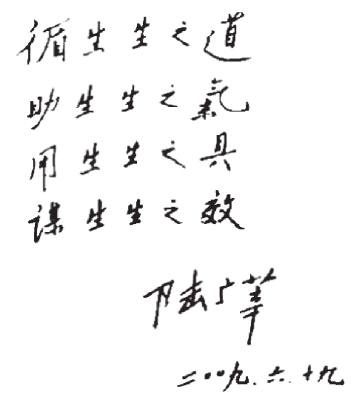
Figure 1-1 Quotations from Mr. Lu Guangxin
What Is “People’s Life-Sustaining Life”?
This is the first key to correctly understanding the spirit of Chapter 50 of the Daodejing!
The first “sheng” (生) character in “sheng sheng” (生生) means “to generate,” “to activate,” “to enhance,” and “to revitalize”; the second “sheng” character refers to the innate, inborn capacity of the human body for “maintaining the quality of its own survival.” This capacity is extremely important and extremely powerful. Laozi uses an analogy in the scripture: a person endowed with this consummate capacity can walk mountain paths without fearing attacks from fierce beasts and can face war without dreading harm from swords, spears, halberds, and lances, because their life’s self-protective capacity is invulnerable.
From the original formulation in Laozi’s Daodejing, to the theoretical elaboration in the Huangdi Neijing, to the highly practical and systematic empirical synthesis in the medical sage Zhang Zhongjing’s Shanghan Lun, the study of “people’s life-sustaining life” had already developed into a fully formed “way of life-sustaining life.” Through two and a half thousand years of effort, China’s medical experts, applying the theory and practice of the way of life-sustaining life, dismantled the assaults of countless plagues of every variety, making an immortal contribution to the prosperity and flourishing of the Chinese nation. In the more than sixty years since the founding of New China, there have also been more than a dozen outbreaks of viral infectious diseases, large and small, including the spread of SARS (“atypical pneumonia”) in 2003. Each time, they came fiercely, but under the leadership of the Party and the government, every crisis was successfully averted; each time, the experts of original Chinese medicine stood as always as the mainstay in quelling the plagues.
In earlier years the author once remarked: From ancient times to the present, over three thousand families of commentators have annotated the Laozi, each brilliantly distinctive, the equivalent of more than three thousand “Laozis” reappearing in the world (see Ancient Chinese Daoyin Studies). None of these “Laozis” are exceptions; all have candidly published their views on Chapter 50. Although their interpretive depths vary, all are cautiously stepping over a threshold: conjecturing the meaning of the phrase “sheng sheng zhi hou” in the text. From the days when Wang Bi, Heshang Gong, and others fixed the title of the Laozi as the Dao De Jing, right through the more than two thousand years until the appearance of the Mawangdui Han tomb silk manuscripts of the Laozi Versions A and B in 1972, it has been accepted that “sheng sheng zhi hou” represents Laozi’s own view, and the majority of commentators have held that “sheng sheng zhi hou” means “qiu sheng zhi hou” — that is, what today we would call “overdoing the cultivation of life.”
Did the Laozi Ever Say This Sentence?
With the reappearance of the two silk manuscripts, the Peking University collection of Western Han bamboo slips has recently been announced (this batch of bamboo slips was received by Peking University in 2009 as a social donation and was formally named the “Peking University Western Han Bamboo Manuscripts”). According to textual research, these slips should date to the time of Emperor Wu of Han (dates 156–87 BCE) or at the latest to the time of Emperor Xuan of Han (dates 91–49 BCE). Compared with the two silk manuscripts, these slips are more exquisite and complete. The relevant colleagues at Peking University have already carried out meticulous conservation and arrangement, which need not be repeated here; in this article we are concerned only with the portion corresponding to Chapter 50 of the Dao De Jing. The full text of Chapter 50 in the Peking University Western Han bamboo slip version is fundamentally identical to the two silk manuscripts, and the key sentence reads: “What is the reason for this? Because of their sheng sheng.”
The only difference is that the first of the two sheng characters in “sheng sheng” is written as the character xing (姓). The clerical script of the bamboo manuscript is quite elegant, though it still falls somewhat short of standard “eight-part” script. Compared with the bamboo slips from the Western Han tomb at Yinqueshan, Linyi, that the author has personally examined, not only is the calligraphy slightly less “regular,” but the Yinqueshan slip ink is as lustrous as lacquer, as though freshly written — suggesting that the Peking University bamboo slips date from an earlier period. In standard clerical script, xing (姓) is written as xing, but in the Peking University bamboo slip version, the “female” radical on the left is written like the character mu (母), meaning “mother” (Figure 1–2). The Peking University bamboo slip researchers consider this character to be equivalent to sheng (生) rather than the xing (姓) used in personal names. The author fully concurs, but their glossing of the character’s meaning as qiu (求) is rather strange and lacks supporting evidence — perhaps they were influenced by those numerous commentators who interpret “sheng sheng zhi hou” as “qiu sheng zhi hou.”
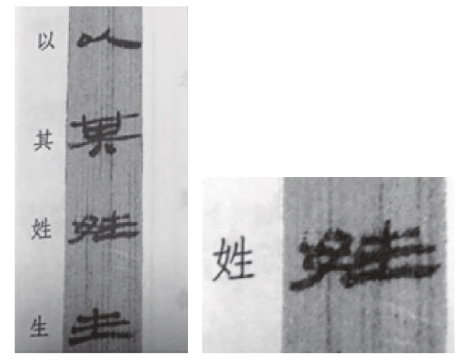
Figure 1–2 The writing of xing (姓) in the Peking University bamboo slip version
Although the silk manuscripts and the bamboo slips differ slightly in this sentence, what can be affirmed is that they are completely different from the received text’s “sheng sheng zhi hou.” The question arises: The silk manuscript (Version A) may have been produced before the establishment of the Han dynasty, that is, before 202 BCE; silk manuscript (Version B) is at the latest a work from before 168 BCE, while the Peking University Western Han bamboo slips were produced at the latest by 49 BCE (the year of Emperor Xuan’s death). Across all three versions of the Laozi, spanning a period of 150–160 years, every text pertaining to Chapter 50 of the Dao De Jing records the wording “yi qi sheng sheng” (because of their sheng sheng). This means that the author of the Dao De Jing, Laozi, never said the sentence “yi qi sheng sheng zhi hou.” So who was the originator of this sentence? Was it Wang Bi? Was it Heshang Gong?
Who Was the Originator?
We modern scholars are fortunate: in the brief span of just over thirty years, we have been able to read in succession three original manuscripts of the Laozi from different periods of the early Western Han. We have learned that the Dao De Jing was originally called the Laozi; that the original arrangement of the Dao De Jing placed the “De Jing” (Classic of Virtue) before the “Dao Jing” (Classic of the Way); that today’s ordering was adapted by later people a full four hundred years after the complete text of the Laozi first appeared; and now we have also learned that in Chapter 50, the Laozi never wrote the sentence “yi qi sheng sheng zhi hou.” Who exactly tampered with the original text of the Laozi? Was it Wang Bi? Was it Heshang Gong?
Wang Bi (226–249) was a genius; it was he who collated and annotated the Dao De Jing into its current popular form. The textual alteration in Chapter 50 is naturally connected to him, but he is unlikely to have been the originator — this will be explored further below. As for Heshang Gong, we still know very little about this person. We know only that his Laozi Zhangju (Chapter and Verse Commentary on the Laozi) was completed approximately at the end of the Eastern Han (for details, see Ancient Chinese Daoyin Studies), and it likewise seems unlikely that he was the originator of the modifications to the Laozi; this need not be elaborated here.
There are two reasons for concluding that Wang Bi was not the originator: First, Wang was not only a top scholar in Laozi research but also an accomplished scholar of Yijing studies. His commentary on the Zhouyi is also difficult for later generations to surpass. When Emperor Taizong of the Tang dynasty commissioned Kong Yingda to compile the Wujing Zhengyi (Correct Meaning of the Five Classics), he specifically directed that the commentary for the Zhouyi must use Wang Bi’s version, believing that “only the commentary by Wang Fusi of the Wei dynasty stands alone as the finest of all time, past and present.” The Zhouyi · Xici (Appended Remarks) contains the line “Generation after generation is called Change,” and Wang Bi annotated it: “Yin and yang alternate and transform, thereby accomplishing the transformation and generation of life.” Concise and comprehensive, profoundly deep. Later commentators on the Yi all took his commentary as their standard. The modern Yijing scholar Shang Binghe annotated: “When yang reaches its extreme, yin is generated; when yin reaches its extreme, yang is generated; they generate each other in turn, therefore it is said ‘generation after generation is called Change’” (see Zhouyi Shang shi xue [Mr. Shang’s Studies on the Zhou Yi], P291–P292). In modern language, what is “generation after generation”? “Generation after generation” is the fundamental law of cosmic change; it is the very foundation of the entire Yijing. It is hard to imagine that Wang Bi, had he read an original manuscript of the Laozi such as the silk manuscript or the Peking University Western Han bamboo slips that predated him by three or four hundred years, would have recklessly altered the lines “people’s generation of life” and “because of their generation of life” beyond recognition. There is only one explanation: I surmise that the version of the Laozi upon which Wang Bi relied for his revision was a different edition. In other words, Wang never read the two versions of the Laozi that we can see today.
The second reason is that Wang Bi died young at the age of only twenty-four. Thanks to the profound transmission of his family’s learning and his own exceptional talent, he early on possessed vast erudition and a body of works to match. Youthful success inevitably bred intellectual arrogance—he could not regard a single scholar of his generation as worthy of respect. Therefore history records that he “frequently laughed at others for what he considered their shortcomings, and thus was resented by the gentlemen scholars of his time,” meaning he had extremely poor relationships with his peers in the scholarly community. In his entire life, Wang Bi admired only one person: Yan Zun, who preceded him by nearly two hundred years.
Yan Zun, courtesy name Junping, was born in 86 BCE and died in 10 CE. Broad-minded in temperament, he was fond of the arts of immortality and profound learning, did not enter official service, and made his living by selling divinations. He authored Laozi Zhigui (The Essential Meaning of Laozi) and Laozi zhu (Commentary on the Laozi). His works long exerted great influence on researchers of Daoism, immortal studies, and Profound Learning, with particularly profound impact on Yang Xiong, Wang Bi, and others. Regrettably, his works were once dismembered under the cultural cleaver of the Qianlong era, classified as forged books, and scattered, so that today it is difficult to see the whole picture. After examining the Han tomb silk manuscripts from Mawangdui, modern scholars discovered that Yan Zun’s Laozi conforms more closely to Laozi’s original intent and have thus given it renewed attention. Regrettably, only the forty chapters of the De jing (Classic of Virtue) survive from Yan’s version of the Laozi; the Dao jing (Classic of the Way) is fragmentary. Yan once composed a Laozi zhu (Commentary on the Laozi), which is said to have originally been unified with the Laozi Zhigui; what is seen today is only the Zhigui. Fortunately, the portion corresponding to Yan Zun’s Laozi zhangju (Chapter and Verse Analysis of the Laozi) for Chapter 50 of the current Daode jing is preserved intact. By comparison, the two are astonishingly consistent: throughout the entire chapter, there is only the minute difference of a single character—“人” (ren, person; Wang’s edition) versus “民” (min, people; Yan’s edition). This indicates that Wang Bi’s edition derived from the edition of Yan Zun of approximately two hundred years earlier. It is evident that in the formation of this questionable line, Wang Bi was merely the “stream” rather than the “source.” Was Yan Zun, then, truly the originator of this modification to the Laozi?
Yan Zun Bears the Greatest Suspicion of Modifying the Laozi
First, there is the chronological sequence. For ease of analysis, I have briefly organized the chronological order of appearance of different versions of the ancient Laozi in Table 1-1.
Table 1-1: Changes in the Wording of the “Questionable Lines” Appearing in Different-Dated Versions of Chapter 50 of the Daode jing
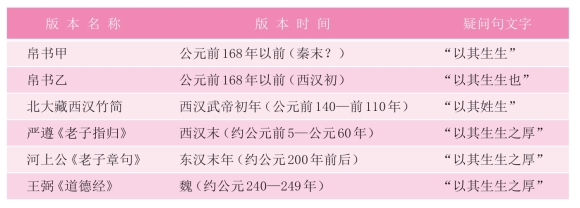
It can be seen that during the nearly two hundred years from before the founding of the Han dynasty until the early years of Emperor Wu of Han (approximately 140–110 BCE), this line in Chapter 50 of the Laozi underwent no change at all, always reading “because of their generation of life.” In Yan Zun’s edition and the various later derivative editions, however, the two characters “之厚” (zhi hou, “to excess”) were added after it. During the five to six decades between the date of the Peking University Western Han bamboo slips and Yan Zun’s composition of Laozi Zhigui, no other versions have been found to appear. Therefore, we say that Yan Zun bears the greatest suspicion of having modified the original Laozi text of this line. We have no intention of evaluating the merits or faults of this textual modification, but only seek to understand the historical truth. Yan Zun is the first person known to us to have produced a comprehensive commentary on the Laozi. Before him, although Han Feizi wrote the essays “Yu Lao” (Illustrating Laozi) and “Jie Lao” (Explaining Laozi), these were not chapter-by-chapter commentaries. Therefore, from any perspective, the appearance of Yan Zun’s Laozi Zhigui constitutes a brilliant milestone in the history of Laozi research. Although Yan’s commentary on the Laozi has been lost, the Zhigui for the De jing that he authored still survives. His expression of his understanding of the Laozi through elegant verse from the perspective of one well-trained in immortal studies is truly admirable, though this is no longer within the scope of the present discussion.
Why did Yan Zun modify the Laozi? The Laozi zhu (Commentary on the Laozi) has been lost, making it difficult to find a precise answer. Fortunately, the Zhigui still survives, and from it one may perhaps gain some understanding. Yan Zun’s Zhigui is in fact an elaboration of his reflections on reading Laozi, quite different from a simple “commentary.” Fluent in composition, it freely and uninhibitedly expresses his personal insights; it is less a “commentary” than a free-form prose poem. Taking Chapter 50 of the Daode jing (Chapter 3 of Yan’s work) as an example: the Laozi text is merely sixty-some characters, yet the corresponding passage in Yan Zun’s Zhigui extends to over a thousand characters. Many scholars have already provided excellent introductions to its content, and I have no intention of elaborating further. I will only quote from Yan’s Zhigui the passage relevant to the four characters “生生之厚” (sheng sheng zhi hou, “generating life to excess”) from the Laozi text:
“Yet the people all possess their lives and ceaselessly add to them; they all possess their bodies and endlessly cherish them. Their actions tend toward deliberate effort, and thoughts and deliberations constantly arise. Thus they depart from emptiness and cling to substance, sever themselves from non-being and rely on being, emerge from clarity and enter turbidity, turn their backs on stillness and pursue disturbance, transform the subtle into the manifest, convert the few into the many, leave the soft and revert to the hard, abandon the weak and exalt the strong, diminish the lowly and seek the elevated, discard frugality and pursue excess, indulge the moment and create transgressions, forsake harmony and make extravagance. They are about to act, eliminating frugality and expending lavishly. And why is this so? Because they greatly possess their bodies and forget the Way of life.”
Using nearly a hundred characters to explain sheng sheng zhi hou (excessive devotion to sustaining life) may seem a bit verbose, but it is expressed very clearly. One can see that the commentators on the Laozi over the eighteen hundred years since Wang Bi have essentially followed the foundational tone set by Yan Zun.
So then, what was the basis for Yan Zun’s revision of the Laozi text? Was it his own invention, or did it derive from another source?
As the author noted earlier, if one looks solely at the literal level, the difference between sheng sheng (ceaseless generation of life) and sheng sheng zhi hou (excessive devotion to sustaining life) should not be very great; why must sheng sheng zhi hou be designated as a pejorative term? In fact, quite a few senior commentators on the Laozi have harbored the same doubt. In 1667, the eminent Japanese physician Miyake Genmin wrote the Collected Origins of Laozi’s Daodejing, in which he annotated after this line: “Sheng sheng zhi hou should read qiu sheng zhi hou (excessive pursuit of life); it is suspected to be a textual error.” However, judging from the intentions of Yan Zun and subsequent interpreters of the Laozi, it does not appear to be a “textual error.” Chapter 75 of the Daodejing contains the line, “The people take death lightly because they pursue life excessively; therefore they take death lightly.” This shows that the Laozi draws an extremely clear distinction between qiu sheng zhi hou (excessive pursuit of life) and sheng sheng zhi hou in Chapter 50. What could have caused Yan Zun’s Zhi Gui to produce such a conflated interpretation?
Sheng Sheng Zhi Hou Was Stated by the Huainanzi
Yan Zun was a representative Daoist figure of the Western Han dynasty, deeply influenced by the immortality seekers of the early Western Han and the Huainanzi school—an important Daoist movement. The entirety of the Zhi Gui virtually interprets the Laozi through the doctrines of the Huainanzi, particularly the chapters “Yuandao Xun” (Tracing Dao to Its Source), “Jingshen Xun” (On the Spirit), “Tianwen Xun” (On Astronomy), and “Chuzhen Xun” (On the True Beginning). Yan Zun’s modification of Chapter 50 of the Laozi likely originated from this. The Huainanzi, in the chapter “Jingshen Xun” (On the Spirit), contains a passage discussing how “excessive regard for life” (hou sheng) “harms life” (hai sheng): “As for why people cannot complete their natural lifespan but perish midway through punishments and executions—what is the reason? It is because of their sheng sheng zhi hou (excessive devotion to sustaining life).”
So this is the source from which the Laozi Zhi Gui altered the original text of the Laozi! Not only is the entire phrase sheng sheng zhi hou identical character for character, but even the rhetorical tone is exactly the same. It appears that although Yan Zun was the originator of the textual changes to Chapter 50 of the Laozi, the intellectual roots of these changes were inherited from the Huainanzi. It must be reiterated here that the author’s purpose in tracing this to its roots is to clarify the historical truth, with absolutely no intention of praising or disparaging Master Yan. Perhaps Master Yan’s original intention was that such textual alterations more faithfully conformed to the intended meaning of “Laozi.” After all, his changes have endured for two thousand years and have become an indispensable component of Laozi studies. The author’s only hope is that the profound value of the Laozi’s yi qi sheng sheng (because of their ceaseless generation of life) not be buried on this account, and that the deep intent of Laozi in composing the Laozi not be betrayed.
”Generation upon Generation Is Called the Yi”
What is sheng sheng (generation upon generation)? The Yizhuan·Xici (Appended Remarks of the Book of Changes) could not have stated it more clearly: “Sheng sheng zhi wei yi! (Generation upon generation is what is called the Yi!)” That is to say, the entirety of the Yijing speaks of the “Way of generation upon generation”—its greatness has nothing beyond it, its smallness has nothing within it. Among all things in the cosmos, nothing is more lawful and regular than sheng sheng (generation upon generation). If the law of the macrocosmos is sheng sheng (generation upon generation), then what Chapter 50 of the Daodejing calls ren zhi sheng sheng (the generation of life within the human) is the most fundamental content of the microcosm of human life. Figure 1-3 is a model of ren zhi sheng sheng (the generation of life within the human) that the author presented at an international academic conference in 1983. This paper proposed for the first time that human life is an “open system,” and reported for the first time experimental results demonstrating that the meridian system possesses a “bidirectional regulation” of human life parameters.
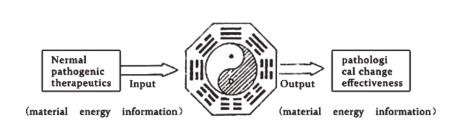
Figure 1-3 Model diagram of ren zhi sheng sheng (the generation of life within the human)
(Quoted from Proceedings of the 7th International Workshop on Rare Earth-Cobalt Permanent Magnets and Their Applications, Lin Zhongpeng, Science Press, China, 1983)
Conclusion
(1) Because Yan Zun, two thousand years ago, mistakenly took the words of the Huainanzi as the transmitted text of the Laozi, we nearly missed encountering the most important thesis of the Daodejing. This shows how important it is to read the original text.
(2) Due to the insertion of the phrase sheng sheng zhi hou two thousand years ago, the discussion of this chapter has been endlessly disputed, to the point that divergent interpretations proliferate even when attempting to understand the full meaning of the entire chapter. Consequently, it became necessary to add the phrase “those who fulfill their natural years are one in ten” in order to make it comprehensible. Thus only faithfulness (xin) and clarity (da) could be attended to, while elegance (ya) had to be set aside.
(3) When one reads the Laozi again after restoring the phrases ren zhi sheng sheng (the generation of life within the human) and yi qi sheng sheng (because of their ceaseless generation of life), everything becomes clear: of those who are born and enter death, nine out of ten do not complete their full lifespan. Of course, the remaining “one in ten” must necessarily be those who “fulfill their natural years,” making it unnecessary to add that extra phrase. Adding it, on the contrary, feels cumbersome and somewhat “foolish,” demonstrating the mastery of the ancients in achieving faithfulness (xin), clarity (da), and elegance (ya) all at once—even a single extra character would seem superfluous.
(4) Researchers generally agree that the Zhouyi (Zhou Changes) took shape in the late Western Zhou period, and that the Laozi was also written during this same period. People are naturally curious: did the author of the Laozi and the author(s) of the Zhouyi ever see each other’s work? Although the story of Confucius inquiring of Laozi about the Dao has circulated for a long time, and Confucius is recognized as the author of the Yizhuan (or one of its authors), is there content in which these two great classics genuinely resonate with each other? The discussions of ren zhi sheng sheng (the generation of life within the human) and sheng sheng (generation upon generation) may offer some new clues for resolving this question.
(5) Although Yan Zun is suspected of having inserted the words of the Huainanzi into the Laozi, the author has never believed that Yan Zun acted with intent to forge. On the contrary, it feels as though Master Yan inadvertently guided our field of vision into the Huainanzi’s brilliant masterpiece of discourse on the Dao. In fact, the social phenomenon of “harming life” (hai sheng) through “excessive regard for life” (hou sheng) is seriously impeding the improvement of public health. Yan Zun’s modifications to certain passages of the Laozi may perhaps be beneficial for correcting these unhealthy tendencies. Moreover, Yan Zun’s Zhi Gui is itself a very distinctive and extremely important Daoist text. Therefore, the hope is that while reexamining the Laozi, Master Yan’s insights may also be preserved.
(6) Chapter 50 of Laozi’s Dao De Jing runs through ancient and modern times, achieving mutual theoretical communication among the “Three Eastern Classics,” and pointing out the correct direction for research on human life science. The author especially places hope in modern Chinese medicine practitioners: by all means do not belittle yourselves, and hold fast to the value evaluation system of Chinese medical civilization—the Way of generating life—for that is the greatest contribution to the future of human development.
3. The Foresight of the “Yinfu”
The Yinfu Jing, a mere three hundred or so characters, has nonetheless attracted widespread attention from scholars for over a thousand years. According to statistics from Zhu Xi’s time, since the Tang dynasty there had been as many as thirty-eight commentaries in fifty-one volumes.
What Kind of Book Is This?
The commentators of this book hold vastly different views. Some say it is a guidebook for Daoist cultivators, instructing people on how to cultivate the Dao; others say it is a military manual, instructing how to win wars. If called a Daoist book, it offers little concrete guidance on cultivation practices; if called a military manual, it lacks detailed analysis of tactics and battle formations. The mid-Tang Daoist priest Li Quan, who first introduced this work, put forth the words of the “Old Mother of Mount Li” regarding this book: “One hundred words elaborate on the Dao, one hundred words elaborate on the methods, and one hundred words elaborate on the techniques. Interweave and examine the three, and they are blended into one.” As the first commentator of this book, Li Quan virtually regarded it as an omnipotent celestial text and secret manual, even elevating it as surpassing the Laozi, “peering into the unreached depths of the Heavenly Dao.” One commentator, Zhu Xi, strongly disagreed with this assessment. He believed that this book was perhaps written by Li Quan himself, who then wrote a commentary to boast and promote the book, making it a forgery! Other scholars, however, mostly disapproved of this disparaging assessment. Among them, Shao Kangjie stated directly that he believed this book must have been the work of a Daoist adept at the end of the Shang dynasty or the end of the Zhou dynasty. He suggested that the Tang dynasty’s Li Quan probably did not possess the level of attainment in Daoist studies required to write such a profound text.
Because of the massive divergence among the commentators, evaluations of this book vary widely. People cannot even clearly state what kind of book this is. However, there is one point common among the commentators: the scope of what this book discusses is “so great there is nothing outside it, so small there is nothing inside it.” The scope of its discussion encompasses the universe, all things, all affairs, and all people, and the principles it articulates all implicitly accord with the Dao of nature. The author has a somewhat different understanding of this book: I believe it is a philosophical work, which can be viewed either as a supplement to the Laozi or as a development and continuation of the Zhouyi. The Yinfu Jing is the true inheritor that perfects the theory of “Yin-Yang and the Five Elements, mutual generation and mutual restriction.” Zhu Xi’s disparagement of its significance may stem from a failure to fully understand the book’s inner meaning. Meanwhile, Li Quan’s commentary leads the concept of the “Hidden Talisman” onto an ethereal and illusory path of immortal cultivation; both approaches are inappropriate. As for the commentaries attributed to Zhang Liang, Jiang Taigong, Yi Yin, Zhuge Liang, and others, they are disorganized and chaotic, often leaving readers completely baffled. They mostly add confusion and rarely clarify principles; it is better not to read them at all! This book opens with a clear thesis: “Heaven produces the five thieves; those who perceive them prosper.” This is very clear: one must understand the mutually restrictive relationships among the Five Elements from the perspective of “restriction,” which is the opposing counterpart to their “mutual generation.”
The Historical Background of the Yinfu Jing
Who is the author of the Yinfu Jing? To this day it remains unknown. Shao Kangjie speculated that it was produced at the end of the Shang dynasty or the end of the Zhou dynasty, which has some reason to it. This book should have been produced in an era of prolonged warfare, at a time when the so-called Great Way had fallen into decline, by a wise person who possessed profound research into Daoist learning yet had no opportunity to put his ambitions into practice. However, the timing seems somewhat too early. The end of the Xia or Shang? That is unlikely, for at that time, the Yi (Changes) had not yet taken shape. The end of the Zhou? That is more probable, as the Laozi and the Zhouyi (Book of Changes) appeared in succession. Some say Confucius was the author of the Yizhuan (Commentary on the Changes), but this claim is not very reliable; at the very least, the Yizhuan of that time was not yet fully mature. The concept of the generation and restriction (shengke) among the Five Phases, particularly the significance of “restriction” (ke), received extremely little discussion. In particular, the exposition of “stealing” (zei) had not yet been addressed by anyone. The Dadai Liji (Records of Rites of the Elder Dai) states: “The deficiency of the Yi lies in zei (stealing).” This points out that when the Yijing (Book of Changes) theoretically expounded the Five Phases doctrine, the gap lay in the research on “stealing.” The Dadai Liji was composed at the end of the Western Han, and therefore the appearance of the Yinfu Jing could not have been before the Han. Taking many factors into consideration, this book should have taken shape at the end of the Eastern Han or the end of the Jin. The Tang dynasty Daoist priest Li Quan said that the copy of the Huangdi Yinfu Jing he discovered in a certain deep mountain was “concealed in a famous mountain by Kou Qianzhi, a Shangqing Daoist priest, on the seventh day of the seventh month of the second year of the Taiping Zhenjun era of the Great Wei.” This gives rise to a more reasonable conjecture: the author of this work was none other than Kou Qianzhi himself. First, the era in which the book was written was precisely the chaotic end of the Jin dynasty, when the people suffered and the Great Way lay in neglect; second, Kou Qianzhi was a renowned Daoist scholar, physician, and pharmacologist; third, the person who concealed the book was he himself; fourth, the second year of the Taiping Zhenjun era (the reign title of Emperor Taiwu of the Northern Wei, Tuoba Tao, that is, 441 CE) may have been precisely the time when Kou Qianzhi’s work was released. The transmission of Chinese culture gained an opportunity for revival after great catastrophes, and Kou Qianzhi, as a renowned Daoist priest, was held in esteem by the imperial court and possessed the conditions to store books in deep mountains.
Rights and Wrongs of the Edition
Determining the edition is not difficult; it amounts to no more than three questions:
(1) Who is the author?
(2) In what year and month was it written?
(3) Who was the first to write a commentary?
The Yinfu Jing happens to lack the first two items, while the third—the first commentator—was Li Quan. The commentary he produced falls far short of the original text in both depth and quality of expression, and was therefore not accepted. Consequently, when Zhu Xi of the Southern Song dynasty wrote a new commentary for the book, over the course of more than a thousand years, successive commentators had produced as many as thirty-eight types in fifty-one volumes. What is inconceivable is that among these commentarial editions, not only do their views on this book largely differ, but their opinions regarding the date of composition and the identity of the author are extremely divergent. More importantly, even the content and word counts of the editions are completely different, and this in turn has affected readers’ judgment of the book’s true meaning and value. It is therefore necessary to conduct an essential investigation into the historical background in which this work appeared.
Although all of these commentarial editions bear the deep imprint of their respective authors, some views are relatively consistent:
(1) The author of the Yinfu Jing was a person of the Way, with profound accomplishment in the study of ancient Chinese philosophy.
(2) The work was born during a period of “dynastic change” and extreme social upheaval, such as the end of the Shang dynasty or the end of the Zhou dynasty as Shao Zi conjectured, while Cheng Zi straightforwardly identified it as a work of the Seven States period.
(3) It is universally acknowledged that Li Quan of the Tang dynasty was the first to promote this work. However, with the exception of Zhu Xi, all scholars ruled out Li Quan as a possible author of this book, holding that Li’s learning was insufficient to compose such a work of profound philosophical depth.
Shortly after Li Quan first promoted the Yinfu Jing, another version appeared, titled Huangdi Yinfu Jing, with commentary by Zhang Guo. In his preface, Zhang Guo stated: “I chanced upon the Yinfu Jing within the storehouse of Daoist scriptures, and do not know which dynasty’s person created it. Its wording and rationale are profound and remote, as though in accord with Nature itself. Your subject therefore compiled it, appending it with annotations, in the hope that future gentlemen of worth will not lose the essential purport of the Way.” This “new” version put forward by Zhang Guo is, to say the least, peculiar. He claims to have “chanced upon it within the storehouse of Daoist scriptures,” yet what he compiled is identical to Li Quan’s version, except that 114 characters and 21 lines were appended at the end. Given that two different versions appeared within a short span of time, it stands to reason — by common sense — that the one published first is the authentic edition. This has been the case from ancient times to the present, without exception. In the preface to his annotated edition, Zhang Guo wrote: “In recent times, Li Quan, falsely claiming authority from a sorcerer, presumptuously produced a commentary, vainly dragging in human affairs and utterly confusing the supreme source. Unashamed of the narrowness of his peephole view, he brazenly presented his conceit as though measuring the sea. This enabled petty men to pry into it and fancy themselves possessors of celestial secrets — how tragic!” This passage from Zhang Guo conveys two pieces of information:
(1) It was indeed Li Quan who first brought the Yinfu Jing to light; Zhang Guo’s claim of having “chanced upon it within the storehouse of Daoist scriptures” was a fabricated pretext.
(2) The reason for putting forth an annotated edition of the Yinfu Jing was to capitalize on the immense prestige of the “living immortal” Zhang Guo Lao, one of the legendary Eight Immortals.
Under the patronage of two “authoritative figures” (Zhang Guo and Chu Suiliang), the “four-hundred-character” edition gained a momentum that threatened to overtake its rival, and it became difficult to determine which of the two editions was genuine and which was fabricated. Although the appearance of Chu Suiliang’s calligraphic edition bolstered the standing of Zhang Guo’s version, it also gave rise to doubts about Zhang’s edition, because the two versions were nearly identical. It was said that the source of Chu’s edition was the book collection of Changsun Wuji, another important minister of Emperor Taizong of the Tang dynasty, but like Zhang Guo’s edition, its origins could not be clearly accounted for. Thanks to the forceful promotion by two eminent personages, the two editions of the Yinfu Jing — namely the “three-hundred-character edition” and the “four-hundred-character edition” — reached an equilibrium in their circulation, and it was not until the publication of Zhu Xi’s Yinfu Jing Kao Yi (Critical Examination of the Yinfu Jing) at the end of the thirteenth century CE that this equilibrium was broken once again.
Zhu Xi’s Kao Yi is unremarkable, possessing only two conjectures not found in other commentaries: ① The author of the Yinfu Jing was Li Quan himself, and the story about discovering an ancient book deep in the mountains was fabricated by Li. ② The essence of this book lies in the character “qin” (infiltration) of the phrase “yin and yang mutually infiltrate.” Yet these very four lines fall precisely within the 114 characters and 21 lines that Zhang Guo added. In this way, the four-hundred-character edition of the Yinfu Jing gained yet another powerful authoritative supporter in the “new leader of Daoism.” For seven hundred years thereafter, the “Chu Suiliang Yinfu Jing calligraphic model” edition was regarded as the sole “authentic edition.” In 1988, when the present author directed the compilation of Zhonghua Qigong Xue (Chinese Qigong Studies), a compromise approach was adopted in introducing the Yinfu Jing: the edition used was the Chu edition (i.e., the Zhang Guo edition) of over 430 characters, but Li Quan’s priority as the first to promote the work was preserved in the presentation. Forty years later, with further research on the Yinfu Jing, the author has come to believe that the dispute over editions bears on the integrity of the work: the “four-hundred-character edition” falls far short of the “three-hundred-character edition” in completeness, and the addition of those hundred-plus characters smacks of gilding the lily. This will require further discussion by the author later.
One Character Lost, a Millennium Mistaken
Over his lifetime, Zhu Xi conducted textual research on many ancient texts and left behind many excellent works. However, he also made quite a few errors, such as those previously pointed out by the present author in his Zhouyi Cantongqi Kao Yi (Critical Examination of the Zhouyi Cantongqi) and his research on the Yi Tu (Diagram of the Changes), where major errors occurred — all of which have been identified one by one earlier. However, a case such as that of the Yinfu Jing Kao Yi, where an error over a single character has misled people for a millennium, had never before been seen.
The character the present author refers to is an extremely ordinary and common one: the character “zei” (賊, “thief”).
The Yinfu Jing opens directly with the words: “Observe the Way of Heaven, carry out the workings of Heaven — and that is enough! Heaven possesses five thieves; those who perceive them will prosper. The five thieves reside in the heart, and their operation extends throughout Heaven. The universe lies in one’s hand; the ten thousand transformations arise in one’s body.” Very concise, very clear. The meaning is: the purpose of reading, research, and study lies in recognizing objective laws, and then carrying out one’s actions in accordance with this fundamental objective law (the Way) — and that is sufficient!
What is the fundamental objective law? What is the Way? The answer is simple: every character is straightforward and easy to understand, yet the character “zei” alone was misread and misunderstood, leading Zhu Xi to a comprehensive misjudgment of the profound significance of the entire Yinfu Jing. Zhu Xi said: “The five thieves are the Five Phases! All that is good in the world arises from these five. And that which is evil likewise comes into being through them.” How deep Zhu Xi’s error runs! To gloss “wu zei” (five thieves) as “wu xing” (Five Phases) is straightforward enough, yet utterly without basis. How can “zei” be explained as “xing” (phase)? Perhaps because of the character “wu” (five) that precedes it, Zhu Zi linked the two together. This shows that he fundamentally did not understand the character “zei.” And because he did not understand it, his subsequent explanations were likewise all wrong. Thus he misconstrued the opening passage as a statement about the Five Phases as the source of “good” and “evil,” and elaborated upon this, causing his understanding of the Yinfu Jing to stray ever further from the true topic — to the point that he not only misunderstood the meaning implied by the book’s title, but could not even discern who the author was or which editions were genuine and which were forged. Naturally, his analysis of the book’s content was also thereby off by a thousand miles. And all of this stemmed from a difference of a single character: the misunderstanding of the character “zei.”
It should be said that the misunderstanding of the character “zei” (贼) has never been clarified across the more than thirty annotated editions produced since Li Quan of the mid-Tang dynasty first provided commentary. However, the view of Zhu Xi has been the most influential, because ever since then everyone has taken his words as the standard, and exploration of the Yinfu Jing thereupon virtually ceased. In saying this, the author has not the slightest intention of assigning blame, first because the character “zei” is rather difficult to express, and second because research on the Yinfu Jing was quite ahead of its time. Although the entire book consists of only some three hundred characters, the ideas it expounds constitute an important supplement to the Yijing. As is well known, the Yijing is a treasure of China’s traditional civilization and the very locus of its intellectual essence. Moreover, the transmission and development of the Yijing has never ceased to this day. From the Yijing of the pre-Spring and Autumn period to the Yizhuan of the Warring States period was the first elevation. Right up to the Yitu of the Northern Song, each stage witnessed creative outbursts. The discoveries of the Yizhuan were brought to perfection through the collation by Wang Bi of the Three Kingdoms period; the Yitu, expressed by means of the Taiji diagram, made the expression of the principles of the Yi even more rational. Among these contributions, those of Shao [Yong], Cheng [Yi], and Zhu Xi were especially great. Regrettably, the ahead-of-their-time conceptual notions of “positive feedback” and “negative feedback,” which predated these developments, failed to be promoted. As it happens — and one may find this hard to believe — this was actually related to the delayed understanding of the character “zei.” In fact, a correct understanding of the character “zei” had already taken shape as early as the Han dynasty. Unfortunately, after Dai De’s Da Dai Liji, nearly two thousand years of neglect caused it to fall into obscurity. The Da Dai Liji offers many incisive evaluations of pre-Qin ancient texts, among which its appraisal of the Yijing reads: “The deficiency of the Yi lies in zei.” What this says is that the shortcoming (deficiency) of the Yijing lies in insufficiently profound research into the aspect of “mutual overcoming” among the “mutual generation and overcoming of the Five Phases.” These four characters, “the deficiency of the Yi lies in zei,” profoundly expose the defect of the Yijing. For whatever reason, Zhu Xi and other earlier scholars who studied the Yinfu Jing overlooked the warning of the Da Dai Liji, with the result that “a single character’s error became an eternal regret”!
How then should we understand these opening lines of the Yinfu Jing? Thoroughly grasp the patterns governing all things in the universe (the Way) and act accordingly — that is enough! Zhu Xi held that the fundamental pattern of the Way, the “Five Thieves,” is none other than the “Five Phases.” “Yin and yang and the Five Phases, mutually generating and mutually overcoming” constitutes the core of the Zhouyi. As wholes defined by their attributes, all things under heaven cannot be exceptions to mutual generation and mutual overcoming. However, to simply assert that the “Five Thieves” are the “Five Phases” is unexplainable under any circumstance, unless it can be proven that “zei” (thief) means the same as “xing” (phase). So what does “zei” mean here? And what is the relationship between the “Five Thieves” and the “Five Phases”? This question had in fact been vexing scholars for over a thousand years before Zhu Xi. When Dai De compiled the Liji, he provided a concise appraisal of the strengths and weaknesses of ancient books through the ages: “The deficiency of the Odes lies in virtue; the deficiency of the Documents lies in falsehood; the deficiency of the Music lies in extravagance; the deficiency of the Yi lies in zei; the deficiency of the Rites lies in tediousness; the deficiency of the Spring and Autumn Annals lies in disorder.” (Da Dai Liji) Among these, “the deficiency of the Yi lies in zei” has elicited numerous commentaries: the Shuowen holds that “zei means to ruin”; the Zuozhuan holds that “to destroy is zei”; and Zheng Xuan’s commentary on the Liji holds that “zei” can be interpreted as “to harm.” Although different scholars hold different views on “zei,” their understandings of the word’s meaning are not far apart. Nevertheless, their interpretations of the phrase “the deficiency of the Yi lies in zei” are all unsatisfactory, because none of the scholars specified what the character “zei” actually means. Zhu Xi glossed the “Five Thieves” as the “Five Phases”; although this does not hold up under scrutiny, if one reads it in connection with the surrounding context, it is “smooth” (shun). The commentators on the Da Dai Liji, by contrast, understood the character “zei” in a way that is “comprehensible” (tong) but not “smooth” (shun) — and the reason for this was not figured out for quite a while. It was only after repeatedly comparing the Da Dai Liji and the Yinfu Jing side by side that we came to understand the subtlety involved. In the Da Dai Liji, the phrase “the deficiency of the Yi lies in zei” can be understood as meaning “there is a deficiency in research on the ‘overcoming’ aspect of mutual generation and overcoming among the Five Phases in the Zhouyi.” By the same logic, in the Yinfu Jing, the phrase “Heaven possesses Five Thieves” can be interpreted as follows: “The patterns of mutual restraint (Five Thieves) within the mutually generating and overcoming behavior of the Five Phases that pervade the objective world (Heaven possesses) — whoever thoroughly studies them (sees them) will find the resolution of problems greatly advantageous (prosperous).”
Lifting the Mysterious Veil of the Yinfu Jing
With the mutual cross-referencing of the two classics, the Da Dai Liji and the Yinfu Jing, the riddle of the Yinfu has gradually become clear. Regarding the date of composition, Master Shao [Yong] believed it was either from the end of the Shang dynasty or the end of the Zhou dynasty, while Master Cheng [Yi] held that it should be a work of the Warring States period. The publication of the Da Dai Liji shows that both masters’ views are impossible, because Dai De’s work is no later than the first century BCE. The Huainanzi also discusses the meaning of “zei,” and in a manner that differs again from what has been described above, though it is several decades later than the Da Dai Liji. Zhu Xi believed that the Yinfu Jing may have been composed by the Daoist priest Li Quan. Li Quan’s dates of birth and death are unknown; it is only known that he once served as an official during the reign of Emperor Xuanzong. Although he was the discoverer and promoter of the first edition of the Yellow Emperor’s Yinfu Jing, as well as its first commentator, the quality of his annotations is extremely poor, and he was completely ignorant of what the “Five Thieves” meant; therefore, he cannot have been the author either. Yao Jiheng of the Qing dynasty believed that “it must have been composed by Kou Qianzhi, and Li Quan merely obtained it.” As described earlier, Kou [Qianzhi] was a eminent Daoist priest of the Northern Wei period, as well as a physician, pharmacologist, Yi scholar, and great polymath with a broad strategic vision. Li Quan said that he discovered the Yellow Emperor’s Yinfu Jing “in a stone chamber at the Tiger’s Mouth Rock on Mount Song,” and that on it was the inscription by Kou Qianzhi described earlier.
The second edition was promoted by Zhang Guo, though it is unclear when it was introduced. However, from his “Preface and Commentary” (Xu ru) to the Yellow Emperor’s Yinfu Jing, the following can be known:
(1) Zhang Guo held the Yinfu Jing in the highest esteem, no less than Li Quan did.
(2) Later than Li Quan’s version, it viciously berates Li Quan’s commentary: “The recent Li Quan, falsely claiming the authority of sorcerers, presumptuously produced a commentary, merely interpolating human affairs and thoroughly confusing the ultimate source. Unashamed of the meager insight of one peering through a tube, he hastily parades the audacity of one scooping the sea. Petty men who steal a glance at it fancy themselves to have grasped heavenly secrets—how tragic!” This indirectly acknowledges that it postdates Li’s edition. Accordingly, he also composed his own Commentary on the Scripture of Hidden Correspondence, claiming it was compiled from a Biography of the Scripture of Hidden Correspondence that he had personally seen.
(3) To this day, we have never seen the scripture and biography that Zhang Guo claimed to have consulted.
(4) In terms of quality, Zhang Guo’s commentary is inferior to Li Quan’s.
(5) Li Quan frankly stated that he did not write this book himself but found it among the collection preserved by Kou Qianzhi. Zhang Guo, on the other hand, claimed: “The Scripture of Hidden Correspondence has existed since the Yellow Emperor. Its text is terse and its meaning is profound. There have been commentaries by several former sages, each illuminating the others through mutual citation… By chance, within the Daoist scripture repository, I obtained a Biography of the Scripture of Hidden Correspondence, not knowing which dynasty its author belonged to. Its language and reasoning are profoundly far-reaching, as though in accord with the natural order. Your subject thereupon compiled it and appended it to the commentary.” In other words, Zhang Guo did not address the provenance of the book at all; he merely said the commentary was not his own writing either, but was something where “within the Daoist scripture repository, I obtained a Biography of the Scripture of Hidden Correspondence… Your subject thereupon compiled it and appended it to the commentary.”
Throughout history, the different editions and commentaries of the Scripture of Hidden Correspondence number thirty-eight types in fifty-one volumes. However, the Li Quan edition and the Zhang Guo edition have always been the primary versions. Although the commentaries are diverse and varied, the texts they are based on never go beyond the two versions of Li and Zhang. That is, the “three-hundred-character version” and the “four-hundred-character version.”
Nevertheless, after Zhu Xi’s Textual Research, both of these editions were set aside, and what was introduced instead was the “Chu edition” based on the calligraphy of Chu Suiliang. Zhu Xi identified as the authoritative edition of the Scripture of Hidden Correspondence a version that Chu Suiliang personally wrote out by hand and that was authenticated by “experienced calligraphers” as being in Chu’s own hand. But was the Chu edition truly the “authoritative edition”? Not necessarily.
Chu Suiliang was a renowned minister of the early Tang and one of Tang Taizong’s “entrusted ministers.” He was one of the most celebrated calligraphers of the early Tang, equally famous as Yu Shinan. Transmitting classical works through the calligraphic model-copies of famous calligraphers was a highly effective method; for instance, the story of Wang Xizhi’s “white geese exchanged for the Yellow Court” is one such case. It is not impossible that Chu Suiliang wrote out the Scripture of Hidden Correspondence, yet the authenticity of the “Chu edition” remains riddled with doubts. First, regarding the date of writing: Chu Suiliang (596–658 CE) left behind an ink-trace manuscript of the Scripture of Hidden Correspondence totaling 96 columns and 461 characters. Yet Li Quan, the foremost proponent of the Scripture of Hidden Correspondence editions, was a person of the mid-Tang. Although his exact birth and death dates are unknown, the broad outlines of his life are fairly clear. When he submitted a memorial on the thirteenth day of the sixth month of the second year of the Tianbao era (743 CE), he referred to himself as “Li Quan, cloth-clad subject of Mount Shaoshi,” indicating that at this time Li Quan had not yet taken office and was still young, whereas Chu Suiliang had already been dead (658 CE) for over eighty years. The time at which Chu wrote the Scripture of Hidden Correspondence calligraphic model would have to be after the appearance of the Zhang Guo edition (see Zhang Guo’s preface). Therefore, there is only one possibility: the so-called “Chu model” is merely a high-quality imitation, not a work personally written by Chu Suiliang. The reason Zhu Xi championed the “Chu model” was probably also influenced by the “celebrity effect.” It was just as Ouyang Xiu, when faced with two editions of the Yellow Court Scripture, had championed the Yellow Court Scripture said to be “personally written” by Wang Xizhi as the authoritative edition of the Yellow Court.
There are many commentaries on the Scripture of Hidden Correspondence. The Ming-dynasty Orthodox Daoist Canon alone includes as many as twenty-four, and Zheng Jiaqi (i.e., Zheng Qiao, 1104–1162 CE, Song-dynasty historian and bibliographer) in his Catalogue of Arts and Writings further records thirty-eight titles of its scriptures and biographies in fifty-one volumes. Although the commentaries differ, the main text they cite is invariably either the Li edition or the Zhang edition; no genuinely third version ever appeared. The Chu edition, though it alters a few characters, still does not exceed the scope of the Zhang edition.
Although Zhang Guo fiercely criticized Li Quan’s commentary, he did not alter a single character of the main text of the Li edition. He reproduced the original verbatim and merely appended twenty-one lines and 114 characters at the end of Li Quan’s edition. The Chu edition then entirely inherited this from the Zhang edition. Yet the Zhang edition never explained the provenance of these hundred-plus characters. For over a thousand years since the mid-Tang, the Li edition and the Zhang edition ran neck and neck, with supporters and detractors roughly evenly matched. It was not until the late Southern Song that Zhu Xi delivered the final verdict, identifying the Chu edition as the authoritative edition and asserting that the essence of the entire Scripture of Hidden Correspondence lay precisely in those final 114 characters. He said the “four lines at the end of the book are expressed with consummate subtlety,” and that this treatment of the Scripture of Hidden Correspondence was both “excellent” and “marvelous.” The Scripture of Hidden Correspondence in its “Zhang edition,” having passed through three waves of promotion—by an early Tang powerful minister and “foremost calligrapher,” by one of the legendary Eight Immortals (Zhang Guo being the “Zhang Guo Lao” of later legend as one of the Eight Immortals), and by a great Southern Song scholar—came to assume the air of the authoritative and true edition, while the “found copy” that Li Quan had honestly described from the very start was instead branded a “forgery.” Zhu Xi even suspected that this edition had been fabricated by Li Quan himself.
We have no intention of comprehensively exploring the merits and shortcomings of the commentaries by these former worthies. We merely wish to understand the true face of the original text of the Scripture of Hidden Correspondence, because this is of great significance for accurately grasping the formation and development of the holistic worldview of Chinese civilization. If, following Zhu Xi’s understanding, “the five thieves are the five phases,” then the Scripture of Hidden Correspondence would be nothing more than a repetition and rehash of the ancient Changes, utterly lacking originality. The question is: how does one determine the authenticity of these two editions? Is the “Zhang edition” truly the genuine text? Is the “Li edition” truly a “forgery”? What are the criteria for judgment?
Research indicates that it all comes down to the understanding of a single character: zei (賊, “thief”).
Through the understanding of the character zei, we can clearly determine:
(1) The background in which the Scripture of Hidden Correspondence was produced. It could not have been produced in the era of the Yellow Emperor, nor even at the end of the Shang or the end of the Zhou. It could only have been produced after the late Western Han in the first century BCE. For it was only after the Greater Dai Book of Rites that people recognized the serious deficiency of the Zhou Changes, namely that “the failing of the Changes is zei,” and recognized that the Scripture of Hidden Correspondence was composed to remedy the deficiency in the cosmology of the Book of Changes.
(2) The Scripture of Hidden Correspondence also could not have been composed by Li Quan. Quite apart from Li Quan’s own scholarly level, the most important point is that Li Quan, just like Zhang Guo after him, did not know how zei should be interpreted. Therefore, Zhu Xi’s identification of Li Quan as the author of the Scripture of Hidden Correspondence was a pure misjudgment.
(3) The most likely author of the Yinfu Jing is the eminent Daoist Kou Qianzhi of the Northern and Southern Dynasties. The year 441 CE, namely the second year of the Taiping Zhenjun era of the Northern Wei, is very likely the date when Kou Qianzhi hid the books in the mountain cave and when the entire text of the Yinfu Jing was completed.
(4) After understanding the date of the composition of the Yinfu Jing, conversely, it allowed me to further recognize the connotation of “zei” (thief) in the phrase “the flaw of the Yi is zei,” which has troubled people for over a thousand years; naturally, it also thoroughly lifts the mysterious veil over the “Five Thieves.” Although Dai De’s Da Dai Liji (Record of Rites by Dai Senior) had already pointed out that the exposition of the Yi (Book of Changes) had certain flaws, it did not know in what aspect the flaw lay. It was not until the appearance of the Yinfu Jing that it was realized that the deficiency lay in the research of the “overcoming” (ke) aspect in the “generation and overcoming of the Five Phases.”
(5) Since it is a deficiency in the “overcoming” aspect of the “generation and overcoming of the Five Phases,” why not directly write “overcome” and instead use the word “thief”? Savoring the entire scripture, one comes to realize the profound meaning. To state the sentence “the flaw of the Yi is zei” completely, it should be “the flaw of the Yi lies in the zei (thief/hidden) part of the ‘generation and overcoming of the Five Phases’.” As previously stated, whether generating or overcoming, there are both yang-firm and yin-yielding parts; the former is visible while the latter is hidden. What the Yi lacks is precisely the hidden part of the mutual overcoming of the Five Phases, the part that is not easy for people to discover. Here, Master Zhu misjudged again. Once the word “thief” is understood, the “Five Thieves” also become clear. The “Five Thieves” cannot be understood as the “Five Phases”; rather, it should be understood as “comprehensively recognizing and discovering the most hidden negative factors in the overcoming of the Five Phases.” The “five” here should be understood as “comprehensive” or “all.”
(6) Regarding the “Five Thieves,” not only must one comprehensively discover and recognize them, but one must also keep them firmly in mind, seize the opportunity, and handle them in a timely manner (“mechanism” / ji).
(7) The existence of the Five Thieves is inevitable. All things have the relationship of generation and overcoming of the Five Phases, and the “Five Thieves” are sometimes hidden and sometimes visible, but they will not sometimes exist and sometimes not exist, just as “fire is born from wood; when disaster breaks out, it inevitably overcomes; treachery is born in a state; when the time comes to act, it inevitably collapses.” The overcoming of the Five Phases is bound to happen; it is only a matter of sooner or later.
(8) Therefore, there is the conclusion: “Heaven has Five Thieves; those who see them prosper.” To see means to discover and recognize. If you can “see” the “Five Thieves,” you can turn misfortune into good fortune and encounter auspiciousness in adversity. Because “observing the Way of Heaven and holding to the actions of Heaven is everything”! Through the understanding of the connotation of “thief,” one reaches the cognition of the “Five Thieves”; through the cognition of the “Five Thieves,” one reaches an awakening to the essence of the Heavenly Way (the fundamental objective laws of the universe), thereby returning to the origin of “the Great Way is of the utmost simplicity and ease” and “what is called Yi is continuous generation.”
(9) Because of the phrase in the Da Dai Liji, “the flaw of the Yi is zei,” we know that the flaw of the Yi is in fact an omission in the “overcoming” link of the mutual generation and overcoming of Yin, Yang, and the Five Phases. From this, we know that the Yinfu Jing was composed to remedy the flaw of the Yi. From this, one can also directly judge which of the Zhang edition and the Li edition is authentic and which is a forgery. The Li edition of the Yinfu, with its version of over three hundred characters, has every sentence closely tied to remedying the omissions of the Yi, and it must undoubtedly be the authentic edition. On the other hand, the additional 114 characters in the Zhang edition, although also “simple in text and profound in meaning,” are completely irrelevant to making up for the deficiencies of the Zhouyi, and are far removed from the intent of the first three hundred characters of the Yinfu, where every character is closely tied to supplementary research on the mutual overcoming of the Five Phases. Therefore, although Master Zhu endlessly praised it as “good” and called it “marvelous,” this cannot cover up the fact that the supplemented texts are difficult to integrate with each other. In fact, most practitioners also recognize Li Quan’s three-hundred-character version as the true text. When Zhang Boduan of the Northern Song dynasty wrote the preface to the Wuzhen Pian (1069 CE), he said: “The precious characters of the Yinfu exceed three hundred; the numinous text of the Daode [Jing] stops at five thousand.” This is one representative example.
The Sublimation of the Zhouyi
The advent of the Yinfu Jing remedied the deficiencies of the Zhouyi. Although sages in the first century BCE had already perceived the flaws of the Zhouyi, they did not explicitly point them out; it was not until the detailed analysis of the Yinfu that a profound understanding was achieved.
-
“Observing the Way of Heaven and holding to the actions of Heaven is everything!” All matters and all things, no matter how complex, are an integral whole, an objective existence. As long as we clearly recognize their fundamental laws and act according to these laws, that is enough.
-
“Heaven has Five Thieves; those who see them prosper. The Five Thieves are in the heart, and implemented in Heaven. The universe is in one’s hands, and all transformations arise in one’s body.” The Way is precisely “Yin, Yang, and the Five Phases, mutually generating and mutually overcoming.” Mutual overcoming is the principal aspect of the contradiction in the pair of generation and overcoming. And the hidden, imperceptible, and difficult-to-discover factors within “overcoming” are the principal aspect within it. Because they are hidden and not easy to perceive, we call them “thieves”; the opposite is “visible.” Everything is an integral whole. We refer to the sum of all hidden, imperceptible factors in the overcoming link of the mutual generation and overcoming of the Five Phases as the “Five Thieves”—that is, all the most hidden and difficult-to-discover factors in the mutual overcoming of the Five Phases. Once this is thoroughly researched, the understanding of the overall problem is entirely resolved. Moreover, any Yin, Yang, and Five Phases are necessary parts of the objective existing whole; therefore, the “Five Thieves” are also an objective existence in the system formed by anything. Hence the scripture says: “Heaven has Five Thieves.” Because it is the information source of the large and small universes formed by all things, one can comprehensively (rather than partially) discover the mysteries within it. The recognition and understanding of the essence of things will be extremely valuable, hence it is said: “Those who see them prosper.”
When all things in the universe form a single whole, they form relationships of yin-yang and the five phases, mutually generating and mutually overcoming. The Zhouyi (Book of Changes) has already expressed the yin-yang relationship very clearly, and the mutual generation and overcoming of the five phases is also generally understood. However, which carries more weight between generation (sheng) and overcoming (ke) remains insufficiently clear. The Yinfu tells us that, for any given system, “overcoming” (ke) is the primary aspect of the contradiction, while “generation” (sheng) is the secondary aspect. “Overcoming” has an obvious side, but at the same time it also has a concealed side that is not easily perceived. The concealed and hidden side is even more significant for the stability of the system, so we call it “thief” (zei). Because factors that may endanger a system’s hidden and deeply embedded aspects must be comprehensively and thoroughly recognized and investigated, they are called the “five thieves” (wuzei). The existence of the five thieves is inevitable; every system will have them, and therefore this is called “heaven possesses” (tian you). They are sometimes hidden and sometimes visible, but they are never sometimes present and sometimes absent. If one can thoroughly investigate the “five thieves,” keep them constantly in mind, and apply them as guidance at all times and places, it will inevitably bring great good fortune for the stability of the system. Therefore it is said: “Heaven possesses five thieves; those who see them prosper.” It is also said that one can thereby achieve “the universe in one’s hand, the ten thousand transformations arising from one’s body” — that is to say, one can thereby act with complete mastery.
-
“The nature of Heaven is human beings. The human heart is the pivot. Establish the Way of Heaven to determine humankind. When Heaven releases the pivot of killing, stars and constellations shift; when Earth releases the pivot of killing, dragons and snakes rise up from the land; when humans release the pivot of killing, Heaven and Earth turn upside down. When Heaven and humans jointly release, the ten thousand transformations establish their foundation.” “Pivot” (ji) means timing and opportunity. Because the “five thieves” are concealed and deeply hidden, they are not visible at all times. Opportunity is reserved only for those who constantly keep the regular patterns of the Heavenly Way in mind. Because Heaven and humanity are united, the nature of Heaven is human nature. Therefore, those who wish to discover the secret of the “five thieves” need to establish the Way of Heaven. Only in this way can they establish the criterion for whether what they see constitutes the “five thieves,” and only then can they determine the appropriate timing for seeing the “five thieves.”
-
“When the three thefts are proper, the three powers are at peace. Therefore it is said: Eat at the right time, and the hundred bones will be regulated. Act at the right pivot, and the ten thousand transformations will be at peace.” Regarding the timing for recognizing the “five thieves,” some people are sensitive and some are slow; the key lies in their grasp of objective information and their understanding of that understanding. The difference between a clever person and an ordinary person is merely this one point, and moreover, a person’s cleverness and clumsiness can be changed. “Fire is born from wood; when disaster erupts, it inevitably overcomes” — this is bound to happen; just as in a state, as long as treacherous sycophants exist, trouble is bound to occur. Once trouble occurs, the state will inevitably collapse. Therefore, early recognition and early prevention lead to much better outcomes. If you can do this, you are a clever person. As a passing reminder, these sixteen characters — “Fire is born from wood; when disaster erupts, it inevitably overcomes; treachery is born in a state; when the time moves, it inevitably collapses” — had already been frequently discussed long before Li Quan discovered the Yinfu Jing. In the early Tang dynasty, in the seventh year of the Wude reign period, the renowned official Ouyang Xun had already addressed this in his writings. It appears that these “five thieves” are not particularly mysterious after all. However, the character “overcomes” (ke) in “when disaster erupts, it inevitably overcomes” and the character “collapses” (kui) in “when the time moves, it inevitably collapses” indicate that at this point the “five thieves” were still discovered too late. This is why the earlier mention of “Heaven possesses five thieves; those who see them prosper” draws attention to the difference between “thief” (zei) and “overcomes” (ke). Therefore, the author cites a proverb: “Eat at the right time, and the hundred bones will be regulated; act at the right pivot, and the ten thousand transformations will be at peace,” indicating that not only is it important to discover the “five thieves,” but the timing of discovery is equally important. If you can undertake targeted cultivation practice, you will become a “sage” (shengren) distinguished from ordinary people.
-
“People know that which is divine as divine; they do not know that which is not divine, and that is why it is divine. The sun and moon have their numbers; the great and small have their determinations. Sagely achievement is born therein; divine illumination emerges therein. As for the pivot of theft, no one in the world can see it, no one can know it. The gentleman who obtains it strengthens his person; the petty person who obtains it treats life lightly. The blind are skilled at listening; the deaf are skilled at seeing. Cut off gain from a single source, and your effectiveness multiplies tenfold. Return thrice by day and night, and your effectiveness multiplies ten-thousandfold.” Humans are adept at thinking and analysis. We call this ability “spirit” (shen), or “conscious spirit” (shishen). But humans also possess another kind of “spirit”; people are unaware of its existence, and so it is called the spirit of “non-spirit” (bushen), or alternatively the “primordial spirit” (yuanshen). The distinction between the conscious spirit and the primordial spirit is that the former can be improved through study — this is “cleverness”; as for the latter, we do not know of its existence, yet it plays an important role in our life processes. The existence of the “five thieves” is extremely concealed and deeply hidden. Besides doing our utmost to sensitize our own senses, we must also fully deploy the learning, recognition, and analytical capacities of “spirit,” transforming the “five thieves” from “hidden” to “manifest,” from scantily known to fully revealed. And the “primordial spirit” is of great significance for the coordination of spirit and form, and for improving the efficiency of the “conscious spirit.” Of course, this already falls outside the scope of inquiry of this book. What concerns this text is the coordination between “spirit” and “non-spirit,” enabling life functions to achieve extraordinary enhancement (“Sagely achievement is born therein; divine illumination emerges therein”), which also produces a supernormal perceptual capacity for the ultra-subtle information presented by the “five thieves” — and this is what is meant by “stealing the heavenly pivot.” And the heavenly pivot is something “no one in the world can see, no one can know,” so it urgently requires strict secrecy. When leaders grasp this secret, it is extremely beneficial to their endeavors, which is why it is said that obtaining it “strengthens the person” (physical health). But when irrelevant persons obtain this secret, it is not merely useless but harmful — they may even lose their lives. To steal the heavenly pivot, besides fully utilizing normal sensory capacities (such as the eyes, ears, and mouth), one must also deploy the extraordinary special capacities of unconventional senses, such as the supernormal vision of the deaf and the supernormal hearing of the blind. Through concentrated devotion, one can equal ten, and one can equal ten thousand.
- “The mind is born of things and dies of things; its mechanism lies in the eyes. When Heaven shows no favor, yet great favor is born. In sudden thunder and fierce wind, all things stir. In supreme joy, the nature is abundant; in supreme stillness, the nature is austere. Heaven is supremely private, yet its use is supremely public. The regulation of birds lies in qi. Life is the root of death; death is the root of life. Favor is born of harm; harm is born of favor. The foolish regard the patterns and principles of Heaven and Earth as sagely; I regard the patterns and principles of seasons and things as philosophical.” This passage of scripture serves as a philosophical summation of the preceding paragraphs. It is an overview of the unity of opposites and their mutual transformation among all things and affairs in the universe. “The mind is born of things and dies of things” and “When Heaven shows no favor, yet great favor is born” are all found in the Dao De Jing and the Zhou Yi, and will not be elaborated upon here. Only the final two sentences require detailed explanation: those who are not wise enough take pride in perceiving the surface phenomena of things, whereas I (referring to the author of the Yinfu Jing) pursue the philosophy of penetrating the spacetime of things.
The version by Zhang Guo, recommended by Zhu Xi, contains 114 characters and 21 sentences following the Li Quan version. Zhu Xi considered it the essence of the entire book, calling it “fine” and “wonderful.” The present author believes that this book addresses and supplements aspects where the Zhou Yi is insufficiently perfected. However, these hundred-plus characters have either already been thoroughly explained in the Dao De Jing and the Zhou Yi, or are unrelated to the theme of secretly conforming to the Zhou Yi, so it may be best left unspoken!
It should be noted that for the three hundred-odd words of the Yinfu, we have not translated them word by word into modern language, feeling that it is unnecessary. Li Quan divided the entire text into three chapters, and we likewise consider the evidence for this insufficient. Based on the overall thread of the text, we have divided it into five natural paragraphs, which instead feels smooth and fluent, making it easier to understand. Without question, the entire text unfolds with the core purpose of remedying the “deficiencies” of the Yi, without much superfluous verbiage:
(1) Affirming the outstanding contribution of the Zhou Yi: “Observe the Way of Heaven, hold to the actions of Heaven—that is all!”
(2) The human realm’s law of the Heavenly Way, namely yin-yang and the Five Phases, mutually generating and mutually overcoming.
(3) The most important deficiency in the theory of the Five Phases is that the importance of “overcoming” (ke) within the generation and overcoming of the Five Phases has not been sufficiently developed.
(4) Within the overcoming of the Five Phases, there are two aspects of “manifest” and “hidden” in a unity of opposites. The description of the “manifest” within “overcoming” has been comparatively well studied, whereas the opposing “hidden” part is the most deficient. The main thesis of the Yinfu Jing revolves around the interpretation of the “five hidden agents.” It particularly states: “Heaven possesses five hidden agents; those who see them prosper.” The so-called “hidden agents” refer to the most concealed, difficult-to-discern portions within the overcoming relationships of the Five Phases.
(5) The “Five Phases” constitute a holistic expression of all things in the universe. The “five hidden agents” are the most important part of the unity-of-opposites contradictions of generation and overcoming within the “Five Phases.” The “five” of the five hidden agents carries the meaning of being comprehensive and unyielding, emphasizing that what the Yi lacks is a comprehensive and accurate cognition and understanding of the concealed, hidden information within the mutual overcoming of the Five Phases. This is the most important contribution the Yinfu makes to supplementing the Zhou Yi.
(6) The “hidden agent” is an expression of negative feedback information. How can this be achieved? The Heavenly Way connects to the human mind; awakening to the Heavenly Way enables one to grasp the timing of recognition. Every effect must have a cause: “Fire is born from wood; when disaster erupts, overcoming inevitably follows”—the transformation between “hidden agent” and “overcoming” is a matter of timing; “Treason arises within the state; when the moment stirs, it inevitably collapses”—this too is timing. How to restrict the transformation of the “hidden agent” into “overcoming,” how to guard against the formation of collapse and crisis, and how to take precautions in advance all lie in a profound understanding of the changes of the Heavenly Way. To achieve this, one must have a thorough and dynamically changing grasp of the information of the “five hidden agents.”
(7) Information, called “xiao xi” (xiaoxi, literally “waning and waxing”) in antiquity, refers to the waning of yin and the waxing of yang. In the 1940s, Norbert Wiener (1894–1964, Jewish-American scientist and founder of cybernetics) defined the concept of “information”: “Information is the elimination of uncertainty about things.” This is the best definition to date, yet relative to “xiaoxi,” this definition still has some shortcomings. Because the former, despite already being brilliant, still cannot entirely eliminate the subjective component in the cognition of the uncertainty of things, whereas “xiaoxi” depends entirely on the objective changes of the waning of “yin” or the waxing of “yang” in things. Therefore, the information discussed in the Yinfu is one that has been pre-optimally processed. In addition, the Yinfu Jing also advocates maintaining a sensitized state of the conventional information-collecting organs (mouth, ears, eyes), and even fully mobilizing unconventional sensory functions (such as the special enhanced vision of the deaf and the extraordinary hearing of the blind), so that the capacity to gather intelligence information is greatly enhanced, achieving the ability described as “When one source of profit is cut off, the army’s effectiveness increases tenfold; when one returns thrice day and night, the army’s effectiveness increases ten-thousandfold.”
(8) To enhance the analytical capacity for intelligence information, and to make good use of the “spirit” of which one “knows it is spirit,” one must also mobilize the capacity of the “spirit” of which one “does not know it is spirit.” “Spirit” here refers to the ordinary “conscious spirit” (shishen), specifically the wisdom of intelligent people; that “one does not know it is spirit” yet it is spirit refers to the “original spirit” (yuanshen). The special perceptual abilities some people possess, for example the so-called “sixth sense” and extraordinary powers of judgment, must also be mobilized, with the aim of greatly enhancing the capacity to gather and analyze intelligence information. The purpose of item (7) is to gather as much “information” as possible, while item (8) is to make the intelligence information obtained as accurate and precise as possible, improving the “signal-to-noise ratio” of the information. The more truthful the information obtained about the “five hidden agents,” the easier it is for the thus-selected negative feedback measures to accord with reality, and naturally one can achieve “the universe in one’s hand, all transformations born from one’s body.” The former is the enrichment of the “quantity” of information; the latter is the optimization of the “quality” of information. The perfect union of the two not only ensures the elimination of one-sidedness in information sources but also guards against the danger of “information explosion.”
(9) In 1948, the publication of Wiener’s Cybernetics, as well as the preceding births of Ludwig Von Bertalanffy’s (1901–1972, Austrian-American biologist, founder of system theory and theoretical biology) System Theory and Claude Elwood Shannon’s (1916–2001, American mathematician, founder of information theory) Information Theory, highlighted the methodologically advanced value of the Classic of the Hidden Talisman (Yinfu Jing). The end of the Classic of the Hidden Talisman states: “Fools consider the patterns of heaven and earth to be sage; I consider the patterns of time and objects to be philosophical.” The introduction of the Classic of the Hidden Talisman not only provided a comprehensive remedy for the defects that had once appeared in the Zhouyi, but also elevated the Yi from an empirical summary (“the patterns of heaven and earth are sage”) to the level of philosophical generalization (“the patterns of time and objects are philosophical”). Here, “heaven and earth” refers to “all things in heaven and earth,” while “time and objects” is a concept of time and space. Here, we do not mean to compare whether Eastern or Western civilization is superior. However, it is necessary to remind readers of the times when the two works, the Classic of the Hidden Talisman and Cybernetics, appeared: the former was completed in 441 CE, while the latter was written in the recent year of 1948 CE. The time gap between them is over a thousand years. The backgrounds of the two books are so different, and the methodologies they adopted are even more divergent, yet their conclusions are so close. It is truly unimaginable! Behind this, there must be many secrets that we do not yet recognize.
IV. The Rise and Fall of Daoyin Studies
After the impact of Zhu and Cheng Neo-Confucianism, Buddhism and Daoism as social ideological trends had already declined by the Ming and Qing dynasties. The situation where religions exclusively monopolized academic research on Qigong after the High Tang and before the Southern Song no longer existed. If it is said that the trend of the practical application of Qigong had already appeared during the Song, Jin, and Yuan periods, then research on practical Qigong in the Ming dynasty was even more in full swing, and almost no famous physician was not involved in it. The great medical scientists Li Shizhen and Zhang Jingyue, acupuncture master Yang Jizhou, ophthalmology experts Wang Kentang and Fu Renyu, health preservation experts Cao Yuanbai, Shen Jiashu, and Chen Jiru, tuberculosis expert Gong Juzhong, and the founders of the Warm Disease School, Ye Tianshi and Wu Jutong, all became enthusiastic promoters and practitioners of medical Qigong.
The pioneering of medical Qigong did not begin in the Ming dynasty. The medical sage classic Neijing had long clarified the principles and significance of Qigong methods for treating diseases. Physicians throughout history mostly also practiced Qigong. The medical sage Zhang Zhongjing himself was a Qigong expert. The generation’s divine physician Hua Tuo was even one of the compilers of the popular “Five Animal Frolics”. The famous Liang dynasty physician Tao Hongjing wrote the Records of Nourishing Nature and Prolonging Life; the upper volume contains teachings and admonitions, dietary admonitions, miscellaneous admonitions, and prayers for averting disasters, while the lower volume contains swallowing Qi to treat illnesses, Daoyin and massage, and the gains and losses of sexual intercourse, summarizing the theories and methods of nourishing nature and prolonging life. The generation’s king of medicine, Sun Simiao, had exquisite medical skills and particularly profound attainments in the way of health preservation. He practiced it personally and died at the age of 141. The one-volume Prescriptions from the Pillow he wrote discusses methods of cultivating the body and preserving health, with contents including self-caution, taboos, Daoyin, circulating Qi, guarding the One, and ingesting medicines. Among them, “Daoyin” refers to massage and movement, swallowing saliva, and meditative visualization; “circulating Qi” refers to the three methods of preserving essence, ingesting medicines, and seeking immortality; “guarding the One” refers to guarding the True One of the Three Dantians, in order to ward off aging, preserve the body, and prolong life. After the Ming dynasty, there were also achievements in applied research on medical Qigong, but in terms of popularization and scale, they were far less imposing than the momentum of the Ming dynasty.
The great medical and pharmaceutical scientist Li Shizhen particularly highly praised the Classic of the Eight Meridians by the Song dynasty Qigong master Zhang Boduan. For this reason, he wrote the Investigation of the Extraordinary Meridians and Eight Vessels, emphasizing the important significance of the Ren and Du meridians: “The Ren and Du meridians are the Zi and Wu of human life; they are the pathways for the ascent and descent of the alchemist’s Yang fire and Yin talisman, and the place where Kan water and Li fire copulate… If a person can open these two meridians, then all meridians will be open.” He also said: “The deer moves its tailbone to open the Du meridian, and the turtle draws breath through its nose to open the Ren meridian, so both animals have long lives. These several sayings are all the marvels of the alchemist’s River Chariot.” At the same time, he pointed out: “The inner landscape tunnels can only be illuminated and observed by those who look inward.” The famous acupuncturist Yang Jizhou also pointed out the important significance of the Ren and Du meridians to human life; as long as one meditates on the “Pearl the Size of a Millet Grain” descending in the front and ascending in the back along the Ren and Du meridians in a continuous stream, over time one will achieve “no onset of all diseases.”
In the Ming dynasty, Xu Chunpu compiled the 100-volume Complete Book of Ancient and Modern Medicine, and in the Qing dynasty, Chen Menglei and others compiled China’s earliest medical encyclopedia, the Ancient and Modern Books Integration, both of which included a large number of Daoyin and Qigong methods as one of the therapeutic measures. In the Ming dynasty, Li Zhongzi included a variety of Daoyin and health preservation contents in the required reading for physicians to teach their apprentices. The physician Wang Ren’an’s Primitive Interpretations Without Medicine, Gao Lian’s Eight Treatises on Honoring Life, and Yuan Liaofan’s Essential Secrets of Quiet Sitting made massive introductions to health preservation and Qigong practice methods. The great clinical medical scientist and grandmaster of the Warm Disease School, Ye Tianshi, believed that Qigong exercise had a wonderful efficacy that is difficult for medicine and drugs to achieve. He said: “Using primal skills according to the methods for years, so that Yin and Yang interact, and the life-giving force naturally vibrates; merely seeking it from medicine and drugs, I fear may not be appropriate.” The Qing dynasty’s Shen Jiashu also said in Common Words on Recuperating: “The efficacy of Daoyin is a hundred times greater than that of medicine and drugs; one must know this, and one must learn it urgently.” The Ming dynasty’s Chen Jiru emphasized in Superficial Words on Health Preservation that practicing Qigong requires distinguishing deficiency, excess, cold, and heat, so as to apply exercises based on differential diagnosis: “Deficiency diseases are suitable for visualization and contraction, using the practice of securing the mind and will and guarding inward to tonify them; excess diseases are suitable for massage and Daoyin, using the practice of inhaling, exerting, extracting, and gathering to dissipate them outward; all heat diseases are suitable for expelling the old and inhaling the new, exhaling through the mouth and inhaling through the nose to cool them; cold diseases are suitable for retaining Qi and holding the breath, using intention to generate fire to warm them.”
As the practice of qigong became widespread, instances of practice-induced deviations occurred from time to time, and physicians also took notice of this problem. The late Ming and early Qing physician Zhang Lu devoted a specialized discussion to this in his Zhangshi Yitong (Master Zhang’s Comprehensive Medical Treatise), stating: “Although I am not brilliant, I have devoted myself to studying this path and examined medical texts extensively, yet none has ever addressed this matter.” He considered the cause of deviation to be: “It is indeed due to overtaxing the mind excessively, so that the spirit-heart’s dwelling becomes empty, and phlegm-fire takes advantage to encroach upon it.” The symptoms are: “Robust fire soars upward, the head and face become red and hot, the diaphragm is blocked and the heart palpitates, there is panting and counterflow with steaming sweat, forming a syndrome of upper collapse; there is also consumption of yin qi, with uncontrolled strong yang, unconsolidated essence and marrow, and urgent pulling in the two lower orifices, forming a syndrome of lower collapse.” He suggested that when necessary, Chinese medicinals such as Huangqi Jianzhong Tang (Astragalus Decoction to Construct the Middle) and Tianwang Buxin Dan (Celestial Emperor’s Heart-Nourishing Pill) could be used for regulation. Using Chinese medicinals to correct deviations remains an effective means to this day.
At the same time, the Confucian qigong methods advocated by inheritors of Neo-Confucianism such as Wang Shouren (Yangming) and Gao Panlong also gradually matured. The reformed Daoist Quanzhen sect, having attenuated its religious and superstitious coloring, continued to produce outstanding works. Tianxian Zhengli (Correct Principles of the Celestial Immortals) and Xingming Guizhi (Pointers to the Directives on Nature and Life) were among the finest of these. Both books sought to synthesize the strengths and avoid the weaknesses of both Buddhist and Daoist qigong in order to bring qigong to a new realm. For example, the “Xingming Shuo” (On Nature and Life) chapter of Xingming Guizhi criticized the shortcomings of the Buddhist and Daoist cultivation methods: “The Daoist school exclusively regards qi as life, takes the cultivation of life as its principle, and establishes its teaching on seeking the profound in the water palace; thus it speaks in detail of life but only briefly of nature — this is not knowing nature, and in the end also not knowing life. The Chan school exclusively regards spirit as nature, takes the cultivation of nature as its principle, and establishes its teaching on cultivating concentration in the Li palace; thus it speaks in detail of nature but only briefly of life — this is not knowing life, and in the end also not knowing nature.” It held that the Daoists focused only on cultivating life without knowing how to cultivate nature, while the Buddhists focused only on cultivating nature without knowing how to cultivate life — both having flaws. The book therefore advocated the dual cultivation of “nature” and “life,” adopting the strengths of both schools. Although both books are fine works, Tianxian Zhengli appears to be more profound and systematic than Xingming Guizhi.
During the Ming dynasty, the flourishing of medical daoyin studies was the result of state support. In addition to famous physicians vying to publish works on medical daoyin, state-sponsored publications propelled daoyin medicine to unprecedented heights.
Puji Fang (Prescriptions for Universal Relief) was one of these. Zhu  , Prince of Zhou and fifth son of Ming Taizu (posthumous title “Ding”), oversaw the compilation of this, the largest book of medical prescriptions in history. The work comprised 168 chapters, over 100 categories, 1,960 discussions, and 2,175 classes, recording a total of 61,739 prescriptions. Later generations praised this work: “Its selections are copious and rich, its arrangement detailed and analytical; since ancient times no compendium of classical prescriptions has been more comprehensive than this.” (Siku Quanshu Tiyao / Annotated Catalogue of the Complete Library of the Four Treasuries) Daoyin methods were included as a therapeutic modality on equal footing with prescriptions. Over the course of his life (1361–1425), Zhu
  was passionately devoted to medicine. In addition to Puji Fang, he also organized the compilation of Baosheng Yulu (Remaining Records for Preserving Life) (two collections), Xiuzhen Fang (Sleeve Treasured Prescriptions) (4 collections, over 3,000 prescriptions), and Jiuhuang Bencao (Famine Relief Materia Medica), all of exceptionally high standard, with Jiuhuang Bencao being the finest. The entire work, in two volumes, catalogued 414 species of edible plants, each accompanied by an illustration. Over two-thirds of the plant species recorded had never been documented before. The book not only played an important role in guiding famine victims in disaster relief, but also won renown at home and abroad for pioneering the study of wild edible plants. At the end of the seventeenth century, the work was published in Japan under the title Shūteiō Kyūsai Honzō (Prince Zhou Ding’s Famine Relief Materia Medica). Since Zhu
  was a full biological brother of the Yongle Emperor Zhu Di, Zhu
  ‘s status carried a certain quasi-governmental significance. These books were reprinted more than a dozen times during the Ming dynasty.
Concurrent with the compilation of Puji Fang, the compilation of another of the greatest collectanea in the history of Chinese literature — the Yongle Dadian (Yongle Encyclopedia) — was also underway. The Yongle Dadian had a table of contents of 60 chapters, a main text of 22,877 chapters in 11,095 volumes, totaling approximately 370 million characters, preserving China’s historical, geographical, astronomical, mathematical, literary, philosophical, medical, and other encyclopedic documentation from before the fourteenth century. Even more valuable was the compilation principle of the work: no additions, deletions, or modifications were made to the collected texts. Regardless of the authors’ viewpoints, all were transcribed verbatim. Consequently, its historical value as documentation far exceeded that of the Siku Quanshu (Complete Library of the Four Treasuries), compiled over three hundred years later at the behest of the Qianlong Emperor of the Qing dynasty. Regrettably, after the Siku Quanshu was promulgated, this great historical work mysteriously “disappeared” while locked away deep within the Qing imperial palace. Over the past century, through the efforts of various parties, 795 of its chapters have been recovered — less than 4% of the complete work. Though it is an incompletely preserved “fragmentary book,” we can still catch a glimpse of its brilliant radiance.
- Broad and extensive content. In the first year of the Yongle reign (1403), Zhu Di established the following compilation principle for the work: “From the time of written records onward, the classics, histories, philosophers, and literary collections, the books of the hundred schools, as well as writings on astronomy, geography, yin-yang, medicine and divination, Buddhism and Daoism, and the arts and crafts — compile them all into one work, and do not shrink from the vastness.” In other words, it sought to include as many books from ancient and modern times as possible. The eminent scholar Xie Jin of Jiangnan initially presided over the project. After the first draft was produced a year later, Zhu Di deemed it insufficiently broad and instead appointed his trusted senior minister Yao Guangxiao as director-general, mobilizing over 2,000 specialists over the course of five years to complete the work in 1408. The new draft not only greatly surpassed the first in scope but also covered an even wider range of disciplines.
-
Rigorous selection of sources. This is especially true of medical books: “The medical and pharmaceutical books included in the Yongle Dadian are all Song and Yuan editions; the compilers made almost no deletions or alterations, making them quite reliable, and the texts themselves may be regarded as fine editions” (cf. Preface to the Yongle Dadian Medical and Pharmaceutical Collection). This stands in stark contrast to the Siku Quanshu, compiled three hundred years later, whose erroneous editorial policy “gave rise to many unexpected errors and a large number of omissions.” As a result, its documentary value was greatly diminished.
-
Strong practical utility. The Yongle Dadian is a “leishu” (encyclopedia arranged by categories), unlike the Siku Quanshu produced three hundred years later, which is a “congshu” (collected works series). A leishu is like today’s encyclopedia, extremely convenient for consultation. It compiles texts on the same topical subject matter drawn from different books, enabling readers to obtain as much information as possible in a very short time.
A comprehensive assessment of the historical significance and documentary value of the Yongle Dadian is not the task of this book. What concerns us is the Dadian’s reference value for the study of daoyin. Of the 795 surviving juan of the Dadian, 72 contain medical and pharmaceutical content. Extrapolating from this proportion, of the more than 20,000 juan of the complete Dadian, those containing medical content must number at least a thousand or more—an astonishing figure. Since the chief supervising editor of the Dadian, Yao Guangxiao, was the son of a renowned physician, and the deputy supervising editors Zhao Youtong and Jiang Yongwen were famous imperial physicians of their time, one can imagine how rich and varied the medical and pharmaceutical content of the Dadian must have been. For this reason, the preface to the medical juan of the Yongle Dadian states: “The medical and pharmaceutical books collected are great in quantity and excellent in quality.” (Preface to Yongle Dadian Medical and Pharmaceutical Collection, Xiao Yuan et al.)
The surviving ancient daoyin documentary materials included in the medical collection of the Dadian are not numerous, but their quality is very high. Here are a few examples to illustrate the point:
(1) The highest principle is to nourish the spirit: “Laozi said: On governing the body. The highest principle is to nourish the spirit; next is to nourish the form. When the spirit is clear and the mind is calm, all the joints are at peace—this is the root of nourishing life. Fattening the flesh and muscles and filling the belly and intestines is the branch of nourishing life.” (Wenzi, “Xiade” chapter)
(2) The true Way nourishes the spirit: “Laozi said to Yin Xi: The false Way nourishes the form; the true Way nourishes the spirit.” “Always take emptiness as your body, and take non-being to preserve the mind. A body without body, a mind without mind—this may be called guarding the spirit. When guarding the spirit reaches profound communion, this is called oneness with the Dao.” (Laoqi Shilu)
(3) “Preserving the form” and “nourishing the spirit”: “Being arises from non-being, and form must be sustained by spirit. Therefore, being is the palace of non-being. Form is the dwelling of spirit—should one not secure the whole house to keep the master at peace, preserving the form to nourish the spirit?” (Xiuzhen Jing)
(4) “Regulating the spirit” and “completing the form”: “When the spirit is still, the mind is harmonious; when the mind is harmonious, the form is complete. When the spirit is agitated, the mind wavers; when the mind wavers, the form is harmed. If one wishes to complete the form, one must first regulate the spirit. Therefore, tranquil harmony nourishes the spirit and brings peace within; a clear and empty mind that finds its resting place is not enticed by what is without.” (Xiuzhen Pin)
(5) Preserving and securing spirit, form, and qi: “As for a person’s body, Heaven endows it with spirit, Earth endows it with form, and the Dao endows it with qi.” “How can one not nourish the spirit, secure the qi, and make whole your form? That form and spirit are both complete is what the highest sages value.” (Xianzhuan)
(6) Form is the dwelling of spirit: “Being arises from non-being; form must be sustained by spirit. Being is the palace of non-being; form is the dwelling of life.” (Baopuzi, “Zhili”)
(7) Internally cultivating form and spirit: “Internally cultivate form and spirit, so as to extend the years and cure illness; externally repel evil and wickedness, so that misfortune and harm do not intrude.” (Baopuzi, “Weizhi”)
(8) Using harmony to settle the spirit: “Excellent indeed is the physician! Using poison to attack disease, using harmony to settle the spirit.” (Dongguo Suojian; Liu Yuxi’s “Jianyi Pian”)
(9) Using spirit to supplement spirit: “Using spirit to supplement spirit, the spirit has nothing wanting; therefore, when the spirit abides, life endures long.” (Huizhen Ji)
(10) The Way of nourishing the spirit: “Pure and unalloyed, still and unified and unchanging, serene and non-active, moving in accordance with the operation of Heaven—this is the Way of nourishing the spirit.” (Zhuangzi, “Kegi”)
(11) Forgetting qi to nourish the spirit: “The sage exhausts the origin of opening and closing, and grasps the source of creation; forgetting the form to nourish qi, forgetting qi to nourish the spirit.” (Caizhen Ji)
(12) Preserving qi and nourishing the spirit: “Those who preserve their qi live long; those who nourish their spirit are illuminated wherever they go. When spirit and qi mutually resonate, all transformations are accomplished.” (Jianquan Riji)
…
All of the above documents are recorded in juan two thousand nine hundred forty-eight and juan two thousand nine hundred forty-nine of the Yongle Dadian, under the entry for the character shen (spirit) in the “Jiuzhen” rhyme category. That daoyin documents are few among the surviving fragments of the Yongle Dadian is to be expected. This is because the principal “keywords” relevant to the study of daoyin—such as “daoyin,” “tuna” (breathing exercises), “xingqi” (circulating qi), “taixi” (embryonic breathing), and “jindan” (golden elixir)—do not appear in the surviving fragments. The entry for the character shen can only be considered tangentially related. Yet even so, from this peripheral entry we can still sense the vastness of the entire Yongle Dadian. We believe that one day, when the complete Yongle Dadian comes to light again, our understanding of the essence of ancient daoyin studies will reach an even higher level.
In sharp contrast to the flourishing of daoyin scholarship during the Ming dynasty, the development of medical daoyin studies fell into stagnation during the Qing dynasty. The reason was that after the Qing ruling group entered and took control of the Central Plains, they adopted certain extreme measures toward Chinese civilization in order to consolidate their ruling position.
First, the barbaric massacre policy. After the Qing army entered the pass, the massacre of Han people continued endlessly, with two relatively large-scale massacres occurring in total. First, after entering the pass, they carried out wanton massacres against the people in various places. The more famous ones include the “Ten Days of Yangzhou” and the “Three Massacres of Jiading,” and many cities suffered the fate of being massacred, including cities with highly developed culture and economy at the time, such as Suzhou, Wuhan, and Guangzhou. Relevant events can be seen in notes such as Chronicle of Jiading in the Yiyou Year and Brief Account of the Jiang Uprising, as well as the records of missionaries in China at the time, such as Martino Martini (1614–1661, Chinese name Wei Kuangguo) and Timothy Richard. This kind of massacre was devastating; the advanced economy and civilization of the time were entirely destroyed in the flames of war. The other large-scale massacre occurred after the regime was stabilized, when the policy of shaving heads and changing clothing was implemented, provoking resistance from people in various places. For example, the Qing official record Veritable Records of the Shunzhi Emperor, Volume 17, Bingyin day, sixth month of the second year of Shunzhi, recorded: “From now on, after this proclamation, inside and outside the capital, and in all Zhili provinces, there is a time limit of ten days to completely shave [heads]. Those who evade it and treasure their hair, using clever words to argue, will definitely not be lightly pardoned,” and declared: “In the prefectures and counties through which [our army] passes, those who can shave their heads and submit, opening their cities to pay allegiance, will immediately be given titles and salaries, and will guard their wealth and honor for generations. If there is any resistance and disobedience, once the great army arrives, jade and stone will be burned together, and all will be massacred.” (Record of the Torch Fire, Volume 4). As a third-party Korean historical source, the Veritable Records of the Joseon Dynasty, 13th year of King Gwanghaegun, fifth month, also recorded the tragic experiences of the Han people in Liaodong: “At that time, the slave bandits (referring to Nurhaci) had already captured Liaoyang, and the military and civilians of the eight stations in Liaodong who did not wish to follow the barbarians mostly went to the riverbank… After that, the bandits arrived in great numbers, and the righteous people who refused to shave their heads all threw themselves into the Yalu River (Yalu River) to their deaths.” In this way, shaving heads and changing clothing set off another climax of massacre. According to research by scholars such as Ho Ping-ti (see his works Population and Related Issues Since the Early Ming Dynasty and Discourses on the Social History of Ming and Qing), after the Qing dynasty entered and ruled the Central Plains, they massacred over one hundred million people in total. This massacre, accompanied by the destruction of civilization, was extremely destructive.
Second, cultural castration and suppression. This was mainly manifested in the rampant deletion and revision of Chinese cultural classics, as well as the cruel policy of literary inquisition. In 1772, the Qianlong Emperor personally organized the compilation of Siku Quanshu (Complete Library in the Four Sections), the largest series of books in Chinese history. The series was compiled over ten years and divided into four sections: Classics, History, Masters, and Collections, hence the name Siku (Four Sections). According to the Wenjin Pavilion collection, the series included a total of 3,503 types of ancient books, 79,337 volumes, bound into more than 36,000 copies, preserving a rich collection of documentary materials, but even more books were destroyed during the compilation process. During the book compilation period, books from all over the country had to be submitted for inspection. Works disapproved of by the Qianlong Emperor were discarded and selectively destroyed as much as possible, while famous works by renowned authors that had to be included were drastically tampered with. Not only were documents unfavorable to the Qing government banned and destroyed, but even predecessors’ writings involving the Khitan, Jurchen, Mongol, Liao, Jin, and Yuan were tampered with. At the same time as compiling the books, the investigation and confiscation of “banned books” reached more than 3,000 types and more than 150,000 copies, and the total number of books burned exceeded 700,000 copies. The number of banned and destroyed books was almost the same as the number of books collected in the Siku. “When the edict was first issued, they gritted their teeth at the unofficial histories of the late Ming. Later, the Siku Pavilion proposed that regarding Song people speaking of Liao, Jin, and Yuan, and Ming people speaking of Yuan, those whose arguments were particularly biased and absurd, all would be scheduled for destruction… From the Longqing era onwards, down to the late Ming, the writings of generals, prime ministers, and ministerial officials have not a single survivor left.” During the Ming-Qing transition, the works of people such as Huang Daozhou, Zhang Huangyan, Yuan Jixian, Qian Sulu, Gu Yanwu, Huang Zongxi, and Sun Qifeng were all banned as a rule. Later, it was slightly relaxed, and for some people’s works, as long as “offensive words and sentences were altered, there was no need to destroy them.” However, the works of Qian Qianyi, Lü Liuliang, Qu Dajun, Jin Bao, as well as Dai Mingshi, Wang Xihou, and Yin Jiaquan, were investigated and banned with special severity. Mr. Wu Han once said, “The Qing people compiled the Siku Quanshu and the ancient books perished!” Even scientific and technological works such as Elements of Geometry and The Exploitation of the Works of Nature, a large number of Ming dynasty scientific and technological achievements, were either destroyed or discarded because they hindered the obscurantist policy implemented by the ruling authorities. Lu Xun said that the Siku Quanshu was not only stored in the inner court, but also “distributed to places with a flourishing literary culture, so that the scholars of the world could read them, and they would never feel that among our Chinese authors, there had once been some people with considerable backbone” (More Miscellaneous Talks After Illness). Meng Sen, the founder of Qing history studies, lamented: “The writings between the Ming and Qing dynasties were almost completely destroyed.” “The disaster of the First Emperor burning books in his day was definitely not as bizarre as this!” What was particularly strange was that the Ming dynasty’s Yongle Encyclopedia was locked up tightly in the Qing palace, but during the late Qing it suffered an inexplicable loss and dispersal, and later generations managed to collect less than 800 volumes, causing infinite sighs of regret.
Although there were literary inquisitions in all successive dynasties, the literary inquisitions during the Qing dynasty were unprecedented and unrepeatable. Furthermore, they deepened as the rule became more stable. The more stable the period of rule, the more the literary inquisitions reached their peak. By the Qianlong period, the intensification was already impossible to add to, and traditional Chinese culture was thereby distorted and deformed. The Qing Shunzhi Emperor initiated 7 literary inquisitions, the Kangxi Emperor initiated 12 literary inquisitions, the Yongzheng Emperor initiated 17 literary inquisitions, and the Qianlong Emperor initiated over 130 literary inquisitions. Therefore, Mr. Lu Xun said: “There is really no place in the literary circles that has not been ravaged” (Miscellaneous Essays of Qiejieting: Record of Buying the “Complete Collection of Xiaoxue”).
This kind of cultural castration and suppression led to the suppression of the creativity of both the country and the nation, so that the literati of the Qing dynasty could only engage in textual research, consuming their wisdom and lives amid piles of old papers.
Third, the blocking of exchanges between Chinese and Western civilizations. After the founding of the Qing dynasty, it implemented a policy of seclusion. Although the Kangxi Emperor was enthusiastic about learning science and technology, his purpose was merely to show off. Ferdinand Verbiest said, “Through this matter… he could flaunt his learning and feel triumphant before the dignitaries around him!” In order to consolidate its ruling position, the Qing dynasty restricted the introduction and development of firearms. Kangxi once issued an edict saying: “The mother-and-son cannon is a firearm of the Eight Banners; it is absolutely unacceptable for all provinces to manufacture them universally.” (Veritable Records of the Sagely and Humane Emperor Shengzu in the Fifty-Fourth Year of Kangxi). This caused the country’s weapons development to lag greatly behind that of the West.
Kangxi opposed missionaries introducing Western scientific knowledge to Chinese scholars and prohibited Han scholars from participating in Sino-Western cultural exchange. The French missionary Jean-François Gerbillon wrote in his diary: “He (referring to Qianlong) admonished us not to translate anything about our sciences in the government offices we visit, but only to do so in our own homes.” The British envoy George Staunton said: “It is said that several Chinese monarchs learned the abundant mathematical knowledge of foreigners from foreign missionaries. But the policy of the Chinese government did not allow this learning to be popularized among the masses. They feared that once mathematical knowledge became widespread, their own people would be able to calculate solar and lunar eclipses and produce calendars themselves, and the emperor’s prestige among the common people would thereby diminish.” At the time, Zhu Fangdan, who propagated scientific knowledge, was convicted of confusing the supreme dignity of the emperor with lowly subjects, and was killed. Supplement to the Complete Map of the Earth (《增补坤舆全图》), authored by Michel Benoist, was locked away in the depths of the palace by Qianlong because it contained knowledge of the Western heliocentric theory of astronomy.
The renowned British scholar Joseph Needham once raised a question: between the first century BCE and the sixteenth century CE, the level of development achieved by the ancient Chinese in science and technology far exceeded that of Europe during the same period; from the sixth century to the early seventeenth century, among the world’s major scientific and technological achievements, China’s share consistently remained above 90%, yet by the nineteenth century, it plummeted to a mere 0.4% — why? The Qing rulers’ actions of “stifling the people’s intellect” had already been exposed by Mr. Liang Qichao over a century ago, and Mr. Shao Lizi subsequently provided supporting arguments on this account. Academician Xi Zezong of the Chinese Academy of Sciences has presented a detailed demonstration regarding the series of erroneous policies formulated by Kangxi to block the spread and development of modern science among the populace, especially within the Han nation (see: Xi Zezong, Ancient New Star Catalogues and Explorations in the History of Science, 2002). Under such circumstances, Chinese medicine and Daoyin also suffered devastating devastation. Emperor Kangxi of the Qing dynasty once issued an imperial edict in which he said: “We observe that medical books differ from Confucian books. The books of Confucian scholars all expound upon the principles of the Five Cardinal Relationships, and those who compose essays elaborate upon them; though the quality of the writing varies from person to person, the underlying principles never extend beyond the Five Cardinal Relationships. As for medical books, they present one prescription at the beginning, and then list several more afterward. If that first prescription is already perfectly sound, then what use are those subsequent ones? Judging from this, the authors of medical books must themselves harbor doubts. As for taking tonic medicines, they are in fact of no benefit whatsoever. A medicinal substance suitable for the heart is unsuitable for the spleen; one suitable for the lungs is unsuitable for the kidneys. We have often instructed people not to take tonics. Those who are fond of taking tonics are like people who delight in flattery — how can anyone in the world benefit from delighting in flattery? In former years, the elderly among the Manchus mostly did not take medicines and were all strong and robust; We too have never taken medicine. As for having others perform massage upon one’s person, this is also inappropriate — massage damages the qi. We have never employed this method. Our regimen consists solely of moderation in diet and regularity in daily routines — nothing more.” Kangxi’s remarks reveal his ignorance of and distrust toward Chinese medicine. In the early Qing period, smallpox was rampant, and Kangxi himself had contracted it but was cured by Chinese medicine, so he made an exception for the specialty of痘疹. During the Qianlong reign, Wu Qian, the Right Deputy Director of the Imperial Medical Academy, and Liu Yuduo, the Director of the Imperial Medical Academy, jointly oversaw the compilation of the Golden Mirror of the Medical Tradition (《医宗金鉴》), in which they excluded and did not record the important discipline of Daoyin health cultivation studies. This was the first time in over a thousand years since the Sui dynasty that Daoyin had been rejected by official medicine. During the former Ming dynasty, official medicine comprised a total of thirteen specialties, among which Daoyin health cultivation was listed. Throughout the Qing dynasty, these were reduced to nine specialties, and Daoyin health cultivation was among those eliminated. From that point on, the study of Daoyin was no longer known within the Chinese medical community. Throughout the entire Qing dynasty, the study of Daoyin withered completely, circulating only to a limited extent among the common people.
After Qianlong, Chinese medicine declined even further. In the second year of the Daoguang reign (1822), the Qing court actually issued an edict abolishing the acupuncture department of the Imperial Medical Academy, declaring: “The method of acupuncture and moxibustion has a long history, but needling and fire moxibustion are ultimately not appropriate for those who attend upon the sovereign. The acupuncture specialty of the Imperial Medical Academy is hereby permanently discontinued.” Such a barbaric act caused enormous damage to the development of Chinese medicine, and the standard of official medicine declined even further from that point on.
In order to strip the Han people of their channels for cultural transmission, the rulers also extended their reach into Daoism. In the fifth year of the Qianlong reign (1740), Mei Gucheng, Vice Minister of the Court of State Ceremonial, submitted a memorial stating: “Daoist clerics are of low and base status and should not be improperly seated among the court ranks.” Qianlong accepted this policy recommendation. During the Daoguang era (1821–1850), the traditional court audience ceremony for the Celestial Master Zhang was also abolished. From the end of the Han dynasty onward, successive dynasties had the tradition of compiling the Daozang (Daoist Canon); only the Qing dynasty was the exception — throughout the entire Qing period, the government never again compiled a Daozang. Daoism was an important base for the transmission and cultivation of Daoyin studies; with Daoism subjected to discrimination, the study of Daoyin lost a crucial soil for its survival.
The Qing dynasty was a period of decline for the entirety of Chinese civilization, and also a period of stagnation in the development of Chinese medicine and Daoyin studies. Although a few individuals among the common people continued to practice and transmit Daoyin, as a field of learning vital to human survival, it was already in its twilight.
【Notes】
[1] Lin Zhongpeng. Ancient Chinese Daoyin Studies. Beijing: Beijing Sport University Press, 2014.
Chapter 2: Wildfire and Spring Breeze — A New Era
In 1911, under the inspiration of Dr. Sun Yat-sen’s revolutionary slogan “Expel the Tartars, Restore China,” the corrupt Qing dynasty was overthrown, ending thousands of years of autocratic rule. Although, for a considerable period of history, our China remained mired in a semi-feudal and semi-colonial state, the sleeping lion had already awakened. Eastern and Western civilizations finally encountered a genuine opportunity for exchange after more than two hundred years of artificially imposed obstruction. Large numbers of outstanding young people either journeyed far to the West or crossed eastward to Japan, seeking and studying advanced Western systems of knowledge, appraising the nation and deliberating on national affairs. Every aspect of Eastern tradition, without exception, was swept into a storm of profound upheaval and sweeping comparison. The understanding and recognition of human life held by Eastern and Western civilizations became the most active center of this storm.
While Western civilization was deeply intervening, Eastern medical civilization had not yet recovered from the severe harm inflicted under the blade of the “Prosperous Era of Kangxi and Qianlong.” Under the shackles of using the Western value evaluation system as the sole administrative standard, the steady retreat of Chinese traditional medicine in East-West cultural exchange was an inevitable outcome. However, after the 1911 Revolution, the “retreat” of Chinese traditional medical civilization was entirely different in nature from the fatal wounds inflicted during the “Prosperous Era of Kangxi and Qianlong.” The harm of the latter was bloody with every stroke. By the end of the Qing dynasty, the “Six Arts” of traditional medicine (acupuncture, moxibustion, bian-stone therapy, massage, daoyin, and toxic medicines) had been castrated down to only “half an art.” The former “five arts” need no further mention—they had long been struck from the register by the Qing rulers. Of the remaining “toxic medicines,” only the “half art” of “medicine” survived, while “toxicity” disappeared without a trace. What they did not realize was that in traditional Chinese medicine, not only were “medicine and food of the same origin,” but “medicine” and “toxicity” were also of the same origin. Therefore, in the Huangdi Neijing, “toxic medicines” constituted the complete art within the complete “Six Arts.” Chinese medical civilization after the 1911 Revolution was more like a phoenix reborn from fire. In the asymmetric exchange between Eastern and Western civilizations, the entirety of Chinese traditional medicine was set ablaze, but what was consumed in the fierce flames was merely the heavy old plumage, while what was tempered in the roaring fire was the immortal soul—the Chinese civilizational value evaluation system dedicated to the future of humanity.
What achieved the breathtaking and magnificent transformation of Chinese medical civilization was a group of outstanding and distinguished defenders of civilization. They were few in number, but their contributions were supremely great. Their common characteristic was an extraordinary wisdom that mastery of both Chinese and Western learning, and a deep affectionate devotion to Chinese civilization. The renowned traditional Chinese medicine expert Yun Tieqiao, the modern qigong culture advocate Jiang Weiqiao, and Chen Yingning—leader, theoretician, and practitioner in the revival of Chinese inner alchemy culture—were among their outstanding representatives. It was precisely through their painstaking efforts that Chinese medical civilization was led out of the shadow of repeated defeats a century ago and took the first step toward great revitalization.
The convergence, comparison, and integration of Eastern and Western civilizations should have been a comedy leading humanity toward an even more brilliant prospect: magnificent and sweeping, vast and imposing, yet accompanied by the clamor of gongs and drums, with a harmonious and joyous festive atmosphere pervading the entire process. In reality, however, this path was not smooth; it was strewn with thorns everywhere, with terrifying waves and shocking billows at every turn, and tit-for-tat struggles running through nearly the entire process.
Yet it was precisely this tightly interlocked confrontation between Eastern and Western medical civilizations over the past century that brought about today’s relative harmony and stability between the two sides. Although there is still a considerable distance to travel before the integration of Eastern and Western civilizations, there has been substantial improvement compared to the original opposition of “those whose ways differ cannot make plans together.” All of this should be credited to those predecessors who stood as pillars in the early years of the Republic.
I. The Debate over Right and Wrong regarding “Yin-Yang and the Five Phases”
Around the time of the 1911 Revolution, as the decaying Qing dynasty disintegrated, as Western learning spread eastward, and as outstanding scholars traveled far to Europe or crossed the sea to Japan, the tide of Western civilization swept across China. Thus, close-quarters combat ensued: struggle, comparison, and integration were unavoidable. In their understanding of how to treat traditional Chinese culture, these outstanding scholars diverged: some advocated thoroughly changing everything in the old China and wholesale acceptance of everything Western; other scholars believed that Chinese civilization contained many treasures that should not be indiscriminately swept away, advocating the inheritance and development of the gems of Chinese civilization while modestly learning from the excellent culture of the West. Thus, a consensus emerged to “elucidate the classical principles and integrate new knowledge.” However, the tree may wish to be still, but the wind would not subside. The convergence of Eastern and Western civilizations was, after all, a revolution. Although it was a cultural renewal and replacement of the old, it still inevitably produced violent scenes of howling storms and thunder with lightning. A century ago, the debate in Shanghai over the abolition or preservation of “old medicine” presented just such an impressive scene. On one side, a crusade was launched against the Chinese medical classic Huangdi Neijing, with fierce firepower, sharp language, and no quarter given. On the other side, arguments were made on solid grounds, and the two sides were evenly matched. This was originally only an academic debate, but because it concerned the contest over the gains and losses of Eastern and Western civilizations, it drew in all the representative figures of the academic world.
This debate originated in 1916 when Mr. Yu Yan (courtesy name Yunxiu) wrote Lingsu Shangdui to attack the Huangdi Neijing. Although it was called “shangdui” (a measured discussion), the language adopted was extremely fierce and aggressive, cursing the Neijing as “the secret text and lethal weapon that has killed people for thousands of years” and vowing “without annihilating the Neijing, there is no way to sever the root of the disaster.” Since “Yin-Yang and the Five Phases” was the important theoretical foundation of the Neijing, it naturally became the primary object of Mr. Yu’s criticism. He said: “All the theories of our country have been poisoned by Yin-Yang! All feudal superstitions and confines have been obscured by Yin-Yang and the Five Phases, and the rejection of such fallacies has been long overdue!” He regarded the theory of Yin-Yang and the Five Phases as historical refuse, and even laid the blame for the nation’s decline, the people’s impoverishment, and academic backwardness entirely at the feet of the Neijing.
Mr. Yu Yan (1879–1954), who initiated this polemic, studied abroad in Japan in his early years and earned a master’s degree, and was a Western medicine expert in China during the early Republic. Due to his family’s scholarly tradition, he also had a certain understanding of Chinese medicine. Although Mr. Yu was the instigator of the attack on the theory of Yin-Yang and the Five Phases, he represented the views of a group of patriotic and well-intentioned figures from the late Qing and early Republic. For instance, Yan Fu, known as the enlightener who disseminated democratic thought in China, Liang Qichao, one of the main figures of the 1898 Reform, and the famous revolutionary Zhang Taiyan all held the same views (see Zhonghua Gu Daoxinxue [Ancient Chinese Daoyin Studies], pp. 166–169).
Our country’s renowned translator and outstanding scholar of Chinese medicine, Mr. Yun Tiechiao, when reviewing the social currents of the time, said: “After the Wuxu year, if school textbooks so much as touched upon the Five Phases, one would be scolded by the teacher; from then on, one never spoke of medicine again…” Mr. Yun entered a modern school in the Wuxu year (1900) and was deeply influenced by Western learning; the slightest mention of the “Five Phases” would incur rebuke from his teachers. It is evident that progressive elements of society had already come to regard “yin-yang and the Five Phases” as the chief culprit responsible for China’s afflictions. Mr. Liang Qichao even held that the theory of yin-yang and the Five Phases was “the shame of the academic world; nothing could be worse than this!” Mr. Zhang Taiyan, a revolutionary veteran of the Tongmenghui who devoted his life to loving Chinese medicine and enjoyed considerable prestige in the field of Chinese medical scholarship, had been an adherent of the Huangdi Neijing prior to 1924; thereafter, however, his attitude underwent a dramatic reversal. He said: “What does the discourse on the Five Phases have to do with philosophy? This is merely the weft-text and omen talk of the Han dynasty. It may serve to make people foolish, but it cannot make them wise.” (Yixue Chunqiu, 1926) It is thus evident that Mr. Yu’s declaration to “annihilate” the Neijing and “abolish” the Five Phases was not purely a personal prejudice, but rather reflected, to a certain degree, the social condition of that era, in which Western culture poured into China like a torrential storm: mainstream scholars adopted an almost uniformly one-sided stance, employing Western values to assail the strengths and weaknesses of Eastern civilization with an attitude of dominance and arrogance. Be that as it may, the proposal to abolish the theory of yin-yang and the Five Phases could still be regarded as a debatable academic viewpoint; however, subsequent events had already changed the nature of the matter: in 1929, when Mr. Yu, in his capacity as a medical administration bureaucrat, spared no effort in promoting the “abolition of Chinese medicine” and drafted a decree intended to eradicate Chinese medicine root and branch, it ultimately provoked a nationwide resistance from the Chinese medical community. Regarding the course of development of this controversy, earlier scholars have already made detailed records (see Mr. Deng Tietao’s History of the Development of Modern Chinese Medicine), which need not be repeated here. What this book is more concerned with is the profound significance behind this controversy: the first academic clash between Eastern and Western medical cultures.
Surprisingly, the leading figures of the Chinese medicine community at the time were remarkably hesitant and indecisive regarding the merits and flaws of the theory of “yin-yang and the five elements.” Mr. Yu Yan’s Shangdui was published in 1916, yet for a full six years, until 1922, it carried all before it, and no one dared to challenge it head-on. It was not until 1922, when the renowned Chinese medicine scholar Mr. Yun Tieqiao published his Qunjing Jianzhi Lu (Records of Insights on the Classical Texts), that a rebuttal was finally offered. Subsequently, prominent Chinese medicine practitioners such as Yang Zemin stepped forward to echo his position. Mr. Yu also wrote several essays in response, his attitude remaining aggressive and overbearing, while the majority of medical practitioners remained equivocal. Mr. Zhang Taiyan was a respected revolutionary and an acknowledged leader of the Chinese medicine community; although he shared a deep personal friendship with Mr. Yun Tieqiao, he did not lend his support in this debate. He clearly maintained that yin-yang and the five elements were the discourse of “fools” rather than works of philosophy (see the quotation in the preceding paragraph), on the grounds that “yin-yang and the five elements” were the toxic legacy of Han-dynasty “apocryphal omen studies,” and that nowadays such ideas were “tortuously extrapolated over organ manifestations and disease presentations. Though they may seem to make sense, in reality they are utterly inapplicable, and this too should be brought to an end!” What he was saying was that the “five elements theory” appears reasonable on the surface but is in fact completely useless and should be abandoned! Mr. Zhang Taiyan’s view was probably influenced by Mr. Liang Qichao, who had published an article titled Yinyang Wuxing zhi Laili (The Origins of Yin-Yang and the Five Elements). In that article he wrote: the “five elements” merely classify matter into several categories and speak of their functions and properties — “where is there the slightest whiff of scholarly rigor?” Of course, the critique of the five elements theory did not originate with Mr. Liang. Earlier still, Mr. Yan Fu — a pioneer in the eastward transmission of Western learning and an enlightener of Western democratic politics — had already criticized the five elements theory for “being unable to explain why it is so,” because “the establishment of its principles is rooted in fabrication” — that is, they were simply made up. He also quipped about “the mutual overcoming of the five elements,” saying: “Does metal overcome wood? If you take a giant piece of wood and strike a small grain of tin, which one wins?” You say “metal overcomes wood”? If a huge piece of wood is used to strike a piece of tin, is it “metal overcoming wood” or “wood overcoming metal”? His words were so plain and accessible that one could not help but be persuaded by his argument. Besides these towering figures, later mentors of youth such as Mr. Hu Shi, Mr. Chen Duxiu, Mr. Lu Xun, and Mr. Qian Xuantong all, to varying degrees, criticized the “five elements theory.” Under the intense pressure of such a social trend, the scholars who were able to defy majority opinion and see, beneath the superficial public discourse on the five elements theory, the profound errors it concealed, needed not merely an extraordinary command of both Chinese and Western culture, but also outstanding courage. Mr. Yun Tieqiao was one such person. Yun Tieqiao (1878–1935), a native of Wujin, Jiangsu (present-day Changzhou), received a solid traditional education in his youth. In 1903, he entered Nanyang Public School to study English and literature, receiving a systematic Western-style education. He became one of the two most famous translators of the early Republican era, having translated numerous Western masterpieces. In 1912, he served as chief editor of the renowned Short Story Monthly (Xiaoshuo Yuebao); the young Lu Xun’s first short story, Huaijiu (Nostalgia), was recommended by him and published in that magazine. Unlike the other equally celebrated translator, Mr. Lin Qinan, Mr. Yun translated directly from Western-language originals, whereas Mr. Lin’s translations were produced through the intermediary of interpreters’ oral renderings — as was the case, for example, with the famous novel La Dame aux Camélias. This detail is not intended as a judgment of praise or blame toward either of these two great translators; it merely seeks to emphasize Mr. Yun’s profound understanding of Western culture. Later, after two of his sons died young due to the delays caused by incompetent physicians, Yun Tieqiao “laid down his pen and took up medicine,” devoting himself to the essential arts of Chinese medicine and becoming a celebrated physician of his era. In 1922, six years after Mr. Yu’s work swept the field with its wholesale rejection of the Huangdi Neijing (Yellow Emperor’s Inner Canon), he published Qunjing Jianzhi Lu to rebut it. The book consists of three volumes: Volume One addresses the origins of the Neijing, methods for reading it, and its general principles; Volume Two elucidates the relationship between the Neijing and the Yijing (Book of Changes), analyzes the medical cases of Bian Que and Cang Gong, and explores the close interrelationship between the Neijing and the Shanghan Lun (Treatise on Cold Damage), proceeding to discuss concepts such as “central qi,” “root and branch,” and “seven losses and eight gains”; Volume Three refutes Yu Yan’s arguments and evidence for rejecting the five elements theory. A comprehensive introduction to Mr. Yun’s Qunjing Jianzhi Lu is not the task of this book; we will only offer a brief discussion of Mr. Yun’s discourse on yin-yang and the five elements. Although Mr. Yun’s understanding of the Neijing was not entirely flawless, and his response to Mr. Yu’s Shangdui and its attack on the five elements theory did not necessarily hit the mark with every word, his courage inspired the entire Chinese medicine community and indeed the entire academic world.
In Mr. Yun’s rebuttal, many insights possess very high academic value. For example, he pointed out: “The five viscera of the Neijing are not the five flesh-and-blood viscera, but the five viscera of the four seasons.” This was an extremely forward-looking insight. As is well known, Western science had only just broken through the shackles of partitionism (formerly translated as “reductionism”) at the beginning of the twentieth century, and it was not until the 1930s and 1940s that the scientific thinking of systems theory began to emerge, entering the era of “holism.” The human body’s life as an integrated whole of spatiotemporally correlated “homeostasis” entered the field of vision of a small number of advanced scientific elites, while the traditional epistemology that regarded human life as a “machine” assembled from various components was gradually eliminated. If Mr. Yun’s insight were rendered in modern language, it would be: the “five viscera” are not the “five viscera” in an anatomical sense, but rather five “subsystems” constituting the “homeostatic” system of human life; the changes and coordination among them are “functions” of time. Therefore, Mr. Yun held that the “five phases of the four seasons” constitute the foundation of the Neijing. Mr. Yun further pointed out that the yin-yang and five phases of medical theorists differ fundamentally from the five phases of the yin-yang specialists, and are “entirely devoid of absurd or superstitious elements.” This point was a tactful response to the “new progressive” faction colleagues within the Chinese medicine community, led by Mr. Zhang Taiyan, who vigorously advocated abolishing the theory of the five phases. Regrettably, these colleagues did not grasp the profound meaning of Mr. Yun’s words, so that over the nearly one hundred years since, the development of Chinese medicine has taken many unnecessary detours and has failed to grow into the main force for the revival of Chinese civilization—a truly lamentable situation. Mr. Yun was not, as some people assumed, an ossified old fogy. He also fully recognized the value of Western medicine, but opposed wholesale Westernization. He advocated that Chinese medicine should “absorb the strengths of Western medicine and fuse with them, so as to give new life to Chinese medicine.” Together with his colleagues, he proposed a reform direction of “elucidating the meaning of the classics and integrating new knowledge.” The so-called elucidating the “meaning of the classics” means developing and promoting the excellent substance within traditional Chinese medicine and opposing the attitude of killing it with a single blow; “integrating new knowledge” is even clearer—adopting an open and inclusive attitude toward the excellent knowledge of Western medicine, and drawing nourishment from earnest and humble study to promote the birth of a new type of Chinese medicine. He opposed the stubborn attitude that the “ways of our ancestors” must not change. Mr. Yun’s “integrating new knowledge” had a prerequisite: he said that this “integration” must by no means assimilate Chinese medicine into Western medicine; “one may borrow from another hill, but one must not introduce Confucianism into Mohism.” In history, many events of this kind have occurred, in which attempts were made to integrate the knowledge of different schools of thought. Grafting the knowledge system of “Confucianism” onto the tenets of “Mohism” was one such case, and the result was highly unsuccessful—it both lost the essence of “Confucianism” and castrated the treasures of “Mohism.” Mr. Yun’s meaning was perfectly clear: one must not lose the self of Chinese medicine in the course of absorbing the knowledge of Western medicine. At the time, this was a profoundly insightful view. Regrettably, Mr. Yun’s views did not gain acceptance within the Chinese medical community of the time. Mr. Zhang Taiyan wrote articles publicly supporting Mr. Yu Yan’s opposition to the yin-yang and five phases theory, calling upon the Chinese medicine community to discard the five phases theory. Mr. Zhang was a revered revolutionary of the time and also a renowned master of classical studies, so it was assumed that his textual research on the five phases theory must surely be “correct.” Consequently, under the slogans of championing science and medical “revolution,” many brilliant young talents in the Chinese medicine community joined the ranks of those opposing the five phases theory. They even deliberately avoided the proven and effective experience of visceral-pattern differentiation (zangfu bianzheng) in clinical practice, adopting only the six-channel pattern differentiation (liujing bianzheng) of the Shanghan lun. The rich dialectical thinking accumulated over thousands of years in Chinese medicine was severed—the intimate connections between six-channel pattern differentiation and visceral-pattern differentiation, and even defense-qi-construction-blood (wei qi ying xue) pattern differentiation and triple-burner (sanjiao) pattern differentiation were cut apart, causing Chinese medical scholarship to wither and become impoverished for a considerable period, and even giving rise to factional disputes. The result was that the “medical revolution” never materialized, and instead the core value of Chinese medicine—the holistic view of the unity of heaven and humanity—was almost entirely lost. This is deeply regrettable.
It should be pointed out that Yu Yan’s attempt to suppress the Huangdi neijing and Zhang Taiyan’s argument for abolishing yin-yang and the five phases were fundamentally different in nature. The former was preparing public opinion for the elimination of Chinese medicine; the latter hoped to advance Chinese medicine by “clearing away” its “unscientific” content. Therefore, in 1929, when Mr. Yu joined the decision-making group of medical policy bureaucrats and led the National Health Committee to pass legislation abolishing Chinese medicine, Mr. Zhang and his supporters all resolutely and courageously threw themselves into defending the legitimate right of Chinese medicine to exist—this is clear proof.
It was precisely the active participation of Mr. Zhang Taiyan and his supporters within the Chinese medicine community that gave the debate over the abolition or preservation of the yin-yang and five phases theory, initiated by Yu Yan in the early years of the Republic, an epoch-making significance. What Mr. Yu represented was the critical stance of Western medicine toward Eastern medicine. The participation of Mr. Zhang and his associates, by contrast, constituted an in-depth exploration within the Chinese medicine “profession” itself regarding whether the five phases theory should be preserved or abolished. Although both sides of the debate endorsed the reform direction of “elucidating the meaning of the classics and integrating new knowledge,” “convergence of Chinese and Western medicine,” “centering on Chinese medicine and referencing Western medicine,” and “Chinese medicine as the root, Western medicine as the application,” and even expressed the ideal of “seeking first to establish ourselves firmly before integrating new knowledge,” the following questions remained: What is the “root” of Chinese medicine? Where does the “self” of Chinese medicine lie? When one centers on “Chinese,” what is the core of “Chinese”? In the “convergence of Chinese and Western medicine,” does the “convergence” move toward Western medicine or toward Chinese medicine? Even Mr. Yun Tieqiao, a man of outstanding foresight who proposed that “Chinese medicine must by no means be assimilated into Western medicine,” was unable to answer the question of how to ensure that such “assimilation” would not occur. If one must not introduce “Confucianism” into “Mohism,” how can one guarantee that such a problem will not arise? “Stones from other mountains may serve to polish jade”—Mr. Yun recognized that Chinese medicine is a treasure, a piece of jade, and that learning advanced Western knowledge provides the “stones” that can be used to polish our “jade” to make it more exquisite and dazzling. The sentiment is excellent, but what is the “jade” of Chinese medicine? There was no answer. Is the yin-yang and five phases theory the “jade”?
This debate continued almost uninterrupted for a century, and only in recent years has a resolution begun to emerge. I have a premonition: when the truth about the Five Phases theory is finally settled, that will mark the starting point of the great revival of Chinese medical civilization.
The reason we pay attention to the Neijing is that it is not only the foundation of Chinese medicine and pharmacology, but also the ancestral text of Chinese qigong studies. In 832 CE, Wang Bing, Grand Master of the Imperial Stud of the Tang dynasty, after compiling the long-lost Huangdi Neijing Suwen, stated in his preface that the Suwen is not only a theoretical guide for physicians, but also a cultivation guide for “perfected reality guiding” (quan zhen dao yin). For this reason, we give special attention to the historical evolution and current state of the Neijing Suwen and its guiding value for modern qigong studies (see my works Chinese Qigong Studies, 1988; Ancient Chinese Guiding Studies, P151–P175).
The five principles set forth for all the world in the Neijing Suwen are: “First, govern the spirit; second, govern the body; third, know the genuineness and falseness of toxic medicinals; fourth, know the sizes of stone probes; fifth, know the qi and blood of the zang-fu organs and their principal treatments.” (Suwen, “Treatise on Preserving Life and Forming the Body Whole”) Governing the spirit and nourishing the body occupy the first and second positions respectively among the “five principles,” which shows the important guiding value of the Huangdi Neijing for Chinese qigong studies. Given that the Huangdi Neijing has already been discussed fairly thoroughly in the two previous books, this book will not repeat that material.
Our research indicates: ① The Huangdi Neijing was not authored by the Yellow Emperor, but the main body of the work should be the product of the late Warring States period; it is indeed a collection of the only surviving pre-Qin medical literature and reflects the brilliant achievements of ancient Chinese medicine. Its historical value should not be disparaged. ② There is no need to place the Neijing in a supreme, scripture-like position, because the achievements of the Bian Que school, the mainstream of medicine at that time, are not fully reflected in this work. Sima Qian said: “Bian Que spoke of medicine and was the progenitor of those who practice the healing arts; he preserved the methods with precision and clarity, and later generations followed in sequence, unable to change them.” The 2013 discovery of the Bian Que Pulse Classic and wooden models showing the course of the channels, found in an ancient Han tomb during subway construction at Laoguanshan in Chengdu, further confirms this point.
What this book is more concerned with is the century-long “great debate” over the retention or abolition of the yin-yang and Five Phases theory. This is because the debate that began a hundred years ago in the early Republican period is still fermenting today, continuing to plague the training of talent and the progress of scientific research in the Chinese medical community, and even influencing the medical policy decisions and their implementation of successive governments. Right up to the modern era, a considerable number of scholars continue to debate this proposition; in 2013, someone even advocated a proposal to abolish Chinese medicine. To make it convenient for our readers to understand the entire course of this debate, we briefly review its historical progression:
(1) In the late nineteenth century, some patriotic men of ideals and integrity explored the historical causes of the defeat in the Opium Wars. They regarded the yin-yang and Five Phases theory as one of the factors of intellectual corruption and severely denounced it.
(2) In 1916, Yu Yan published A Critical Examination of the Lingshu and Suwen, enumerating the various crimes of the Huangdi Neijing, calling it a “secret manual” and weapon for killing people for thousands of years, and swearing: “Without annihilating the Neijing, there is no way to eradicate the root of the disaster.” Though titled A Critical Examination, it was in effect a political manifesto for the abolition of Chinese medicine. The Chinese medical community collectively fell silent, and for the following six years no one dared to challenge its force.
(3) In 1922, Yun Tieqiao rose to take up the challenge, writing A Record of Insights from the Classical Texts to refute Mr. Yu’s arguments. However, very few in the Chinese medical community rose to respond, while those who echoed Mr. Yu’s views surged like wind and clouds, forming a stark contrast.
(4) In 1924, Mr. Zhang Taiyan, long hailed as a “leading luminary” in the Chinese medical community, voiced his support for Mr. Yu’s arguments, declaring: “What does the discourse on the Five Phases have to do with philosophy? This is merely the apocryphal talk of the Han dynasty; it may serve to make people foolish, but it cannot make them wise.” (Medical Annals, 1926)
(5) In 1927, Bertalanffy published a series of views on information theory, marking the fact that the frontier of modern science was emerging from the shackles of “partitionism” (formerly translated as “reductionism”), and systems-science thinking was gradually gaining the upper hand. Meanwhile, in the Chinese medical community of China, under the leadership of masters of classical studies, waving the banner of “science,” a campaign of suppression was launched against the yin-yang and Five Phases theory—the very originator of systems thinking—branding it a doctrine for “keeping the people ignorant.”
(6) In 1929, Mr. Yu Yan was not moved by the enthusiasm of the mainstream Chinese medical community’s “medical revolution” in abandoning the Five Phases theory. He initiated a motion to abolish Chinese medicine, which was submitted to the “Central Health Committee” and passed through the State Council, preparing to be announced to the entire nation. Colleagues in the Chinese medical community had no choice but to set aside the debate and unite as one to fight for survival. Ultimately they prevented the motion from taking effect and won a brief respite.
(7) Around this time, people of insight in the Chinese medical community rose to question the legitimacy of Mr. Liang Qichao’s and Mr. Zhang Taiyan’s attacks on the Five Phases theory. The most notable include Mr. Yang Zemin’s A Philosophical Review of the Neijing (1933), Mr. Wu Hanxian’s Alarm Bell for the Medical Profession (1935), Mr. Luan Tiaofu’s A Discussion of Liang Ren’gong’s Theory of the Five Phases (1924), Mr. Chen Wujiu’s A Brief Discussion of Yin-Yang, the Five Phases, the Five Movements, and the Six Qi (1936), Mr. Chen Tianqing’s A Review of Mr. Wang Jingwei’s Proposal to Abolish National Medicine and National Materia Medica (1933), Wu Hanxian’s Petition to the Central Committee for Discussion and Public Decision on Vigorously Opposing Mr. Wang Jingwei’s Bill on the National Medical Ordinance (1936), and Chen Wujiu’s On Whether Chinese Medicine Conforms to Science and Whether It Should Be Promoted, Based on Mr. Sun Yat-sen’s Principle that “Action Is Easy, Knowledge Is Difficult” (1929)…
(8) At the same time, those who opposed the theory of yin-yang and the five elements were not idle either. In addition to Mr. Zhang Taiyan’s On the Origin of the Five Elements, the original text of the Proposal to Issue an Order Abolishing Chinese Medical Schools and the original text of the Central Health Committee’s meeting resolution, the Proposal to Abolish Chinese Medicine, were also successively brought to light. Mr. Yu Yan further wrote the essay Medical Revolution (1950) to defend himself. Upon its publication, this essay received considerable attention from the newly established Ministry of Health of New China, which cordially invited Mr. Yu to Beijing. The following year, the Ministry of Health launched a new round of campaigns to restrict the employment of Chinese medicine practitioners, requiring that Chinese medicine practitioners pass an examination in Western medicine before they could be employed, with the result that over 95% of Chinese medicine practitioners were shut out of the employment gate. After this matter was detected by the central authorities, they explicitly ordered the cancellation of this policy of the Ministry of Health, and the two officials primarily in charge were dismissed from their posts.
(9) In 1956, the renowned Chinese medicine practitioner Mr. Zhang Cigong was invited to come from Shanghai to Beijing to serve as a senior consultant to the national Ministry of Health. Mr. Cigong was a distinguished disciple of Mr. Taiyan, and that same year he wrote the essay Starting from Mr. Taiyan’s Discussion of Chinese Medicine and the Theory of the Five Elements (New Chinese Medicine and Pharmacy, 1956, Vol. 7, No. 10), reopening the debate over the theory of the five elements. This essay strongly supported Mr. Taiyan, stating: “Mr. Zhang Taiyan of Yuhang, as a master of classical studies who also comprehensively mastered the medical arts, produced many brilliant and refined discussions in his writings on medicine, far beyond what we ordinary practicing Chinese medicine physicians can hope to match. For example, with regard to the theory of the five elements in Chinese medicine, he held a resolute attitude of denial…” Mr. Cigong’s meaning was very clear: Mr. Taiyan’s opposition to the theory of yin-yang and the five elements was the result of classical textual research, and was irrefutable. In fact, from the time Mr. Cigong made this argument to the present day, another five or six decades have passed, during which understanding of the theory of the five elements has gone back and forth, with the debate still ongoing, and the influence of Mr. Taiyan’s call to the Chinese medicine community to abandon the theory of the five elements has indeed never ceased. Although Mr. Zhang Cigong did not possess the same decisive authority in the Chinese medicine community as his teacher Mr. Taiyan had wielded in his day, as the chief Chinese medicine consultant (with vice-ministerial-level treatment) to the Ministry of Health of the newly born Republic, his influence was also considerable.
(10) In 1956, shortly after Mr. Cigong published this essay, his arguments were immediately questioned. However, this time the questioners were not ordinary practicing Chinese medicine physicians, but social science researchers. Due to space limitations, their views will not be elaborated here. What is noteworthy is that Mr. Zhang Cigong’s student, and also an old friend of the present author, the late Mr. Lu Guangxin, also disagreed with his teacher’s views, holding that: how the various schools and lineages of the theory of the five elements formed and developed in the history of ancient thought, and tracing back to its origins, can only constitute one aspect of judging right from wrong. One cannot use this to draw the negative conclusion that “it must be discarded.” How then should one judge the value and status of the theory of the five elements? Mr. Lu Guangxin believed that “the practical significance of the theory of the five elements should be examined in the clinical practice of Chinese medicine”; he further held: “In short, further evaluating the modern value of the theory of the five elements is of great significance for the development and promotion of our motherland’s medicine.” (See Lu Guangxin, New Chinese Medicine and Pharmacy, November 1956)
It should be said that Mr. Lu’s views on the theory of the five elements at that time were already quite on the mark. However, in the decades that followed, evaluations of the theory of the five elements remained diverse and divided. The reason is that this century-long academic debate involves not merely views on schools of ancient Chinese medical thought, but rather a comparison of the value-assessment systems of Eastern and Western medical civilizations, bearing on the prospects for the great revitalization and development of Chinese medical civilization. It is therefore necessary to engage in deep and thorough exploration.
(11) In March 1979, the Ministry of Health held a symposium on the integration of Chinese and Western medicine at the Xiyuan Hotel in Beijing. Minister Jiang Yizhen presided over the meeting, and all eleven vice ministers attended in full. The main participants of the conference were twenty top Chinese medicine experts and twenty top Western medicine experts from across the country, while some natural science researchers were also invited; the author was among those invited. As the name suggests, the goal of the conference was to summarize the achievements of “the integration of Chinese and Western medicine” since 1958. The reason the author was invited was because of the discovery of the “bidirectional regulation” phenomenon of meridian acupoints on human life under the action of an extremely strong magnetic field. To some extent, this phenomenon confirmed the correctness of the traditional Chinese medicine description of the holistic view of human life homeostasis (this paper was published in the 1983 Proceedings of the Seventh International Workshop on Rare Earth-Cobalt Permanent Magnets and Their Applications). The author was invited to give a speech at the conference entitled “The Methodology of Our Motherland’s Medicine and Pharmacology.” The speech first introduced the great achievements at the frontiers of modern science over more than half a century: the successive births of the theory of relativity, quantum mechanics, and complexity science had already broken through the shackles of the classical “partitionism” (Reductionism, also rendered 还原论 [“reductionism”]), forming a more advanced holistic thinking model. This magnificent turn of Western science had brought the development of modern science closer to the Eastern civilization’s holistic view of the unity of heaven and humanity. Second, the author pointed out: medicine, whether Eastern or Western, is an empirical science. The difference is that Western medicine is built upon the foundation of “reductionism,” whereas Eastern medicine is built upon the foundation of the holistic view of “the unity of heaven and humanity.” Both medicines are treasures of human civilization and should both be developed and promoted. People hoped that since “Chinese medicine is good” and “Western medicine is also good,” then Chinese medicine plus Western medicine would surely be “even better.” However, things did not turn out as wished: over the course of more than twenty years (referring to the period from 1958 to 1979, when the symposium was held), the advantages of integration had not emerged. The reason lay in the serious conflicts between Eastern and Western medicine at the methodological level. For a century, people had been accustomed to using the value evaluation system established on the basis of Western medical methodology to judge the achievements of Eastern medicine. However, they were unaware that over the past half century, modern science had undergone profound changes. The era in which Mr. Yu Yan lived was precisely an era of sudden and dramatic shifts in scientific methodology: information theory and cybernetics rose as formidable new forces, replacing the previously dominant position of “partitionism” that had held sway over everything. The scientific community had already recognized the systemic properties of complex things, and the epistemology of the theory of yin-yang and the five phases was even closer to modern science (see Ancient Chinese Daoyin Studies: The Systems Perspective and Yin-Yang and the Five Phases, P162–P169). The speech pointed out that only by replacing the old and outdated Western medical value evaluation system with the value system of modern science could it be possible to bring about “the integration of Chinese and Western medicine.”
(12) In March 1979, in the same venue, at the same time, Mr. Hua Guofan, one of the authors of Chinese Medicine and Cybernetics, also gave an important speech. Using the perspective of modern scientific methodology, he straightforwardly pointed out that the theory of yin-yang and the five phases was closely connected to modern scientific methodology and constituted the modern scientific foundation of Chinese medical methodology. The renowned Chinese medicine scholar Mr. Li Zhizhong considered this to be “a rectification of the fundamental scientific system of Chinese medicine.” He considered the work of Hua Guofan and Jin Guantao to be “not only a shortcut guiding us to understand Chinese medicine and the theory of yin-yang and the five phases, but also a driving force compelling us toward traditional philosophy and toward the path of tracing Chinese medicine to its roots.”
The Republican period lasted a total of thirty-eight years, and the debate over the merits and demerits of the theory of the five phases ran through virtually its entire duration. Even as the Republican era drew to its end, the debate was still raging in full force. Mr. Yu Yan, who had lit the fire of criticism against the Neijing and advocated following Japan’s example of abolishing Chinese medicine, was still publishing articles as late as 1950, after the founding of New China, boasting of his persistence in “medical revolution.” Even as late as 1956, the distinguished disciple of Master Taiyan was still publishing articles, looking down upon “ordinary practicing Chinese medicine practitioners,” ridiculing their arguments as being unable to even catch a glimpse of his master’s “back.”
Although this debate had no “conclusion,” for the Chinese medical community, the harvest was quite rich:
(1) Through their own courage and wisdom, the Chinese medical profession finally saved itself. The attempt to abolish Chinese medicine was crushed.
(2) At the juncture where Eastern and Western medical civilizations converged, the reason the value of Eastern medicine was underestimated was because the methodologies underlying the two value evaluation systems differed. Western medicine relied on “partitionism,” believing that only by “dividing” all things in the world into finer parts could one accurately understand the essence of things. Eastern medicine, relying on the holistic view of “the unity of heaven and humanity,” held that human life was an indivisible whole, which the Neijing called a “vessel” (器). In today’s language, this means “system.” Humans, as the most complex system in the world, once decomposed into local parts, no longer possess life; and the parts after dissection are merely portions of a “corpse.” Although half a century ago things were not yet as clear as they are today, from the arguments of these pioneering Chinese medicine practitioners, the brilliance of holistic philosophical thought already shone unmistakably.
(3) The debate over the merits and demerits of yin-yang and the five phases not only influenced the field of medicine and pharmacology but also penetrated deeply into many aspects related to medicine. For example, there is still no consensus on the “food” in the saying “the people regard food as their heaven.” Western medicine holds that eating is for the sake of maintaining life’s nutrition, and nutrition is determined by the quantities and combinations of six elements: sugars, fats, proteins, vitamins, trace elements, and dietary fiber, whereas the Chinese medicine value evaluation system differs greatly. Western standards are determined by data from “laboratory mice,” while Chinese medicine is forged from the practical experiences of living human beings over ten million years. If we select several categories of food and evaluate them according to the respective Chinese and Western evaluation standards, we can see how great the differences between the two are (Figure 2-1).
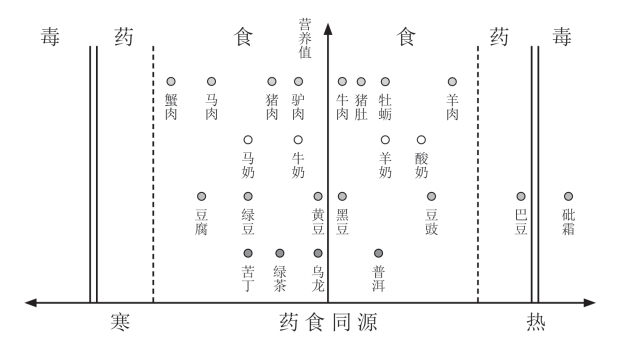
Figure 2-1: Schematic of the Differences Between Chinese and Western Medicine in Food Evaluation
Explanation: The vertical axis represents the Western standard of “nutrition”; the horizontal axis represents the Chinese medical standard of “nature and flavor.”
Examples:
(1) Dairy products (milk): Western medicine holds that the “nutrition” of milk from all species (cow, sheep, horse, dog, tiger…) differs only slightly — for example, the protein content of sheep’s milk is slightly lower than that of cow’s milk (by 12%). Yet the evaluation by Chinese medicine is vastly different: cow’s milk is on the “cool” side, which is why most people in the East often experience gastrointestinal discomfort after consuming it; sheep’s milk is slightly “warm,” and dog’s milk is even more “warm.” Tiger cubs raised in zoos are often not nursed willingly by their mothers; when keepers feed them cow’s milk, they frequently suffer diarrhea or even die prematurely. Switching to sheep’s milk improves the situation somewhat, but feeding them dog’s milk yields an extremely high survival rate, nearly identical to tiger’s milk. This demonstrates that the differences in “nature and flavor” among several types of milk are substantial.
(2) Tea: Whether black, dark, green, oolong, or scented tea… by Western standards the differences in “nutritional” value are also not great, but Chinese medicine’s understanding of them differs considerably: red, dark, and Pu’er teas are relatively “warm” compared to green and white teas because they undergo deep fermentation. Scented tea is made by infusing green tea with jasmine flowers; in addition to adding the fragrance of the flowers, it also moderates the cold and cooling attributes of the tea. Oolong, after semi-fermentation, apart from having a distinctive aroma, falls between red and green tea in terms of warmth and cooling, suiting the needs of the people of Fujian, Taiwan, and Guangdong. It should be pointed out that the Chinese medical value system is not immutable; it varies with differences in climate and region.
(3) Beans: Red, black, yellow, and green beans all have high nutritional content, and the differences in nutritional value are not large. But by the standards of Chinese medicine they are vastly different: soybeans belong to the “neutral” category, and eating them in quantity is harmless — though after being made into tofu, they become slightly cold in nature due to the addition of gypsum. Of course, after fermentation into fermented bean curd, its nature and flavor also change, becoming slightly “warm.” The most distinctive is the croton bean, which is an extremely “hot” and powerful purgative. When a patient suffers from constipation due to cold, doctors often prescribe croton bean (note: must be taken under a physician’s guidance), and drinking cool boiled water will stop the purging. That is to say, although all are “beans,” some are cold and cooling, some are “warm and hot,” and still others are extremely “hot” and toxic. The croton bean also has another name: “fat rat bean.” When Western medicine evaluates drug toxicity, it commonly uses the “animal model” method: feeding the drug to animals to determine the “lethal dose,” then calculating the “toxic dose” for humans based on the body weight of the experimental animals and humans. Croton bean is a poison, and by rights its safety threshold should be very low. But experiments show that when guinea pigs consume large quantities of croton bean, not only do they remain unharmed, but they actually grow fatter and fatter. The reason is that humans are animals that live under sunlight, whereas guinea pigs live underground during the day and only come out to be active at night — their pattern of yin-yang activity is exactly inverted relative to that of humans, and thus their attributes differ. How can experimental results from “rats” be used as the standard for “humans”!
In the author’s view, both the holistic perspective of Chinese medicine and the reductionism of Western medicine are crystallizations of human wisdom, and one should not favor one over the other for non-academic reasons. Otherwise, there will inevitably be regret over what has been overlooked. It is now quite clear that the shortcoming of Western medical reductionism lies in its disregard for the existence of the “self-organizing power” of the objective world, whether in the macrocosm or the microcosm (human life). It assumes that the methods used to study inanimate objects can also be applied to the study of life phenomena. Recently, it has even embarked on the so-called path of “precision medicine,” believing that research into life phenomena can achieve a degree of “extreme precision” and “extreme accuracy” — this is a misunderstanding. When “accuracy” rises, “precision” declines, and one moves further from the essence of life. As shown in Figure 2-2.
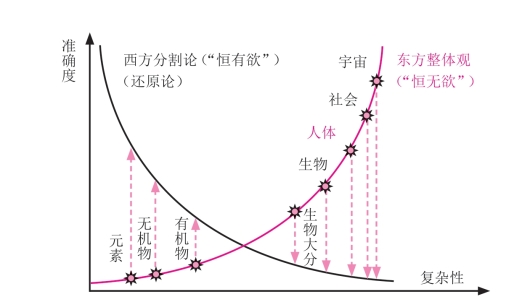
Figure 2-2: Comparison of the Methodologies of “Reductionism” and “Holism”
Of course, this is merely the author’s limited perspective and may not be comprehensive. The urgent priority is to remove the “barriers” of “those in power” and “those out of power” between Chinese and Western medicine, so as to avoid the situation in which, before Chinese and Western medicine have even been “integrated,” the Chinese medical value assessment system has already vanished — that would be a great pity!
(4) It defended the integrity of the academic system of original Chinese medicine, avoiding the fate of the entire academic system being dismembered. While distorting the theory of yin-yang and the five phases, Mr. Taiyan also urged the medical profession to abandon the five-phase theory in clinical practice, saying: can one really not treat illness without the five phases? Under his urging, the mainstream of licensed physicians responded one after another, forming a situation of “honoring only the Shanghan Lun and dismissing all other schools,” to the point of an abnormal state in which only the Shanghan Lun was recognized as the “orthodox path,” while the “organ theory” and “warm disease theory” were slighted. However, clinical practice demonstrated that this kind of “revolution,” which deliberately severed the intrinsic close connections among the various schools of thought, was fundamentally unfeasible. Four-fifths of the content in the Neijing is related to the five-phase theory; even in the Shanghan Lun, one-third of the content is related to it. As for yin-yang, it is something from which Chinese medical practitioners cannot depart for even a single step. Consequently, before long, the majority of licensed physicians rejected Zhang’s proposals.
Although resistance to Zhang’s proposal to dismember the Chinese medical academic system did not immediately rise to the level of theory, this conscious action by the mainstream of licensed physicians objectively averted the crisis of further loss of the precious resources of original Chinese medicine. After the founding of New China, it was the government-led policy of promoting “complete inheritance and systematic study” within the Chinese medical community that thoroughly resolved the problem of the inheritance and development of Chinese medicine.
In 1988, the author provided a detailed analysis of the origins and evolution of the five-phase theory in the article “The Hetu and Luoshu” (Zhonghua Qigong Xue, pp. 47–49), demonstrating the misunderstandings of the five-phase theory held by Mr. Liang Qichao and Mr. Zhang Taiyan. In fact, Yun Tieqiao, Yang Zemin, and Shi Yiren had already attained a profound understanding of this during the Republican period — there is no need to elaborate further here.
(5) The more important historical contribution of the debate on the Five Phases lies in its role as a bridge between past and future, continuing to demonstrate the modern value of the value-evaluation system of China’s originally created medicine. What is the core of this system? The answer is: “Dao”! What is the Dao of medicine? The Zhouyi answers thus: “What is called ‘sheng sheng’ is the Dao” (Zhouyi, “Xici zhuan,” Part One). The first character sheng means “to enhance” and “to maintain”; the second character sheng means vitality. The essence of the Dao-based value-evaluation system of Chinese medicine lies in how to maintain and enhance the vitality of human life. What is called “treatment” refers to the pharmacological or non-pharmacological measures adopted to maintain the vitality of the living organism. The Neijing classified these measures into six categories: acupuncture, moxibustion, bian-stone therapy, an-qiao massage, daoyin, and medicinal drugs—five-sixths of which are non-pharmacological methods.
What is science? Or, what is science? This question has confounded people for two hundred years, and much effort has been expended to answer it. In the late 1970s and early 1980s, a new discipline called “science of science” was even established for this purpose, meaning to explore what kind of learning “science” really is. The answers varied widely. In the author’s view, science is a worldview, a spirit, a pursuit—a spirit and pursuit that enables human knowledge to advance continuously, renew continuously, and enrich continuously. It is not a rigid, immutable textbook.
Therefore, at the beginning of the twentieth century, it was not at all surprising that some people proposed the abolition of Chinese medicine, for the “scientific knowledge” they possessed was insufficient to recognize the true essence of China’s originally created medicine. Mr. Liang Rengong lamented: “Chinese medicine can indeed cure diseases, yet one can never explain to others the reasons for its cures.” Mr. Hu Shi said: “Western medicine can clearly explain what illness one has contracted; even if it cannot cure it, Western medicine is scientific. Chinese medicine can cure his illness, but simply cannot clearly explain what illness one has contracted; therefore, Chinese medicine is unscientific.” Both of these worthies committed the same error, endowing “science” with the ossified standard of “absolute truth.” Had they been born half a century later, perhaps they would not have understood Chinese medicine in such a way.
In 1979, more than half a century later, astonishing developments emerged at the frontiers of modern science: the three great discoveries of relativity, quantum mechanics, and complexity science had rendered science almost “unrecognizable,” and the era in which “reductionism” held absolute supremacy had ceased to exist. The theory of Yin-Yang and the Five Phases was no longer merely a target of suppression; it could also become an important avenue for exploring the essence of human life. In March of that year, at the “Symposium on the Integration of Chinese and Western Medicine,” the author delivered a talk titled “The Methodology of Our Fatherland’s Medicine and Pharmacology,” in which diagrammatic presentations were used to introduce the “Set of Human Life Parameters” and the “Model Structure of the Chinese Medicine Pattern-Identification System,” as illustrated in Figure 2-3.
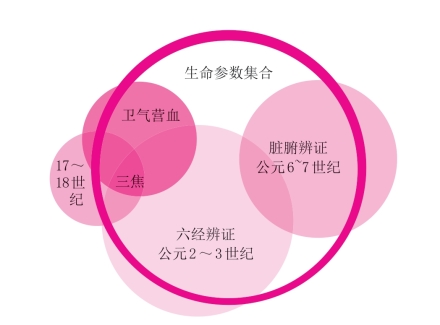
Figure 2-3 Model of the Chinese Medicine Pattern-Identification System
This diagram elucidates the composition of the methodology of Chinese medicine research—four types of system models: zang-fu pattern identification, Six Channels pattern identification, Wei-Qi-Ying-Xue pattern identification, and Triple Burner pattern identification, unfolding in temporal sequence. The zang-fu pattern identification derived from the Five Phases theory originated in remote antiquity: “The River produced the Diagram, the Luo produced the Writing, and the sages took them as models.” The “Hetu” (River Diagram) is the source of the Five Phases theory. The sages referred to here are Fuxi and Yu the Great. Fuxi created the “Eight Trigrams” based on the principles of the “Hetu,” and Yu the Great created the “Luoshu” (Luo Writing) building upon Fuxi’s achievements. The “Luoshu” perfected the Five Phases theory into its present form, predating the origin of the Five Phases theory as examined by Mr. Zhang Taiyan by at least three thousand years. The concept of Yin-Yang was invented with the “Eight Trigrams.” In the era of Yu the Great, the concepts of “Yin-Yang” and “Five Phases” were unified and developed into the form of today’s “Yin-Yang and Five Phases” theory. Therefore, we say that the “theory of Yin-Yang and the Five Phases” is the cradle of the holistic view of Chinese civilization. The “evidence” examined by Mr. Zhang Taiyan is at the very least open to suspicion of oversight. “Zang-fu pattern identification” is the invention of the Five Phases theory applied to the study of the laws of human life. This is entirely unrelated to the Five Phases theory of “the art of rulership” described by Zou Yan of the Warring States period as discussed by Taiyan, or the Five Phases theory of “divine right of imperial power” advocated by Dong Zhongshu. gentlemen such as Yun Tieqiao, Yang Zemin, and Shi Yiren had long ago pointed out that the “Five Phases” criticized by Mr. Zhang were “not the same Five Phases” as those of earlier times.
The pattern-identification model of the “Treatise on Cold Damage” invented by the medical sage Zhang Zhongjing was an invention built upon the foundation of the “theory of Yin-Yang and the Five Phases.” On this point, Zhang Zhongjing himself spoke without hesitation. In fact, a careful reading of the Shanghai lun and the Jingui yaolüe reveals that at least one-quarter of the content is related to the Five Phases theory. The statement cited by the grand master Zhongjing when discussing “Chinese medicine’s treatment of disease before it arises”—that “prolonged liver disease will inevitably transmit to the spleen”—is a typical example of this. Clearly, the “hasty” campaign initiated by Taiyan in his day to champion the Shanghai lun while attacking the Five Phases was not a wise move, and it was entirely detrimental with no benefits whatsoever to clarifying the origins and setting the record straight in the academic field of Chinese medicine.
As for “Wei-Qi-Ying-Xue” pattern identification and Triple Burner pattern identification, it is quite clear that they were rediscoveries rooted in the Shanghai lun. The goals underlying the invention of the four pattern-identification models were identical:
First, to recognize the holistic laws of human life: “Dao.”
Second, the fundamental of the Dao lies in “sheng sheng”: that is to say, all four system models recognized that the responsibility of medicine lies in enhancing and maintaining human “vitality” (a further discussion of what “vitality” is will follow). It was recognized that the task of medicine is to improve the quality of human survival, that it is the search for the elements of health. Therefore, what is pursued is the law of “yin being balanced and yang being maintained” in human life.
Third, the four models are closely related and inseparable, yet each has its own distinctly clear characteristics: zang-fu pattern identification has a broad scope of application, but its understanding of febrile diseases caused by cold damage is relatively coarse; cold damage pattern identification is rigorous in its reasoning and more suitable for the pattern identification of febrile diseases caused by cold damage; Ying-Wei-Qi-Xue and Triple Burner pattern identification are equally adept at pattern identification of heat syndromes, but are more concise and easy to understand.
Fourth, the Great Way is supremely simple: “Through simplicity, all the principles of the world are grasped.” All four pattern-differentiation models strive for clarity and ease of understanding. The six-meridian pattern differentiation has six subsystems in total; the organ pattern differentiation has only five subsystems; the nutritive and defensive qi-blood and three-burner pattern differentiations have even fewer, with only four and three subsystems respectively. With four concise pattern-differentiation models, one can discern the changing trends of vitality in the infinitely variable process of human life—this is the ingenuity of the Great Way being supremely simple. I recall that in the 1970s, when computing technology had already become highly advanced, some attempted to use it to build a pathological diagnostic model for hypertension. In theory, this seemed achievable, but there were as many as over nine hundred factors related to blood pressure, and a considerable number of them were “nonlinear.” In other words, the establishment of such a model would need to encompass over nine hundred “subsystems.” For this reason, even supercomputers were utterly incapable of completing the task.
Fifth, the debate on the Five Phases theory a century ago brought Chinese original medicine closer to modern science. As is well known, due to historical reasons, for a considerable period of time, Chinese original medicine lay far outside the purview of modern science. When Mr. Yu Yan challenged Chinese medicine a century ago, he did so under the banner of “science” and in the name of carrying out a “medical revolution.” What he did not know, however, was that science is not an eternally unchanging “result.” When he employed scientific achievements from a century or even two centuries ago as the “tribunal” for judging Chinese medicine, the scientific world had already undergone tremendous change. Classical science, guided by “reductionism,” had already yielded to the frontier of modern science, which takes “holism” as its main axis. The three major discoveries of the first half of the twentieth century had already made the world recognize that a system as complex as human life is a “self-homeostatic” organization, possessing a good capacity for “self-organization.” As far as human life is concerned, this ability maintains the smooth progress of the system’s normal “biochemical” processes, enabling the entire human life cycle of “birth, growth, full vigor, aging, and death” to be brought to a satisfactory completion. This deduction at the frontier of modern science is strikingly similar to the holistic view of Chinese original medical civilization. Professor Ilya Prigogine of the Free University of Brussels, Belgium, pointed out: “Science is now at the stage of ending the belief in the simplicity of the world; one should understand the whole from the interactions of its units… This new development in thought is closer to Chinese academic thought.” He specifically emphasized: “Traditional Chinese academic thought focuses on studying wholeness and spontaneity; studying coordination and harmony. The development of modern science… is all in conformity with Chinese philosophical thought.” He further predicted: “The excellent integration of Western science and Chinese culture with respect to wholeness and harmony will lead to a new natural philosophy and worldview.” Professor Prigogine was a leading academic figure in modern complexity science and was awarded the 1977 Nobel Prize in Chemistry (quoted from Lin Zhongpeng and Tao Zulai, Methodology of the Motherland’s Medicine and Pharmacology, 1979 mimeographed edition by the Beijing Three-Theories Research Group).
“Stones from other mountains may serve to polish jade.” The achievements at the frontier of modern science may perhaps promote the development of Chinese original medicine. The century-long debate on the yin-yang and Five Phases theories has reached no conclusion, and I think none is needed. The abundant fruits borne during the course of the debate have already spoken for themselves. “Peaches and plums speak not, yet a path forms beneath them of its own accord”—this is truly so.
This debate benefited not only Chinese medicine but the entire academic community of Chinese original medicine. As is well known, after the fall of the Ming dynasty in 1644, Chinese medicine was immediately dismembered. First, the specialty of “guidance and nourishment of life” was removed from the official medical sequence; in 1822, acupuncture was also expelled from the Imperial Medical Institute by the Daoguang Emperor. Guidance and nourishment of life is an academic treasure that explores the relationship between “spirit” and “life substance” within human life, and is one of the most meaningful discoveries of the holistic view of Chinese civilization. As the debate on the Five Phases theory deepened in the early twentieth century, the shackles that had been imposed upon it for over two hundred years were finally cast off. The fact that the academic research on the realm between form and spirit, represented by Mr. Jiang Weiqiao and Mr. Chen Yingning, flourished vigorously and spectacularly is clear proof of this. Their achievements attracted enthusiastic attention from the international academic community. In 1980, at the International Conference on the History of Science and Technology held in Edinburgh, England, Mr. Joseph Needham, author of Science and Civilisation in China, pointed out: “With regard to future developments in the mind-body correlation concept… the complex of ideas in traditional Chinese science will… play a greater role than people expect in the state of scientific development.” Chinese medicine relies on natural medicines to coordinate and maintain the “self-organizing capacity” of human life; whereas the disciplines of guidance and internal alchemy achieve the same purpose through the “medicine” of one’s own spirit. The two fields take different paths but arrive at the same destination; therefore, the outcome of their shared rise and fall together is inevitable.
(6) The debate over the theory of yin-yang and the five phases benefits not only the life sciences but may also have a positive methodological impact on the frontiers of modern science. Zang-fu pattern differentiation is only one of many diagnostic and therapeutic models in Chinese medicine. “Diagnosis and treatment” must meet two requirements: accuracy and simplicity. Zang-fu pattern differentiation has been proven over thousands of years of practice to possess considerable accuracy, yet it also has a number of shortcomings. For example, in the case of febrile diseases caused by cold damage, it is clearly insufficiently detailed, and the element of “speculative reasoning” is comparatively greater. Two thousand years ago, when Zhang Zhongjing developed the model of “six-meridian pattern differentiation,” he overcame the defects of the former, making diagnosis and treatment in Chinese medicine—especially for febrile diseases caused by cold damage—more accurate, and the shortcoming of “speculative reasoning” was thereby overcome. It is worth noting that the achievement of the “cold damage” model was not the result of “overthrowing” the five phases, but rather the “superposition” of the strengths of both. This ensured the preservation of the second advantage of diagnosis and treatment in Chinese medicine: simplicity. The five-phase model requires only five “subsystems,” and six-meridian pattern differentiation has only six subsystems. For a Chinese medicine practitioner with practical experience, distinguishing the appropriate model between the two is as easy as turning one’s hand. In this way, both the accuracy of diagnosis and treatment and its simplicity are maintained. “Six-meridian pattern differentiation” is a universally acknowledged model of rigorous thinking, but it is not without the defect of “speculative reasoning.” For example, in the pattern differentiation of the “Jueyin meridian” within six-meridian pattern differentiation, many experts find it difficult; but if supplemented with the understanding of five-phase pattern differentiation, one gains somewhat more room for maneuver when handling “principle, method, formula, and medicinal.” From the late Ming to the early Qing dynasty, Wu Youke, Ye Tianshi, and Wu Jutong made new contributions to pattern differentiation. Building upon the Treatise on Cold Damage, they established the more concise models of “wei, qi, ying, and blood” (four subsystems) and “triple-burner pattern differentiation” (three subsystems), making the treatment of febrile diseases caused by cold damage even more convenient. Since the founding of New China, the diagnostic and therapeutic models for cold damage and warm diseases have repeatedly performed extraordinary feats during periods when pestilence ran rampant, and this has a great deal to do with the “overlapping” application of these two types of models. When SARS raged in 2003, Chinese medicine once again distinguished itself. The “overlapping” of two types (three kinds) of models once more displayed its remarkable power. The “overlapping” of models constitutes mutual “supplementation,” not mutual “opposition,” still less mutual “negation.” Without question, the human body and life constitute a complex system, and the “set of parameters” of the entire system is extremely vast; achieving a comprehensive understanding is by no means easy. Our ancestors successively “overlapped” four system models with one another. The obvious advantages are: ① A marked improvement in the level of understanding of the “parameter set” of the entire human body and life. ② A reduction in “speculative” content divorced from practical experience. ③ The preservation of the advantage of continuity for the theoretical framework of traditional Chinese medicine, which is concise, easy to understand, and resistant to distortion.
This has important implications as a reference for research at the frontier of modern human life science. Without doubt, the life phenomena we will face in the future are all problems of complex systems. For a considerable period of time, we placed our hopes for solving such problems on increases in computing speed, believing that as long as computing speed improved, the problems could be solved. Practice has shown that this is not the case. Compared with forty years ago, the speed of our computers has increased by dozens of orders of magnitude, yet a program for pathological diagnosis in Western medicine still does not even have a shadow of existence. In the 1970s, the United States confidently proposed a white paper on conquering cancer, believing that the problem could be solved through fine structural analysis and rapid computation, but to this day it cannot be carried forward. For a somewhat simpler, localized life phenomenon—for instance, the aforementioned pathological model of hypertension—although over nine hundred human life factors related to blood pressure have been identified, which is much simpler than “cancer,” researchers to this day have not yet provided a “basic” explanation. The important reason lies in not understanding the “Great Way.” “The Great Way is of the utmost simplicity and ease.” “With simplicity and ease, the principles of the world are obtained.” We believe that if the frontier of modern science applies its efforts here, there will be a leap forward in development.
If you doubt this, let me cite only one piece of research work by the author forty years ago as evidence:
In June 1980, the annual meeting of the Analytical Chemistry Division of the Chinese Chemical Society was held in Lintong. The author attended the meeting and presented the research work “Fully Digitalized Expression of Dynamic Changes in Chemical Reaction Rates.” Without doubt, changes in “chemical reaction rates” are “nonlinear” processes of relatively high complexity. At that time, China’s computer computing speed was still quite inadequate; computing with “linear” models was already no easy matter, and “nonlinear” expression was fundamentally impossible. Inspired by the aforementioned approach in Chinese medicine pattern differentiation—using multiple “overlapping” models such as five subsystems (five-phase pattern differentiation), six subsystems (six-meridian pattern differentiation), and four or three subsystems (qi, blood, ying, wei, and triple burner) to express in a concise manner the extremely complex “set of human life parameters”—the method of “overlapping” several relatively simple “linear” models was adopted, and this research, originally thought impossible to complete, was accomplished. On June 14, 1980, the experts at the attending “enlarged standing committee meeting” reviewed and concluded: this paper is the first in China to use an electronic computer to express chemical reaction rates, and it was recommended for publication in the journal Analytical Chemistry (published on the first page of the paper in Analytical Chemistry, 1980, issue 7).
In the future, the objects studied by life science will inevitably be of far greater complexity. At present, computing technology has advanced by leaps and bounds and undergone enormous improvements. Nevertheless, even so, I believe that the “concise” and “easy to understand” epistemology of originally Chinese medicine will reduce the difficulty of studying the extremely complex phenomena of human body and life to the smallest possible degree.
During the century-long debate on the Five Phases, the most important achievement was nothing less than the rediscovery of the existence of the human body’s life homeostatic self-organizing capacity. Chinese original medicine does not contain the two terms “homeostasis” and “self-organizing capacity.” In the early twentieth century, frontier researchers in Western science broke through the shackles of the philosophical thinking of “reductionism” and, guided by “holism,” demonstrated the existence of “homeostasis” in complex systems, thereby recognizing the “self-organizing capacity” necessary to maintain this homeostasis. As an extremely complex system, the self-organizing effects of human life grandly entered the foremost frontier of science. This self-organizing effect was termed “self-recovery” or “self-healing power.” The Book of Changes, the Dao De Jing, the Inner Canon, and the Huainanzi are the great synthesizers of ancient Chinese civilization’s research into and understanding of this self-organizing capacity of human life; they are the foundational books from which Chinese medicine arose and developed. The debate on the Five Phases promoted the exchange between Eastern and Western scientific methodologies. The “Way of Generating Life” followed by ancient Eastern medicine has become a path that all of humanity must attend to in order to improve the quality of survival. In 1934, Mr. Yu Yunxiu launched another attack, calling in the name of “science” for the abolition of Chinese medicine (“The True Meaning of Making Medicine Scientific,” Yu Yunxiu, Chinese Medical Journal, 1934, Vol. 20), while at this same time, Daoist alchemy researcher Shi Yide published “Going to the Four-Element Universe,” where the so-called “yuan” (元) was the customary term for what is today called “dimension” (维). The editor of the Yangshan Semi-Monthly that published this article, the renowned Daoist alchemy researcher Mr. Chen Yingning, wrote an editorial note, dated 1936. Whether by coincidence or not, both invoked the name of “science.” The difference is that the science upon which the former relied was outdated science, whereas the latter represented the contemporary scientific frontier. In 1983, the author, following the guidance of medical predecessors to “elucidate ancient principles and integrate new knowledge,” combined the “ancient principles” and “new knowledge” he had understood into a single diagram to express his understanding of the human body’s life homeostatic self-recovery capacity (Fig. 2-4).
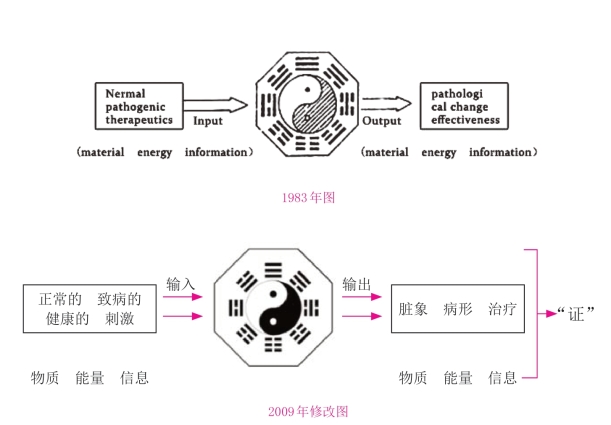
Figure 2-4 Schematic of the Life Holographic Model of Chinese Original Medicine
(From Lin Zhongpeng, Proceedings of the Seventh International Conference on Rare Earth–Cobalt Permanent Magnets and Their Applications, P143, Science Press, China, 1983)
Its key points are:
(1) It encompasses the known sets of life parameters from the four syndrome-differentiation models in the preceding diagrams.
(2) It covers the aforementioned unknown sets of life parameters.
(3) It accommodates potentially superior syndrome-differentiation models that may be innovated in the future.
(4) It eliminates the unfounded “speculative” content inherent in the conceptualization of all syndrome-differentiation models.
This diagram was republished with slight modifications and supplementary explanations:
(1) The “Pre-Heaven trigrams” are used as an expression of the full content of the “Way of Generating Life.” The “Post-Heaven trigrams” are implicitly contained within.
(2) It is inappropriate to name trigram diagrams using “Pre-Heaven” and “Post-Heaven,” because there are no trigrams in the “Pre-Heaven” state; both trigram sets are Post-Heaven trigrams, and they should therefore be called the “Completion trigrams” and the “Generation trigrams.” This will be explained in detail later.
(3) In modern times, people often substitute “yin-yang balance” for “yin ping yang mi” (yin being harmonious, yang being consolidated), which is inappropriate. The so-called balance means “half a pound and eight taels”—that is, exact equivalence—which departs far from the original meaning. The phenomena of human life constitute an “irreversible process far from equilibrium”; “yin-yang coordination” would be more appropriate.
(4) On the right side of the diagram, “zheng” (证, syndrome-evidence) is evidence; it is the sum of “zheng” (症, symptoms) and “zheng” (正, normality). “Zheng” (症) is evidence of abnormality in human life, while “zheng” (正) is evidence of normality. The so-called “syndrome differentiation” (辨证) means differentiating the “degree of normality” of the life self-healing power.
Since 1906, when Einstein successfully employed the multidimensional mathematical formulation derived by Riemann and Minkowski in the Theory of Relativity, academia has almost universally regarded Riemannian multidimensional mathematics as the sole mode of “space-time” expression. However, people are unaware that as early as a thousand years ago, Shao Kangjie of the Northern Song dynasty had already invented a method of joining the “Fu Xi Eight Trigrams Diagram” and the “King Wen Eight Trigrams Diagram” to successfully express the concept of space-time, which not only bears a remarkable similarity to Minkowski’s multidimensional mathematics but also possesses additional unique value. In 1984, we expressed Shao’s Changes diagrams in multidimensional mathematical form (Fig. 2-5, published in the 1984 Teaching Materials for the First Chinese Qigong Scientific Theory Seminar (Eighteen)); in 2009, after appropriate modifications, we found that Shao’s expression offers a more concise and readily comprehensible understanding of the formation of the human life “homeostasis” and the changes in its “self-recovery power.” The explanatory diagrams are shown below in Figures 2-6 through 2-12.
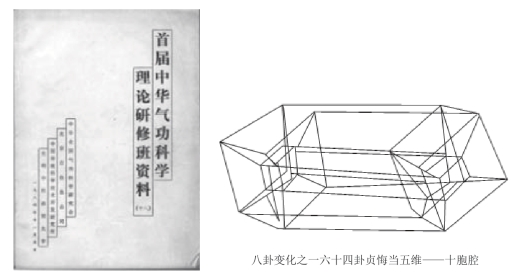
Figure 2-5 Changes of the Eight Trigrams expressed in multidimensional mathematical form: “doubling them thereby” yields the sixty-four hexagrams
(1) On the left side of Figure 2-6 is the “Fuxi Hexagram Diagram,” and on the right is the “King Wen Hexagram Diagram,” both quoted from Zhu Xi’s Zhouyi Benyi. Traditionally, the diagram on the left has been called the “Pre-Heaven Hexagram,” and the diagram on the right has been called the “Post-Heaven Hexagram.” The Daodejing points out: “There is a thing confusedly formed, born before heaven and earth…” This “thing” is indistinct and shadowy, seeming to exist and yet not exist. It also says of this thing, “Above it is not bright, below it is not dark,” which means it is neither yin nor yang, similar to the concept of the “quantum” explored at the forefront of today’s science. The Daodejing further points out that this “thing” “born before heaven and earth” became today’s material world through “the Dao gives birth to one, one gives birth to two, two gives birth to three, three gives birth to all things.” Before “three gives birth to all things,” not even heaven, earth, stars, or constellations existed, so where could “hexagram images” come from? The “Pre-Heaven” lacks things, and therefore there cannot be “hexagrams.” In fact, both hexagram diagrams are “Post-Heaven Hexagrams.” The difference is that the diagram on the left expresses the “phased nature” of the evolution in the long river of “time” after the generation of the universe, while the diagram on the right expresses the “dynamic nature” of the changes in cosmic space-time. The former is “static,” and the latter is mainly “dynamic”; the latter governs the “generation” of the universe, and the former governs the “completion” of the universe. “Generation” and “completion” transform into each other, changing ceaselessly. If one must provide a simplified expression for the names of the two hexagram diagrams, then the Yi diagram on the left can be called the “Completion Hexagram,” and the one on the right can be called the “Generation Hexagram.”
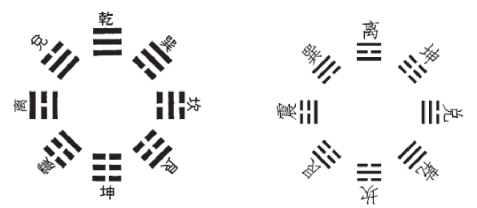
Figure 2-6 Fuxi Hexagram and King Wen Hexagram (“Completion Hexagram” and “Generation Hexagram”)
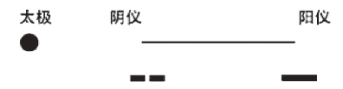
Figure 2-7 Zero-dimensional and one-dimensional representations of the Eight Trigrams: “In the Yi there is the Great Ultimate, which generates the two forms”
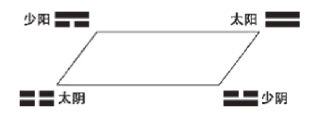
Figure 2-8 Two-dimensional representation of the Eight Trigrams: “The two forms generate the four images”
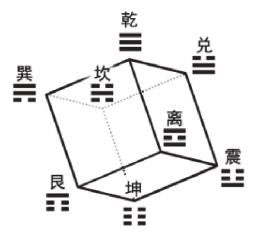
Figure 2-9 Three-dimensional representation of the Eight Trigrams: “The four images generate the Eight Trigrams”
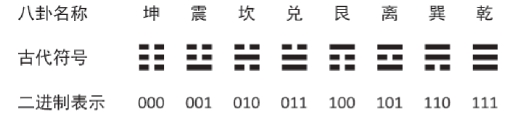
Figure 2-10 Trigram symbols and sequence of the Eight Trigrams
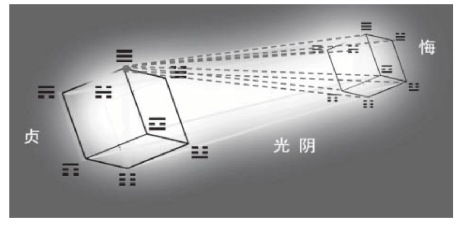
Figure 2-11 Evolution diagram of the sixty-four hexagrams of the Eight Trigrams: “duplicating them” yields the sixty-four hexagrams
(2) Figure 2-9 is a multi-dimensional geometric expression of the Fuxi Hexagram. The two seem quite consistent, but in fact, the differences are very large.
-
The first difference is that the three-dimensional image expressed in the Yijing distinguishes between yin and yang, whereas a “pure” three-dimensional composition has nothing to do with “yin and yang.”
-
There is more than one type of pure three-dimensional composition, including the regular quadrilateral (three-dimensional four-cell), cylindrical, spherical, etc. However, what is expressed in the Yijing is only the “square” (three-dimensional twelve-cell).
-
What multi-dimensional geometry expresses is pure “mathematical meaning,” whereas what the Yijing expresses is “physical meaning.”
(3) Figure 2-11 is a “four-dimensional model” expressed by moving the three-dimensional geometry shown in Figure 2-9 along the fourth dimension. It is vastly different from the “cosmic model” expressed by the “Completion Hexagram” and “Generation Hexagram,” detailed as follows.
-
The fourth dimension of the latter is the “time dimension,” which in ancient China was called “guangyin” (time). Therefore, the latter can be called a “cosmic model.” “Yu” (space) refers to up and down, front and back, left and right, and “zhou” (time) refers to past, present, and future (according to the Shizi). In contrast, the fourth dimension of Minkowski’s four-dimensional model is “postulated” as the time dimension.
-
The eight “poles” of the first “three dimensions” of the “four-dimensional expression” are mathematically isotropic and do not contain any “physical meaning.” That is to say, they are all “identical” with no differences. However, the eight three-dimensional “poles” represented by the “Completion Hexagram” (Figure 2-9) each have different “physical meanings” with clear primary and secondary statuses—that is, the “hexagram images” are different. Therefore, when the “Completion Hexagram” moves along the “time dimension” (guangyin dimension), the primary and secondary order of the “hexagram images” shifts, transitioning from the “Completion Hexagram” dominated by “Qian and Kun” to the “Generation Hexagram” dominated by “Kan and Li.” The “Completion Hexagram” expresses a “stable state” of a “phased nature,” while the “Generation Hexagram” expresses the continuous “moving state” of the “cosmic model.”
-
“Completion” → “Generation” → “Completion” → “Generation,” and so on to infinity. The two sets of Eight Trigrams, “Generation” and “Completion,” express the ceaseless entire process of “continuity” and “phased nature” of cosmic changes.
-
The expression of the sixty-four hexagrams derived by King Wen in the Yi is the expression of the “cosmic model” reaching a new stable state after a complete “Completion → Generation” cycle. The eight sets of hexagram images of the preceding “Completion Hexagram” all have an influence on all eight sets of hexagram images of the subsequent “Completion Hexagram,” thus forming a combination of sixty-four types of hexagrams.
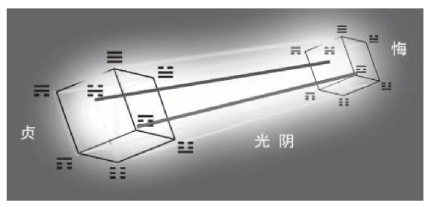
Figure 2-12 Multi-dimensional synchronous expression of Pre-Heaven and Post-Heaven Hexagrams: “Pre-Heaven” is manifest, “Post-Heaven” is latent
- Einstein used the derivation of Riemann’s and Minkowski’s multi-dimensional mathematics to complete the great discovery of the theory of relativity. Riemann and Minkowski deserve considerable credit, but multi-dimensional mathematics is, after all, merely a mathematical tool and cannot be spoken of in the same breath as Einstein’s great achievement. Stones from other mountains may serve to polish jade. Borrowing the inventions of multi-dimensional mathematics to deepen our understanding of Chinese original civilization is a good choice. However, “capability” is, after all, limited. In the sequence of “completion” → “generation” → “completion,” the stage of “completion” can still, albeit barely, be expressed, whereas the entire process of hexagrams proceeding from completed hexagrams → generated hexagrams → completed hexagrams → … cannot be expressed. The reason is that what the “Eight Trigrams” express is the “physical” transformation of things, whereas what “four-dimensional geometry” expresses is the transformation of “pure numbers.” In the sequence “completed hexagrams → generated hexagrams → completed hexagrams → …,” each of the eight groups of hexagrams in the preceding completed hexagrams exerts an influence on each of the eight groups of hexagrams in the following completed hexagrams, as shown in Figure 2-12. Therefore, each of the eight groups of hexagrams in the following completed hexagrams contains the influence of every group among the eight groups of the preceding completed hexagrams. Thus, in reality, the following “completed hexagrams” are formed through the superposition and combination of the influences of the preceding and following completed hexagrams. This is the origin of the sixty-four hexagrams of the Book of Changes. “Four-dimensional geometry,” on the other hand, has great difficulty expressing this kind of “spatiotemporal superposition of subsystems” within a system.
Although we cannot yet say with certainty that the expression of the “Taiji model” is necessarily superior to the “multi-dimensional set model,” it can be affirmed that it is far more concise and easy to understand. On the right side of Figure 2-6 is the Post-Heaven trigram (generated trigram); on the left side is the Pre-Heaven trigram (completed trigram). These two diagrams of the Changes can express the “Way of ceaseless generation” of the cosmos (including both the macrocosmic great cosmos and the microcosmic small cosmos of the human body). Before 2500 BCE, the Huaxia ancestors proceeded from the “River Diagram” to “Fuxi’s creation of the trigrams”; before 2200 BCE, they proceeded from “Fuxi’s trigrams” to the “Luo River Writing,” completing the invention of the “Yin-Yang and Five Phases” theory; subsequently, around 1200 BCE, “King Wen was imprisoned and expanded the Changes,” completing the establishment of the sixty-four hexagrams (see Zhonghua Qigong Xue P40–P57); approximately 2,500 years ago, the author of the Commentary on the Changes (Yizhuan) provided textual positioning for “Fuxi’s Eight Trigrams” and “King Wen’s Eight Trigrams.” The former: “Heaven and Earth determine positions; mountains and marshes exchange breaths; thunder and wind stir each other; water and fire do not conflict; the eight trigrams interlock.” The latter: “The Lord comes forth in Zhen, is aligned in Xun, is seen in Li, is served in Kun, is spoken of joyfully in Dui, does battle in Qian, toils in Kan, and is completed in Gen.” Approximately one thousand years ago, Shao Kangjie made a major development, translating the above text into diagrams of the Changes. Zhu Xi standardized them approximately eight hundred years ago, and they took on the form shown in Figure 2-6. We believe that the renewed understanding of the Pre- and Post-Heaven trigrams (generated trigrams and completed trigrams) has already raised Chinese civilization’s understanding of the holistic view of the cosmos to a new level.
Over the past century, the academic community’s debates over the rights and wrongs of the Yin-Yang and Five Phases theory extended to discussions of whether or not the “homeostasis” of human life exists, and then to the recognition of the “self-organizing capacity” necessary to maintain such “homeostasis.” This signifies that the beautiful aspiration to “make the ancient meanings luminous and integrate new knowledge” is no longer an empty phrase.
II. Sitting Meditation Done Properly Passes Down the Torch
The debate over the Yin-Yang and Five Phases theory ultimately deepened into a discussion of the “self-organizing capacity” of human life, and the strength of this “self-organizing capacity” is determined by the degree of coordination between “form” and “spirit.” What does Chinese medicine do? The “diagnosis” of Chinese medicine is the study of finding evidence that the self-organizing capacity (“spirit”) has deviated from its proper course. Therefore, Chinese medical diagnosis is “pattern differentiation” (bianzheng) and does not require finding a “disease.” What does the “treatment” of Chinese medicine do? It finds the direction and degree of the “spirit’s” deviation and then “corrects” it. Therefore, any medicine that can persist in doing so belongs to the category of Chinese original medicine. For this reason, the Huangdi Neijing: Suwen points out that the scope of Chinese “therapeutics” includes six disciplines: “needling, moxibustion, stone-needle therapy, massage and manipulation, guiding and pulling, and medicinal drugs,” commonly known as the “Six Arts” of Chinese medicine. This is because all of the “Six Arts” aim at safeguarding the normal operation of the “spirit.” The core of the Huangdi Neijing: Suwen is precisely to elucidate in theory the principles of how to safeguard the self-organizing capacity of human life.
-
“Follow the patterns of Yin and Yang, and harmonize with the arts of calculation.” The so-called “Yin and Yang” refers to the patterns of spatiotemporal change in the “external environment” of the human life system; the so-called “arts of calculation” (shushu) refers to the methods of detailed recognition of these patterns of change. For example: the four seasons of the year, where the “heavenly qi” and “earthly qi” of the different solar terms of spring, summer, autumn, and winter contend with each other to form the patterns of climatic change. How human behavior and lifestyle should adapt accordingly and be coordinated with these changes—so as to achieve “avoiding deficient pathogens and pernicious winds at the proper time.” One should not allow one’s self-organizing capacity to suffer unnecessary harm.
-
“Tranquil, indifferent, empty, and non-existent, the true qi follows along.” Because “when the mind is clear, desires are few; when the mind is at peace, there is no fear.” Add to this “finding one’s food delicious, being content with one’s clothing, and delighting in one’s customs”—that is, eating coarse food and wearing plain cloth, feeling happy regardless of whether circumstances are favorable or unfavorable. This is the “secret” for the self-organizing capacity of human life to avoid being harmed. As long as one does this, one can achieve “form and spirit together, thereby living out one’s full natural lifespan.” What is spoken of here is that the coordination of “spirit and form” is an indispensable condition for health and longevity. How can this be achieved? Over thousands of years, our forebears produced a rich and colorful elaboration on the coordination between “spirit” and “form,” and practice has proven that the results of these studies are highly effective, leaving behind an extremely precious treasure for humanity.
Among the “six arts” of Chinese therapeutic studies, five of the six are non-pharmacological therapies, while pharmacological therapy accounts for only one. Among the five non-pharmacological therapies, there is only one method that relies entirely on the application of one’s own consciousness, without depending on any form of external assistance, to achieve the protection and restoration of the “self-organizing capacity” — daoyin. Therefore, from ancient times through every successive dynasty, daoyin has been highly valued by sages and men of lofty ideals, forming a distinct field of learning. Ancient Chinese Daoyin Studies has already summarized these achievements, and they will not be repeated here. Over the millennium from the Sui to the Ming dynasties, “daoyin” was a mainstay of the official medical establishment, constituting one of the thirteen departments of the Imperial Medical Academy. It was not until the Manchu Qing dynasty took control of the Central Plains that, along with the castration of many achievements of Chinese medical civilization, the “five arts” among the “six arts” were also abandoned. By the late Qing, the discipline of “daoyin for health cultivation” had nearly lost all its heirs. With the fall of the Qing dynasty, it was given new life under the advocacy of many people of insight. Among them, two former worthies — Jiang Weiqiao and Chen Yingning — deserve the greatest credit.
Jiang Weiqiao (1873–1958), a native of Wujin, was an educator; many of the textbooks from the period before and after the Republic were produced by his hand. Although he achieved great accomplishments in both Buddhist studies and philosophy, what brought him nationwide renown was a qigong work, Yinshizi’s Method of Quiet Sitting. Published in 1914, the book went through six printings in succession, causing a sensation across the nation, and even among Chinese communities in Southeast Asia, Europe, and America. In 1918, he became a disciple of Master Dixian and practiced the Tiantai school’s method of śamatha-vipaśyanā; in 1922, he compiled the Sequel to Yinshizi’s Method of Quiet Sitting, and later studied Buddhist logic (hetuvidyā) with Master Taixu. At the age of fifty-four, he followed Ācārya Chisong in practicing the eighteen paths of Eastern Esoteric Buddhism, but without success. At sixty-one he again practiced this method under Guru Nuona, and in the spring of his sixty-fifth year (1937), he studied “Western Esotericism” in Nanjing under Guru Shenglu and underwent “crown opening.” In 1947 (at age seventy-five), he practiced the “Tibetan Esoteric Mahāmudrā” under Guru Gongga, and subsequently wrote a further sequel to his quiet-sitting method, Discussions on Hygiene Experiments, published in Hong Kong. Appended to the work were three texts: the first, an account of the experience of practicing the quiet-sitting method, written by Lu Huaidao; the second, Jiang Weiqiao’s newly authored Essentials of Buddhist Studies; and the third, Essential Secrets of Quiet Sitting, written by Yuan Liaofan of the Ming dynasty. Evaluations of Mr. Jiang’s Yinshizi’s Method of Quiet Sitting have long been a subject of considerable debate: among most members of the intellectual community, positive assessments have predominated, with some even considering Jiang “the first person in China to advocate a scientific method of quiet sitting.” Of course, there were also many dissenting voices. After the May Fourth Movement, Jiang went to work in Beijing and was invited to lecture on the “method of quiet sitting” at Peking University, where he was warmly received. However, some people believed that he was using the banner of science to promote the dregs of traditional Chinese culture. Mr. Lu Xun published an article in New Youth in 1919, accusing Jiang Weiqiao of “telling ghost stories, dragging science in haphazardly, and infusing science itself with a demonic aura,” though the majority expressed approval. The prominent democratic figure Zhang Naiqi recalled in his Autobiography at Seventy: in 1918 he contracted a gastric ulcer, and soon afterward pulmonary tuberculosis; when neither Chinese nor Western medicine proved effective, he studied Yinshizi’s Method of Quiet Sitting and recovered after half a year. In 1927, suffering from neurasthenia and fainting spells, he again practiced boxing for three months and cured himself, whereupon he wrote the book The Scientific Basis of Internal Martial Arts. In that book he introduced Jiang as follows: “Mr. Jiang Weiqiao is a representative figure among those determined to explain quiet sitting in scientific terms while simultaneously eliminating superstition; his Yinshizi’s Method of Quiet Sitting was once widely circulated.” On August 25, 1966, Zhang was whipped continuously for seven days with steel wire wrapped in rubber; after regaining consciousness from his coma, he immediately began using qigong for self-treatment. His Autobiography at Seventy provides a detailed and rather remarkable account of his experience of practicing to save himself in peril. Mr. Guo Moruo was also quite appreciative of Mr. Jiang’s method of quiet sitting. Mr. Guo later recalled: in 1927, while retreating southward from the Nanchang Uprising toward Guangzhou, Guo contracted a serious illness and came close to death nine times, in conditions where doctors and medicine were scarce. It was by relying on the method of quiet sitting he had learned that he survived the crisis.
Surprisingly, it was the Buddhist community that most harshly criticized Mr. Jiang’s method of quiet sitting. The year after publishing Yinshizi’s Method of Quiet Sitting, Mr. Jiang took refuge in the Buddhist faith and became a disciple of Dixian, compiling the Sequel to Yinshizi’s Method of Quiet Sitting based on the Tiantai school’s Śamatha-Vipaśyanā for Beginners and the Sequential Methods of Dhyāna Pāramitā. Unlike the “main volume,” the sequel was suffused throughout with “the radiance of Buddhism.” Thereafter he immersed himself even more deeply in the practices of Eastern and Western Esoteric Buddhism. In 1933 and 1947, he successively received advanced training in the Tibetan Esoteric practices of “crown opening” and “Mahāmudrā,” and on that basis compiled a second sequel, Discussions on Hygiene Experiments — an entirely Buddhist lay devotee’s tableau — yet unexpectedly found himself subjected to the criticism of Buddhist scholars. The reasons for this involve disagreements among the various Buddhist schools and are not convenient to elaborate upon. Even the recent Buddhist scholar Mr. Nan Huaijin wrote an article informing the public that “(among works such as Yinshizi’s Method of Quiet Sitting and others) if one were to say which single book could serve as the most reliable preliminary guide, none of them is truly suitable.” Though his wording was vague, his meaning was clear: Mr. Nan believed that this book could only be called “a record of Mr. Jiang Weiqiao’s personal experience, or one might say a faithful account of his reactions to learning ‘quiet sitting,’ offered for everyone’s reference, but by no means an infallible golden rule, much less an immutable law…” Otherwise, “the drawbacks would surely outweigh the benefits, producing the opposite of what was intended” (see Mr. Nan’s Quiet Sitting, Cultivating the Way, and Longevity). The criticism could hardly be called mild. Similar views were numerous. How to assess the merits and shortcomings of Yinshizi’s Method of Quiet Sitting would appear to be a complicated question.
In my view: ① Looking at it historically. As a treasure of Chinese civilization, it had been severed by the Qing dynasty for over a hundred years. Jiang took the lead in advocating its restoration, and with one call a hundred responded; his contribution is undeniable. ② Looking at the practical results. This method is simple and easy to practice, with clear effects in preventing and treating illness, and therefore it is warmly welcomed by the general public—an indisputable fact. ③ He practiced what he preached, using accessible language to convey the insights from his own years of practice, thereby convincing readers and letting the world know that ancient China possessed such an outstanding medical treasure. ④ He strove to use the scientific knowledge of the time to explain the value of the millennia-old method of seated meditation, and sought to avoid the inherently bewildering mystical coloring. Although these “scientific formulations” have many problems, this spirit of pursuing science is quite admirable. Thanks to Mr. Jiang’s outstanding contributions, after the book was published it was immediately reprinted six times, and by the early 1950s, the book had been reprinted dozens of times, with many patients suffering from intractable diseases (such as pulmonary tuberculosis) benefiting from it. Therefore, Mr. Jiang’s historical contribution is indelible.
Mr. Jiang Weiqiao’s Yinshizi Jingzuo Fa (The Method of Seated Meditation by Master Yinshi) also has quite a few shortcomings, the greatest problem being that the purpose of writing the book is unclear: was it to promote the value of China’s originally created medical health training method, or to glorify the significance of Buddhist Dharma? The 1914 edition of Yinshizi Jingzuo Fa posed no problem—it was the former. In his youth, Jiang’s health was extremely poor, to the point that he became emaciated, and prolonged use of both Chinese and Western medicine showed no effect. His father then gave him a copy of Yifang Jijie (Collected Explanations of Medical Prescriptions), and he practiced on and off according to the book, beginning formal practice at age seventeen with great success. After marrying at age twenty-two, his old illness recurred; at twenty-seven he contracted pulmonary tuberculosis and coughed up blood, whereupon he resolved to practice diligently, and within a short time recovered. From then on he practiced ceaselessly and enjoyed robust health. At age forty-one he wrote the book Yinshizi Jingzuo Fa. Counting from the day he obtained the book, he had over twenty years of practice experience, during which all sorts of physical changes were recorded clearly and in detail. It is evident that the author of this book was a self-taught man of honest character, which aroused intense public attention. Since tuberculosis had no pharmacological cure at the time, the publication of this book became the greatest blessing for patients. In this sense, the goal of this book was quite clear: to cure illness and strengthen the body. Why, then, is the goal said to be “unclear”? The problem arose in the year following the book’s publication, when Mr. Jiang took refuge in Buddhism. After studying the Tongmeng Zhiguan (Zhiguan for Beginners) and the Liumiao Famen (Six Subtle Dharma Gates) under Dixian, he wrote a “sequel” the following year, but continued to use the book title Yinshizi Jingzuo Fa. As previously noted, Mr. Jiang’s insights in the “main text” came from his practical experience with the Daoist Yifang Jijie, whereas the sequel derived from insights drawn from Buddhist learning. What is the relationship between the two? Is it grafting one onto another, or ascending to a higher level? This probably must be discussed starting from the introductory book of the main text, Yifang Jijie, and its author.
The author of Yifang Jijie was the renowned physician Wang Ang (1615–1694) of the late Ming and early Qing period. After the fall of the Ming, he abandoned Confucian studies for medicine. Throughout his life he was modest and earnest in seeking truth, and ultimately achieved tremendous accomplishments, making him one of the handful of pivotal figures in the history of Chinese medicine’s development. Yifang Jijie was one of his important works, and appended to the end of the text was a volume titled Buyao Yuanchuan (Essential Teachings Without Medicine), which provided a concise, accessible, and systematic introduction to the essence of qigong, daoyin (guiding and pulling exercises), and dietary therapy from ancient times to the present. Wang Ang was therefore naturally regarded as a great master of yangsheng (nourishing life). It was entirely fitting that Mr. Jiang achieved impressive results through diligent practice of it, and thus when the “main text” was published, it was welcomed by the public—as was only natural. What is surprising, however, is that aside from vaguely mentioning the four characters of Wang Ang’s book title in his early preface (1917), Mr. Jiang gave no further explanation whatsoever. In contrast to the “main text,” the “sequel” went on at great length, tirelessly recounting stories of the Buddhist Tiantai school and promoting the contents of the Xiao Zhiguan (Lesser Zhiguan) and the Liumiao Famen, leading uninformed readers to believe that Buddhist Dharma was the backbone of Yinshizi Jingzuo Fa, while the Buyao Yuanchuan—which embodies the essence of China’s originally created medicine—was relegated to an insignificant supporting role. Did the publication of the “sequel” “add brilliance to what was already splendid”? The Xiao Zhiguan and Liumiao Famen are, after all, an introductory method of “gathering the mind” from one school of Buddhist Dharma. Although they share certain similarities with traditional medical qigong, they differ considerably from medical qigong, which is specifically designed for preventing and treating illness. Whether the two can be practiced in combination is something no one can affirm with certainty. Mr. Jiang’s experience derived solely from traditional medical qigong, and he provided no evidence as to the therapeutic effects of practicing Tiantai Buddhist Dharma. Therefore, it is difficult to believe that the “sequel” held the significance of “adding brilliance” to the seated meditation method. Mr. Nan Huaijin’s criticism hit the nail on the head.
In 1954, Mr. Jiang introduced yet another “further sequel,” Weisheng Shiyan Tan (Discussions on Hygiene Experiments), still using the title Yinshizi Jingzuo Fa. This book departed even further from the goal of the “main text.” This volume was likewise a work promoting Buddhist Dharma, but what differed was that what it extolled was the even more esoteric learning of “Esoteric Buddhism,” including “Eastern Esotericism” (Dongmi) and “Western Esotericism” (Ximi). The most engrossing parts were his records of his experience practicing Ximi powa (i.e., the Chinese term “opening the crown”) for eighty-five days in 1933, and his experience studying “Tibetan Esotericism Mahamudra” in 1947. By this time, Mr. Jiang was already a devout Buddhist, and therefore his experiences with the various schools of Buddhist Dharma deserved respect. What is incomprehensible, however, is that for such significant Buddhist insights, he insisted on continuing to use the name Yinshizi Jingzuo Fa, which was purely an honest record of Daoist experience in healing and saving people. In 1927, Mr. Zhang Naiqi wrote an article that, while fully affirming Mr. Jiang’s historical contributions, publicly raised questions about certain shortcomings in Mr. Jiang’s “seated meditation method.” He said: “In fact, the aspects of his theory that can be criticized go far beyond this. Those who dispel superstitions often propagate new superstitions—this happens time and again.” Mr. Zhang’s criticism was both sincere and profound.
Although the two “sequels” lose considerable points, one still holds deep respect for the publication of the main text of Yinshizi Jingzuo Fa (Master Yinshi’s Method of Sitting Meditation). It is a masterwork that rescued an imperiled, essential component of indigenous Chinese medicine, enabling it to successfully carry forward the heritage and open new paths. As for the two “sequels,” they are not entirely without merit either; they “popularized” for us elementary knowledge of Buddhist cultivation.
III. Modern Dan Dao Continues Its Splendid Chapter
Chen Yingning (1880–1969), a native of Huaining County, Anhui Province, was the most important Daoist studies scholar of the twentieth century. In childhood he was frequently ill, and a doctor diagnosed his condition as “consumption of youth,” incurable by medicine. He suspended his schooling and studied Chinese medicine under his grand-uncle. He happened to read a medical book that contained methods of immortalist self-cultivation, and so he followed along and practiced. At first he saw no results, but having no other method, he could only persist reluctantly. Later his body gradually improved—this was the starting point of his cultivation of immortalist learning.
From age twenty to twenty-seven, in addition to Chinese medicine and immortalist self-cultivation methods, he also studied books on science and philosophy. From twenty-eight to thirty-one, his old illness recurred. Knowing that the self-cultivation methods he had learned were insufficient to ward off disease, he traveled extensively across various regions seeking teachers and pursuing the Dao. From thirty-two to thirty-five, he spent three years reading through the entire 5,480-volume Daozang (Daoist Canon). Since the Ming dynasty’s Zhengtong era compilation of the Daozang, he was the first person to have read the entire work. From forty-three to fifty-three (1922–1932), he practiced and cultivated “external alchemy” and conducted several hundred experiments. In July 1933, under the direction of Mr. Zhang Zhuming, the Shanghai Yihuatang Shan Shu Ju (Shanghai Yihua Hall Charitable Books Bureau) founded the Yangshan Banyuekan (Semimonthly Journal for the Promotion of Goodness). During the five years from its inaugural issue to its cessation of publication (it ceased publication on August 1, 1937), Mr. Chen Yingning used the journal as a platform to unite a group of scholars within the country devoted to the study of Daoist learning, striving to promote the splendid treasure of Chinese Daoist civilization, and making contributions to reviving the endangered art of Chinese civilization. With his outstanding knowledge of Daoist learning (both theoretical and practical), his profound understanding of traditional Chinese medicine, and his keen perception of the scientific spirit of the age, Mr. Yingning became the natural leader of this group of academic elites. In particular, his constant patriotic zeal to protect the Dao, and his consistent spirit of valuing both theory and practice equally, made him the undisputed most important Daoist studies scholar of the twentieth century.
Mr. Yingning made numerous academic contributions. He said: “There are no immortals who do not read books.” Accordingly, he paid special attention to the collection, organization, and compilation of Daoist literature, and expressed it in fresh and, as far as possible, plain language. He endeavored to convey the Daoist achievements of former sages to modern readers. The characteristics of his writings are as follows.
-
A high academic starting point. During the Qing dynasty, under the direction of the highest ruling authorities, Daoism and the Daoist cultural tradition it carried suffered severe devastation. From the Republican era onward, as Western learning spread eastward, Daoism suffered multiple blows and was on the verge of extinction. The academic elites represented by Chen Yingning held that: “Daoism is the repository of the spiritual life of the Chinese nation; to believe in Daoism is therefore to preserve oneself; to promote Daoism is therefore to save the nation.” Even today, seventy or eighty years later, reading his writings still conveys a sense of commanding vision from a strategic vantage point.
-
Close integration of theory and practice. As described above, Mr. Chen and his circle of scholarly friends placed great importance on the theoretical construction of Daoist learning, but what was more important was their avoidance of empty talk. This was especially true of Mr. Yingning himself: the classical Daoist works and research topics he discussed were all very closely integrated with actual cultivation practice. For example, Huang Yuanji’s Leyutang Yulu (Recorded Sayings of the Joyful Cultivation Hall) from the late Qing was originally a transcript of Mr. Huang’s lectures. Because it was compiled from students’ notes, the several editions differ considerably. The present author has seen three or four of them: some in classical Chinese, some in semi-vernacular, some in colloquial spoken language, some barely readable, yet the content is excellent and of great help to cultivators in their actual practice. Mr. Chen, without regard for the tedium, organized it into the Koujue Gouxuan Lu (Chu) (Record of Gleaning the Profound from the Oral Formulas, Initial Collection) and the Koujue Gouxuan Lu (Quanji) (Record of Gleaning the Profound from the Oral Formulas, Complete Collection). In the first chapter of the Chuji (Initial Collection), Mr. Chen expressed his original intent in compiling this text: “The Daoist books circulating in the marketplace, though numerous in name, discuss principle without discussing formulas, or discuss formulas without discussing principle. When students read them, they either feel the content is too vague and abstract with no point of entry, or they cling rigidly to one fixed method without knowing how to adapt, so that they reach old age without accomplishment.” He praised Mr. Huang Yuanji’s teaching: “Principle and formula are equally emphasized. Students first understand the principle, and then realize that the formula is a supreme and wondrous formula, different from the petty techniques of fringe schools. Having understood the formula, they can further apprehend that the principle is a unified, true principle, different from empty and vague discourse. This is why I urgently wish to introduce it to those who love the Dao in today’s world.” Mr. Chen’s strong recommendation of this book was precisely because it differed from those who “empty and vague discourse.” Shortly thereafter, he revised it again into the complete Koujue Gouxuan Lu collection. Chen Yingning wrote a special editorial note at the beginning of the complete collection, indicating that he would continue to make a third and fourth revision of Huang Yuanji’s Yulu. On the one hand, this demonstrates Mr. Yingning’s high esteem for Mr. Huang Yuanji’s work; on the other hand, it also demonstrates his consistent position that theory must be combined with actual cultivation practice.
-
Emphasis on talent training. In 1937, the Japanese invaders advanced southward in force, and Shanghai became an isolated island. The Yangshan Banyuekan, which had been published for five years, was forced to cease publication. In order to continue researching and practicing immortalist Daoist learning, the head of Yihuatang, Mr. Zhang Zhuming, provided funding to establish the “Xianxue Yuan” (Immortalist Studies Academy), exclusively for the use of Chen Yingning and a small number of students seasoned in Daoist cultivation, where Mr. Yingning gave regularly scheduled weekly lectures and personally guided their cultivation. The so-called “Immortalist Studies Academy” was merely a single rented room in a quiet location. Under such rudimentary conditions, Mr. Chen and his students successively completed lectures and study of important classical works such as the Lingyuan Da Dao Ge (Song of the Great Dao of the Spirit Spring) and the Zhouyi Can Tong Qi (The Kinship of the Three, Combined with the Zhou Changes). The activities of the Immortalist Studies Academy continued until mid-spring 1941, when the Xiandao Yuekan (Immortalist Dao Monthly) was forced to cease publication. During this period, the Lingyuan Da Dao Ge Baihua Zhujie (Vernacular Annotated Edition of the Song of the Great Dao of the Spirit Spring) was able to be published in the Xiandao Yuebao (Immortalist Dao Monthly News), while the Zhouyi Can Tong Qi left behind only the recorded lecture notes of his disciple Mr. Wang Boying. In the 1950s, after this manuscript was personally revised by Mr. Yingning, it was entrusted to his other disciple Mr. Hu Haiya for safekeeping, and only in recent times has this text finally seen the light of day.
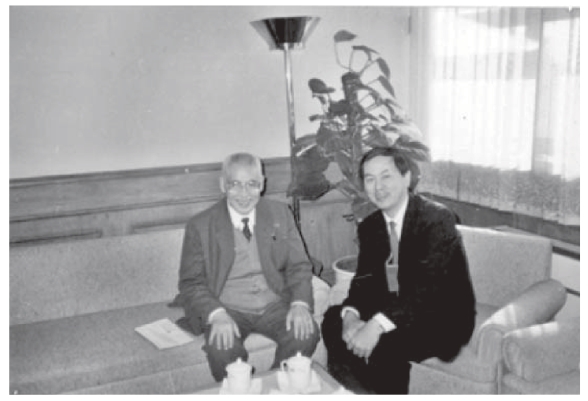
Figure 2-13: Lin Zhongpeng with Mr. Hu Haiya at the “First World Taiji Cultivation Conference” (1994)
- Emphasizing modern scientific verification. Because the research topics I have been engaged in are related to this, I have paid particular attention to the Zhouyi Cantongqi (The Kinship of the Three, in Accordance with the Book of Changes). Historically, there have been approximately fifty commentaries on this book; apart from one that upholds the “external alchemy” interpretation, all the rest uphold the “internal alchemy” interpretation. Therefore, I very much wanted to know how Mr. Yingning interpreted the Cantongqi. In 1988, in the section on the Cantongqi in my Zhonghua Qigongxue (Chinese Qigong Studies), I still adopted the traditional “internal alchemy” interpretation, but my subsequent experimental research indicated that the smelting of “external alchemy” could well have succeeded. Moreover, external alchemy smelting is more consistent with the original text’s spirit of “three paths from one.” In 1994, the State Physical Culture and Sports Commission approved the holding of the “First World Taiji Cultivation Conference,” and I was tasked with chairing the work of the conference’s academic committee. Mr. Hu Haiya was appointed as an advisor to guide the cultivation of stillness practice (Figure 2-13). This gave me the opportunity to ask him about Mr. Yingning’s experiences of refining “external alchemy” in the twentieth century. Mr. Haiya confirmed that during the 1920s and 1930s, Mr. Chen had continuously engaged in experiments of refining “external alchemy,” and he further recalled that in one of the experiments, the “alchemy furnace” exploded, mercury vapor leaked out, and Mr. Chen was consequently poisoned. Because at that time Hu Haiya had not yet entered the master’s lineage (Hu took as his master in 1946), he was not one who experienced the incident firsthand, and so he could only give me a general account. Because the scientific experiments I have been engaged in involved long-term contact with mercury, I am keenly aware of the danger of mercury poisoning; even under modern laboratory conditions, the possibility of poisoning remains difficult to avoid. The degree to which Mr. Yingning’s health must have been damaged by that experimental accident under the crude conditions of the early Republican era must have been very high. This shows how great Mr. Chen’s devotion to the spirit of science was! In 2006, I had another opportunity to be in contact with Mr. Haiya; we met and shared meals nearly once a week for several months on end. By this time, Mr. Hu was already in his early nineties, yet still vigorous in spirit, and every half-day he saw over twenty clinical patients. Most astonishing of all, at every meal he would consume a large quantity of fatty braised pork. When drinking tea, he was indifferent to the quality of the tea itself, but every cup had to be supplemented with a large spoonful of white sugar. Once, unable to contain myself, I asked out of curiosity, “Aren’t you worried about high blood lipids and high blood sugar?” He smiled and asked in return, “Do I look like it?” He then told me that all his indicators were normal. On one occasion, I inquired about the cause of Mr. Yingning’s passing. Mr. Haiya told me very seriously: “He had no illness—he starved!” Mr. Chen passed away in 1969; in that era, anything at all could happen, and I believe what Mr. Hu said. He told me that at his final moments, Master Chen entrusted Mr. Hu with these words: “I once swore to live in this world for a hundred years, to let people believe in the charm of the study of immortality. Now it seems I cannot complete this task—you must complete it.” Mr. Yingning was eighty-nine years old at the time of his passing, a lifespan not considered short, yet he felt regret at being unable to fulfill his promise of a hundred-year sojourn in the world—what a noble character this was! In 2013, Mr. Hu passed away, having dwelled in the world for exactly one hundred years, completing the final task entrusted to him by his master.
In 2006, Zhonghua Xianxue Yangsheng Quanshu (Complete Book of Chinese Immortality Studies and Health Cultivation), compiled by Mr. Hu Haiya and Mr. Wu Guozhong, was published. Mr. Hu presented me with a complete set of the series (comprising three volumes: upper, middle, and lower) at the earliest opportunity, and only then was I able, for the first time, to read Mr. Chen’s commentary on the Zhouyi Cantongqi; by this point, sixty-five years had already passed since Mr. Chen first lectured on this book. Mr. Chen’s steadfast dedication to the exploration of ancient alchemical practice is evident from this.
During the eight years (1933–1937 and 1939–1941) in which Mr. Yingning successively served as chief editor of Yangshan Banyuekan (Promoting Goodness Semi-monthly) and Xiandao Yuebao (Immortal Way Monthly), he wrote a total of 285 articles. Among these were many weighty treatises, but a considerable portion also consisted of answers and analyses addressing problems encountered by ordinary enthusiasts of the Dao during their practice. The significance and quality of these articles were in no way inferior to those of his formal treatises. For beginners in Daoist cultivation, these instructive insights were undoubtedly like sending charcoal in snowy weather—a timely assistance.
In 1939, with the support of far-sighted individuals from various sectors of society, Yangshan Banyuekan, which had been suspended for over a year, reappeared in the guise of Xiandao Yuebao. Although only thirty-two issues were published, with a total of forty-seven articles by Mr. Yingning—not a great number—almost all the articles were responses to various questions arising among practitioners of sitting-in-stillness. It is evident that, compared with his earlier period, Mr. Chen now placed even greater emphasis on the practical results achieved by Daoist practitioners. Through his own actions, Mr. Chen championed the practical social value of sitting in stillness, bringing the spirit of science into Daoist health cultivation.
- Advocate the comprehensive inheritance of the achievements of Daoist learning, and oppose one-sidedness. As is well known, the comprehensive inheritance of Daoist learning should include three aspects: “the Great Changes (Dayi), Huang-Lao, and Ingestion (Fushi).” This is precisely the basis for the “three paths from one” in the Zhouyi Cantongqi. The so-called “Great Changes” refers to the theoretical system of Zhouyi (Yijing) arts and calculations; “Huang-Lao” refers to the theoretical and practical cultivation system for studying the human body’s life—the “spirit” (consciousness) and “form” (life substance)—including today’s internal alchemy (neidan) practice; “Ingestion” refers to the study of external alchemy (waidan) that promotes the harmony of spirit and form so as to “extend the years of life.” These three systems of knowledge must be comprehensively mastered by Daoist scholars. Regrettably, ever since Peng Xiao of the Five Dynasties period, among those who cultivate the Dao there have been very few who could study all three “paths” simultaneously, let alone “master” them. Where does the problem lie? The present author has already provided a detailed explanation in Ancient Chinese Daoyin Studies: the problem lies in not understanding Wei Boyang’s intent in writing the Cantongqi, or rather, in being “unwilling” to believe the author’s own account of his purpose in composing the text of the Qi [Cantongqi]. In fact, Wei Boyang stated clearly in the lower chapter (Peng Xiao divided the annotated Cantongqi into an upper and a lower chapter) that this book presents the demonstration of “three paths from one.” The three paths are respectively: “The nature and tendencies of the Great Changes, each according to its measure; the application of Huang-Lao, being well-ordered and can be governed; the affairs of furnace fire, truly having solid evidence—three paths from one, all emerging from a single road.” First, the patterns of change in all things in the universe as described in the Yijing not only enable correct qualitative observation of phenomena but can also reflect the essence of things in a “quantified” manner (“each according to its measure”). Nearly half of the entire Zhouyi Cantongqi is devoted to elucidating the issue of quantifying objective laws. This is the Qi text’s major contribution to the understanding of the Zhouyi. Second, the learning of Huang-Lao was the most prevalent philosophical system in the early Han dynasty. Wei Boyang believed that if this philosophical system were applied to govern the state (“governing governance”), it would surely prosper and flourish (“the state suffers no harm from the Way”) and would not go wrong. If the principles of the Zhouyi could be used to guide cultivation, then one could achieve “the yellow center gradually penetrating with order, its moistening reaching the skin and flesh; if the beginning is correct then the end will be refined, once the root is established the branches can be sustained,” thereby finding the fundamental basis of the way of nourishing life—including today’s “internal alchemy,” qigong, and daoyin—and achieving the goal of extending the years of life. Because research into “the learning of Huang-Lao” had already become quite mature from the early Han dynasty through the late Eastern Han when Wei Boyang lived, he considered it “well-ordered and governable”—that is, not very difficult to master. Third, by comparison, it was much more difficult to smelt the “returned elixir” (huandan) for use in “ingestion,” and whether it could truly be successfully refined remained an open question! This indicates that the author’s purpose in writing the Cantongqi was to tell everyone the results of his own successful experiments: “The affairs of furnace fire truly have solid evidence.” In plain modern language, this means that using the “pyrometallurgical” techniques we possess to successfully smelt the “golden liquid returned elixir” was by no means groundless nonsense, but a fact based on experimental evidence. He believed that among the “three paths,” whether the changes of “heaven” (“the nature and tendencies of the Great Changes”), the changes of “humanity” (“the learning of Huang-Lao”), or the changes of “earth” (“the affairs of furnace fire,” or “physics”), the fundamental principles are all interconnected and all can be understood (“three paths from one, all emerging from a single road”). The former two had already been thoroughly investigated by the “three sages” (Fuxi, King Wen of Zhou, and Confucius), and therefore the purpose of this book was to announce to the world the results of research into “the affairs of furnace fire”—the most contentious and costly endeavor of the time. Wei Boyang had already analyzed the purpose of writing the Cantongqi with perfect clarity, and moreover, in the more than nine hundred years after the book’s publication, all the eminent ancient scientists—such as Ge Hong and Tao Hongjing—not only never doubted Wei Boyang’s authorial intent but also competed to imitate the smelting process; though none succeeded, they never questioned the authenticity of Wei Boyang’s research. It was not until Peng Xiao of the Five Dynasties period raised doubts (in 974 CE) that skepticism appeared. Like his predecessors, Peng Xiao followed his own self-assured understanding to “refine the elixir” and likewise failed to produce any result, whereupon he concluded that the “elixir-refining steps” listed in the Cantongqi might not be genuine but were merely “coded language” or “hidden language” for the “internal refinement of essence, qi, and spirit.” In 1069 CE (the second year of the Xining reign of Emperor Shenzong of Song), Peng Xiao’s conjectures were brilliantly elaborated by Zhang Pingshu of Taizhou, Zhejiang (titled “Master Ziyang”), who wrote the Wuzhen Pian. More than fifty years later, the Wuzhen Pian continued to gather momentum and became the foundational text of today’s internal alchemy. After Zhang Pingshu’s transformation and redefinition, the terminology of the ancient science of smelting gradually evolved into the conventional vocabulary of internal alchemy research from the Song and Yuan dynasties onward. From the Ming and Qing dynasties onward, the Daoist scholarly community praised the Zhouyi Cantongqi and the Wuzhen Pian as the “Kings of the Alchemical Classics,” and it must be said that both works richly deserve this title. However, a clarification is necessary: Wei Boyang’s Zhouyi Cantongqi is the king of “external alchemy classics,” whereas the latter is the king of “internal alchemy classics.” Zhang Ziyang’s contribution lay in eliminating the negative social impact caused by “universal elixir-refining.” In the Cantongqi, Wei Boyang exposed the grim social consequences of this craze: “In the world there are many scholars, lofty and subtle, bearing fine talents; yet meeting without opportunity, they exhaust their fires and lose their wealth.” And because these Daoist enthusiasts “could not grasp the principles,” they “caused officials to abandon their posts, farmers to neglect their weeding, merchants to discard their wares, and men of ambition to fall into poverty,” “exhausting their family wealth, leaving wives and children hungry and poor.” “From ancient times to the present, those who pursue this number in the hundreds of millions, yet none succeed in meeting the goal; rarely can any achieve it.” In order to refine the “elixir,” officials stopped going to work, farmers no longer wanted to farm, and social elites, failing to grasp the essentials of elixir-refining, met defeat after defeat, ending up disheveled and disgraced… It was precisely because Wei Boyang witnessed this grim spectacle of society that he could not bear it. Thus, “I am deeply grieved by this, and have determined to record this text”—he resolved to write this book. Unexpectedly, the publication of this book not only failed to have any effect, but the frenzy of “universal elixir-refining” instead intensified all the more. Unexpectedly, that junior figure nearly a thousand years later stepped forward to explain that the Perfected Wei’s “elixir-refining” was false and that cultivating body and mind was the true teaching, whereupon the “elixir-refining fever” rapidly cooled. Thereafter, propelled by the Wuzhen Pian, research at the interface of spirit and form was further elevated, forming an entirely new school—the Internal Alchemy School.
Although Zhang Pingshu’s Wuzhen Pian brought temporary benefit to the state of its time, it inflicted lasting harm upon the study of authentic ancient alchemy and also obstructed the future development of learning on the boundary between spirit and form. The former is easy to understand: since everything Wei Boyang said was “a pack of nonsense,” why continue to “refine” at all? The decline of ancient alchemical studies after the Song and Yuan dynasties is, in significant part, due to this. Yet the negative impact on the latter was something that the “Daoist alchemy practitioners” turned a blind eye to. On the surface, the period from the Yuan to the Ming was precisely the era when the study of internal alchemy was on the rise. Articles on internal alchemy research blossomed everywhere; the Ming-dynasty Daozang included at the very least two to three hundred such works, whereas in the Song-dynasty Yunji Qiqian, not a single one was to be found. One could say that it was Zhang Pingshu alone who single-handedly sustained the “school of internal alchemy.”
However, even as “internal alchemy” presented a flourishing scene, Zhang Pingshu’s views simultaneously created a chronic “hard wound” in the academic study of the boundary between spirit and form—one that has not healed for a thousand years. Since the “patriarch” himself declared that alchemy was “false,” the terminology of alchemy naturally became “coded language,” “hidden language,” and “secret language” of actual practice. Consequently, after Zhang Pingshu, among all traditional scholars engaged in the study of the boundary between spirit and form, very few also practiced “external alchemy,” yet they continued to use the language of “external alchemy” smelting to explain the “essential keys” of the cultivation process. Because they themselves lacked practical experience in “the affairs of the furnace and fire,” when they used so-called “external alchemy” knowledge to describe the content of “internal alchemy,” this “knowledge” was defined entirely by the practitioner’s imagination. Thus, from the Ming and Qing onward, the chaos of a thousand schools and ten thousand factions of Daoist alchemy emerged. In fact, the compulsory curriculum of “three paths from one” in the Zhouyi Cantong Qi was thereby utterly destroyed. The “three paths” degenerated into only “two paths”: of “the principles of the Great Changes, the learning of the Yellow Emperor and Laozi, and the affairs of furnace and fire,” only the former two remained.
- Correcting historical misunderstandings. Mr. Chen Yingning possessed exceptional insight, recognizing the grave harm that the neglect of “external alchemy” caused to Daoist studies. In his Zhongmiao Ju Wenda (Questions and Answers from the Abode of the Myriad Marvels), he pointed out: “What is called the study of immortality refers to the art of alchemy. There is a distinction between two types: internal alchemy and external alchemy. Since ancient times, those who study immortality have all without exception practiced alchemy.” By comparison, he believed: “External alchemy conforms more closely to the original intent of the ancient immortals than internal alchemy. In terms of the goal of attaining immortality, external alchemy is more effective than internal alchemy; practicing internal alchemy is merely a fallback, the second-best option.” The importance that Mr. Chen and the academic organization he led attached to “external alchemy” is evident from this. Mr. Chen’s publicly stated rationale for emphasizing “external alchemy” was based on the “three-yuan alchemical method” advocated by the study of immortality. He said: “The heaven-yuan alchemical method emphasizes ingestion rather than transmutation. The earth-yuan alchemical method can both perform transmutation and be further refined into something for ‘ingestion,’ thereby connecting upward to the heaven-yuan. The arts of gold and silver transmutation can only reach the stage of transmutation and cannot advance further. The human-yuan alchemical method employs yin and yang of the same kind; although it uses terms such as lead, silver, cinnabar, and mercury, in reality it has nothing whatsoever to do with the five metals and eight minerals.” Here, the so-called “human-yuan alchemical method” corresponds to today’s domains of qigong, daoyin, and internal alchemy cultivation, clearly indicating that it is unrelated to chemical smelting using various metals and ores as raw materials. The names of these metals, minerals, and their smelting processes serve merely as “analogies” for the changes in life phenomena that occur during the cultivation process. On this point, it is the same as Zhang Pingshu’s explanation in the Wuzhen Pian. The purpose is to prevent practitioners of internal alchemy from developing misunderstandings. As for the earth-yuan, it is purely authentic alchemy (what after the Song and Yuan dynasties was called “external alchemy”). Mr. Chen Yingning used two technical terms, “transmutation” and “ingestion,” to draw the distinction. The elementary stage is the “arts of gold and silver transmutation.” As the name suggests, this refers to producing precious metals such as gold and silver through chemical smelting methods. The advanced stage involves producing, through further and more complex smelting, a “substance” that can be “ingested” and is helpful for raising the level of internal alchemy cultivation. As for “heaven-yuan,” this is the “highest stage” for practitioners of the study of immortality. How does one reach such a realm? Mr. Chen was also vague on this point. One only knows that through a high-level sublimation of “internal alchemy” cultivation, combined with the “ingestion” of the most supremely refined substance produced through “external alchemy” smelting, working on both fronts simultaneously, one attains the ideal realm of “long life.” Calling it a “realm,” Mr. Chen himself had never tried it, so one may take it as he pleases. However, Mr. Chen did in fact conduct experiments on the external alchemical arts of gold and silver transmutation. It is said that from 1922 to 1932, Mr. Chen spent ten years researching the smelting of external alchemy, conducting “several hundred experiments,” and he did have successful experiences, but he did not advocate that others follow his example. He said: “The transmutation of gold and silver—I have experimented with it, but the procedures are far too troublesome. Transforming red copper into silver is possible, but one inevitably incurs a loss. Therefore, I advise you, sir, not to learn this art.” Perhaps for this reason, Mr. Chen never published the experimental records of these “several hundred” trials.
Master Ying’s refining of “external alchemy” left behind a number of unanswered questions. One of them is precisely what was noted above: given that the alchemical experiments numbered as many as “several hundred,” why were no experimental records left behind? If they do exist, where are these “original records” today?
In 2006, I inquired of Mr. Hu Haiya, but he was unclear on the matter. Mr. Zhuming Zhang, the proprietor of the Yihua Tang and the founder of Yangshan Banyuekan (Semimonthly for the Promotion of Good) and Xiandao Yuebao (Immortal Dao Monthly), published an article in the inaugural issue of Xiandao Yuebao in 1939, stating: “As for the earth-yuan alchemical method, I have gained no insight whatsoever, though I have had the occasion to hear Master Yingning Chen describe the scenes at the furnace, which were remarkably vivid and engaging…” In other words, even Mr. Zhuming Zhang had never personally witnessed Chen Yingning practicing alchemy; he had merely “heard tell” of it. Even more puzzling is the fact that Mr. Yingning, in his Chen Yingning Zizhuan (Autobiography of Chen Yingning) written in 1953, did not mention this significant experience in a single word. Consequently, quite a few people today have raised doubts about whether Mr. Chen ever practiced external alchemy at all.
In fact, there is no need to doubt Mr. Yingning’s ten years of experience refining external alchemy — this is an absolutely true fact. Apart from Mr. Haiya having heard it from other fellow disciples, Mr. Zhuming personally heard his own master lecture on the matter, so there can be no mistake. Although Mr. Chen never committed his alchemical experiments to writing, he confirmed this matter in his essays on more than one occasion. More importantly, from these essays we also learned the identity of the alchemical companions who collaborated with Mr. Yingning. In 1937, he wrote the poem “Farewell to Daoist Friend Huang Suizhi,” divided into four stanzas, the first of which is as follows:
Stanza One
As spring wanes across the realm, birds cry in confusion; Flying red and drifting white, I entrust my sorrow to verse.
Jiyun has died, Yaofu is far away — How can I bear to hear you speak of parting?
(Mr. Huang, along with Mr. Xie Jiyun and Mr. Gao Yaofu, were all comrades in the refining of external alchemy in those days.)
Stanza Two
Ten years of companionship was no mere chance; A single scroll of the Cantongqi attests to the master’s transmission. After you depart, sir, I am left alone — With whom now can I discuss mercury and lead?
It is clear that three others shared in tending the alchemical furnace alongside Mr. Yingning in those days: Huang Suizhi, Xie Jiyun, and Gao Yaofu. Huang Suizhi was a disciple of the renowned figure known as the Recluse Within the Square, a native of Jiangxi, a man of broad learning and many talents who earned Mr. Yingning’s high regard. He had published his own master’s writings in Yangshan Banyuekan (Semimonthly for the Promotion of Goodness). Not long after the two parted ways, Huang Suizhi also passed away. Mr. Yingning composed a elegiac couplet, mourning with deep sorrow:
Elegiac Coupleton for Daoist Friend Huang Suizhi:
Upper line: Adversity trapped a worthy talent; for the sake of livelihood, his prime years were spent in vain, the months and years slipped away — before us now, who is the one who transcends the ordinary?
Lower line: The Southern Lineage called him a kindred spirit; attesting to the master’s transmission, discoursing on wondrous awakening, the source and course all at his fingertips — henceforth, a second such person will be hard to find.
The “poem” and the “couplet” reveal considerable information: ① They confirm that Mr. Ying did indeed practice alchemy for ten years. ② Three others practiced alchemy together with Mr. Ying: Huang Suizhi, Xie Jiyun, and Gao Yaofu; among them, two passed away before 1937 (it is unknown whether the two who died young were related to the mercury poisoning caused by the alchemical furnace explosion incident of those days). ③ The ten years of alchemical practice were based on the Cantongqi. Yingning and Mr. Suizhi should both belong to the Southern Lineage of the Quanzhen tradition (as in the couplet: “The Southern Lineage called him a kindred spirit…”).
Second Question: What Were the Results?
This is the topic on which the academic community has been most divided in recent years in evaluating Chen Yingning and the immortal study he advocated. As stated earlier, Mr. Chen conducted “hundreds of ‘external alchemy’ smelting trials,” and the absence of experimental records makes it extremely difficult to properly evaluate the results. Why did Mr. Chen undertake such experiments? What was the technical approach of the experiments? What were the results of each experiment? Why, after ten years of experimentation, did they stop, and what was the cause? These are essentials that must be recorded in scientific experiment notes, and this applies equally to both ancient and modern times. Take, for example, the Zhouyi Cantongqi — this is the experimental record of ancient alchemy from 1,800 years ago. All of the above questions are answered with perfect clarity: ① It demonstrates the correctness of “the three ways derive from one.” Since the predecessors (Laozi, King Wen of Zhou, and Confucius) had already conducted thorough research on this, this text does not elaborate further. “The learning of Huang and Lao can be grasped through comparison” — research into the juncture of spirit and form was fundamentally mastered. Thus the Cantongqi had only one research objective: “the matter of the furnace fire,” to obtain results that are “based on solid evidence.” ② The experimental result obtained was the “returned elixir” — the purple returned elixir described as “a pellet lifted as a single pill, the daogui is the most wondrous!” ③ The technical approach of the experiment is very clear: the raw material formula, experimental conditions (the intensity and timing of smelting heat), and the recorded observations of experimental phenomena are all complete. Finally, in the “Song of the Tripod Vessel” found in the lower chapter of the Cantongqi, the detailed data on the size, dimensions, and shape of the alchemical furnace are set forth with complete clarity:
Song of the Tripod Vessel
Round, three by five, one-tenth of an inch;
Mouth, four by eight, with a rim two inches;
Length one foot two, thickness uniform;
Belly aligned at three, seated in gentle warmth.
It is obvious that this is an alchemical furnace that is small at both ends and large in the middle. The first two lines tell us the calculation of pi: if the circumference is three cun and five fen, then the diameter is one cun and one fen. Thus, pi equals 35/11, or 3.1818, which was the most precise fractional expression of pi in the world at that time; it was only four hundred years later that another Chinese mathematician, Zu Chongzhi, surpassed him in precision. Pi is a parameter essential for accurately calculating the volume of a circular vessel. The third and fourth lines of the “Song of the Tripod Vessel,” “mouth four-eight, two-cun lip,” tell us that this alchemical furnace is round, with a very small mouth. The diameter of the mouth is only one and a half cun (circumference four cun and eight fen). “Two-cun lip” means the wall thickness is two cun. The fifth and sixth lines indicate that the external height dimension of the vessel is one chi and two cun; subtracting the wall thickness of two cun, the internal height of the vessel is one chi. The seventh and eighth lines prove that this alchemical furnace is not uniformly thick from top to bottom, but rather spindle-shaped—small at both ends and large in the middle (“belly uniformly three”)—with the mouth and base diameter being one and a half cun, while the diameter at the middle belly is three cun. Through the description in the “Song of the Tripod Vessel,” the actual appearance of this “tripod” very much resembles the crucible commonly used in traditional pyrometallurgical smelting. There are two types of crucibles commonly used in modern small-scale smelting: one is tubular, laid horizontally on a heating furnace; the other sits vertically on the heating furnace. What the Cantongqi introduces is the latter type, which is why the song says “sit and warm vertically.” The advantage of this kind of alchemical furnace is that the alchemical ingredients can be put directly into it, whereas the “horizontal” “tubular furnace” requires a separate “boat”-shaped pan: the ingredients must first be loaded into the “boat”-shaped pan, and then the “boat” is moved into the furnace—a more cumbersome method. The sixth line of the “Song of the Tripod Vessel” specifically reminds us: in the construction of the alchemical furnace, the thickness of the walls must be perfectly uniform (“thickness uniform”). This point is very important; experienced chemists all know that if the wall thickness of a smelting crucible is uneven, it is prone to bursting accidents due to uneven heating. One wonders whether Master Ying’s alchemical furnace explosion incident was related to this? The data on the alchemical furnace provided in the “Song of the Tripod Vessel” of the Cantongqi, and even the precautionary notes, are extremely thorough and easy to understand, and the furnace can be replicated accordingly. If Master Ying’s experimental records from that time had been preserved to this day, one could immediately determine, by comparing them with the text of the Cantongqi, whether Ying’s alchemical experiments were conducted properly. Although we have no intention of judging a hero by success or failure, when I read The Complete Book of Immortal Study and Health Cultivation, gifted to me by Mr. Hu Haiya in 2006, I was nonetheless greatly surprised by this. Most of the important articles published during Mr. Chen Yingning’s lifetime appeared in Yangshan Semi-Monthly and Xiandao Monthly; only the Lecture Notes on the Cantongqi first appeared in this book. Mr. Chen engaged with the Cantongqi for over thirty years: between the ages of forty-two and fifty-two, together with three like-minded alchemical practitioners, he practiced “external alchemy” smelting according to the Cantongqi. It can be said with certainty that he was an adherent of the Cantongqi’s theory of external alchemy. This can be seen from the “poem” and “elegiac couplet” presented to Huang Suizhi. During the eight years of his involvement in writing for the two journals Yangshan and Xiandao beginning in 1933, he consistently maintained this stance. Moreover, in the article “Fifteen Questions Answered for Mr. Zhang Daochu of Suzhou,” he obliquely stated: “The heavenly-origin divine elixir can be ingested, but because the procedures are extremely troublesome, one dare not attempt it.” He candidly acknowledged studying only the ‘gold-silver arts’ within the earthly-origin arts. Even the gold-silver “transmutation arts” remained very complex. Thus he said: “Transforming red copper into silver, while possible, inevitably results in a loss; therefore I advise you, sir, not to learn this technique.” What is commendable is that even though he achieved only partial success in “earthly-origin alchemical methods,” he consistently maintained the view that the Cantongqi’s emphasis lay in introducing “matters of furnace and fire, which are truly well-founded,” and never gave up. In the Lecture Notes on the Cantongqi, “Preface Forty-Eighth” (cf. Hu Haiya, Complete Book of Immortal Study, p. 72), the elder Yingning explicitly stated: “Matters of furnace and fire, truly well-founded: furnace and fire refer to the earthly-origin gold-silver arts and the heavenly-origin divine elixir. After a practitioner obtains the oral instructions and cultivates according to the procedure, there is a possibility of achievement. Ancient immortals all consumed them and ascended; hence it is said to be truly well-founded.” The last time the elder Yingning revised the manuscript of his Cantongqi lecture notes was 1953; by then he was already seventy-three years old, yet he remained unmoved by ‘public opinion,’ holding fast to his confidence in ancient Chinese traditional science—truly admirable. Today, what we can report to comfort the spirit of the elder Chen is this: not only can the gold-silver arts be successfully smelting-practiced, but the entire process of ‘brilliantly forming the returned elixir,’ the most complex and difficult-to-master procedure in the Cantongqi, is no longer an unknowable secret.
Question Three: Why Did “External Alchemy” Fail?
That Master Ying’s external alchemy failed is an indisputable fact. Both Master Ying himself and his disciples confirmed this. The question is: why did the alchemy fail? The reason was never revealed. He and his alchemical collaborators kept their lips tightly sealed and never published their experimental records. If our judgment is not mistaken, this Veritable Record should exist. Ten years is not a short time; given Mr. Chen’s wisdom, prudence, and literary talent, he would in any case have left behind this brilliant chapter. The past, once remembered, serves as a teacher for the future; we hope to draw some enlightenment from it. Left with no alternative, we can only venture the following conjectures:
One possible reason: misunderstanding of the “oral formula.” For example, the “Inscription on the Vessel” appended to the aforementioned Cantong qi is an excellent “oral formula” for the structure of the alchemical furnace. The explanation given earlier is common knowledge of pyrochemical smelting. It is quite clear that this is a “seated” crucible, extremely similar to the crucibles used in modern chemical fire assaying, the difference being that it has a small mouth and a large belly, forming an “olive shape.” Based on the parameters provided in the “verse formula,” it can be reproduced with complete accuracy. The entire “alchemical furnace” has an effective volume of approximately 300 milliliters. The reason for designing the container with a “small mouth” is also fully justified: during smelting, airtight sealing is required, and a small mouth provides a better sealing effect; the large belly is because the loading quantity of “alchemical ingredients” needs to be sufficient. Practice shows that such a “furnace” with such a use (alchemy) should have been the most “advanced” invention of its time (the text of the Cantong qi was published between 126–144 CE, during the reign of Emperor Shun of the Han dynasty). Looking back at Ying-gong’s commentary on the Cantong qi, his explanation of the “Inscription on the Vessel” departs far from the “oral formula” — with the skin gone, where can the hair attach? On careful reading of Ying-gong’s annotations, all sections pertaining to “external alchemy” are far removed from the actual essentials of alchemy. See our analysis in another paper for details.
A second possible reason: financial hardship. From the poem Ying-gong presented as a farewell to Huang Suizhi, as well as the elegiac couplet written shortly after Mr. Huang’s passing, one can see that although these Daoist alchemist friends had great enthusiasm and outstanding talent, they lived in extreme poverty. Moreover, the cost of alchemy was considerable, so it was inevitable that Ying-gong’s alchemical undertaking could not be sustained. As a point of comparison, the three original authors of the Cantong qi — Wei Boyang, Chunyu Shutong, and Xu Congshi — were much better off financially. Wei was originally from a wealthy family; Chunyu was a retired “former mayor of the capital”; and even the least well-off, Xu Congshi, had served as an official reaching the position of Administrative Aide of Qingzhou, equivalent to the second-highest official of the province. Hence the lament in the farewell poem to Mr. Huang: “Wealth and companions have always been impossible to have both.” In the elegiac couplet for Mr. Huang there is also the reflection: “Adversity traps worthy talent; for the sake of livelihood, in one’s elder years…”
A third possible reason: experimental accident. According to Mr. Haiya, who told the present author, an explosion occurred in the alchemical furnace during Ying-gong’s alchemical experiments that year, and Ying-gong was also injured. As to the specific circumstances, since Mr. Haiya was not directly involved, he did not know the details and only said it seemed to be mercury poisoning. In my judgment, the consequences should have been quite serious. The alchemical process of the Cantong qi should be divided into two stages: the first stage involves preparing the alchemical ingredients into a semi-finished product “resembling the dust on a bright window.” This stage is relatively easy, but the chemical reactions during the preparation process are extremely violent and quite dangerous; the second stage involves loading the “semi-finished” alchemical ingredients into the “seated” furnace, first with a “gentle fire,” then a “forceful fire,” then back to a “gentle fire,” until the “elixir” is brought out. This is relatively safer, but takes a very long time, and the furnace fire must not be extinguished for months on end; the sealed state must not be compromised in the slightest, making it considerably difficult. Once the seal is broken, the “elixir” being refined becomes a waste product. Therefore, we judge that the furnace explosion accident likely occurred during the first stage. I cannot determine which of the above three factors was the primary one. But I have always believed that Ying-gong’s alchemical “experimental records” do exist; should this “faithful record” reappear one day, the truth will naturally come to light.
Furthermore, I also have doubts about the claim that Ying-gong conducted “several hundred” alchemical experiments: if one follows the alchemical procedure introduced in the Cantong qi, each experimental cycle, even if everything goes smoothly, requires a full year — how could these “several hundred” experiments possibly have been completed? Unless what he practiced was the “Gold and Silver Art” (huangbai shu) of the Earthly Realm alchemy, rather than the “elixer of the knife-and-dou” elixir pursued in the text of the Cantong qi.
Doubt Four: Are Mr. Yingning’s viewpoints in his commentary on the Cantong qi self-contradictory?
On first reading Ying-gong’s Lectures on the Cantong qi, one does indeed get this impression. The immortal study that Ying-gong advocated has at its core the “Three Realms alchemy.” And he held that “since ancient times, all who study immortality have practiced alchemy without exception” and that “external alchemy conforms more closely to the original intent of the ancient immortals than internal alchemy.” Yet upon reading this text, the intent is vastly different. Not only are chapters that clearly should be interpreted as “external alchemy,” such as “Chapter Twenty-Three: On the Weight and Measure of Metal and Fire,” interpreted as “internal alchemy,” but even the parameters of the alchemical vessel in the “Inscription on the Vessel,” which require no further explanation, are forced into an interpretation using unknowable, mystical “internal alchemy” terminology. This seems consistent with the approach of commentators on the Cantong qi over the nearly thousand years since the Wuzhen pian, yet it is far removed from Mr. Chen’s consistent position in advocating immortal study. It is only upon reaching “Preface, Forty-Eighth” of the Lectures that the viewpoint becomes clear. The Preface of the Cantong qi can be said to be the general outline of the entire text; although the Preface still takes the cultivation of internal alchemy as its main theme, it still upholds the matter of “furnace and fire” and the position that “three paths derive from one,” with the possibility of achievement. This inconsistency between earlier and later viewpoints demonstrates Mr. Chen’s pragmatic attitude toward scientific experimentation: since he could not prove “external alchemy” through experiment, he could only follow traditional interpretations, yet this did not shake his conviction that “external alchemy” could still succeed.
The significance of Chen Yingning’s external alchemy experiments is profoundly far-reaching. What he gained was not the “product,” but the “process.” As a top-tier expert in both the theory and practice of internal alchemy, he was the only one in the thousand years since Peng Xiao and Zhang Pingshu to also cultivate “external alchemy.” His contributions are:
(1) As is well known, “internal alchemy” is the essence of China’s research into the juncture of spirit and form in human life, and it is also the frontier of future science. Unfortunately, for a thousand years, due to historical reasons, the processes and phenomena of “internal alchemy” cultivation have been described using fabricated chemical and metallurgical terminology, thereby affecting the correct expression of internal alchemy and seriously impeding the development of this discipline. By comparing the cultivation of “internal alchemy” with the actual conditions of “external alchemy” smelting, Mr. Chen corrected many internal alchemy phenomena that had been mystified due to misunderstanding, thus promoting the healthy development of internal alchemy studies.
(2) It promoted profound research on the relationship between “spirit” and “flesh.” As is well known, even today, modern science has still not “crossed the threshold” in its study of the juncture of spirit and form in human life, and fundamentally does not know where to begin. Chinese traditional civilization, by contrast, possesses a profound understanding of this area, particularly through the study of internal alchemy. After the Song and Yuan dynasties, the study of “internal alchemy” entered a state of “explosive” growth, but regrettably it long relied on a system of fabricated experimental terminology for expression. Because internal alchemy researchers were far removed from genuine chemical smelting activities, their “terminology” could only be fabricated, and this fabrication arose entirely from the imagination of the alchemists. As a result, a single “term” could carry multiple “interpretations,” and the “interpretation” of the same phenomenon might be expressed through different “vocabularies.” Consequently, researchers even within the same “Way of the Elixir” community were fundamentally unable to communicate with one another. At the same time, this left an opening for fraudulent alchemists who passed off fish eyes for pearls to ply their deceptions. Mr. Yingning was the first person to read through the entire Daozang (Daoist Canon) and was keenly aware of these abuses; hence his insightful observation that “more than ninety percent of oral formulas are useless.” When we today read Mr. Chen’s Koujue Gouxuan Lu (Record of Gleaning the Essence of Oral Formulas) and other important works, we get a sense of clear and orderly analysis, fresh language, and precise definitions—precisely thanks to his rich and varied experience in the practice of “external alchemy” smelting. If later researchers were to follow Mr. Yingning’s line of thought and, through firsthand “external alchemy” practice, reform the system of fabricated terminology that has been in use for a millennium, enabling more internal alchemy researchers to avoid detours and more easily grasp the scientific content of the Way of the Elixir, then Chinese health cultivation civilization would be rapidly elevated, and society’s health enterprise would clearly benefit as a result.
The principal academic contribution of Mr. Chen Yingning lies in his advocacy of “Immortality Studies” (仙学, xianxue), which encompasses the Great Changes (Yijing), internal alchemy, and external alchemy. The experimental research of external alchemy aims to enhance people’s recognition of the research value of Immortality Studies.
Mr. Chen’s historical contributions are multifaceted:
(1) He advocated Immortality Studies. As an independent field of learning, Immortality Studies avoids the pointless disputes arising from differences in religious doctrine between religions, which had hindered academic development.
(2) He emphasized both the building of textual sources for Daoist studies and practical cultivation, bringing the study of the juncture of spirit and form in Chinese civilization onto the correct track.
(3) He participated in founding and ultimately became the academic leader of Yangshan Banyuekan (Semimonthly for the Promotion of Goodness) and Xiandao Yuebao (Immortality Way Monthly). He united a group of outstanding experts who formed the academic core of research on the juncture of spirit and form, enabling the nearly extinguished treasure of Chinese civilization to be reborn. The two periodicals published more than 1,300 articles in total, many of which possess significant documentary value.
(4) He cared about the protection of China’s cultural heritage. Alchemy is a precious heritage that Chinese civilization has contributed to all of humanity. It once swept the world. Even today, the term “golden liquid returned elixir” (金液还丹) remains a common designation in Western chemistry. Due to historical circumstances, it steadily declined until it was nearly lost. The academic group led by Zhang Zhuming and Chen Yingning, under extremely difficult conditions, did not hesitate to reach out and rescue it. They ultimately succeeded in producing a rescued publication of China’s last specialized treatise on alchemy—Qinhuo Chongguang (Rekindled Light of the Lute Fire) from the Ming dynasty.
Mr. Zhang Zhuming, head of the Yihuatang, and the financial backer and organizer of Yangshan Banyuekan and its successor Xiandao Yuebao, graduated from the German-language Tongji Medical University. In his preface to the collated edition of Qinhuo Chongguang, he wrote: Professor E. T. Williams (PhD) of the University of California in America pointed out that “the magnetic compass, gunpowder, and printing have already been publicly acknowledged as China’s great contributions to the world; now we must also recognize that chemistry originated in China.” He stated the purpose of publishing this book, saying: “I secretly fear that this kind of learning may in the future inevitably be stolen by Westerners, then repackaged and claimed as their own invention. Whereupon those among our countrymen who style themselves progressive would be astonished and marvel, lavishing praise on the omnipotence of Western science, turning guest into host—would this not be lamentable?” His patriotic sentiment is fully apparent, and at the same time he delivered a merciless flogging to those “countrymen” who advocated wholesale Westernization. This paper legacy published during the Chenghua reign of the Ming dynasty, having weathered over four hundred years of turmoil, was already dilapidated beyond recognition, with several passages missing. Mr. Zhang Zhuming could not bear to see it fall into oblivion, so he invited Mr. Yingning to collate and edit it, enabling this branch of unique learning to see the light of day once more.
(5) He kept pace with the times and championed women’s rights. Throughout the successive feudal dynasties of China, the marginalization of women was an extremely common phenomenon. The study of the Way of the Elixir was no exception. Works on “female alchemy” (女丹) were exceedingly few, yet Mr. Ying gave them special attention. The Huangting Jing (Scripture of the Yellow Court) was the first serialized work published upon the founding of Yangshan Banyuekan. Mr. Chen held that although the number of “elixir scriptures” from ancient times to the present was considerable, the only one suitable for women’s cultivation was this text. The Huangting Jing exists in two versions, known in ancient times as the Huangting Waijing Jing (Scripture of the Yellow Court: Outer Landscape) and the Huangting Neijing Jing (Scripture of the Yellow Court: Inner Landscape). Literati across the dynasties engaged in unceasing written and oral battles over these two versions, making for a lively spectacle. The literary giants of the Tang and Song periods in particular argued endlessly over which version was “orthodox.” The most amusing case was that of Ouyang Xiu and Su Dongpo, master and disciple, each insisting on his own view, which provoked a modest-sized battle of the brush. In the Bianyan (Preface Remarks) that Mr. Chen wrote for his commentary on the Huangting Jing, he borrowed a poem by Lu Fangwai to express his own views. Fangwai wrote two poems; we excerpt one below:
Expressing My Feelings
Early on I wore the two scrolls of the Yellow Court scripture, So my spirit’s mansion should not be tainted with rank smells. I ask you to buy me a golden crow’s beak, That I may return to the autumn mountains to prepare fuling (Poria).
It is clear that Fangweng’s poetry treats the importance of the two parts of the Huangting as equal. Mr. Chen drew upon this to urge those who read the Huangting to focus their attention on understanding the guiding significance of both parts of the Huangting for cultivation practice. Mr. Chen spared no effort in collecting and organizing literature on “female alchemy,” successively writing multiple treatises including A Colloquial Commentary on the Grand Way Song of the Spirit Source (Lingyuan Dadaoge Baihua Zhujie), An Explanation of Sun Bu’er’s Sequential Poems on Female Internal Alchemy Practice (Sun Bu’er Nügong Neidan Cidi Shijie), The Orthodox Method of Female Practice (Nügong Zhengfa), Ten Rules for Female Alchemy (Nüdan Shize), and A Collection of Female Alchemy Poems (Nüdan Shiji). At the same time, in the two journals Yangshan (Propagating Goodness) and Xiandao (The Immortal Way), he tirelessly answered questions raised by female practitioners, encouraging them to bravely break through barriers and fight for their own right to safeguard their health. One must understand that in the 1920s and 1930s, the feudal consciousness of valuing men over women was still deeply entrenched, and Mr. Chen’s advocacy entailed considerable social risk.
Mr. Yingning’s contributions to the study of Daoist learning were manifold:
(1) He established a modern value evaluation system for Daoist health culture—Immortal Studies (xianxue). He advocated the combination of scientific knowledge with the transmission of traditional treasures; the combination of theory and practice, emphasizing both the organization and excavation of ancient documents and the contribution of practical cultivation to social health; achieving both the inheritance of Daoist civilization and the avoidance of interference from the vicious habits of interreligious conflict prevalent in society at the time.
(2) He united colleagues to launch the world’s first journal devoted to Daoist studies, Yangshan Banyuekan (Propagating Goodness Semi-Monthly), and its continuation Xiandao Yuebao (The Immortal Way Monthly). On this basis, he brought together a group of outstanding researchers, playing an important role in the revival of China’s unique learning. Under extremely difficult conditions, he organized the first talent training base linking Daoist theory with practice—the Shanghai Immortal Studies Academy (Shanghai Xianxueyuan).
(3) He broke through Daoist conventions, encouraging women to study the alchemical Way just as men did, becoming the first person to advocate opening Daoist cultivation to women.
(4) Respecting science, he became the first person to personally practice and research both internal and external alchemy. He compiled and translated the English-language A Direct Translation of the English Lecture on the Three-Yuan Unified Alchemical Method (Sanyuan Yiguan Danfa Yingwen Yanjiang Zhizhi) to promote to the world the positive significance of China’s traditional life sciences, changing the public’s former misunderstanding that Chinese research on the juncture of spirit and form was religious superstition.
(5) He initiated the Alchemical Way Scripture Carving Association (Dandao Kejing Hui), striving to rescue precious scattered alchemical documents. The Ming dynasty external alchemy classic Chonghua of the Lute Fire (Qinhuo Chongguang), authored by Chen Zide, was one of the works resulting from his efforts.
(6) During the initial founding period of the two journals Yangshan and Xiandao, in order to avoid futile religious disputes, he declared the position that Immortal Studies is not a religion. Given that Daoism is a carrier of traditional Chinese culture and is indispensable, when conditions permitted, both journals explicitly supported the establishment of a new type of Daoism, and many important manifestos and supporting articles were published in them. After the founding of New China, with the strong support of the government, he personally threw himself into the construction of the Chinese Daoist Association.
Many experts and senior scholars have already conducted detailed research and offered positive evaluations of Mr. Chen’s life and his efforts to protect traditional Chinese civilization, and these will not be repeated here. What concerns us more is Mr. Chen’s academic contribution to research on the juncture of spirit and form.
During the Republican period, the main textual platform through which Mr. Yingning promoted the culture of Immortal Studies was Yangshan Banyuekan and Xiandao Yuebao. As the name suggests, the original purpose of Yangshan Banyuekan was to exhort people toward goodness, and research on the immortal way constituted only a very small portion. Through the efforts of an academic team led by Mr. Chen Yingning, Zhang Zhuming, Chang Zunxian, Wang Boying, Zhang Huasheng, and others, it became an academic stronghold for the promotion of Daoist culture. In 1937, due to the pressure of war, Yangshan Banyuekan was forced to cease publication. In 1939, through the efforts of academic colleagues and with the strong support of Mr. Zhang Zhuming, Yangshan Banyuekan was revived in the form of Xiandao Yuebao, which even more explicitly adopted the revival of Daoist culture as its editorial mission, until it ceased publication in 1941. Combining both the journal and the newspaper, there were 1,575 articles in total, of which Mr. Yingning’s works numbered 285. Given the nature of this book, the references at the end of this book include only a selection of over 500 article titles from Yangshan Banyuekan and Xiandao Yuebao, while Mr. Chen’s works are included in their entirety.
The Immortal Studies advocated by Mr. Chen is quite close in purpose to research on the juncture of spirit and form within modern human life science, yet there remain considerable differences. A discussion of these differences will be taken up later.
Mr. Chen’s essays fall broadly into two categories: first, “answering questions” and providing guidance to readers who practice internal alchemy; second, critical evaluations and textual research of Daoist classics. The first part, concise and incisive, is of great help to enthusiasts practicing the alchemical Dao. He answered questions candidly and meticulously, offering considerable practical value. The latter category, however, requires careful deliberation. For example, the aforementioned Lectures on the Zhouyi Cantongqi is highly open to debate. Although Mr. Ying had a clear understanding of “the three Ways deriving from one,” he avoided discussing the claim that “the affairs of furnace and fire have genuine factual basis.” Since our dissenting views on this text are too lengthy, we have published them elsewhere; the Lectures on the Huangting Jing has a few minor flaws, which we have also discussed separately; and the Wuzhen Pian was the first treatise to use the terminology of external alchemy to express the realm of “internal alchemy,” yet although Mr. Chen Yingning mentioned it in many places, he never wrote a dedicated discussion of it. One essay, “Random Notes on Reading Zhijizi’s Annotated Collection on the Wuzhen Pian,” is perhaps his longest, but he remained deeply reticent about the history, principles, and methods of Zhang Ziyang himself and the Wuzhen Pian he authored. The reasons for this are twofold. First, Mr. Chen consistently advocated the purity method and held that the dual cultivation method was unsuited to the times, so he was unwilling to discuss it in depth. On this point, the present author is in full agreement. But there is another possibility: he “could not bear” to investigate the matter. Why could he not bear it? As someone revered as the foremost of the “Five Southern Patriarchs,” the Southern school’s lineage would inevitably require discussion, and the numerous doubtful points therein could not go unexamined—yet a rigorous investigation would inevitably hurt the feelings of Southern school Daoist friends. Hence the concern about “not bearing” to do so. But without textual research, the unresolved case of “the South being long-lived and the North short-lived” cannot be resolved. The so-called “South long, North short” refers to the legend that each of the “Five Southern Patriarchs” lived a long life; according to popular claims, their average lifespan reached over 110 years, whereas the “Seven Northern Patriarchs” averaged just over sixty. This inevitably raises doubts: was the Southern school’s cultivation method superior to the Northern school’s? Given Mr. Chen’s erudition and meticulous thinking, he must certainly have considered this point. Hence, he “could not bear” to lift this lid. Better a sharp pain than a lingering one; the present author has taken the liberty of conducting an appropriate investigation, proving that Zhang Ziyang’s lifespan was no more than seventy-two or seventy-three years, not the rumored ninety-nine or ninety-six years. The differences in the ages of the other four lineage holders are even greater, proving that “South long, North short” is not factual. Due to the length of the essay, it has had to be published separately.
Mr. Chen’s other famous research essay, “A Study of Chapter 50 of the Laozi,” also warrants discussion. Chapter 50 of the Laozi has always been considered difficult to interpret, and commentators on the Laozi throughout the ages have regarded it as a daunting challenge. Elder Ying, with rigorous thinking, raised various doubts about the original text of this chapter, analyzing and distinguishing each point with precise logic. Regrettably, he was ultimately still unable to arrive at a correct and thorough interpretation. The fault lay not with Elder Ying but with the edition he adopted. Elder Ying used the standard Wang Bi edition, whose Chapter 50 differs considerably from the Laozi text found in the Han dynasty silk manuscripts from the Mawangdui Western Han tomb. The Mawangdui Han tomb was not excavated until 1972, by which time Mr. Yingning had already passed away three years prior. Section 2 of Chapter 1 in this book has already explored the origins of the misunderstandings of this chapter through the ages and demonstrated that the errors in the Wang Bi edition were not Wang Bi’s fault but rather the corruptions introduced by the late Western Han Daoist scholar Yan Zun (86 BCE–10 CE), and we shall not elaborate further here.
Although these lengthy essays of Mr. Chen on the Dao each have minor flaws due to objective circumstances, his spirit of valuing practice, respecting textual evidence, and daring to challenge difficulties remains well worthy of our earnest study.
Chapter Three: A Sixty-Year Cycle of Survival Against All Odds
In 1949, after more than a century of extraordinary struggle, the Chinese nation finally stood up. Although the land was scarred and devastated, the people were filled with confidence, enthusiastically unleashing their long-suppressed intelligence and wisdom to contribute to rebuilding their homeland. The entire process of the rise and flourishing of medical qigong bore witness to all of this.
I. The Name “Qigong” Has Long Been in Use
Although the term “qigong” has ancient origins, it is unrelated to present-day qigong or to ancient daoyin. The large-scale Song dynasty Daoist encyclopedic work Yunji Qiqian, in fascicle 59, contains a text titled “Outline of Cultivation by the Lord of Yanling,” which records: “It is only said that the matters of qigong are my own affairs, which have not yet been attained.” It is unclear what “qigong” means here. A text attributed to the Jin dynasty’s Xu Xun, the Lingjianzi: Record of Songsha, contains the phrase “first practice qigong,” which probably refers to magical arts and is unrelated to present-day qigong.
In the early years of the Republic, some people mentioned the term “qigong,” but again it was unrelated to present-day qigong. The 1915 publication Secrets of Shaolin Boxing, in its first chapter, “Elucidating the Subtleties of Qigong,” discussed training methods within the martial arts. In 1929, the Commercial Press published A Compendium of Martial Arts, which also mentioned the term “qigong,” again referring to martial arts cultivation methods, not present-day qigong. In 1934, Hangzhou Xianglin Hospital issued Special Therapies for Pulmonary Tuberculosis, and in 1938, Shanghai Gongpu Hospital published Records of Qigong Treatment Experiences; these two books should be regarded as pioneers in adopting the term “qigong.” However, these two books had very little social impact.
The true inception of qigong as such should be placed around the founding of the People’s Republic of China (i.e., 1949–1950). Because the War of Liberation had reached a critical juncture at the time, many people threw themselves into overloaded work with complete selflessness, with the result that many collapsed from exhaustion, unable to lead normal lives, let alone work. On the one hand, medical conditions at the time were limited; on the other hand, there was simply no Western medicine that could treat the illnesses caused by excessive fatigue and excessive mental strain. Mr. Liu Guizhen was one such person. In 1947, Liu Guizhen served as a staff member in the Construction Section of the Fourth Administrative Office of Jinan (present-day Nangong County, Hebei Province). He fell seriously ill due to his heavy workload, and his superiors sent someone to carry him back to his hometown on a stretcher to recuperate; at the time his body weight had dropped to only seventy-two jin (thirty-six kilograms). Under the guidance of his uncle, the local farmer Liu Duzhou, he practiced qigong for a hundred days and recovered, gaining over thirty jin in body weight. The Party secretary of the administrative office, Cheng Yulin, sent him back to his hometown to study qigong for a year. After completing his studies in 1948, he was assigned to teach qigong at the recuperation center of the Baoding Special District, with outstanding results. In March 1949, Huang Yueting, director of the Health Bureau of the Jinan Administrative Office, formally announced at the Jinan administrative conference the promotion of this therapy and designated it “Qigong Therapy.” This was the first time “qigong” was officially named by a government entity, and it was also the first time in three hundred years that a government department repositioned qigong as a treatment method of indigenous Chinese medicine and promoted it within its jurisdiction.
At this same conference, three reports on qigong scholarship were also presented. The first was a report on the naming of qigong delivered by Huang Yueting himself; the second was a “Summary Report on the Qigong Treatment of Chronic Illnesses” by Zhao Jingchun, director of the cadre recuperation center; the third was a “Clinical Observation Report on Qigong Treatment” by Li Junchuan, director of the People’s Hospital of the Fourth Special District of Jinan. These were perhaps the earliest academic summaries of qigong applied to medical treatment.
The promotion and application of qigong was not all smooth sailing. In the second half of 1949, the North China People’s Government was established, and the Jinan and Jizhong special districts were merged into the “Hebei People’s Government.” A certain leader ordered the cadre recuperation center to “never again allow Liu Guizhen to practice his heterodox ways here.” Liu’s work encountered difficulties. In 1950, Liu Guizhen sought out Huang Yueting, then a division chief in the Hebei Provincial Health Department. Huang introduced him to the director and deputy director. The director rebuked Liu Guizhen: “You are always doing bizarre things—what kind of nonsense is this?” He then stormed off. The deputy director, Duan Huixuan, who had studied in Japan and, though an expert in Western medicine, was quite supportive of Liu’s work, arranged for him to be placed at the “Baoding Cadre Sanatorium” and instructed the establishment of a qigong department. Although the sanatorium director did not express opposition, he did not support Liu’s work. Left with no alternative, Liu went to Tangshan to seek out Cheng Yulin—the leader who had originally sent him to study qigong, then serving as Party secretary of the Tangshan Prefectural Committee—and explained his situation. Cheng immediately decided: “If they don’t want you, we do! Come to Tangshan and set up a qigong recuperation center.” Accordingly, in the second half of 1951, after Liu was transferred to Tangshan, he established a “Qigong Medical Experimental Group” at the Tangshan Workers’ Sanatorium, with a total of twenty-two members. In 1953, they built their own facility and separately established the “Tangshan Qigong Recuperation Hospital.” This was the predecessor of today’s “Beidaihe Qigong Sanatorium.”
With the recommendation and support of Cheng Yulin and Duan Huixuan, Liu Guizhen went to Beijing to report on his work to the central Ministry of Health. Minister Li Dequan instructed, in the name of the Ministry of Health, that the Hebei Provincial Cadre Sanatorium be renamed the Qigong Sanatorium, with Liu Guizhen as its director. On December 19, 1955, Minister Li Dequan personally presented an award to Liu Guizhen. The naming of “Qigong Therapy” had formally received central endorsement. Earlier, in 1951, Duan Huixuan, deputy director of the Hebei Provincial Health Department, had encouraged Liu Guizhen to publish a book and had proposed the title Qigong Therapy. Liu Guizhen added two characters to the title, making it The Practice of Qigong Therapy. The publication of this book came several years later.
II. A New Atmosphere in Scientific Exploration
After the founding of New China, medical qigong rapidly expanded under the advocacy of governments at all levels. Judging from the materials collected so far, the first academic paper was Mr. Xu Yinggao’s “Therapeutic and Preventive Deep Breathing Method,” published in 1954 in issue no. 2 of New Chinese Medicine and Pharmacology (Xin Zhongyiyao). This was followed in issue no. 4 of the same journal in 1954 by Mr. Zeng Yiyu’s article “Yet Another Form of Medical Physical Culture in New China—The Sitting-in-Stillness Therapy” and Mr. Chen Bomin’s article “My Experience with and Supplements to the Therapeutic and Preventive Deep Breathing Method.” In 1955, issues no. 8 and no. 10 of volume 6 of New Chinese Medicine and Pharmacology successively published Jiang Weiqiao’s two articles, “The Method of Cultivating Stillness through Breathing” and “On Qigong Therapy.” It appears that, although the term “qigong therapy” had been in common use in the old liberated areas, views across the country were not yet unified at that time. However, one thing is certain: qigong, as an effective medical modality, had already been fully rolled out across New China and was widely welcomed. The leading role was still played by medical units at all levels of the state: hundreds of state-owned institutions such as cadre rest homes, sanatoria, tuberculosis hospitals, and institutes of occupational health and occupational disease research. Particularly worthy of mention is that in the early period after the founding of the People’s Republic of China, when a hundred things waited to be rebuilt and economic conditions were extremely tight, Comrade Liu Shaoqi personally approved and allocated funding for the establishment in 1955 of China’s first-ever specialized medical qigong institution—the Tangshan Qigong Sanatorium (later renamed the Beidaihe Qigong Sanatorium of Hebei Province). It summarized clinical qigong materials and promoted qigong exercise methods as well as experience in treating various chronic diseases, thereby enabling medical qigong to flourish vigorously in sanatorial institutions across provinces and municipalities. In view of this, on December 19, 1955, Li Dequan, Minister of Health of the People’s Republic of China, presented a certificate of merit and a monetary award to the Tangshan Qigong Medical Team. The full text of the certificate of merit reads: “Investigation has found that the treatment experience of the Tangshan Qigong Medical Team has played a definite role in safeguarding the health of the people and in developing the cultural heritage of our national medicine. This Ministry, in recognition of the results you have achieved through collective research, has decided, in addition to granting a one-time monetary award of three thousand yuan in Renminbi, to specially present this certificate of merit as encouragement” (Fig. 3-1). This certificate of merit was presented by Li Dequan, Minister of Health of the Republic, at the inaugural conference of the China Academy of Chinese Medical Sciences, and is of great significance: first, from that point on, qigong therapy once again rightfully entered the halls of medicine; second, it pointed out the direction for the research and development of our national medical culture.
Around this time, Party and state leaders such as Xie JueZai all practiced the Internal Nourishment exercise and gave it full affirmation and commendation. Mao Zedong personally received the director of the Tangshan Qigong Sanatorium, who attended as a model worker—medical qigong practitioner Mr. Liu Guizhen. Many leaders wrote inscriptions, among which the inscription by Elder Xie was especially representative. He wrote: “Qigong therapy can be practiced by everyone. It costs no money, it wastes no time. It can dispel illness, it can prolong life, it can strengthen the body, it can preserve life, it can prolong life.” These words fully convey the significance and value of medical qigong (Fig. 3-2).
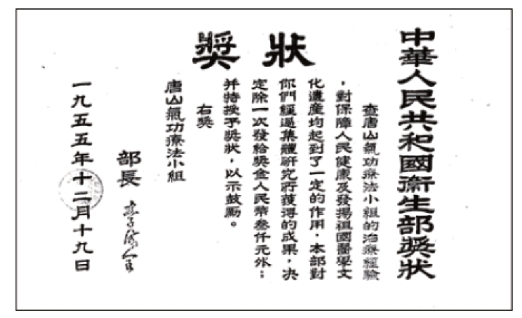
Fig. 3-1 Certificate of merit issued by Minister Li Dequan for Tangshan Qigong Therapy
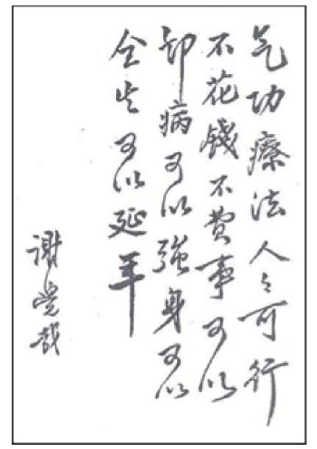
Fig. 3-2 Inscription by Xie JueZai for Qigong Therapy
Under the strong support and encouragement of the central government, virtually all sanatoria, cadre rest homes, and a number of medical research units across the country launched clinical research in medical qigong and, within a short period of time, achieved impressive results. A selection of the published clinical research is listed below for reference.
- Qigong treatment of respiratory system diseases. According to reports from the Shanghai Second Tuberculosis Hospital and other units, the application of qigong in treating 296 cases of pulmonary tuberculosis yielded a total effective rate of 76%. Among the 158 cases accompanied by cavities, cavity closure and shrinkage accounted for 64%; among the 180 cases positive for sputum bacteria, the sputum bacteria turned negative in 61%.
The Shanghai Institute of Occupational Health and Occupational Diseases and other units applied qigong therapy to treat 60 patients with pulmonary emphysema, with a short-term chest pain improvement rate of 100%. Diaphragmatic activity, pulmonary function, and other symptoms also showed comparatively marked improvement.
Huang Hua and others at the Shanghai Sixth People’s Hospital treated 129 bronchial asthma patients primarily with qigong, with a total effective rate of 97%.
-
Qigong treatment of digestive system diseases. The Chinese Academy of Medical Sciences and other units used qigong therapy to treat 1,385 cases of gastric and duodenal ulcers, with a cure rate of 74.4%, an improvement rate of 20.9%, and a total effective rate of 95.3%. Tong Bainian and others treated 252 cases of gastroptosis, with a cure rate of 17.5%, an improvement rate of 82.5%, and a total effective rate of 100%. The Tangshan Qigong Sanatorium treated 126 cases of habitual constipation; except for 1 case of colonic spastic constipation that was ineffective, constipation disappeared in all the rest after 7 days of practice. Nanjing College of Traditional Chinese Medicine and other units applied qigong to treat 12 cases of allergic colitis, all with good results. The Tianjin First Workers’ Sanatorium applied qigong to treat 41 cases of anicteric infectious hepatitis with definite efficacy. Xia Qichang and others applied qigong to treat 190 cases of acute appendicitis, with a total effective rate reaching 90%.
-
Qigong treatment of nervous system diseases. Shanghai Medical University and the Beidaihe Qigong Sanatorium treated 983 patients with neurasthenia primarily with qigong therapy, with a total effective rate reaching 89.5%. The People’s Hospital of Chenghai County, Guangdong, applied qigong therapy to treat 200 cases of schizophrenia, with a cure rate reaching 93%.
-
Qigong treatment of cardiovascular system diseases. Kuang Ankun, director of the Shanghai Institute of Hypertension Research of the Chinese Academy of Medical Sciences, together with Wang Chongxing, Xu Dinghai, and others, reported: treatment of 1,600 cases of hypertension primarily with qigong therapy yielded a total effective rate of 90%.
-
Qigong treatment of urinary system diseases. Hu Yaozhen treated 12 cases of impotence with qigong, with an effective rate of 100%.
- Research on the principles of qigong. Along with the vigorous development of clinical qigong, understanding of the principles of qigong therapy was also gradually deepening. In 1956, Liu Guizhen published his first article, “The Operational Methods of Traditional Chinese Medicine Qigong Therapy,” and in September 1957 he published the book Practice of Qigong Therapy. There was one-sidedness in his understanding of qigong; he stated in the text: “Why is it called qigong therapy? The word ‘qi’ here represents the meaning of breathing; ‘gong’ is the practice of continuously adjusting the breathing and posture…” As research into qigong therapy deepened, his understanding of the principles of qigong advanced further. When the book was republished in June 1982, he made a fundamental revision to the definition of qigong, stating: “We believe: the ‘qi’ of qigong includes not only the breath of respiration, but also the upright qi within the human body…” Although the revised definition of qigong was more fitting than the previous book, in essence it still could not be expressed precisely, yet it reflected people’s tireless attitude in pursuing perfection during the research process. In 1959, Weng Zequan of the Mogan Mountain Branch of Zhejiang Hospital published a specialized study titled “The Selection and Application of Practice Postures,” in which he discussed: ① the relationship between practice postures and entering tranquility; ② the relationships between different practice postures and diaphragmatic movement, gastrointestinal peristalsis, and abdominal breathing; ③ the relationship between practice postures and energy expenditure. This demonstrated a relatively high level of research. In October of the same year, Weng Zequan published “The Selection and Application of Qigong Breathing Methods,” providing a relatively in-depth exploration of breathing during the practice process: ① the breathing mechanism of qigong exercise; ② how to select appropriate breathing methods; ③ how to master the essentials of breathing during practice. In May 1963, Huang Hua of the Shanghai Sixth People’s Hospital published “Changes in Skin Potential during the Qigong Process.” In 1960, the Chongqing Jiangbei Sanatorium and other units jointly published a study titled “Research on the Physiological Mechanisms of Qigong Therapy,” conducting systematic observations of the numerous physiological phenomena induced by qigong exercise and applying Pavlovian theory to explain some of the phenomena, while candidly noting that many phenomena were difficult to explain using existing theories. Although these studies were rudimentary, they pioneered the use of modern science to investigate the principles of qigong.
The long years have passed, and in the blink of an eye the People’s Republic of China has celebrated its sixtieth birthday. If, in the first thirty years, Mao Zedong brought courage to the Chinese people, sweeping away the servile character forged over three hundred years of enslavement from the late Qing through the Republican era, enabling the Chinese people to hold their heads high, then in the latter thirty years, Deng Xiaoping’s reform and opening up brought us confidence. The experience of these thirty years led the Chinese people to discover that what Westerners could achieve, China could do equally well. The elevation of material civilization gave us the confidence to rise anew from the rubble of a civilization that had long since been destroyed.
If we take the sounding of the horn of reform in 1979 as the dividing line, the rebirth of medical qigong in the thirty years after 1949 was marked by its outstanding achievements in clinical application as a contribution to humanity. Then, after 1979, it presented itself to the world through the brilliant fruits of in-depth scientific exploration and global popularization. The birth of the World Medical Qigong Society in 1989 was undoubtedly the most important historical event of this period.
As described above, the reason medical qigong was able to be reborn from three hundred years of cultural ruins was entirely due to the practical contributions it made to safeguarding people’s health under specific historical conditions. However, unexpectedly, during the era of the “Cultural Revolution,” it suffered the most crude and barbaric attacks and was nearly annihilated overnight. Why was this? This was a question that every leader, practitioner, and supporter of originally Chinese-created medicine had to seriously consider and answer in the spring of 1979.
The answer is clear. In addition to the special reasons of that anti-cultural era, there lurked another even more unsettling specter: wholesale Westernization. A century of Western learning spreading eastward brought us a new system of knowledge, yet wholesale Westernization accustomed people to using Western standards as the ultimate court of judgment for Chinese civilization. As an originally Chinese-created knowledge system specifically dedicated to studying the self-healing capacity of human life, medical qigong was the most easily labeled “idealist” and thus subjected to devastating ravages—which was, in a sense, entirely predictable.
Wildfire cannot burn it all; when the spring breeze blows, it grows again. The spring breeze of science and pragmatism awakened the medical qigongology that had survived the catastrophe. However, people clearly recognized that if originally Chinese-created medicine wished to gain genuine opportunities for survival and development, it had to dispel that century-old specter and had to rebuild the value-assessment system of Chinese civilization. In other words: it had to refashion the soul of Chinese medicine. To accomplish this, it was necessary to establish its own academic stronghold, and the formation of the World Medical Qigong Society was the bridgehead for achieving this goal.
Looking back at the thirty-year history of the preparation, formation, and operation of the World Medical Qigong Society, one deeply feels the twists and turns, difficulties, and complexities involved, yet the significance is extraordinarily important.
On October 25, 1978, Lü Bingkui, then Director of the State Administration of Traditional Chinese Medicine, reported to the central leadership regarding the discovery by the Shanghai scientific and technological community of anomalous information about “qi” from individuals well-trained in qigong, recommending that the State Science and Technology Commission, the Chinese Academy of Sciences, and the Ministry of Health give it serious attention and support. After the report was submitted, Vice Chairman Ye Jianying made inquiries to the Ministry of Health; Vice Chairman Li Xiannian circled and read the material; and on November 6, Vice Premier Fang Yi issued the following instruction: “Please have the Ministry of Health study this and report the results upward.”
In the spring of 1979, flowers bloomed in Shenzhen and the weather was mild in Beijing. In March, at the Navy compound, under the chairmanship of Minister of Health Jiang Yizhen, the only genuine “Symposium on the Integration of Chinese and Western Medicine” since the founding of New China was convened to review the successes and failures of twenty years of implementing the integration of Chinese and Western medicine. The reason it is called “genuine” is that twenty top figures in Western medicine and twenty top figures in Chinese medicine sat together for the only time, each expressing their own views. During the proceedings, many viewpoints clashed directly, and all incumbent and deputy ministers of the Ministry of Health listened in attendance. The scene was heated, lively and inspiring. During the conference, a research team led by Lin Hai, director of the Shanghai Institute of Chinese Medicine, was arranged to present the results of qigong scientific experiments and a special diagnostic demonstration by well-trained qigong practitioners, which aroused great interest among many veteran comrades, who eagerly participated in verification. Comrade Li Pu, a member of the Party Central Committee then serving as acting president of Xinhua News Agency, volunteered to serve as a “model” subject for diagnosis by a well-trained qigong practitioner. In the end, he was diagnosed with nine “illnesses.” People were half-believing and half-doubting. One young vice minister of health opined: these were “guessed.” His reasoning was: most elderly people suffer from cardiovascular disease and chronic gastritis, so one can often “guess” with considerable accuracy. However, President Li Pu did not see it that way. He said that the well-trained qigong practitioner had “seen” a piece of shrapnel embedded in his coccyx, which astonished him. As it turned out, during the War of Resistance Against Japan, Comrade Li Pu was wounded in battle and was rescued and healed by Dr. Norman Bethune, except that the piece of shrapnel embedded near the cauda equina nerves at his coccyx was never removed. Dr. Bethune told Li Pu that surgery at this site carried great risk, as a misstep could result in paralysis, and so it was retained to that day. At the conference venue, Comrade Li Pu said: “For decades, I have carried this piece of shrapnel in my body, and even my wife did not know about it. Other illnesses may be guessed, but this piece of shrapnel could never have been guessed under any circumstances.” The results of the demonstration were truthfully reported, and the relevant leaders gave instructions; consequently, immediately after the conference, a more substantial and comprehensive presentation of qigong scientific experimental achievements was organized at the auditorium of the Central Newsreel and Documentary Film Studio. More than one hundred officials at the vice-ministerial level from units including the State Scientific and Technological Commission, the Chinese Academy of Sciences, the State Physical Culture and Sports Commission, and the Ministry of Health viewed this demonstration. On April 2, 1979, Tao Zulai, Lin Zhongpeng, and others drafted a summary report on this demonstration, titled “Report on the Research Status of the Essence of Chinese Medicine’s ‘Qi’.” The report was submitted with the co-signatures of Lü Bingkui and fifty-one others, totaling fifty-two signatories. This report emphasized the achievements and value of scientific research into the essence of Chinese medicine’s “qi,” and at the same time introduced the situation of multidisciplinary comprehensive research in similar fields conducted over seventy years in developed Western countries. The report concluded that, based on the results already obtained, preliminary conclusions could be drawn: ① Well-trained qigong practitioners in specific states can indeed produce a series of physical and physiological effects different from those of ordinary people in normal states, and it can be asserted that “qi” has a material basis. ② Research into the essence of “qi” will greatly advance research in the life sciences, promote the development of disciplines such as physics, chemistry, and mathematics, and further open new pathways for the further development of biomedical engineering and bionic engineering. ③ Elucidating the essence of “qi” is an important topic in the study of Chinese medical theory. ④ Conducting multidisciplinary comprehensive research on the essence of “qi” is a new field with broad prospects. If we can achieve a major breakthrough in the life sciences, we can win glory for the nation and bring benefit to humanity. A few days later, the “Report” received a response. Lü Bingkui relayed the instruction of Vice Premier Fang Yi: the State Council would allocate special funds to organize a more rigorous presentation, at which Vice Premier Fang Yi, who concurrently served as president of the Chinese Academy of Sciences and director of the State Scientific and Technological Commission, along with other leaders, would personally attend.
The presentation was scheduled for July 14, 1979, and was named the “China Qigong Scientific Research Live Experimental Presentation Conference.” To ensure the quality of the experiments, Lü Bingkui seconded the author from his work unit to examine item by item the scientific rigor of the internally selected presentation projects. The scope included: ① the scientific value of candidate experimental projects; ② the reasonableness of the experimental designs; ③ independent verification of the same experiment by different research laboratories. The task was to be completed within one hundred days.
A total of eighteen projects were submitted for review. In order to select the most suitable projects for presentation, the Shanghai Municipal Science and Technology Commission and the Shanghai College of Chinese Medicine (now Shanghai University of Traditional Chinese Medicine), among others, collaborated to hold a sizable academic report conference at the Shanghai Science Hall. The research findings presented were entirely the first of their kind discovered by humanity; some of the research work posed a challenge to the deficiencies of existing classical scientific views.
Lin Yagu, Zheng Rongrong, and others from the Shanghai College of Chinese Medicine reported that they used an AGA thermal imaging system to observe the entire process of a well-trained qigong practitioner treating a patient who had suffered from post-concussion sequelae for over ten years without recovery. The treatment was conducted without physical contact with the patient. It was observed that during the treatment process, when the qigong practitioner externally emitted “internal qi” (neiqi), there was an orderly process of infrared radiation fluctuating along the meridians, and simultaneously the synchronized pattern of localized temperature increase in the affected patient was observed. This thereby demonstrated that the “external qi” (waiqi) of a well-trained qigong practitioner can affect the recipient. This celebrity patient, long incurable from concussion aftereffects, soon recovered and returned to work. Research by Lin Yagu and others also found that when the qigong practitioner directed qi, there was synchronicity between the application of consciousness and the corresponding fluctuation of far-infrared radiation at specific local regions, and that such changes could induce correlated changes in the same anatomical regions of nearby individuals who were not qigong practitioners; scientists of the “Human Body Field Research Group” at Shanghai Jiao Tong University discovered that this “qi” from qigong practitioners could moreover be continuously transmitted and superimposed over distances among multiple persons. Although these experiments could not yet definitively confirm that the “qi” of different qigong practitioners can be superimposed, the reinforcement of such signals could potentially prove the existence of “qi” operating in a particular mode.
It should be said that the projects selected from the eighteen Shanghai qigong scientific experiments to advance to the Beijing demonstration were not the most outstanding, but rather those whose experimental designs were the most “impeccable” and the easiest for people to “understand intuitively.” In other words, they were the most “foolproof.” This was a strategy agreed upon in advance. As is well known, although the ten years of the “Cultural Revolution” had already ended, the leftist poisonous legacy hanging over the scientific and technological community was far from being eradicated. We did not want a momentary lapse of care to cause medical qigong—which had already been battered beyond recognition—to lose what might be its only opportunity to reemerge. Before long, the success of the reporting conference proved that our selection strategy was by no means superfluous.
However, looking back on these events thirty years later, we still feel some regret. For example: the two research projects shortlisted were the research team of Professor Lin Yagu and the renowned highly trained qigong practitioner Mr. Que Ashui; and the research team of Ms. Gu Hansen and Mr. Zhao Wei. The research topic of the former was a study on the particle-stream plastic scintillation crystal effect of the external effects of highly trained qigong practitioners. A plastic scintillation crystal is a precision instrument that records the number of particles and their corresponding energies. The study showed that when the practitioner entered the qigong state, the instrument recorded a large quantity of particles emitted from the practitioner’s hand, whereas non-qigong practitioners showed no such effect. This was undoubtedly a highly significant new discovery. The research topic of the Gu–Zhao joint group was “The Piezoelectric Crystal Effect of External Effects of Highly Trained Qigong Practitioners.” This was a study on the existence of practitioners’ external effects, using a micro-signal probe for remote detection. This study found that when Zhao Wei entered the qigong state, a micro-pressure probe more than 6 m away already recorded distinct piezoelectric signals. The two research teams, whether in terms of experimental design or experimental results, each had their own strengths, and both were at a considerable level. In terms of long-term research value, the former group was slightly superior. However, the Gu–Zhao group had already conducted more than nine hundred experiments, all original data were preserved intact, and the experimental results were comparatively intuitive and easy to understand, so the final decision was made to include them in the Beijing demonstration. The more valuable Lin–Que group, by contrast, was shelved and remains so to this day. What is especially lamentable is that the two senior figures, Lin and Que, have passed away one after another not long ago, and people will never again have the opportunity to witness their brilliance. It must be solemnly noted that all the researchers involved in the shortlisted scientific research projects that year, though lacking the dazzling halo of “professional titles,” were all in the prime of life, thoroughly versed in their fields, and seasoned experts working on the front lines. In stark contrast, the handful of individuals who in recent years have published endless articles wantonly attacking these studies as “pseudoscience” do not possess even the most basic practical scientific knowledge of this research—perhaps the ignorant are indeed fearless!
The reason why the main stronghold of qigong scientific research in 1979 was born in Shanghai had its causes. First, Shanghai was a gathering place for talent, with extraordinary people hidden among the populace; second, it had a long history of research; and third, there was mutual promotion among the research groups. Although northern medical qigong had already begun in 1948, in the early 1950s the depth and breadth of Shanghai’s research far exceeded that of the north. In addition to the outstanding achievements of the Shanghai Qigong Research Institute led by Mr. Chen Tao, the key factor was the involvement of a group of exceptionally accomplished medical science researchers. The Shanghai Second Medical College and the Shanghai Institute of Hypertension Research of the Chinese Academy of Medical Sciences, including Professor Wang Chongxing, Professor Xu Dinghai, and Professor Qian Shengyue, under the leadership of Director Kuang Ankun, an academician of the Chinese Academy of Sciences (then called an Academic Division member), formed a team of experts of the highest caliber researching the preventive and therapeutic effects of qigong on hypertension. What was especially commendable was that their research had continued uninterrupted since 1958—for half a century, rain or shine—conducting large-sample, long-term follow-up observations on the clinical efficacy patterns of hypertension patients practicing qigong, leaving behind a unique research record for all of humanity. Director Huang Hua of the Department of Respiratory Medicine at the Shanghai Sixth People’s Hospital and his colleagues were also modern medical experts who, beginning in the late 1950s, applied qigong exercise to the prevention and treatment of asthma and bronchial diseases. With the addition of scientific and technical personnel from the Shanghai College of Traditional Chinese Medicine and several research institutes in Shanghai, a formidable research community was formed.
During the preparation period for the hundred-day reporting conference from March to July 1979, the third task was inter-laboratory academic verification. As is well known, any major discovery must be verified in different independent laboratories before it can be established. This is to eliminate errors of judgment caused by subjective human factors and interference from the experimental environment. The world’s first inter-laboratory verification was conducted during the Han Dynasty in the years 126–144 CE, more than a thousand years earlier than in the West. The subject of verification was alchemy. The experiments were conducted in Wei Boyang’s workshop, while the verification was carried out in two other workshops. The Zhouyi Cantongqi (“The Kinship of the Three, in Accordance with the Book of Changes”) is the joint record of the experimental results and verification of the alchemical process from these three workshops—those of Wei Boyang, Xu Congshi, and Chunyu Tong.
After the results of the “qigong experiments” were publicly announced in Beijing in March 1979, experts proposed that “inter-laboratory verification” of the experiments be conducted. Since the original experiments had been carried out in Shanghai, the verification experiments were chosen to be conducted at research institutes of comparable conditions within the Chinese Academy of Sciences (CAS) in Beijing. With the strong support of the CAS Party Leadership Group, verification was simultaneously carried out at the CAS Institute of Mechanics, the Institute of Acoustics, and the Institute of Atomic Energy. This was an extremely arduous undertaking, because each institute had its own research tasks; in addition to the need to recalibrate expensive precision instrument systems, researchers had to squeeze in time from their packed schedules to carry out the argumentation and design of new research protocols. Moreover, their research subject was something they had never before encountered: the capture of life-information signals from the human body in a special state of consciousness. It must be particularly noted that their research was entirely voluntary—a dedication born of a pure spirit of science. Special mention must be made here of Director Ou Deshi, one of the outstanding organizers of this inter-laboratory experimental verification. Under his effective organization, some top-tier experts such as Academician Tan Haosheng, Fan Liangzao, Xue Minglun, Tao Zulai, and Tan Hong all participated in this effort.
Demonstrative research is not mere repetition of experiments, but a process of re-innovation. In fact, during this brief re-verification process, many dazzling achievements were produced. Professor Fan Liangzao, using a probe of his own unique design, demonstrated the existence of certain substances in qigong external qi with in-vitro effects extraordinary compared to those of ordinary people, thereby validating from another angle the credibility of the earlier research work of Ms. Gu Hansen of Shanghai. In May 1979, in the two full sacks of original experimental records that Ms. Gu had kept, I discovered that the velocity of the external qi pulse flow she measured was surprisingly regular, with a flow speed of 20–60 cm/s—an extraordinarily “sluggish” speed. For prior to that, no one in the world had ever observed something so “slow” yet capable of advancing “precisely” toward the target “designated” by the practitioner from several meters away. It was only through the verification by researchers at the Institute of Mechanics of the Chinese Academy of Sciences that year, and the video footage captured by a high-precision schlieren instrument, that people first saw the vivid process of this “qi”—like an undersea cuttlefish squirting ink—issuing in directional bursts from the palm of the hand. Thirty years have passed, and researchers’ understanding of these experimental results is still not entirely consistent. Some consider it a “stream of charged particles”; others argue it is not particles at all, but merely a “convective heat effect.” Still others believe it may be “bioplasma.” Each of their viewpoints has its own experimental support. However, the common conclusion is unanimous: the “external qi” formed by a well-trained qigong practitioner in a specific state is material.
From the “Hundred-Day Verification” of 1979, many of the research efforts and experimental results from that time remain unpublished for various reasons. However, the contributions of these scientists to China’s original science will not be buried. As an aside, the pioneering research on the essence of human life received vigorous support and attention from the older generation of scientists at the time. Among them, academicians (then called Academic Division members) Qian Xuesen, Bei Shizhang, Qian Weichang, Zhao Jiuzhang, Wang Daheng, Tan Haosheng, Wei Mo’an, Hu Haichang, Wang Ganchang, and others offered particularly strong encouragement.
At 9:00 a.m. on July 14, 1979, the “China Qigong Scientific Experiment On-Site Presentation Conference” was held as scheduled at the Xiyuan Hotel in Beijing. Three members of the Political Bureau—Vice Premiers Fang Yi, Geng Biao, and Chen Muhua—along with Minister of Health Qian Xinzong, Chairman of the State Physical Culture and Sports Commission Wang Meng, and other national leaders attended the conference. The meeting was chaired by the venerable Lü, who briefly introduced the current state of qigong research and the preparation process for the presentation conference. The presentation was coordinated overall by Lin Zhongpeng and lasted a total of one hour and fifty minutes, comprising three items: ① Scientific reports: Gu Hansen, representing the Shanghai scientific and technological community, delivered a report titled “Preliminary Exploratory Research on the Material Basis of Qigong”; Fan Liangzao of the Institute of Mechanics of the Chinese Academy of Sciences presented the verification experiment report on behalf of Beijing; Academic Division member Professor Tan Haosheng and Academic Division member Professor Wei Mo’an provided academic commentary; and Gao Wenbin, Deputy Director of the Cultural Department of the Political Department of the Navy, recounted his experience of recovering his health through qigong exercise after lung cancer had widely metastasized and the chest cavity had been opened, found inoperable, and re-closed. ② On-site scientific experiments: live observation of various sensors receiving extraordinary long-range micro-signals, unobservable under the normal conditions of ordinary people, when several well-trained qigong practitioners entered a qigong state. ③ Entertainment program: performances by well-trained folk artists demonstrating extraordinary behaviors related to the application of “qi.”
Vice Premier Fang Yi delivered an impromptu speech after the presentation conference, stating that the on-site presentation of scientific experiments had left a deep impression on him. He said: “Human life is the most complex thing there is. Electronic computers are so remarkable, yet compared with human life they fall far short. A computer can play chess against a grand master of international chess, but can do nothing at all when it comes to the game of Go. Research on human life is an enormous subject, and I hope that everyone present will diligently study not only qigong but also the many unexplored domains of human life.” Vice Premier Geng Biao said: “This matter of qigong research ought to be supported.” Vice Premier Chen Muhua, the Political Bureau member responsible for culture, education, and health, said: “Qigong makes a great deal of sense; it is especially helpful for the health of elderly people, and may enhance blood circulation and promote metabolism. It should be thoroughly studied.”
The success of the “Qigong Scientific Experiment On-Site Presentation Conference” provoked a strong reaction in society. At the time, Comrade Tan Zhenglin, who was away on a business trip out of town, heard about it and expressed keen interest to Comrade Lü Bingkui, saying he too wanted to see it. So on July 19, another presentation was organized, attended by Tan Zhenlin, Qin Jiwei, Wei Wenbo, Wu Heng, Pei Lisheng, and other leaders, as well as scientists Ma Dayou, Pan Shu, Zhong Huilan, Tan Haosheng, Zhang Xijun, and over five hundred others. After the conference, Comrade Tan Zhenlin gave an impromptu speech: “I thank everyone for the wonderful demonstrations. It has been thirty years since the founding of the nation. During the previous twenty-nine years, although some people championed the science of qigong, no one supported it, so progress was modest. Now there are people supporting it, and Comrade Fang Yi is also interested in qigong, so results are coming quickly. Everyone present today should serve as a voluntary promoter of qigong. I myself am now doing my part to promote it to all of you.”
The support of national leaders, the rigor of the scientists, and the outstanding achievements gave birth to the first academic organization for qigong scientific research since the beginning of history, and promoted the nationwide popularization of qigong science. In April 1980, the Fourth Bureau of the State Science and Technology Commission submitted a report to the leadership of the Commission proposing the prompt establishment of a national qigong research association. On April 20, Deputy Director Wu Heng of the State Science and Technology Commission wrote in his instructions: “I agree with the opinions expressed. Please inform the Ministry of Health.”
From July 11 to 19, 1980, the All-China Association of Traditional Chinese Medicine held a Qigong Scientific Research Symposium at Mount Mogan in Hangzhou. The purpose of the conference was to prepare for the establishment of a national qigong research association. The achievements and existing problems of qigong research in the year since the “Presentation Conference” were assessed; the “Constitution of the China Qigong Science Research Association” (trial draft) was drawn up. The stated mission of the research association was: “Uphold science, uphold unity, and promote the study of Chinese qigong.”
On September 9, 1981, over 120 representatives from all parts of the country gathered in the ancient city of Baoding. They proclaimed the establishment of the “Qigong Science Research Association of the All-China Association of Traditional Chinese Medicine” (abbreviated as the “China Qigong Science Research Association”). Through consultation, the assembly produced a committee composed of 49 members, and a standing committee of six members was elected by secret ballot: Lü Bingkui, Ou Deshi, Feng Lida, Gao Heting, Lu Zuyin, and Lin Zhongpeng. Lü served as chair, while Ou, Feng, Gao, and Lu served as vice chairs; Gao Heting concurrently served as secretary-general, and Lin Zhongpeng concurrently served as deputy secretary-general. The assembly adopted the “Constitution of the Qigong Science Research Association of the All-China Association of Traditional Chinese Medicine” and held academic exchanges. The assembly received over one hundred academic papers, of which 44 were read at the assembly.
Because of the success of the “Report Conference” and the smooth establishment of the “China Qigong Science Research Association,” the mass popularization of qigong proceeded with extraordinary rapidity. The issue of the quality of the teaching corps and the qigong science research corps, as well as the issue of international exchange in qigong, were placed on the agenda. On the afternoon of July 21, 1984, a meeting of the Standing Council of the China Qigong Science Research Association was held at Lü Bingkui’s residence. The six standing committee members made resolutions on matters of common concern and circulated them nationwide in the form of “Meeting Minutes” (Figure 3-3).
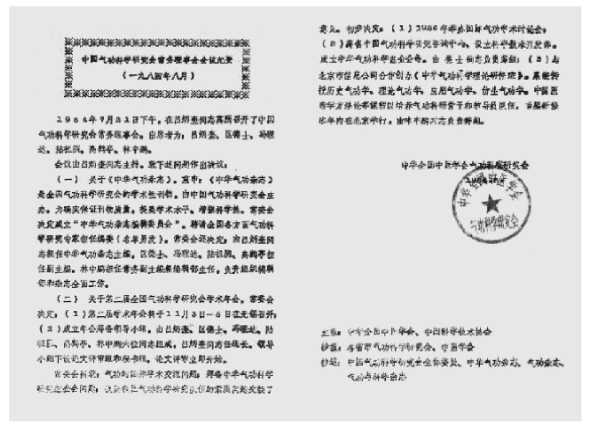
Figure 3-3 Original document of the 1984 Meeting Minutes of the Standing Council of the China Qigong Science Research Association
This was an important meeting. By this time, the Research Association had been established for three years. On the one hand, the mass movement of practicing qigong was surging: the number of people regularly practicing it nationwide had soared from 220,000 in 1979 to 15 to 20 million. On the other hand, because the Qigong Research Association was still only a second-tier society, it had no office of its own, no communication tools to link up and down, and even less funding. The qigong teaching corps lacked training, resulting in uneven quality that was cause for concern. Qigong research achievements could not be exchanged and promoted in a timely manner. Qigong enthusiasts in countries around the world were increasingly eager to receive support and exchange from the Chinese side, but the Research Association was unable to respond. In view of this, the meeting made the aforementioned decisions. Most of the tasks stipulated in the “Minutes” were realized that same year:
(1) The Second Academic Annual Conference of the China Qigong Science Research Association was held in Wuxi from November 3 to 8, 1984. Vice Chair and Secretary-General Gao Heting presided over the conference, and Comrade Lü Bingkui delivered the opening address. There were 203 delegates in attendance and over 210 papers submitted, five times the number at the first annual conference. The quality of the papers improved substantially, and a trend toward disciplinary specialization emerged.
(2) Through multiple negotiations, China Qigong Journal was successfully returned to the management of this Association as scheduled. After Lin Zhongpeng oversaw the publication of two transitional issues, it was handed over to the Beijing College of Traditional Chinese Medicine to serve as the sponsoring institution, with Professor Gao Heting as editor-in-chief and Fu Liqin as deputy editor-in-chief.
(3) In November 1984, one week after the conclusion of the Wuxi annual conference, the “First China Qigong Science Theory Training Course” was held in Beijing for the purpose of cultivating qigong research talent. Lü Bingkui served as director, and Lin Zhongpeng served as deputy director and dean of studies. Thirty-six experts were engaged to serve respectively as instructors for qigong theory and practical cultivation. They specifically wrote 29 types of lecture materials totaling 480,000 characters for the training course. The course had originally planned to enroll 80 students, yet applicants exceeded that number by more than eight times. Due to practical constraints, only 312 were ultimately admitted. After 21 days of intensive lectures and discussions, excellent results were achieved. On the day of the training course’s graduation, more than 300 participants jointly proposed the establishment of the “China Qigong Advanced Studies College,” to provide a venue for advanced study for those devoted to pursuing careers in qigong.
For historical reasons, the operations of the “Qigong Science Research Association of the All-China Association of Traditional Chinese Medicine” came to an end in 1986. Chair Lü Bingkui, who had made outstanding contributions to the cause of traditional Chinese medicine, faded from public view due to retirement. However, the core backbone of the Research Association continued to strive for the cause of medical qigong. Through the tireless efforts of Vice Chair Professor Feng Lida (who later served as the second chair of the World Academic Society of Medical Qigong) and Vice Chair and Secretary-General Professor Gao Heting (who later served as the third chair of the World Academic Society of Medical Qigong), two years later they joined with friends from countries around the world to establish an even higher-level, more broadly inclusive international academic organization for medical qigong — the World Academic Society of Medical Qigong.
Analyzing the development and problems of the qigong cause in 1986 helps people correctly understand the strategic significance and enduring value of the establishment of the World Academic Society of Medical Qigong two years later: ① In 1986, the number of people practicing qigong nationwide doubled again compared to the time of the 1984 Wuxi Academic Annual Conference, reaching a record 40 million. Various health-cultivation qigong methods crossed national borders and spread rapidly. According to incomplete statistics, they were being enthusiastically disseminated in over 20 countries and regions. ② In stark contrast, qualified instructors for qigong popularization were extremely scarce. Although the “China Qigong Advanced Studies College” had been established, it was merely a drop in the bucket and could not meet the rapidly developing needs of society. Social problems arising from this situation were seen from time to time. ③ The domains encompassed by qigong research expanded rapidly. Among the over 200 papers presented at the 1984 Wuxi annual conference alone, the researchers came from 22 renowned universities or research institutes across different fields and disciplines. The research topics addressed crossed the boundaries between natural science and social science (historical, philosophical, ethical, humanistic, religious, and moral), bridged the temporal and spatial divides between ancient times (archaeology, textual scholarship, original Chinese medicine) and modern times (frontiers of modern science, modern Western medicine), and spanned many unexpected and widely disparate fields: agriculture (e.g., breeding), biomedical engineering (pharmaceuticals), bionics (instrument and equipment manufacturing), education (talent training), aerospace (astronaut training), and others.
As a secondary-level society, the Qigong Science Research Association of the Chinese Medical Association lacked the authority and qualifications necessary to coordinate such a complex, vast, multidisciplinary, cross-industry, and cross-domain academic system. The rapid development of the qigong enterprise called for a more authoritative academic helmsman.
In 1988, to promote the healthy development of qigong, representatives from seven sponsoring countries—China, the United States, Japan, Italy, France, Australia, and Singapore—gathered in Beijing and convened the First International Academic Exchange Conference on Medical Qigong on October 10. They issued a call: in order to promote the enterprise of qigong medical healthcare, to carry out in-depth qigong scientific research, to strengthen qigong academic exchange, and to foster solidarity and cooperation among qigong organizations around the world, a world medical qigong organization should be established as soon as possible. On October 12, representatives from countries including China, the United States, Japan, Italy, Belgium, West Germany, the Soviet Union, Finland, Canada, the Philippines, Singapore, Australia, and Spain, as well as from regions including Hong Kong, Macau, and Taiwan, held a preparatory meeting, drafted the “Proposal on the Establishment of a World Qigong Organization,” and discussed related matters. After submitting the proposal to the State Administration of Traditional Chinese Medicine and the Ministry of Health for approval and to relevant leaders of the State Council for review and approval, it was decided that the inaugural meeting of the World Medical Qigong Society would be held in Beijing on November 17, 1989.
This was a grand conference of landmark significance. Xi Zhongxun, Vice Chairman of the Standing Committee of the National People’s Congress, Minister of Health Cui Yueli, and former ministers Jiang Yizhen and Qian Xizhong attended the opening ceremony (see Commemorative Album for the 20th Anniversary of the Founding of the World Medical Qigong Society). Minister Cui Yueli was elected as the first president of the World Medical Qigong Society; Feng Lida and five other international colleagues were elected as vice presidents; and the elected Secretary-General Gao Heting presided over the conference. The conference unanimously invited the highly esteemed Chinese national leader and Vice Chairman of the Standing Committee of the National People’s Congress, Xi Zhongxun, to serve as honorary president. Xi Zhongxun delivered an important speech on Chinese civilization and on promoting the treasure of medical qigong. Vice Chairman Liao Hansheng and Vice Chairman Fei Xiaotong also attended the conference.
As is well known, the time of the World Medical Qigong Society’s founding was precisely when the qigong enterprise was at its most turbulent and unpredictable. Yet the two presidents stood on the front lines of leadership during the most difficult period of the qigong enterprise, which could not but command the most heartfelt admiration. As facts proved, over the following twenty years, it was precisely due to their correct and resolute navigation—overcoming many stormy waves and navigating past intricate hidden reefs and perilous shoals—that the World Medical Qigong Society was able to safely and steadfastly complete its glorious journey.
Since his appointment as Minister of Health in April 1982, Chairman Cui Yueli had consistently and firmly supported the development of the enterprise of originally Chinese-created medicine. Within days of taking office, he traveled tirelessly to attend the Hengyang Conference and delivered an important speech. In his speech he emphasized: “The coexistence of two different theoretical systems—Chinese and Western medicine—is a characteristic and advantage of our country’s health enterprise.” “Chinese medicine should follow a path of its own development.” “Using Western medical methods to explain and reform Chinese medicine cannot be called the modernization of Chinese medicine.” In his speech he also articulated his attitude toward qigong, saying: “Some people say they do not believe in qigong. It is fine not to believe, but it does indeed have therapeutic efficacy. Zhejiang has published a qigong journal with very large sales.” On November 29, 1986, Cui Yueli also wrote specifically about the issue of qigong development to Comrade Gao Heting, then president of the Beijing College of Traditional Chinese Medicine. In the letter, he proposed the establishment of a qigong research center or a medical qigong research and development center. The center’s mission would be: ① to become a talent training base; ② to serve as a model; ③ to dispatch qigong practitioners abroad to help various countries develop their qigong enterprise; ④ to strengthen domestic and international academic exchange; ⑤ to establish a foundation to support the sustained development of the qigong enterprise. Chairman Cui Yueli’s far-sighted vision for the development of the qigong enterprise is evident from this. Cui Yueli’s assistance to the medical qigong enterprise was not confined to words; many researchers engaged in qigong scientific research regularly received his practical support and help. As is well known, Professor Feng Lida was a great founder of medical qigong studies, having completed one qigong research project after another under extremely difficult conditions in the early 1980s. After Minister Cui learned of Professor Feng’s difficult experimental conditions, he proactively did everything possible to improve those conditions, including purchasing an expensive electron microscope.
In addition to scientific research, Chairman Cui Yueli attached great importance to another key aspect of the qigong enterprise—talent cultivation. His constant concern for the growth of the China Qigong Advanced Training College since 1988 is proof of this. In the late autumn of that year, the China Qigong Advanced Training College held a press conference to mark its fourth anniversary. Despite his busy schedule, Minister Cui not only attended the event and attentively listened to the college’s report, but also personally took the stage to address the media on the current state and future prospects of qigong academia both domestically and internationally. He gave great encouragement to the trainee talent cultivation work. In October 1992, the China Qigong Advanced Training College marked its eighth anniversary. By this time, more than five thousand people had completed professional training at the college, of whom nearly 500 had become well-trained instructors. Minister Cui personally wrote a calligraphic scroll as a gift to the college, inscribed: “The sea of learning is boundless; rest only at the highest excellence. In commemoration of the eighth anniversary of the founding of the China Qigong Advanced Training College” (Figure 3-4), as an encouragement.
Figure 3-4 Inscription by Minister Cui Yueli for the China Qigong Advanced Training College
Minister Cui not only showed general concern for talent training work, but was so meticulous as to care about the quality of the training textbooks. In 1995, Minister Cui was hospitalized in Beijing Hospital due to illness and summoned the author for a face-to-face conversation at the hospital. Minister Cui said that he had spent over a month reading through the textbook we had compiled, Zhonghua Qigong Xue (Chinese Qigong Studies). He said, “Your textbook can withstand scrutiny; it is materialist.” After hearing this, I was deeply moved. As is well known, the Chinese Qigong Advanced Studies College was a “grassroots” college led by dozens of expert volunteers. That an incumbent Minister of Health not only showed concern but was even meticulous enough to read its entire set of textbooks was truly no easy matter. There was an additional reason for our emotion: at the time, a new round of the “anti-pseudoscience” movement had surged once again in society. Although we had long since become accustomed to and composed in the face of this recurrently recurring social pathology, the fact that a minister, at such a critical juncture, would go to such lengths to ensure that a few “grassroots” individuals would not be harmed—how could the volunteer colleagues in qigong education feel anything less than warmth?
In the summer of 1997, eighteen volumes of textbooks from the Chinese Qigong Advanced Studies College were publicly published; the talent training plan had been fully completed; and our social responsibilities had been fulfilled. It was therefore decided to hold a high-level international academic gathering—the “‘97 Chengde International Health Cultivation Culture Festival and the First International Symposium on Chinese Health Cultivation Studies”—serving in a sense as a grand social farewell ceremony for ourselves. Minister Cui Yueli deeply understood our sentiments and sent us a final guiding light—an inscription written in his own hand (Figure 3-5): “Develop Chinese health cultivation medicine, raise the level of human health,” and he agreed to serve as an advisor to the Health Cultivation Culture Festival. The academic conference was grand and spirited. Lu Jiaxi, President of the Chinese Academy of Sciences and Vice Chairman of the Standing Committee of the National People’s Congress, served as honorary chairman and delivered a speech. Nearly five hundred guests attended the conference, half of whom were foreign friends. Four months later, Minister Cui Yueli passed away, and the Chinese Qigong Advanced Studies College likewise withdrew from the historical stage with composure.
Chairman Cui Yueli was a legendary figure. The first half of his life was spent as an outstanding revolutionary, risking life and limb to protect the ancient city of Beijing from destruction so that it could be returned intact to the embrace of the people. The second half of his life was spent as a warrior safeguarding the civilization of China’s original medicine, dedicating himself wholeheartedly to the eternal life of this shared heritage of humanity. The greatest legacy he left for humanity was the completion, during his tenure as Minister of Health, of the revision of Article 21 of the Constitution of the People’s Republic of China. The new article stipulated that China’s original medicine holds the same academic standing as Western medicine. This is the crystallization of the political wisdom of several generations of leaders of the People’s Republic of China, and its existence will serve as a powerful weapon for the descendants of Yan and Huang to defend and revive Chinese civilization.
Figure 3-5 Inscription by Minister Cui Yueli for the Chengde International Health Cultivation Culture Festival
III. Two Kunluns as Pioneers of the Era
In 1998, General Feng Lida was the popular choice to serve as the second chairperson of the World Academic Society of Medical Qigong. This was a courageous choice. General Feng came from a patriotic family: her father was the universally known national hero of the War of Resistance Against Japan, Feng Yuxiang, and her mother was Li Dequan, the first Minister of Health of New China. As fate would have it, the official government naming of qigong began with Minister Li, and half a century later, her daughter became the chief expert in medical qigong studies, continuing to strive throughout her life for the great rejuvenation of Chinese civilization.
General Feng Lida was a contemporary role model for Chinese women, having made outstanding contributions to the nation and the people. The Party and the state honored her as a pioneer of the era of the Republic, with the highest appraisal. Her scientific activities were likewise full of marvels and equally momentous in contribution; her many “firsts” in China’s scientific and technological circles speak for themselves.
In her youth, she had deep expertise in the field of acupuncture. During the 1950s, while studying in the Soviet Union, diphtheria was ravaging that country. Because Soviet biopharmaceutical technology was not yet sufficiently developed at the time, the mortality rate among those afflicted with diphtheria was extremely high. As a foreign student, Feng Lida taught local doctors to treat diphtheria with acupuncture—painless and with excellent results—and the medical community was unanimous in its admiration. The Leningrad Pravda published a lengthy report on the matter. Feng Lida’s method of treating diphtheria with acupuncture was incorporated into the medical standards of the entire Soviet Union. She was the first person to have a Chinese medical treatment method designated as a treatment standard in the West.
Subsequently, Feng Lida was invited to instruct Soviet medical personnel in Chinese acupuncture. Her lecture notes were published openly in Russian in 1960. This was the first monograph on acupuncture studies published abroad after the founding of the People’s Republic of China (Figure 3-6).
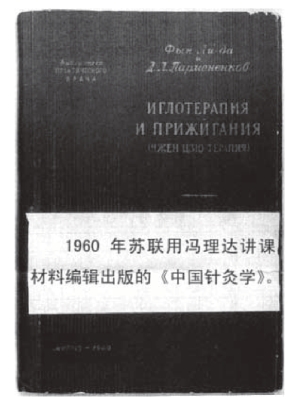
Figure 3-6 Chinese Acupuncture Studies, edited and published in the Soviet Union in 1960 based on Feng Lida’s lecture materials
Feng Lida studied medicine in the Soviet Union, initially in pediatrics and later, upon national directive, switching to immunology. After returning to China, in 1978 at a naval hospital, she successively established China’s first sterile laboratory and the first immunology research base—the China Institute of Immunology. In 1981, when New China’s first academic society for medical qigong was established, Feng Lida was publicly elected as a standing committee member and deputy chairperson. The following year, the research team led by Vice President Feng Lida published “The Effect of External Qigong on Bacterial Reproduction,” which passed the first national appraisal of medical qigong organized by the Bureau of Traditional Chinese Medicine. General Zhang Zhenhuan, then Director of the National Defense Science and Technology Commission, Director Lü Bingkui of the Bureau of Traditional Chinese Medicine, and several renowned microbiology experts attended this appraisal meeting.
The experimental design was rigorous and advanced, conducted entirely in accordance with modern scientific experimental norms. The experiments demonstrated that external qi from trained qigong practitioners had a bidirectional effect on the proliferation of Escherichia coli, Pseudomonas aeruginosa (green pus bacillus), and Staphylococcus aureus. This was the world’s first experiment using microorganisms as sensors to verify the existence of “external qi.” Previously, physical micro-signal detection sensors had mostly been used as sensing probes. Although such sensors were sensitive, they suffered from poor “uniqueness”—that is, they had relatively high “noise”—whereas biosensors did not have this drawback.
Inspired by Feng Lida’s scientific research, many scientists subsequently adopted various organisms, microorganisms (such as various types of bacteria and viruses), biological tissues (various isolated cells, gene fragments), and biological macromolecules (cAMP, cGMP, etc.) as biosensors for “external qi,” all achieving excellent results. Feng Lida’s reports showed that the average killing rate of external qi against E. coli was 69%, and against dysentery bacilli it was even higher, reaching 87%. The report also pointed out that “external qi” not only had a killing effect on white staphylococci, but also had a significant killing effect on Staphylococcus aureus, the most stubborn of the staphylococci.
Pseudomonas aeruginosa is insensitive to most common antibiotics, frequently creating great difficulties for certain treatments. Therefore, studying the inhibitory effect of qigong on Pseudomonas aeruginosa has important practical value. To enhance the credibility of the research results, Feng Lida used three different experimental methods for observation: ① colony counting; ② photoelectric colorimetry; ③ pigment metabolism photoelectric colorimetry. The three experiments served as mutual references, and the results were consistent. After qigong master Mr. Bao Guiwen emitted qi for three minutes, the bacteriostatic rate against Pseudomonas aeruginosa was above 50%. In addition to verification through different methods “within the laboratory,” even stricter “inter-laboratory” verification was also conducted. Independent verification was carried out by another research unit, and the results were consistent. Double-blind and electron microscopy studies confirmed that after one minute of external qi action, phenomena of swelling, rupture, and even dissolution of E. coli bacterial bodies could be observed.
Feng Lida’s experimental research was not only innovative in methodology, proving the materiality of external qi from trained qigong practitioners from an immunological perspective; it also suggested that the establishment and self-maintenance of the human immune system might be related to the formation and transmission processes of certain characteristic information of human life.
What Feng Lida left to posterity was not only abundant results, but more importantly, a precious scientist’s conscience:
-
“Stones from other hills may serve to polish jade.” This was Feng Lida’s attitude when weighing the values of Eastern and Western civilizations. She studied the “hills” of Western scholarship, chose what was good, and applied it to polish and refine the “jade” of China. Like the vast majority of scientists, she loved her country and respected the medical heritage of Chinese civilization, and was therefore able to recognize the inner worth of this “jade”; at the same time, she was also very clear about the value of Western civilization. Therefore, on the one hand she made great efforts to study and master Western scientific knowledge, and on the other hand, she strove to use these achievements to polish China’s jade ever more finely and contribute it to all of humanity. We of course also see that certain individuals likewise study Western knowledge and likewise face the ancient civilization of China, yet in their hearts they are filled with the dark mentality that “over 90% of Chinese civilization is dross,” viciously using “stones from other hills” to “destroy jade,” and even attempting to use “stones from other hills” to replace “jade.” Science of course has no borders, but scientists do have a homeland. Feng Lida set a shining example for China’s scientists.
-
Championing innovation, staying away from sensationalism. This was another characteristic of Feng Lida’s scientific research. All the research topics she designed were closely connected to the practical needs of the general public. A few examples are given here to illustrate the point.
(1) It is well known that those who sail on the open ocean for long periods, especially naval personnel who work underwater for extended durations, are highly susceptible to fatigue. Feng Lida led her team deep into military units to promote qigong exercise methods, resulting in noticeable improvements in the soldiers’ physical fitness.
(2) In the late 1970s and early 1980s, the painter Ms. Guo Lin popularized a newly created qigong system among cancer patients, achieving excellent results. Feng Lida promptly conducted research on changes in immune capacity in cancer patients before and after qigong exercise. The results showed that qigong exercise could indeed improve immune function. Scientific research and practice complemented each other perfectly, bringing good news to cancer patients.
(3) After the 1990s, diabetes ravaged China, with the number of those afflicted exceeding 50 million. Western medicine could only control but not cure this disease, and the Chinese people’s annual expenditure on maintenance already exceeded one hundred billion yuan. Practice showed that qigong exercise was effective. Feng Lida and her research team, with rigorous scientific thinking, studied the principles and feasibility of qigong rehabilitation for diabetes. The experiments were conducted on diabetic animal models. The experimental results showed that one of the reasons qigong exercise enabled recovery in diabetes patients was the repair of damaged pancreatic function. The research findings guided the further popularization and development of non-pharmacological rehabilitation for diabetes.
(4) Research on qigong’s enhancement of cold resistance was a new contribution by Chinese scientists to the world. In northern winters, the cold is extreme. Some military operations require outdoor work; operating with gloves often lacks sufficient dexterity, while operating bare-handed easily leads to freezing. Therefore, improving soldiers’ cold resistance has great practical significance. To improve soldiers’ cold resistance, Feng Lida and her team established a research project and achieved excellent results.
Throughout her life, Feng Lida presided over the compilation of eight monographs, of which seven were research achievements in medical qigongology; she published over sixty papers, of which at least forty-eight were accomplishments in medical qigongology. In recognition of her outstanding scientific attainments, the leaders of the Party and the nation gave her the highest evaluation, explicitly stating that Feng Lida’s lifelong scientific practice was “an important component of the practice of the Scientific Outlook on Development.”
Feng Lida and her scientific research team were highly efficient, completing an average of two research projects every year, an astonishing speed. This does not even include the six monumental volumes of Health, Fitness, and Longevity Studies that she completed in her later years. For more than 20 years, apart from traveling on official business, she worked in the laboratory every day, rain or shine. Before her passing, the morning of the day she was admitted to the hospital was also spent in the laboratory. Patriotism, innovation, and diligence—this was Feng Lida’s understanding of the scientific spirit.
The attainment of Feng Lida’s scientific achievements also lay in her upright and unyielding virtue. She firmly insisted on the correct direction; no matter the winds from east, south, west, or north, none could make her waver. This was so for the research direction she herself endorsed, and equally so when it came to safeguarding the legitimate rights and interests of the World Qigong Society she led. Under the inspiration of her spirit, the entire World Qigong Society distinguished clearly between right and wrong, upheld justice, maintained a proper work style, and made positive contributions to the healthy development of the qigong cause.
Over the past twenty years (1989–2009), the three former chairmen of the World Qigong Society, Xi Zhongxun, Cui Yueli, and Feng Lida—whether from the strategic height of national development, the standpoint of improving the quality of human life, or the promotion and encouragement of the scientific spirit—played a mainstay role in the sprouting, growth, and bearing of fruit of the discipline of qigong studies. Their selflessness and courage moved the entire research team of qigong studies. Today, the dazzling array of scientific achievements displayed before the world is the crystallization of this inspiration.
“The land so rich in beauty, has led countless heroes to vie in bowing to it.” At nearly the same time as General Feng Lida became involved in qigong research, another figure—Professor Qian Xuesen, whom the Party Central Committee hailed as a “Pioneer of the Era”—also entered the field. In early 1981, the elder Qian published an article in Nature Magazine titled “Systems Science, Noetic Science, and Somatic Science,” in which he argued that “traditional Chinese medicine, qigong, and extraordinary human functions” formed a trinity, all rooted in the holistic perspective of Chinese civilization. He pointed out that somatic science, centered on these three, constituted one of the frontiers of modern science, and solemnly declared: “We are making history.” Thereafter, the elder Qian successively published works titled “A New Domain of Science—Open Complex Giant Systems and Their Methodology” [Nature Magazine, 1990, (1)] and A Comprehensive Discussion of Somatic Science and the Development of Modern Science and Technology (People’s Publishing House, 1996), closely linking the frontiers of modern Western science with the holistic perspective of Chinese medical civilization. This not only indicated the direction of development for the frontiers of modern science but also guided the great revival of China’s original medical civilization. In July 1979, under the leadership of the Party Central Committee and the State Council, the “Conference on Reporting On-Site Experiments in Chinese Qigong Science” was convened. As China awakened from the nightmare of the “Cultural Revolution,” it discovered that the frontier of modern science—complexity science—was advancing at an astonishing pace, and that its theoretical core, far from aligning with the “doctrine of division” (also translated as “reductionism”) of the contemporary Western scientific tradition, in fact closely approximated the holistic perspective of Chinese medical civilization. In early 1981, in his assessment of qigong research at the time, he said: “From the perspective of the theories of H. Haken, H. Fröhlich, and M. Eigen concerning biological giant systems, this involves the human body entering a special functional state… the functions of each somatic functional state are different. Yet a person can control entering whichever functional state they wish to enter. Our research task is to clarify the mechanism of each functional state. This is a serious task.” (Quoted from Qian Xuesen’s letter to Lin Zhongpeng dated January 11, 1981; see Figure 3-7) This is, to the author’s knowledge, the earliest written text in which Mr. Qian discussed somatic science. It is evident that by that time the elder Qian was already very clear about the existence of the self-organizing capacity of human life as a complex giant system, and at the same time had charted his own future research direction: “to clarify the mechanism of each functional state.” The elder Qian’s letter was a reply to a brief letter I had written in December 1980. In early 1980, the elder Qian had conveyed through the renowned scholar Mr. Zhao Hongzhou his interest in learning about my research work. At year’s end I met the elder Qian’s secretary, General Wang Shouyun, and accordingly asked him to forward two articles on my behalf: “The Methodology of Our Motherland’s Medicine and Pharmacology” (March 1979) and “The Current Status and Future of Research on Qigong Biofeedback” (early 1980). The elder Qian’s handwritten letter comprised three pages (partially reproduced in Figure 3-7). In the letter, the elder Qian also discussed the translated name of qigong as well as the possibility of applying somatic science to gene recombination.
Feng Lida demonstrated the modern value of Chinese medical civilization through rigorous scientific experiments, while Qian Xuesen elucidated from a theoretical height the guiding significance of the holistic view of Chinese civilization for the future development of science. The two giants of science complemented each other perfectly, laying a solid foundation for the great revival of Chinese civilization. In the sixty years since the founding of the People’s Republic of China, the honorary title of “Vanguard of the Era” has been conferred upon only a small number of scientists, among them Feng Lida and Qian Xuesen — and yet both of these two were great pioneers and leading figures who tirelessly devoted themselves to research on traditional Chinese medicine, qigong, and extraordinary human functions. They independently threw themselves into the building of this discipline in the 1980s, and without the slightest hesitation contributed the final thirty years of their lives — the years of their greatest wisdom — to this cause. Given their stature, they could well have rested content with ease and honor, but what they chose was battle — the battle to open up new horizons. Their efforts were arduous, even grueling; their creations were solitary, even lonely. “The Song of Yangchun Baixue — those who can join in harmony are few indeed” — this may perhaps be the reason for their solitude and loneliness. Although their achievements lacked the support and understanding of their own time, history will prove that their glory is immortal.
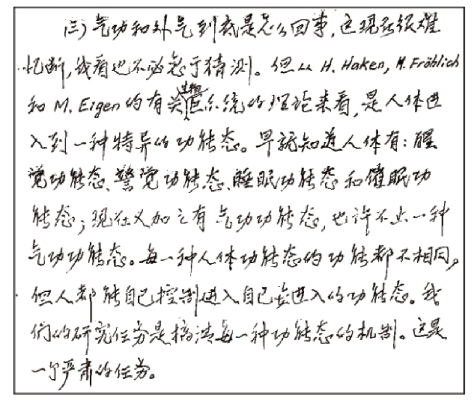
Figure 3-7 Qian Xuesen on self-organization phenomena (excerpted from Qian Xuesen’s letter to Lin Zhongpeng dated January 11, 1981)
Chapter Four: Spring Blossoms and Autumn Harvests — Observing the Wonder
Over the past century, and especially over the past sixty years, it is beyond doubt that qigong has become an indispensable and important pathway for humanity to improve the quality of its own existence. The dazzling array of research achievements announces that, after more than three hundred years of dormancy, the ancient tree of Chinese civilization has been reborn with youthful vigor, blooming with magnificent flowers.
Sixty years ago, the ancient tree was reborn. In the thirty years that followed, research papers on medical qigong reached as many as 89 (see Between Spirit and Form: A Complete Record of a Century of Qigong Research Literature (1912–2011)). However, in the first five years of reform and opening up (1980–1985), more than 570 papers were published — six times the total of the preceding three decades. And in the twenty years from 1989 to 2009, the number of qigong papers exceeded 1,900, three times the number published before 1989. Of these, more than 1,090 were presented at successive academic annual conferences of the World Academic Society of Medical Qigong, while during the same period, over 830 theoretical contributions were scattered across other journals, monographs, and conference proceedings. From the number of medical qigong papers published over the years, one can glimpse the developmental trajectory of medical qigong:
(1) It bears witness to the founding of New China and the process by which medical qigong research grew from nothing.
(2) It was the east wind of reform and opening up that ignited enthusiasm for medical qigong research and fostered the favorable environment for the robust growth of medical qigong as a discipline.
(3) The establishment of academic institutions such as the World Academic Society of Medical Qigong and the Shanghai Qigong Research Institute, and in particular, in 1992, the State Physical Culture and Sports Commission’s establishment of a Qigong Division within the Wushu Academy, which was subsequently expanded into a specialized research center, promoted the elevation of qigong scholarship and became the primary platform for academic exchange in qigong. Furthermore, in 1994 and 1997, the inaugural “World Taiji Cultivation Conference” and the inaugural “First International Academic Symposium on Health Cultivation” were held, bringing the scientific popularization of qigong to the entire world.
The bibliographic listings of medical qigong research papers in this report total over 9,000, the vast majority of which were produced in the past thirty years. This is an enormous quantity, yet it is not exhaustive. Due to the special nature of medical qigong research, there is inevitably the possibility of omissions in the literature search. But even based on this incomplete body of papers, we can still appreciate the extraordinary value of medical qigong to humanity.
I. Clear Practicality
The largest category in the literature is naturally clinical application. Over the past century, the clinical applications of qigong have covered virtually every medical specialty. In the 1930s, pulmonary tuberculosis was considered an incurable terminal illness for which “no medicine could cure,” yet practice proved that qigong was the optimal therapeutic choice. In the past thirty years, people have been most concerned with the difficult and complicated diseases that challenge modern Western medicine. Among these, clinical practice in cancer rehabilitation has been the most prominent. In 1980, Guo Lin Qigong was popularized at Tsinghua University, with 23 cancer patients participating in the training; by 1985, of the 23 participants, 20 were still alive, with only 3 having passed away. A five-year survival period is regarded by modern mainstream medicine as the benchmark for cancer recovery — in other words, the cancer rehabilitation rate reached 87%. In contrast, China currently has 2.2 million new cancer patients each year, while the number of deaths per year from cancer reaches as high as 1.6 million (these are data from around 2005; by 2015, these two figures had risen to 4.292 million and 2.814 million respectively; see Chen Wanqing et al., CA: A Cancer Journal for Clinicians, January 25, 2016). This means that the one-year survival rate is only 23%, and the five-year survival rate falls below 10%. Ms. Guo Lin’s success inspired cancer patients across the country to rise up and fight to change their own destinies, spontaneously organizing one after another to practice medical qigong and achieving excellent results. The Beijing Guo Lin Qigong Association, the Beijing Anti-Cancer Paradise, and the Liuzhou Anti-Cancer Fitness Center — early-stage cancer rehabilitation survivors who embodied the spirit of volunteerism — organized batch after batch of patients to return to the ranks of the rehabilitated. The Liuzhou Center reported that it had guided over 1,200 cancer patients in qigong practice, and in 2009 conducted follow-up visits on 352 of these cases. The results showed that 147 of them had survived more than five years, of whom 78 had already returned to work. Wang Jian reported that in a survey of 117 cases of Guo Lin New Qigong, 97% had passed the five-year mark, with only one person having passed away. Yang Zenghe reported that the Beijing Anti-Cancer Club already had 66 cancer patients who had become outstanding anti-cancer heroes. Under their inspiration, cancer patients across the country voluntarily organized hundreds of diverse anti-cancer clubs, making extraordinary efforts to fight for the continuation of life. As early as the 1960s, the United States Navy had already noticed the problem of low-temperature operations among its personnel, since operating bare-handed in cold weather was a difficulty. Guo Shanru, a physicist at the Tianjin Institute of Technology (now Tianjin University of Technology), through qigong cultivation, was able to tolerate both high and low temperatures simultaneously, and personally practiced in this field with remarkable success.
Of course, the practical value of medical qigong extends far beyond cancer rehabilitation. Hundreds of various diseases of modern medicine, including those so-called baffling conditions for which no clear diagnosis can be made, have all found the key to unlock them through qigong practice. This is why many such papers appear among the early reports we have compiled.
II. Broad Popular Participation
As the revolutionary elder Xie Juezai said in his appraisal of medical qigong: this method “can be practiced by everyone, costs no money, requires no special effort, can cure illness, and can extend life.” Therefore, many research findings come directly from the practice of the broad masses. The rehabilitation of cancer patients is one such case, as is the rehabilitation of many other difficult diseases, such as systemic lupus erythematosus. When case after case of patients emerged from the valley of death, it drew the attention of researchers, who finally discovered that medical qigong possesses the ability to repair “immune deficiency.” Another example is the rehabilitation of diabetes, once thought to require “lifelong medication,” which is now no longer anything novel. However, the original “breakthroughs” came from the extensive, long-term accumulation of practice among the masses. From initially knowing little to eventually knowing much, researchers then conducted systematic studies and essentially grasped the patterns, making a positive contribution to non-pharmacological rehabilitation for diabetes. People’s artists should regularly go among the people to gather creative inspiration, because the people possess a wealth of original artistic accumulation; likewise, scholars of the people’s medical qigong should seek research inspiration from the practice of the people. Therefore, among the literature we have collected there is a considerable quantity of “personal experiences” and “insights” from ordinary citizens. Perhaps their medical practice involves a small “number of cases,” their research is insufficiently “systematic,” and their mode of narration is not sufficiently “rigorous” or “scientific,” yet we have nevertheless included these original materials in our literature repository, with the aim of preserving a clean source of living water for future researchers.
III. Distinct Innovativeness
The medical qigong researchers led by Chairperson Feng Lida, because their chosen topics were all areas never before explored by their predecessors, can be said to exhibit distinct innovativeness in every single paper. As described in the preceding section, the forty-eight papers publicly published by Feng Lida and her research team each and every one contain points of innovation; similarly, the late Academician Kuang Ankun of the Shanghai Institute of Hypertension and his research team are likewise exemplary. Through efforts spanning more than half a century, they conducted meticulous and scientific research on hypertension, using indisputable research findings to prove the value of medical qigong in treating hypertension: ① lowering the blood pressure of hypertension patients toward normal levels; ② consolidating the therapeutic efficacy once patients’ blood pressure returns to normal; and ③ reducing the occurrence of complications compared with drug therapy alone. In particular, the mortality rate caused by stroke decreased markedly.
After large numbers of cancer patients recovered through qigong practice, many researchers launched even larger-scale and more rigorous investigations and studies. For example, Huang Nianqiu reported a systematic analysis of 335 cancer patients who recovered through qigong practice; Liu Lilan and Lü Cuixia analyzed the efficacy of the “three-in-one combination” of Western medicine, Chinese medicine, and qigong in 900 cancer patients; Zhu Mingde and Duanmu Feng’s report on 892 cases; and Cong Jing and Chen Jun’s analysis of 150 cases—all provided extremely valuable scientific guidance for improving the quality of life of cancer patients.
Professor Zhang Guangde of Beijing Sport University is the foremost expert in contemporary daoyin qigong education, with disciples spread across more than seventy countries, and he mentored New China’s first doctoral degree holder in qigong studies. He inherited the “one disease, one method” concept from the Yinshu and the Zhu Bing Yuan Hou Lun (Treatise on the Origins and Symptoms of Diseases), and innovated upon tradition by advocating customized, simple, and accessible “five-minute exercise routines,” integrating meridian theory and martial arts into qigong, and elevating the practice into an art form, thereby achieving many innovations suited to the characteristics of the times.
Multidisciplinary and even cross-industry research is extremely rare in modern Chinese scientific research, yet it has become commonplace in modern qigong research. This point is of vital importance for the study of complex systems, especially life phenomena. The studies on the nature of “external qi” enumerated in the literature centrally reflect the fresh experience gained through multidisciplinary cross-fertilization.
IV. Rigorous Scientific Character
Among the reference materials are a number of personal practice insights from ordinary citizens, but there are also works by outstanding professional scientists. Professor Cai Yipeng of Peking University is a world-renowned low-temperature physiologist who, in collaboration with Mr. Nan Lianchan, conducted extremely rigorous research on the cold-resistance limits of well-trained practitioners under qigong states, ultimately concluding that certain well-trained qigong practitioners possess extraordinary, prolonged resistance to extreme low temperatures. Xia Shuangquan, Song Xinhong, and Mr. Mei Lei of the 507th Research Institute of the Commission of Science, Technology and Industry for National Defense observed a pulsating phenomenon in brain waves resembling the shape of the Taiji diagram, which is related to the deep qigong state; in this state, the human body’s self-rehabilitation ability shows marked enhancement. Professor Chu Deying, a renowned physical chemist at Peking University, confirmed through extremely rigorous scientific experiments that the “external qi” of certain well-trained qigong masters possesses the ability to alter the conformation of certain protein molecules. This is an extremely important discovery, and we have no intention of evaluating it here. What we wish to discuss here is the author’s rigorous scientific attitude: in addition to conducting experiments within China, the final verification was ultimately carried out in the laboratory of a famous American university, and only after confirmation with no discrepancies were the research results published. This is the true spirit of science.
The bibliography also includes dissenting voices. Medical qigong, and especially its experimental science, has been severely tested in both methodological understanding and specific research design due to the complexity of its subject matter. It is normal for there to be differing views. This too is an expression of the scientific spirit, and there is no need to avoid it.
The literature repository also contains a large quantity of articles on “preventing deviation” and “correcting deviation.” The occurrence of adverse reactions from qigong practice was reported as early as ancient times, but deviation on such a massive scale need not be concealed—it was an abnormal social phenomenon. This reflected the anarchic state of qigong education in the early 1990s, and the scarcity of qualified qigong education personnel was the primary cause. History must not repeat itself, and will not repeat itself. Preserving this body of materials holds positive significance for both China and the world as a mirror from which to learn.
Laozi says in the first chapter of the Dao De Jing: “Constantly having desire, one observes its boundaries; constantly having no desire, one observes its subtlety.” The former refers to the “reductionism” upheld by Western science, while the latter refers to the “holistic view” upheld by the Eastern Great Dao. These are two methods by which humanity cognizes nature and the self. Both are historical treasures of humanity, and one should not favor one over the other, much less use the values of one theory to praise or criticize the merits and flaws of the other. Hence Laozi says: “These two… are equally called the profound.” Both philosophical approaches are remarkably effective for understanding the objective world. If researchers can organically combine them (“the profound of the profound”), they can arrive at a deeper understanding of the essence of the objective world, which is why it is called “the gateway to all subtleties.” However, due to historical circumstances, the reductionism (or partitionism) of Western medicine has become the “ruling” set of values, while the holistic view of the unity of heaven and humanity of the East has been relegated to the “opposition.” As a result, the most valuable health-preservation treasures of Chinese original medicine have been dismantled and peddled in fragments as antique ornaments under Western values.
This state of affairs is highly detrimental to the healthy development of Chinese original medicine, which is founded on the holistic view of the unity of humanity and heaven, and it also constitutes an obstacle to innovative activities across Chinese science as a whole. If sixty years ago people, out of blind faith in the West, regarded the old scientific worldview of the Newtonian era as a tribunal sitting in judgment over Eastern health-preservation civilization, that might still be forgivable. But today, as the great vessel of the new century sets sail under the guidance of the scientific outlook on development, anyone who still tries to sneak aboard this great ship of civilizational revival clutching a sixty-year-old boarding pass would be decidedly out of step with the times. Western medicine has performed “observing its boundaries” to the utmost, while the consciousness of “observing its subtlety” from Eastern civilization has only just begun to emerge in the course of scientific development; its prospects are limitless, and it must on no account be struck down with a single blow.
Chapter Five: A Bird’s-Eye View of a Century of Literature
I. On Principles
The section “On Principles” can be roughly divided into four categories: “Elucidation of Subtleties in Gong Principles,” “Gleanings from the Zhouyi,” “Selections from the Literature,” and “Teaching Forum.” Here, no attempt has been made to summarize the principles of qigong under any “unified” “model,” because this subject was already discussed in Part Three of Chinese Qigong Studies, compiled and published twenty years ago. What is presented here mostly concerns the principles of various specific gong methods. In other words, what the former elucidates falls under “basic theory,” while what the latter explores is “applied theory.” Since different gong methods adopt different qi routes and aim at different goals, their rationale is not necessarily the same; in some respects it may even differ greatly. This is a normal phenomenon and therefore need not—and should not—be “unified.”
Although the gong methods left behind by the ancients are numerous enough, and their corresponding principles sufficiently rich, the social environment and lifestyle of people today differ greatly from those of the ancients. Therefore, gong methods cannot remain entirely unchanged, nor can their principles. We cannot but preserve the rational core of classical gong principles and methods, because without such adherence, what one studies would no longer be qigong. At the same time, we cannot but reform gong methods in accordance with the characteristics of the times, so as to suit the tempo of the era; without doing so, qigong would be difficult to disseminate in society. If contemporary popular gong methods were evaluated through the lens of ancient “orthodoxy,” the great majority would be classified as “heterodox paths.” But viewed through the lens of the present day, the creation and compilation of quite a few popular gong methods are well suited to the needs of society and have contributed to the popularization of qigong science. By comparison, gong methods that were once of “prestigious and orthodox lineages” inevitably seem drawn-out and tedious in a social environment of high speed and fast tempo. “Thirty years east of the river, thirty years west”—this dramatic reversal in the rise and fall of gong methods conceals the profound significance of transformation in gong principles. “Humans model themselves on the earth, the earth models itself on heaven.” The so-called “earth” can be understood as the “cosmos of society,” distinct from the human microcosm and the heavenly macrocosm. As society reforms, human life activities must also change accordingly. But “heaven models itself on the Dao, the Dao models itself on nature,” and therefore the fundamental law of qigong remains unchanging. Thus, as times change, it is unacceptable for the mainstream gong methods of qigong not to change, yet indiscriminate change is equally unacceptable; the key lies in how they change. Over the past dozen years, domestic qigong popularization has tasted the rewards brought by change, but has also endured the bitter consequences of indiscriminate change. “Stones from other hills may serve to polish jade.” Since the 1960s, when Indian qigong (yoga) was first introduced to Europe and America, debates over “change” versus “non-change” arose there as well. This debate, in both qigong theory and practice, holds considerable reference value for how to make qigong better suited to the needs of social development.
Yoga originated in ancient Indian Brahmanism and has a history of three thousand years. The famous Indian classic The Vedas serves as the philosophical foundation of yoga. It is said that the highest state of yoga cultivation is “Samadhi”—transcending the objective world and attaining complete liberation. Although yoga as a practice originated in ancient Brahmanism, it flourished after the rise of Buddhism. The founder of Buddhism, Gautama Siddhartha (6th century BCE), did not himself attach importance to yoga; he held that the supreme wisdom—“Buddha”—was the ultimate pursuit, and in his view yoga was merely a “technique,” a “heterodox path.” It was not until the 1st century CE that, for the sake of Buddhism’s survival, these “heterodox paths” once despised by their founding patriarch were incorporated into the daily cultivation practices of Buddhism. The Buddhist monk Ashvaghosa, in his work The Awakening of Faith, while propagating Mahayana teachings, devised a five-step yoga cultivation method, and it was thus that yoga developed alongside the spread of Buddhism. Because yoga as a practice had been shaped over the millennia by Brahmanism, Hinduism, Tantrism, and Buddhism, its mystical coloring is extremely pronounced. Yet in terms of the core of its cultivation, it does indeed possess very effective value for health preservation.
Although yoga was introduced to Europe and America well before the 1960s, it only truly gained momentum in the years that followed. Due to the rampant harm caused by pharmaceuticals, people had become terrified of medication, and all sectors of society longed for non-pharmacological, natural therapies. As a result, Chinese acupuncture and massage as well as Indian yoga received special favor. However, classical Indian yoga, with its cumbersome procedures, mystical rituals, and teachings far removed from science, had difficulty taking root in society. In order to meet the needs of Western society, yoga, as a health-cultivation technique, was undergoing a transformation. Regarding how to understand this “transformation,” three viewpoints broadly emerged: one school advocated research using modern scientific methods, holding that the substantive effect of yoga lay entirely in the “relaxation response”—nothing more. Accordingly, the representative figure of this school, Professor Herbert Benson, Director of the Department of Behavioral Medicine at Harvard Medical School, created a simplified relaxation training method. Because the method was simple, easy to learn, and effective, it became quite popular in society. His book The Relaxation Response also became one of America’s best-selling books. In 1983, Professor Benson visited China and introduced his research findings and exercise method to the qigong research community. The exercise method was extremely simple: it did not require any particular sitting posture, only that one close one’s eyes and silently repeat two single-syllable sounds. The duration of practice could be long or short, at the practitioner’s discretion. Because this school’s understanding of yoga was built entirely upon the foundation of modern psychological experimentation, we provisionally call it the “Scientific School.” The second school held a different view, arguing that “relaxation” was merely a preparatory state for practicing qigong rather than qigong itself—it could only be said to touch the edges of qigong. The representative figure of this school was the Indian qigong master Maharishi (i.e., Maharishi Mahesh Yogi). The exact date of Maharishi’s birth is uncertain, but according to his own account, he received a doctoral degree in physics in 1927, so he must have been at least an octogenarian (some online sources state that Maharishi was born in 1918, received a physics degree from the University of Allahabad in India in 1942, and passed away from illness in the Netherlands in 2008). In his youth, he studied yoga under the master Guru Dev, and in the 1960s he collaborated with Benson to conduct many persuasive experiments on the physiological and psychological processes of practice. In the early 1970s, for certain reasons (including differences in academic viewpoints), he parted ways with Benson. Due to his different professional background, Maharishi seemed more interested in the physical significance of qigong. In the late 1970s, he claimed that he had discovered that the practice of yoga could validate the “unified field” theory that had eluded the great scientist Einstein during his lifetime. At the end of 1982, Maharishi led more than seventy of his disciples to visit Beijing and exchanged research insights with members of the scientific and technological community. In order to popularize yoga in the developed countries of the West, Maharishi greatly simplified the yoga method, but unlike Benson, Maharishi’s method retained more of the flavor of Indian yoga, giving practitioners a sense of solemnity and reverence. The practice was divided into two stages: the elementary level was still practice (Meditation), and the advanced level was movement practice (Shidi). The essentials of the still practice were roughly the same as those introduced by Professor Benson, but the teaching method was quite particular. Before practice, beginners were to hold several red fruits wrapped in a plain white cloth towel along with a handful of white rice, and a learning ceremony was conducted under the presiding direction of a specially designated teacher, after which the silent “sounds” were transmitted. The advanced practice closely resembled China’s spontaneous movement qigong. Because it was performed in a cross-legged sitting posture, the spontaneous movements took the form of leaping, which often attracted many curious onlookers. Because Maharishi was able to simplify cumbersome yoga into a form of training acceptable to the fast-paced work and lifestyle of the West in accordance with the realities of society, within less than ten years it swept across the West, and the number of people practicing Maharishi’s method exceeded one million. Needless to say, Maharishi made an indispensable contribution to the wide dissemination of yoga in the West. Because, while making use of modern scientific methods to reveal certain patterns of ancient yoga, they were still able to preserve the rational core of yoga, we call this school the “Reform School.” However, their innovations did not receive support from yoga experts in their mother country of India. These experts insisted that yoga should be practiced according to traditional methods—first laying a foundation, then progressing step by step—in order to reach advanced states. Therefore, they attacked the “Scientific School,” arguing that the method created by Benson was not qigong at all; and they criticized the “Reform School,” arguing that the so-called Transcendental Meditation (Meditation) promoted by Maharishi existed in name only and misled practitioners. For convenience, we call this school the “Traditional School.” In recent years, this school has gradually gained a foothold in Western society, and the trend has been growing increasingly vigorous. The representative figure of this school is Swami Rama of India, the head of the Himalayan Institute. Although they advocate practicing qigong sequentially according to traditional methods, they do not oppose the study of qigong using modern scientific methods. The Research Bulletin, published irregularly by the Himalayan Institute, indicates that their research on the foundational yoga practice of breath regulation is comparatively profound. Compared with Maharishi, this school pays greater attention to the cultivation of mind practice.
The three-way dispute that arose during the popularization of Indian qigong in Europe and America remains in a closely deadlocked “tripartite” standoff to this day, and it is still difficult to determine a clear winner. However, this does not diminish the academic value of the debates among them. This controversy provides extremely valuable lessons for how we should approach the inheritance and development of Chinese qigong in the future. Although the essays in “Elucidation of Subtleties in Practice Principles” did not directly conduct a systematic discussion of this issue, they nonetheless provide research material for us to consider, from a rational vantage point, how qigong should adapt to the needs of the times and make the optimal choice.
“Gleanings from the Zhouyi” and “Select Essentials from the Literature” are attempts to rediscover the treasures left by our predecessors from different perspectives with modern eyes. Among the historical literature voluminous enough to fill carts and buildings, the Zhouyi has been highly valued by successive dynasties due to its special status. Confucians revere it as the head of all classics, and medical practitioners and Daoists all regard it as an ancestral text; the two “kings of alchemical texts,” the Zhouyi cantong qi and the Wuzhen pian, invariably cite the Zhouyi; the Huiming jing praises it even more highly, saying: “Paoxi created the hexagrams and enabled the world to know the way of nourishing life.” It credits all the great achievements of traditional Chinese life-nourishing culture to this marvelous book from over two thousand years ago. Precisely because of this, from ancient times to the present, no less than two thousand scholars have annotated and explained the Yijing. However, even so, people’s enthusiasm for exploring the Zhouyi today has not diminished in the slightest. They continue to gallop with their imaginations, dressing up the Zhouyi into the most beautiful appearance in their own minds. Among these, there are both shining insights and no lack of mediocre talk. The difference between the two lies in a single point, namely: whether one binds oneself within the “framework” of the Yijing, or jumps outside the “framework” of the Yijing. The Yijing was originally created by the ancients who “looked up to observe astronomy, looked down to examine geography, and comprehended human affairs in between”; in other words, it is a model summarized and concluded from the understanding of fundamental objective laws, and the objective world is the source of human wisdom represented by the Yijing.
Today, people’s level of understanding of “astronomy” and depth of research into “geography” are no longer comparable to three thousand years ago; today’s “human affairs” are also not something the sages of the past could fully understand, and the historical experience of the rise and fall of human society over millions of days and nights is something the sages of the past never experienced. The ancients did not see today’s moon, but today’s bright moon shines on the ancients. Therefore, today we respect the wisdom of the ancient sages and take their grand discourses as a bright mirror—a mirror that reflects the era in which they lived—but we have no intention of letting it serve as shackles to bind our hands and feet. Qi Baishi, a master among painters of his generation, once said: “Those who learn from me live, those who imitate me die!” This is a profound truth. We can evolve this statement into “Those who learn from the Yi live, those who imitate the Yi die.” Those who learn from the Yi live; they live in realizing its spirit, which is the shining source of Yi studies in later generations; those who imitate the Yi die; they die in being fettered by it, which is the root flaw of mediocre interpreters of the Yi throughout history. “Success is due to Xiao He, failure is due to Xiao He.” The Yijing has brought inspiration to promote the progress of science, but the Yijing has also provided a safe haven for fortune-tellers peddling superstition. This was completely unexpected by the sage Confucius, the compiler of the Yijing. The Yijing was originally a book of divination. Confucius, with his unique discernment, wrote the Ten Wings together with his students to clarify its rich philosophical connotations and discard the sloughed-off skin of its divination, pushing Yijing research onto a bright path. However, even today, there are still people who insist on picking up that decayed, sloughed-off skin to weave new superstitions, which is deeply regrettable. The meaning of the topic “Gleanings from the Zhouyi” is the hope that what we “glean” is the essence in the Zhouyi that is beneficial to today’s society, rather than the waste discarded three thousand years ago.
The treasure house of Chinese qigong literature is counted in tens of millions of words, offering a superb collection of beautiful and richly diverse works. Although qigong literature can trace its origins to the Daode jing and the Zhouyi, as “specialized” works, in terms of practice methods, the Xingqi yu ming (Inscription on the Jade Plaque on Guiding Qi) is the earliest; in terms of theory, the Zhouyi cantong qi serves as the starting point; the rest are mostly concurrent discussions. Although its origins and developments are complex and multifaceted, they are not fragmented and without a traceable pulse; their general outline has been described in Chapter 1. Chapter 1 has no intention of making a comprehensive exploration of the historical literature of Chinese qigongology; it merely reflects the comprehension of certain famous pieces and grand discourses by fellow scholars in their practice. Although it does not show the whole leopard, it is all very solid. “Of the three thousand leagues of weak water, I only take a scoop to drink.” Although we only take “one scoop,” it can still somewhat reflect the brilliance of the treasures in the vast, long river of qigong literature.
In recent years, the popularization of qigong science has once again been “as overwhelming as a tide.” Although its successes are clearly visible, its suspected shortcomings can also be found everywhere. The enthusiasm of only caring about making waves and not caring about the consequences is inadvisable, because when the tide rises, it must eventually ebb. After the tide ebbs, what is left for the human world? Is it the glittering gold washed by the waves, or the muddled sludge? This depends to a large extent on summarization. If the false is not rejected, the true will not emerge. These are entirely the experiential talks of practitioners; although plain and unadorned, they are not without brilliant insights. May interested individuals pick and gather them, adding a few more fresh flowers to the bright future of the healthy and scientific popularization of Chinese qigong. Toward the experiential talks of predecessors, one should adopt the attitude of “learn from the minds of the ancients, do not copy the tracks of the ancients.”
II. The Medical Part
Qigong has been used in clinical practice for two thousand years. Despite this, people are still very unfamiliar with medical qigong. This is because qigong therapy mainly relies on the patient’s self-exercise to achieve the goal of physical and mental optimization, holding that once the patient’s life healing force is fully brought into play, then “righteous qi is stored within, and evil cannot interfere.” Unlike Western medicine, the criterion for evaluating whether a qigong method is excellent is not its therapeutic effect on a certain “disease,” but rather the measure of whether it can mobilize the human body’s internal healing force more quickly, safely, and comprehensively. Therefore, in qigong practice, the scenario of “one disease treated by a hundred methods, one method treating a hundred diseases” often appears, completely without the traces of antagonistic therapy found in modern Western medicine. For example, in clinical Western medicine, patients with low blood pressure are absolutely not allowed to take “Jiangyaling” or guanethidine, and patients with high blood pressure are absolutely not allowed to take “dopamine” or have epinephrine dripped. However, most classic methods are simultaneously effective for both patients with high blood pressure and those with low blood pressure. Because the focal point of qigong exercise is not to “raise” or “lower” blood pressure, but to promote the recovery of the central nervous system’s ability to regulate blood pressure.
However, through long-term medical practice, people did find that training in certain practices seemed to be more effective for the recovery of certain diseases, and thus the idea of “administering exercises according to pattern differentiation” or “administering exercises according to disease” arose. This point was already confirmed by the silk painting of daoyin exercises found in the Han tomb at Mawangdui, dated to 168 BCE. The daoyin illustrations introduced qigong treatment methods for conditions such as “guiding out qu accumulation” (qu, pronounced qu, can be interpreted as foot or armpit), “guiding out dragon,” “guiding out warm disease,” “guiding out spleen disease,” and others. What is meant by “guiding” (yin)? The famous Sui dynasty physician Chao Yuanfang said: “To guide means to draw out the evil latent qi from within this old body, leading it out with the guiding, hence the term daoyin.” The purpose was to expel the “evil latent qi from the old body,” or in plain terms, to expel the “diseased qi.” Different diseases have different methods of guiding. For example, for “guiding out spleen disease,” the silk painting shows a person in a squatting seated position, with both hands placed on the outer lower sides of each knee; whereas for “guiding out knee pain,” the hands are placed under the armpits. Needless to say, the former expels the “diseased qi” from the outer side of the knee joint (in the vicinity of Zusanli) downward, while in the latter the “diseased qi” is drawn out from the armpits. As far as we know, this kind of “guiding method” treatment is still quite commonly used today for treating certain ailments of the spleen, stomach, and liver. Using this method, one can employ mental intent to discharge diseased qi from “Zusanli,” and indeed considerable results have been achieved; however, to carry out this treatment, the practitioner must meet high requirements in terms of “using mental intent.”
In 610 CE, the Sui imperial physician Chao Yuanfang’s Treatise on the Origins and Symptoms of Various Diseases further pushed the theory and practice of “administering exercises according to pattern differentiation” to a brilliant zenith. For example, under the section “General Pattern of Numbness with Inability to Move the Hands and Feet,” the [Yangsheng Fang Daoyin Fa] states: “With both hands clasped together left and right in greeting, and without breathing, do nine cycles for both arms. This treats pain in the arms and feet, fatigue, and wind-induced numbness with immobility.” It is very simple: placing both palms together in the gesture of clasped hands in greeting, and performing the left and right hand-greeting nine times can treat arm pain, foot pain, fatigue, and other rheumatic pains—it is highly targeted. Another example is the Yangsheng Daoyin method under the section “Pattern of Inability to Pass Stool”: “Turtle breathing exercise: lie face down under clothing and bedding, covering the mouth, nose, head, and face; lie supine; breathe in and out nine cycles; gently exhale through the nose. This treats blockage and inability to pass.” Turtle breathing is a common method in ancient daoyin practice. What this text says is that when one is unable to pass stool, one need only follow the essentials described in these nineteen characters and it will “pass.” How effective this is remains to be verified through practice, but the intent of administering exercises according to disease leaps off the page. Among the papers collected in this book, many introduce practices that have a rehabilitative effect on certain diseases. Although they may not be perfectly systematized, they are based on the authors’ personal experience, and quite a few were hard-won through great difficulty; they are authentic and reliable. For patients who have been entangled in illness for years and have sought to learn these practices by reputation but cannot find their way in, this is undoubtedly like delivering charcoal in snowy weather, providing a valuable reference.
Admittedly, the clinical application of qigong emphasizes guiding patients to correctly select and practice exercises as the main approach, but this does not mean that other qigong treatment methods are unimportant. On the contrary, as research into the nature of “external qi” has gradually deepened, and as the extraordinary extra-somatic effects of well-trained qigong practitioners have been confirmed by an increasing number of experiments, qigong treatment methods have correspondingly become ever more varied. Although these treatment methods are not as important as self-training, and although they are difficult to popularize due to the extremely high demands they place on practitioners’ foundational and professional training, they are nonetheless of significant importance in at least two respects: ① deepening the understanding of the nature of qigong “external qi,” and further revealing the mysteries of human life; ② remedying the deficiencies of contemporary Chinese and Western medical therapeutics, and promoting the development of medicine. The methods chosen by practitioners when treating patients can be broadly divided into two categories.
One category is the non-contact type. That is, the practitioner treats without touching the patient’s skin. The most typical examples are “daoyin” and “circulating qi.” Although they have a clinical application history of over two thousand years, they still remain renowned in medical circles to this day. The so-called “daoyin” means “guiding the qi to harmony, leading the body to suppleness.” The meaning of “circulating qi” is similar. “Daoyin” can be divided into self-guidance by the patient using mental intent and guidance by the practitioner. The former falls within the scope of self-training, while the latter constitutes a treatment method. This type of treatment is extremely controversial: on the one hand, there are indeed many clinical facts proving that quite a number of difficult cases respond effectively to treatment by this method, sometimes with outstanding results; on the other hand, many practitioners believe that these treatments are at best psychological therapy. The focal points of the debate appear to be twofold: first, is this therapy merely “psychological effect”? Second, does there exist an objective entity beyond psychological factors—namely, “external qi”? Either one or the other—the debate is fierce. In fact, upon careful examination, both are present. The conclusion is: it is both this and that. In other words, there is both the skillful application of psychological effects, and also the genuinely real effect of “external qi” emitted by well-trained practitioners in a qigong state.
It must be noted that some people, the moment they hear the phrase “psychological effect,” assume it must necessarily be a very mature “invention” of foreigners, and assume that it must necessarily be our compatriots “picking up the crumbs of Westerners.” This is in fact a misunderstanding. As is well known, modern psychology has a history of just over a hundred years since its birth (from 1875 to the present). Because the Inquisition of the Middle Ages placed shackles on the study of the nature of the spirit, the development of this discipline was extremely slow; even at the beginning of the twentieth century, Freud’s theories were still regarded as heresy. Only in recent decades, with research in behavioral medicine and biofeedback, has psychological research made substantial progress. However, in essential terms, the gap between East and West in the understanding of the nature of the spirit remains enormous. For example: the West holds that the spirit is “monistic,” whereas the East holds that it is divisible—that is, “dualistic”—consisting of the innate “yuanshen” (original spirit) and the acquired “shishen” (conscious spirit). A further description of the Eastern theory of spirit has already been presented in the Introduction. Because of this difference, the application of “psychological effects” is also not entirely the same: Western psychological medicine hopes, through psychological guidance given to patients, to relieve the adverse physiological consequences caused by the patient’s mental repression, hyperactivity, or other mental disorders. In other words, it serves directly as a therapeutic method. But from the perspective of qigong therapeutics, these psychological guidelines serve merely to reduce or alleviate the interference of the “shishen” with the “yuanshen,” acting as an auxiliary to “guiding the qi to harmony” and “leading the body to suppleness,” so that the subsequent external qi treatment can proceed more smoothly along the “qi pathways” required by the practitioner, rather than being applied directly to “eliminate” the disease itself. For example: when a qigong physician treats a severe migraine caused by stagnation and blockage in the Gallbladder Meridian and Bladder Meridian, the physician uses verbal techniques to help the patient relax and instructs the patient to shift their attention as far as possible to the soles of the feet or below them. Then the two meridians are unblocked from top to bottom, and finally the condition is alleviated and may even be completely cured. Here, the qigong physician’s instructions cannot eliminate the headache, but through the patient’s psychological cooperation, the difficulty of the physician’s guiding is reduced. For a more advanced and well-trained qigong practitioner, this kind of psychological cooperation is not needed to complete the treatment process. Of course, there are currently those who employ principles of modern psychology to make nakedly suggestive statements such as: “Your illness is cured! Cured!!” But the efficacy and regularity of such methods are no longer within the scope of our investigation.
Another type of qigong treatment method requires the practitioner to make direct or indirect contact with the patient’s skin. The most typical methods involve combination with traditional acupuncture, acupoint-pressure, and massage therapies. As is well known, these traditional treatment methods are themselves highly effective, but when combined with qigong “external qi,” they achieve an even more superb result. In fact, ancient acupuncture classics all emphasized the cultivation of qigong by acupuncture physicians. One purpose was to enable the practitioner, through qigong training, to introspectively observe the inner landscape of the meridians and thereby strengthen their experiential understanding of the meridians; another purpose was to enhance the efficacy of acupuncture. The Lingshu Jing (Spiritual Pivot), compiled over two thousand years ago, solemnly placed the importance of intention in acupuncture in its opening chapter, “Nine Needles and Twelve Source Points.” The text states: “Whether meeting it or following it, harmonize it with intention; this completes the way of the needle.” “Meeting” means dispersion; “following” means tonification—these constitute the supplementing and draining needling methods—but one must still “harmonize it with intention” to be considered as having fully mastered the principles of acupuncture. The text further states: “Once the needle has obtained the qi, guard the qi with concentrated intention and do not let it disperse.” This articulates the relationship between intention and qi. Many accomplished acupuncturists, both ancient and modern, have noted that when inserting the needle, one must concentrate one’s spirit and intention in order to achieve outstanding results. The Zhenjiu Dacheng (Great Compendium of Acupuncture and Moxibustion), in “Treatise on Expelling Pathogenic Factors with Needles, Volume Nine,” a celebrated acupuncture work from the late sixteenth century, states: “When the spirit is unsettled, do not needle; when the spirit has settled, treatment may be applied.” When the spirit is unsettled, intention cannot be concentrated; when intention is not concentrated, the practitioner’s “external qi” cannot be guided into the meridians at will during needling, which will inevitably affect the outcome. The Zhenjiu Dacheng further indicates that the correct method of needle insertion should be: “When holding the needle, let the eyes have no improper glance, the mind have no stray thought, the hand be as though grasping a tiger, the bearing as though capturing a dragon.” This is not merely professional dedication; it is also the secret of “when intention arrives, qi arrives,” achieving twice the result with half the effort. If a physician inserts the needle while chatting and laughing, without attention to adjusting intention, the therapeutic result will inevitably be poor. The Zhenjiu Wenda (Questions and Answers on Acupuncture) criticized such physicians, saying: “Nowadays physicians place the needle in the point without applying intention, either chatting and laughing or drinking wine… can they truly cure disease?” The criticism is sharp, with a great sense of lament that the present cannot compare with the past! In truth, many of today’s foremost acupuncture masters are also deeply versed in the essence of qigong, which is why they can respond with effortless ease in clinical practice. The distinguished qigong master Mr. Chen Yinglong, who recently passed away at the venerable age of ninety-four, was renowned throughout Southeast Asia during his lifetime for his acupuncture skill, and people called him “Chen the Semi-Immortal.” He was exceedingly adept at combining acupuncture with qigong. Here are three examples to offer the reader: Example 1. As is well known, “meeting” and “following” constitute the positions of draining and supplementing, while perpendicular insertion through the skin constitutes the method of even supplementation and even draining. But the elder Chen was able to disregard the constraints of these forms and perform supplementation or draining at will, achieving meridian transmission that could travel either in the forward or reverse direction with the same hand technique. The secret lies in intention. Example 2. There was a newborn infant of three months with congenital incomplete closure of the anal region, bleeding profusely, for whom neither surgery nor medication was possible. The elder Chen used his finger in place of a needle to guide qi around the anal region in three circles. The next day, closure was achieved, and after one week the skin was restored to normal. Example 3. A young male patient, following cardiac surgery, had not urinated for three days. All other methods, including mechanical and pharmacological catheterization, had proven ineffective. The elder Chen was consulted. He reasoned: acupuncture would certainly be effective, but he feared that such strong stimulation might provoke coughing in the patient, leading to rupture of the surgical wound, which would not be safe enough. After careful deliberation, the elder Chen tried using his palm in place of a needle, suspending it over the Qihai and Guanyuan points and directing qi downward. After three passes, urine flowed like a spring, and the crisis was resolved. The elder Chen’s resourcefulness and adaptability gave us a glimpse of the resplendent versatility of qigong therapy.
Of course, the integration of qigong with traditional therapies is far richer than what this collection reflects. Taking acupuncture alone as an example, common methods also include “guiding qi with a gold needle” and “manipulating needles with both hands.” The so-called guiding qi with a gold needle means that the practitioner holds a needle made of pure gold with the index finger, thumb, and middle finger, placing it on an acupoint or area without piercing the skin. Reinforcement and reduction are determined by whether the gold needle moves against or along the direction of the meridian. I have seen this method used to treat thyroid tumors with considerable efficacy. That gold can gather qi has been known since ancient times. Gold needles used for acupuncture, unearthed from the tomb of the Han-dynasty Prince of Zhongshan at Mancheng and buried two thousand years ago, have a sharp cylindrical tip, while the top end is square with a small round hole left in it. Gold is used as the material for needles not because of its preciousness, but because of its ability to “gather qi.” More than twenty years ago, when we were conducting research on “external qi,” we found that when a well-trained qigong practitioner held a gold rod, qi traveled along the rod in a highly concentrated manner, whereas other materials were inferior in this regard. In terms of the ability to “gather qi,” iron is not as good as copper, copper is not as good as silver, and silver is not as good as gold. On this point alone, its effectiveness far surpasses that of using the finger to apply pressure on acupoints. Some people think that “manipulating needles with both hands” is mere mystification, but this is not the case. When manipulating needles with both hands, the left and right hands form a circuit of intent and qi, which can often produce unexpected results. Of course, the practitioner must first be thoroughly versed in the “theory of qi transformation” and the “theory of meridians,” and be familiar with the biological clock patterns of meridian qi flow; otherwise, improper selection of primary and supplementary acupoints will reduce the practice to mere formality or even prove counterproductive.
On a related note, due to the influence of the “qigong fever,” some people, following the trend, have renamed traditional acupoint finger-pressure (also called dimak) and massage as “qigong acupoint pressing” or “qigong massage.” This is incorrect. Both qigong acupoint pressing and acupoint finger-pressure involve the practitioner touching the acupoint area with a finger on the surface, but the former requires only a light touch and strictly forbids the application of force, whereas the latter demands heavy pressure. This is not merely a difference in the degree of force applied; it also reflects a difference in underlying principles. The former uses lightness in order to maintain unobstructed flow of the qi mechanism—heavy pressure would cause stagnation, which is detrimental to the movement of qi. The latter uses heaviness in order to induce minor damage to local tissues, releasing chemical substances such as histamine and raising the excitability of the acupoint, thereby altering the gradient distribution of metabolic levels along the meridians and producing effects similar to those of acupuncture—in effect, substituting the “finger” for the “needle.” To put it plainly, the former opens the meridians through “qi,” while the latter opens the meridiones through “mechanical force.” Of course, in the final analysis, it is still “qi” that is at work, but here the qi is generated by force and operates through force, so its connotations are not entirely the same, and the methods of acupoint selection also differ. By the same logic, qigong massage also differs from conventional massage, though unfortunately reports in this area are rarely seen. In fact, the unique value of conventional acupoint pressing and massage is in no way inferior to that of qigong acupoint pressing and massage; there is truly no need to borrow the word “qigong” for promotional purposes.
The sections “Introduction to Treatment Experiences” and “Clinical Topics” both report on qigong clinical experience. The difference is that the former consists of single articles introducing multiple diseases, with similar methods applied to different diseases; the latter consists of specialized discussions of individual diseases, facilitating readers’ reference and research, with different methods applied to specific diseases. This seems comparatively easier to compare and draw lessons from. Of course, what is introduced here is not yet sufficient to reflect even a glimpse of the national standard of practice. This is the first point to be clarified.
Another point that must be clarified concerns the statistical treatment of cases. With a few exceptions, this has hardly been done at all. From a traditional perspective, this is truly regrettable and reflects that our clinical practice is not sufficiently “professional.” However, from another perspective, it reflects the methodological differences between Eastern and Western medicine. Using medical statistical methods to evaluate the merits and drawbacks of a particular drug or treatment method has a certain value, but it is not without problems, particularly when used for the assessment of short-term clinical value, where there is a marked discrepancy between statistical results and actual therapeutic outcomes. Therefore, it cannot be assumed that the currently common methods of statistical difference analysis in medical statistics constitute a reliable evaluation method. This is especially the case when applied to the evaluation of clinical outcomes in Chinese traditional medicine, where the significance is even poorer. This is because the currently prevailing medical statistics are applicable only to research subjects with simple variables, whereas the phenomena of human life are extremely complex nonlinear processes. In Chinese medicine, treatment must “seek the root.” What does the root lie in? “It lies in yin and yang.” During the course of a disease, the transformations of yin and yang are infinitely varied, and so treatment based on syndrome differentiation takes on myriad forms. From a statistical perspective, therefore, the weighting of statistical variables is difficult to standardize. Even if one were to force “categorization into types” in order to simplify the statistical variables, leaving aside the statistical bias introduced by such “typing,” this measure of “cutting the foot to fit the shoe” alone would cause considerable damage to the principle of “treatment based on syndrome differentiation” in Chinese medicine. Therefore, for the present, detailed analysis of individual cases is not necessarily less meaningful than statistical treatment. Take the treatment of uremia with qigong: the process is extremely arduous, and the transformations and variations differ enormously. Everyone knows the principle of “treating the manifestation in acute cases and the root in chronic cases,” and everyone also knows that this disease is mostly addressed by starting with tonifying kidney yang. But during the course of treatment, generalized jaundice may appear at one moment, pulmonary infection at another, and a crisis of heart failure at yet another. The entire process is turbulent and dramatic. If one were to force the application of existing statistical methods, let alone the difficulty of collecting a sufficient number of statistical samples, even if a complete collection were achieved, the course of transformation in each case would differ in eight or nine out of ten instances. There is only one point common to all cases: every uremia patient will experience serious complications during the course of treatment. Therefore, under such circumstances, the current methods of medical statistical treatment are of little significance, whereas the analysis and study of the transformations and countermeasures in individual cases are extremely valuable. The purpose of statistics is to explore patterns, but the exploration of patterns need not be expressed solely through statistics. Especially today, when fuzzy statistics have not yet developed to a practical stage, we advocate that “statistics” and “syndrome differentiation” be pursued side by side. Therefore, among the experiences introduced in “Introduction to Treatment Experiences” and “Clinical Topics,” quite a few consist of syndrome differentiation analyses of individual cases.
Qigong diagnostic methods are an organic component of medical qigong. The so-called qigong diagnosis refers to diagnostic methods that use the sensitized senses of those who are well-trained in qigong, or the innate sensitized senses possessed by extremely rare individuals, to judge and analyze diseases. This is a highly difficult and quite controversial diagnostic method. As a species, humans may be among the least sensitive of all animals today in terms of their sensory organs (sight, hearing, smell, touch, taste). Over the long course of human evolution, intelligence has steadily increased, yet the primitive “instincts” for survival as an animal have been in continuous decline, because human survival no longer depends on these extremely acute senses as it did in ancient times—superior intelligence alone is sufficient to give humans the upper hand in the competition among species in nature. Consequently, the “functions” that once existed at the origin of human evolution can only have degenerated into a part of the “yuanshen” (original spirit), preserved as “memory” within the genetic code, and only in extremely rare individuals do certain senses retain abnormally sensitized functions from birth. It is just as, even today, we can still occasionally see people with small tails. People refer to the latter as an “atavistic phenomenon,” yet show a particular fondness for lauding the former as “extraordinary functions.” In fact, the two differ in only one respect: the former is a “functional atavistic phenomenon,” while the latter is a “morphological atavistic phenomenon.” There are also some individuals whose such functions are not innate but are acquired after undergoing drastic events, such as sudden severe illness, serious injury, lightning strikes, or near-drowning. Therefore, while we can observe their “extraordinary functions,” we can often also perceive that most of them have more or less psychological or physiological defects. This may be a matter of trading the loss of certain normal functions for the activation of certain latent functions, just as a blind person’s hearing and other perceptual abilities become especially acute. Clearly, it is extremely irresponsible for them to perform so-called “X-ray vision” or “diagnosis,” because genuine qigong diagnosis requires not only sensitized senses but also sound judgment, analytical ability, and specialized knowledge—all of which require intelligence.
Of course, there is another entirely different type of sensory sensitization, namely the sensory sensitization that occurs in those well-trained in qigong on the foundation of abundant essence and full spirit. The several papers in New Explorations in Diagnostic Arts explore the methods and effects of using these sensitized functions for diagnosing diseases. Based on the manner in which the practitioner extracts information during the diagnostic process, these methods can be roughly divided into three categories: the first is the resonance method; the second is the imaging method; the third is the black-box method.
The first category of methods is the most commonly used, because after beginners have entered the gate, most of them are sensitive to the circulation of qi mechanisms; with only a brief explanation, they can readily grasp this method through intuitive understanding. This category of methods can in turn be broadly divided into three modes. The first mode is the “whole-body synchronous scanning” mode. The practitioner mentally visualizes the subject of observation while simultaneously scanning their own body from top to bottom; whatever area of discomfort in their own body corresponds to the diseased site in the subject. If the practitioner has some knowledge of the meridians, they can also thereby perceive the condition of stagnation in a given meridian and make a diagnostic judgment. This evolves into the second mode, “meridian synchronous scanning.” The greatest drawback of these two modes is that, if the subject suffers from an extremely severe illness (for example, liver cancer), then after the practitioner has performed the diagnosis, the sensed “diseased qi” lingers in their own body for a long time, causing great discomfort; although it can be eliminated through the method of “expelling diseased qi,” the toll is severe. This is because, as is well known, flushing out a residue of “dirty water” requires several times the amount of “clean water.” Since this is what many qigong enthusiasts like to use when “first showing their skills,” we sometimes jokingly call it the “amateur-level” diagnostic method. The third mode is the “holographic induction” mode. This diagnostic method is based on the holographic theory of Chinese medicine: any relatively independent part of the human body can completely contain and reflect the information of the whole body. These parts of the human body, we call “holographic units.” For example, the face, the palm, the ear, and the sole of the foot are all relatively “self-contained system” parts, and therefore can all reflect whole-body information. The commonly used ones are the ear and the palm; since the ear is difficult for the practitioner to attend to on their own, the most commonly used is still the palm. The method is as follows: after the practitioner enters the qigong state, they gather the subject’s whole-body “information” into their palm, and the information of different organs can each be localized within the practitioner’s palm; if the subject is in good health, the palm feels nothing unusual, but if a certain organ is diseased, then the holographically corresponding position on the practitioner’s palm will have sensations such as numbness, distension, heat, prickling, or pain, and the practitioner can diagnose accordingly. Compared with the former, this method is much more “professional.” The practitioner must not only be well-trained in qigong, but must also be very familiar with holographic localization and have repeatedly verified it; otherwise, accuracy is difficult to achieve. Compared with the previous mode, this mode is comparatively safe: because the subject’s “information” can only linger in the palm, it can be dismissed with a wave after diagnosis, making things much more convenient.
The second category of methods—the imaging method. The so-called imaging method refers to the practitioner processing the subject’s “information” through the brain to form images resembling X-ray photographs; these can be of the whole body or of a local area, and are mostly rendered in black and white. In healthy areas, the tone is uniform; in diseased areas, the black-and-white contrast is pronounced and appears as an abrupt change. Some people call this “the celestial eye opening,” “the third eye,” or refer to it as having “clairvoyant ability.” In fact, this method follows the same principle as the previous method: both collect the other party’s information. The only difference is that the latter further processes the information through “deep processing” by the brain into images, but it is far more intuitive than the previous method. However, this requires the practitioner to have a high level of qigong attainment and proficient knowledge of anatomy.
The reason the third category of diagnostic methods is called the “black-box method” is that the process of processing the patient’s information requires neither sensing with a part of the body nor converting it into “images”; instead, the “answer” is directly reported by the brain. The computational process in between is like a computer whose program is unknown: what is input is information, and what is output is the answer, with the intermediate process resembling the “black box” of cybernetics. Its accuracy is certainly related to the practitioner’s qigong level and innate qualities, but more importantly, it is related to the richness of the practitioner’s knowledge of Western medicine and Chinese traditional medicine. The richer the knowledge, the more detailed and accurate the judgment. As far as we know, people who can fully master this method are extremely rare.
If one were to enumerate qigong diagnostic methods in detail, there are still more. Some appear quite bizarre at first glance, but upon careful analysis, they by and large do not fall outside the scope of the above three methods. As a diagnostic technique, we believe that “qigong diagnosis” is not yet mature, because: ① the accuracy rate of diagnosis varies greatly between individuals; ② the diagnostic principle is still difficult to explain clearly; ③ the diagnostic methods are diverse and difficult to standardize; ④ there is no complete and standardized training method. Therefore, it can only be explored within a limited scope. However, this in no way diminishes the research value and reference significance of clinical qigong diagnosis. Particularly in the early diagnosis of malignant tumors, since existing other diagnostic technologies are still difficult to be effective, and those well-trained in qigong are especially sensitive to information about malignant tumors, this category of diagnostic method has attracted attention. If there could be a planned effort to enable those well-trained qigong practitioners who possess this ability to also become proficient in Western medicine and Chinese traditional medicine knowledge, then qigong diagnosis would serve as a powerful supplement to modern diagnostic technology.
When discussing qigong diagnostic methods, there are two issues that need to be clarified. First, it must be pointed out that among the methods currently misidentified as “paranormal diagnostic” techniques, many have nothing to do with paranormal abilities or qigong; most are achievements of Chinese medical visual diagnosis. For example, facial diagnostic methods, because they frequently diagnose illness “without requiring the patient to open their mouth” and do so with considerable accuracy, coupled with some practitioners’ deliberate or inadvertent “showing off of their art,” have been dressed up in the cloak of paranormal abilities. In fact, if everyone would simply look at the renowned Chinese medical visual diagnosis text Summary of the Six Divisions of the Hall of Illumination (明堂六部提要), they would understand why this is so. What has given rise to even more misunderstanding is “hand diagnosis.” As mentioned in the preceding classification, a well-trained qigong practitioner receives the “information” of the subject into their palm, and then, based on the “responses” in different areas, judges the illness. Such “hand diagnosis” naturally belongs, without question, to qigong diagnostic methods. However, the palmistry-based diagnosis currently popular in society mostly falls under Chinese medical visual diagnosis: the practitioner directly uses the naked eye to observe the orientation and form of the patient’s hand lines and the color and luster of the palm in order to gauge the general nature of the disease. Of course, all of this is achieved through analysis after the practitioner’s naked-eye observation. There are, of course, exceptions; the hand diagnosis introduced by He Yuyuan belongs to this category. Here, the practitioner distinguishes illness through “observing qi.” As is well known, the naked eye cannot “observe” “qi.” Although the practitioner also uses the eyes to gather information, this is carried out in a qigong state, and the “colors” are the result of processing through mental imagery; they are not the “true” colors seen with the naked eye as in the former method. A miss by a hair leads to an error of a thousand miles. The “hand diagnosis” currently popular in society is the former rather than the latter, and authentic “qigong hand diagnosis” is exceedingly rare.
The second issue that needs clarification is that many practitioners (especially beginners) have accepted the irresponsible promotion of certain “masters” driven by commercial interests, believing that mastery of this primitive human function is a manifestation of “high-level attainment” and therefore deliberately pursuing it. This is in fact a misunderstanding. At present, this misunderstanding is evolving into a danger that threatens the physical and mental health of many people. We have visited dozens of qigong enthusiasts who were admitted to psychiatric hospitals; the overwhelming majority of them were victims who pursued paranormal abilities as a result of accepting false advertising. Since the goal of qigong practice is to dispel illness, prolong life, and open intelligence and enhance wisdom, it is only proper and fitting that one must pursue “the dual cultivation of nature and life”; leaning toward either “nature” or “life” alone is inappropriate. In history, due to the monopoly position of religion over qigong research, the phenomenon of pursuing “spiritual powers” or “magical arts” was once relatively common—this is a fact. However, after the eleventh century, many renowned qigong cultivation masters successively levied serious critiques against the Buddhist practice method’s bias toward “nature” and the Daoist practice method’s bias toward “life.” In the eight hundred years since, although the clamor for bias toward nature or bias toward life has never entirely disappeared, it has never again caused serious harm to society, because dual cultivation of nature and life had become the consensus of the academic community. Even certain religions that esteem spiritual powers, in order to prevent the public from misunderstanding them as being of the same class as “illusion and thaumaturgy,” prohibit novice practitioners from cultivating “spiritual powers.” As for the Chan school within them, it further advocates “possessing wisdom but not using it,” displaying a transcendent indifference toward “spiritual powers.” As Daoist alchemical cultivation masters, they have always valued the Dao over technique and do not esteem minor arts of the supernatural. Even if paranormal abilities are obtained after cultivation, the principle of using them with great caution must be upheld, and the pursuit of paranormal abilities is regarded as “reverse alchemy” behavior that runs contrary to the refinement of the elixir. Therefore, from whatever angle, we cannot regard the manifestation of this primitive hereditary function as the standard for “high-level attainment.” Still less can we take it as the object of pursuit in learning and practicing qigong.
We deeply understand that “nature” and “life” are the two aspects of the unified opposites that constitute the wholeness of human life: nature cannot be established without life, and life cannot exist without nature. The relationship between nature and life is as intimate as the two faces—height and width—of a single brick. A pure “life” brick without “nature” does not exist, and the converse is equally true. Each person’s “brick of nature and life” is finite. If we take “life” as the foundation of life and represent it by width, then “nature” is the expression of the level of function upon that foundation and is represented by height. For a person in good health, the wall formed by these “bricks of nature and life,” with well-proportioned height and width, will be solid and imposing. For a person who correctly practices qigong, through diligent training they will increase their “bricks of nature and life,” and upon building a more robust foundation of life, they will normally raise the level of “function.” For the beginner who desperately pursues “function,” the opposite is true: they use the method of dismantling their own foundation of “life” to gain the height of “function.” Although, on the surface, “function” has improved, the entire foundation of nature and life is left tottering in the wind and rain. What they gain is merely brief glory; what they lose is the perfect health that is difficult to remedy.
We are not opposed to mastering the ability and methods of distance diagnosis. What we oppose is using methods that damage health to obtain such abilities. One must not engage in a losing transaction of “getting a thrill and then dying.”
Part Three: Verification
Scientific experimentation is an important method for understanding the objective laws of things. Its advantages are: ① It eliminates interference so that the primary factors of the object under study become prominent. For example, after the 1972 Guangzhou Conference on Acupuncture Anesthesia, a large body of clinical evidence indicated that the brain contains endogenous morphine-like active substances, but this could never be confirmed, because such substances exist in the hypothalamus in amounts of no more than 10—9 grams—far too little. Later, chemists adopted chemical separation methods to extract a few milligrams of the substance from the hypothalami of several million pigs and several million sheep, and finally confirmed the existence of enkephalin. This is the experimental method; their success lay in making the primary factor under study (enkephalin) stand out within the object (the hypothalami of pigs and sheep), eliminating the masking of the essence of the thing by tens of thousands of tons of irrelevant substances in the hypothalamus. As another example, in qigong research, people’s understanding of “external qi” has a history of at least 1,300 years. Chao Yuanfang’s Zhu Bing Yuan Hou Lun (Treatise on the Origins and Symptoms of Diseases) from the Sui dynasty already contained the concept of “bu qi” (“distributing qi”). People had already sensed that when one’s practice reaches a certain level, “there seems to be qi issuing continuously from the palms,” but its existence had always been difficult to clarify. This is because not everyone’s sensitivity can be heightened to the degree needed to perceive the existence of this “qi,” and how to eliminate interference from subjective preconceptions is also a problem. Over the past dozen years, through the efforts of specialists, employing modern scientific techniques and conventional experimental methods, the materiality of “external qi” has finally been objectively perceived. ② The experimental method can intensify the effects on the experimental subject, placing it in some kind of extreme state, which is conducive to revealing new natural laws. For example, we have long known that after training in certain qigong methods, one gains resistance to vertigo, but the exact degree was unclear. Ten years ago, experiments conducted under laboratory conditions of extreme rotation and shaking confirmed that certain well-trained individuals do indeed possess astonishing resistance to vertigo. This opened up a new avenue for the physical fitness training of astronauts.
Of course, experimental methods cannot be applied everywhere. For instance, in the study of the laws of celestial motion, the objects under investigation are hundreds of millions of miles or even hundreds of millions of light-years away—how can one conduct experiments? In research on the human body, particularly on qigong, the difficulty of experimental design is even greater, and some of these difficulties are methodological problems. This is because the so-called experimental method is a method by which people, according to their research objectives, utilize scientific instruments and equipment to artificially control or simulate natural phenomena, eliminate interference, highlight primary factors, and study natural laws under favorable conditions. The human being is an extremely complex system; when “artificial control and intervention” are imposed on it, even locally, they may affect the whole. Therefore, the experimental results at that point do not reflect the essence of the thing. For example, suppose one chooses to investigate the essence of meridians using anatomical methods—in order to conduct the experiment, one must first “dissect a living body into lifeless limbs and organs.” Although with this method we can obtain many useful experimental facts, the interference introduced is so enormous—from “living” to “dead.” Therefore, some of the experimental facts can only reflect already-deformed facts after the death of the body. Naturally, adopting this method of studying the “dead body” to search for facts that can only exist in the “living body” will not yield satisfactory results. In view of this, in recent years many anatomists have become aware of this point and have improved their research methods: conducting anatomical studies on samples that are as fresh as possible (within 1–2 minutes after the animal sample is sacrificed), in order to make the sample more closely approximate the living body. These improvements have indeed been effective; many previously unknown, easily decomposable tissues have finally been discovered. However, in any case, the method of studying “dead people” ultimately cannot replace dynamic research on “living people.” This is perhaps the fundamental reason why the conclusions of anatomical experimental methods in recent years contradict the results of several thousand years of research in the Chinese traditional theory of meridians.
Is it the case that all experimental methods are unsuitable for studying complex giant systems such as human life? Not necessarily. As long as the experimental design is sound, the results can be satisfactory. Taking meridian research as an example again, it is well known that the phenomenon of meridian sensitivity is rather rare, occurring in no more than a few per thousand in the normal population. Wang Buxiong and others in Shanghai used a method of inducing relaxation to turn ordinary people into meridian-sensitive individuals, with a success rate of 88%. This is a typical experimental method, because it employed “artificial intervention and control methods” to increase the probability of the rare meridian phenomenon appearing by several hundredfold. This experiment succeeded because the control conditions chosen did not introduce new factors that would interfere with the basic conditions of human life activity while making the primary factor (the meridian conduction phenomenon) prominent. Among the qigong research experiments introduced in this chapter, there are many successful works, and their design characteristic is invariably: to avoid or minimally interfere with the qigong state of the experimental subject.
Obtaining new scientific discoveries from experiments should meet two basic conditions: ① The experimental results must be reproducible. Any discovery must at least be reproducible by the researcher, and should also be reproducible and verified by other researchers under the same conditions. This is especially true for experiments on the nature of external qi in qigong, since the experimental subjects are living human beings, and the subject matter concerns an extremely difficult and important link in the mind-body relationship, making it very difficult to keep experimental control conditions consistent—thus particular attention must be paid to this point. ② Research on eliminating interference from other factors in the experiment must be thorough. Many experiments on the external qi of qigong in the late 1970s were unable to stand firm precisely because the exclusionary research on interfering factors was insufficiently rigorous. For the same reason, some famous experiments on “external qi” from the 1980s also drew criticism. No person is perfect, no gold is pure—let alone scientific experiments! However, if only the experimental design had been slightly more refined, there would be no sighs of “regret” today. It is gratifying to note that since the 1990s, although some experiments are still rather rough, there are nonetheless fine works among them. Their success signals that our country’s qigong research has matured in terms of experimental design.
Experimental research is undoubtedly an important method for the scientific verification of qigong, but it is not the only method, because experimental methods that do not interfere with people’s normal activities (especially mental activities) are, after all, not yet very mature, and thus at present cannot bear the full burden of exploring the mysteries of the human mind-body relationship. Therefore, people still place their hopes on the most commonly used method in ancient qigong research—observation. What is the method of observation? Observation is a research method in which people examine natural phenomena under naturally occurring conditions. The so-called “naturally occurring conditions” refers to a state in which people do not exercise control over natural phenomena; this point is the dividing line between the “observation” method and the “experiment” method, and it is also the most important reason why the latter can never replace the former. For example, the research method of astronomy is observation. Because with “natural phenomena” like astronomy, one could not “exercise control” even if one wanted to. People can only observe the positions, motions, physical states, and chemical compositions of celestial bodies, but cannot intervene in or alter these factors. Through thousands of years of observing celestial bodies, people have proposed theories and hypotheses about the structure of the universe and the processes of its origin and development, achieving tremendous success. As another example, the research of Chinese medicine also primarily employs the method of observation: through inspection, auscultation and olfaction, inquiry, and palpation, it obtains external information about the patient under natural conditions. “What is within must manifest without”—from the characteristics of the patient’s external information (the “syndrome pattern”), comprehensive analysis is conducted, judgments are made about the patient’s etiology and pathology, and a treatment plan is determined accordingly (principle, method, formula, and medicinals), which has also achieved success. Needless to say, the primary method of qigong research is also observation. This is determined not only by historical reasons but also by the special nature of the object of qigong research: qigong investigates the mind-body correlation patterns of human beings, and people cannot externally control or intervene in qigong phenomena; if control or intervention were forcibly imposed, the observed phenomena would no longer be the phenomena themselves in their “naturally occurring” state during the qigong condition. Therefore, in a certain sense, qigongology is a science that takes observation as its primary method, and experimental research can only serve as an auxiliary method (at least for the present). Many years ago, Mr. Qian Xuesen suggested calling those scientific laws that are still difficult to verify with modern experimental science, yet are nonetheless objectively real, “phenomenological science.” The age-old achievements of Chinese medicine and qigongology, of course, also fall within the phenomenological domain. Indeed, qigongology still has many objective laws that are difficult to verify through experimental science, but this does not mean one can conclude that it is unscientific. This is because: ① Modern experimental science is still developing and has not yet reached its end; ② The experimental method is a scientific method, but it is not the only scientific research method. Therefore, we have classified the research results obtained through verification methods other than scientific experimentation (primarily observation) into three categories according to their content: “Phenomenological Explorations,” “Records of Inner Landscapes,” and “Practice Insights.”
The difference between “Phenomenological Explorations” and “Records of Inner Landscapes” mainly lies in the fact that the former reports phenomenological observations of phenomena beyond the human body itself, while the latter reports phenomenological observations of the internal patterns of the human body. What both share in common is that they are actual records of observations; the former is mostly based on clear objective facts, while the latter is mostly the results of the author’s observations during the qigong state. Although neither can yet be proven through experimentation, they provide valuable reference for researchers and qigong practitioners.
In remote antiquity, medicine and shamanism shared a common origin: the healer was the shaman, and the shaman was the healer, and illness was treated through shamanic arts. With the progress and development of ancient medicine, medicine and shamanism separated and even broke apart. The renowned physician Bian Que of the Warring States period explicitly stated that there were three kinds of patients whose illnesses were incurable, one of which was “those who believe in shamans and not in medicine cannot be treated.” His declaration marked the fact that scientific medicine had completely broken away from superstitious shamanism. However, in the medical texts of subsequent dynasties, vestiges of certain treatment methods transmitted by shaman-physicians remained. The Thirteen Departments of Incantation (Zhuyou) is one such example. Over the more than two thousand years from the period when the Huangdi Neijing was compiled to the present, these contents have been intermittently preserved in various famous medical works. The very fact of their existence indicates: ① As medicine developed, the market for these residual shamanic methods grew ever smaller; ② Although these methods have already declined to their twilight, they cannot be severed or neatly disentangled, suggesting that they still possess some small usefulness. This “small bit” of usefulness perhaps indicates that the “Thirteen Departments,” which originated from shamanic methods heavily colored by superstition, may contain some “small bit” of rationality. We do not advocate promoting these methods, but that “small bit” of rational content may serve as a reference for innovating from the old.
Several papers concerning hypotheses of Chinese medicine, hypotheses of the meridians, hypotheses of the nature of qi, and hypotheses of the distribution of land and sea on Earth—while some of their propositions may not be entirely precise and their supporting evidence may not be sufficient— nonetheless display extremely valuable lines of thinking that are refreshing and enlightening.
What is recorded in the “Records of Inner Visions” are all firsthand experiences of fellow practitioners during their qigong training process. Although these observational results are currently difficult to describe using modern experimental methods, it cannot be denied that they also constitute scientific verification—a marker that the practitioner has trained to a certain degree. Of course, the results of qigong practice are not all “communicable only through intuition and beyond words.” After practice, one’s physical health improves and one’s spirits brighten—these too are visible and tangible markers. What exactly is meant by “physical health”? What is meant by “spirits brightening”? Scientists are diligently exploring the standards for these. For example, the “biological age” versus “chronological age” comparison method introduced in recent years examines a person’s “degree of youthfulness” from eight aspects based on sixty-four physiological, psychological, and biochemical indicators. The results prove that among a group of fifty-three-year-old “would-be” elderly individuals who have persisted in qigong practice year-round, their “biological age” is as much as eight years younger than their same-age peers. Such objective indicators are of course extremely important, because they provide excellent quantitative verification of the actual efficacy of qigong exercise. However, it must be acknowledged that the qigong training process still has many “invisible and intangible” markers, and “inner visions” are one of them. In a certain sense, the analysis of inner visions has even greater guiding value for qigong exercise than the statistical compilation of the aforementioned objective standards, because the latter reveals only the “result,” whereas the former apprehends the “process.” The former is fast and the latter is slow. Thus we can often promptly judge, based on changes in “inner visions,” whether the practitioner has correctly grasped the essentials and what level the training process has reached.
It must be clarified that “inner visions” and “hallucinations” are not the same thing. Although everything recorded in this book consists of firsthand experiences, not all of it constitutes inner visions—a portion of it consists of hallucinations. The distinction is this: what is seen in “inner visions” is real; what is seen in “hallucinations” is illusory. In the initial stage of practice, blood circulation is vigorous and the qi mechanism is thriving, and one intermittently experiences sensations of qi moving throughout the body—this is “real.” As practice deepens, the cerebral cortex also gradually becomes more active, and thereupon various kinds of abnormal sensory scenes appear—this is half real and half illusory. The activation of the cerebral cortex’s qi mechanism is “real,” while the changes in visual and other sensory scenes arising from this activation are “illusory.” The most commonly occurring hallucinatory scenes are visual. At first, before one’s eyes everything is a grayish haze, like the residual afterglow on a screen of a black-and-white television that has just been turned off; one experiences this even in darkness with both eyes tightly shut. Then follows a riot of color, with myriad transformations, after which there periodically appear various kaleidoscopic images shifting like a lantern show: spring blossoms and autumn moons, or green trees and blue skies; or heart-stopping dramatic scenes, or terrifying and hideous figures. In reality, at this time the cerebral cortex is like a pool of still water being stirred by an invisible great rod of “qi,” and so “memory bubbles” formed from fermented memories—“decomposed organic matter accumulated over many years at the bottom of the pool”—float to the surface, enacting all sorts of phantasmagoric scenes. As the stirring continues and its force intensifies, these stale “bubbles” first increase from few to many, then decrease from many to few, and finally return to stillness. For after this dead-water-like cerebral cortex has been subjected to such powerful “stirring,” it has become, like flowing water that never stagnates, clear and “youthful” again. Qigong practitioners have categorized the various abnormal sensory changes, including visual ones, as the “eight sensations,” and they correctly point out that one should “neither fear nor pursue” these phenomena. Indeed! Since these are manifestations of the activation of the cerebral cortex’s qi mechanism, why should one be afraid? Since these sensory changes are merely markers of the activation of the cerebral cortex’s qi mechanism, why should you pursue them? Taking illusions for reality and deliberately pursuing them is the primary cause of qigong practice going awry. These hallucinations bear the same relationship to the efficacy of practice as a thermometer does to the measurement of body temperature: the height of the mercury column in the thermometer marks the rise and fall of the temperature of the person being measured, but the thermometer is not the body temperature. Similarly, the appearance of the eight sensations marks the fact that qigong exercise has already achieved a certain level of efficacy, but hallucinations are not the efficacy itself, and hallucinations will gradually disappear as the practitioner’s level continues to rise. Therefore, the appearance of hallucinations is only one of the valuable reference markers indicating successful entry into the beginning stage of practice, and must never be taken as the yardstick for the depth of one’s attainment.
The qigong term “inner visions” usually refers to the genuine experiences at critical moments when practice has reached a relatively high level, as well as the observational records of the dynamic internal structures of one’s own body (such as the meridians, the internal organs, and the circulation of qi and blood) under the qigong state. Although many qigong practitioners throughout history have published the results of their respective inner vision observations, making them an important part of the treasury of Chinese qigong literature, due to the limitations of their eras, their methods of description and the analogies they employed are not entirely comprehensible to us today. Although many people have attempted to “translate” these into modern language, their lack of personal practice led to distortions, leaving behind many regrets. Therefore, the firsthand recorded experiences of modern qigong practitioners are all the more precious. Many fellow practitioners have described the process of penetrating the Governor Vessel and circulating the “Celestial Circuit,” and a few fellow practitioners have elucidated their experiences of the sequential order in which the qi mechanism travels through the meridians. If readers can study these later practitioners’ observations with reference to the insights of the ancients, they will surely gain a new understanding. Here we especially recommend fellow practitioner Li Jiajun’s account of his experience of cultivating the Elixir practice. Although this piece also discusses the joy of “first beholding the elixir,” it speaks even more of the difficulty of breaking through the passes: the searing, blade-like pain when opening the meridians cannot be understood by anyone who has not personally experienced it. At the same time, this piece also criticizes certain erroneous publicity about Elixir practice, and it especially reminds fellow practitioners that they must not mistakenly assume that Elixir practice is “easy to learn” or “easy to practice,” that everywhere there will be “orioles singing and swallows dancing,” or that at every moment “all thirty-six palaces are bathed in spring”—one should be mentally prepared to endure great hardship. The account is genuine, the emotions are sincere, and we believe his experience can dispel the doubts and misconceptions of many qigong enthusiasts.
Regarding the observation of internal landscapes, the results may differ due to variations in the practitioners’ methods or differences in their levels of attainment. Moreover, the primary factor determining whether an observation is correct is “the objectivity of observation.” How can one achieve objective observation? Lenin, in Philosophical Notebooks, stated: “Not examples, not arguments about trifles, but the thing-in-itself.” That is to say, it is not isolated instances but information obtained through repeated, multiple observations of a thing that can possess objective significance. Furthermore, the phenomena observed must be of essential significance, capable of reflecting the inherent laws of the “thing-in-itself.” Although every practitioner can obtain much internal information through the senses during practice, only those well-trained individuals who practice diligently and conduct long-term research can “eliminate the false and retain the true” and “discard the coarse and preserve the refined”—setting aside irrelevant illusions and refusing to be misled by trivialities—so as to observe internal landscapes that truly reflect the actual conditions within the body. Our ancestors once ingeniously employed observational methods to discover the meridians (the internal landscape tunnels) and to discover the biological clock pattern of qi and blood circulation (the midnight-noon ebb-flow). We believe that our fellow practitioners, by adopting this scientific method, guarding against interference from preconceived notions, and combining it with the use of modern experimental methods, will make even more and more valuable new discoveries.
“Practice reflections” are the experiences of fellow practitioners in a particular field or area. They are rich in content, diverse in form, and broad in scope, possessing considerable practical significance. Among them are records of success as well as summaries of failure. But whether the former or the latter, their common characteristic is the same—authenticity. The conclusions they reach may not necessarily be very accurate, yet at a time when qigong research is still at the stage of “blind men feeling an elephant,” they are especially precious: you touch the elephant’s trunk and think it is like a pipe; he touches the elephant’s ear and thinks it is like a palm-leaf fan; I touch the elephant’s leg and think it is like a pillar. Many, many practitioners “feel the elephant” from different angles, and one day, the full picture of this “great elephant” will be completely and accurately depicted by us.
IV. Practical Applications
The foremost practical value of qigong is, of course, in medical health care, but the scope of qigong’s applications extends far beyond what medicine can encompass. Although most applications currently remain as “potential” value, their prospects for development far exceed those in medicine, and intelligence development will be one of the most compelling topics.
How to measure a person’s level of intelligence—there is as yet no unified understanding. However, the measurement of intelligence seems to require examination of the following aspects of ability. First, the ability to extract effective information. What is “information”? There are currently dozens of definitions, among which the definition given by Wiener, the founder of cybernetics, is most widely esteemed; he held that “information” is the elimination of uncertainty about a thing. For example, the question: what is a teacup used for (the thing’s use is uncertain)? When one is told: a teacup is for holding beverages, the questioner understands (the uncertainty about the thing is eliminated)—this is information. In the East, people have their own view on this, holding that it would be better to use the term “xiāoxī” (messages/signals) to express it. This is because Wiener’s definition of information overly emphasizes the subjective recognition of information while unduly neglecting the objectivity of information. Returning to the example above: if you answer my question about what a teacup is used for in English, and it happens that I do not understand English, then even though you have already given an answer, I still do not know what a teacup is used for. In this case, is what you have transmitted “information” or not? If you say it is, my “uncertainty about the thing” has still not been eliminated. If you say it is not, you have indeed already told me the use of a teacup—only I did not understand it; so does this count as “information” or not? It cannot be sorted out. But the two characters “xiāoxī” are different. What is “xiāo”? When yang is insufficient, it is called “xiāo”; what is “xī”? When yin is insufficient, it is called “xī.” Every thing possesses both yin and yang attributes, and once a thing exhibits a bias toward yin or a bias toward yang—that is to say, once a substantive change occurs in which the dynamic balance of yin and yang has been disrupted—we then call it “xiāoxī.” Everyone can see that the connotation of “xiāoxī” places greater emphasis on the objectivity of a thing’s changes, regardless of whether one has already subjectively recognized them. Therefore, the effective information we refer to here means messages of changes in the objective world. The capacity to take in information from the objective world is what we commonly call “cōngmíng” (intelligence/cleverness). In the rich vocabulary of Chinese philology, “cōngmíng” is another way of expressing “zhìhuì” (wisdom). But in terms of its original meaning, “cōng” refers to keenness of hearing; “míng” refers to good eyesight. The ears and eyes, being the most important senses through which humans acquire information about the objective world, are thus commonly used in the term “cōngmíng” to measure a person’s capacity to intercept information. Second, memory. This includes both short-term and long-term memory capacity, and it marks a person’s ability to effectively store acquired information. Third, attention. This is a person’s ability to resist environmental “noise” and extract effective information. Adolescence is the optimal period for absorbing “knowledge”; once you pass this village, you will not find this shop again. Many young people are quite clever and have good memory, yet they often delay their learning progress due to a lack of concentration—truly a pity. Fourth, analytical ability. This reflects a person’s ability to make correct judgments about things through logical reasoning based on the effective information acquired. Fifth, adaptability. This is a composite ability, encompassing both the skill to rapidly capture information and the ability to retrieve information already “stored” in the brain and rapidly analyze and evaluate it together with newly captured information. Adaptability contains both logical components and inspirational components. Although these five types of ability may not fully reflect human wisdom, they can at least serve as important components for assessing the “degree” of wisdom. The first three types of ability mostly fall within the category of the innate “yuánshén” (original spirit), while the latter two fall within the domain of the post-natal “shíshén” (conscious spirit). It can thus be seen that a person’s level of intelligence is an embodiment of the high-level coordination between the pre-natal and post-natal, between yuánshén and shíshén.
The objective indicators for assessing the first three types of abilities are relatively easy to design, and there are many reports both domestically and internationally, which brings considerable convenience to the evaluation of qigong’s effect in opening wisdom. However, assessing the fourth and fifth abilities is far more difficult. Although there are also many intelligence test designs from abroad that can serve as references, they are difficult to adapt to China’s national conditions. This requires more Chinese psychologists to provide more reasonable design proposals in this area. This book introduces several research reports on qigong’s opening of wisdom, which will surely be of considerable reference value to interested fellow scholars. However, as noted above, the difficulties in selecting objective indicators and arranging observation content inevitably affect the quality of the research. This awaits further strengthening in the future.
The application of qigong to opening intelligence has three tasks. First, it is to enable human wisdom to develop normally and grow in a healthy manner—that is, to ensure that the normal intelligence of ordinary people can be cultivated. The second task is to improve the intelligence of mentally retarded children. Due to inbreeding, environmental pollution, and drug-induced fetal deformities, congenital intellectual disability has become a social problem that cannot be ignored. In addition to making great efforts to eliminate the root causes planted by a lack of scientific knowledge, we should simultaneously lend a helping hand to those who have already suffered this misfortune. We are gratified to see that quite a few distinguished qigong practitioners have already devoted themselves to research in this area. Although the achievements attained appear somewhat modest, their social significance is invaluable, and their compassion is great. We hope that people will not regard these achievements with a critical eye, but rather study the avenues they have pioneered with a spirit of social sympathy. The third task is the prevention and treatment of senile dementia. As society progresses and stabilizes, our country has gradually entered the ranks of nations with an “aging society,” and senile dementia is bound to become one of the focal points of society. This is because, by that time, elderly people will account for over 20% of the total population, and according to statistics from developed countries, the incidence rate of senile dementia is approximately 1% of the elderly population. That is to say, at that time in China, millions of elderly people will become a heavy burden on society. Moreover, practice has already proven that medication has little effect on this condition (at least for now). One must repair the house before it rains, and not dig a well only when thirsty. What is to be done? Should we draw on the experience of the West? The path to health built with money in Western countries is difficult for us to follow! In 1993, medical expenses in the United States reached nearly one trillion dollars, yet thirty million people still lacked access to healthcare. Can we forge a new path with Chinese characteristics that is highly effective yet not costly? The research already conducted is encouraging, and the firsthand practice of fellow scholars is also gratifying. Chapter 6, “Nourishing Life and Resisting Aging,” in my humble work Insights on the Sublimation of True Qi[1] is a record of their modest attempts. May their successful experiences become valuable beacons for all elderly people on their twilight journey toward health, longevity, wisdom, and happiness.
“Inedia” (bigu) is an important subject in health cultivation, and there have been many discussions about it from ancient times to the present, but what exactly “bigu” is remains not very clearly defined. As the name suggests, “bigu” means not eating food, yet not eating food is not necessarily “bigu.” For millions of years since the emergence of humanity, “eating” has become the absolutely primary source for sustaining human life, and there is no single pathway for supplying human nutrition that can be compared with “eating.” Of course, the proverb “illness enters through the mouth” also illustrates the troubles that “eating” brings to humanity: first, unhygienic food brings sources of disease; second, even with conventional foods, improper diet can also cause harm to health. The Huangdi Neijing says, “When food and drink are doubled, the stomach and intestines are injured”—this is precisely the reasoning. Therefore, therapeutic fasting has consistently been one of the effective methods commonly used in medicine throughout ancient and modern times, in China and abroad. The Suwen: Shanggu Tianzhen Lun says: “The people of high antiquity who knew the Way patterned themselves on yin and yang, harmonized with the arts and calculations, were moderate in food and drink, regular in their rising and resting, and did not labor recklessly. Thus they could keep body and spirit together, and exhaust their heaven-allotted years, departing only after living a hundred years. The people of today are not so: they take wine as a beverage, take recklessness as the norm, enter the bedchamber while drunk, exhaust their essence through desire, dissipate their true qi through overindulgence, do not know how to maintain fullness, do not know how to govern the spirit, pursue only the gratification of their hearts, go against the joy of life, and have no regularity in their rising and resting. Therefore, by fifty they are already decrepit.” To achieve longevity, one must necessarily “be moderate in food and drink.” If one drinks to excess to the point of “taking wine as a beverage,” signs of aging will appear by age fifty. Of course, premature aging is not caused solely by dietary intemperance, but it is certainly one of the important causes. For this reason, attention was paid to fasting as early as remote antiquity. The silk manuscript Quegu Shi Qi (“Rejecting Grain and Consuming Qi”), unearthed from the Han tomb at Mawangdui, introduces the method of “quegu”: “One who rejects grain eats Shiwei (Pyrrosia leaf). On the first day of the month, eat one segment; add one segment each day, stopping at fifteen. In a long month, begin with Rao, remove one segment each day, and by the last day return to one segment, advancing and retreating with the moon.” Quegu is what later qigong terminology calls bigu. The general meaning of this text is: one practicing bigu does not eat the five grains but eats Shiwei; on the first day of the month, one takes one segment, and thereafter adds one segment each day until the full moon on the fifteenth; thereafter one reduces one segment per day until the end of the month, returning to the amount of one segment taken at the start of the month, increasing and decreasing according to the waxing and waning of the moon. One function of bigu is to treat illness. The Shiji says of Zhang Liang, “He was of a constitution prone to illness, and thereupon practiced daoyin and did not eat grain.” Another function is the aspiration to become an “immortal.” Shiwei is a medicinal herb that mainly treats “the five types of urinary blockage and obstructed passage, and facilitates the water channels for urination.” Whether Shiwei can replace grain is a separate matter, but viewed from the text as a whole, bigu is not simply “not eating food”—it must be combined with the practice of exercises, and this is what is called “consuming qi” (shiqi). Therefore, in addition to introducing the method of quegu, the text also describes specific methods for consuming qi. Furthermore, it gives detailed instructions on the climatic conditions suitable for practice and the taboos to be avoided across the different seasons of spring, summer, autumn, and winter. For this reason, we say: bigu is “not eating food,” but “not eating food” is not necessarily bigu—this is the reasoning behind it. Bigu is merely a special mode of qigong exercise and is not the entirety of qigong’s content. Can one practice qigong without bigu? Yes! The Quegu Shi Qi chapter states: “Those who eat grain eat one segment and stop.” This means that those who do not practice bigu need only eat one segment of Shiwei per day and can still practice qigong. Hoping to “become an immortal” through bigu is of course absurd talk, but temporarily abstaining from grain for a limited period of time in order to treat certain illnesses or regulate the body can have a definite effect. The bigu experiences introduced by several fellow practitioners can serve as useful references (Zhenqi Shenghua Xinwu).
It must be cautioned that one should absolutely not mistake “starvation therapy” for the “bigu” of qigong. The former is simply starving, or perhaps employing certain exercise methods to eliminate the sensation of hunger, but in essence it is still “starving.” Furthermore, one should not regard going without food for any number of days as the standard for “profound” skill; nor should one apply the “starvation method” to every kind of disease. The “starvation method” has a certain effect on certain conditions, such as gastrointestinal disorders or obesity caused by endocrine imbalance, but practice has proven that once the period of food cessation becomes prolonged, it causes serious harm to health and can even induce irreversible anorexia, leading to death. This is not alarmism; we have already seen several such cases. The difference between bigu and the starvation method lies in the fact that the former arises purely from nature. Typical bigu occurs naturally during the practice of qigong, triggered by changes in the qi mechanism; once the qi mechanism has completed its adjustment, it naturally ends. It is a complement to the needs of qigong cultivation, rather than the product of stubborn willfulness.
In recent years, for various reasons, the incidence of myopia among adolescents has been advancing by “leaps and bounds.” In some secondary schools, myopia has already reached 40% of the entire student body. Of these, approximately one-third of the students have true myopia. Although myopia is not a serious illness, it brings considerable trouble to these future pillars of the nation. Many years ago, the qigong master Mr. Lü Jitang set a good precedent by introducing qigong into the treatment of myopia and achieved excellent results. In the years since, nearly three hundred research reports on the use of qigong for the prevention and treatment of myopia have been produced—the most of any field in applied qigong research. Their practice freed hundreds of thousands of adolescents from the shackles of eyeglasses. Of course, due to limitations in conditions, many research efforts suffered from insufficiently rigorous experimental design and non-standardized indicator testing; consequently, their experiences have not been more widely promoted, which is deeply regrettable. In addition, readers may have noticed that nearly every research report adopted a “unique” qigong training method, with very few being the same. While this may demonstrate that “all roads lead to Rome”—that many forms of qigong are effective in the prevention and treatment of myopia—it nonetheless creates difficulties for promotion. Without standards, nothing can take shape. We hope that in the near future, a convenient, highly effective, and standardized qigong training method for the prevention and treatment of myopia will emerge, bringing benefit to adolescents across the nation and even the world.
“Preventing and correcting deviations” is an important aspect of qigong application. The so-called “deviation” refers to persistent adverse physiological reactions that arise in an extremely small number of qigong enthusiasts who practice on their own without the guidance of an experienced teacher and without having mastered the essentials of practice. Under normal circumstances, as long as one has mastered common knowledge of practice and has the guidance of a good teacher, deviations will not occur. Nevertheless, with tens of millions of people across the nation participating in practice, the negative impact produced by deviations in this extremely small number of people is not insignificant. Therefore, the first thing a qualified instructor must possess is the knowledge to prevent deviations from occurring. Although knowledge of how to correct deviations is also important, the significance of correction is not equal to that of prevention—when there is no deviation, what need is there to correct? At present, regarding the understanding of “deviations,” the following points need to be clarified.
(1) “Deviations” are extremely rare. As long as the practice method itself is sound and there is guidance from a qualified teacher, deviations will not occur.
(2) “Deviations” can be corrected. Up to now, there is no case of practice deviation that cannot be corrected. However, it should be noted that among the general population there are approximately 0.3% latent psychiatric patients, and one should not confuse the manifestation of these people’s psychiatric symptoms with deviations occurring in normal persons during practice.
(3) Correcting deviations is not as good as preventing them. Consciousness is like water and fire: water can carry a boat but also capsize it; fire can warm a person but also burn them. The formation of deviations is invariably related to the incorrect use of consciousness. Whoever tied the bell must untie it—correcting deviations must begin with correcting the use of intention. This is arduous and meticulous work, and both the person who deviated and the person doing the correcting suffer losses. Therefore, it is best not to deviate in the first place, and thus prevention is more important than correction.
(4) Do not treat all uncomfortable reactions as “deviations.” Under normal practice conditions, many uncomfortable reactions may also occur, such as heat, cold, numbness, swelling, pain, itching, and visual illusions. Sometimes, when qi passes through a diseased area, these reactions can be exceptionally intense, but none of these reactions are persistent, and once the meridians are clear and qi and blood flow harmoniously, one experiences a sense of inexpressible lightness and pleasure, as if “a light boat has already passed ten thousand mountains.”
(5) At present, the main causes of deviations are superstition and ignorance. Due to superstition, one cannot properly handle hallucinations during practice, and a single misstep leads to eternal regret. The essentials of practice clearly state that one should treat hallucinations during practice by “demons who come, strike the demons; buddhas who come, strike the buddhas.” Some beginning qigong practitioners know enough to ignore (strike) uncomfortable illusory images (demons) they see, yet they desperately pursue hallucinations of things like “immortals” and “buddhas”—how could they not deviate? Due to ignorance, they cannot resist the enticements of certain quacks and pursue shortcuts to “extraordinary abilities,” resulting in disordered qi pathways and mental trance. In the final analysis, the day when deviations are thoroughly prevented will be the day when qigong science becomes widely popularized. The several articles on “preventing and correcting deviations” all carry considerable weight, offering valuable reference from the analysis of the principles underlying deviations to specific methods of correction and effective measures for prevention.
The scope of qigong application extends far beyond the four aspects discussed above. The use of qigong for prospecting has been carried out intermittently for many years, accumulating considerable experience as well as many lessons. Here we introduce only the qigong prospecting experience of Senior Engineer Xing Zhonghua for readers’ benefit (Insights on the Sublimation of True Qi). Research on the application of qigong to microbiological engineering has also continued for nearly thirty years. Using qigong external qi to treat bacterial strains in order to shorten the strain renewal cycle appears quite promising, but regrettably, for a considerable period it has remained at the laboratory stage, which is truly disappointing.
V. Methods of Practice
Practice naturally cannot be separated from certain methods. Since the goal of qigong training is to promote the coordination of xingming and the harmony of spirit and form, then practice methods are the means of achieving this goal. Although qigong practice methods number in the thousands of schools and lineages, they are by no means without underlying principles to follow. The ancients decomposed qigong training methods into three essential elements: ① regulating the mind: that is, the use of consciousness; ② regulating the breath: the regulation of respiration; ③ regulating the form: the requirements of posture. Of course, some people also regard sleep and diet as elements of qigong, but most experts believe that these two are merely hygienic requirements during the practice process and should be distinguished from the essential elements of practice methods.
Undoubtedly, “regulating the mind” is the most crucial factor among qigong practice methods. “Regulating the breath” and “regulating the form” are merely auxiliary measures to facilitate the realization of the “regulating the mind” process, advancing or retreating in accordance with the depth of the “regulating the mind” stage. Although there is no universally accepted standard for the classification of qigong practice methods, there is not no pattern at all. To a certain extent, it can be said that the higher the level of cultivation of a practice method, the greater the component of “regulating the mind” and the lighter the component of “regulating the form.” Conversely, in beginning-level practice methods, the degree of “regulating the mind” is often relatively light, and the variations and requirements of regulating the form become more prominent. Therefore, higher-level practice methods are mostly predominantly “still,” while beginning-level practice methods are predominantly “in motion.” Can one therefore judge superiority and inferiority based on “motion” and “stillness”? The answer is no! For one thing, although the former involves a higher degree of mental regulation, the difficulty of mastery is also greater, and deviations are more likely. Although the latter is at a lower level, its safety coefficient is higher and virtually foolproof. For another, modern people generally have a high cognitive load, and the interference of the conscious mind (shishen) with the primordial spirit (yuanshen) is deeper and more severe than in the ancients. Therefore, entering the “gate” of the latter is easy, while entering the “gate” of the former is difficult. Thus, although cultivation of the former can fully attain the wondrous essence of spirit-and-form communion, practice of the latter has the advantage of facilitating popularization. The two therefore should not be neglected in favor of one over the other. Raising standards on the basis of popularization, and popularizing on the basis of raised standards—only this can benefit the healthy development of qigong science.
As for “regulating the breath,” in beginning-level practice methods, it mainly serves as a continuation of “regulating the form,” assisting beginners in quickly reducing the interference of the conscious mind (shishen) with the primordial spirit (yuanshen). In advanced practice methods, it mainly serves as a technical measure for mobilizing the dynamic function of the primordial spirit (for example, the application of gentle and forceful fire). In summary, although qigong practice methods vary in thousands of ways, at their root, the core of all successful practice methods is without exception an organic spatial-temporal integration of the “three regulations.”
The “Practice Methods” section contains two parts: “Innovations in Practice Methods” and “Applying Practices Based on Pattern Differentiation.” The former presents a selection of newly created practice methods developed over the past thirty years by fellow practitioners who, after completing rigorous coursework in qigong scientific theory, combined their years of experience in practice and teaching to adapt to the new realities of an accelerated pace of life and work brought about by social development and economic prosperity. The latter consists of recorded experiments on the scope of applicability of various practice methods, provided as reference for friends in less than optimal health when selecting practices through pattern differentiation.
Over thousands of years, our predecessors left us tens of thousands of qigong practice methods—rich, colorful, and dazzling in their variety. Given this, do we still need to create new practice methods? The answer is affirmative. As is well known, in a certain sense, so-called qigong is a health method for training the use of consciousness. The breadth of knowledge and the degree of mental engagement of ordinary people today far exceed what the ancients could have imagined, and the abundance of material life today far surpasses that of the past. The combination of highly intense mental activity with comparatively superior material conditions has given rise to a social environment altogether different from the impoverished yet leisurely one of the past, where one might “pick chrysanthemums beneath the eastern fence and serenely behold the Southern Mountain.” Therefore, as an application of consciousness, the state of mind described as “tranquil, empty, and detached” — once relatively easy to achieve in former times — seems to today’s beginning qigong students even more difficult than being asked to “ascend to heaven in a single bound.” Consequently, reforming qigong training methods, especially introductory methods, has become an urgent need of society. This is the underlying reason why currently popular practice methods have sprung up like bamboo shoots after rain.
Many of the currently popular practice methods are well composed: they proceed in an orderly, step-by-step fashion, employ gentle and mild intention, produce extraordinary results, and carry no risk of deviation. They have played a very positive role in promoting the popularization of qigong science. It is evident that these methods are not the product of armchair theorizing but rather the carefully considered work of well-trained individuals with a sense of social responsibility. Of course, certain individual methods do indeed give the impression of being carelessly thrown together, manifesting mainly in several respects: ① Excessive length: some moving practices extend to dozens or even over a hundred sections, requiring dozens of minutes or even one or two hours to complete a single round—a natural burden for employed persons who have elders above and children below and are busy with work. ② Lack of order: arbitrarily dismembering ancient and modern practice methods with no understanding of qi pathways, no grasp of underlying principles, and reckless fabrication—attempting to “lead others to clarity while remaining muddled oneself,” the results will naturally be poor. ③ Superstition: certain compilers, in order to conceal the traces of cobbled-together methods and their poverty of theoretical knowledge, have no choice but to resort to mystification and ghost-talk to bolster their prestige. Although such methods are not numerous, the harm they cause is by no means light.
There is no denying that most of the popular practice methods created over the past thirty years belong to the category of introductory methods. Since they are “introductory,” there is the question of how they “connect” with the progressively deepening training methods for “ascending to the hall” and “entering the inner chamber.” Regrettably, the authors of most practice methods have neglected research in this area, and this must be acknowledged as a significant shortcoming. Another issue that needs to be pointed out is: when creating new practice methods, one should respect the achievements of the ancients. Frankly speaking, the vast majority of new practice methods we either create or compile today are built upon the efforts of our predecessors. Therefore, when drawing upon the legacy bequeathed by our forebears, one should not forget to cite the source. This will in no way diminish the contributions of the compiler; on the contrary, the compiler will be all the more respected by society for their high professional ethics.
Although the origins of Chinese qigong can be traced back to remote antiquity and attributed to Fuxi, the formation of the theoretical foundations of qigong studies belongs unmistakably to the Spring and Autumn and Warring States periods. If space-time has “singularities,” then the Eastern world of the sixth to fifth centuries BCE was certainly one of them. In a span of less than half a century, three pivotal figures crucial to the establishment of the theoretical foundations of qigong studies were born here in succession: Laozi (born ca. 580 BCE), Shakyamuni (born 565 BCE), and Confucius (born 551 BCE). Confucius and Laozi were both born in China, so communication between them was naturally more convenient; the historical record of “Confucius inquiring about ritual with Lao Dan” must indeed be based on fact. Although Shakyamuni was far away in India, the states of mind he researched and explored were not without common ground with those of Laozi. So much so that later Daoists, drawing on the legend that Laozi in his later years “departed west through the Hangu Pass and his whereabouts became unknown,” fabricated the rumor that Laozi went west to India to take Shakyamuni as his disciple, and composed a book called the Scripture on Laozi Converting the Barbarians. There were also Buddhists who could not remain idle and “textually verified” the claim that “Laozi was a disciple of the Buddha Gautama.” Although these are arguments of mutual disparagement in religious rivalry, from another angle they do demonstrate that the two teachings genuinely share common ground in their exploration of human life. It is said that Confucius and his disciples compiled the Zhouyi (Book of Changes) and composed the Ten Wings to transmit it, with the aim of teaching people the principles of “cultivating the self, regulating the family, ordering the person, governing the state, and bringing peace to the world,” with the focus on society—unlike the Buddhist focus on human life and Laozi’s focus on the cosmos. Yet the research method they all adopted was the same, namely “looking up to observe the heavens, looking down to examine the earth, and looking within to comprehend human affairs.” Although Shakyamuni had the teaching of “precepts, concentration, and wisdom,” Laozi had the discourse on “guarding the center,” and Confucius had the tradition of “sitting in forgetfulness,” none of them handed down what we would call “practice methods” in the modern sense, because their teachings were not specialized treatises on qigong but rather philosophical principles. Therefore, we designate the sixth to fifth centuries BCE as the “period of philosophical formation” of qigong.
Of course, this does not mean that during this period or before it there were no qigong methods transmitted to the world. On the contrary, before Śākyamuni established his own distinctive path, he had studied quite a number of Brahman yoga cultivation methods; yet after attaining awakening to the principle of “transcending birth and death,” he regarded all of these “methods” as heretical. This was because, in his view, “nirvāṇa” was the highest state of awakening, and the goal was to thoroughly liberate the spirit from the bondage of the “foul skin-bag,” whereas those cultivation methods obstructed the realization of this sacred goal. Therefore, during his lifetime he strictly forbade his disciples from practicing them. Yet quite dramatically, China’s understanding of ancient Indian Brahman yoga cultivation methods was mostly gained through the dissemination of Buddhist teachings. Of course, this was carried out by his dharma successors five hundred years after Śākyamuni’s death. Unlike the Buddha, Laozi explored the relationship between spirit and matter in order to thereby understand the fundamental laws of the universe. Research on the relationship between the human spirit and form served merely as supporting evidence for his philosophical positions; one must therefore never force the Laozi to be read as a “qigong guide,” much less stretch isolated fragments from it into “qigong methods.” This would be just as inadmissible as taking the Laozi’s extensive citations—drawn to substantiate its philosophical insights—of discussions on state governance and strategic and tactical principles, and thereby forcing the text to be read as a “treatise on management” or as “military learning.” Nevertheless, as a mirror, certain parts of the two chapters on Dao and De do indeed reflect the radiance of the achievements in qigong research of that time or earlier. To be fair, as far as “methods” are concerned, the information “revealed” in the Laozi is far less explicit than in the slightly later Zhuangzi, and even less so than in the Guanzi, which was compiled at roughly the same period. The chapters “Xinshu” (Techniques of the Mind), “Baixin” (Purifying the Mind), and “Neiye” (Inner Workings) in the Guanzi not only explore the principles of qigong but also give quite detailed descriptions of the methods of “emptiness and stillness,” “correct stillness,” “concentration of intention,” and “unified mind.” Many of the parables in the Zhuangzi touch upon the cultivation of life, and the title of Chapter 3 of its “Inner Chapters” is precisely “The Lord of Nourishing Life.” From it we not only learn rich ways of nourishing life, but also learn of the existence of methods such as “dragon’s ascent and bird’s stretch”; for the first time we learn the general outlines of the ancient names for qigong, namely “daoyin” (guiding and pulling) and “nourishing the form.” Of course, the Zhuangzi is merely the author’s allegorical words, citing examples to illustrate points, and should not be taken too literally; some people even consider its words to be “empty talk without factual basis.” As qigong research, these principles are of great reference value, but as concrete methods they may not quite be what they seem.
The purpose for which Confucius and his disciples studied the relationship between spirit and matter was again different from that of Laozi and Zhuangzi: it was to explore from it the principles for governing society, so as to “govern the state and bring peace to the world.” And to achieve his ideal goal of a well-governed society, it was necessary to establish certain standards and norms for the behavior—including both spiritual and material aspects—of the individual, the most basic unit composing society. This was “li” (ritual propriety). And to accomplish this, one had to “cultivate the self.” The path of self-cultivation was “investigating things to extend knowledge”; the so-called “gezhi” (investigation and extension) meant deeply understanding the laws of things. Therefore, “physics” in the natural sciences was also once translated early on as “gezhi.” “Gezhi” had many specific methods, and “self-reflection,” “vigilance in solitude,” “rectifying the mind,” and “making intentions sincere” were among them. Without doubt, the Confucian “method of self-cultivation” was of great significance for the formation of the treasury of Chinese qigong. But the Confucian “method of self-cultivation” is, after all, not the same as the qigong “method of nourishing life”: the former cultivates in order to harmonize the individual with society and maintain social order, while the latter cultivates in order to harmonize one’s own spirit and matter so as to promote health and longevity. The two can indeed complement each other, but they are not identical. Therefore, we need not force the teachings bequeathed by Confucius into being read as “qigong methods.”
Laozi, Śākyamuni, and Confucius studied the laws of form and spirit for the sake of their respective philosophical positions, and although truth be told they did not leave us with operationally concrete qigong methods, one absolutely must not underestimate the brilliant cultural legacy they left for the treasury of qigong. However, there is also no need—out of “love for a house extending to the crows on its roof”—to manufacture “qigong methods” simply because of their outstanding contributions.
The earliest confirmed and most complete artifact of a qigong method is the Xingqi Yu Ming (Inscription on the Jade for Circulating Qi) from the fourth century BCE, preserved to this day. The jade is a twelve-faced prism, flat on top, hollow in the center, with no base; the column is approximately 5.4 cm tall, the top is a circular surface approximately 3.4 cm in diameter, the inner circular diameter at the base is 1.45 cm, and the circumscribed circle diameter of the column body is 2.05 cm. The faces of the column are inscribed with 45 characters of text. Figure 5-1 is a rubbing of the actual object. Luo Zhenyu called it the “Sword Jade.” Guo Moruo, after examining the original text, called it the Xingqi Yupei Ming (Inscription on the Jade Pendant for Circulating Qi), and for the first time confirmed that this was an inscription pertaining to qigong methods. Chen Banghuai revised the title to Xingqi Yu Ming (Inscription on the Jade for Circulating Qi) and provided an interpretation of the inscription text differing from Guo’s.
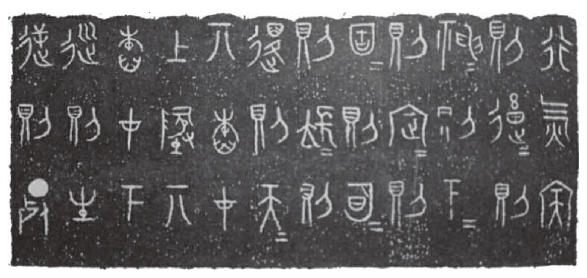
Figure 5-1 Rubbing of the Xingqi Yu Ming (Inscription on the Jade for Circulating Qi)
Viewed from any angle, this method is relatively complete: it has a title (“Circulating Qi”); it has specific operational steps and their cyclic process (swallowing leads to accumulation, accumulation leads to spirit, spirit leads to descent, descent leads to stillness, stillness leads to consolidation, consolidation leads to clarity, clarity leads to longevity, longevity leads to return, return leads to heaven); and it has principles and analysis (the root of heaven is above, the root of earth is below, following the natural order gives life, going against it brings death). Although the meaning and measure of the terms “swallow,” “accumulate,” “spirit,” “descend,” “stillness,” “consolidate,” “clarity,” “longevity,” “return,” and “heaven” still await careful deliberation, and although the original meanings of the characters 兀 and 本 (舂) still await verification and textual interpretation, the description of the principles and methods of “circulating qi” is nevertheless clear. Our scholarly colleagues Liu Ronghua and Yao Cuncheng have greatly expanded upon this understanding, which is truly commendable. Regrettably, however, current work has been confined to textual research and inference about the method, lacking verification through personal experience, and therefore lacking confirmation of the specific operational procedures that can be put into practice.
Of course, there are some methods believed to predate the Warring States period, such as the health cultivation methods attributed to the Yellow Emperor (ca. twenty-fifth century BCE–thirtieth century BCE), Jian Keng (Peng Zu), or ancient immortals. The Peng Zu method created by Jian Keng, a long-lived individual from the period of Yao and Shun through the Yin dynasty, and the “Yu’s Pace” (Yubu) devised by Great Yu during his flood control efforts (twenty-second century BCE), when years of exhausting labor left him with a severe leg ailment, are representative examples. Methods attributed to the Yellow Emperor or Peng Zu appear to be the work of later figures and will not be elaborated upon here. Although Yu’s Pace may not have originated with Great Yu, its antiquity is presumably considerable. The book Shizi records that while Yu was leading the effort to channel rivers and waterways, he “did not look upon his own home for ten years; his feet grew no nails, his shins grew no hair, he developed the ailment of partial withering, and his feet could not pass each other.” For the sake of flood control, Great Yu did not return home for ten years; the inspiring story of “passing his own doorway three times without entering” has been transmitted and praised by later generations. His body broke down from the work of flood control: his toenails were fragmented, and the damage to his skin was so severe that one could say “neither nail nor skin remained intact.” “Partial withering” refers to hemiplegia, and so he always dragged one leg when walking—which is why “his feet could not pass each other”: the healthy leg would step forward first, and the afflicted leg would then be dragged along behind, but it could only reach the position of the healthy leg, hence “the feet did not pass each other.” People were moved by Great Yu’s spirit of selfless devotion and called his manner of walking while ill “Yu’s Pace.” Great Yu’s afflicted leg was his left leg, so he always stepped forward with his right leg first. Because walking was so difficult, he paused once every seven steps. Given Great Yu’s status at the time, although he may not have had the convenience of the carriages and sedan-chair transportation of later eras, the conditions for being carried on someone’s back or in someone’s arms were surely available. It can thus be seen that Great Yu’s insistence on walking was originally motivated by tenacious exercise. With the passage of time, “Yu’s Pace” as a form of exercise was gradually made more elaborate (Lin Zhongpeng, Zhonghua Qigong Xue [Studies in Chinese Qigong], p. 44). After the third century CE, when Daoism took shape, “Yu’s Pace” was artificially overlaid with mystical coloring. Into the increasingly complex ritual patterns were interwoven all manner of absurd incantations, thereby departing ever further from the original purpose of a health exercise. Of course, all of this came later. But in any case, from the fourth century BCE onward, concrete methods of qigong practice had already begun to spread widely among the common people.
The Huangdi Neijing (Yellow Emperor’s Inner Canon), composed at roughly the same period as the Xingqi Yu Ming (Inscription on Circulating Qi); the rich collection of ancient documents from the pre-Qin to early Han period unearthed from the Han tomb at Mawangdui, interred in 168 BCE; and especially the Yinshu (Book of Pulling), completed in 186 BCE, as well as the slightly later Huainanzi, all contain unmistakably clear records of qigong methods. Moreover, very few of these qigong methods had any connection to “ghosts” or “spirits.” This tradition continued until approximately the third century CE. Hua Tuo’s “Five Animals Play” and the Zhouyi Cantongqi (The Kinship of the Three, in Accordance with the Book of Changes) stand as their outstanding representatives. The former is the model of dynamic practice; the latter is the classic of stillness practice. The “Five Animals Play” is self-evidently a healthy and elegant method of health cultivation, entirely free of “mythology”; even the Zhouyi Cantongqi, revered by later Daoists as the “king of alchemical texts,” despite being extremely profound, still remains far removed from superstition. In the chapter “Distinguishing the Orthodox from the Heterodox,” the Cantongqi not only criticizes the harm to people’s health caused by those deviant paths—“these are not the method of traversing the organs, internal visualization with fixed thoughts, pacing the steps under the Dipper stars, the Six Jia reckoned by days and hours, the yin path of suppressing the nine-to-one, the turbid confusion of manipulating the primal embryo”—and describes the harm they cause: “Swallowing qi makes the intestines and stomach rumble; exhaling the proper qi, they inhale external perversity. Day and night they do not lie down to sleep; through dark and new moons they never rest. Their bodies grow weary day by day; dazed and confused, they seem like fools. The hundred vessels boil and race like a cauldron; they cannot abide in clarity and stillness.” It also points out that those given to superstition “pile up earth to build altars and shrines, morning and evening reverently making offerings, until spectral things manifest in visible forms and in dreams and sleep they are moved by them.” Their minds had already become disordered, yet they believed their “skill was increasing” and that they would live to a hundred. And so: “Their hearts were joyful and their minds delighted, each convinced their years would surely be extended.” The result, however, was: “Suddenly they met their death, their corpses left to rot and be exposed.” They lost their very lives in the bargain. The author held that only by understanding the principles of the Great Changes, the learning of the Yellow Emperor and Laozi, and correctly “matching these with ingestion practices” could one “hope for a time of peace and tranquility.” Therefore, there is good reason for us to designate the five to six centuries from the fourth century BCE to the second century CE as the “non-spirit qigong period,” or alternatively the “period of nourishing one’s nature through ingestion.”
As a theoretical exposition of the way of health cultivation, the Cantongqi is undoubtedly outstanding and insightful. Later generations have unanimously praised it as the “king of alchemical texts for all eternity,” and this is no exaggeration, for this work does indeed reveal the principles and methods of alchemy. But does this “elixir” refer to the “external” elixir or the “internal” elixir? Each person sees it according to their own understanding, and it has become an age-old unresolved question. It is therefore necessary to offer a brief discussion to set the record straight.
In fact, before Peng Xiao of the Five Dynasties period annotated the Cantong Qi in 974 CE, there was fundamentally no disagreement among the ancients regarding the distinction between “inner” and “outer” alchemy in their understanding of the Cantong Qi. The so-called “elixir” (dan) quite clearly referred to rare, pure chemical substances obtained through smelting by Daoist practitioners, who believed that such chemical substances had the mysterious effect of “prolonging life and extending the years”—that is, what is today called “external alchemy” (waidan). The methods of elixir refinement introduced by the author of the Cantong Qi, and the “fire regime” (huohou) of elixir refinement that he disclosed, all referred to “external” alchemy. By way of example, Chapter Seventeen, “The Golden Elixir and the Dagger-Spoon” (in the annotated edition by Chen Zhixu): “Use gold as a retaining embankment, and when water enters it will flow freely; the tally of gold is fifteen, and the number of water is likewise so. At the furnace, fix the ounces and grains; five parts of water will be surplus; let these two be taken as the true measure, and the weight of gold remains as it was at the start. The remaining three are then not added; two parts of fire (Zhu Xi’s edition reads ‘water’) join with them. The three substances mutually contain and receive one another, transforming in a manner resembling the divine. Below is the qi of the great yang, which steams and subdues in but an instant. First it liquefies and then congeals, and is called the Yellow Carriage. As the months and years draw to a close, it destroys the nature and harms the years of one’s life; the form and body become like ash and dust, resembling the dust on a bright window. Pound, refine, and combine them, and carry them into the red gate. Seal fast the joints and seams, ensuring they are made completely solid and firm. Blazing fire is spread below, and day and night the sound is unceasing; at first, a gentle flame makes it workable, but in the end the martial fire is deployed. Observe the signs with added caution, examining and regulating the cold and warmth. Revolve through the twelve stages, and when each stage is exhausted, one must begin anew. When the qi is depleted and life is about to end, the body dies and the soul and spirit depart. The color transforms further to purple, and radiantly it becomes the Reverted Elixir. A single pellet measured with a powder spoon—the dagger-spoon is most divine.” This is a passage that from the tenth century CE onward has repeatedly been identified as a description of “inner alchemy” method and “fire regime.” Through thirty years of our research, the results demonstrate that this is in fact an authentic and unadulterated record of a successful experiment in chemical smelting—that is, “external alchemy.”
As the greatest work of ancient Chinese metallurgical chemistry, the Zhouyi Cantong Qi contains many important topics worthy of further exploration, which we shall elaborate upon at an appropriate time. The reason we have expounded upon and explained in detail the above content of the Zhouyi Cantong Qi in this essay is because this is the part that has been most profoundly misunderstood for more than a thousand years since Peng Xiao first annotated the book in 974 CE. People have consistently and mistakenly believed that what the book discusses uses elixir refinement as an analogy for the “fire regime” of “inner alchemy.” As a consequence, the term “elixir refinement” (liandan) devolved into a specialized term of qigong studies, while the true chemical and metallurgical content of the theory of elixir refinement was no longer clearly understood. If this point is still not thoroughly clarified today, then it not only damages the brilliant position of the Zhouyi Cantong Qi in the history of science and technology, and distorts the great invention of Chinese scientists in the field of chemistry in the second century CE, but also impedes the development of Chinese qigong studies. For over a thousand years, many talented researchers of qigong and the arts of nourishing life have been shackled by this poorly founded conjecture. They have always had to force their own research achievements in qigong and the study of nourishing life to fit the method of “golden elixir” smelting introduced by Wei Boyang, and to align the internal patterns discovered through qigong practice with the “fire regime” described in the text of the Cantong Qi. Yet because the alchemical parameters described in the Cantong Qi, including the fire regime, are records of actual alchemical experiments rather than the analogies Peng Xiao conjectured, they are all very concrete and quite “quantitative,” and therefore extremely difficult to “fit.” Consequently, many practitioners, while unanimously praising the Cantong Qi, have also revealed a disappointment they could not conceal, believing that they had not grasped the key to unlocking the true “fire regime.” Even Zhang Ziyang, a master of his generation, stated in his Wuzhen Pian: “The treatises of the Cantong Qi and the scriptures and songs (referring to the Daode Jing) speak of the utmost truth, but they do not commit the fire regimen to writing.” He further said: “No matter if your intelligence surpasses that of Yan [Hui] and Min [Ziqian], if you do not know the fire regime, do not attempt to guess it.” Thus he pushed the “fire regime” of the Cantong Qi into the realm of the unknowable.
Where does the problem lie? First, the problem lies in not understanding the author’s intent in writing the Cantong qi. Or rather, in being unwilling to believe the author’s own account of his intent in writing the text of the Qi. In fact, Wei Boyang states it very clearly in the lower chapter: this book expounds on three areas of content: “The nature and tendencies of the Great Yi, each according to its measure; the applications of Huang-Lao, being comparatively manageable; the affairs of the furnace fire, truly having a basis—the three Ways derive from one, all emerging along a common path.” First, the fundamental laws governing the transformations of the cosmos and all things are not merely qualitative but can also be quantitative (“each according to its measure”). The entire Cantong qi devotes nearly half of its length to elucidating the quantification of objective laws (including yin and yang, the five phases, the heavenly stems and earthly branches, the eight trigrams, and the najia system). Second, Huang-Lao philosophy was the most prevalent philosophical system in the early Han dynasty. When this philosophy is used as a guide for state governance (“governing the polity”), then “the state will suffer no harm”; if used for nurturing life, then one can achieve “the yellow center gradually opening to reason, moistening and penetrating to skin and flesh; when the beginning is correct, the end will be cultivated; once the thousand is established, the branches can be maintained,” thereby finding the fundamental basis for nurturing life. Since Huang-Lao philosophy had already been prevalent for some 260 to 270 years from the early Han through to the late Eastern Han when the author lived, it was relatively familiar to everyone compared with alchemy—hence the statement “being comparatively manageable.” Third, by contrast, there was considerable doubt as to whether “ingesting substances” and especially “alchemy” were genuinely real. Therefore, the author sought to demonstrate that “the affairs of the furnace fire truly have a basis.” What is being said is that the chemical smelting technique for the “gold liquid restored elixir” is not baseless nonsense, but a fact grounded in evidence. Whether it is the transformations of “Heaven” (the nature and tendencies of the Great Yi), the transformations of human affairs (“the applications of Huang-Lao”), or the transformations of “Earth” (“the affairs of the furnace fire,” or “physics”), the underlying principles are interconnected and all can be quantified (“the three Ways derive from one, all emerging along a common path”). From this it can be seen that the author’s purpose was to disclose the secrets of “the affairs of the furnace fire.” This is because he believed that “the nature and tendencies of the Great Yi” had long been studied by the Three Sages (Fuxi, King Wen, and Confucius) and was a well-known, settled conclusion. Moreover, the achievements in qigong (“the applications of Huang-Lao”) were also comparatively easy to master (“being comparatively manageable”). Therefore, although there are passages on “refining oneself to establish the foundation” to expound on nurturing life, and chapters on “clearly distinguishing the orthodox from the heterodox” to elucidate the correct path, what the author of this book was most concerned with was announcing to the world the research findings on “the affairs of the furnace fire”—the most controversial and most costly undertaking of the time. Since the Spring and Autumn period, and especially since the Han dynasty, it was widely held in the health cultivation community that achieving longevity required a combination of cultivation and nurturing. Nurturing—that is, nurturing life—was, in the view of the author of the Cantong qi, not a major problem (“the applications of Huang-Lao, being comparatively manageable”). Cultivation meant alchemy. The ancients believed that through smelting one could obtain a “restored elixir” that was a “treasure of all things,” and that “when adepts ingest it, their lifespan is extended,” enabling them to reverse aging and restore youth: “white hair all turns black again, teeth grow back in their former places”—extraordinarily miraculous. The adepts reasoned as follows: if eating foods like sesame (jusheng) can already prolong life, then consuming a “golden elixir” that has been refined through a thousand smeltings and a hundred purifications would surely be even more likely to render one “incorruptible and imperishable.” Yet for over a thousand years: “In the world there are many scholars, exalted and subtle, bearing fine talents, but by chance they never succeed, wasting fire and losing their wealth.” And “without grasping the principles, it is hard to make wild claims. Families are ruined, wives and children go hungry and poor; from ancient times to the present, those who delight in it number in the tens of millions, yet none succeed, and rarely can any complete it.” “As a result, officials abandon their posts, farmers neglect their weeding, merchants discard their goods, and men of aspiration are left impoverished.” And so, “I am deeply grieved by this, and have resolved to record this text.” That is to say, because he saw so many people ruined by failing to grasp the essentials of alchemy, the author was deeply saddened and, out of a sense of responsibility, decided to write this book in order to “lay out its items in detail, verifying the facts for all to see; the proportions and quantities are precisely specified, so that they can be followed accordingly.” He wanted to candidly and truthfully transmit to future generations the true record of smelting the restored elixir, including all smelting parameters, ingredient proportions, operational steps, and the dimensions of the vessel (the tripod), so that alchemical work could proceed smoothly (“so that they can be followed accordingly”). This is the true intent of the author of the Qi.
Since Wei Boyang’s writing intent is set forth so clearly, why are some people unwilling to believe it? Because from the Tang dynasty onward, more than half of the twenty-two emperors died from poisoning after ingesting the “restored elixir,” including Taizu Li Yuan and Taizong Li Shimin—with only Wu Zetian as the exception. Countless other high officials and nobles also died as a result. Although these adepts may not necessarily have followed the procedures introduced in the Cantong qi for their alchemical work, the divine, life-extending, immortality-bestowing efficacy attributed to the golden elixir inevitably aroused suspicion. The most reasonable conjecture is: perhaps Wei Boyang used alchemy as a vehicle to describe qigong practice; the “fire timing” he introduced may have been “coded language” for describing the parameters and processes of qigong practice. Moreover, the text of the Qi does indeed contain the admission: “I seal my tongue and would not speak, lest revealing the Way bring punishment and execution; I entrust my feelings to writing on bamboo and silk, fearing to divulge the talismans of Heaven.” Thus, from Peng Xiao of the Five Dynasties onward, many qigong experts followed this line of thought, passing it down from generation to generation, elaborating and extrapolating upon it. On the one hand, this gave Chinese qigong studies a more apt analogy than before and thus opened new avenues of development. But on the other hand, because the laws of alchemical chemistry are, after all, different from the laws governing the operations of the human body and mind, rigid application of these analogies actually constrained the development of qigong studies.
Some may ask: since transplanting the purely alchemical research of the Cantong qi into qigong technique was a form of misguidance, how could it still have promoted the development of qigong scholarship? In fact, Wei Boyang also made it clear that the three Ways—the “Great Yi,” “Huang-Lao,” and “furnace fire”—derive from one; the fundamental laws governing all things under Heaven, on Earth, and in human affairs are shared in common. The “Yi” encompasses the principles of both “Huang-Lao” and the “furnace fire”; in turn, “Huang-Lao” and the “furnace fire” serve to verify the correctness of the “Yi” through application. There is a degree of comparability among them. Therefore, to a certain extent, analogy can promote a deepening of understanding of unknown phenomena such as qigong.
Second, the problem lay in the fact that Peng Xiao and subsequent practitioners of “inner alchemy” did not understand or only partially understood the true knowledge of elixir alchemy. At the very least, they had never engaged in the practice of elixir refining. In the two to three hundred years after the appearance of the Cantong qi, experts in alchemy such as Ge Hong and Tao Hongjing never doubted that the text of the Cantong qi was a document of elixir alchemy. The reason they changed course after Peng Xiao and concluded that the text of the Cantong qi used external alchemy to expound inner alchemy was, on the one hand, that centuries of countless failures had demonstrated that the “returned elixir” was not as miraculous as the Cantong qi claimed—“powdered and made into a single pill, a knife-tip measure is most divine.” On the other hand, these inner alchemists did not seriously study the experimental plan provided in the Cantong qi or engage in the practice of refining the returned elixir. Had they practiced it themselves, they would surely have known that this experimental plan could indeed produce the “returned elixir,” and therefore would not have guessed that Wei Boyang was playing hide-and-seek with later generations.
The so-called “gold liquid returned elixir” is artificially produced cinnabar (also called dansha), a compound of sulfur and mercury (quicksilver). Long ago, people already knew that cinnabar was a compound of mercury. Ge Hong, who lived slightly later than Wei Boyang, stated in his Baopuzi: “When cinnabar is heated, it becomes quicksilver; through repeated transformation, it returns to becoming cinnabar.” The so-called “returned elixir” means: gold liquid (mercury), through repeated transformation, returns to becoming cinnabar. Tao Hongjing in the fifth century CE even knew that the quicksilver smelted from cinnabar was not of very good quality: “the color is somewhat white and cloudy.” Thus, from Wei Boyang onward, refining quicksilver from cinnabar and smelting the returned elixir from quicksilver was no secret in scholarly circles. The problem was that there always lingered a sense of mystery about the “returned elixir” produced artificially (that is, smelted artificially from quicksilver); Wei Boyang and subsequent alchemists all considered this substance to be “extraordinary.” Wei Boyang himself need not be mentioned—he had already sung its praises to the fullest in the Cantong qi. Ge Hong (283–363 CE) also believed that cinnabar “repeatedly transformed and returned to becoming” through smelting from quicksilver had efficacy “far surpassing that of herbs and plants, and therefore can bring about human longevity.” How could it bring longevity? His reasoning was: “If gold and mercury are placed in the nine orifices, even a dead person will remain uncorrupted by them—how much more so when consumed!” The meaning is: since gold and mercury placed in the nine orifices of a dead person can prevent the corpse from decaying, then when a living person takes the returned elixir, how could it not bring longevity? Ge Hong also told a story: in Linyuan County, there was a family surnamed Liao whose members were long-lived for generations. Later they moved away, and thereafter their descendants all died young. When others moved into the former Liao residence, they too tended to be long-lived. Suspecting that there might be something remarkable about the Liao family’s well water, they dug up the well and discovered several dozen hu of cinnabar buried at the bottom. The renowned physician and alchemist Tao Hongjing (456–536 CE) also said: “Returning it again to cinnabar is a matter recorded in immortal scriptures; soaked in wine and sun-dried, taking it brings longevity.” The “immortal scriptures” Tao referred to were probably the Three Sovereigns’ True Man’s Elixir Formula recorded in the Taishang Xuanbian jing. According to this formula, after taking the “returned elixir”: “In one month the three worms emerge; in half a year all ailments are cured; in one year the hair on the temples turns black; in three years divine beings arrive.” This is essentially the same as Wei Boyang’s words of lavish praise. However, Tao Hongjing already cautioned that the refined returned elixir had to be treated through soaking in wine and sun-drying—a process that was quite complex, taking approximately three hundred days. This indicates that it was already understood that the “returned elixir,” if not handled properly, could be toxic, and that such measures had to be taken. Yet the practice of the ensuing thousand years and more showed that the “gold liquid returned elixir” was not only not that miraculous but repeatedly caused fatal cases.
Regarding natural cinnabar, Li Shizhen at the end of the sixteenth century summarized the research findings of his predecessors, concluding that its medicinal properties were: “sweet, slightly cold, nontoxic. Primary indications: all manner of illnesses of the body and five viscera; nourishes the spirit, calms the soul and hun-soul, benefits qi and brightens the eyes; taken long-term, it opens communication with the divine and prevents aging…” Of course, there had been fierce debates throughout history over whether natural cinnabar was toxic: in ancient times, Shennong said it was nontoxic; but Qibo (the legendary teacher of the Yellow Emperor) said it was toxic, and the pharmacologist Zhen Quan said it was highly toxic. The differences appear great, but in fact the key lies in the method of administration. The qigong practitioner and alchemist Kou Zongshuang put it aptly: “Cinnabar calms and nourishes the heart and spirit, but it should be taken raw; if taken after refining, few avoid falling ill.” Cinnabar is a very special natural mineral; in terms of its composition, it is mercury sulfide, and mercury salts and oxides are mostly highly toxic. Even black mercury sulfide, which has the same composition but is a different allotrope, is also toxic. Therefore, high-quality, pure natural cinnabar, such as the cluster-head cinnabar of Chenzhou, is nontoxic; but cinnabar from Hengyang and Shaoyang, though also purple cinnabar, cannot be used in medicine because it contains intermixed black mercury sulfide. Once natural cinnabar has been refined with fire, it may produce mercuric oxide (red) and other mercury compounds, and is therefore highly toxic.
As for the artificially smelted “gold liquid returned elixir,” although the experimental steps provided in the Cantong qi are indeed feasible, the smelting conditions are difficult to control (the degree of heat); the alchemical vessel cannot be sealed airtight; and the raw materials for elixir refining—including mercury, sulfur, and the vessel materials—are insufficiently pure. Thus the “gold liquid returned elixir” that is produced very likely retains residual toxicity. Although the finished “gold elixir” can be subjected to various “processing methods” to remove its toxicity, and some of these methods are quite effective, ultimately, consuming it is far more likely to bring harm than benefit. Given today’s modern laboratory conditions, obtaining mercury and sulfur of 99.999% purity is no longer difficult, and controlling smelting conditions at 3–400°C maintained within ±0.1–0.5°C in an absolutely oxygen-free environment is a trivial matter. Therefore, smelting a nontoxic “gold liquid returned elixir” with purity exceeding that of the “finest grade” natural cinnabar has already become a reality. But what the true medicinal value of such a premium “returned elixir” might be remains to be studied. However, one thing that can be stated with certainty is that it is absolutely not some “immortal elixir” of eternal youth.
Our discussion of the Cantongqi here is not a comprehensive evaluation of its historical status, but merely a discussion of the alchemical (inner elixir) methods, “fire phases,” and “furnace and cauldron” that later generations have extolled. Later qigong practitioners praised it as the “King of Elixir Classics for All Antiquity,” and they were not wrong—except that it is not the “King of Elixir Classics” of the “inner elixir” school of qigong established after the Song and Yuan dynasties, but rather the king of elixir classics of genuine ancient chemical metallurgy. It is China’s earliest and most detailed first book introducing alchemical methods, but it is not the originator of the “Dao of Elixir” practices after the Song and Yuan dynasties. Its contribution to “inner elixir” lies only in theoretically elucidating the understanding that “three paths derive from one” and the concept of quantification, rather than in the concrete practice methods of the “Dao of Elixir” of inner alchemy. The “fire phases” it provides are genuine parameters of chemical experiments, not the “fire phases” of inner elixir cultivation elaborated by later generations.
The Cantongqi is truly a singular and extraordinary book in the history of Chinese science and technology: it is the king of a true elixir classic (outer elixir) of chemical metallurgy, yet few pay attention to it; it is also the king of an imposed false elixir classic (inner elixir), and yet many people have written hundreds of works forcibly extrapolating it into an important qigong school—the Dao of Elixir. As a result, today whenever people mention elixir refining, they assume it means practicing qigong, and whenever they mention fire phases, they assume it refers exclusively to the essentials of elixir cultivation practice. This is truly lamentable: when the false is taken as true, the true becomes false; through the ages, who has truly understood the masters of elixir? We believe that restoring the true face of the Cantongqi will neither diminish its historical value nor reduce the value of research achievements in the Dao of Elixir since the Song and Yuan dynasties. On the contrary, freed from the heavy shackles of history, qigong research will ascend to a higher level. For science always favors those who seek truth from facts.
Arguing that the Cantongqi is the true “King of Elixir Classics” does not mean it made no contribution whatsoever to Chinese qigong. The text’s understanding of the “unified common order” of all things in the universe, and its line of reasoning connecting the principles of “drawing inward to nurture one’s nature” and “supplementing with the ingestion of substances,” hold important guiding value for the development of Chinese health cultivation culture. Because works from this historical period, represented by the Cantongqi, mostly advocated a health cultivation philosophy that placed equal emphasis on nurturing nature and ingesting substances, we also refer to this historical period prior to the third century CE as the period of nurturing nature and ingesting substances.
From the third century CE through the eleventh century, the rise of the Buddhist and Daoist religions had a profound impact on the development of Chinese qigong. First, it promoted deeper research and discussion of the relationship between spirit and matter, raising the level of theory. Second, the various practices of Indian Brahmanism were successively transmitted to China through the medium of Buddhism; Kumārajīva’s Ten Kasinas, Zhiyi’s Beginner’s Śamatha-Vipaśyanā, and Huineng’s Chan methods were all transmitted or formed during this period. Third, many excellent practices were collected and summarized under the name of Daoist literature, such as Ge Hong’s Baopuzi and Tao Hongjing’s Records of Nourishing Nature and Prolonging Life. Under their influence, medical figures such as Chao Yuanfang and Sun Simiao also compiled many successful specialized collections of practices. Zhang Junfang’s Seven Tablets from the Cloudy Satchel collected many practically valuable practices on an unprecedented scale. According to preliminary statistics, the practices collected between the third and eleventh centuries account for over 80% of all practices from ancient times to the present. However, the involvement of religion also gave rise to numerous drawbacks: first, a heavy coloring of superstition; second, deliberate omissions made in service of religious doctrines. For example, the Buddhist emphasis on cultivation practices stressed “nature” (spiritual essence) while neglecting “life” (physical vitality), emphasizing the aspect of “awakening” in the goal of cultivation; the Daoist emphasis on cultivation practices stressed longevity while neglecting the development of intelligence—that is to say, it emphasized life while neglecting nature. Although these one-sidednesses have been somewhat corrected since the eleventh century, their pernicious influence persists to this day and has not been entirely eliminated. This is an issue that today’s researchers of qigong practices cannot afford to ignore.
Since the twelfth century, this bias in the compilation and creation of practices has been considerably corrected. Many qigong experts began to openly criticize in their writings the Buddhist qigong emphasis on cultivation of “nature” while neglecting attention to the regulation of “life,” and also criticized the Daoist emphasis on the cultivation of “life” while neglecting research into “nature,” holding that only “dual cultivation of nature and life” constitutes the proper path of qigong practice. Along with this, the tangled and inextricable relationship between qigong practices and religion underwent a fundamental improvement. In particular, with the large-scale involvement of the medical community, many physicians actively advocated the integration of qigong health cultivation with treatment, recommending many simple, easy-to-practice, targeted, and effective new practices. Although the quantity was not as great as in the preceding period, the significance was even greater. For it enabled us to cast off the heavy shackles of religious entanglement and brought qigong research into a realm where the relationship between spirit and matter could be more deeply explored. Of course, the difficulties left to us by practice research since the twelfth century are also considerable, especially in the description of higher-level practices. As noted above, because too many terms from ancient chemical metallurgy—the language of the Dao of Elixir—were borrowed, the articulation of many essentials became obscured. Admittedly, analogy is one of the effective methods for understanding the objective world, particularly when exploring unknown domains. In the eyes of the ancients, elixir refining and qigong practice were extremely similar, and therefore comparable. But with the development of modern science and technology, elixir refining has been sublimated into modern chemical metallurgy. The vague and ambiguous “terminology” of elixir refining has given way to clear descriptions of qualitative and quantitative laws, and people have come to recognize the vast gap between the laws of “elixir refining” (outer elixir) and those of qigong practice (inner elixir). Continuing to use the language of ancient elixir refining to explain and standardize the “fire phases” of qigong practice is not only far-fetched but has already given rise to many unnecessary misunderstandings. We need not reproach our predecessors for the inadequacy of their analogies; we must strive to “read” and understand them, and restore these practices to their original form.
Seventy or eighty years ago, Mr. Chen Yingning and his school contributed especially much in this regard. Although they did not completely solve this problem, they had already set an example for later generations. The Koujue Gouxuan Lu (Record of Hooking the Profound in Oral Formulas), adapted from Mr. Huang Yuanji’s Leyutang Yulu (Recorded Sayings of the Joyful Nurturing Hall), is a representative work of his attempts.
More recently, Professor Hu Fuchen of the Chinese Academy of Social Sciences has been engaged in the study of “internal alchemy” (neidan) for over thirty years. Because he himself received a modern education in chemistry, he has a deeper understanding of the modernization of the terminology used in “oral formulas” (koujue).
The history of “selecting qigong exercises based on disease differentiation” (bianbing shigong) is not short. As early as the pre-Qin period, there were records of specific exercises being used to treat specific diseases. The Daoyin Tu (Illustration of Guiding and Pulling) unearthed from the Han tomb at Mawangdui, apart from colored illustrations, also has 31 textual explanations, recording reports of practicing exercises to treat certain diseases during the Han dynasty or before. During the Northern and Southern Dynasties, the renowned physician Tao Hongjing already clearly knew the qigong exercise methods for different diseases of the heart, spleen, liver, lungs, and kidneys. If we say that before the Northern and Southern Dynasties, selecting exercises based on syndrome differentiation was still a fragmented record, then the Zhu Bing Yuan Hou Lun (Treatise on the Causes and Symptoms of Diseases) by Chao Yuanfang in the Sui dynasty can be called a comprehensive masterpiece. Since then, famous physicians of successive dynasties also made many innovations; although it was not the mainstream of qigong development, it laid a solid theoretical and practical foundation for the practical application of qigong. At a time of great exchange and convergence between Chinese and Western cultures today, selecting exercises based on syndrome differentiation is relatively easy to accept because it shares methodological similarities with symptomatic treatment in modern Western medicine. Therefore, selecting exercises based on syndrome differentiation may become an important breakthrough point for studying the practical value of qigong through the integration of Chinese and Western medicine. Although the cases listed in this section are not yet numerous enough, they are all accounts of personal experience. For researchers dedicated to studying the treatment of certain diseases through the integration of Chinese and Western medicine, this is undoubtedly valuable material.
VI. Complete Documentation and Big Data
The accompanying book to this volume, Between Spirit and Form: A Complete Record of a Century of Qigong Research Literature (Shenxing zhi ji: Bainian qigong yanjiu wenxian quanlu), collects a total of 9,042 qigong literature entries, with 8 entries whose exact dates could not be verified, to be supplemented later. The contents of the literature are provided in electronic format by means of contribution and sharing.
The so-called “complete” entails two concepts: ① The complete process—one hundred years, not a single year missing. ② Complete documentation—the bibliography of all literature related to qigong research over the past century seeks to be as comprehensive and complete as possible. Of course, for a long time, qigong research has fallen outside the purview of “authoritative institutions” such as SCI. Therefore, the collection of literature relied entirely on manual searches by volunteers. Consequently, the regret of missing hidden gems is inevitable, but what can be guaranteed is that even if there are any, they are definitely not many. The most important thing is that there is no threshold for the selected literature; that is: first, regardless of the author’s stance or identity; second, regardless of whether the article’s viewpoint is right or wrong, as long as it was publicly published, it is included in its entirety.
The past century has been a turning point in the history of Chinese civilization. The millennia-old feudal dynasty completely collapsed, and the emerging republican system arose accordingly. What followed was the dismal struggle of Eastern culture and the sweeping entry of Western culture; the value evaluation system of Western civilization overshadowed that of Eastern civilization. Although the birth of the People’s Republic of China shook the foundations of this unhealthy trend, it did not completely eradicate it. Therefore, over the past century, research achievements centered on the holistic view of traditional civilization have had difficulty obtaining opportunities for fair development. In particular, research achievements regarding the relationship between “spirit and matter” are difficult to understand through orthodox channels.
Without a doubt, the past century has been a complex and volatile one. The 9,042 research literature entries on “Between Spirit and Form” collected over the past century constitute a rather massive “data cluster.” It is very difficult to comprehend and analyze the inner mysteries through ordinary methods. Fortunately, current big data methods have brought us good news. At present, this book only utilizes the primary technology of electronic spreadsheets, which can be upgraded to semantic networks and other methods in the future.
Figure 5-2 is the distribution chart of the complete century-long qigong literature obtained after appropriate data processing.
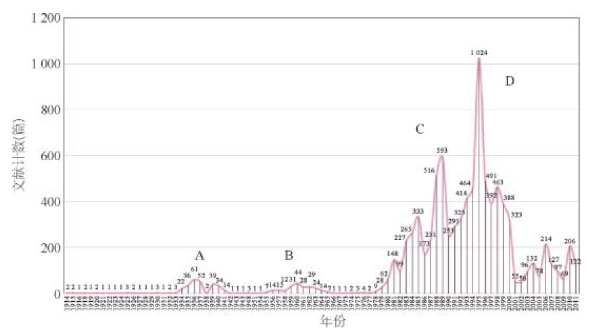
Figure 5-2 Distribution Chart of Qigong Research Literature from 1912 to 2011
The literature distribution curve shown in Figure 5-2 has two peaks, one large and one small. The first peak occurred between 1933 and 1940. The medical scientist Mr. Zhang Zhuming founded the Yangshan Banyuekan (Exhorting Goodness Semi-monthly Magazine) and invited Mr. Chen Yingning to be the lead writer, transforming it into the first publication in Chinese history dedicated to reporting and researching qigong. It was not until the Japanese invasion in 1937 that the magazine had to cease publication. In 1939, under extremely difficult conditions, Mr. Zhang and Mr. Chen tenaciously resumed publication, renaming it the Xiandao Yuebao (Immortal Dao Monthly), which completely ceased publication only in 1942. This is the origin of peak A, the first curve in Figure 5-2. In 1949, the People’s Republic of China was born. Although there were a hundred things waiting to be rebuilt, there were still a few seniors in the cultivation world, such as Mr. Jiang Weiqiao, Mr. Chen Yingning, Mr. Zhou Qianchuan, Mr. Liu Guizhen, and Mr. Hu Yaozhen, who disseminated the national treasure in various ways. Although not many articles were published during this period, their quality was very high. This is the cause of the very indistinct peak B that we see in Figure 5-2.
Peak C in Figure 5-2 is undoubtedly the largest data cluster. This peak began forming in 1978, and up to 2011, the total volume of literature reached 8,766 entries, exceeding the number of papers published in the previous 66 years by more than 50 times. Big data helps us profoundly understand and comprehend the significance and value of reform and opening up to the rejuvenation of Chinese civilization.
The interpretation of big data not only helps us unlock the cause behind the formation of peak C in Figure 5-2, but also helps us understand the origins of the two extremely low peaks A and B in the same figure. Figure 5-3 is a localized view of Figure 5-2 after parameter adjustments, showing peaks A and B. Peak A spans 1933–1942, corresponding to the period when Mr. Chen Yingning served as editor-in-chief of Yangshan Semi-Monthly, during which qigong literature emerged from nothing, presenting a scene of academic prosperity. In 1939, two years after the Yangshan Semi-Monthly ceased publication, the Yangshan colleagues overcame all difficulties and tenaciously resumed publication under the name Xiandao Monthly, but ultimately found it unsustainable and ceased publication for good two years later. Peak A in Figure 5-3 represents precisely such a tragic moment, and thus 1939 has left us in history a record singularity of “zero” publication of qigong literature.
In Figure 5-2, the (articles/year) curve of qigong literature rises and falls dramatically, with the three data clusters A, B, and C differing enormously. Compared with peak C, peaks A and B are almost so low as to be barely discernible. After parameter adjustments, peaks A and B finally reveal their distinctive features (see Figure 5-3). If data cluster C expresses the tremendous enthusiasm of the Chinese people for the revitalization of Chinese culture after the Reform and Opening Up, and data cluster A expresses the confidence in reclaiming the traditional cultural treasures of former sages after the end of the feudal dynasty, then the rise of data cluster B foreshadows that the People’s Republic of China would tenaciously forge its own path in medical security.
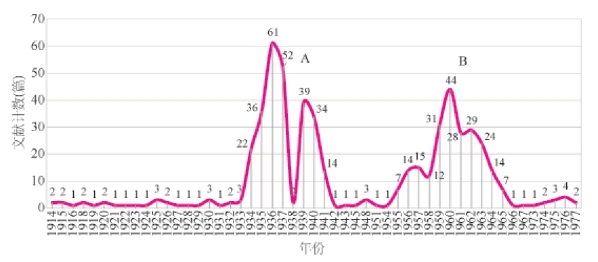
Figure 5-3 Annual distribution of qigong research literature, 1912–1977
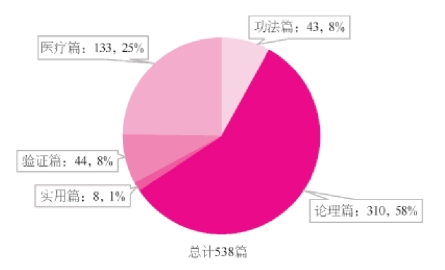
Figure 5-4 Category proportions of qigong research literature, 1912–1977
Big data also reveals to us the category proportions of qigong research literature. As shown in Figure 5-4, it answers what the broad public’s interest in qigong research truly is. Statistics indicate that among the 9,042 papers, those concerned with “medical treatment” reached 2,630, accounting for 28% of the total and ranking first. Without a doubt, the reason people pay attention to qigong is because they are concerned about health! In second place is “theoretical discussion.” At the time, Eastern and Western civilizations were converging, but the exchange between the two civilizations was not equal: Western civilization could sweep in unhindered, while Eastern treasures struggled to make their case on rational grounds. The convergence of the two civilizations was, in essence, a clash between two value-assessment systems. By Western reckoning, research on the juncture of spirit and form in China was worthless, and vice versa. Therefore, communication between the two sides on methodology and epistemology was extremely important. Medical practice without the support of a strong and correct theory could hardly go far; conversely, theory not confirmed by extensive medical practice was merely a pile of blank paper. Therefore, it was perfectly reasonable that the weight of “medical treatment articles” and “theoretical discussion articles” were nearly equal, together accounting for half of all literature. In third place was “verification articles,” which is somewhat unexpected. The so-called verification mostly refers to scientific experiments, which rarely appeared before 1978 but increased dramatically after 1978; the “practical application articles” (Figure 5-10) show the same trend. The literature from these two categories combined amounts to nearly one-third of all literature. The profound reasons behind this have already been analyzed in Chapter 5 of this book and will not be elaborated further here.
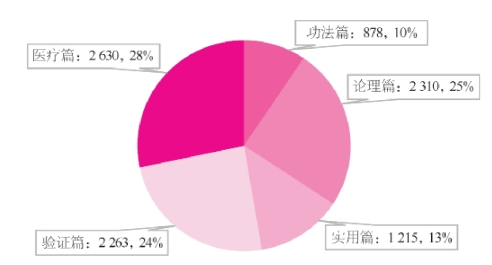
Figure 5-5 Category proportions of qigong research literature, 1912–2011
Both Figure 5-5 and Figure 5-4 are category proportion charts of literature, differing only in their time domains. The former is the cumulative value over the entire century-long process, while the latter is the cumulative value for the period 1912–1978. The former totals 9,042 articles, while the latter has only 538; between the two, not only does the absolute quantity differ by nearly 20-fold, but the category proportions are also quite different. Among them, “theoretical discussion articles” number 310, accounting for 58%, and “medical treatment articles” number 113, accounting for 25%; together these two categories account for over 80% of all literature. Notably, theoretical discussion literature accounts for nearly 60%, indicating that although the revival of qigong research still began with clinical application, people’s focus was on “theoretical discussion.” In the late Qing and early Republic, two master-level figures who championed qigong research—Jiang Weiqiao and Chen Yingning—had themselves or their family members suffered from the terminal illness of pulmonary tuberculosis and narrowly escaped death through qigong practice. Therefore, it is understandable that they advocated for qigong to start from practice with an emphasis on medical treatment. In fact, among the literature of the past century, the earlier articles in which the term “qigong” appeared came from two small hospitals that focused primarily on tuberculosis sanatoriums. In the early 1930s, tuberculosis was an incurable “terminal disease.” At that time, the Western drug “Rimifon” had not yet appeared, and qigong therapy was the only effective option. From this single spark, by the early 1960s, there were already reports of a dozen or so difficult diseases showing remarkable efficacy through qigong therapy. Of course, it was truly after 1978 that it spread like wildfire.
Coincidentally, in March 1979, the “Symposium on the Integration of Chinese and Western Medicine” was held at the Xiyuan Hotel in Beijing. The author was also invited to attend and had the good fortune to spend day and night with several great medical masters such as Kuang An-kun, Zhu Xianyi, Zhong Huilan, and Deng Tie-tao, listening to these experts express their respective views. The symposium was conducted in small groups, with as many as a dozen or as few as seven or eight people per group, regardless of seniority or age. Meals after the sessions were also informally arranged without assigned seating, which gave the author many opportunities to seek guidance from these great masters. Naturally, the topics of conversation never strayed far from “the integration of Chinese and Western medicine.” After one dinner, while accompanying the great cardiovascular researcher Mr. Kuang An-kun on a walk, the author learned that Mr. Kuang was the director of the Shanghai Institute of Hypertension and a member of the Academic Division (later called academician), and had studied in France. But at the same time, he was also an expert who had been researching the use of qigong to prevent and treat hypertension for twenty years. At that time, the author had only just begun to explore qigong, and Mr. Kuang told me a story from his personal experience: In the 1930s, while studying in France, a classmate surnamed Lin contracted pulmonary tuberculosis that had already formed cavities, classified as late-stage. According to the medical knowledge of the time, it was already incurable, and so he was advised to withdraw from school and return home. Several years later, when Mr. Kuang completed his studies and returned to China, he assumed that this classmate must have already passed away. Unexpectedly, he ran into him one day on a street in Shanghai. Not only was the classmate perfectly fine, but he was physically robust and had a healthy, ruddy complexion. Only upon inquiry did he learn that after returning to China, this classmate surnamed Lin, having no other recourse, took up the practice of qigong and persisted for several years. Subsequent X-ray examination showed that the lesions had calcified. At the time, the elderly Mr. Kuang was deeply shaken upon hearing this. After the founding of the People’s Republic of China, when the government promoted “the integration of Chinese and Western medicine” in 1958, Mr. Kuang resolutely chose the research topic of qigong medicine. By the time he spoke of this, he and his research team had already been cultivating this field for twenty years and had achieved abundant results. In 1984, Harvard University psychology professor Herbert Benson came to China to report on their results of using yoga to treat hypertension, claiming it was a world first. Professor Wang Chongxing, a key member of the team led by Kuang An-kun, director of the Shanghai Institute of Hypertension, presented papers on the medical use of qigong to treat hypertension that had been published far earlier than those of Harvard University, causing Professor Benson of Harvard to revise his claim on the spot. Although the elderly Mr. Kuang has now passed away at nearly one hundred years of age, his research group continues its work to this day, now spanning half a century.
Although the application of qigong in medicine continued to achieve successes thereafter, explorations of qigong principles remained little known. It was not until 1933, when Mr. Chen Yingning transformed the magazine Yangshan Semi-Monthly, founded by Mr. Zhang Zhuming, into China’s first academic qigong journal, that this situation was thoroughly changed. Over the following decade (including the Xiandao Monthly, which resumed publication in 1939), research on qigong principles — whether in terms of the quantity or quality of papers — far exceeded reports on the medical applications of qigong, reaching as many as 310 articles. Of course, compared with the explosive growth of qigong papers after Reform and Opening Up (Figure 5-4), this was still modest by comparison overall, but in terms of the quality of the papers, the Republican period was perhaps even superior. Among these, two elder pioneers made the greatest contributions. Mr. Jiang Weiqiao’s Yinshizi Static Sitting Method swept the nation, went through multiple printings, repeatedly sold out, and exerted an enormous influence in intellectual circles. The other, Mr. Chen Yingning, served as chief writer for Yangshan Semi-Monthly, introducing the basic theories and knowledge of qigong in accessible language, and was deeply loved and supported by a broad readership. With the journal at its core, he formed a team of highly accomplished researchers and writers, greatly advancing the cause of qigong research.
Comparing the charts showing the proportional distribution of qigong research literature by category across different years over the past century (Figures 5-4 and 5-5), readers will find significant differences in the category distribution of qigong literature across different years. Aside from “medical” and “theoretical” consistently occupying the top two positions, “practical” and “verification” differ enormously. Among these, “verification” accounted for only 8% before 1978, while “practical” was as low as 1% (Figure 5-4). In 2011, the literature counts and proportions for the two categories were: “verification” 2,263 articles, accounting for 24%, and “practical” 1,215 articles, accounting for 13% (Figure 5-5), representing increases of approximately 50-fold and 150-fold respectively. The so-called “verification” refers overwhelmingly to research that uses modern scientific experimental methods to verify the existence of qigong effects. This data indicates that since Reform and Opening Up (i.e., after 1978), “verification” research has been greatly strengthened. The meaning of “practical” has already been discussed in Chapter 5; it refers to the practical application of qigong effects beyond “medicine.” For example, using qigong effects to accelerate the rate of strain renewal and replacement in the antibiotic manufacturing process, or using qigong effects to improve crop characteristics and increase the rate of superior varieties.
It can be seen that a relationship of mutual dependence, mutual causation, and mutual continuation exists between “practical” and “verification” research. Furthermore, why was this book titled “Between Spirit and Form”? The research covered in the “Practical Chapter” is a very important factor. This type of research steps beyond the human body and enters a broader domain of the relationship between “spirit and form,” which can be regarded as the ultimate endpoint of human scientific research.
Using big data, one can study the trends in the categorical evolution of qigong literature over the past century to determine the direction of qigong research and the formulation of management decisions (Figures 5-6 through 5-11). With the further development of big data technologies such as data mining and semantic analysis, the analysis of qigong literature will bring more inspiration to research on “Between Spirit and Form.”
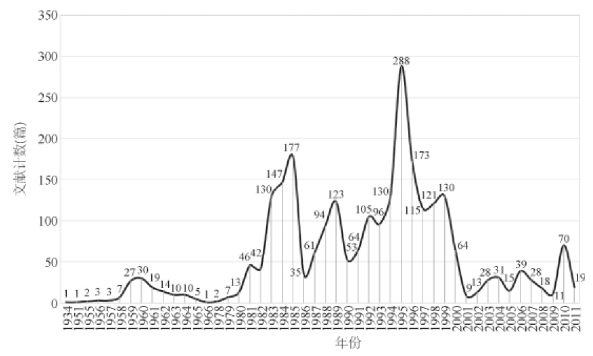
Figure 5-6. Chart of the categorical evolution of qigong research literature, 1912–2011: Medical Chapter
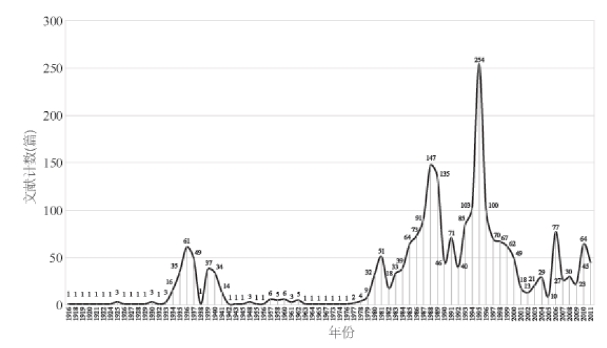
Figure 5-7 Evolution chart of qigong research literature classification, 1912–2011: Theoretical Principles
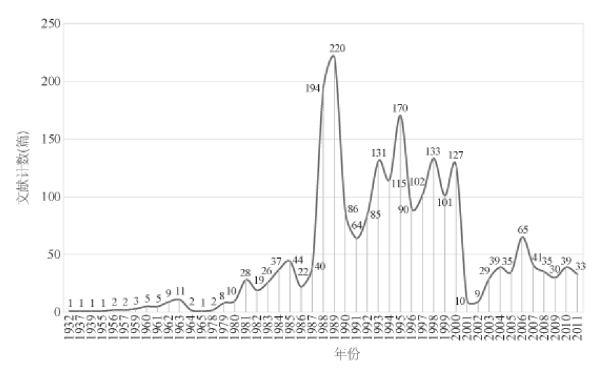
Figure 5-8 Evolution chart of qigong research literature classification, 1912–2011: Verification
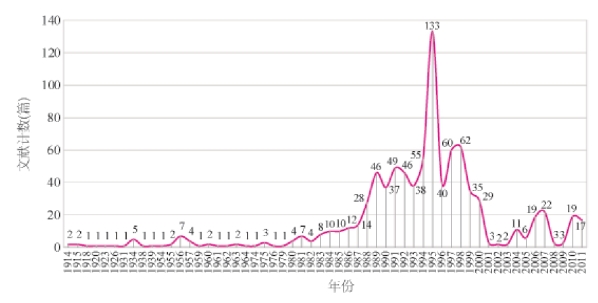
Figure 5-9 Evolution chart of qigong research literature classification, 1912–2011: Methods and Techniques
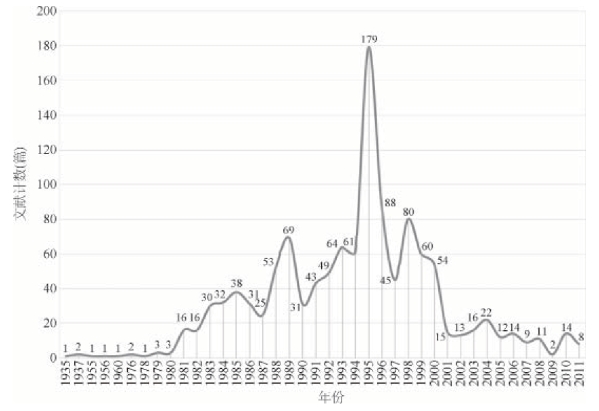
Figure 5-10 Evolution chart of qigong research literature classification, 1912–2011: Practical Applications
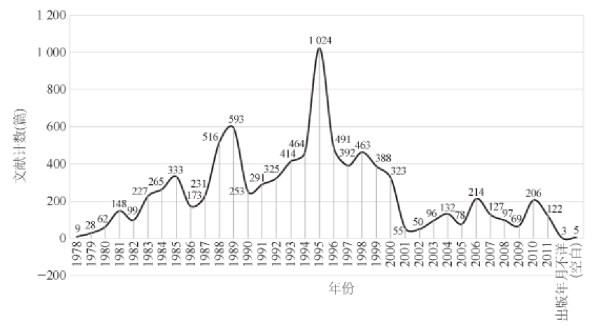
Figure 5-11 Annual distribution chart of qigong research literature, 1978–2011
VII. Conclusion
Through a century (1912–2011) of effort, qigong has come to be recognized as a common asset of humanity. Both the new edition of the Cambridge Dictionary and the American Merriam-Webster Dictionary have included the entry “Qigong.” Nearly eighty countries, especially all developed nations, have gradually come to endorse its value in improving the quality of human life. In terms of its global significance, it is no longer possible to disregard the existence of qigong. However, truly realizing its full potential remains very distant. Fortunately, “when the East is dim, the West shines bright.” Although in its homeland it still seems to drift forward vaguely and unhurriedly, advanced nations such as Germany and the United States have already incorporated medical qigong into their healthcare systems, and have thereby tasted the benefits.
Even more gratifying is that some innovative medical therapies have emerged as a result in these countries. Located in Innsbruck, Austria, Tirol Hospital (Tirol, LKH Hochzirl-Austria) is a renowned geriatric rehabilitation hospital across Europe. In 2004, the Deputy Secretary-General of the World Academic Society of Medical Qigong and Director of the Austrian Chinese Qigong Advanced Study Academy, Mr. Árpád Romándy, introduced medical qigong to treat “Fibromyalgia Syndrome,” a condition that Western medicine could do nothing about. That year, among seventeen patients, excellent results were achieved by year’s end. Over the following seven years, another ninety-one patients were essentially rehabilitated there. Dr. Wolfgang Halder, who led this research, said: “This is the best method for treating fibromyalgia that I have seen to date.” Previously, patients had tried taking all manner of analgesics; although these could provide temporary relief, they soon all lost effectiveness, the frequency of switching to new drugs became ever more rapid, the toxicity of the medications grew ever more severe, and the suffering caused by the toxic side effects of the drugs became increasingly unbearable for the patients, almost reaching a dead end. Now, everything has taken on a completely new appearance. Perhaps one day in the future, this medical art will return to its homeland in glory, introduced as an “advanced technology.”
For various reasons, the bibliography compiled in this overview does not include Mr. Qian’s monumental works and major discourses on somatic science. This is a source of regret, but it is believed that his far-reaching vision will, in the not-too-distant future, appear openly before the world in a brilliant and dazzling manner. In 2010, when Comrade Xi Jinping visited Melbourne, Australia, he said in a speech at the local Confucius Institute: “Chinese medicine is the key that opens the treasure house of Chinese civilization.” Qian Xuesen and Feng Lida are precisely representative figures who held this golden key.
This article was written in fits and starts over several years, during which I set down my pen several times and then resumed writing at my desk several times again—so very difficult! First, I wish to thank Comrades Li Jie, Xu Feng, and others at the Shanghai Qigong Research Institute; it was through their strong support that this book was able to be published. Several young colleagues and volunteers, including Liu Yongfeng, Yang Wenhui, and others, lent a helping hand, excavating bit by bit from the vast array of well-known and obscure journals and conference proceedings; Sun Yanming, Tan Lin, Zheng Xiaofu, Jiang Jing, Xu Yajing, Sang Xuelian, Zhao Xuechao, Cui Xiaochen, and others provided proofreading and input support; Yang Wenhui provided spreadsheet and data analysis support. The Shanghai Qigong Research Institute and the Laozi Research Institute of Sichuan University dispatched their own graduate students to organize materials on Mr. Chen Yingning. The Advanced Industrial Technology Research Institute of Shanghai Jiao Tong University and Ningxia Taiji Yangzhi Health Management Co., Ltd. provided strong support in resource coordination. The Beijing Shifang Huihai Livelihood Industry Blockchain Service Center provided support for the Bagua dynamic model illustrations and for an SCI-free trustworthy knowledge network platform. In addition, the National Professional Committee on Human Body Science Research in Chinese Medicine, the World Academic Society of Medical Qigong, and other organizations also provided professional assistance. The English translation of the abstract was completed by the Austrian scholar Mr. Árpád Romándy; heartfelt gratitude is hereby expressed.
[Notes]
[1] Personal Reflections on the Sublimation of True Qi: Written by Lin Zhongpeng, published by China Building Materials Industry Press in 1995.
Book Review
Xu Zhaoren
The Way of “Qi Theory”: An Epoch-Making Synthesis, An Interdisciplinary Elucidation
Mr. Lin Zhongpeng is an outstanding scholar in the field of contemporary Chinese original medical research. Over a long period of time, he has devoted his utmost effort to the prosperity and development of the cause of modernizing traditional Chinese medicine, making extraordinary achievements and outstanding contributions. Mr. Lin’s recent works, Between Spirit and Form: An Overview of a Century of Qigong Research and A Complete Record of a Century of Qigong Research Literature, consist of two parts: a specialized academic treatise and a bibliographic reference section. The first part, the specialized academic treatise, comprises only just over 200,000 characters, yet it commands a strategic vantage point with magnificent sweep, incisive prose, and wide-ranging argumentation. It focuses concentratedly on the practical and theoretical issues of China’s “qi theory,” tracing them to their roots in a “directional blast”; probing hidden depths and elucidating subtleties in a “tomographic scan”; with a broad field of vision and clarity akin to viewing a fire at close range, it embodies genuine insight and truly constitutes definitive argument. The second part, the bibliographic references, is a collection and compilation of research literature catalogs from the one hundred years since the fall of the Qing dynasty, and especially from the more than sixty years since the founding of the People’s Republic of China, totaling over 300,000 characters. This was produced through a carpet-style collection of relevant research literature by Mr. Lin’s team over many years of dedicated effort. Historically, the various ancient texts and documents on the practice and theory of Chinese “qi theory” amount to more than thirty million characters; in the modern and contemporary era, over 9,000 kinds of published scientific research findings and materials have been collected. These studies, ancient and modern, selflessly record the great original creations of the Chinese nation and fearlessly transmit the immortal splendor of this treasure of civilization. Although, owing to constraints in publishing conditions, it is regrettable that the full texts of the literature and materials cannot all be published within a short period of time, it is fortunate that Mr. Lin’s great work is transmitted to the world, benefiting the scholarly community. By following the pointing finger to see the moon, scholars may naturally trace the map to find their way and ascend to the most magnificent vistas.
I
The academic communities of China and abroad have consistently been devoted to recovering lost human civilizations, exploring cultural resources of significant value, and unearthing iconic cultural forms that are of high caliber, of great weight, and possessed of powerful modern vitality and international influence.
According to the “Axial Age” theory proposed by Karl Jaspers (1883—1969)[1], roughly during the period from 800 BCE to 200 BCE, major breakthroughs in civilizational spirit occurred across the world. Different civilizational systems successively formed their core spirits, and their respective spiritual guides and iconic cultures emerged. The Axial Age theory proposed by Jaspers breaks free from the mold of Eurocentrism and relatively closely conforms to historical reality. However, people’s understanding of the iconic cultures of the world’s major civilizational systems still differs considerably, whether in terms of the types induced or the values recognized, and remains in a process of continuous reflection, summarization, and revision. In general terms, it is accepted that the marker of ancient Greek civilization is science and philosophy; the marker of ancient Indian civilization is yoga and Buddhist studies; the marker of ancient Hebrew civilization is Judaism; the marker of ancient Egyptian civilization is cuneiform script, pyramids, and architectural technology; the marker of ancient Babylonian civilization is legal codes and city-wall construction technology; the marker of ancient Arabian civilization is Islam; and the markers of ancient Chinese civilization are ritual institutions, bronze art, and the hundred schools of thought…
Existing research indicates that during the pre-Qin period, talents emerged in great numbers, vitality surged, cultural forms were richly diverse, schools of thought proliferated, and the landscape was magnificent in its variety. However, selecting the thought of any single school as the civilizational yardstick of the “Axial Age” or as the iconic cultural form of the human spirit would provoke fierce academic disputes.
Take, for example, Confucianism, which enjoys the strongest support in society: historically, evaluations of Confucius and the Confucianism he founded have been evenly divided between praise and censure. The fundamental political ideals of Confucianism differ considerably from the democratic and legal principles championed by modern society. This is precisely the crux of the debate over whether Confucianism can continue to serve as the mainstream of traditional Chinese culture and the core spirit of the Chinese nation. As for the remaining schools—Daoism, Mohism, Legalism, the School of Names, the Yin-Yang school, the Military school, the Agricultural school, the Medical school, the Historical school, and the Minor Narratives school—each has its own merits, yet none can independently serve as the fundamental marker of traditional Chinese culture. Furthermore, since the pre-Qin era, within the ancient Chinese civilizational system, a number of new iconic cultural forms have developed, but as yardsticks for this civilizational system, each likely presents one problem or another. For example:
The Dao of the Elixir: mysterious, niche, and academically difficult, it is not easily mastered by most people.
Chan Studies: originating from India, it is not yet a purely indigenous Chinese invention.
As for others such as “Chinese martial arts,” “Chinese gongfu,” “Chinese acupuncture,” “Chinese porcelain,” “Chinese black tea,” “Chinese silk,” “Chinese Peking opera,” “Chinese paper-cutting,” “Chinese cuisine,” and so forth—these are, after all, either limited in scope, or are branch traditions, or are small in scale, low in caliber, and light in weight; they cannot be placed on the same level as those iconic cultural forms in other world civilizational systems that possess very high international renown.
Since “culture” is the integrated whole of universal concepts—moral, religious, artistic, and intellectual—and their externalized manifestations, formed through long-term cultivation and full development in the areas of behavioral norms, modes of thought, value orientations, and aesthetic sensibilities, the selection of iconic cultural forms at a comparable level from among the world’s major civilizational systems must take into account this relatively unified standard, which can be used for comparison and assessment. This is just as the elements of invention and creation—such as states, laws, city-states, tools, languages, writing, religions, beliefs, thoughts, and ideas—are used to measure the degree and state of civilizational development.
The formation of any benchmark cultural form possessing powerful developmental potential and momentum is historical in nature; its relationship to other related cultural forms is foundational in nature. At present, the fierce competition among the nations of the world has increasingly concentrated in the domain of original creative capacity for civilizational development. In every aspect—whether national political wisdom, faith, religious conceptions, democratic and legal development, or science and technology—whoever can embrace all rivers in seas of inclusiveness, achieve comprehensive innovation, and stand peerless across the globe will be able to forge ahead bravely in the torrents, stand firm and undefeated, and lead among all peers.
Examining our past research from this perspective, perhaps in our induction and synthesis of the original Chinese civilization, there have been limitations in our approach and degree of understanding, and we have overlooked and omitted certain major discoveries and cultural forms of profound significance and value; perhaps researchers have not yet touched upon the true contribution of traditional Chinese culture to human civilization.
If “atomism” is the most foundational and benchmark cultural form of Western civilization, then in the East, its equal is the Chinese “qi theory.” Qi theory is an original creation of traditional Chinese culture and also a pioneering contribution to human civilization. With many years of archaeological discoveries and the documentary research based upon them, a question in ancient Chinese traditional culture has attracted our attention: why was Chinese civilization able to contribute a qi theory that is completely different from the Western mode of thinking? How did Chinese qi theory come to extend simultaneously in two directions—the physiological constitution of human life activities and the world of thought and spirit—and thereupon form a unique form of traditional Chinese culture? Previous research may have overlooked certain internal connections and failed to reveal the crux and mystery within. We believe that it is precisely the practice and theory of qi theory—through historical exploration of human life energy and epoch-making breakthroughs—that served as the pivotal point and key promoting the development of Chinese qi theory from the abstract to the concrete, from the grand to the meticulous, and from the broad to the profound. The intrinsic value, latent resources, and internal relationships of qi theory practice and theory with related cultural forms require renewed understanding.
II
The practice and theory of qi theory approximately originated in antiquity with the Tang-Yao tribe active in the area of present-day Shanxi.
In the beginning of Tao-Tang, the yin was much stagnant and deeply accumulated, the waterways were blocked and did not flow along their courses, the qi of the people was congested and stagnated, their sinews and bones contracted and could not extend, therefore dances were created to disseminate and guide it. (Lüshi Chunqiu [Almanac of Lord Lü], “Gu Yue” [Ancient Music])
The “Tao-Tang” in “In the beginning of Tao-Tang” refers to the ancient tribe of the Tang-Yao clan, whose area of activity was approximately the present-day Xiangfen region of Shanxi.
Xuanzi said: “In former times, Gai’s ancestor, from the time of Yu onward, was of the Tao-Tang clan; under the Xia, [the clan] was the Yulong clan; under the Shang, the Shiwei clan; under the Zhou, the Tangdu clan.” Du Yu’s commentary: “Tao-Tang was the land governed by Yao, Taiyuan Jinyang County. It was used as a title throughout the era of Yu, hence ‘from Yu onward.‘” (Zuozhuan [Zuo’s Commentary], Duke Xiang, twenty-fourth year)
When [the envoy] sang the “Tang” [odes] for him, he said: “How profound the thought! Are these not the surviving people of the Tao-Tang clan? Otherwise, how could their cares extend so far?” (Zuozhuan, Duke Xiang, twenty-ninth year)
Shangshu [Book of Documents], “Wu zi zhi ge” [Song of the Five Sons]: “That Tao-Tang possessed this land of Ji. Now having lost the Way, and having disrupted its ordinances and statutes, it consequently perished.”
The Shanxi Taosi site complex, dating to 4,300–3,900 years ago, is very likely the earliest “China.” The Shanxi Taosi site corresponds to “the ancient capital Pingyang City”; the Taosi site is where Emperor Yao’s capital was located, and it is the earliest “China.” The excavation and discoveries at the Taosi site prove that Shanxi is the most important source of roots and ancestry of the Huaxia nation. Excavation evidence from the Taosi site indicates that Taosi is the most important site for exploring the origins of Chinese civilization, and Taosi culture is the most important root source of Chinese civilization. An increasing number of scholars believe that the Taosi site is very likely the capital of Yao. The capital of Yao is emerging from the age of legend and gradually transitioning into authenticated history.[2]
The Lüshi Chunqiu was naturally compiled relatively late, yet the ancient legends recorded within it preserve important historical information. “The yin was much stagnant and deeply accumulated, the waterways were blocked and did not flow along their courses, the qi of the people was congested and stagnated, their sinews and bones contracted and could not extend” refers to the climate being yin-suppressed, rivers flooding, waterways blocked, the qi of the people congested and obstructed, the body emaciated and contracted, and sinews and bones not robust. “Therefore dances were created to disseminate and guide it” means that dances were choreographed for dissemination and guidance. These dance movements used to stretch the sinews and bones, relieve stagnation, and clear obstruction were the embryonic form and starting point of qi theory practice and theory.
The central region has flat and damp terrain… therefore its illnesses are mostly atrophy, reversal, cold, and heat; its treatment should appropriately employ daoyin and anqiao. Tang dynasty Wang Bing’s commentary: “Daoyin means [exercising] the sinews and bones, moving the limbs and joints… Daoyin and anqiao are used by the Chinese as the correct path for nourishing the spirit and regulating the qi.” (Huangdi Neijing: Suwen [Yellow Emperor’s Inner Canon: Basic Questions], “Yi fa fang yi lun” [Treatise on Different Methods and Regional Practices])
Exhaling and inhaling, expelling the old and drawing in the new, bearing weight like a bear and stretching like a bird—for the sake of longevity, that is all. These are the practitioners of daoyin (guiding and stretching), the people who cultivate the body, and what those who, like Pengzu, attain great old age love to do. Li Yi’s commentary on “daoyin”: “Guide the qi to make it harmonious, stretch the body to make it supple.” (Zhuangzi, “Ke yi” [Constrained in Will])
“Exhaling and inhaling, expelling the old and drawing in the new” is in fact what we are familiar with—through breathing, exhaling turbid qi such as carbon dioxide and absorbing fresh air such as oxygen. “Bearing weight like a bear and stretching like a bird” means imitating the various flying and running creatures of land and sky—climbing and stretching the body like a bear, flying and spreading wings like a bird—stretching the sinews and bones, “guiding the qi to make it harmonious, stretching the body to make it supple,” thereby contributing to longevity.
The records in ancient texts such as the Zhuangzi, the Neijing, and the Lüshi Chunqiu provide the embryonic form of qi theory practice and theory: “daoyin” means imitating animals by “bearing weight like a bear and stretching like a bird,” and through “expelling the old and drawing in the new,” making it so that “the qi is guided to harmony, the body is stretched to suppleness,” and finally attaining health, even achieving the longevity of Pengzu.[3] Available data indicate that the pre-Qin immortality specialists employed daoyin and xingqi [qi-circulation] techniques, combined with methods of simultaneously cultivating body and qi, and achieved results, producing long-lived individuals such as Pengzu.
III
If the elusive and ambiguous records of the legendary era leave one without a clear and accurate understanding of qi theory practice and theory, then through cultural artifacts, Han bamboo slips, and silk paintings unearthed in archaeological discoveries—such as the Warring States green jade Xingqi Ming [Inscription on Qi-Circulation] pendant in the collection of the Tianjin Museum, the Han bamboo slip text Yinshu [Book of Pulling] excavated from Han tomb number 247 at Zhangjiashan, and the silk painting Daoyin Tu [Illustration of Guiding and Stretching] excavated from Han tomb number 3 at Mawangdui—it is possible to gain a preliminary understanding of the historical origins and developmental trajectory of qi theory practice and theory, and to reconstruct and restore the basic features of ancient daoyin and xingqi studies in a comparatively authentic and concrete manner.
(I) The Warring States Green Jade Xingqi Ming Pendant
The earliest archaeological artifact discovered in our country bearing a written record concerning daoyin and conducting qi is a single piece of green jade, the “Inscription on the Circulation of Qi.” This jade ornament is a twelve-sided prism, weighing 118 grams, 5.4 cm in height, and 3.4 cm in diameter. On the jade column, above the final character at the lower end, there is a small hole approximately 3 cm in diameter. On each of the twelve faces of the prism-shaped “Inscription on the Circulation of Qi,” three characters are engraved in intaglio from top to bottom; together with repetition marks, the inscription totals 45 characters. A rubbing of the “Inscription on the Circulation of Qi”:
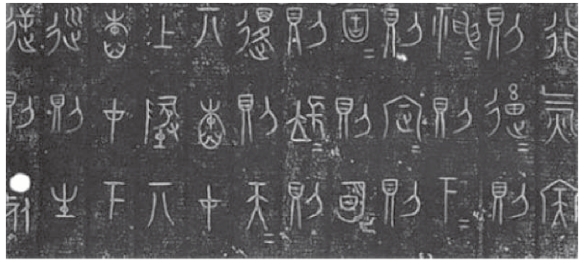
Over the past several decades, more than fifty scholars have undertaken studies and interpretations of the inscription, yet no consensus has ever been reached[4]. For the convenience of discussion, we first cite Guo Moruo’s reading of the inscription:
“Conducting qi: when deep, it accumulates; when it accumulates, it extends; when it extends, it descends; when it descends, it settles; when it settles, it solidifies; when it solidifies, it sprouts; when it sprouts, it grows; when it grows, it retreats; when it retreats, it reaches heaven. The heavenly mechanism pounds above; the earthly mechanism pounds below. Follow this and live; go against it and die.”
This constitutes one round of deep breathing. When the inhalation goes deep, the volume increases, causing it to extend downward; extending downward, it settles and solidifies. Then the exhalation occurs, like a sprouting of grass and trees, growing upward, retreating along a path opposite to that of the deep inhalation, retreating to the very summit. In this way, the heavenly mechanism moves upward and the earthly mechanism moves downward. Follow this and live; go against this and die. (Guo Moruo, The Age of Slavery)
In Guo’s reading, the five characters “深” (deep), “退” (retreat), “几” (mechanism), “舂” (pound), and “顺” (follow) conflict with the actual forms of the characters on the Inscription on the Circulation of Qi in Jade and contradict the basic common knowledge of daoyin and conducting qi. Drawing on previous research findings, we offer the following reading and modern translation:
Conducting qi (炁, namely 气, specifically referring to true qi): the crown of the head (the character form consists of the “treasure canopy” radical 天 below; following He Linyi’s view, it is read as “颠,” meaning the crown of the head), then it accumulates; accumulating, it extends; extending, it descends; descending, it settles; settling, it solidifies; solidifying, it sprouts; sprouting, it grows; growing, it returns (following Chen Banghuai’s view); returning, it reaches heaven. The heavenly mechanism (机) is originally above; the earthly mechanism (机) is originally below. Circling brings life; going against brings death.
[The daoyin rule for] conducting true qi [is as follows]: [True qi] accumulates from the crown of the head; having accumulated [to a certain degree], it [naturally] extends outward; [the continually expanding qi] is guided downward until it [reaches and] settles at [the abdominal navel region (if the practitioner assumes a seated posture), or the feet (if the practitioner assumes a standing posture)]; the settled [state can enable the true qi] to achieve solid [concentration and stillness]; within this solid [concentration and stillness, there will naturally] be initiated [a stirring of the qi mechanism]; the stirring [true qi will] gradually strengthen [and continually expand outward]; having strengthened [and expanded outward to a certain degree or reached a certain boundary], it returns, reverting [to the initial position where the qi mechanism first stirred. Then it expands and strengthens again, then contracts and reverts again. In this unceasing back-and-forth repetition, the boundary reached by the true qi also continually extends], ultimately reaching the crown of the head. The hidden and profound origins of Heaven lie above; the subtle and essential roots of Earth lie below. [Heaven and Earth operate in hidden subtlety, with the two poles above and below each having their own deep sources and roots. The circulation of true qi models itself on this natural phenomenon of Heaven and Earth’s above-and-below relationship, going from the crown of the head to the abdominal navel (or the soles of the feet), and again from the abdominal navel (or the soles of the feet) to the crown of the head, expanding and contracting, circling without cease between boundaries or the two poles. If the true qi can] circle [in its circulation], then there is life [—life without cease, fully endowed with vitality]; [if one] goes against [this daoyin rule of the circling, back-and-forth circulation of true qi], then there is death[5].
As an archaeological artifact and a celebrated masterpiece of daoyin, the Inscription on the Circulation of Qi in Jade may be called the foremost great secret of ancient Chinese qi-theory practice. Its words are concise and comprehensive, every character a gem. It is a highly refined and masterful synthesis of qi-theory practice and theory achieved by people in remote antiquity, demonstrating the highest accomplishment humanity had attained in that era in its exploration of life energy, and it holds epoch-making value and significance. Researchers have already noted that the Inscription on the Circulation of Qi in Jade belongs to the Jin lineage, that it was produced in the mid-Warring States period, and that its place of origin was the state of Zhongshan or the state of Zhao[6]. Connecting this with the aforementioned passage in the Lüshi Chunqiu recording that the Tao Tang clan “devised dances to promote circulation and guidance,” these two are unlikely to be a pure coincidence; rather, this sign suggests that they very likely embody an internal rationale involving a dual evolution of both history and logic.
(2) The Han-Strip Yinshu and Other Texts, and the Mawangdui Daoyin Illustrations
If the Inscription on the Circulation of Qi in Jade is the first classic of qi-theory practice and theory in our country, then the Han-strip Yinshu (Book of Guiding and Stretching) is the first specialized monograph on qi-theory practice and theory, and the Mawangdui Daoyin Illustrations is the earliest surviving illustrated chart of daoyin routines.
In 1977, the excavation of the Western Han tomb of the Marquis of Ruyin at Shuanggudui in Fuyang County, Anhui Province, yielded 270 historical artifacts, among which the surviving fragments of the Han-strip Conducting Qi record the functions and methods of breathing and conducting qi.
At the end of 1983, a batch of Han dynasty bamboo slips was excavated from Tomb 247 at Zhangjiashan, Jiangling, Hubei Province. Among them were 112 bamboo slips of the Yinshu (Book of Pulling), comprising 3,235 words[7]. Researchers state that among the slips in Tomb 247, the one with the clearest date is the Ernian Luling (Laws and Decrees of the Second Year). The so-called “second year,” according to clear evidence, refers to the second year of Empress Lü’s reign, namely 186 BC[8]. The Yinshu records over 80 types of techniques, among which are physical movements imitating the inchworm (chǐ huò, a general term for insects of the Geometridae family of the order Lepidoptera, class Insecta, of invertebrates), of the same nature as the aforementioned “bear hang and bird stretch.” In addition, there is a set containing 24 names of Daoyin techniques and Daoyin exercises, applying Daoyin techniques for disease treatment and healthcare. The Yinshu already recognized that Daoyin can alter the disharmony of the yin and yang qi in the human body across the four seasons, and through breathing the essential qi of heaven and earth, it can activate and harmonize the yin and yang qi, realizing the basic law of health preservation. Furthermore, these biomimetic Daoyin methods connect upward to the pre-Qin period and downward paved the way for later generations’ “Six Animal Frolics,” “Five Animal Frolics,” “Six-Character Formula,” “Eight Brocades,” and “Sinew-Transforming Classic.” Even later Chinese martial arts such as Xingyi, Bagua, and Taiji also have inextricably close connections with them. From this, we can discover a continuous historical evolution trajectory.
In the winter of 1973, a silk painting Daoyin diagram was unearthed from a Han tomb at Mawangdui, Changsha[9]. The diagram is annotated beside the figures with the names of the techniques. After the initial assembling, transcribing, and organizing work by the renowned scholar Zhang Zhenglang, it vividly reproduced an ancient Daoyin atlas imitating the postures of animals such as birds, sparrowhawks, cranes, tigers, apes, monkeys, dragons, and bears. Written before the Daoyin Diagram are the Quegu Shiqi (Abstaining from Grain and Eating Qi) and the Yinyang Shiyi Mai Jiujing (Moxibustion Canon of the Eleven Yin and Yang Vessels), showing that keywords rich in traditional Chinese medicine characteristics, such as Daoyin, Xingqi (moving qi), and Jingluo (meridians), are so naturally and closely related.
During the pre-Qin period, Zhangjiashan, Mawangdui, and Fuyang were all part of the Chu territory and were not far apart. The Han bamboo slips Xingqi and Yinshu and the Daoyin Diagram corroborate each other in text and image, which can be described as a perfect match. From the Xingqi Jade Inscription in the late Warring States period to the bamboo and silk manuscripts of Daoyin texts and diagrams from the early Western Han dynasty, they silently express such a historical fact: the practice of qi theory has a long history, goes deep among the people, and has widespread influence.
Four
The practice and theory of qi theory are historical original creations of Chinese civilization. Their subtlety lies in their ability to make people authentically touch the wonder of qi and experience the formless world beyond the tangible material world; the impact they have had on traditional Chinese culture is almost fundamental.
(1) People previously had an intuitive perceptual understanding and an abstract philosophical understanding of natural qi. Ancient Daoyin studies expanded people’s understanding of qi to the two levels of physiology and psychology in life activities. It is in this sense that we say ancient Daoyin studies were the pivot and key propelling Chinese qi theory into depth, changing the path of seeking the mysteries of all things entirely outward, and forging a path of human subjectivity and life-introverted exploration unique to the East, thereby making an outstanding contribution to world civilization.
The concept of qi originated very early. According to textual research, the character “qi” already appeared in oracle bone script and bronze inscriptions. After a long period prior to the Spring and Autumn period of observing and reflecting upon the cloud qi, fog qi, wind qi, cold and warm qi of the natural world, and the smoke, steam, and one’s own breath in daily life, it was established that all tangible things originate from the formless “qi,” and that qi is the root origin of all things. Xunzi unified the inorganic world with the organic world, and humans with the various categories of nature, on the basis of “qi.” He divided nature into five levels:
The highest level is humans: “Humans have qi, have life, have knowledge, and also have righteousness, therefore they are the most precious in the world.” (Xunzi: Wangzhi) The second level consists of birds and beasts, namely animals, which have qi, have life, and have knowledge, but lack moral concepts; the third level consists of grasses and trees, namely plants, which have qi and have life, but lack knowledge and moral concepts; the fourth level consists of water and fire, namely inorganic matter, which has qi but lacks life, knowledge, and moral concepts; the fifth level is the material element that constitutes all of these—qi, which lacks life, knowledge, and moral concepts, and is also the most fundamental level. People gradually formed the understanding that all things possess qi:
“The I Ching aligns with heaven and earth, therefore it can encompass the Way of heaven and earth. Looking up, one observes the patterns of heaven; looking down, one examines the principles of the earth. Thus one understands the reasons for the obscure and the dark. Tracing the beginnings and returning to the ends, one understands the explanation of life and death. Essential qi forms things; wandering souls bring change. Thus one understands the conditions of ghosts and spirits.” (Zhouyi: Xici Zhuan, Part I)
“All things carry yin and embrace yang, and through the blending of qi they achieve harmony.” (Laozi: Chapter 42)
“There is a thing formed in confusion, born before heaven and earth. Silent! Void! It stands alone and does not change, goes round and does not weary. It may be called the mother of the world.” (Laozi: Chapter 25)
“Heaven has six qi, which descend and produce the five flavors, manifest as the five colors, scatter as the five sounds, and when excessive, produce the six diseases. The six qi are called yin, yang, wind, rain, darkness, and light, which divide into the four seasons and are ordered into the five nodes…” (Zuozhuan: First Year of Duke Zhao)
“The constant rules of heaven and earth are actually followed by the people: patterning after the brightness of heaven, relying on the nature of earth, generating the six qi, utilizing the five phases; qi becomes the five flavors, manifests as the five colors, and is displayed as the five sounds.” (Zuozhuan: Twenty-Fifth Year of Duke Zhao)
“When she first died, how could I alone be without feeling! But when I examined her beginning, she originally had no life; not only did she have no life, she originally had no form; not only did she have no form, she originally had no qi. Amidst the intermingling of the indistinct and imperceptible, there was a change and qi emerged; the qi changed and there was form; the form changed and there was life; now there is another change and she is dead. This is like the mutual progression of the four seasons, spring, autumn, winter, and summer…” (Zhuangzi: Perfect Happiness)
Qi is the root origin of the world and the driving force that determines the existence, development, and extinction of all things. The earliest use of the concept of qi in a philosophical sense was by Boyangfu in his discussion of earthquakes:
In the second year of King You, the three rivers of Western Zhou all experienced earthquakes. Boyangfu said: “Zhou is about to perish! The qi of heaven and earth does not lose its order; if it transgresses its order, it is because the people have brought disorder to it. When yang lies hidden and cannot emerge, and yin presses down and cannot rise, then earthquakes occur. Now the three rivers have indeed shaken—this means yang has lost its proper place and been suppressed by yin… A state must depend on its mountains and rivers. When mountains collapse and rivers run dry, these are omens of destruction. When rivers run dry, the mountains will surely collapse. If the state is to perish, it will be within no more than ten years—this is a numerical cycle. What Heaven has abandoned will not survive beyond its cycle.” (Guoyu, “Zhou Yu”)
The nature of the two qi of heaven and earth, yin and yang, and the changes in their forces determine the balance of all things. Once change exceeds the boundary of balance, anomalies arise; the occurrence of earthquakes and other natural phenomena is a typical example. Boyangfu’s explanation is based on qi theory. The ancient Chinese unique worldview centered on qi theory stands in clear and sharp contrast with Western atomic theory. Western atomic thought originated in ancient Greece and was first proposed by Democritus, who held that the fundamental constituents of all things are atoms and the void. The atom is an ultimate, indivisible particle of matter; beyond atoms exists the void, and the void provides the possibility for atoms to move. Ancient Chinese qi theory, however, insisted that the movement and transformation of qi created the material world, and that qi is a continuous existence. Qi and the void are unified—the void is filled with qi; there is no empty void.
From the Spring and Autumn period and the Warring States period onward, the concept of “qi” began to appear in large quantities. Through observation, people came to understand that qi is the motive force behind the generation and transformation of all things in heaven and earth, and the medium through which all things interact. They even surmised that “humans are born of the qi of heaven and earth” and that “when the qi of heaven and earth unites, it is called a human being”—the qi of heaven and earth is the origin of life:
The Yellow Emperor asked, saying: Heaven covers and earth sustains; all myriad things are fully provided, yet none is more precious than the human. Humans are born of the qi of heaven and earth and are completed in accordance with the laws of the four seasons. From sovereign kings to the common people, all wish to preserve their physical form intact. Yet regarding the diseases of the body, none truly understands their condition; they linger and deepen day by day, adhering to the bone and marrow. I privately worry about this. I wish to use needling to remove their diseases—how should this be done?
Qibo said: Human life is born of the earth, and its fate is suspended from heaven. When the qi of heaven and earth unites, it is called a human being. Those who can respond to the four seasons—heaven and earth serve as their parents; those who understand all myriad things are called the Son of Heaven. Heaven has yin and yang; the human body has twelve joints. Heaven has cold and heat; the human body has depletion and repletion. Those who can regulate the transformations of heaven and earth’s yin and yang will not depart from the four seasons; those who understand the principles of the twelve joints cannot be deceived even by sage wisdom; those who can preserve the changes of the eight movements, the successive establishment of the five phases prevailing over one another, and can comprehend the numbers of depletion and repletion—such persons may go out and come in alone; even the subtlest breathing and sighing, the finest autumn hair, is within their sight. (Huangdi Neijing Suwen, “Bao Ming Quan Xing Lun”)
The essence-qi or true qi of the human body, distinct from the qi of nature, is the most fundamental and important qi of the human body[10]. Qi (“炁”) is also called “yuanqi” (original qi), “yuanqi” (source qi), and “zhenqi” (true qi); it is also specifically written as “炁” (the character form in the Xingqi Yu Ming is precisely this). Qi (“炁”) is a common concept in Chinese philosophy, Chinese medicine, and Daoism. Qi (“炁”) is the essence of life, the primordial driving force of life, and even is life itself. The primary functions of qi are to propel the growth and development of the human body, and to warm, invigorate, and activate the physiological activities of the various organs, meridians, and other tissue systems. The union of heaven and earth’s qi constitutes the natural condition for the generation of life; the accumulation of “true qi” and “essence-qi” is of great significance for the normal activities of life:
Now the sages of high antiquity, in instructing those below, all said: Empty and perverse winds and evil winds—avoid them at the proper time. Remain tranquil, detached, and empty; then true qi will follow, the spirit will be guarded within, and how could disease arise? Therefore, with few desires and a mind at ease without fear, the body may labor without exhaustion; qi will follow in harmony, each following its desires, all attaining what they wish. Thus they found their food delicious, were content with their clothing, took pleasure in their customs, and did not envy those above or below—such people are therefore called “the simple.” (Huangdi Neijing Suwen, “Shang Gu Tian Zhen Lun”)
The Yellow Emperor said: I have heard that in high antiquity there were True Persons who grasped heaven and earth, held fast to yin and yang, breathed in essence-qi, stood alone and guarded their spirit, their muscles and flesh as one—and thus could live as long as heaven and earth, without end. This is the life born of the Dao. (Huangdi Neijing Suwen, “Shang Gu Tian Zhen Lun”)
Can you, while concentrating your qi and attaining suppleness, become like an infant? (Laozi, Chapter 10)
Researchers have conducted dedicated statistical analyses, noting that the character “qi” appears 3,952 times in the Huangdi Neijing; there are 996 entries related to “qi”; and the categories of qi include qi of external objects, functional qi, and pathological qi[11]. In Chinese medicine, qi refers to the most fundamental energy constituting the human body and sustaining life activities, while also carrying the meaning of physiological function. This differs from the understanding of qi in the sense of modern physics as a flowing unity of “information-energy-matter.” It is quite similar to ancient India’s concept of the human energy field as “prana,” that is, the universal energy field. All living and non-living objects in the world are composed of this energy field or “qi.” Within living organisms there does indeed exist a life-sustaining energy field, and this energy field is the source of the energy needed for nuclear transformations within the organism[12].
The discovery of the existence and circulation of “qi” within the human body was not a product of genius-level speculation or macroscopic reasoning, but was inseparable from the firsthand direct experiences obtained through the practice of daoyin and qi circulation. The practice of qi theory enabled people to gain direct experiential awareness of the existence and pathways of qi, thereby opening up an entirely new space for thought and understanding.
(2) The practice and theory of qi theory played an important role in determining the national characteristics and developmental direction of Chinese medicine. As is well known, the therapeutic techniques of traditional Chinese medicine can be summarized as six types: needling, moxibustion, bian-stone therapy, daoyin, massage, and medicinal herbs.
- Needling: acupuncture and moxibustion. Among the silk manuscripts unearthed at Mawangdui in Changsha are the Zu Bi Shi Yi Mai Jiu Jing (Moxibustion Canon of the Eleven Vessels of the Foot and Arm) and the Yin Yang Shi Yi Mai Jiu Jing (Moxibustion Canon of the Eleven Vessels of Yin and Yang), which discuss the distribution, pathology, and moxibustion treatment of eleven meridians. The Huangdi Neijing, especially the Lingshu Jing (also known as the Zhen Jing, or Canon of Needling), provides a rich and systematic summary of acupuncture and moxibustion scholarship.
-
Moxibustion: namely cauterization, through burning or fumigating parts of the body, to unblock the meridians and channels and harmonize qi and blood, thereby achieving a curative effect; it later developed into a medical art that specially uses moxa floss and similar materials to make moxa cones for fumigation therapy. Extant ancient texts and excavated documents such as the Zhuangzi, the Qin dynasty bamboo slips excavated from the Qin tomb at Shuihudi in Yunmeng, and the Han tomb excavations Fifty-Two Prescriptions (Wushi’er bingfang), Moxibustion Canon of the Eleven Yin and Yang Vessels (Yinyang shiyi mai jiujing), Moxibustion Canon of the Eleven Foot and Arm Vessels (Zubi shiyi mai jiujing) (hereafter Foot and Arm), Vessel Methods (Maifa), and Wuwei Han Tomb Medical Bamboo Slips all mention the method of “moxibustion.”
-
Bian stone: the medical art of treating with bian stones. Bian stone therapy technique is China’s oldest method of treating illness, originating approximately in the Stone Age. Bian techniques can be used for cutting, massage, striking and tapping, point puncturing, and hot compressing, in order to treat or alleviate illness. Ancient texts contain records regarding bian stones and bian techniques, for example: “Another four hundred li to the south is Mount Gaoshi; its heights abound in jade, its base abounds in zhen-stones” (Classic of Mountains and Seas [Shanhaijing], Mountain Classic, Volume 4, “Eastern Mountain Classic”). “Zhen” means “needle”; zhen-stones are stone needles. Guo Pu’s commentary notes: “They can be used as bian needles.” The Yellow Emperor’s Inner Classic (Huangdi neijing) established the theoretical foundation of bian technique:
The eastern region, a land of fish and salt, by the sea and beside waters—its people eat fish and are fond of salty flavors; they are all content in their dwellings and find their food delicious. Fish causes people to have heat in the interior, and salt overcomes blood; therefore, the people are all dark-complexioned with coarse skin texture, and their ailments are all abscesses and ulcers, for which the appropriate treatment is bian stone. Thus bian stone too comes from the East. (Yellow Emperor’s Inner Classic: Basic Questions [Huangdi neijing suwen], “Treatise on Different Methods and Appropriate Regional Practices”)
Historical documents and archaeological excavations indicate that the area of present-day Shandong was rich in bian stones and chime stones:
The sea, Mount Dai, and the Huai constitute Xuzhou… Its tribute consists of the five-colored earth… The floating chime stones along the shores of the Si. (Book of Documents [Shangshu], “Tribute of Yu”)
According to physical and chemical testing conducted on the floating chime stones of the Si (Sibin fuzheng) by laboratories including the Chinese Academy of Sciences, the Ministry of Nuclear Industry, the State Seismological Bureau, and the China Academy of Chinese Medical Sciences, it was discovered that bian stones possess an extraordinary energy field, can produce infrared thermal images, and can travel along the human body’s meridians and channels; they contain over thirty kinds of trace elements beneficial to the human body, and can emit ultrasonic pulses ranging from 20,000 to 2,000,000 hertz. Today, Sibin bian stones are renowned far and wide for their rarity and remarkable medicinal efficacy.
- Daoyin: guiding the qi to make it harmonious, leading the body to make it supple. Daoyin is one of the oldest medical systems of Chinese medicine. Formed under the guidance of the holistic view, it is a medical and exercise method that, through the application of consciousness, physical coordination, and breathing coordination, enhances the body’s self-healing capacity[13].
Anqiao: an alternative name for massage. “An” and “qiao” are two methods of massage. They refer to the hand-pressing method and the foot-stepping method in massage; another explanation is that “qiao” refers to the meridian acupoints, as proposed by the Ming dynasty master of the warming and tonifying school, Zhang Jiebin: “‘An’ means to pinch and press; ‘qiao’ has the meaning of the yang qiao and yin qiao.” [14] That is, through manipulating the stream, valley, and qiao acupoints, illnesses are treated.
- Poisonous medicines: a general designation for medicines. Ancient texts record:
When illnesses arise from within, the appropriate treatment is poisonous medicines. (Yellow Emperor’s Inner Classic: Basic Questions, “Treatise on Different Methods and Appropriate Regional Practices”)
Poisonous medicines attack the pathogenic factors; the five grains serve as nourishment, the five fruits serve as assistance, the five livestock serve as benefit, and the five vegetables serve as supplement. (Yellow Emperor’s Inner Classic: Basic Questions, “Treatise on the Rules of Seasons for the Organs”)
The master physician is in charge of the ordinances and decrees of medicine, and gathers poisonous medicines to supply medical affairs. (Rites of Zhou [Zhouli], “Offices of Heaven,” “Master Physician”)
The common people of the world all use water, fire, and poisonous medicines to harm one another. (Mozi, “Identification with the Superior,” Part I)
As for one like Bian Que, he punctured the blood vessels, administered poisonous medicines, and opened the skin and flesh. (Heguanzi, “Worldly Worthies”)
Among the six Chinese medical “arts,” only daoyin requires absolutely no external force whatsoever; rather, through the human self, it achieves an optimization of self-healing capacity, and may be called a wonder of the world.
Furthermore, in the treatment of illness through the six arts of Chinese medicine, there is a common phenomenon: all of the “six arts” enter the meridians and flow into the channels. The practice and theory of qi theory have played an utmost role in the discovery of the meridians and channels. This is because the very purpose of daoyin and guiding qi is to activate qi and blood and to unblock the meridians and channels. Once the meridian pathways throughout the entire body are cleared and qi and blood circulate without obstruction, one can repair damage and injury to the organs and qi and blood, regulate physical dysfunction, restore the natural ability to resist disease, and maintain the normal activities of human beings. The ancients attached the utmost importance to the meridians and channels—the pathways of daoyin and guiding qi:
The meridian vessels are that by which life and death are determined, all illnesses are managed, and deficiency and excess are regulated; they cannot be left unblocked. (Yellow Emperor’s Inner Classic: Spiritual Pivot [Huangdi neijing lingshu], “Meridian Vessels”)
My life has a limit, but knowledge has no limit. To use the limited to pursue the limitless is perilous indeed; yet to keep on doing so in pursuit of knowledge is perilous and nothing more! In doing good, do not approach fame; in doing evil, do not approach punishment. Follow the Governor Channel (du mai) as your constant path: thereby you can protect your body, you can preserve your life intact, you can nourish your parents, and you can fulfill your allotted years. (Zhuangzi, “The Lord of Nurturing Life”)
The phrase in the Zhuangzi, “Follow the Governor Channel (du mai) as your constant path,” has provoked a thousand years of dispute among commentators of successive generations. In actuality, it means that daoyin and guiding qi must follow the Governor Channel as the great thoroughfare; the secret to preserving one’s life intact and fulfilling one’s allotted years lies right here. In the Commentary and Subcommentary on the Nanhua Classic (Nanhua jing zhushu), Guo Xiang’s commentary, “To accord with the central as the constant,” is close in meaning; Cheng Xuanying’s subcommentary reads, “When good and evil are both forgotten, and punishment and fame are both set aside, one can thereby follow the way of the central oneness, abide in the virtue of the true and constant, remain empty and level in accommodation of things, and shift along with the world. The marvel of nurturing life lies herein”—its purport is profound.
The renowned Han dynasty physician Zhang Zhongjing pointed out the significance of daoyin for unblocking the meridians and channels:
If one can carefully nurture and protect oneself, and not allow wind evil to desiccate the meridians and channels—if one treats them as soon as they just reach the meridians and channels, before they have flowed into the organs; as soon as the four limbs begin to feel heavy and sluggish, one should immediately practice daoyin, breathing exercises, and physical training. Likewise with acupuncture, moxibustion, and massage—do not let the nine orifices become blocked. (Zhang Zhongjing, Essential Prescriptions from the Golden Cabinet [Jingui yaolüe])
The renowned Ming dynasty physician and pharmacologist Li Shizhen pointed out:
The inner landscape passages and tunnels can be illuminated and observed only by those who turn their gaze inward. (Li Shizhen, Examination of the Eight Extraordinary Meridians [Qijing bamai kao])
This means that the inner landscape of the organs and the tunnels of the meridians and channels can be perceived and understood only through inward vision (“turning the gaze inward.” (fangguan). As early as the Jin dynasty, the physician and Daoist Ge Hong already mentioned inward vision:
Therefore, dwelling in remote retreat and hidden seclusion, concealing one’s scales and hiding one’s brilliance, restraining the eyes from desire, dismissing colors that impair vision, blocking the ears from seductive sounds, keeping far from noises that disturb hearing, cleansing the profound mirror, embracing the feminine and holding to the One, concentrating the qi to attain suppleness, steadying oneself with tranquility and simplicity, dispelling the perverse emotions of joy and sorrow, holding external the glory and disgrace of gain and loss, cutting away the accumulated poisons of excessive living, silencing excessive speech at the pivot of action, listening inwardly so that what is heard becomes penetrating, looking inwardly so that one sees the traceless, nurturing the spiritual root in the hidden harmony, eliminating temptation and longing in interactions with things, paring away shallow pursuits, governing oneself with joyful calm, acting through non-action, thereby preserving the natural principle intact. (Baopuzi, Inner Chapters, Volume 5, “Ultimate Principles”)
The question of meridians in ancient Chinese medicine has long been a difficult problem that world science and medicine alike have attended to and debated. Modern academic understanding of the meridians includes the blood vessel theory, the lymphatic theory, the nerve theory, the body fluid theory, the quantized channel theory, and others,[15] and research continues to this day without a consensus having been reached; we too shall set this aside without discussion here. However, if the foundation of Western medicine lies in anatomy, then the foundation of Chinese medicine must certainly lie in the meridians. Since daoyin and xingqi, as a field of study investigating the patterns of movement of true qi or primordial qi, led to the discovery of the meridians, the close relationship between the two is self-evident. It is in precisely this sense that qi theory practice and theory determined the direction of development and fundamental characteristics of ancient Chinese medicine, serving as an important practical and theoretical foundation for the formation of Chinese medicine.
(3) Qi theory practice and theory perceived that qi (qì) is the energy of the human body’s life activities and its functioning, recognized the momentous relationship between qi (qì) and the essence of human life, detected the energy content and trajectory of movement of human life, and grasped its kinetic properties and regularities. This prompted ancient China to discover a new domain of human life-energy activity, directly giving rise to various health-building techniques that mobilize and harness latent potential, and even to Chinese martial arts. The Five Animal Frolic, the Eight Brocades, the Six-Syllable Formula, the Sinew-Transforming Classic, and Taiji Quan, which emerged and spread in later ages, were in fact all specialized techniques developed from qi theory practice and theory, and they are also concrete manifestations of the experience of human life-energy existence and its value derived therefrom.
The Five Animal Frolic was transmitted by the famous Eastern Han physician Hua Tuo. (Tao Hongjing, Records on Nourishing Nature and Prolonging Life) By imitating the movements of the tiger, deer, bear, ape, and bird, one gains powerful physical strength and trains agile, nimble speed of response. During the Eastern Jin period, Ge Hong recorded nine daoyin postures, including “Dragon Guiding,” “Tiger Pulling,” “Bear Stretching,” “Turtle Swallowing,” “Swallow Flying,” “Snake Coiling,” “Bird Stretching,” “Tiger Crouching,” and “Hare Startling.” (Ge Hong, Baopuzi, “Miscellaneous Responses”) During the Northern and Southern Dynasties period, Tao Hongjing of the Liang gave specific records of the “Five Animal Frolic” and other daoyin postures. (Records on Nourishing Nature and Prolonging Life, “Chapter on Daoyin and Massage”) Carrying on in the same lineage as the ancient transmitted Book of Pulling and Daoyin Diagram, Chao Yuanfang of the Sui period recorded over 260 daoyin methods. (Treatise on the Origins and Symptoms of All Diseases) The famous Tang physician Sun Simiao stated: “When the breath is properly regulated, then all illnesses do not arise”; “If regulation of the breath is improper, then all ailments will contend”; “Those who are skilled in caring for their health must know the methods of regulating qi”; and “Moreover, when combined with daoyin and unceasing practice of xingqi, one may also attain long life.” He vigorously recommended the “Six-Syllable Qi Formula,” a method for harmonizing the spirit and guiding qi. (Essential Prescriptions Worth a Thousand Gold for Emergencies, Volume 82, “Nourishing Nature”) From the Northern Song onward, various methods of daoyin and xingqi emerged in an endless stream. On this foundation, the Seven Animal Frolic, the Eight Brocades (duan: section, division; jin: brocade fabric, a metaphor for beauty), the Twelve Brocades, the Sixteen Brocades, the Sinew-Transforming Classic, and Taiji Quan developed rapidly. To this day, Chinese “kung fu” is widely celebrated abroad and is regarded as a treasure of traditional Chinese culture. All daoyin, xingqi, and martial arts techniques have an orderly lineage of transmission that can be clearly traced. Examined at their root, all of them lie in methodizing the practice and theory of Chinese qi theory, making it operable and experiential, thereby developing a series of uniquely Chinese cultural forms that stand proudly within the ancient civilization of the Eastern yellow earth.
(4) Through daoyin and xingqi, one directly experiences the fundamental thought of Chinese qi theory, tangibly perceiving the existence of qi and its paths and states of movement. Qi theory is the common foundation and basic content of numerous fields within traditional Chinese culture and systems of knowledge, including astronomy, medicine, meteorology, agriculture, philosophy, literature, art, and architecture.
Qi is the core category of Chinese philosophy. If researchers lack experiential understanding of qi, then they simply cannot enter the inner depths of China, and cannot understand such systems of thought as Daoist philosophy, Wei-Jin Xuanxue, and Song-Ming Neo-Confucianism.
In Laozi’s Dao De Jing, there is a passage that is difficult to fathom:
In carrying your embodied soul and embracing the One, can you avoid separation? In concentrating your qi and attaining suppleness, can you be like an infant? In cleansing your profound mirror, can you be without blemish? (Laozi, Chapter 10)
This passage asks: Can people attain the following states? That is, body and mind unified, form and spirit gathered, seamlessly whole, undivided and undissipated; true qi flowing as naturally and softly as in an infant; clearing away desires and distracting thoughts until one is pure and undefiled. This interrogative mode of expression precisely indicates a state difficult for ordinary people to attain. Just imagine—if Laozi had not possessed profound experiential understanding of daoyin and xingqi, how could he have so vividly and vividly described the wondrous realm he had traversed? Likewise, the “fasting of the mind” and “sitting in forgetfulness” recorded in the Zhuangzi also describe the extraordinary sensations of the advanced stages of daoyin and xingqi:
Yan Hui said: “May I ask what the fasting of the mind is?” Confucius said: “Unify your will. Do not listen with your ears, but listen with your mind; do not listen with your mind, but listen with your qi. Listening stops at the ear; the mind stops at correspondence. As for qi, it is empty and awaits things. Only the Dao gathers in emptiness. Emptiness is the fasting of the mind.” (Zhuangzi, “In the World of Men”)
Yan Hui said, “I have made progress.” Zhongni said, “What do you mean?” He replied, “I have forgotten benevolence and righteousness.” Zhongni said, “That is acceptable, but it is still not enough.” On another day they met again, and he said, “I have made progress.” Zhongni said, “What do you mean?” He replied, “I have forgotten ritual and music!” Zhongni said, “That is acceptable, but it is still not enough.” On another day they met again, and he said, “I have made progress!” Zhongni said, “What do you mean?” He replied, “I sit in oblivion.” Zhongni was startled and said, “What do you mean by sitting in oblivion?” Yan Hui said, “I slough off my limbs and body, cast aside hearing and sight, part from form and leave behind knowledge, and merge with the Great Thoroughfare. This is called ‘sitting in oblivion.‘” Zhongni said, “To merge means to have no preferences; to transform means to have no constancy. You are indeed worthy! I, Qiu, beg to follow after you.” (Zhuangzi, “Great and Venerable Teacher”)
To achieve the fast of the mind, one must first concentrate the spirit, purify consciousness, sweep away distracting thoughts, and unify the mind in singleness. One does not use the ear, the organ of hearing, to take in any external sound, but instead uses the mind to perceive external sounds, including perceiving the breath as it enters and exits through the nose. Continuing further, the thinking mind extinguishes, spirit and qi unite, all becomes muddled and chaotic, without knowledge or sensation. Only emptiness, only nothingness—this achieves the fast of the mind.
The so-called “sitting in oblivion” has as its core meaning: “slough off the limbs and body, cast aside hearing and sight, part from form and leave behind knowledge, and merge with the Great Thoroughfare.” Through controlling consciousness, eliminating distracting thoughts, extinguishing awareness, forgetting existence, one fuses as one with the Great Way. The Zhuangzi developed the Daoist philosophy of the Laozi. The immortal studies thought within the Zhuangzi became the theoretical basis for later Daoist internal cultivation. The Yin-Yang school and the arts of divination were interrelated as two sides of the same coin, and subsequently evolved into astronomers and diviners; in their later development, they showed a tendency to merge with Daoism. The Huang-Lao school developed from Daoism; its intellectual system emerged in the mid-Warring States period, reached perfection by the end of the Warring States period, and was widely prevalent in the early Western Han dynasty. During the Warring States and Qin-Han periods, the Huang-Lao school completed a series of writings including Jingfa (Laws of the Classic), Shidajing (Ten Great Classics), Cheng (Appraisal), Daoyuan (Source of the Way), Heguanzi, and Lüshi Chunqiu (Mr. Lü’s Spring and Autumn Annals), putting forward new understandings of the Way. This school’s theories and practical experiences—including the primordial qi theory in cosmogony, the refined qi theory, the theory of the naturalness and non-action of the Heavenly Way, and the method of following the Way and guarding the One—became important components of later Daoist theory and methods. Daoist philosophy, which takes qi as the path of cultivation, holds that qi is the source of the life force; through recognizing the qi pathways and employing ancient methods of circulating qi, one experientially realizes the realm of the Way[16].
Mencius cultivated and developed the specific spiritual state of “haoran zhi qi” (flood-like qi):
When the will is unified, it moves the qi; when the qi is unified, it moves the will.
The will is the commander of the qi; the qi is what fills the body. The will reaches there first, and the qi follows.
I understand words, and I am skilled in nourishing my flood-like qi… As qi, it is the greatest and the most unyielding; if nourished with uprightness and not harmed, it fills the space between Heaven and Earth. As qi, it is paired with righteousness and the Way; without these, it collapses. It is born from the accumulated practice of righteousness; it is not obtained by a sudden assault of righteousness. If one’s conduct falls short of what satisfies the heart, it collapses. (Mencius, “Gongsun Chou I”)
Mencius held that the body’s qi must be “nourished with uprightness and not harmed” and “paired with righteousness and the Way” in order to become the flood-like qi that is “the greatest and the most unyielding” and “fills the space between Heaven and Earth.” This flood-like qi is the crystallization of lofty moral qualities such as righteousness and the Way, and it represents the firm establishment of moral sentiment and moral character. Flood-like qi can be sublimated into the noble moral spirit of the “great man”: “To dwell in the broadest dwelling in the world, to stand in the correct position in the world, to travel the great Way of the world… wealth and honors cannot corrupt him, poverty and lowliness cannot change him, power and force cannot bend him” (Mencius, “Teng Wen Gong II”). Later, Xunzi put forward an even clearer view: “In all matters of using one’s blood and qi, will and intention, knowledge and deliberation, if one follows ritual, there will be order and success; if one does not follow ritual, there will be confusion, disorder, and negligence. In eating and drinking, clothing and dwelling, movement and rest, if one follows ritual, there will be harmony and moderation; if one does not follow ritual, one will fall into traps and contract illness… Of all the arts of regulating qi and nourishing the mind, none is more direct than following ritual, none is more essential than obtaining a teacher, none is more divine than being single-minded in one’s devotion. This is what is called the art of regulating qi and nourishing the mind.” (Xunzi, “Cultivating Oneself”) Zhu Xi, in explaining Mencius’s so-called flood-like qi, held that flood-like qi and “blood and qi” are one and the same qi. When moral principles attach to it, it becomes flood-like qi. If it does not arise from righteousness, it is merely “blood and qi.” He also said:
Flood-like qi is simply this qi of blood and qi; it cannot be divided into two kinds of qi. That by which a person’s speech and actions fill the body is precisely this qi. It is only when one accumulates righteousness to the point of fullness and vigor, looking up without shame and looking down without guilt, that this qi can become flood-like. (Zhuzi Yulei, Volume 52)
Using righteousness and the Way to nourish qi, so that it is sublimated into flood-like qi, represents the Confucian ideal of unifying moral cultivation with the nourishment of life. Dao-yin and the circulation of qi place humans and animals, humans and Heaven and Earth, within a single grand system, enabling one to truly apprehend the ideas of “the unity of Heaven and humanity” and “the resonance between Heaven and humanity”:
In correspondence with Heaven and Earth, in agreement with the four seasons, humanity participates in Heaven and Earth. (Huangdi Neijing Lingshu, “Needling Nodes: True Pathogenic Factors”)
Humanity participates in Heaven and Earth. (Huangdi Neijing Lingshu, “Annual Dew”)
As one with Heaven and Earth. (Huangdi Neijing Suwen, “Treatise on the Essential Subtleties of the Pulse”)
Chinese philosophical thought emphasizes wholeness, stresses systematic thinking, synthesizes the human being with the world and with the cosmos, and engages in coaxial thinking—along with many other modes of thought that distinguish it from Western thinking. Tracing to its roots, none of this can be separated from the fundamental intellectual basis of qi theory, nor from the concrete experiences, genuine sensations, and cultural atmosphere that dao-yin and the circulation of qi provide with respect to qi.
Daoyin and xingqi were absorbed by Daoism, becoming important methods for its religious experience, and also provided an important intellectual foundation for the reception of Buddhism in China. The Taiping Jing (Scripture of Great Peace), also known as the Taiping Qingling Shu [Book of the Pure Command of Great Peace], a major scripture of early Daoism, survives only in fifty-seven fascicles in the Taiping section of the Zhengtong Daozang [Daoist Canon of the Zhengtong Reign]. In addition, there are ten fascicles of the Taiping Jing Chao [Excerpts from the Scripture of Great Peace] by Lüqiu Fangyuan of the late Tang, and the Taiping Jing Shengjun Mizhi [Secret Instructions of the Holy Lord from the Scripture of Great Peace]. The content is extensive and complex, not the work of any single person or time, and is dedicated to revering Heaven and Earth and following the Five Phases as its foundation. This scripture played a guiding theoretical role in Zhang Jiao’s propagation of his Taiping Dao and in organizing the Yellow Turban Rebellion. Zhang Ling also made use of it when he founded the Way of Five Pecks of Rice, and it had a major influence on the later development of Daoism and Daoist thought[17]. In the Taiping Jing, discussions of qi theory appear as many as a thousand times. The entire work places great emphasis on the relationship between yuanqi [primordial qi] and nature and the Dao, putting forward the important cultivation thought and practice of yuanqi, xingqi [circulating qi], heqi [harmonious qi], and shouqi [guarding qi] for practicing and maintaining the Dao:
Now what is the Dao? It is the primal head of all things, that which cannot be named.
Within the six extremes, nothing can transform without the Dao. Yuanqi courses through the Dao, thereby giving life to all things. Heaven and Earth, great and small—there is none that is not born from the Dao. Thus yuanqi, being formless, controls that which has form, so as to unfold yuanqi.
Yuanqi connects with nature and the qi of Great Harmony. Yuanqi and nature together constitute the nature of Heaven and Earth. Yuanqi has three names: Great Yang, Great Yin, and Central Harmony.
The Dao can transform all things. When yuanqi maintains the Dao and circulates its qi, it can give birth to Heaven and Earth.
Therefore, when a superior person is about to enter the Dao, he first does not eat what has form but eats qi; this is to unite with yuanqi. (Taiping Jing)
The Taiping Jing was the first to propose the method of cultivation known as “guarding the One” (shouyi). What is called guarding the One is in fact guarding qi. From the Han and Wei periods onward, the methods of xingqi became a relatively practical and feasible path of Daoist cultivation, and its social influence consequently grew.
The Supreme Lord Lao bestowed upon Kou Qianzhi “the oral methods of fuqi [ingesting qi] and daoyin, whereupon he was able to practice bigu [abstaining from grains], his qi became vigorous and his body light, and his complexion became extraordinarily beautiful. More than ten disciples all mastered these techniques.” (Wei Shu: Shi Lao Zhi [History of the Wei: Treatise on Buddhists and Daoists])
It is said of the Louguan Daoist priest Ma Jian that he “studied the Dao under Sun Che, received the Five Talismans True Text, the methods of abstaining from grains and ingesting water, and of xingqi and daoyin, and thereupon was able to command all spirits and subdue all evils.” (Xu Wenxian Tongkao [Continuation of the Comprehensive Examination of Literature])
The Tang-dynasty Maoshan Daoist priest Sima Chengzhen “served Pan Shizheng and inherited from him his talisman registers as well as the arts of bigu, daoyin, and the ingestion of medicinals.” He authored the Fuqi Jingyi Lun [Essay on the Essential Meaning of Ingesting Qi] and the Daoyin Lun [Essay on Daoyin], treatises devoted to xingqi and daoyin. (Jiu Tangshu: Yinyi Zhuan [Old History of the Tang: Biographies of Recluses])
In the Song dynasty, arts such as daoyin and xingqi were commonly practiced by all Daoist lineages. From the Song and Yuan onward, with the rise of Daoist internal alchemy (neidan), xingqi and daoyin were gradually marginalized, yet they continued to be transmitted and practiced in society without ceasing.
In the Ming dynasty, the practice and theory of qi theory received vigorous promotion and support from scholars and the imperial court. The physician and pharmacologist Li Shizhen elaborated on the Bamai Jing [Scripture of the Eight Channels] by Zhang Boduan of the Southern Song, composing the Qijing Bamai Kao [Investigation of the Extraordinary Eight Channels], and the significance of the Ren and Du channels for the latent potential of life became widely known to the world. The great Confucian scholars Wang Yangming, Gao Panlong, and others absorbed Daoist and Buddhist thought, integrating the essence of qi theory practice and theory into Confucian thought, and putting it into personal practice. Coupled with imperial court support, the practice and theory of qi theory merged with medicine and Confucian learning; for a time, writings flowed ceaselessly, and the field flourished vigorously.
In the Qing dynasty, the imperial court adopted a policy of exclusion and suppression toward Daoism and toward the practice and theory of qi theory, thereby causing this ancient Chinese treasure to fall into obscurity and be forgotten.
In fact, as early as the initial introduction of Buddhism into China, its ability to take root, flower, and bear fruit in the cultural soil of China—a heterogenous culture different from that of India—and to become the largest religion in Chinese history, is truly a great marvel in the history of world culture. A large body of scholarly literature has researched and explained this phenomenon and its causes, yet one important circumstance has continued to be overlooked: namely, the commonality between Chinese qi theory practice and theory and the “anapanasmrti meditation methods” transmitted by the founder of Buddhism and similar practices provided a powerful foundation for understanding and a precondition for acceptance, enabling traditional Chinese culture to absorb Buddhist thought and theory as well as meditation practice, and creating a highly congenial environment for propagation and cultural soil.
Literary and artistic creation cannot be separated from the understanding, apprehension, and study of qi. “In coarse hemp and large cloth I wrap my life; yet with poetry and books in the belly, one’s qi becomes radiant” (Su Shi, He Dong Chuan Liubie [A Parting Reply to Dong Chuan])—being widely read, possessing learning and brilliant talent, and having an extraordinary disposition are originally interrelated as cause and effect, inner and outer aspects of one another. Ancient China had no shortage of great literary figures who yearned for reclusion, practiced daoyin and xingqi, engaged in Chan meditation and comprehended the Dao, opening new paths in literary creation, generating fresh vitality, and forming a theoretical tendency to discuss literature through qi. Qi is directly connected with the cultivation and activation of literary inspiration; nourishing qi, the sensation of qi, and the movement of qi are inseparable from literary creation; qi transformation is closely related to literary aesthetics; the sensation and appearance of qi are intimately tied to literary appreciation and criticism; and the operation of qi is bound up with theories of literary history. Moreover, across various art forms, painting theory put forward the doctrine of qiyun [spirit resonance], calligraphy theory emphasized qishi [qi momentum] and qimai [qi pulse], musical performance stressed the sensation of qi, and theatrical performance focused on essence, qi, spirit, and resonance. Qi theory is the fundamental basis for the construction of literary theoretical systems[18]; it is the foundational modality of traditional Chinese culture, and it has played a key role in shaping the characteristics of traditional Chinese culture. It enabled ancient China to develop a rich and diverse array of cultural forms that have attracted worldwide attention; it enabled Chinese civilization to display its distinctive and original charm, unmatched by any other.
Five
Daoyin and xingqi constitute the experimental base of Chinese qi theory, and the practice and theory of Chinese qi theory form the theoretical pagoda encompassing all similar endeavors under various names throughout history, including daoyin and xingqi. Limited by archaeological evidence and the insufficiency of transmitted texts, we cannot fully reconstruct and restore the original historical appearance of the earliest formation of qi theory practice and theory, nor every link in its chain of development, nor can we separate the myriad connections between the two for analysis. However, the basic connotations of the two are sufficiently clear to demonstrate to people that this is a great creation of Chinese civilization and a signature achievement that China has contributed to the system of world civilization. Compared with all the achievements of world civilizational creation, its significance and value are, if anything, even greater, and in no way inferior.
As a historical original, qi discourse practice and theory began with animal imitation. Because it is vivid in form, low in cost, safe and non-invasive, simple to operate, easy to learn and practice, and remarkably effective, it has taken deep root in daily life and become integrated among the masses. Therefore, whether in eras of frequent warfare or in times of peace and stability, it has been beloved by the people for its intrinsic value; though weathered by the passage of time, it remains deeply rooted in people’s hearts, widely disseminated, and enduringly vital. From ancient times to the present, because qi discourse practice and theory harness the self-organizing capacity of life, mobilize human physiological and psychological potential, and develop life wisdom, they have attracted countless scholars to conduct various research endeavors. According to incomplete statistics, the accumulated historical materials on qi discourse practice and theory from successive dynasties through the present amount to tens of millions of characters. Establishing relevant branches of contemporary academic research, and excavating and synthesizing the scholarly resources of qi discourse practice and theory, is both an important undertaking of scientific vitality and a strategic move of international academic frontier significance with far-reaching implications.
Six
Western atomic theory and Chinese qi theory are world-civilizational markers of the highest caliber in the realm of thought and culture. Qi discourse practice and theory provide important opportunities and methods for experiential academic research into the abstract sensation of qi, offer an unprecedented foundation for understanding and developing the potential of life and spiritual intelligence, and play an important role in the formation of the deeply endowed and resource-rich forms of traditional Chinese culture. Confucianism takes benevolence, righteousness, and propriety as its core, with introspection, rectifying the mind, and practice as its pivot, cultivating the ethical character of sages and worthies. Daoism takes essence, qi, and spirit as its foundation, with internal alchemy as its culmination, experimenting with the way of longevity and eternal vision. Buddhism takes truth, goodness, and beauty as its compass, with precepts, meditative concentration, and wisdom as its path, attaining entry into the four dhyānas, eight samādhis, and nirvāṇa. And Chinese qi discourse practice and theory have provided Confucianism, Daoism, and Buddhism—systems of thought—with a practical path of direct experience and rich, concrete scholarly guidance for their formation and wide dissemination.
Qi discourse practice and theory are of ancient origin, vast in scope, and profound in depth. Their attractiveness, power to move, vitality, and influence lie in their densely woven and solidly grounded contemplative skills, which have irreplaceable value and function for purifying the mind, elevating one’s character, accumulating energy, developing potential, and breaking through the limits of life. The historical path of development of Chinese qi discourse practice and theory has been rugged and arduous, brilliant and magnificent. Over the past century, the tortuous experience of qi discourse practice and theory can be described as thrilling and unprecedented. In the early period after the founding of the People’s Republic of China, the naming and definition of qi discourse practice and theory began in one corner and reached no settled conclusion. Later it spread outward and came to be regarded as an extraordinary skill. Subsequently it was popularized, sweeping forward like a prairie fire. A dazzling array of offerings appeared, of every variety. For a time, all manner of “skills” and “methods” emerged in endless succession, each vying to outshine the others. There even appeared heterodox paths mixed in among them, violating natural morality and perpetrating outrages. Ultimately, because they abandoned the root and pursued the trivial, departing from the correct path and drifting ever further astray, they ran rampant into a disaster. It may truly be said that “their rise was sudden, and their fall was swift,” yet in the conflagration, jade and stone were burned together, and all vanished like smoke—a cause for deep lamentation. The reason we have taken such pains to write at length about the historical circumstances of the original period of Chinese qi discourse practice and theory is to enable our readers to perceive clearly the background, continuity, and differences of changing times, to trace things back to their source, so as to examine carefully what is true and false, and to distinguish clearly between right and wrong; to point directly to the inner sanctum, so as to clear away the mists and part the clouds to reveal the sun. The aim is to better understand the value and significance of Mr. Lin’s book Between Spirit and Form: An Overview of a Century of Qigong Research, and thereby to cherish all the more the legacy of Chinese civilization and jointly safeguard the treasures of traditional culture. For a Chinese nation beset by many calamities, to transmit the national essence; for the industrious and courageous sons and daughters of Yan and Huang, to preserve a lasting blessing; for specialized researchers, to point out the bridge and ford, so that they may ascend to a higher level and attain the highest good.
Through qi theory, one attains wisdom, thereby to live and flourish. This serves as the appraisal.
Xu Zhaoren
Professor, School of History, Renmin University of China; Director, Institute of Historical Theory, Renmin University of China; Director, National Center for the Compilation Project of Qing History
March 18, 2018
【Notes】
[1] [Germany] Karl Jaspers, The Origin and Goal of History, translated by Wei Chuxiong and Yu Xintian, Huaxia Publishing House, 1989.
[2] See: Archaeology. Brief Report on the Excavation of the Taosi Cemetery in Xiangfen, Shanxi, 1978–1980, 1983(1); Gao Wei, Gao Tianlin, Zhang Daihai. Excavation of the Taosi Site and the Exploration of Xia Culture. Proceedings of the Fourth Annual Conference of the Chinese Archaeological Society. Beijing: Cultural Relics Publishing House, 1983; Gao Wei. The Significance of Archaeological Discoveries at Taosi for Exploring the Origins of Chinese Civilization. Collected Essays on Chinese Primitive Culture—In Commemoration of Yin Da’s Eightieth Birthday. Beijing: Cultural Relics Publishing House, 1989; The Capital of Yao: From Legend to Verified History—Release of Archaeological Results from the Taosi Site. Guangming Daily, 2015-06-19.
[3] Zhuangzi, “Free and Easy Wandering”: “In ancient times there was a great chun tree, which took eight thousand years as one spring and eight thousand years as one autumn. And Peng Zu, through his long life, alone became famous to this day; the multitude compare themselves to him.”
[4] Zhang Daosheng. A Review of Paleographic Research and New Interpretations of the “Xingqi Yu Ming.” Social Sciences Forum: Academic Research Volume, 2007(4).
[5] The square brackets ”[]” are added solely to help clarify the meaning of the original text of the “Xingqi Yu Ming.”
[6] Huang Yaoming. An Exploration of the “Xingqi Yu Ming.” Journal of the National Museum of China, 2012(10).
[7] Bamboo Slips from Han Tomb No. 247 at Zhangjiashan, Editorial Group. Bamboo Slips from Han Tombs at Zhangjiashan (Tomb No. 247) (hardcover). Beijing: Cultural Relics Publishing House, 2001.
[8] Li Xueqin. Several Issues in the Study of Han Bamboo Slips from Zhangjiashan. Journal of Zhengzhou University (Philosophy and Social Sciences Edition), 2002(3); Gao Dalun. A Study of the “Yin Shu” (Book of Stretching) from Han Bamboo Slips at Zhangjiashan. Chengdu: Ba-Shu Book Society, 1995.
[9] Qiu Xigui. Compiled by the Hunan Provincial Museum and the Center for Excavated Documents and Paleography, Fudan University. An Integrated Compilation of Bamboo and Silk Manuscripts from the Han Tombs at Mawangdui, Changsha. Beijing: Zhonghua Book Company, 2014.
[10] Lin Zhongpeng. Personal Reflections on the Sublimation of Zhenqi. Beijing: China Building Materials Industry Press, 1995; Li Shaobo. The Method of Zhenqi Circulation. Beijing: China Press of Traditional Chinese Medicine, 2010.
[11] Yao Chunpeng. An Interpretation of the Huangdi Neijing. In Xu Zhaoren, ed., Theoretical Research on Historical and Cultural Interpretation (sub-project of “Research on Chinese History and Traditional Culture,” a Phase II project under the Ministry of Education’s “Tenth Five-Year · 211 Project”). Internal printed manuscript.
[12] Wang Chunhua. The Mysteries and Legends of Tibetan Esoteric Yoga (Second Edition). Lhasa: Tibet People’s Publishing House, 2005: 33.
[13] Lin Zhongpeng. Ancient Chinese Daoyin Studies. Beijing: Physical Education University Press, 2014: 5, 15–16.
[14] Zhang Jiebin, Lei Jing: Category on the Discussion of Treatment.
[15] Lin Zhongpeng. Ancient Chinese Daoyin Studies (Chapter 4): The Holistic View—The Wellspring of Meridian Theory. Beijing: Physical Education University Press, 2014.
[16] Xu Zhaoren. Exploring the Origins of Cultivation Practices and Core Thought in Confucianism, Buddhism, and Daoism. Tianjin: Tianjin Ancient Books Publishing House, 2011.
[17] Wang Ming. Combined Collation of the Taiping Jing. Beijing: Zhonghua Book Company, 1960.
[18] Zhao Shugong. Qi and the Construction of the Chinese Literary Theory System. Beijing: People’s Publishing House, 2012.